




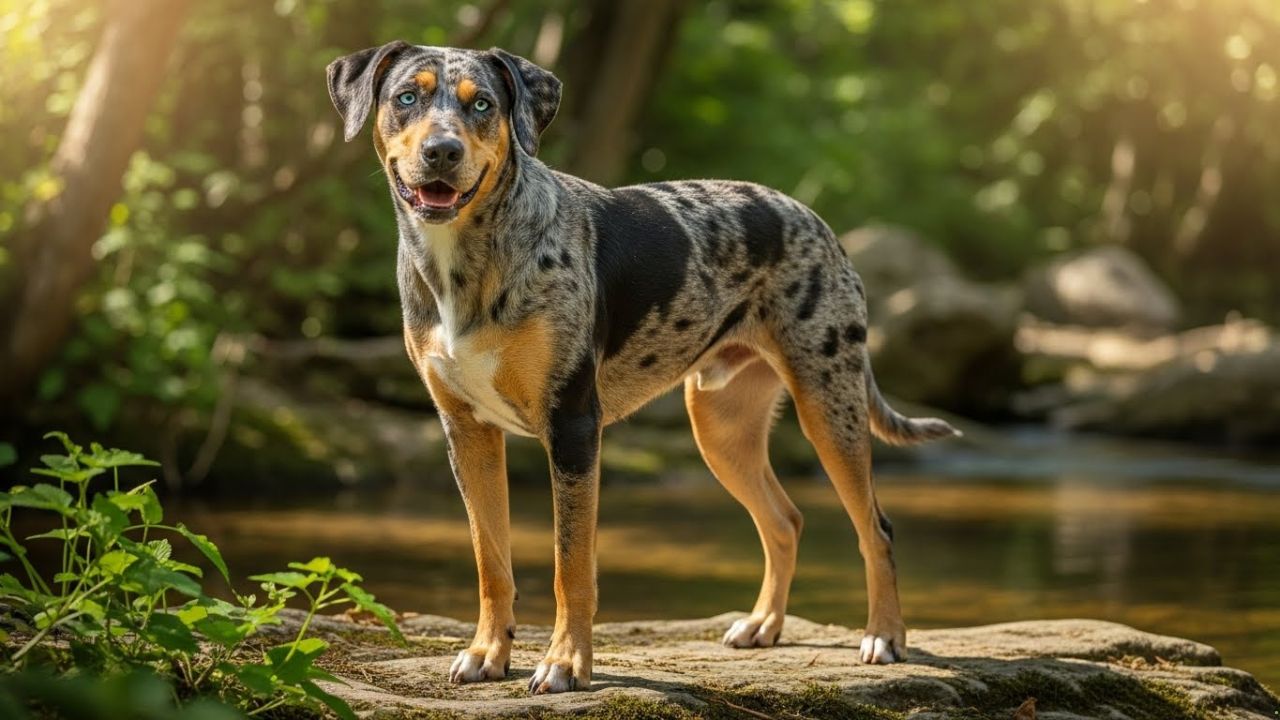
Ever seen a dog whose coat looks like a splash of paint or a tiny galaxy of speckles? Dapple-coated dogs tend to stop people in their tracks, and for good reason. Their unique patterns don’t just make them adorable; they also reveal a fascinating genetic story that gives each dog a one-of-a-kind look.
A dapple coat, also known as merle, appears as a mix of lighter and darker patches, creating that eye-catching, speckled effect. This pattern comes from the merle gene, which partially dilutes eumelanin (the pigment responsible for darker colors). Because of this, merle dogs can show a wide range of coat variations, including classic merle, cryptic merle, and atypical merle.
Ready to meet the stunning dogs who proudly wear this magical pattern?
Fun Fact: The merle gene can influence more than just coat color; it can affect eye color, too! That’s why some dapple pups sport one bright blue eye due to pigment changes.
Best Dog Breeds Displaying a Dappled Coat Appearance
1. Dachshund
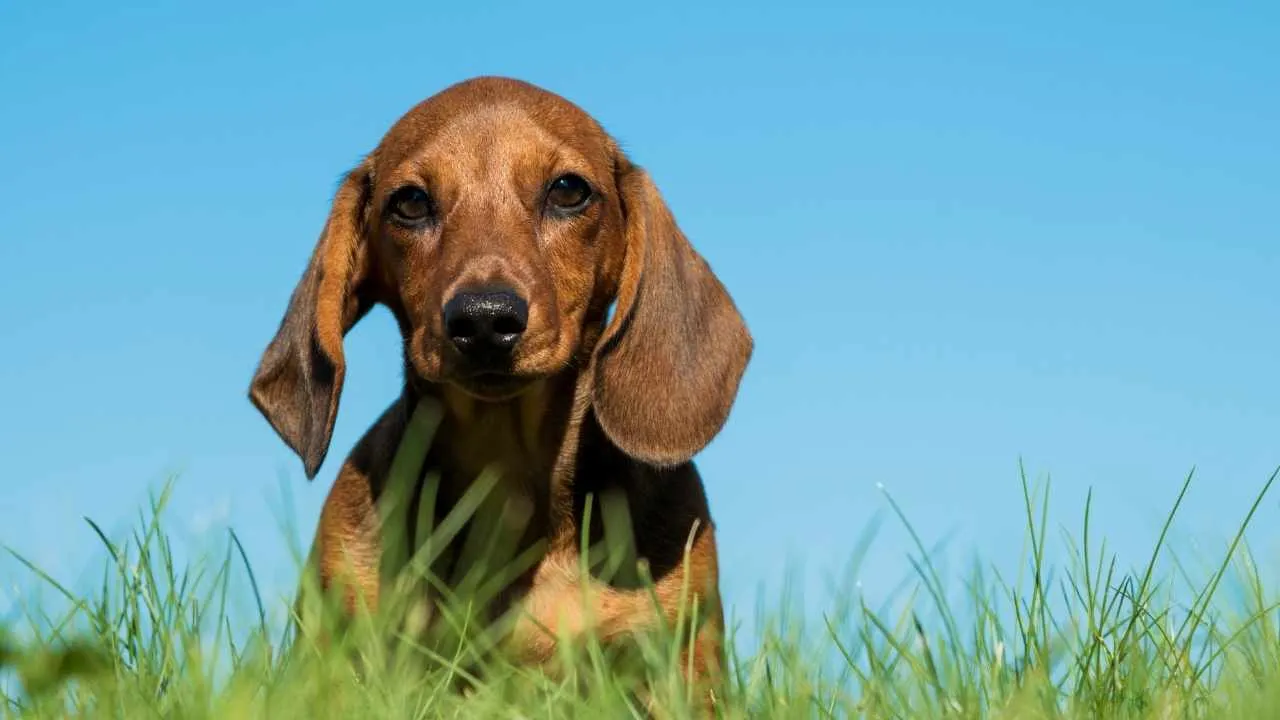
Dachshunds are blessed with three coat types: long, short, and wirehaired. They are most commonly found in tan and black coat colors. However, merle coat happens to occur in all types of coat, which is rare and allowed in this dog breed.
In conformation shows, these dogs score more when they have small but even spots. Merle-coated dachshunds have different eye colors and a combination of two colors within the same eye. Fortunately, this pattern makes them extra beautiful dogs without affecting their vision.
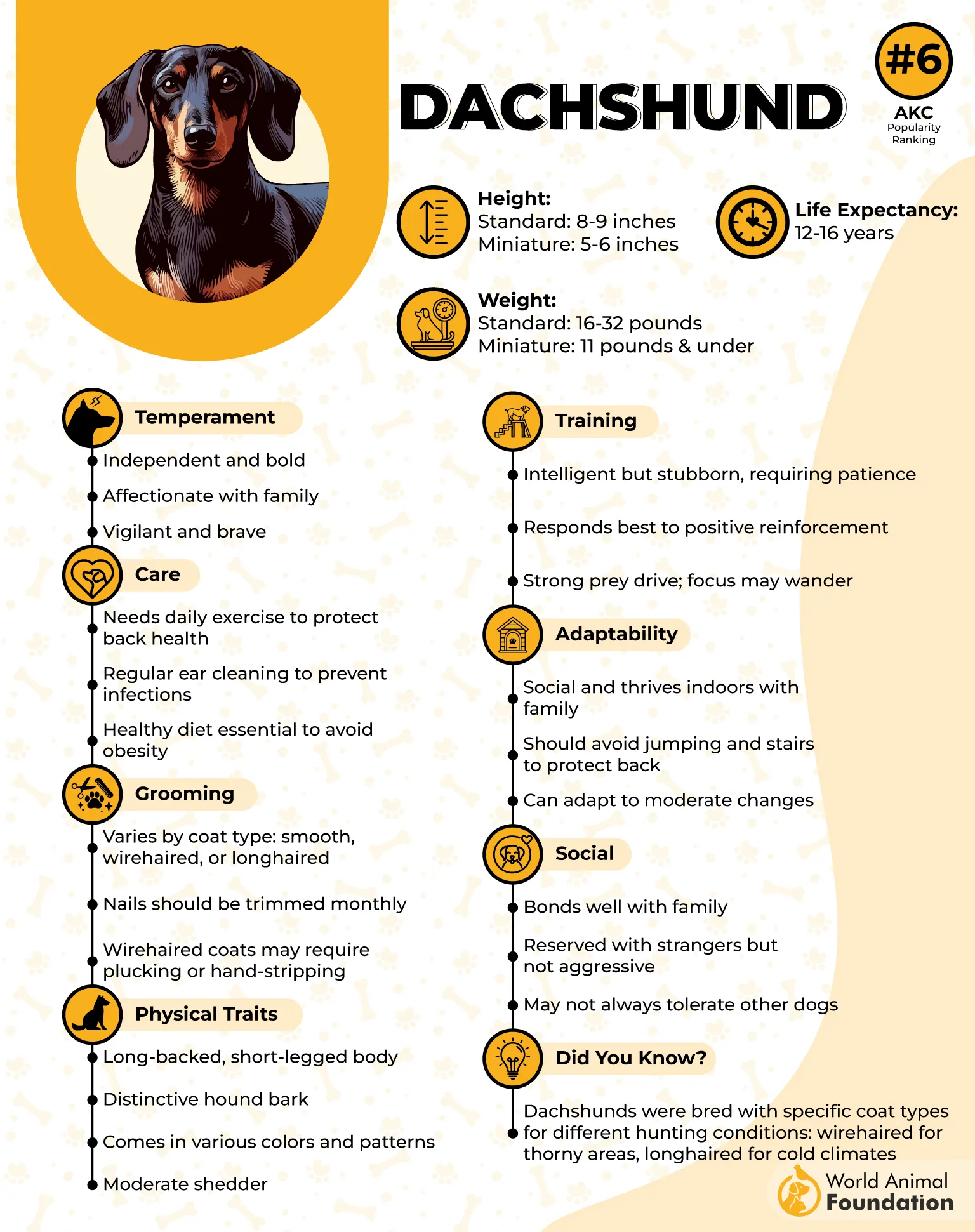
AKC says these friendly dogs with an affectionate nature and alert expressions make fine watchdogs. They are content with daily walks, and more happy to spend time with their owners. Intelligent yet sensitive dachshunds are not easy to train; positive reinforcement methods work best in sessions at an early age.
2. Australian Shepherd
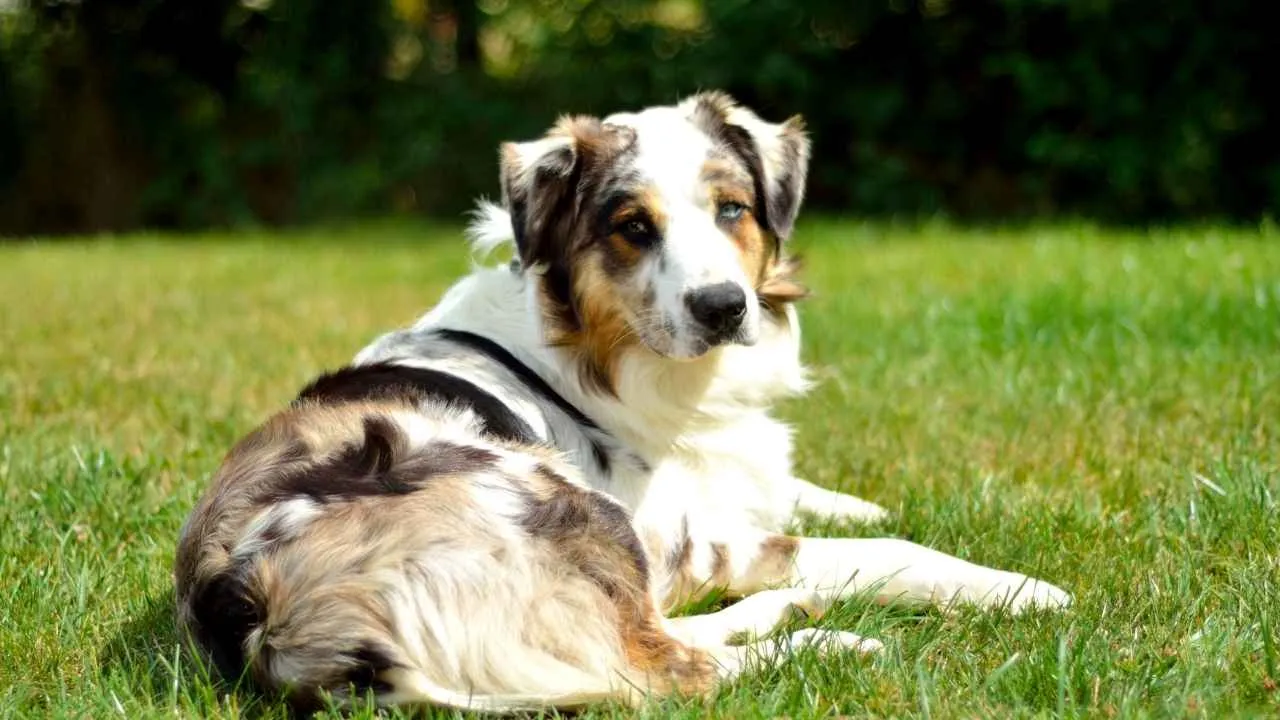
Smart and medium-sized Australian shepherds were originally bred as hunting dogs and are blessed with an agile and muscular build. These loving and loyal canines are somewhat reserved with strangers. Being an energetic dog breed, they enjoy an active lifestyle.
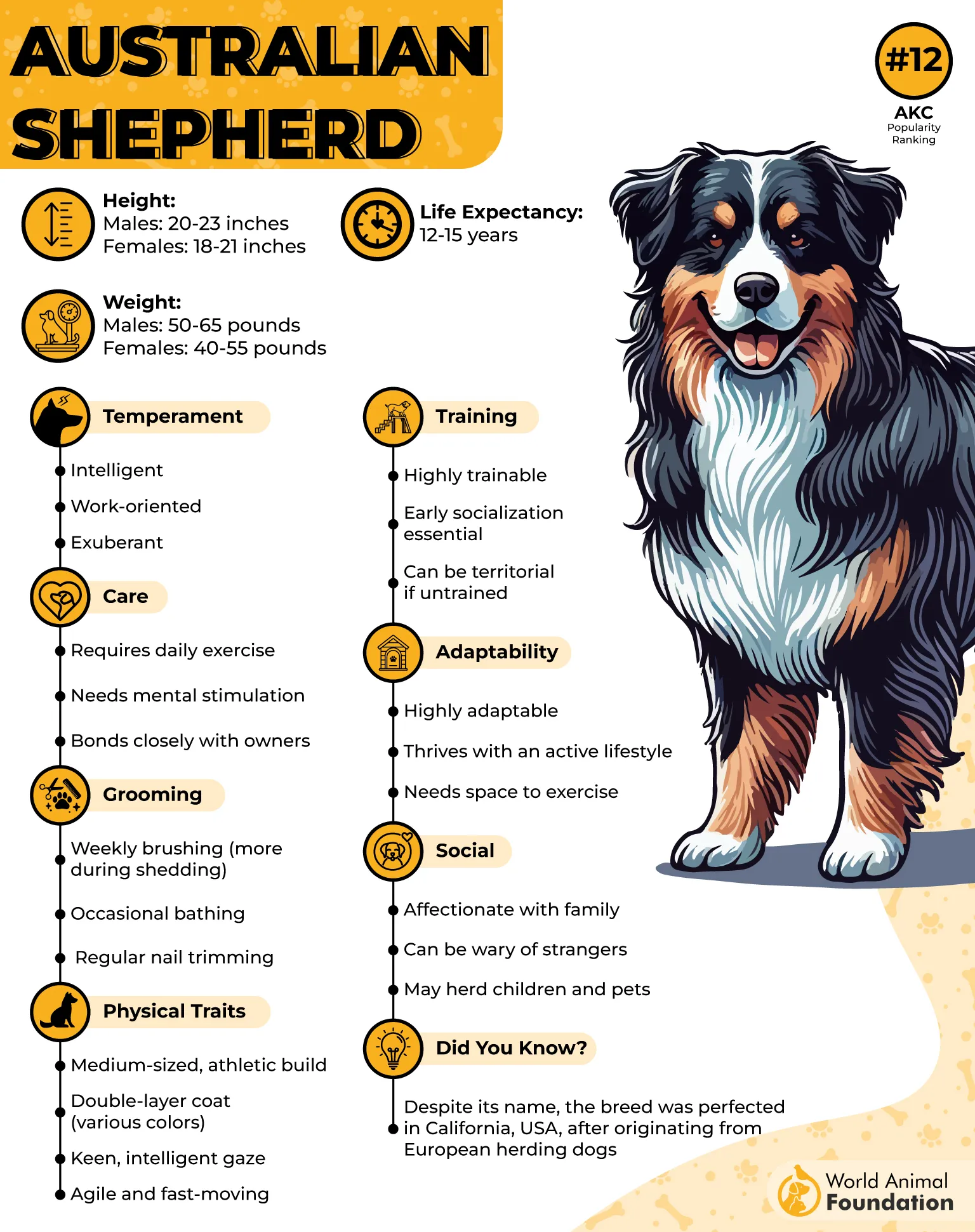
When it comes to their coat, Australian shepherds are one of the breeds that are mostly found in merle pattern. Mostly, this dog breed has markings located at different body sites. Merle Australian shepherd reflects dark blotches against a light coat.
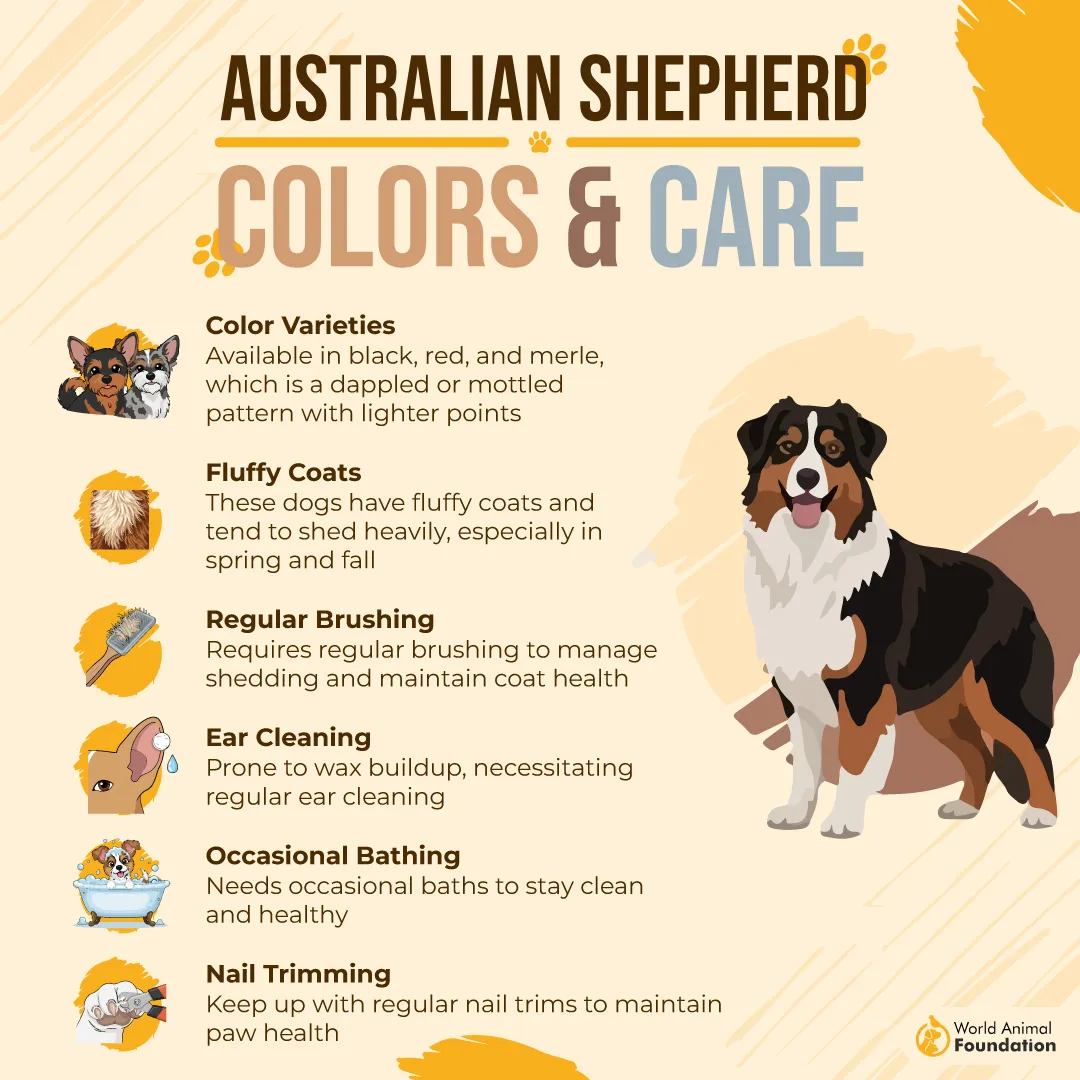
They are mainly in blue merle and red merle, where it does not affect the tan points. Blue merle dog has black patches against a gray coat, and red merle carries a beige background with red patches. The rare thing in this breed is a bicolor coat.
3. Border Collie

You have often seen a border collie in a black and white coat, but here is a surprise: this intelligent and happy-go-lucky dog breed is blessed with a variety of coat colors ranging from common to exotic. They usually come in red, blue, and sable, while, merle coated collie is quite unique.
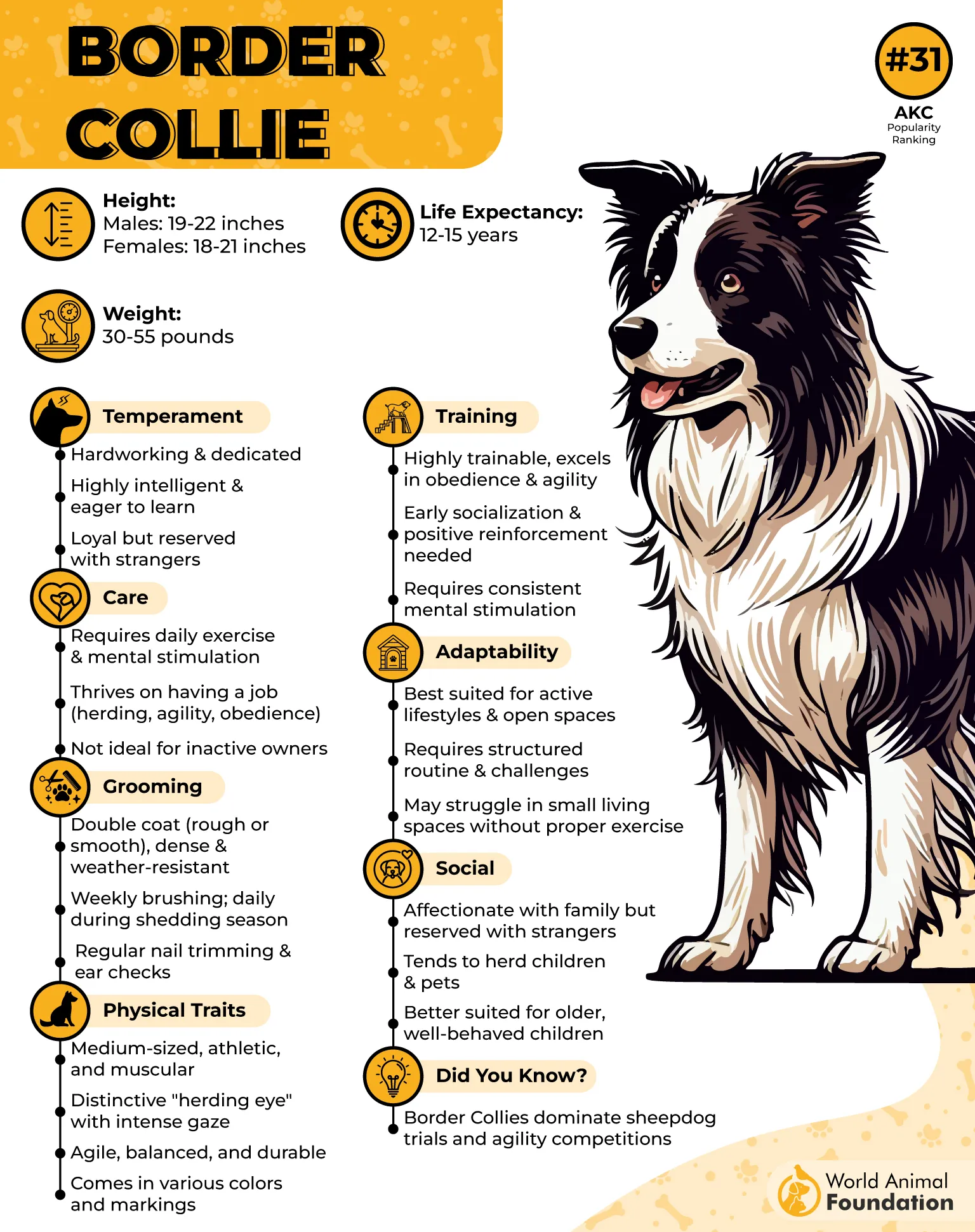
Do not confuse this Collie with the Australian Shepherd, as the Border Collie has erect ears and thin but long fur on the back of the legs, hindquarters, and on the belly. Blue merle Border collie is linked with classic black and white, and this combination is termed slate, and appears to be light gray spotted dogs.
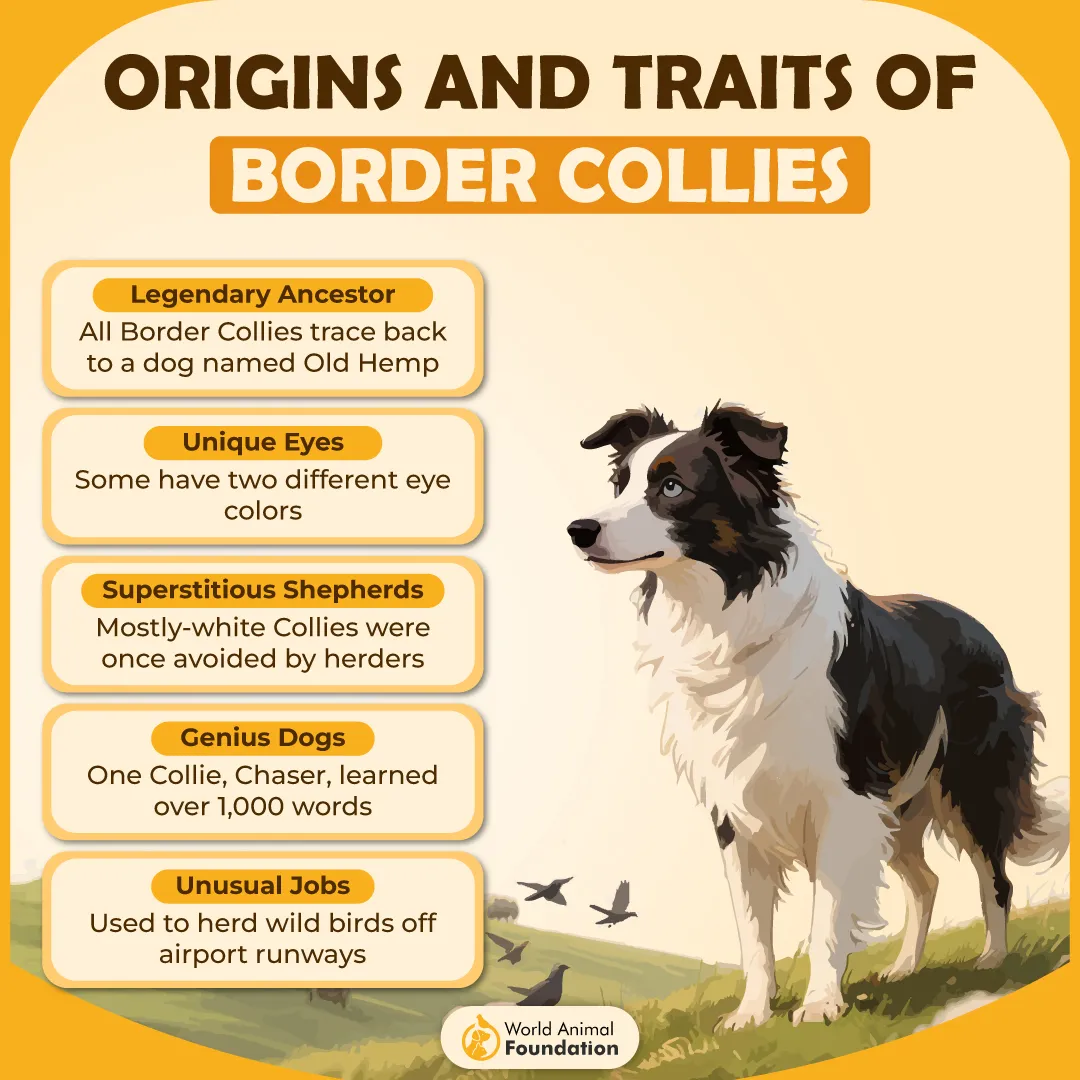
These merle dogs were bred as herding dogs, while some breeders develop them only for their striking appearance. Their big personality, with proper socialization, remains playful and kind around children. Mental stimulation and physical activities are a must to have them as healthy dogs, says PetMD.
4. Catahoula Leopard Dog
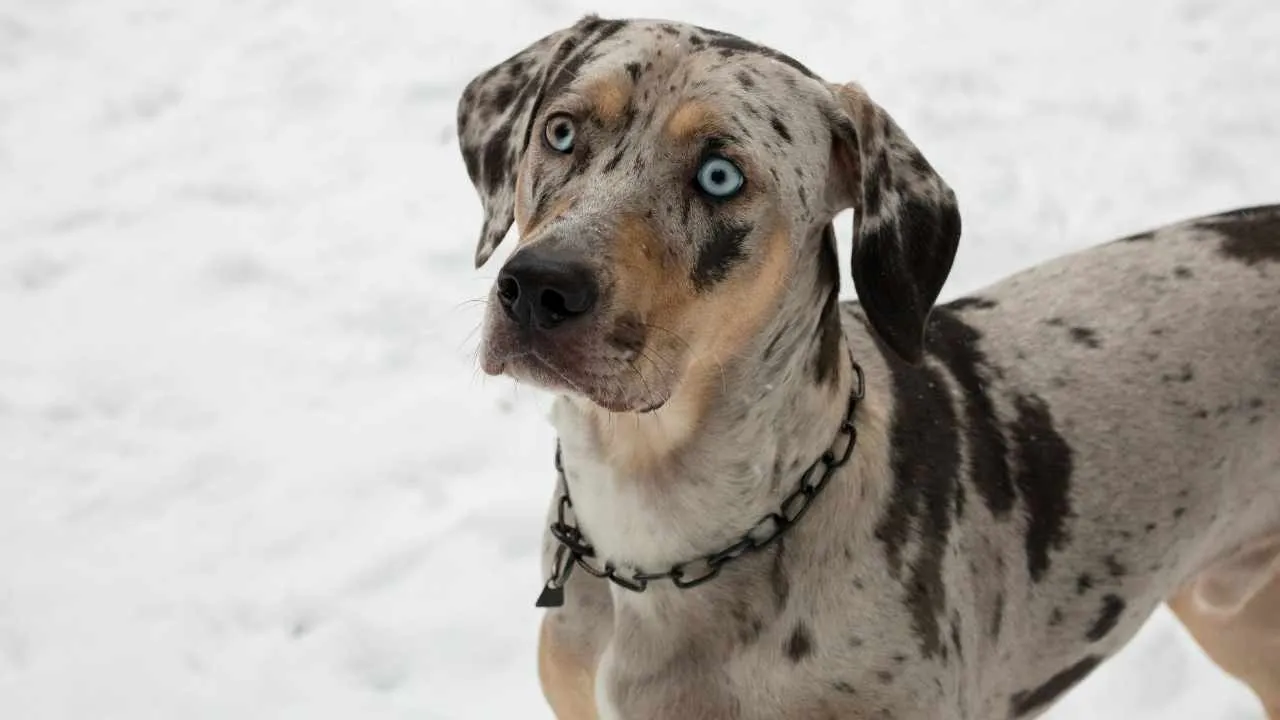
Hailing from Louisiana, this merle dog was used to hunt feral pigs. Despite their attractive looks, Catahoula leopard dog is also celebrated for their work ethic and temperament worldwide. Nature has given them a leopard-like coat, thanks to the dilution of solid colors with the merle gene.
Their merle coat appears only in patches rather than on the whole body. They also have a lot of colors and spots present in different shapes and hues, with and without the merle pattern. Catahoula leopard dog typically present in red merle and blue merle, while chocolate, yellow, and white merle are less common.
These muscular and athletic canines are not a good option for novice dog owners. They need serious exercise on a daily basis, so do not go for their looks only if you do not have enough time for their physical and mental enrichment.
5. Cardigan Welsh Corgi
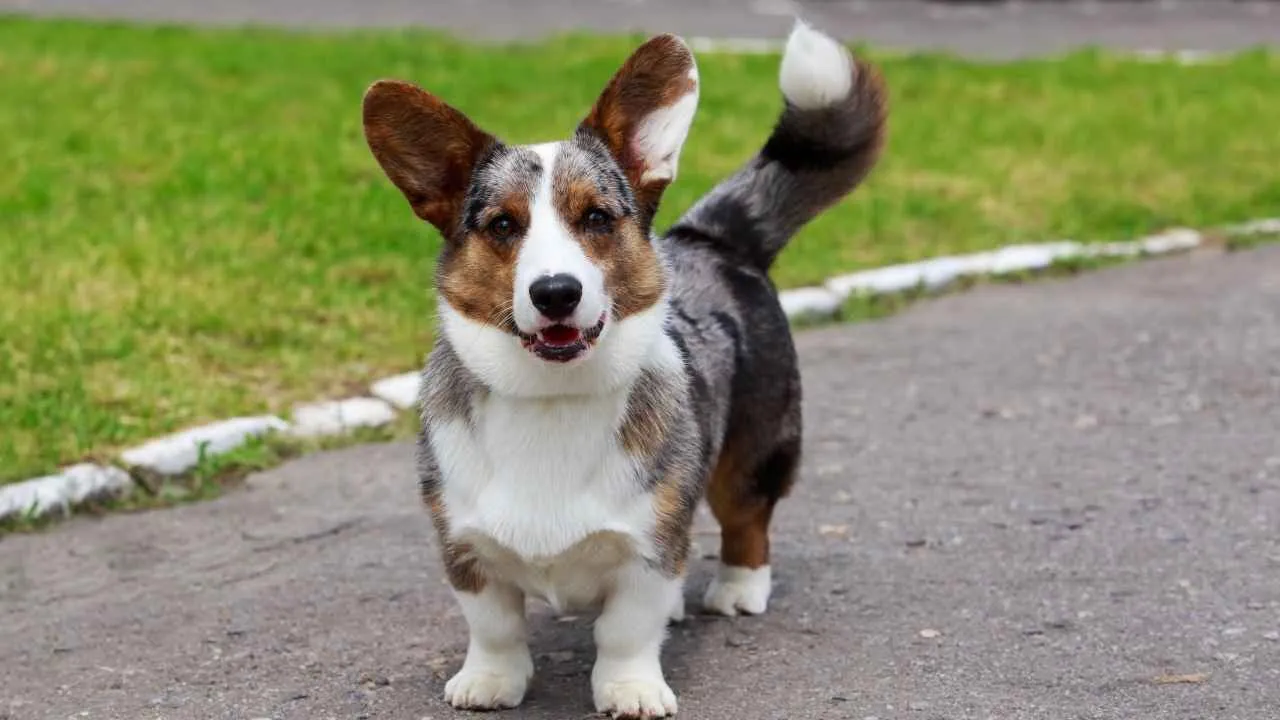
Rich in history as herding dogs, the Cardigan Welsh Corgi has the attributes of intelligence, devotion, and adaptability. Blue merle Cardigan Welsh Corgi has a mottled blue-gray coat with black patches. This dog’s coat has typically brindle, sable, black, gray, or red colors, and the blue merle coat is predominant.
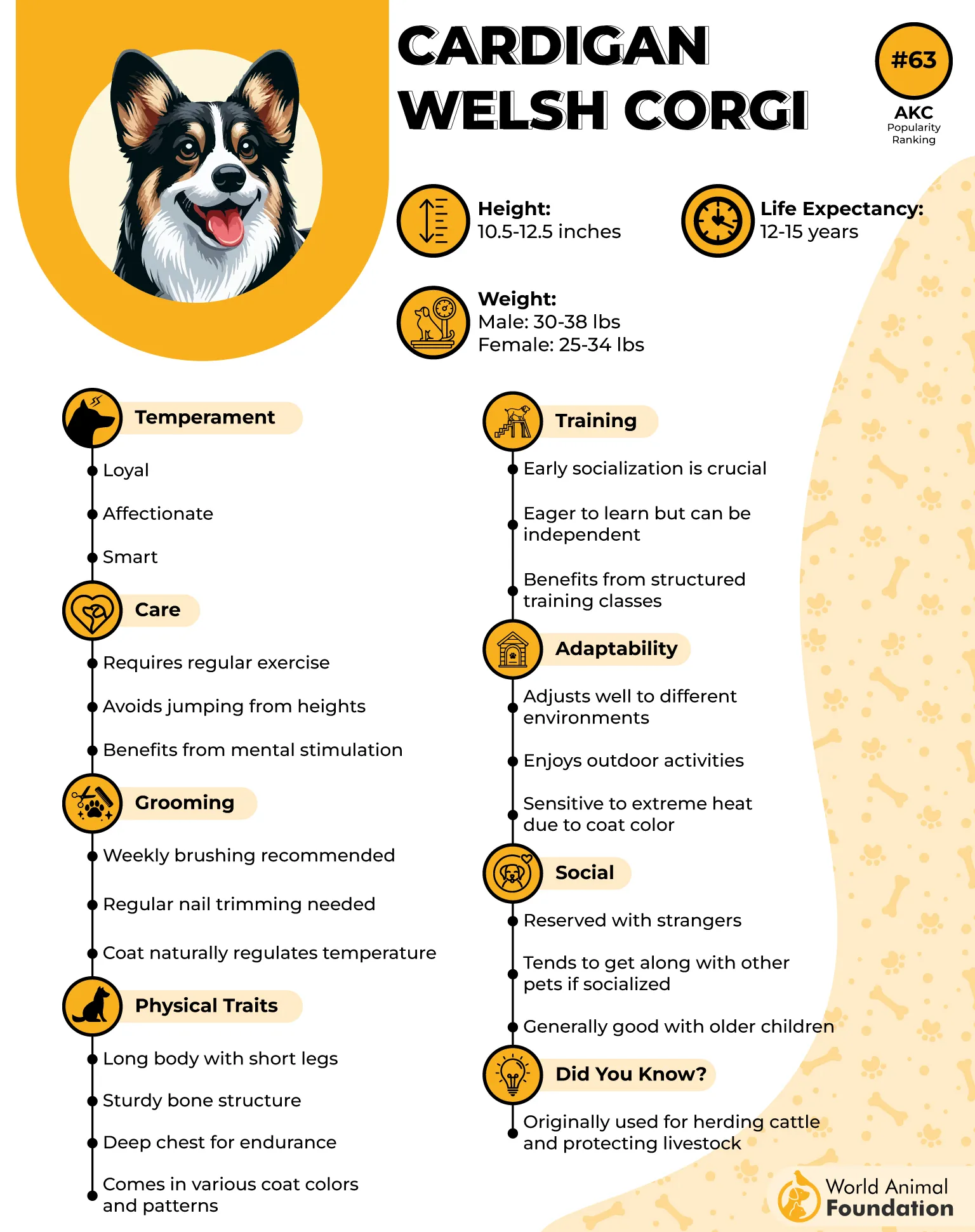
These merle dogs have blue eyes, which is very common in this breed. These dogs have the blue merle gene, which dilutes their eyes, coat, and skin, causing discoloration. This also results in heterochromia in blue merle coated Cardigans, displaying one eye blue and the other dark brown.
These merle dogs make excellent family pets and get along well with kids and other pets with proper socialization. While double merle dogs can happen accidentally, these puppies will have certain health issues throughout their lives. Thus, breeding two merle dogs is unethical.
6. Great Dane
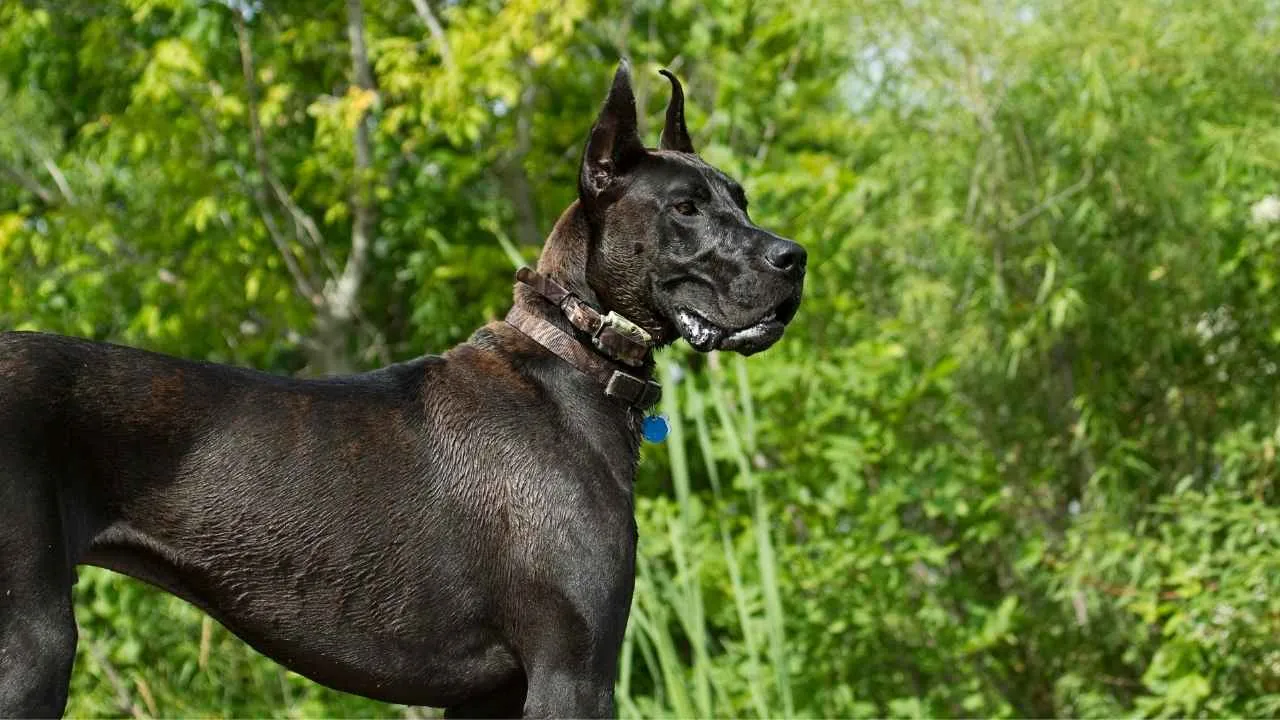
One of the tallest dog breeds, Great Danes are also recognized as gentle giants in the canine world. When the pet parents think of this breed, usually certain coat colors come to mind, such as black, blue, or fawn. These merle dogs typically have a pale to dark gray coat, without any white patches.
White Great Danes are rare to see, as they are developed when the puppies have two merle genes. Unfortunately, these big dogs are prone to many health problems. Therefore, dog owners should purchase them from trustworthy breeders, preferring their health over looks.
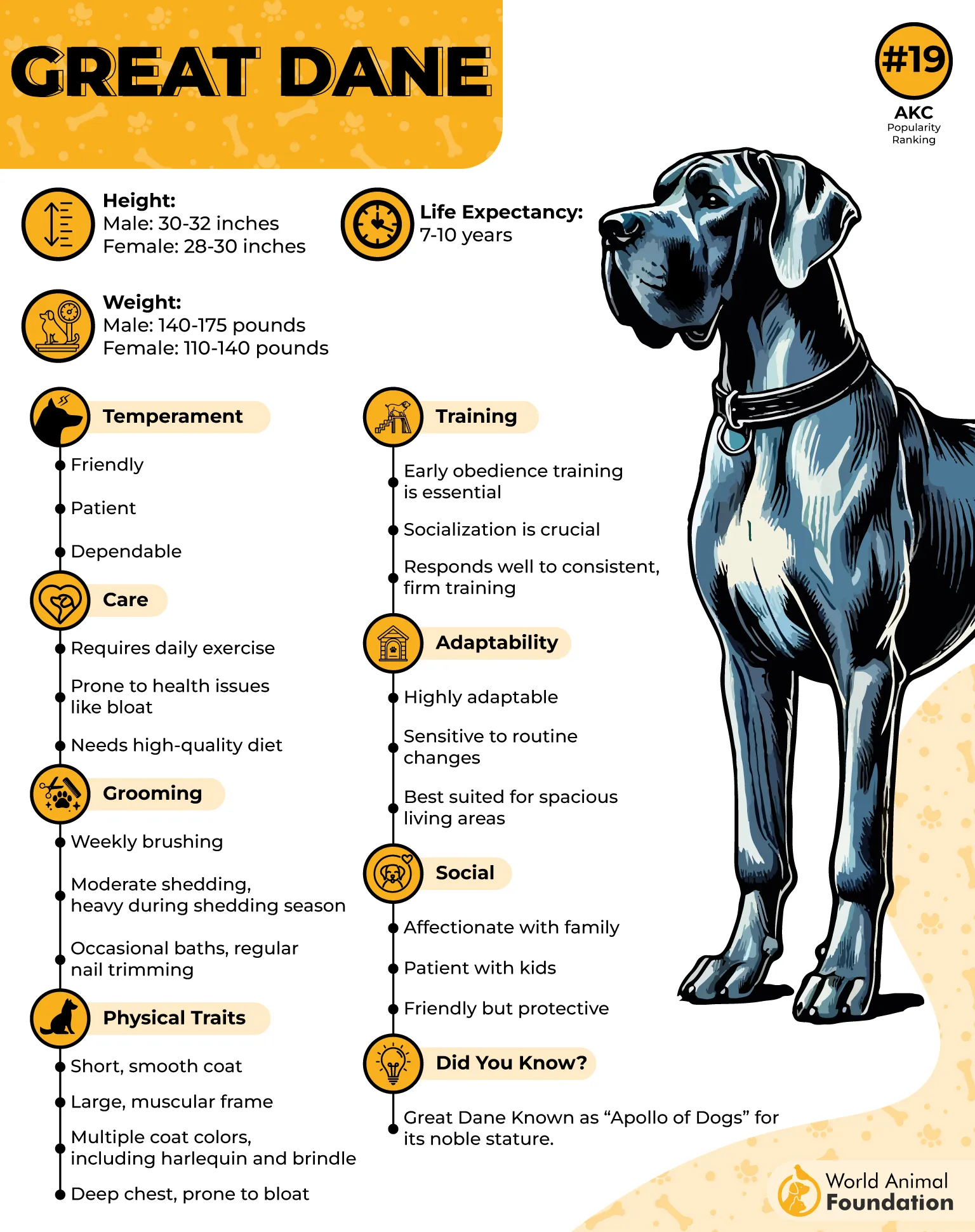
Great Danes excel in agility, hiking, and running, as mentioned by Britannica. Their gentle behavior makes them great family dogs for people of all ages. They also get along beautifully with other dogs and cats in the house.
7. Chihuahua
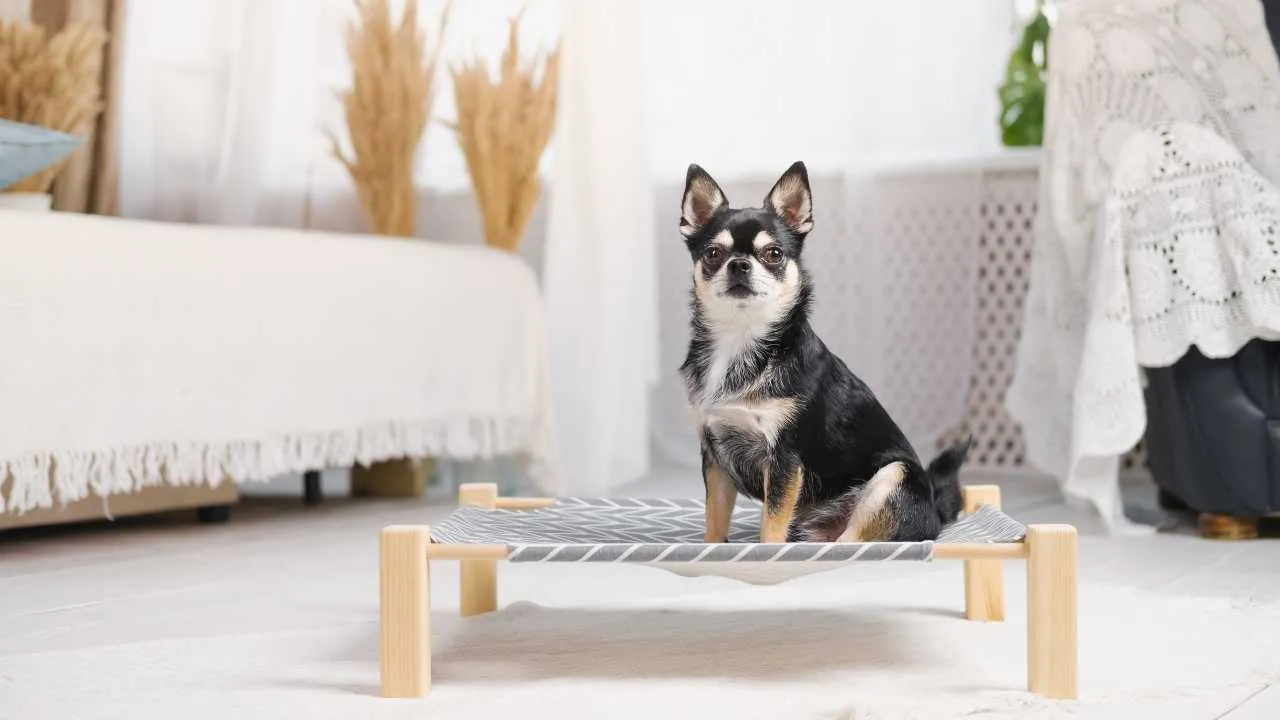
This is one of the smallest breeds also comes as merle dogs, and is highly demanding. All coat colors and coat types of Chihuahuas come with or without merle patterns, including white, red, blue, brindle, sable, and black. However, merle markings are not encouraged in this dog due to their health problems.
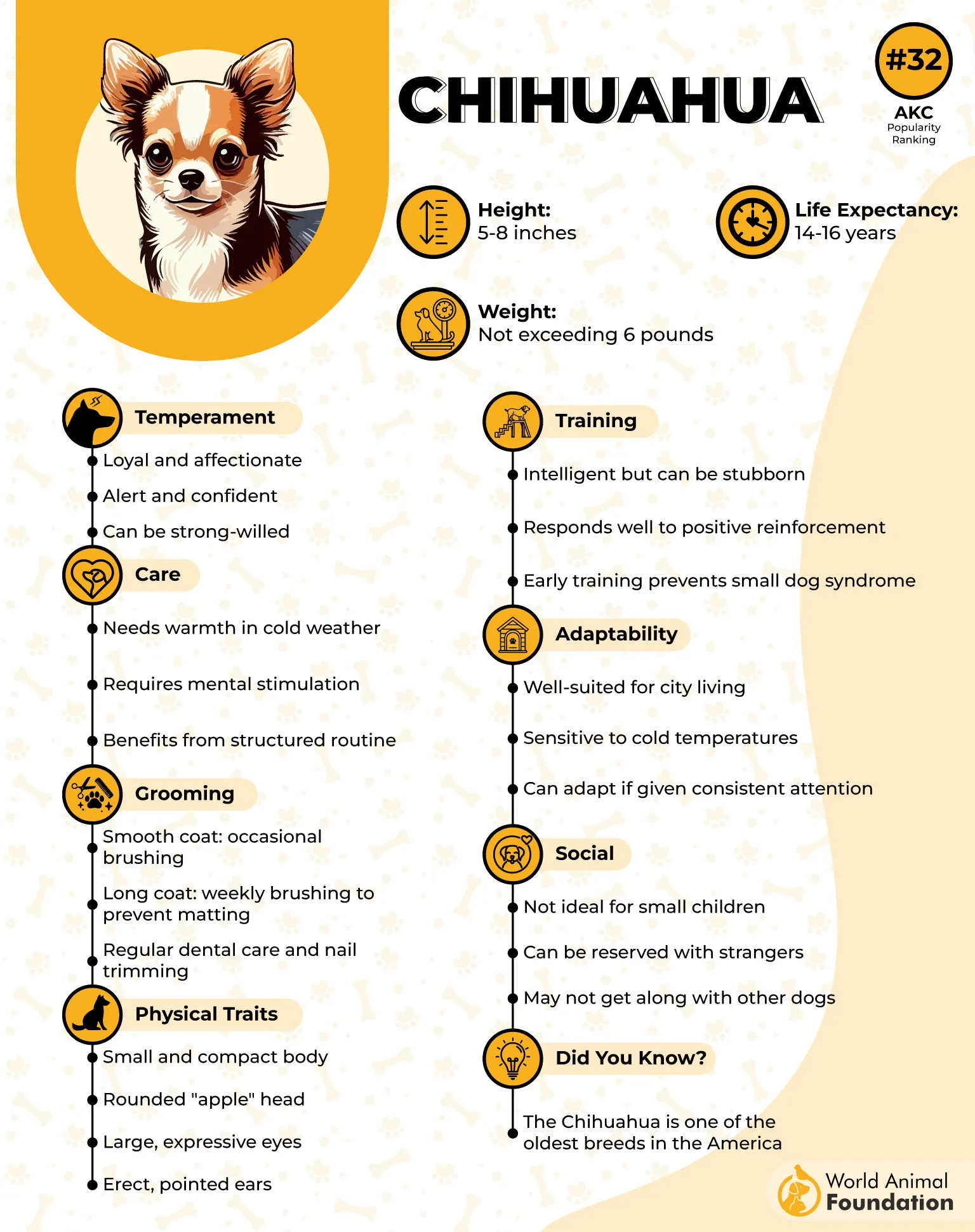
Red merle Chis have patches of brown and copper, while blue merle dogs have black shades. These affectionate and loyal dogs are closely bonded to their beloved humans and make ideal lap dogs. Being small in size, they are also easily carried and can be taken anywhere you want.
Chis are playful and energetic tiny dogs. They need physical and mental stimulation for their better health. They bark at strangers and often think of themselves as large dogs, which is why socialization is crucial for them. Chis also develops separation anxiety if left alone for a longer time span.
Conclusion
A dappled coat, no doubt, is one of the most beautiful and eye-catching things in the world. Meanwhile, it also demands thoughtful understanding. Dog owners should know the genetics behind the merle gene, which will help them in the future with care, health, and ethical breeding of their furry friends. Sometimes, pet owners wish to pair two merle dogs together, but it is very dangerous, increasing the risk of hearing and vision problems in the pups.
