




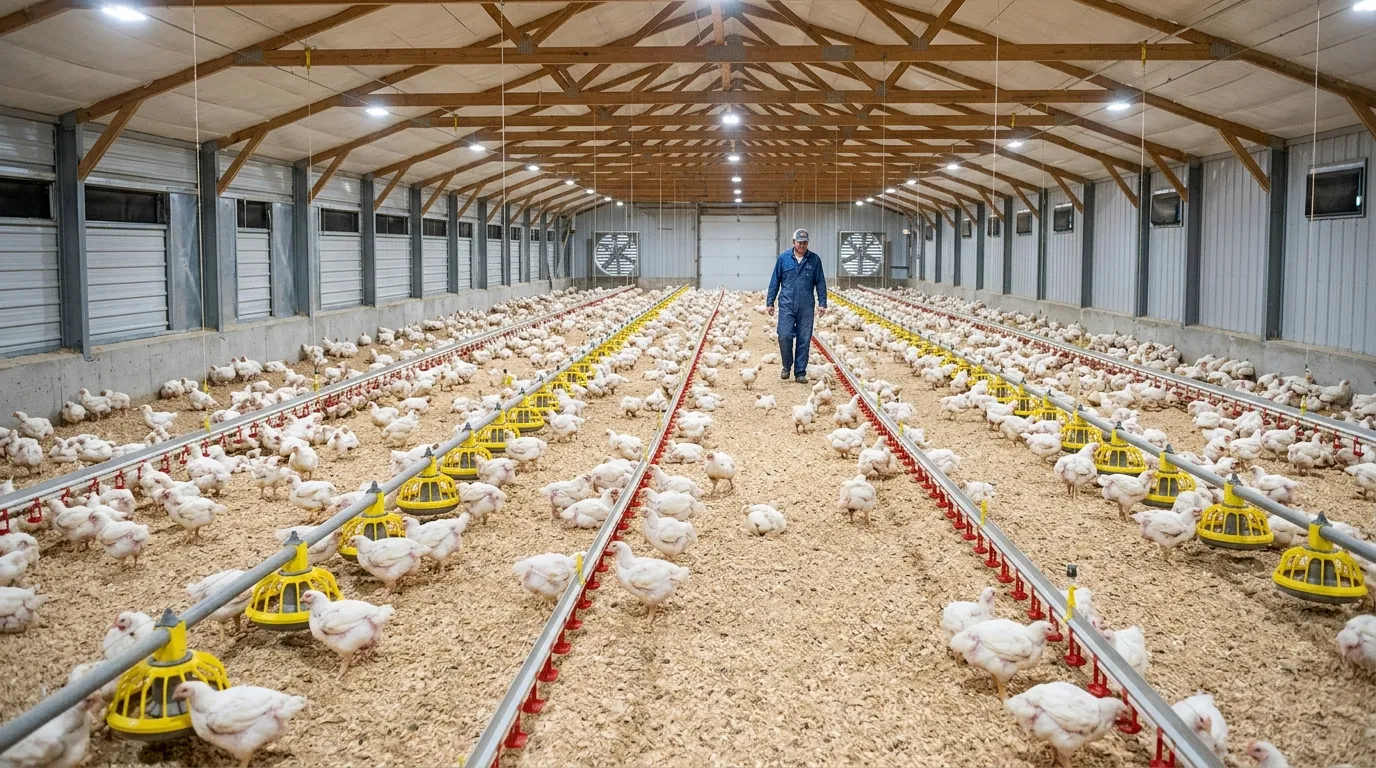
If you are a chicken fan, then Georgia is the place to go, as this is the state that produces the most chickens out of all the US states.
Georgia is followed closely by Alabama and Arkansas.
I found it quite mind-boggling that one state could raise so many millions of chickens. Curious about just how it’s done, I set off to investigate the Georgia chicken production network.
Georgia, among other states, is one of the top producers of broiler meat, eggs, pullets, or day-old chicks. Between Georgia and other states, several billion pounds of meat are produced.
Key Stats at a Glance
- Georgia produced the highest number, 1.4 billion, of chickens
- Alabama comes second on the list with 1.2 billion chickens
- One billion chickens were produced in Arkansas
- The US had an estimated 520 million chickens
- Globally, China produced the highest amount of chicken meat at 15.6 million
- Iowa produced 13.5 billion eggs in the US
What State Produces The Most Chickens
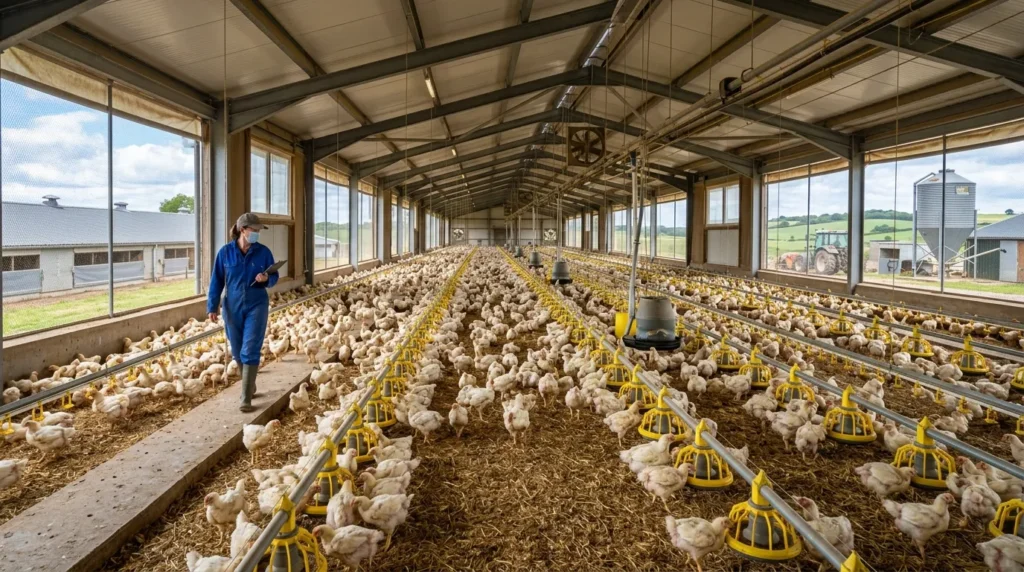
- According to Stats for 2024, the highest number of chickens was produced in Georgia, with 1.4 billion chickens. So, there’s a good chance the chicken you eat at restaurants or buy from grocery stores comes from Georgia.
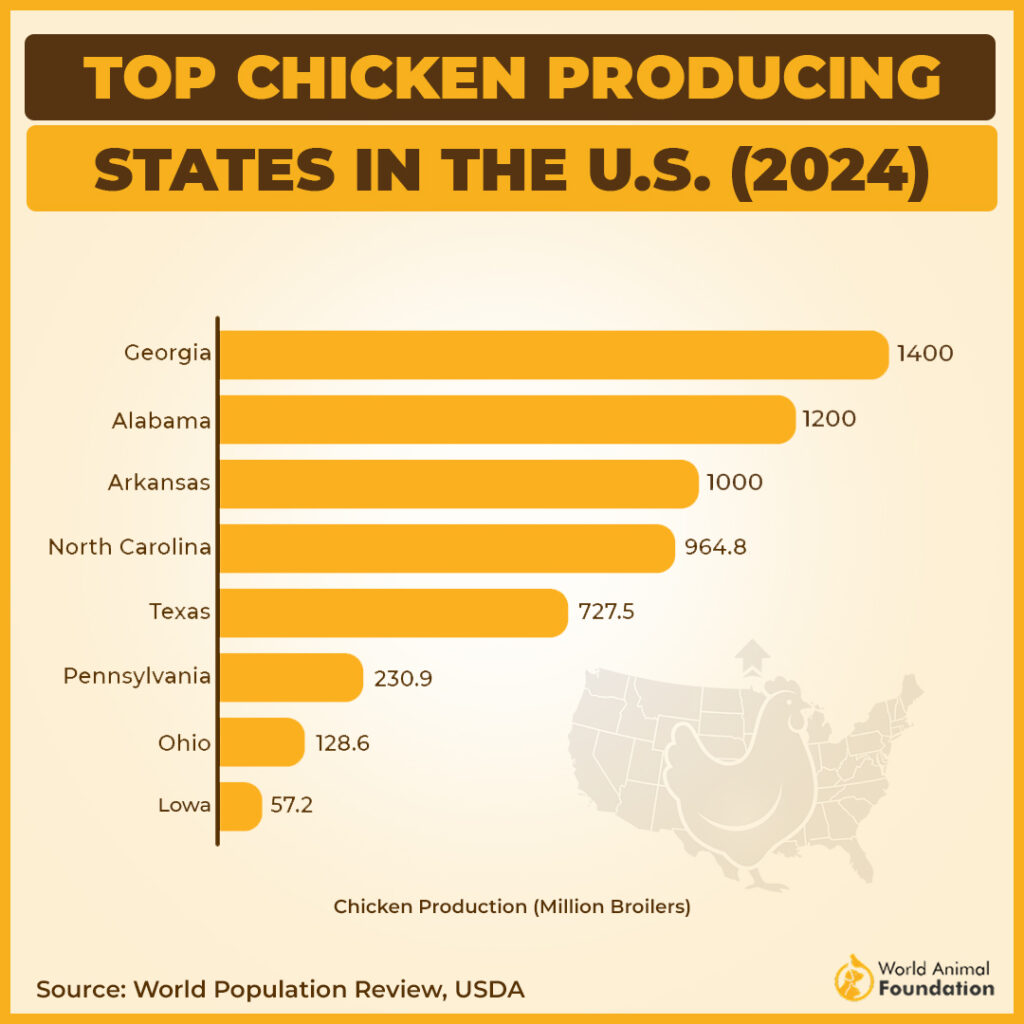
- Alabama comes second on the list, with 1.2 billion chickens being produced annually. These states contribute greatly to meeting the US need for affordable protein and food.
- One billion chickens were produced in Arkansas. Poultry is the state’s top agricultural industry, making up more than 50% of its total farm income and consistently ranking among the leading states in broiler production.
- North Carolina produced almost 964.8 million chickens in 2024. North Carolina is also the second-largest turkey-producing state in the country, raising more than 29 million turkeys each year.
- Texas ranks 5th in both broiler (meat chicken) production and egg production in the U.S. In Texas, 727.5 million chickens were produced. The state processes more than 60 million chickens each month, totaling about 4.92 billion pounds of chicken meat.
- During 2025, the total number of layers in the United States averaged 365 million, marking a 3 percent decrease from the previous year.
Chicken Producers
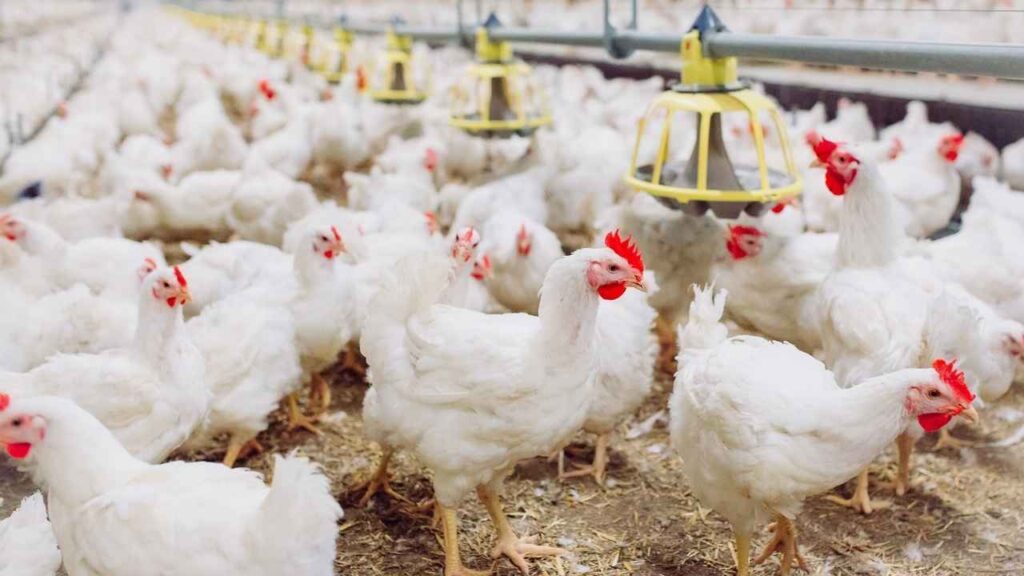
- According to the USDA, in 2025, the United States had an estimated 520 million birds (excluding commercial broilers), down 1 percent from last year.
- In the USA, Georgia produces the highest number of chickens. In some towns, chicken farming is so important that even “poultry” is included in the town’s motto.
- In 2025, China produced the highest amount of chicken meat at 15.6 million.
- China produced 35,880 kt of eggs in 2024. China is ranked as the world’s largest producer of chicken eggs, followed by the US. Due to avian flu outbreaks, China’s domestic chicken meat production didn’t increase as rapidly as demand has, and China is the US’s third-largest importer of chicken meat.
- In 2025, the second greatest chicken meat producer is Indonesia, with 3.4 billion broiler chickens.
Top Broiler Producing States
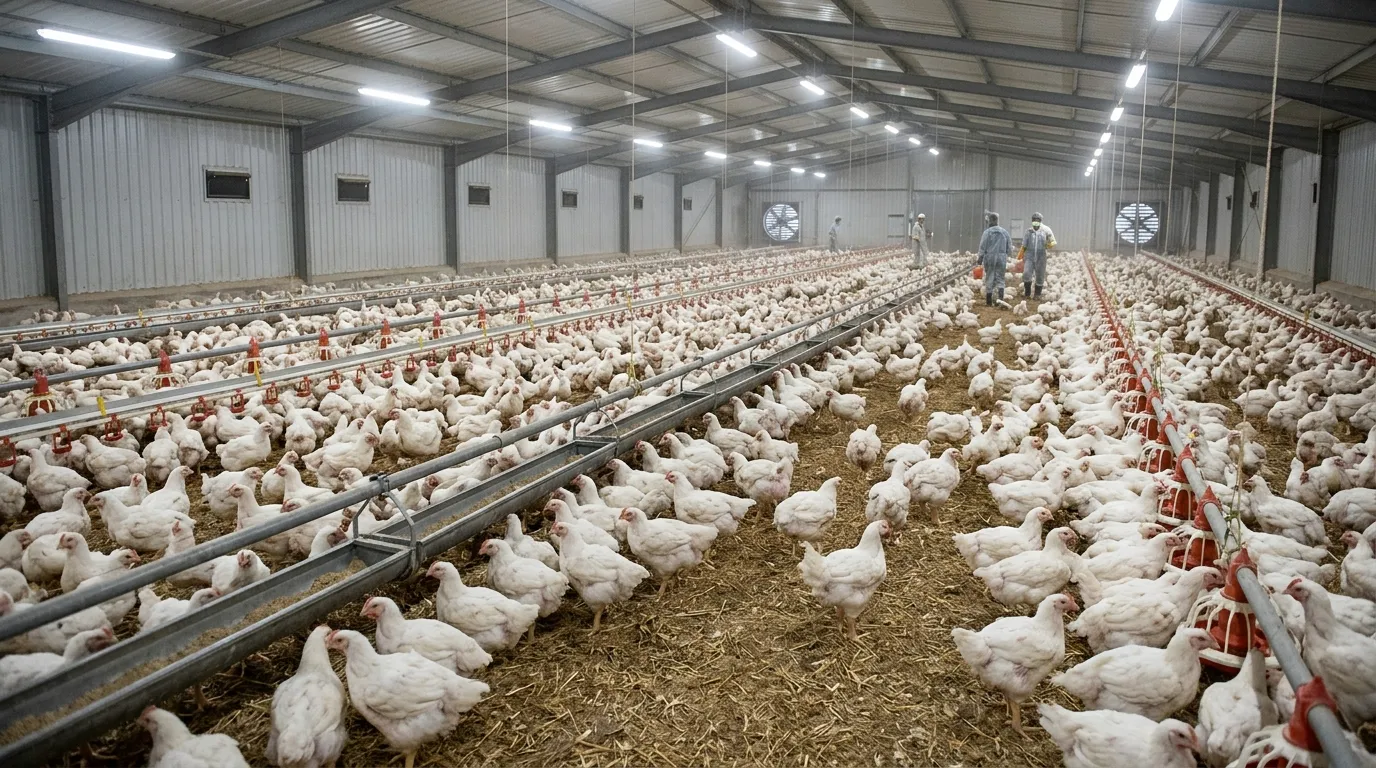
- The US produces the highest number of chickens for meat in the world. The US exports about 17% of its broiler chickens as meat to the rest of the world.
- Georgia stands out as the nation’s largest broiler producer, generating 1.3 billion birds—representing 21 percent of the Southeast’s total broiler production.
- The World Population Review stats for 2024 revealed that Georgia, Alabama, Arkansas, North Carolina, and Mississippi are the top broiler-producing states in the US.
- According to the Georgia Encyclopedia, since the 1940s, the Peach State has seen significant growth in its broiler chicken industry. Georgia farmers began chicken farming in earnest from 1939 to 1950, with chicken farms increasing from 57 to 1,044. Production of broiler chickens rose to over 11.8 billion pounds by 1995.
What State Produces The Most Eggs
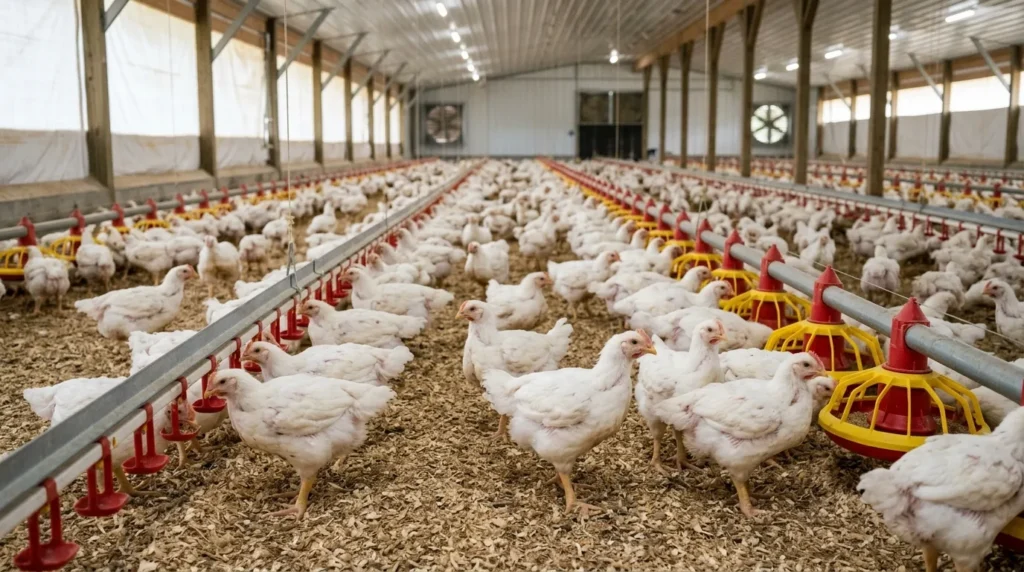
- USDA reports that Iowa leads all 50 US states in egg production, with 1,125,466.5 thousand dozen (~13.5 billion eggs) produced by the end of 2025. Iowa produces 12.9% of total U.S. production, which means it’s likely that every person in the US will have eaten an egg from Iowa, and the state’s economy is based on agriculture.
- Ohio is in second place with 928,749.9 thousand dozen egg production.
- Indiana, with 890,600.1 (1000 dozens) egg production, is in 3rd place.
- According to the USDA, Iowa produces the highest number of egg-laying chickens, which is 44,404,000.
- According to Statista, around 44.4 million chickens in Iowa are utilized for egg production. Iowa’s egg production is so vast that it can supply enough eggs for the entire world to have one egg per day for two days.
- On average, one hen lays one egg per day, though this applies to special breeds of chickens that are bred to lay eggs. Specialized feeding, mechanized systems to turn lights on and off at preset times, and hormone treatments are often used to ensure a layer hen produces an egg a day for her short one to three-year lifespan.
How Chickens Are Big Business
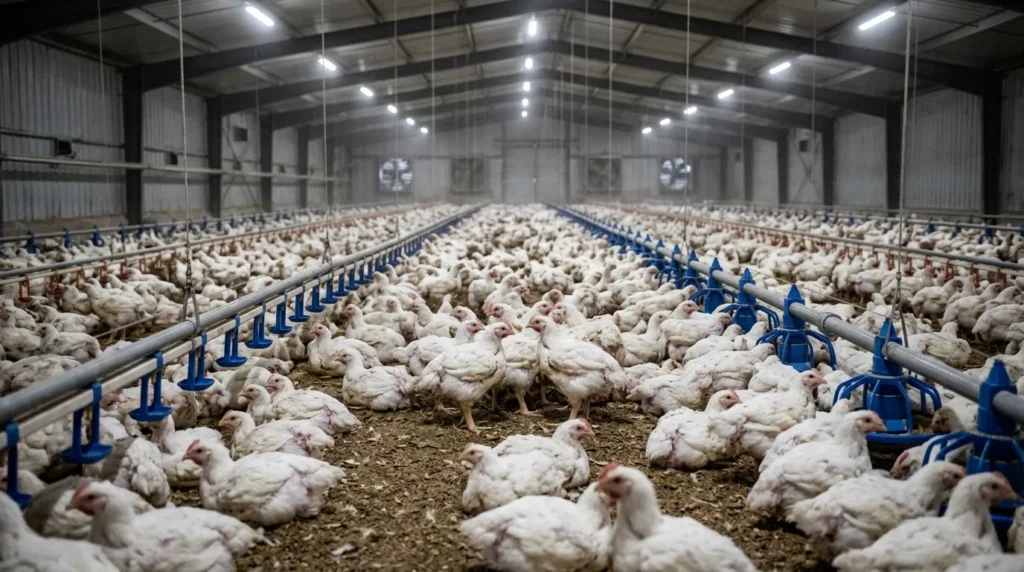
- Since 1990, chicken consumption for meat has increased by 70%, compared to the demand for beef and pork, which has remained relatively unchanged since the 90s. Chicken meat remains a popular choice due to the low cost per pound when compared to other animal proteins.
- Despite the recessions, Avian flu pandemics, and the loss of millions of birds that had to be culled, the world still wants more chicken—even though chicken has increased in price by 17%.
- The value of broilers produced during 2024 was $45.4 billion, up 6 percent from 2023, according to the NASS USDA report.
- The cost of each chicken in 2024 was $4.96, as per USDA data.
- In 2025, broiler chicken was the most eaten meat in the United States, with about 103 pounds consumed per person. This number is expected to rise to around 113.3 pounds per person by 2035. A sad reality is that Americans didn’t always eat as much chicken as they do now. Large events like the Super Bowl, which required the slaughter of 1.48 billion birds (for their wings and legs alone), show the insatiable appetite that Americans have for chicken meat.
- Stats for 2022 revealed that US citizens consumed 98.8 pounds of chicken per capita on average. Americans have increased their consumption of chicken per person per year from 47.4 pounds in 1980 to almost 104.5 pounds in 2025. This is more than double the amount consumers ate 40 years ago. The demand for chicken is not only high but also increasing, with chicken being imported to the US to meet meat consumption needs.
- In November 2025, a report from the Bureau of Labor Statistics showed that prices for meat, poultry, fish, and eggs went up. The price index reached 338.615, which means these foods were 5.2% more expensive than in November 2024.
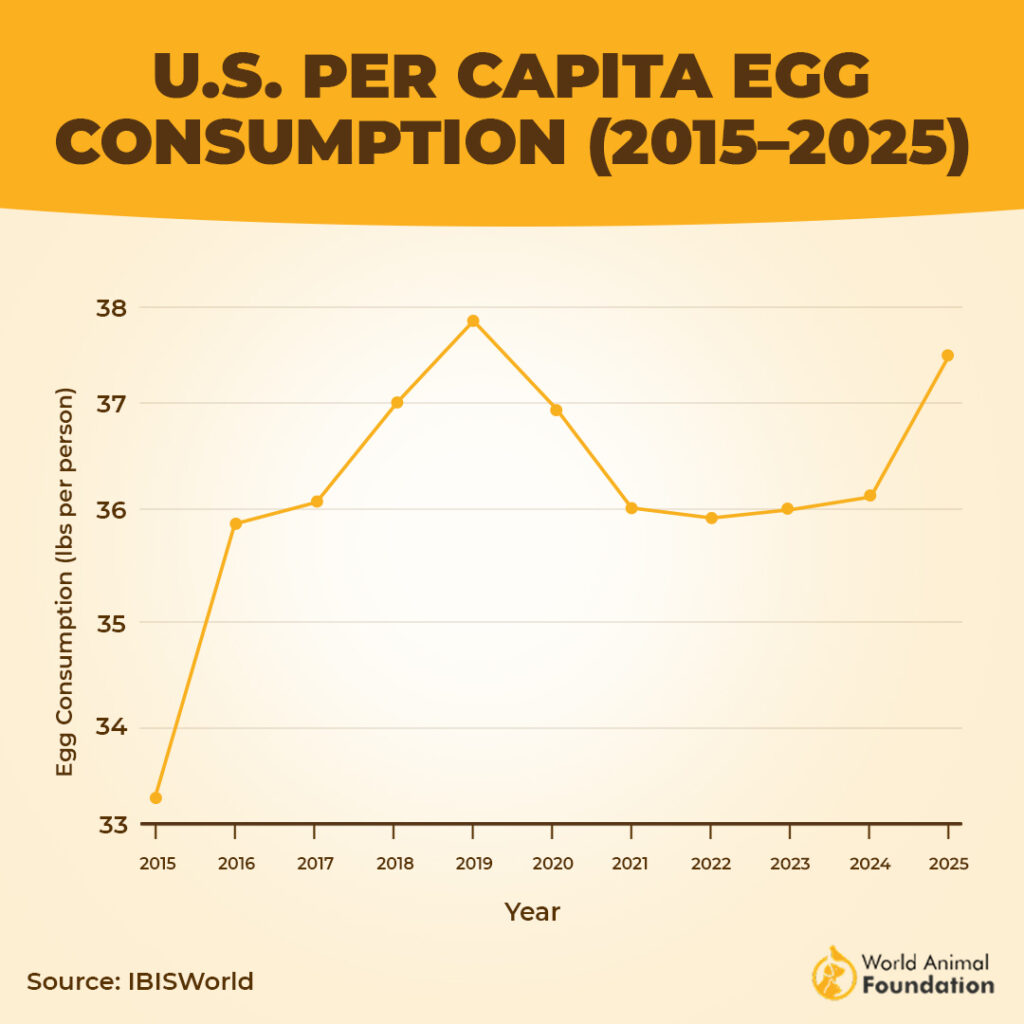
- The consumption of chicken eggs per person in 2025 was 37.5 pounds, reflecting a 3.6% increase from the previous year. These are not all the eggs in the US, as table hens produce table eggs. Laying hens produce fertilized eggs that are hatched in mechanical hatcheries, which hatch as pullets or day-old chicks that are sold to be raised in battery cages.
- USDA data predicted that in 2026, the egg consumption per person would rise to 37.6 pounds.
- Poultry consumption will slowly rise, reaching 119 pounds per capita by 2026. In 2025, the per capita consumption of poultry in the U.S. was around 117.3 pounds.
- Iowa alone contributes $229 million annually to the country’s economy with egg production. By producing almost 13.4 billion eggs each year, Iowa adds $2 billion in sales to the US economy. These sales equal $22.8 million in tax revenue, while $502 million is paid in wages to 8,000 workers in the industry.
- 124,354 people were employed in the US Chicken Egg Production industry in 2025. Employment grew 16.1% on average over the five years between 2020 and 2025.
- The chicken egg production industry revenue in 2024 was $21 billion. From 2023 to 2024, the market size of the Chicken Egg Production industry in the US has experienced an average annual growth of 17.7%.
- U.S. households are spending much more on eggs than before. In 1986, families spent around $30 a year, but by 2024, that number had grown to over $100.
- Yearly spending on eggs also increased from about $12–$15 in the mid-1980s to nearly $60 in 2024—about four times higher.
- Prices for meat, poultry, fish, and eggs have increased sharply. The CPI rose from a base of 100 in the 1980s to 345.9 by March 2026—meaning costs have more than tripled.
FAQs
How Many Chickens Are There in the US?
In 2020, the US raised 9.22 billion broiler chickens, with around 1.2 billion alive at any moment, given their 42-day lifespan. Including 374 million egg-layers, the US had about 1.5 billion chickens in total.
What State Produces the Most Chicken?
Iowa is the leading state in the United States for chicken production, particularly broiler chicken production. It’s renowned for its significant contribution to the poultry industry, consistently ranking at the top in terms of volume.
Final Thought
The world is certainly more populated by chickens than by people. Statistics rate that there are four chickens per person on Earth.
Most of the chicken meat on earth is produced in a shockingly small space within each of the factory farms found in the US. Likewise, egg production happens in a system of battery cages, where chickens are raised as commodities that produce eggs at unnatural rates, laying an egg a day.
The world craves cheap protein from animals, and chickens are cheap to raise at less than $4 a bird while being sold for much more per bird.
I was quite surprised by the staggering numbers of eggs and chickens produced in the world and in the US.
Among broiler chicken producers, the leading chicken-producing states have established themselves as top chicken meat producers, with Iowa standing out as the greatest chicken meat producer. Additionally, the number of eggs produced by egg-laying hens further cements these states’ dominance in both the poultry meat and egg industry sectors.
However, it also brings a huge burden to inspect chicken-raising facilities and ensure that animals are kept and slaughtered humanely.
