




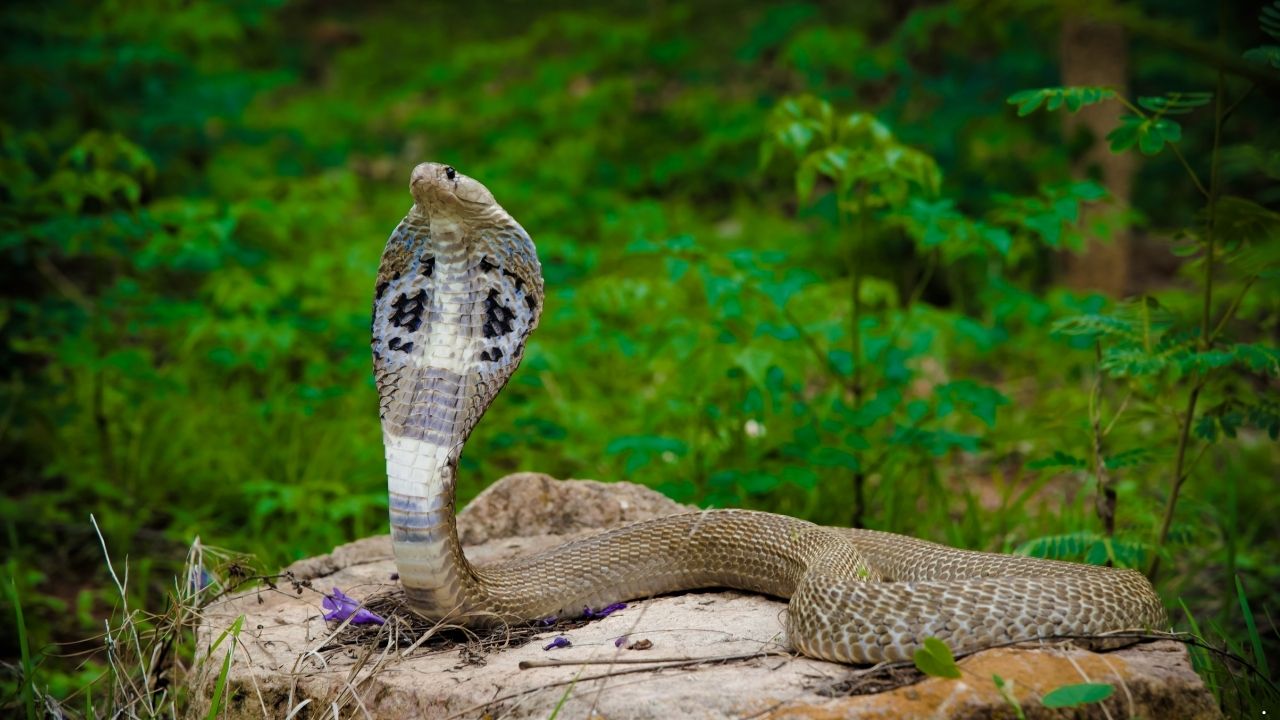
When it comes to longevity, snakes can be surprisingly enduring. While many reptiles have modest lifespans, certain snake species can survive for decades, defying expectations and thriving long after their peers have passed.
Their impressive lifespans make them fascinating subjects for researchers, herpetologists, and enthusiasts alike. Longevity in snakes often depends on a combination of genetics, habitat, diet, and care (for captive species). Some species are naturally slow-metabolizing, conserving energy and reducing wear on their bodies.
Others avoid predators effectively through camouflage, venom, or habitat choices, which contributes to longer lives. In captivity, proper nutrition, controlled environments, and veterinary care can further extend their years.
These long-lived snakes aren’t just remarkable for their survival—they offer insight into evolution, resilience, and adaptability. Observing such species allows us to study behavioral patterns, growth, and reproduction over many years, offering a rare glimpse into long-term reptile biology.
Join us as we explore the snakes that truly stand the test of time, living decades with grace, cunning, and survival instincts that never waver.
Fact: Some species, like ball pythons and certain boas, can live 20–40 years in captivity with proper care—demonstrating that snakes can be long-term companions and survivors in the wild.
7 Snakes That Can Survive for Decades
1. Ball Python
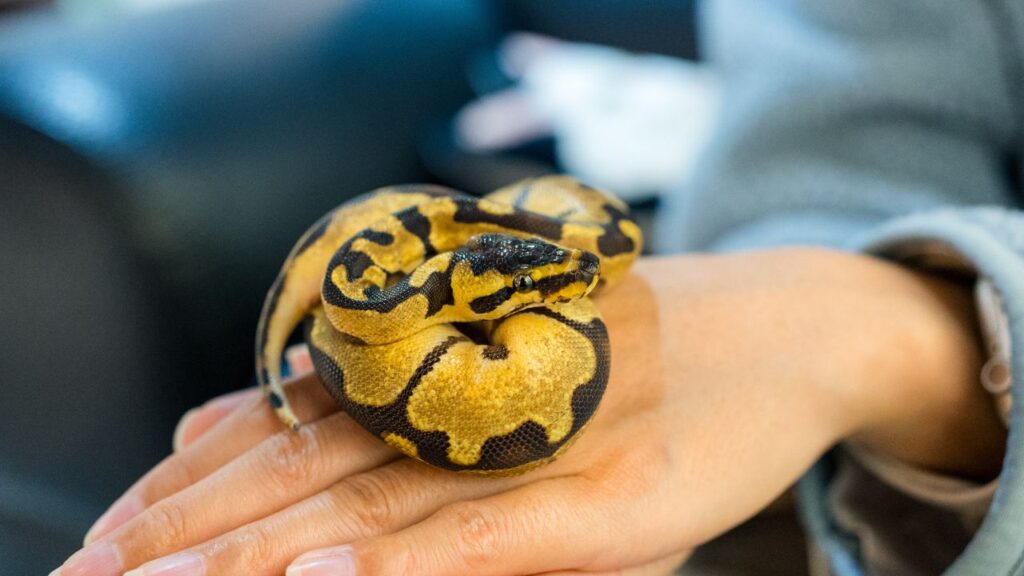
Average lifespan: 15 to 20 years
If snakes had a personality test, the Ball Python would proudly score “quiet, cozy, and committed to the long haul.” These charming reptiles are named for their adorable defense strategy: when nervous, they curl up into a tight little ball like a scaly cinnamon roll. Cute and dramatic.
Getting a ball python is less like adopting a pet and more like entering a long-term relationship. Possibly longer than some marriages.
Ball pythons don’t rush through life. They take about three years to reach full adult size, proving that patience really is a virtue. They’re nocturnal too, which means they prefer late-night dining—basically the reptile version of someone who says, “Let’s eat after midnight.”
Ball pythons are solitary creatures and take personal space very seriously. Roommates? No thanks. Other animals? Absolutely not. Housing more than one ball python together can lead to stress, competition, and snake-sized drama.
While ball pythons are often described as great pets—and they truly are—they do come with a learning curve. They can be a bit fussy at times, occasionally refusing meals (a condition charmingly known as chronic anorexia), and they may need monitoring for parasites.
Friendly, calm, long-lived, and slightly introverted, ball pythons are fantastic companions for reptile lovers who are ready for a decades-long commitment. Treat them well, respect their space, and they’ll be quietly judging you from their enclosure for many years to come—wrapped up like a ball, of course.
2. Boa Constrictor
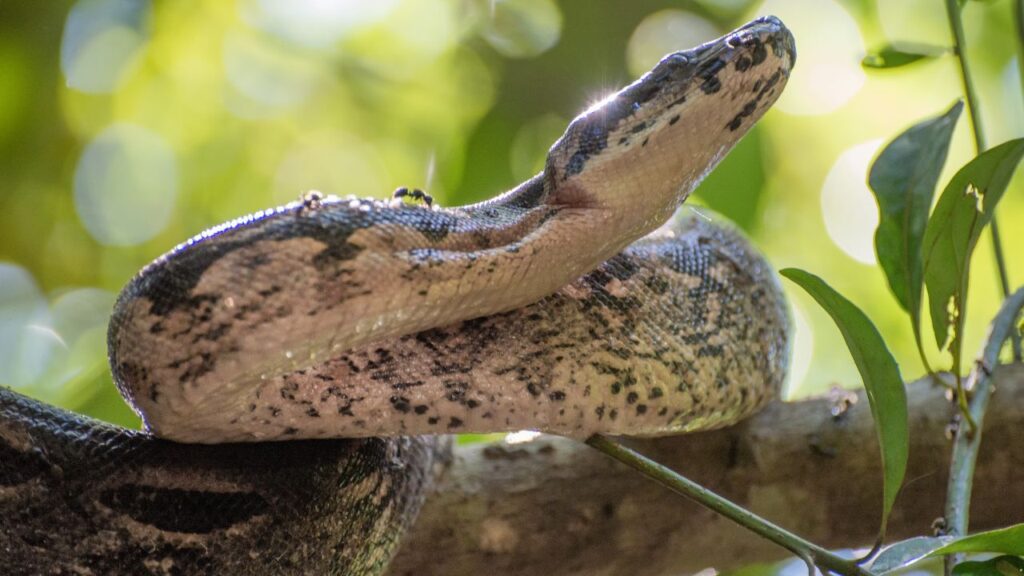
Average lifespan: 15 to 25 years
If the ball python is the quiet introvert, the Boa Constrictor is the calm, confident heavyweight who knows exactly how impressive they are—and doesn’t need to show off about it. Big, beautiful, and surprisingly chill, boas are living proof that size doesn’t have to come with attitude.
Wikipedia noted Captive boas commonly live 20–30 years, and a few exceptional individuals have crossed the 40-year mark. One record-holder lived an astonishing 40 years, 3 months, and 14 days—basically old enough to have opinions about modern music.
Boa constrictors are primarily nocturnal, preferring to do their business under the cover of darkness. That said, they’re not opposed to a little daytime basking if nighttime temperatures dip too low.
Young boas are semi-arboreal, meaning they enjoy climbing trees and shrubs like adventurous teenagers exploring the world. As they age—and gain some serious bulk—they transition into a mostly terrestrial lifestyle.
Boas are solitary by nature and prefer their own space. They don’t socialize, gossip, or hang out unless romance is involved. If they feel threatened, they won’t hesitate to strike—not out of aggression, but because they believe strongly in personal boundaries.
Boa constrictors are long-lived, intelligent, and surprisingly relaxed for snakes that can grow to impressive sizes. With proper care, they’re less “terrifying movie monster” and more “ancient, scaly roommate who minds their business.”
3. Burmese Python
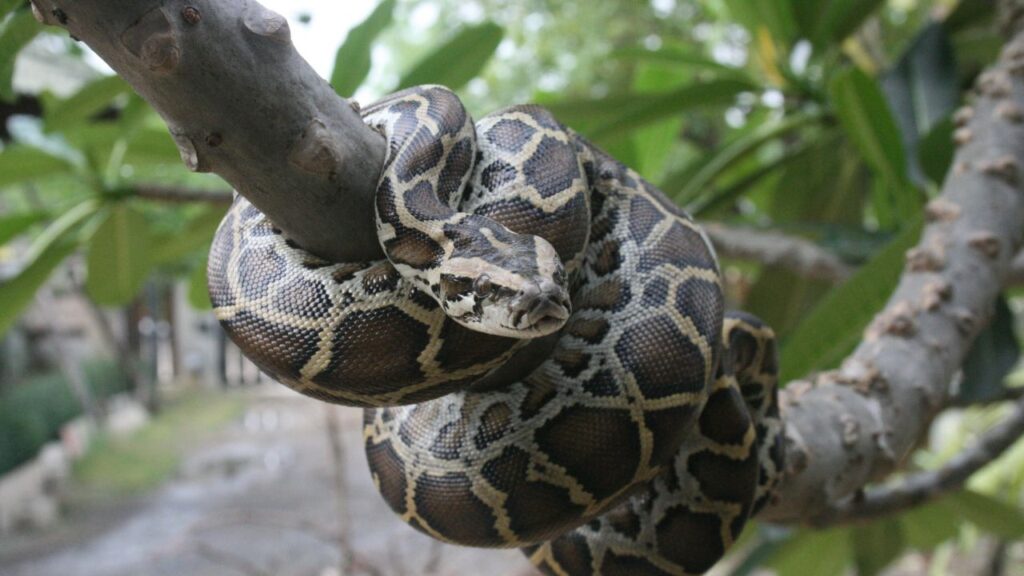
Average lifespan: 20–25 years
If snakes had a “final boss” category, the Burmese Python would be lounging there confidently, knowing full well it earned the title. These snakes are huge, impressive, and oddly serene—like a living, breathing reminder that size and calmness can coexist beautifully.
Burmese pythons are among the largest snake species in the world, often growing well over 15 feet long. Despite their intimidating size, they’re typically known for having docile temperaments, especially when captive-bred and properly handled.
Like many pythons, Burmese pythons are primarily nocturnal, preferring to hunt and explore at night. During the day, they’re more into resting and soaking up warmth. Honestly, they’ve mastered the art of conserving energy long before humans started calling it “self-care.”
These snakes are solitary animals and do best living alone. They also require a lot of space—not a cozy little enclosure, but something more akin to a reptile studio apartment. As they grow, their habitat must grow with them, or they’ll quickly outgrow their welcome (and possibly your living room).
While Burmese pythons can be calm and manageable, they’re not beginner pets. Their sheer size, strength, feeding requirements, and long lifespan mean they’re best suited for experienced keepers who know what they’re getting into. This is not a “surprise birthday gift” kind of snake.
The Burmese Python is majestic, long-lived, and undeniably impressive. With the right care, space, and experience, they can be calm companions for decades. Just remember: when your pet snake could technically double as gym equipment, commitment isn’t optional—it’s mandatory.
4. Corn Snake
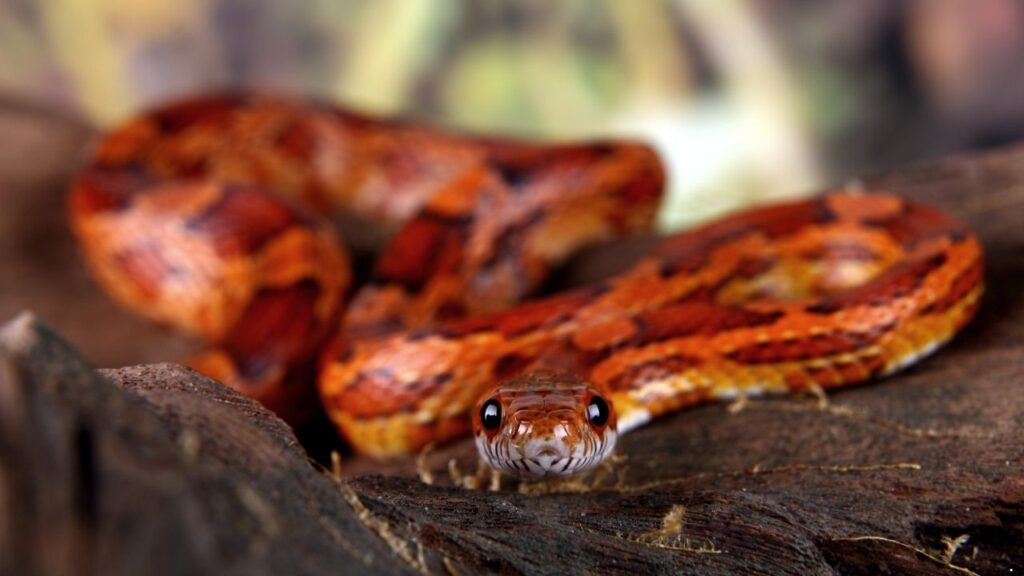
Average lifespan: 20 years
If snakes had a “most approachable” award, the Corn Snake would win it year after year—no campaigning required. Calm, curious, and endlessly charming, corn snakes are the kind of reptile that make people say, “Wait… snakes can be sweet?” Yes. Yes, they can.
Despite popular belief, corn snakes don’t have a deep love for popcorn. Their name comes from the distinctive spotted pattern on their belly, which resembles maize, an ancestor of modern corn. So while they won’t help in the kitchen, they do come with built-in agricultural branding.
Corn snakes are famously docile and even-tempered, making them excellent pets for beginner snake hobbyists. They’re easy to handle, rarely defensive, and generally go with the flow. If snakes had a personality setting, corn snakes would be permanently set to “chill.”
According to PetMD, corn snakes are among the friendliest snake species. They’re comfortable with handling and may even seek out their humans during active periods—which is about as affectionate as snakes get. No cuddles, but definitely curiosity and recognition.
The corn snake is the perfect blend of longevity, friendliness, and ease of care. Long-lived enough to grow old with you, gentle enough to handle with confidence, and charming enough to win over even the most snake-skeptical visitors.
5. King Cobra
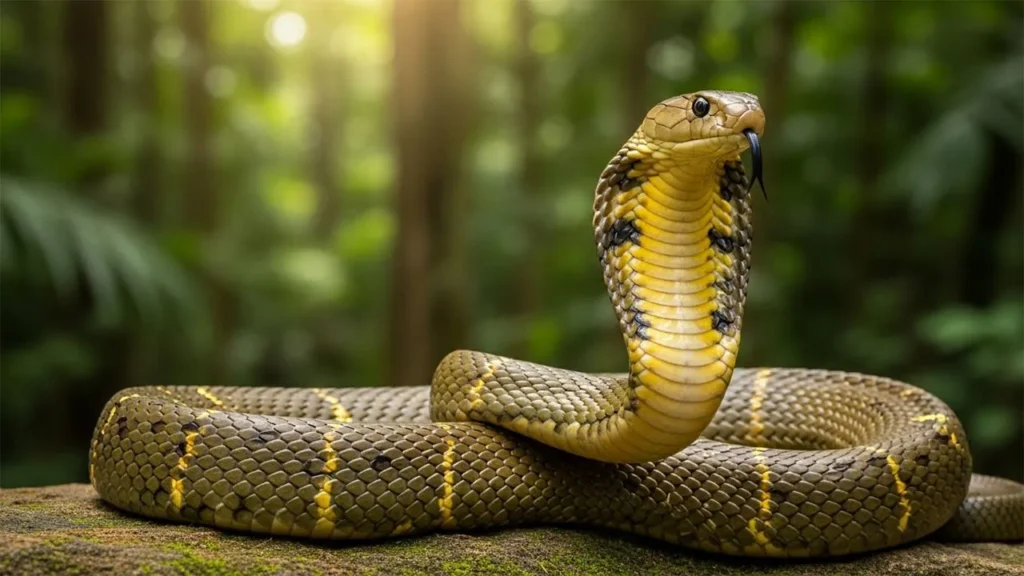
Average lifespan: 25–30 years
When it comes to snakes with undeniable presence, the King Cobra doesn’t just enter the room—it claims the throne. As the longest venomous snake in the world, this species commands respect, awe, and a healthy dose of common sense.
According to Britannica, king cobras are active hunters and have a very specific diet: other snakes. That’s right—these snakes eat snakes. They prowl through forests, fields, and even villages, hunting by day and night.
Sadly, the king cobra’s greatest predator isn’t another animal—it’s humans, who hunt them for food, medicine, and leather. Even kings face political problems.
Despite their fearsome reputation, king cobras are not normally aggressive toward humans, and bites are actually rare. They’d much rather avoid conflict—unless it’s breeding season, or they’re cornered or startled. At that point, all bets are off.
When threatened, the king cobra performs its iconic warning display: it raises the front part of its body, standing nearly upright and flaring its hood. This isn’t just intimidation—it’s the snake equivalent of saying, “Please leave before I make this very memorable.”
While long-lived and intelligent, king cobras are not suitable pets. Their size, venom potency, specialized care needs, and legal restrictions place them firmly in the “admire from a distance” category. This is not a beginner snake, an intermediate snake, or even an “I watched a lot of documentaries” snake.
The king cobra is majestic, intelligent, and long-lived—a true icon of the snake world. With decades-long lifespans and unmatched presence, they are less companion animal and more living legend. Respect them, protect them, and maybe—just maybe—don’t try to corner one.
6. Reticulated Python
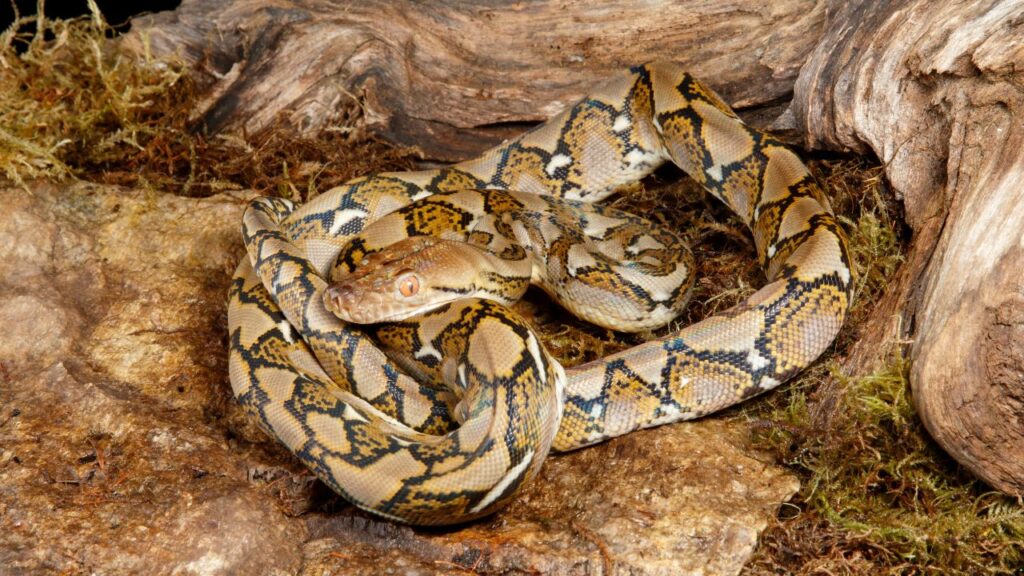
Average lifespan: 20–25 years
If snakes were measured in pure drama and presence, the Reticulated Python would stretch right past the competition—literally. Known as the longest snake species in the world, this reptile is a moving headline, a living ruler, and an absolute showstopper.
Reticulated pythons are famous for their jaw-dropping length, often exceeding 20 feet. Their name comes from the intricate, net-like (“reticulated”) pattern on their scales, which looks like nature spent extra time on the design. Stylish and intimidating.
Despite the horror-movie reputation, many captive-bred reticulated pythons can be intelligent, alert, and surprisingly responsive—especially when regularly handled by experienced keepers. Still, “experienced” is doing a lot of heavy lifting here.
These snakes are primarily nocturnal, using stealth and patience to ambush prey. In the wild, their diet ranges widely, which has contributed to their reputation as unstoppable eating machines. In captivity, however, they require carefully managed feeding schedules—no all-you-can-eat buffets allowed.
Reticulated pythons are not beginner pets. Their strength, size, intelligence, and long lifespan demand knowledgeable handling, serious space, and respect.
The reticulated python is awe-inspiring, long-lived, and undeniably impressive. For seasoned keepers, it can be a fascinating lifelong companion. For everyone else, it remains one of nature’s most incredible spectacles—a reminder that sometimes, long really does mean legendary.
7. Green Anaconda
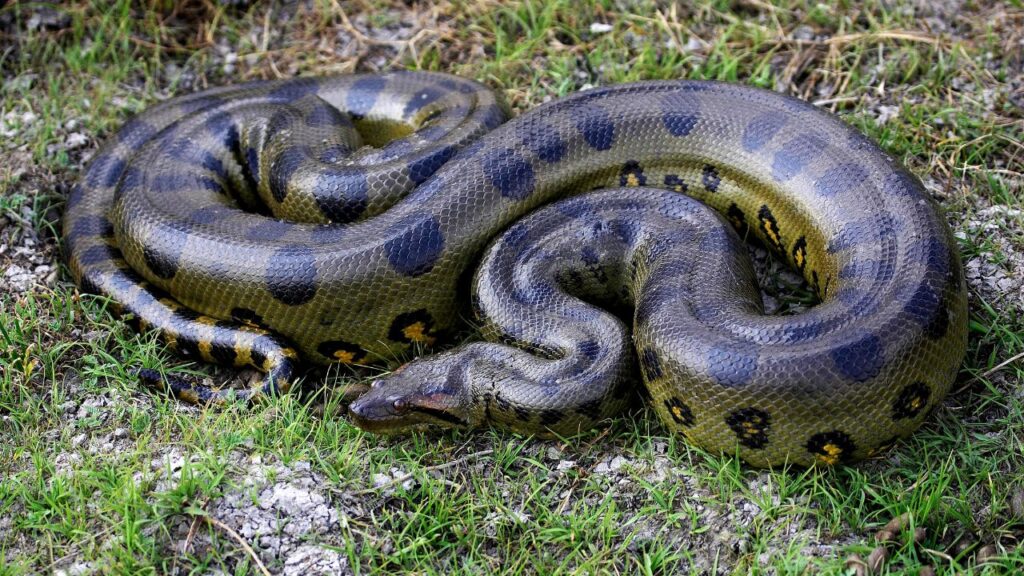
Average lifespan: 20–30 years
If the reticulated python wins the award for length, the Green Anaconda proudly takes the belt for sheer mass. This snake isn’t just big—it’s legendary. Thick, powerful, and built like a biological bulldozer, the green anaconda is the definition of raw strength wrapped in scales.
Green anacondas are semi-aquatic, spending much of their lives in swamps, slow-moving rivers, and flooded forests. Water supports their massive bodies, allowing them to move with surprising grace. On land, they’re slower—but still not something you’d want to underestimate.
They are ambush predators, relying on stealth and power rather than speed. When they strike, it’s swift, decisive, and very final. No second chances. Nature does not offer refunds.
Despite their fearsome reputation, green anacondas are not naturally aggressive toward humans. They prefer avoidance over confrontation—but when threatened or cornered, they’ll defend themselves with impressive confidence. This is one snake that believes deeply in personal space.
Let’s be clear: green anacondas are not suitable pets. Their size, strength, habitat needs, and potential danger place them firmly in the “observe from a documentary” category. Even experienced keepers rarely attempt to house them safely.
The green anaconda is a long-lived titan of the natural world—powerful, mysterious, and awe-inspiring. It doesn’t need venom, speed, or flair to dominate. With decades-long lifespans and unmatched bulk, this snake proves that sometimes, the biggest legend doesn’t hiss… it waits.
Conclusion
Some snakes that can survive for decades include Garter Snakes, Rat Snakes, King Snakes, Rubber Boas and even timber rattlesnakes, with the oldest snake records often coming from captive snakes. How long snakes live depends on whether they are wild snakes or receive proper captive care, as snakes in captivity often live longer due to stable food, protection from predators like birds, and better health management.
In the wild, snakes face shorter lifespans, shorter lives, and higher risk of death, while aging can affect muscle tone and survival. Still, some individuals reach impressive years old, proving snakes can survive old age and play a major role in ecosystems—an enduring mystery that continues to inspire wonder in researchers and readers of other posts alike.
