




When we think about dating drama, we usually picture humans awkwardly texting, overthinking replies, or ghosting after one good conversation.
But plot twist: the animal kingdom has been running the most intense dating shows long before we showed up. Deep underwater, far from human eyes, fish with the most fascinating courtship rituals are out here building sandcastles, throwing hands with rival males, and performing full-on dance routines to attract females.
These aren’t background NPCs of the sea—they’re headline acts. Every mating ritual comes with stakes: survival, legacy, and the future of the species. Some males build art. Some guard thousands of eggs. Some literally get pregnant. And the females? They judge. Hard.
So buckle up. This is not a calm nature documentary voiceover moment. This is passion, chaos, and commitment—fish edition. Let’s dive into the most extra love stories happening beneath the surface.
Fish with the Most Fascinating Courtship Rituals
1. Japanese Pufferfish
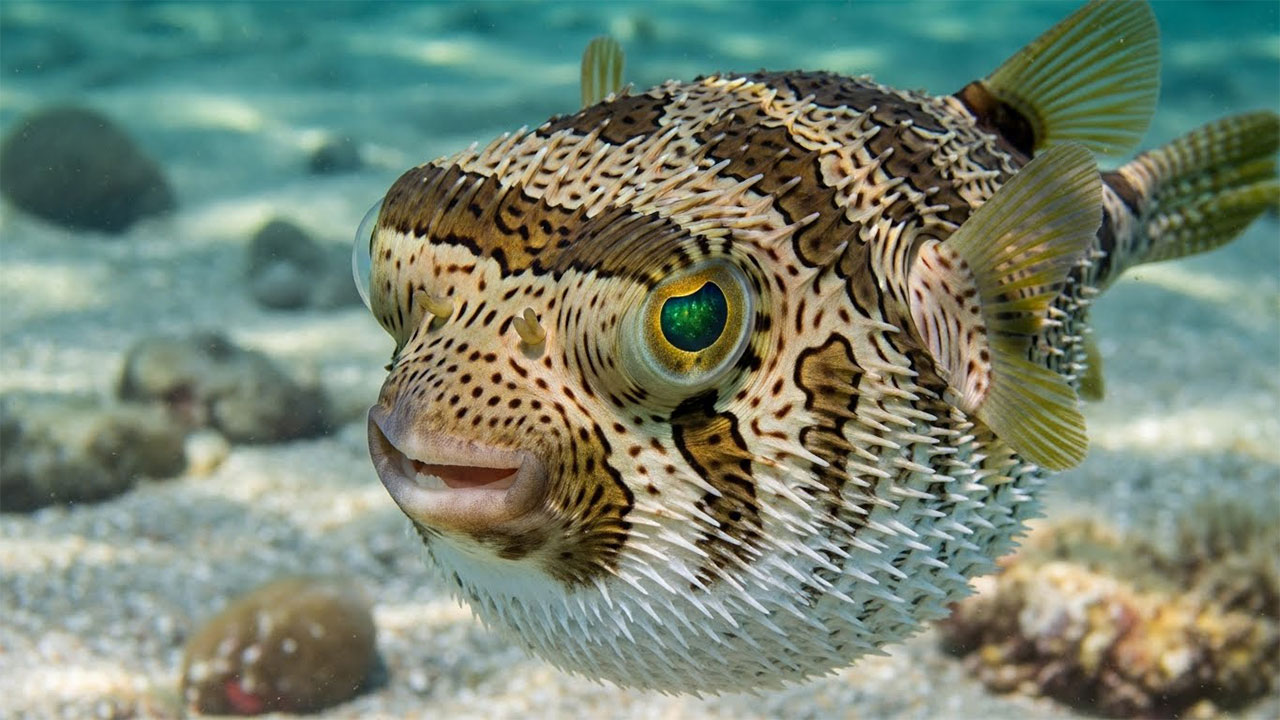
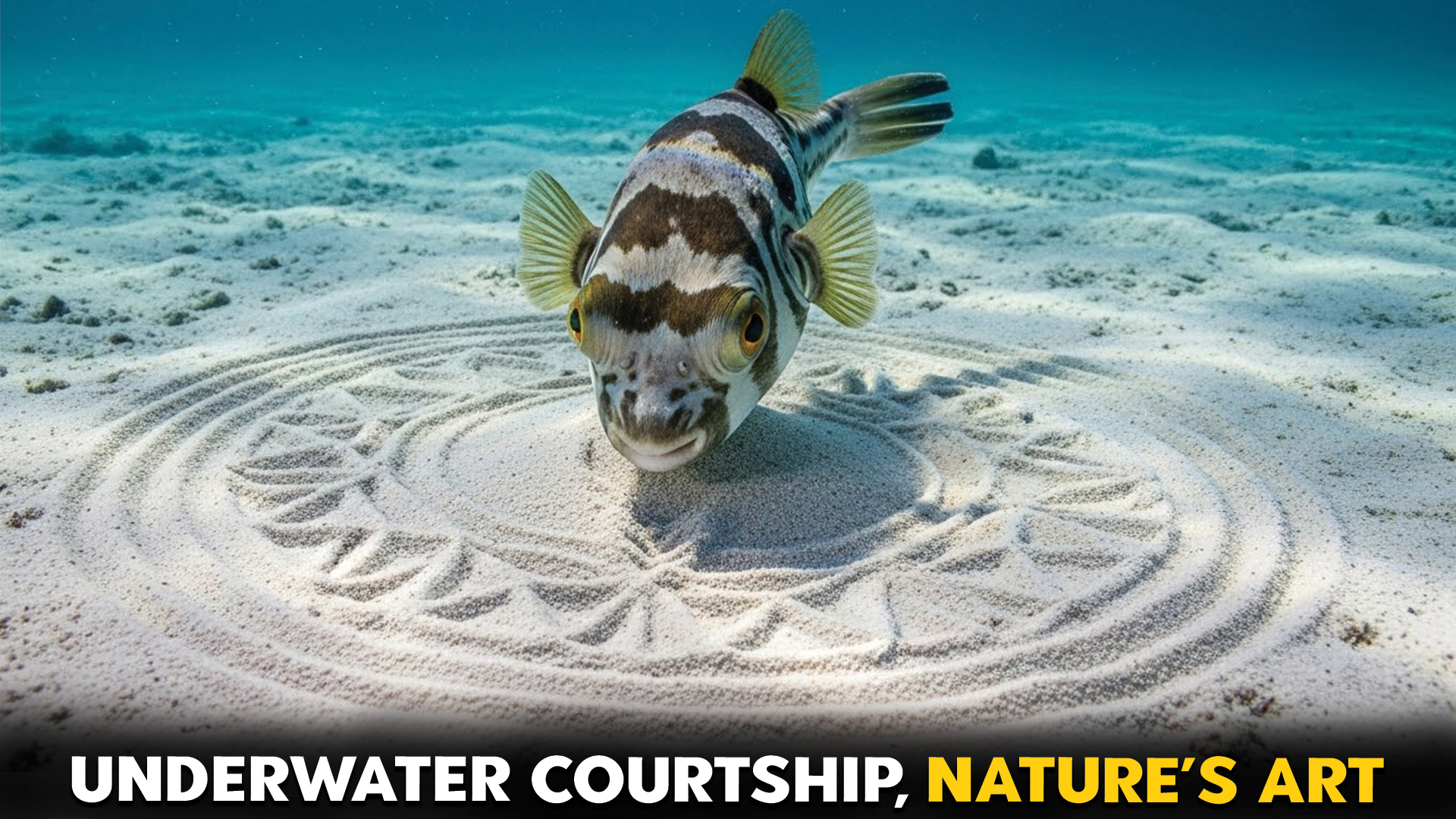
These little fish don’t bring flowers—they bring architecture. Male pufferfish spend hours carving massive geometric circle designs directly into the seafloor, using only their fins and sheer determination.
These intricate patterns can stretch several meters wide, making the male’s effort wildly disproportionate to his tiny body. Imagine building a luxury home just to get noticed—that’s the vibe.
This isn’t random decoration. These sculptures are a straight-up courtship performance. The goal is simple: impress the females enough that they decide to mate. The cleaner the sand, the sharper the pattern, the better his chances. It’s believed the center of the circle even helps protect the eggs from currents and predators, proving this is both art and practicality.
Once a female approves the design, she lays her eggs right in the middle. The male fertilizes them and then sticks around like a hyper-vigilant security guard. For days, he’ll protect the nest, maintaining the structure and chasing away threats.
Commitment? Certified.
What makes this wild is that scientists still don’t fully understand how females assess these designs. Is it symmetry? Depth? Cleanliness? Whatever it is, this behavior shows that even in the oceans, effort matters. Romance isn’t dead—it’s just happening in perfectly sculpted sand circles.
2. Mandarin Fish
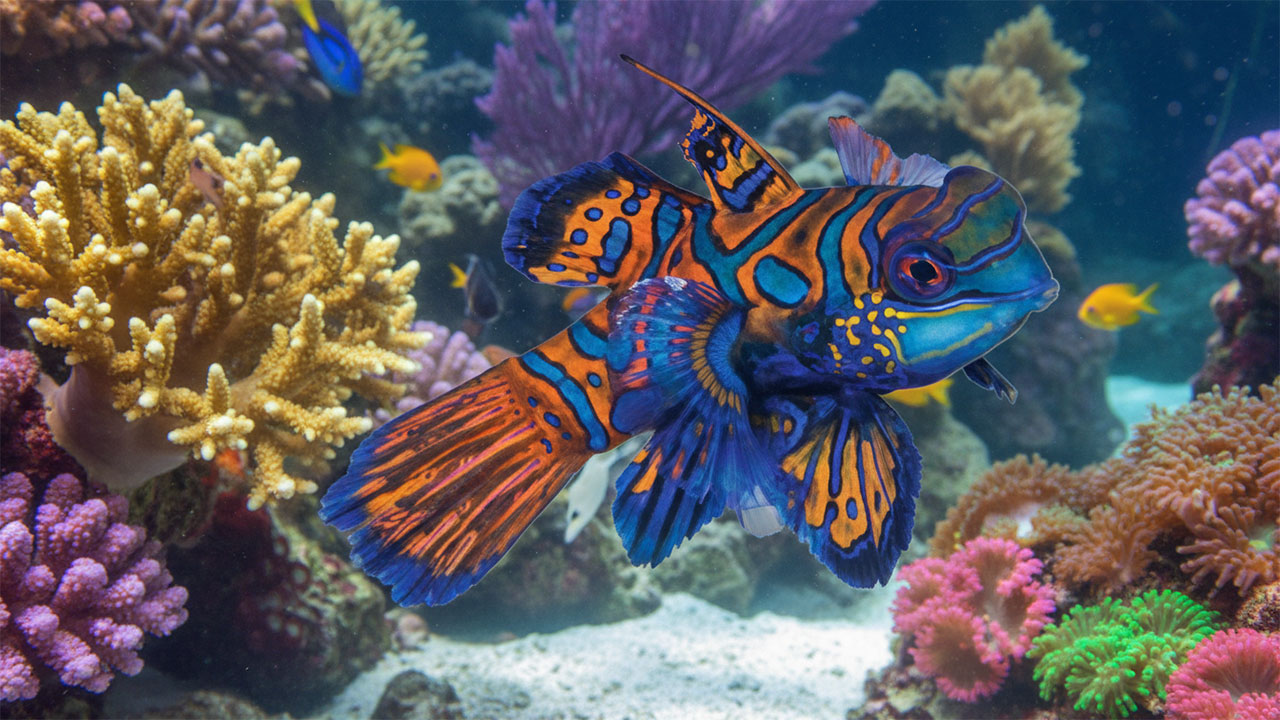
As the sun dips and the water darkens, Mandarin fish turn dusk into a battlefield-meets-nightclub. Males gather in a loose group, each claiming a temporary territory and daring other males to try something.
Aggression is part of the game, and weaker individuals get chased off fast. This is a classic lek system, similar to what we see in some birds, in which dominance equals mating success.
Then the females arrive. Smaller, calmer, and entirely in control, they move from one territory to another, observing the males like judges on a reality show. No one forces them to stay. If a female isn’t impressed, she swims away. The male can only perform his mating ritual and hope for the best.
Subordinate males sometimes try to sneak a mate, slipping into another male’s territory. This usually ends in chaos. Fights break out, fins flare, and only the strongest, larger males stay on top. Most males won’t mate at all, while a select few dominate the results. Brutal? Yes. Effective? Also yes.
After spawning, the females handle everything: the eggs, the care, the future. The males go right back to fighting for status. It’s a harsh system, but an important example of how competition shapes courtship and reproduction in fish.
3. Seahorses
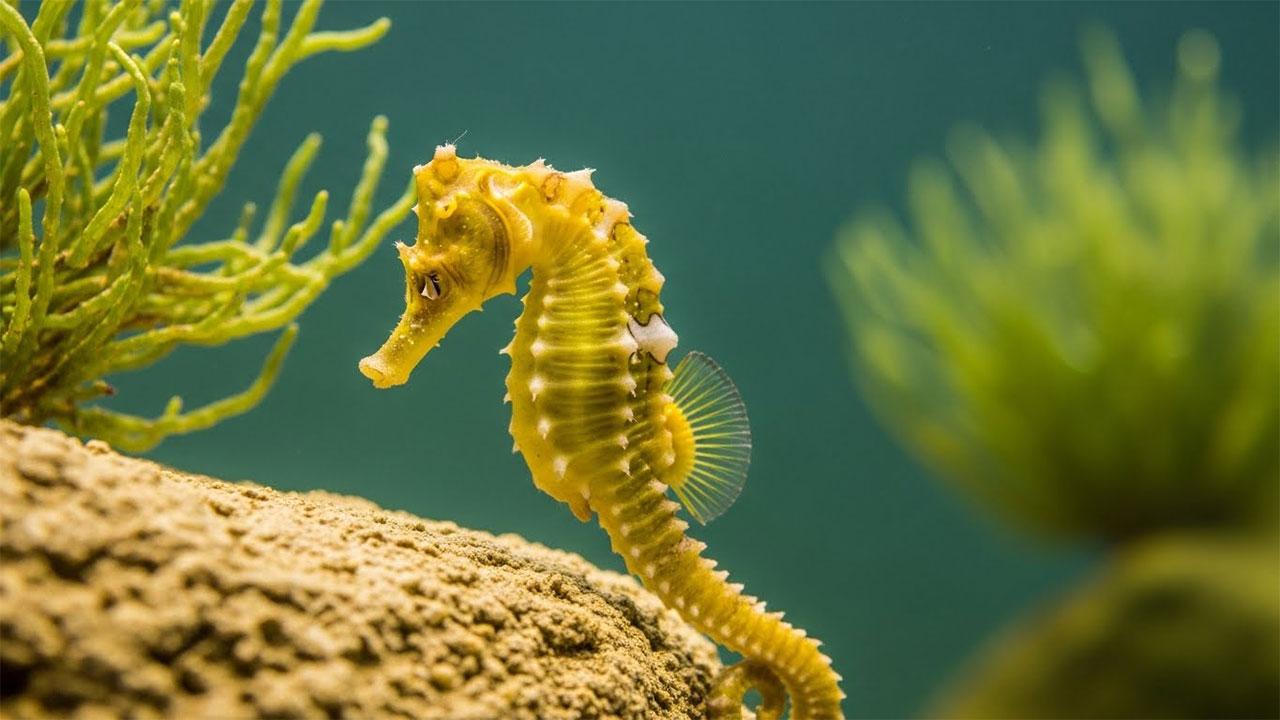
If romance had a soft-launch aesthetic, seahorses would own it.
These iconic fish don’t rush anything. Their romance involves synchronized swimming, tail-holding, and subtle color changes that look like a shared mood board come to life. The males and females move together slowly, reinforcing trust and timing. It’s tender, intentional, and surprisingly emotional.
The real plot twist comes next. During the mating ritual, the female deposits her eggs into the male’s brood pouch. Yes—he carries them. In one of the most unique systems in the entire animal empire, the male becomes pregnant. He regulates oxygen, nutrients, and even salt balance until birth.
Throughout pregnancy, the pair reconnect daily with a “morning greeting” dance. This ritual reinforces their bond and synchronizes hormonal changes. Many seahorses form long-term partnerships, sometimes lasting their entire life. Monogamy in fish? Rare, but real.
When the babies are released, the job is complete—for now. The cycle happens again with the lunar rhythm. Among all animals, few love stories feel this balanced, this mutual, and this quietly powerful.
4. Three-Spined Stickleback
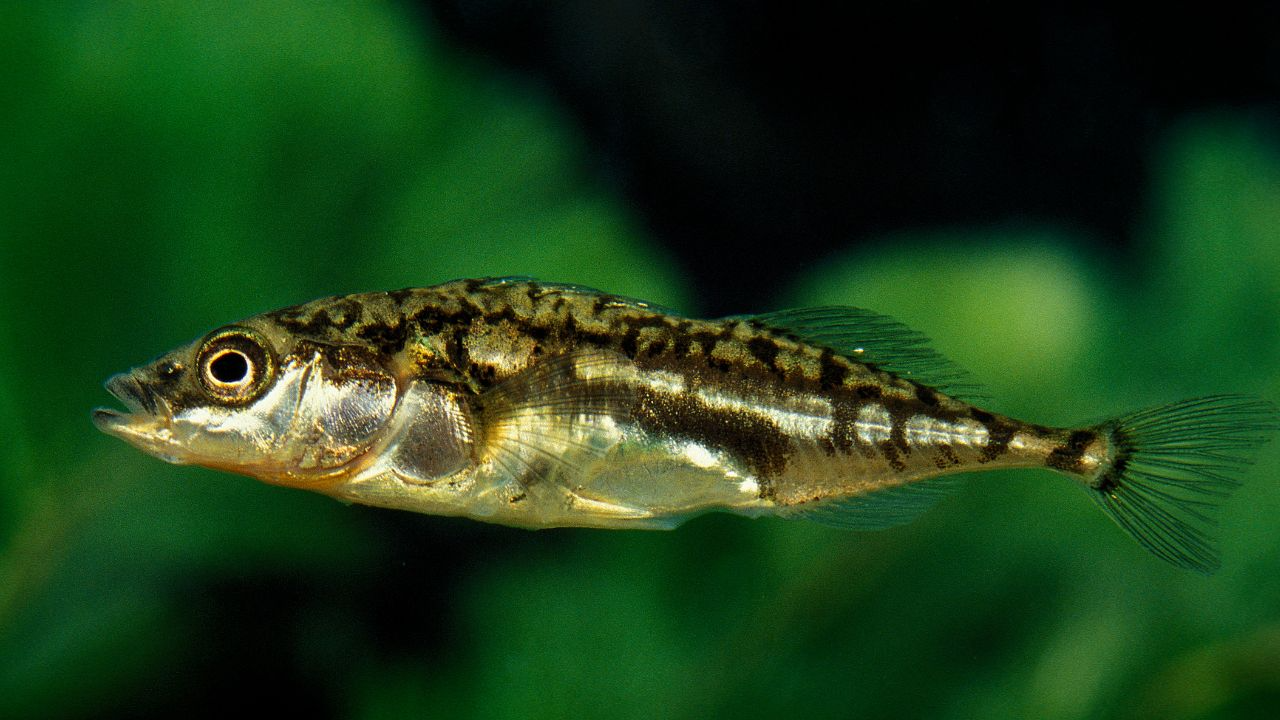
Spring flips a switch for the three-spined stickleback. Once anonymous and silver, males suddenly glow with red throats, blue eyes, and intense energy. This isn’t just a glow-up—it’s a signal. He’s ready to mate, and he’s not playing around.
These males build elaborate nest structures using plants, debris, and a glue-like substance produced by their bodies. It’s messy, sticky, and impressive. After construction, the Wild Life Trust mentions that the male performs a zigzag dance, leading the female toward the nest. If she approves, she lays hundreds of eggs inside.
Once fertilized, the female leaves. The male, however, locks in. He guards the nest, fans the eggs with his fins, and aggressively drives off predators. This can go on for days or even weeks. No breaks. No backup. Just dedication.
After hatching, he continues to protect the fry, even sucking them into his mouth if they wander too far. Among fish, this level of paternal care is intense—and wildly crucial for survival.
5. Siamese Fighting Fish
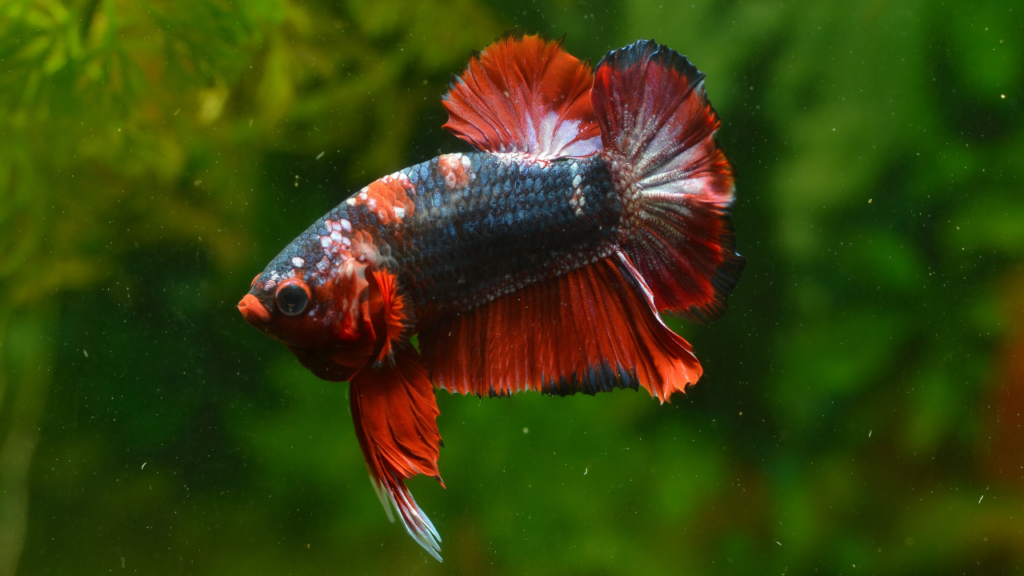
Betta fish don’t whisper romance—they shout it. When a male spots a female, his colors intensify, his fins flare, and the performance begins. This is both attraction and intimidation rolled into one. He needs to show strength, beauty, and control—all at once.
The centerpiece of this affair is the bubble nest. The male builds it at the surface using mucus-coated bubbles, creating a floating nursery. It’s fragile, precise, and essential. No nest, no mate.
During spawning, the male wraps his body around the female, helping her release eggs. He then collects each one and carefully places it into the nest. After that, the female is chased away—for her own safety.
From here on out, the male does everything. He repairs the nest, guards the eggs, and attacks anything that comes close. Aggressive? Yes. Effective? Also yes. In this species, protection is love.
6. Medaka
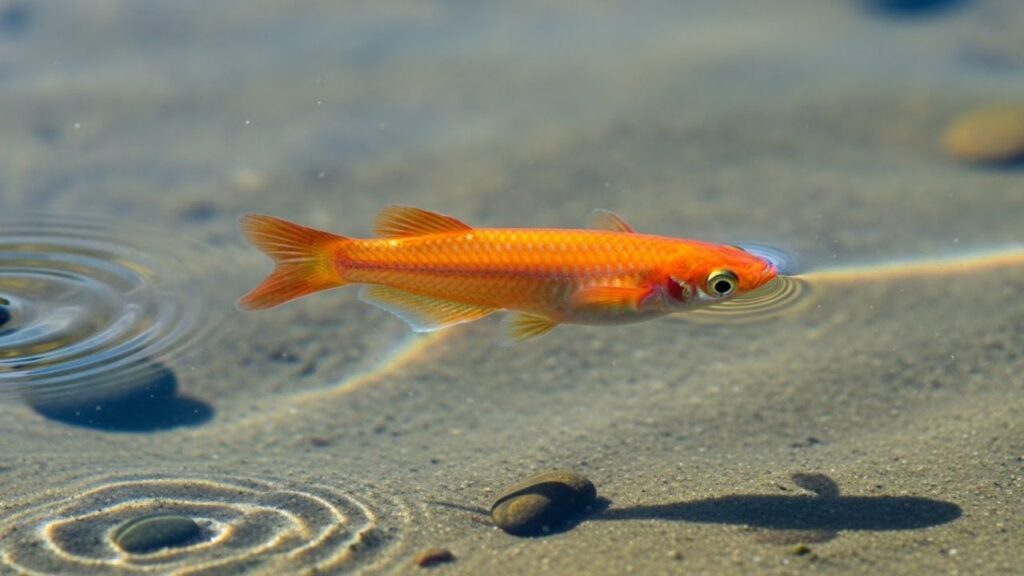
Medaka keeps things subtle—but no less complex. Their mating ritual unfolds mostly at night, likely to avoid predators along the coast and in shallow water. What looks calm on the surface is actually a highly coordinated sequence of movement and chemical signals.
The male begins by following the female, positioning himself just below her. Then comes a rapid circle maneuver—almost a somersault—triggered by pheromones she releases. It’s fast, precise, and crucial for timing.
If receptive, the female tilts upward. The male wraps her gently with his fins, and they rise together. He quivers; she releases eggs; fertilization occurs instantly. The whole thing lasts seconds, but the preparation takes much longer.
This ritual shows how behavior, chemistry, and movement form a perfectly tuned system. Quiet, efficient, and beautifully evolved.
7. Freshwater Angelfish
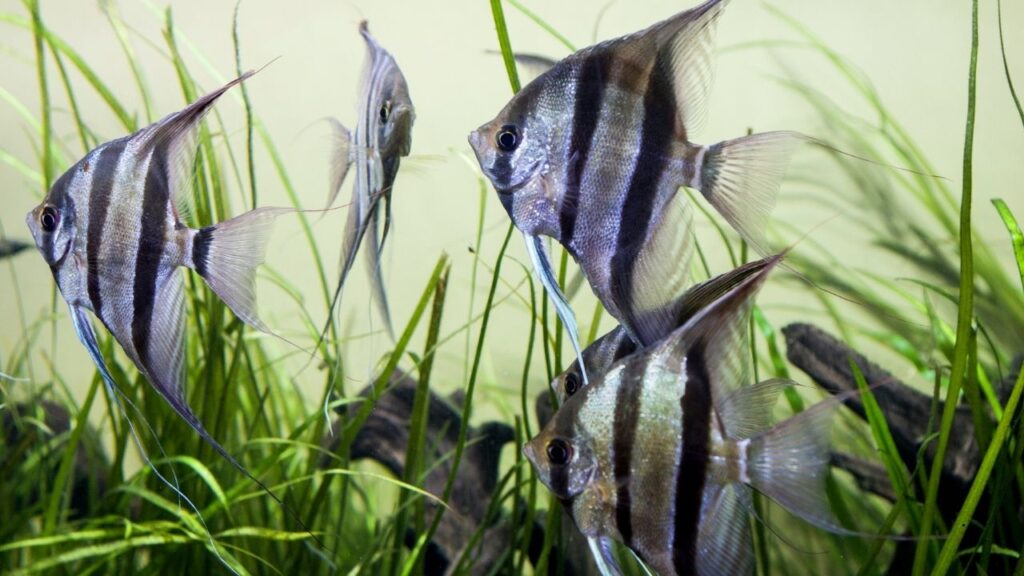
Angelfish communicate almost entirely through movement. During courting, males and females engage in synchronized swimming, fin displays, and even gentle cleaning behaviors. It’s less flashy, more intimate—but deeply meaningful.
These fish often form monogamous pairs, as per PetMD, a rarity among aquatic animals. Once bonded, they stay together, defending their territory and preparing to reproduce as a team. This partnership enhances the health and survival of their offspring.
When it’s time, the female lays eggs on a flat surface like coral or rock. The male fertilizes them, and then both parents protect and fan the clutch. This shared responsibility is a standout trait in the animal kingdom.
Some angelfish can even switch sexes if social conditions change. That flexibility shows how adaptable and capable these species truly are—love, teamwork, and evolution—all in one graceful package.
Conclusion
From sand architects to bubble nest builders, from pregnant dads to synchronized dancers, these fish with the most enchanting romance rituals prove that love underwater is anything but boring. Every mating ritual is shaped by survival, competition, and creativity, revealing the unique life beneath the waves.
These stories remind us that courtship, care, and connection aren’t just human ideas—they’re universal strategies shared across animals, refined over time, and executed in ways we’re still trying to understand fully. Whether loud or subtle, aggressive or gentle, every species has found its own way to keep life going.
