




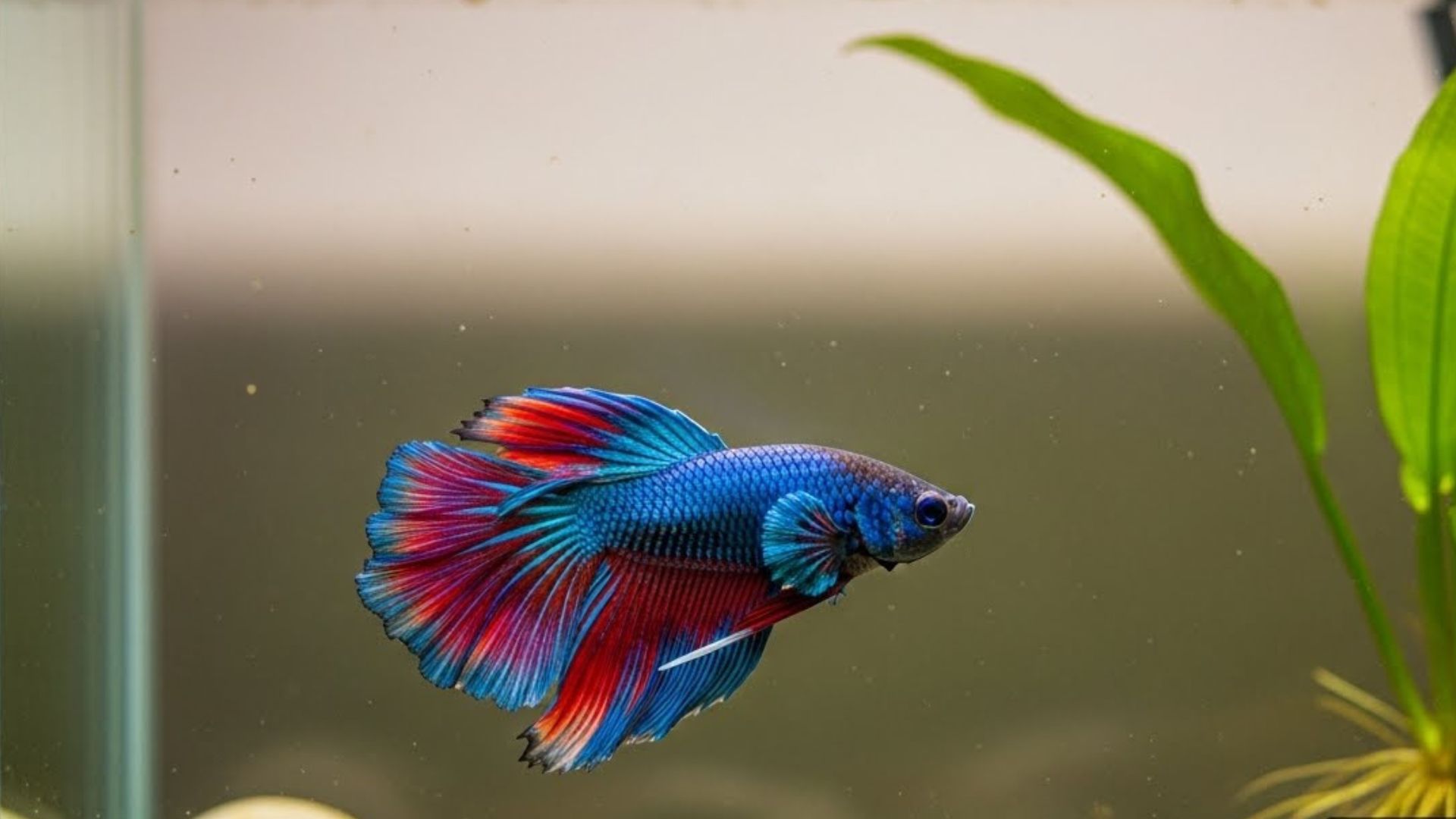
Ever packed your bags for a well-deserved vacation, leaned over your aquarium to say goodbye to your finned friends, and felt that sudden pang of guilt? “Who’s going to feed the fish?!
It’s a classic pet owner’s dilemma.
You might be tempted to dump a mountain of fish food into the tank and hope for the best (spoiler alert: don’t do that!), but what if I told you some fish are surprisingly resilient?
We’re about to dive into the incredible world of fish that can survive without eating for weeks, and their survival stories are more fascinating than you might think.
Now, before we get ahead of ourselves, it’s essential to know that how long a fish can go without food depends on several factors. The species, its age, its overall health, and the water temperature all play a massive role.
So, while leaving your fish to fast isn’t a long-term care strategy, knowing which species are built for it can give you peace of mind for that week-long trip. Let’s meet the champions of fasting!
Fish That Can Survive Without Eating for Weeks
1. Goldfish
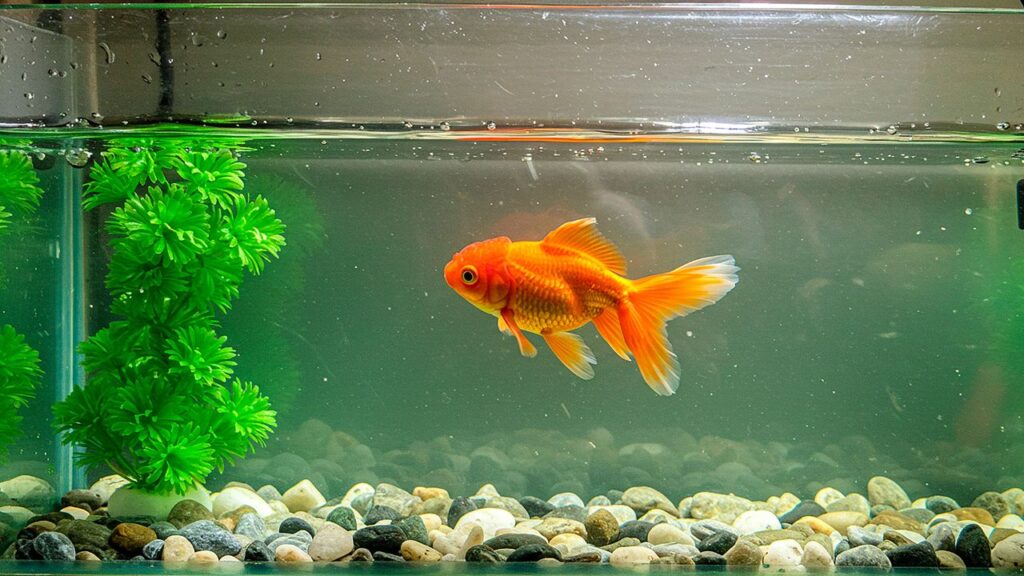
A Goldfish isn’t just waiting for you to sprinkle in flakes; it’s constantly exploring its environment for a snack. This is one hardy fish that has been keeping humans company for centuries for a reason.
The reason a Goldfish can survive for a surprisingly long time—often up to two weeks—is its omnivorous, scavenging nature. In a well-established aquarium, there are plenty of hidden treats. They will happily nibble on algae growing on the glass and decorations, munch on any live plants you might have, and scavenge for leftover bits of food you can’t even see.
Their slower metabolism, especially in a tank without a heater, means they don’t burn through energy as quickly as many tropical fish species.
However, this ability to go without food comes with a big warning sign: overfeeding. More Goldfish are harmed by too much food than by too little. Excess fish food pollutes the tank, leading to dangerous spikes in ammonia and nitrite levels that can be fatal. Poor water quality is a much greater threat to your Goldfish than a hungry belly.
So, while they can handle a fast one, they can’t handle a dirty home.
2. Betta Fish
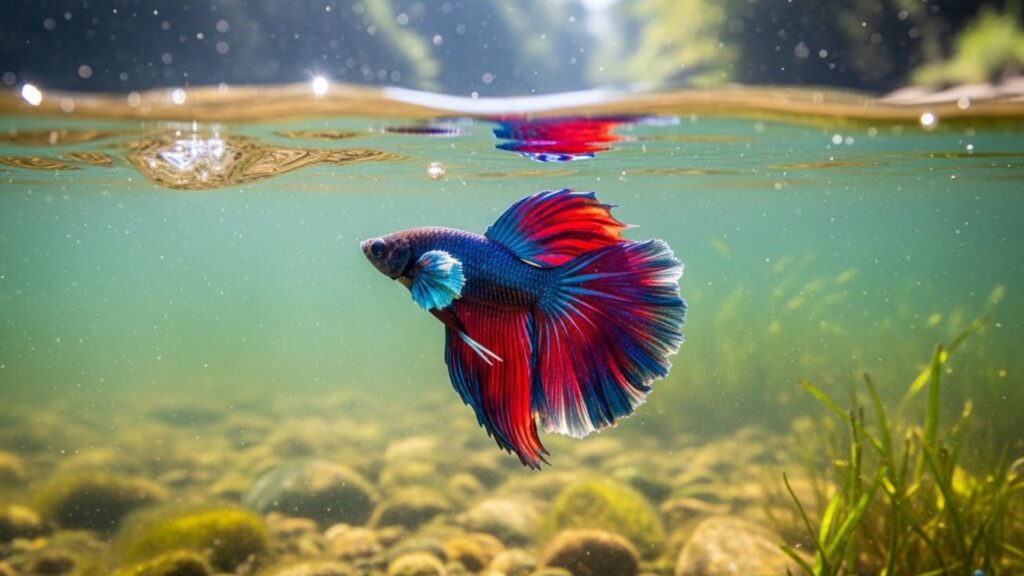
Betta Siamese Fighting Fish, also known as the Siamese Fighting Fish, come from the shallow, often food-scarce rice paddies of Southeast Asia, a background that has prepared them for periods of fasting.
Its ability to survive without food for up to two weeks is tied to its anatomy and natural habitat. They have relatively small stomachs and don’t require frequent feeding like other species do. In the wild, meals are not guaranteed every day.
This has conditioned the betta fish to handle periods of scarcity. Their metabolism is moderately paced, allowing them to conserve energy when food isn’t available. They are masters of making the most of what they have.
That said, just because a Betta can survive doesn’t mean it’s a pleasant experience for them. Prolonged fasting can be stressful and weaken their immune system, making them more susceptible to diseases like fin rot.
For this fish, water quality is absolutely everything. In the small tanks they are often kept in, toxins can build up quickly. A stressed Betta in a dirty tank is a recipe for disaster, so fasting should only happen in a pristine environment.
3. Koi Fish
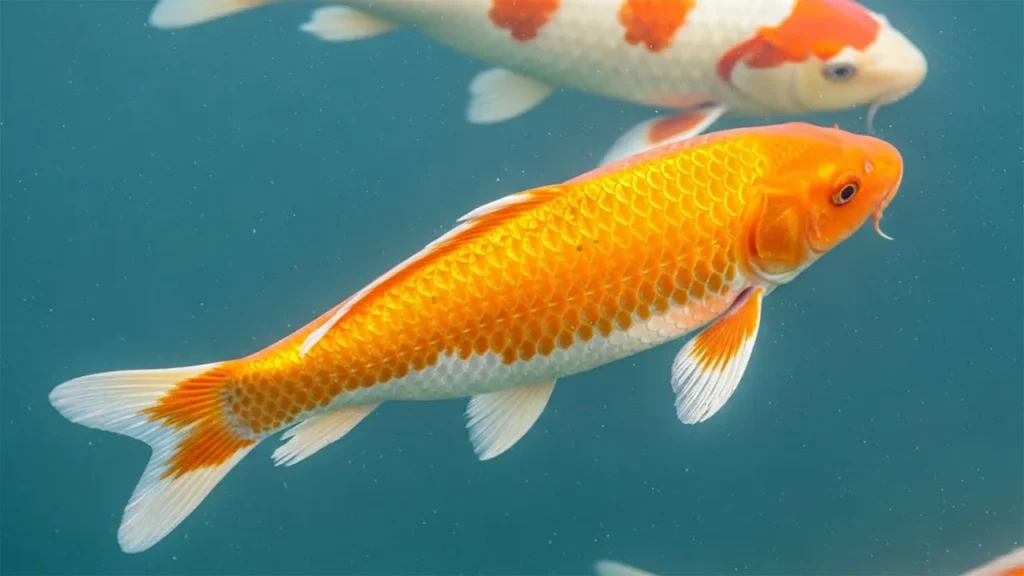
These larger fish symbolize perseverance and strength, and their survival strategy is genuinely remarkable. While they are voracious eaters during the warmer months, they are also the undisputed champions of long-term fasting, capable of going an entire winter without a single bite.
The Koi’s secret is a process similar to hibernation called torpor. As water temperatures drop in the fall and winter, their metabolism slows to a crawl. They enter a state of reduced activity, conserving energy by barely moving and ceasing to eat altogether.
This is how they survive the icy conditions in outdoor ponds in lakes, waiting for the warmth of spring to rev up their systems again. This amazing adaptation is why pond keepers stop feeding their Koi once the water gets cold.
It’s crucial to understand, however, that this winter fasting is a specific response to cold. A Koi kept in a warm indoor aquarium will have a high metabolism year-round and will require more frequent feeding to stay healthy. You cannot apply the “winter fasting” rule to a Koi in a stable, warm environment.
These large fish produce a lot of waste, so consistent feeding and powerful filtration are key to maintaining good water quality.
4. Walking Catfish
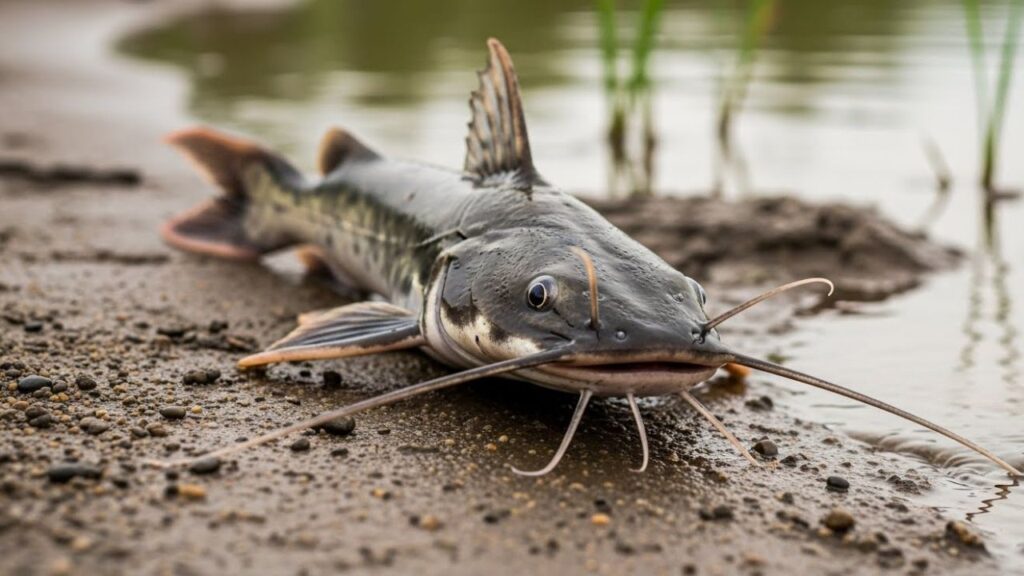
Native to Southeast Asia, this freshwater fish has the unique ability to breathe atmospheric air and “walk” across dry land using its fins. This incredible skill is directly linked to its ability to find food.
The Walking Catfish’s talent for survival is all about mobility, as per Britannica. If its home pond dries up or runs out of food, it doesn’t just wait and starve—it leaves. By wriggling its way to a new river or lake, it can find new natural food sources.
This means that while it might go without food in one location, its instinct is to move on and find another meal. They are opportunistic omnivores and will eat almost anything, from insects and smaller fish to plant matter.
In an aquarium setting, your Walking Catfish obviously can’t pack its bags and leave. However, that same innate toughness makes it one of the fish that can go without food for a considerable time, easily a week or more, without significant issues.
They are incredibly hardy, but this doesn’t mean they should be neglected. They are messy, active fish that require excellent filtration to maintain good water quality.
When planning to be away, a healthy Walking Catfish will manage just fine. Their robust nature and slower metabolism mean they aren’t dependent on daily feedings.
5. European Eel
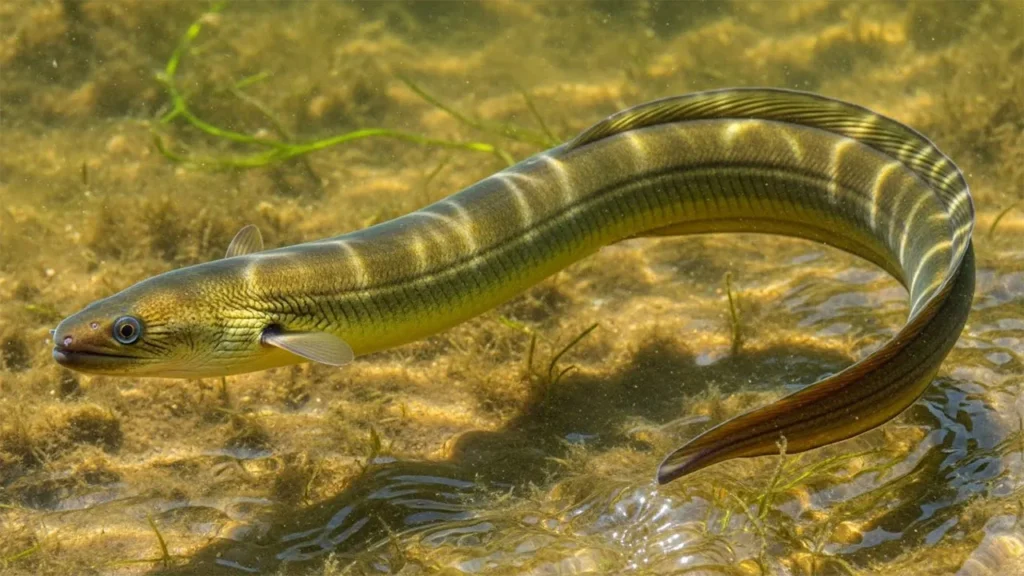
If you’re looking for a fish that can survive without eating, the European Eel is in a class of its own, capable of going not just for weeks, but for over a year without food.
This incredible feat is driven by its life cycle, according to the National Geographic. When it reaches maturity, the European Eel undergoes a massive transformation and begins a journey of thousands of miles from the rivers of Europe to the Sargasso Sea to spawn.
During this entire migration, which can last more than a year, it does not eat. It enters a state of what could be described as suspended animation, relying entirely on its fat reserves. Its digestive system shuts down as its body dedicates all resources to the final journey.
Of course, this is an extreme example of prolonged fasting tied to a specific life event and not something you’d replicate in a home aquarium. A pet eel still needs to be fed regularly to remain healthy.
This species is a carnivorous fish that thrives on a diet of meaty foods. Their migratory fasting is a one-way trip, a biological imperative that showcases the absolute limits of what a fish can endure.
6. Oscar Fish
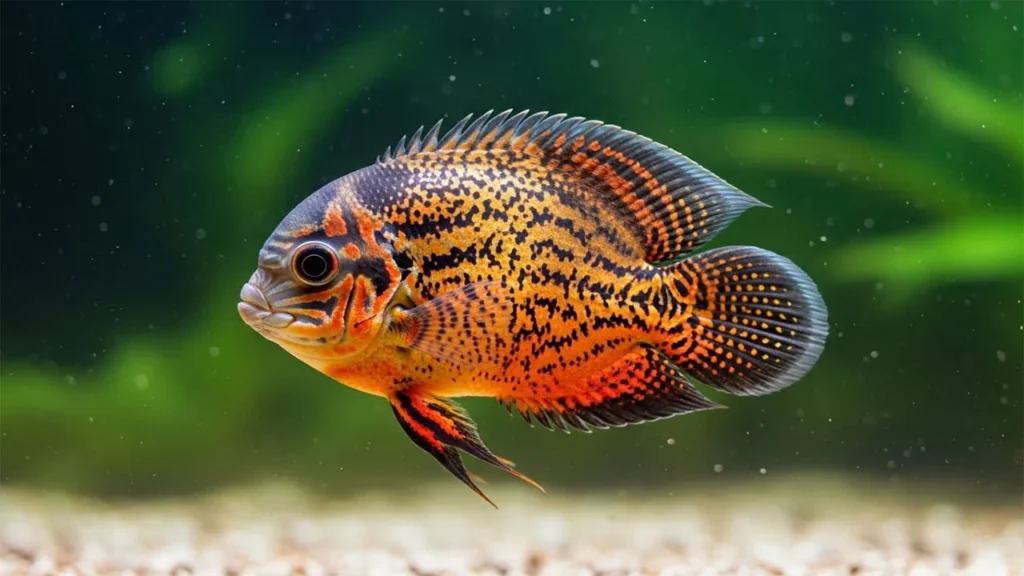
Oscar, a large, intelligent South American cichlid, is famous for their prominent personality. They recognize their owners, beg for food, and can even be trained to do simple tricks. But this intelligence also comes with a stubborn streak, and Oscars are notorious for going on hunger strikes, which demonstrates their ability to go without food.
An Oscar can easily go for a week or two without eating, but the reason is often behavioral rather than metabolic. They are known to refuse food if they don’t like it, if the water quality is poor, or if they are stressed. This makes their fasting a potential sign that something is wrong in the tank. Before you worry about starvation, you should check your water chemistry.
It’s essential to watch for other signs of distress. Is the fish lethargic, hiding, or showing faded colors? These are clues that the issue is more than just a case of a picky mood. However, if the tank is clean and the Oscar is otherwise active, a short fast is no cause for alarm.
For vacation care, an Oscar presents a unique challenge. Because of their size and personality, many owners prefer not to rely on simple vacation feeders.
A trusted friend or even a professional pet sitter is an excellent option for these charismatic fish. If you must use an auto feeder, ensure it’s a reliable one that can dispense larger pellets.
7. Arowana
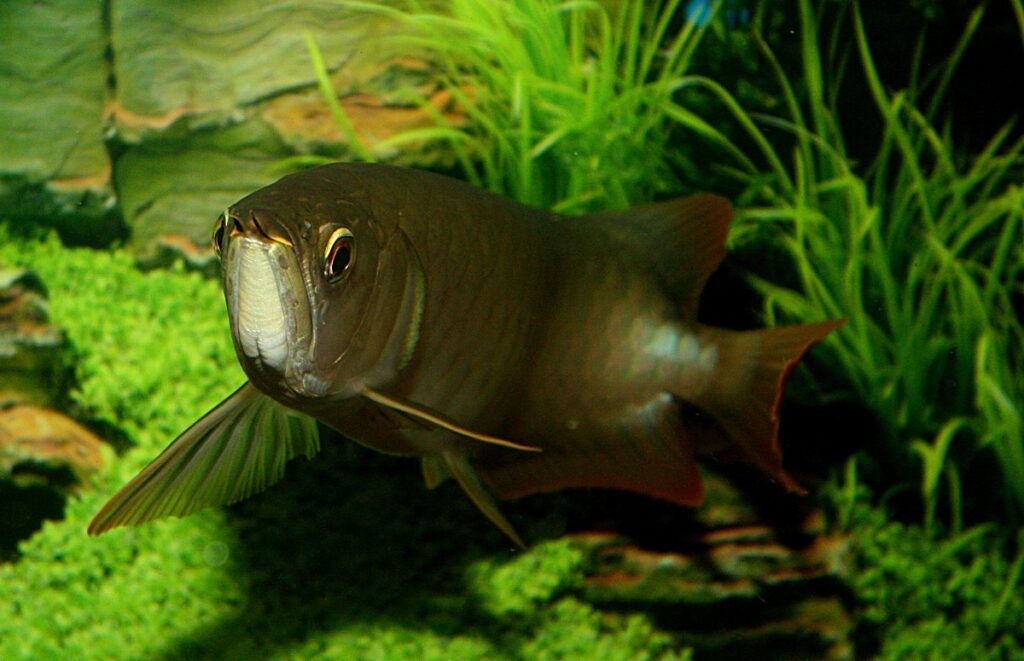
The Arowana, often called the “Dragon Fish,” is an actual living fossil. With its large scales, sleek body, and predatory nature, it’s a breathtaking centerpiece in any large aquarium. These mighty hunters have been around since the time of the dinosaurs, and their feeding habits reflect their ancient, wild instincts.
As surface-dwelling ambush predators, Arowanas are used to periods of waiting. In the wild, they might patrol the water for several days before a juicy insect or small animal falls in, allowing them to snatch it. This feast-or-famine lifestyle has made them one of the fish that can survive without eating for weeks.
However, this resilience depends heavily on age. Younger fish have faster metabolisms and are growing rapidly, so they require more frequent feeding to thrive. An adult fish, on the other hand, is much better equipped to handle a fast.
If you need to be away for a week, a healthy adult fish will be a magnificent choice. For more extended absences, the situation becomes more complex. Arowanas are sensitive to water quality and can be picky eaters, making a reliable pet sitter the best choice.
Ensuring the tank is pristine before you leave is non-negotiable. Their ability to survive is a safety net, not a care strategy, for these truly special fish.
Conclusion
From the scavenging Goldfish to the migrating European Eel, the animal kingdom is full of incredible survivors. We’ve seen that a fish’s ability to go without food is influenced by its metabolism, natural diet, age, and, most critically, the water temperature and overall health of its environment.
However, the key takeaway is that just because fish can survive doesn’t mean they should be pushed to their limits. The goal of any aquarist should be to help their fish remain healthy and thrive, not just get by. Fasting puts stress on a fish’s body, and doing so in a tank with poor water quality is a recipe for disaster.
Before any trip, your best bet is to perform a partial water change, ensure your equipment is working perfectly, and consider your options. For short trips, most of the healthy fish on this list will be fine. For more extended periods, investing in high-quality automatic feeders or having a trusted friend feed your fish is the most responsible choice. By taking these simple steps, you can enjoy your time away, knowing you’ll return to a happy and healthy aquarium.
