




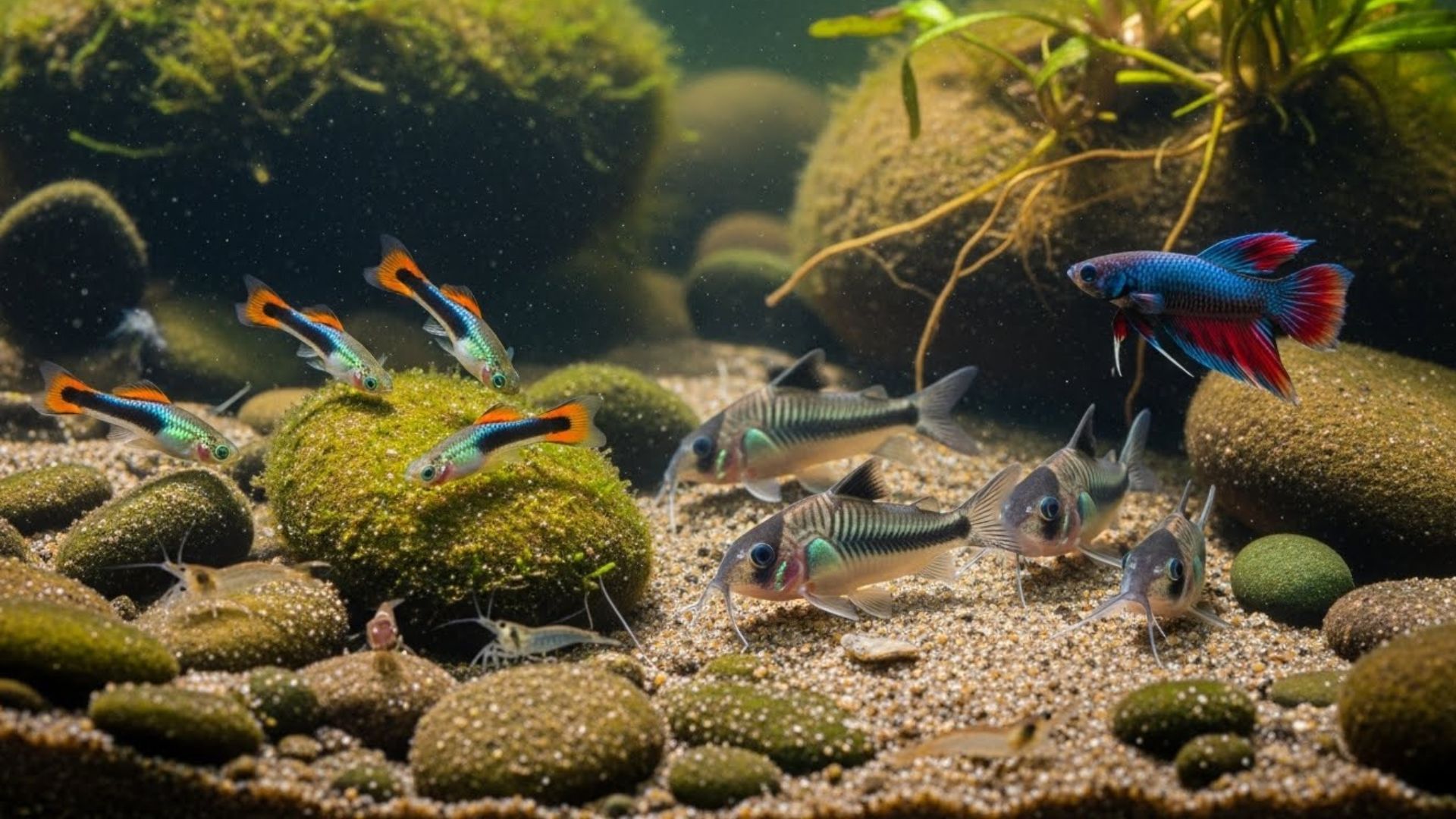
Life gets busy, and sometimes, our aquatic pals might miss a meal. While no pet should ever be intentionally neglected, what if I told you several species of excellent freshwater fish are naturally built to handle a more relaxed feeding schedule? These aren’t just any fish; they are sturdy, resourceful survivors who make the aquarium hobby a whole lot more forgiving and fun.
Welcome to the world of fish that can live with minimal food! This isn’t about finding fish you can starve—absolutely not. It’s about discovering incredible species that have evolved to be expert foragers, have a slower metabolism, or are just plain tough. They can go a little longer between meals, often by finding their own snacks right there in the tank.
So, if you’re looking for a pet fish that won’t hold a grudge if you forget a feeding once in a blue moon, you’ve come to the right place. Let’s meet these wonderfully resilient animals!
7 Fish That Can Live With Minimal Food
1. Betta Fish
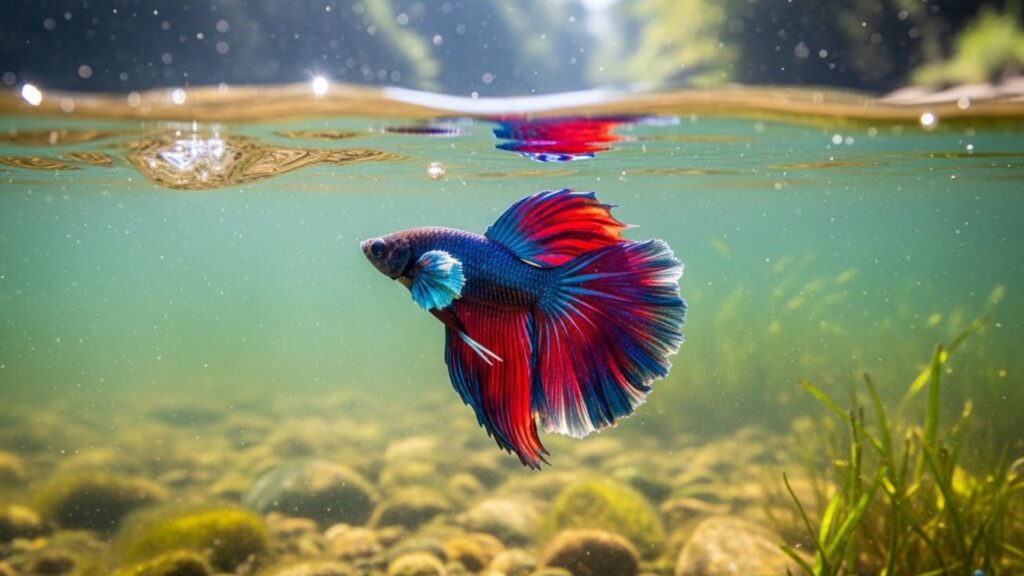
Betta fish is also known as the Siamese Fighting Fish. With their flowing fins and jewel-toned bodies, Bettas are like living art. But don’t let their glamorous appearance fool you; these are some of the hardiest fish around.
Often sold in tiny cups at the pet store (a practice we don’t recommend!), their resilience is legendary. They have prominent personalities packed into a small body, often recognizing their owners and interacting with them. They are intelligent, curious, and make fantastic single-specimen pets.
The Betta’s secret weapon is an organ called the labyrinth, which allows them to breathe air directly from the surface. This adaptation comes from their native habitat of shallow rice paddies and slow-moving streams, where water quality can be poor, and food might be scarce during dry seasons.
This environment also slowed their metabolism, meaning they don’t need a constant supply of energy. A healthy fish can, in an emergency, survive for up to two weeks without food by conserving power.
How to give your fish the royal life it deserves?
Skip the cup and go for a tank of at least five gallons. They prefer low water flow, mimicking their natural calm-water environment.
A planted aquarium is a Betta’s paradise, giving them plenty of hiding places to explore and rest.
Keep the water temperature warm and stable, between 76 and 81 degrees Fahrenheit.
Overfeeding is a far greater danger to this fish than underfeeding, as it can lead to bloating and other health issues.
So relax, enjoy your magnificent pet, and know that it’s okay if your feeding schedule isn’t clockwork-perfect.
2. Zebra Danio
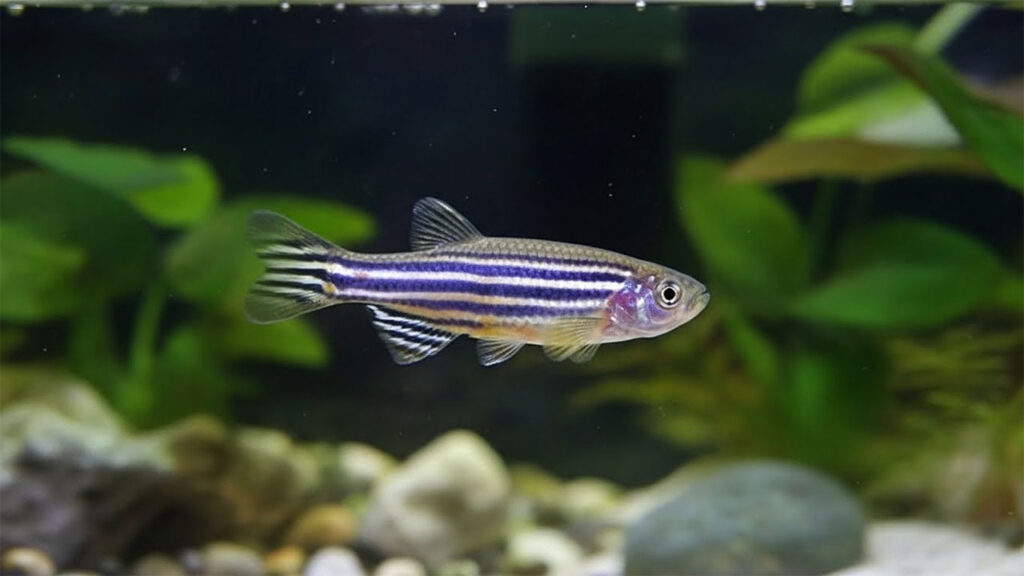
If you want action, you want Zebra Danios.
These little striped dynamos are the definition of energy, constantly zipping around the aquarium in a flash of silver and black. They are a classic schooling fish and a joy to watch, bringing a ton of life and movement to any community tank.
Their hardy nature and forgiving requirements make them one of the absolute best choices for anyone new to the aquarium hobby. WebMD states that they are active, peaceful, and endlessly entertaining.
Zebra Danios are the ultimate opportunistic feeders. Their “minimal food” superpower comes from their sheer enthusiasm for eating anything. In the wild, they consume small insects, crustaceans, and worms. In your aquarium, they will gobble up flake fish food, pellets, and any microscopic critters they can find.
How to give your fish the royal life it deserves?
A tank of ten gallons or more is a great start, but a longer tank is better than a tall one to give them plenty of horizontal swimming space. You must keep them in a group of at least six; otherwise, they can become stressed.
They are a super peaceful fish and get along famously with other community species like neon tetras, Corydoras catfish, and guppies. Just make sure their tank mates can keep up with their hyperactive pace!
When it comes to feeding time, Zebra Danios will act like they haven’t eaten in weeks, even if you fed them five minutes ago. A small pinch of high-quality flake food once a day is all they need.
Feed them sparingly, and let their natural foraging behavior take care of the rest.
3. Goldfish
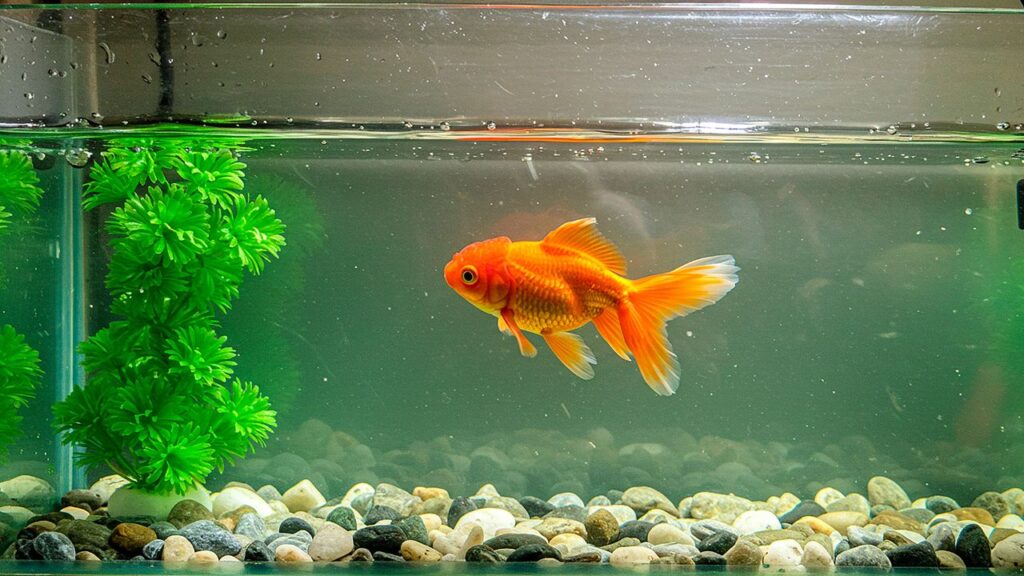
Ah, the Goldfish.
The quintessential pet fish, and perhaps the most misunderstood fish in the entire hobby. We picture them in a small bowl, but in reality, these animals are robust, long-lived creatures that can grow quite large.
Forget the bowl; a well-cared-for goldfish can live for over twenty years and become a faithful member of the family. There are wide varieties, from the sleek, pond-dwelling Comets to the chubby, fancy Orandas.
A Goldfish’s ability to manage with less frequent feeding is tied to its biology as a cold-water fish. Unlike tropical fish, whose metabolism is heavily influenced by water temperature, their metabolism is not. During the winter or in cooler water, their body processes slow down dramatically, and their need for food decreases.
How to give your fish the royal life it deserves?
A single fancy Goldfish needs a minimum of a twenty-gallon tank, with an additional ten gallons for each extra fish. The long-bodied, single-tail varieties need a pond or a huge tank (think seventy-five gallons or more) to truly thrive.
They are messy and produce a lot of waste, so powerful filtration and regular water changes are non-negotiable for a healthy fish.
A good rule is to feed them high-quality sinking pellets once a day, and only what they can consume in about a minute.
Supplement their diet with fresh vegetables, such as blanched peas (with the skin removed), which aid digestion. In a cooler tank, you can easily cut back feeding to a few times a week, and they will be absolutely fine.
4. Guppy Fish

Guppies are the living jewels of the freshwater world. The males, with their vibrant, flowing tails and unique colors, are like tiny, swimming masterpieces.
PetMD notes that they are incredibly active, peaceful, and famously easy to breed—so easy, in fact, that if you have males and females together, you will have baby fish before you know it. Their hardiness and dazzling looks make them a perennial favorite for beginners and experts alike.
The Guppy’s secret to being a low-maintenance feeder lies in its natural behavior as a micro-predator. In a well-established planted aquarium, a Guppy will spend all day, every day, on the hunt.
How to give your fish the royal life it deserves?
A ten-gallon tank is a perfect starting point for a small group of Guppies.
They absolutely thrive in a planted aquarium, as the plants not only provide security but also act as a living pantry, hosting the microorganisms they love to eat. The plants also offer excellent cover for the inevitable fry (baby fish) that will appear.
Guppies are peaceful and do well with other small species of a similar temperament, such as neon tetras, Platies, and cherry shrimp. Just be prepared for your Guppy population to grow!
A small amount of high-quality crushed flake food once a day is plenty. They will also eagerly accept frozen foods like daphnia or baby brine shrimp.
If you go on a week-long vacation, you don’t need to hire a fish-sitter or use an auto feeder. In a mature, planted tank, a healthy group of Guppies will be wonderful foraging on their own for several days, or even a week, without feeding.
This constant grazing provides them with a steady stream of nutrition, making them less reliant on you for their next meal. They are constantly snacking!
5. Platy Fish
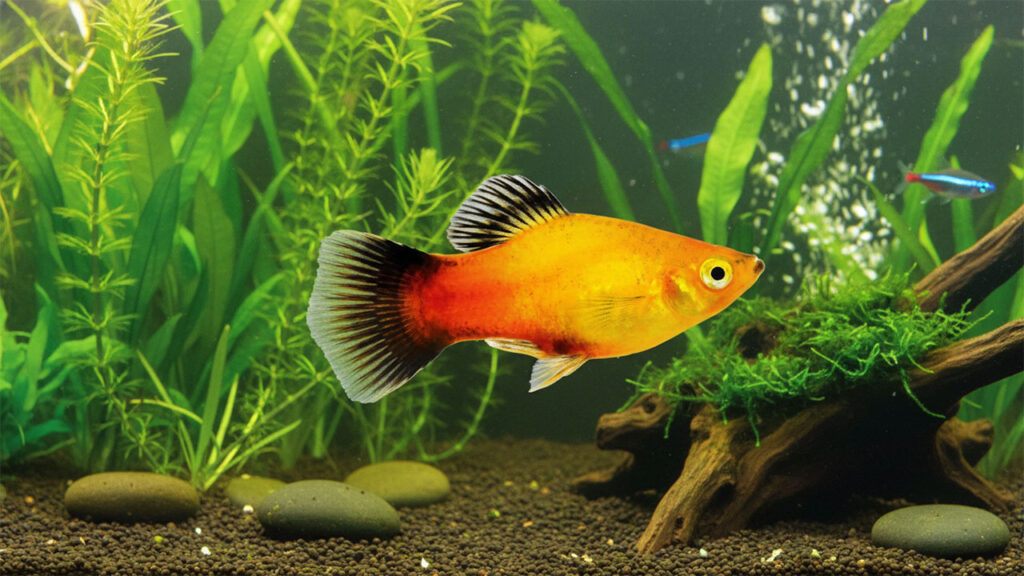
Platies are their cheerful fish.
They are incredibly peaceful, hardy, and come in an incredible array of colors, from fiery reds and sunset oranges to cool blues and speckled patterns.
They have a calm and curious temperament, making them a fantastic addition to any community tank. For a beginner looking for a colorful and forgiving fish, the Platy is a top-tier choice.
Its claim to fame as a low-maintenance feeder is its voracious appetite for algae. They are one of the best small fish species to eat algae, particularly the soft green algae that can coat your tank’s glass and decorations.
How to give your fish the royal life it deserves?
Platies are not demanding about their living situation. A ten-gallon aquarium is a good home for a small group.
They are quintessential community tank fish and get along wonderfully with other peaceful tank mates.
House them with Guppies, neon tetras, Corydoras, and even docile snails and shrimp. They also breed readily, though not quite as prolifically as Guppies.
A small daily feeding of a quality flake fish food is a good routine for Platies, but they are exceptionally forgiving. If you miss a day or two, they will hardly notice, as they’ll be busy with their algae-scraping duties.
Their ability to self-supplement their diet makes them one of the most carefree and healthy fish you can own.
6. Rosy Barb
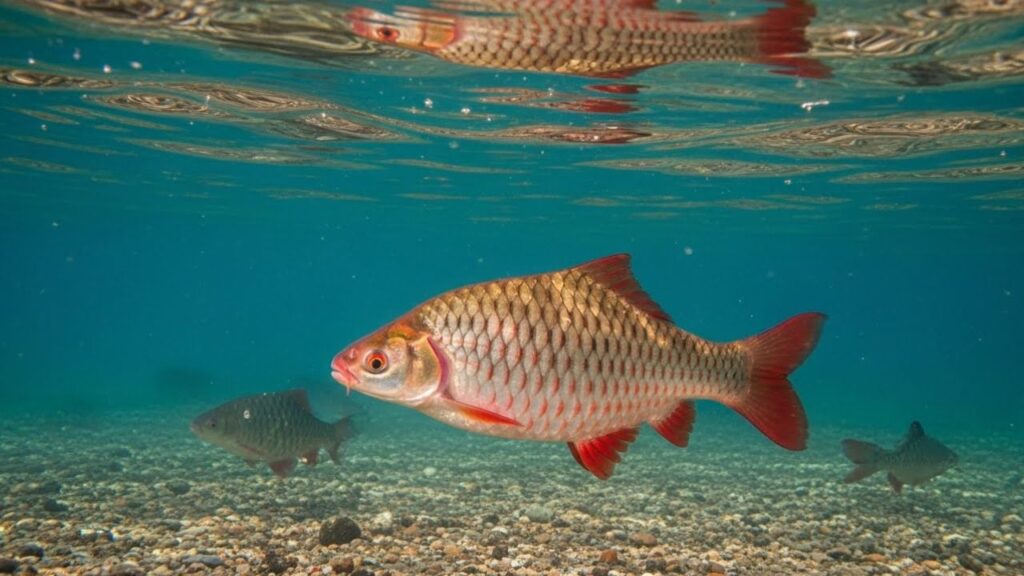
Looking for a fish with a bit more size and presence that’s still incredibly easy to care for? Say hello to the Rosy Barb.
This fish is a flash of shimmering pink and gold, an active and engaging member of the barb family. They are larger than many of the other fish on this list, but are known for being exceptionally hardy and adaptable. They bring a tremendous burst of color and energy to a medium-sized community aquarium.
Rosy Barbs are the definition of “not picky.” Their secret to thriving on minimal food is their omnivorous nature: eat anything and everything. They will eagerly consume flake foods, pellets, and frozen foods, and, importantly, graze on algae and nibble on some soft-leaved plants, as per Wikipedia.
How to give your fish the royal life it deserves?
A lone Rosy Barb can become stressed and timid. Due to their size (they can grow up to four inches) and activity level, a tank of at least twenty to thirty gallons is recommended.
They are generally peaceful but can be a bit boisterous, so they are best kept with other robust fish of about the same size, rather than tiny, delicate species.
When it comes to feeding, once a day is more than sufficient for these hearty eaters. They will attack their food with gusto, so be careful not to let their enthusiasm trick you into overfeeding.
For a healthy fish, variety is good, so mix up their diet with flakes, pellets, and the occasional veggie treat. If you miss a day of feeding, don’t worry.
A Rosy Barb will spend more time foraging around the tank and will be no worse for the wear.
7. Molly Fish
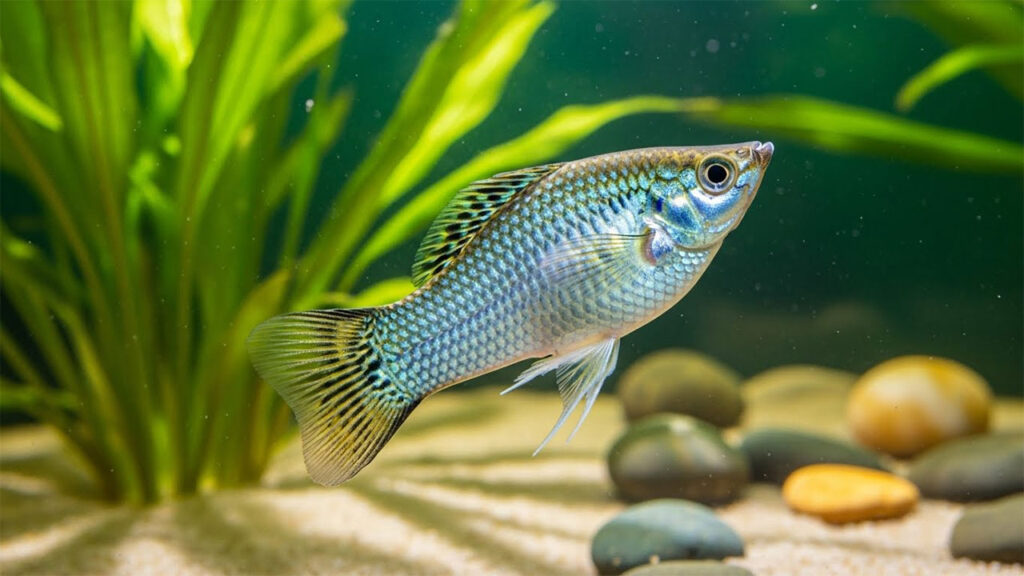
Mollies are another fantastic livebearer, known for their diverse shapes and colors. From the classic
These large fish are active and peaceful, and have a reputation as one of the best algae-eating fish available in the hobby, making them both beautiful and functional additions to your tank.
Molly’s superpower is its mouth. It’s specially designed for scraping and consuming algae off surfaces. In any aquarium that has even a little bit of natural green algae growth, a Molly will be happily grazing throughout the day. This constant self-feeding is what makes them a premier fish that can live with minimal food.
How to give your fish the royal life it deserves?
A good starting tank size for a few Mollies is around twenty gallons, especially if you choose the larger Sailfin variety. They appreciate a mix of open swimming space and planted areas as they can eat plants freely.
One of the most fascinating things about them is their adaptability to water chemistry. While we focus on them as a freshwater fish, they can be slowly acclimated to brackish water and even full marine salinity!
Even with their amazing ability to consume algae, supplemental feeding is recommended to ensure they receive a balanced diet.
A high-quality flake food that is rich in vegetable matter is the perfect choice. Spirulina-based flakes are excellent. You only need to feed them a small amount every day or every other day.
They will happily take care of their own “salad course” by grazing on any algae and biofilm in the aquarium, making them one of the most forgiving and beneficial tropical fish you can keep.
Conclusion
So there you have it! A whole school of incredible fish that can make your journey into the aquarium hobby a little less stressful and a lot more fun. From the regal Betta to the industrious Molly, these species prove that you don’t need a rigid, unforgiving schedule to be a great fish owner. Their natural hardiness, foraging instincts, and adaptable metabolisms mean they are built to handle the occasional missed meal.
Remember, the goal is always to provide the best possible care for a healthy fish. This list isn’t an excuse to neglect your pets, but rather a guide to choosing a fish species that better fits a busy or imperfect lifestyle.
So go ahead, get that tank started, and enjoy the wonderful, resilient world of these low-maintenance aquatic companions.
