




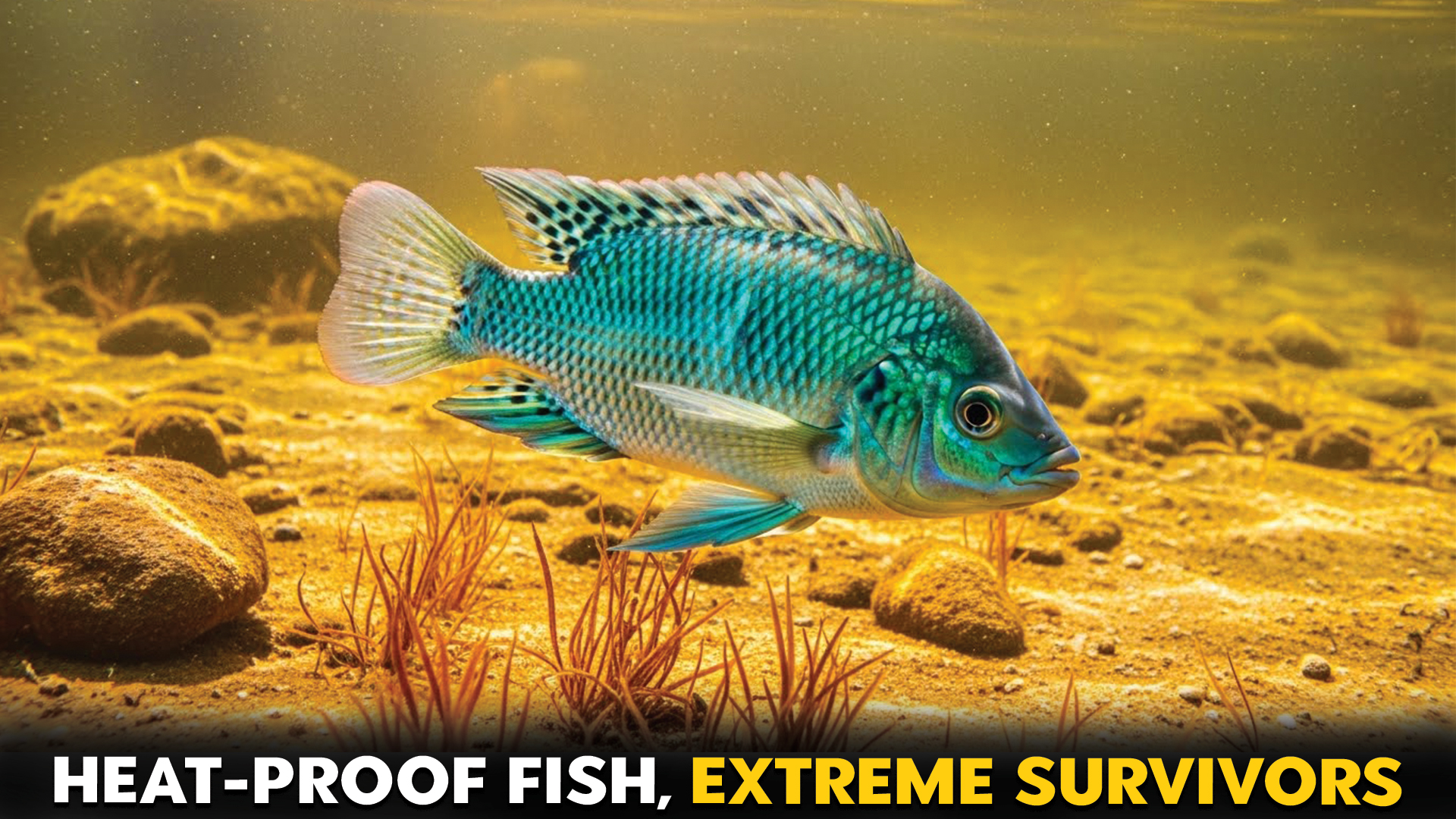
Ever stepped outside during the peak of summer and felt like you were melting? The air gets thick, the sun is relentless, and all you can think about is finding a cool, air-conditioned room. Now, imagine living in that heat twenty-four-seven, but underwater.
While most fish would be in serious trouble, a special group of aquatic daredevils not only endures the heat but actually thrives in it. These fish can live in extreme heat, and their survival stories are nothing short of incredible.
Forget what you know about needing cool, pristine water. We’re about to dive into the world of some truly tough fish species that look at a boiling pond and call it a cozy home. From the deserts of the Middle East to the volcanic lakes of Africa, these creatures have evolved superpowers to withstand temperatures that would cook your average goldfish.
So, get ready to meet the planet’s most heat-resistant fish that can tolerate higher temperatures. You won’t believe what they can survive.
Fish That Can Live in Extreme Heat
1. Arabian Killifish
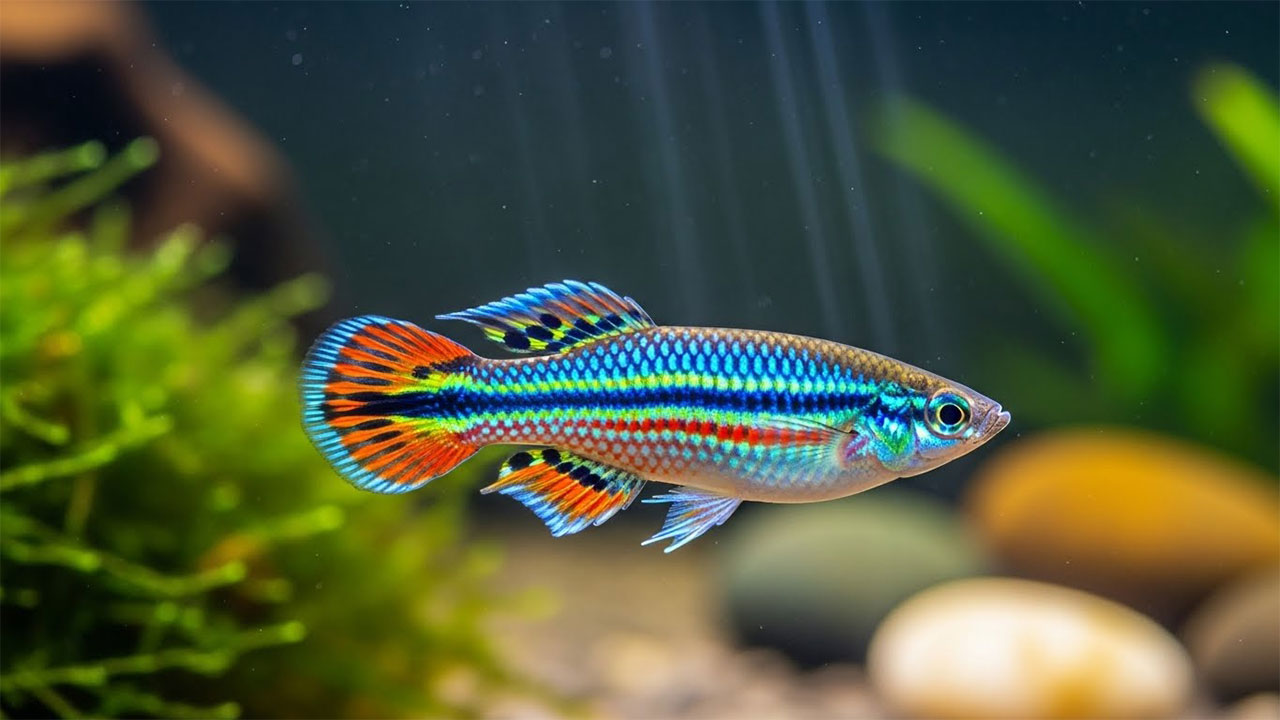
Arabian Killifish is a small fish that essentially laughs in the face of a heatwave. Found in the coastal waters and streams of the Middle East, this little survivor is a true thermotolerant champion. While other fish seek shade, the Arabian Killifish is pleased swimming in water temperatures that would feel like a hot bath to us.
Their natural habitats are already incredibly warm, often reaching between thirty and thirty-seven degrees Celsius. But that’s just their everyday life! Some populations, like those in the Geno hot spring in Iran, have taken it to a whole new level, permanently living in water that hits a scorching forty degrees Celsius.
Their secret?
They produce special heat shock proteins, specifically one called Hsp90a, which act like tiny bodyguards for their cells, protecting them from heat damage. This adaptation is crucial for their survival.
This remarkable ability to withstand high temperatures makes the Arabian Killifish a superstar in the scientific community. Researchers study this fish to understand how life copes with extreme stress. Because it can thrive at temperatures close to those of the human body, it serves as a valuable model for studying diseases and the effects of pollution in conditions that other lab fish, like zebrafish, can’t tolerate.
Interestingly, while this particular species is a heat-lover, many other killifish are found in much cooler water. The Arabian Killifish is the family’s outlier, a testament to how evolution can push a species to conquer the most extreme environment.
2. Mozambique Tilapia
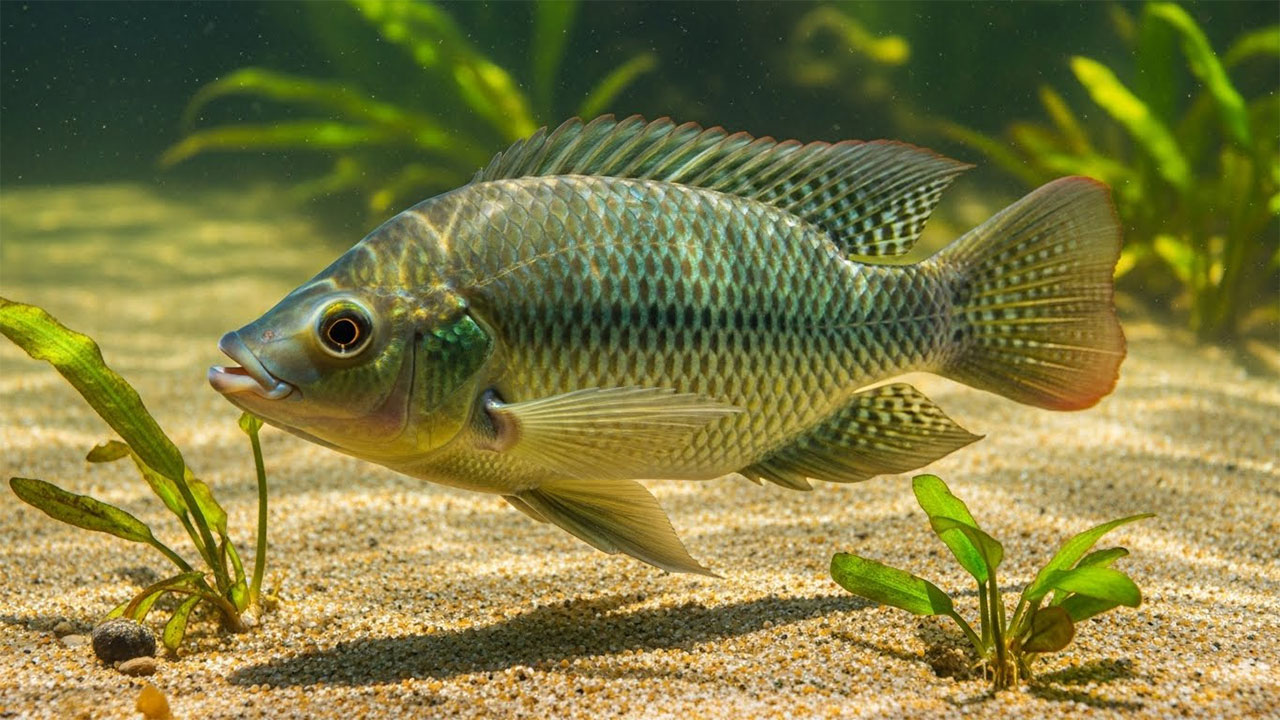
This fish is renowned for its toughness, capable of thriving in warm, tropical waters and tolerating a massive range of harsh conditions, including poor water quality. Its ability to withstand heat is a key part of its success, allowing it to spread across the globe.
The ideal water temperature for this fish to grow and reproduce is a balmy twenty-two to thirty degrees Celsius. However, its survival range is much wider. It can survive in water as warm as 39 degrees Celsius, with some reports indicating it can withstand an astonishing range of 8 to 42 degrees Celsius.
When the water gets hot and the dissolved oxygen levels drop, this tilapia has a trick up its sleeve: it can gulp air from the surface to keep breathing.
This hardiness is a double-edged sword. While impressive, it’s also what makes the Mozambique Tilapia a successful invasive species in many parts of the world. It can move into a new pond or river and outcompete native fish species that aren’t as tough.
In places like Oklahoma, where they are sometimes introduced into ground ponds to control algae, they experience a massive die-off every fall or winter. So, while they love the summer, the cold of the winter months is their ultimate downfall.
3. Devils Hole Pupfish
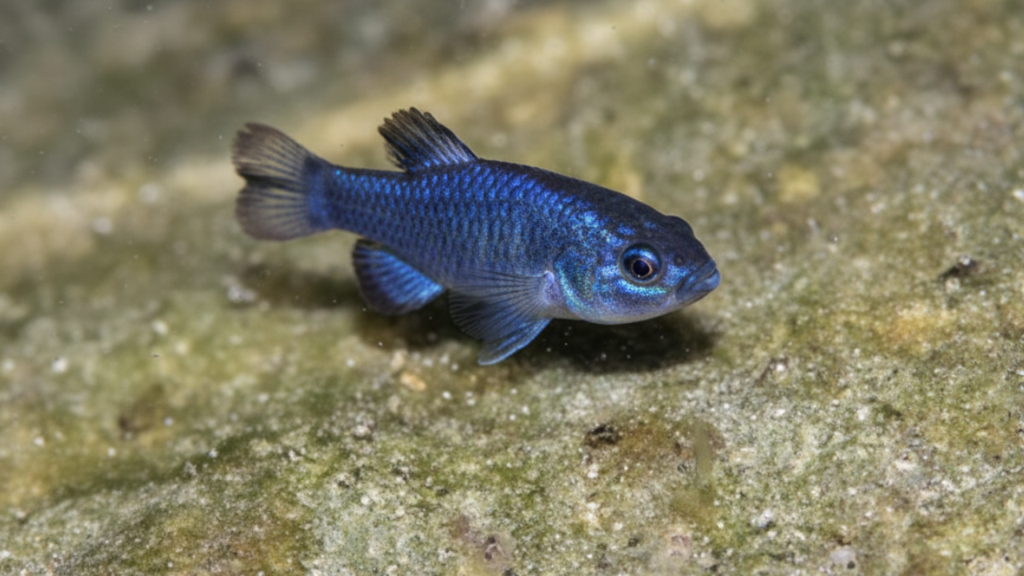
This tiny fish lives in one location and one location only: Devils Hole, a water-filled cavern where the temperature remains a constant ninety-three degrees Fahrenheit year-round. This environment is instantly lethal to most other fish.
The pupfish has evolved in total isolation for thousands of years, developing unique adaptations to survive its extreme home. The warm water contains very little dissolved oxygen, which would typically lead to oxygen deprivation.
To cope, the pupfish can switch between oxygen-based and oxygen-free respiration for hours at a time, a superpower that prevents cellular damage from the elevated temperature. This is a fish living on the absolute edge.
Despite its incredible adaptations, the Devils Hole Pupfish lives a precarious existence. They are at the very limit of their thermal tolerance. Even a slight increase in water temperature, potentially driven by climate change, can negatively affect their reproduction and the survival of their eggs. With such a limited genetic pool and a single habitat, they face a constant risk of extinction, making their conservation a top priority.
The home of this fish is as mysterious as the fish itself. Divers have mapped the cavern to a depth of 500 feet, but they have never reached the bottom.
4. Walking Catfish
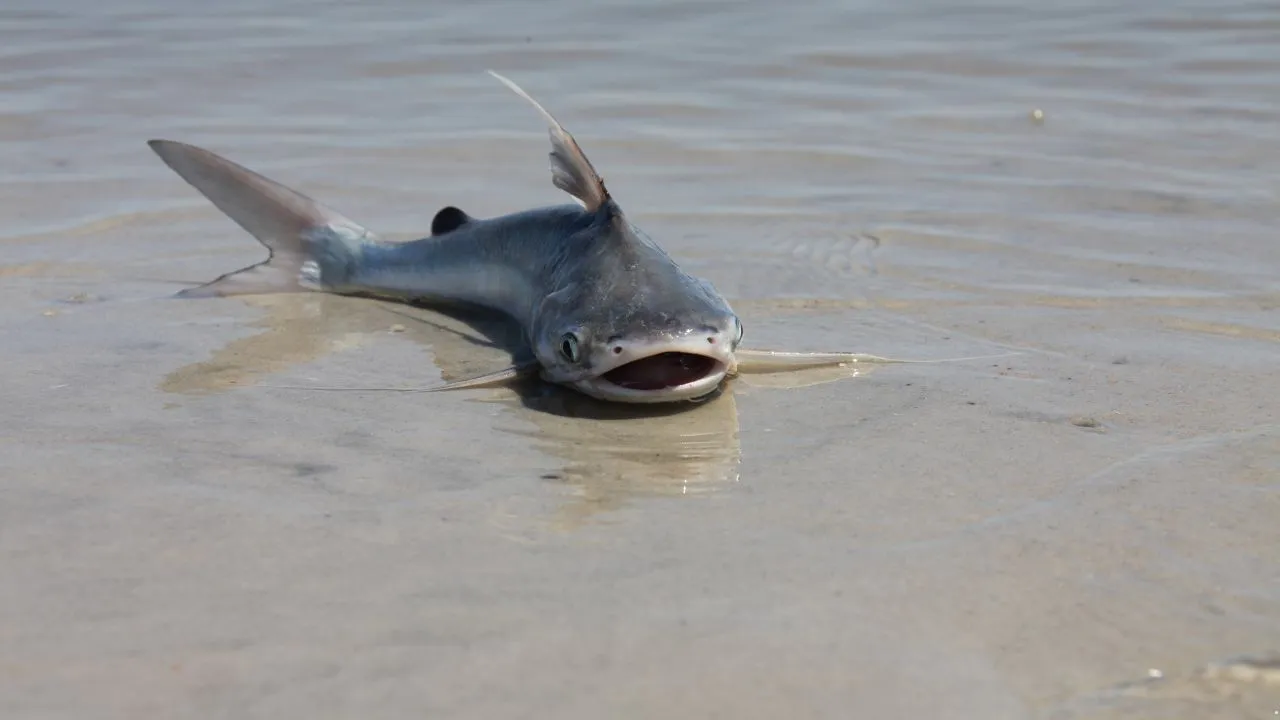
Walking Catfish’s most famous trait is its ability to “walk” across land, but its tolerance for high temperatures is just as impressive. The Florida Museum says this is a fish that refuses to be trapped.
The walking catfish possesses a special organ that functions like a primitive lung, allowing it to breathe atmospheric air. This is a game-changer. It means the fish can survive in stagnant, muddy ponds and ditches that have almost no dissolved oxygen, which are often the first bodies of water to heat up under the sun.
When its home pond becomes too searing, too crowded, or runs out of oxygen, the walking catfish doesn’t just give up. It uses its strong pectoral fins to hoist itself out of the water and wriggle across the land, seeking a new, more suitable home. This ability makes it incredibly resilient, especially after heavy rains, when it can easily travel between water bodies.
They are a true warm-water species and will shut down and perish if the temperature drops too low. During dry or cold periods, they have another survival trick: burrowing into the mud and waiting for conditions to improve. It’s this combination of air-breathing, walking, and burrowing that makes the walking catfish one of the hardiest fish out there.
5. Magadi Tilapia
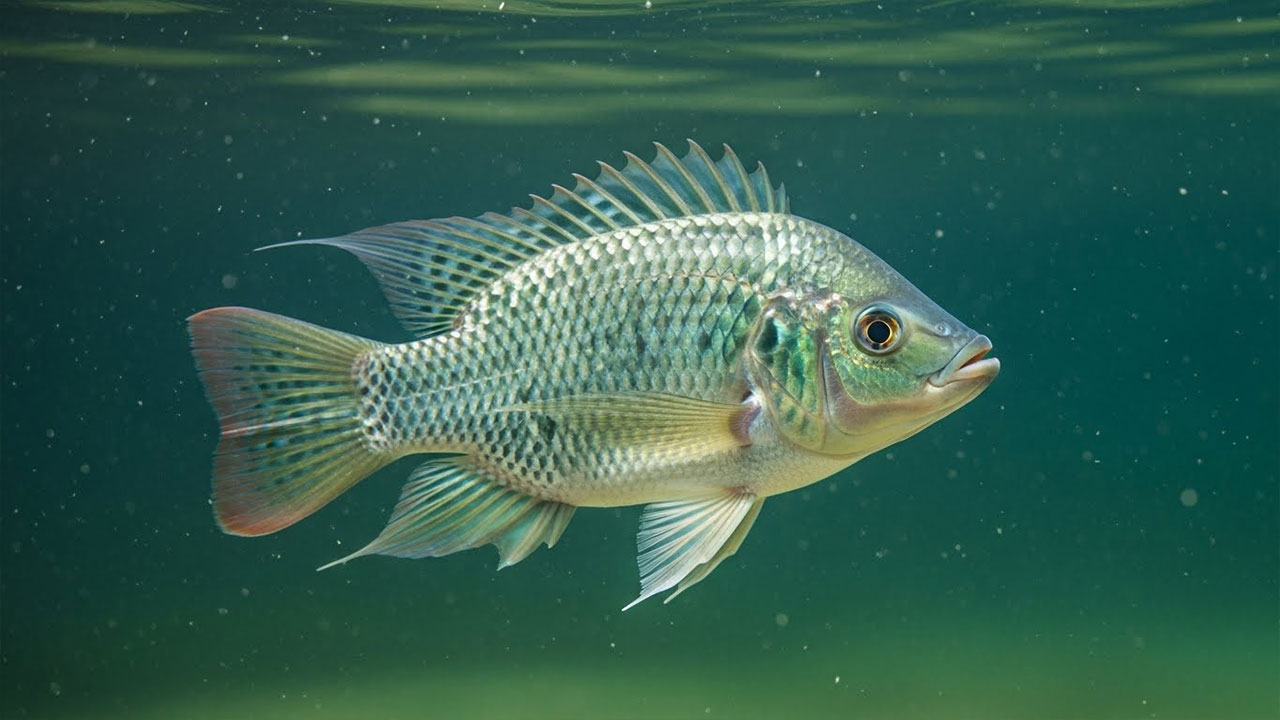
Magadi Tilapia lives in the truly extreme environment of Lake Magadi in Kenya, a place known not only for its heat but also for its extreme alkalinity and bizarre water chemistry.
A population of this fish lives in the South West Hot Springs of the lake, where they experience daily temperature swings from a nighttime low of thirty-two degrees Celsius to a daytime high of a blistering forty-three degrees Celsius.
This population has a recorded critical maximum temperature of 45.6 degrees Celsius—that’s over 114 degrees Fahrenheit! No other fish is known to endure this level of heat.
To outlast in this hot, oxygen-poor, and highly alkaline water (with a pH up to ten), the fish has developed a metabolism that is off the charts. Its routine metabolic rate is so high that it’s comparable to that of a small mammal of the same size. This high-octane engine requires a ton of energy and oxygen.
This fish is a marvel of evolution. Its ability to thrive in such a hostile environment, juggling high heat, low oxygen, and caustic water, is a testament to the power of adaptation.
6. Redbelly Tilapia
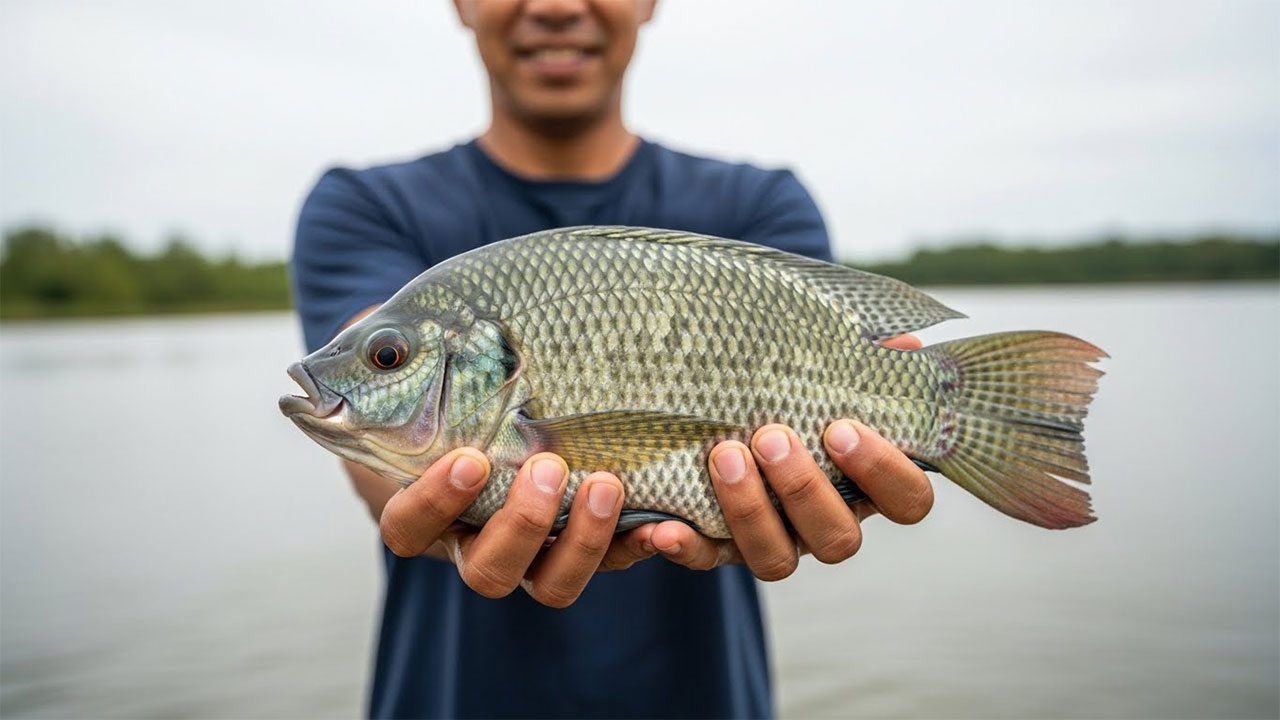
The Redbelly Tilapia is another highly adaptable species that can survive in extreme heat, with an upper tolerance limit of 42.5 °C. This wide temperature range is a significant factor in its success as an invasive species, as it thrives in the warm irrigation waters of places like California’s Imperial Valley.
When the water gets too hot, the fish will feed less, its immune system weakens, and its growth slows down. Prolonged exposure to a high temperature, such as thirty-seven degrees Celsius, can lead to tissue damage and even death.
This stress is a serious concern in fish farming, where maintaining a stable environment is key to keeping the fish healthy. It shows that even for a heat-tolerant fish, there is a fine line between comfort and stress.
This highlights a crucial point: even fish that can live in extreme heat have their limits. Their ability to survive is a specialized adaptation, not a preference for stressful conditions. They’ve evolved to handle the heat, but it often comes at a physiological cost, and they are almost universally vulnerable to cold water.
7. Sailfin Molly
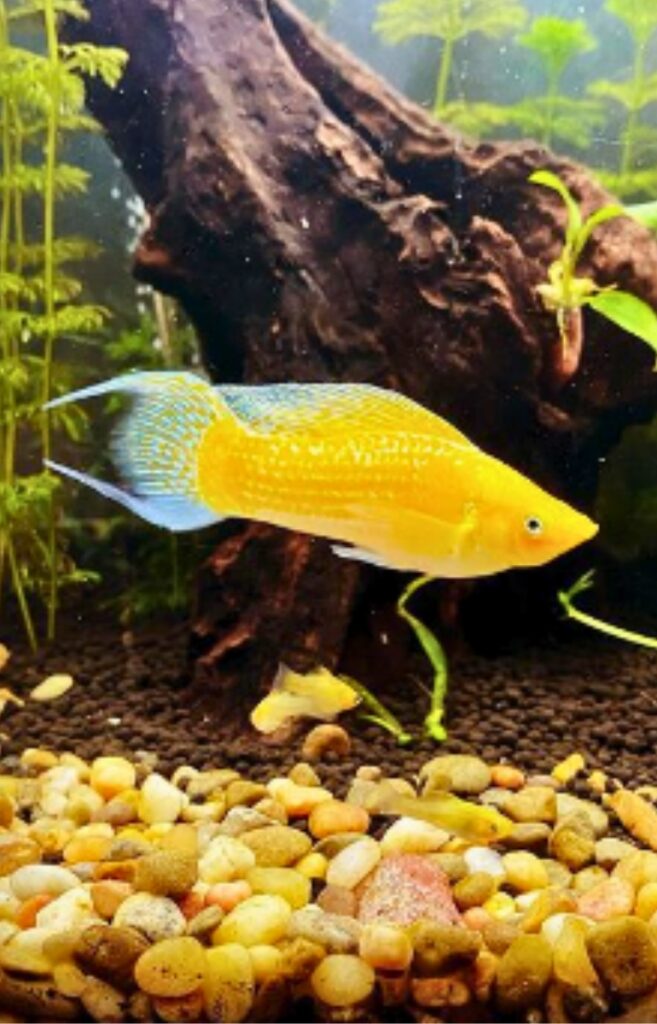
While other fish are gasping for oxygen and looking for a cool current, Britannica says the Sailfin Molly is practically putting on sunglasses and thriving in water warm enough to be considered a fishy hot tub.
So, what’s the secret behind this fish’s heat-defying act?
It’s all about being a master of adaptation. In their native habitats of coastal streams and brackish marshes from the Carolinas to Mexico, Sailfin Mollies evolved in environments where the water can get hot and shallow under the blazing sun.
Their bodies are like finely tuned engines, built to handle the stress. Their metabolism and respiratory systems can kick into high gear to cope with the lower oxygen levels in warmer water, allowing them to stay active and energetic when others would become lethargic. They aren’t just heat-resistant; they’re the all-terrain vehicles of the fish world, ready for almost any challenge nature throws at them.
This incredible hardiness makes the Sailfin Molly a true champion of survival. That spectacular sailfin on the male isn’t just for show—it’s a bold declaration of its genetic superiority and a signal that it can thrive even in the most challenging conditions.
Conclusion
These fish that can live in harsh heat have developed amazing strategies to conquer environments that would be instantly fatal to others.
So, what does this mean for those of us who want a beautiful aquarium in our living room?
It’s a powerful reminder that every fish is different. You wouldn’t put a cold-water fish like White Cloud Mountain Minnows in a tank with a fish that needs a high water temperature. Even among tropical fish, a German Blue Ram has different needs than a Zebra Pleco. It’s crucial to research the specific needs of any fish you plan to keep, from their ideal temperature range to their diet of aquatic plant matter or frozen foods.
The stories of these extreme fish underscore the importance of maintaining a stable tank environment. Good water quality, proper aeration or surface agitation to ensure plenty of dissolved oxygen, and, most importantly, the correct water temperature are all vital for a healthy fish. While you probably won’t be keeping a Magadi Tilapia factor your home, learning about these outliers gives us a deeper appreciation for the diversity of life and the delicate balance required to sustain it.
