




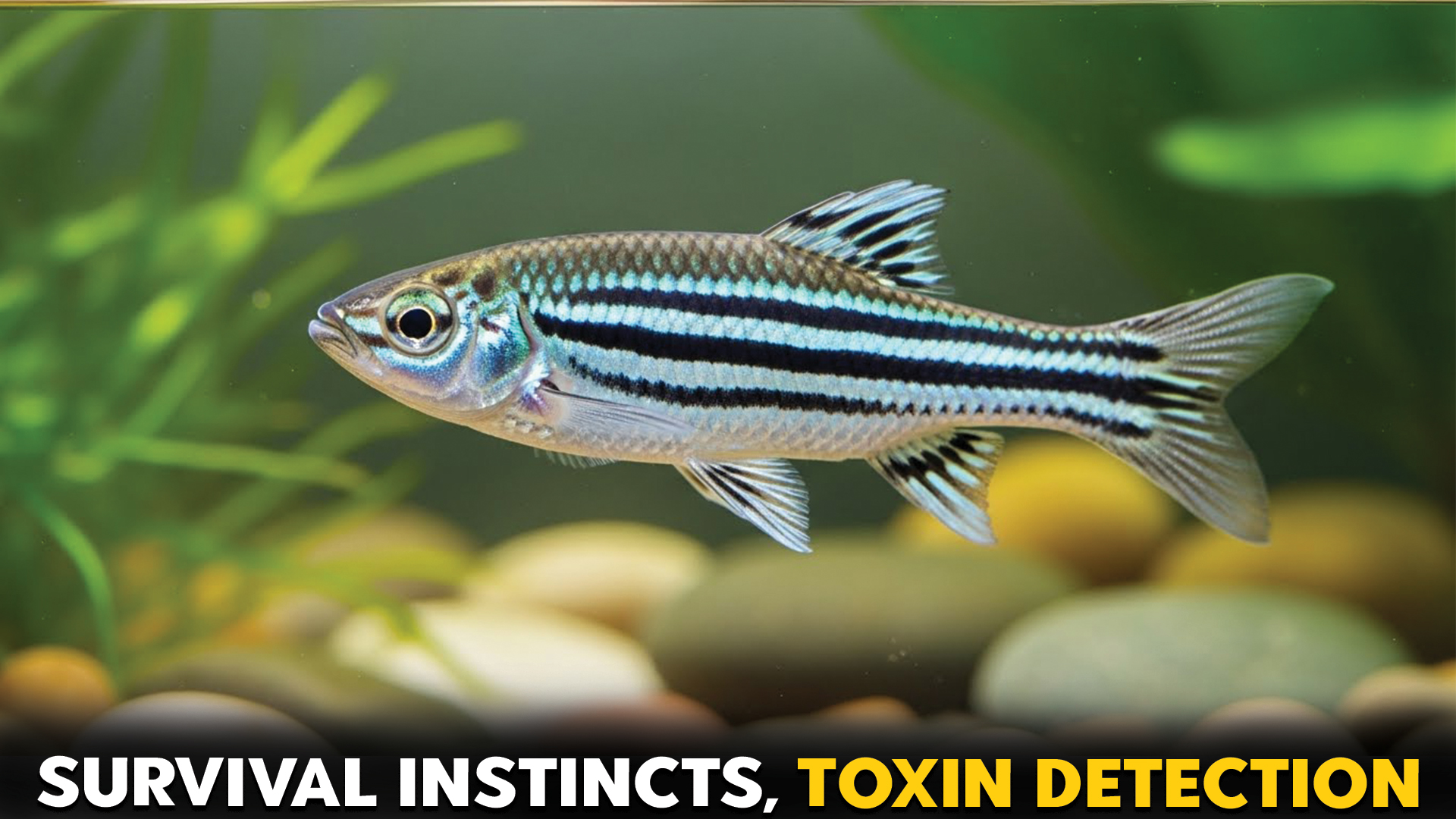
An unfortunate fact is that our beautiful aquatic environments are constantly under threat from an invisible enemy: chemical pollutants. Toxic chemicals from industrial pollution, agriculture, and everyday life enter our rivers, lakes, and oceans. These hazardous substances, including pesticides and heavy metals such as lead, can cause complex contamination in surface water, harming both wildlife and humans.
This is where our story begins.
The presence of these pollutants poses serious health risks, and understanding their impact is a tremendous job. That’s why organizations like the Environmental Protection Agency (EPA) and the National Institute of Environmental Health Sciences have a vested interest in monitoring programs. These programs are essential for protecting human health, especially the safety of our drinking water and the food we eat.
So, how do we know what’s out there? One of the most effective methods is to turn to the experts who live there 24/7. We’re about to dive deep and explore the fish that can detect toxins in their environment.
Fish That Can Detect Toxins in Their Environment
1. Zebrafish
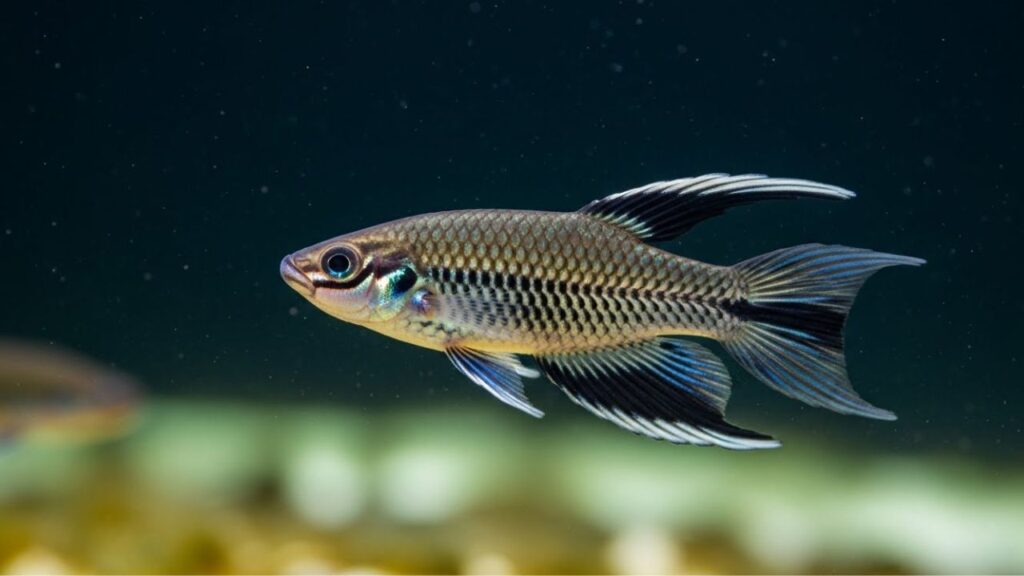
You probably know them as those zippy, striped little guys from the pet store. They’re hardy, easy to care for, and always active. But in laboratories dedicated to environmental toxicology, these little fish are bona fide superstars, helping scientists unlock the secrets of toxic substances.
So, what’s their superpower?
It’s all in their babies!
According to a study published in Science Direct, Zebrafish embryos are transparent, allowing researchers to observe development in real time under a microscope.
When these embryos are exposed to contaminated water, scientists can observe the adverse effects of chemical adulterations on a living vertebrate animal as they unfold. It gives them a front-row seat to see how environmental chemicals can disrupt growth and health at the earliest stages.
This unique trait makes the zebrafish an invaluable tool for research. Scientists can conduct experiments to determine the toxicity of specific compounds or even chemical mixtures. Because about 70% of human genes have counterparts in zebrafish, what affects them often provides clues about potential health effects in humans.
It’s a powerful way to assess risk without endangering other animals.
2. Rainbow Trout
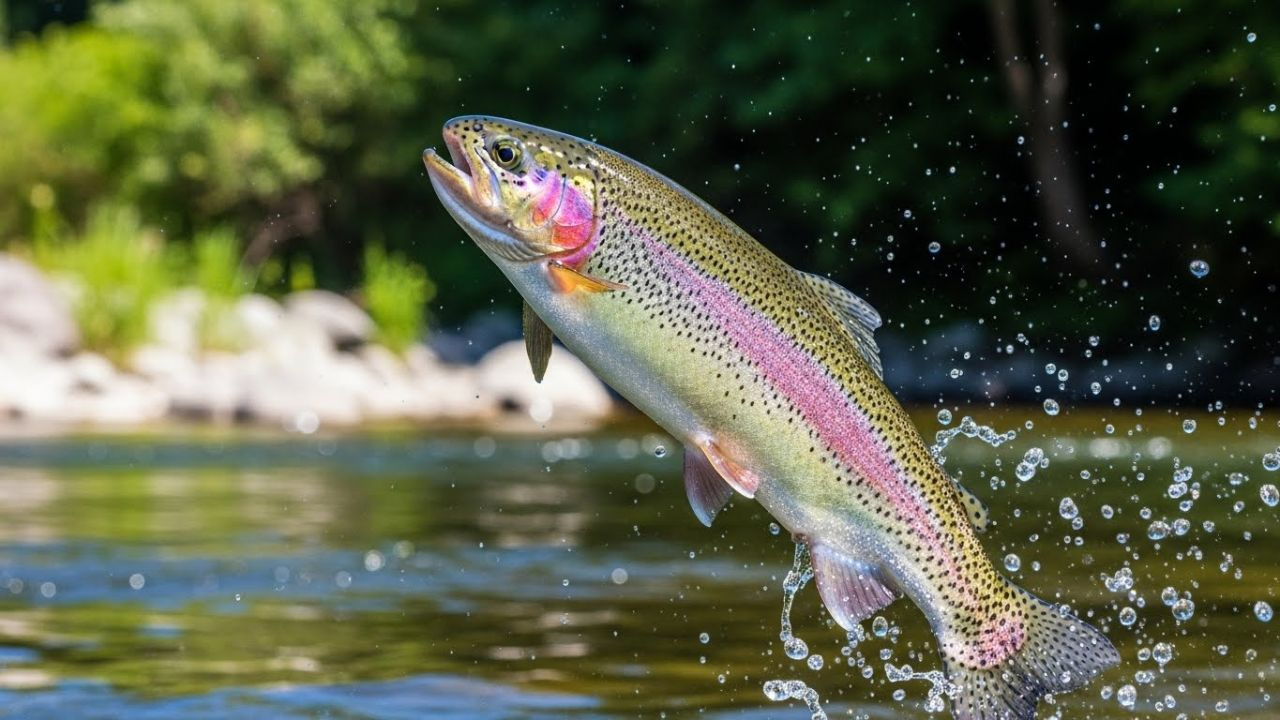
Next up is a fly-fisher’s favorite and a true icon of clean, cold water: the Rainbow Trout.
These beautiful fish are not just a prized catch; they are also susceptible to their surroundings. Think of them as the divas of the freshwater world—they demand pristine conditions to thrive, which makes them excellent indicators of pollution.
The Rainbow Trout’s sensitivity is its greatest strength in detection. They are particularly susceptible to heavy metals and chemical pollutants that can wash into rivers from mines, factories, and farms. When these contaminants are present, trout populations are often the first to show signs of stress.
Because they are a commercially valuable species, much research has focused on them. Scientists regularly sample fish from various locations to analyze their tissues. This data analysis helps map contaminant concentrations across regions, such as the Great Lakes, where industrial pollution has long been a problem.
When high levels of poisonous substances are found in trout, it raises red flags about fish consumption advisories. By studying these fish, we can better understand the health risks associated with eating contaminated fish and protect human consumers from the hidden dangers that move up the food chain.
3. Blue Catfish
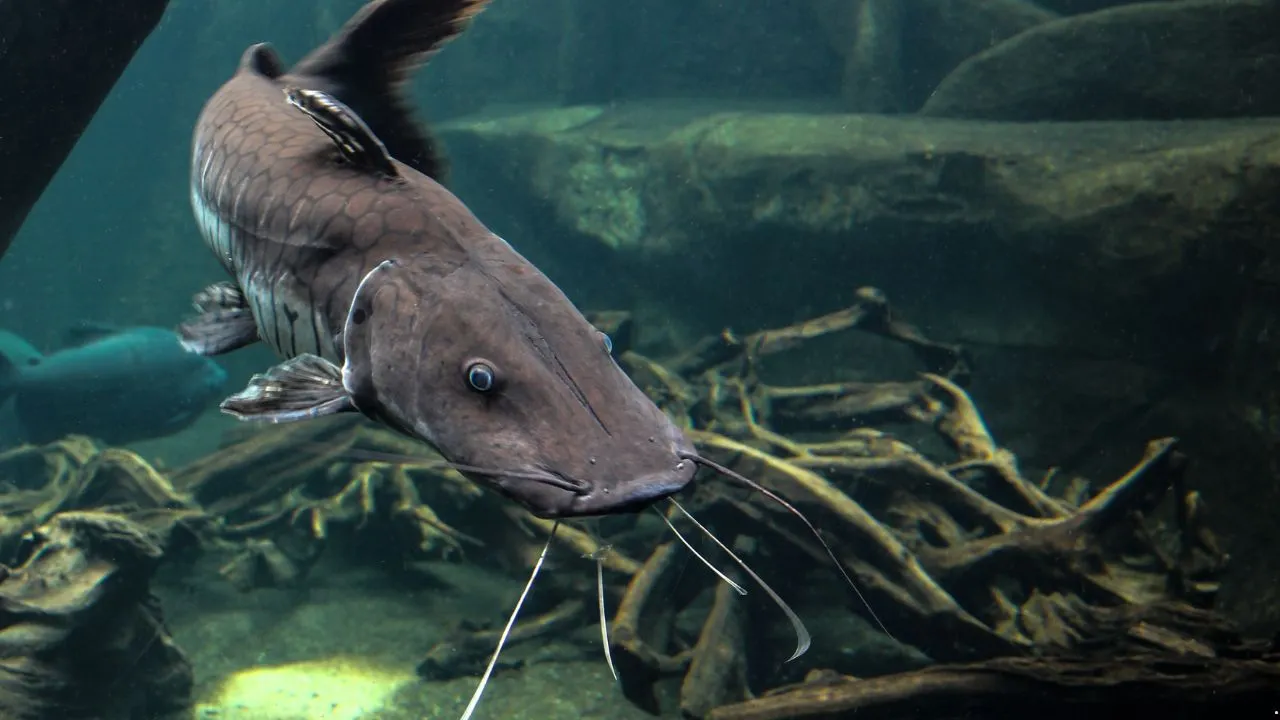
Let’s head to the bottom of the river for our next sentinel, the mighty Blue Catfish.
These whiskered giants are opportunistic feeders, cruising the murky depths and munching on just about anything they can find. While their diet isn’t exactly picky, this exact behavior is what makes them such fantastic environmental detectives.
They are what we call benthic organisms, meaning they live and feed along the riverbed. This is significant because the sediment at the bottom of rivers and lakes acts like a sponge for persistent compounds. Chemicals such as dioxins and other hazardous substances released decades ago can persist in the mud. As catfish stir up the bottom and feed, they ingest these concentrated toxins.
This makes them a living record of historical environmental contamination. Scientists involved in long-term monitoring, such as the National Trends Program, rely on species like the Blue Catfish.
By analyzing tissue from these long-lived fish, researchers can get a clear picture of which chemicals are present in an ecosystem and whether their concentrations are increasing or decreasing over time.
4. Tilapia

Tilapia might be best known as a popular menu item, but in the world of science, they are a reliable and robust model for studying ecological health.
Originally from Africa, Britannica says these hardy fish can tolerate a wide range of conditions, which, ironically, makes them ideal for controlled experiments on toxicity.
Unlike the sensitive Rainbow Trout, tilapia can survive in less-than-ideal water, allowing scientists to study the effects of chronic, or long-term, exposure to low levels of toxic chemicals. In a lab setting, researchers can create controlled aquatic habitats and introduce specific pollutants to see how the fish respond over time.
They look for changes in behavior, growth, reproduction, and even at the genetic level.
This controlled approach enables precise analysis of the health effects of environmental adulterations. For example, scientists can determine exactly how a particular pesticide affects liver function or how metals accumulate in different parts of the fish’s body. This helps build a library of knowledge on how different compounds impact living organisms.
5. Goldfish
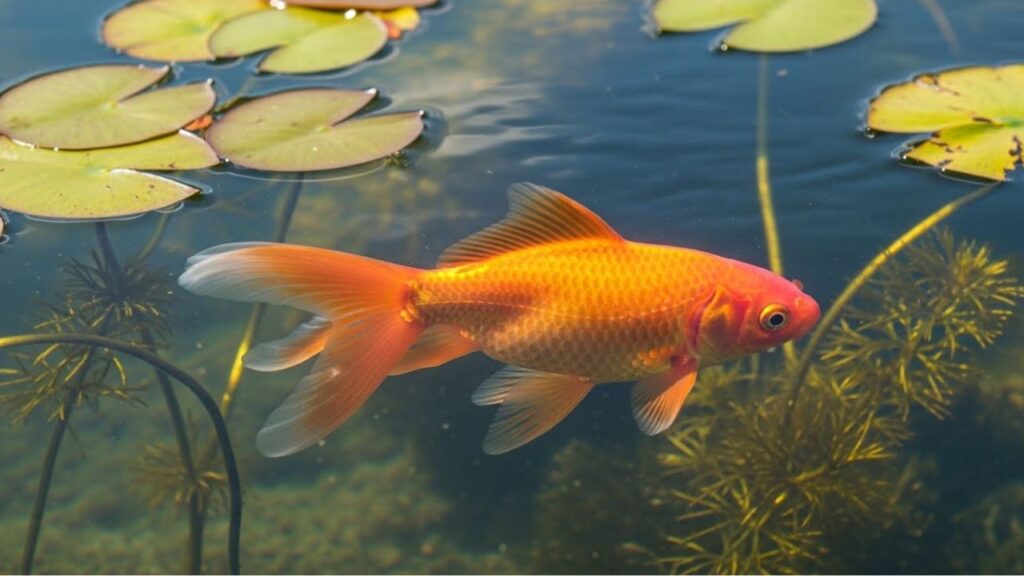
Surprise! That humble goldfish in your bowl has a secret life as a scientific helper. A close relative of the Common Carp, goldfish are surprisingly tough and have been used in research for decades. Their accessibility and resilience make them a practical choice for a wide range of studies, including those looking at environmental chemicals.
Goldfish have been the subjects of countless experiments aimed at understanding the adverse consequences of toxic substances. Scientists have exposed them to everything from heavy metals to common household chemicals to see how their bodies react.
They are handy for studying neurological effects, as changes in their swimming behavior can be a clear indicator that a toxin is affecting their brain or nervous system.
One of the most interesting uses of goldfish has been in detecting pollutants in drinking water systems. In some innovative monitoring programs, goldfish have been used as living sensors. Computers track their behavior, and if the fish suddenly become erratic, it can trigger an alarm, suggesting a contaminant in the water supply. It’s a low-tech concept with a high-tech application!
So, while you might see them as just a simple pet, goldfish have contributed a wealth of data to the field of environmental toxicology.
6. Common Carp
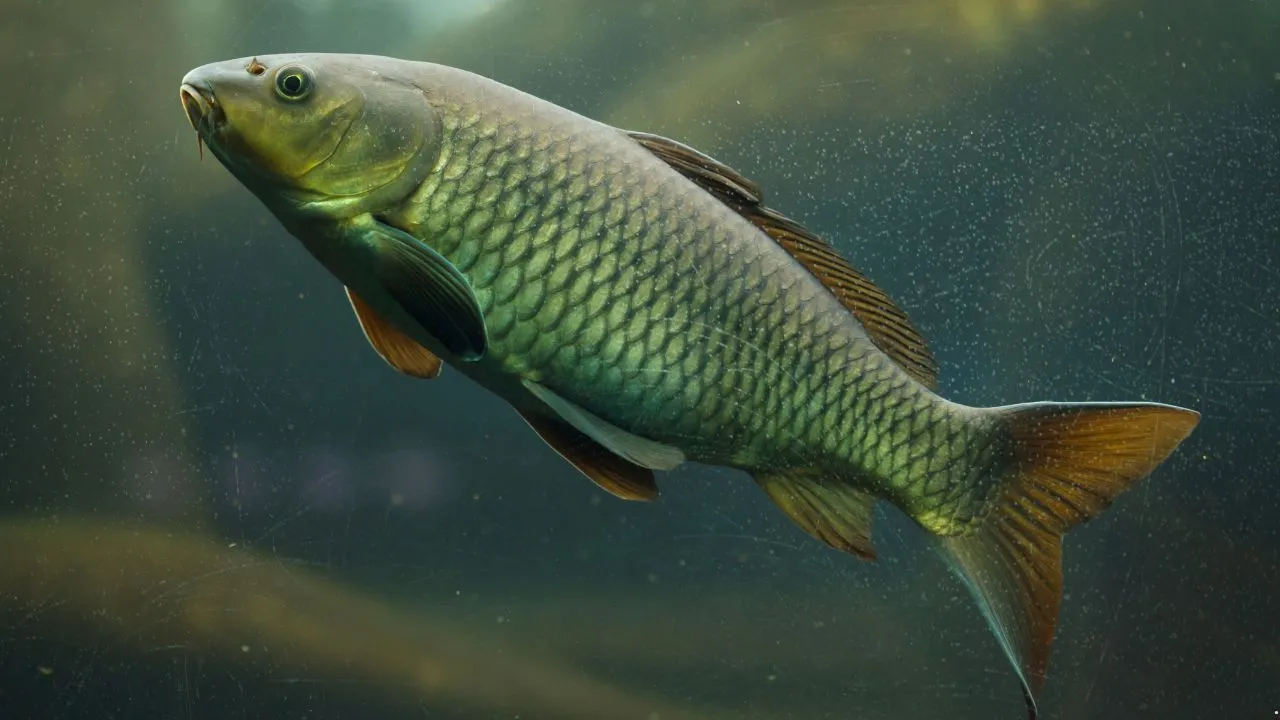
The Common Carp is one of the most widespread freshwater fish in the world. They are tough, adaptable, and can be found in all sorts of aquatic conditions, from pristine lakes to murky, contaminated canals.
Like their catfish cousins, carp are bottom-feeders that stir up sediment, leading to ingestion of persistent compounds that have settled there. Because they can tolerate high levels of pollution, they can accumulate a significant amount of toxic substances in their bodies over their long lifespans. Their fatty tissue is particularly good at storing chemicals such as dioxins and PCBs.
This makes the Common Carp a living library of local pollution history. When scientists assess the health of a heavily impacted waterway, sampling fish such as carp is a top priority, analyzing their tissues for a cocktail of chemical contaminants provides a comprehensive overview of the toxic load in that ecosystem, which is something that simple water samples often miss.
This research has direct implications for human health. In many parts of the world, carp is a food source. Monitoring the contaminant concentrations in these fish is essential for issuing fish consumption advisories and protecting the public from adverse health effects.
7. Atlantic Salmon
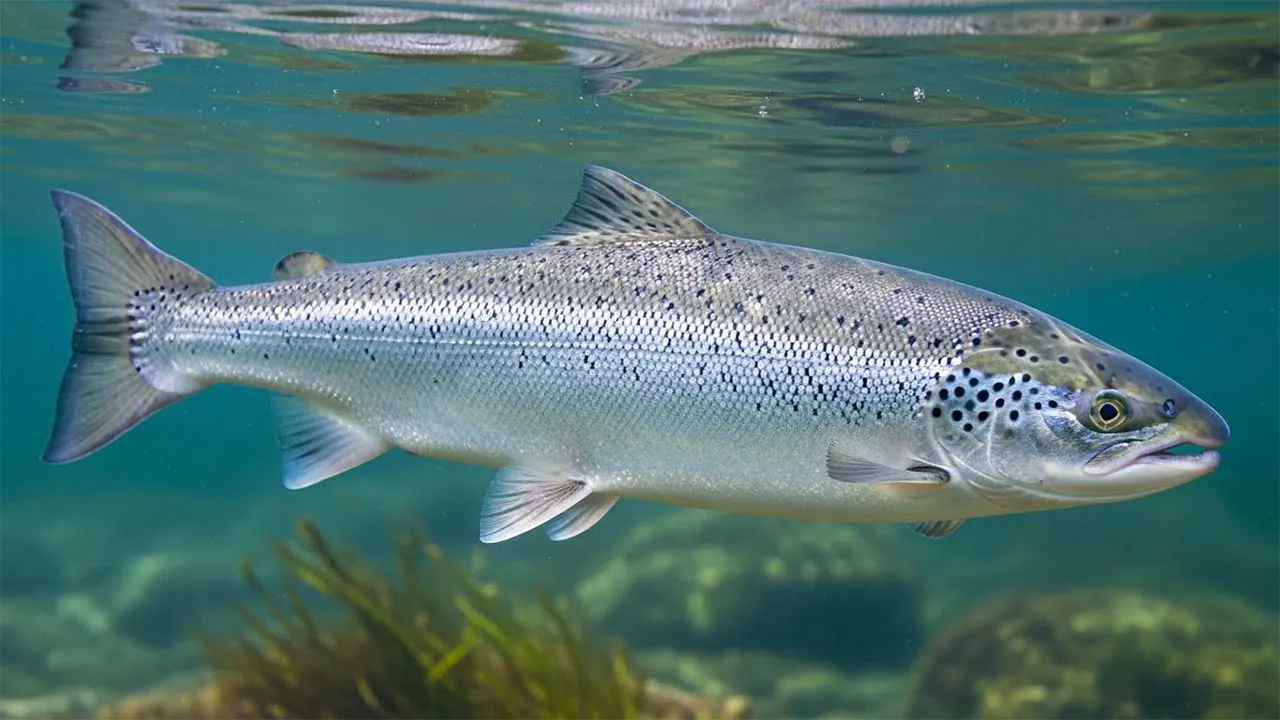
The Atlantic Salmon is a fish of epic journeys, migrating from freshwater rivers to the vast ocean and back again. This incredible life cycle means they travel through and sample a wide variety of aquatic territories. Oceana says they are a unique and powerful indicator of widespread environmental contamination.
As they travel, salmon are exposed to a wide range of pollutants. In their home rivers, they might encounter runoff from agriculture and forestry. In the open ocean, they can accumulate persistent compounds, such as mercury, that are distributed globally. When they return to their birth rivers to spawn, they bring a record of this exposure back with them.
The Department of Fish and Wildlife in places like California and along the East Coast closely monitors salmon populations. Declining numbers or reproductive failures can be major red flags.
Protecting the Atlantic Salmon means protecting a vast network of ecosystems. Monitoring these iconic fish helps us understand the far-reaching impacts of pollution, from the local river to the global ocean.
8. Medaka
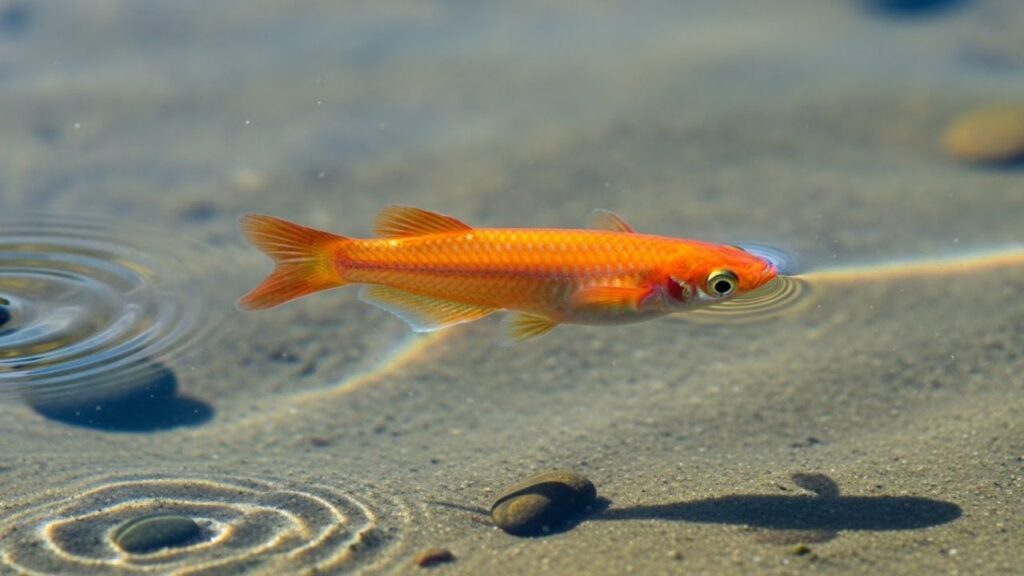
Let’s zoom in on another tiny fish with a huge scientific impact: the Medaka, also known as the Japanese Rice Fish.
The Medaka’s claim to fame is its incredible genetic toolkit. Scientists have developed numerous transgenic Medaka strains in which specific genes glow fluorescently when activated. Some of these strains are designed to light up when exposed to particular ecological chemicals, such as estrogen-mimicking compounds.
This turns the fish into a highly specific, living biosensor for certain types of pollution.
These “glowing” fish enable rapid, visual detection of contaminants. Instead of lengthy chemical data analysis, a researcher can observe the fish under a special light. If they glow, it signals the presence of the target toxic substance in the water, even at very low levels. It is a revolutionary way to screen for perilous substances in wastewater or surface water.
It provides a powerful example of how modern genetics can be combined with nature to create sophisticated monitoring tools.
These tiny fish species are at the forefront of detection technology, helping estimate human exposure risks and providing a fast, effective way to pinpoint sources of contamination, which is critical for protecting both aquatic organisms and human health.
9. Brown Trout
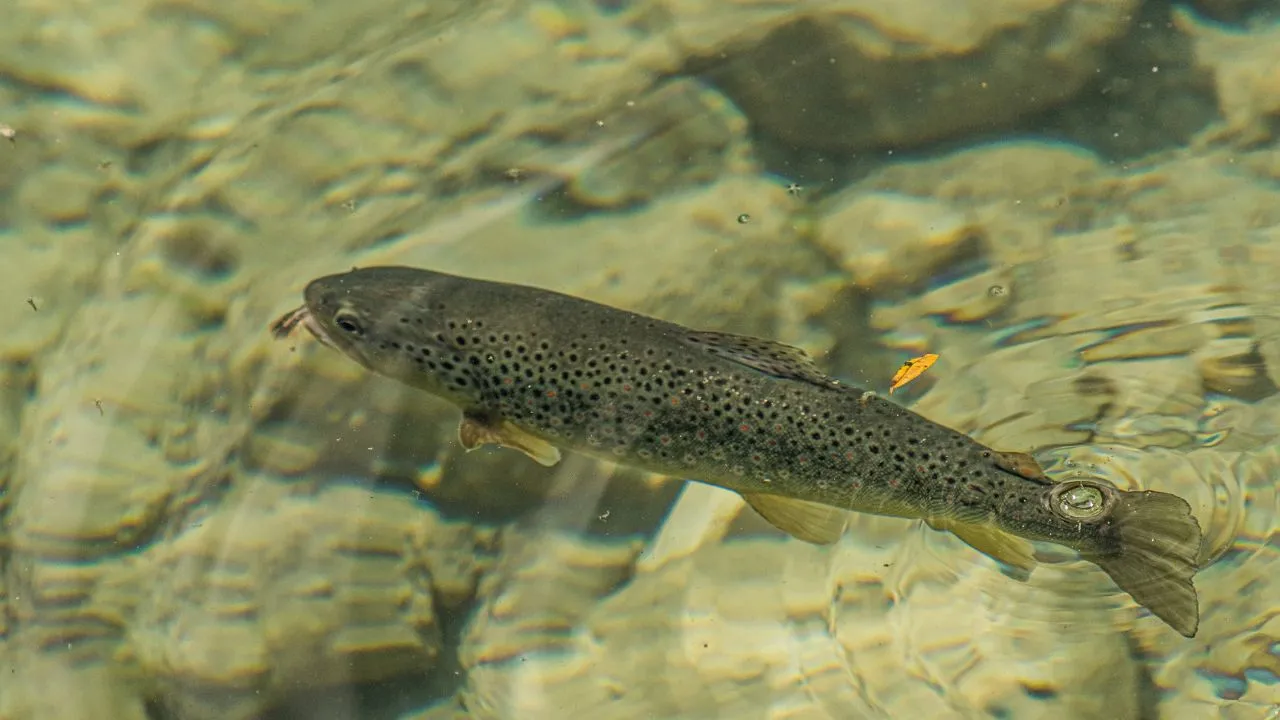
Native to Europe, they’ve been introduced worldwide and, like Rainbow Trout, are highly sensitive to environmental changes, making them excellent sentinels of water quality.
They are particularly susceptible to acidification and heavy metals that can leach from the soil and rock due to acid rain or mining runoff. Their presence or absence in a stream is one of the most fundamental indicators of ecological health. If the Brown Trout are thriving, it’s a good sign the water is clean. If they’re gone, it’s a clear warning of toxic conditions.
Researchers often study Brown Trout populations to understand the complex impacts of ocean pollution. They look at other factors beyond just survival, such as reproductive success and behavior. For example, exposure to certain pesticides has been shown to affect their ability to hunt and avoid predators, demonstrating adverse effects that aren’t immediately lethal but can devastate a population over time.
Ultimately, the health of Brown Trout is directly linked to the health of our freshwater natural resources. Monitoring these beautiful fish helps us track the effectiveness of environmental regulations and identify areas where more action is needed.
Conclusion
From the tiny Medaka glowing in a lab to the mighty catfish patrolling the river bottom, these fish, which can detect toxins in their environment, are providing us with invaluable information. They are the canaries in the coal mine for our planet’s aquatic environments.
The message from these fish is clear: the health of our environment and our own health are deeply intertwined. The presence of toxic chemicals in fish tissue reflects contamination in our water, soil, and sediment. There is an urgent need to listen to what these silent sentinels are telling us and to work harder to protect our precious natural resources from the constant threat of pollution.
They are more than just wildlife; they are our partners in building a cleaner, safer future.
