




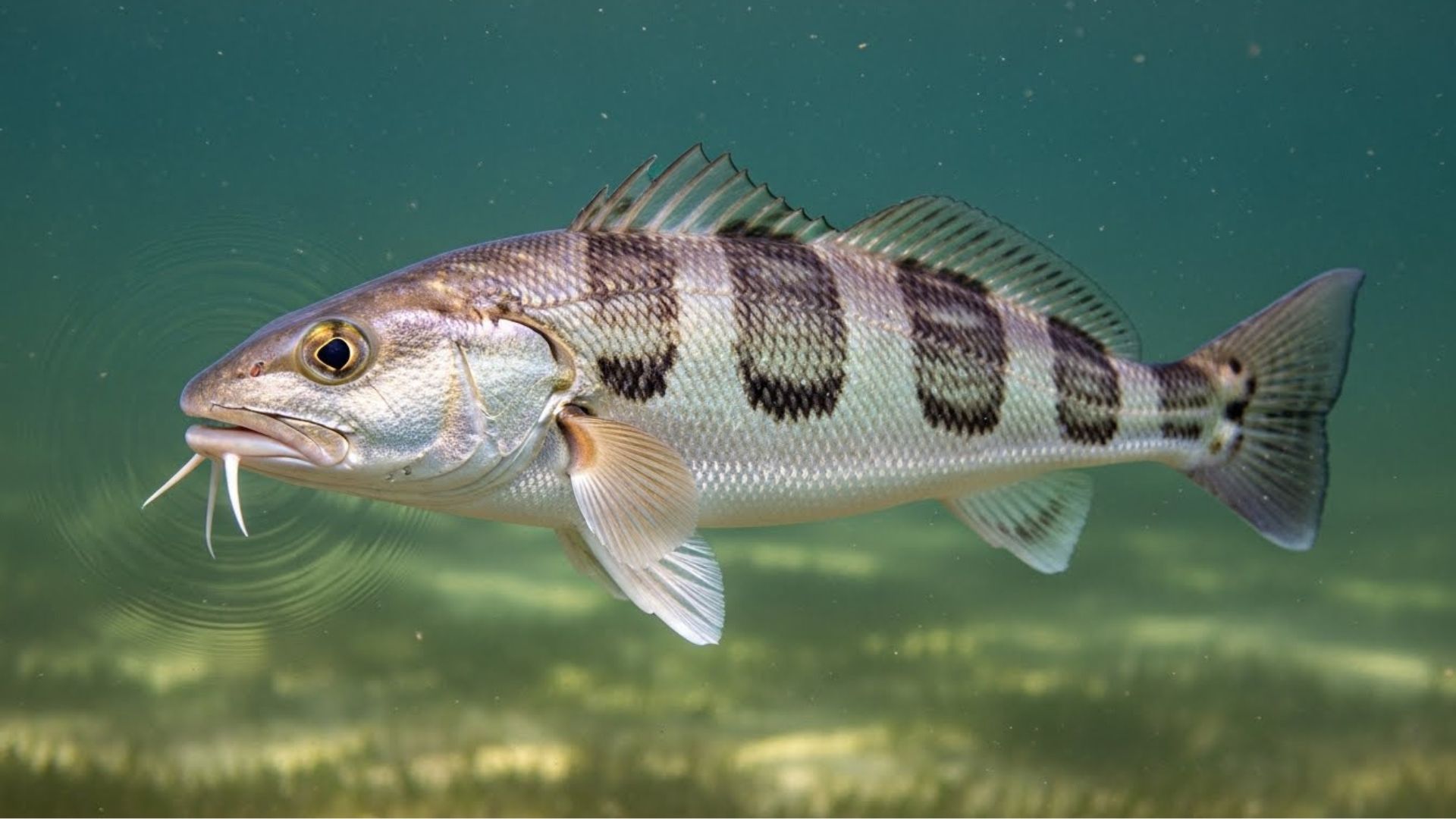
For decades, we’ve been taught that the underwater realm is the “silent world.”
Well, we’re here to tell you that’s a myth! The ocean and our rivers are actually buzzing, humming, and drumming with conversation. It turns out there are many fish that can communicate through vibrations, and they have a lot to say.
For a long time, the sounds of the deep were a mystery. During the Cold War, naval officers listening on sensitive underwater hydrophones kept hearing bizarre grunts, boops, and hums. Was it an enemy submarine? Nope! More often than not, it was just a group of fish chatting away.
Today, we know that these sounds are a fundamental part of their lives. They use them to find mates, warn off predators, and defend their turf. So, let’s dive in and explore some of the most fascinating “talking” fish out there!
1. Catfish
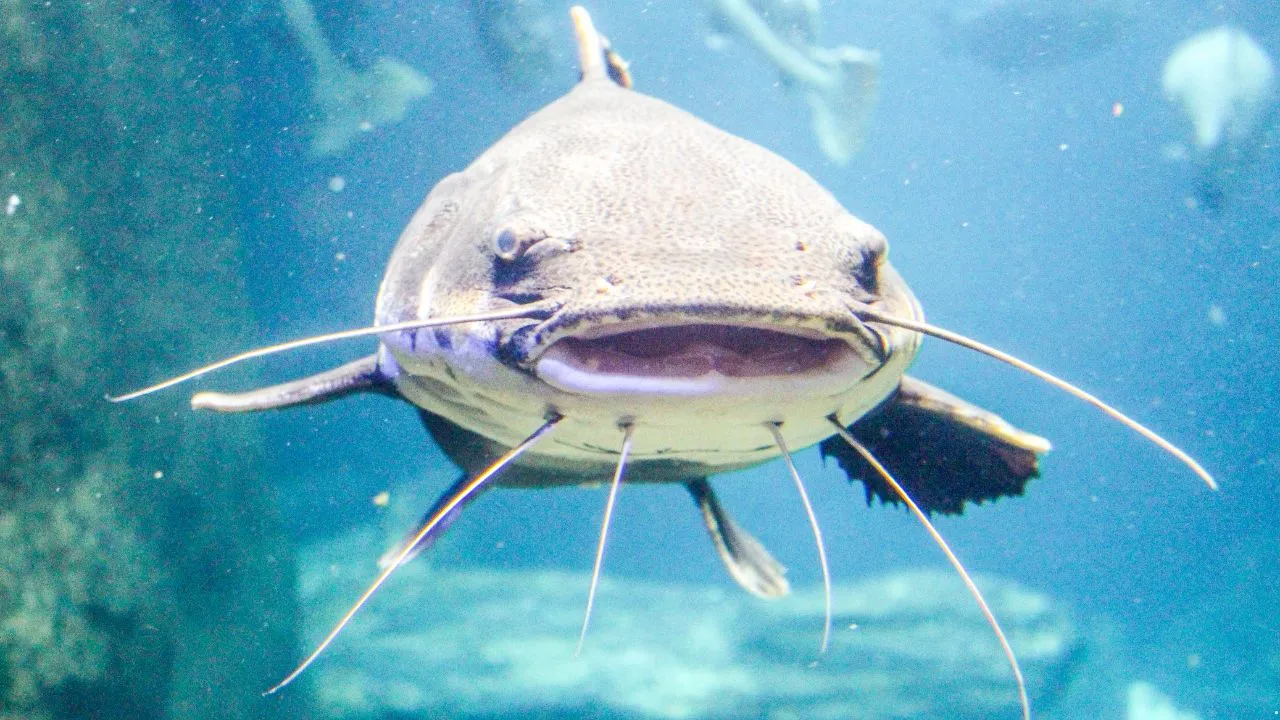
Let’s start with a familiar face: the catfish.
According to BBC Earth, these whiskered wonders are found worldwide, from murky river bottoms to pristine streams. But while we know them for their distinctive look, many aquarists are surprised to learn that they are incredibly chatty.
If you’ve ever heard a strange croaking or squeaking sound coming from your tank, don’t blame the filter—you might have a talking catfish on your hands!
They are masters of sound production and have two cool tricks up their sleeves. The first method is called “stridulation,” a fancy word for making noise by rubbing parts of their bodies together. They grind the spines of their pectoral fins against their sockets to create sharp, grating sounds.
Their second method involves their swim bladders, which they can vibrate to produce deeper, drumming grunts. It’s like having a built-in drum and a washboard!
What are they talking about? Mostly, they’re expressing their feelings, and often, those feelings are “back off!” These sounds are frequently used as a distress call or a warning to predators that they are not an easy meal.
For particular species, these vocalizations are also a key part of their social behavior, helping to establish territories and communicate with other individuals in their group.
2. Freshwater Drum
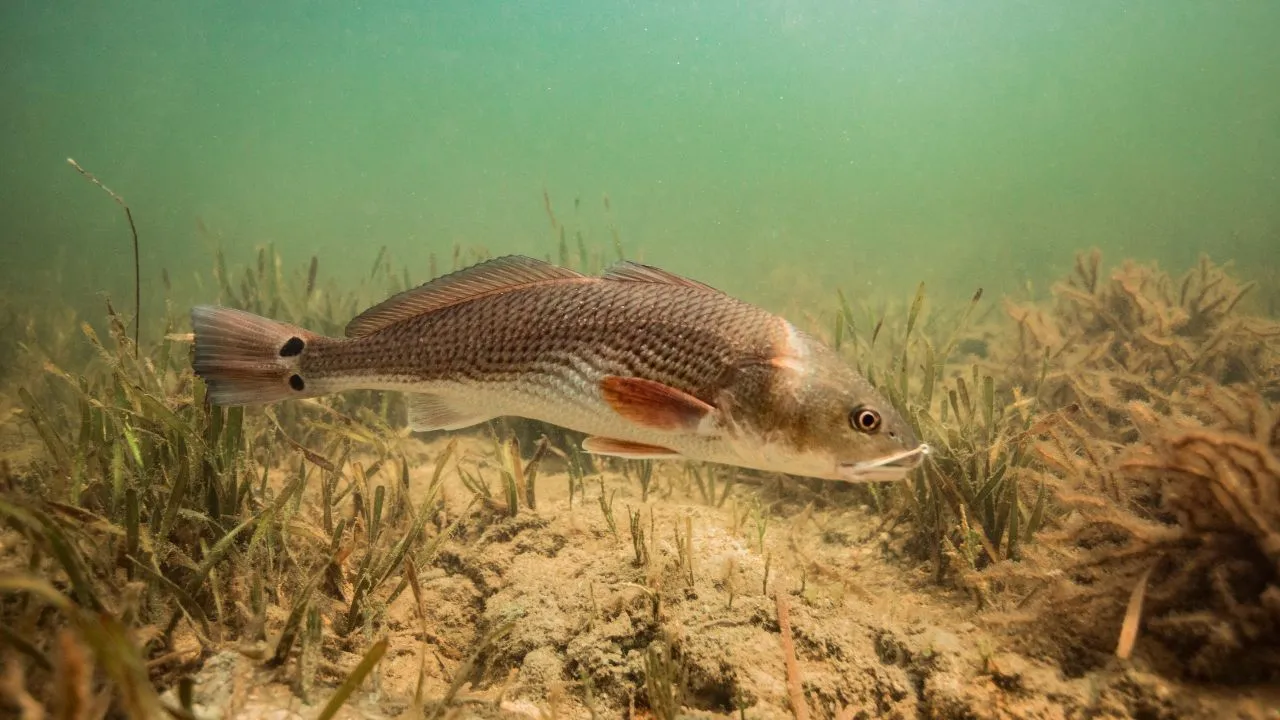
This fish, also known as the sheepshead or grunter, is famous for its ability to make noise.
In fact, during their spawning season, males gather in large groups and create a chorus of drumming so loud that it can be heard by humans standing on the riverbank, and even from inside houses near the water!
The secret to their incredible sound is a specialized sonic muscle—one of the fastest-contracting muscles in the entire vertebrate kingdom.
This muscle is attached to their swim bladders, and when males want to attract mates, they contract it at incredible speed, causing the swim bladders to vibrate like a drum’s skin. This is where the name “drum fish” comes from. The primary reason for all this noise is reproduction.
The drumming chorus is how males attract females to the spawning grounds. A female will listen to the different males and choose a partner based on the quality of his song.
It’s a massive underwater concert where the best drummer wins the girl. This behavior is a fantastic example of how vital sound communication is to a species’ survival.
3. Atlantic Croaker
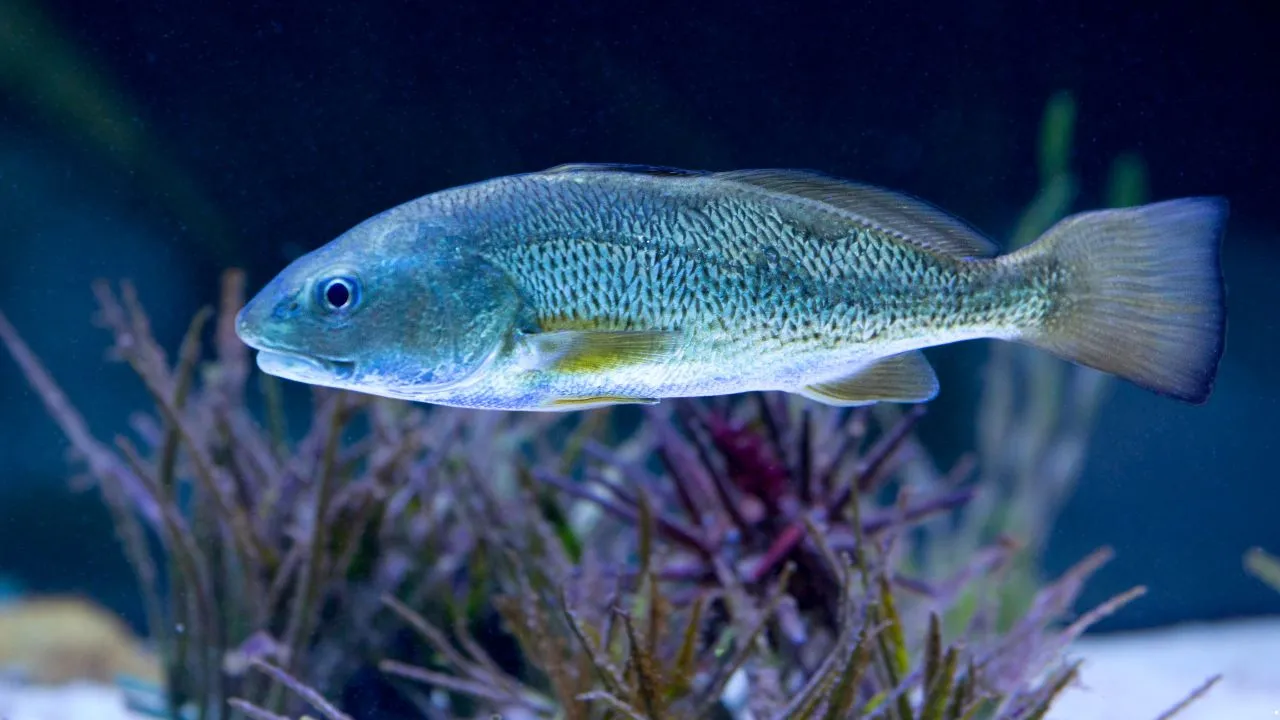
This fish gets its name from the croaking, or drumming sounds it makes.
These guys are common along the Atlantic coast and are a perfect example of how widespread this acoustic ability is among marine fish. They are part of a large family of fish, Sciaenidae, or the drum family, known for their noisy behavior.
The mechanism is similar to that of the drum fish: they use a specialized sonic muscle to vibrate their swim bladders. What’s fascinating is how they vary their language. An Atlantic Croaker can change the frequency and pattern of its grunts to send different messages.
A short, sharp grunt might be a sign of alarm when a predator is near, while a longer, rhythmic drumming is often a male trying to attract mates.
This complex “language” is essential for their survival. They communicate to coordinate spawning, defend territories, and avoid predators. Their lives are a constant stream of acoustic information. However, this reliance on sound makes them vulnerable.
This is where the issue of ocean noise pollution comes in. The constant hum of shipping, the explosive sounds of seismic surveys for oil and gas, and the loud bangs of coastal pile driving can drown out the croakers’ calls.
4. Oyster Toadfish
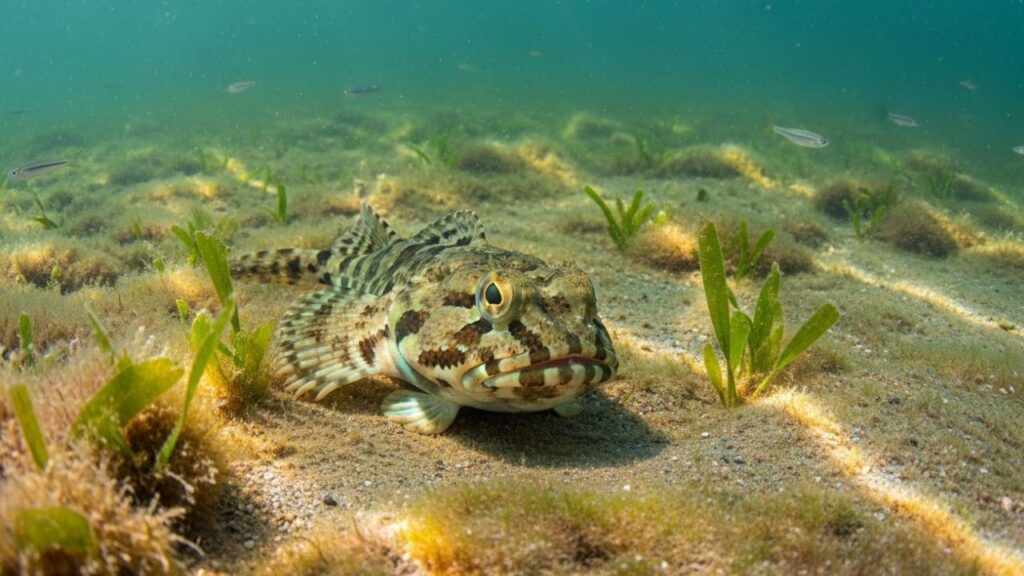
The Oyster Toadfish are grumpy-looking bottom-dwellers, the cantankerous old men of the sea, and they have a voice to match. Male fish make a loud, low-frequency “boat-whistle” sound that is unmistakable.
Like the drums and croakers, the toadfish uses its swim bladders to produce its famous call. Contracting powerful muscles attached to the bladder creates a loud, resonating hum. The sound of the Oyster Toadfish is among the most studied fish sounds in the world.
The boat whistle has one primary purpose: to attract mates. During the breeding season, a male will find a suitable nesting site, perhaps under a rock or inside an old can, and begin his call. He will sing for hours, and interested females will swim by and listen.
They are very picky and will choose the male with the most impressive and persistent call. It’s a clear sign that sound is at the very heart of their reproductive behavior.
This fascinating behavior has been the subject of research at institutions like the Cornell Lab of Ornithology, which, despite its name, has a major bioacoustics project that extends far beyond birds.
5. Clownfish
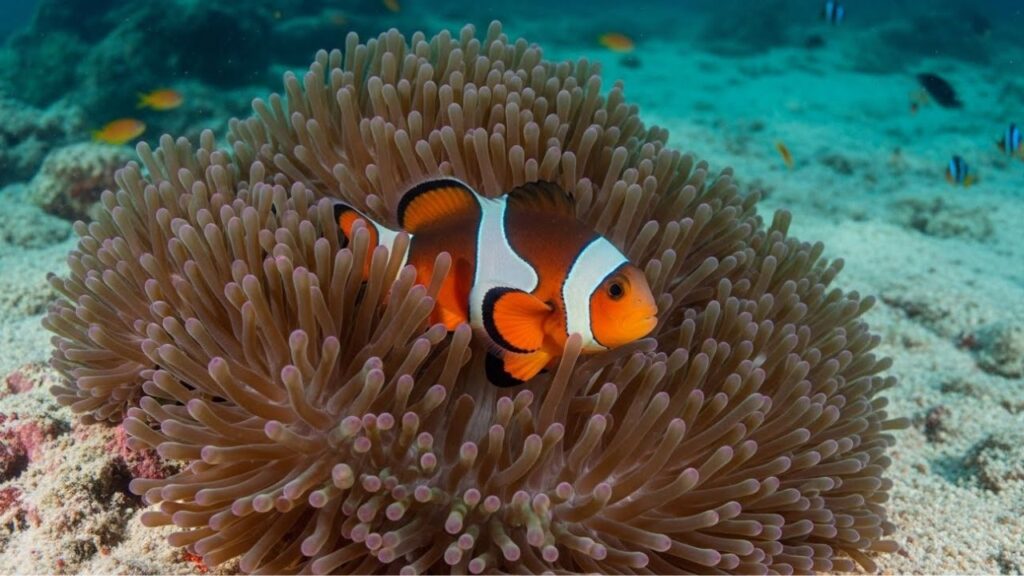
Clownfish communicate using a series of clicks, pops, and grunts. It’s not as loud as a toadfish or a drum, but it’s a vital part of their complex social lives. So the next time you see a group of clownfish, know that there’s a whole conversation going on.
Unlike the other fish we’ve discussed, Dosits notes that clownfish don’t use sonic strength or their swim bladders to produce these sounds. Instead, they make noise by gnashing their teeth together or making popping sounds with their pharyngeal jaws, which are located in their throat.
This form of sound production is more mechanical, but it’s just as effective for getting their point across in their small, anemone-based territories.
These sounds are all about social hierarchy. Clownfish live in a strict, matriarchal society where the largest and most dominant fish is the female. The second-largest is the breeding male, and the rest are smaller, non-breeding males. The clicks and grunts are a form of communication used to maintain this order.
The dominant female will use them to assert her authority, and the subordinate fish will use them to show their submission. It’s a way to avoid fights and keep the peace at home.
6. Goby
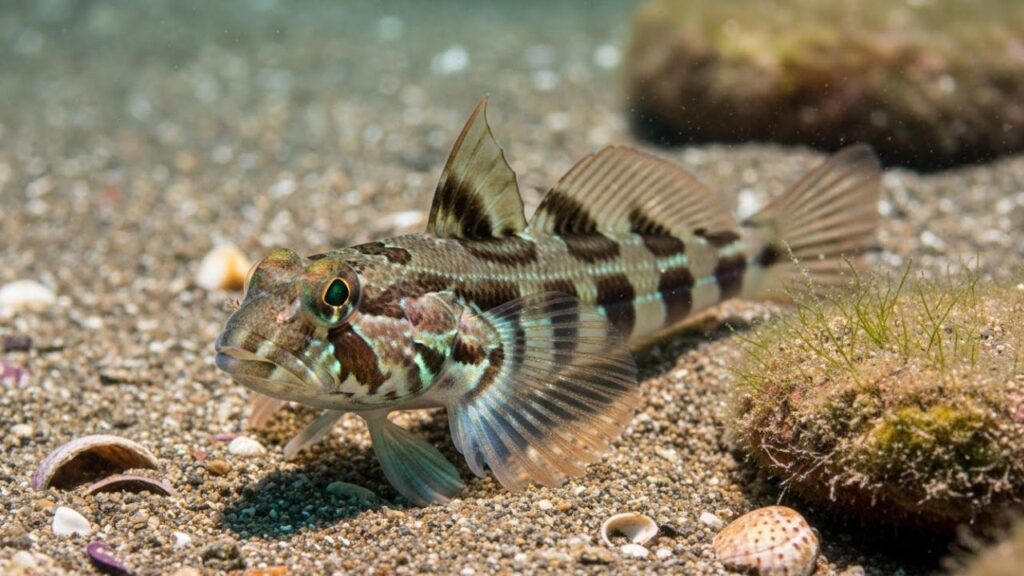
The Goby family is one of the largest and most diverse fish groups in the world, with thousands of species found in nearly every aquatic environment imaginable. And guess what? A whole lot of them love to make noise! From tiny gobies living in coral reefs to larger ones in estuaries, many of these fish use sounds to navigate their social lives.
They prove that you don’t have to be big to have a big voice.
The methods of sound production among gobies are as diverse as the group itself. Some species use stridulation, rubbing parts of their skeleton together to create clicks and scrapes, similar to a catfish.
Others have adapted to use their swim bladders to produce low-frequency grunts and thumps. This variety makes them a fascinating subject for researchers studying the evolution of acoustic communication in fish.
So, what are all these different species of gobies talking about? A major topic of conversation is territory. Many gobies are fiercely territorial, guarding a burrow, a crevice, or a patch of coral. They will produce sounds to warn off any intruders that get too close.
Their love of making noise gives scientists a secret window into their world. The field of conservation bioacoustics uses underwater microphones to listen in on these cryptic fish species. By analyzing their sounds, we can monitor their populations, study their behavior, and assess the health of their habitats without ever disturbing them.
7. Seahorses
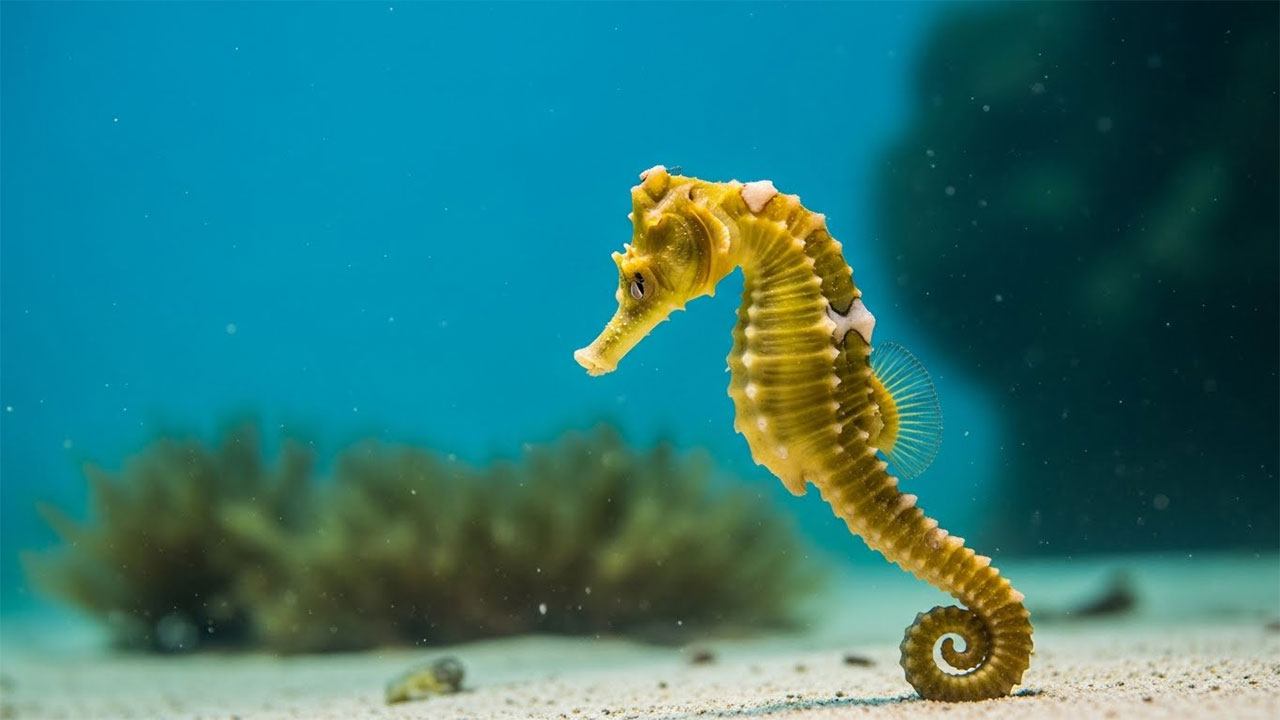
Seahorses seem almost magical, with their unique shape and graceful movements. They are also often thought of as silent creatures, but they, too, engage in a subtle form of sound communication.
These clicking sounds are produced mechanically. When a seahorse swivels its head to snap at prey or interact with a mate, two bones in its neck rub together; this rubbing action creates a sharp clicking sound.
The primary contexts for these clicks are feeding and reproduction. The clicks made during feeding are likely just a byproduct of their lightning-fast head snap to catch tiny crustaceans. However, the clicks made during courtship are believed to be a deliberate form of communication.
Seahorse populations worldwide are facing serious threats from habitat loss and overharvesting, which could lead to declines. Studying every aspect of their biology, including their subtle acoustic behavior, is vital for conservation.
These quiet clicks give researchers another tool to monitor their well-being and understand their needs, helping us protect these enchanting animals for the future.
Conclusion
So, as we’ve seen, the underwater world is far from quiet. So many fish have evolved the ability to communicate with sounds. For a long time, the study of animal sounds focused on birds and marine mammals, but we now have overwhelming evidence that fish are just as vocal. A groundbreaking new study from the Lisa Yang Center for Conservation Bioacoustics at the Cornell Lab of Ornithology (spanning the departments of ornithology, herpetology, and ichthyology) has completely changed our perspective.
The study, published in the journal Ichthyology & Herpetology, analyzed existing recordings and anatomical data. The lead author, Aaron Rice, and his team found that acoustic communication is far more common than we ever imagined. The study shows that about two-thirds of all ray-finned fishes—the dominant branch of the fish family tree—either produce or hear sounds. That’s tens of thousands of species! This research, led by Rice, confirms that fish have been “talking” for at least 155 million years.
However, this incredible world of sound is under threat. The ocean is becoming a dangerously noisy place due to humans.
The work of scientists like Aaron Rice highlights the urgent importance of this issue. We need to understand that a healthy ocean is not just about clean water; it’s also about a healthy soundscape. By using tools such as passive acoustic monitoring and acoustic recording analysis, we can begin mapping these critical sound-producing habitats and work to protect them.
