




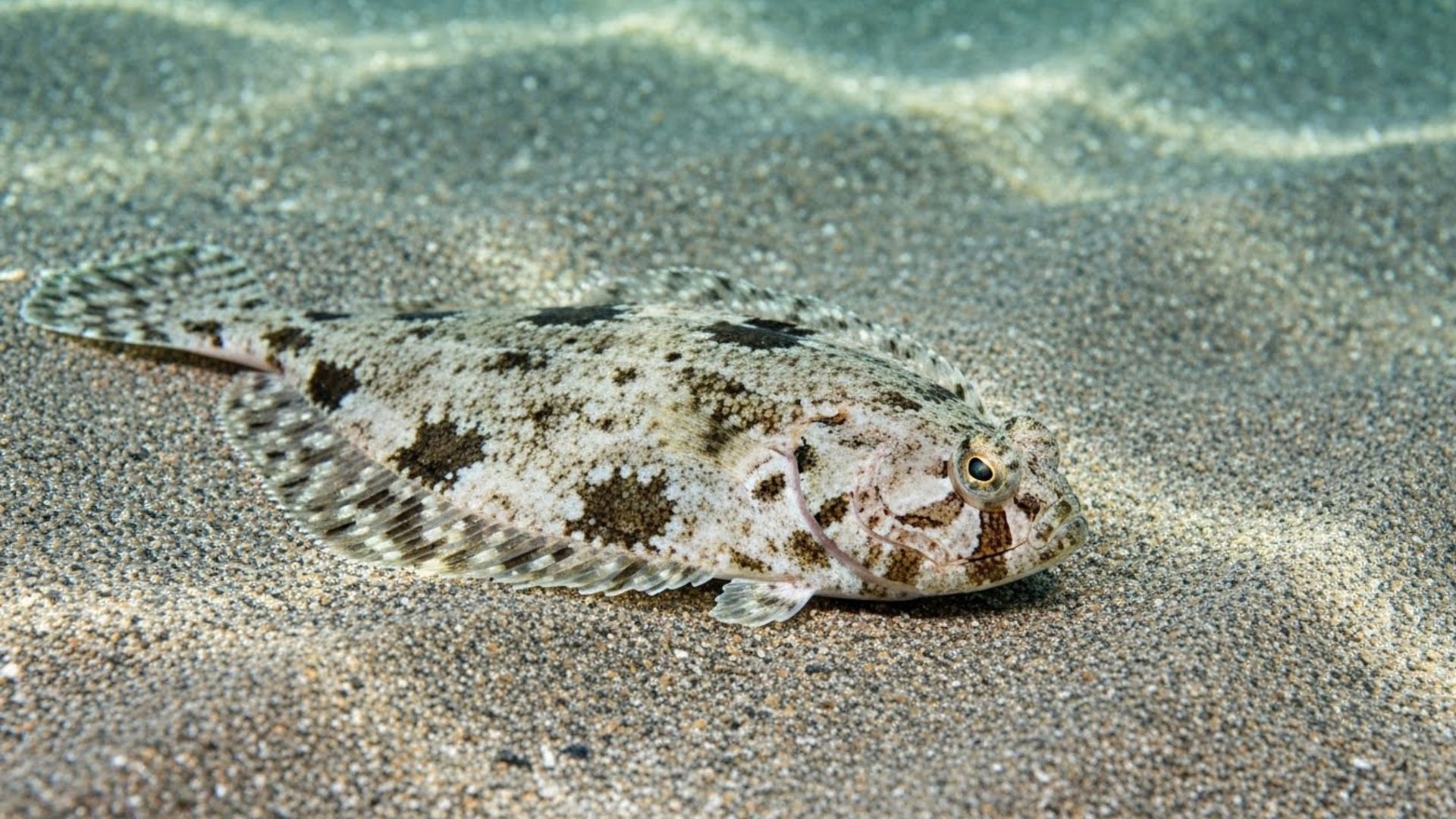
Have you ever wished you could blend into the background and disappear? Well, some of the most fascinating aquatic species have perfected this art.
We’re talking about fish that can change color to hide from predators, transforming their appearance in the blink of an eye or over several weeks. This isn’t just a simple party trick; it’s a high-stakes survival strategy that separates the hunter from the hunted.
From the sandy seabed to vibrant coral reefs, these remarkable creatures have developed mind-boggling camouflage abilities to fool enemies and ambush their dinner. They are the spies, assassins, and illusionists of the aquatic world.
Let’s explore some of the most incredible color-changing artists swimming in the sea today!
Fish That Can Change Color To Hide From Predators
1. Flounder
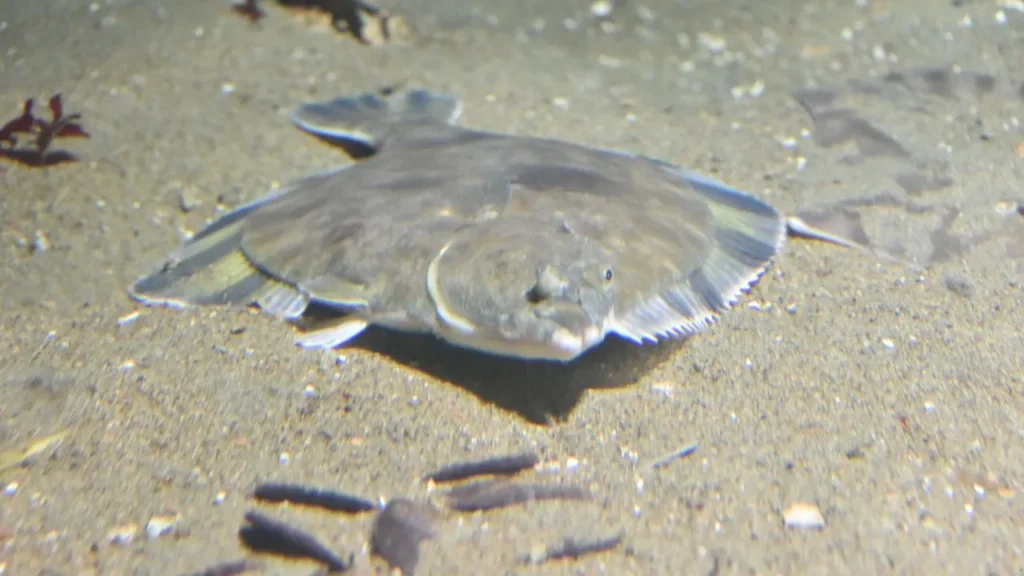
If you’re looking for the ultimate masters of disguise, look no further than the humble flounder.
This flat fish is so good at blending in that you could swim right over it and never know it was there. Lying perfectly still on the sand or gravel of the seabed, it can make itself virtually invisible, often leaving only its eyes peeking out to watch the world go by. Its entire survival depends on this incredible vanishing act.
How does it pull off this magic trick?
The flounder’s skin is covered in specialized cells called chromatophores. Think of these as tiny, pigment-filled sacs that the fish can expand or shrink at will. By looking at its surroundings, the flounder’s brain sends signals to these cells, telling them exactly which patterns and colors to display.
It can match the speckled look of sand, the blotchy texture of pebbles, or the dull brown of mud in a matter of seconds.
This epic disguise serves two brilliant purposes. It’s the perfect way to hide from larger predators looking for an easy meal.
When an unsuspecting small fish or shrimp wanders too close, Britannica says the flounder erupts from the seafloor, its mouth opening wide and swallowing the fish whole before it even knows what happened.
2. Arctic Char
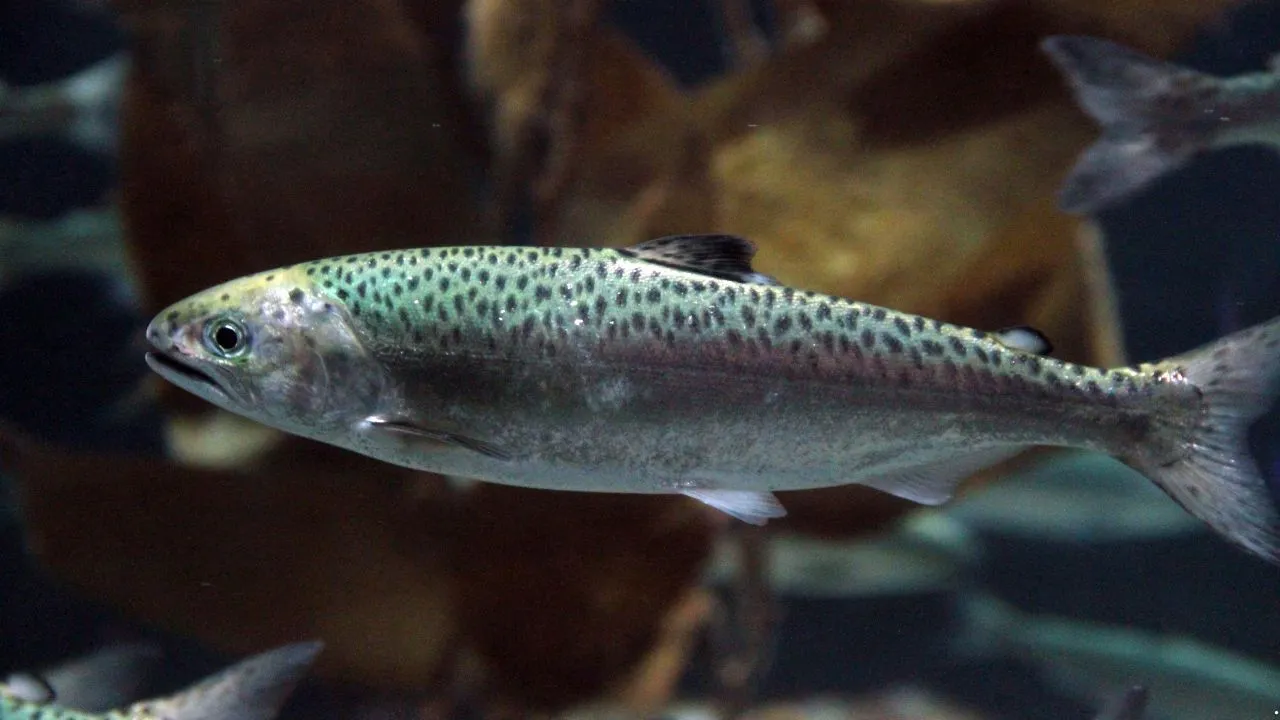
Move over, octopuses! There’s another master of disguise in the water, and it’s one of the most stylish survivors of the chilly Arctic. Arctic char has the incredible ability to change its entire color scheme to match its surroundings!
This isn’t just a slight shift in shade; the Arctic char undergoes a complete wardrobe change depending on where it’s hanging out. When living in deep, freshwater lakes, the char dons a dark, moody outfit of greenish-brown to blend in with the murky depths.
This flashy display is all about showing rivals they mean business and are ready to defend their territory and precious eggs. This color-changing magic isn’t just for show; it’s a critical survival tool that protects them from a long list of hungry hunters.
By perfectly matching their background, Arctic char can avoid becoming easy prey for birds, larger fish, and even marine mammals like seals.
This remarkable skill makes the Arctic char one of the most adaptable animals on the planet. While many other species are confined to one type of habitat, the char thrives everywhere from deep lakes to the open sea, outsmarting predators such as hungry seals and even the occasional wandering sea snakes.
3. Leafy Seadragon
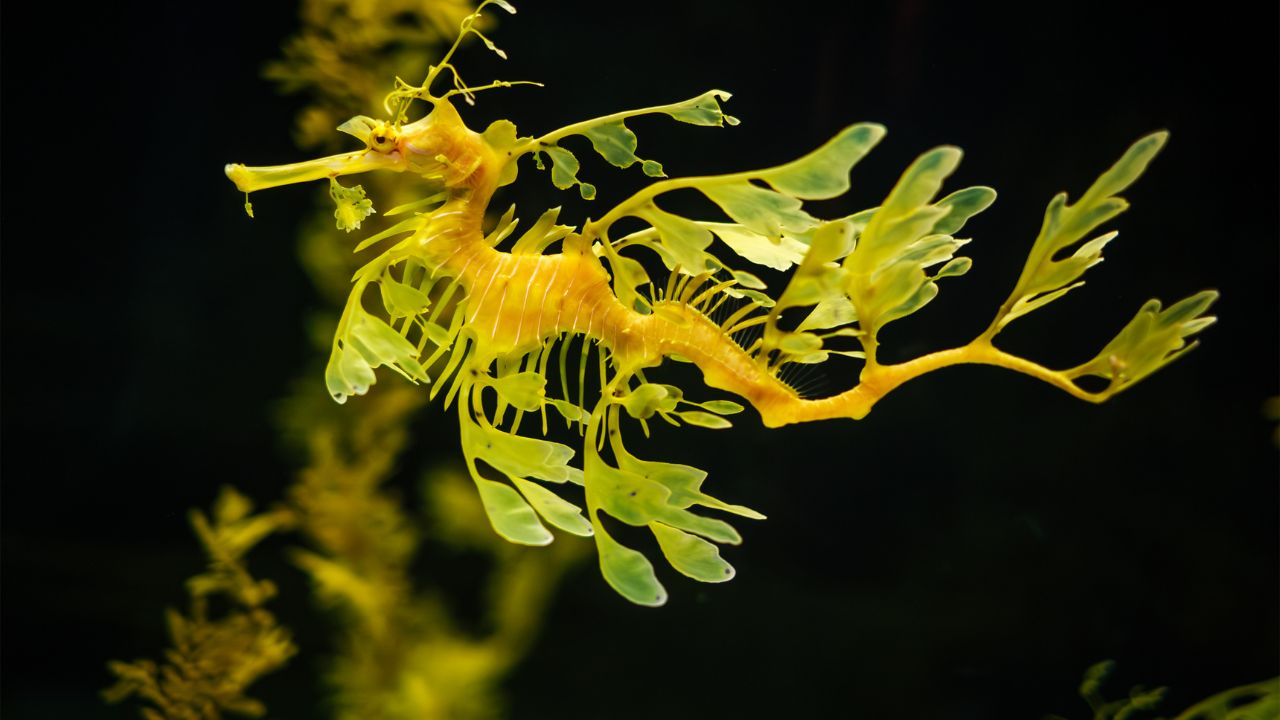
Found in the waters off Australia, this stunning fish doesn’t just blend in with its surroundings; it becomes a part of them, perfectly mimicking the swaying fronds of kelp and seagrass where it lives.
The leafy seadragon’s disguise is a three-part symphony. First, its body is adorned with delicate, leaf-shaped appendages that float and drift in the current, making its outline nearly impossible to discern.
Second, its slow, graceful movements perfectly imitate a piece of detached seaweed dancing in the water. It doesn’t swim; it drifts, becoming just another part of the underwater flora. Third, while its leafy appendages do most of the work, the leafy seadragon can also subtly change colour.
Closely related to seahorses, according to National Geographic, it has chromatophores that allow it to adjust its hue from yellowish-brown to olive-green, depending on its diet, age, and the specific color of the algae and seagrass around it.
This ensures it can always match its background perfectly, making it invisible to both potential vultures and its own tiny prey, which consists mainly of small crustaceans.
4. Stonefish
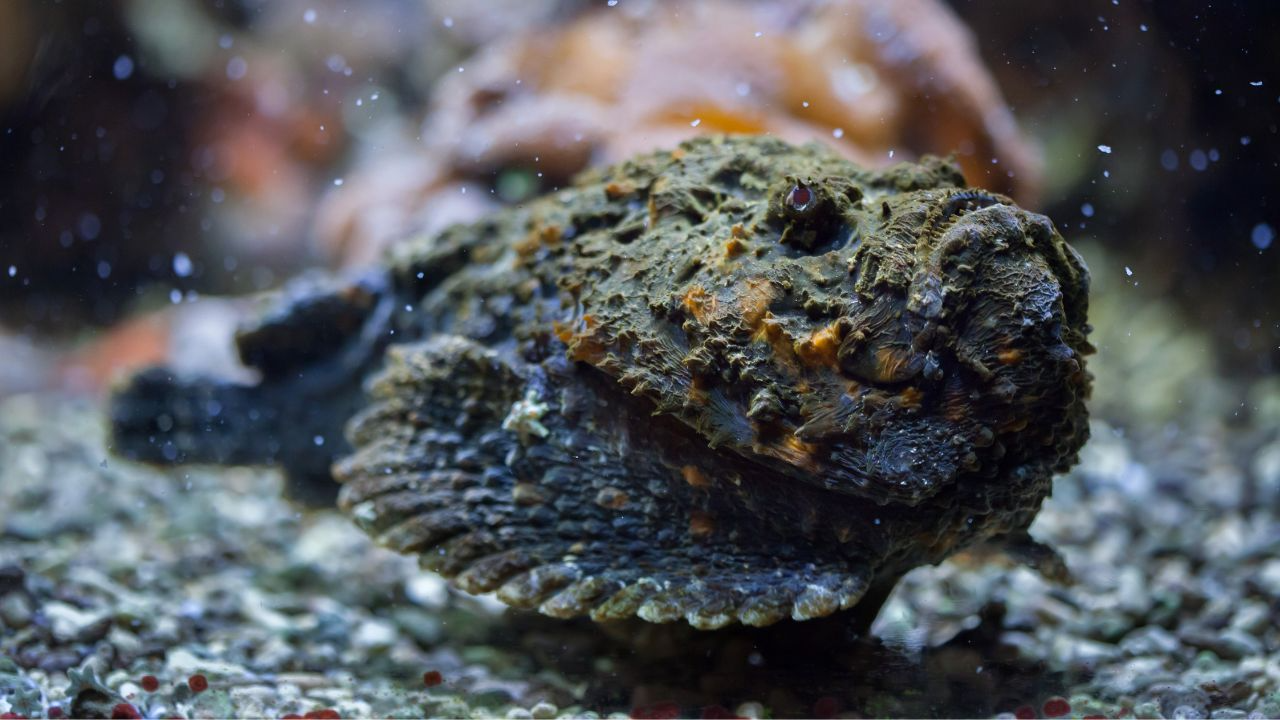
Stonefish is a grumpy-looking bottom-dweller that holds the title of the most vicious fish in the world, and its camouflage is terrifyingly effective. While it doesn’t “instantly” change color like a cuttlefish, its natural appearance is a masterclass in blending in. It looks exactly like a lumpy, algae-covered rock or piece of dead coral.
The stonefish’s camouflage is static but perfect. Its mottled, warty skin comes in a variety of dull browns, grays, reds, and oranges that perfectly match the rocky floors of coral reefs. Its irregular shape and bumpy texture help it disappear against the complex seabed.
To enhance its disguise, the stonefish often allows algae and other marine growth to become its host, further cementing its appearance as an inanimate object. It will remain motionless for hours, waiting for its moment.
This incredible stillness serves two purposes. It hides the stonefish from its own predators, like sharks, and makes it a lethally effective ambush hunter.
When a little fish or shrimp swims by, the stonefish’s mouth opens and closes in as little as 0.015 seconds, creating a vacuum that sucks the prey in. The victim is gone before it even registers danger. It’s one of the fastest strikes in the animal kingdom.
5. Frogfish
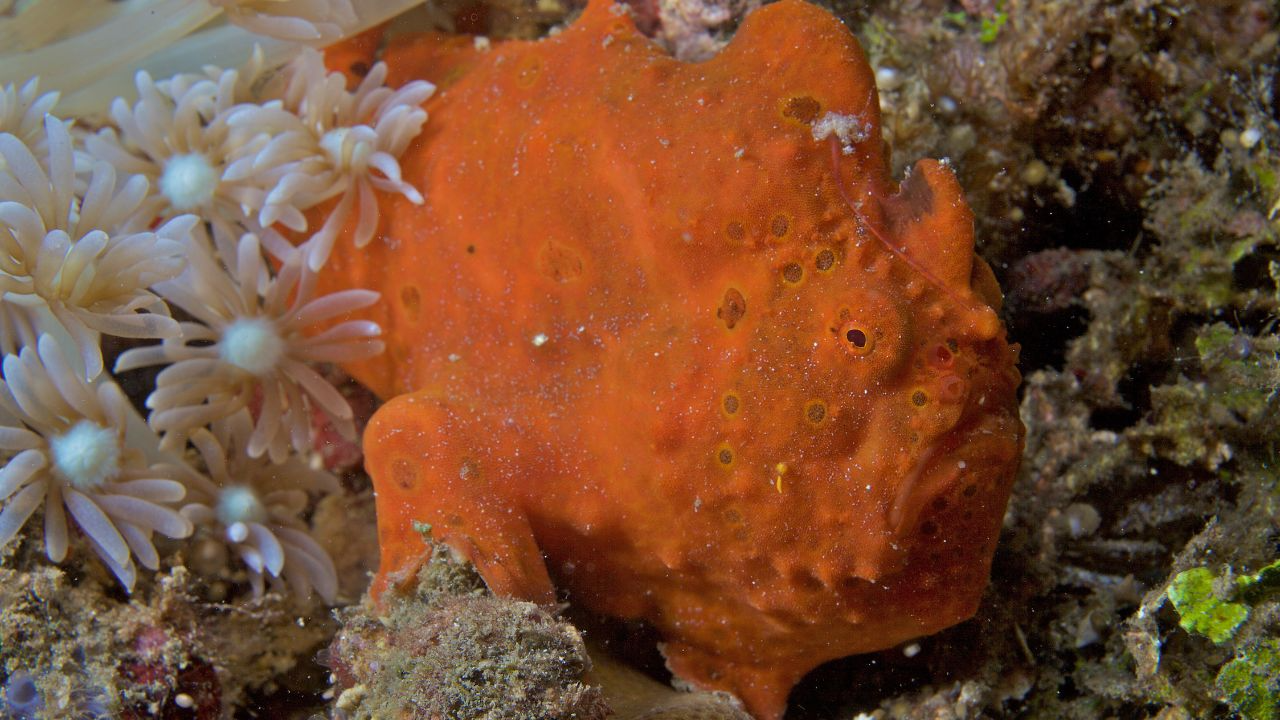
Meet the frogfish, one of the weirdest and most wonderful ambush predators in the sea. These lumpy, odd-shaped creatures are poor swimmers, so they rely almost entirely on their incredible camouflage to survive.
Ocean states that many species of frogfish can change colour to perfectly match their favorite hiding spot, whether it’s a bright yellow sponge, a piece of red coral, or a patch of stringy algae.
Unlike the rapid changes of cephalopods, a frogfish’s color change is a slow, deliberate process that can take several days or even weeks to complete. This is because it’s not just hiding for a moment; it’s committing to a location.
Once a frogfish finds the perfect sponge to call home, it will begin to transform its skin to match the sponge’s exact hue and texture, right down to the little spots that mimic the sponge’s pores. Some hairy frogfish even grow filamentous appendages to look like seaweed.
But the frogfish has another trick up its sleeve. Protruding from its head is a modified dorsal spine called an esca, which acts as a fishing lure. When a curious creature comes to investigate the tasty-looking morsel, the frogfish’s enormous mouth opens at lightning speed, swallowing fish and crustaceans in a flash.
This combination of perfect camouflage and active luring makes the frogfish one of the most successful ambush hunters in the sea. Different species have evolved unique lures and camouflage methods, with some juveniles even mimicking toxic sea slugs to deter predators.
6. Wrasses
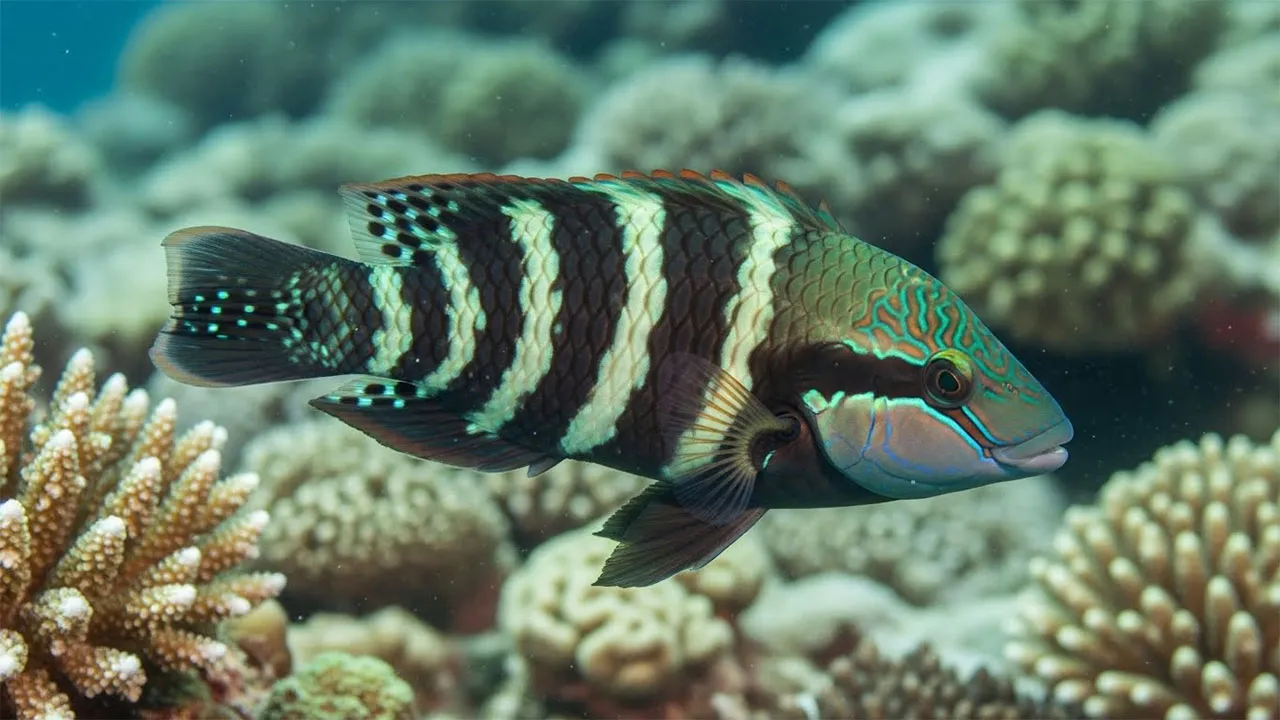
Wrasses are one of the most diverse and abundant fish families on coral reefs, and they use color in all sorts of fascinating ways. While many are known for their vibrant, flashy looks, these colors aren’t just for show—they are a key tool for survival.
Many common species of wrasse use their complex patterns as disruptive camouflage to break up their body outline, making it hard for predators to get a clear lock on them against a busy reef background.
The way it uses colour to hide is incredibly clever. For example, a wrasse with bold stripes or spots can blend seamlessly into the dappled light and shadows of a coral head. Some juvenile wrasses take it a step further, using both their color and movement to mimic inedible things, like a piece of drifting seaweed.
In deeper water, red-colored wrasses use physics to their advantage; since red is the first color to disappear as light fades with depth, they appear gray or black, making them invisible.
However, for wrasses, color is also a language. They use it for communication during elaborate courtship rituals and to establish dominance.
Some species are famous for undergoing dramatic color changes as they age or even change sex, starting life as a drably colored female and transforming into a brilliantly colored male. This dual use of color for both hiding and communication makes them incredibly dynamic.
7. Goby
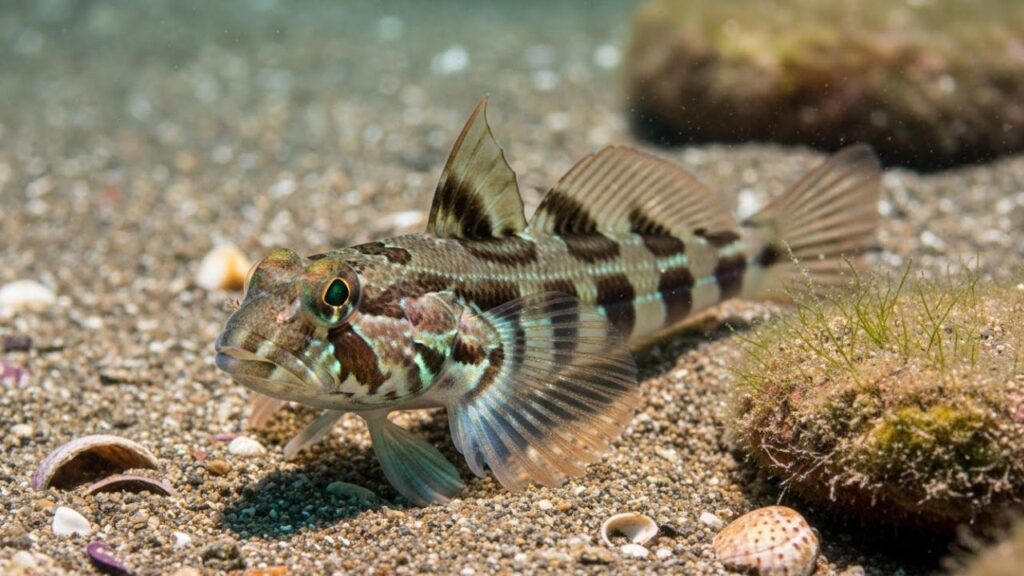
These small fish, often found in tidal rockpools and shallow coastal waters, have a remarkable ability to change colour rapidly. For a tiny goby, life is perilous. Predators can come from anywhere—larger fish in the water, crabs on the rocks, or even birds from above. Their ability to rapidly match their background is absolutely essential for survival.
They achieve this feat using their chromatophores, the same pigment cells found in flounders. When a wave washes a goby from a dark, shadowy rock to a patch of bright, sunlit sand, its visual system kicks into high gear.
Within about a minute, it can shift its entire body from dark to light, or vice versa, seamlessly merging into its new surroundings. This rapid adaptation is crucial in the constantly changing environment of a rockpool.
This color change isn’t just about brightness. Some gobies can also adjust their hue, adding hints of red or blue to match coralline algae or different-colored stones better. They constantly assess their environment and fine-tune their appearance to remain invisible. With only their eyes exposed, they can lie in wait, perfectly hidden from danger.
Conclusion
From the patient frogfish to the dazzling male cuttlefish, the ocean is filled with animals that have mastered the art of illusion. The ability to switch color is more than just a neat trick or a way to mimic octopus species; it’s a fundamental survival tool that allows these marine species to thrive in their competitive environments. It helps them hide from predators, hunt their prey, and even communicate with each other.
Every one of these amazing creatures tells a unique story of evolution and adaptation. They remind us that the underwater world is a place of endless wonder, where a grumpy-looking rock might be the most venomous fish on Earth, and a drifting piece of seaweed might actually be a delicate leafy seadragon.
The next time you look into the blue, remember the hidden world of color-changers, the true masters of disguise, silently living out their extraordinary lives just beneath the surface.
