




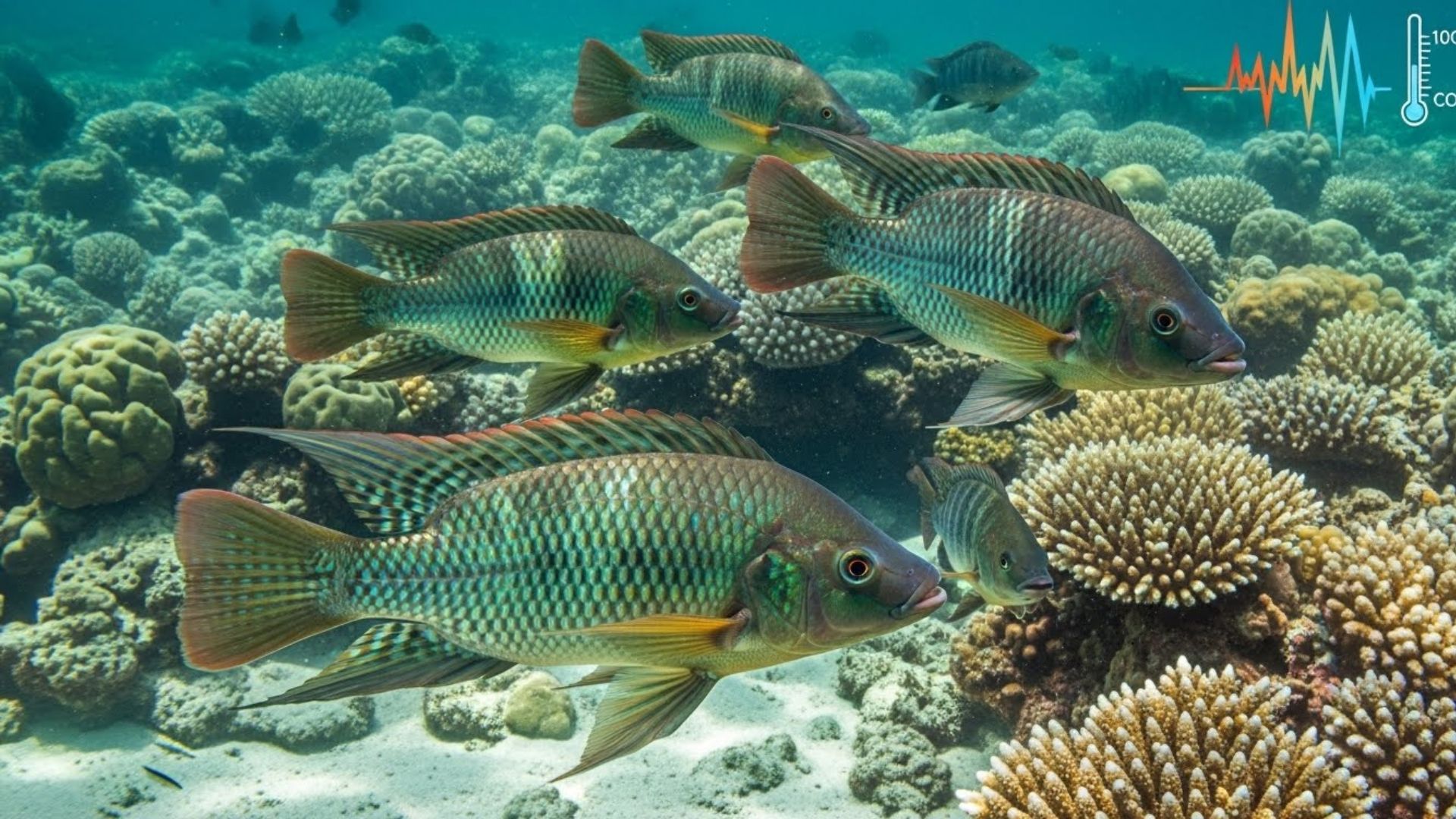
We often hear about the doom and gloom—warming oceans, struggling polar bears, and fragile ecosystems on the brink. And it’s all true and terrifying. But today, we want to shine a spotlight on a different side of the story. We’re going to dive deep into the world of some truly remarkable survivors, the underdogs of the aquatic world. We’re talking about fish that can adjust to climate change.
You might be surprised to learn that not all fish species are passively waiting for their fate. Some are actively fighting back, using an incredible genetic toolkit honed over thousands of years. These are the champions of evolution, the masters of survival. They give us hope, but, more importantly, they offer crucial insights into how life adapts to even the most drastic environmental transformations.
So, let’s go ahead and meet some of the toughest fish on the planet!
Fish That Can Adapt to Rapid Climate Changes
1. Tilapia
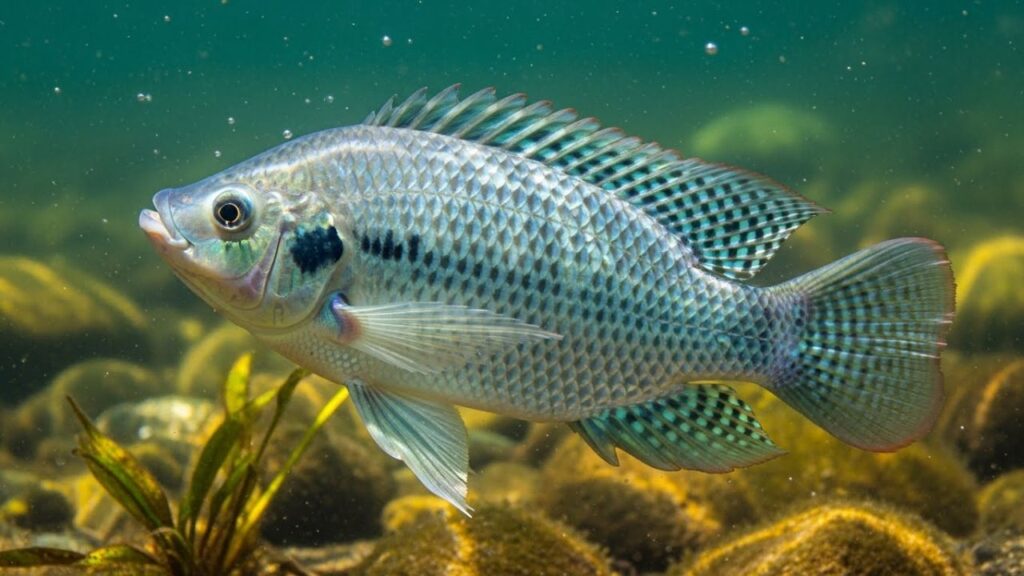
Tilapia is everywhere! Britannica says you’ll spot them in all places from the warm rivers of Africa to freshwater lakes across the globe.
Their incredible success isn’t an accident; it’s a testament to their amazing ability to roll with the punches, making them a prime example of a species that can cope with rapid changes.
So, what’s their secret?
For starters, Tilapia aren’t picky. While other sea animals might need a specific diet or pristine water conditions to thrive, Tilapia can thrive in a wide range of environments. They have a remarkable tolerance for high temperatures and can live in water with low oxygen levels that would spell doom for many other species.
This isn’t just about being tough; it’s a story written in their genes. The incredible genetic diversity within the Tilapia population means that there are always some individuals better suited to handle a new challenge, whether it’s a sudden increase in temperature or a new type of food source.
Now, it’s important to be balanced. The very traits that make Tilapia survivors also make them a potent invasive species in some areas, where they can out-compete native fish for food and habitat. However, by understanding how they sustain themselves amid rapid environmental shifts, we gain invaluable insights.
2. The Common Carp
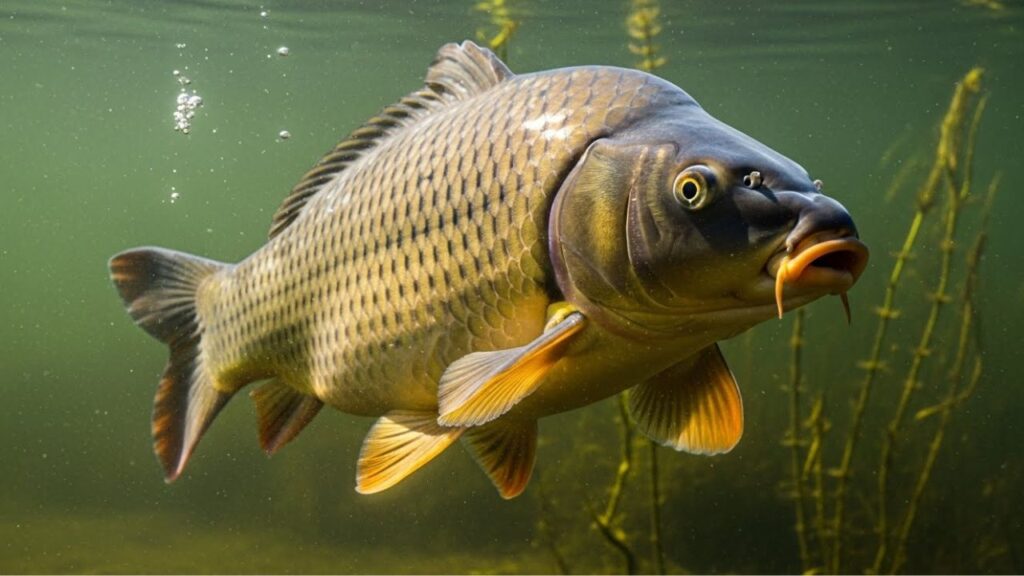
Let’s be honest, this species doesn’t always get the respect it deserves.
Often seen as a sluggish bottom-feeder in local ponds, it’s easy to overlook. But beneath that humble exterior is one of the planet’s most resilient freshwater fish.
Originally from Europe and Asia, humans have introduced them worldwide, and they have flourished in nearly every habitat they’ve been introduced to. Their story is a masterclass in adaptation.
Like the Tilapia, the carp’s superpower is its generalist nature. It can tolerate a massive range of temperatures, from near-freezing winter waters to the warm, soupy conditions of a mid-summer pond. They can survive in muddy, polluted waters and are experts at finding food, munching on everything from plants to insects to snails.
This isn’t a new trick for the carp. These fish have been honing their survival skills for thousands of years. Their ancestors weathered dramatic climate shifts, including the end of the last ice age. This long history of adapting to environmental change has led to robust evolutionary processes that favor resilience.
3. Zebrafish
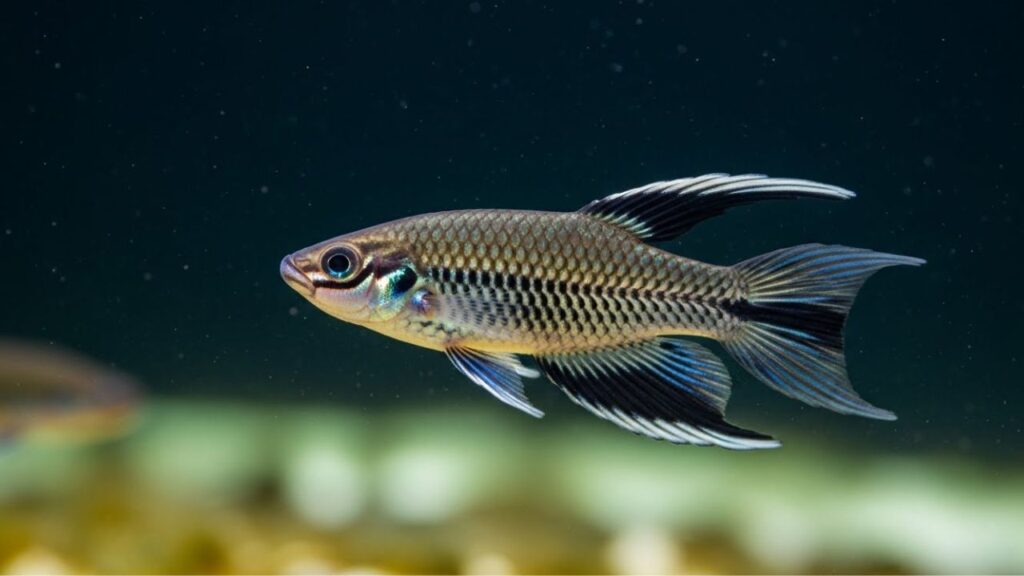
Zebrafish are little striped wonders from the rivers of India. You might wonder why a fish that spends most of its time in a laboratory tank is on this list. The reason is simple: the Zebrafish is giving us an unprecedented, front-row seat to watch how an organism’s ability to adapt works at the genetic level.
Zebrafish are a researcher’s dream. NHGRI mentions that they grow up and reproduce in a matter of months, meaning scientists can study many generations in a short time. Even better, their embryos are completely transparent! This allows researchers to literally watch organs develop and see how different stressors, such as increased heat, affect the organism’s capacity to function.
In studies funded by research councils around the world, scientists are exposing Zebrafish to warmer waters to see what happens. They can pinpoint the exact genes that are turned on or off in response to heat stress. They can identify slight mutations that give certain fish a slightly better chance of surviving.
The findings from Zebrafish studies are incredibly powerful. The information gathered doesn’t just apply to one little striped fish. Because we share a surprising amount of our DNA with them, what we learn from Zebrafish can help us comprehend the fundamental thermal biology of vertebrates, including humans and many other fish species.
4. Atlantic Cod
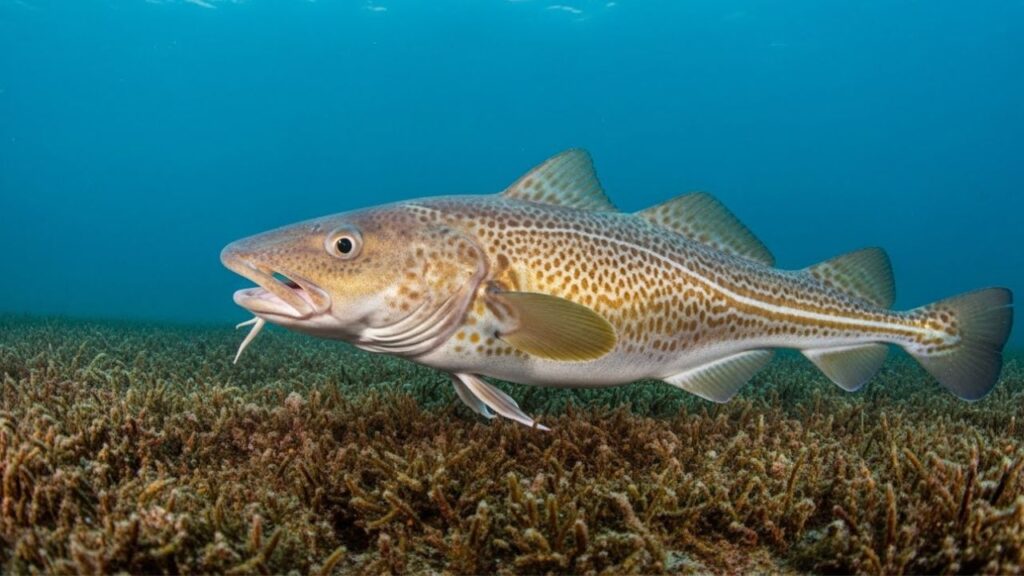
Now for a more complicated and cautionary tale: the Atlantic Cod. For decades, this iconic fish of the cold North Atlantic has been the symbol of environmental disaster. Overfishing and a rapidly warming ocean have decimated populations, and many thought the species was on an irreversible decline. The cod caught by our grandparents was larger and more numerous.
While the species as a whole is in trouble, it turns out that not all cod are created equal. There are significant congenital differences between different populations. Researchers have discovered that some cod living in warmer parts of their range have developed greater heat tolerance. This isn’t a conscious choice, of course, but a result of natural selection.
Over the decades, the fish that couldn’t handle the warm water died off, while the few survivors with the right genetic makeup passed on their resilient genes.
A groundbreaking study that analyzed the cod genome confirmed this. It showed that specific populations have undergone faster evolution in direct response to both fishing pressure and rising sea temperatures. The scientists measured the differences in the DNA and found particular genes linked to temperature tolerance and growth rate that were changing.
But here’s the catch: this adaptation is a race against time. The rapid pace of climate shift may be too fast for the cod’s evolution to keep up.
5. Killifish
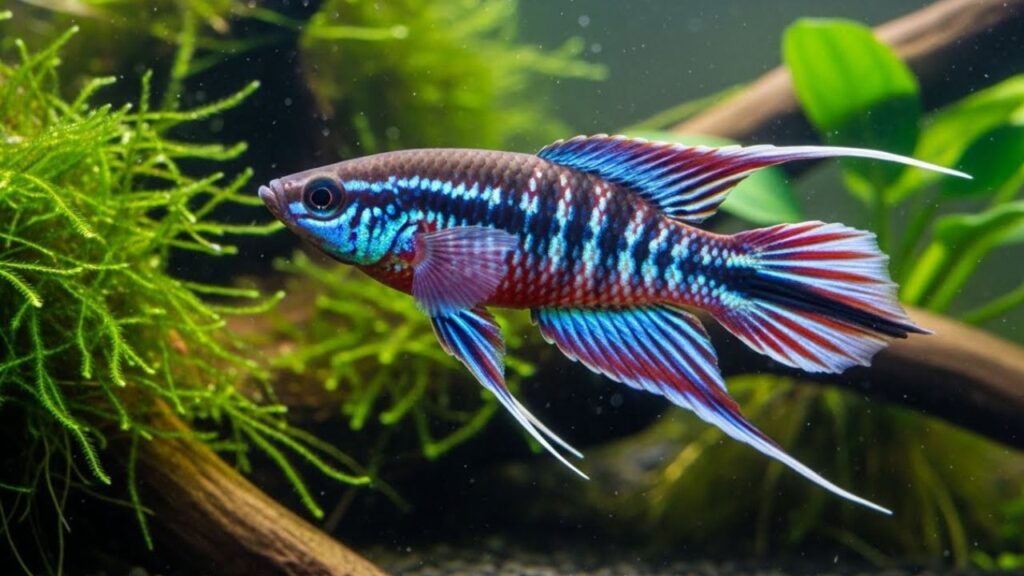
If the Atlantic Cod is in a marathon against the change in environment, then the Atlantic Killifish is in a full-out sprint. This little, unassuming fish found in estuaries along the Atlantic coast of the Americas is the undisputed champion of rapid evolution. They live in some of the most unstable and, in some cases, heavily polluted environments on the continent, and their ability to adapt is simply mind-boggling.
The killifish’s habitat can be brutal. They live in coastal marshes and streams that can experience dramatic shifts in salinity and temperature. To make matters worse, some of these habitats have become highly toxic due to industrial pollution. For most fish species, this would be a death sentence. But for the killifish, it was a challenge.
A study led by researchers from the University of California, Davis, found that killifish populations have the highest levels of genetic diversity among vertebrates measured to date.
This huge pool of genes acts like a toolbox full of potential solutions. When a new threat appears, there’s a good chance that a few individuals in the population already have the genetic tools (i.e., mutations) to survive. These survivors reproduce, and in just a handful of generations, the entire population carries the adaptation.
The killifish teaches us a profound lesson about how evolution works. It’s not always about waiting for a new mutation to arise. In many cases, the ability to quickly adapt comes from the pre-existing genetic differences within a large and diverse population.
6. Three-Spined Stickleback
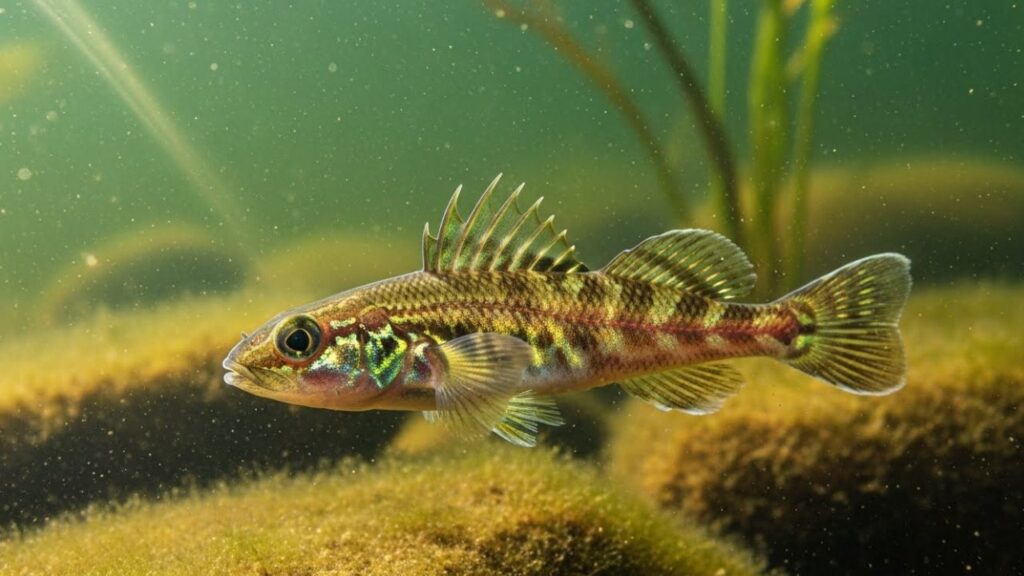
Let’s travel back in time, way back to the end of the last ice age, about 12,000 years ago. As the glaciers retreated, they left behind a brand new world dotted with countless streams. This new landscape was a massive opportunity for one little marine fish: the Three-Spined Stickleback.
As these saltwater fish moved into freshwater, they embarked on one of the most explosive and well-documented evolutionary journeys we know of.
In what felt like an evolutionary blink of an eye, these stickleback ancestors adapted to thousands of different freshwater environments. Some populations became smaller, others lost their bony armor, and their feeding habits changed dramatically. Each population became a unique experiment in adaptation.
Scientists, particularly those in places like British Columbia, where these post-glacial lakes are common, have been studying the stickleback for decades. This research has revealed that different populations often use the exact same genes to adapt to similar challenges. It’s a phenomenon called parallel evolution, and it shows that the paths of adaptation are not always random.
Researchers are observing how different populations are responding to warmer waters and changing ecosystems. The deep knowledge we have of their past, from the ice age to the present, gives us an unparalleled opportunity to comprehend how a species with a proven track record of resilience will cope with the challenges of today.
7. Mangrove Rivulus
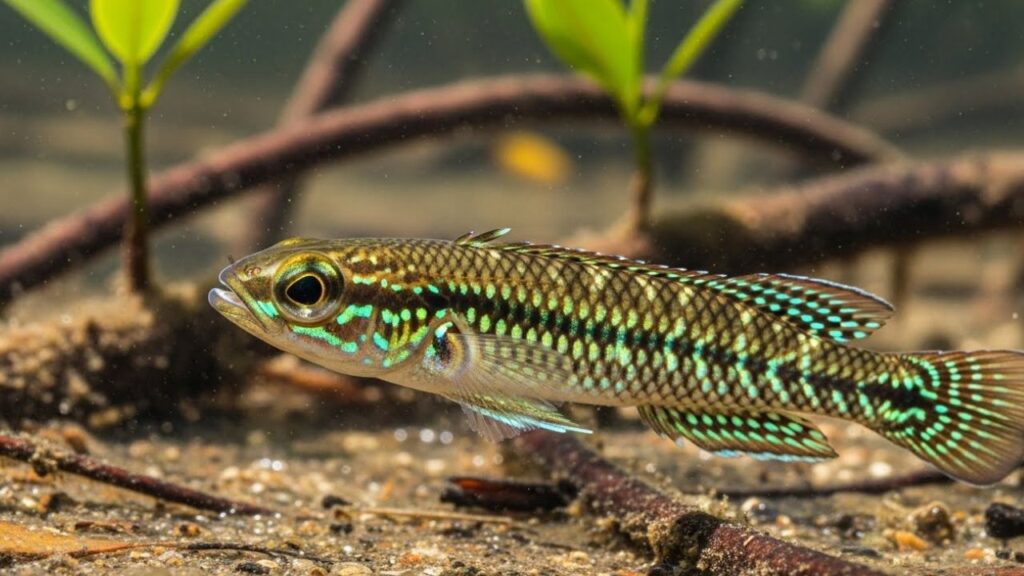
Meet the Mangrove Rivulus, a tiny fish that lives in the mangrove forests of the Americas.
Here’s its special trick: this fish is the world’s only known vertebrate that routinely reproduces by self-fertilization. That’s right, a single fish can produce offspring all by itself, creating lines of genetically identical clones. This is an incredible advantage for colonizing new habitats. If a storm or a high tide washes a single Rivulus into an isolated crab burrow or a tiny, temporary puddle, that one fish can establish an entire new population within a week or two.
This ability is a game-changer in the face of habitat fragmentation, a major consequence of environmental change and human development. As their mangrove homes break into smaller, disconnected patches, the Rivulus doesn’t need to find a mate to keep the species going.
This strategy allows them to survive and even thrive in a landscape that would be impossible for many species that rely on finding partners to reproduce.
Of course, this cloning strategy comes with a major trade-off: a lack of genetic variation. A population of clones is extremely vulnerable if a new disease or a sudden environmental shift comes along that they aren’t equipped to handle.
Conclusion
So, what have we learned from these amazing aquatic acrobats? From the tough-as-nails Tilapia to the evolutionary speedster Killifish, one thing is crystal clear: the ability of certain species to survive rapid climate shift is profoundly linked to their genetic diversity. This variation, built up over hundreds or thousands of years, is the raw material that evolution uses to forge survivors.
But let’s not get caught in a wave of false optimism. While these stories are hopeful, they are also exceptions. For every species that can quickly adapt, countless others cannot. The rapid pace of human-driven change is outpacing the natural pace of evolution for most life on Earth. These survivor fish show us what’s possible, but they also serve as a stark reminder of what’s at stake.
It’s our responsibility to slow down these changes, to protect habitats, and to ensure that the incredible story of life on our planet has many more chapters to come.
