




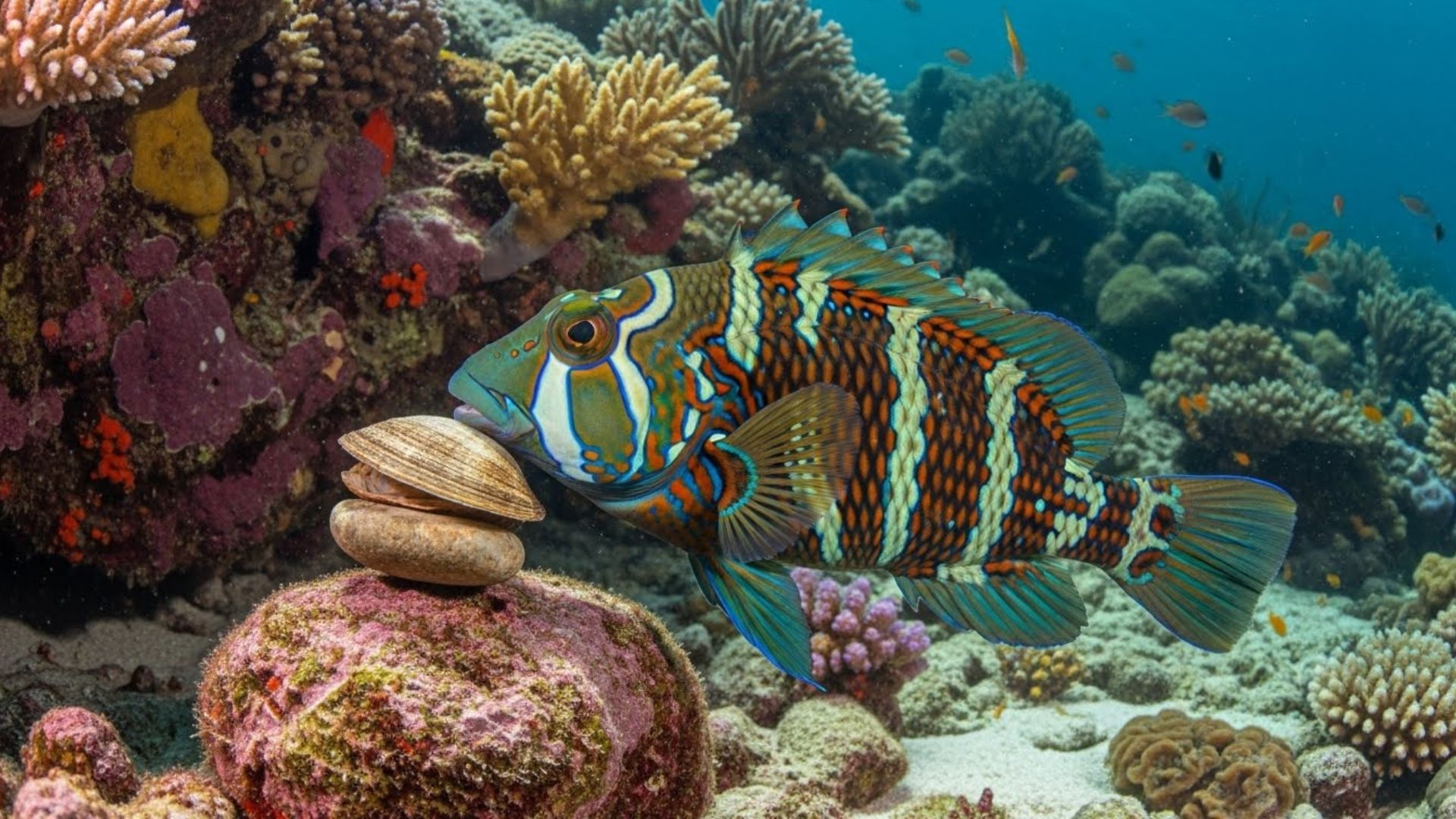
If you think tool use is only for humans, chimps, and clever crows, prepare to be surprised. The sea is full of fish quietly crafting strategies with rocks, shells, and even jets of water.
Fish’s intellect isn’t just real; it’s entertaining, practical, and often captured on film by surprised divers who were trying to mind their buoyancy. In the animal kingdom, tools are a big deal because they show planning, problem‑solving, and a bit of originality—three things that help any creature turn a hard shell into a proper feast.
For a long time, many people would accept chimpanzees, capuchin monkeys, sea otters, and some birds as the default tool champs. But new study reports and field observations keep growing the list. Researchers got a study published stating that several species of wrasse and other fish repeatedly use stones and other objects to break open stubborn targets. The evidence is building like a reef: slowly, beautifully, and with plenty of shells.
This isn’t simply trivia; it’s about survival. When you face predators, hard shells, or a larger target that won’t quit, a tool can be a crucial shortcut to dinner. As we tour coral reefs and sandy flats, we’ll meet fascinating species that push the boundaries of fish brains, showing behaviour that appears rare at first glance but may be more widespread than we thought.
Ready to meet the sea’s tiny engineers, the fish that use tools to survive? Let’s dive into the toolbox.
Fish Species That Use Tools to Survive
1. Harlequin Tuskfish
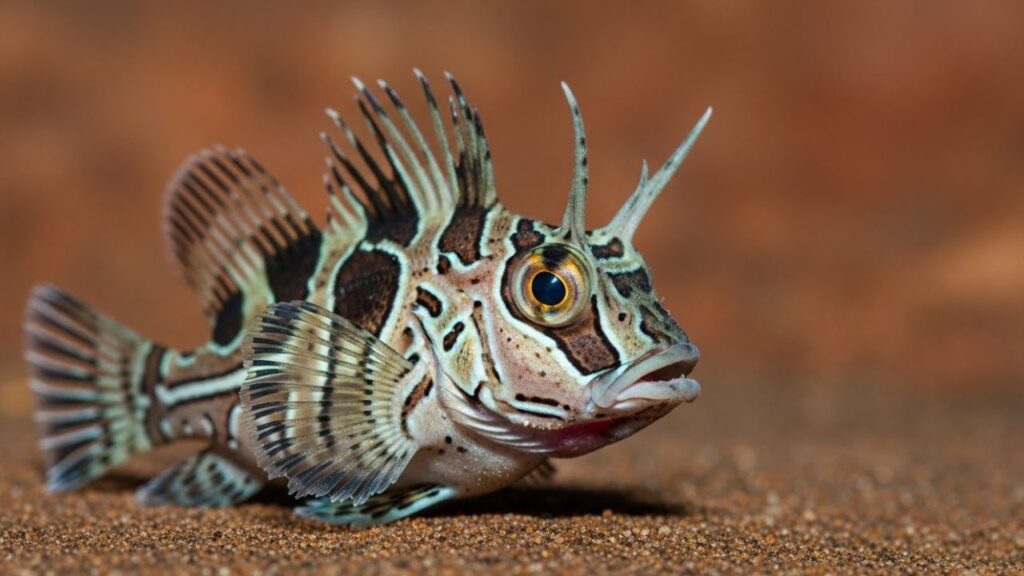
The harlequin tuskfish is the coral reef blacksmith. National Aquarium states that with bright colors and serious teeth, it’s known to pick up clams or other shellfish in its mouth, swim to a favorite anvil rock, and smash away. The goal: break open dinner with force, not just bite strength. Divers have observed this process repeatedly—pick up, carry, slam, reposition, slam again—until the shell gives up its secrets.
This behaviour isn’t random. The fish seems to select an anvil that provides a solid impact, a strategy that protects the jaws from damage. Think of it as a reef‑side workshop: the tool is the rock, the object is the shell, and the outcome is access to food that would otherwise be off-limits. For a small animal, that’s a significant advantage.
Fun fact: Some observations show tuskfish using different rocks depending on the target—lighter taps for thin shells, heavier blows for thick clams or crabs. That kind of flexibility hints at intelligence and a fundamental understanding of how tools work. It’s not just bash-and-hope; it’s a targeted technique.
History tidbit: A widely shared video of a tuskfish “smith” helped kick off more research into fish tool use, giving credit to divers who kept their cameras rolling.
2. Sixbar Wrasse
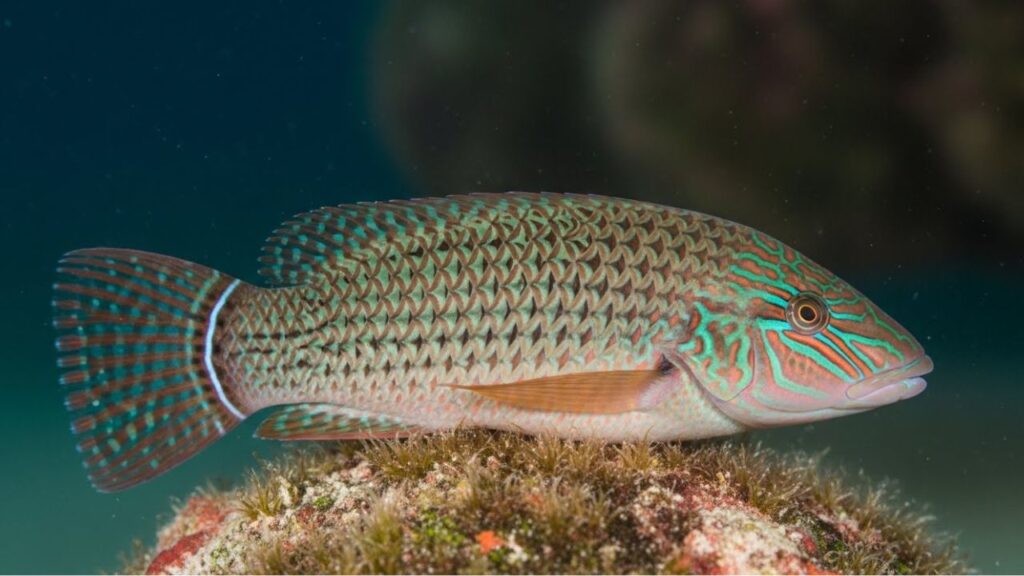
Among temperate wrasse species and their tropical cousins, the sixbar wrasse has joined the hall of fame for tool use.
Similar to the tuskfish, it will carry shellfish to a hard surface and smash them to break the shell. The repeated use of specific sites suggests memory and preference, like choosing your favorite kitchen counter for food prep.
Researchers studying wrasse behaviour have noted that this strategy enables them to feed on prey they typically couldn’t handle with teeth alone when jaws meet granite, tough shells surrender. That means more food options, which in turn means better survival during lean periods.
These fish have been observed in the wild using stones to crack open snails and other tough snacks. The findings extend our understanding of fish intellect and push back against the idea that only mammals and birds can innovate.
Fun aside: If you’re picturing a tiny wrasse in a workshop apron, same. While we can’t hand them credit cards for a hardware store, we can give them recognition for clever behaviour. It appears that among many species of wrasse, using rocks is a common, efficient strategy for a high‑quality dinner.
3. Banded Archerfish
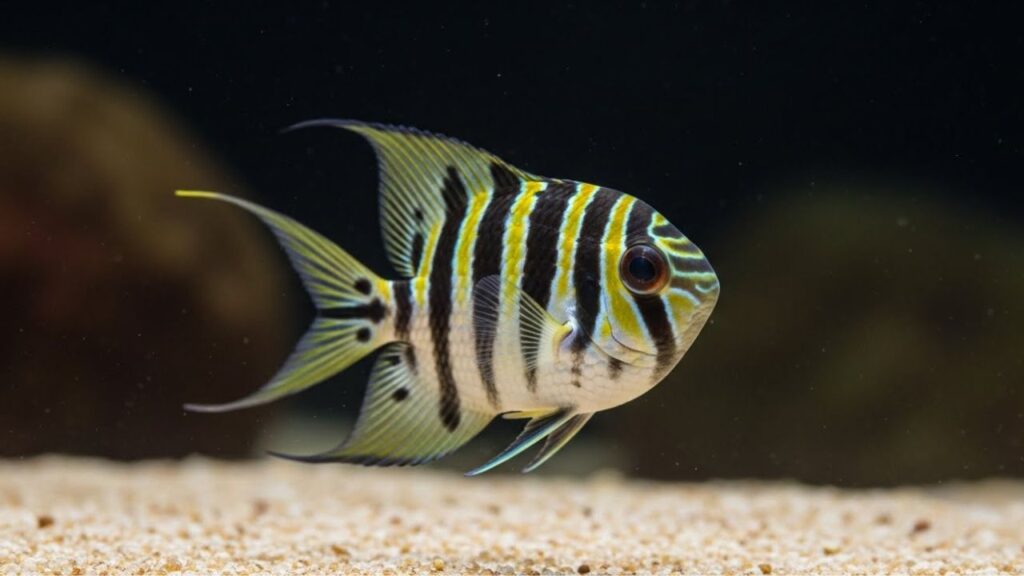
The banded archerfish is a different kind of tool user—its tool is water. With a precise squirt fired from the mouth, this fish knocks insects off leaves and grass hanging over the sea’s surface. That controlled jet acts like a ranged weapon, a living squirt gun that converts “out of reach” into “lunch.”
How does it work? Archerfish shape their mouths into a narrow nozzle so the rear of the water jet catches up with the front, increasing the force at impact. This technique shows impressive intellect: they compensate for refraction, distance, and even the movement of prey. That’s physics class, but with scales.
Observations in the wild show that archerfish learn from one another. Young fish improve with practice, suggesting social learning—something we also applaud in humans, birds, and primates. The process is repeatable and efficient, allowing archerfish to capture food without leaving the safety of the water.
Fun fact: In lab tests, archerfish have been trained to spit at specific images, including human faces on screens. While no one is giving them diplomas, the research offers insight into visual processing and decision‑making in fish. It’s hard not to respect a fish that can do marksmanship practice between tides.
4. Stoplight Parrotfish
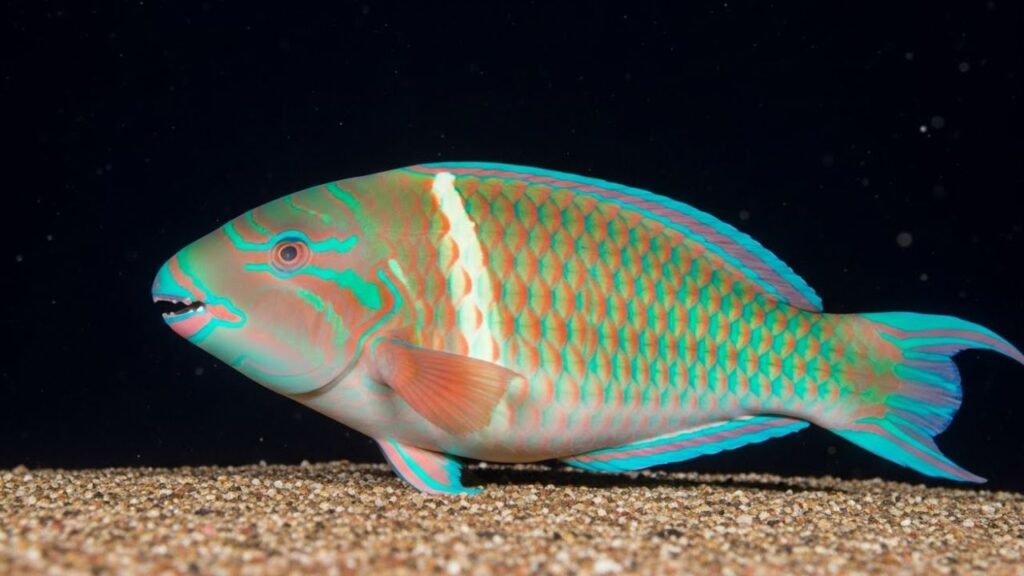
Parrotfish don’t fling water or swing pebbles much, but they are famous for making a nightly mucus sleeping bag—a slimy cocoon that functions as a tool-like shelter. This gooey form masks their scent from predators like moray eels, allowing them to rest more safely on crowded coral reefs.
According to the Florida Museum, this fish is strictly diurnal and spends the night sleeping on the reef.
The “parrot” name comes from their fused beaks, which they use to break and grind coral to reach algae. While the beak is an anatomical feature, the cocoon is a constructed object with a clear function: protection. In the broader debate about tools, many scientists consider such constructed barriers tools, as they are made and used to achieve safety.
Behaviour notes: the cocoon is produced repeatedly, night after night, indicating a strategy that’s widespread among several species of parrotfish. Creating this barrier costs energy, but the payoff is fewer midnight snacks—when you’re the snack. Efficient, if a little gooey.
Fun tidbit: Parrotfish can turn hard coral into sand; yes, some of that tropical beach under your toes was “processed” by parrotfish. Praise where it’s due—those postcard‑perfect beaches owe a thank-you to hungry beaks and busy bellies.
5. Titan Triggerfish
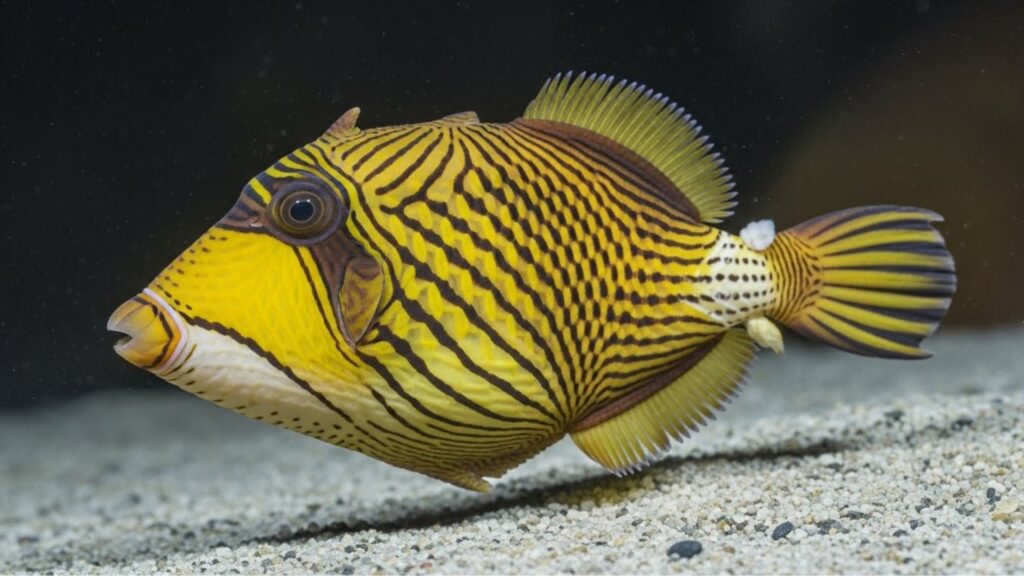
The titan triggerfish is the reef’s power tool enthusiast. It has been observed using jets of water and targeted bites to flip sea urchins and open shells. Step one: puff a stream to roll the urchin. Step two: chomp the softer underside. Step three: enjoy a prickly meal without the prickles.
This behaviour shows planning and problem‑solving, especially with prey that present spikes or armor. Using the environment—current, sand, stones—to manipulate prey looks a lot like a tool‑assisted strategy. The triggerfish’s strong jaws provide the force; clever positioning does the rest.
Triggerfish also clear sand with repeated fin fanning, exposing buried clams and crabs. Is a fin a tool? Debates aside, the use of external objects (like stones as levers) and water jets as functional tools keeps the titan in the conversation about fish intellect.
Diver note and fun warning: During nesting, titans defend a cone‑shaped territory that extends upward. If you wander into their airspace, they may “redecorate” your route.
6. Striped Eel Catfish
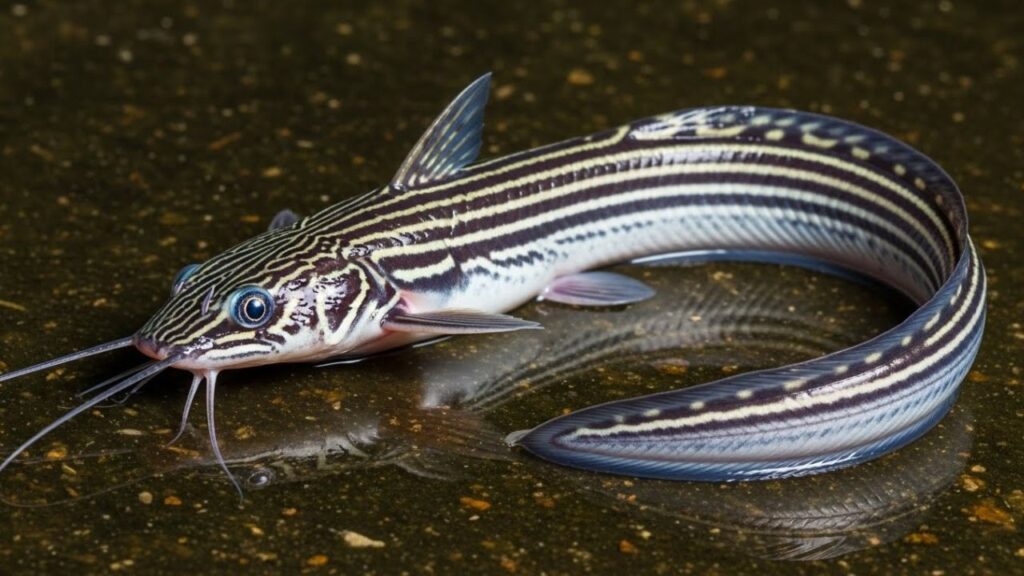
Striped eel catfish often feed in tight groups, using cooperative strategies that look remarkably organized. They herd small targets into corners or against structures, then use their tough mouths to probe and extract goodies hidden in crevices.
Tool angle? Field reports describe these catfish using bits of shell or debris to wedge or disturb hiding prey, a simple but effective object‑assisted capture. While not as famous as wrasse rock‑smithing, it’s another case where a fish uses an object to achieve a meal.
Their venomous spines make predators think twice, which means more time for careful foraging. The combination of group behaviour and object manipulation expands what they can eat, from worms to small crabs, without spending too much fuel.
Fun fact: Watch a feeding “carpet” of striped eel catfish, and you’ll see a living metal detector sweeping the sand. The more they probe, the more the sea gives up snacks. It’s a moving lesson in teamwork.
7. Jawfish
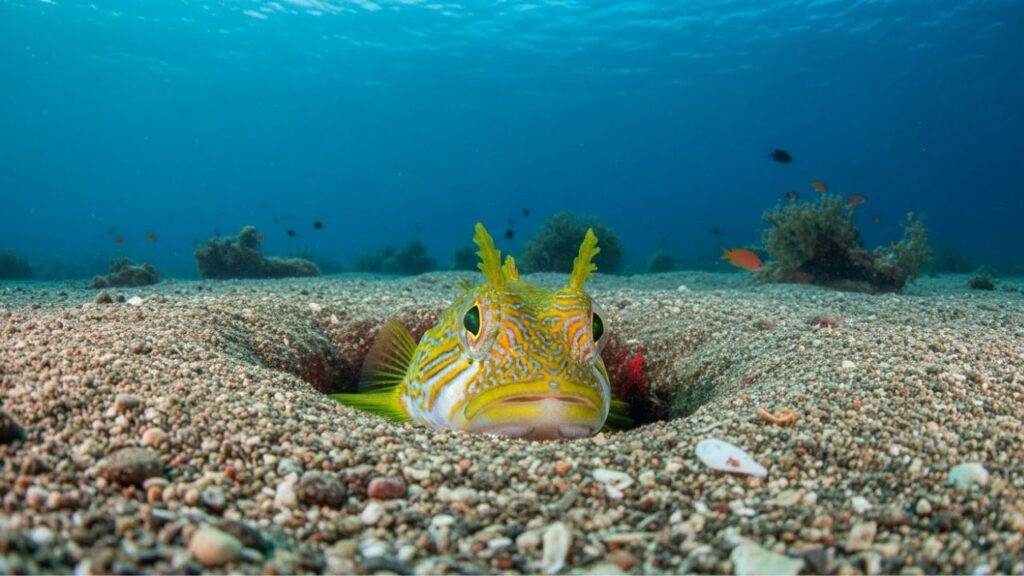
Jawfish are the marine world’s construction foremen. Our breathing planet mentions that they pick up pebbles, shells, and small stones with their mouths and arrange them to build and reinforce burrow entrances. The built structure functions like a tool: a door, a ramp, and sometimes a nursery wall.
This repeated construction not only protects against vultures but also improves airflow (well, water flow) through the burrow, keeping eggs oxygenated. Using objects to modify the environment for a clear function fits many definitions of tool use—and certainly shows cleverness and planning.
Behaviour notes: males often guard eggs in their mouths (mouthbrooding) when water levels are higher than usual, and will tidy the burrow daily. That mix of parental care and engineering would make any DIY influencer proud. The process saves power in the long run by reducing collapses.
Fun tidbit: A fast “pebble snap”—grab, place, tap—creates a tiny rhythm on the sand. If reefs had podcasts, jawfish would host “Underwater Home Makeover.”
Conclusion
Fish and tools: a combo that once sounded odd now feels obvious. When you live among pebbles, shells, urchins, and strong currents, why not make the sea itself part of your toolkit? From tuskfish that break shells on anvils to archerfish and Yellowhead Wrasse that snipe snacks with water, these animals show that intellect isn’t about holding a hammer—it’s about making the world work for you.
The big takeaway is simple: tool use in fish is real, fascinating, and probably more widespread than our current observations suggest. It changes how we think about behaviour across the animal world and pushes us to give fish the credit they deserve. The next time you hover over reefs and see a wrasse mouth a snail, don’t blink—it might be about to break, flip, or pry its way to a meal.
For science fans, fish intelligence is an expanding field, with researchers documenting new examples and refining definitions. Each case offers insight into the ability, strategy, and energy budgets at sea. And for the rest of us? It’s a reminder to stay curious: the ocean is full of small geniuses making big waves, one rock tap and one perfect spit at a time.
