




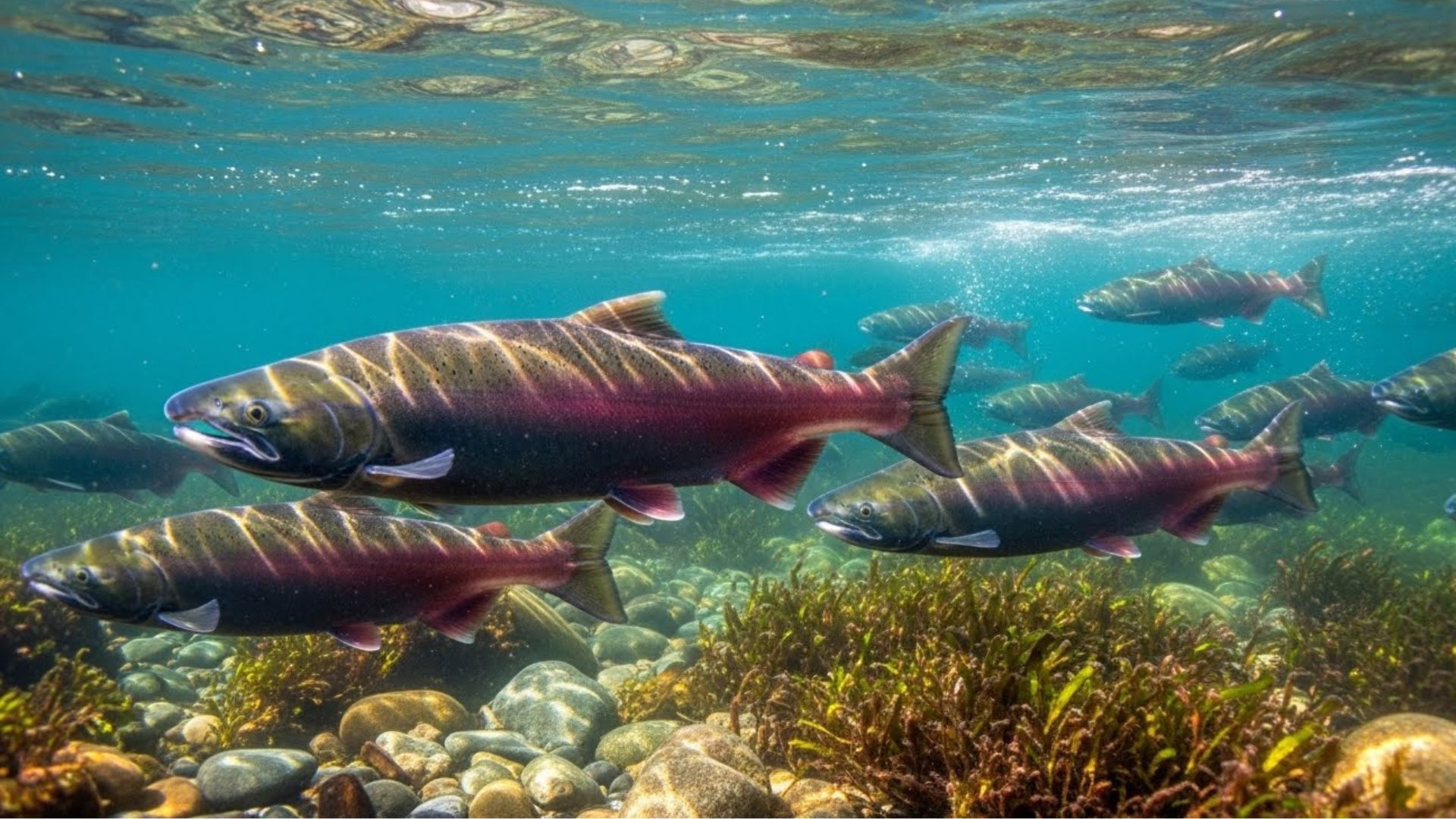
The natural world is filled with awe-inspiring spectacles, but few are as vast, perilous, and vital as the mass migrations of fish. Beneath the waves, in rivers and across oceans, many species embark on epic journeys driven by ancient instincts to feed, grow, and reproduce.
These long-distance migrations are not just a testament to the resilience of a single fish, but are the lifeblood of entire ecosystems, connecting freshwater and marine environments in a delicate, life-sustaining dance.
From the relentless upstream battle of salmon to the mysterious trans-oceanic voyage of the eel, fish migration is a phenomenon of incredible scale and precision. These migratory fish species navigate thousands of miles, overcoming predators, starvation, and immense physical barriers.
Today, we dive deep into the lives of some of the planet’s most remarkable travelers, exploring the “why,” the “how,” and the profound importance of their journeys. Join us as we follow these finned adventurers on their incredible odysseys.
Fishes Known for Their Extraordinary Migration Patterns
1. Atlantic Salmon (Salmo salar)
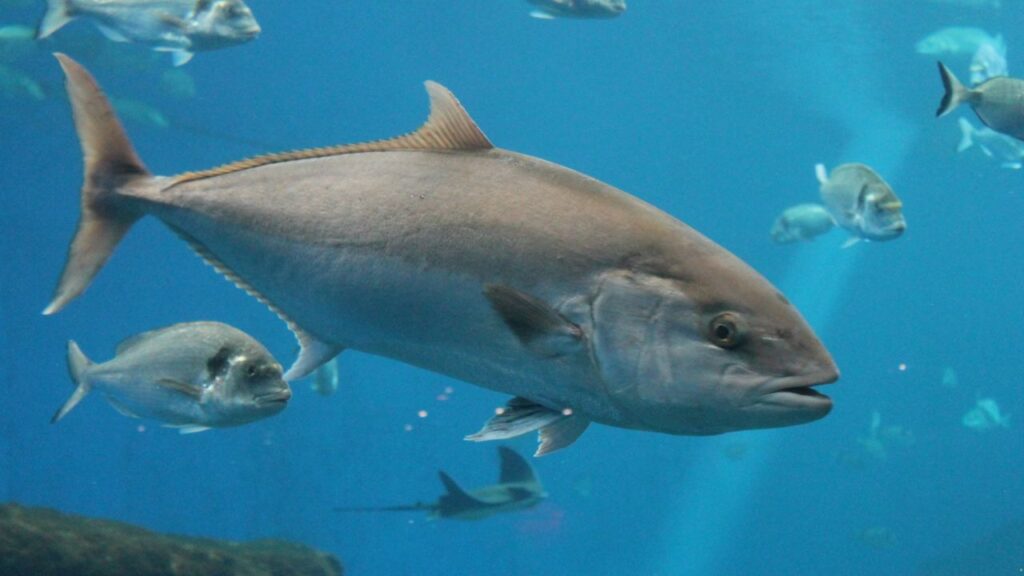
Often hailed as the “King of Fish,” the Atlantic salmon is the quintessential anadromous fish, a species that perfectly illustrates the dual-world life cycle. Born in the gravel beds of cool, clear freshwater, these remarkable animals spend their early years growing into resilient juveniles.
This freshwater phase is just the prelude to one of the most demanding long-distance migrations in the animal kingdom. NOAA Fisheries states that this journey will test the limits of their endurance and navigational prowess.
After transforming into “smolts,” they descend their natal rivers and enter the vast Atlantic Ocean. Some fish populations, like those from Maine, will travel a round-trip distance of nearly 5,000 miles to rich feeding grounds off Greenland—a distance comparable to traveling from New York to Los Angeles and back.
European salmon undertake similar epic journeys, feeding for one to three years and growing to impressive sizes before the instinct to reproduce calls them home.
A truly mind-boggling aspect of salmon migrations is their pinpoint navigational accuracy. After years at sea, they find their way back not just to the same river system, but often to the very tributary where they were born. When compared to other aquatic species, they surely seem real genius ones!
Urgent conservation efforts, including the construction of fish ladders, removal of obsolete dams, and restoration of healthy habitats, are underway by conservationists and government agencies to ensure the King of Fish can continue its royal procession for generations to come.
2. Pacific Salmon (Oncorhynchus species)
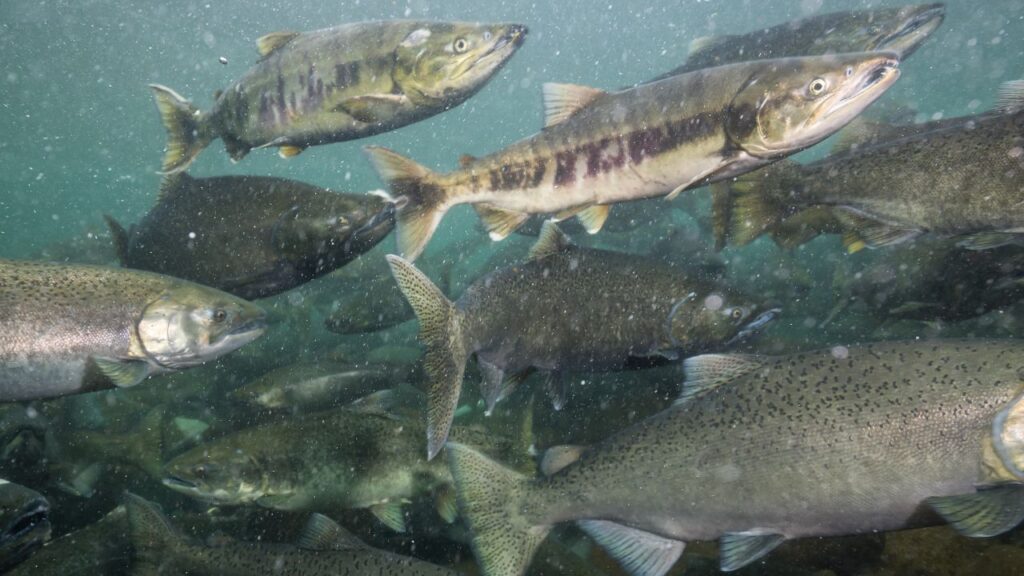
The Pacific Ocean is home to several iconic salmon species, including the mighty Chinook (also known as King salmon), Coho, and Sockeye. Like their Atlantic relatives, these are anadromous fish, starting their life in freshwater streams before migrating to the ocean.
The journey of Pacific salmon is a grueling upstream battle against powerful currents, waterfalls, and a gauntlet of hungry predators like bears and eagles. Upon entering freshwater, the adult fish stop feeding entirely and rely on the body fat they accumulated in the ocean.
Compared to other fish, their bodies transform, developing hooked jaws and vibrant red colors as they race against time to reach their ancestral spawning grounds. This arduous journey, driven by pure instinct, ensures the continuation of their species.
The most profound aspect of the Pacific salmon’s life history is its final chapter.
All species are semelparous, meaning they spawn only once and then die. While seemingly tragic, this ultimate sacrifice is an incredible gift to the environment. Their decaying bodies release a massive pulse of marine-derived nutrients into the nutrient-poor freshwater and forest ecosystems.
Today, this fish faces severe threats that jeopardize this critical ecological link. Historically abundant, many runs are now listed as threatened species. The extensive network of dams on major rivers like the Columbia blocks fish passage, logging and development have destroyed crucial habitat, and changing ocean conditions impact their survival rates at sea.
3. European Eel (Anguilla anguilla)
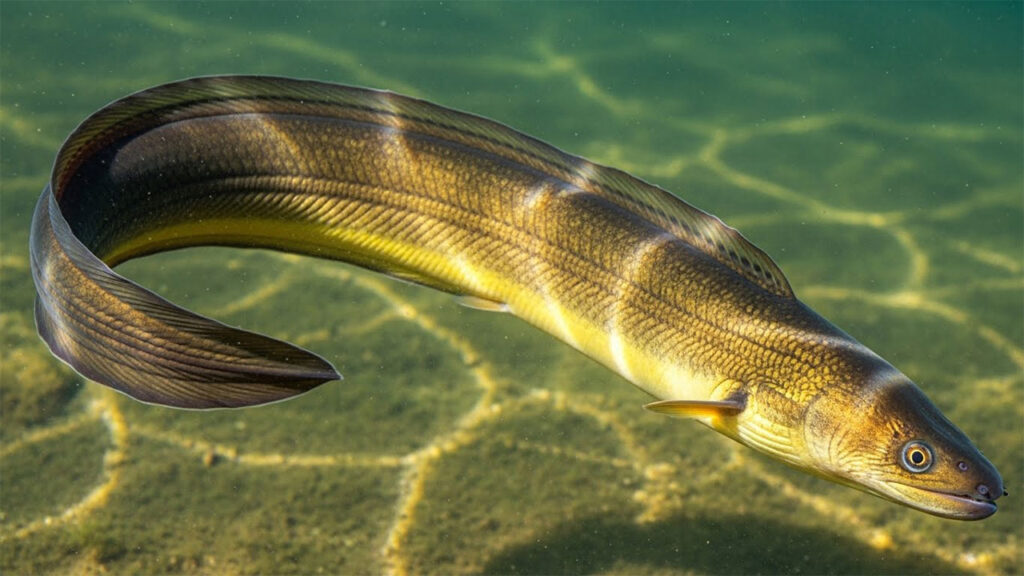
This is a catadromous species: it spends its adult life in the rivers, lakes, and estuaries of Europe and North Africa, but is born in the middle of the Atlantic Ocean.
Its fish’s life cycle involves a complete metamorphosis, beginning as a transparent, leaf-shaped larva adrift in ocean currents.
The origin point for every single European eel is the Sargasso Sea, a vast, calm region of the North Atlantic. In these distant spawning grounds, grown-up eels propagate and then perish. Their tiny larvae (leptocephali) are then caught in the Gulf Stream, beginning a passive drift that can last for up to two years.
This trans-oceanic journey brings them to the European shore, where they transform into “glass eels,” then pigmented “elvers,” and finally “yellow eels” as they settle into their growth habitats.
After spending anywhere from 5 to over 20 years feeding and maturing in freshwater, a final transformation is triggered. The eel becomes a “silver eel,” with larger eyes and a metallic sheen—adaptations for a deep-sea existence.
4. Sardine
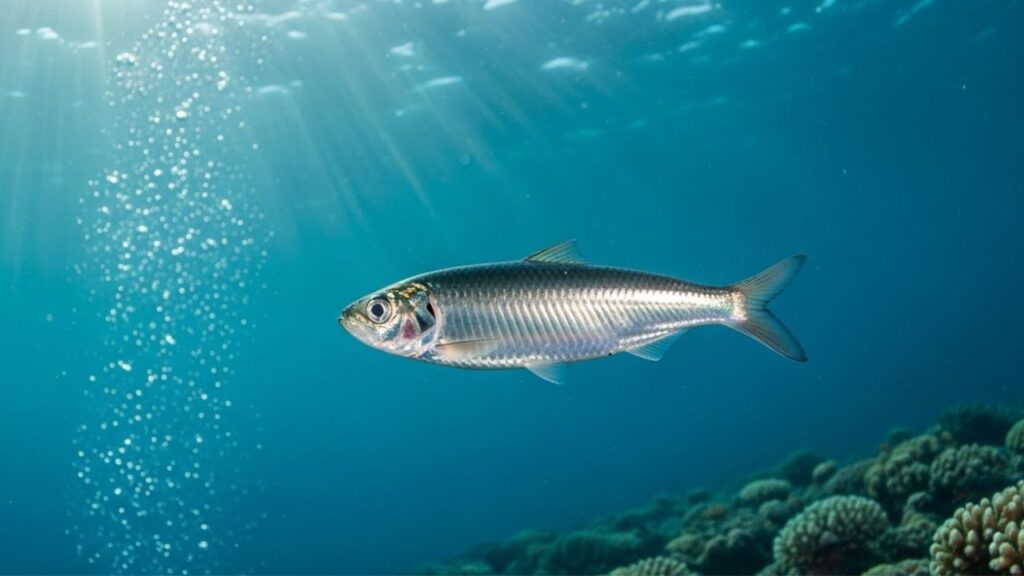
Not all migrations involve crossing oceans or fighting upstream; sheer, overwhelming numbers define some. The BBC claims the annual Sardine Run off the coast of South Africa is arguably the greatest marine spectacle on Earth.
Each winter, billions of sardines form colossal shoals—stretching over 4 miles long and nearly a mile wide—and migrate northward into the warmer waters of KwaZulu-Natal, creating a moving feast for an army of predators.
This migration is a breathtaking display of nature’s drama. The sheer density of the sardine shoals attracts a “super-group” of predators. Pods of dolphins work together to herd the small fish into tight “bait balls,” while sharks attack from below. From the sky, Cape gannets dive like missiles, and below, Bryde’s whales lunge-feed, engulfing thousands of fish in a single gulp. This event is a critical, if temporary, food source that supports a vast diversity of marine life.
While the South African run is the most famous, other sardine species and populations exhibit different migration routes worldwide. Pacific sardines move seasonally along the North American coast in response to water temperature and food availability.
5. Bluefin Tuna
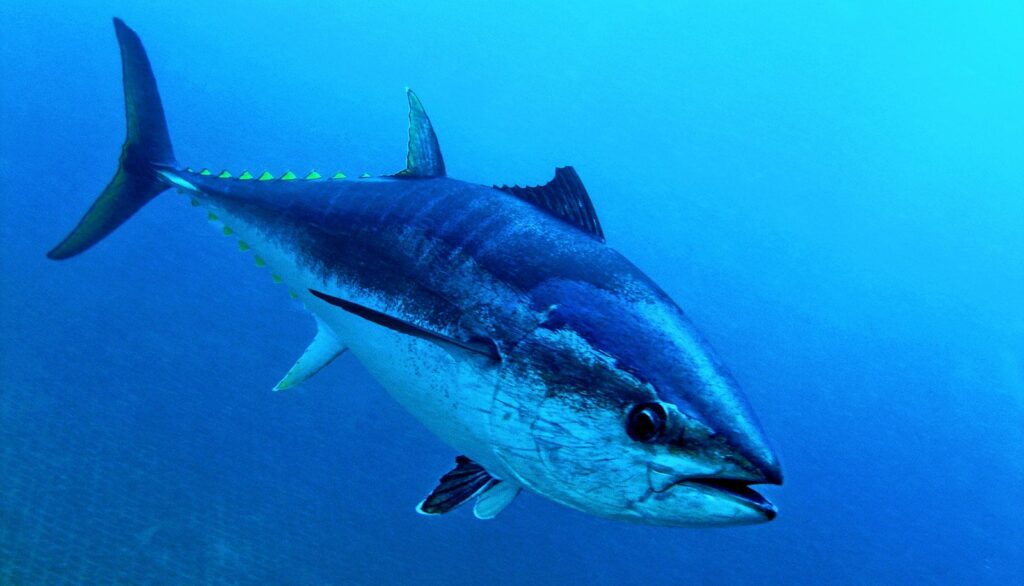
The Bluefin tuna is the apex predator of the open ocean—a warm-blooded, torpedo-shaped powerhouse built for speed and endurance. As highly migrating species, they undertake incredible long-distance transoceanic migrations, traversing entire ocean basins in search of food and reaching their specific breeding grounds.
The epic voyages of this fish are tied to their life cycle. Pacific bluefin, for example, are born in the waters near Japan and the Philippines. As juveniles, many will migrate over 5,000 miles to the rich feeding areas off the shore of California and Mexico, where they spend several years growing. Eventually, they make the long return migration across the Pacific to their natal rivers of the ocean to spawn. This cycle of feeding in calm, productive waters and spawning in warm, stable ones defines their lives.
They also exhibit remarkable natal homing, returning to the same general regions where they were born to reproduce. Atlantic bluefin have two primary spawning grounds: the Gulf of Mexico and the Mediterranean Sea.
This fidelity to specific breeding areas leads to a distinct population structure, with “western” and “eastern” stocks that are managed separately, though some mixing occurs in feeding areas. Understanding these migration routes is critical for their conservation.
Due to their immense value in commercial fisheries, particularly for the sushi market, they have been severely overfished, and some populations are considered endangered species. Protecting this magnificent species requires robust international cooperation and strict management.
6. Lamprey
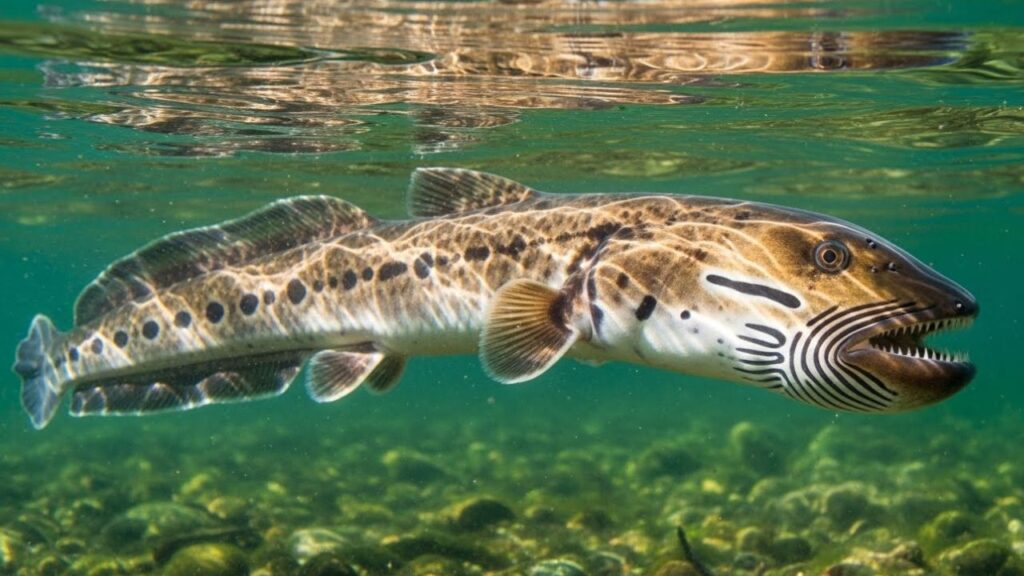
The lamprey’s life cycle dictates its migratory path, which falls into two main categories. Most parasitic species are anadromous, hatching in freshwater streams before migrating to the ocean to mature. After years of feeding, they undertake a final, one-way pilgrimage back into freshwater rivers to spawn.
In contrast, non-parasitic species are potamodromous, living their entire lives within freshwater systems and conducting much shorter migrations between feeding and spawning grounds. This fundamental difference sets the stage for some of the most extreme expeditions in the animal kingdom.
For anadromous lampreys, the scale of this final voyage is astonishingly epic. The Arctic lamprey, for example, travels over 2,100 km (1,300 miles) upriver, while Australia’s pouched lamprey navigates over 1,600 km (1,000 miles).
What makes this feat truly grueling is that the lampreys do not eat once they enter fresh water. Their digestive systems atrophy, and they must fuel their entire migration solely on stored body fat, leading to a dramatic weight loss of up to 30%. Their expedition is a fatal race against dwindling energy reserves, all for the sole purpose of reproduction.
To find a suitable spawning site after years at sea, GLFC says lampreys rely on a sophisticated form of chemical navigation. Instead of homing to their exact birth stream through memory, they are attracted by a complex blend of pheromones released by existing lamprey larvae (ammocoetes) settled in riverbeds.
7. Whale Shark
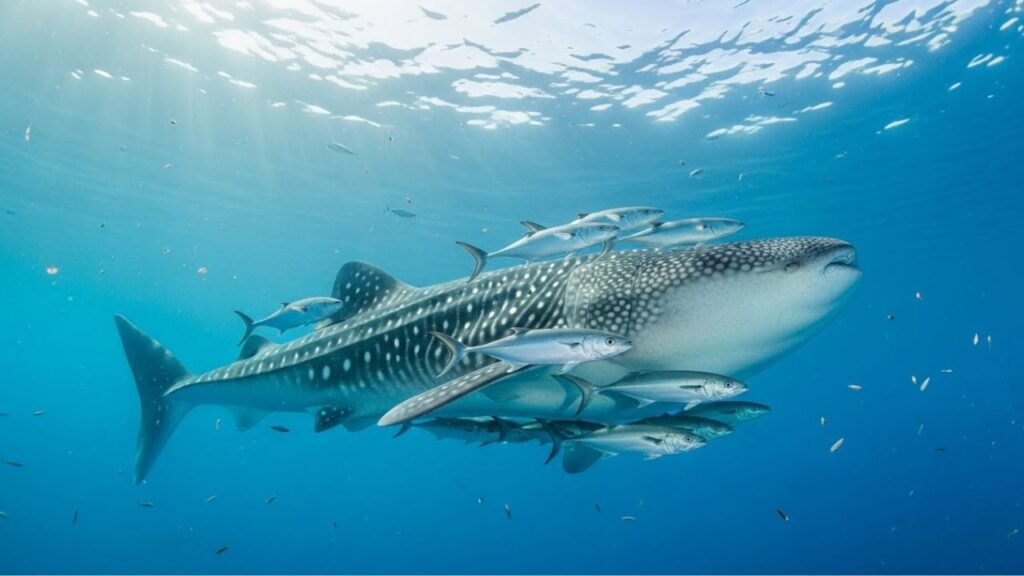
As the world’s largest fish, the whale shark embarks on ocean-spanning odysseys that are among the most extensive in the marine world. These gentle giants lead a nomadic lifestyle, with their movements dictated by a complex interplay of environmental cues and biological needs.
Unlike the targeted, linear migrations of many whale species, the whale shark’s patterns blend predictable seasonal aggregations with mysterious, long-distance solo voyages across entire ocean basins.
Scientists using satellite tagging and photo-identification have begun to piece together these epic travels, revealing a life spent in constant, purposeful motion across the globe’s tropical and warm-temperate seas.
The primary engine driving these migrations is an insatiable, yet gentle, appetite for the smallest of prey. Whale sharks are filter feeders, and their movements are intricately linked to ephemeral feasts like mass coral or fish spawning events and seasonal plankton blooms.
Beyond these seasonal feeding grounds, tracking studies have unveiled the truly extraordinary scale of their individual voyages.
Conclusion
The migrations of fish like the Atlantic salmon, European eel, Whale Shark, and others are more than just fascinating stories from the natural world; they are fundamental processes that stitch together our planet’s aquatic species and ecosystems. Chinook salmon and American eels are some other marine species known to migrate long distances. These trips transport energy from the deep ocean to inland streams, support vast food webs, and sustain both wildlife and human communities.
The diversity of strategies—from the anadromous climb of salmon to the catadromous mystery of eels and the trans-oceanic dash of tuna—highlights the incredible adaptability of life.
Yet, a common threat unites these disparate travelers: the impact of human activities. Dams that create impassable barriers, pollution that degrades water quality, habitat destruction, and the relentless pressure of global fisheries have pushed many of these iconic migratory species to the brink. Their struggles are a clear signal that our rivers and oceans are in trouble.
