




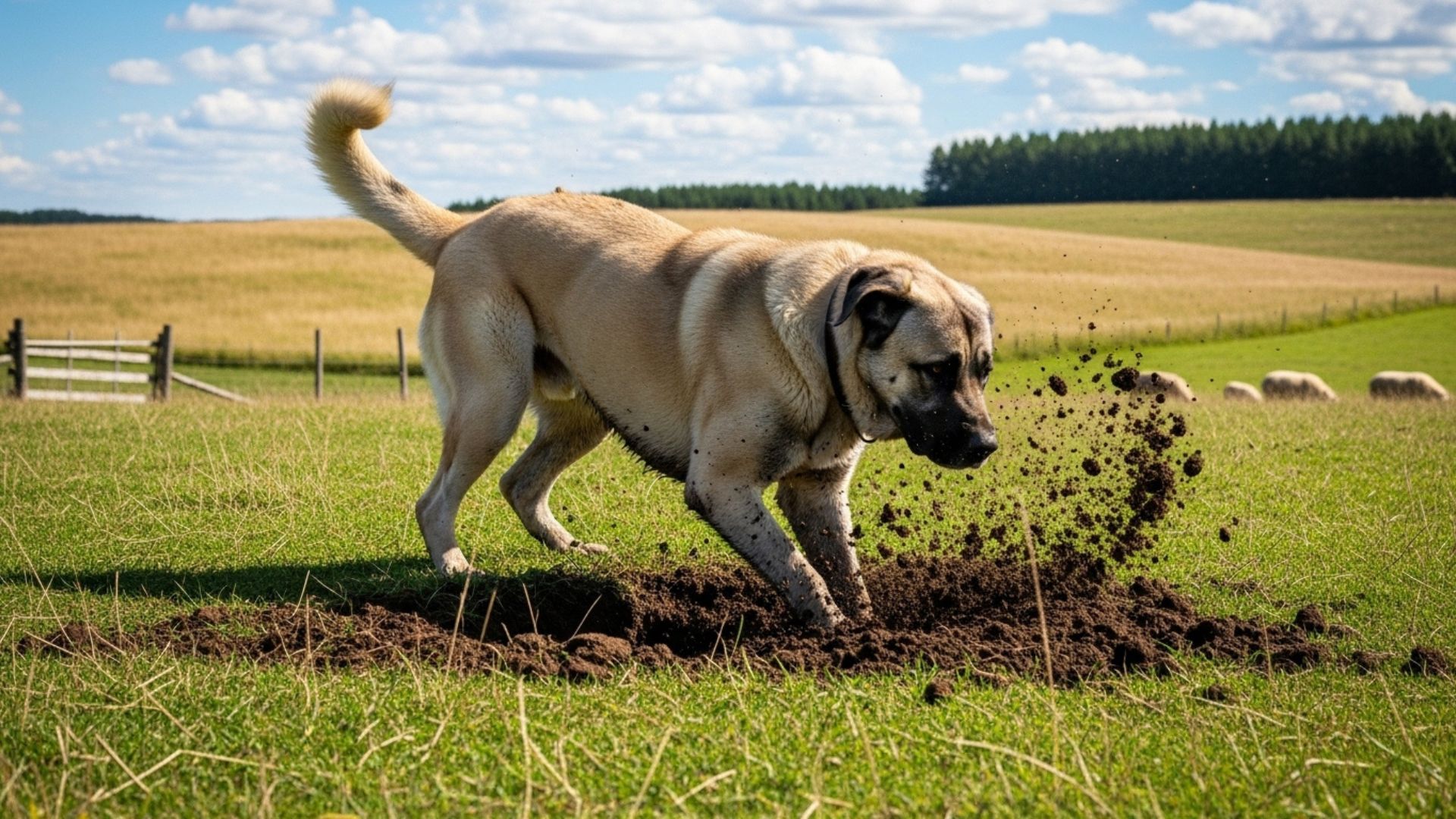
Life in the countryside might sound like a dream for dogs—open fields, fresh air, and endless room to run. But here’s the twist: not every breed is cut out for rural living.
Some pups thrive in wide spaces, while others turn into professional escape artists, nonstop barkers, or chaos creators the second they step off-leash. The truth is, rural areas test a dog’s instincts in ways suburban yards never do. Strong prey drives, stubborn streaks, and restless energy can transform man’s best friend into a farmer’s worst nightmare.
Here, we’ll explore the dog breeds most likely to misbehave when given too much freedom and not enough structure. Whether you’re moving to the country with a city dog or simply curious about canine compatibility with rural life, knowing which breeds struggle most can save you time, patience, and possibly a few chewed-up boots.
Let’s uncover which four-legged companions need extra supervision when the fields stretch endlessly and the temptation to roam becomes too strong to resist.
Did you know? Dogs bred for hunting or herding can become “troublemakers” in rural areas if they’re under-stimulated—leading to digging, chasing livestock, or nonstop barking.
Worst Behaved Dog Breeds In Rural Areas
1. Anatolian Shepherd
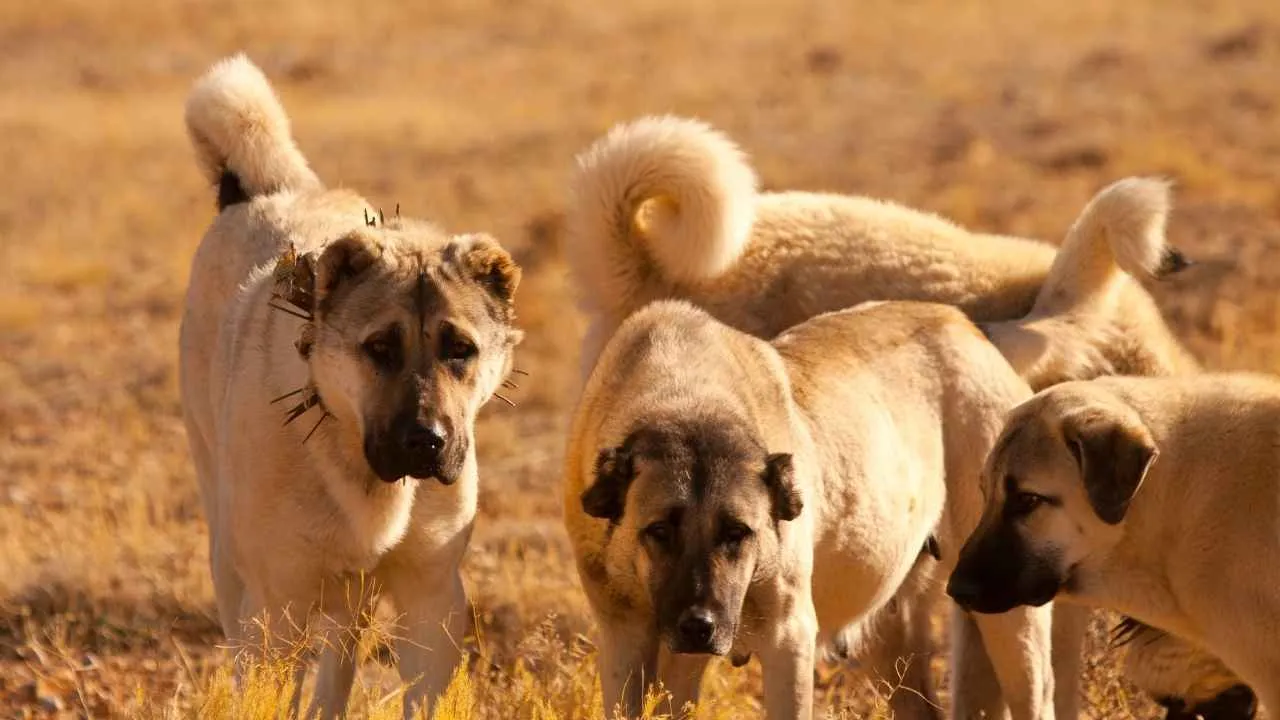
Crowning the list is the mighty Anatolian Shepherd—a dog so ancient it feels less like a pet and more like a living piece of history.
These rugged flock guardians have been protecting herds since the Bronze Age (that’s over 6,000 years of practice!), and let’s just say… they’ve perfected the art of being in charge.
In their eyes, you’re not the owner—you’re just another member of the flock under their watchful, slightly judgmental gaze. In rural areas, they shine as protectors, but here’s where the “destructive behavior” comes in: Anatolians don’t just guard your property; they own it.
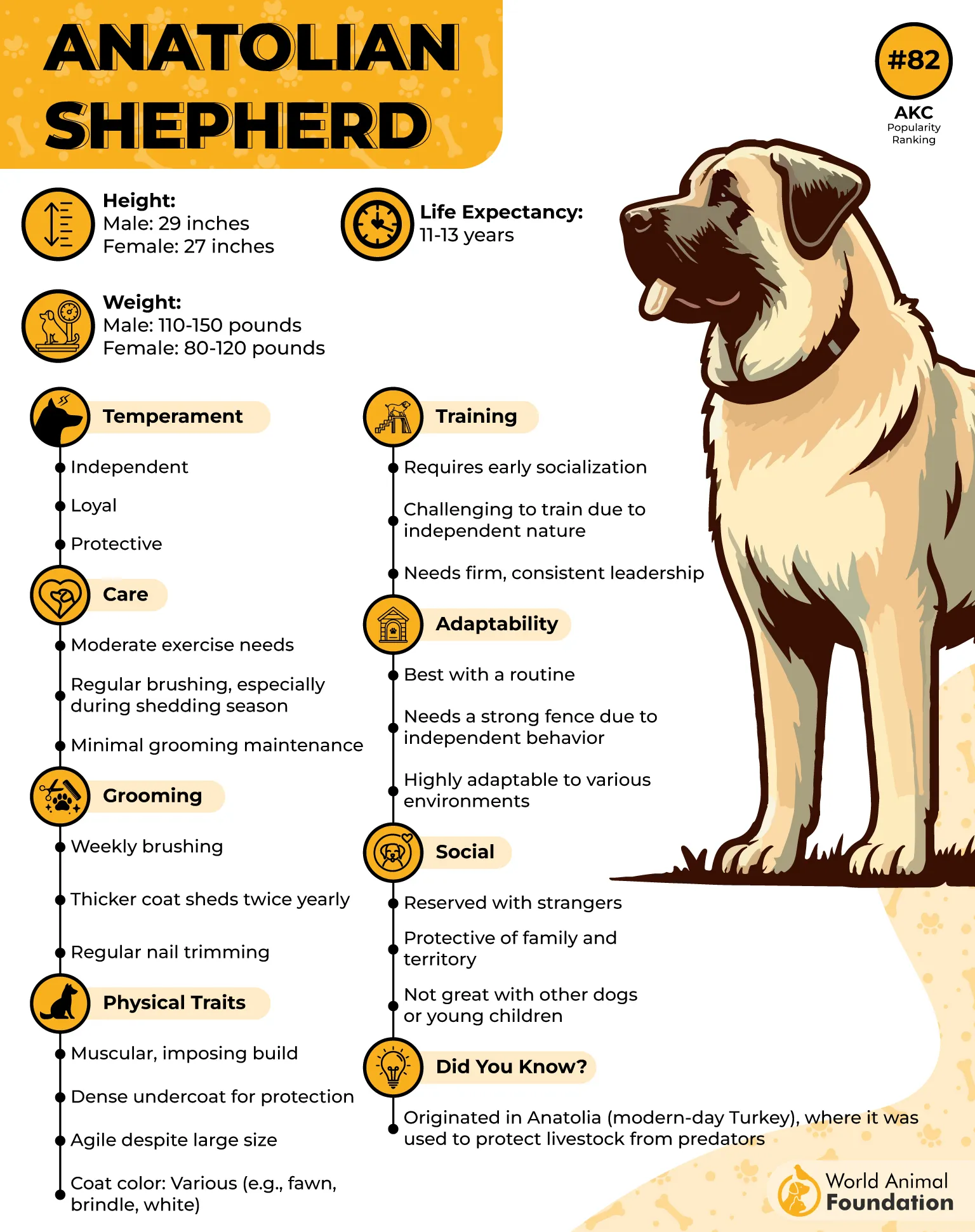
Forget fences or “No Trespassing” signs—an Anatolian will patrol the fields, barns, and even the neighbor’s driveway if they feel like it. Strangers? Suspicious. Delivery trucks? Definitely up to no good. And don’t be surprised if your friends need an “escort” just to make it up your porch.
These large dogs are brilliant and loyal with a fiercely independent streak. Which, translated into rural life, means they’ll make decisions on their own—whether you agree with them or not. You might think you’re training an Anatolian, but in reality, they’re deciding whether you measure up as their human.
According to the AKC, they require strong, confident leadership. Translation: if you’re not firm enough, they’ll gladly step up as the head of the household, livestock included.
But beneath all that muscle and seriousness lies a calm, incredibly loving giant who will guard not just sheep and cattle, but also children, smaller pets, and yes—even the family cat. They’re basically running an ancient security firm, with services extending to “all creatures, great and small.”
So while the Anatolian Shepherd may be the ultimate guardian, they’re also the ultimate bossy boots of the rural world. Respect them, work with them, and maybe—just maybe—they’ll let you think you’re the one in charge.
2. Lancashire Heeler
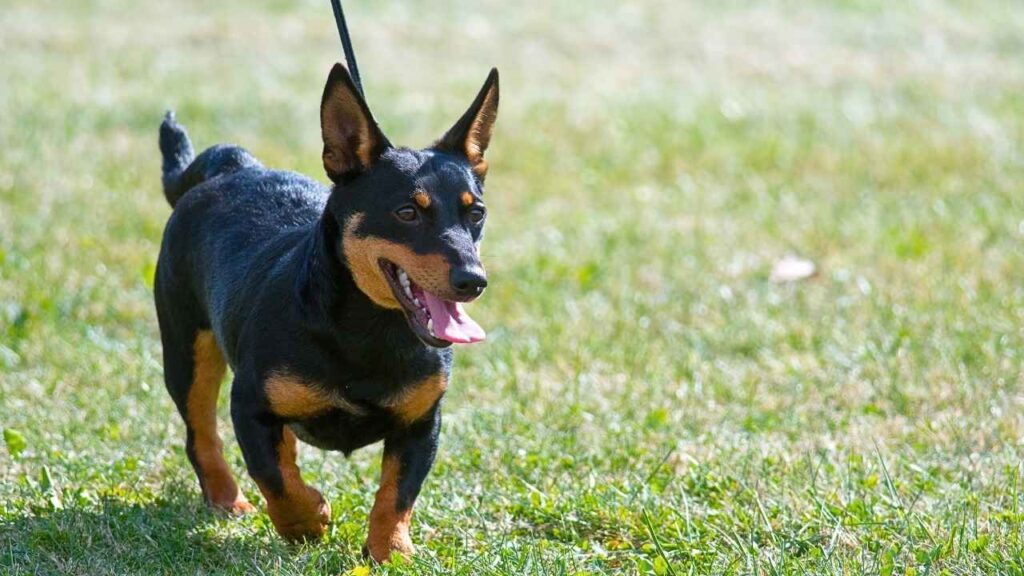
Don’t underestimate this pint-sized powerhouse—the Lancashire Heeler might be small, but they strut around the countryside like they own the entire county.
Originally bred to herd cattle (yes, cattle… with those little legs!), this breed has mastered the art of bossing around creatures ten times its size. Add in a healthy dose of terrier instinct, and suddenly your fields, barns, and hedgerows are under 24/7 surveillance for rats, rabbits, and any other “trespassers.”
Their size makes them deceptively manageable, but don’t be fooled. Heelers have the stamina of an Olympic athlete and the mischief of a cartoon character.
They’ll dart after wildlife, nip at heels (hence the name), and if left unsupervised, might just decide your chickens need “re-organizing.” Calling them back mid-chase is like trying to stop a tractor by waving your hat—optimistic, but mostly useless.
But here’s where they really stand out: the legendary Heeler Smile. When they’re content, these little dogs pull back their lips into what looks suspiciously like a human grin. It’s both adorable and slightly unnerving—like your dog just got in on a joke you weren’t invited to.
So yes, they’re small. Yes, they’re charming. But make no mistake: the Lancashire Heeler is a pint-sized general running military-grade operations across your farm. You’re not the boss—they are. And they’ll flash you that smile just to remind you who’s really in charge.
3. Cane Corso
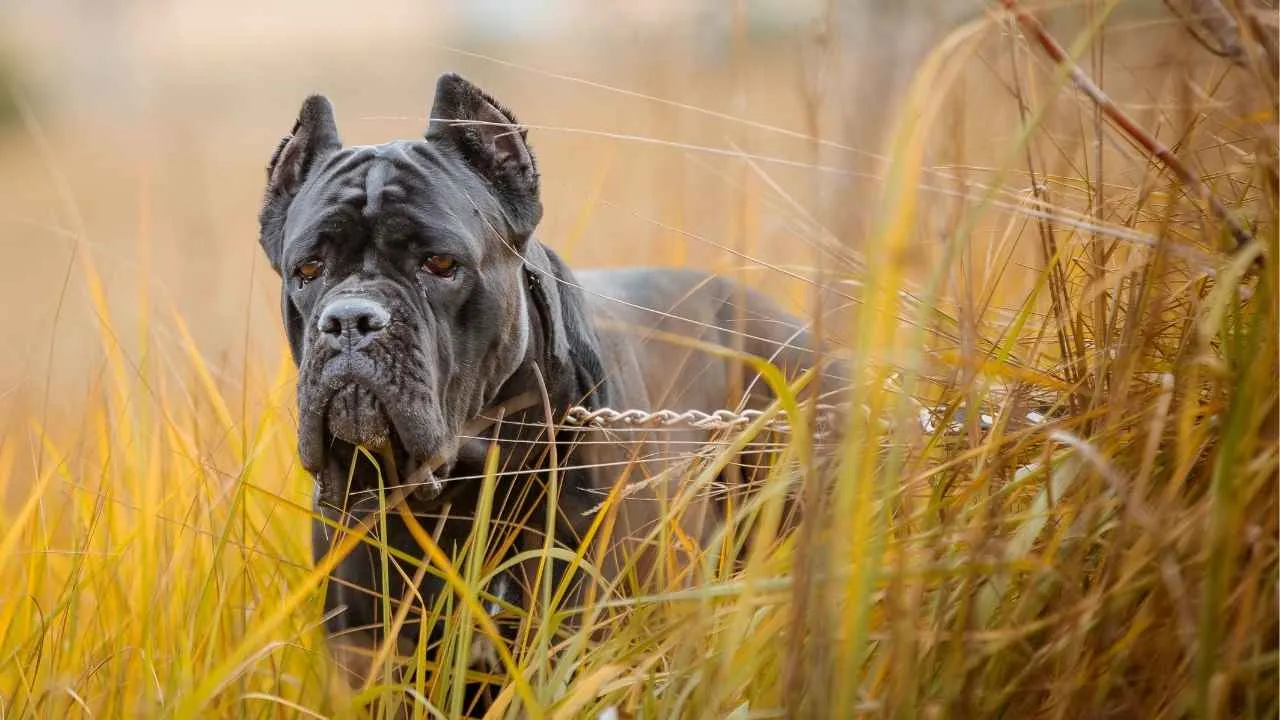
If the countryside had bouncers, the Cane Corso would be standing at the gate, arms crossed (well… paws crossed), deciding who gets in and who doesn’t. These dogs are massive—usually tipping the scales at over 100 pounds—and carry themselves with the confidence of a gladiator.
And that’s no accident: their roots go all the way back to the ancient Greek and Roman empires, where they were bred to guard, protect, and occasionally join in on a good old-fashioned battle. Rural chickens and goats don’t quite require the same level of defense, but don’t tell your Cane Corso that—they’re convinced every squirrel is a threat to national security.
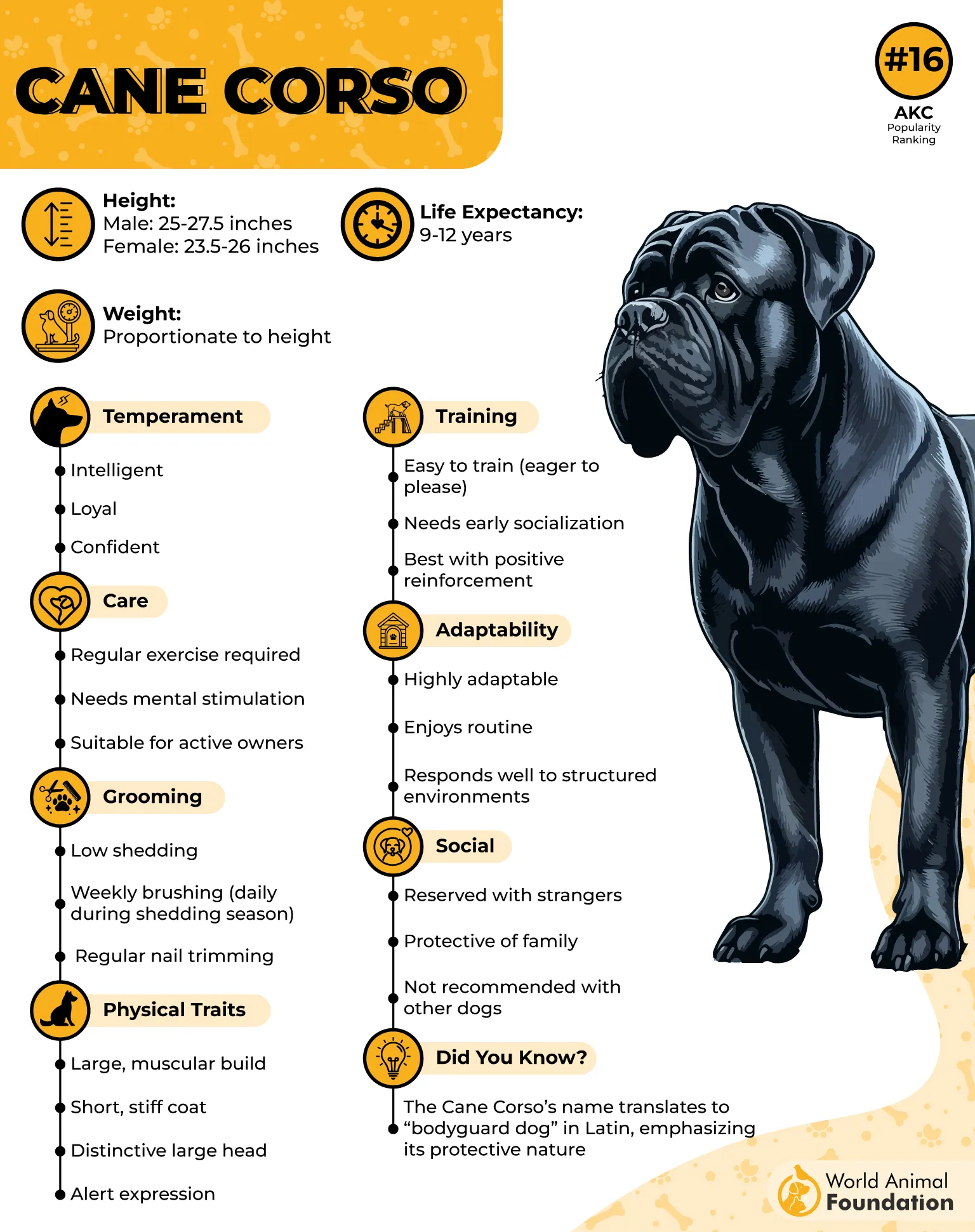
Britannica noted this breed tends to be wary of strangers and isn’t especially sociable with other dogs or animals. When challenged, it can become truly formidable.
In rural areas, their “bad behavior” usually boils down to over-enthusiasm. They’re loving, loyal, and ridiculously protective, but if you’re not prepared to manage all that muscle and very high energy, you might find yourself being walked by your dog instead of the other way around.
A Cane Corso on a brisk run doesn’t just exercise—it practically plows the lane. Elderly owners especially might find themselves air-surfing behind a leash like an unwilling waterskier.
On the plus side, they don’t shed much, and they’re surprisingly low-maintenance in the grooming department. On the not-so-plus side, they need constant mental and physical stimulation, or else they’ll invent their own job… usually something like “yard security chief,” which involves patrolling, barking at invisible enemies, and occasionally rearranging your fence panels.
At their best, a Cane Corso is a loyal family guardian and a big softie with their people. But in the wrong rural setup, they’re less “farm dog” and more “four-legged tank with a barking alarm system installed.” Handle with care, and maybe a little extra muscle.
4. Otterhound
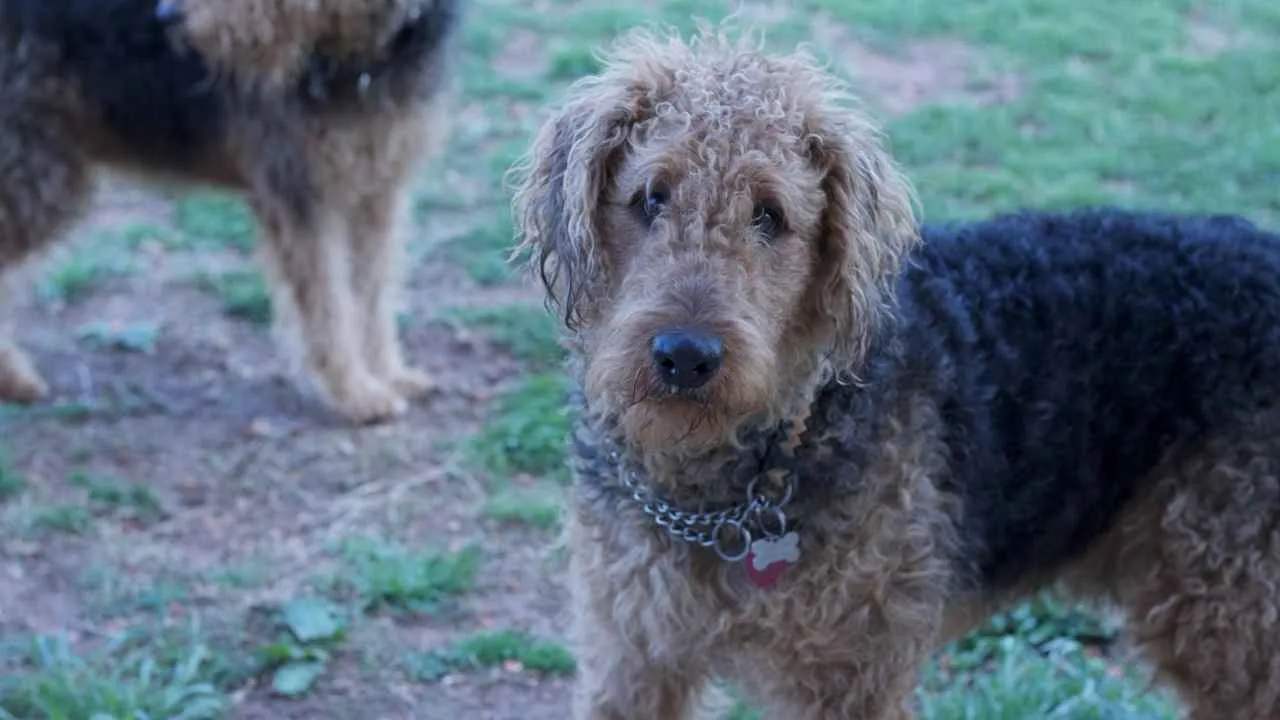
If rural living comes with ponds, rivers, or even a suspiciously large puddle, then the Otterhound will find it—and throw itself in headfirst. This breed was originally designed for otter hunting (hence the name), so water is basically their happy place.
Unfortunately for you, that means every trip outside ends with a soaking wet, mud-splattered, swamp-scented furball galloping straight into your clean kitchen. An Otterhound’s nose is so powerful that it can track a scent through fields, farms, and halfway across the county.
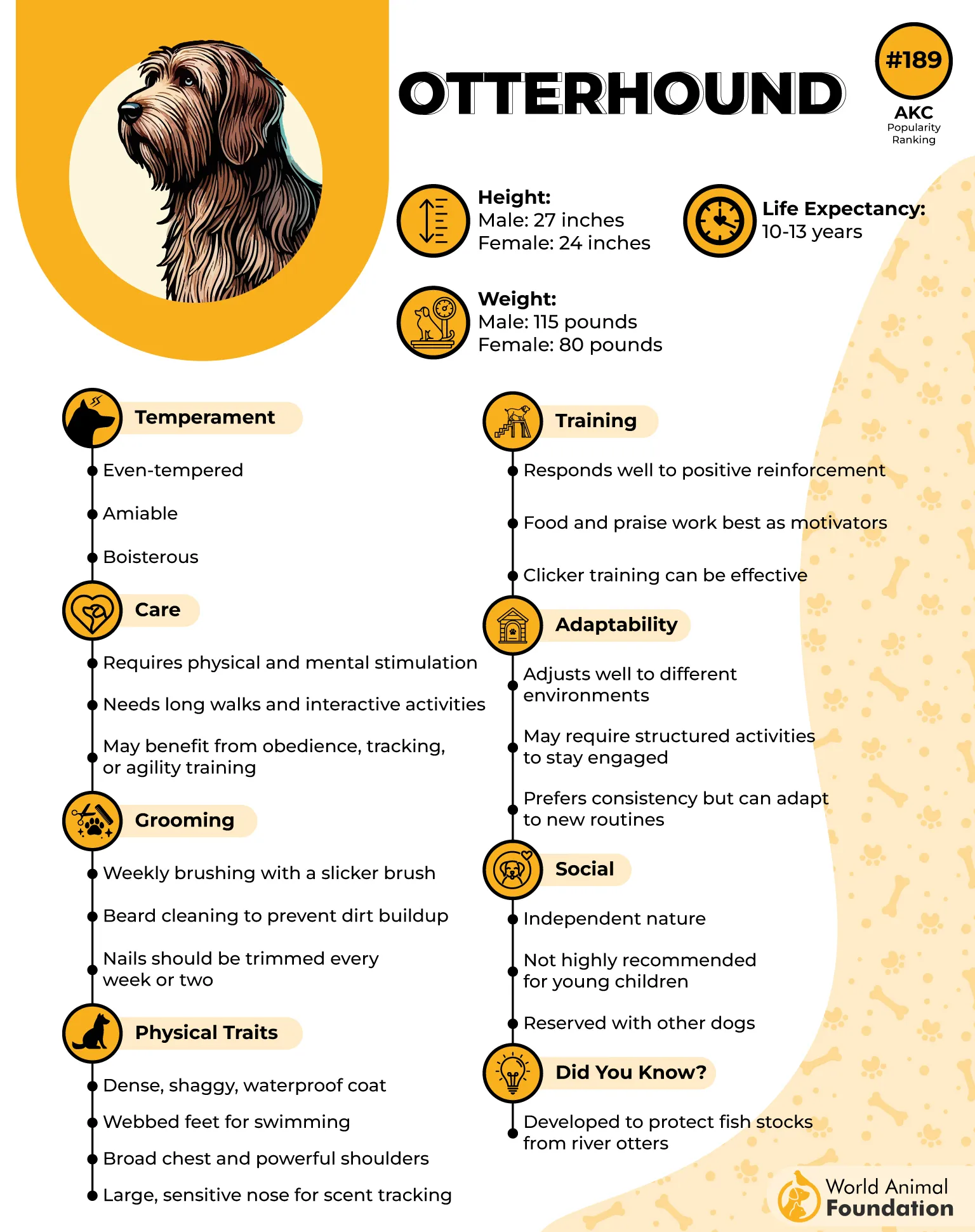
The problem? Once it’s on a scent, you might as well wave goodbye—it’s gone, tail wagging, ears flopping, convinced it’s on the most important mission of its life. Trying to recall an Otterhound mid-hunt is like trying to stop a tractor with a shoelace.
And let’s not forget their voice. Oh yes, this breed comes with its very own opera performance. Deep, booming howls carry across valleys, hills, and small villages, making sure everyone within five miles knows that your Otterhound has feelings.
Rural neighbors may not appreciate the midnight concerts, but the Otterhound sings on, undeterred. Despite the chaos, these scruffy, shaggy clowns are full of affection and loyalty.
They’ll test your patience, redecorate your house in mud, and drown you in slobber—but in the end, you can’t help but love their goofy, joyful spirit.
5. Dandie Dinmont Terrier
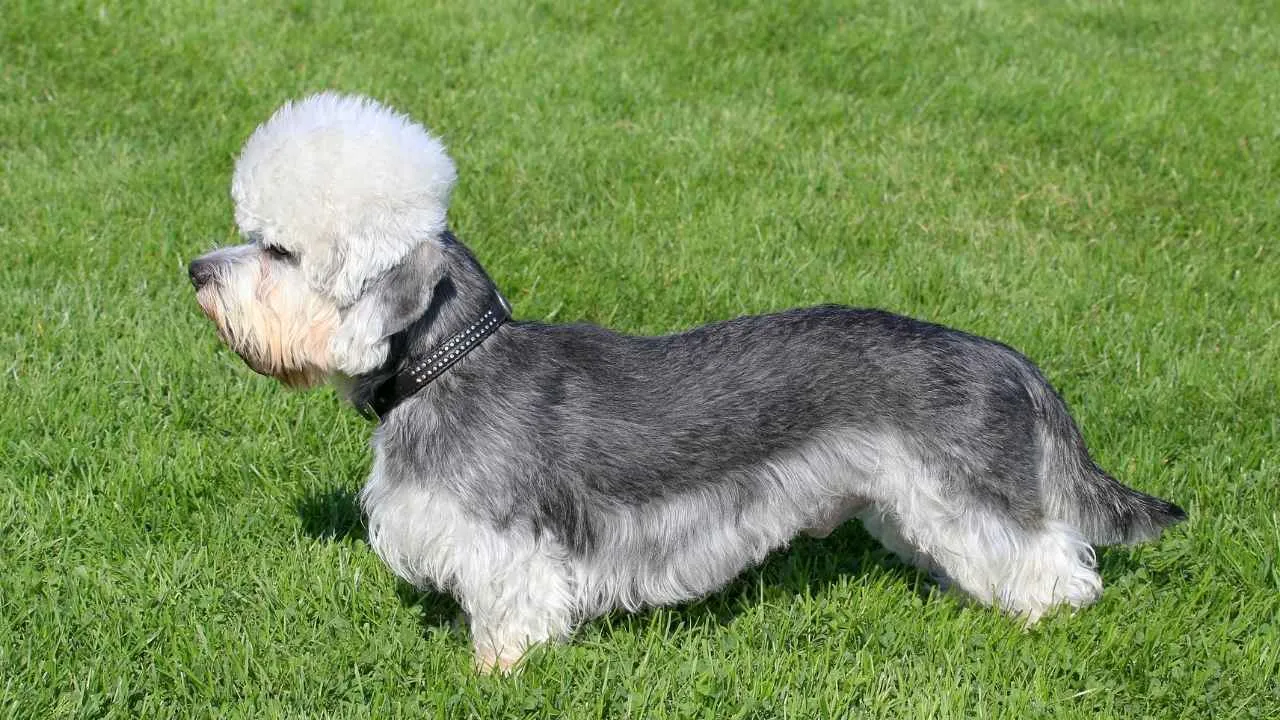
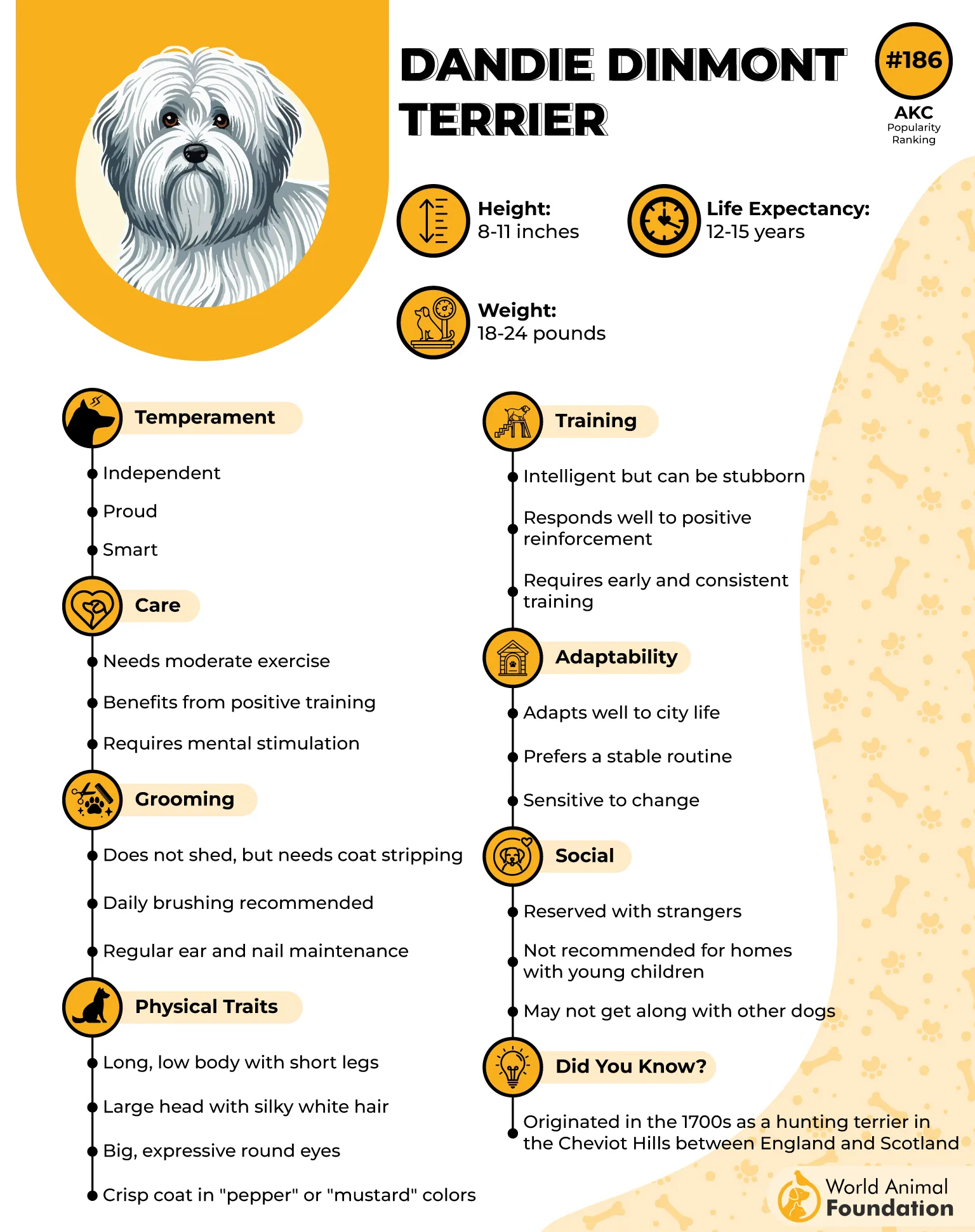
Don’t let the Dandie Dinmont’s short legs and fluffy hairdo fool you—this little dog has the confidence of a wolf and the stubborn streak of a mule.
Originally bred for hunting otters and badgers, these country canines haven’t forgotten their roots. In fact, in rural areas, a Dandie will gladly declare war on any critter that dares trespass: moles, rabbits, squirrels… and sometimes your garden gnomes.
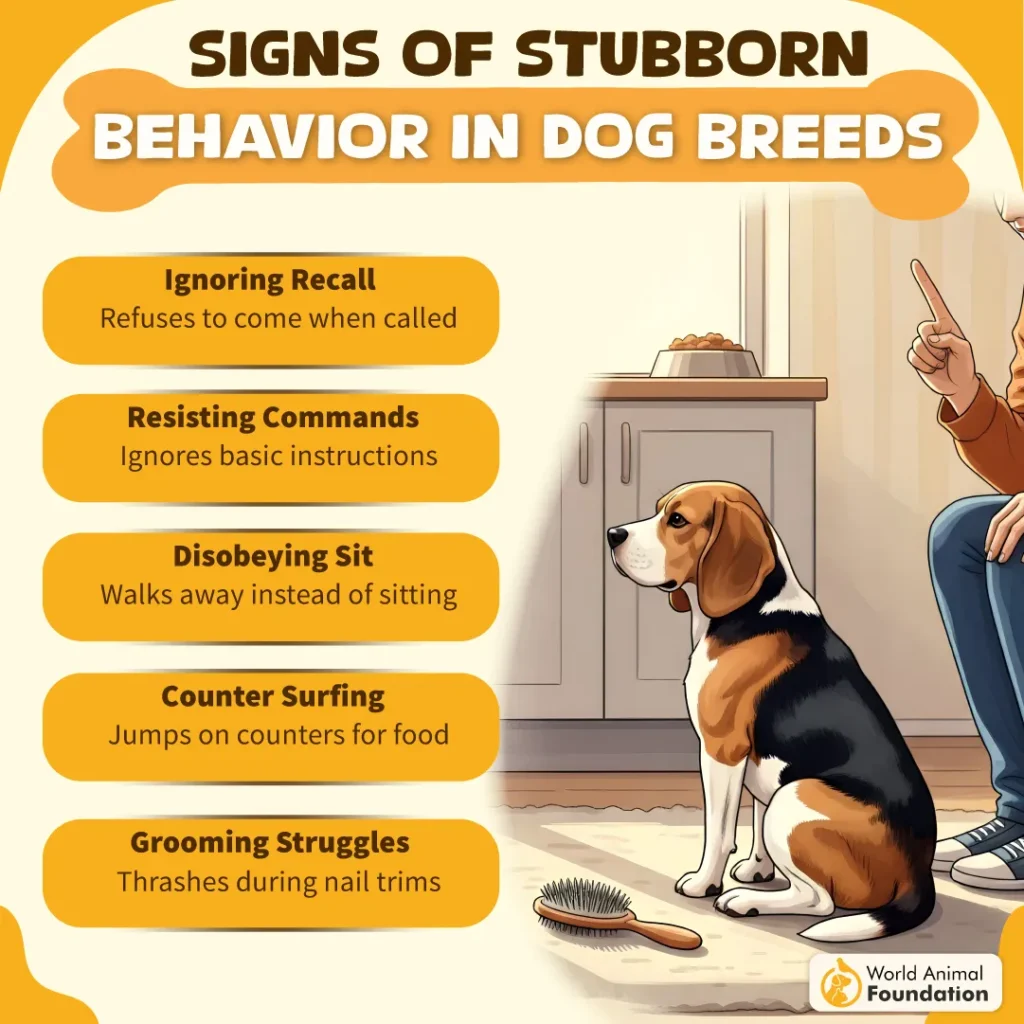
The trouble with Dandies is that their attitude doesn’t match their size. They think they’re big enough to take on a tractor, and while that determination is admirable, it can also make life in the countryside interesting. Ever tried calling a Dandie back mid-chase? Good luck—they’ve got selective hearing down to an art form.
They’re also natural diggers, which means your carefully planted vegetable patch might end up looking more like a minefield. Carrots? Unearthed. Potatoes? Relocated. Flowerbeds? Consider them gone. It’s not bad behavior—it’s just a Dandie doing “landscaping.”
Still, their charm is undeniable. They’ve got those soulful eyes, a comical sausage-dog body, and a sense of humor to match. In the rural setting, they’ll keep you laughing (and occasionally swearing) as they turn your quiet farmstead into their personal hunting ground.
6. Great Dane
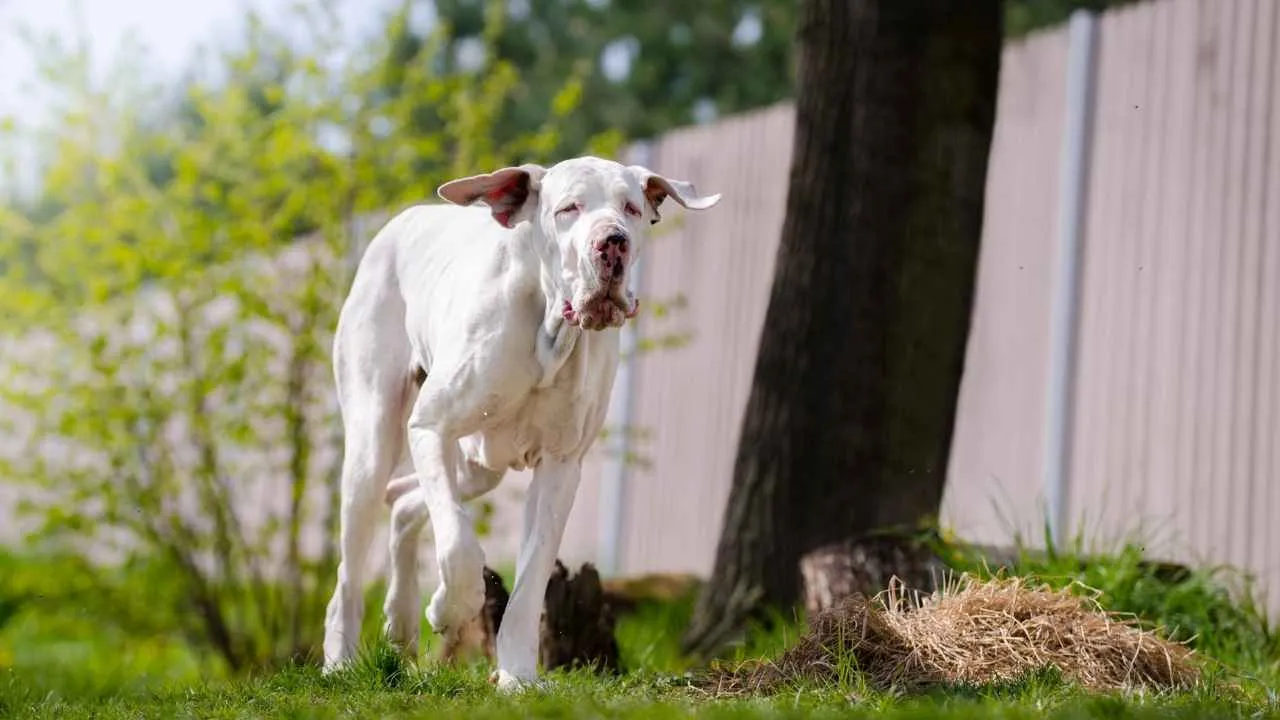
If rural life is all about wide open spaces, then the Great Dane definitely got the memo… and then demanded more. Standing tall enough to look you in the eye when you’re seated, this breed is basically a small horse disguised as a dog.
Originally bred for hunting and guarding, today they’re mostly known for guarding the best spot on the couch (and leaving you with about six inches to perch on). Don’t be fooled by their giant size, though. Great Danes are gentle giants—until they decide they’re lap dogs.
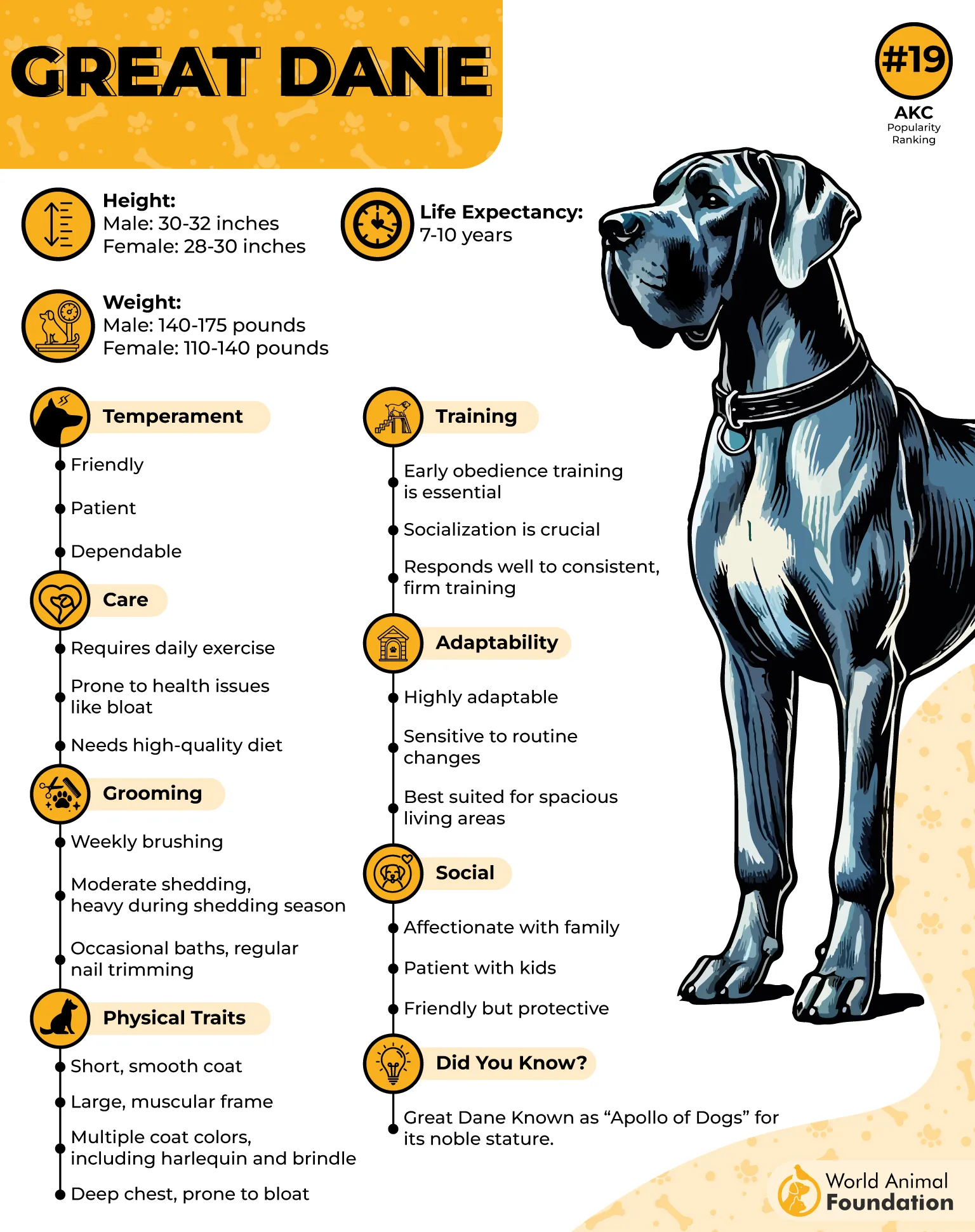
There’s nothing quite like a 150-pound canine collapsing onto you with the confidence of a Chihuahua. Out in the countryside, their love for running can turn your neat garden into a personal racetrack, and that “plenty of space” advice from PDSA? They weren’t joking. A tiny cottage with a Great Dane inside feels less like a home and more like a clown car.
The real “bad behavior” isn’t aggression—it’s unintentional destruction. Their tails are like baseball bats, knocking mugs, lamps, and unsuspecting children over with one happy wag. And if you thought muddy paw prints were bad, try muddy crater-sized paw prints across your kitchen floor.
Still, despite their chaos, Great Danes are loyal, loving, and hilarious in their clumsy way. Just be prepared to share your rural haven with a dog who thinks they’re a roommate, not a pet. And yes—invest in extra-large furniture.
7. German Shepherd
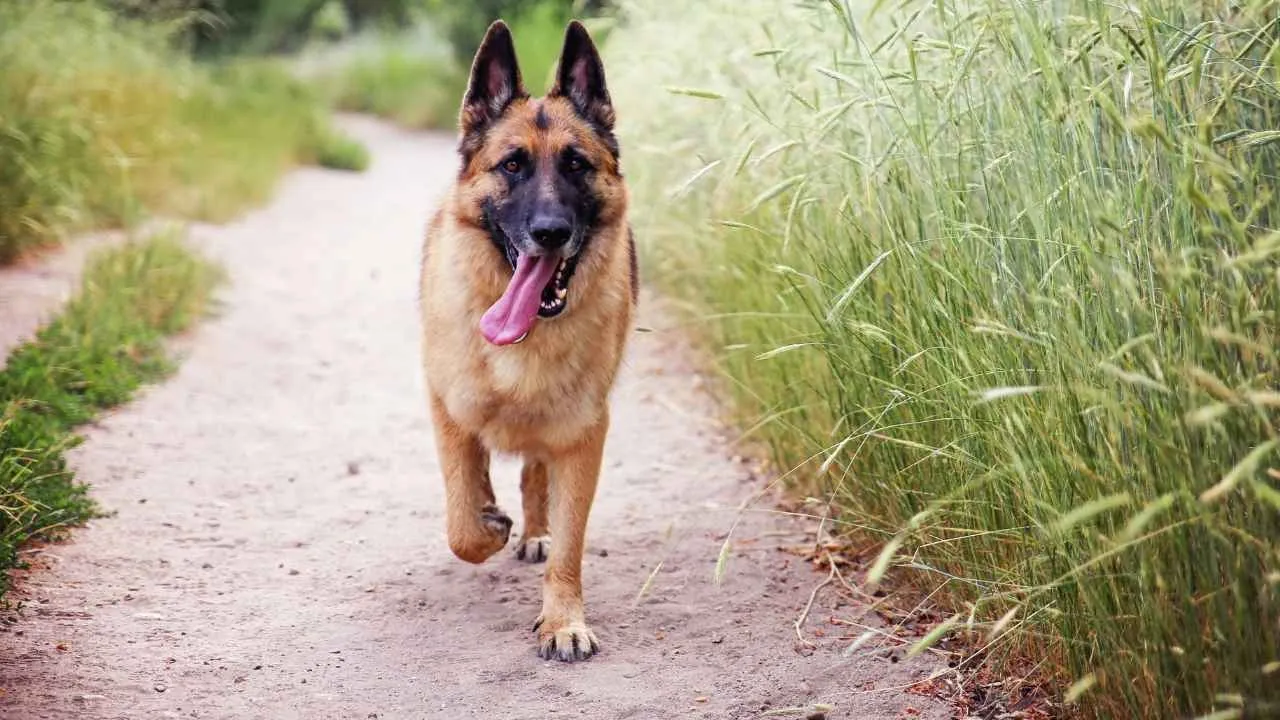
If rural areas had mayors, German Shepherds would probably run for office… and win unopposed. These dogs are smart—like, scary smart.
They’re often trained for police or military work, but plop one into a quiet countryside and suddenly your farm turns into a top-secret operation. Every chicken is interrogated, every squirrel is a “person of interest,” and every passing tractor gets barked at like it’s a suspicious intruder.
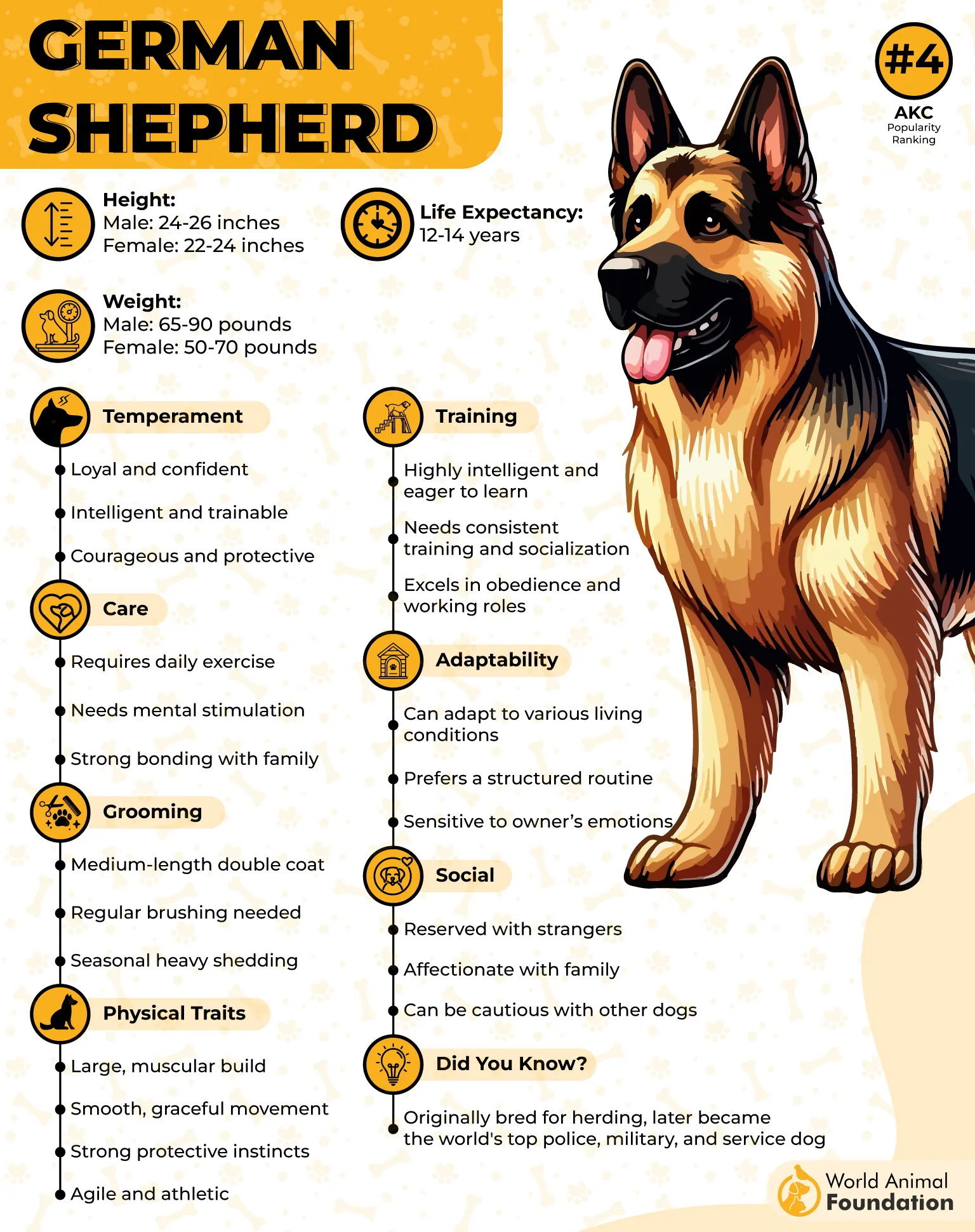
The problem? Their intelligence, mixed with boundless energy, can turn into pure chaos if not channeled. Bored German Shepherds don’t just chew shoes; they redesign your barn, rearrange your firewood pile, and might even try herding your pickup truck.
Forget “badly behaved”—in the wrong hands, these dogs are like furry masterminds plotting their next adventure. They thrive on being around their family and may experience separation anxiety when left alone.
German Shepherds require a minimum of two hours of daily exercise, along with lots of mental stimulation to keep them engaged.
But here’s the kicker: they mean well. Your German Shepherd isn’t trying to destroy your peaceful rural life; they’re just convinced they’re the sheriff of the land. And in their eyes, rules must be enforced—even if that means your goats get marched back to their pen like criminals.
So, if you’re in the countryside and thinking about a German Shepherd, just remember: you’re not adopting a dog. You’re hiring a full-time, self-appointed security officer with a side gig in chaos management.
Conclusion
When it comes to rural living, not all dogs adapt equally. Jack Russell Terriers, Beagles, Siberian Huskies, Border Collies, and Australian Cattle Dogs often top the list of notoriously difficult breeds outside the city. Their active lifestyle, intense exercise needs, and mischievous streak can overwhelm inexperienced dog owners or first-time owners who expect a quiet life with a furry friend. While smart dogs like Australian Shepherds and Labrador Retrievers are fast learners, they still need ample exercise, proper training, and consistent training with positive reinforcement to avoid behavior issues.
Other breeds such as Cocker Spaniels, Pit Bulls, Chow Chows, and English Bulldogs may show health issues, behavioral issues, or stubborn temperament that challenge many owners. Working dogs, especially those with protective instincts or a strong drive to chase small animals, require early socialization, obedience training, and an experienced owner to ensure good behavior. At a young age, most breeds can be shaped with patience and the right approach, but without adequate exercise and making training a priority, even the most loyal guard dog can struggle in rural settings.
