




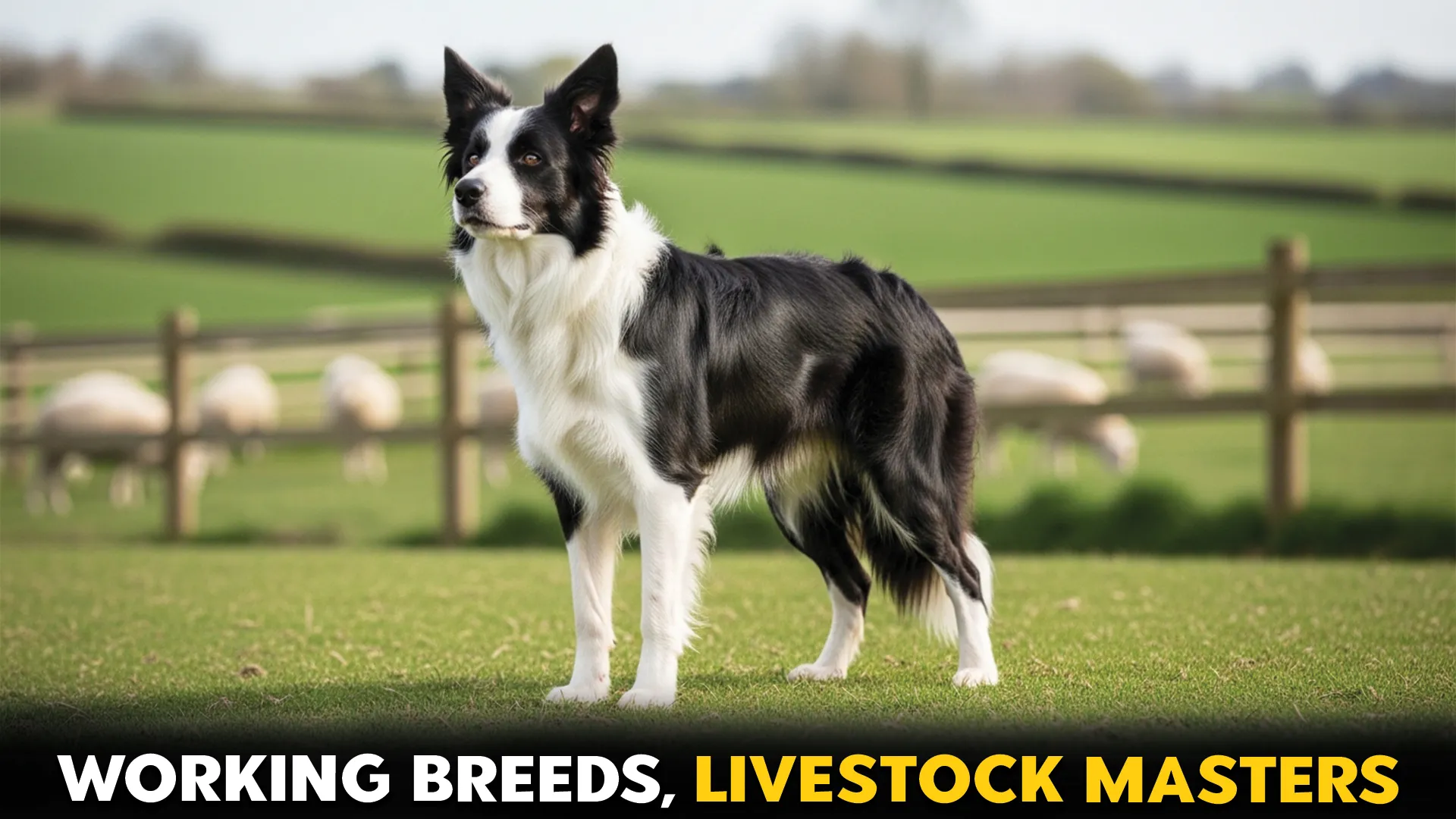
Life on the farm is not for the faint of heart, and neither are the dogs who keep it running smoothly.
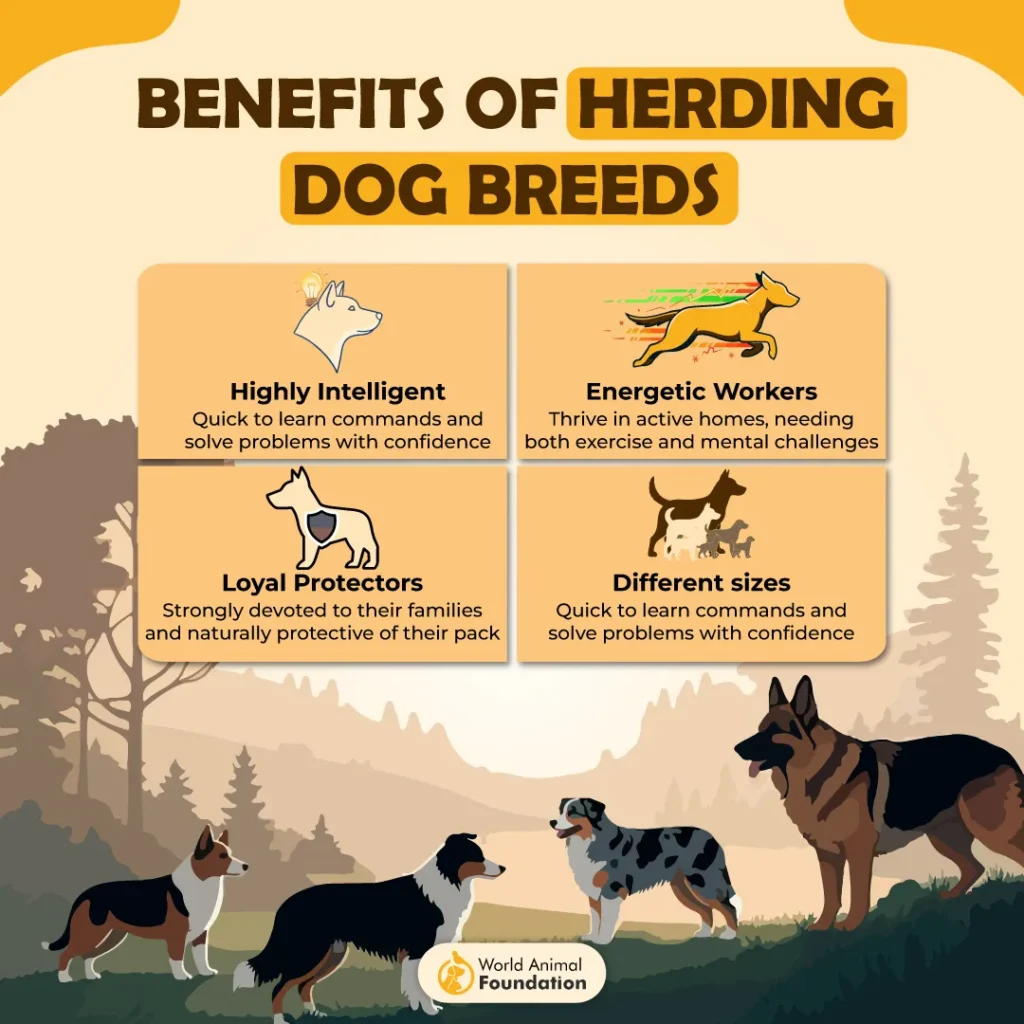
Herding and livestock-protecting breeds are the ultimate multitaskers, moving animals, standing guard, and still finding time to stick close to their humans. These dogs were shaped by long days, unpredictable predators, and jobs that demand focus, confidence, and grit.
Whether darting through a field to guide a stubborn flock or calmly watching over livestock like a four-legged security system, working dogs bring purpose to every step. If you admire dogs that thrive on responsibility and real-world jobs, the following breeds are in a league of their own.
Did you know?
Herding breeds were part of the Working Group until 1983 and share an instinct to control the movement of other animals. That instinct remains deeply ingrained today and influences how these dogs approach movement, direction, and control.
Top Working Dog Breeds: Mastering Herding and Protecting Livestock
1. Australian Cattle Dog
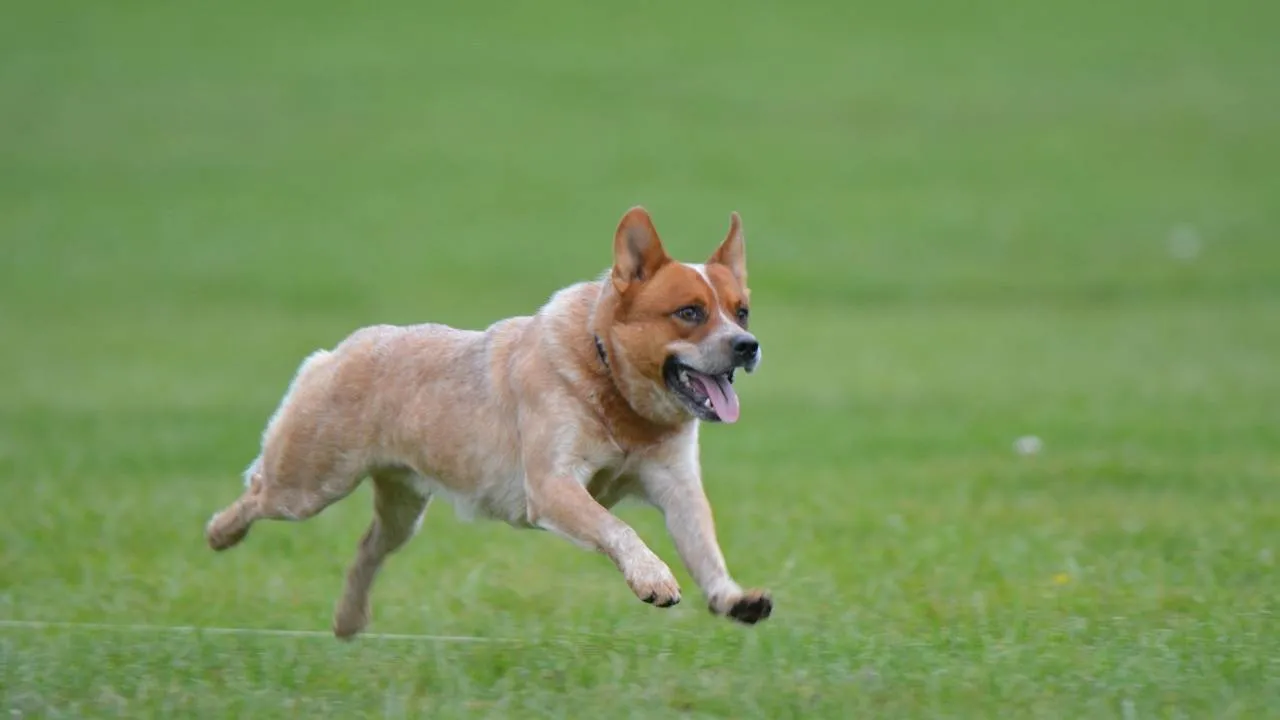
The Australian Cattle Dog looks like it is always mid-mission. Compact, alert, and intense, this breed carries a no-nonsense attitude that feels permanently switched on, as if livestock management is happening in its head even during downtime.
This breed was originally bred to move stubborn cattle across long distances in harsh conditions. That job required toughness, independence, and quick reactions, shaping a dog capable of handling pressure while staying focused on controlling large animals.
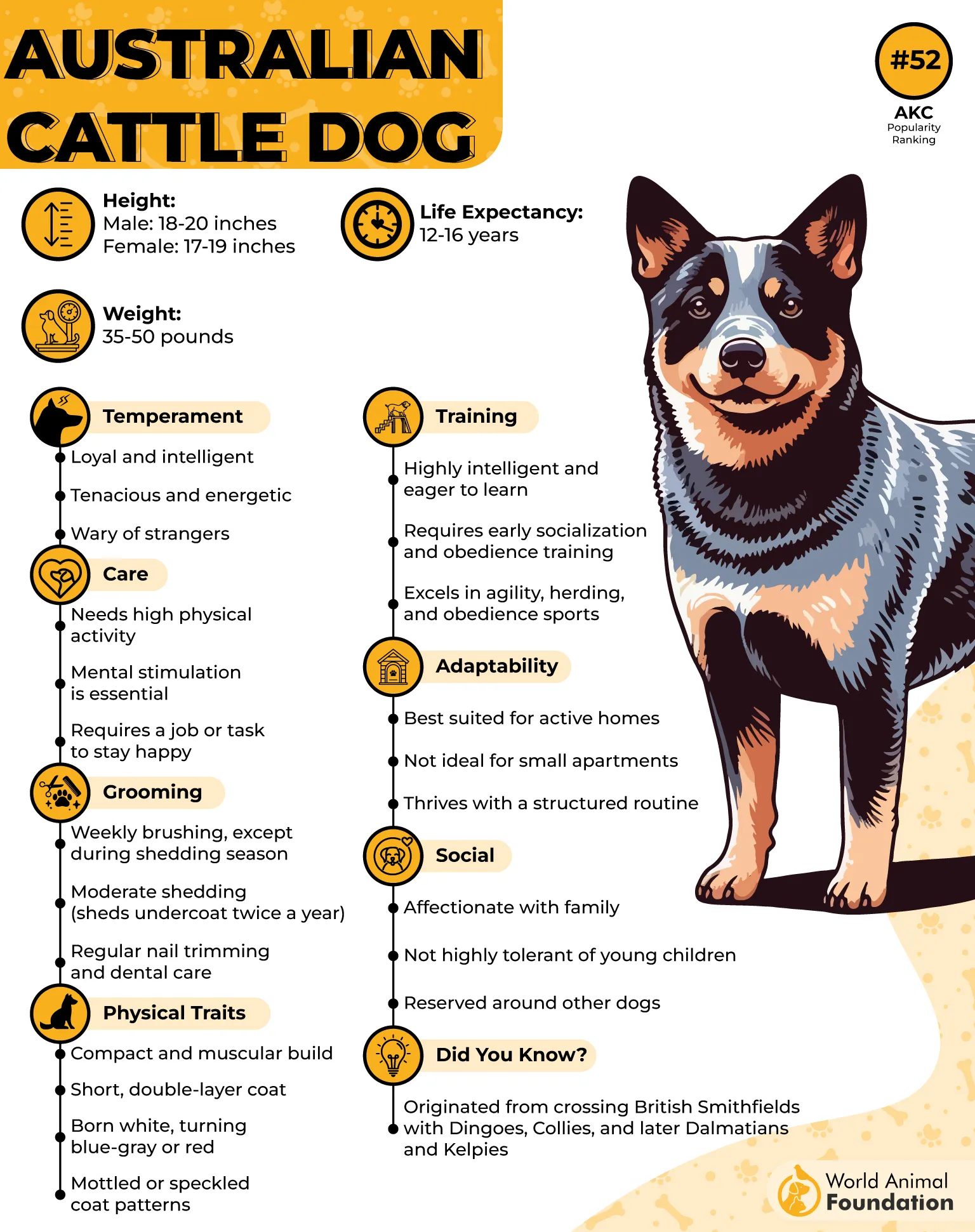
When living with people, the Australian Cattle Dog forms strong, loyal bonds and prefers being closely involved in daily routines. It thrives in households that value activity and structure, staying happiest when it feels included, useful, and mentally engaged alongside its family.
Special Considerations For this Breed
Challenges authority without clear leadership
May guard resources instinctively
Needs a cooldown time after stimulation
2. Border Collie
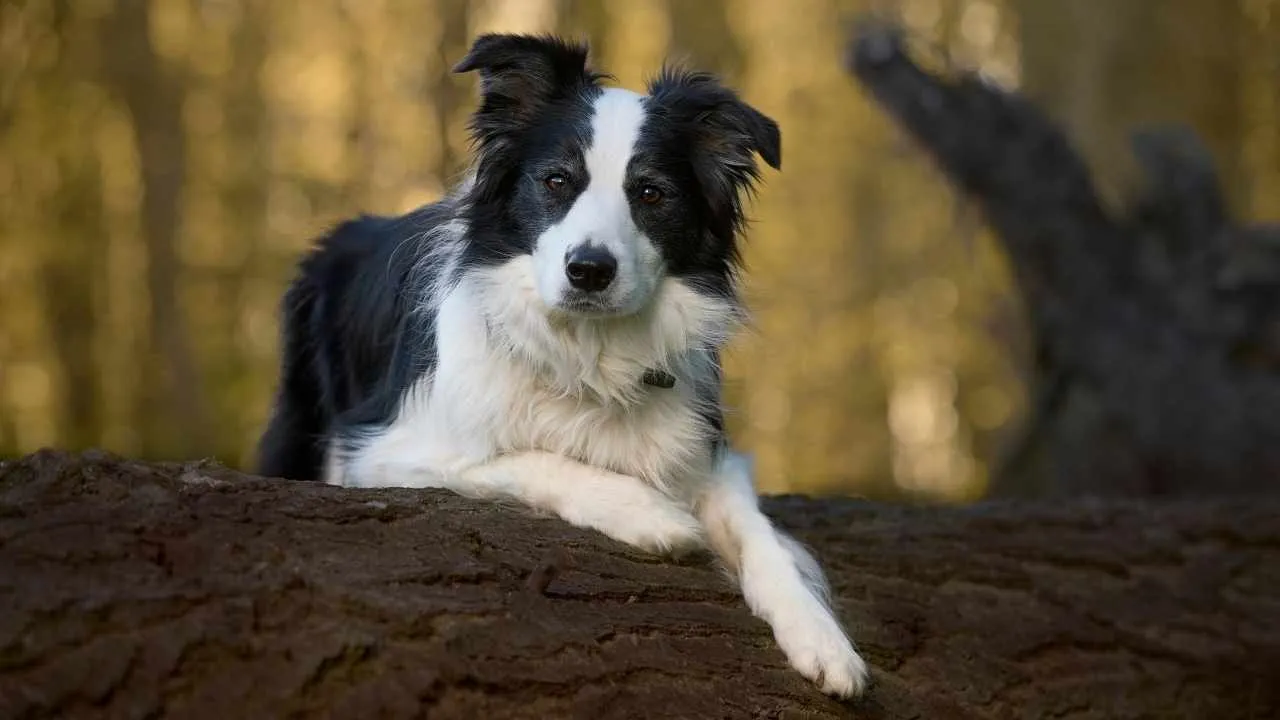
The Border Collie operates like a living radar system, constantly scanning movement and anticipating what comes next. Its body may rest, but its brain rarely does, giving this breed an almost uncanny awareness of everything happening around livestock and people.
High intelligence defines this breed more than anything else. Border Collies are known for problem-solving, quick learning, and understanding complex cues, allowing them to adapt instantly to changing situations while working animals efficiently and with remarkable control.
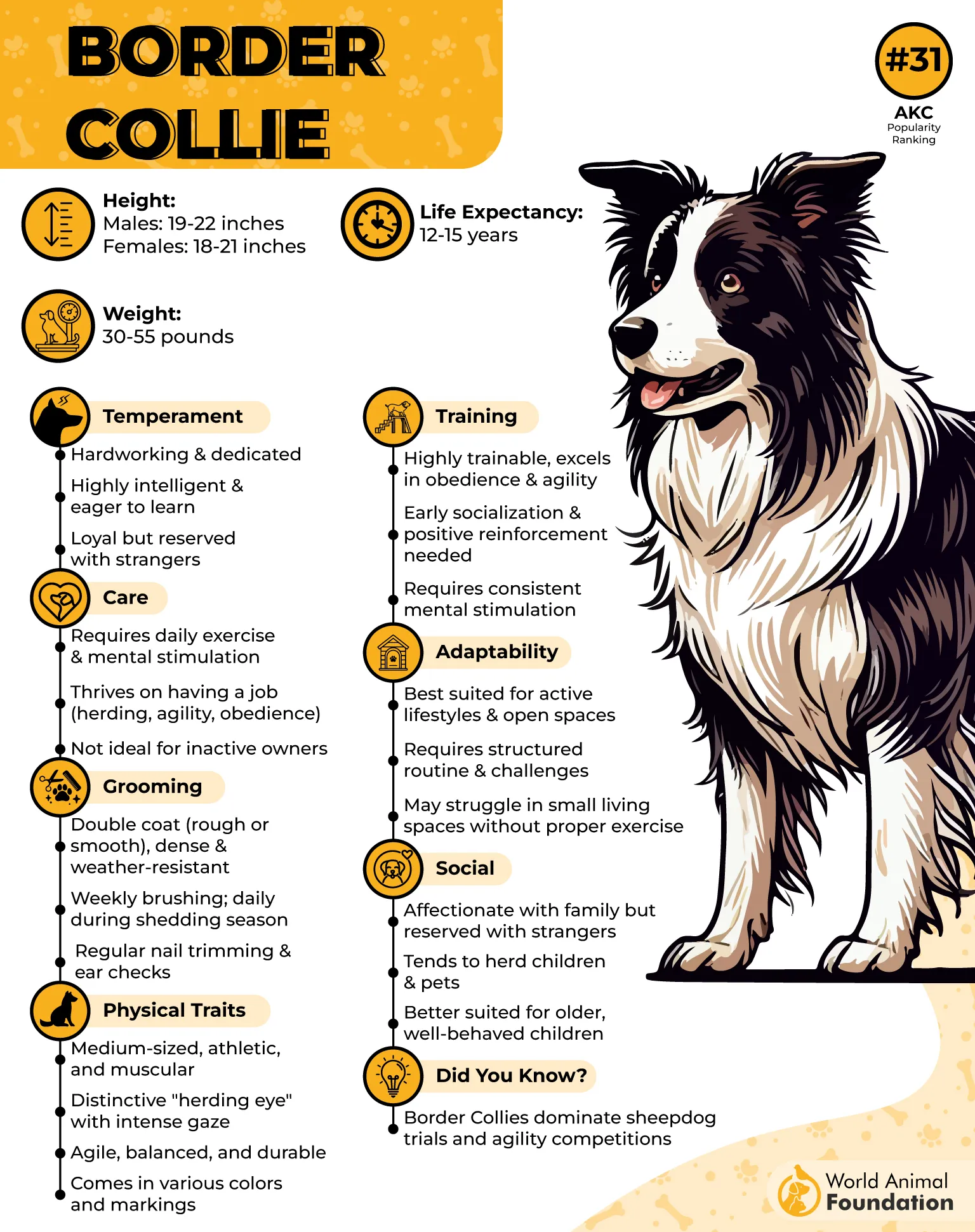
That intelligence means training needs to stay engaging. Repetition without challenge quickly loses effectiveness, so structured lessons, variety, and clear communication help keep the Border Collie focused, cooperative, and mentally satisfied while refining its natural herding instincts.
Special Considerations For this Breed
Easily develops obsessive patterns
Struggles with overstimulation from constant activity
Requires defined off-duty signals
3. Australian Shepherd
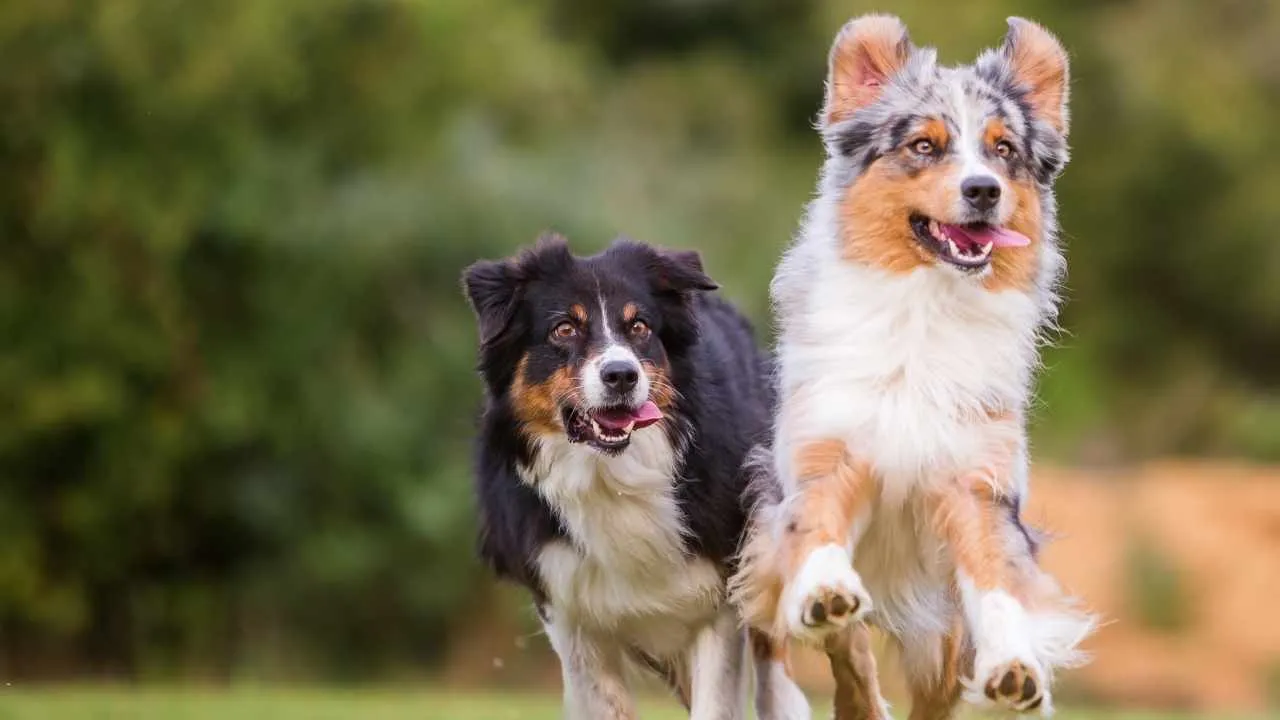
The Australian Shepherd brings enthusiasm wherever it goes, often moving with a bounce that suggests excitement rather than obligation. This breed thrives on involvement, preferring active participation over observation, especially when livestock or daily farm routines are involved.
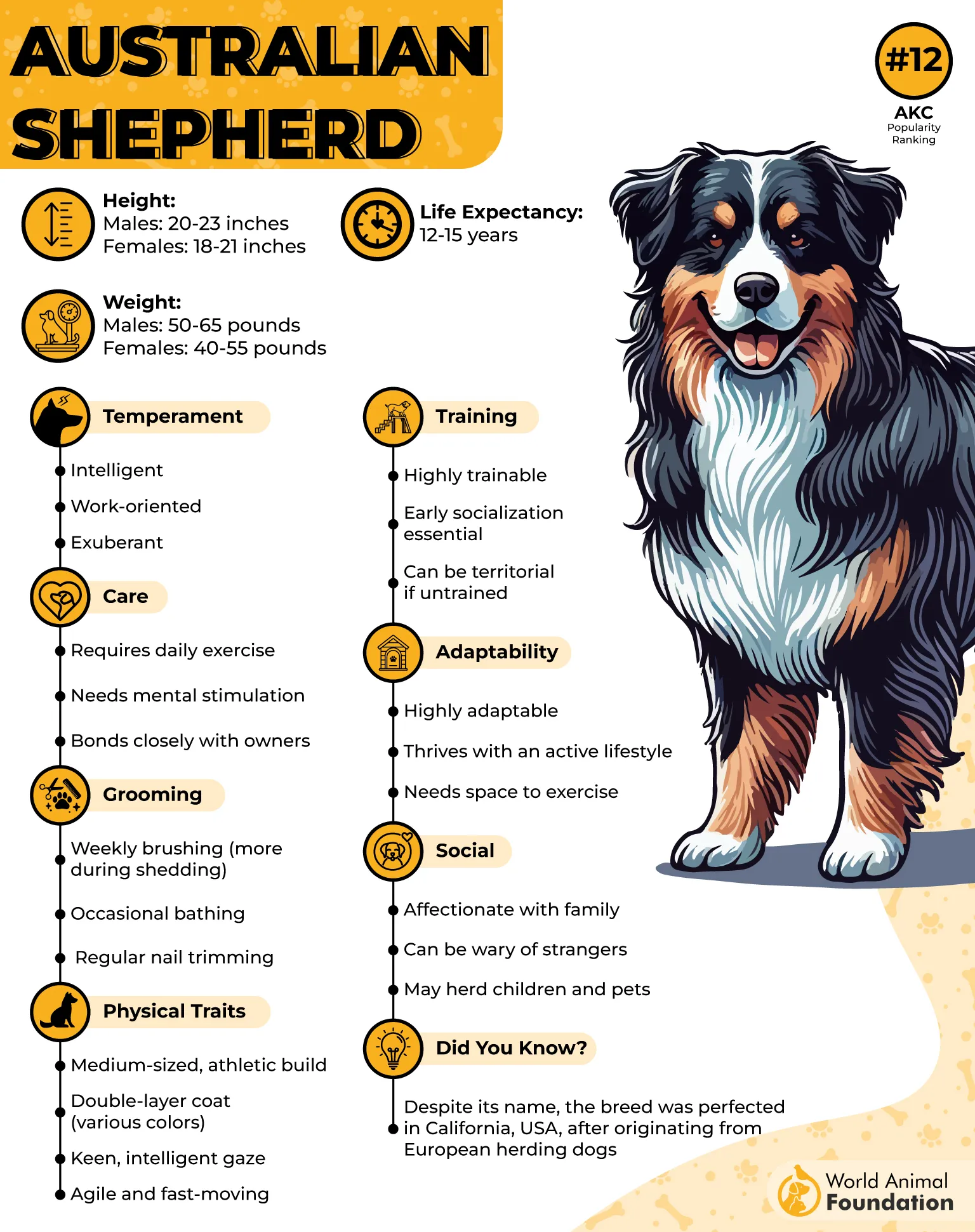
As a herding dog, the Australian Shepherd relies on speed, agility, and responsiveness. It moves livestock using controlled pressure, quick directional changes, and constant awareness, making it effective with animals that require steady guidance rather than forceful correction.
Farm life suits this breed naturally. Long days, open spaces, and varied tasks help burn energy while keeping the dog mentally engaged, preventing boredom and allowing its herding instincts to be expressed in practical, productive ways.
Special Considerations For this Breed
Needs consistent daily activity to prevent restlessness
Can become vocal or pushy without clear boundaries
Thrives best with structured routines and regular mental stimulation
4. German Shepherd
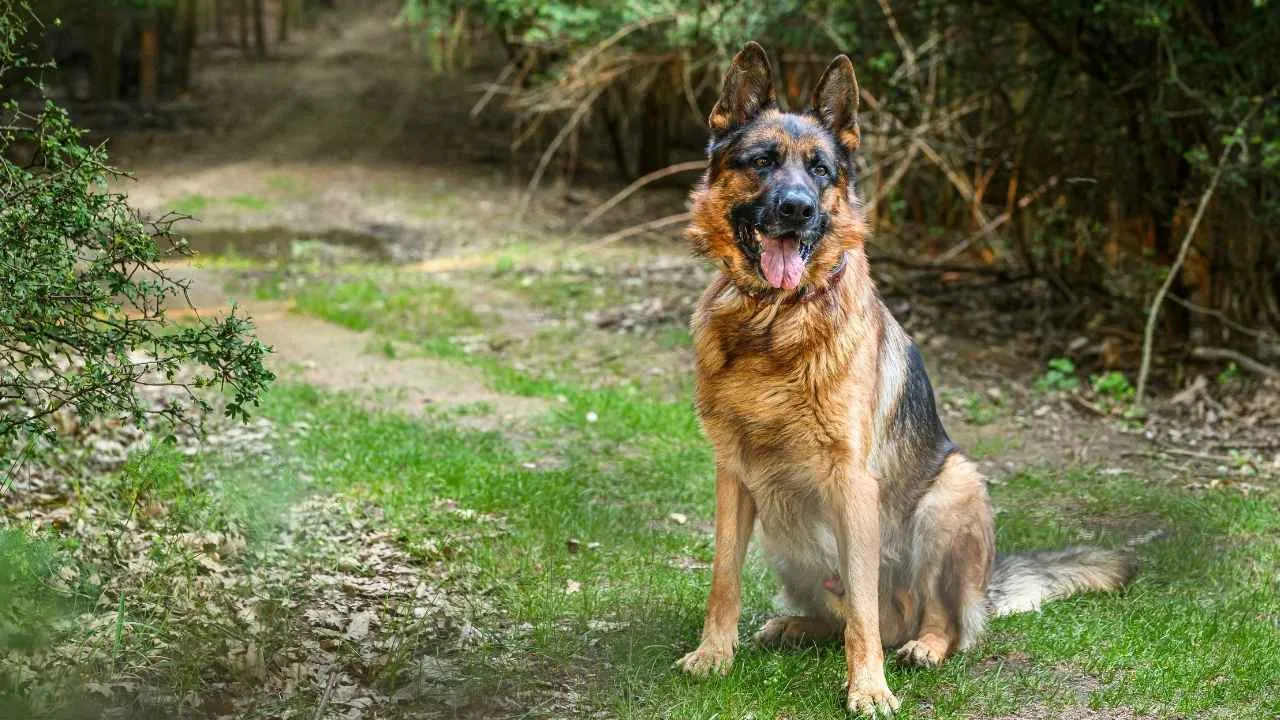
The German Shepherd brings a calm, confident energy to the job, moving with purpose rather than urgency. It stays alert without looking tense, making it a steady presence around livestock where awareness, control, and strength all need to work together smoothly.
This breed shines in roles that shift throughout the day. It can guide movement when animals need direction, then switch gears and guard space when things change. That flexibility helps it respond to situations quickly while staying focused on its handler.
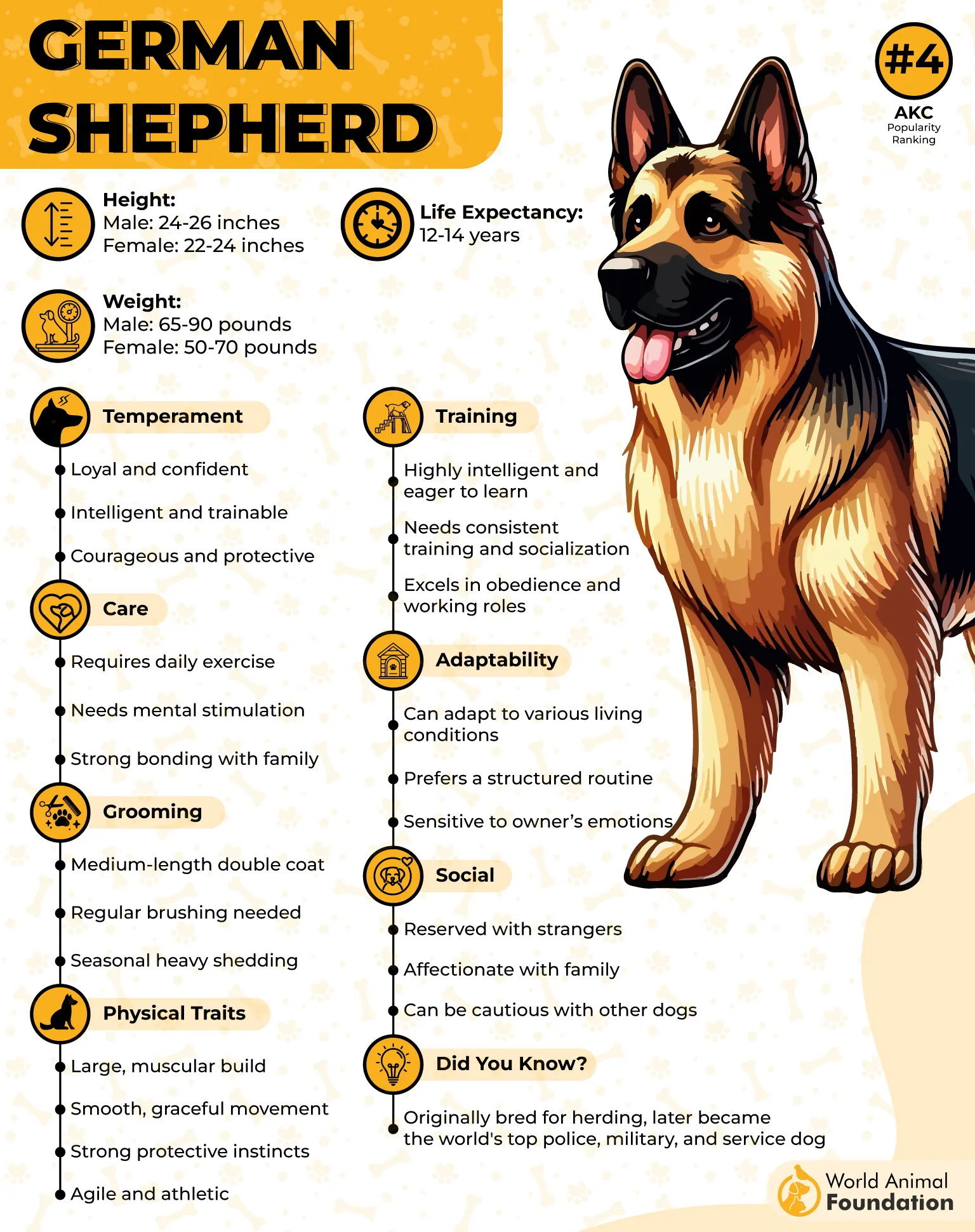
What really powers the German Shepherd is its sharp mind. It learns fast, remembers routines, and notices patterns easily. Clear guidance and consistent expectations help channel that intelligence into reliable, confident work in active environments.
Special Considerations For this Breed
Mental stimulation is just as important as physical activity
Downtime must be scheduled to prevent burnout
Reactivity can increase if structure and leadership are inconsistent
5. Shetland Sheepdog
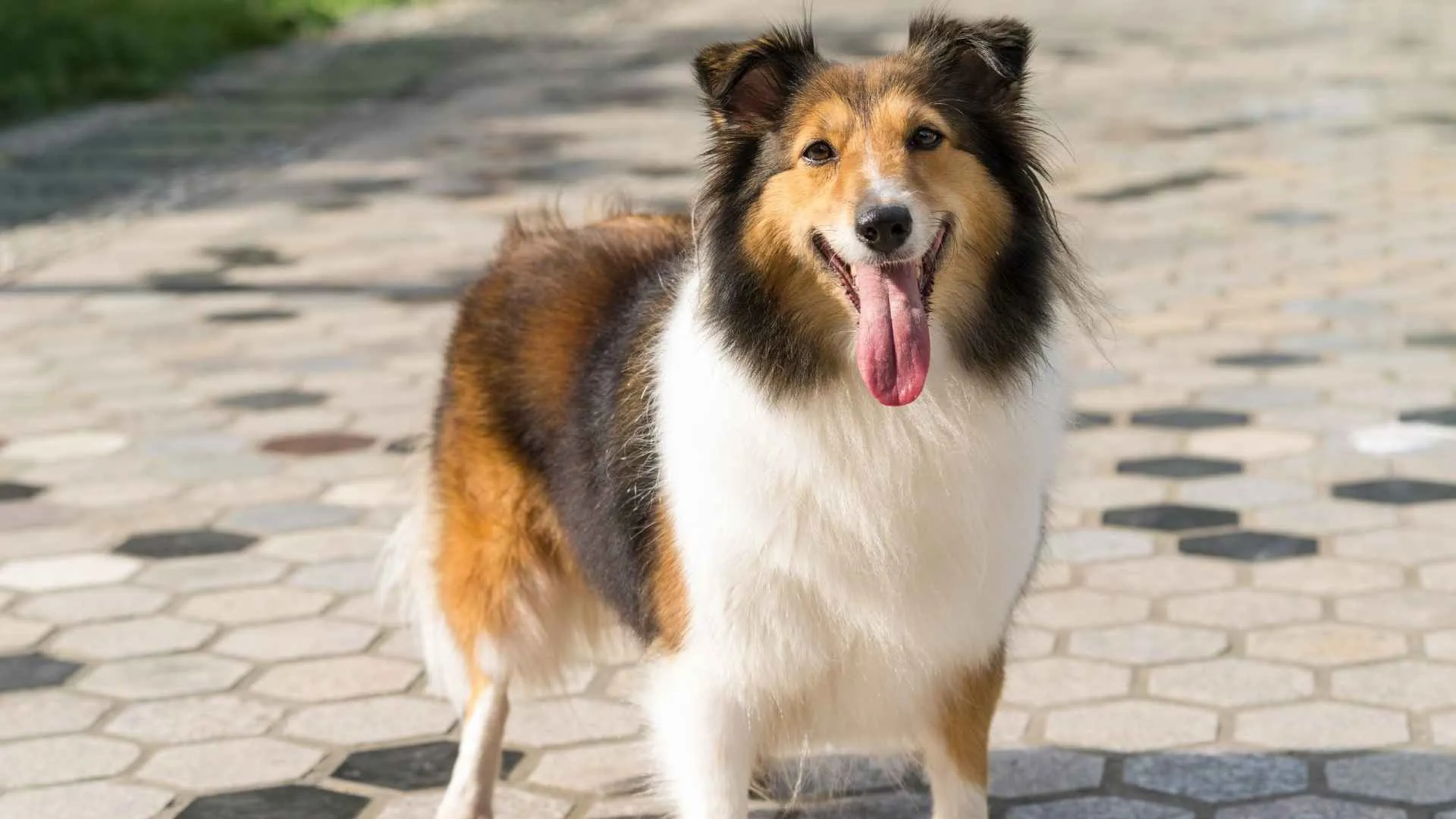
The Shetland Sheepdog handles livestock like a fast-talking coordinator, darting, circling, and correcting without wasting motion. Small size never slows the authority. Everything about its movement feels intentional, alert, and slightly dramatic on open working ground.
Farmers on Scotland’s Shetland Islands shaped this herding dog breed for efficiency, not flash. Limited feed and harsh weather favored compact dogs with sharp minds. Over time, that pressure created a herder built for quick decisions and constant awareness around livestock daily.
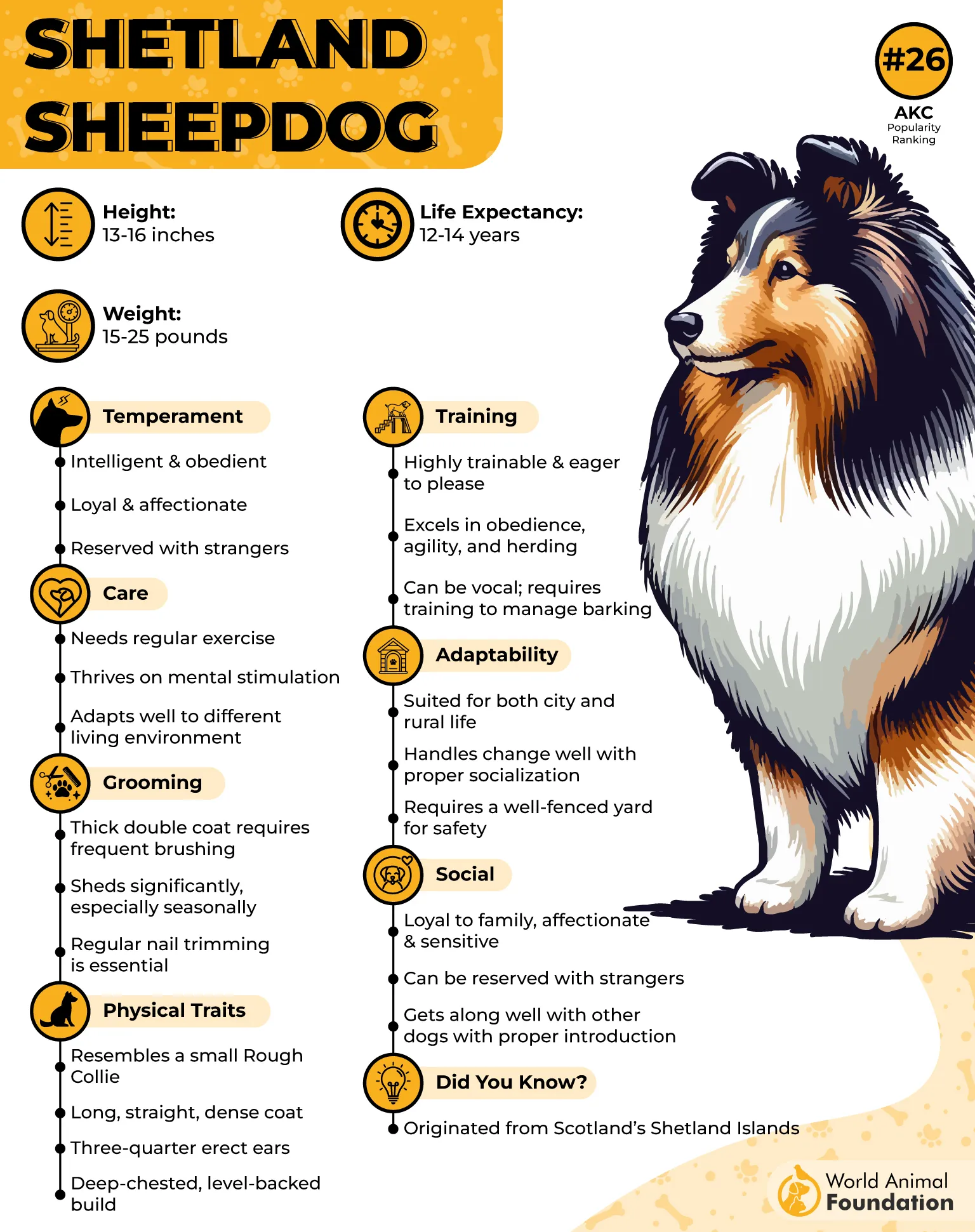
As per PetMD, Shetland Sheepdogs are famously vocal, barking from excitement or alertness, and their herding instincts make anything moving fair game. Smart and eager to please, they train beautifully, especially when early socialization channels that guardian energy productively.
Special Considerations For this Breed
Barking habits may need structured boundaries in quiet environments
Dense coats can form hidden mats without routine attention
Strong chasing instincts require controlled outdoor access
6. Great Pyrenees
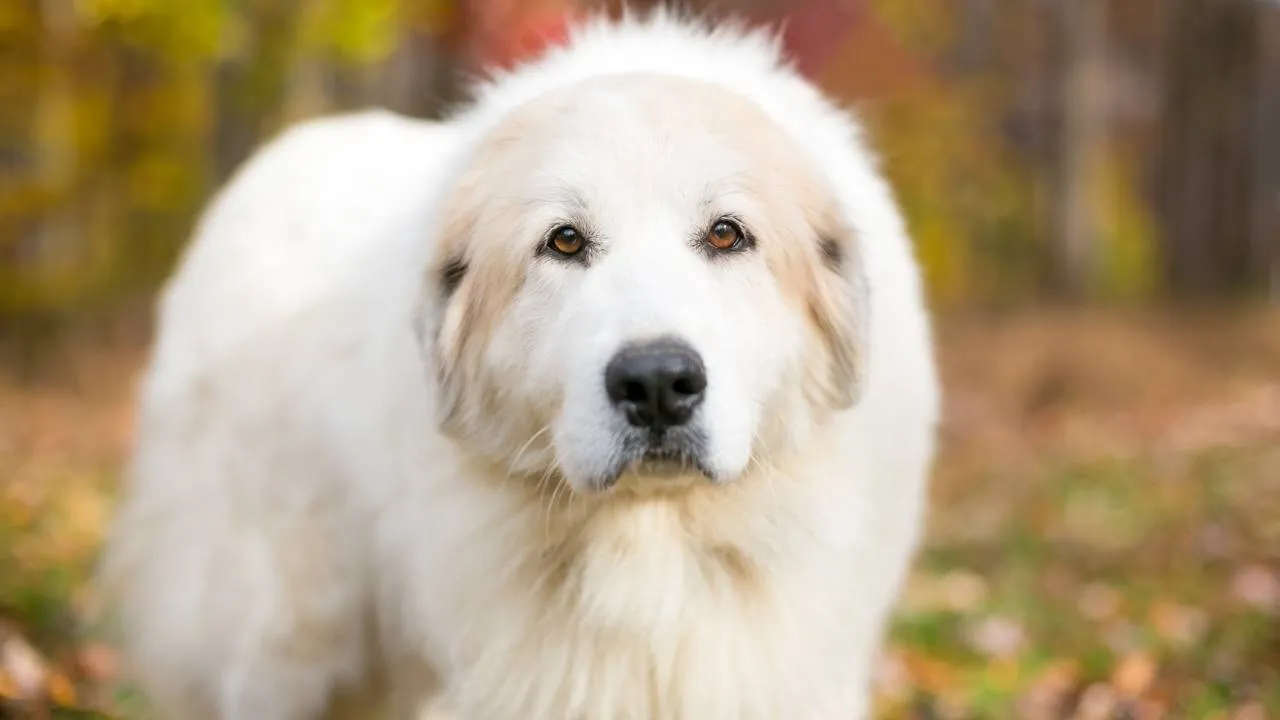
The Great Pyrenees doesn’t hurry livestock around. It prefers to watch, wait, and quietly keep things in order. With a calm stance and steady confidence, it feels like a built-in security guard that relies on patience instead of nonstop movement.
This livestock guardian dog protects by controlling space rather than pushing animals. Its size, voice, and presence are usually enough to handle threats. Livestock stays relaxed because the dog stays calm, saving energy for moments that truly need action.
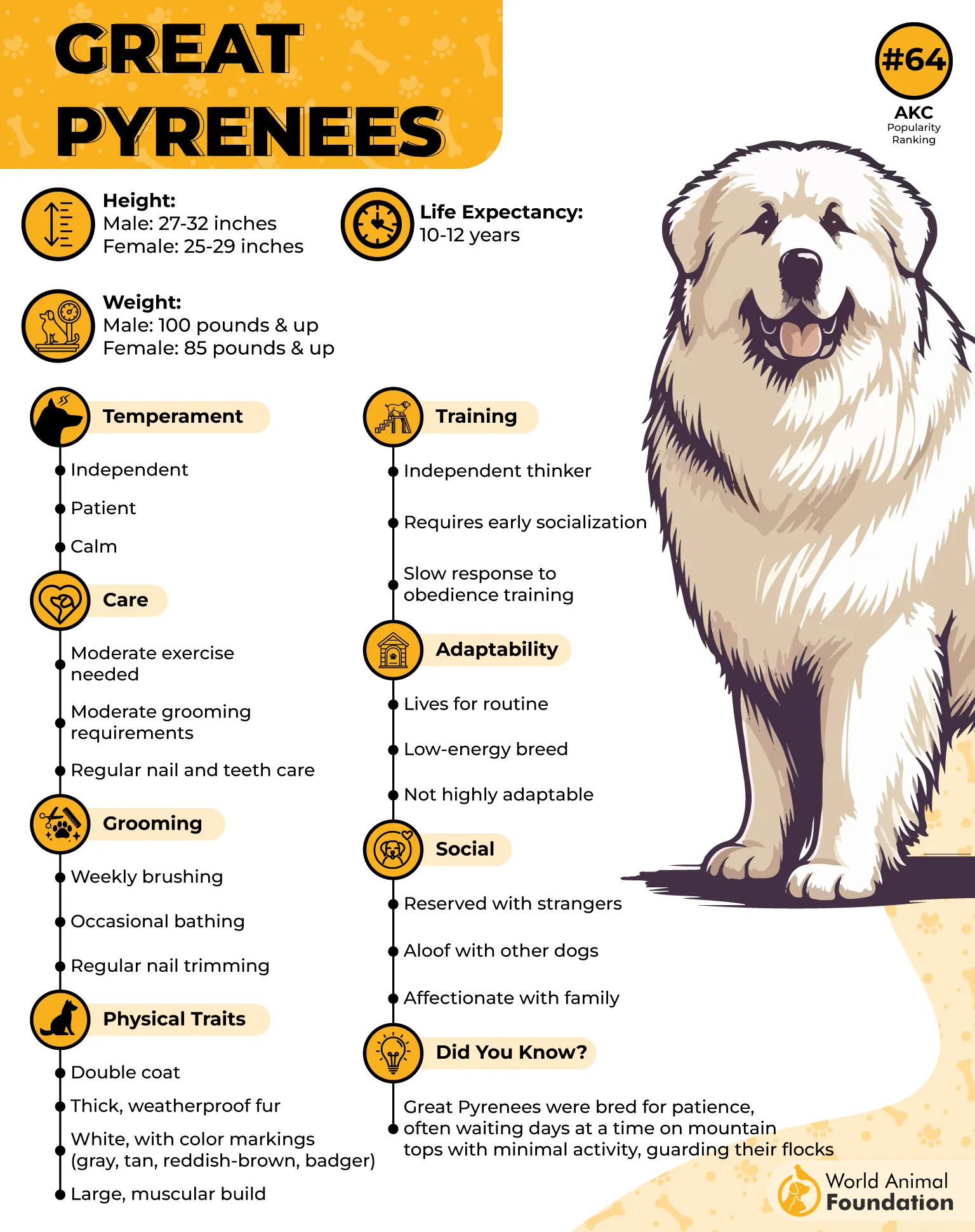
At home, that same calm carries through. Affection shows up gently, not constantly. The Great Pyrenees likes being close without crowding, offering protection and companionship while choosing its own moments to engage or simply observe quietly.
Special Considerations For this Breed
Nocturnal alert behavior may surprise new dog owners
Seasonal coat shedding can overwhelm small living spaces
Training progress may feel slow due to deliberate decision-making
7. Anatolian Shepherd
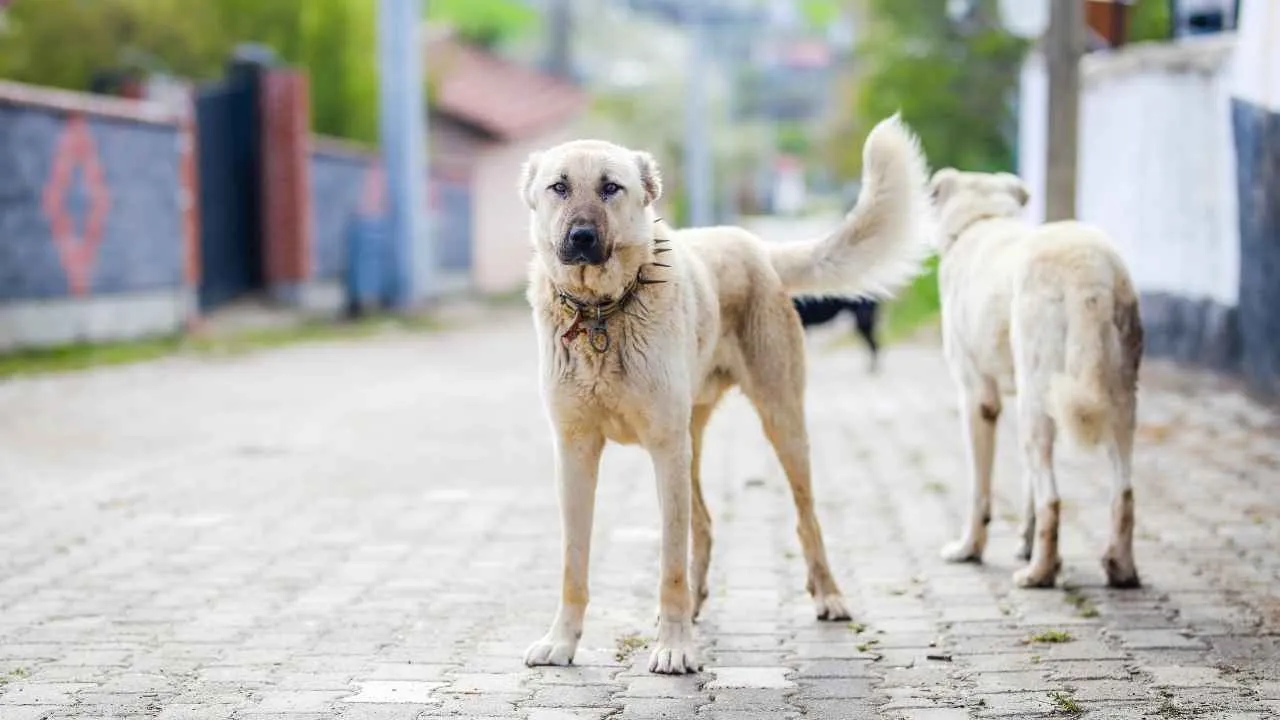
Ancient roots shape the Anatolian Shepherd’s mindset, giving it seriousness on open land. Thousands of years of guarding flocks carved patience and authority. It doesn’t perform tasks; it assumes responsibility, moving with purpose shaped by survival and long memory.
Loyalty shows through constant awareness and quiet commitment rather than attention seeking. Once bonds form, they extend broadly to animals and people alike. The dog watches, evaluates, and responds with confidence, treating protection as a promise instead of a reaction.
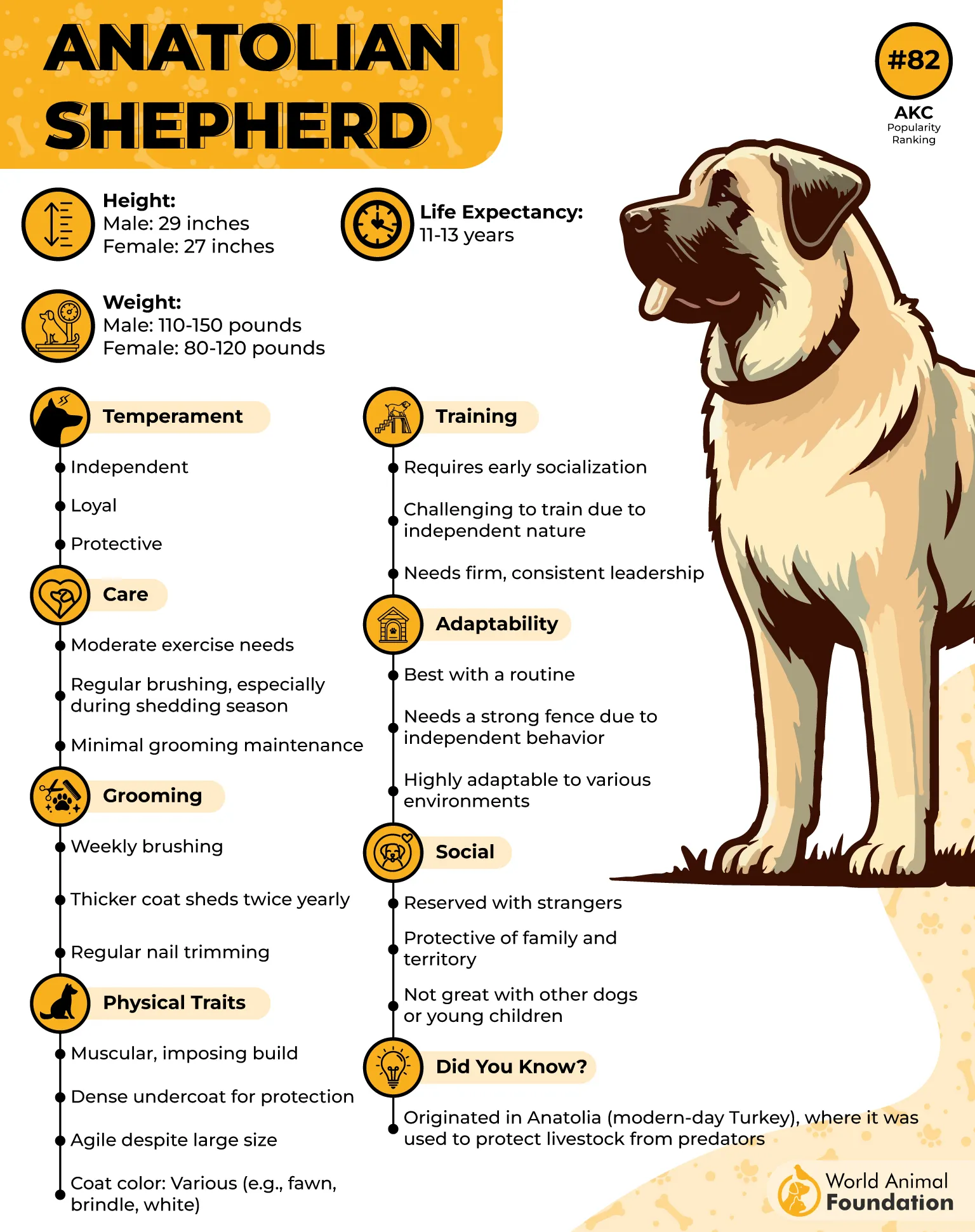
As noted by Purina, this breed feels most at ease in quiet, remote settings with wide, secure land and very few drop-in visitors. It suits someone whose work keeps the dog nearby most of the day, without regular encounters with strangers or unfamiliar dogs.
Special Considerations For this Breed
Territorial behavior requires thoughtful introductions to newcomers
Veterinary care must account for anesthesia sensitivity
Secure, tall fencing is essential to manage roaming instincts
8. Kuvasz
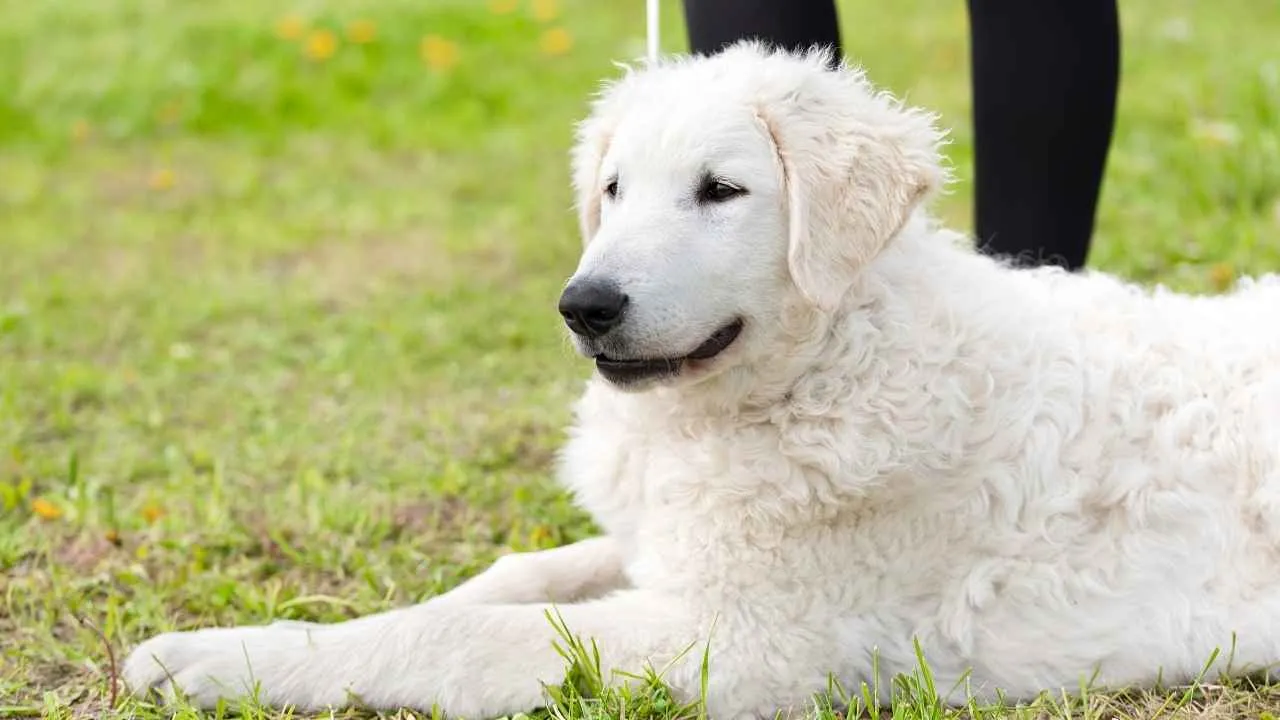
The Kuvasz carries itself like it owns the horizon, calm but intensely aware of everything happening nearby. Snow white and imposing, it blends beauty with purpose. Livestock reads that confidence instantly, settling because something powerful is clearly paying attention nearby always.
As a family companion, this farm dog breed bonds deeply but selectively, choosing devotion over friendliness. Affection feels earned and meaningful. It treats loved ones as part of its guarded circle, staying close without hovering, protective without constant noise, and serious about who belongs where.
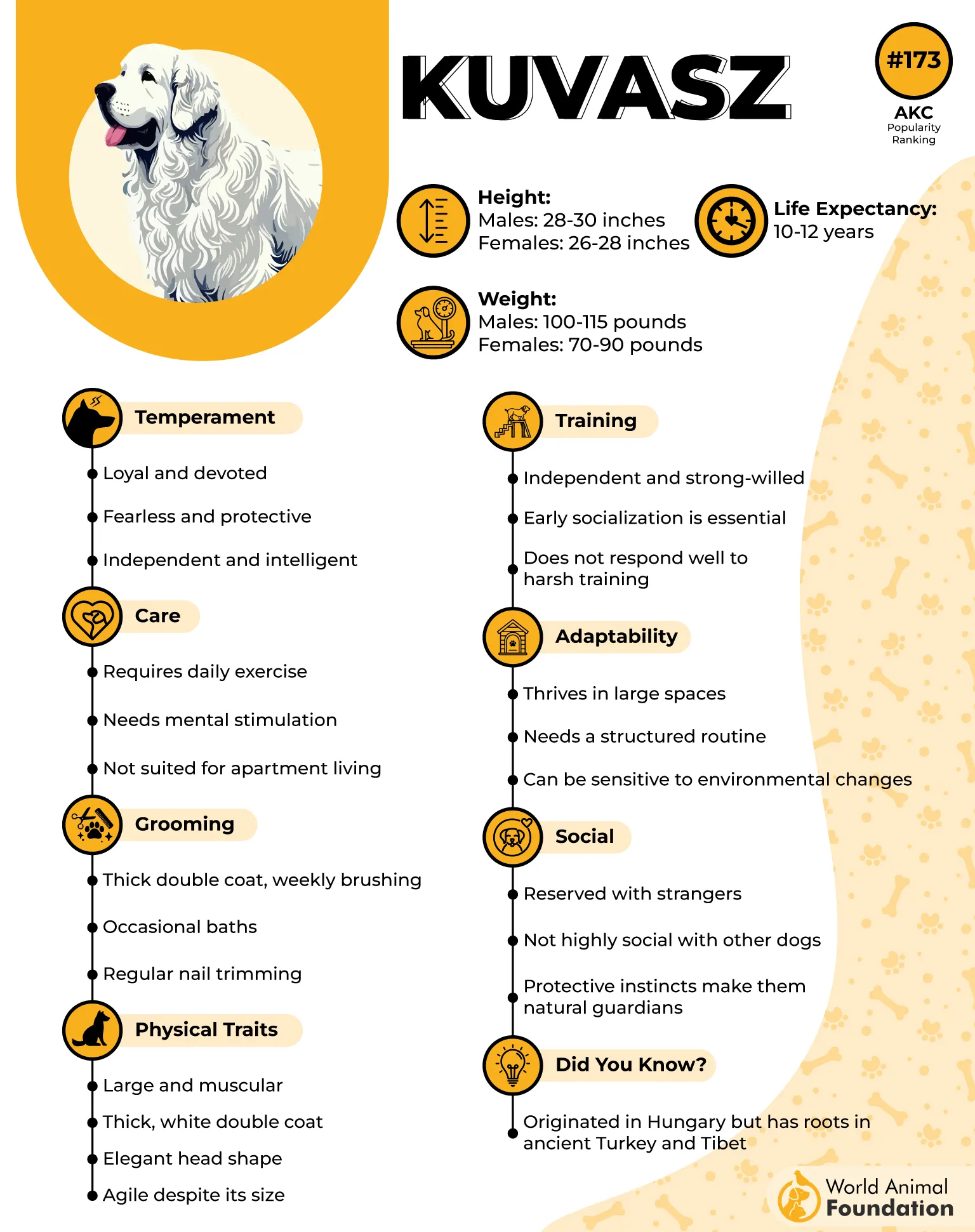
According to the AKC, the Kuvasz thrives on daily activity to stay healthy and content. A securely fenced yard supports its size and agility. Exercise should be controlled and consistent, especially for puppies growing quickly and needing safe outlets for strength.
Special Considerations For this Breed
A sensitive training approach is required to avoid shutting down trust
Large size demands early leash manners for safety
Slow maturity means patience is essential during development
9. Komondor
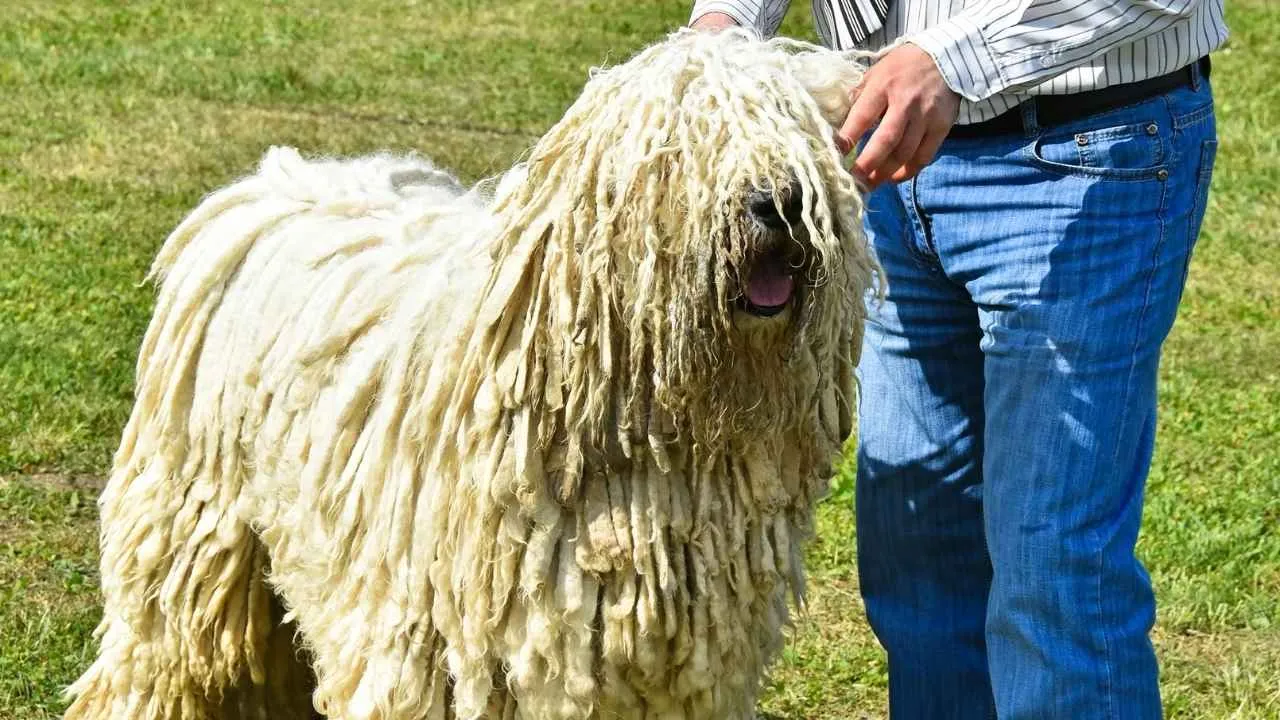
Centuries of work alongside Hungarian shepherds shaped the Komondor into a master of staying unnoticed. Its corded coat helps it blend right in with the flock, waiting quietly. That calm stillness hides serious strength and a dog that is always paying attention.
Protective instincts run deep and switch on fast when something feels off. The Komondor observes first, then steps in with confidence once a boundary is crossed. It doesn’t overreact; it simply handles the situation when action is truly needed.
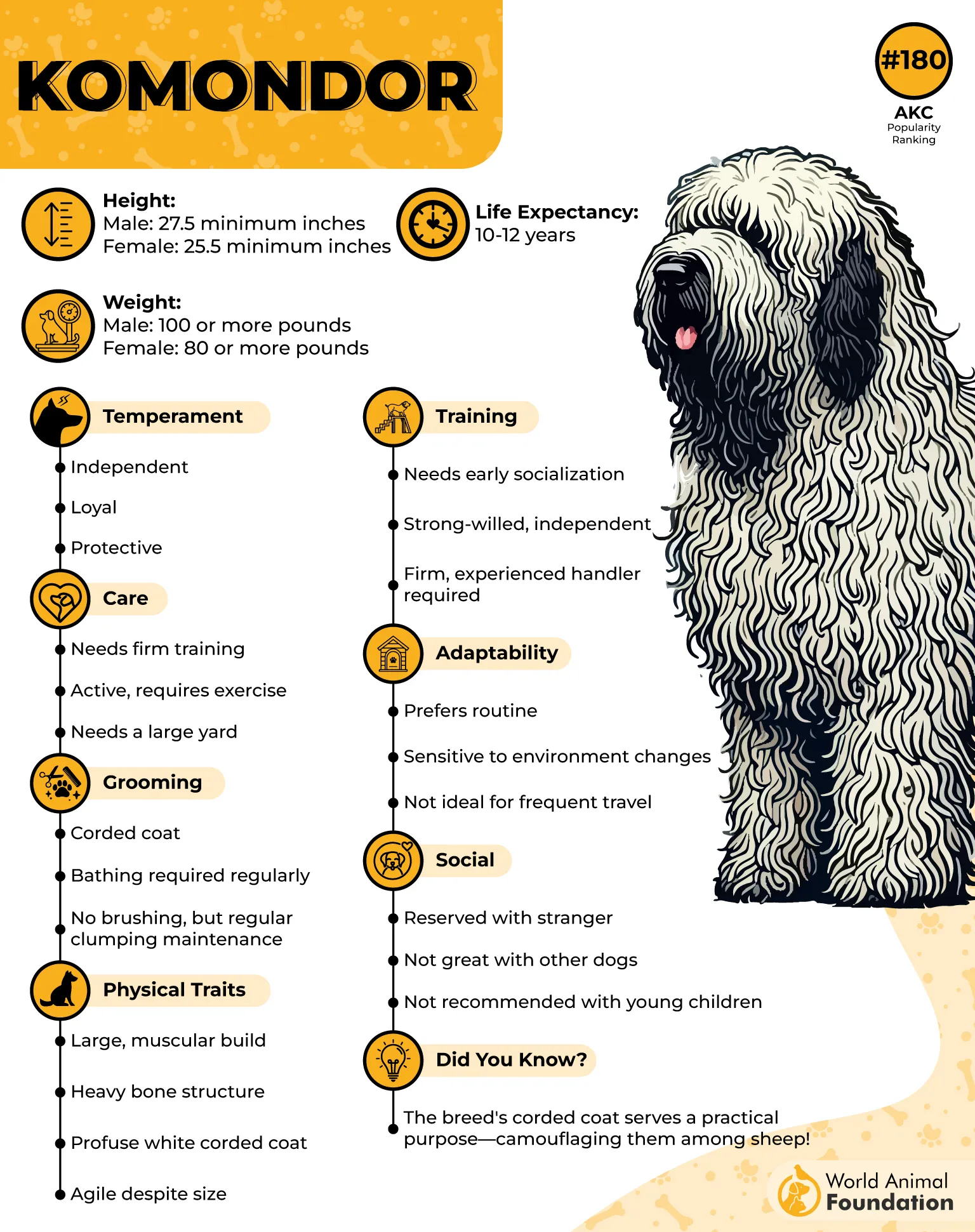
Herding here is more about presence than movement. By looking like part of the flock, the Komondor controls space without chasing. Livestock stays settled, often unaware the guardian is working until a real threat suddenly changes everything.
Special Considerations For this Breed
Corded coat maintenance requires hands-on commitment
Strong guarding instincts limit suitability for dog parks
Long adolescence demands consistent structure and leadership
Conclusion
Some breeds just seem built to balance movement, awareness, and protection in a way that makes life with livestock feel calmer and more secure. The dogs covered here show that herding and guarding can look different, coming from speed, presence, patience, or quiet confidence.
What really matters is how those traits fit your land, your animals, and your everyday routine. When the match feels right, things settle into place, stress fades, trust grows, and the work starts to feel like a true partnership that gets better over time.
If you are further interested in such wonderful breeds, some other dogs you can look up include Siberian Husky, Belgian Malinois, Rough Collie, Bearded Collie, and English Sheepdog.
