




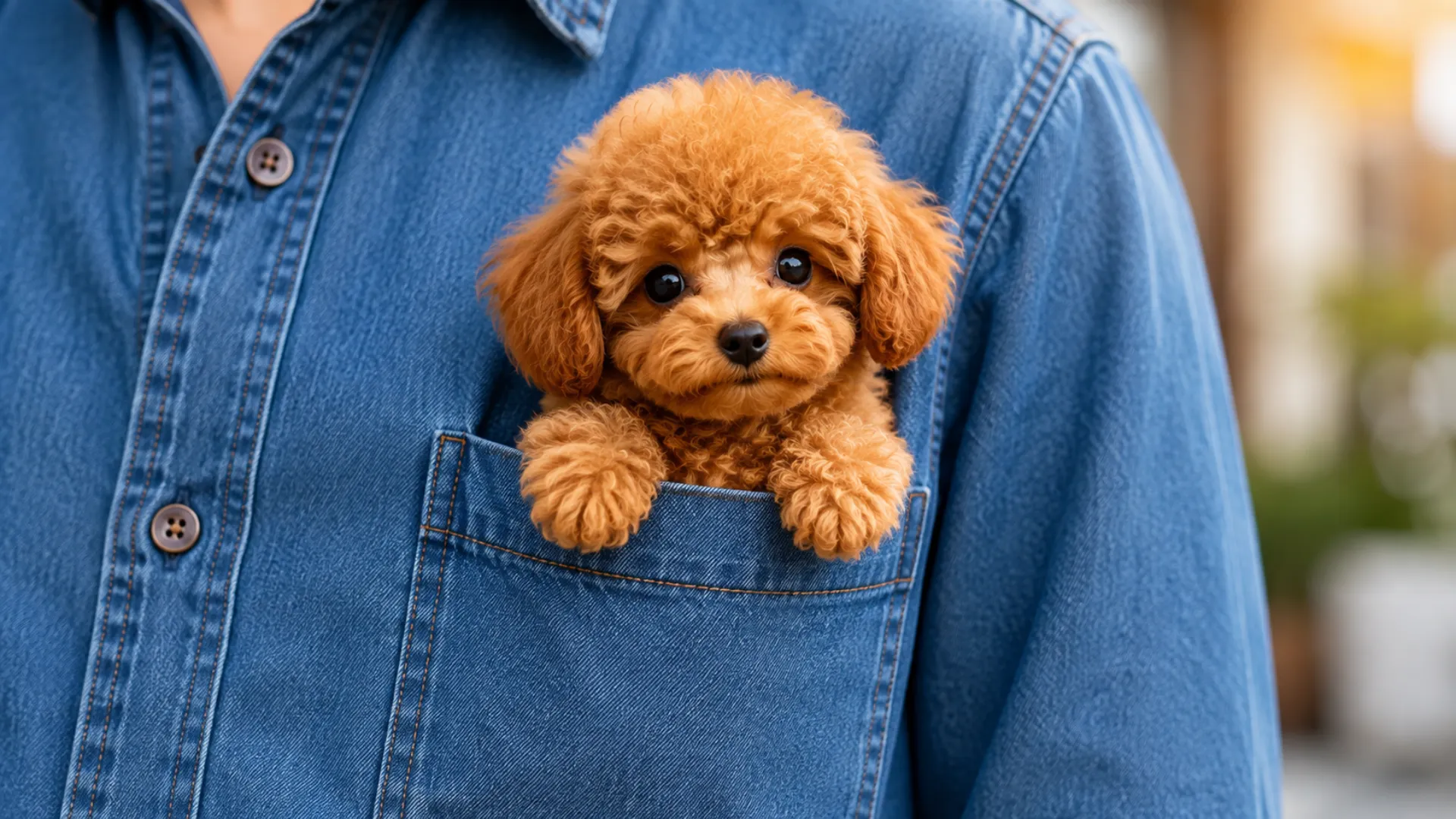
Some dogs fit in your lap but somehow end up taking over your whole heart. Pocket dog breeds may be small enough to ride around in a tote bag, but they often carry larger-than-life personalities that keep every day interesting. One minute they’re cuddled up under a blanket, and the next they’re strutting around like they own the entire neighborhood.
These tiny breeds typically weigh under 10 pounds and slot easily into everyday life. They’re endlessly amusing, thanks to their distinct habits, big-dog mentalities, and plenty of quirks along the way.
In this guide, you’ll discover seven wonderful pocket dog breeds, the strange habits that make each one unique, and what life is really like sharing your home with these little bundles of personality. They may be tiny, but ordinary is the last word you’d use to describe them.
Wonderful Pocket Dog Breeds and Their Quirky Traits
1. Pomeranian
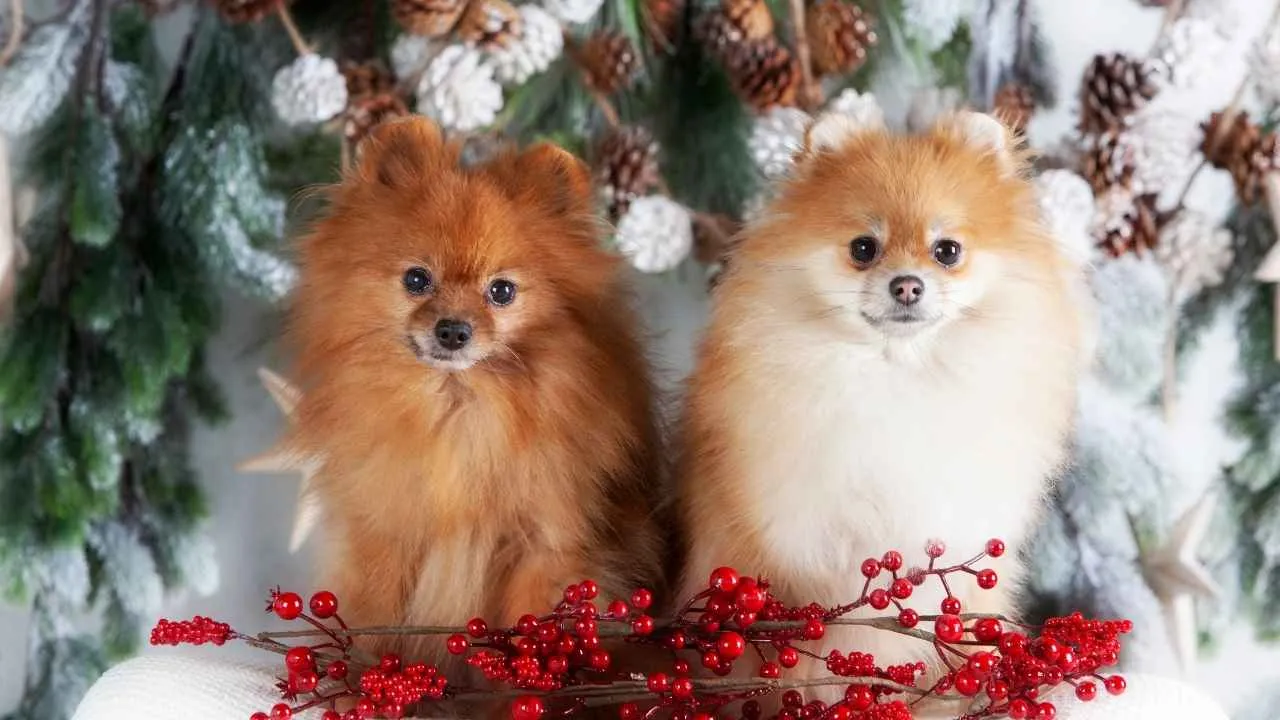
Originating in the region of Pomerania, Germany, the toy dog breed is descended from the large Arctic sled dog. Breeders actively reduced the resultant breed’s size to make it a perfect lap dog for the British royalty, including Queen Victoria, according to the Royal Kennel Club.
Also known as ‘pom,’ the small dog thrives on attention, and the confidence makes it believe it is a large dog. It makes an excellent guard dog because of its curious and alert nature. It may show a bit of attitude because of its independent nature. This breed is always ready to play fun games with you.
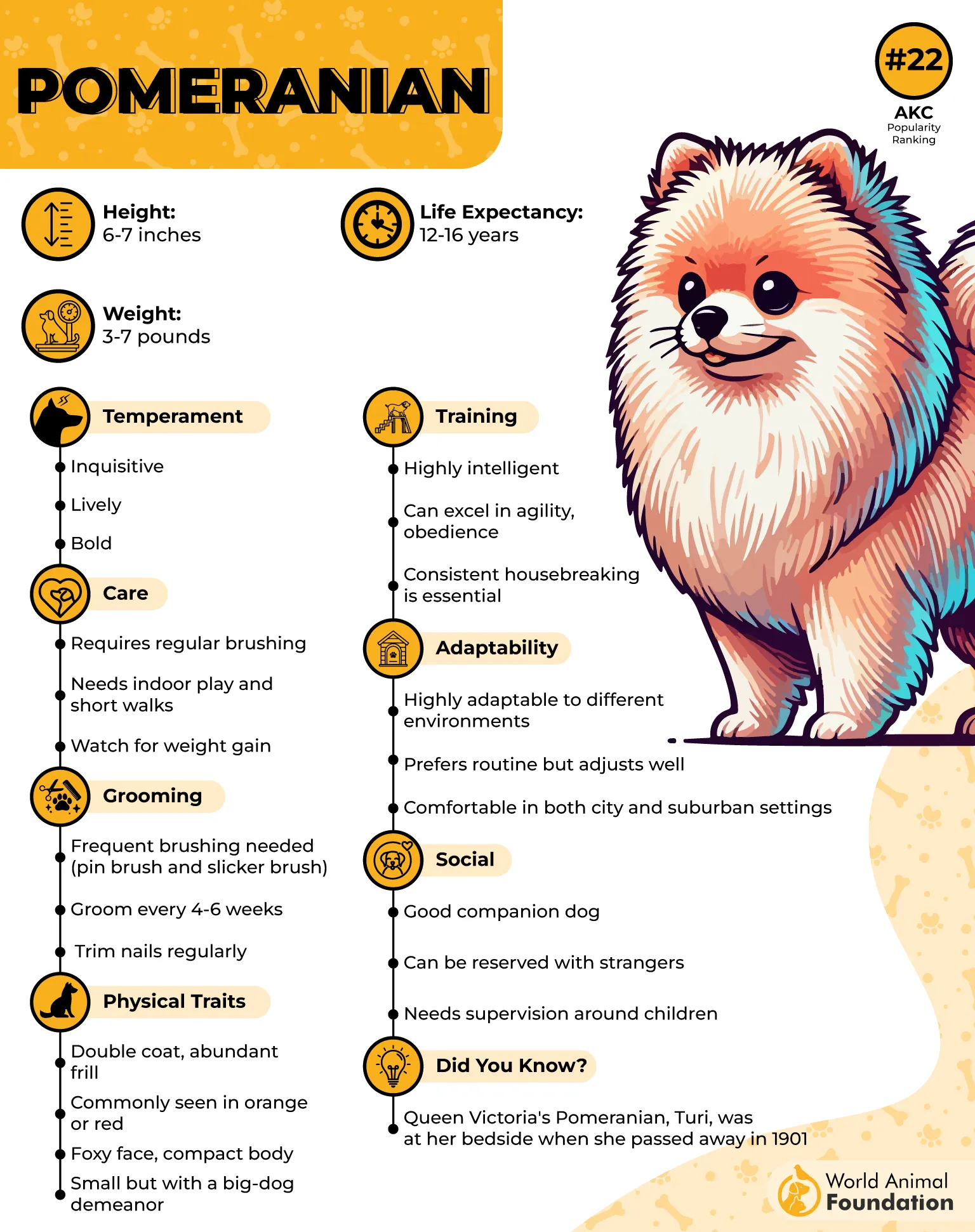
It excels in fetching, puzzle toys, light agility, and mental stimulation. The breed needs consistent training and early socialization to get along well with familiar faces.
2. Toy Poodle
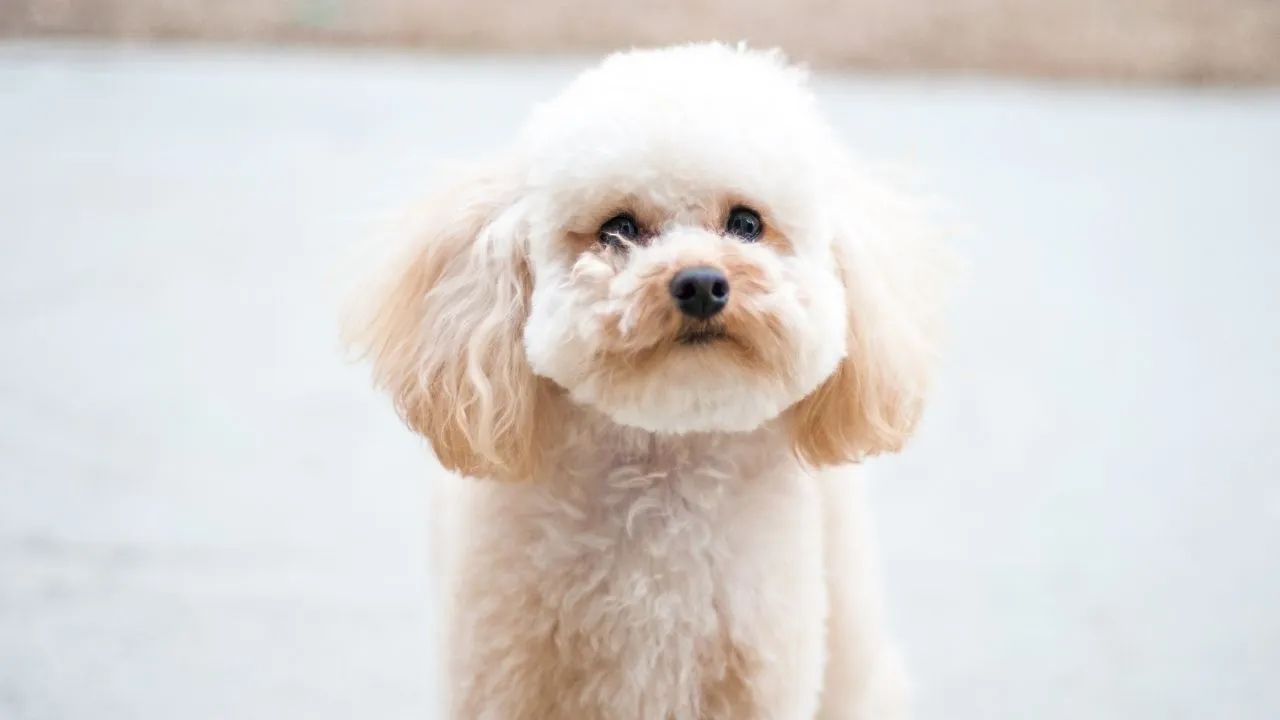
Though the standard poodle was originally bred as a duck-hunting breed, this German breed made its way to France because of its hypoallergenic coat and high intelligence. There, it was favored by the royalty and was bred into smaller versions, resulting in the Miniature and Toy Poodle.
It was specifically bred for entertainment and companionship. Because of its circus heritage (in the 18th century), it prances and dances on its hind legs to amuse its owner. Being the most intelligent toy breed, it tends to learn new tricks in 5 repetitions. With its teddy bear looks, it makes people instantly fall in love with it.
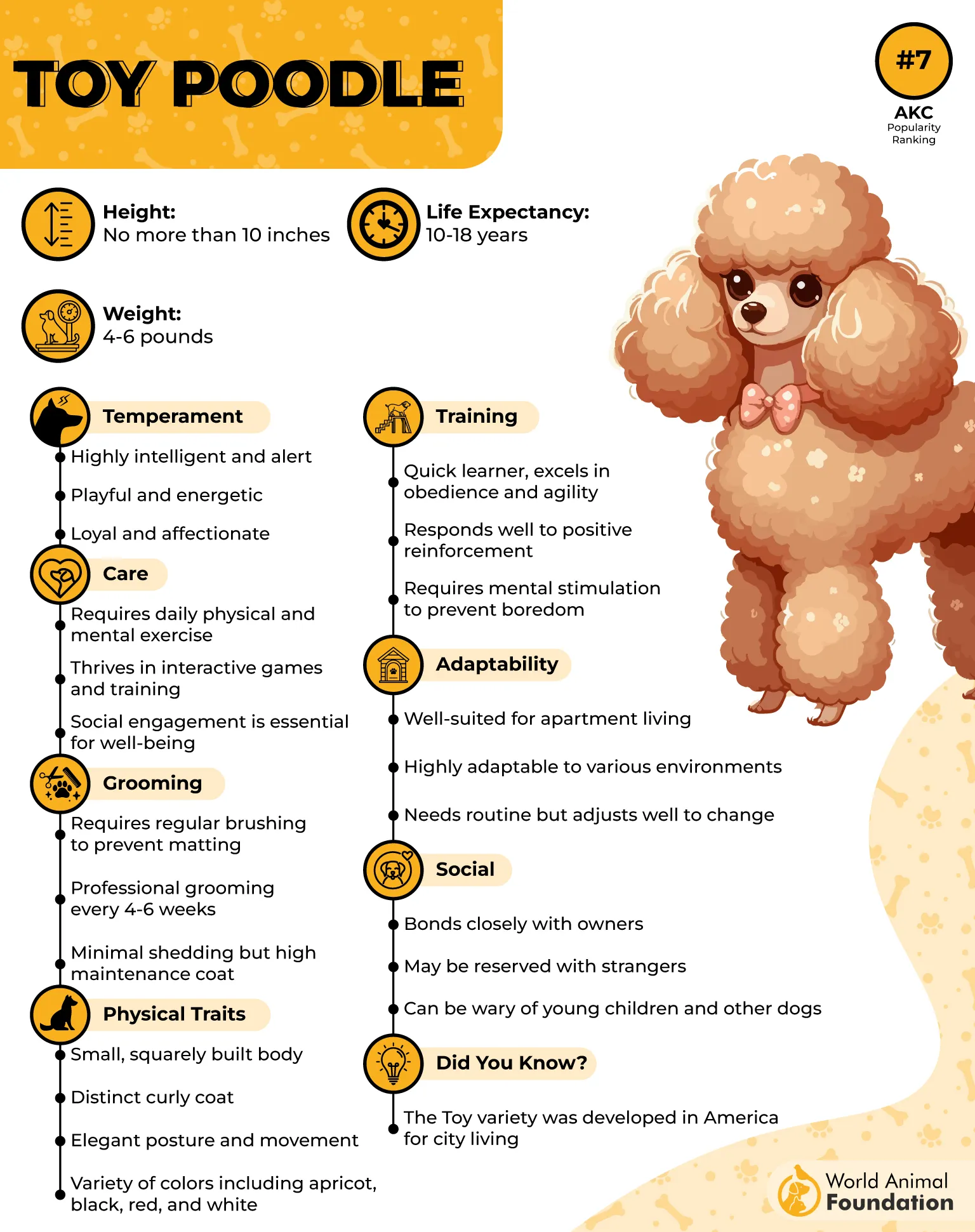
This white-coated breed loves to cuddle its favorite person and follows them from room to room. This energetic breed requires at least an hour of daily exercise. It has watchdog instincts and alerts you to a potential threat.
3. Maltese
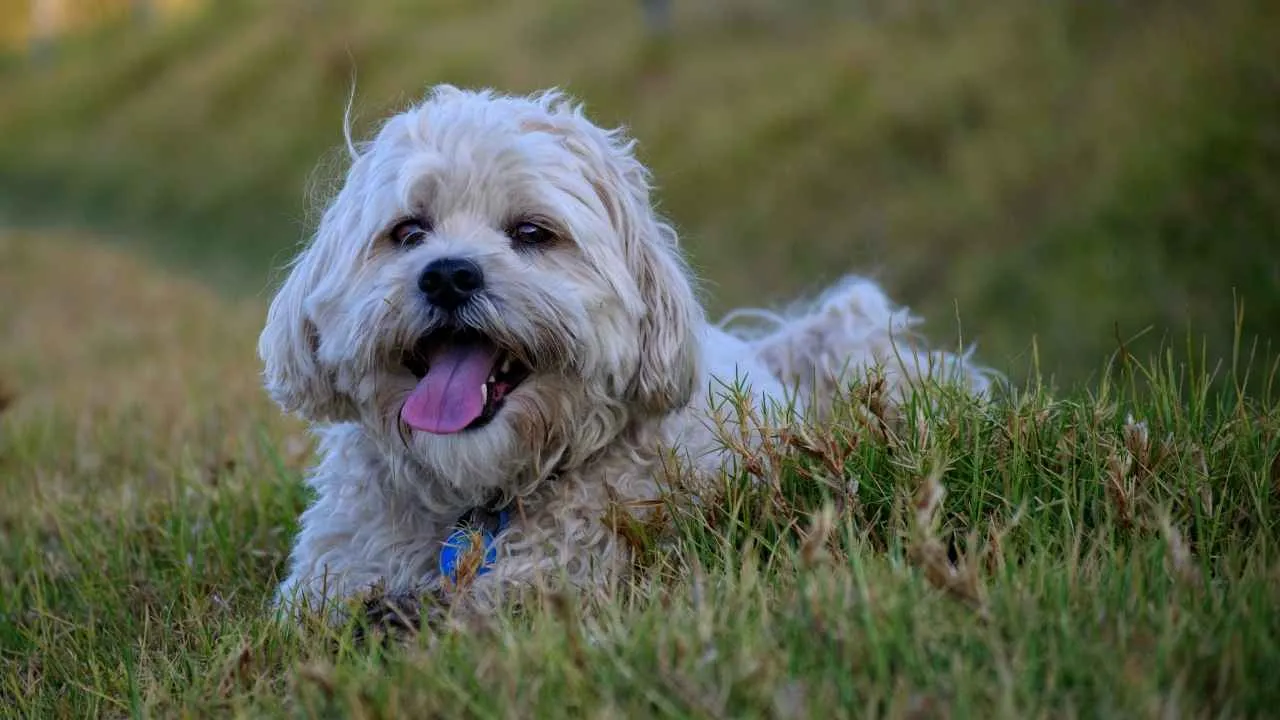
The history of this ancient breed dates back to 1500 BC, when it was originally developed in the Mediterranean region and is descended from the Spaniel or Spitz type dogs. The breed entered Britain in the 14th century and was pampered by the nobility and royalty, as reported by the UKC.
This small dog breed has a gentle nature, making it an excellent therapy dog as it excels at reading body language and facial expressions. This beloved companion has a barking tendency and may become yappy; thus, proper socialization and early obedience training are non-negotiable.
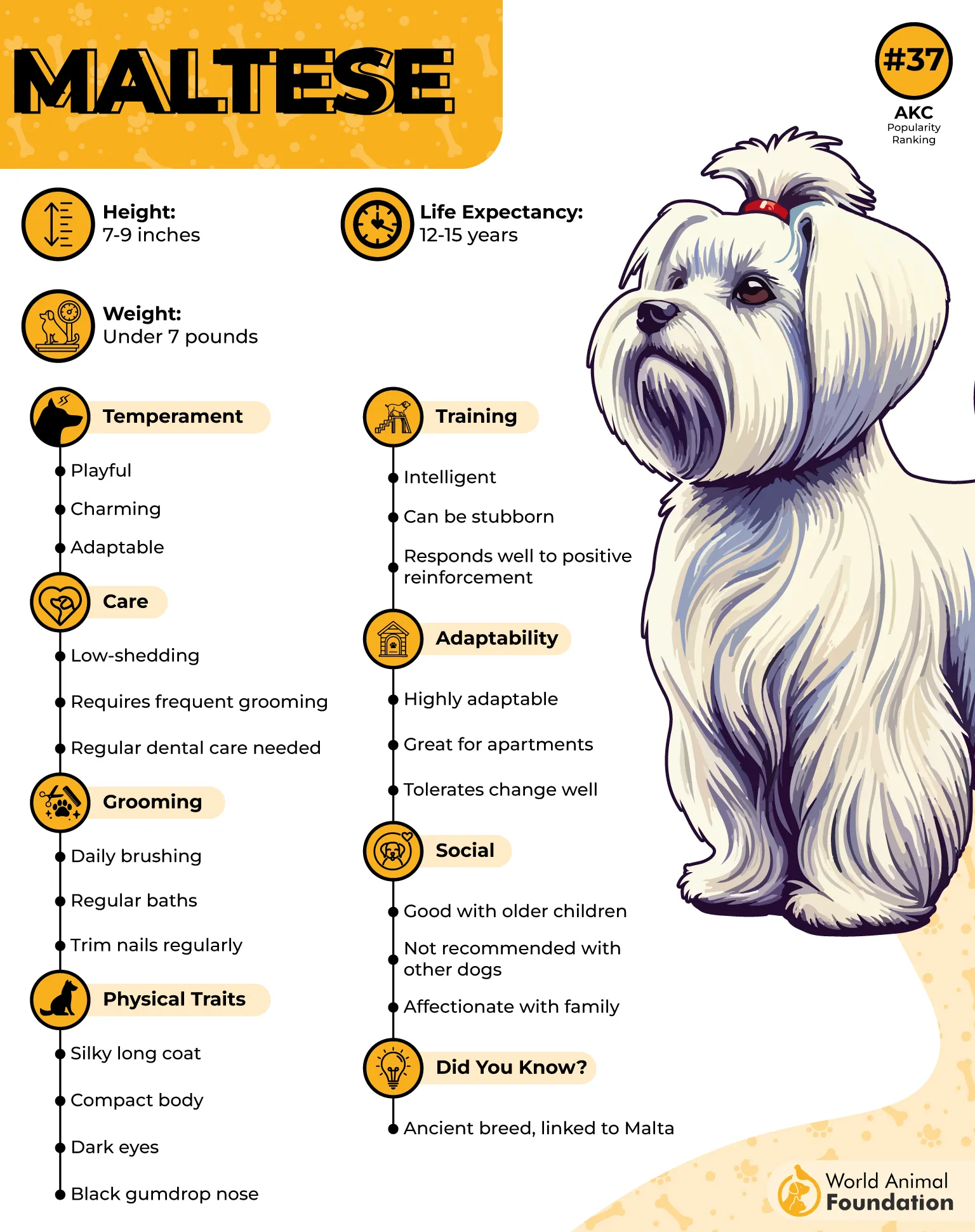
Leave it alone for long periods, and it will develop separation anxiety. The breed needs 30 minutes of daily physical exercise: short walks, hide-and-seek, fetching, tug-of-war, and interactive puzzle toys.
4. Yorkshire Terrier
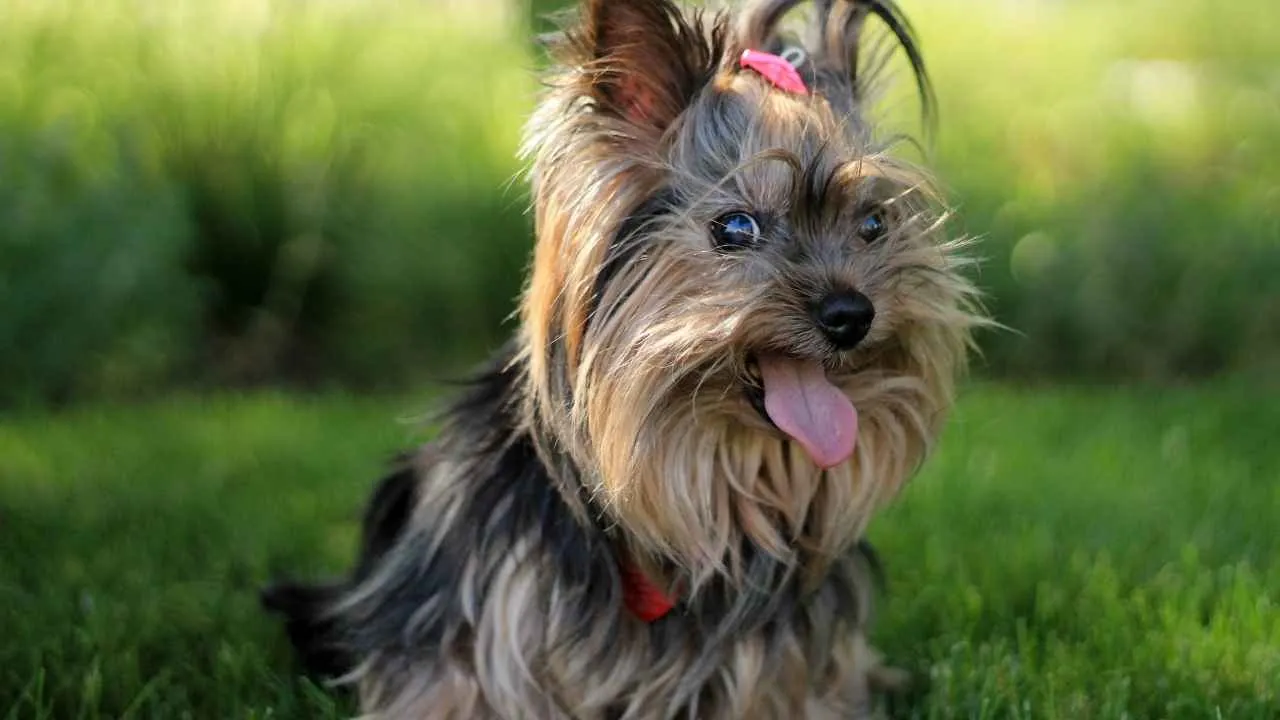
When the Scottish weavers migrated to Yorkshire in the mid 19th century during the Industrial Revolution, they interbred their Scottish terrier dogs with the native terrier dogs, resulting in the Yorkie that was designed to hunt rats and rodents in the cotton and wool mills.
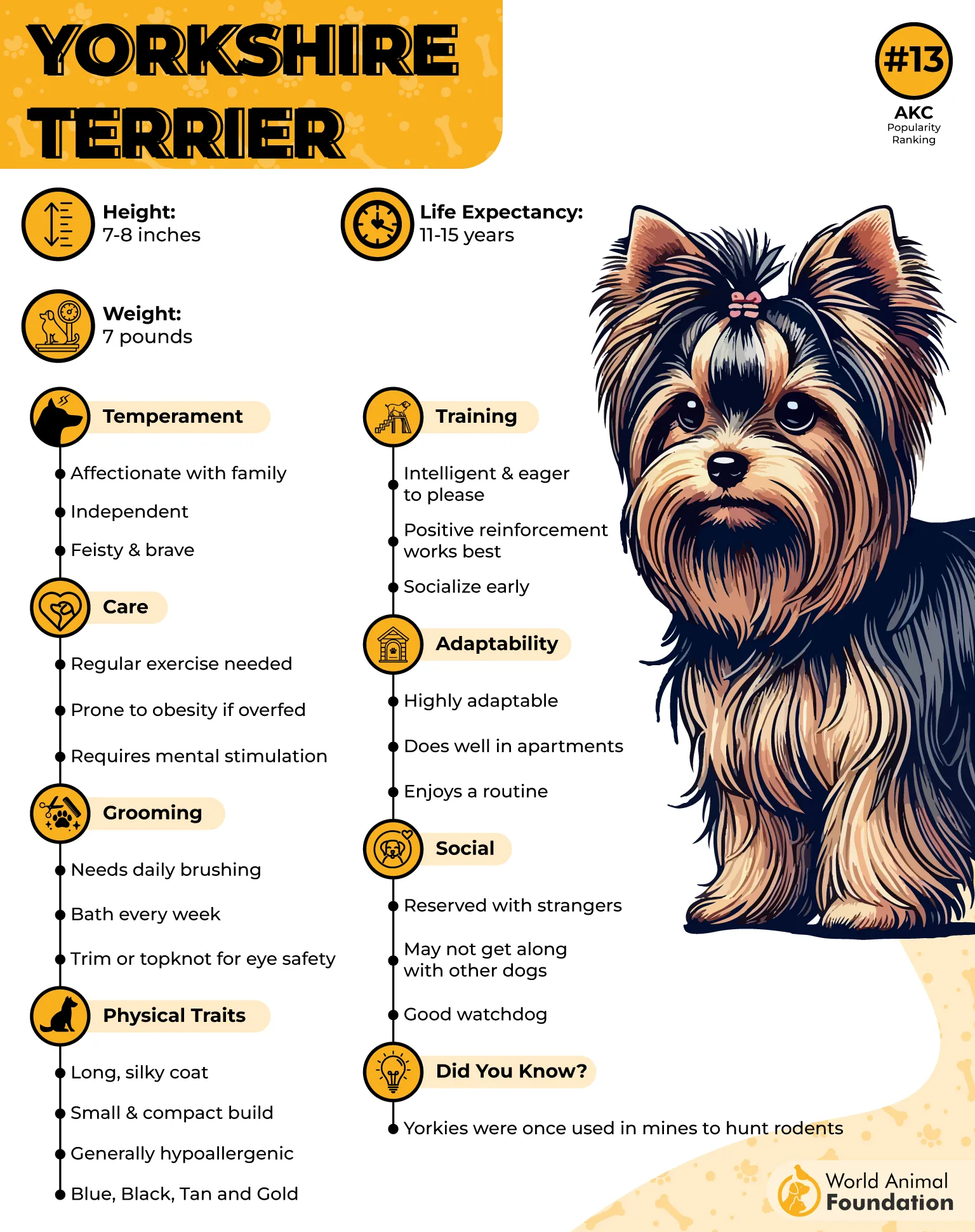
It is a highly adaptable breed and can adjust to any household. Despite having a small stature, this breed thinks of itself as a large breed and is prone to excessive barking. It remains confident and curious most of the time and excels in fetching, nose work, puzzles, and agility. It has a strong prey drive that leads to following small moving objects.

It has a longer lifespan and lives up to 15 years. However, the breed is prone to certain health conditions, such as luxating patella, dental diseases, hypoglycemia, and tracheal collapse. The long and silky coat requires daily brushing.
5. Shih Tzu
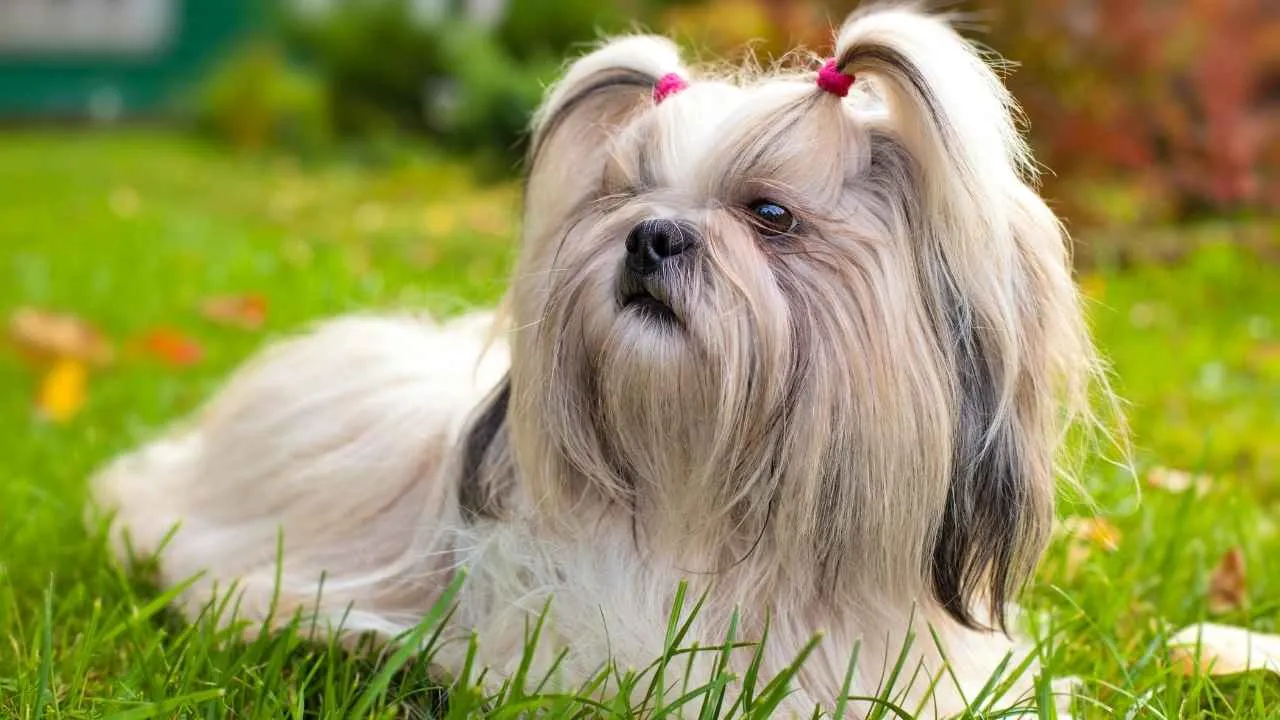
The breed was originally developed in Tibet by the Buddhist monks and was first brought to China in the 17th century. Some people believe the breed was entirely developed in China as a watchdog that resembles a lion. It was not allowed to be sold outside China for centuries since it was considered a sacred breed, says Orvis.
The well-placed eyes offer a friendly expression. It has a plumed tail, carried high with pride. It is always ready to go on a walk and make new friends outdoors and will curl in your lap indoors. Though friendly with children, male breeds can sometimes be snappy.
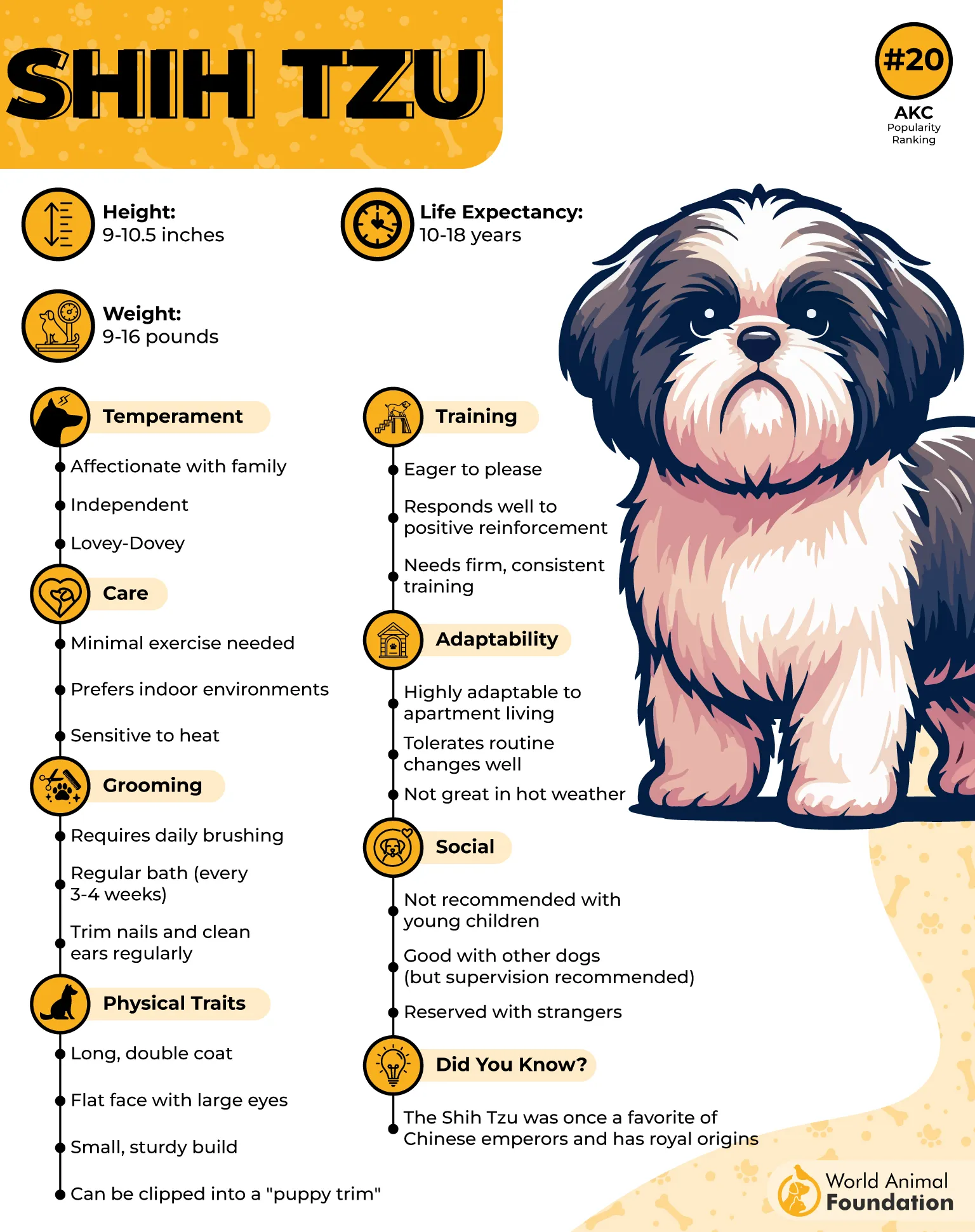
Since it has an independent streak, early obedience training is required. Since it is a brachycephalic breed and has narrowed airways, it produces funny sounds while sleeping. It requires short walks and indoor play sessions to meet its daily exercise needs.
6. Papillon
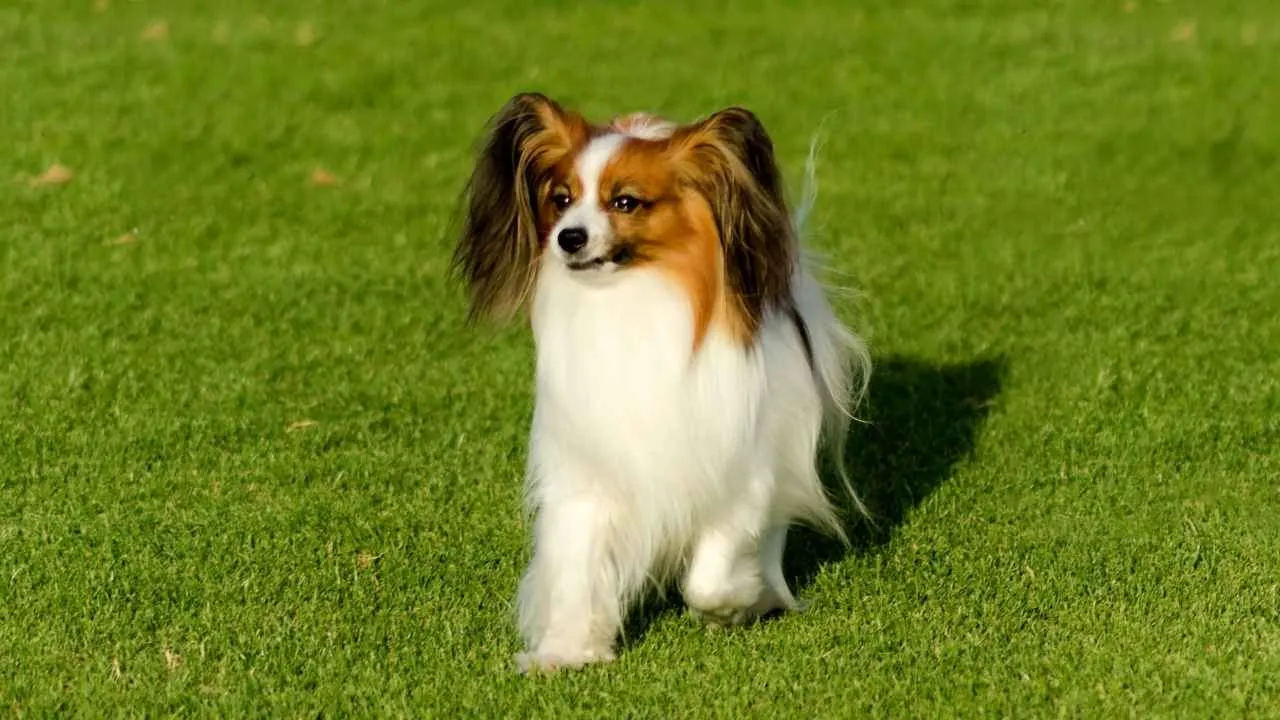
Originating in France, the breed was developed as a Toy Spaniel and was favored by the Ladies of the court. It has also been depicted in paintings from the 13th century. The breed has butterfly-wing-like ears; thus, given this name. Today, it is mostly kept as a companion dog.
It loves to be the centre of attention. It tends to bark at doors, but gets along well with strangers. It has a curious nature and loves to investigate its surroundings. It is a good observer and detects minute changes in the environment, making it an excellent watchdog.
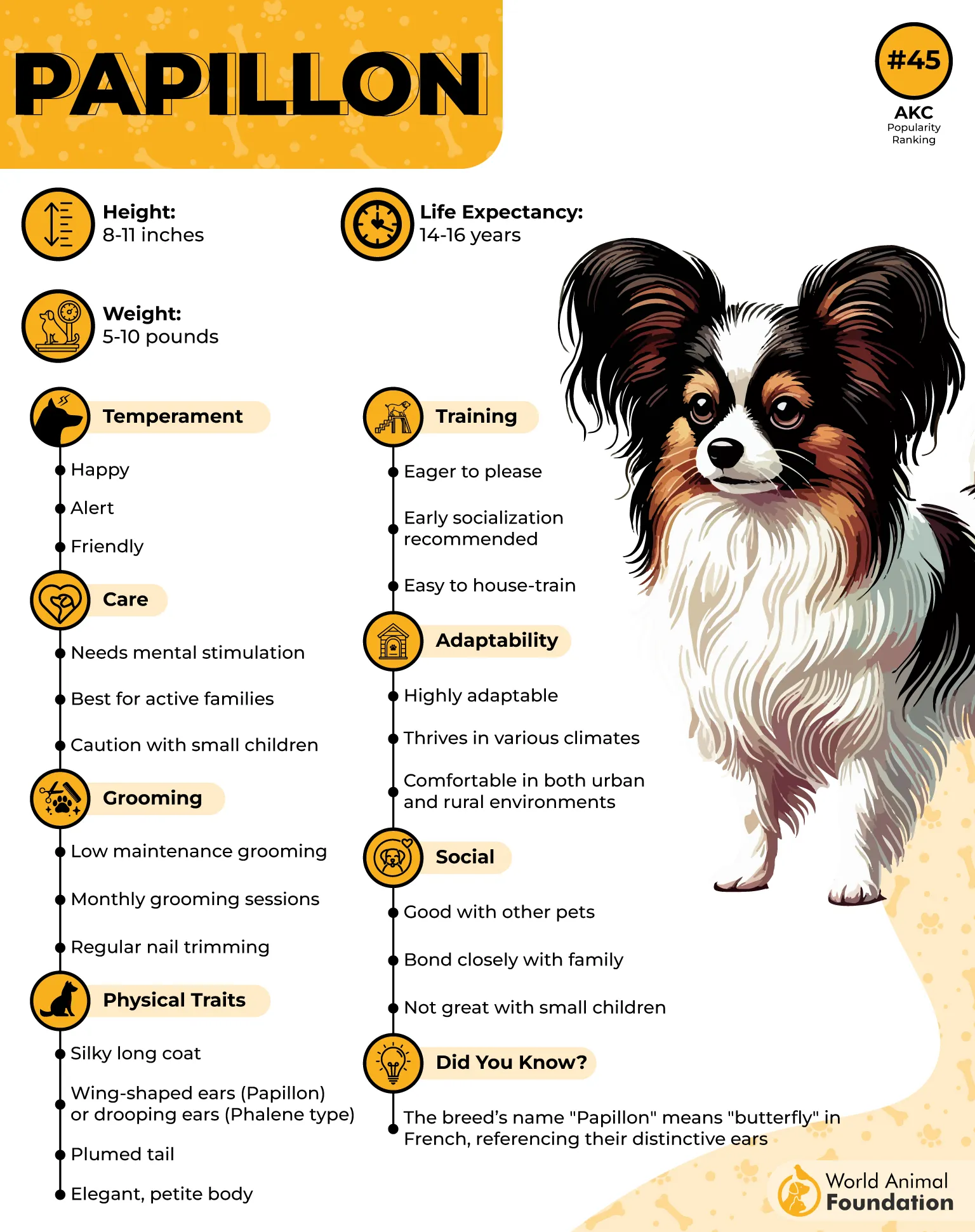
The delightful companion has medium-to-high energy levels and requires regular exercise daily: vigorous indoor play sessions, daily walks, agility, obedience training, and soft fetching.
7. Japanese Chin
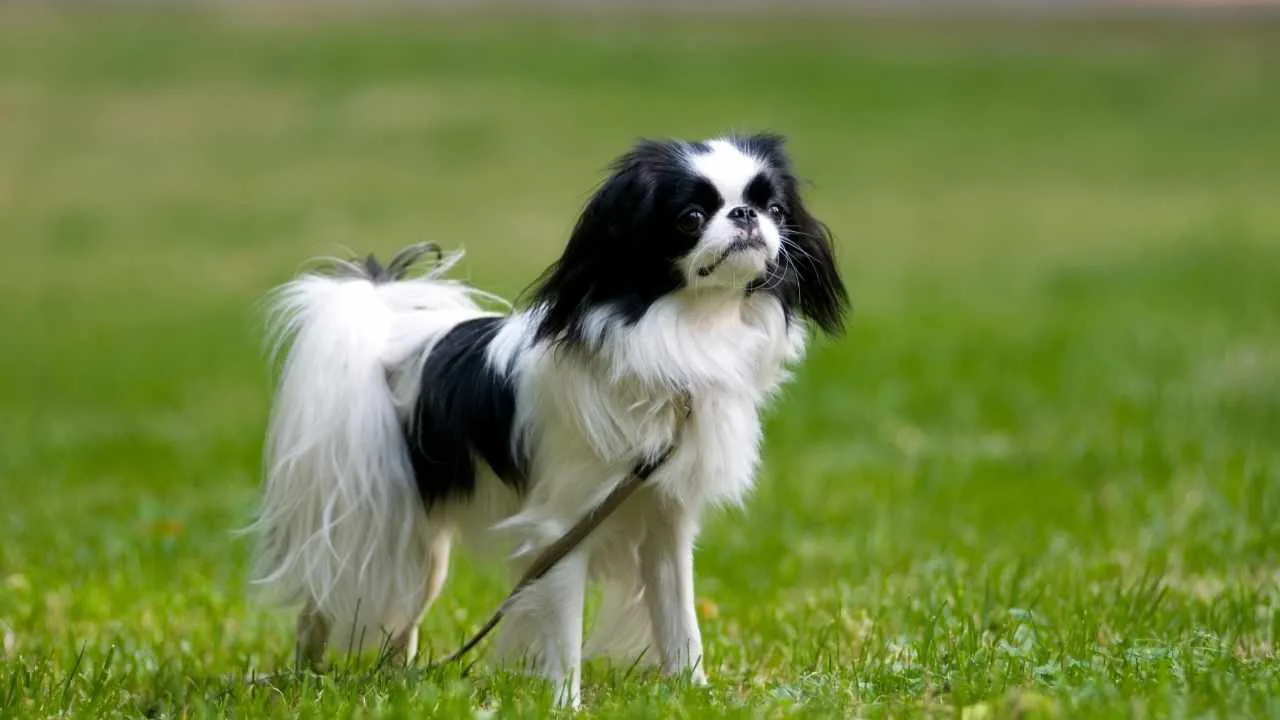
The breed was developed in China and arrived in the Western world in the 19th century. Once reserved only for the Chinese nobility, the modern-day breed is widely kept as a companion and a show dog. It comes in various sizes and weights and weighs not more than 7-9 pounds.
The breed has a cat-like personality and cleans its face and coat with its paws. The popular breed tries to locate itself at a high vantage point to observe its surroundings perfectly. It loves to perform tricks to amuse its family members. Being a sensitive breed, it responds well to positive reinforcement.
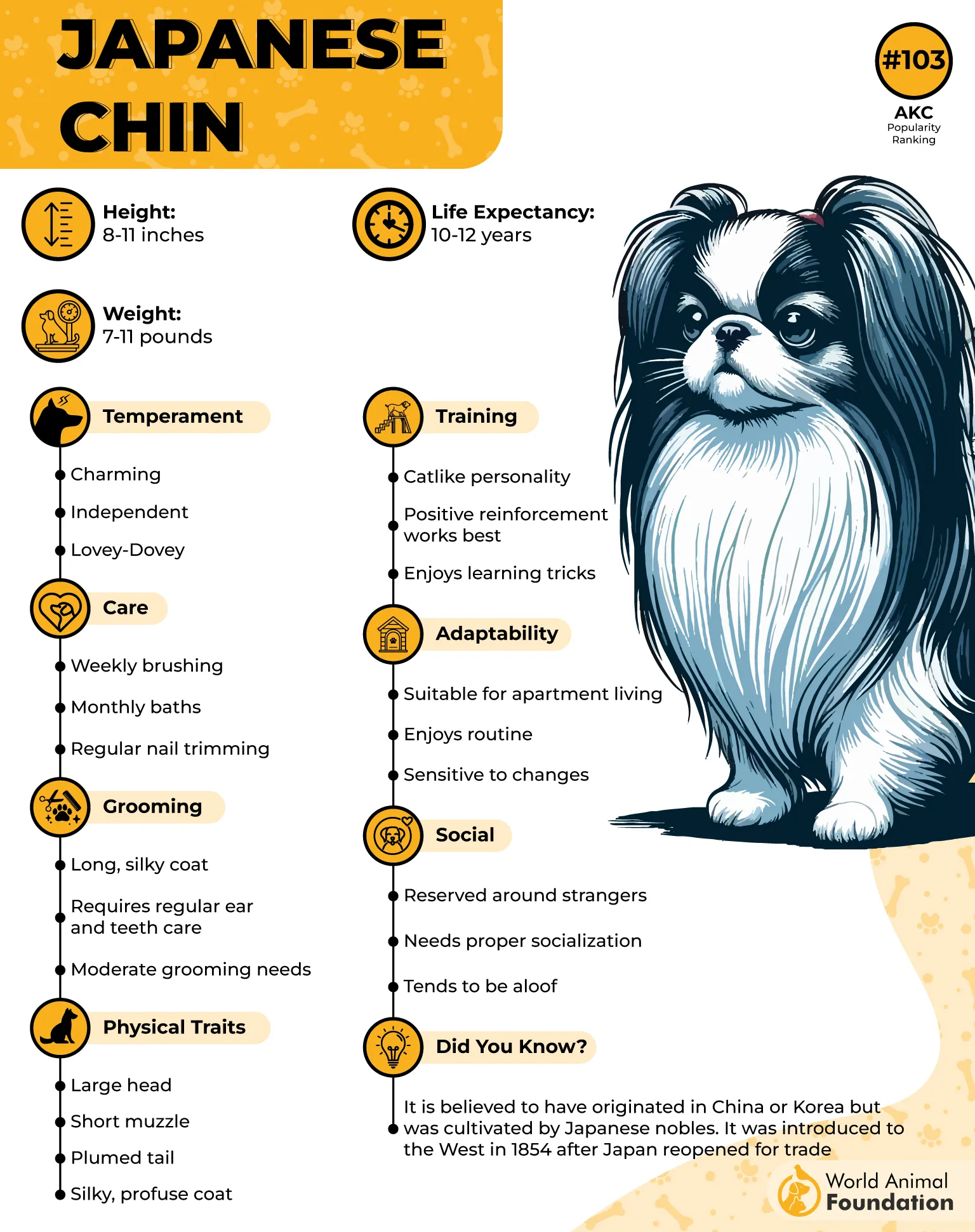
Harsh words will cause it to dig its heels in, and it may refuse to follow your instructions. It has low energy levels and has minimal exercise needs. The double coat requires daily brushing to prevent mats and tangles.
Conclusion
Pocket dog breeds prove that size has very little to do with personality. Each breed brings something unique to the table. Some are fearless entertainers, others are gentle cuddle experts, while a few seem convinced they are much bigger than they really are. That is exactly what makes them so lovable. The best choice depends on your lifestyle, your activity level, and the kind of companion you hope to bring home.
Spend time learning about each breed before making a decision, and you will have a much better chance of finding the perfect match. After all, the happiest dog-owner relationships are not built on appearance alone. They are built on understanding, patience, and enjoying every funny, heartwarming moment together.
