




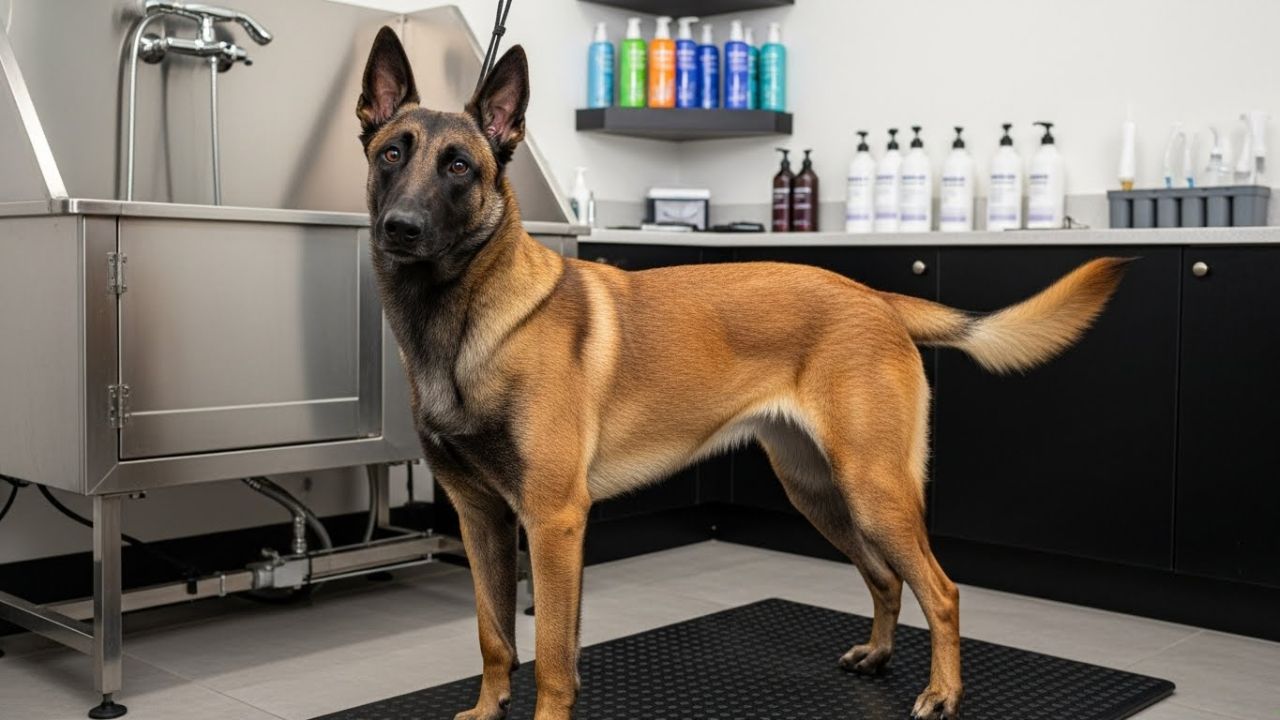
Choosing a dog should bring joy, not stress. For busy owners, first-time pet parents, or anyone craving simplicity, low-maintenance dog breeds offer companionship without regular grooming, training struggles, or excessive exercise demands. These dogs fit comfortably into modern lifestyles with minimal effort and ease.
Low-maintenance doesn’t mean boring or less loving. Many of these breeds are adaptable, healthy, and content with moderate activity. They shed less, learn routines quickly, and thrive with basic care, making daily life smoother and more enjoyable for owners everywhere.
Whether you live in an apartment or a house, the right breed can make all the difference. From perfect lap dogs to easygoing companions, these wonderful low-maintenance breeds prove that simple care can still come with endless affection every day.
Wonderful Low-Maintenance Dog Breeds For Simple Care
Simple care, loyal hearts, and happy homes—low-maintenance dogs make life easier and warmer.
1. Neapolitan Mastiff
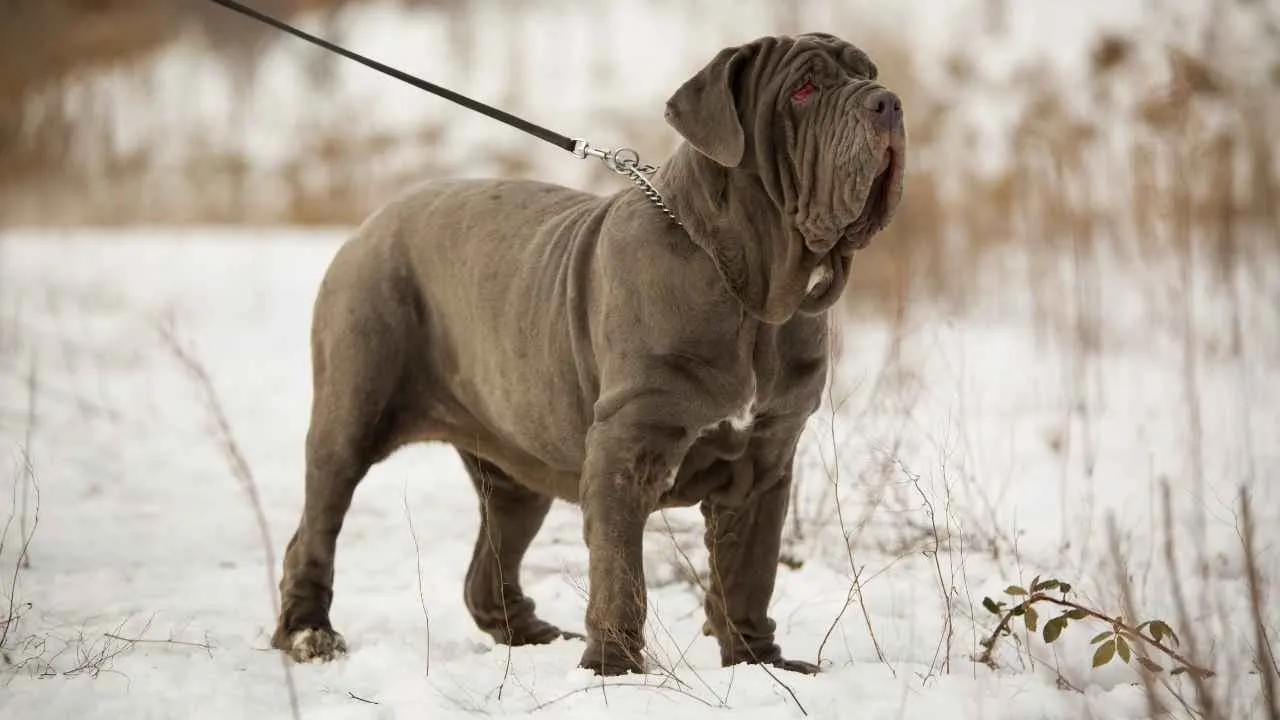
The Neapolitan Mastiff is a living relic of ancient Rome, bred to intimidate enemies with its massive frame and dramatic wrinkles. Dating back as far as 700 B.C., this breed served as a war dog, gladiator, and fearless guardian, as per PDSA.
Calm Minds Behind a Powerful Build
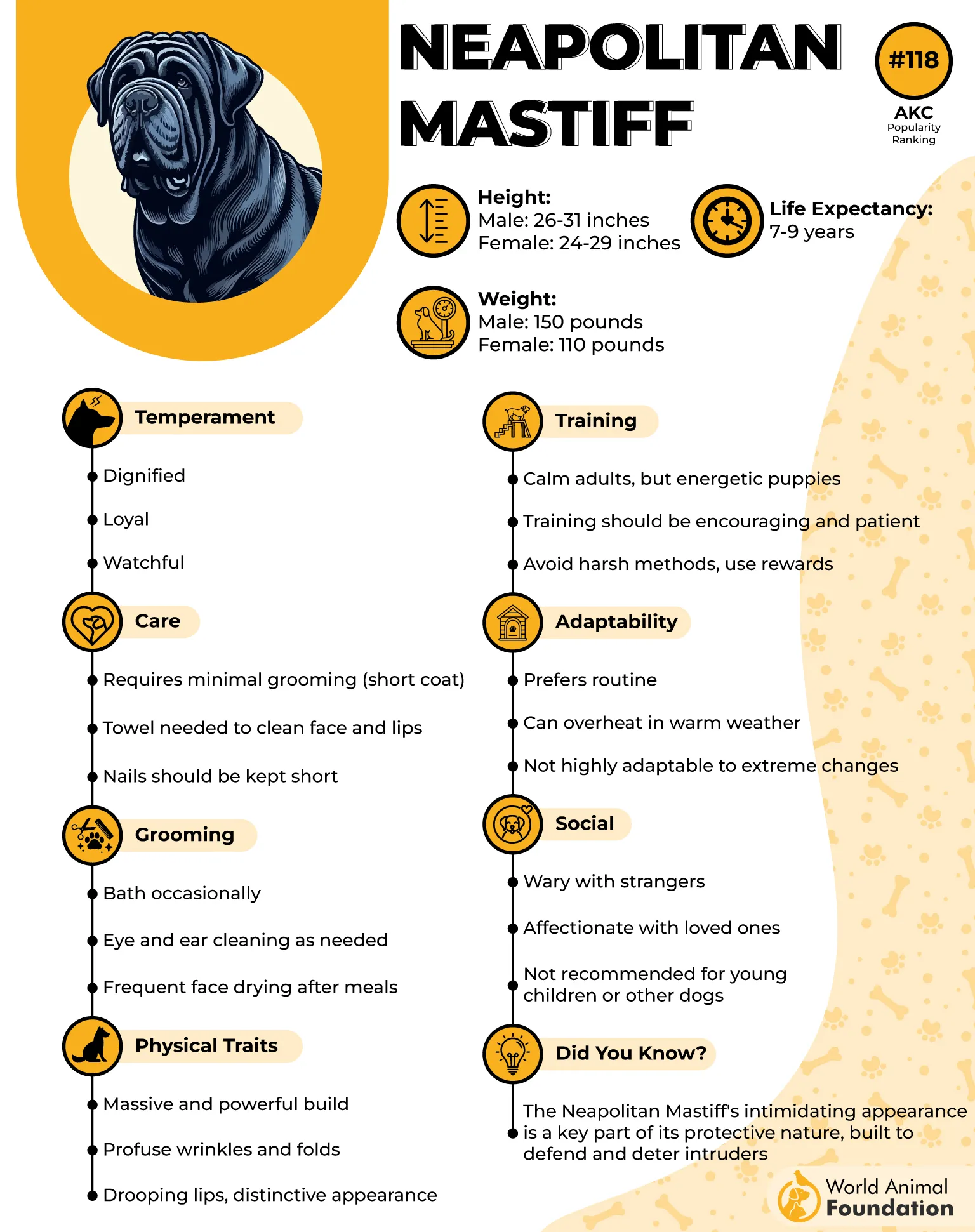
Despite their imposing size, Neapolitan Mastiffs are gentle dogs with a relaxed, almost lazy nature. Training should begin early, as their independent streak requires patience and consistency. Positive reinforcement works best, helping establish simple routines without constant repetition.
Wrinkles That Hide Easy Care
Grooming a Neapolitan Mastiff is simpler than expected for such a large dog. Regular wrinkle cleaning and drool wiping keep their skin healthy, while minimal shedding reduces household mess. They need only moderate exercise and prefer lounging to long outings.
Why the Neapolitan Mastiff Is Ideal for Simple Care
Naturally calm and low-energy indoors
Minimal shedding keeps cleaning manageable
Content with short walks and backyard activity
Strong guarding instincts reduce the need for constant stimulation
Loyal, predictable temperament once routines are established
2. Belgian Malinois
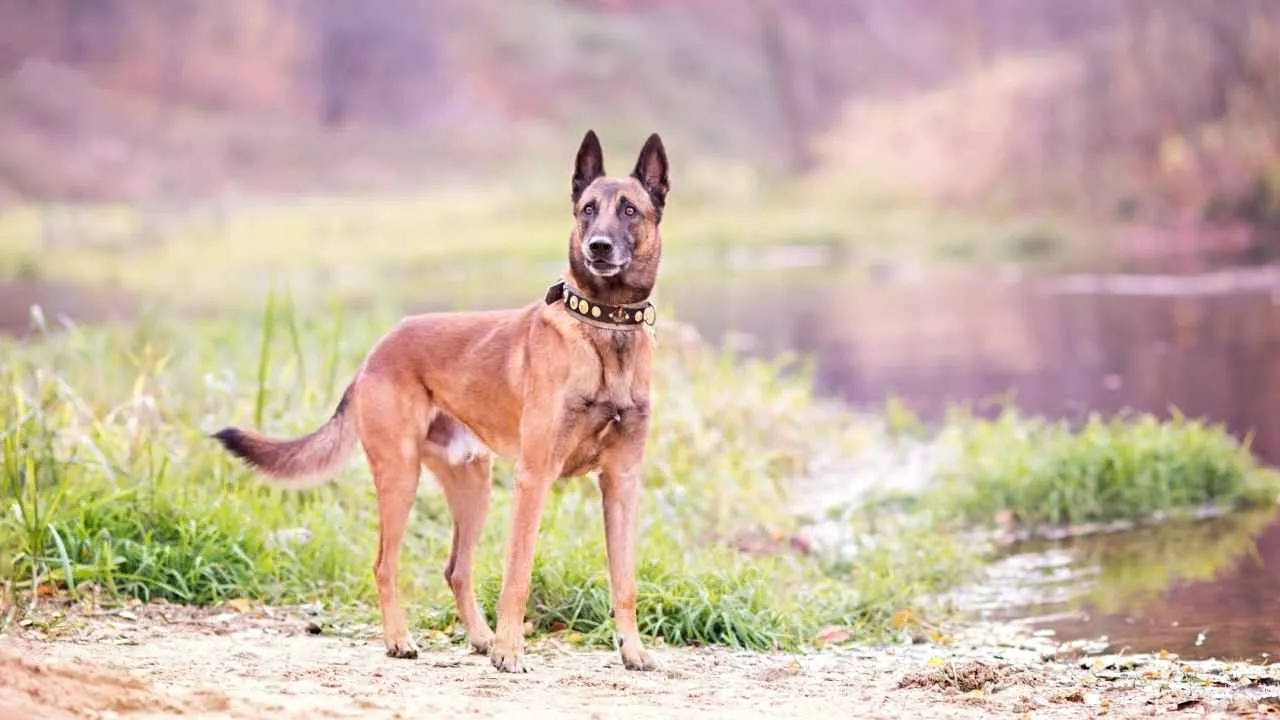
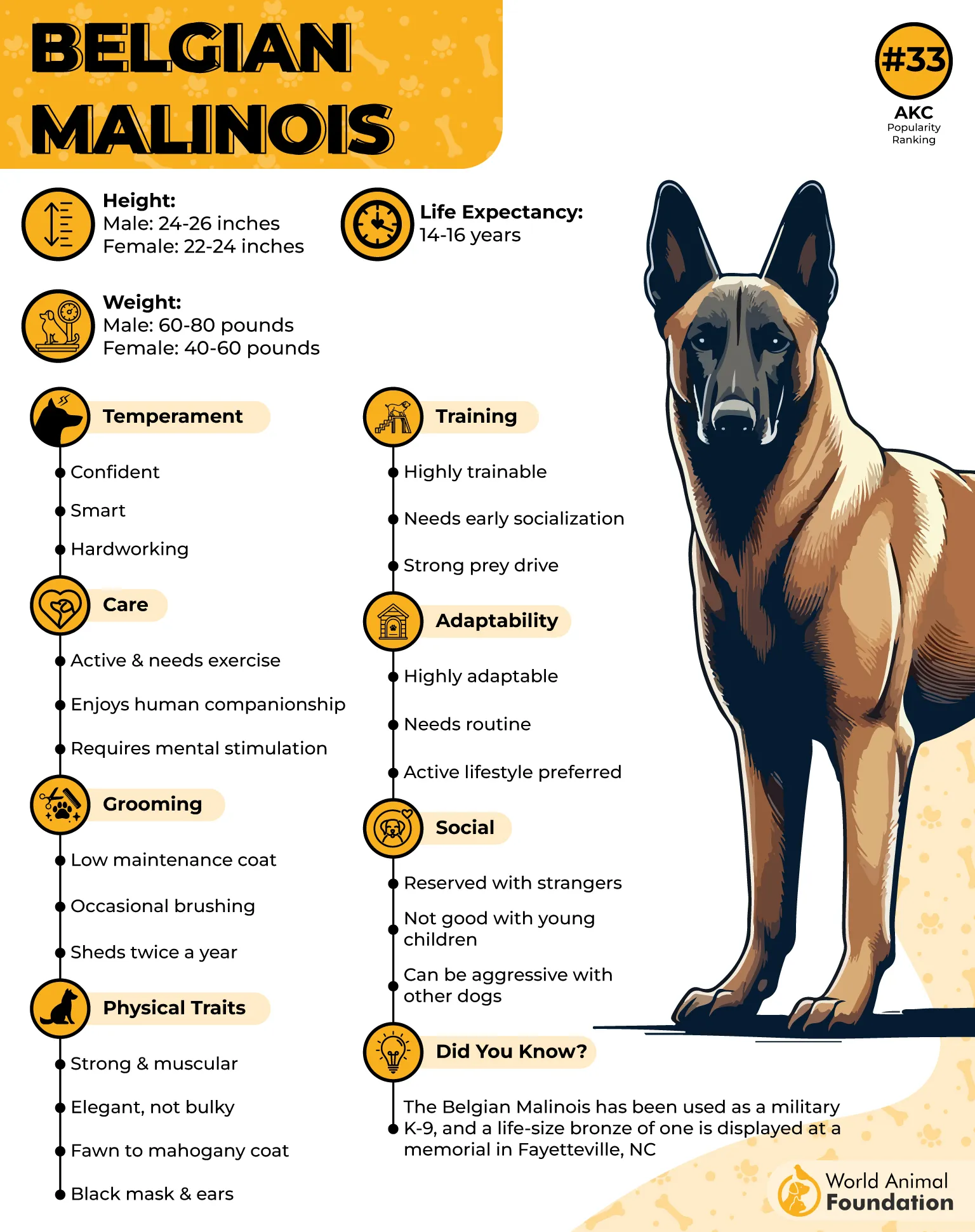
The Belgian Malinois emerged in the 1800s in Mechelen, Belgium, bred as a tireless protection and herding dog. One of four Belgian shepherd varieties, it quickly gained fame for strength, stamina, and sharp intelligence. Its near-square build and black-masked face reflect purpose over ornament.
Sharp Minds That Thrive on Structure
Training a Belgian Malinois is both rewarding and demanding due to its intense intelligence and drive. This breed learns quickly and responds best to consistent, positive reinforcement from an experienced handler. Early socialization helps channel instincts like herding and guarding appropriately.

Simple Coat Care, Serious Commitment
Despite its high energy level, grooming a Belgian Malinois is refreshingly straightforward. Its short, weather-resistant coat needs only weekly brushing and occasional baths, as per Britannica. While physical and mental exercise demands are high, coat maintenance remains pleasantly low-effort.
How the Belgian Malinois Simplifies Certain Aspects of Care
Short coat requires minimal grooming year-round
Rarely needs frequent bathing
Naturally athletic, reducing the risk of obesity with proper exercise
Highly trainable, making routines efficient once learned
Strong health when raised with a proper diet and activity
3. Irish Wolfhound
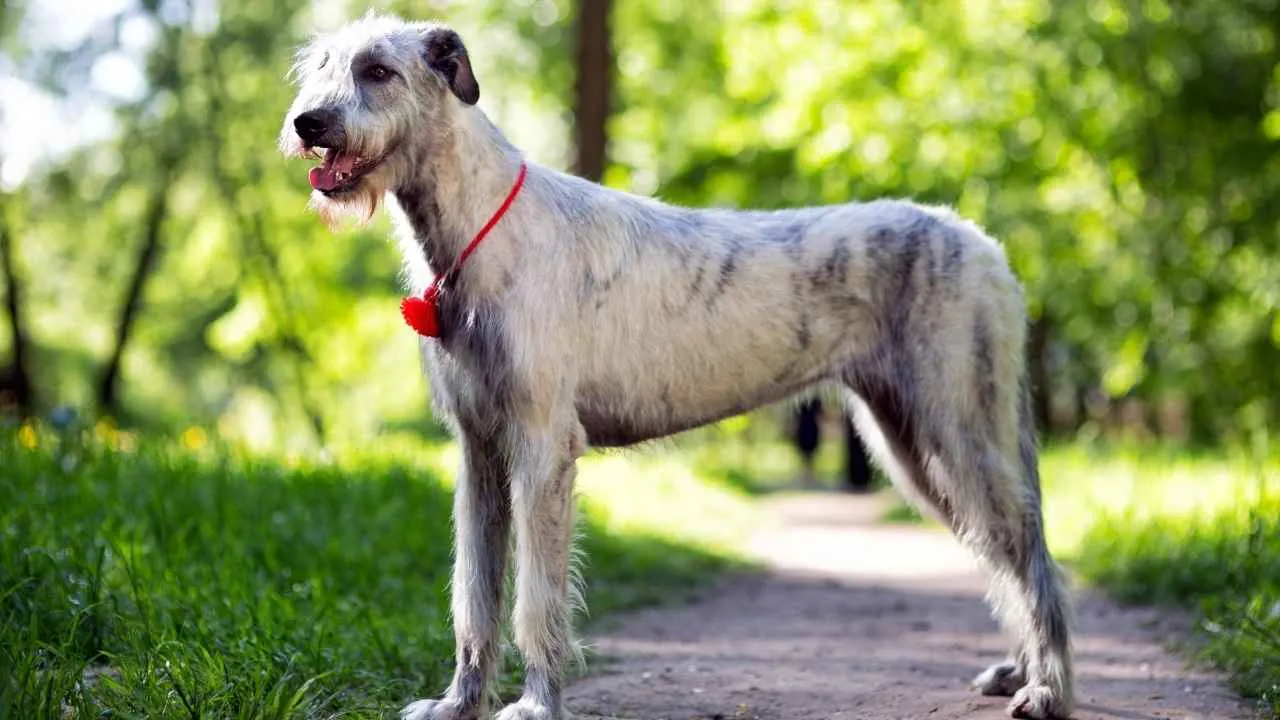
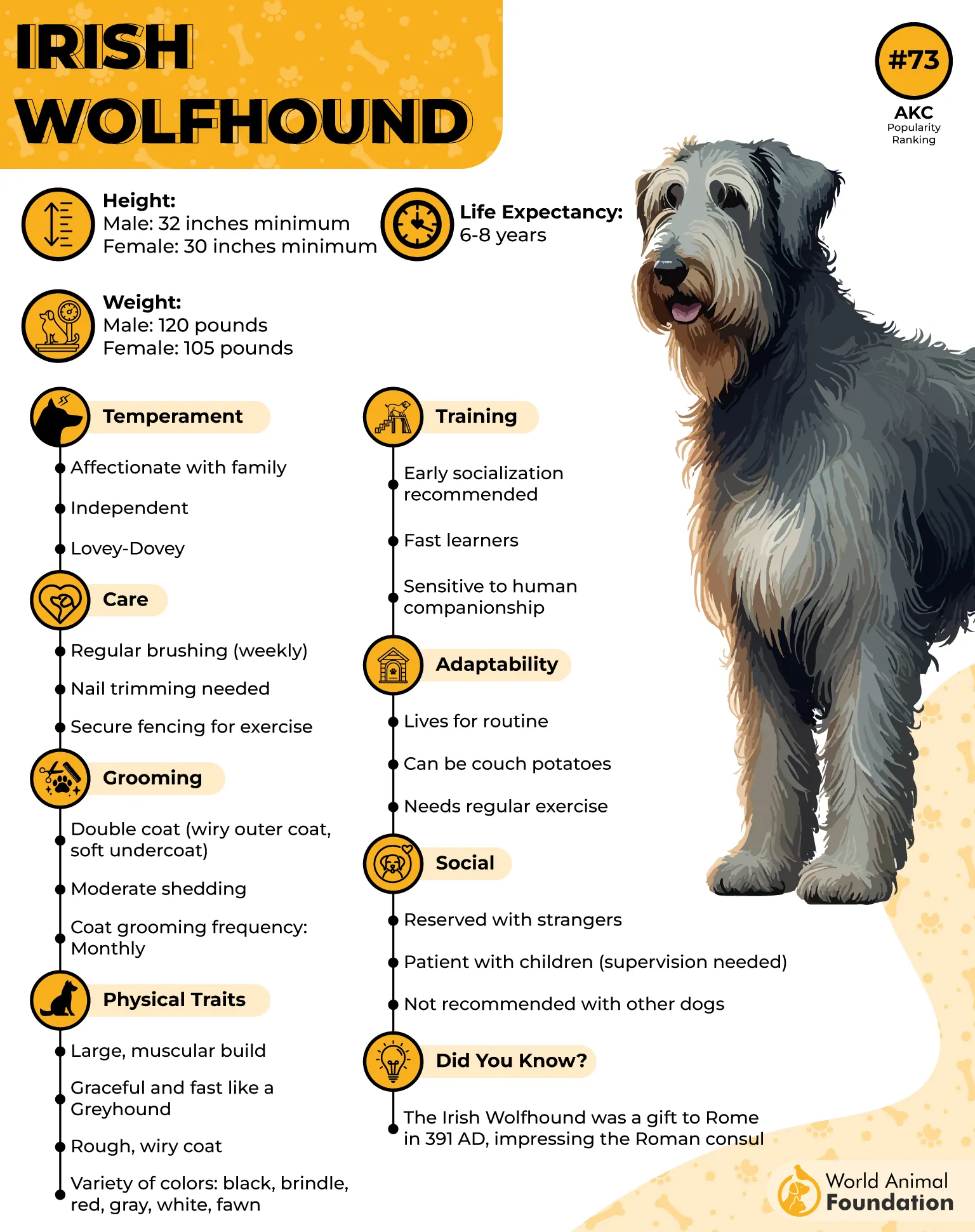
The Irish Wolfhound is one of the oldest and most storied dog breeds, revered in ancient Ireland as a hunter, warrior, and noble companion. Bred to hunt wolves and protect clans, their size alone inspired awe across Europe.
Gentle Manners in a Giant Frame
Despite their towering height, Irish Wolfhounds are famously kind and easygoing. Training is generally straightforward thanks to their cooperative temperament and desire to please. They respond best to calm, patient guidance rather than strict correction, as per PetMD.
Big Dogs with Surprisingly Simple Care
Grooming an Irish Wolfhound is refreshingly manageable for such a large breed. Their wiry coat sheds lightly and needs only weekly brushing to stay neat. They enjoy daily walks but are equally happy lounging at home. This blend of low shedding and moderate exercise keeps care uncomplicated.
Why the Irish Wolfhound Fits a Low-Maintenance Lifestyle
Calm, laid-back temperament indoors
Minimal shedding compared to other giant breeds
Content with moderate daily exercise
Rarely vocal or overly demanding
Naturally gentle and affectionate with family members
4. Cane Corso
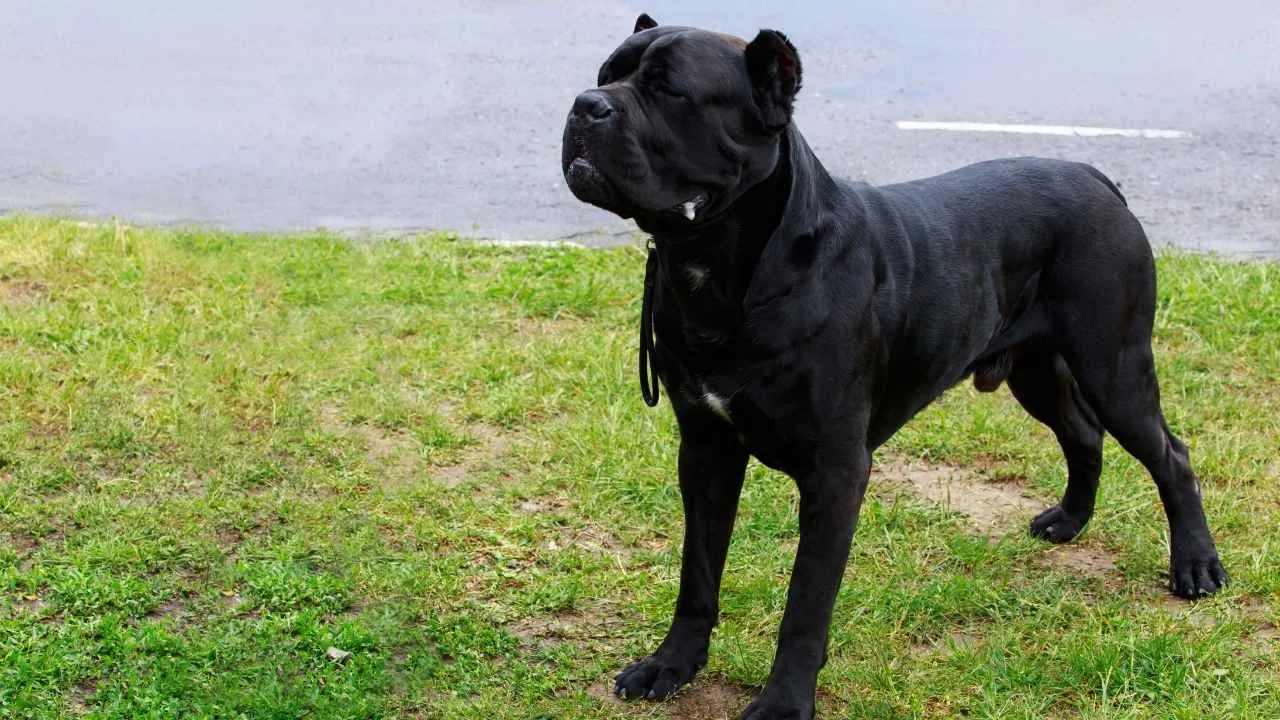
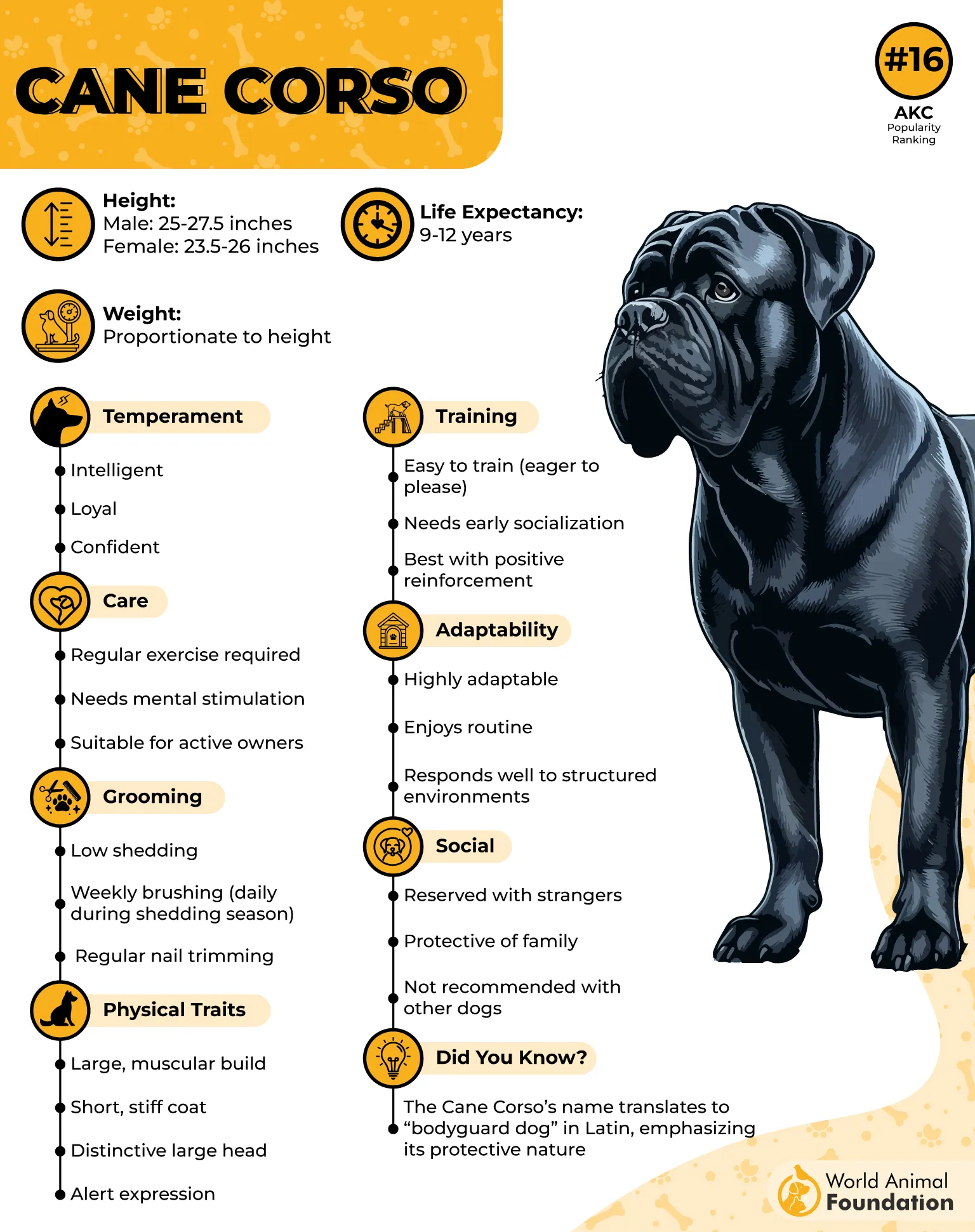
The Cane Corso descends from ancient Roman war dogs, later becoming a trusted farm guardian and hunter across Italy. Its name loosely translates to “bodyguard dog,” reflecting its protective heritage, as per the AKC. Today, that legacy shows in a devoted companion that stays close to home and family.
Structured Training Builds an Easy Companion
Cane Corsos are intelligent, people-focused dogs that thrive with clear rules and positive reinforcement. Early training and socialization are essential to guide their natural confidence and strength. Once boundaries are established, they are calm, quiet, and reliable in daily life.
Short Coats and Straightforward Grooming
Despite their large size, Cane Corsos are relatively easy to groom thanks to their short, smooth coat. Weekly brushing is usually enough to manage shedding, with no complex coat care required. While they do drool, their overall grooming routine is simple and quick.
Why the Cane Corso Can Be Low-Maintenance with the Right Owner
A short coat requires minimal grooming
Naturally calm and quiet indoors once exercised
Highly trainable, making routines easy to establish
Loyal and home-focused, reducing roaming tendencies
Strong health with a proper diet and joint care
5. Bullmastiff
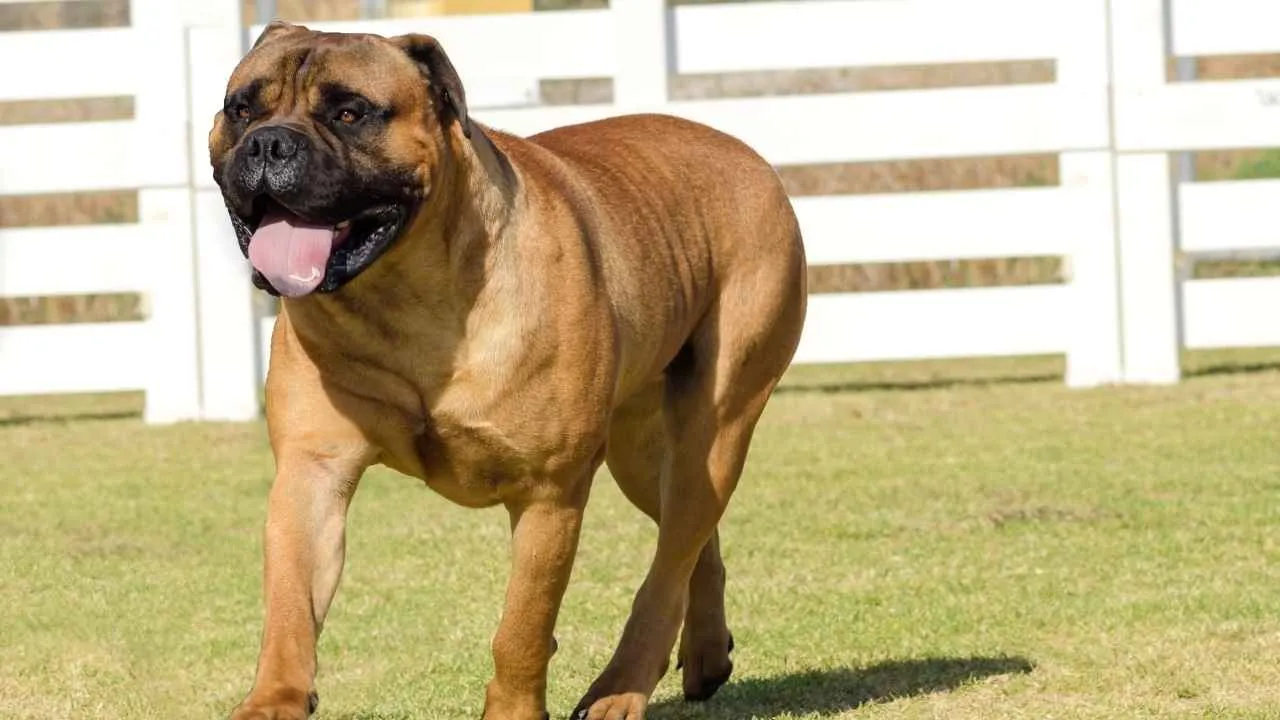
The Bullmastiff was developed in 19th-century Britain as the famous “gamekeeper’s night dog,” bred to stop poachers quietly and effectively, as per Hill’s Pet. A blend of Mastiff power and Bulldog agility, the breed was built for short bursts of action rather than endurance.
Calm Confidence with Firm Guidance
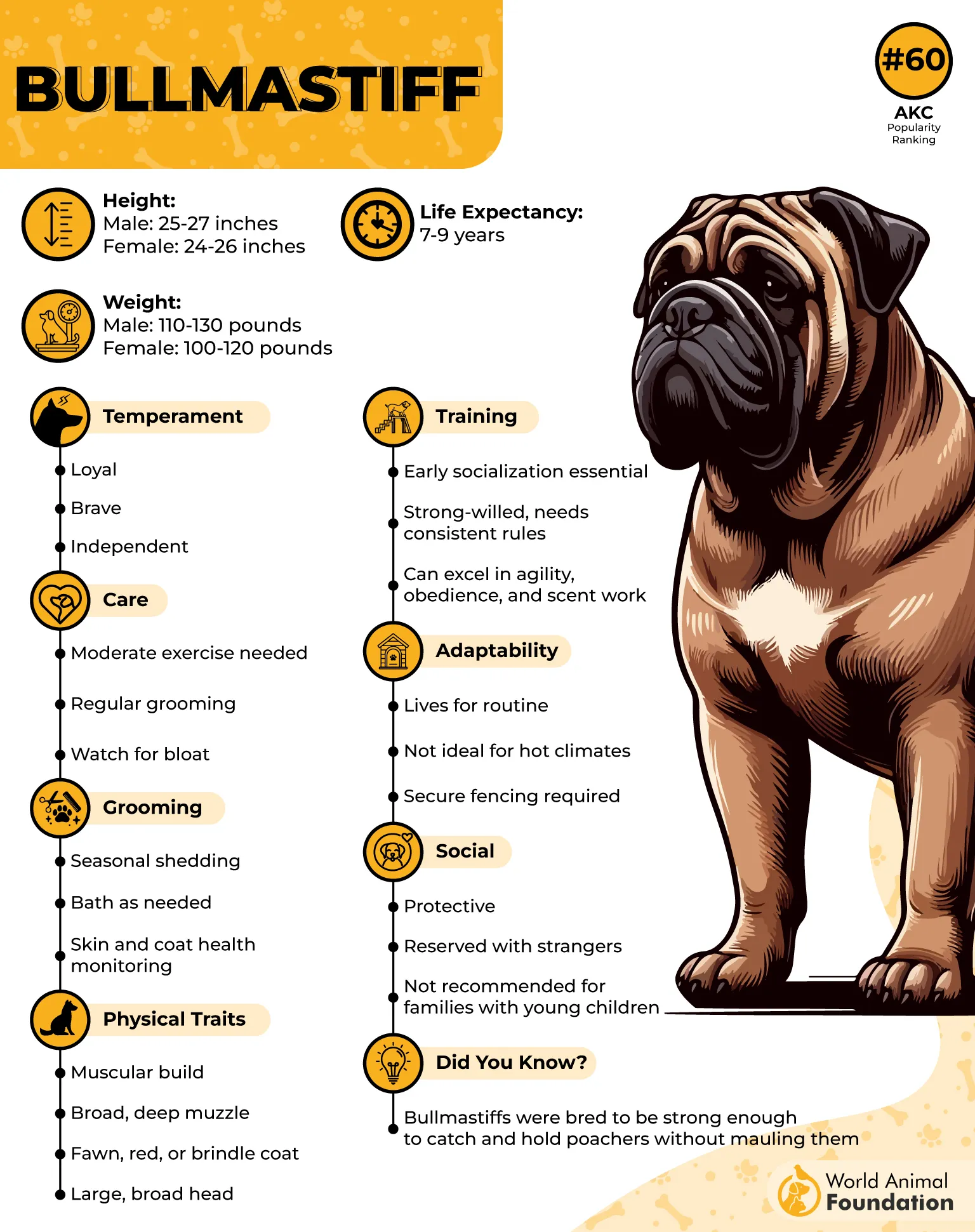
Bullmastiffs are deeply loyal and naturally protective, making early socialization an essential part of training. They are intelligent but independent thinkers, so training requires patience, consistency, and positive reinforcement. Once boundaries are established, they settle into routines with little fuss.
Minimal Grooming, Maximum Relaxation
Grooming a Bullmastiff is refreshingly easy thanks to its short, weather-resistant coat. Weekly brushing is usually enough to keep shedding under control and coats clean. They don’t demand intense physical activity and are happiest relaxing near their family.
Why the Bullmastiff Is a Low-Maintenance Companion
A short coat requires very little grooming
Low to moderate exercise needs
Calm, laid-back temperament indoors
Naturally loyal and home-focused
Adapts well to predictable daily routines
6. Greyhound
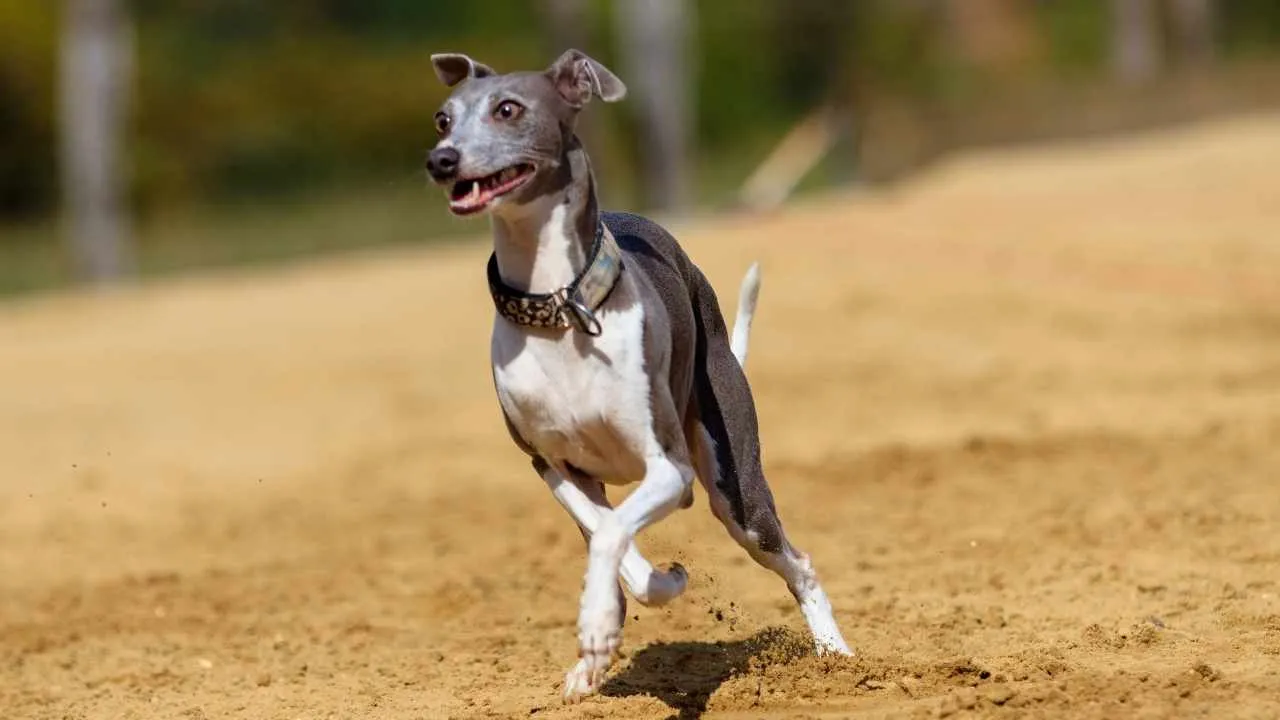
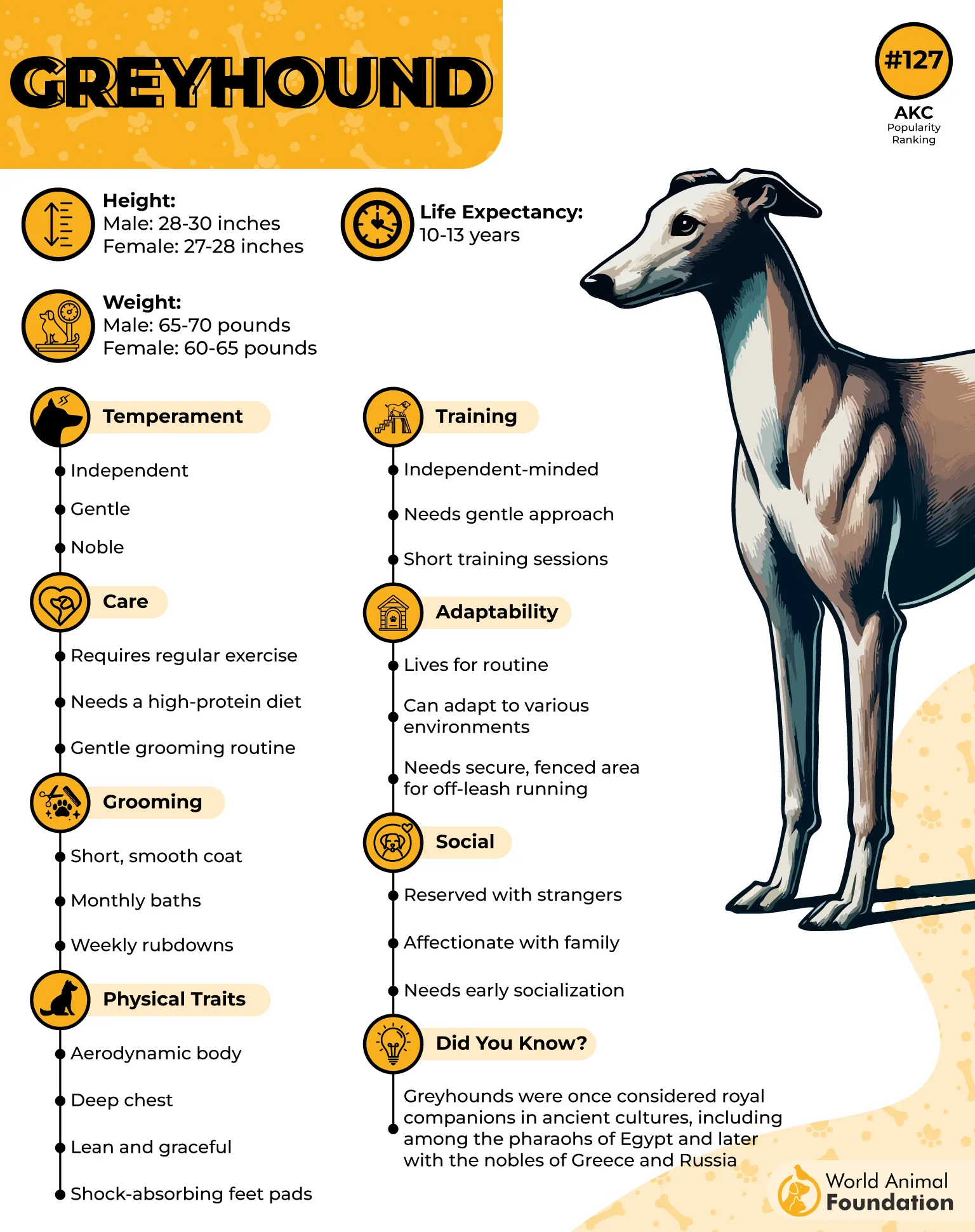
The Greyhound is one of the oldest dog breeds in the world, celebrated for its speed, grace, and aristocratic history. Revered in ancient Egypt and prized by nobility, this sighthound was bred to chase prey using vision and lightning-fast bursts of speed.
Independent Thinkers with a Soft Heart
Greyhounds are intelligent but naturally independent, shaped by generations of self-directed hunting and racing. Training requires patience, short sessions, and positive reinforcement rather than strict control. While reserved with strangers, they are affectionate and loyal with their families.
Sleek Coats and Effortless Grooming
Grooming a Greyhound is remarkably simple thanks to its short, smooth coat. They shed lightly and need only occasional brushing, baths, and routine nail trims. Despite their athletic background, they are true couch potatoes indoors.
Why the Greyhound Excels as a Low-Maintenance Breed
A short coat requires very little grooming
Calm, quiet behavior inside the home
Needs only brief bursts of daily exercise
Rarely destructive when properly exercised
Naturally clean and low-odor breed
7. Great Dane
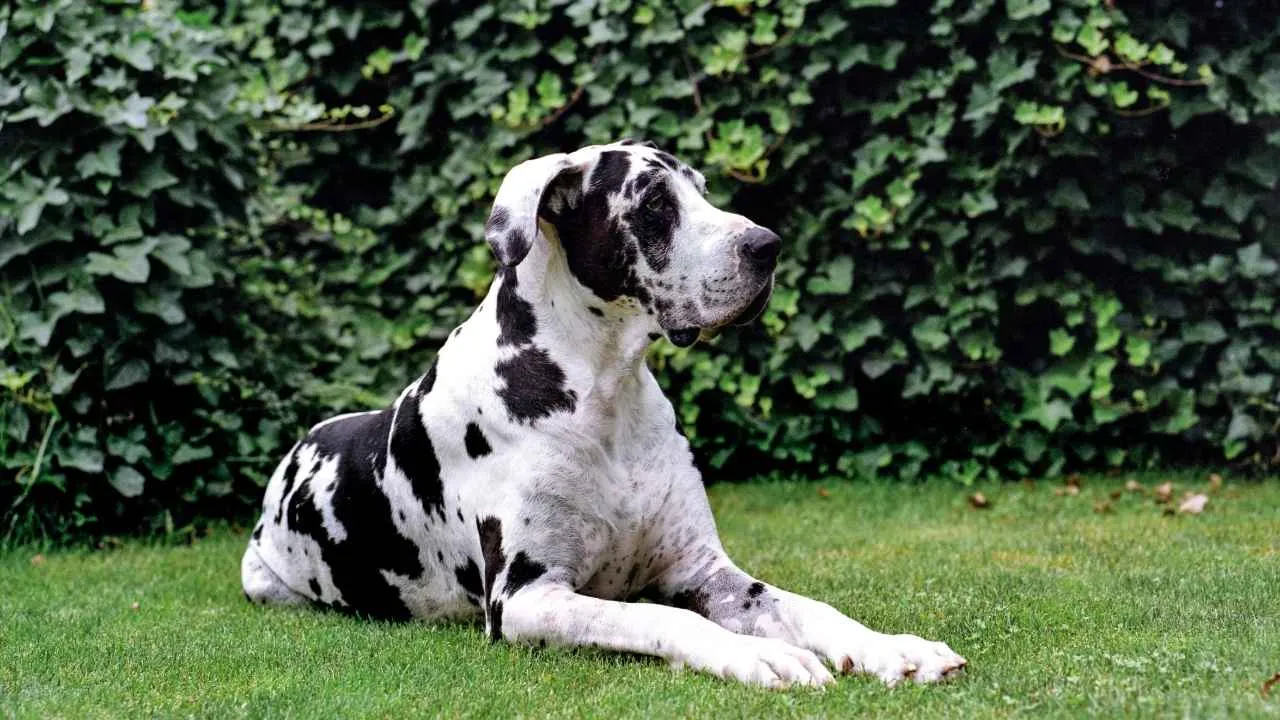
Great Danes have a rich history as guardians of estates and carriages, originally bred in Germany to hunt wild boar and protect noble families. Today, these tall dogs are more likely to lounge in a living room than chase wild game, offering a majestic presence without demanding intense work.
Simple Training for Gentle Giants
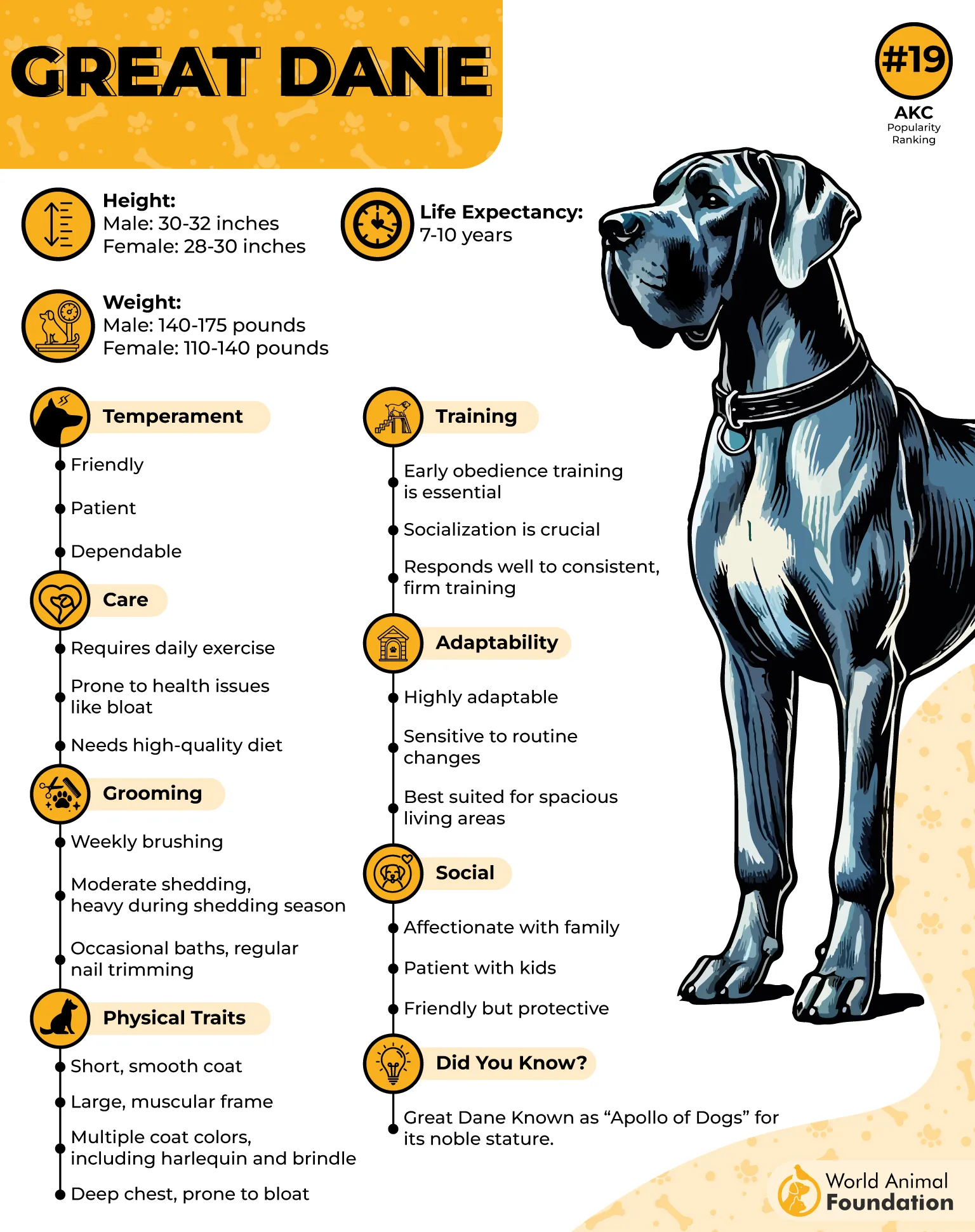
Despite their imposing size, Great Danes are generally easy to train, especially with early socialisation and consistent positive reinforcement. They form strong bonds with their families, are alert to strangers, and thrive with structured obedience.
Sleek Coats and Minimal Grooming Needs
With a short, smooth coat, Great Danes are relatively low-maintenance when it comes to grooming. Their modest grooming requirements, combined with their gentle disposition, make them ideal for owners who want a low-effort but loyal and loving companion.

Why Great Danes Are Ideal for Easy Care
Short, sleek coat requires minimal grooming
Light to moderate shedding that’s easy to manage
Calm and gentle temperament at home
Relatively easy to train with positive reinforcement
Loyal, affectionate, and family-friendly, needing moderate exercise
Conclusion
When it comes to wonderful low-maintenance dog breeds for simple care, pet parents can enjoy affectionate dogs that require minimal grooming and shed minimally. Regular exercise, gentle exercise, or moderate exercise ensures happy dogs without demanding high-maintenance routines.
Low maintenance breeds, from petite dog breeds to medium-sized dogs and even large dogs, offer loyal dog companionship with smooth coat, short coat, or double coat types that need only occasional brushing, weekly brushing, or occasional bath. Positive reinforcement and basic training from a young age help these adaptable dogs thrive with other pets or other dogs.
For dog owners seeking low-shedding, low-maintenance companions, these low-maintenance dog breeds provide a calm nature and affectionate nature, making them ideal for families, busy professionals, or single households.
