





Welcoming a low-cost dog breed into your family is one of life’s sweetest joys, but it can also come with a hefty price tag. Fortunately, some best dog breeds are kinder on the wallet than others. Factors like size, grooming needs, and overall health play a big role in determining how much a pup will cost over its lifetime.
Adopting from a shelter or rescue is another way to save, often costing far less than buying from a breeder, while giving a deserving dog a forever home. Beyond the financial side, choosing a cheap dog with the right temperament for your household is key.
When picking your new furry friend, think about your family’s daily routine, activity level, and space. Consistent training, regular walks, and shared responsibilities can turn any pup into a cherished family member. With the right match, even families on a budget can enjoy years of tail wags, playful cuddles, and endless companionship.
Wonderful Dog Breeds For Families On A Budget
Affordable dog breeds can bring priceless joy without breaking the bank.
1. German Wirehaired Pointer
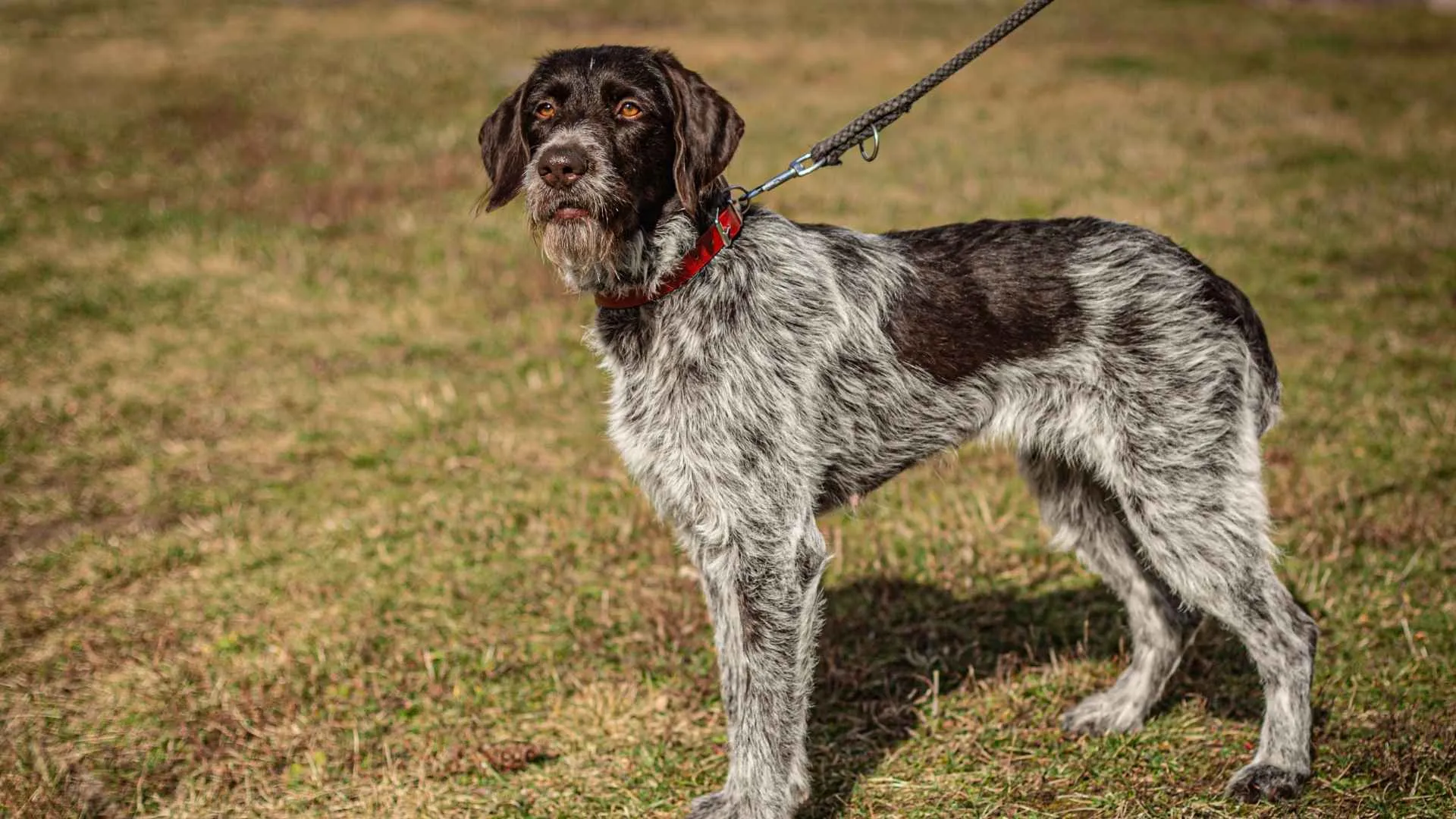
The German Wirehaired Pointer, or Deutsch-Drahthaar, was developed in 1800s Germany to handle all kinds of terrain, from forests to fields. Bred as a versatile hunting dog, this medium-sized, bearded companion could sniff, point, and retrieve game with ease.
Smart, Active, and Family-Oriented
Intelligent and affectionate, they bond deeply with their families and enjoy children who understand how to interact respectfully. Their hunting instincts mean supervision is key around cats or small animals, but their playful spirit makes them excellent companions.
Training and Care Made Simple
Though independent and inquisitive, German Wirehaired Pointers respond best to patient, positive reinforcement training. Their coat requires minimal grooming beyond the occasional brush, and a balanced diet keeps them healthy without costly supplements.
Why German Wirehaired Pointers Are Budget-Friendly for Families
Minimal grooming needs save money on professional care.
Hardy health and fewer chronic issues reduce vet expenses.
Moderate-sized dogs eat reasonable portions, keeping food costs manageable.
Strong, active dogs stay entertained with exercise, lowering behavioral problem costs.
Adoption or rescue options often cost less than buying from a breeder.
2. Collie
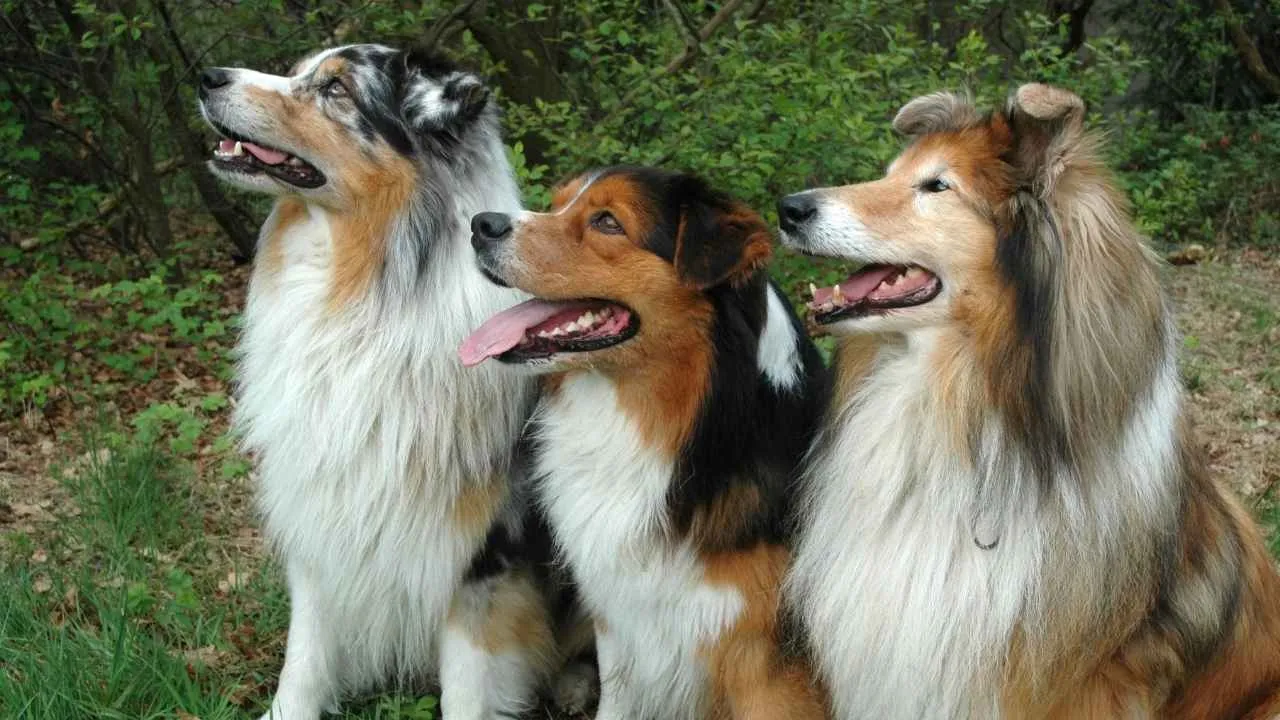
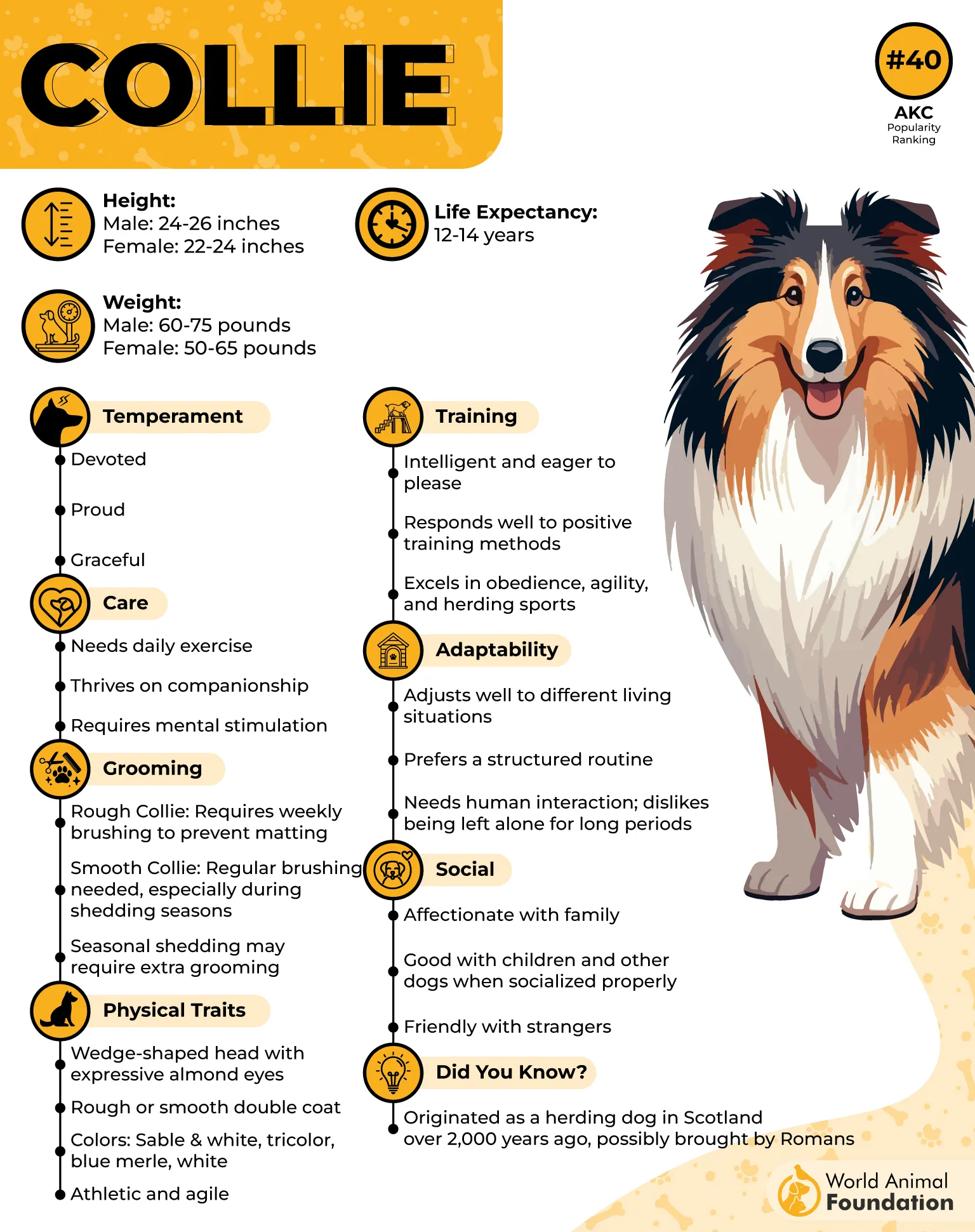
Collies have been treasured by shepherds in Scotland and England for centuries, prized for their intelligence and protective instincts. The breed comes in two forms: the Rough-Coated Collie with its flowing mane, and the Smooth-Coated Collie with a sleek, dense coat, as per Britannica.
Loyal, Gentle, and Child-Friendly
Famous for their role in “Lassie” and adored by Queen Victoria, Collies are affectionate and protective with children. While friendly with other pets, they may be cautious around strangers, reflecting their herding instincts.
Smart Training and Easy Care
Highly trainable and quick learners, Collies excel in obedience, herding, and even specialized work like search and rescue. Their coats require weekly brushing, making grooming manageable, and their moderate size keeps food and medical costs reasonable.
Why Collies Are a Budget-Friendly Family Choice
Moderate grooming needs keep salon visits low.
Healthy, hardy breed with fewer chronic ailments.
Medium-sized dogs eat reasonable amounts of food.
Intelligent and trainable, reducing behavior-related costs.
Adaptable to family life, lowering the need for additional pet care.
3. Dalmatian

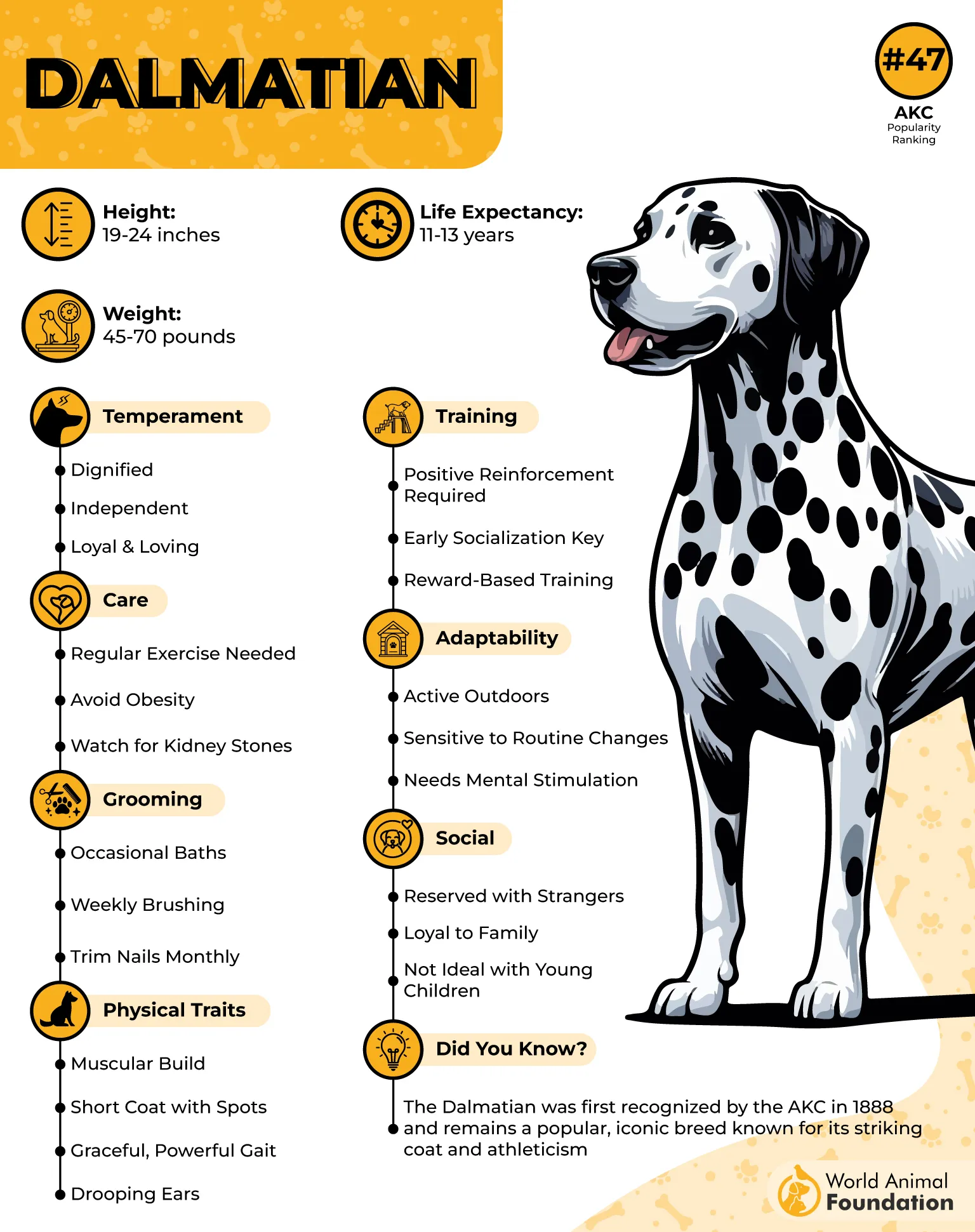
The Dalmatian, hailing from Croatia’s Dalmatia region, began as a coach dog, running alongside horse-drawn carriages and guarding passengers. Known for their sleek, spotted coats, these medium-sized dogs are athletic, alert, and ready for adventure.
Energetic, Loyal, and Playful
Dalmatians are lively and affectionate, forming strong bonds with their families while keeping up with active kids and adults. They thrive on long runs, hikes, and outdoor games, and their playful intelligence shines in dog sports like agility, tracking, and obedience.
Training and Care Without the Hassle
While strong-willed, Dalmatians respond well to consistent, reward-based training and enjoy learning new skills. Their short coats are easy to maintain with weekly brushing, and moderate-sized meals keep food costs manageable, as per PDSA.
Why Dalmatians Make Budget-Friendly Family Dogs
A short coat reduces grooming expenses.
Hardy, generally healthy breed lowers vet bills.
Moderate size keeps food portions affordable.
Active, intelligent dogs are less likely to develop costly behavioral issues.
Can be adopted from shelters or rescues at lower costs than breeders.
4. Redbone Coonhound

The Redbone Coonhound, an American original, was crafted by settlers for raccoon hunting across the rugged South. With a sleek, mahogany-red coat and flowing, houndy lines, these medium-to-large dogs combine elegance with power, as per Purina.
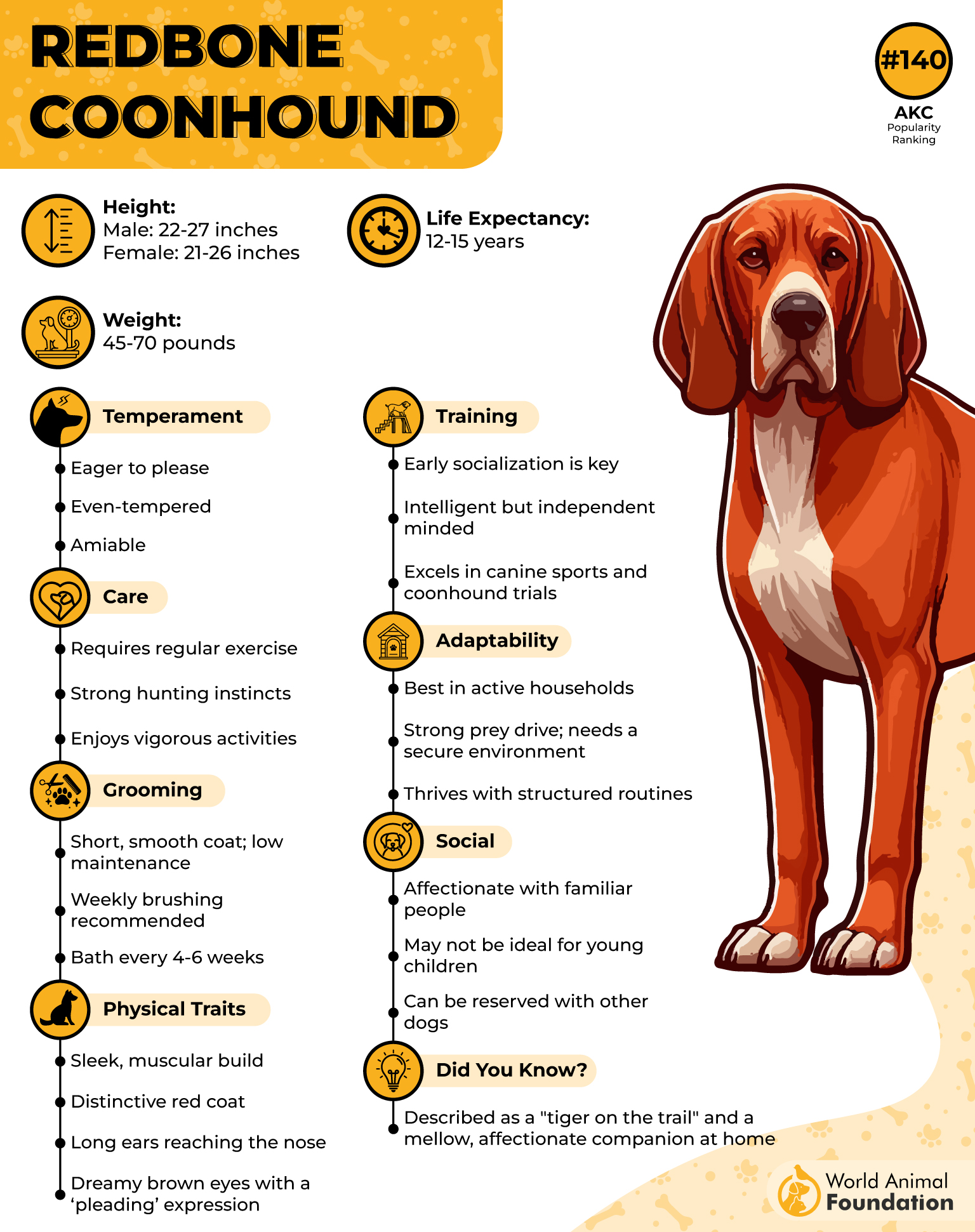
Energetic Yet Easygoing
While tireless on the trail, Redbones are a mellow and affectionate breed at home, enjoying long naps between bursts of activity. Their scent-driven curiosity keeps them exploring, but they are gentle, friendly, and generally good with children.
Training and Maintenance Made Simple
Their short, smooth coat requires minimal grooming, and basic care like brushing, ear cleaning, and dental attention keeps them healthy. With adequate exercise, they are low-maintenance, loyal companions for active households.

Why Redbone Coonhounds Are Budget-Friendly Family Dogs
A short coat keeps grooming costs low.
Hardy breed with few chronic health issues.
Medium-to-large size makes food portions reasonable.
Playful, active dogs reduce destructive behavior costs.
Adoption or breeder options are often more affordable than other rare breeds.
5. Greyhound

Greyhounds are one of the oldest dog breeds, celebrated for centuries as symbols of speed and grace. With a streamlined body, deep chest, and long legs, they can reach speeds up to 45 miles per hour. Their short, smooth coat comes in a variety of colors, requiring minimal grooming while showcasing their aristocratic heritage.
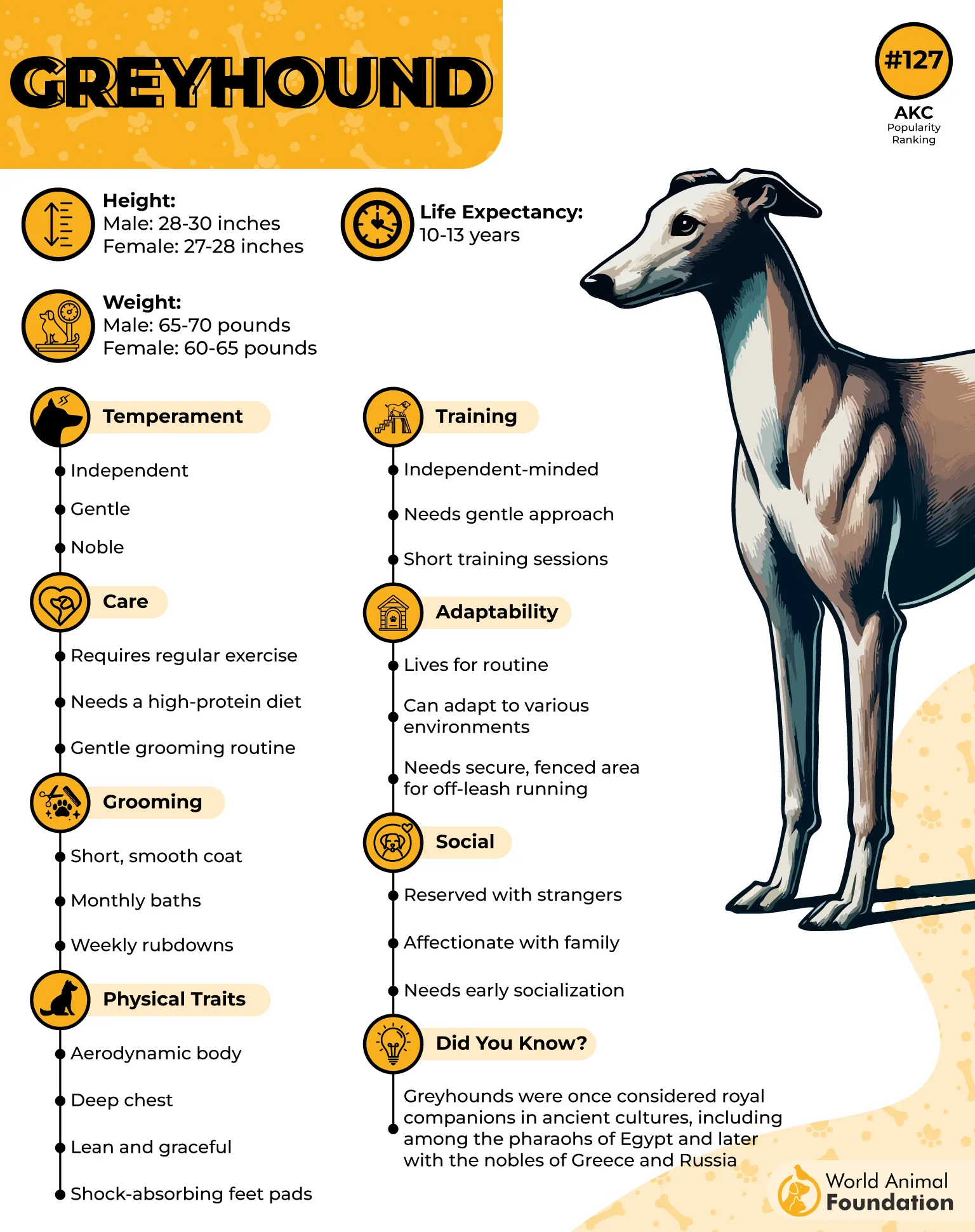
Gentle Companions for Families
Though bred for sprinting, Greyhounds are surprisingly calm at home, enjoying long stretches of rest between short bursts of high-speed exercise. With proper early socialization, Greyhounds can live peacefully with children and other pets, though their strong chase instinct should be managed carefully.
Easy Care, Smart Choices
Greyhounds are low-maintenance dogs that thrive with moderate exercise and weekly brushing. They require minimal food and healthcare compared to other active breeds, making them a practical choice for families who want a gentle, athletic companion.
Why Greyhounds Are Budget-Friendly Family Dogs
A short coat keeps grooming costs very low.
Minimal exercise needs reduce daycare or activity expenses.
Generally healthy breed with few chronic issues.
Moderate food intake keeps feeding costs manageable.
Often available for adoption from retired racing programs at a lower cost than many purebreds.
6. English Setter
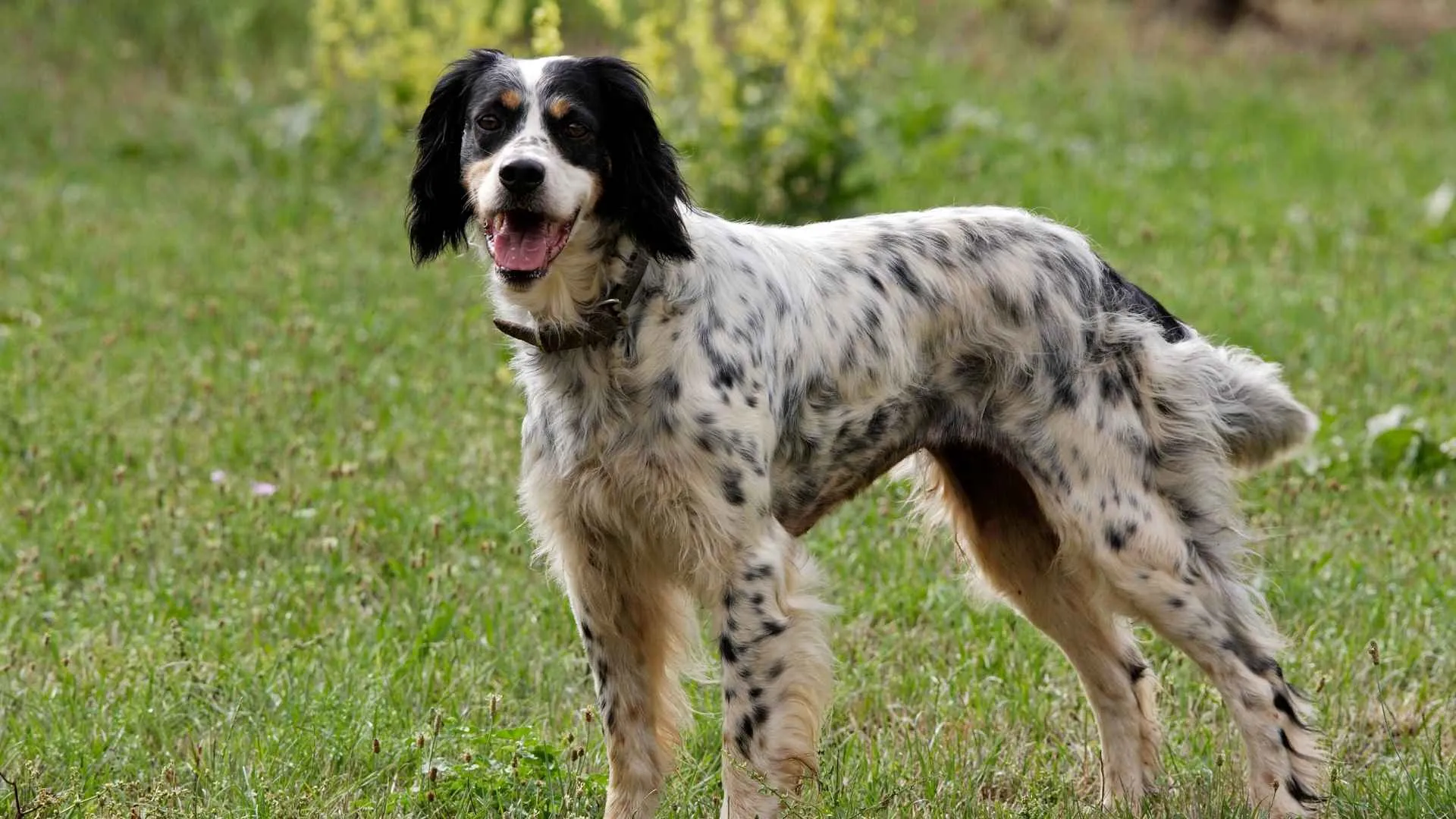
The English Setter is a medium-sized sporting dog known for its grace, charm, and striking speckled “belton” coat in shades like liver, lemon, and orange. Bred in England over 400 years ago by crossing spaniels and pointers, these dogs were designed to quietly “set” when they located game birds, as per WebMD.
Gentle, Loving, and Sociable
English Setters are naturally friendly and enjoy the company of children, other pets, and humans alike. They are sensitive, eager to please, and alert enough to notify you of visitors without being overbearing. Though active and curious, they flourish in a home where they receive daily exercise and consistent, positive training.
Stunning Coats, Low-Stress Lifestyle
With their long, silky, feathered coat, English Setters require regular grooming, but their overall health and moderate exercise needs make them surprisingly manageable. They are gentle, adaptable, and can live happily in a variety of family settings, provided their curiosity is safely managed with a secure yard.
Why English Setters Are Great Budget-Friendly Family Dogs
Moderate food requirements keep feeding costs reasonable.
Generally healthy with few chronic issues compared to other sporting breeds.
Friendly, gentle temperament reduces the need for professional behavioral intervention.
Adaptable to both active and calm households, minimizing extra activity expenses.
Can be adopted from rescues or breed-specific programs at lower initial costs.
7. Otterhound

The Otterhound is a large, rough-coated scent hound with a distinctive bearded face, webbed feet, and a water-resistant double coat built for hunting in rivers and wetlands. Originally bred in medieval England to track otters, these low-maintenance dog breeds are strong, agile, and built to work in all kinds of weather.
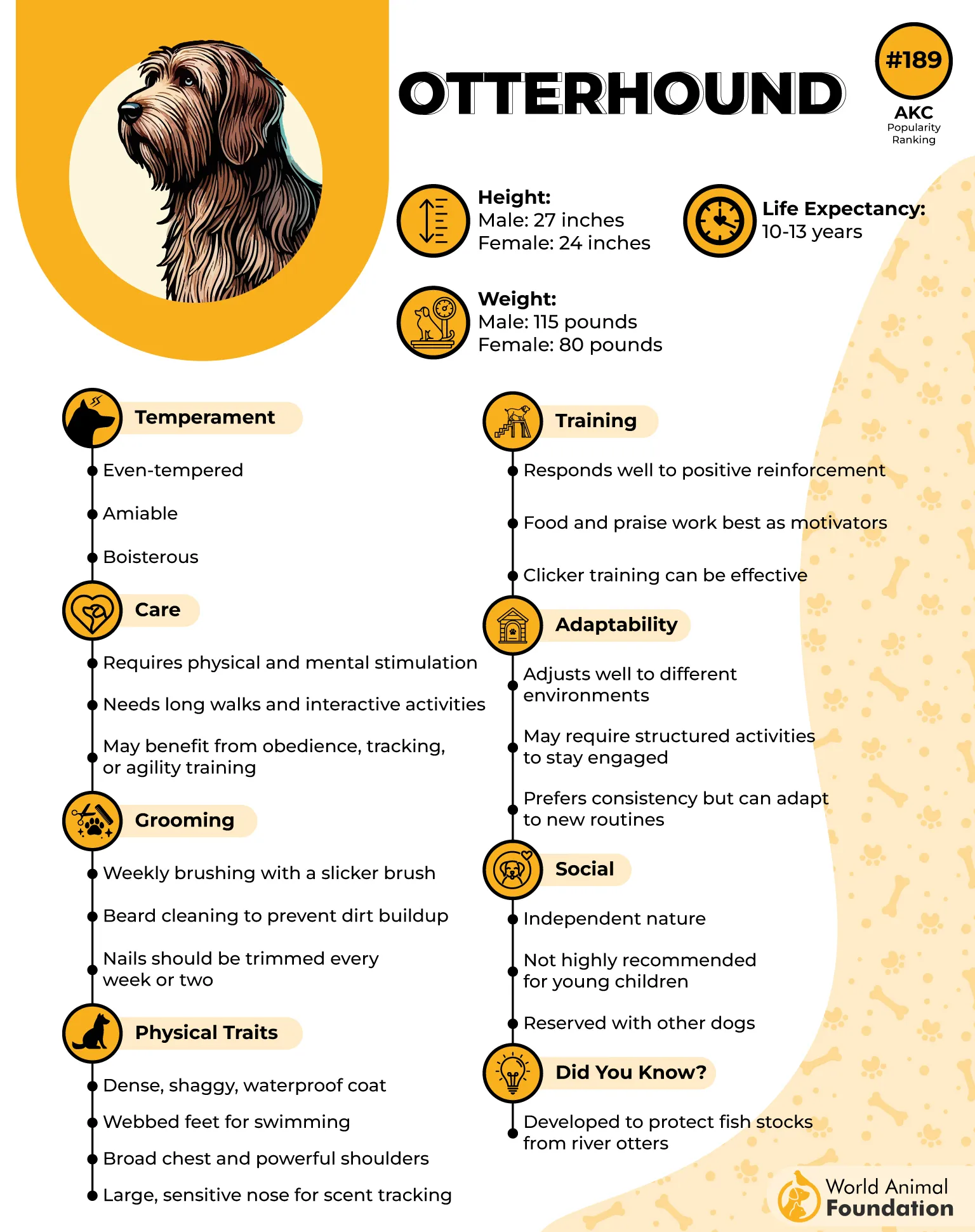
Gentle, Social, and Clownish
Otterhounds are friendly, outgoing, and have a playful sense of humor that makes them stand out among hounds, as per PetMD. Despite their size, these affectionate giants love to cuddle, making them surprisingly gentle family companions.
Grooming and Exercise Essentials
With a long, shaggy coat, Otterhounds require weekly brushing and occasional bathing, but they are generally low-maintenance when it comes to haircuts. They need regular exercise and mental stimulation to thrive, as well as positive reinforcement training to keep their boisterous energy in check.
Why Otterhounds Are Great for Families
Friendly and social with both humans and other pets.
Loyal and affectionate, often cuddling despite their large size.
Moderate grooming needs if maintained regularly; no haircuts required.
Enjoy mental and physical stimulation, making them ideal for active families.
Playful, humorous personalities add charm and fun to daily life.
Conclusion
Finding the right affordable dog breed doesn’t have to break the bank. Some cheap dog breeds are lower maintenance, eat less, and generally have fewer health issues, making them easier on your wallet. Adoption is another great option, offering loving companions at a fraction of the cost.
Before bringing a new friend home, think about your lifestyle, living space, and family dynamics. Some dogs thrive with active kids, while others prefer a calmer environment. Doing a little research and asking for guidance can help ensure a perfect match for everyone.
Once your new companion joins the family, plan for daily walks, playtime, feeding, and grooming to keep everyone happy. With consistent care and positive training, you’ll quickly discover just how much joy a four-legged friend can bring. Life truly gets brighter when tails are wagging at your side.
