




Apartment life doesn’t have to mean giving up on the warmth, laughs, and loyalty that come with a dog. Plenty of breeds can thrive as indoor-first companions, turning small spaces into cozy homes—no backyard required.
The trick is looking beyond size. A good match hinges on temperament, energy level, and grooming demands. Some petite pups are natural homebodies, while certain bigger dogs surprise people by being calm, quiet, and perfectly content with soft beds and short strolls.
Even if you’re an indoor-only owner, daily walks, playtime, and mental stimulation still matter for every dog’s health and happiness. Add in practical details like shedding and coat care, and you’ve got a clear roadmap for choosing a breed that fits your routine—and keeps your living space feeling comfortable.
In this guide, we’ll explore dog breeds that adapt well to indoor living, from laid-back “couch potato” types to more active companions who can still flourish indoors with a consistent exercise plan.
Wonderful Dog Breeds for Indoor-Only Owners
1. Cavalier King Charles Spaniel
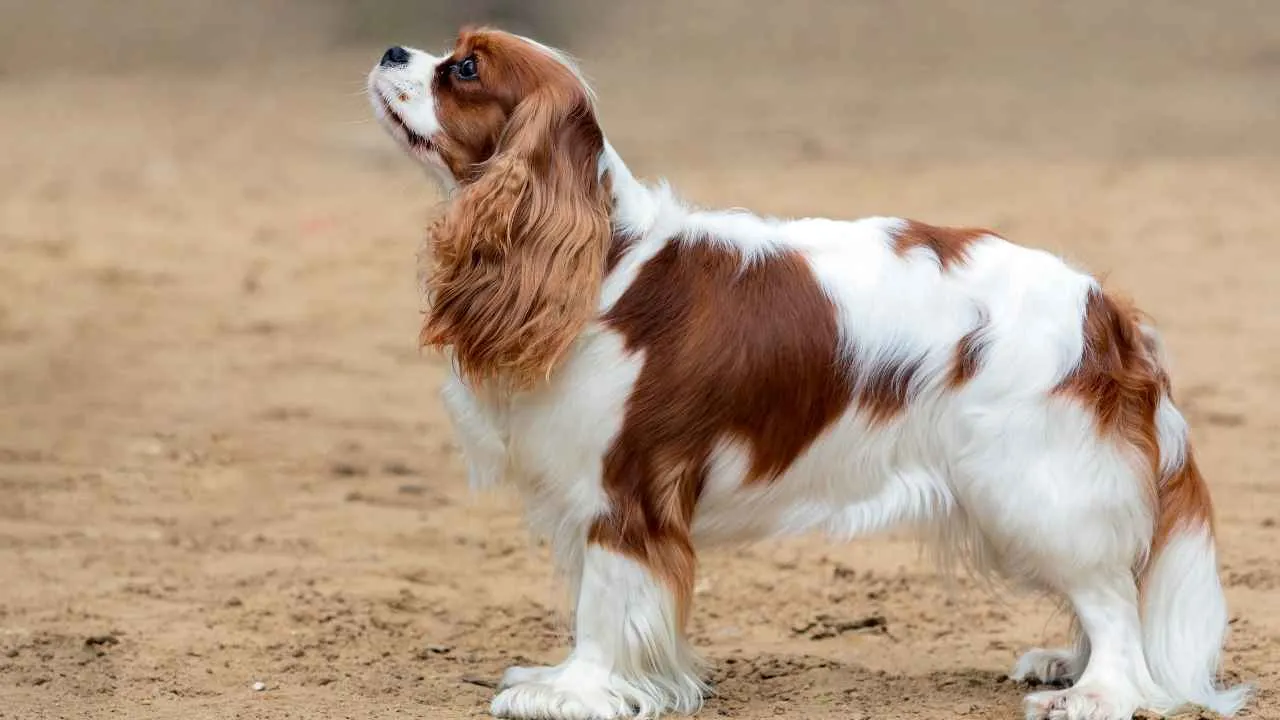
The Cavalier King Charles Spaniel—often called the Cavalier—is a gentle, people-centered companion with a soft, sweet expression and an easygoing vibe that suits indoor-focused homes.
The AKC states that the Cavalier King Charles Spaniel’s name reflects its longstanding ties to British history. Adaptable by nature, this breed tends to “match” your routine, whether that’s quiet evenings or casual outings.
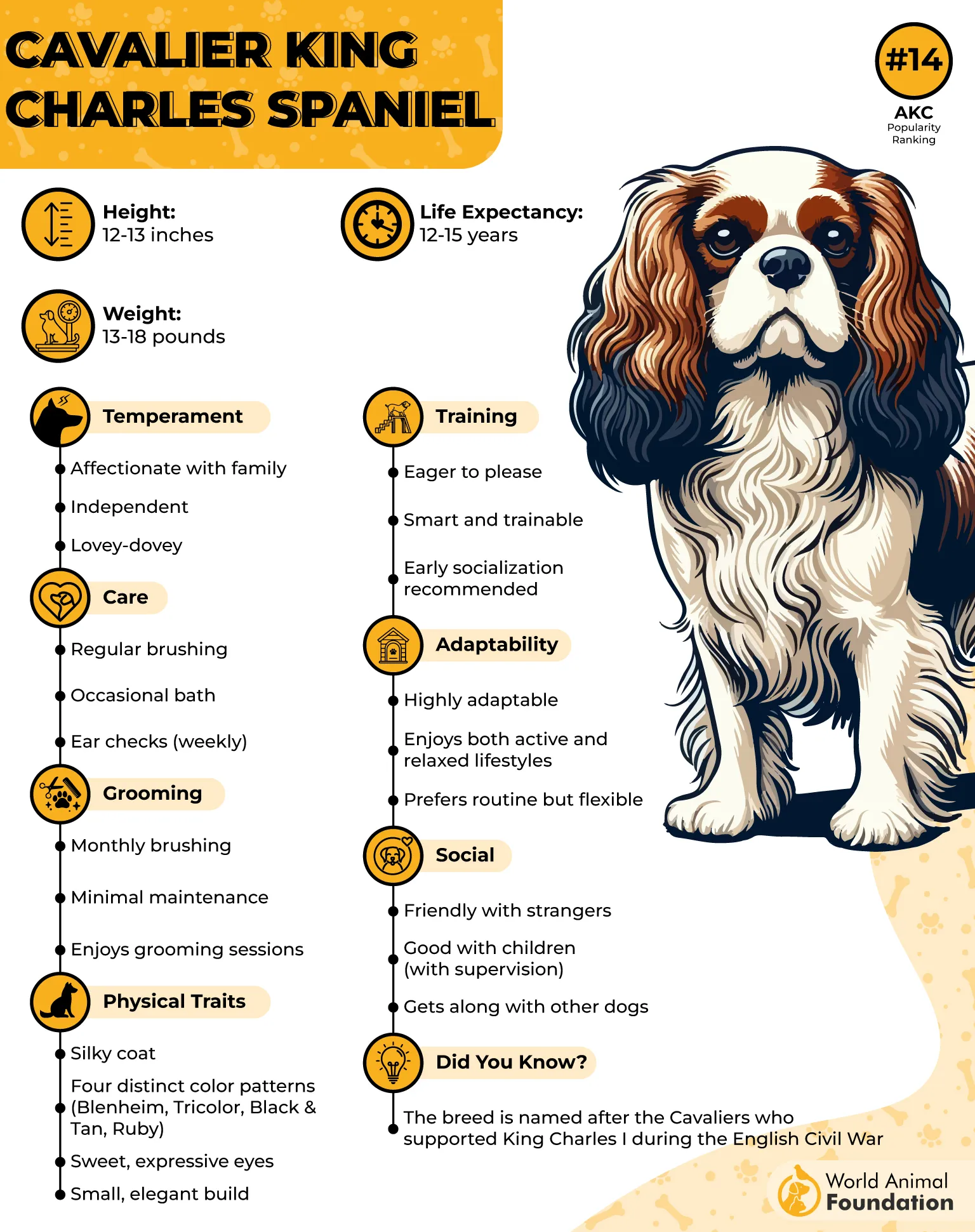
For indoor-only owners, Cavaliers shine because they’re social and happiest when close to their humans. They’re typically affectionate with children, offering a calm, cuddly presence that still has a playful spark without feeling overwhelming in a smaller space.
Their activity needs are moderate, so a couple of regular walks plus indoor play can keep them content. Because they’re known to be easy to keep and train, simple routines—short training games, gentle boundaries, and daily attention—often fit smoothly into home life.
One indoor-living reality to note: Cavaliers don’t like being left alone for long, and they may bark at a knock or a bird outside.
Fact: Cavalier King Charles Spaniels are indoor dogs who don’t do well left alone.
2. Shih Tzu

The Shih Tzu—also called the “Lion Dog”—is known for a sweet face, short muzzle, and an indoor-loving personality.
PetMD states that the Shih Tzu is a Tibetan toy breed that was bred specifically to be a furry companion. Bred to stay close to people, this small dog fits naturally into apartment routines and family life.
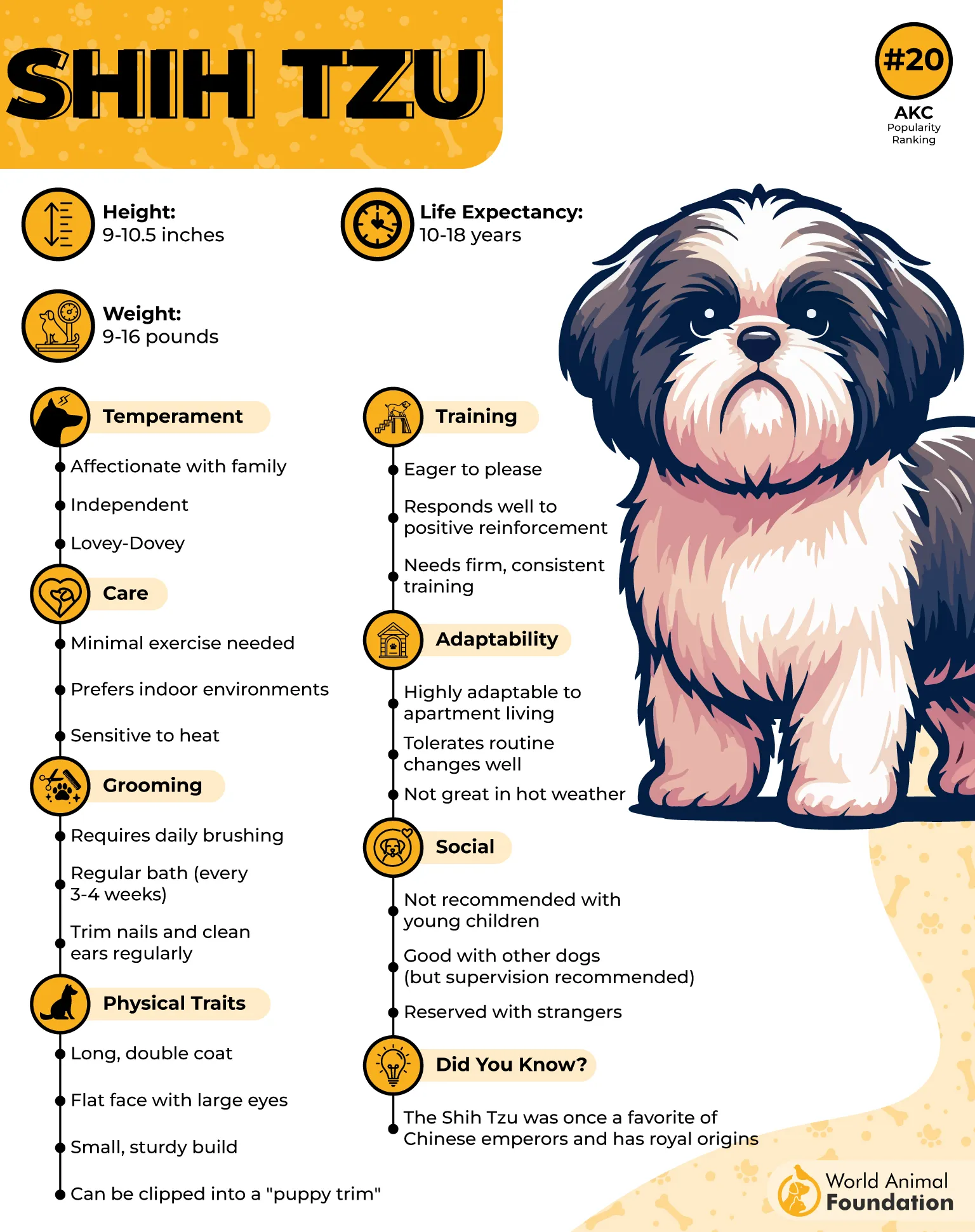
For indoor-only owners, Shih Tzus shine with a generally calm demeanor and affectionate temperament that craves human interaction. They’re happiest when they can follow you room to room, then curl up for a serious nap session.
Their energy level is manageable, but don’t be surprised if you need a little motivation to get them moving. Short walks and light play usually cover their needs, while keeping things gentle helps suit their compact build.
Coat care is the main trade-off: that luxurious coat needs regular brushing to control shedding and prevent tangles, and some individuals can be a bit yappy if bored. Fact: This breed was bred to be a lap dog and may need to be “bribed” to exercise.
3. Maltese
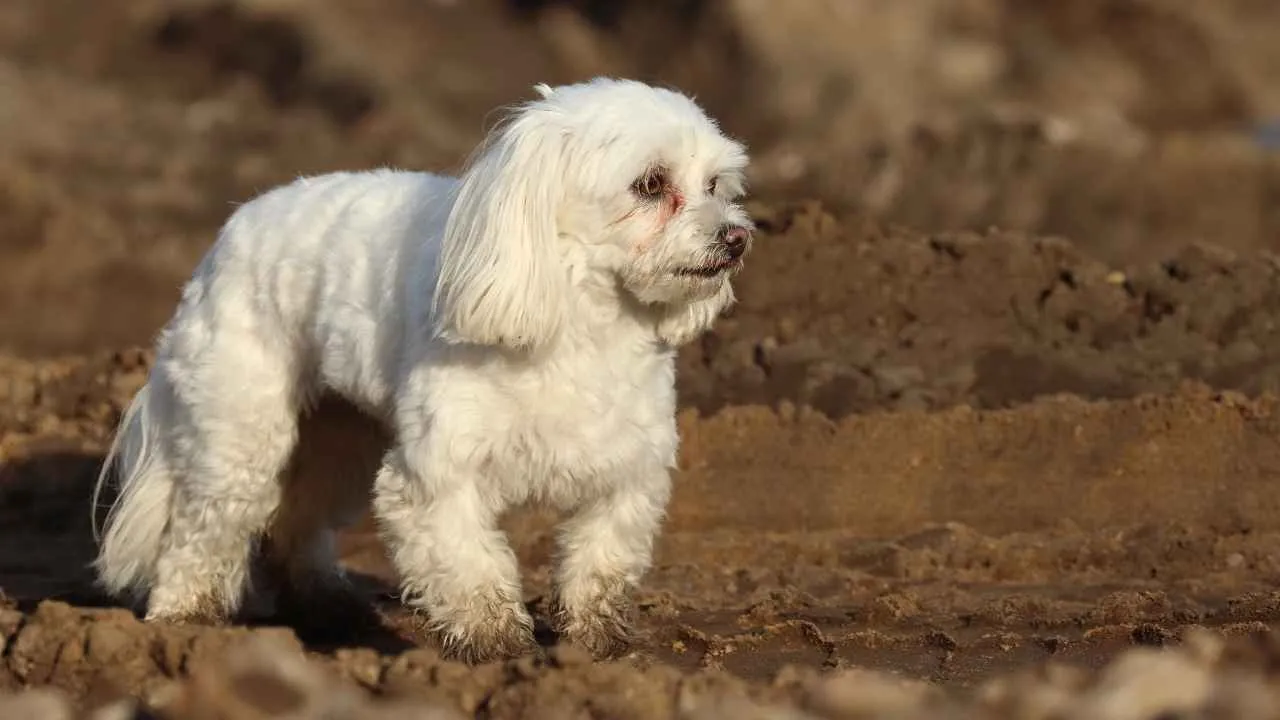
The Maltese—often called the “Ye Ancient Dogge of Malta”—is a toy-sized lap companion best known for its bright-white coat, tiny frame, and indoor-loving personality.
WebMD notes that Maltese dogs are a small breed known for their charming, playful personality. Originally bred to be close to people, this little charmer is happiest curled up nearby rather than roaming outdoors.
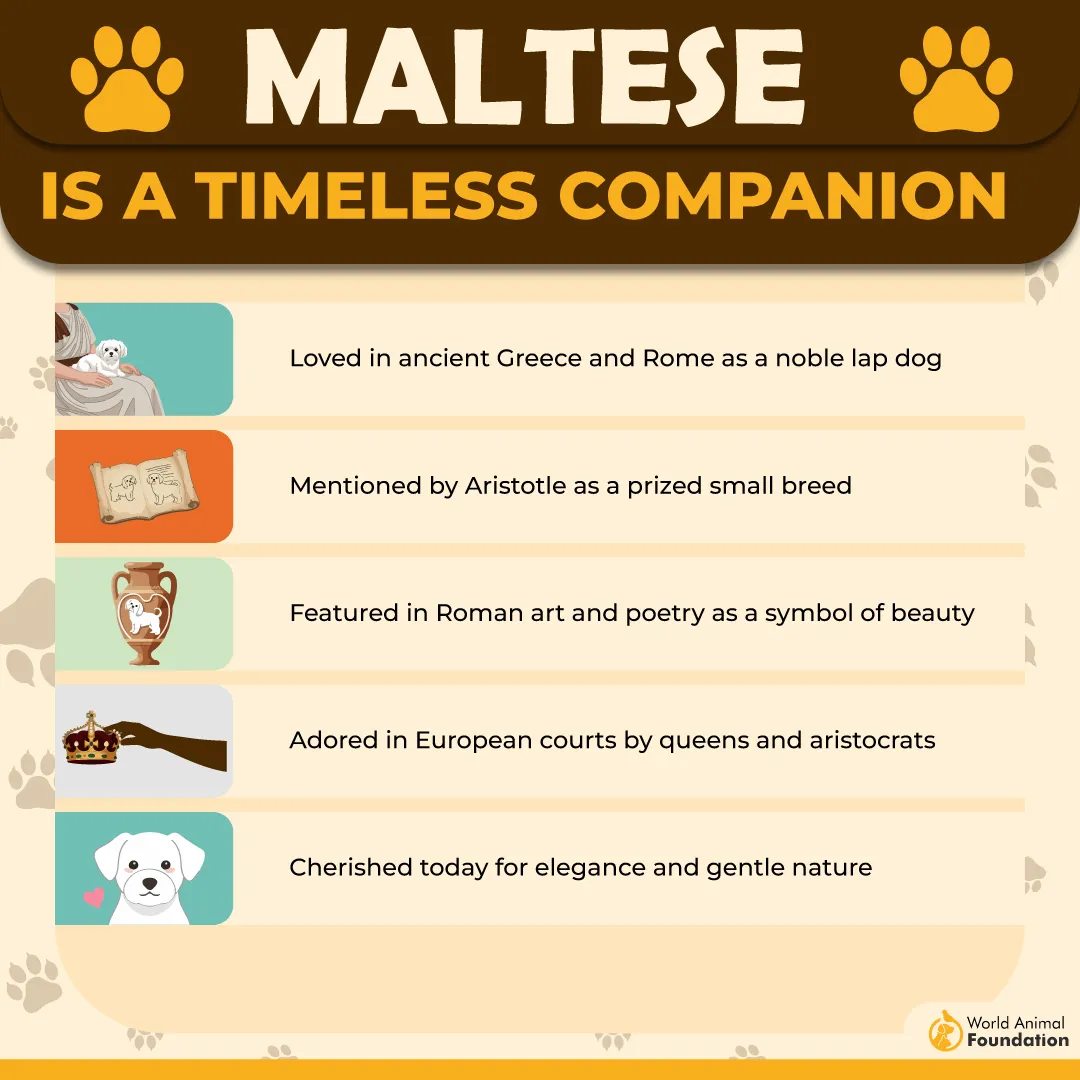
For indoor-only owners, Maltese dogs make life easy: they’re small enough for apartments, tend to be calm, and don’t need a huge amount of daily exercise to feel satisfied. A few short play sessions and a bit of fresh air time can be plenty, especially when paired with attention and cuddles.
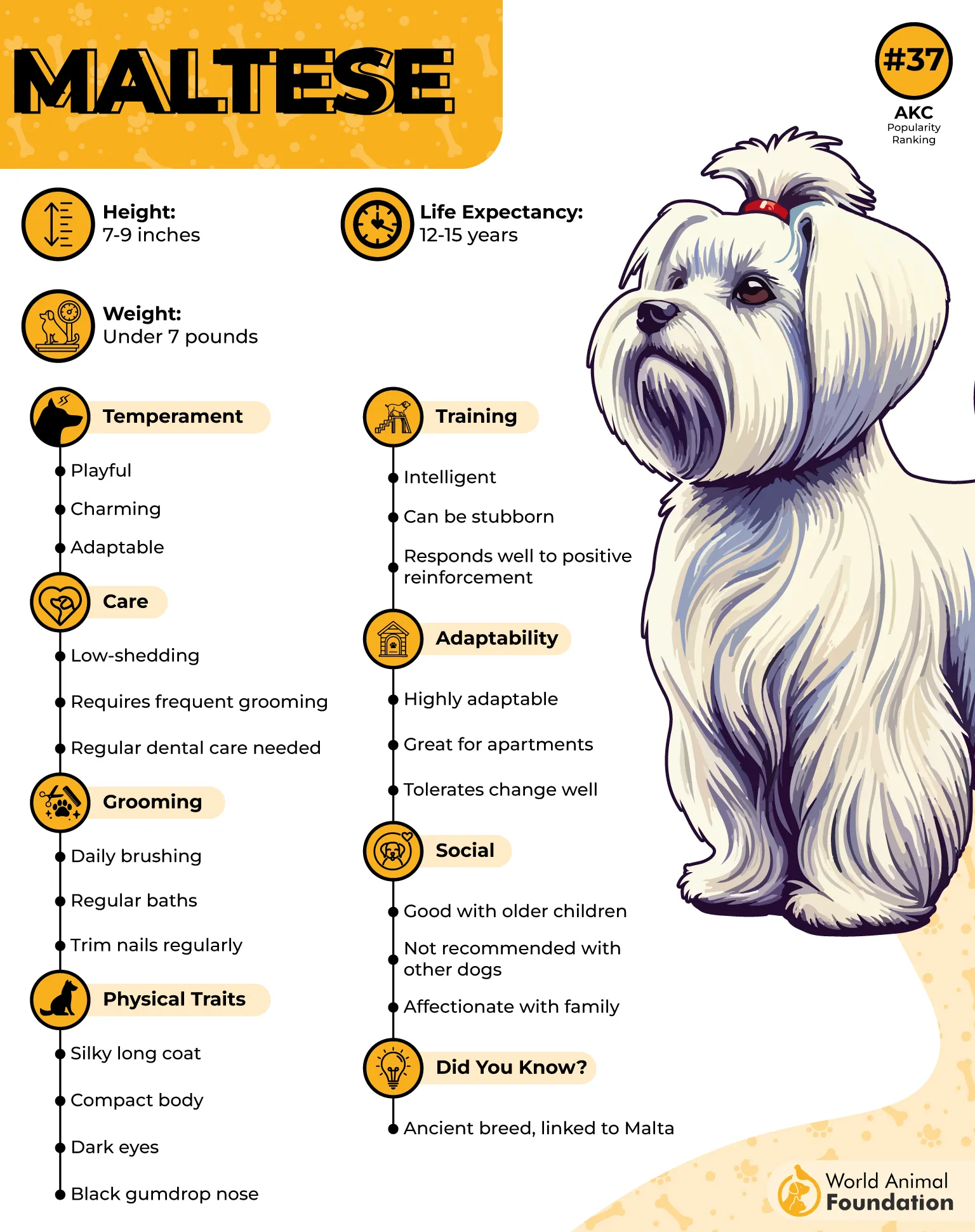
They’re also a practical choice for neat households because they shed very little and are generally quiet, which can help in shared-wall living. Since they’re affectionate and people-focused, they often thrive in homes where they aren’t left alone for long stretches.
Fact: Maltese can be trained to use a pee pad or tray indoors, making them especially apartment-friendly.
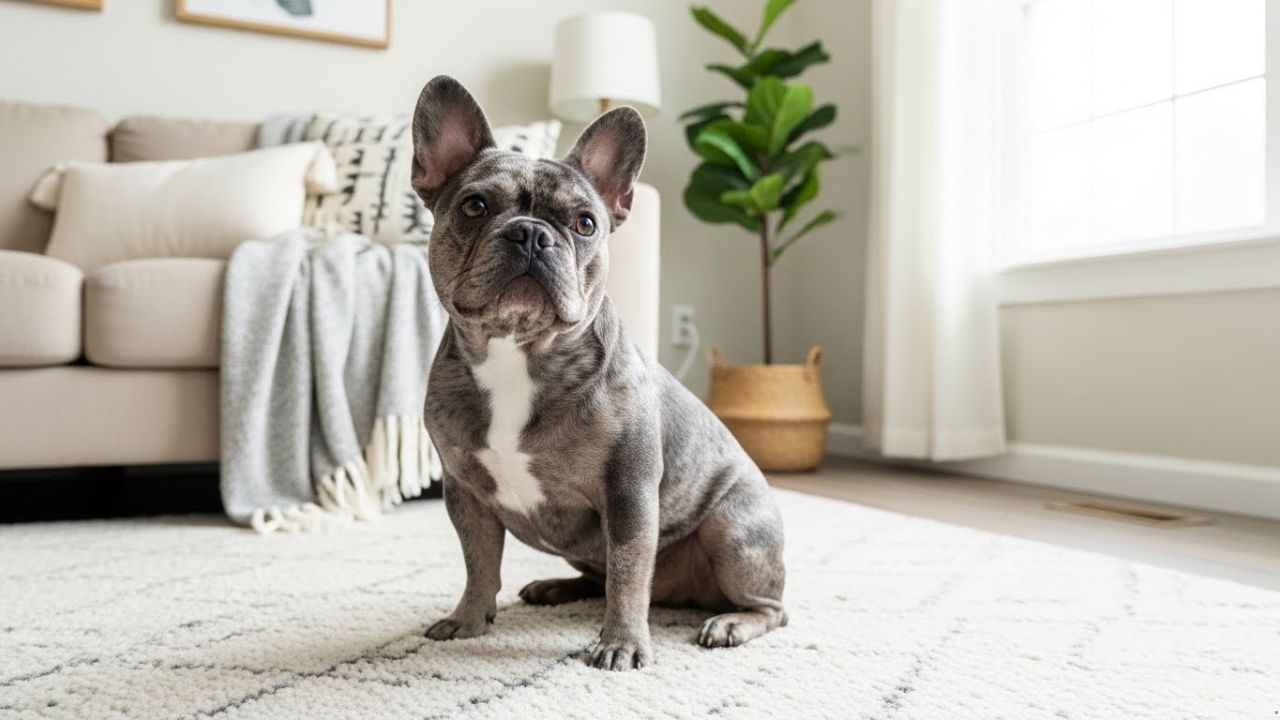
4. French Bulldog
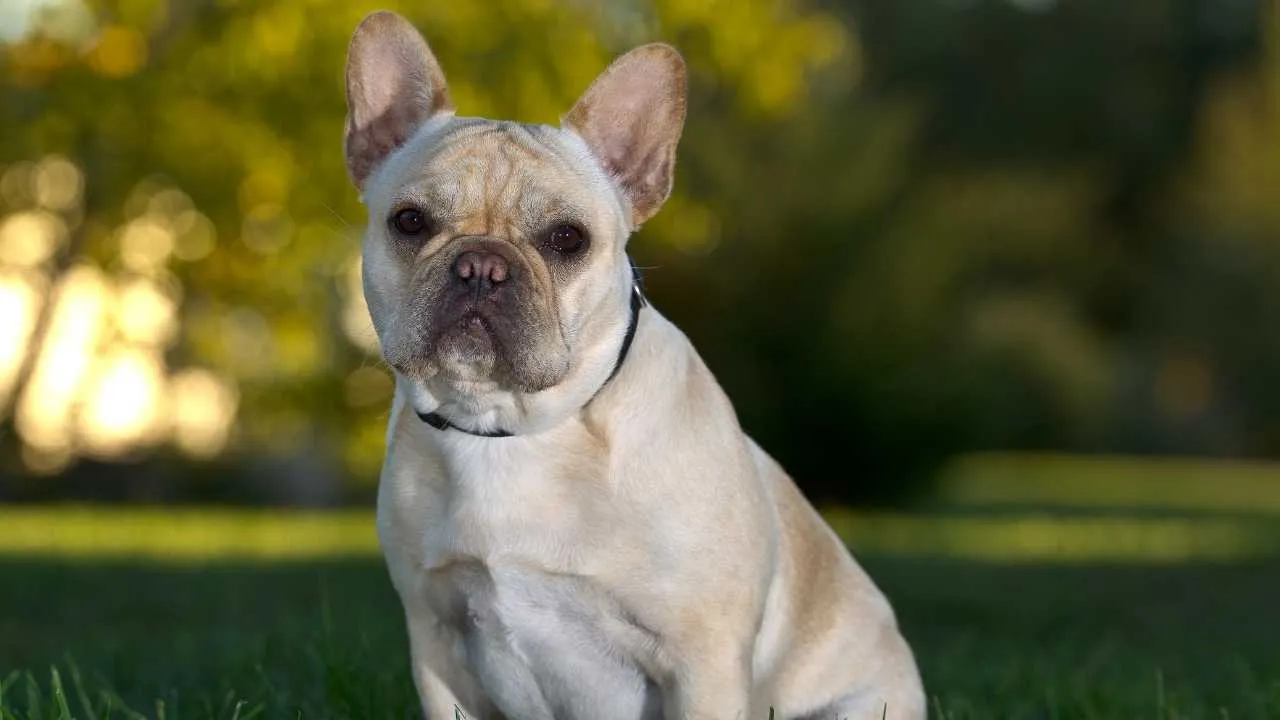
Often called the Frenchie (a smaller cousin of the English and American Bulldog), the French Bulldog is a compact, big-eared companion with a clownish charm and a serious love of being close to its people—ideal for indoor-only owners who want maximum personality in a smaller package.
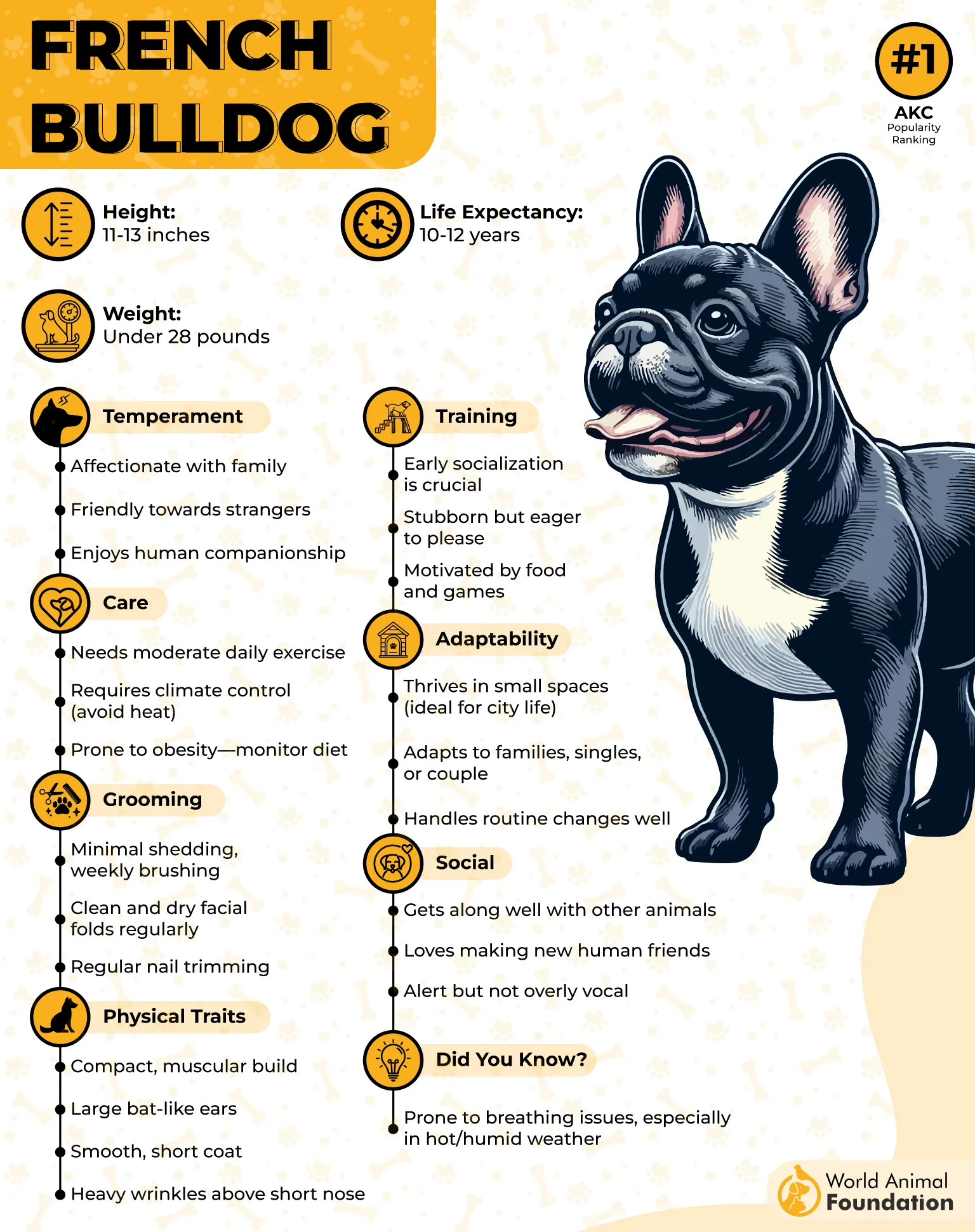
Because French Bulldogs are brachycephalic, they can struggle if they run too hard or too long, so indoor play sessions and short, steady walks usually fit them better than intense workouts. That same flat-faced build also means heat can be a problem, making a cool home environment especially important.
Frenchies can be affectionate and playful with a lively “always up for fun” vibe, but they may also get overexcited. A simple routine—calm greetings, short training games, and consistent rest times—helps channel that energy without turning your living room into a racetrack.
Fact: French Bulldogs are prone to overheating and often prefer cool, air-conditioned indoor spaces.
5. Bichon Frise
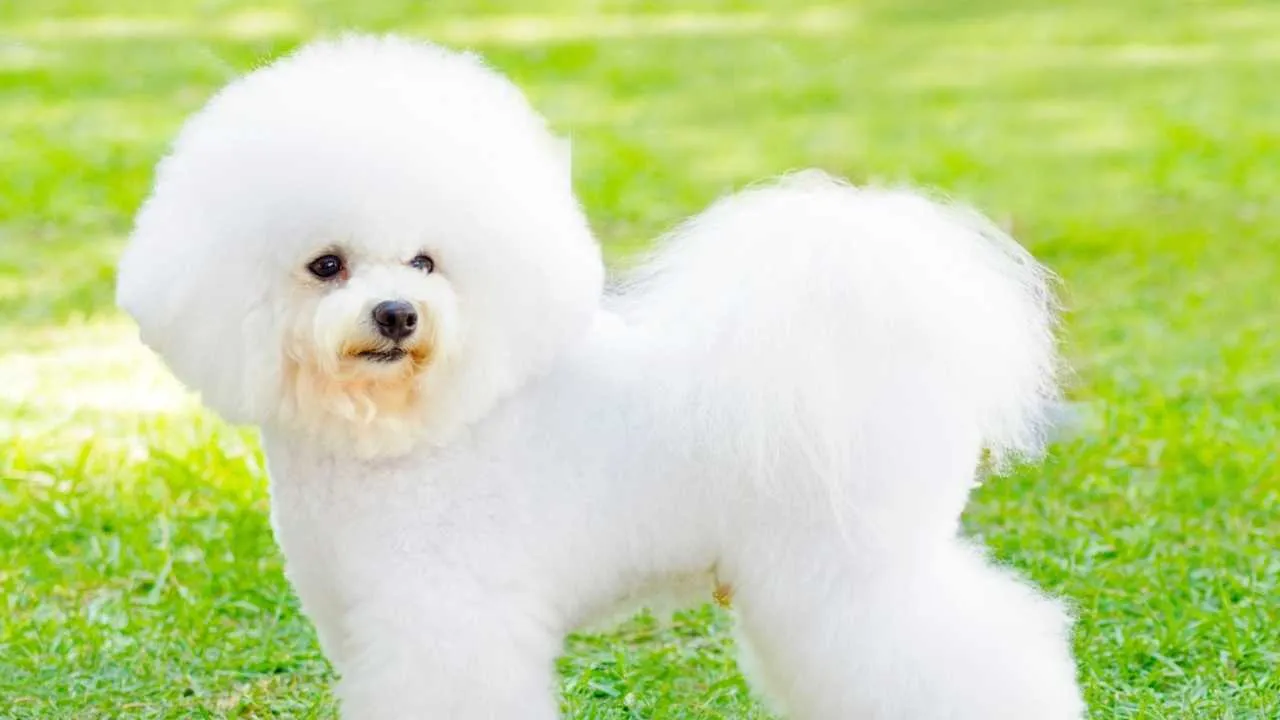
The Bichon Frise—also called the Bichon à poil frisé—is a small, cloud-fluffy companion known for a bright, happy attitude and a coat many allergy-prone owners appreciate. Social and people-focused, this breed tends to fit beautifully into indoor-first homes.
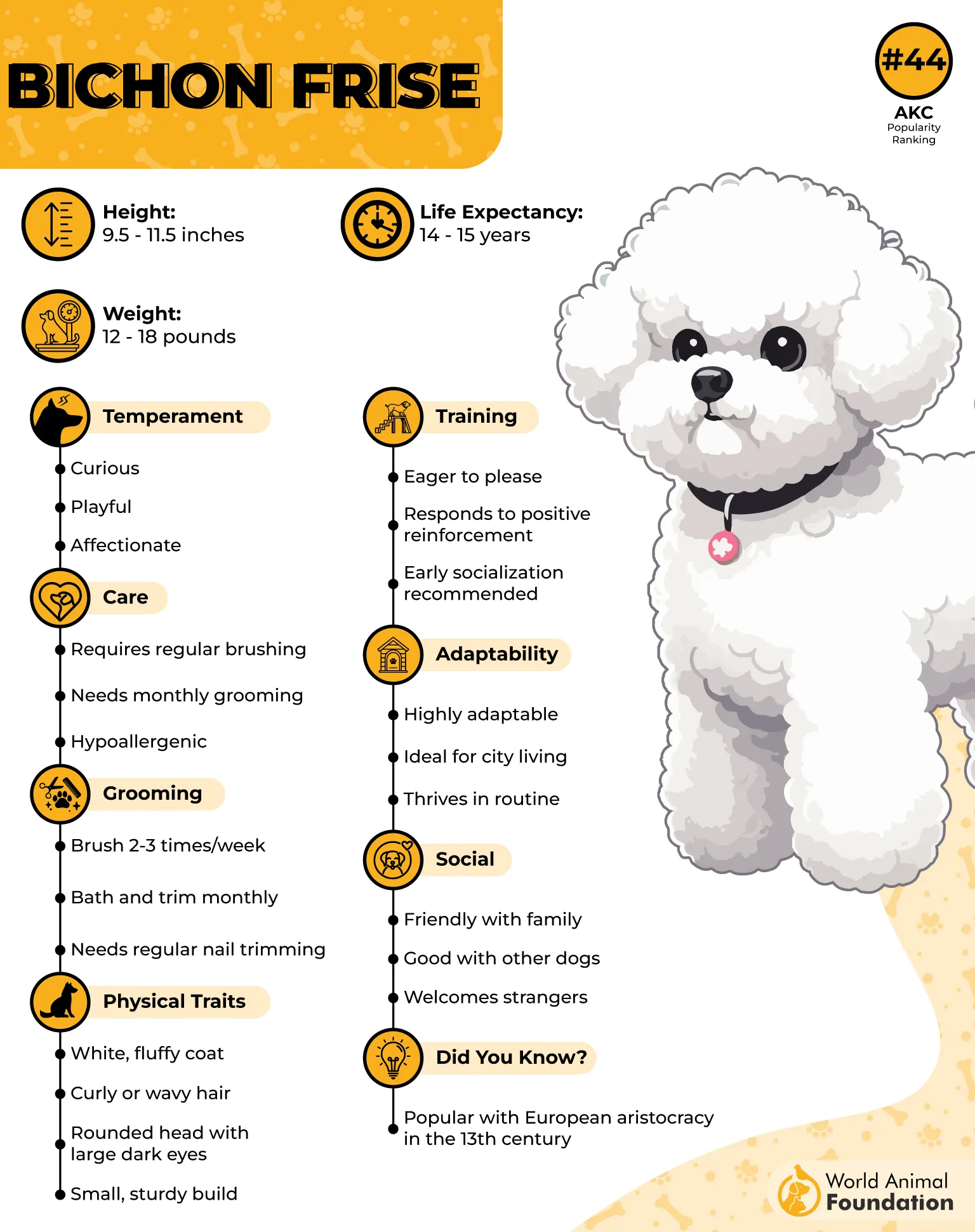
For indoor-only owners, Bichons shine when daily life includes few “together-time” moments. Short training games, hallway fetch, and gentle tug sessions help burn energy without needing lots of space, and their friendly nature makes them fun for the whole household.
To keep them healthy and happy indoors, rotate interactive toys, treat puzzles, and mini obedience drills to provide mental stimulation along with movement. They’re also highly trainable, so teaching “place,” “quiet,” and polite greetings can make apartment living smoother.

Balance matters, especially for puppies: aim for short play bursts and plenty of rest, increasing activity as they mature.
Fact: Bichon Frises typically need 30 minutes to 1 hour of activity per day through walks, playtime, and interactive games.
6. Pekingese
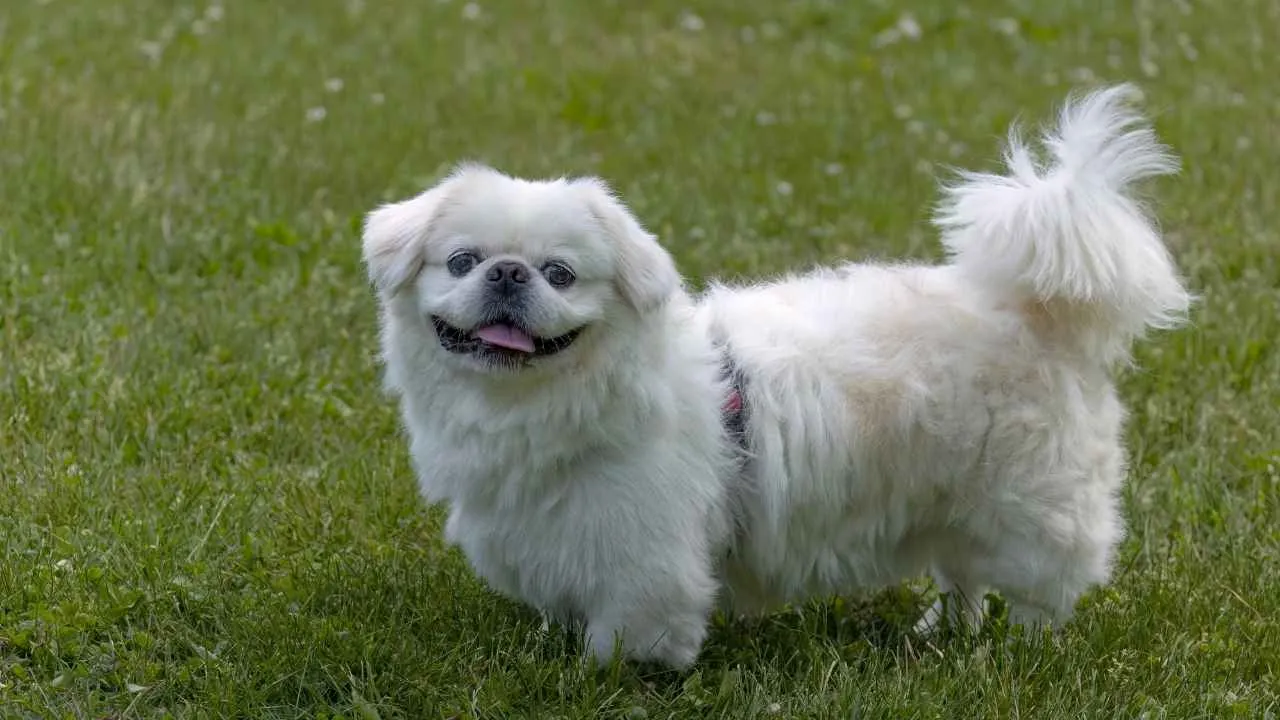
Pekingese (a.k.a. “Peke” or the Lion Dog) is a toy breed with a regal attitude, compact body, and that signature “rolling” gait that somehow looks proud even across a living-room rug. Their thick coat forms a mane around the neck and shoulders, plus feathering on the legs, ears, and tail—made for indoor admiration.
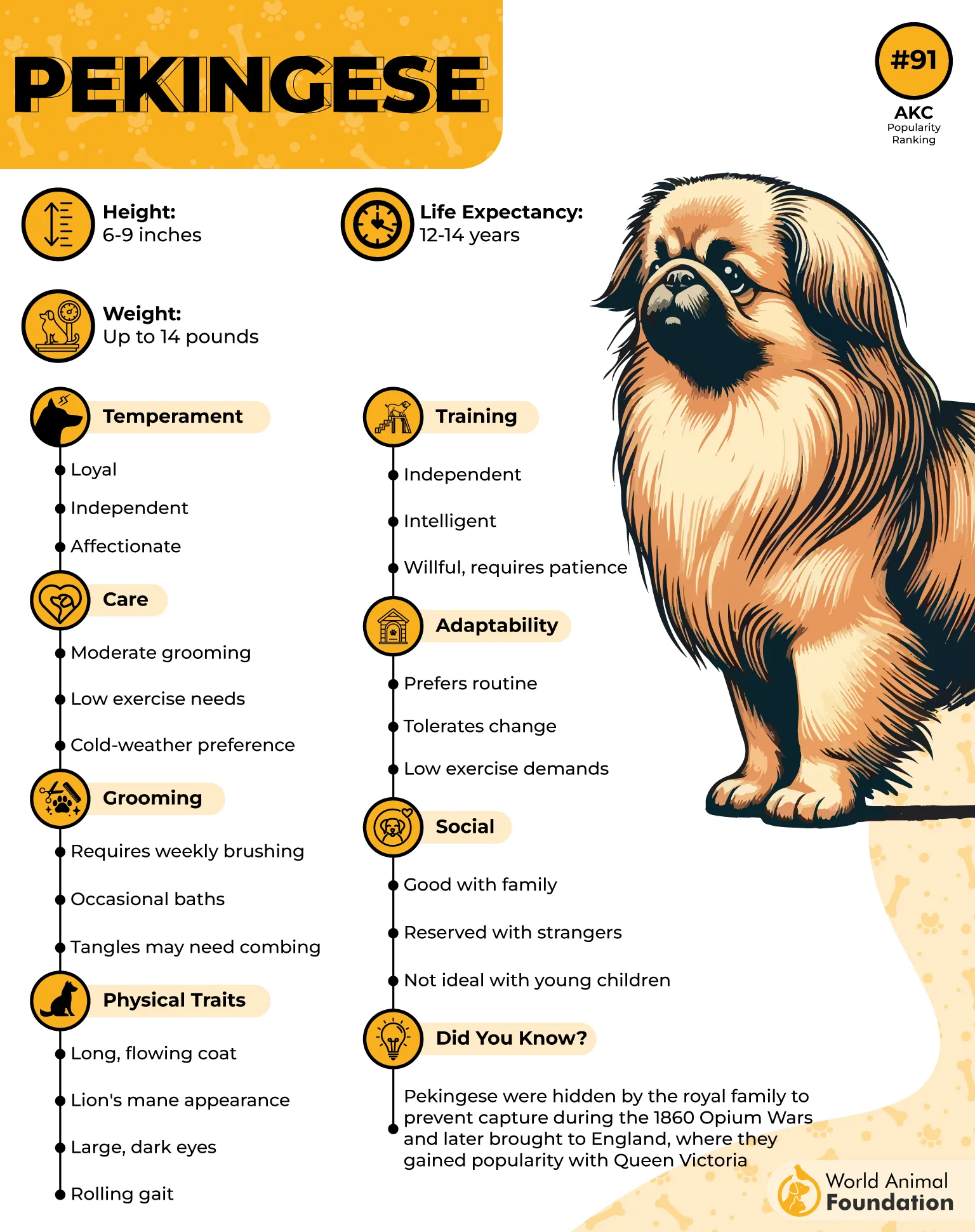
For indoor-only owners, the biggest mistake is skipping structure because the dog seems “small.” Pekes can be bold and a bit stubborn, so short, upbeat training sessions help prevent habits like ignoring cues or guarding favorite spots on the couch.
Another common slip-up is poor social exposure. Even if they’re mostly homebodies, they still need controlled introductions to friendly people, other dogs, and everyday sounds so they don’t become overly wary or possessive in the home.
Finally, don’t treat coat care as optional: their long, coarse outer coat sits over a soft undercoat and shouldn’t be trimmed, so regular brushing keeps it comfortable and tangle-free.
Fact: The American Kennel Club recognized the Pekingese in 1906.
7. Pug
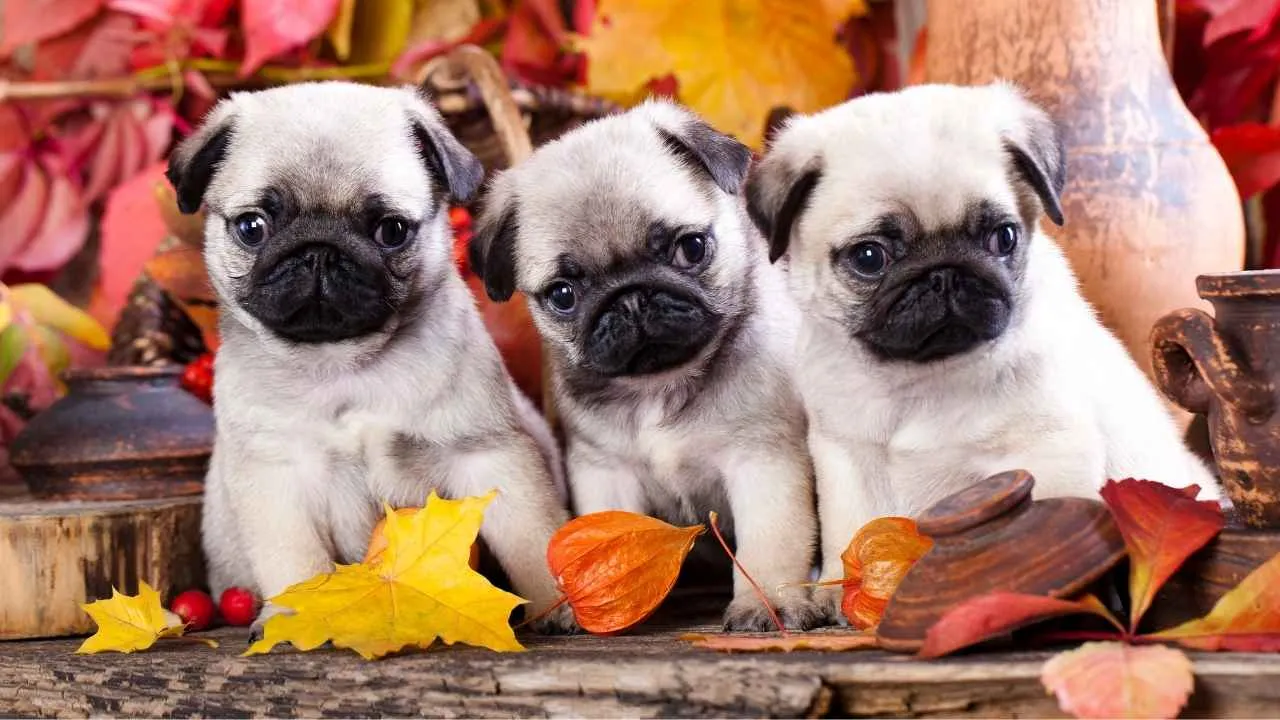
The Pug—often called the “Mops” or “Dutch Mastiff”—is a compact toy companion with a big-dog attitude in a small package, making it a natural fit for indoor-focused homes. Their signature flat face and expressive, round eyes give them a charming “always listening” look that wins people over fast.
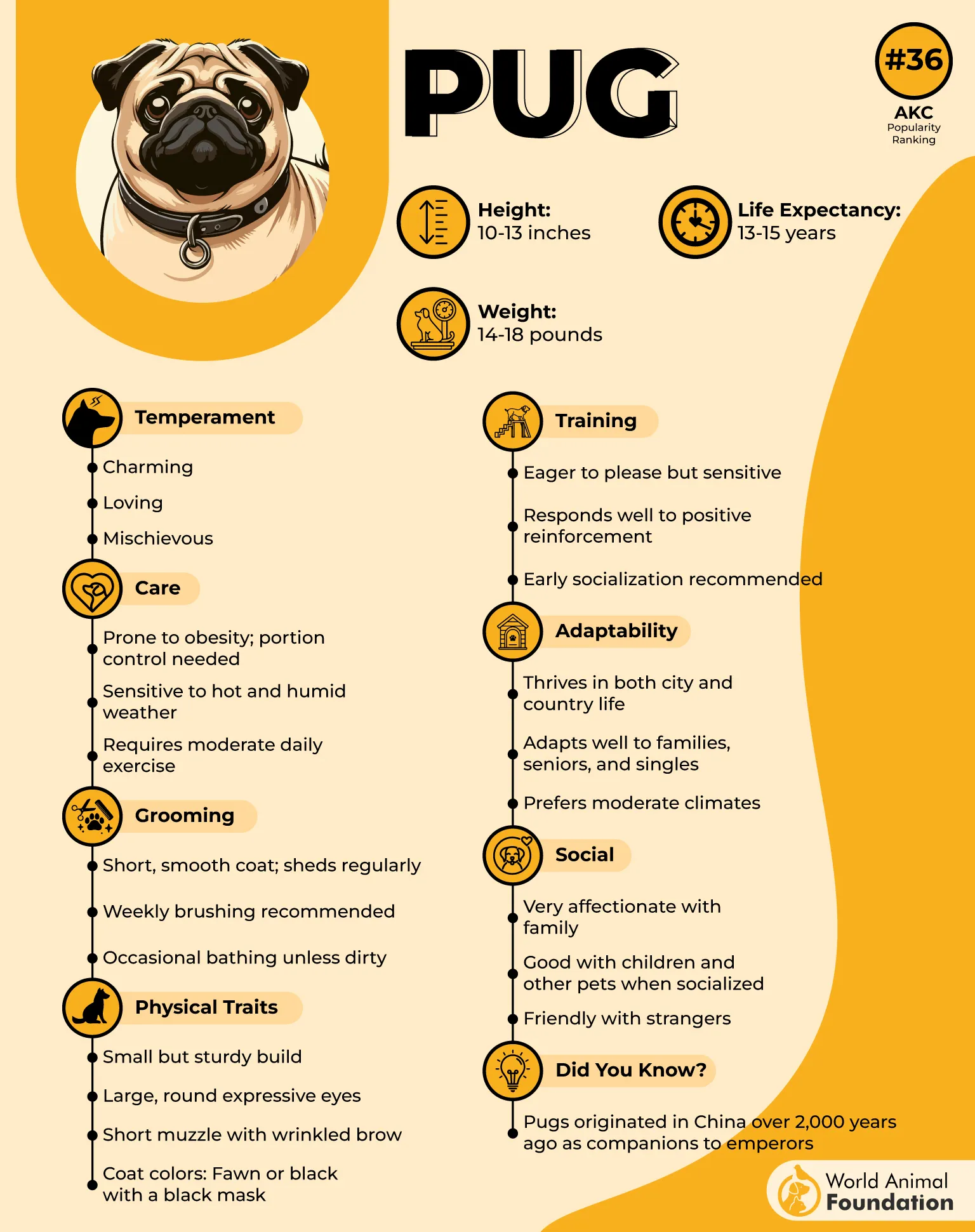
For indoor-only owners, the biggest mistake is skipping structure because they seem so chill. Even a low-key Pug needs short, consistent play sessions and simple routines to prevent boredom and noisy habits from creeping in, especially in apartments.
Training should stay upbeat and reward-based. Keep lessons brief, repeat often, and socialize early so they don’t become overly wary of unfamiliar people or other pets in tight living spaces.
Because Pugs are flat-faced, another common indoor-owner slip is overheating them with long play bursts or warm rooms.
Fact: Pugs are a brachycephalic breed, meaning their short airways can make breathing harder if they get too hot or overexerted.
Conclusion
For dog owners who prefer home life, a few dogs truly shine as indoor dog breeds. The best indoor dogs are often certain dog breeds with calm manners, little grooming requirements, and exercise needs that can be met with short routines and thoughtful spending time together.
That said, even the best dogs can develop behavioral problems if they’re left alone for long periods or get too little exercise.
Whether you choose a great dog with big personalities, a working dog that’s content to “clock out” indoors, or even larger dogs like an English Bulldog, the goal is the same: pick a match that can thrive indoors, especially if you have small children and want an incredibly friendly companion.
