




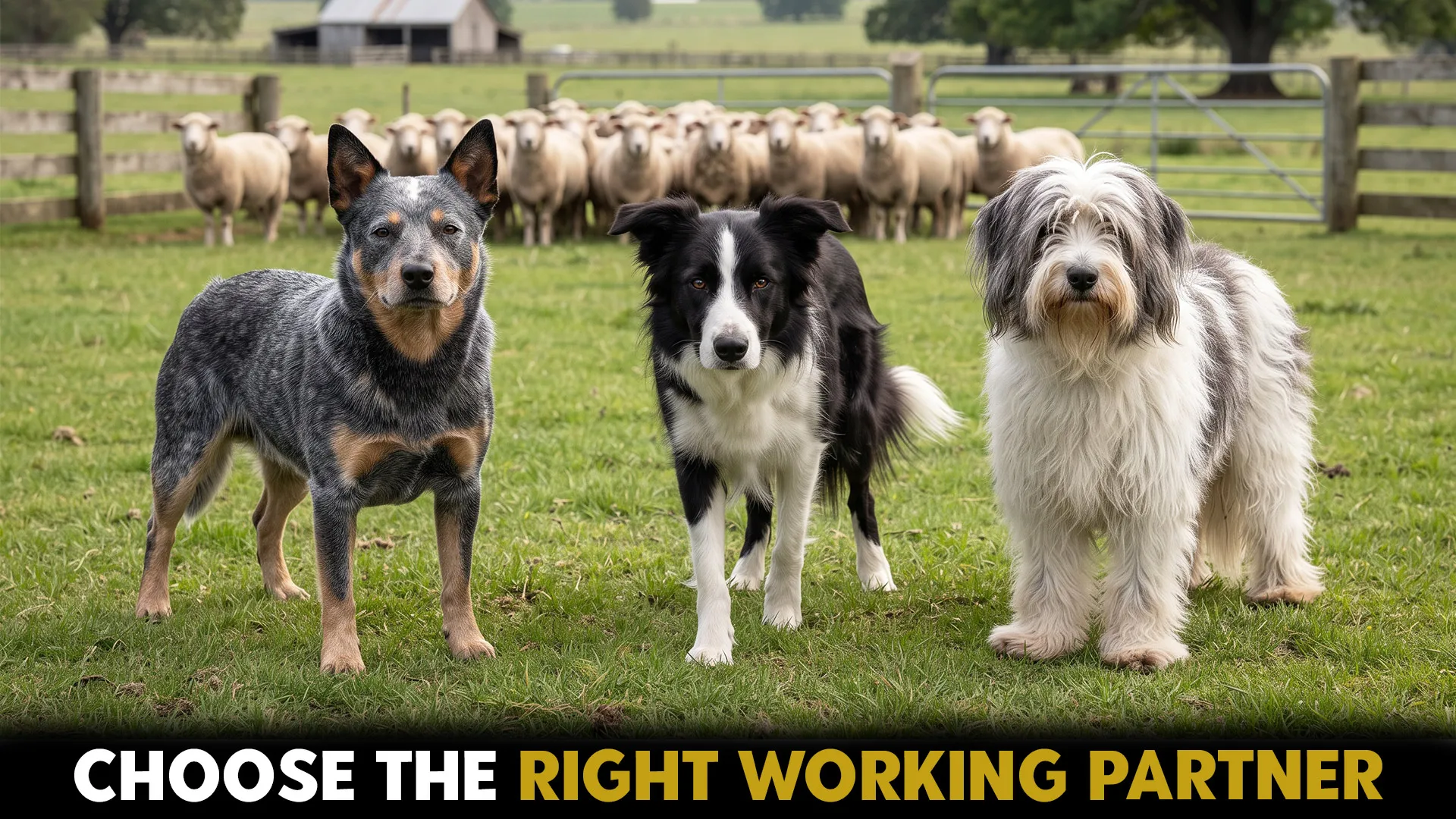
Farm work never really stops. Cultivation runs on a continuous cycle of sowing, tending, and harvesting all year round. Spring turns into summer, summer fades into fall, and winter closes out the year, but a farmer’s work never truly pauses, especially for anyone raising crops and livestock at the same time.
Running a farm takes serious resilience, grit, and dedication. And more importantly, it’s not something anyone can handle entirely alone. That’s exactly why farmers have long relied on a team of four-legged assistants to help manage the daily workload; herding dogs have been lending a hand for centuries.
Ever since agriculture first took root in the Fertile Crescent, the ancestors of today’s herding breeds worked right alongside early farmers, helping protect livestock from predators. Whether watching over a flock of sheep or a herd of cattle, these dogs stayed vigilant and ready to respond at the first sign of danger.
They were relied on to move livestock with speed and precision, gather scattered animals, and keep a close eye on any escape artists trying to wander off. They chased down stray cattle and used their bold barks to sound the alarm when needed. On top of that, these dogs were also put to work tracking and rescuing farm animals when things went wrong.
Even today, herding breeds hold a special place on ranches and homesteads, playing a genuinely important role in keeping day-to-day farm operations running smoothly. Let’s take a look at some of the best herding breeds out there.
Winning Dog Breeds for Herding: How to Choose the Best
1. Australian Shepherd
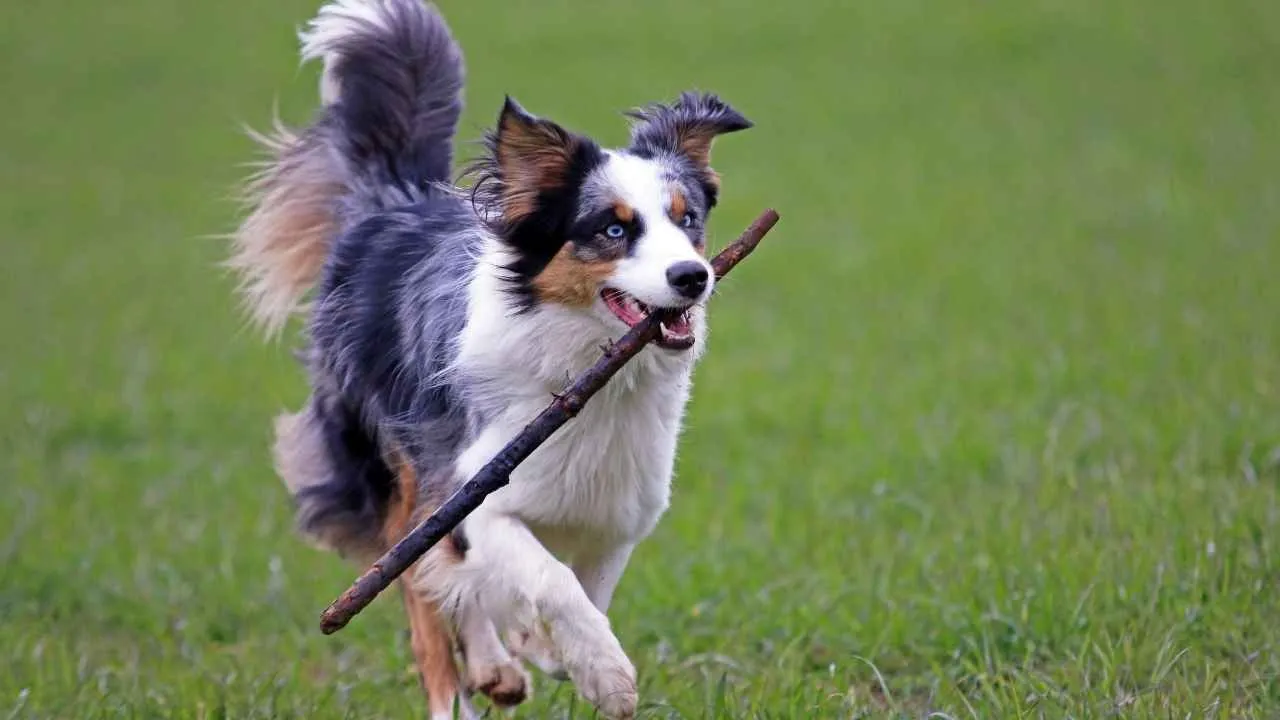
Here’s a fun surprise: this legendary cow dog of the American Wild West actually has roots in the Basque Country. The Australian Shepherd descends from herding dogs of the Pyrenees mountains, where the Basque people built a centuries-long reputation as world-class shepherds.
In the early 1800s, Basque shepherds sailed with their loyal dogs to Australia, refining their herders by crossing them with Collies and Border Collies. Many later moved on to California, where local ranchers assumed these skilled herding dogs were an Australian breed, and that’s how this Basque herder ended up with the name Aussie.
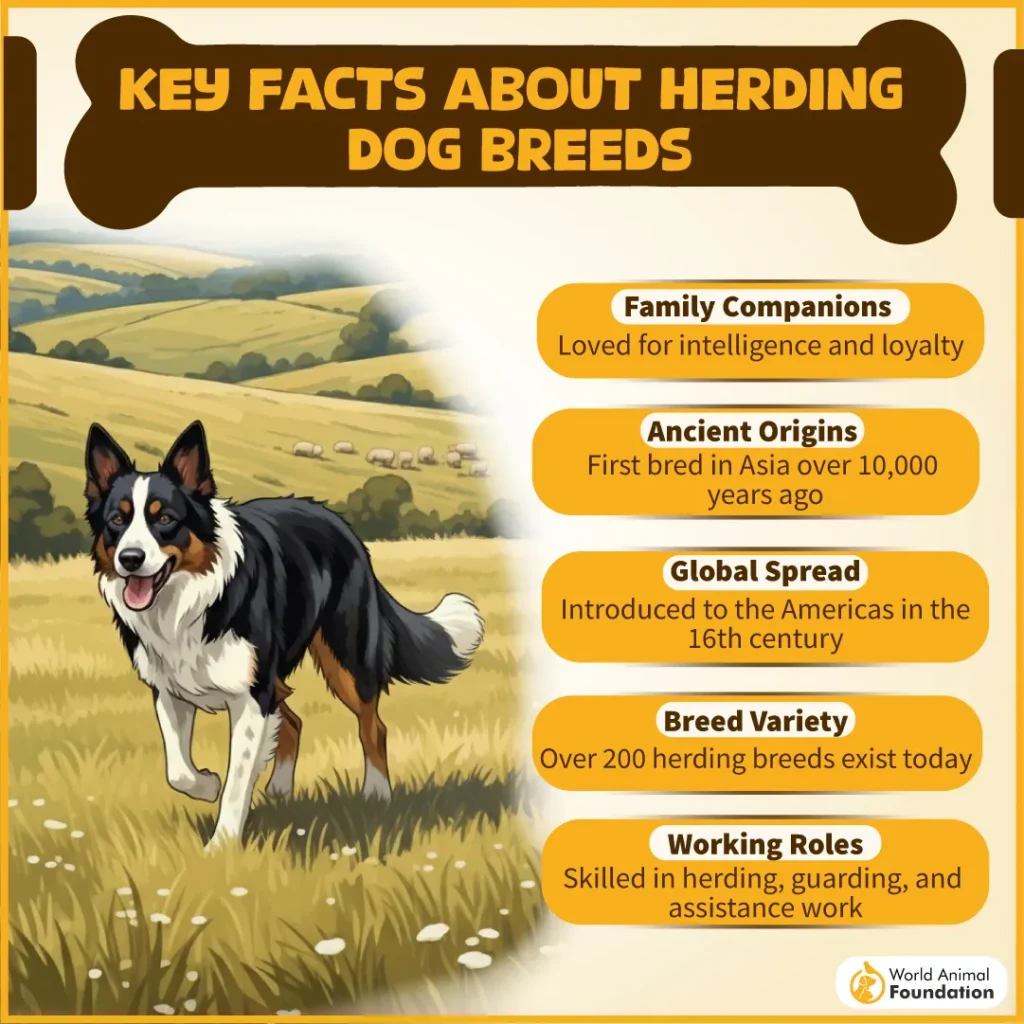
Today, the Australian Shepherd is a true icon of cowboy culture and a standout performer on the rodeo circuit. These intelligent, energetic dogs earn their keep by helping ranchers and farmers handle daily chores.
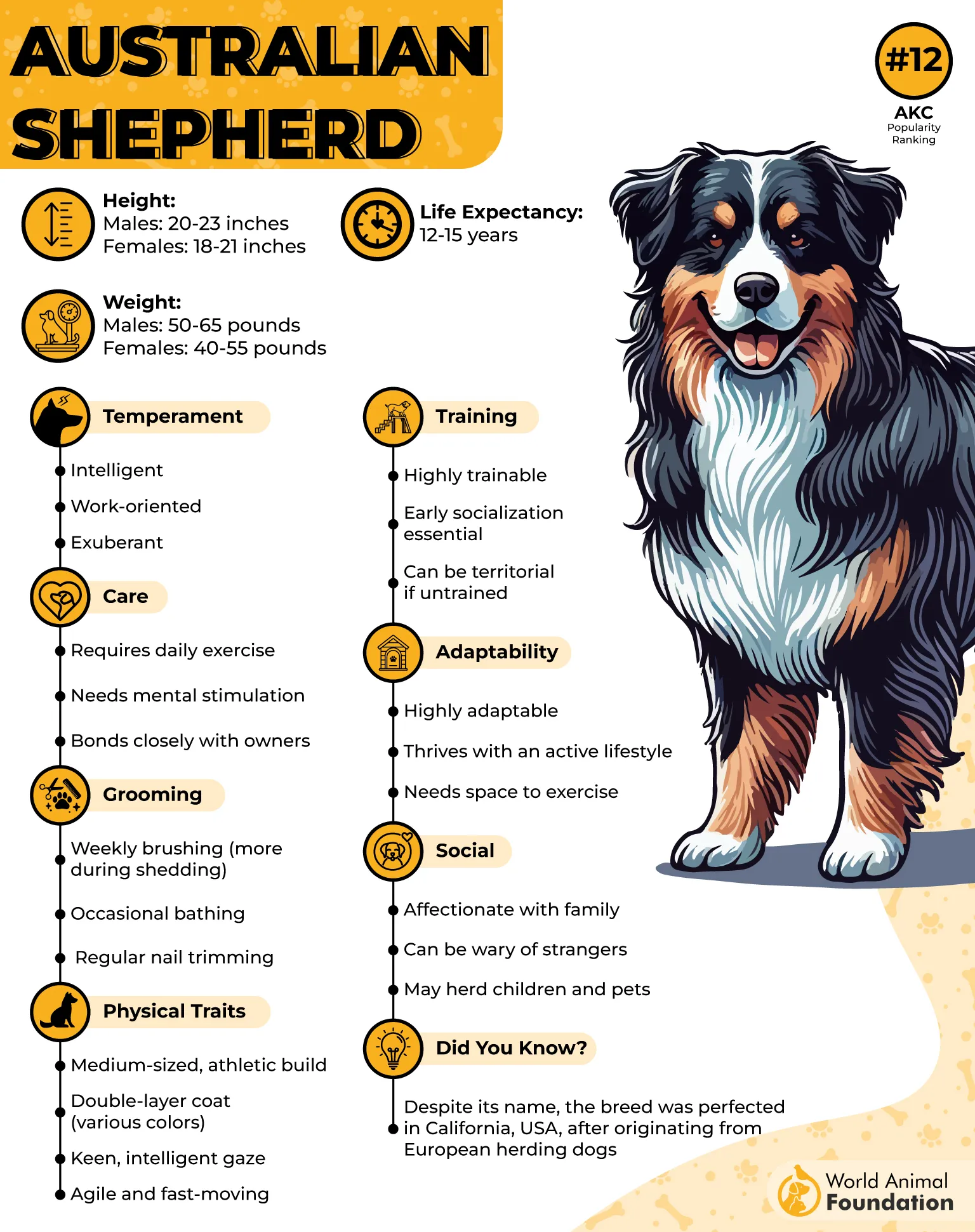
Tough and rugged, these medium-sized herders rely on a sharp, focused gaze and a tireless drive to move even the most stubborn animals. Aussies are also wonderfully versatile, known for their strikingly beautiful merle and mottled coats.
They’re brainy, highly trainable dogs that need consistent physical and mental stimulation to stay happy. So if you’re more of a laid-back, low-key type, these quick, clever escape artists probably aren’t the right match for you.
Capable of impressive tricks and able to work from dawn to dusk in blistering heat or snowstorms alike, Aussies can handle the harsh conditions found in places like Wyoming, Arizona, and other western states. Beyond ranch work, they also serve well as service dogs, search and rescue dogs, drug detection dogs, and therapy animals.
2. Australian Cattle Dog
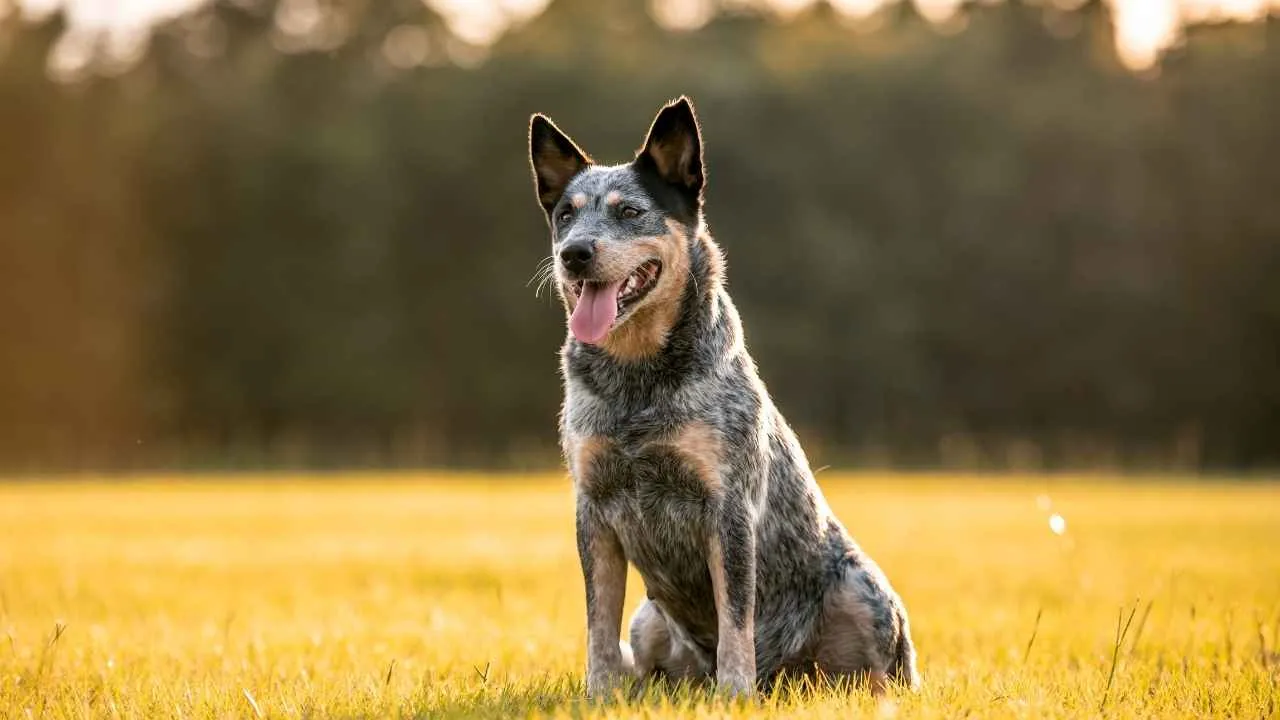
Tenacious beyond measure, the Australian Cattle Dog, also known as the Blue Heeler, makes an excellent companion for farm owners. Wild, rugged, and strikingly beautiful, this descendant of the dingo has a knack for routinely outsmarting its own owner.
If you need a dog capable of driving cattle over long distances across rough terrain and extreme heat, the Australian Cattle Dog is easily your best bet among herding breeds.
Compact and sturdy, these dogs carry a long list of unique traits that set them apart from the rest of the herding pack. Their development came through a careful mix of breeds, starting with dingoes crossed with blue merle Collies or Collie mixes to build in strong herding instincts.
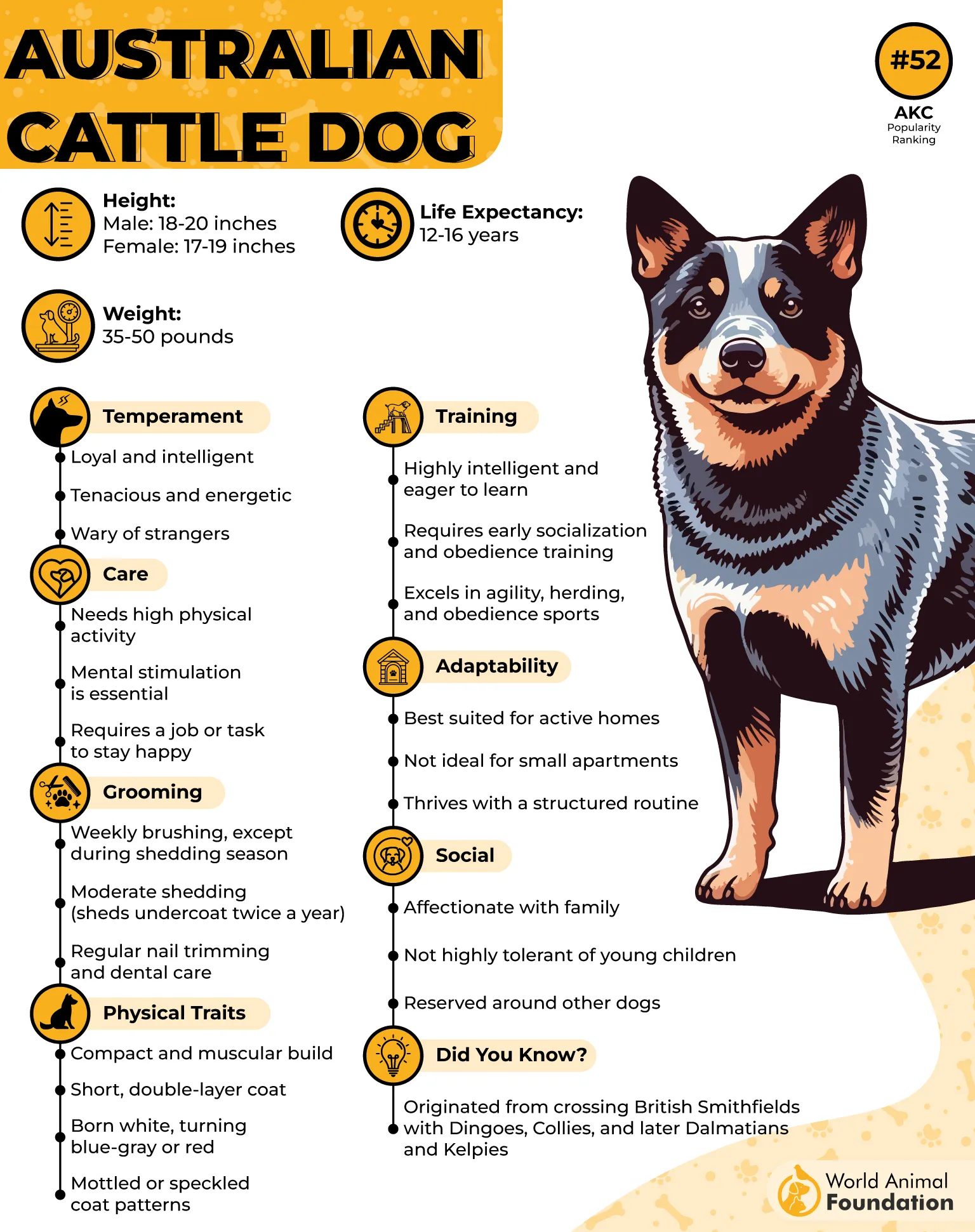
Dalmatians were later added to the mix, which helped give these dogs their famous calm demeanor around horses, and breeds like the Australian Kelpie played a big role in rounding out their temperament, making them more sociable and sweet-natured overall. Known for nipping at cattle heels to keep a herd moving, this smart breed is also naturally protective and full of athletic energy.
According to the AKC, training an Australian Cattle Dog is genuinely rewarding, since you can throw almost any activity their way and they’ll dive in with full enthusiasm. They love to cut loose and play, and they truly thrive in an environment where they’ve got a real job that keeps both their body and mind busy.
3. Border Collie
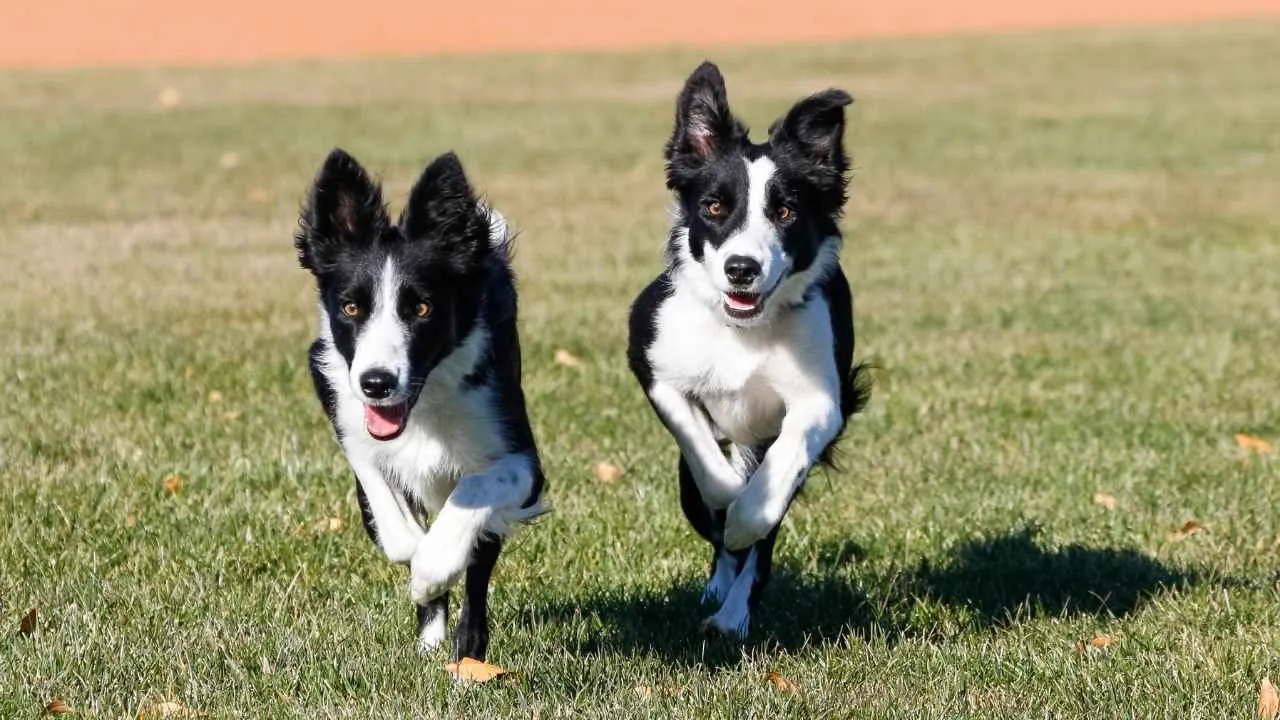
This breed’s hallmark is its intense stalking gaze, famously known as the “herding eye.” And when a dog’s signature move is that intense, you can imagine the rest of the package: a nipping, blazing, premier sheepdog that dashes through fields from sunrise to sunset. So how exactly did the Border Collie become the go-to choice for shepherds worldwide?
The truth lies in their sheer brilliance. Owners often say Border Collies are simply too smart for people who don’t have the time, energy, or means to keep them properly occupied. Muscular yet nimble, with a strong prey drive and the ability to manage large flocks of sheep with ease, these extremely intelligent dogs bring a rare combination of athleticism and intellect to the field.
Interestingly, Border Collies aren’t purely British or Scottish in origin. They’re actually descended from a mix of Viking herding spitz-type dogs and the heavier-boned herding dogs brought over by the Romans, making them very much a product of Britain’s layered history of invasion and settlement.
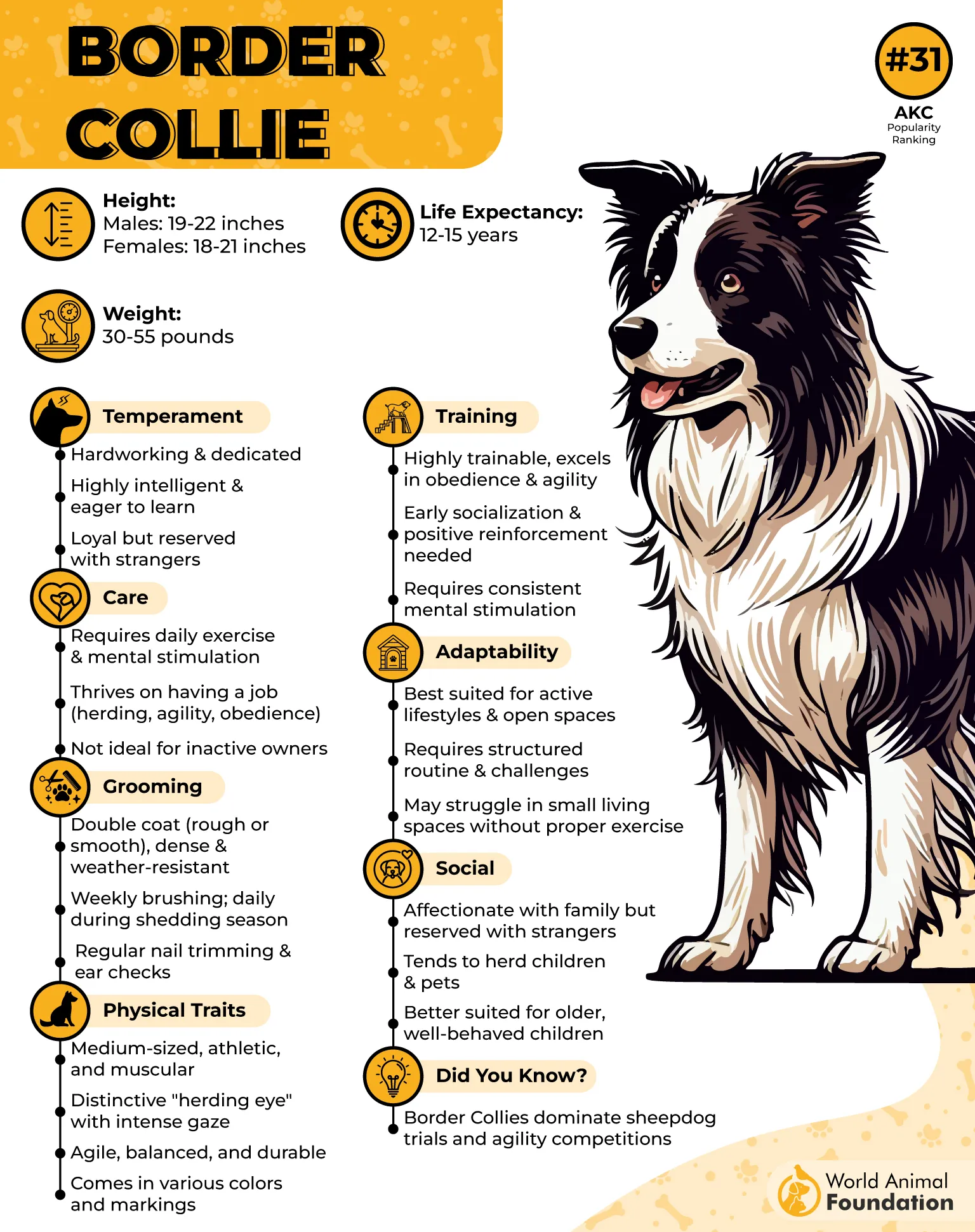
While they’re not typically bred to guard livestock, their natural herding instinct and sharp intelligence are exactly what they love showing off.
Perfectly suited to moving stock across the hilly, rocky highlands of Scotland and Wales, Border Collies are widely regarded as the world’s smartest and most capable herders. Their sweeping outruns and stealthy, low crouching style dominate sheepdog trials, rule the fast-paced world of agility sport, and make ranch work look easy.
These loyal dogs also tend to bond intensely with one person, so be prepared to give them your genuine, undivided attention.
4. Polish Lowland Sheepdog
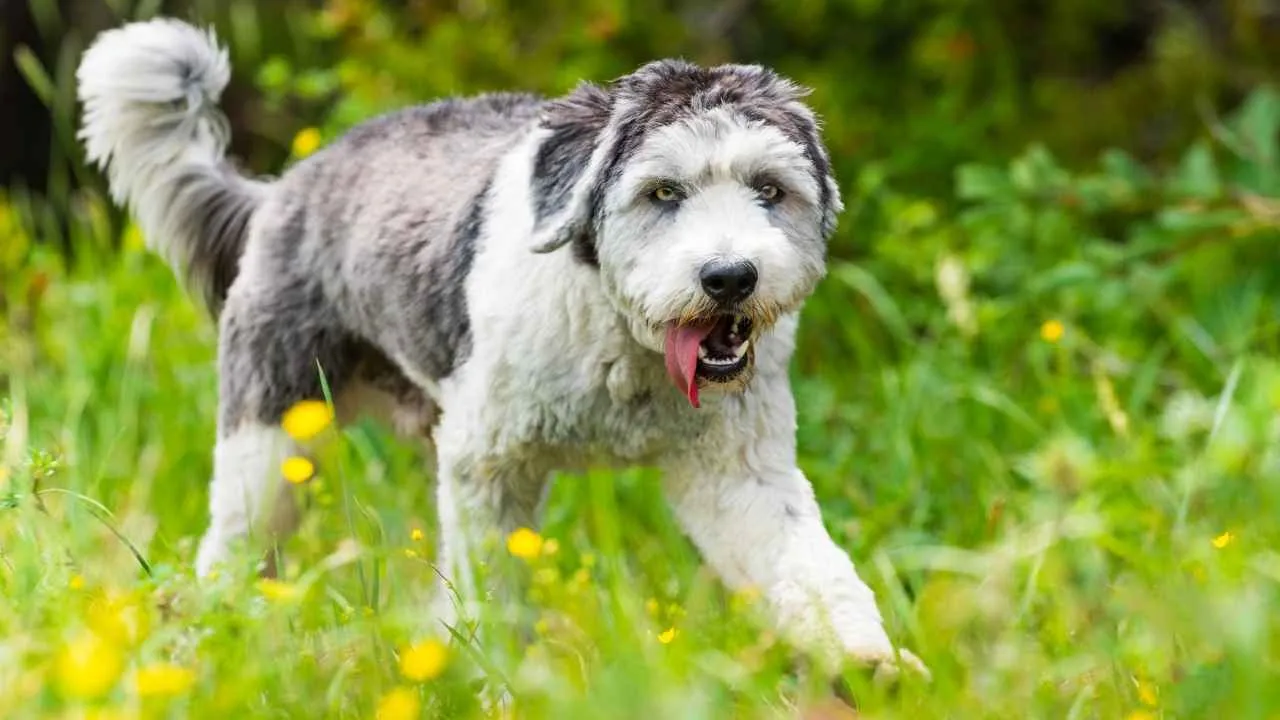
This fluffy descendant of the Hungarian Puli is probably the cutest medium-sized herding breed on this list. Originating in Poland and also known as the Polish Owczarek Nizinny, or PON for short, this breed was bred to do double duty: herding and guarding sheep.
Their dense, long, mop-like coat gives them an irresistible teddy bear look, but don’t let that cuddly appearance fool you. These are high-energy, agile, and affectionate ranch workers with everything a hardworking herder needs to get the job done.
PetMD describes them as impeccably intelligent, with excellent memory, unwavering loyalty, and remarkable intuition. Gentle, caring, and fairly vocal, these lowland sheepdogs can be a bit standoffish with strangers at first, taking their time to warm up and build trust with new people.
With the right exposure, proper socialization, and a little patience, though, these smart dogs go on to form wonderful relationships with children and other pets. Confident in their stance and adaptable across all kinds of terrain, Polish Lowland Sheepdogs do need plenty of exercise, but in return, they make beloved companions and reliable watchdogs for an active family.
5. Bergamasco Sheepdog
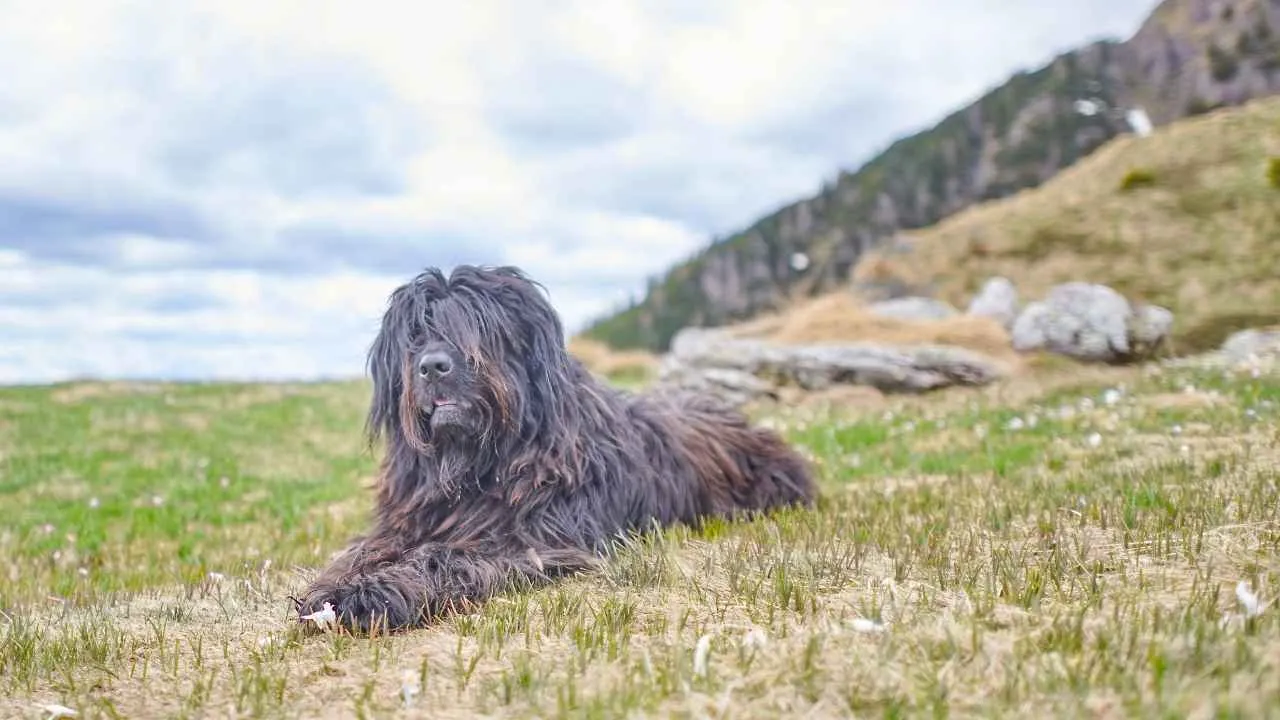
Other herding breeds might blend together in your mind, but not this fluffy fellow with his unmistakable felted coat. This robust, low-maintenance, one-of-a-kind herder with a show-stopping hairdo makes a truly formidable addition to any homestead.
Hailing from the Alpine Italian town of Bergamo, near Milan, the Bergamasco Sheepdog is believed to be an ancestor of the beloved French herder known as the Briard. Balanced and resilient, this breed was built for moving livestock and guarding sheep along the rocky slopes of the Italian Alps. Covered in a shaggy, sweater-like coat, the Bergamasco thrives even in the bitter cold of high altitudes.
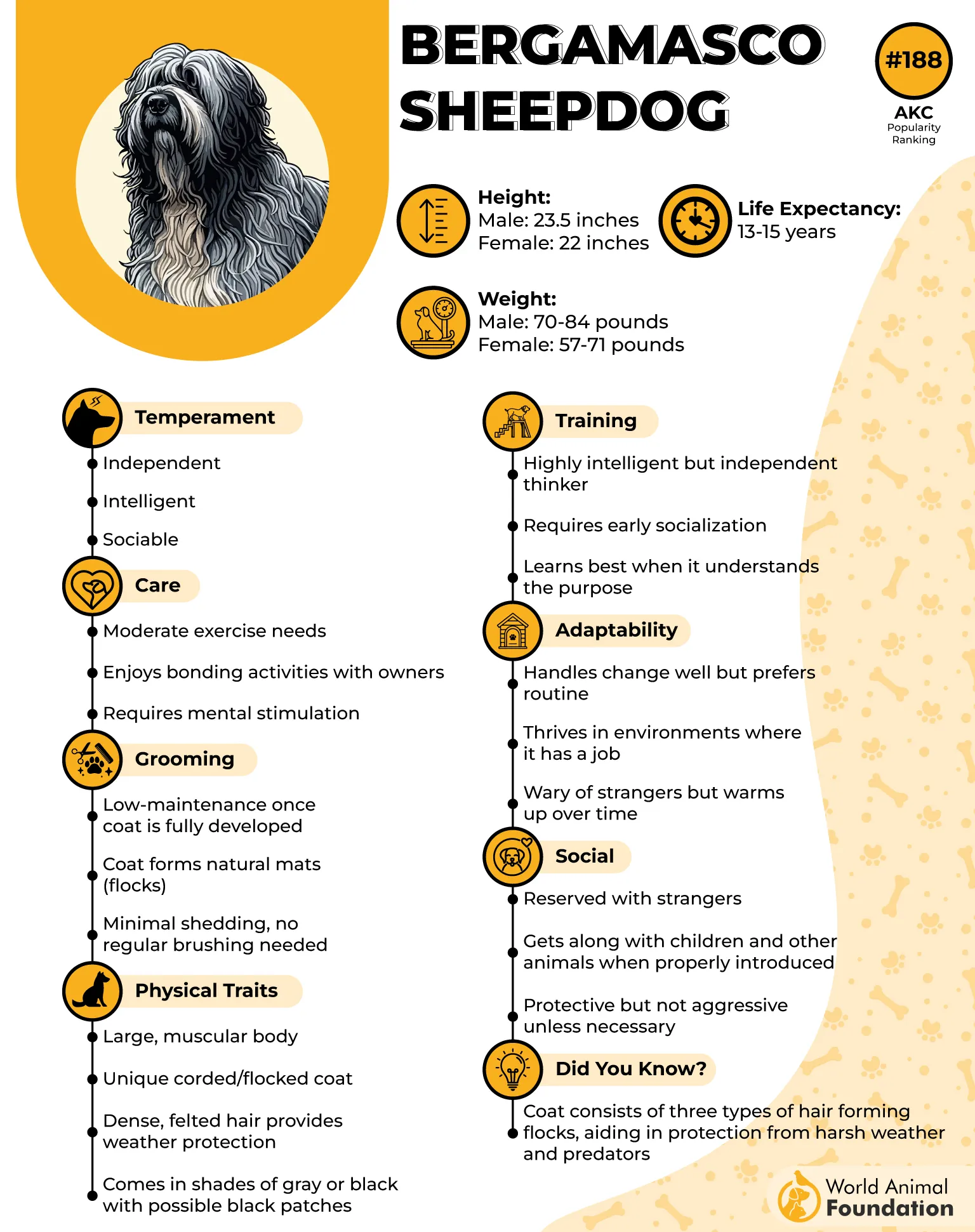
Calm and fearless, Bergamasco Sheepdogs benefit from real protection thanks to their thick, felted coat, which helps shield them from injury when facing off against sharp-toothed predators looking for an easy meal among the flock. Their coat also works as natural camouflage, helping them blend right in among a moving herd of sheep.
Stubbornly devoted to their work, these protective, highly intelligent, and muscular shepherds are honestly a sight to behold. They’ll only turn aggressive as an absolute last resort. Bright, loving, and steady, they carry a touch of independent mountain-dog spirit, but they’re also eager to please and genuinely trainable.
6. Pembroke Welsh Corgi
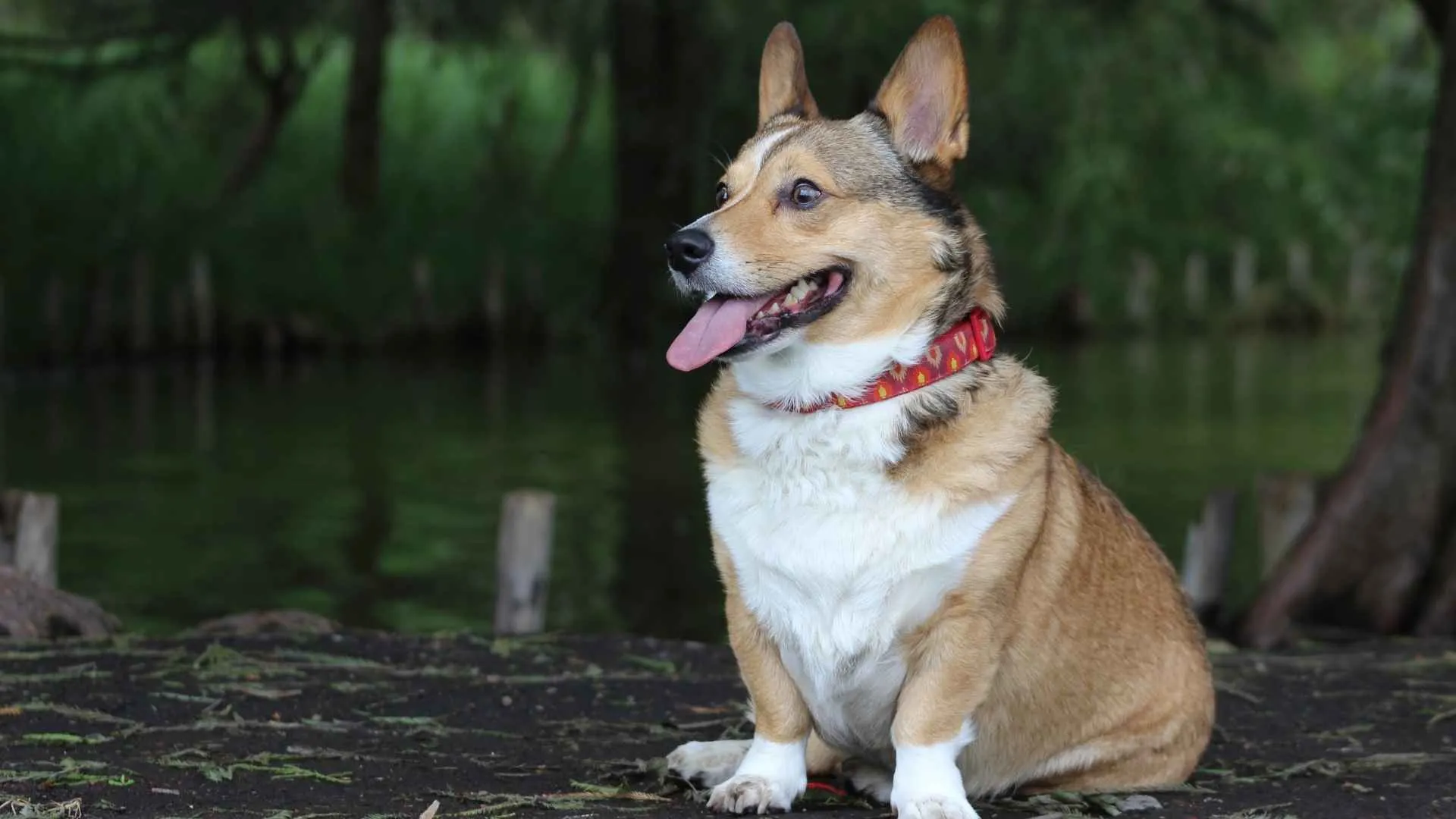
You know a dog is special when it comes with impressive references, but imagine earning the prestige of a cult following and the royal seal of approval from the late Queen Elizabeth II herself. This world-famous herding breed was Her Majesty’s beloved companion starting all the way back in 1933, and the two shared an unbreakable bond for decades.
So what makes the Pembroke Welsh Corgi so special? Surprisingly, this breed doesn’t actually have royal roots at all. According to the American Kennel Club, their story actually begins in Flanders, now part of northern Belgium, once home to some of the era’s finest weavers.
Modern Dog Magazine notes that in 1107, King Henry I of Britain invited a community of Flemish weavers to settle in southwestern Wales. The weavers accepted, rebuilding their agrarian way of life in their new home, and they brought along their sturdy, short-legged herding dogs to help manage cattle and sheep. That’s how the Pembroke Welsh Corgi came to be.
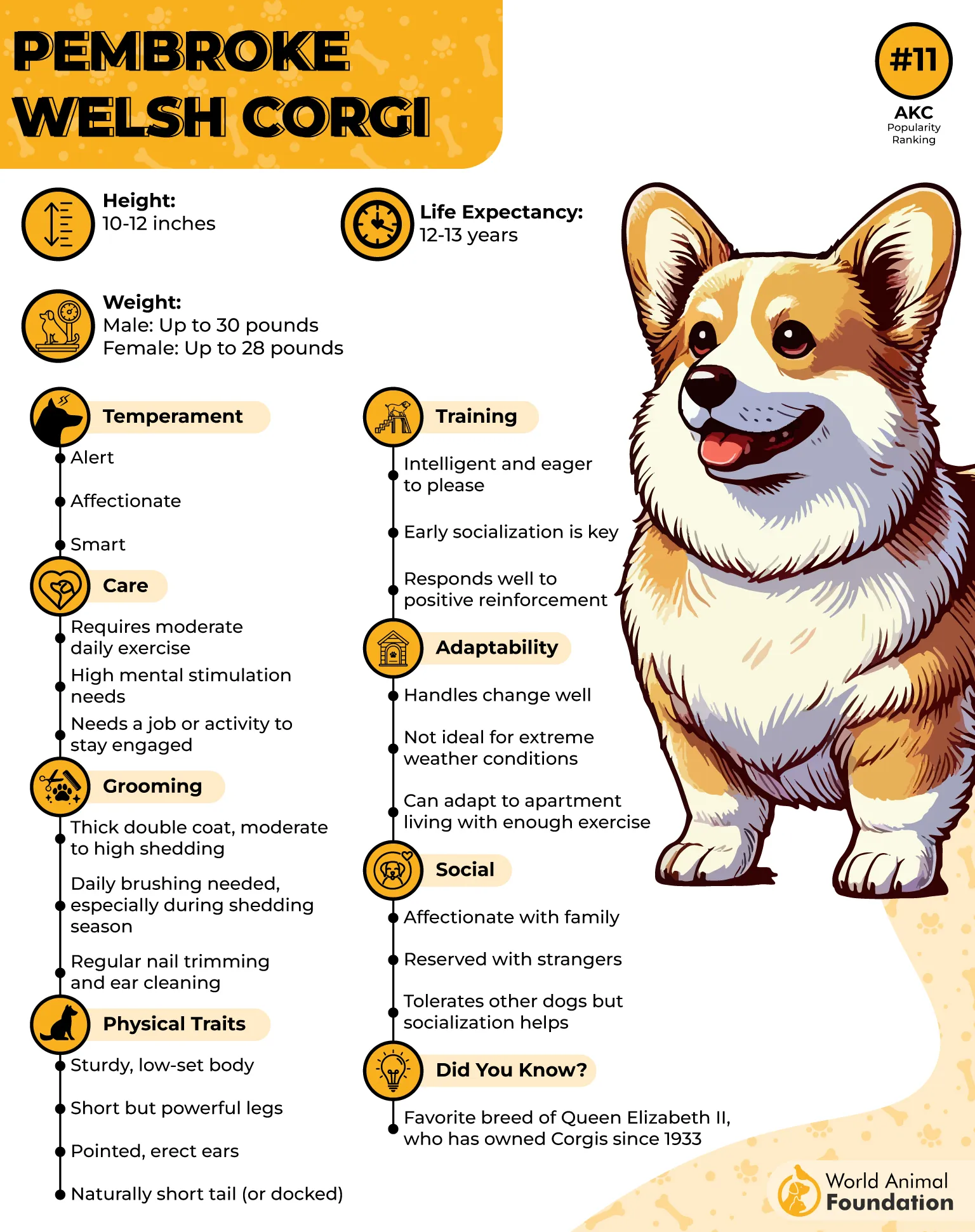
Incredibly intelligent, lively, and steeped in working-dog history, Corgis are essentially a big dog packed into a small, fluffy body. They’re among the most agreeable of all small housedogs, yet still fearless, independent, and alert. A Corgi is always ready to tackle the task at hand, though it won’t wear itself out with constant, aimless motion.
Canine researcher Stanley Coren has noted that Corgis are intelligent dogs with a tireless work ethic and a genuine eagerness to learn, which is exactly what makes them one of the easiest breeds to train.
7. Belgian Malinois
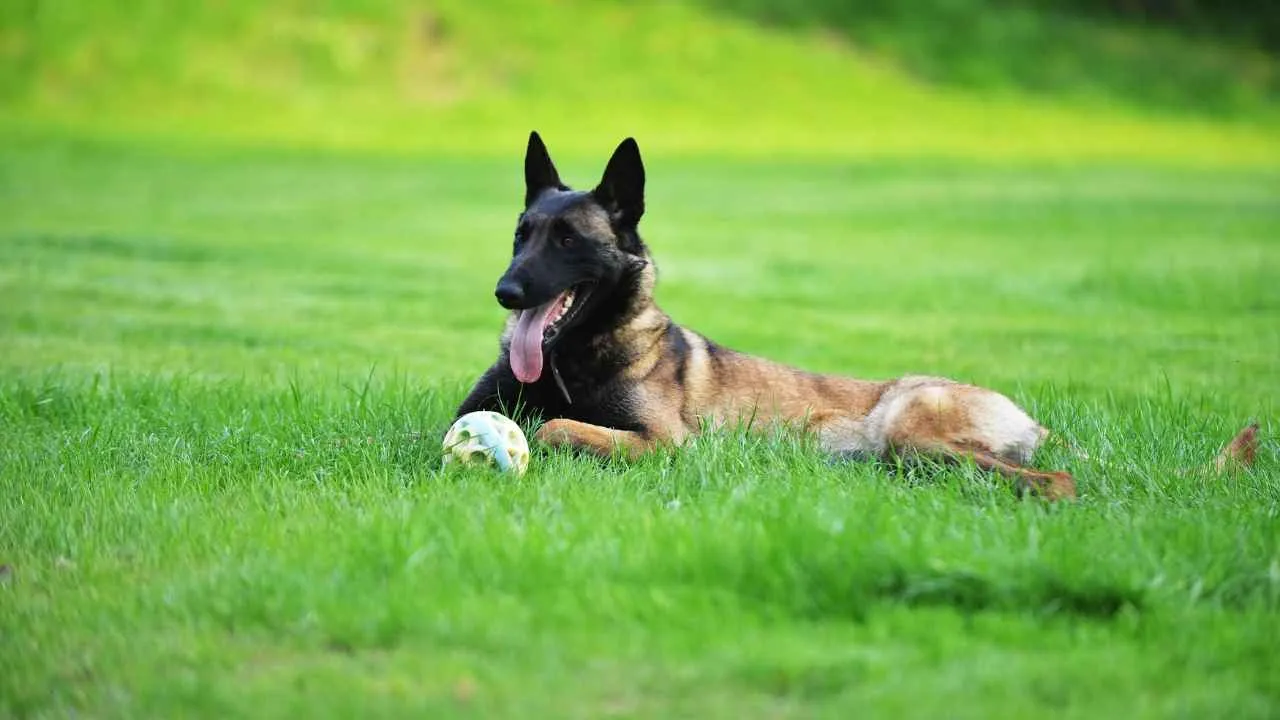
This complete package of beauty, brains, and brawn forges an unbreakable bond with its human, and honestly, that alone would be enough to make it one of the most desirable dogs on this list. But the talents of this leaner, finer-boned Belgian Shepherd don’t stop there.
Originally bred around the city of Mechelen in northwestern Belgium by serious sheepherders and cattlemen focused on performance and solid working character, this livestock herding breed is still known today for its versatility, strong work drive, and sharp intelligence.
They respond beautifully to training, form deeply loyal bonds, and make genuinely fascinating family companions. These days, they’re also widely used for personal protection and military service. Manageable, obedient, and eager to work, Malinois are built for hard work and are truly at their happiest when their owners give them a real job to do.
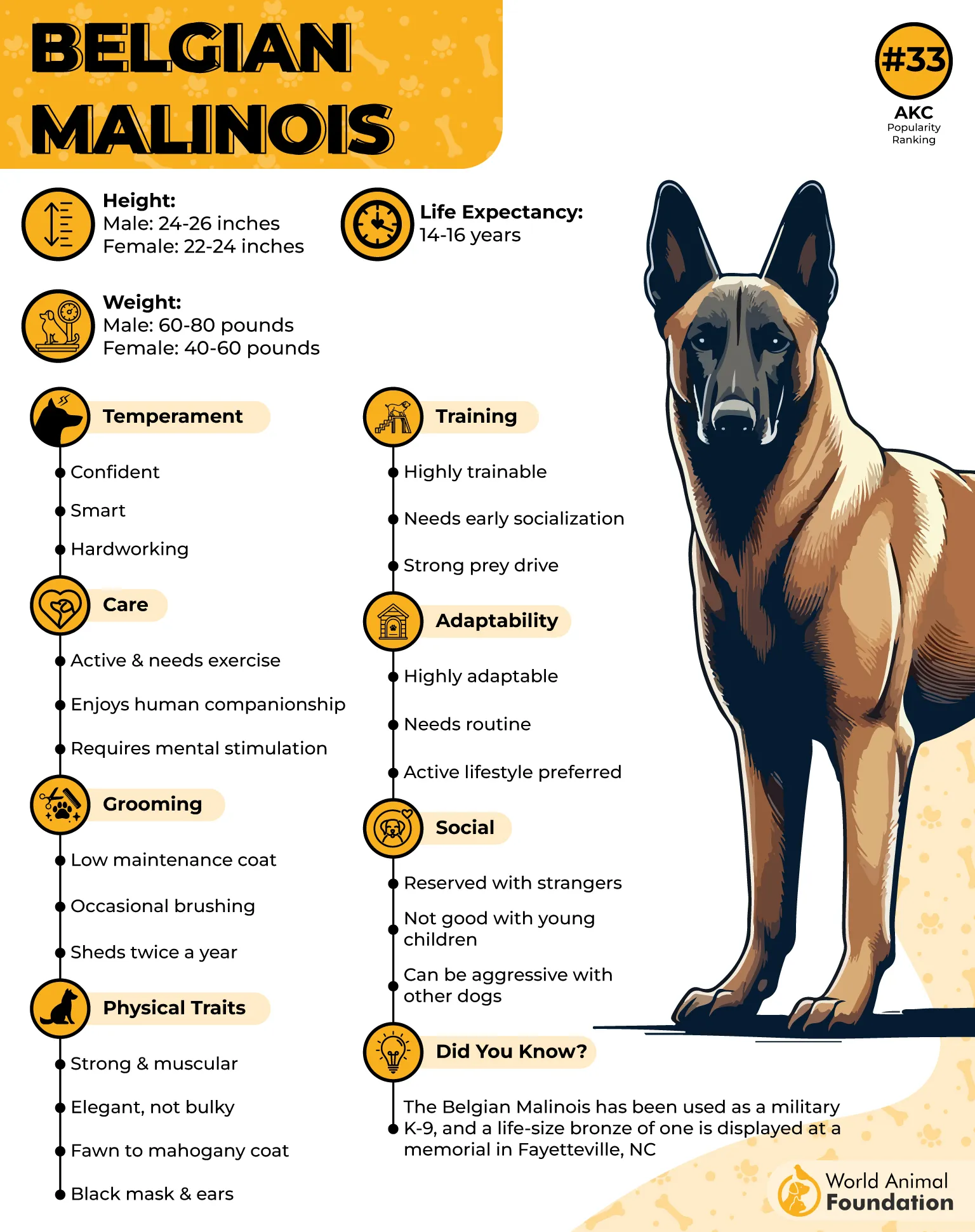
This versatile overachiever doesn’t just keep cattle and sheep safe from predators; it keeps them disciplined too. You can count on these dogs to track down and bring home a runaway cow or sheep without missing a beat.
Born to herd and built to work, the Belgian Malinois stands out with its distinctive black mask, intense eyes, and weather-resistant coat, an irresistible combination that’s hard for any dog lover to say no to.
Conclusion
These turbocharged herders with strong instincts can definitely feel a bit overwhelming to handle at first. But if you’re new to farm life and need all the help you can get to bring your homestead up to speed, these dogs are naturals in the agricultural world, and for centuries, they’ve played a real role in humankind’s survival.
These working dogs are true multi-taskers, capable of herding sheep, keeping predators at bay, and even helping protect vulnerable livestock when needed. With proper training, consistent routines, and a bit of persistence, they genuinely excel as farm assistants and ranch workers.
That said, be warned: dogs with this much work drive and boundless energy can quickly get bored or turn mischievous if they aren’t given enough productive outlets.
It’s also worth teaching kids how to properly interact with breeds like Bearded Collies or Old English Sheepdogs, since their bubbly, high-energy temperament can unintentionally be a bit much around young children. Their large bodies can accidentally knock a child over, and their natural herding instincts may lead to nipping. Some of these dogs may even try herding kids the same way they would a flock of sheep.
