




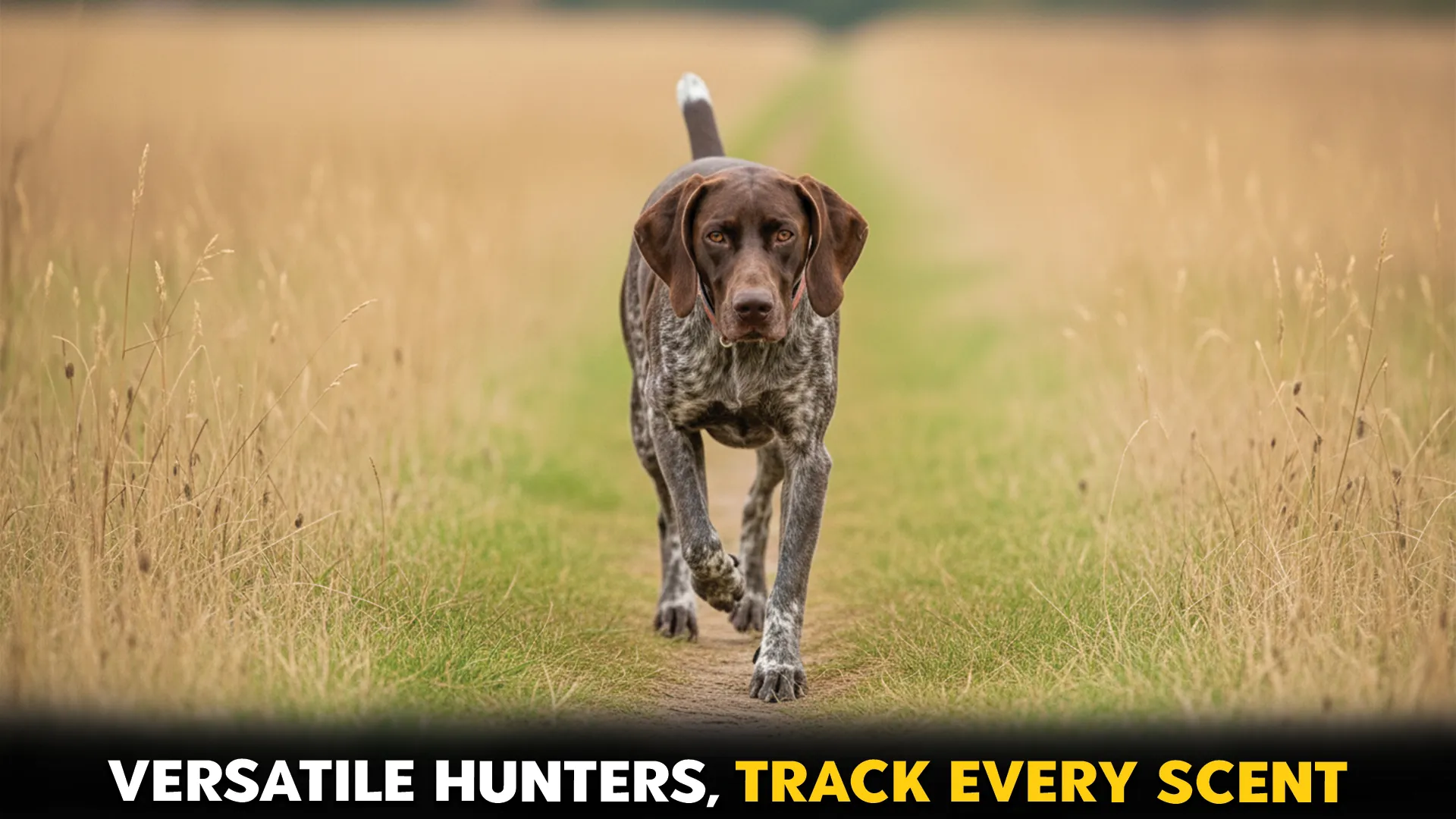
In the world of hunting, success often lies in the ability to locate what is hidden. This is where tracking dogs step in, mastering the scent following patience and persistence. While many breeds possess a keen sense of smell, only a select few excel across multiple tracking scenarios, earning the title of truly versatile hunters.
These hunting dogs are not confined to one landscape or one type of game; they adjust, learn, and perform with consistency regardless of the challenge. Their role extends beyond simple tracking because they interpret scent trails, make decisions, and maintain focus even in the most demanding conditions.
They are capable of switching between tasks and environments, which makes them more valuable in modern hunting practices. Exploring such breeds will get us to know how they reveal a blend of genetics and training that has been refined over generations, shaping dogs that are as dependable as they are skilled.
Top Versatile Hunting Dog Breeds for Tracking
1. German Shorthaired Pointer
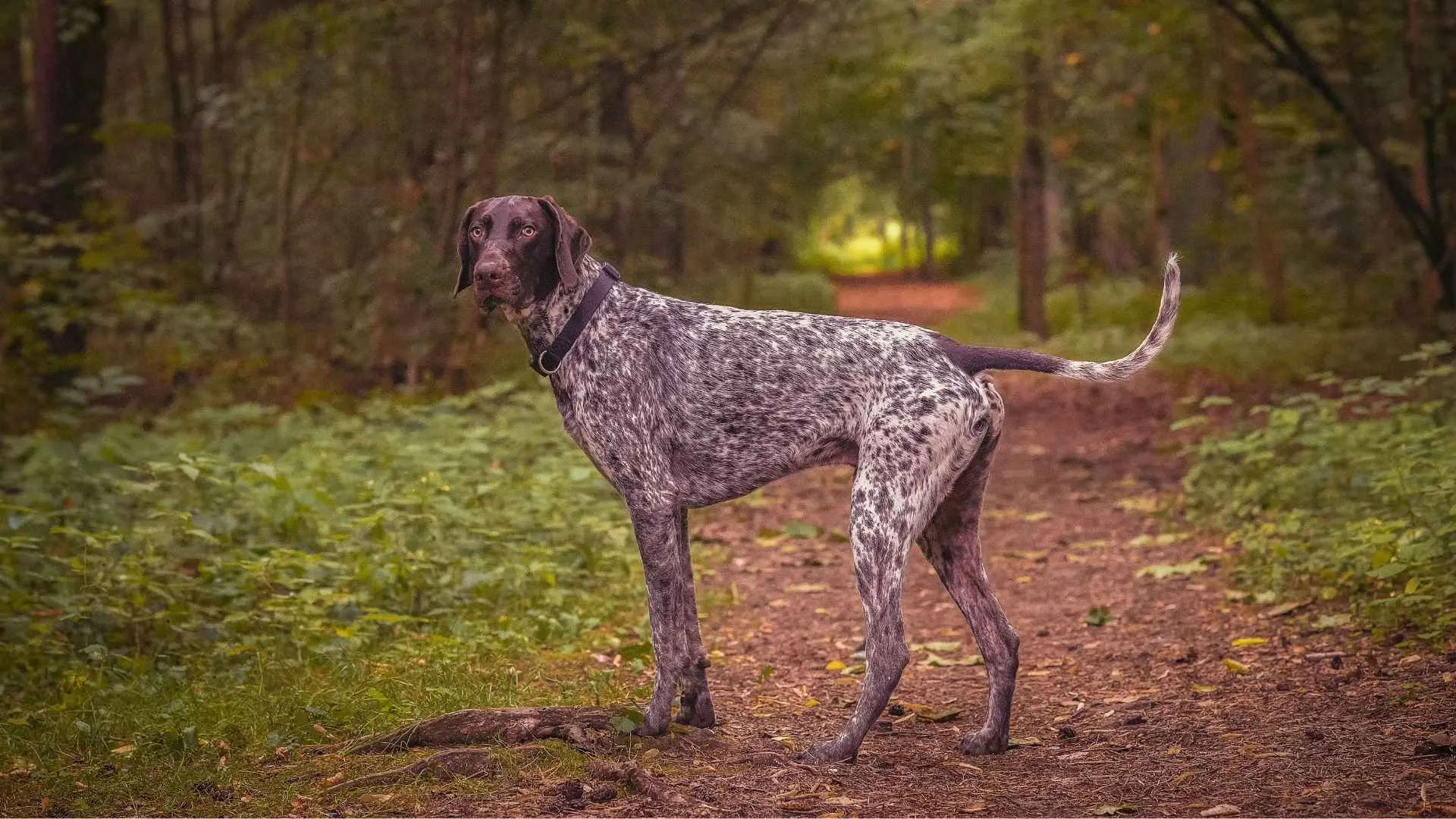
The German Shorthaired Pointer is the classic hunting dog breed for upland game for many reasons. This dog is considered an excellent hunting companion for the hunt of chukar, as this task demands remarkable endurance and a keen sense of smell.
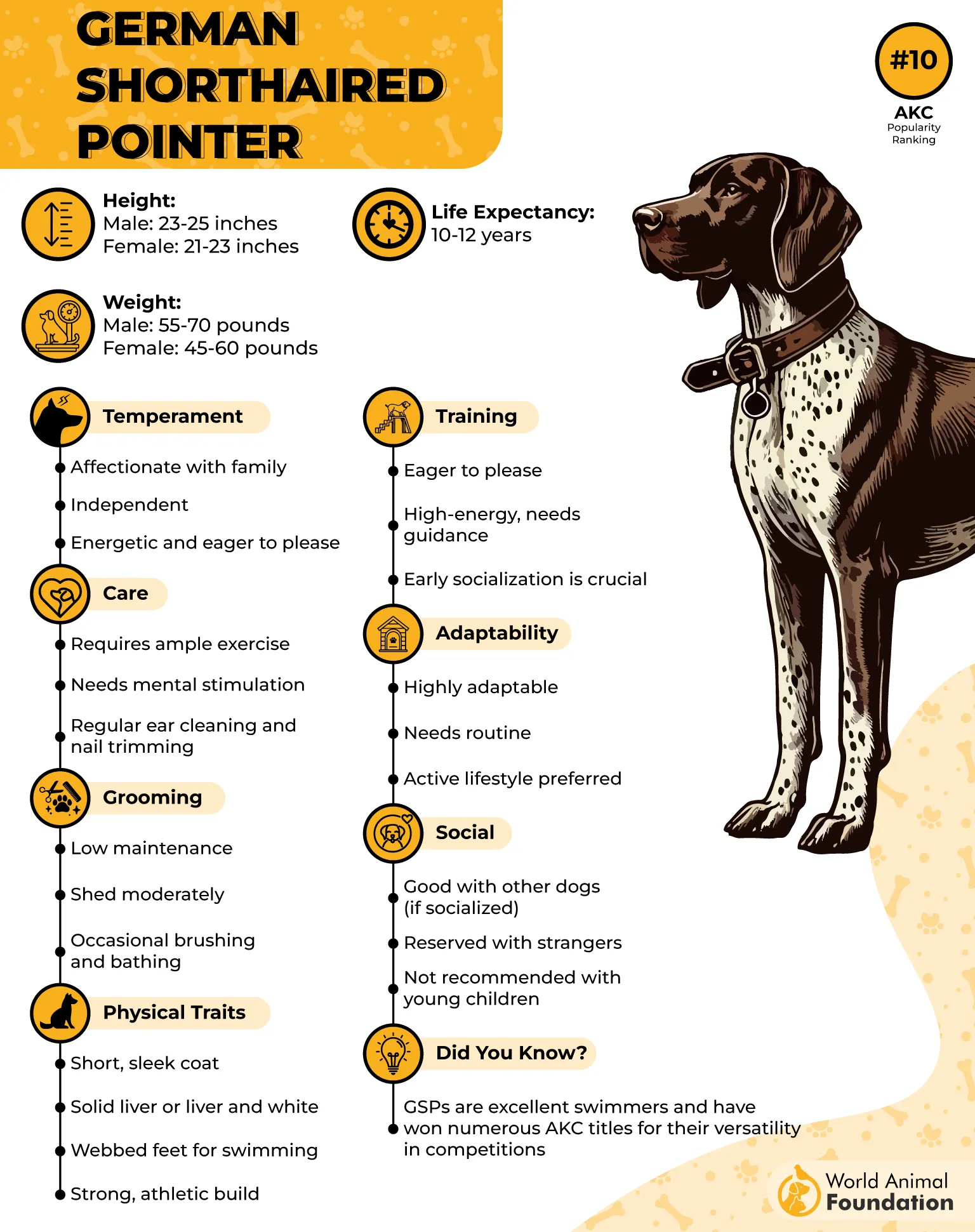
German Shorthaired Pointer is a versatile dog that shows its skill in both land and wet conditions alike, thanks to its tough, muscular build, short coat, and webbed paws. Being a highly active breed, it is a misfit in a laid-back household, having no prior experience.
As bird dogs, they should be trained at a young age for retrieving and finding the targets. Apart from their hunting abilities, they also make great family pets with proper socialization. German Shorthaired Pointers need a good amount of exercise but less care for their striking coats.
2. Labrador Retriever
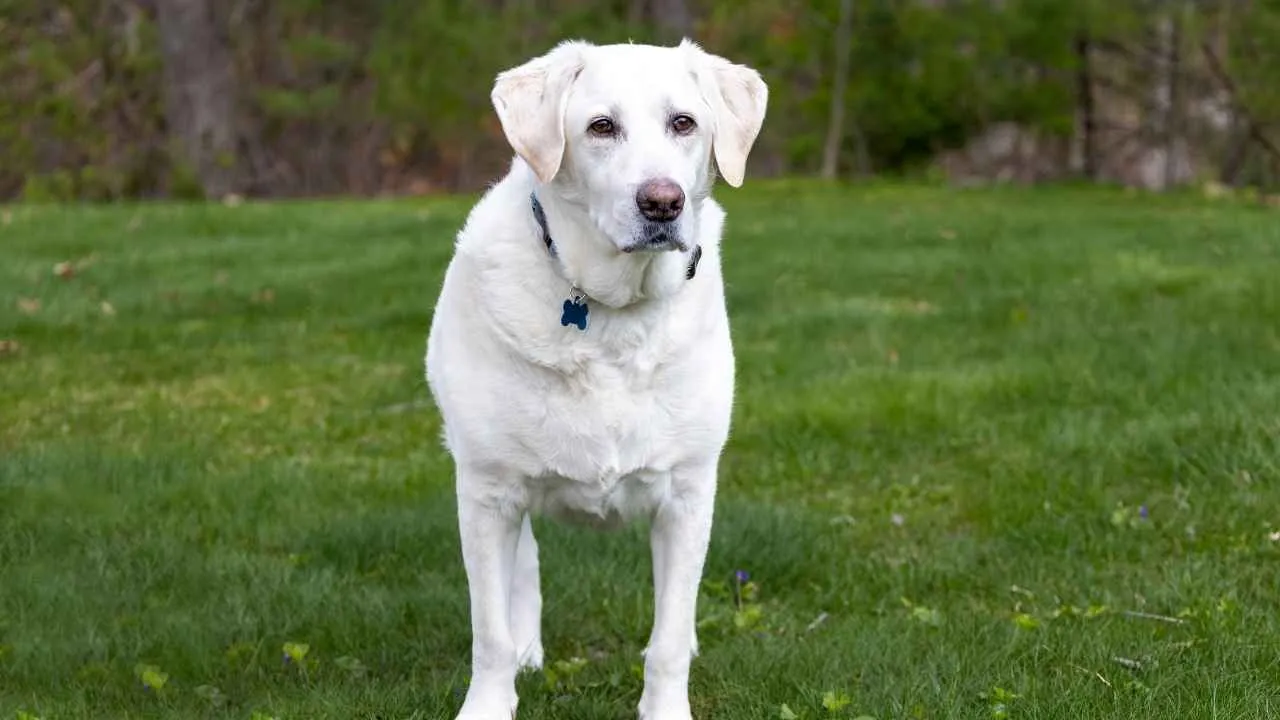
Labrador Retrievers have an image of one of the friendliest dog breeds worldwide. But their traits are not limited to an amiable approach only, as these dogs were originally bred to hunt waterfowl. Blessed with swimming and scent-following abilities, Labs are exceptional at retrieving the ducks.
The reasons behind their popularity are many, such as eagerness to please their owners, playful demeanor towards kids, and boundless energy to accompany anyone on an outdoor trip. Labrador is also suitable for blood tracking, where its nose and calm temperament make it exceptional.
Other than hunting environments, Labradors can also be trained as guide dogs, service dogs, and drug sniffers, depicting their versatility in almost every field of life. They are typically very social and loving canines who make friends easily and enjoy interacting with strangers.
3. Bloodhound
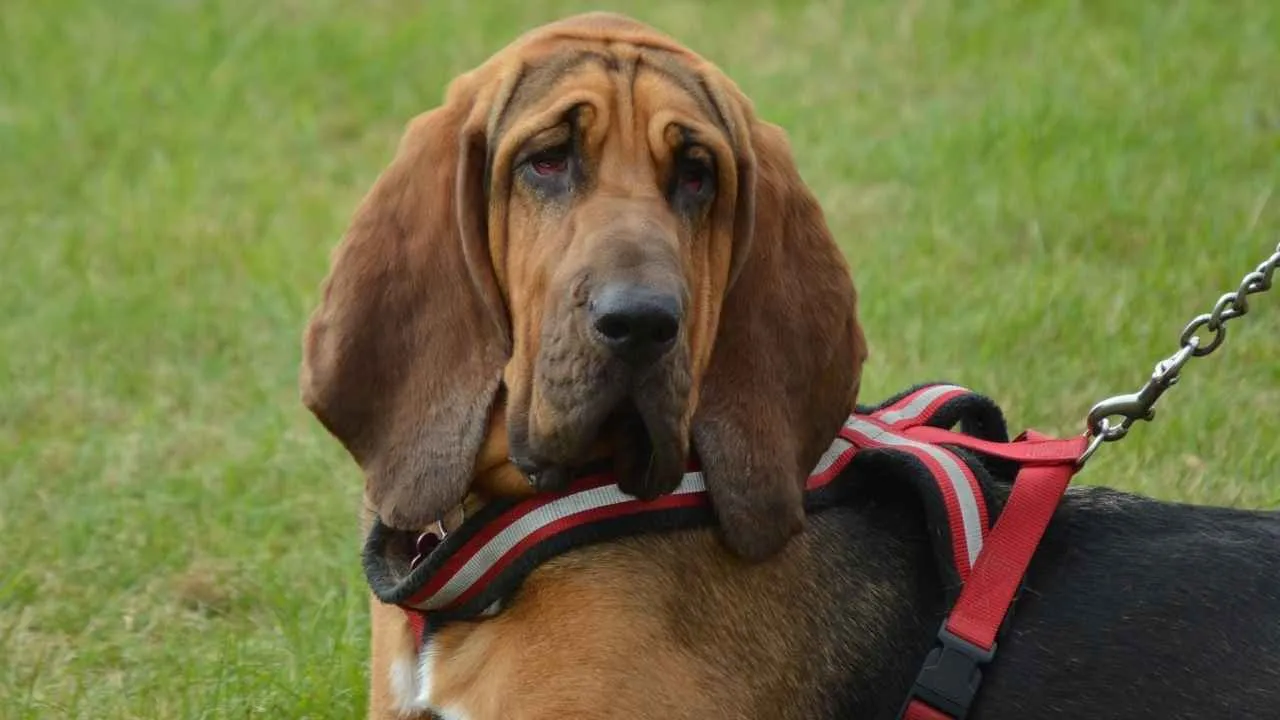
Records cannot follow the working history of Bloodhounds; they are that old. Bloodhounds have been helping humans in tracking wounded game since at least 1066 BC. These dogs are characterized mainly by droopy ears, sharp noses, and wrinkled skin.
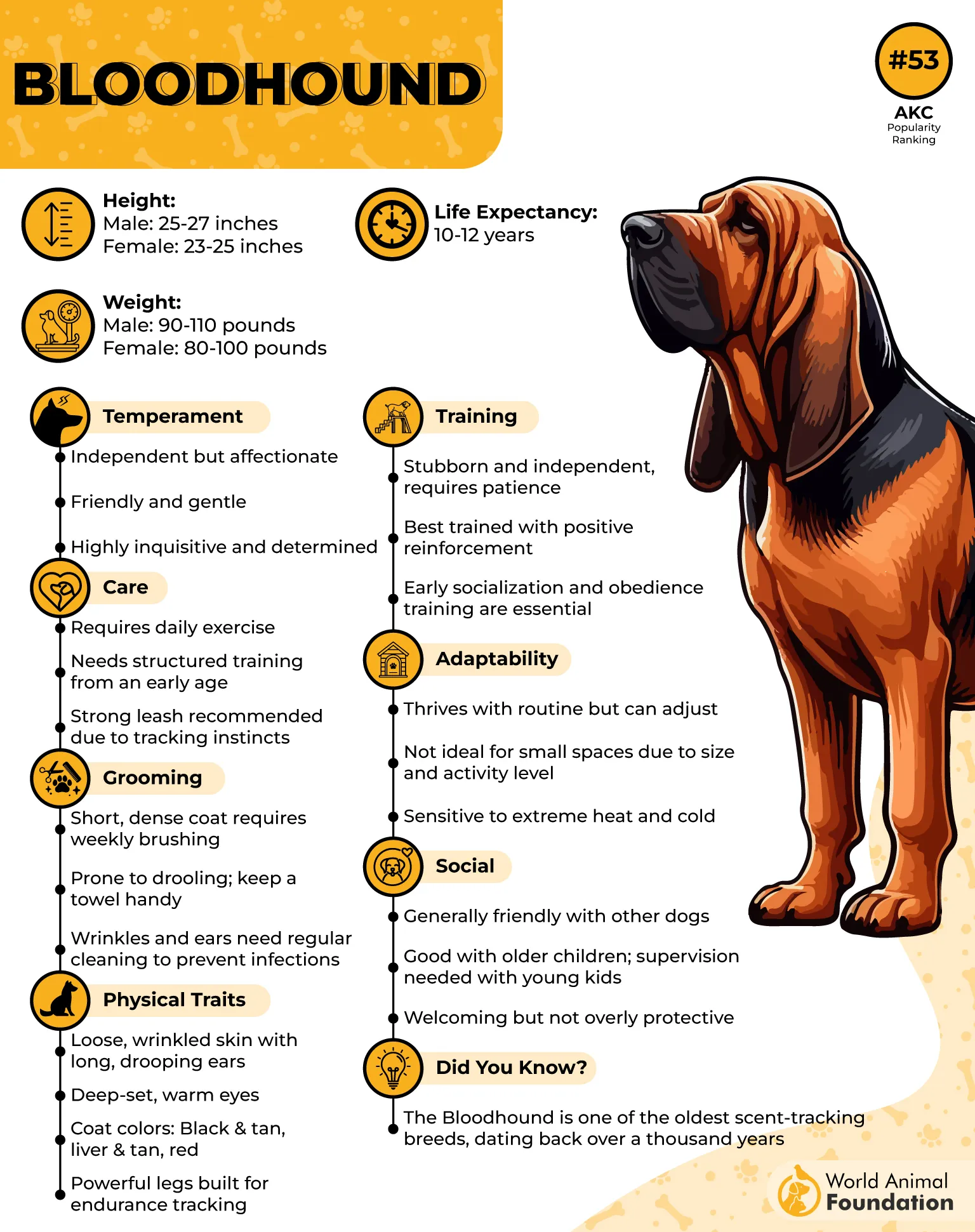
These iconic tracking dogs originally developed in monasteries of Belgium and France to follow the scent trails of wounded deer, wild boar, and other large game. Today, modern Bloodhounds are still trained for hunting tasks, but also assist law enforcement agencies in search and rescue missions.
According to PetMD, these big dogs are fearless yet enjoy the company of other pets and dogs as well, but socialization is important in this context. Being a scent hound breed, it always remains curious and wants to follow the smell, making leash training and fenced yards vital.
4. Treeing Walker Coonhound
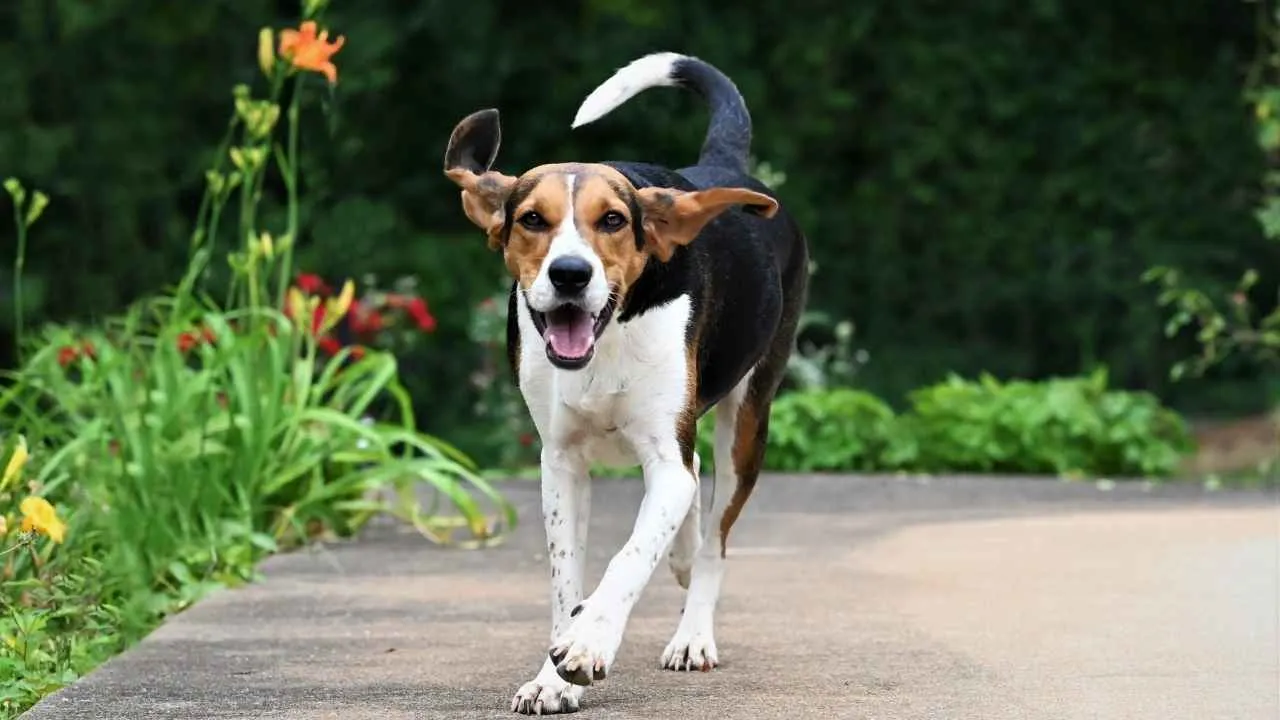
This hunting dog can hunt anything their partners want to, including bears, lions, deer, squirrels, and whatnot. They are descendants of foxhounds and bred in the USA. Comparatively, this hound breed has a more keen sense of smell than other breeds.
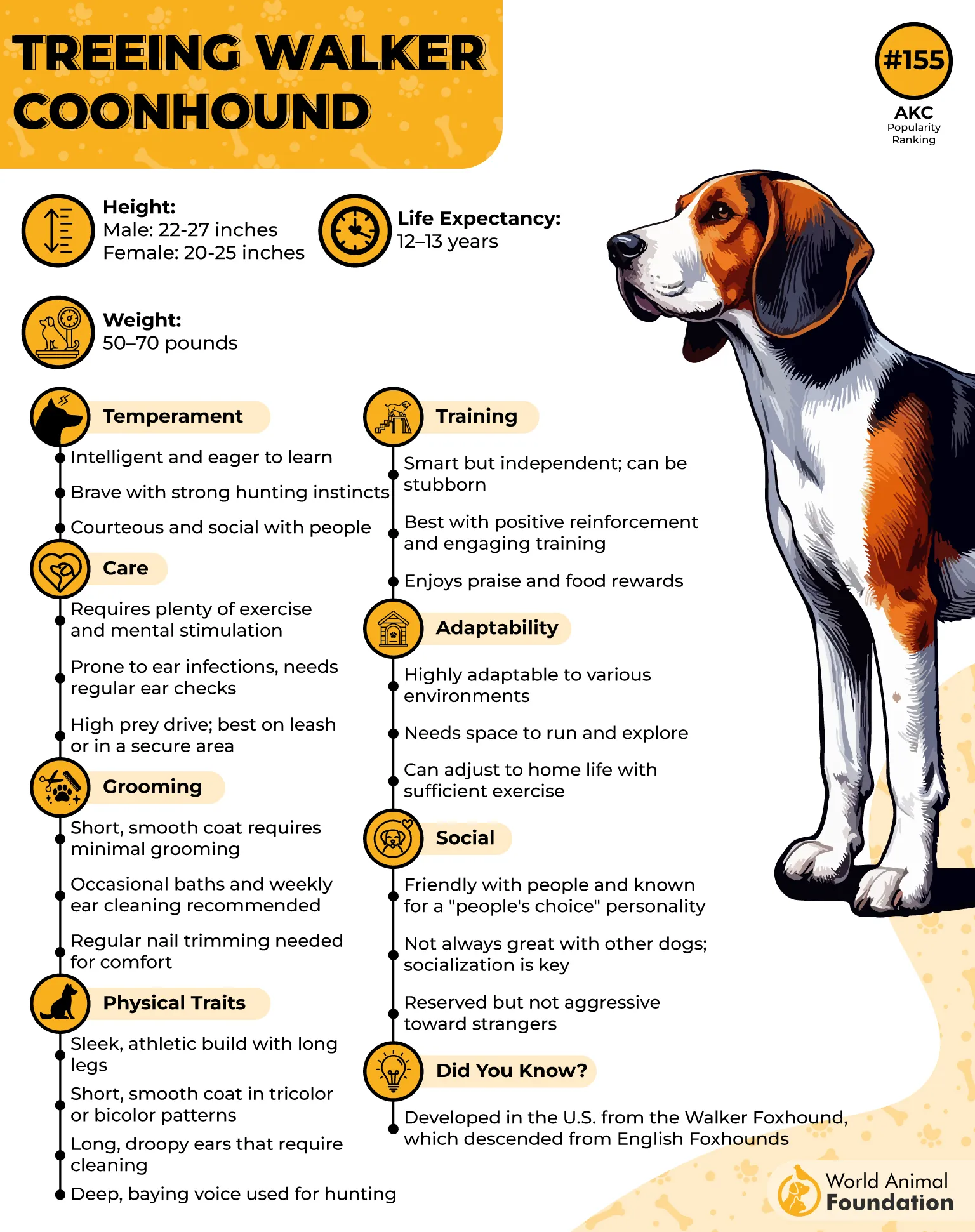
With their strong build and impressive endurance, these dogs can keep hunters active in the field all night. Their smooth, short coat is dense enough to protect them from harsh hunting conditions. Temperament can vary; some Treeing Walkers are reserved, while others are more outgoing and energetic.
This hound is prone to barking even if they are not on a hunt. Moreover, at home, it is laid back and acts like a calm dog. Its behavior is amiable towards children who know how to interact with canines. Its enthusiasm and energy for hunting and hikes will never run out of steam.
5. Wirehaired Pointing Griffon
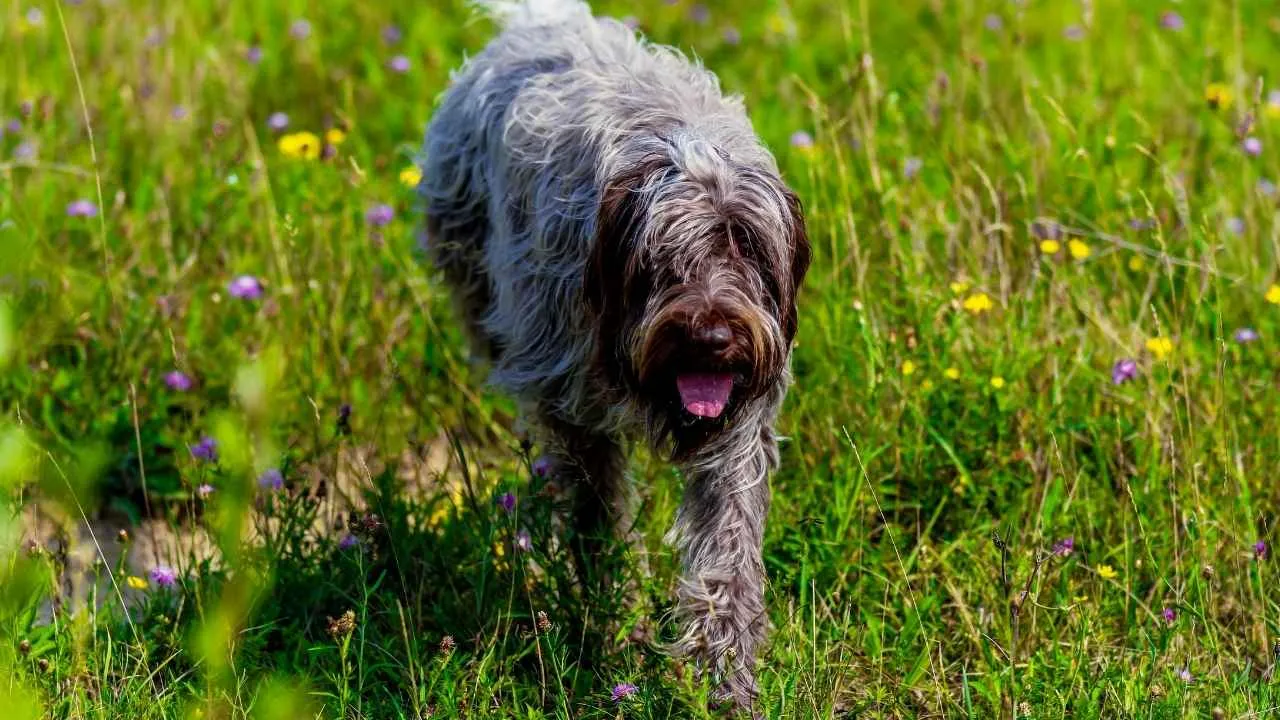
Hailing from Europe, the Wirehaired Pointing Griffon is a versatile dog for pointing, retrieving, and tracking game alongside the hunters. Since it is used to working in companionship, this dog offers reliability and cooperation to date. The Wirehaired Pointing Griffon is adept at upland game and water retrieving.
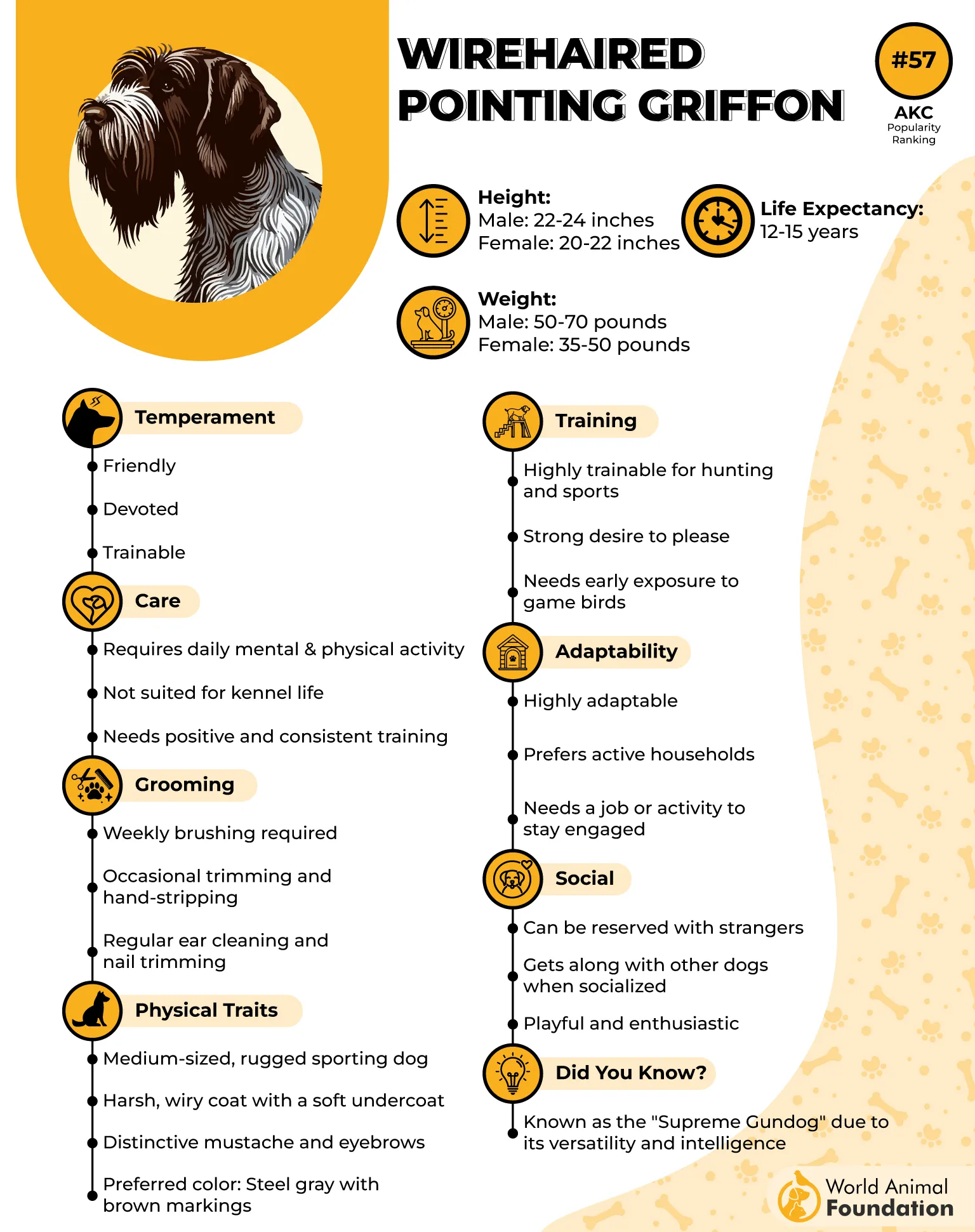
The canine world also calls them supreme gun dogs, thanks to their wide capabilities radiating from temperament and hunting skills. Wirehaired Pointing Griffons are intelligent and eager to please, but this does not mean they are suitable for first-time pet parents.
Their energetic personality demands an active lifestyle, and they enjoy being given a chance to run freely in fenced yards. They can also happily live alone in daytime for up to six to eight hours. Despite having a ranking among healthy breeds, these dogs are still prone to joint issues.
6. Weimaraner
We have another versatile dog breed in our list that is not only great at big game but also excellent at small game. The Weimaraner is specifically bred to hunt large predators with silent running, remarkable tracking ability, agility, and a courageous personality.
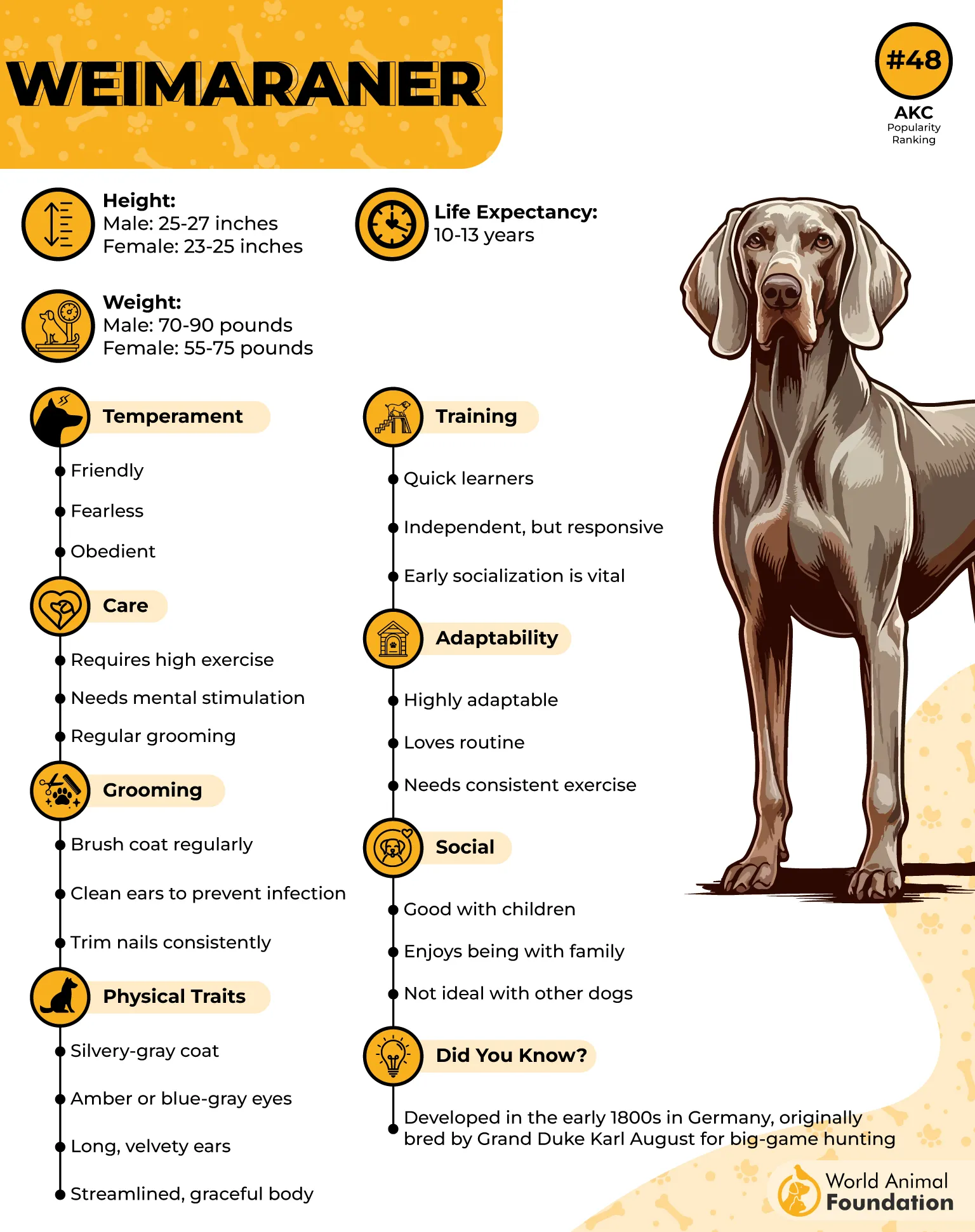
The world also knows them with another name ” Grey ghosts,” which is earned due to their unique colored coat and agile movements. Today, the Weimaraner is known for hunting upland birds such as waterfowl, rabbits, squirrels, and also for deer hunting, making a good tracking dog but a better pointer breed.
An ample amount of physical and mental activities is required to burn off their high energy levels. They are highly trainable and loving dogs who bond closely with their family members and get along with kids. Owing to strong prey drive, they do not live well with small animals.
7. Vizsla
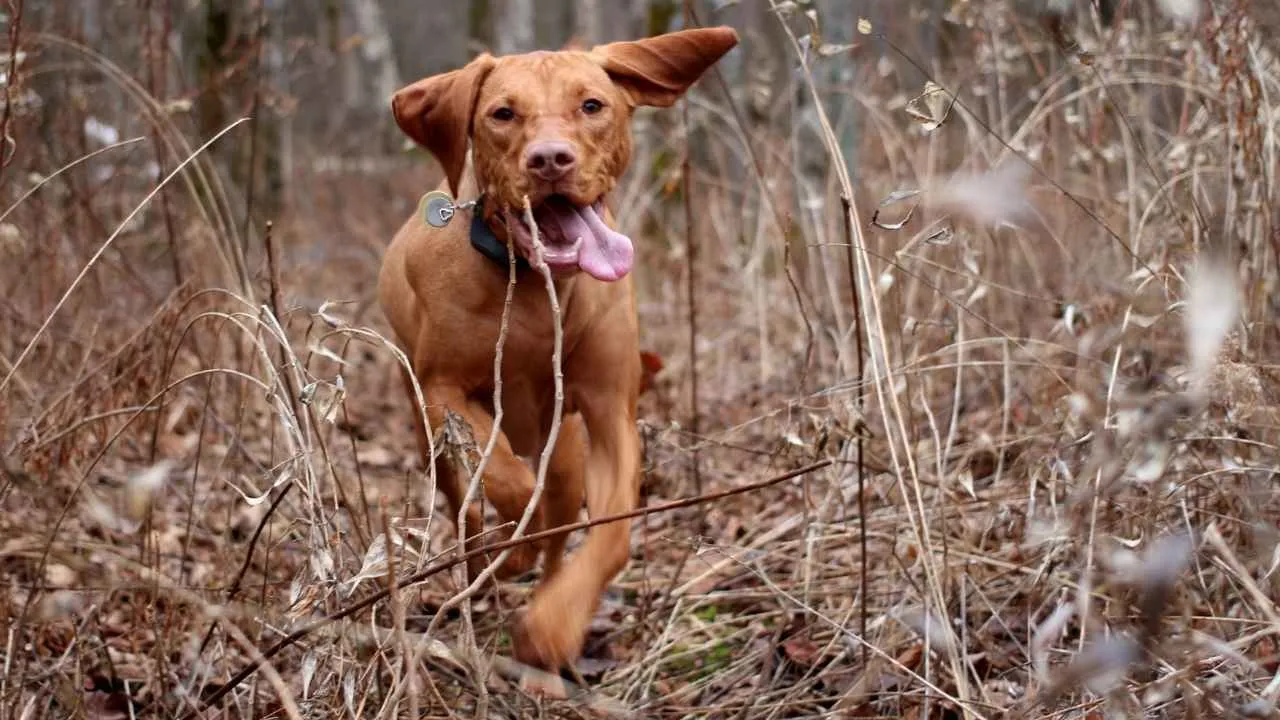
This Hungarian hunting dog has made its name in upland game, and some say that it may outshine Labs in terms of retrieving skills. Its versatility does not limit it here, as the Vizsla is also great at tracking wounded animals and makes a good companion for skilled hunters.
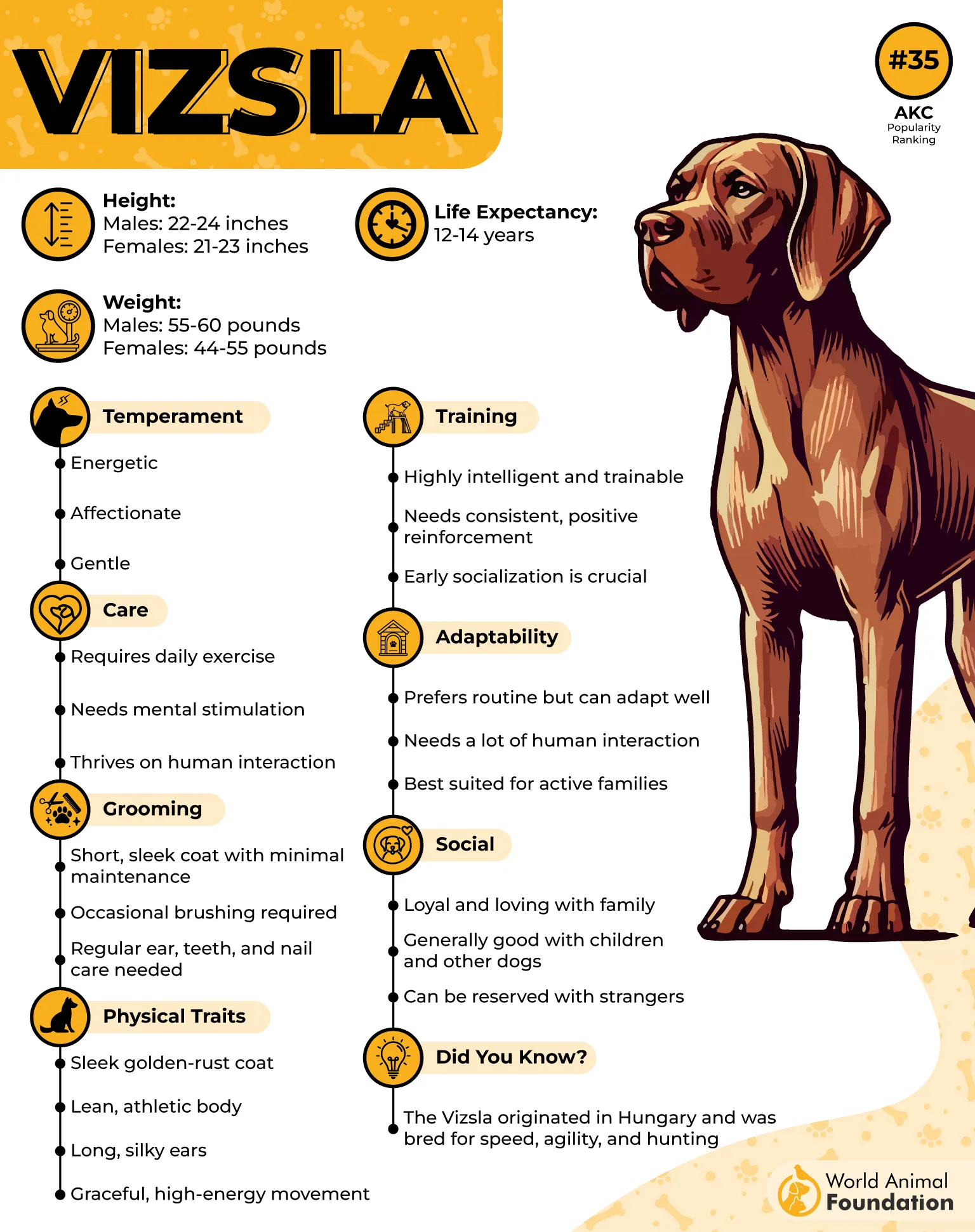
Their stamina and resilience define their power to hunt all day long in rough terrain, says the AKC. Their sleek golden rust coat may become the first thing to note and adore, but actually, these light-footed dogs are also excellent at various dog sports, especially in agility training.
Before bringing them home, remember that training and socialization play a vital role in having a memorable companionship, as an untrained Vizsla is hard to live with. Their sleek and short coat does not require any extensive grooming, but their bodies need fair exercise on a regular basis.
8. American Foxhound
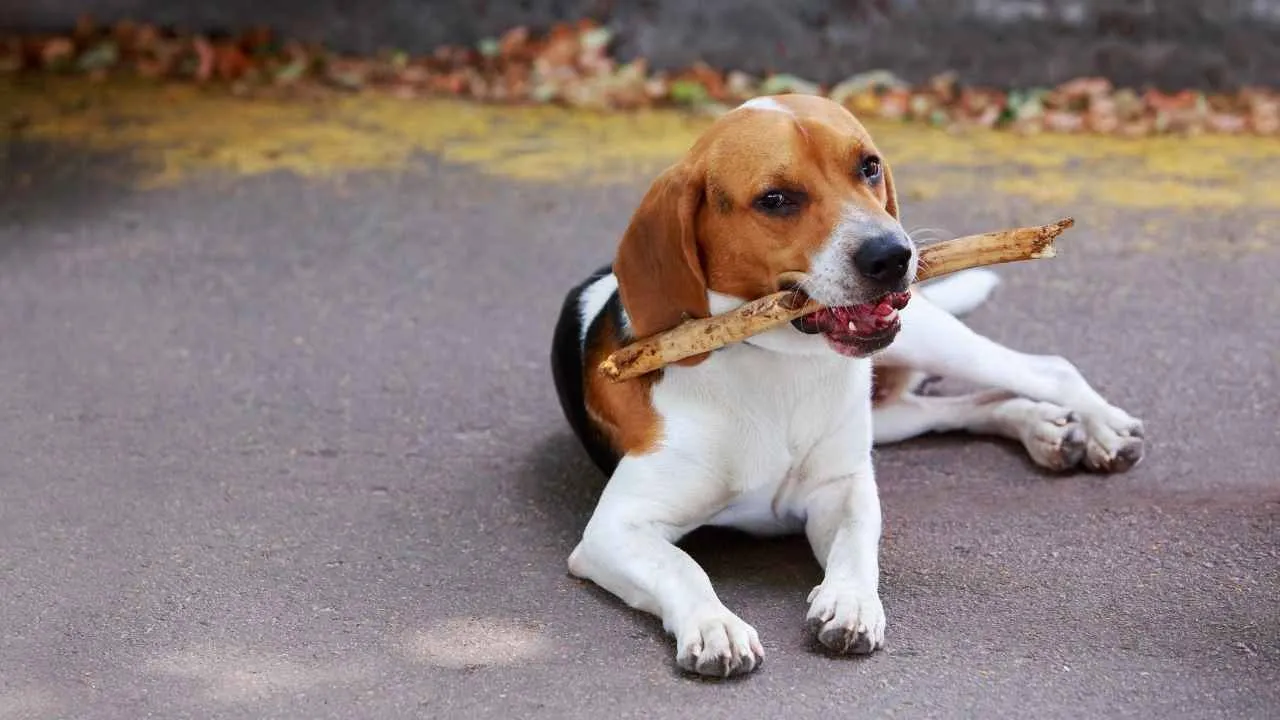
The love for chasing the targets and following the scent trails seems matchless in American Foxhounds. These dogs, bred to hunt foxes by George Washington, known as the father of this canine breed, are today the official state dog of Virginia.
Since they developed to run for a longer time span, along with their hunting capabilities, American Foxhounds are also considered one of the best options for deer hunting. They are extremely loyal dogs, but demand significant exercise to meet their energy and endurance.
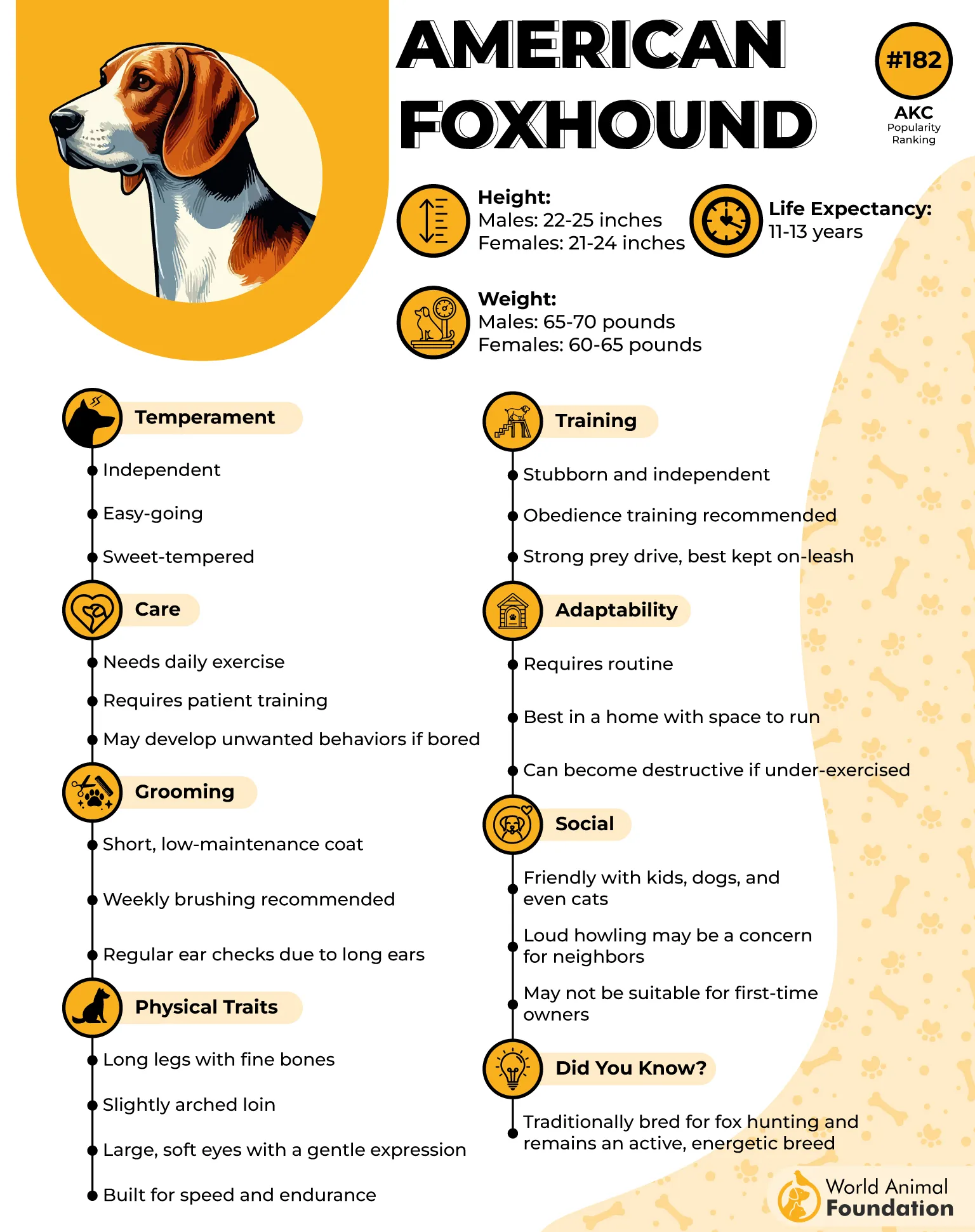
No matter how friendly and obedient they are, if they get an opportunity to follow the scents, they will never listen to you until the job is accomplished. American Foxhounds are also patient enough to get along with active families with children.
9. Bluetick Coonhound
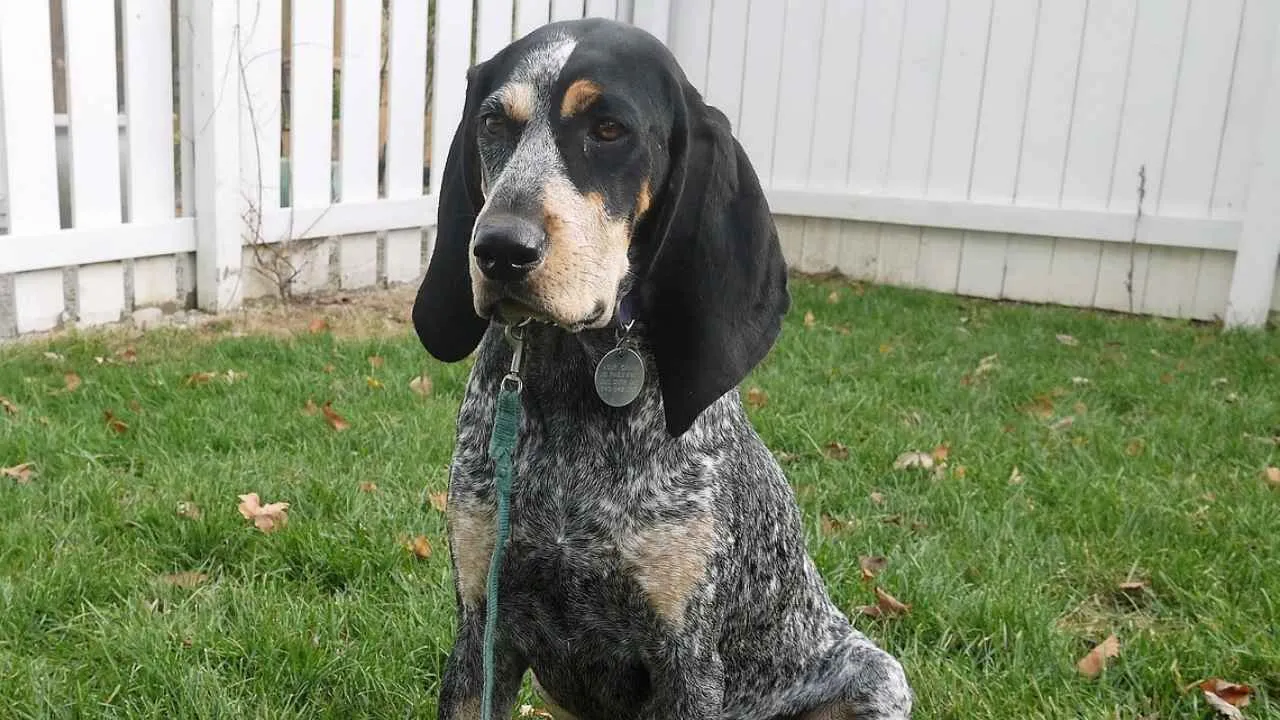
These hounds are named for their distinctive-looking coat pattern and raccoons hunting, but more interestingly, they can also be trained for big wounded game like mountain lions, deer, and bears in North America. They are celebrated for nocturnal hunting with exceptional hunting prowess and nose senses, as noted by WebMD.
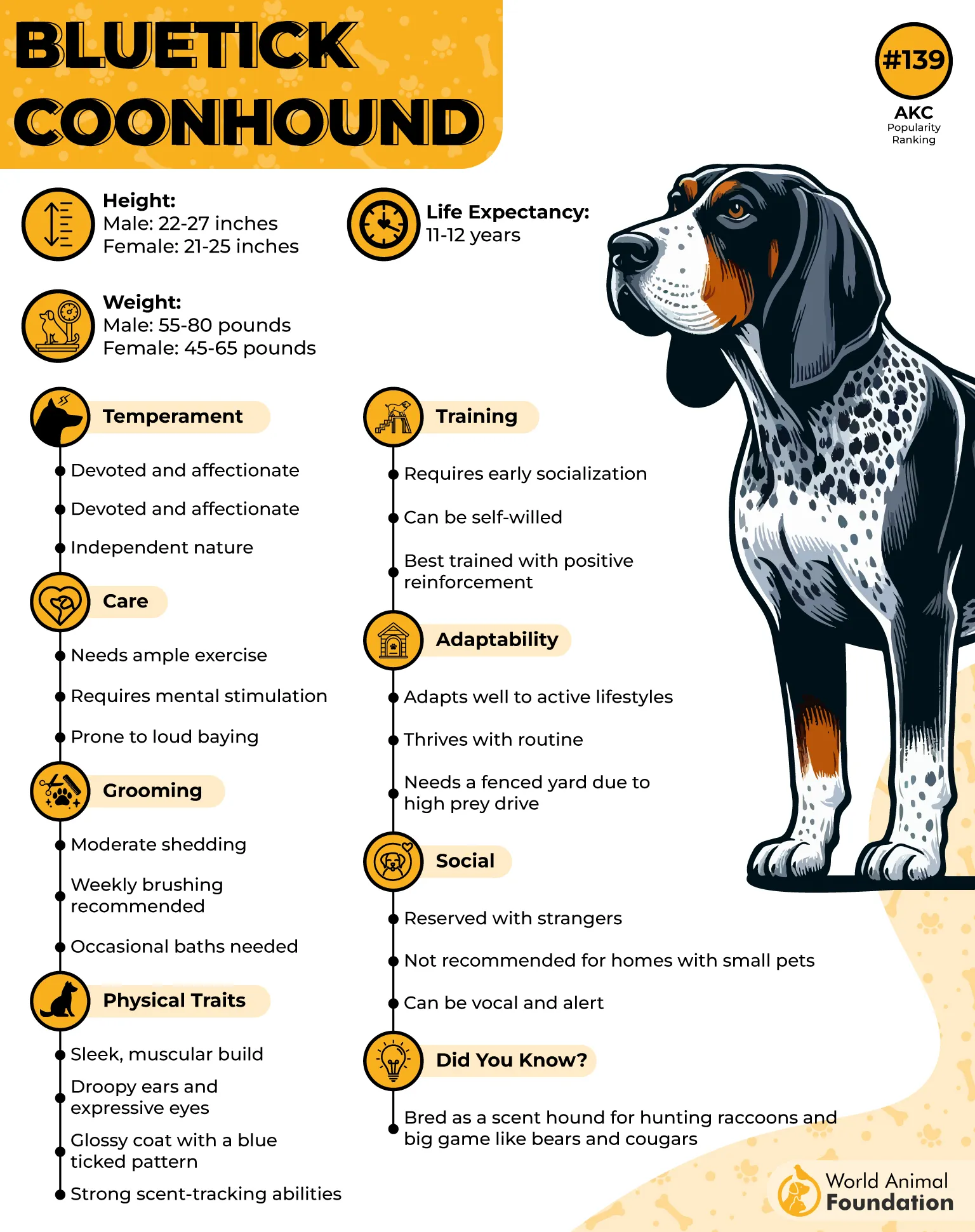
Bluetick Coonhounds are stubborn, and scent-obsessed dogs reflecting determination and drive for their hunting tasks. However, in a family setting, this behavior should be curbed through leash training and in fenced yards. That’s why ample house and committee members are necessary things from the pet parents’ side.
They are not designed for apartment houses. Bluetick Coonhounds are energetic dogs, and their requirements in this regard should not be compromised, or they will develop undesired behaviors. Their love for running and chasing makes them excellent partners for various hunters.
10. Redbone Coonhound
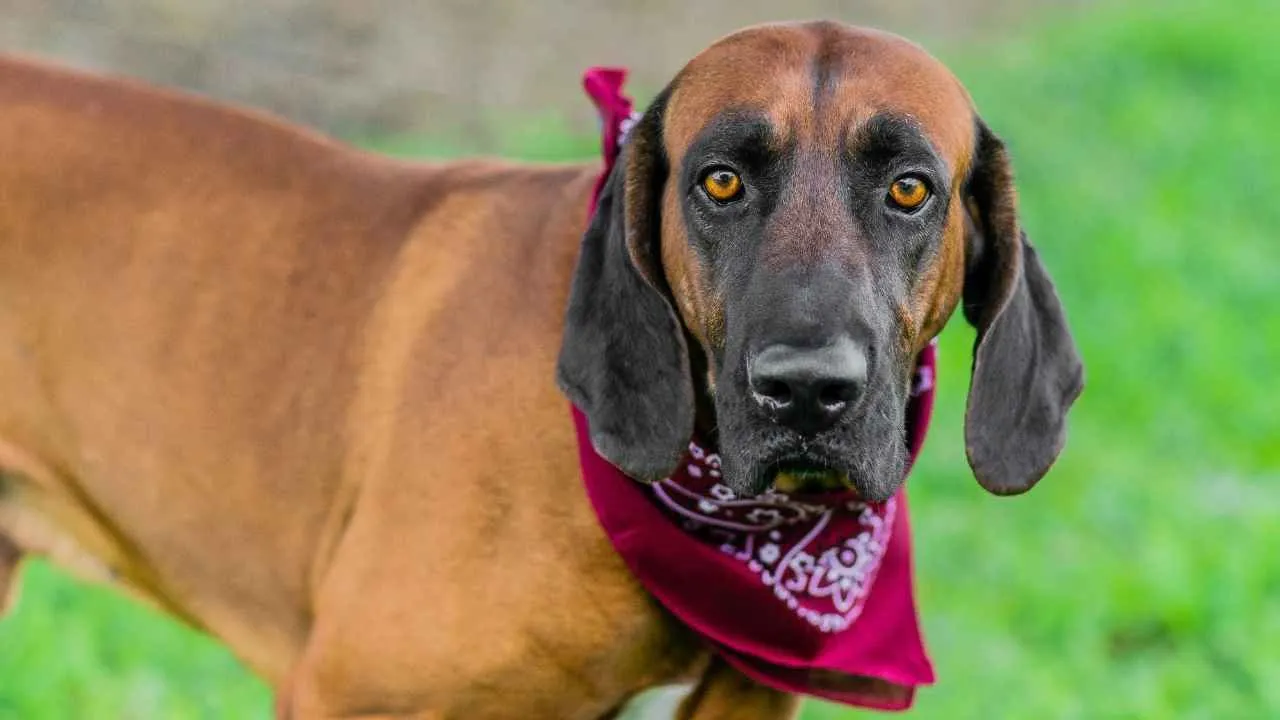
This hunting dog is a great mix of Foxhounds and Bloodhounds developed by American Settlers to provide raccoon meat and fur to people expanding the residential areas of the South and West. Being one of the most tenacious and tireless hounds, they need experienced hunters to thrive with.
These dogs are blessed with long ears hanging all the way to their muzzle, strong legs, and paws, helping them to work quickly even in the most challenging environments. Their deep red coat is the reason behind naming them as Redbone Coonhounds.
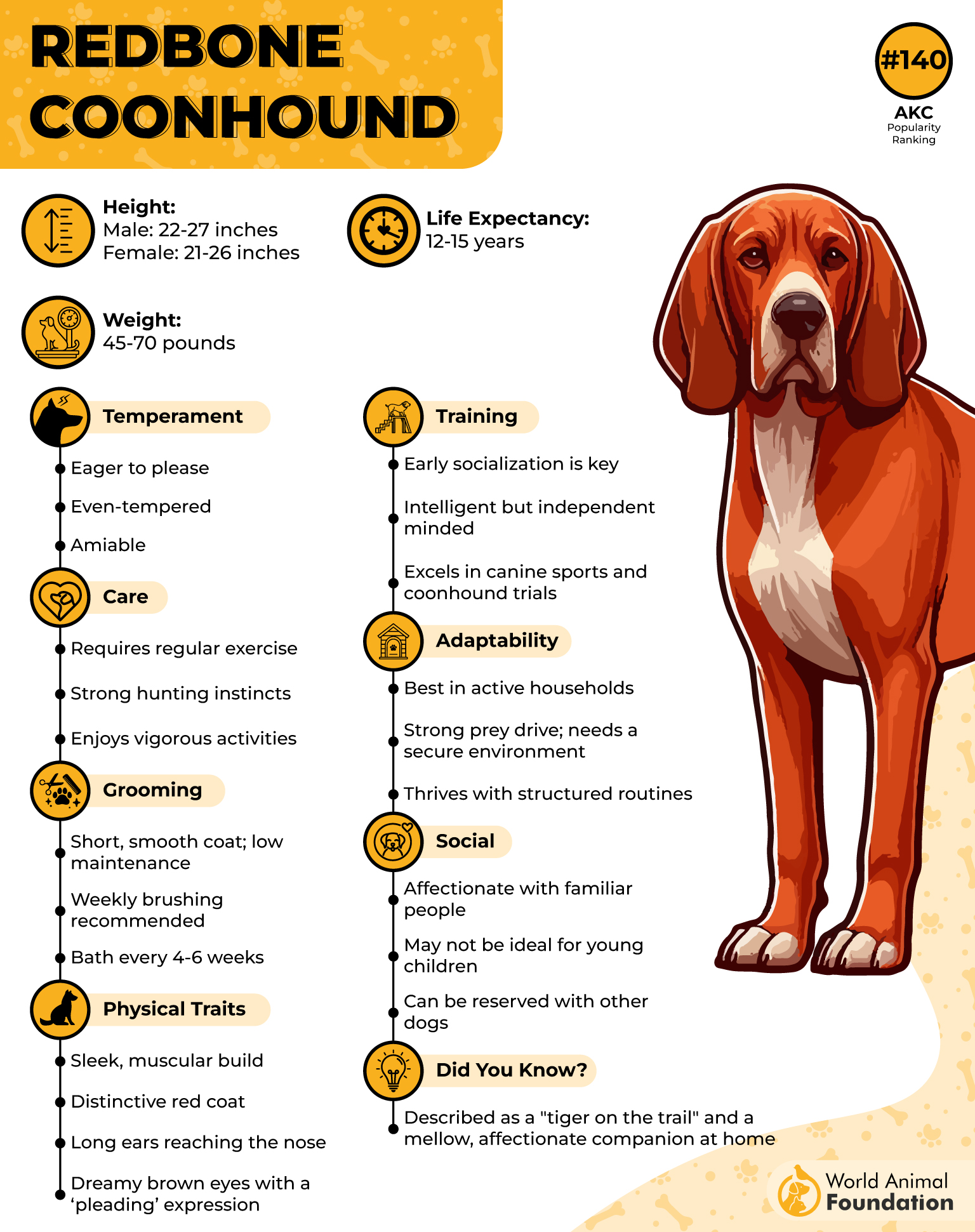
While excelling in treeing raccoons, these dogs show off their agility and endurance together. With proper socialization and training, they act as affectionate and deeply bonded dogs towards their owners. Though their coats do not need high grooming, but weekly brushing to keep shedding minimal.
Conclusion
As explored, the finest tracking dogs are those that combine sharp scenting skills with resilience and focus. Their versatility ensures they remain effective regardless of shifting environments or prey types.
In the world of hunting, such breeds are not merely tools but indispensable partners whose dedication defines the success of every pursuit.
