




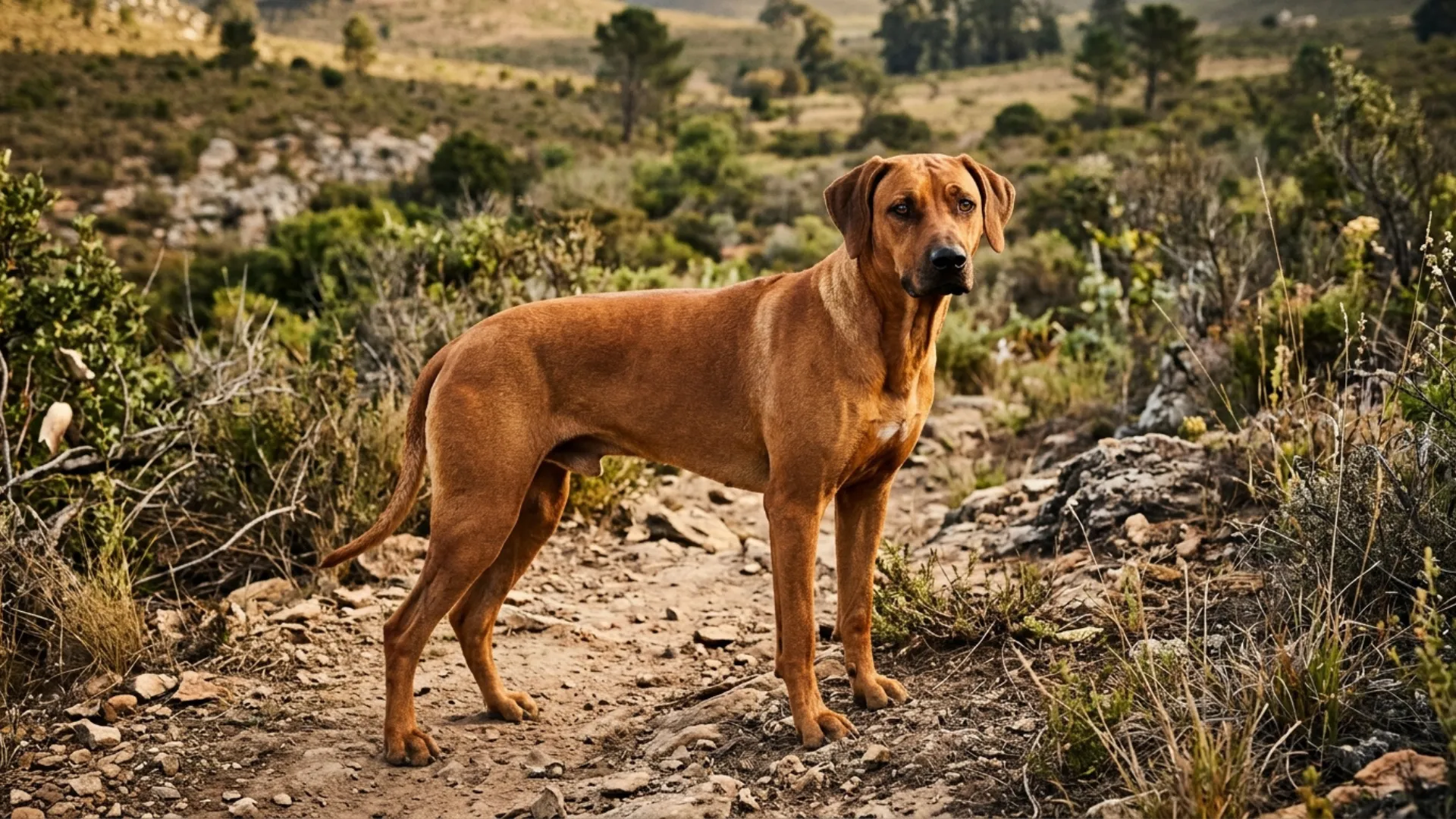
Hunting does not always occur in the best possible environment. A hunting dog is required to push through thick brush in the morning, then run across open fields later in the day, and finally retrieve wounded game out of the cold water before the day is done.
Versatile hunting breeds thrive in these environments.
There are certain breeds that have been bred to be close companions to hunters. Some follow a trail with their noses in forests or rough ground, while other dogs search open fields for upland birds and small game.
Not all of these dogs are created equal. Their hunting styles, strength, and work ethic may be quite different and vary from one another.
They have one thing in common, though. They’re bred to continue working as the terrain shifts, eager to track wounded game under any circumstances.
Here are nine dog breeds known for their ability to work in and adapt to different environments.
Versatile Dog Breeds That Hunt Diverse Terrains
1. Irish Water Spaniel
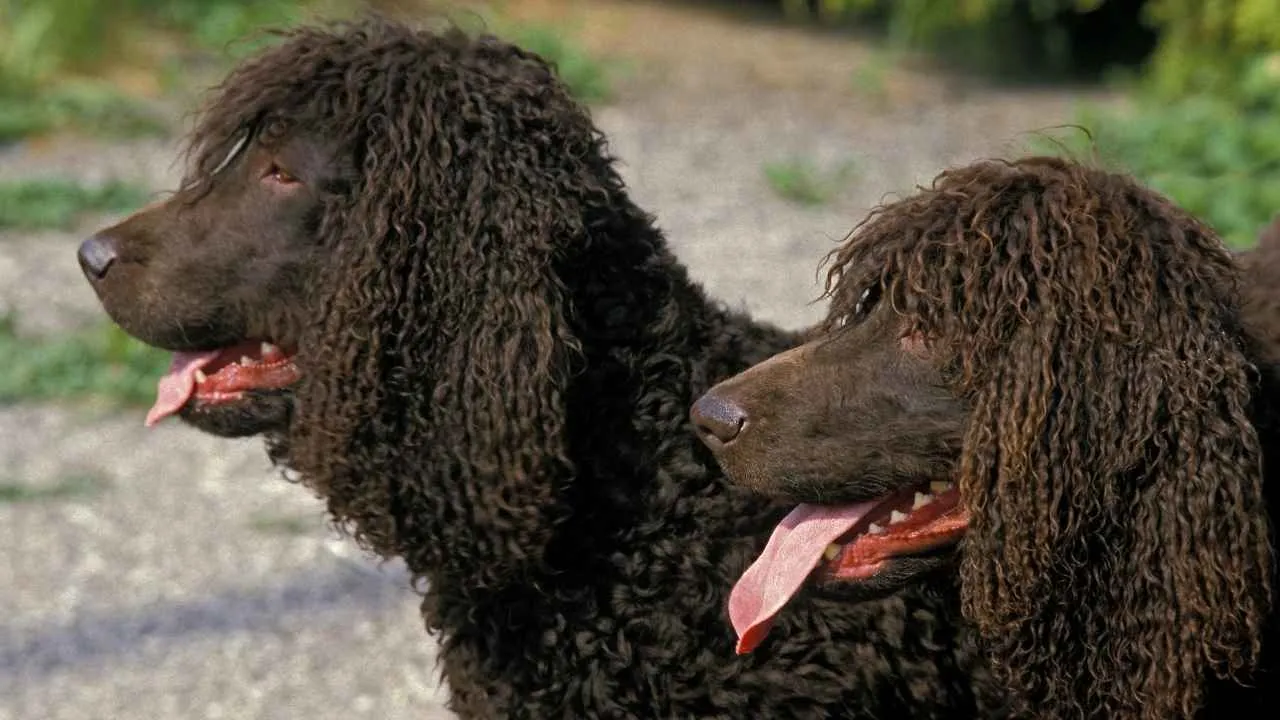
The Irish Water Spaniel has the distinctive appearance of a swimming dog due to its curly coat, webbed feet, and strong build.
However, this breed is not just confined to ponds and lakes.
Irish Water Spaniels were bred to be multi-purpose hunting dogs. They are able to locate and flush upland game birds and retrieve wounded waterfowl out of the water. They have a keen sense of smell that they use when bird hunting, and their athletic bodies enable them to maneuver through heavy brush and tough terrain.
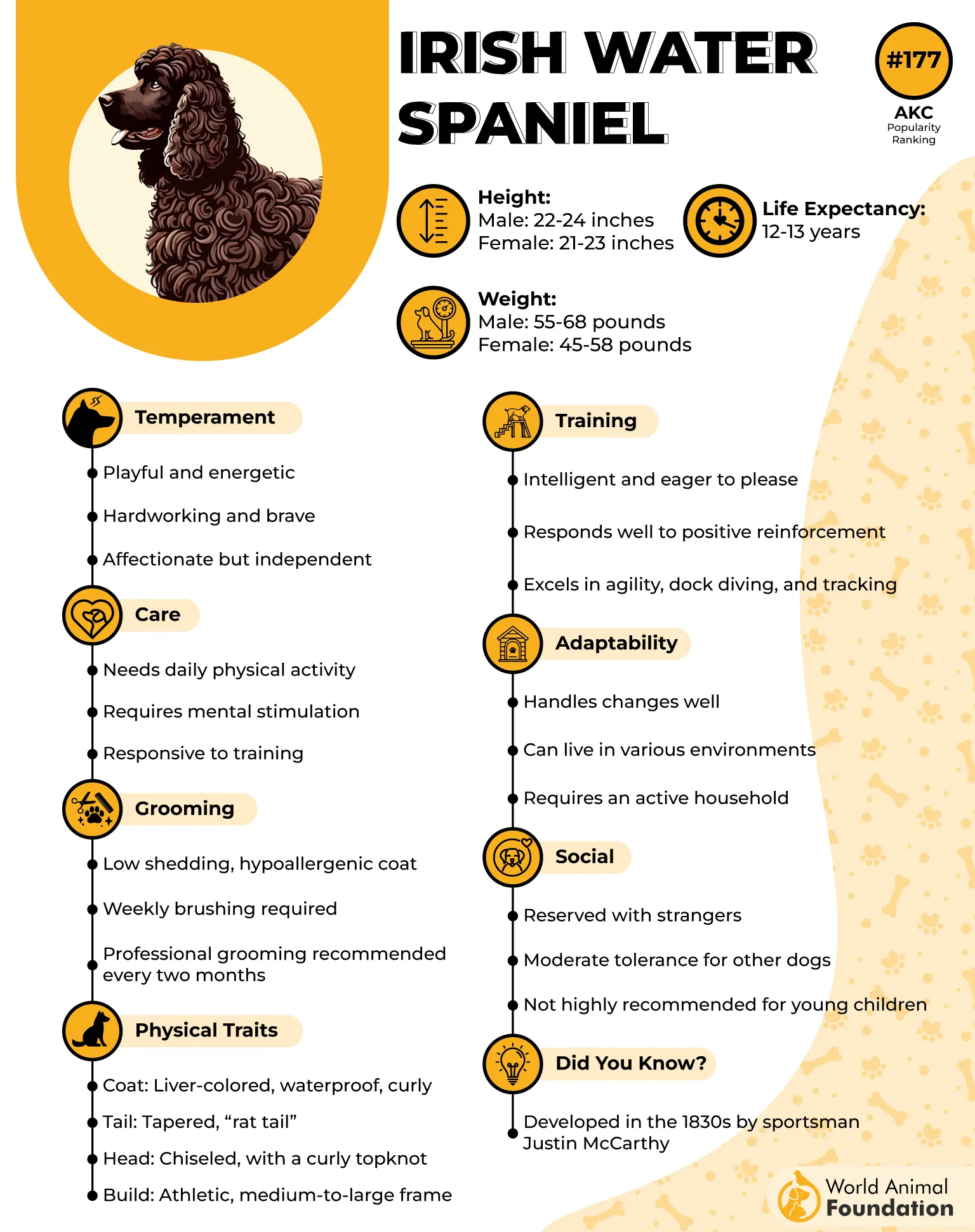
This breed is particularly fascinating because it can work on land or sea and retain its work ethic. It may be led through dense undergrowth and then into cold water.
This adaptability is one of the reasons why it is so popular among hunters that want a dog that can keep up with rapidly changing conditions.
2. Rhodesian Ridgeback
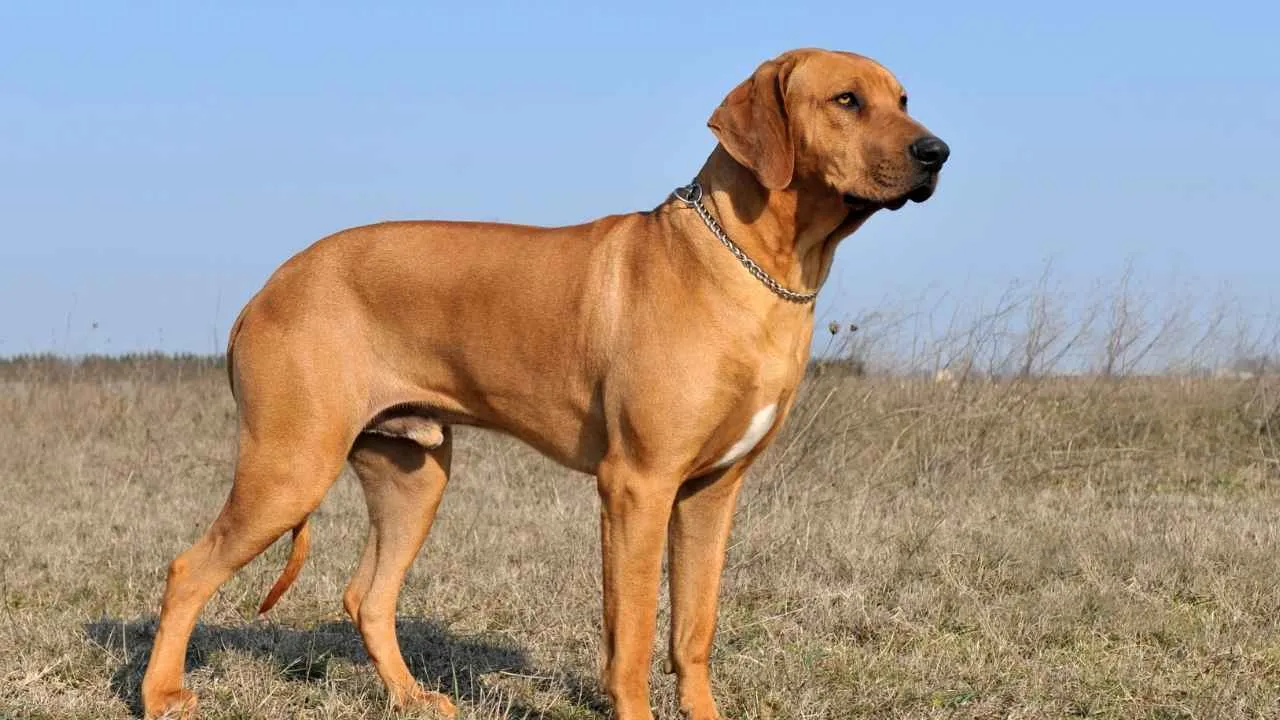
The Rhodesian Ridgeback is a totally different breed on the hunting field.
It is a powerful hound, bred in Southern Africa, and used to hunt and bay large game, including lions. This dog was used to track and hold large game at bay, relying on courage, speed, and tracking ability.
The Ridgeback is a hard-working dog. It can travel a long distance and deal with difficult terrain while tracking a trail or running after its prey.
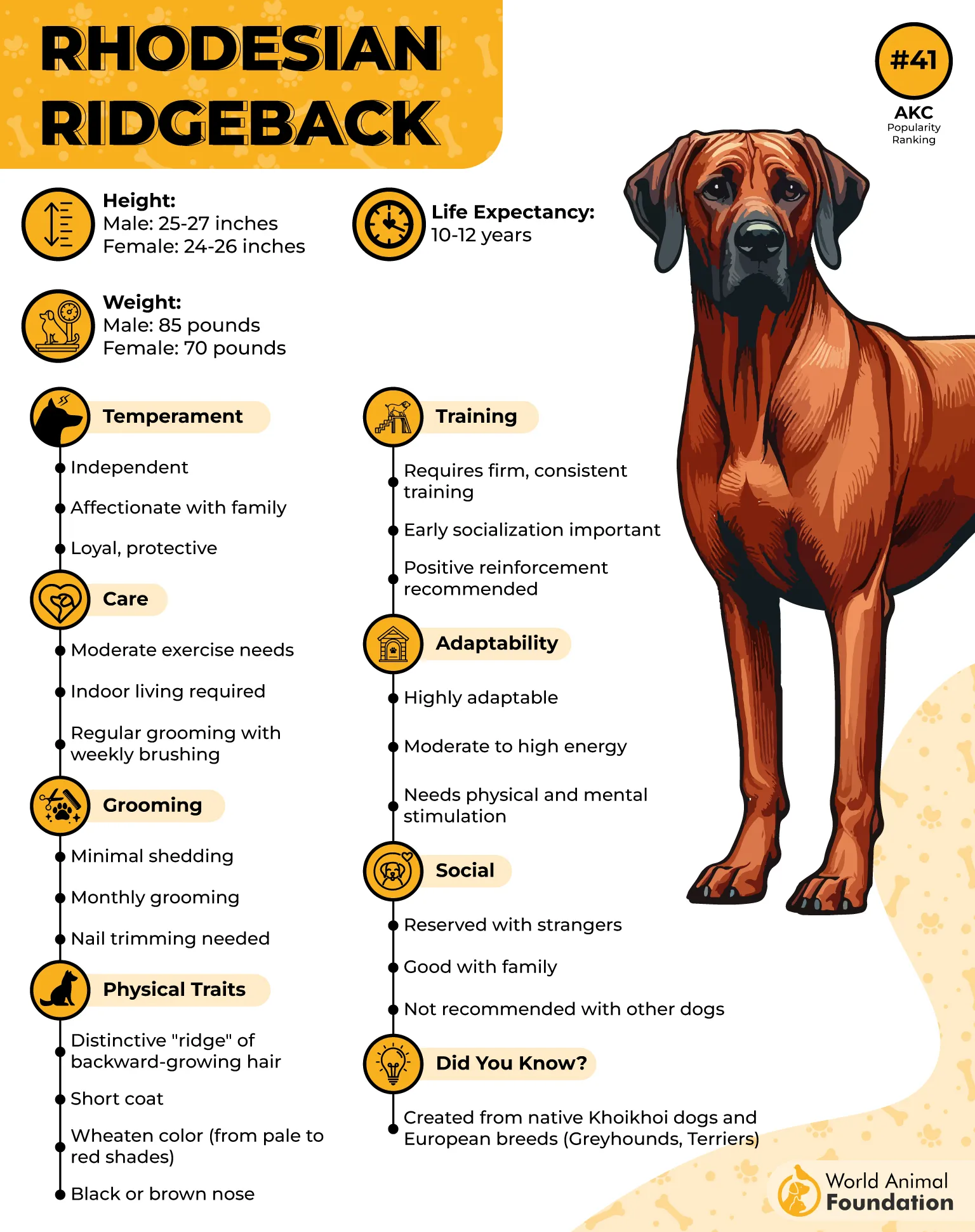
Today, the majority of Ridgebacks are not working dogs, but family pets instead. Despite all this, their independence, athleticism, and predatory instincts have remained intact.
These dogs are a reminder that versatile hunting doesn’t necessarily involve bird hunting. Sometimes, it involves scouting, hunting, and concentration for extended periods over rough terrain.
3. Irish Setter

There are few dogs that look quite as spectacular running through open fields as Irish Setters.
Their gorgeous red coat isn’t the whole picture. Irish Setters were bred as energetic bird dogs, with the speed and stamina to cover large areas while searching for upland game.
They were especially well-adapted to Ireland’s landscape, with some places being damp in the fields, others very dry. Their athletic physique enabled them to move smoothly on both.
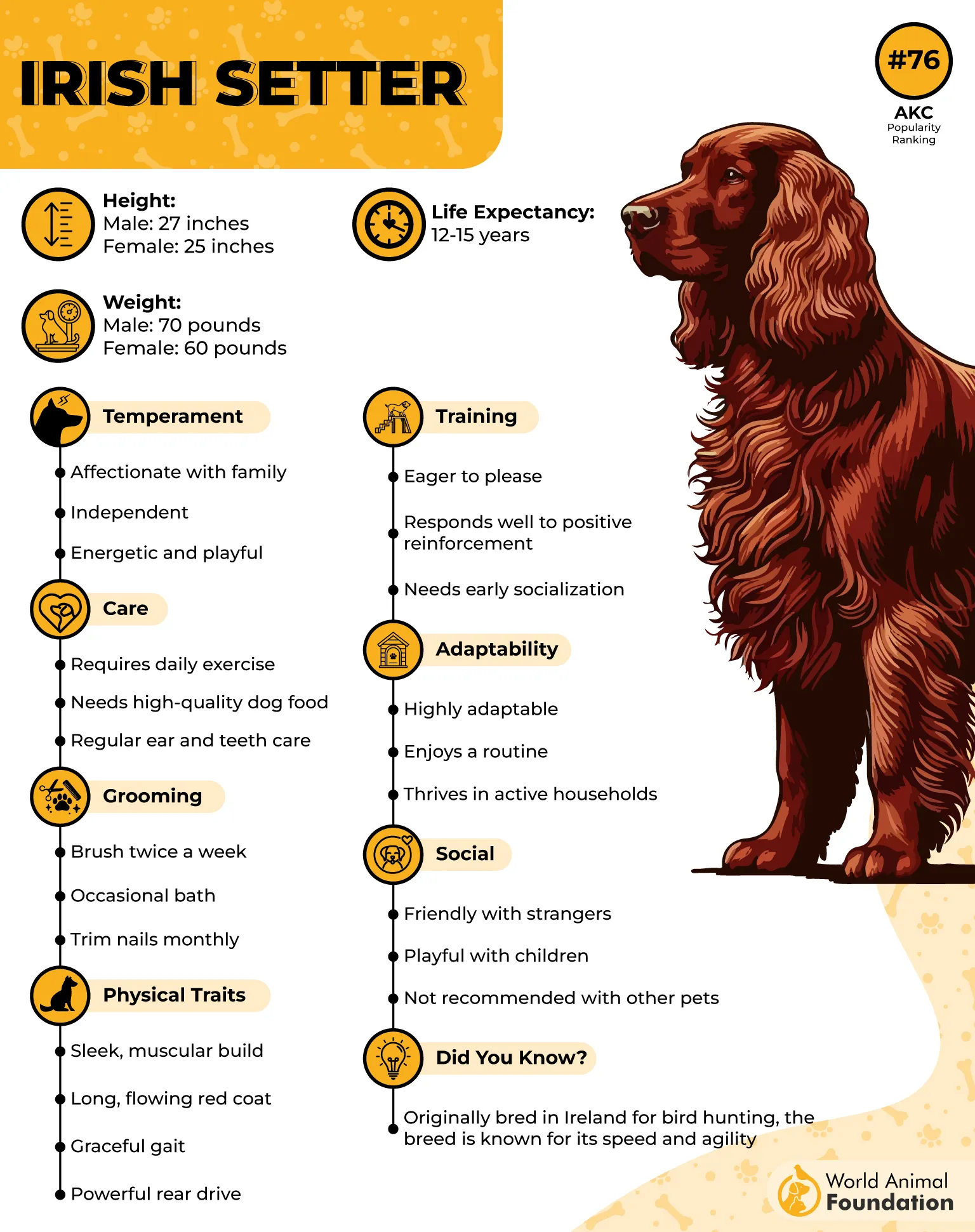
Irish Setters are also pointing dogs. Rather than running towards birds, they can find them and point to them for the hunter.
They are field runners at heart due to their long legs. They are able to sustain their activity for a long time and are able to stay with the activity.
That same energy is now a part of their personality at home. They generally like to be a part of the action – whether it’s running outside, playing, or going on adventures with the family.
4. Treeing Walker Coonhound
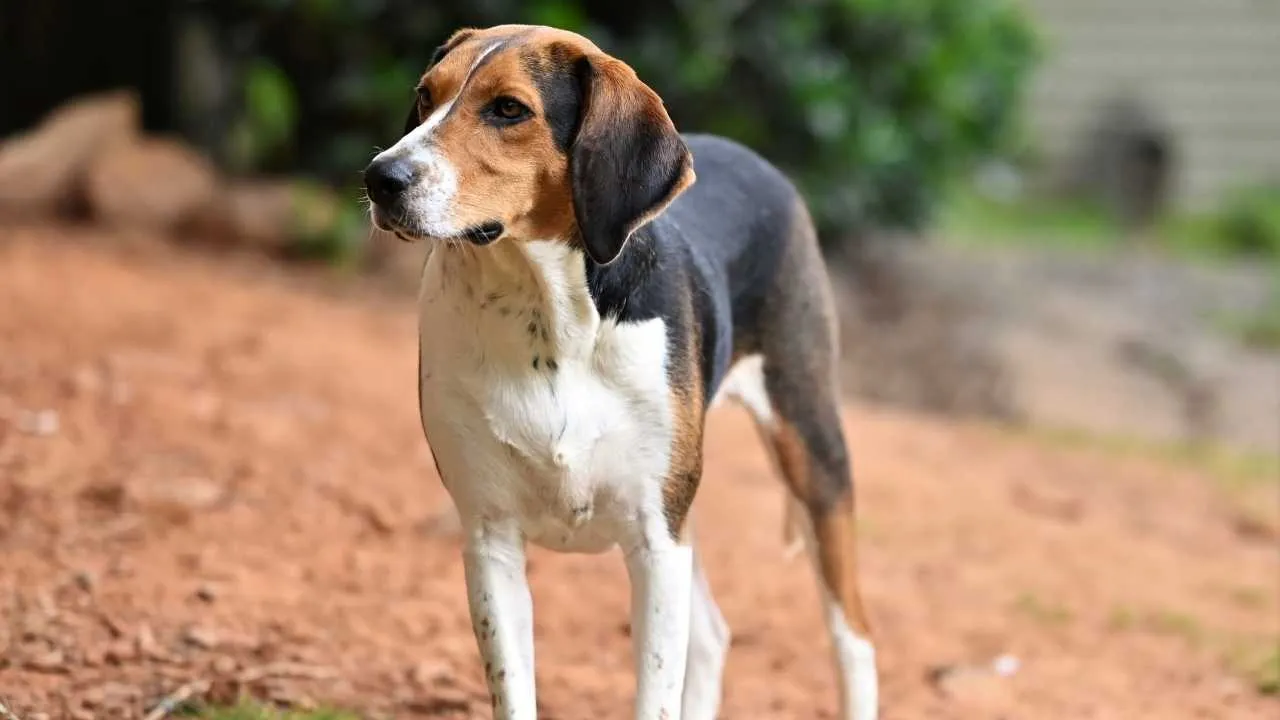
This breed was developed to hunt game, especially raccoons. It does not need to follow the animal on the ground, but can chase it up a tree. The hound then barks to let the hunter know.
Such hunting requires a keen nose, speed, endurance, and courage.
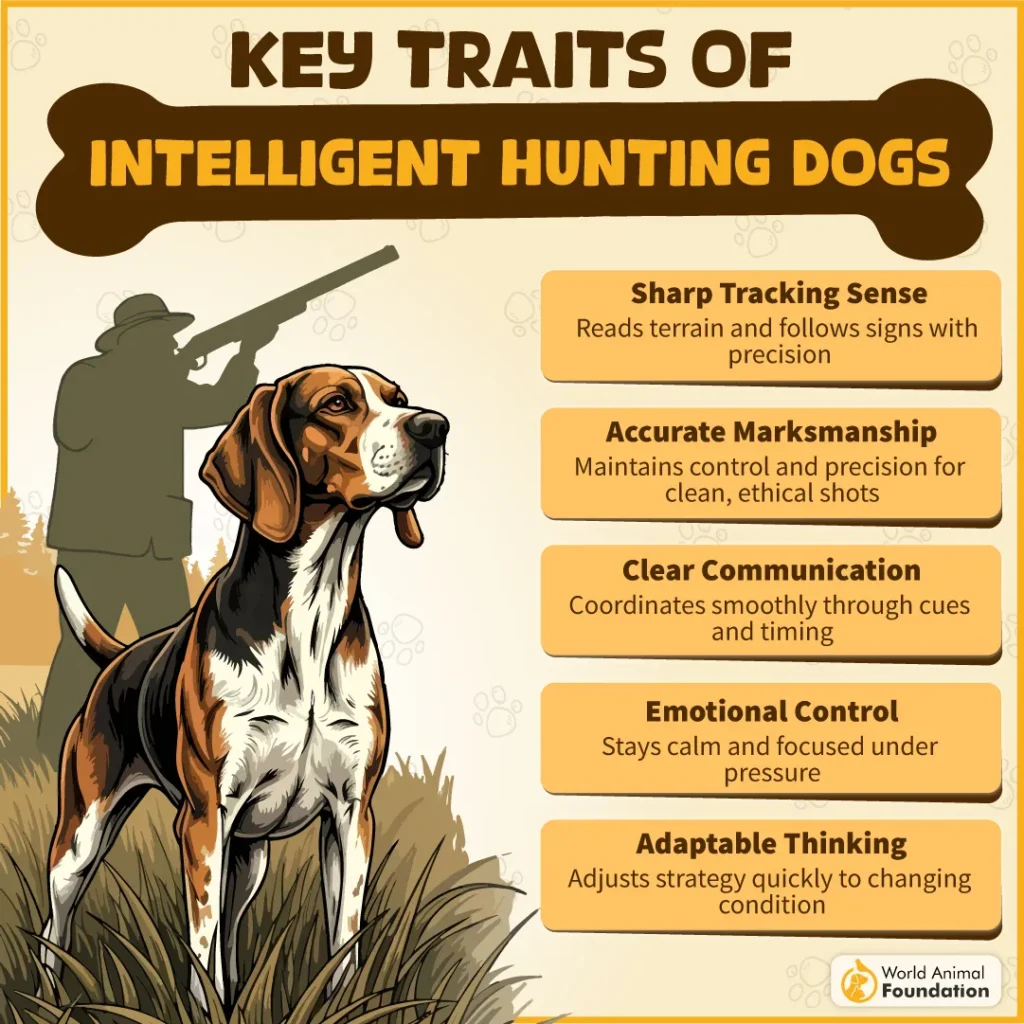
Treeing Walker Coonhounds can be used in pairs or in combination with other dogs. They can do more than just hunt raccoons. They have also been employed for hunting larger game as well.
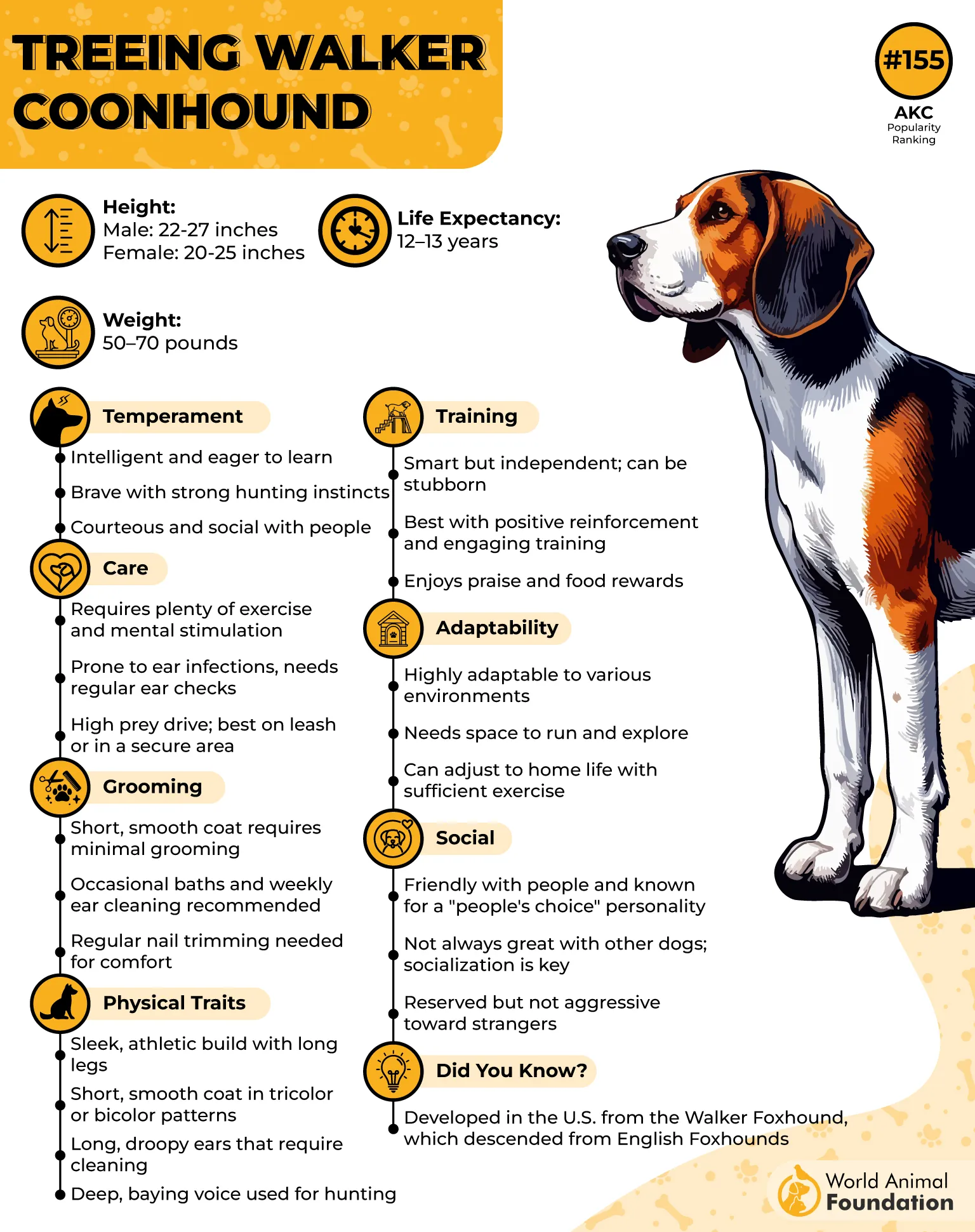
They are especially well-suited for hunting in forests where tracking and treeing are more important than pointing game and retrieving.
They are also cuddlesome pets outside the hunting season. That contrast is what makes these well-mannered companions interesting.
5. Nova Scotia Duck Tolling Retriever
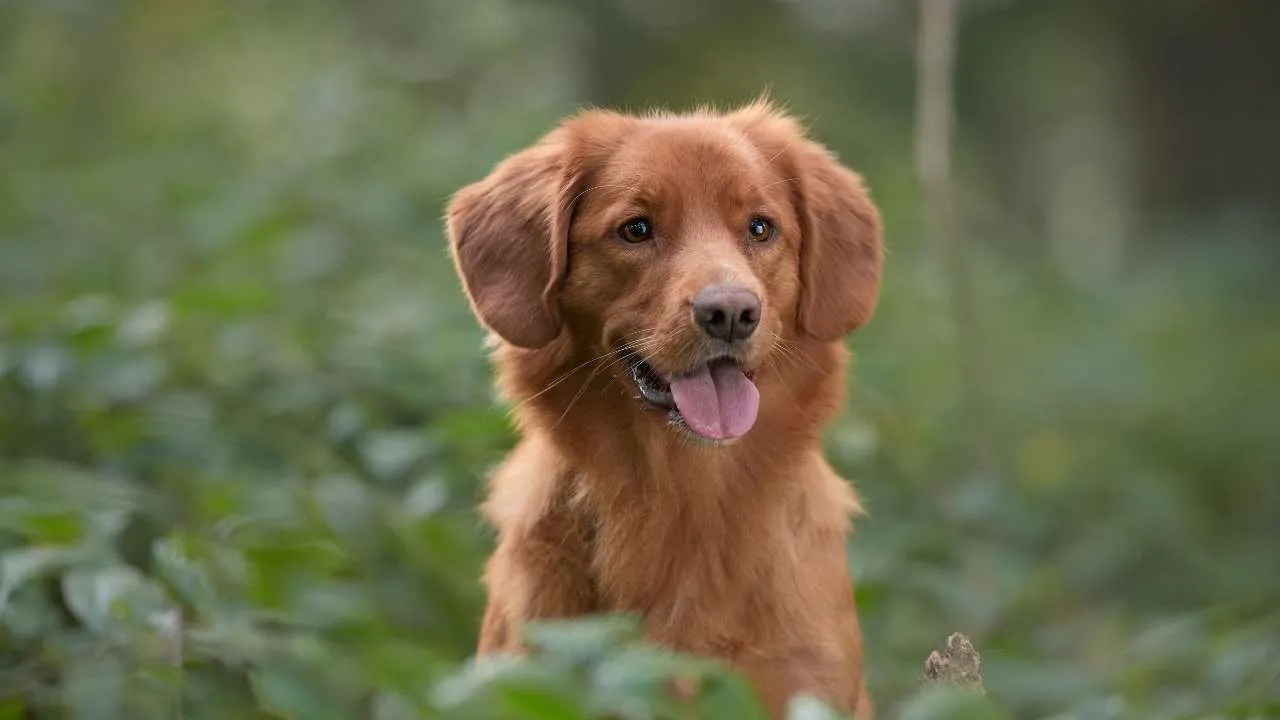
One of the most peculiar hunting jobs on this list belongs to the Nova Scotia Duck Tolling Retriever.
The Toller was not just about finding ducks, but luring them.
This dog plays and moves along the shore to attract attention from waterfowl nearby. When the birds are within range, the dog can retrieve the birds from the water, making this breed invaluable for waterfowl hunting.
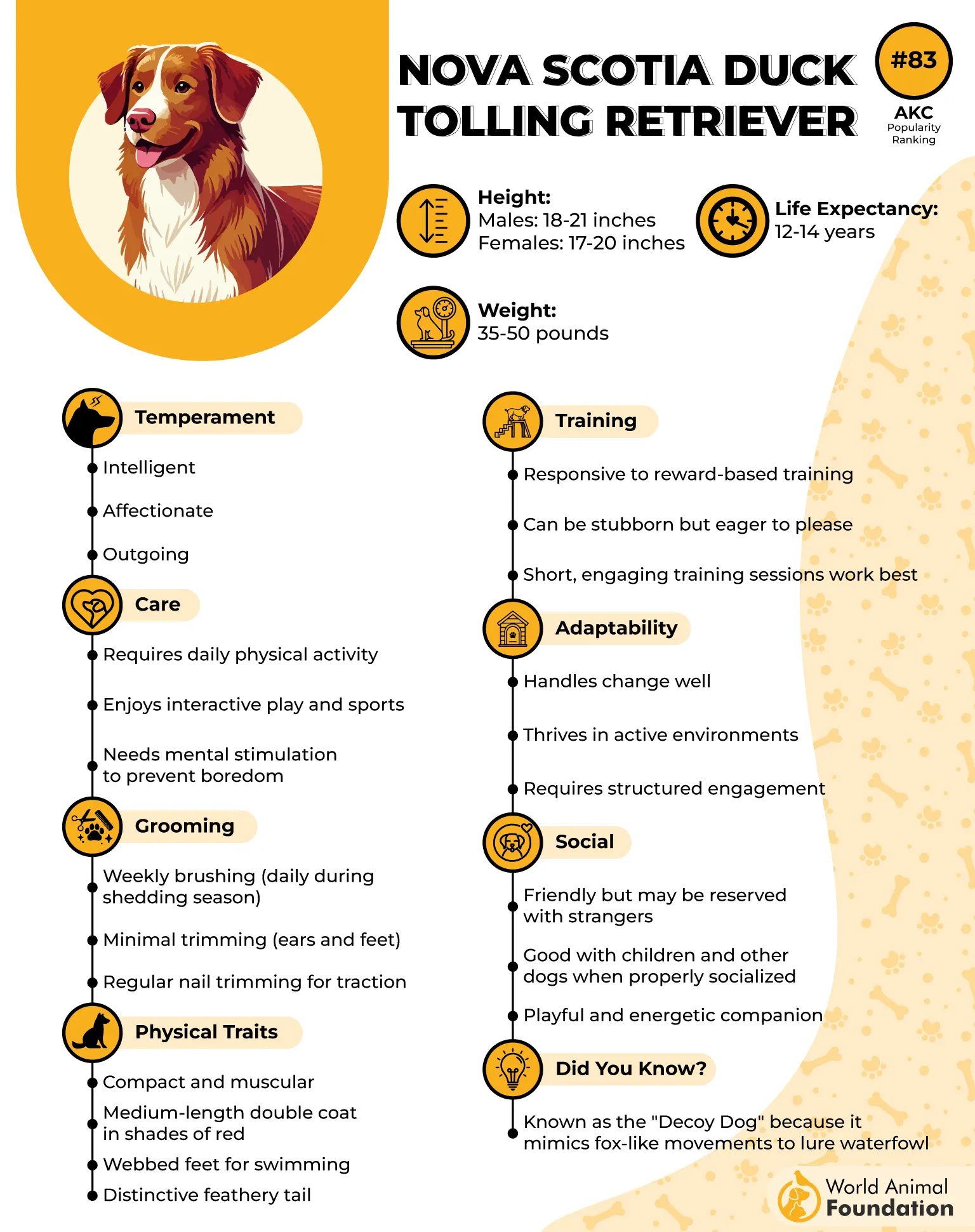
Tollers aren’t limited to working along the shoreline, either. They can hunt upland birds, retrieve upland game, and work on both land and water. They are relatively small, athletic, and equipped with a good nose and plenty of stamina, allowing them to cover ground efficiently.
Hunters who travel from fields to shorelines and water will find the Toller to be an interesting hunting breed.
6. German Wirehaired Pointer
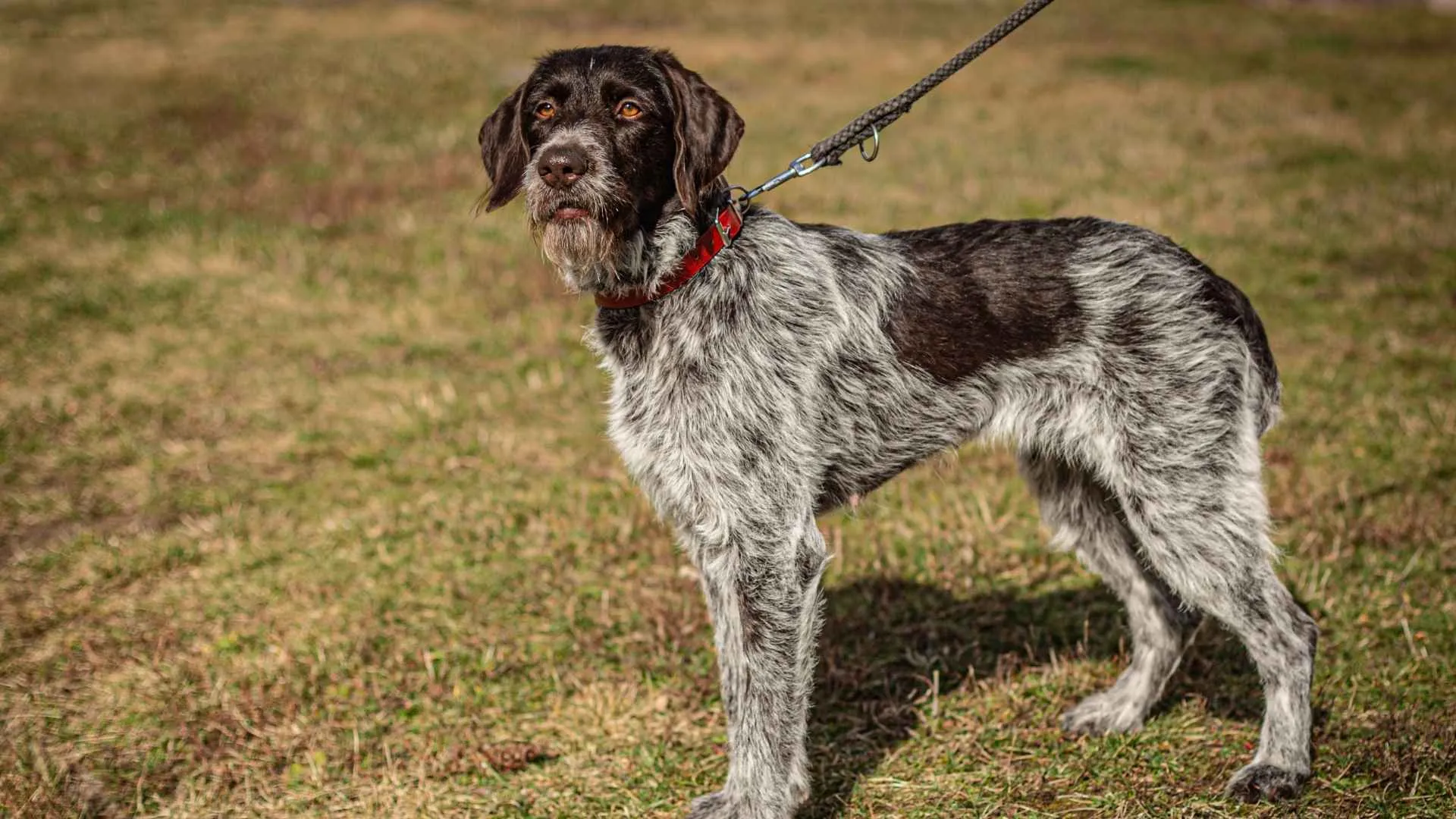
The German Wirehaired Pointer is a breed made to adapt to any change in weather and terrain.
This hardy and versatile gun dog was bred to be a general-purpose hunting companion. It can search, retrieve game, and point. It can also be used on land or in water.
One of the key components of this breed is its coat. The outer coat is harsh and wiry, protecting the dog from rough vegetation and harsh weather. This comes in handy when the hunt transitions to cold water.
German Wirehaired Pointers have a lot of energy. They are also smart, as stated by Orvis, and are happier when they have something productive to do. Hunting allows them to be physically and mentally stimulated.
They are particularly impressive in mixed terrain and were designed to be versatile hunting companions.
7. English Springer Spaniel
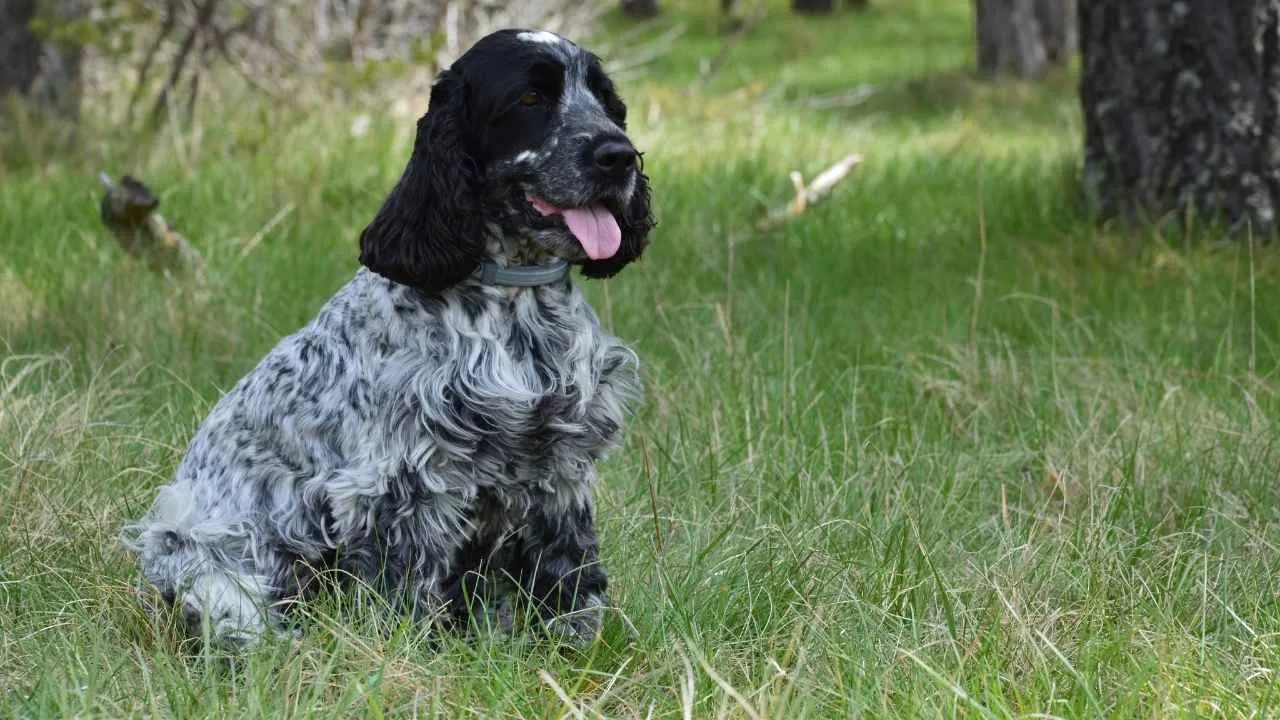
The English Springer Spaniel is smaller than some traditional hunting breeds, but it can cover a lot of ground.
Springers are bred to work close to ground cover and to flush birds from cover. This means they’re not afraid to go through areas where game might be hiding instead of sitting out in the open.
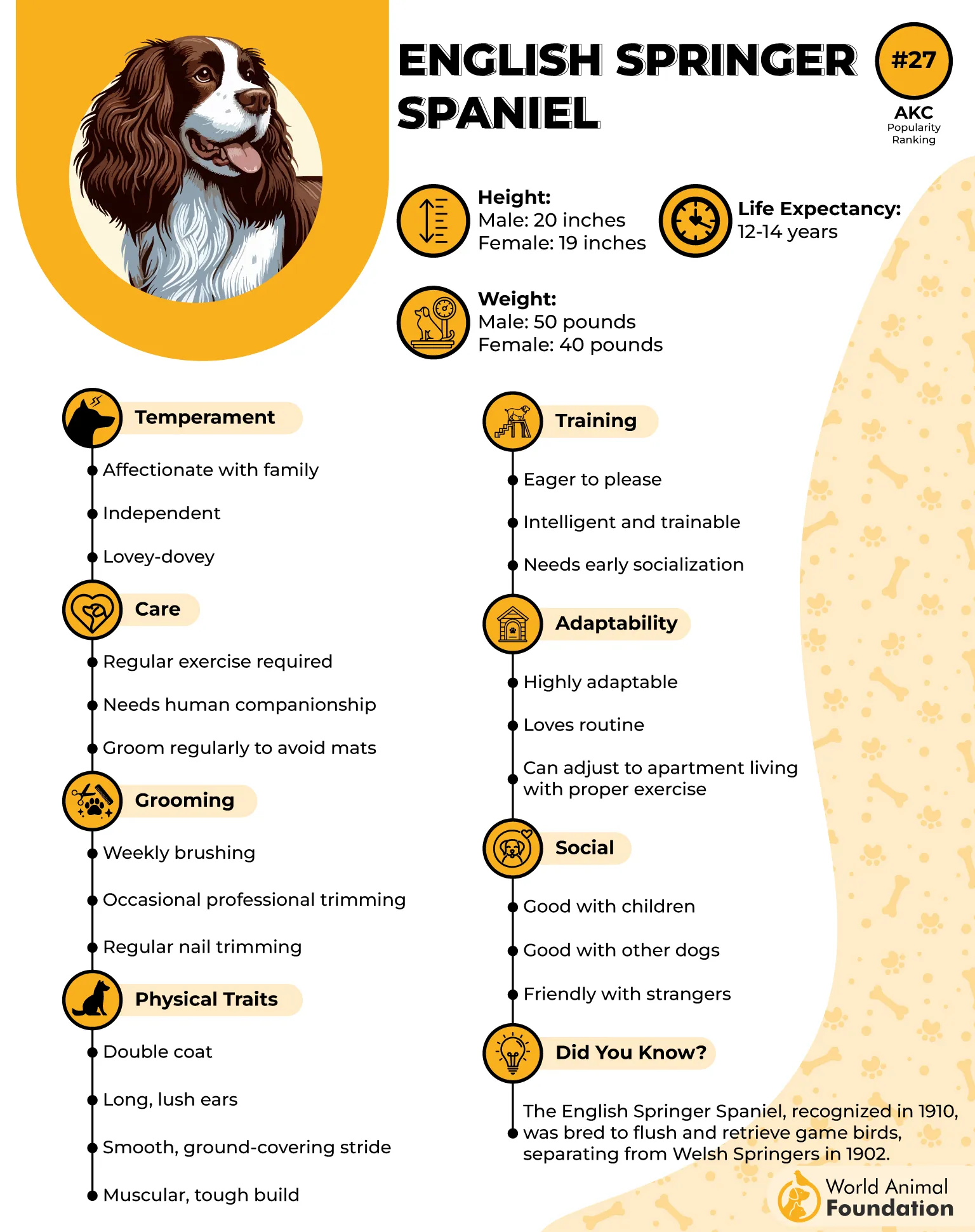
They have powerful, athletic bodies which enable them to navigate through fields and vegetation. They are also able to swim and retrieve, which is another helpful ability if a hunt goes towards water.
The versatility of this breed is its energy combined with its cooperation. A Springer is not just a normal dog running around, but it is built for human companionship and interaction.
This close relationship is one of its hallmarks, and this is why this breed is known for having a cheerful demeanor, as stated by PetMD.
8. Brittany
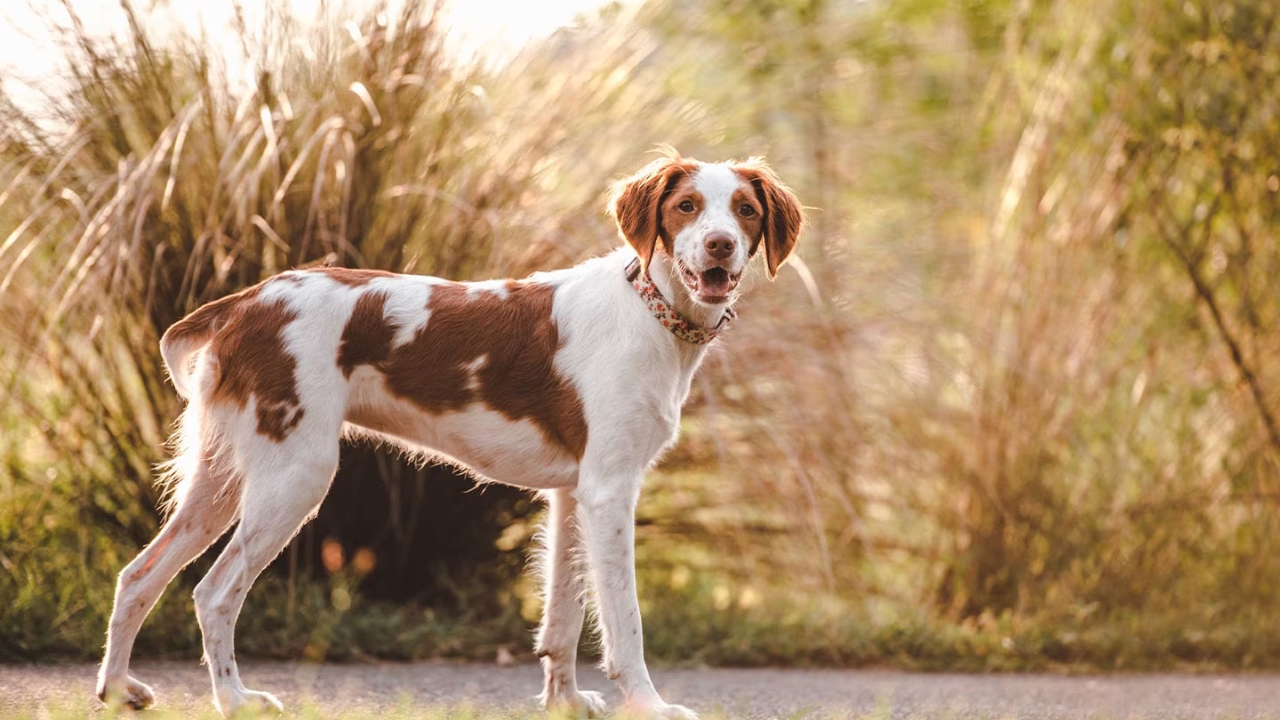
The Brittany is not the largest hunting dog, but it proves that size doesn’t matter.
This is an agile breed that was developed as a general-purpose bird dog. It is able to search, point, flush, and retrieve, which is useful throughout various stages of a hunt.
In certain cases, its size is actually a benefit. A hunter can maintain a close range on a Brittany while it is moving rapidly in fields, brush, and other cover.
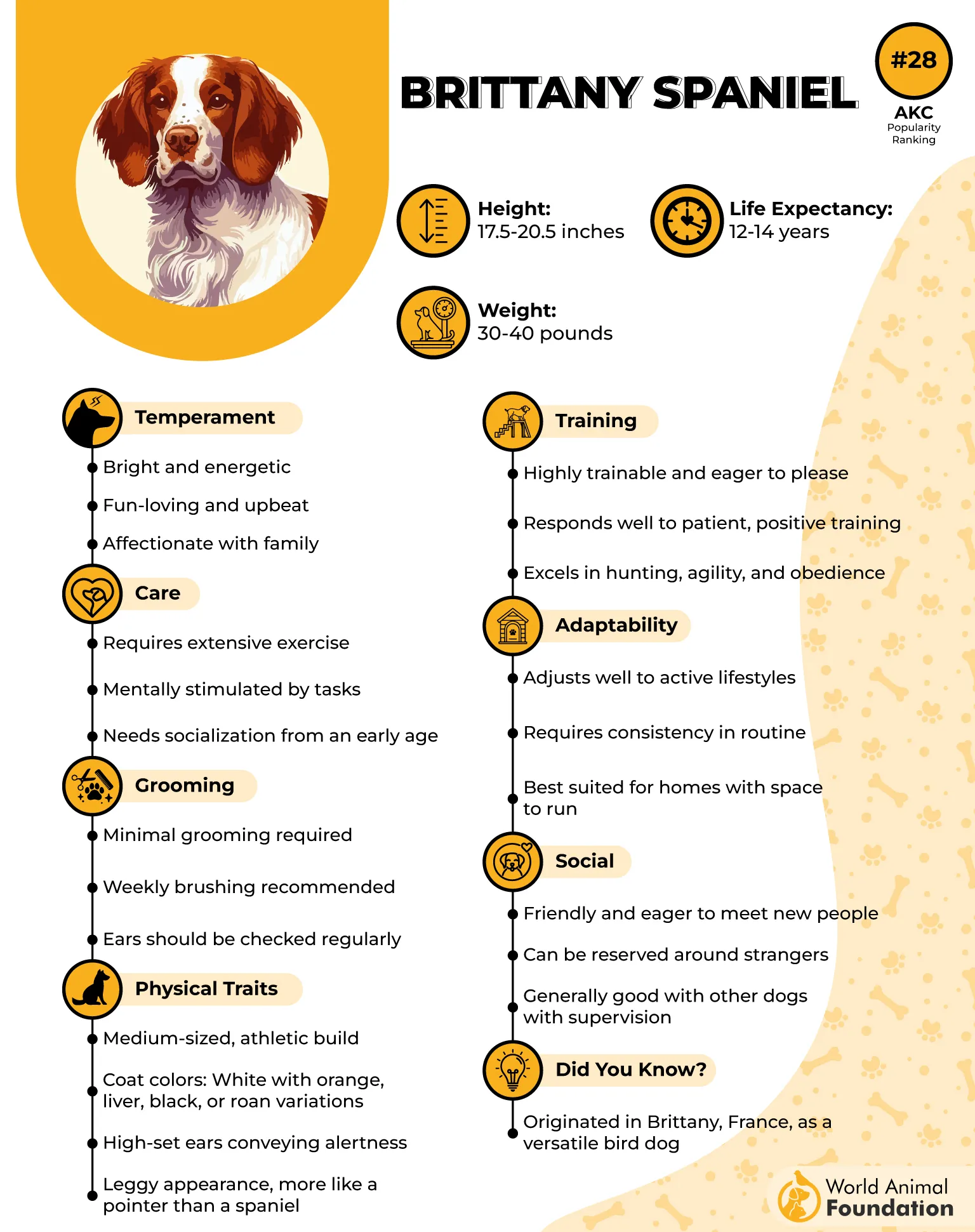
It also has a coat that provides some protection, but not too much in warmer weather. Water is not an issue either. The Brittany can be used to retrieve and flush birds in water and on land.
As the AKC states, the Brittany is a solid choice for hunters interested in an all-purpose hunting dog.
9. Labrador Retriever
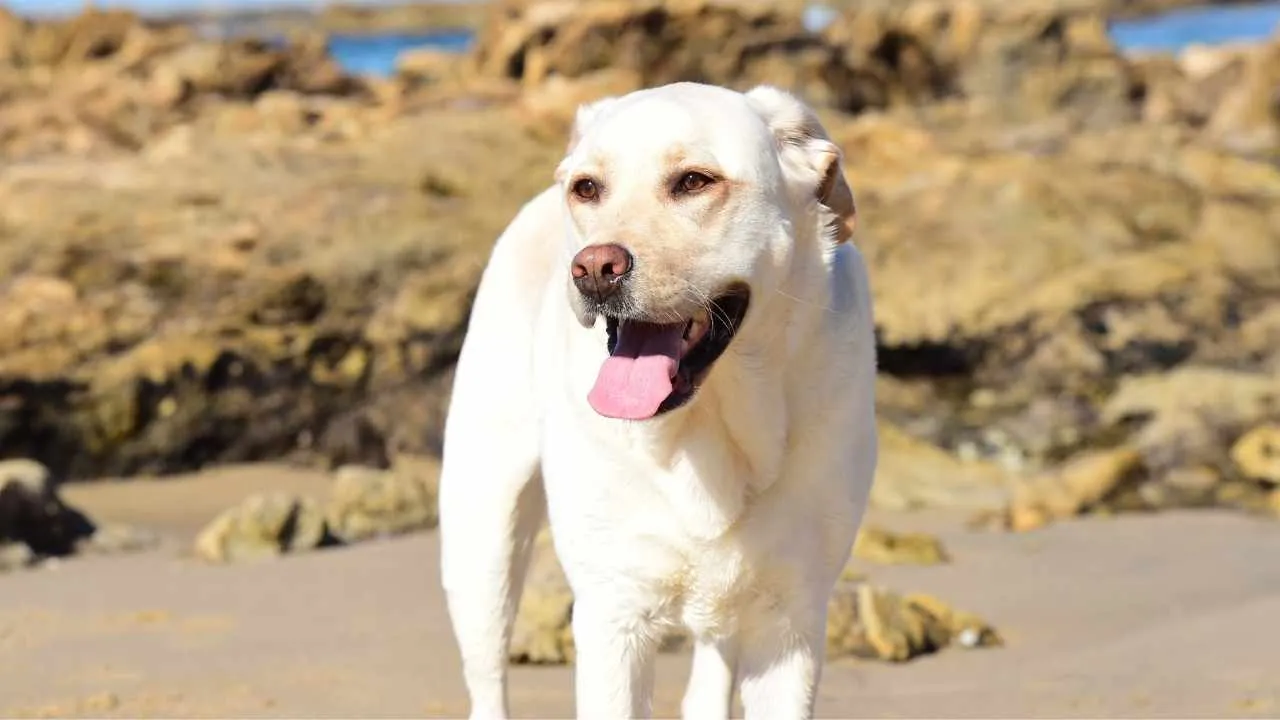
The Labrador Retriever has a long working history.
It was originally bred to be a retrieving dog and was used in fishing and hunting. Later, it became a popular hunting partner in Britain.
Its specialty is water. It has webbing between its feet, a strong tail, and a water-resistant coat, which makes swimming natural. The breed is comfortable in cold water.
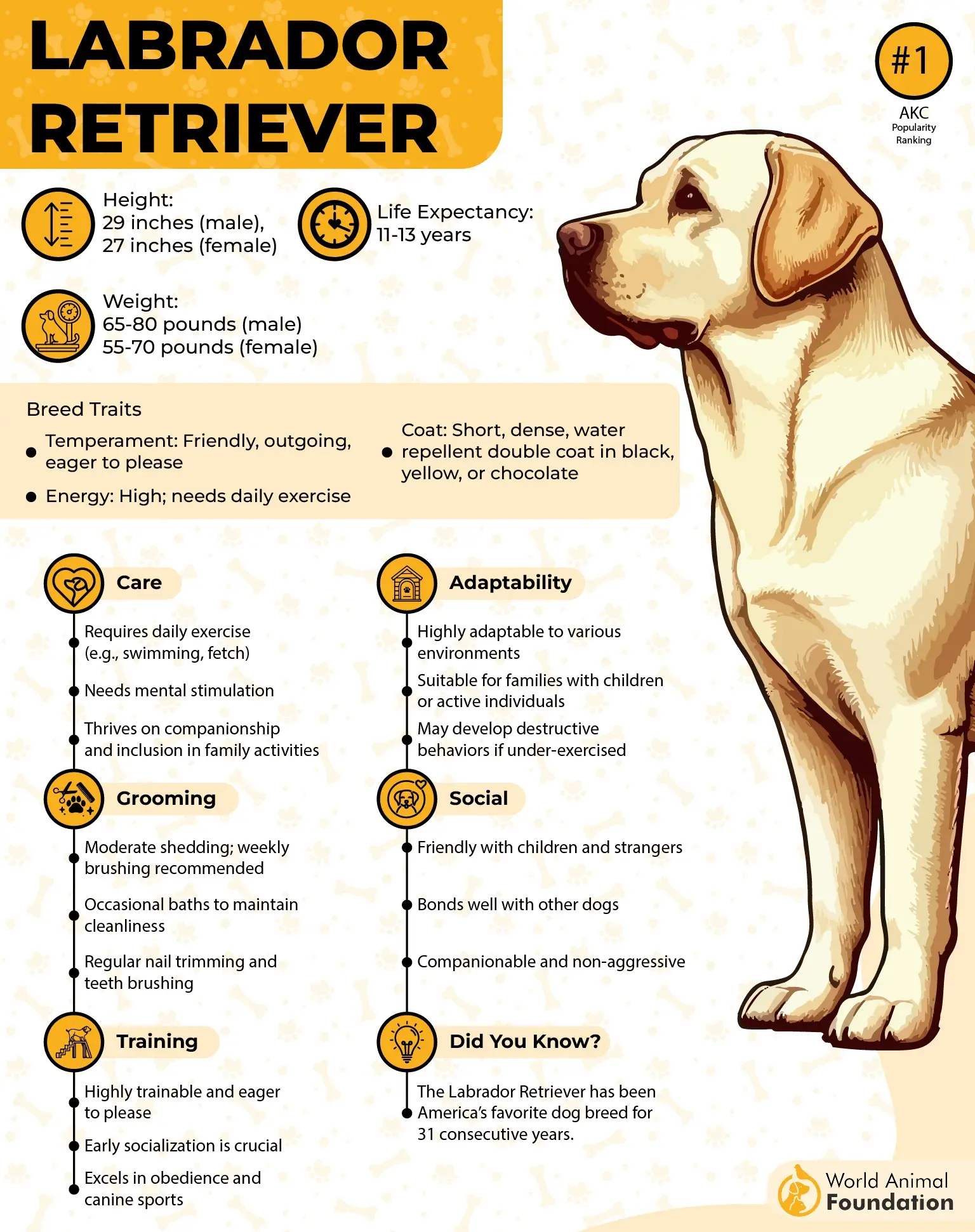
They’re also very people-pleasing. Hunting dogs must be able to focus on their handler, and Labradors are usually very willing to work and enjoy doing it.
The Lab’s combination of athleticism, trainability, and its instinct to retrieve has made it one of the most recognizable working dogs in the world.
Conclusion
Not every hunting dog is necessarily the fastest, strongest, or the largest.
Sometimes, it is the dog that adapts best to the landscape.
One breed might run confidently through dense cover before retrieving from a pond. Another may follow a scent through the woods, while some can perform several of these tasks in one outing.
That is what makes a versatile breed so amazing.
They were formed to work in real environments, with their bodies, coats, noses, stamina, and protective instincts. Those qualities are still apparent in their everyday personalities today.
These dogs require more than a few strolls around the block. They demand a lot of physical activity, training, and mental stimulation as part of their working lives.
But for the right owner, that energy can be fun. A versatile hunting dog doesn’t just follow you outside. It is prepared to discover what comes next as well.
