




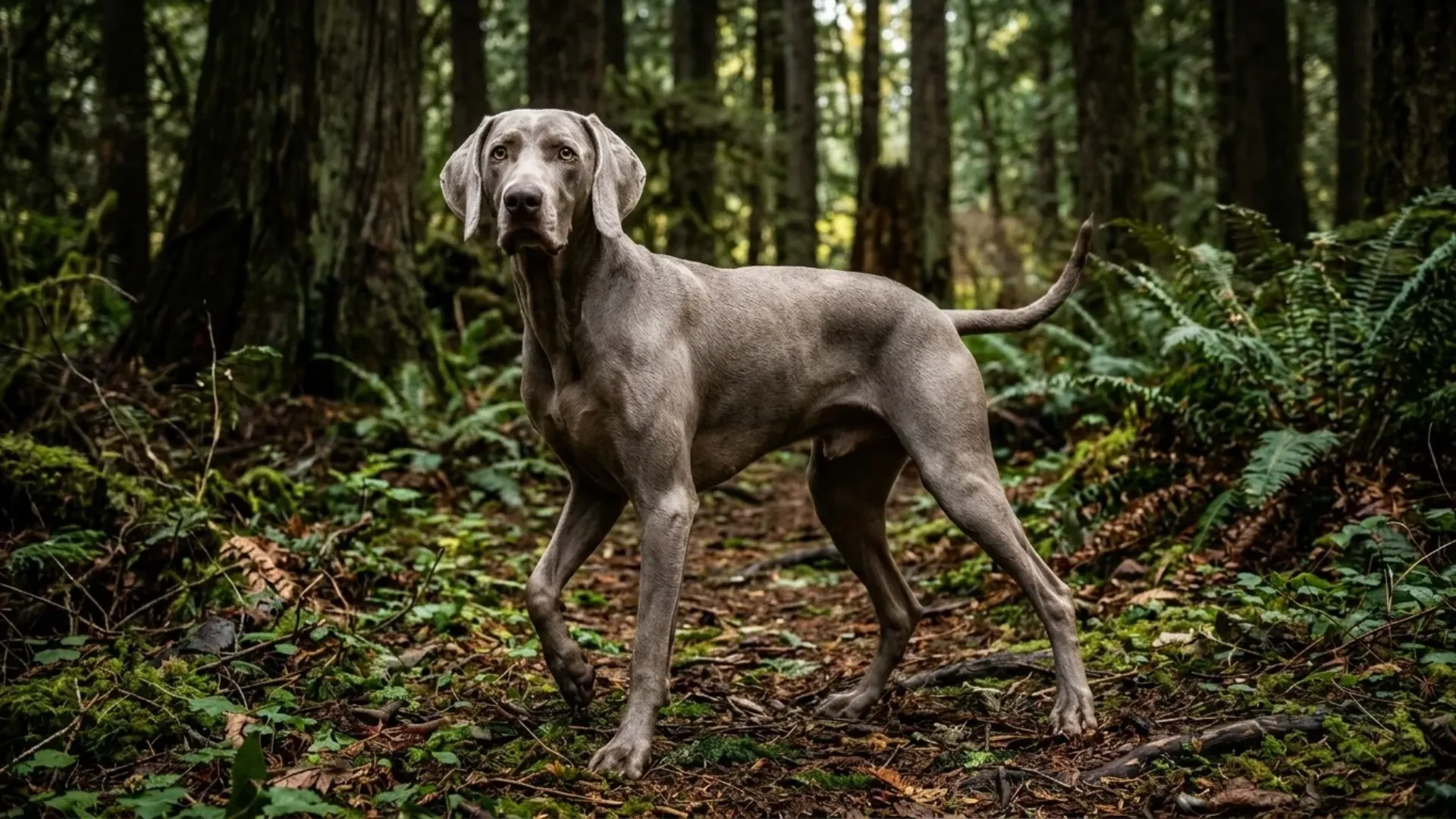
Ever wondered what makes a dog great at forest hunting?
Dense woods test a dog’s nose, speed, and stamina. Thick brush and rough trails demand skill and focus. A good hunting dog must move with ease. It also needs sharp senses and quick thinking.
Just as vital is a close bond with its handler. Some versatile dogs can track, point, flush, and retrieve game. Others can help hunters recover larger animals. However, each breed brings different skills to the hunt. Some excel at finding birds, while others follow scent trails.
The right choice depends on your hunting style and terrain. In this guide, we’ll explore seven breeds built for woodland work. You’ll also learn about their training, exercise, diet, and health needs. This will help you find a hunting partner that fits your goals.
Versatile Dog Breeds That Excel in Forest Hunting
1. Weimaraner
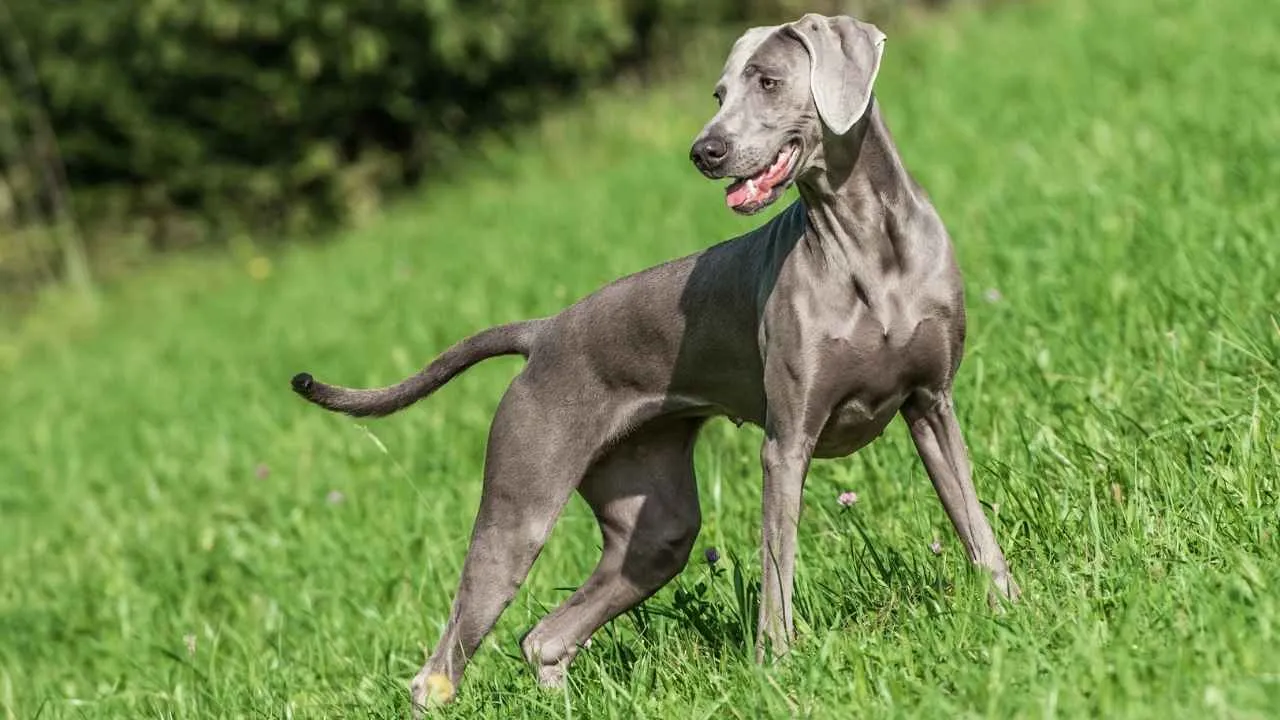
The Weimaraner is a versatile hunting dog from Germany. Hunters first bred it to pursue large game, including deer. Its keen nose helped it follow scent across wooded ground. Over time, its role grew to include bird hunting. Today, it can search for game, point it out, and retrieve it.
This range of skills makes the breed well suited to varied hunts. According to PetMD, Weimaraners arrived in the U.S. in the late 1920s. They gained popularity as pets and hunting dogs.
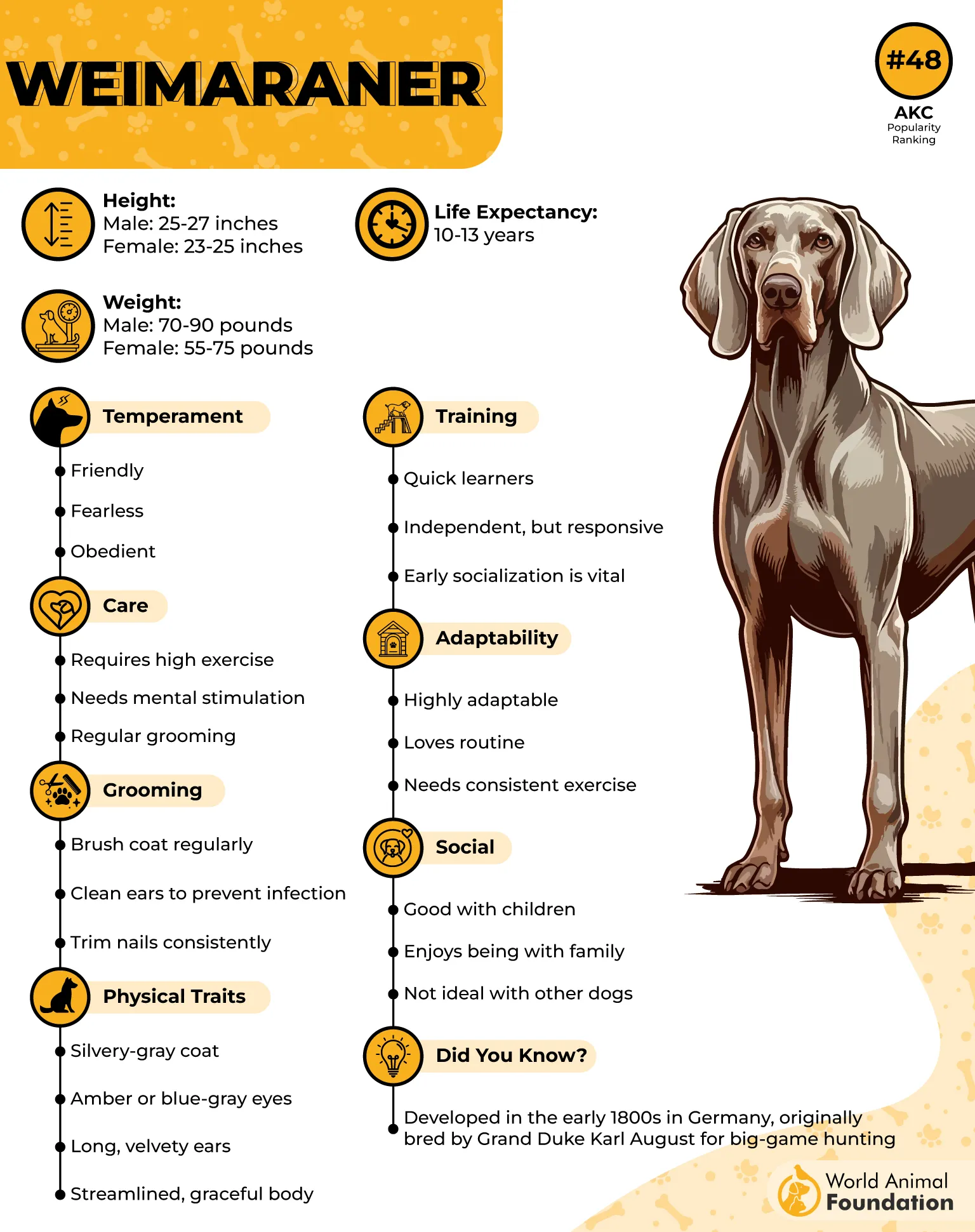
President Eisenhower and actress Grace Kelly both owned Weimaraners. Away from the field, this friendly dog breed needs company and daily involvement.
A Hunter with a Famous American Following
Weimaraners enjoy tasks that challenge their sharp minds.
They often thrive when included in family activities.
Early training helps guide their natural hunting instincts.
Puzzle games can provide useful mental stimulation.
Long periods alone may leave them feeling bored.
2. Pudelpointer
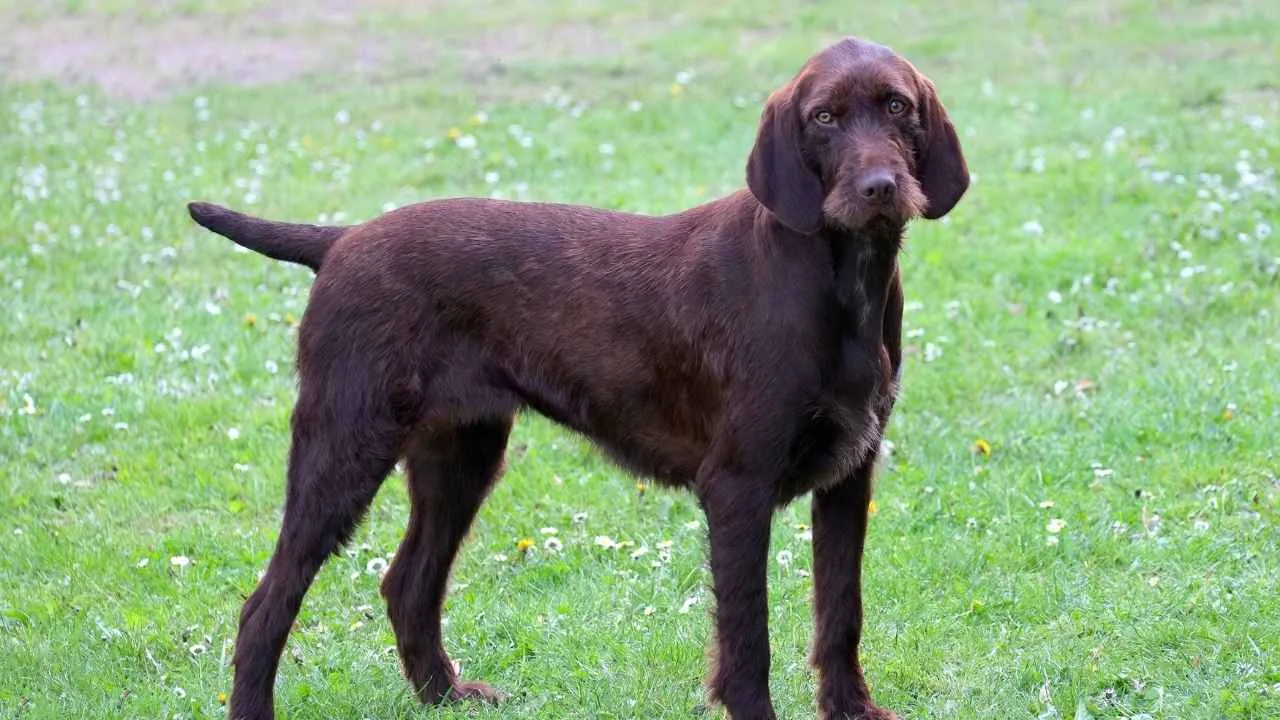
The Pudelpointer is a German hunting dog breed with varied skills. Purina states it was originally bred in Germany in 1881. This medium-to-large-sized dog combines Poodle and Pointer traits.
The Poodle brings intelligence, water skills, and eagerness to please. The Pointer adds endurance, drive, and a strong work ethic. This blend makes the breed useful across fields, woods, and water.
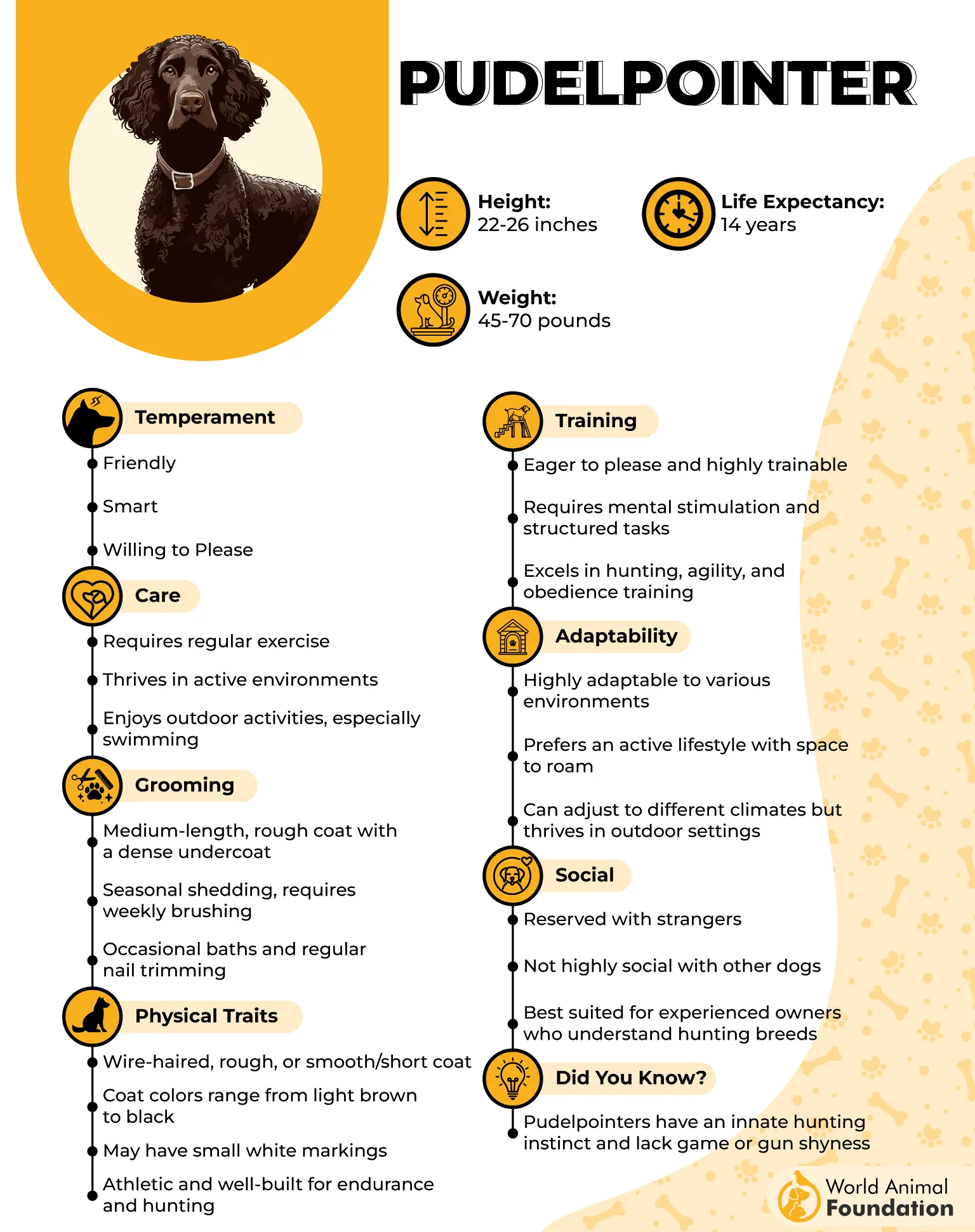
It can locate, point, and retrieve small game. It also works well when hunting waterfowl in cold water. Unlike some high-energy hunters, it often shows calm control. Its sure-footed nature helps it handle rough ground with ease.
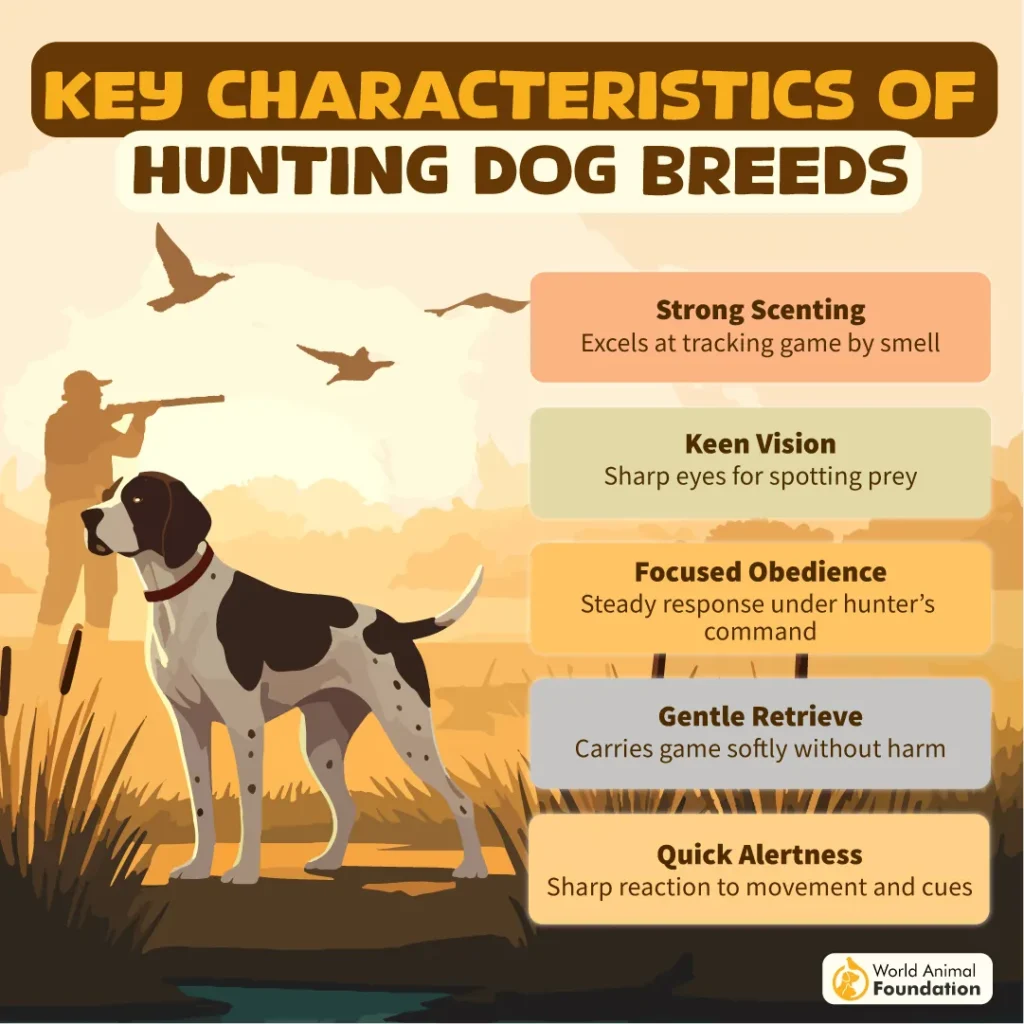
What Makes the Pudelpointer Stand Out?
It can work alongside hunters for long periods.
Its coat offers protection during outdoor work.
It responds well to clear and steady guidance.
The breed became rare after the World Wars.
American hunters first introduced it to the U.S. in 1956.
3. German Shorthaired Pointer
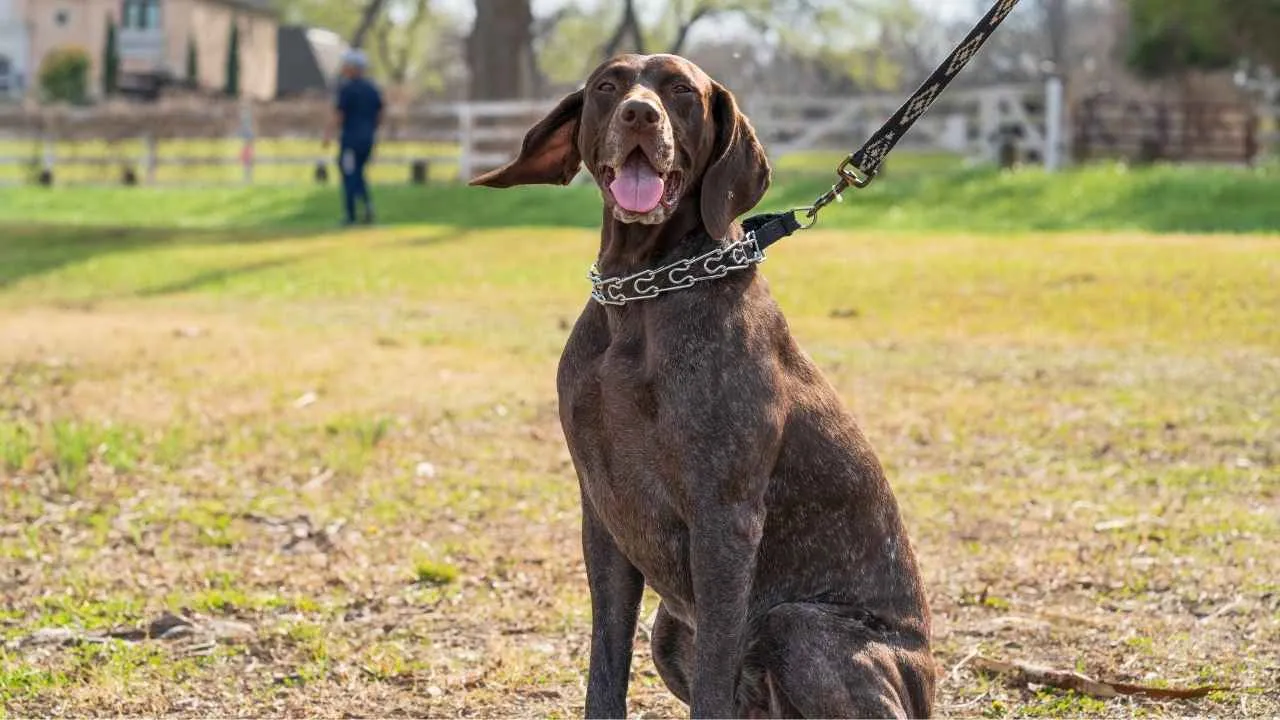
The German Shorthaired Pointer is a skilled, all-purpose gun dog. Hunters developed this pointing breed for several types of game. Its keen senses help it follow scent across long distances. It can locate upland birds in fields and wooded areas.
Once it finds game, it points to guide its handler. This hunting companion also retrieves from land and water. Its skills make it useful when searching for wounded game.
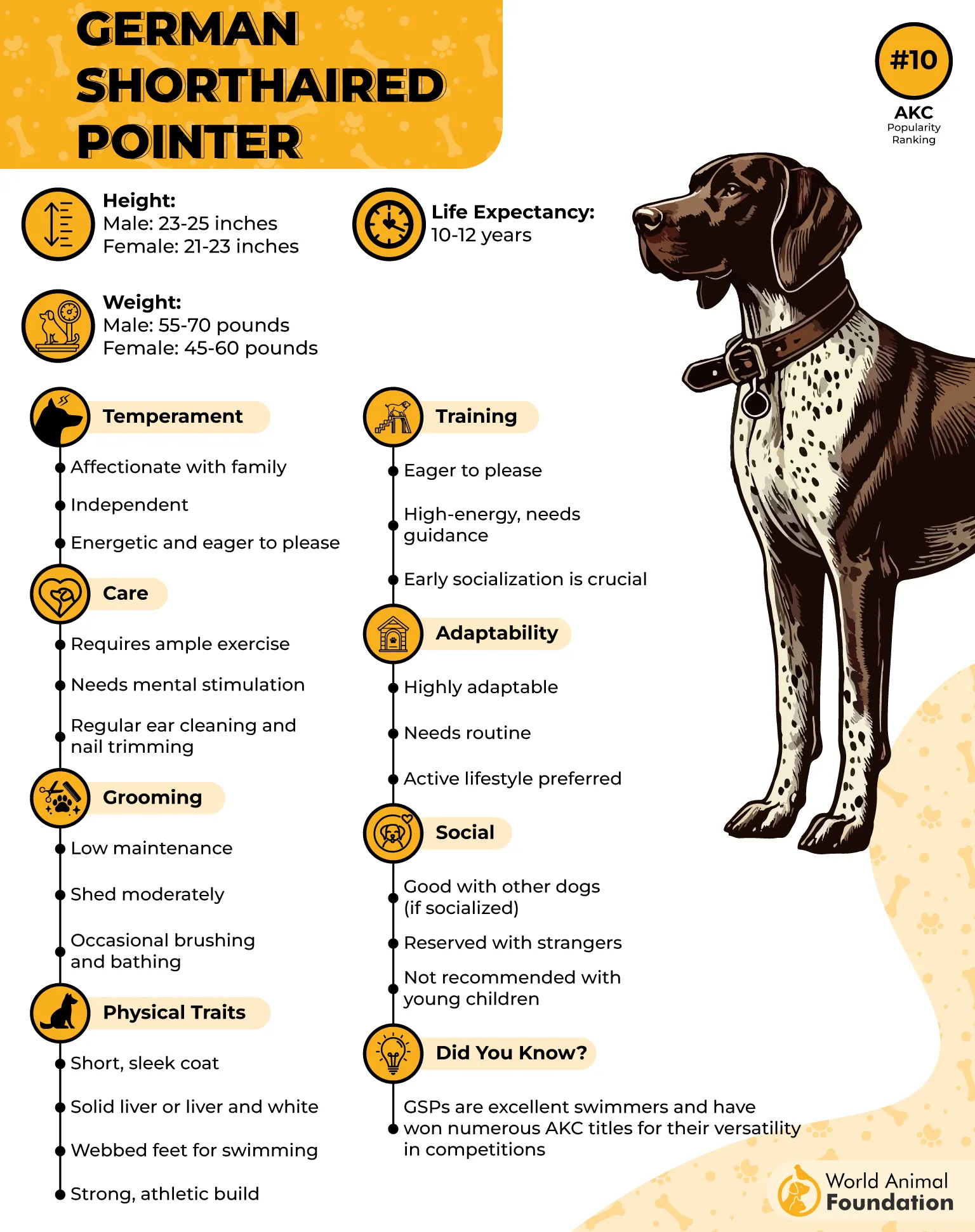
According to Hill’s Pet, GSPs are intelligent, athletic, and full of energy. They thrive with active owners who enjoy outdoor adventures. Their strong work drive also makes them eager partners during demanding hunts.
Skills That Make the GSP Stand Out
Its webbed feet help it swim with ease.
A short coat makes grooming fairly simple.
It needs plenty of daily activity to stay content.
Early socialization helps it live well with other pets.
It can become restless without enough mental challenges.
4. English Setter
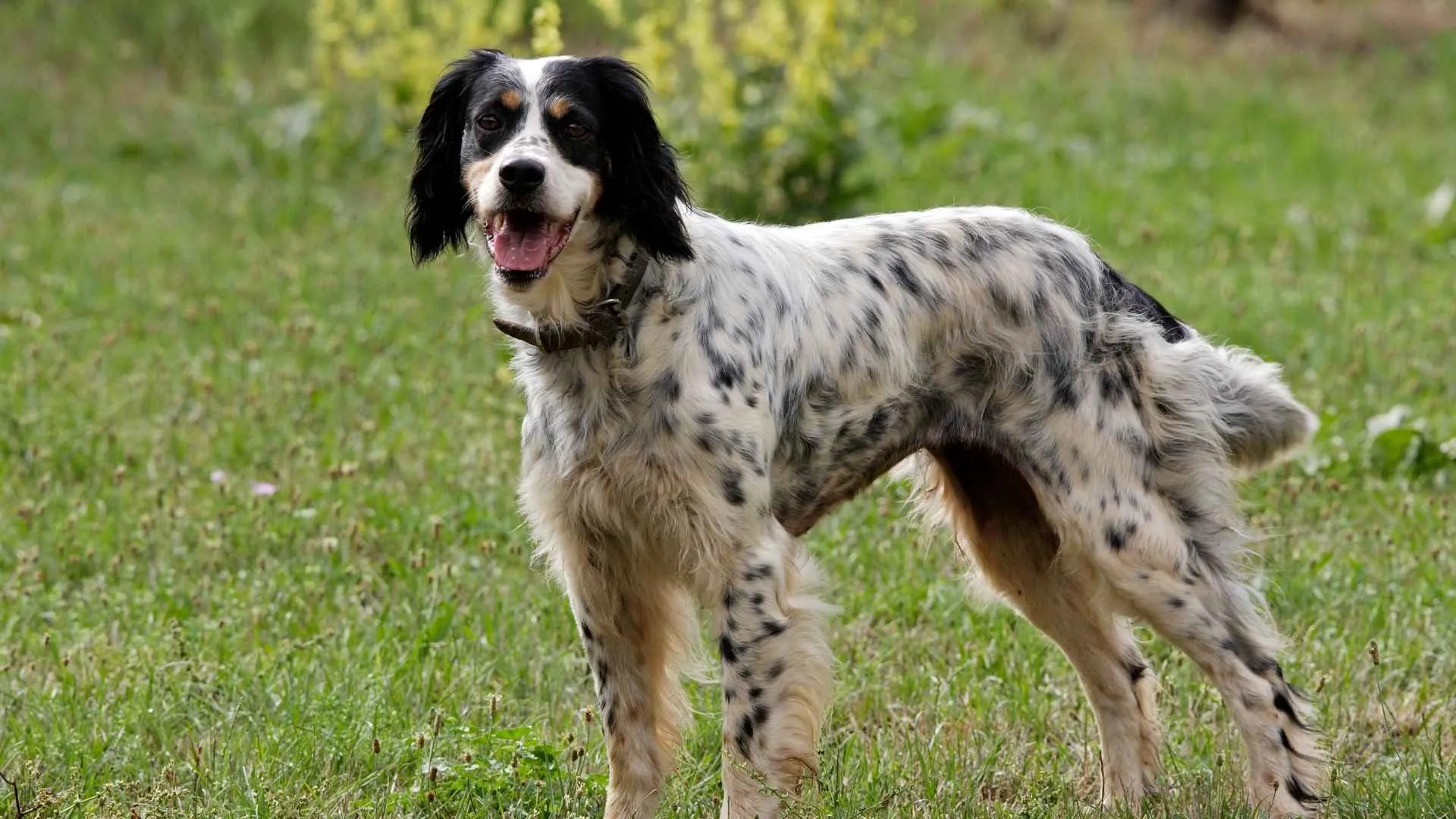
The English setter is a traditional hunting dog breed. It belongs to the Gundog group, as PDSA explains. These dogs were bred to find live game and retrieve shot birds. English Setters have a long history in upland hunting.
Their keen noses help them locate hidden upland game birds. They often crouch or settle when they find birds. This behavior gives hunters time to prepare before birds rise.
Their gentle, friendly nature also makes them lovely family pets. English Setters tend to get along with children and other pets. However, their lively nature calls for regular exercise. Early training and socialization also help build confidence.
Traits That Support Its Hunting Role
Its flowing coat needs regular brushing and care.
Reward-based methods help make training more effective.
It can adapt to life with other breeds.
Its ability to work with people makes teamwork easier.
Retrievers perform a different role within the Gundog group.
5. Wirehaired Pointing Griffon
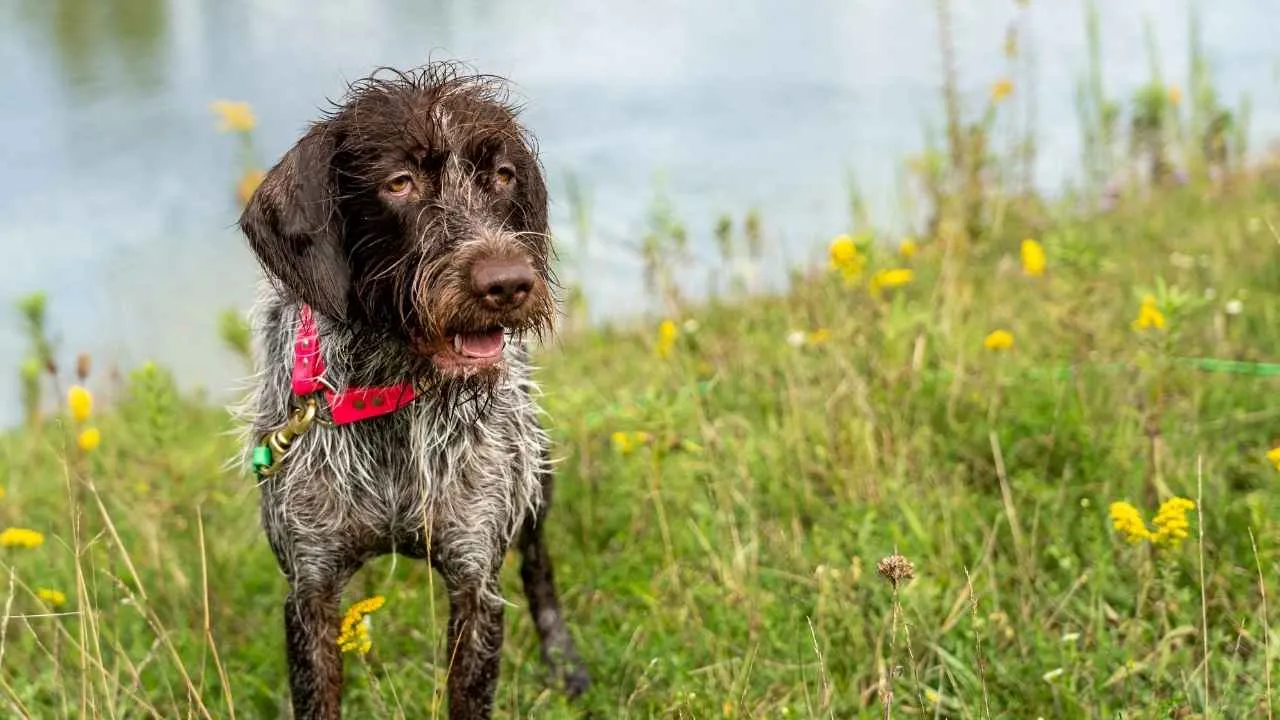
The Wirehaired Pointing Griffon is a versatile European sporting dog. WebMD calls it a supreme gun dog. The AKC places it in the Sporting Group. This wire-haired dog breed was developed for demanding outdoor work.
Its rough coat protects it from thorns, wet brush, and cold weather. Beneath it, a dense undercoat adds extra warmth. These features support its hunting ability in rugged forests.
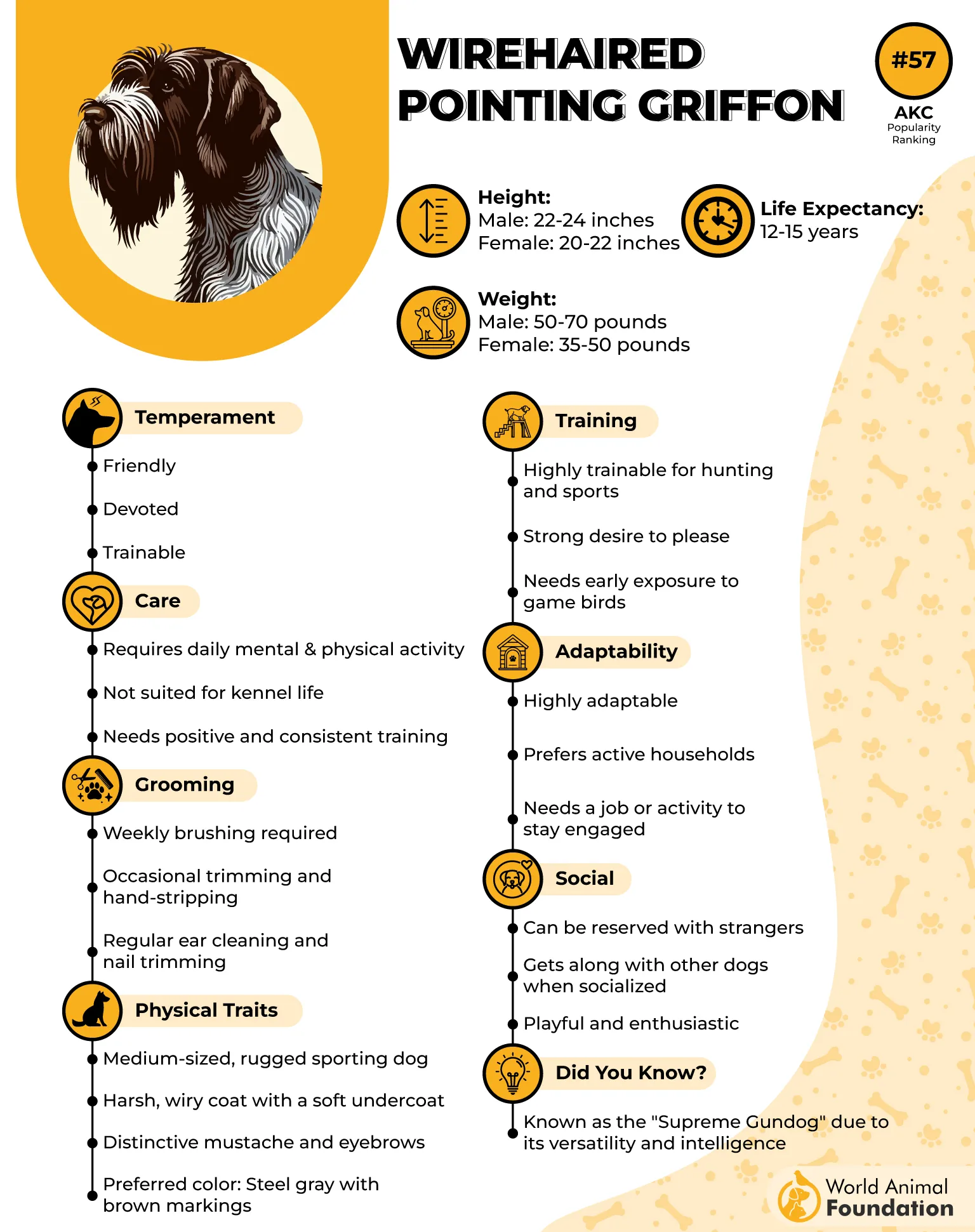
This medium-sized breed can locate, point, and retrieve. It is also equally adept at swimming and flushing birds. While some dogs focus on big game, this breed suits varied hunts. Its strong hunting drive makes it a valued partner for any seasoned hunter.
Built for Demanding Outdoor Work
Its tousled coat gives it a rugged appearance.
Regular brushing helps remove dirt and loose hair.
It enjoys outdoor tasks that challenge its mind.
Early training helps manage its strong work instincts.
Unlike some retrievers, it can point before retrieving.
6. Vizsla
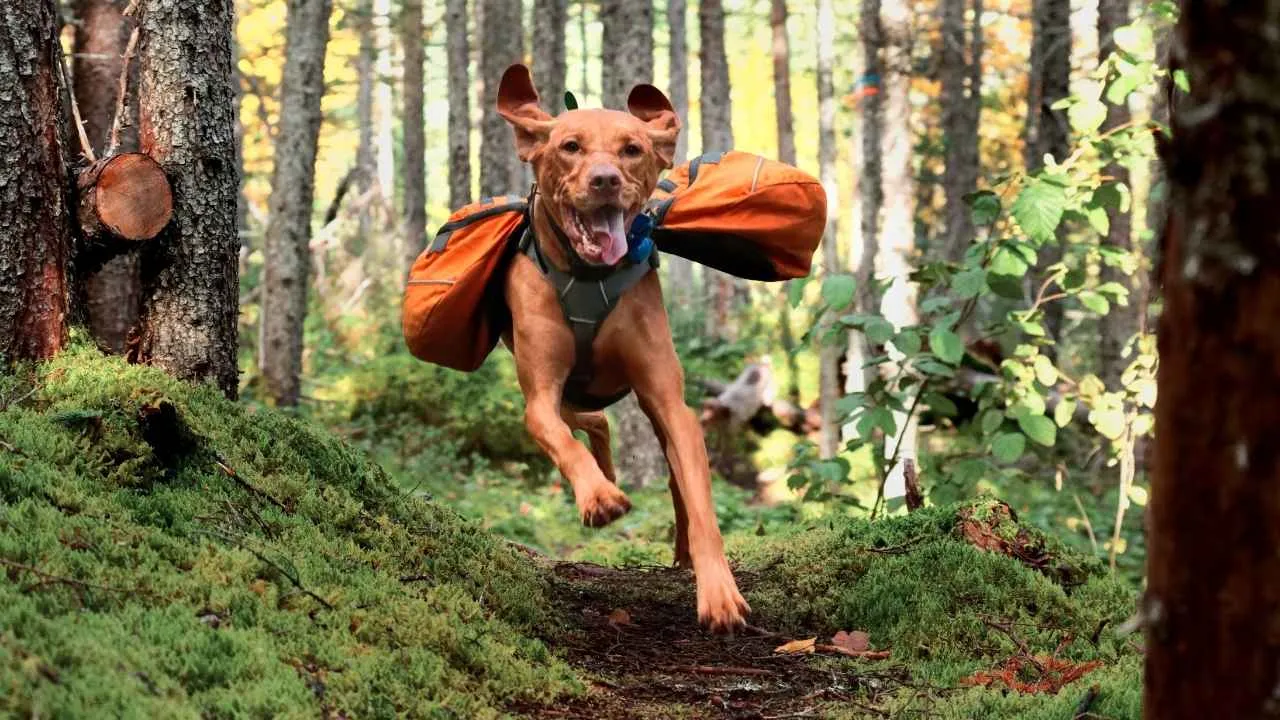
The Vizsla is a versatile hunting dog with Hungarian roots. For centuries, hunters valued it as a skilled hunting companion. Unlike dogs that range far ahead, Vizslas prefer close teamwork. They use their keen noses to locate and point game. With training, they can also flush birds and retrieve them.
According to Wikipedia, Vizslas are lively, gentle, affectionate, and sensitive. They also show courage and a strong protective instinct. Their natural prey drive can make rabbits tempting targets.
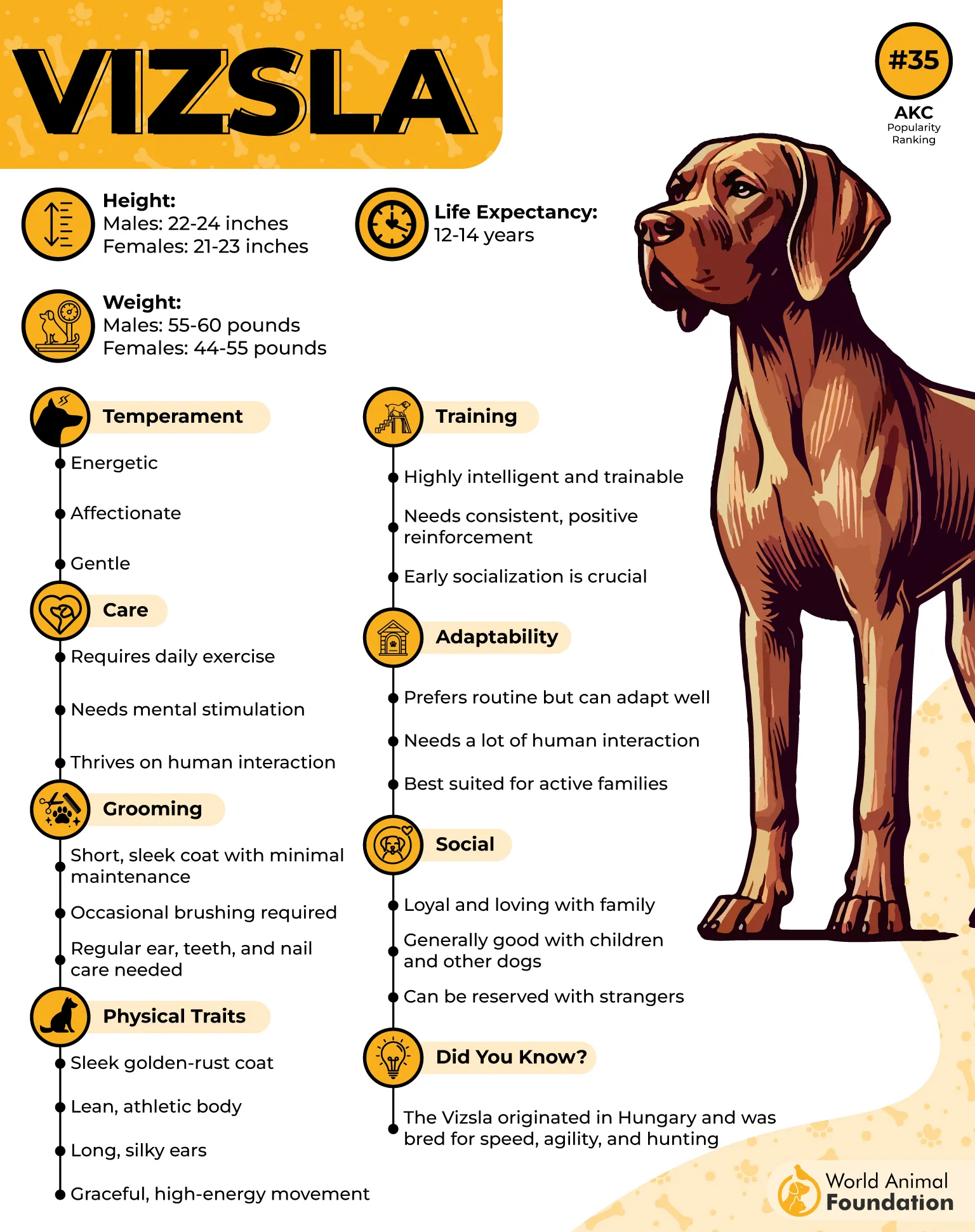
This popular breed is highly trainable and eager to please. However, its working spirit needs an outlet. Regular exercise helps keep this active dog happy and focused.
What Makes the Vizsla a Loyal Partner?
It often seeks physical closeness with family members.
Short coats need little grooming to stay neat.
Positive training helps build trust and good habits.
It may struggle when left alone for long periods.
Unlike some retrievers, it often prefers close contact with handlers.
7. Treeing Walker Coonhound
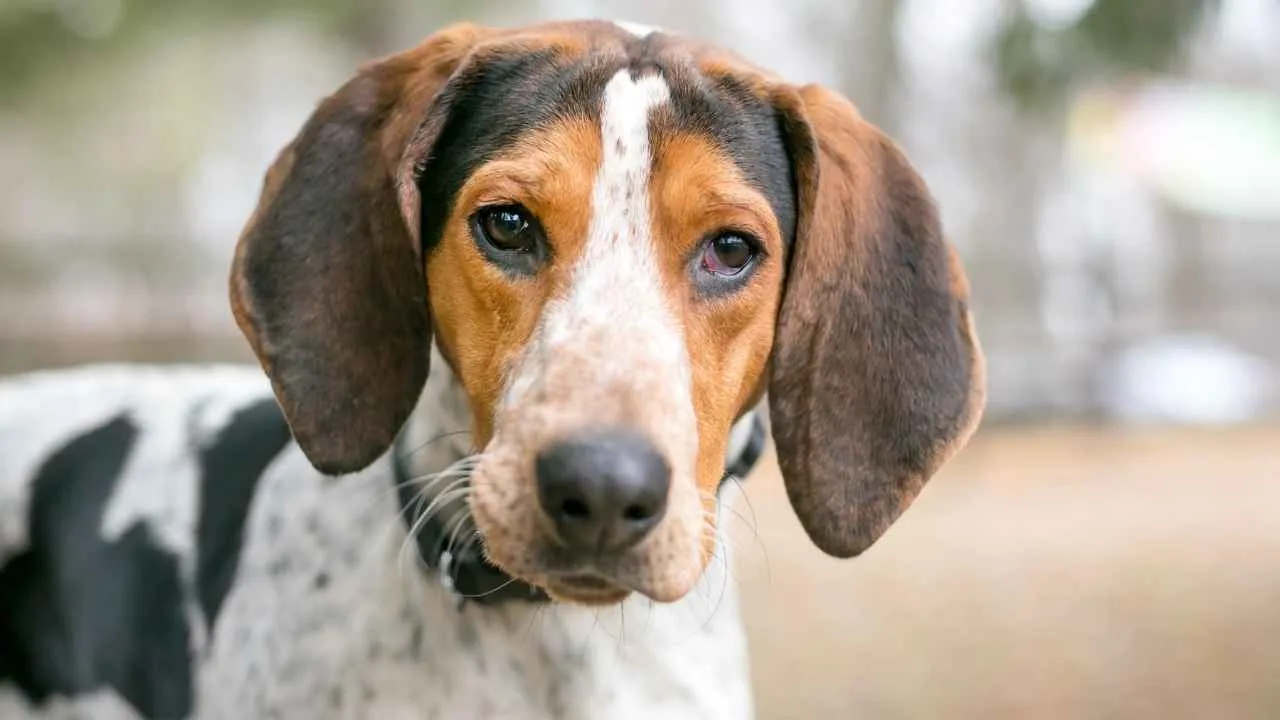
The Treeing Walker Coonhound is an American hunting dog breed. Its roots trace back to English Foxhounds brought to America. Thomas Walker imported these hounds in 1742. Later breeding helped shape today’s swift forest hunter. Its strong sense of smell helps it follow raccoon trails.
Once the animal climbs a tree, the dog alerts hunters with its loud bark. According to the American Kennel Club, this smart and brave hunter is nicknamed “The People’s Choice.”
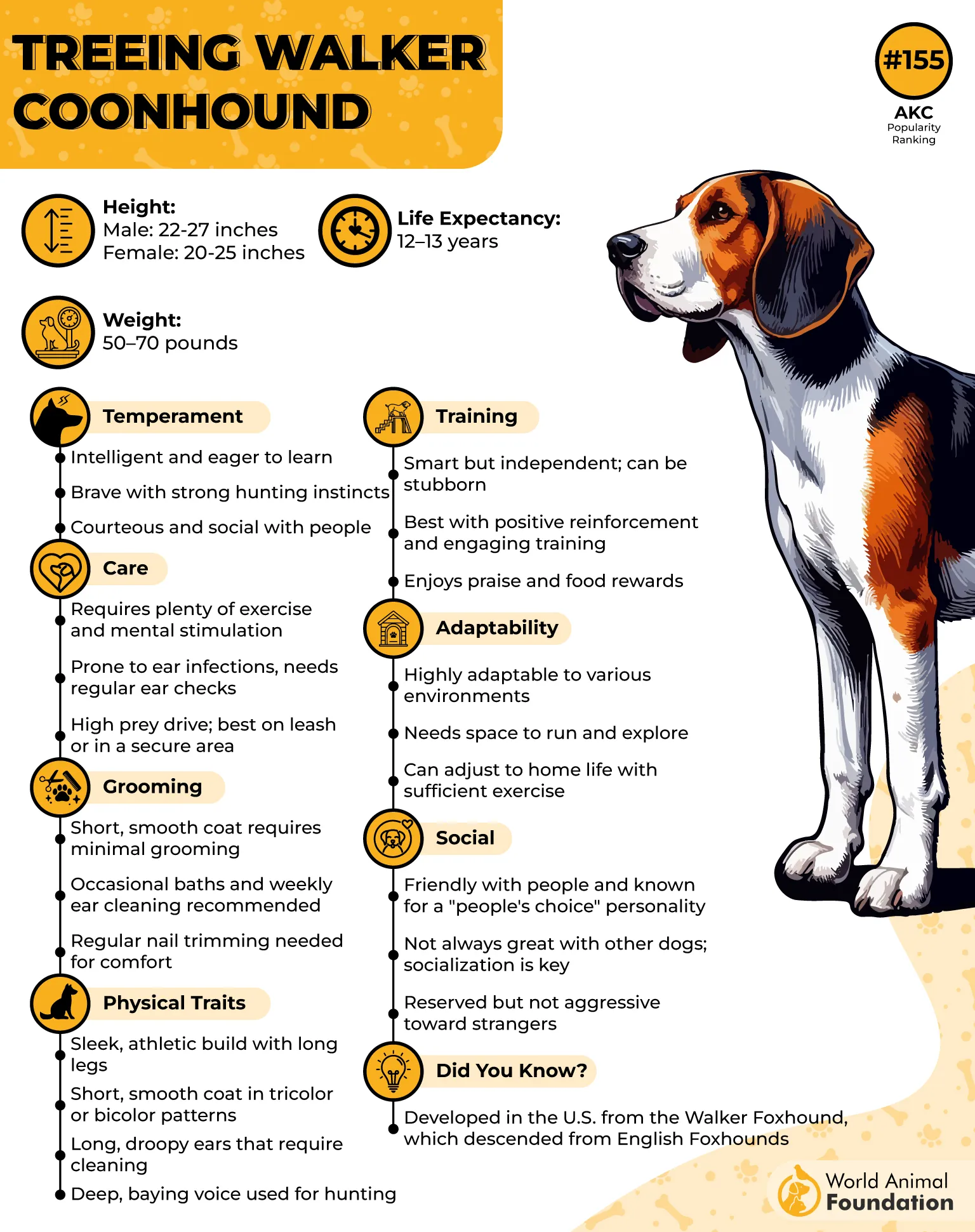
Its long legs and powerful build help cover ground quickly. Unlike dogs bred to pursue big game, it specialises in hunting raccoons. This highly adaptable hound also makes a devoted companion after a long day outdoors.
More Than Just a Skilled Forest Tracker
Its short coat needs only basic grooming.
Early recall training helps manage its chasing instincts.
Its voice carries well through dense woodland.
It needs secure outdoor spaces to explore safely.
Unlike Labrador and Golden Retriever retrievers, it does not specialize in retrieving waterfowl with a soft mouth.
Conclusion
Each hunting dog breed brings something special to the forest. Some excel at tracking, while others point and retrieve. Their scenting skills, stamina, and agility matter greatly. A water-resistant coat also helps in wet woodland areas. However, temperament can make a real difference.
Some dogs have a protective nature, while others prefer close teamwork. Game hunters should consider their terrain and hunting style. They should also match their experience with the right hunting dog.
Proper training and daily care remain essential. With responsible ownership, these skilled dogs can become trusted hunting partners and loyal family companions.
