




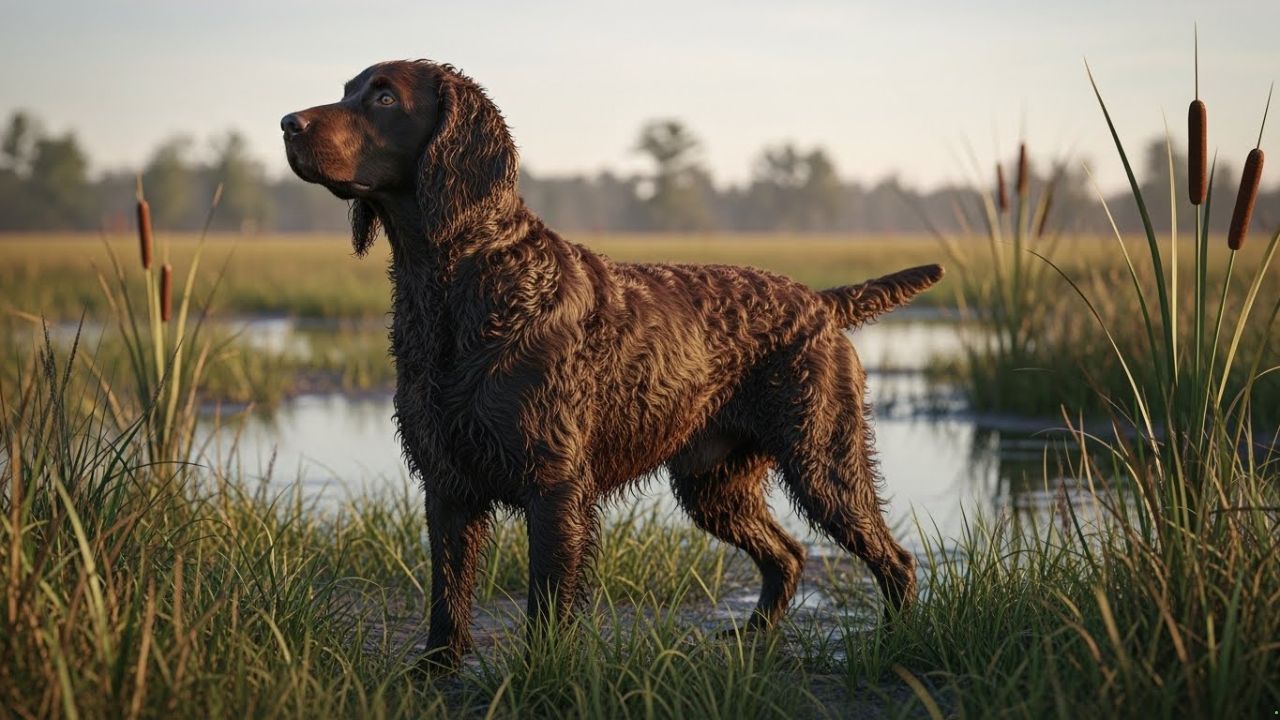
Across generations, hunting dogs have shaped human tradition, adapting alongside changing landscapes and techniques. From ancient partnerships to modern fields, versatility has always defined the most successful canine hunters.
Today’s hunters face evolving challenges that demand more than narrow specialization. Varied terrain, unpredictable climates, and diverse game require dogs capable of adjusting instincts, speed, and strategy on the move.
So what does multi-purpose hunting truly mean in practice? It means a single dog that can track at dawn, retrieve by midday, and adapt seamlessly when conditions or quarry suddenly change.
Adaptability often outperforms specialization because real hunts rarely follow predictable scripts. Dogs that think, adjust, and respond independently become reliable partners when plans unravel and opportunities appear unexpectedly.
These versatile hunting dog breeds endure because they offer more than performance; they offer partnership. Their intelligence, resilience, and adaptability leave lasting impressions, transforming working dogs into unforgettable companions in the field and beyond.
Versatile Dog Breeds Perfect for Multi-Purpose Hunting
1. German Wirehaired Pointer
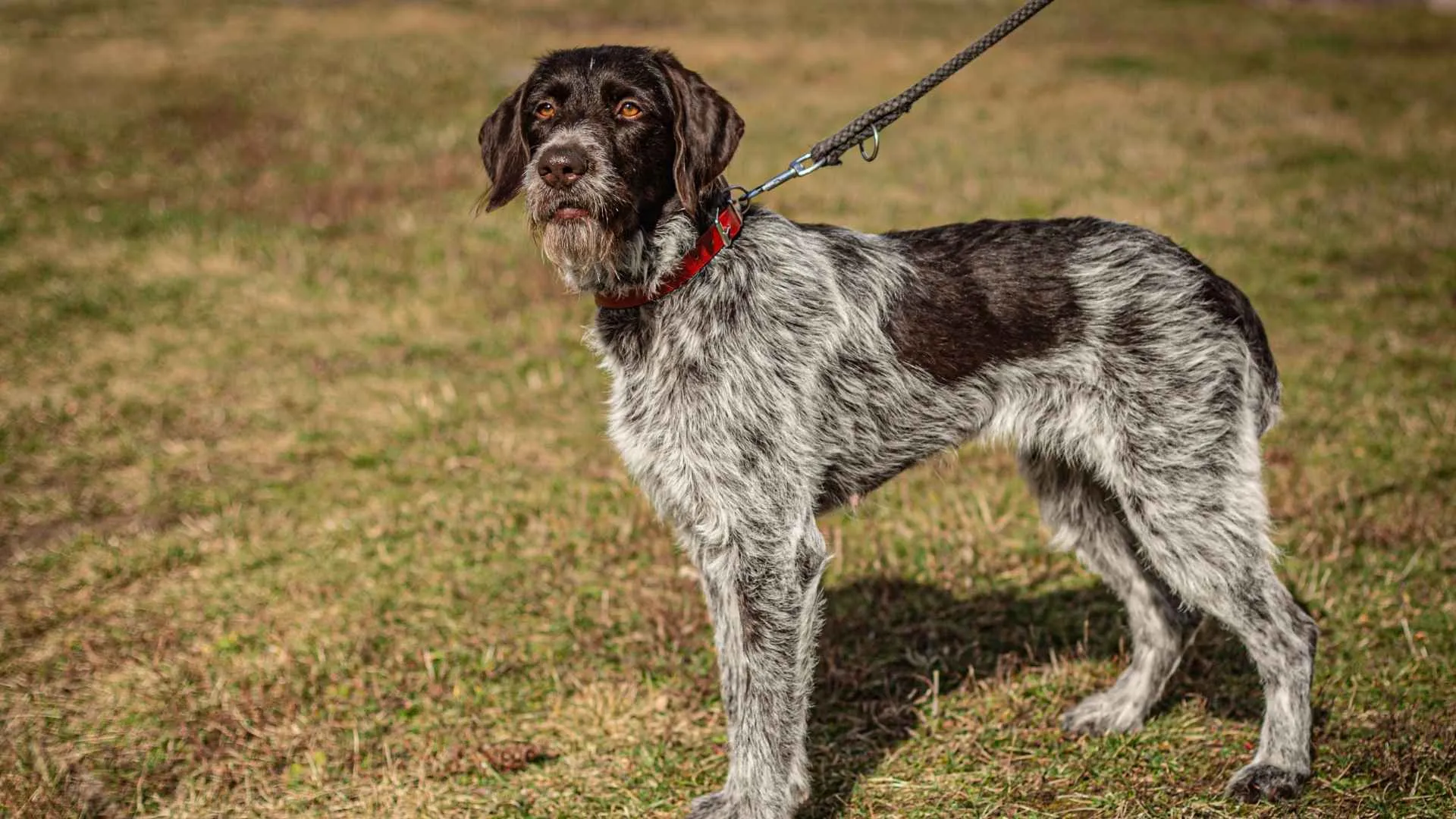
Built to handle demanding work, the German Wirehaired Pointer carries a rugged, weather-resistant coat, dense underfur, and a muscular frame designed for endurance.
Its webbed feet, strong legs, and keen nose reflect generations of purposeful breeding for all-day performance. Every physical detail supports efficiency rather than ornament.
AKC claims that from open plains to icy wetlands, this breed adapts quickly to changing hunting environments. Thick brush, cold water, and uneven ground are approached with confidence rather than hesitation. Hunters value this versatility when terrain shifts unexpectedly during a single outing.
One Dog, Many Roles: Hunting Styles Explained
Pointing and holding upland birds
Tracking wounded game with precision
Retrieving from water and dense cover
Training Journey: What to Expect from Puppy to Pro
Early exposure builds focus and cooperation
Structured training channels natural independence
Advanced work refines stamina and discipline
Mentally sharp and observant, the German Wirehaired Pointer excels at problem-solving in the field. It balances independence with loyalty, staying composed under pressure while remaining attentive to handler cues.
Life off the hunt requires regular physical outlets and mental engagement. This breed suits experienced owners seeking a highly capable, multi-purpose hunting dog that thrives with structure, challenge, and consistent involvement.
2. English Springer Spaniel
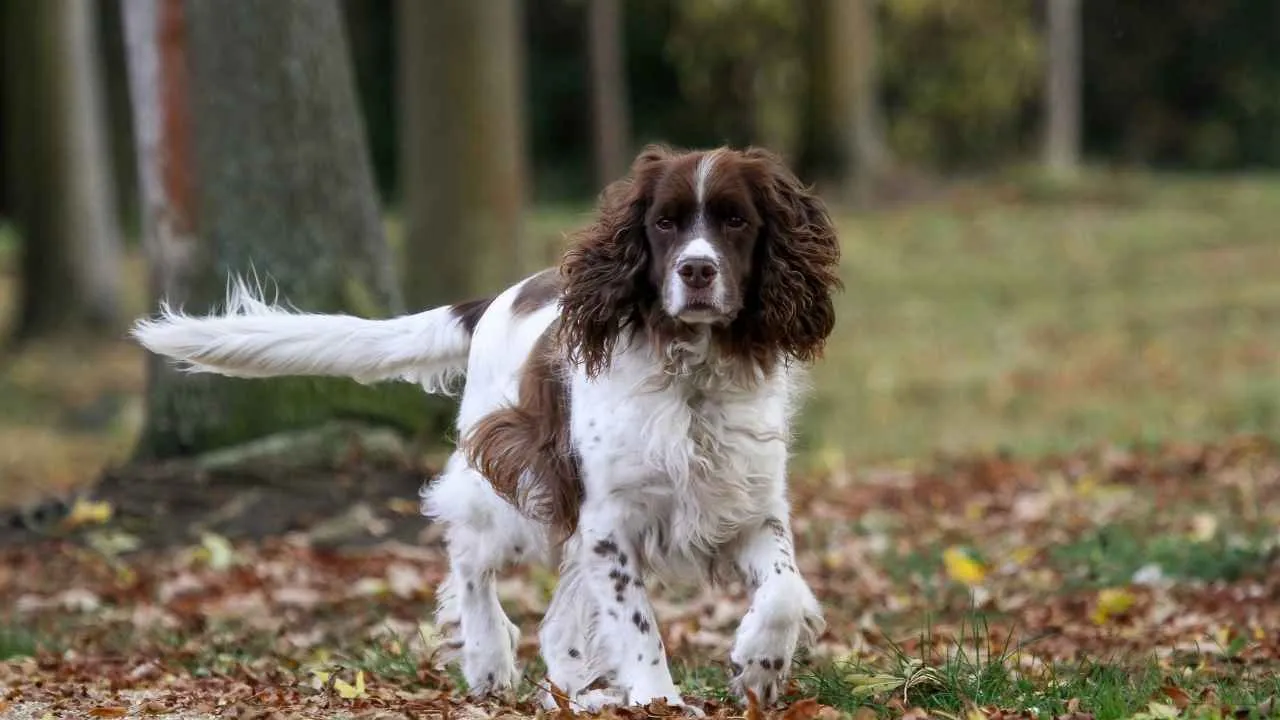
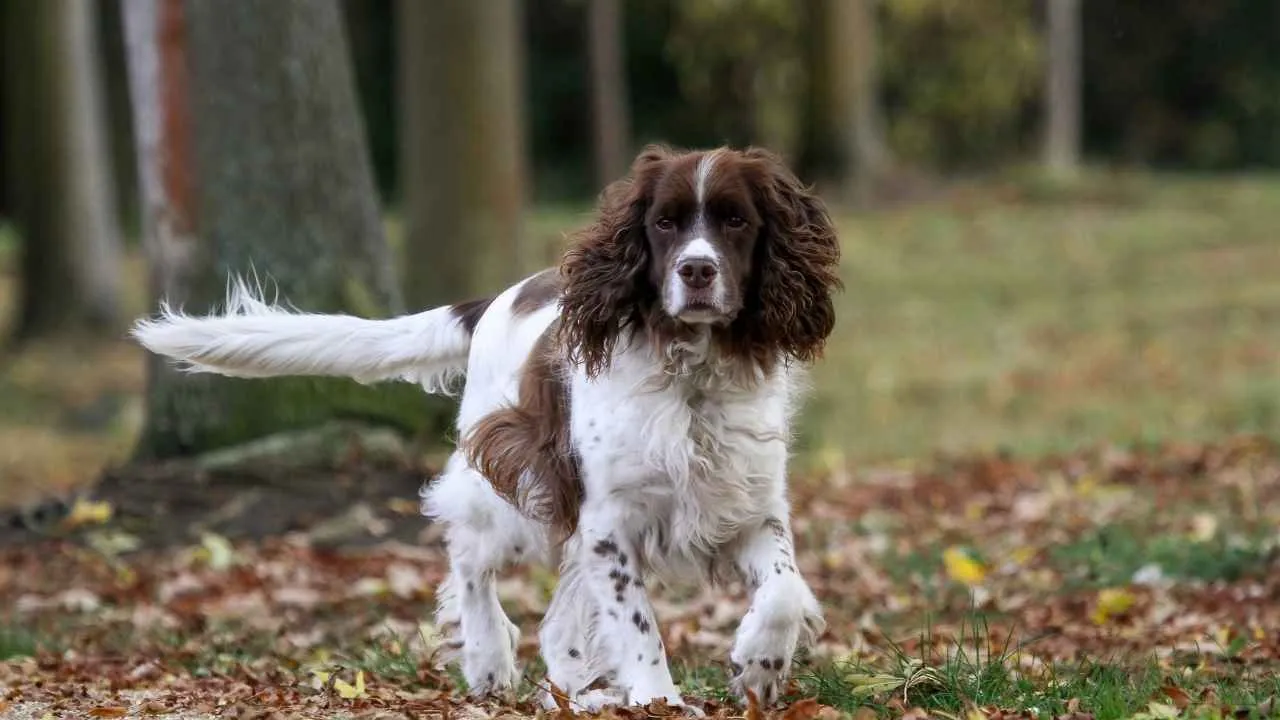
The English Springer Spaniel combines compact athleticism with agility, making it exceptionally efficient in active hunting scenarios.
Its feathered coat offers protection without restricting movement, while a deep chest supports sustained bursts of energy. Everything about its build favors speed, balance, and close-range precision.
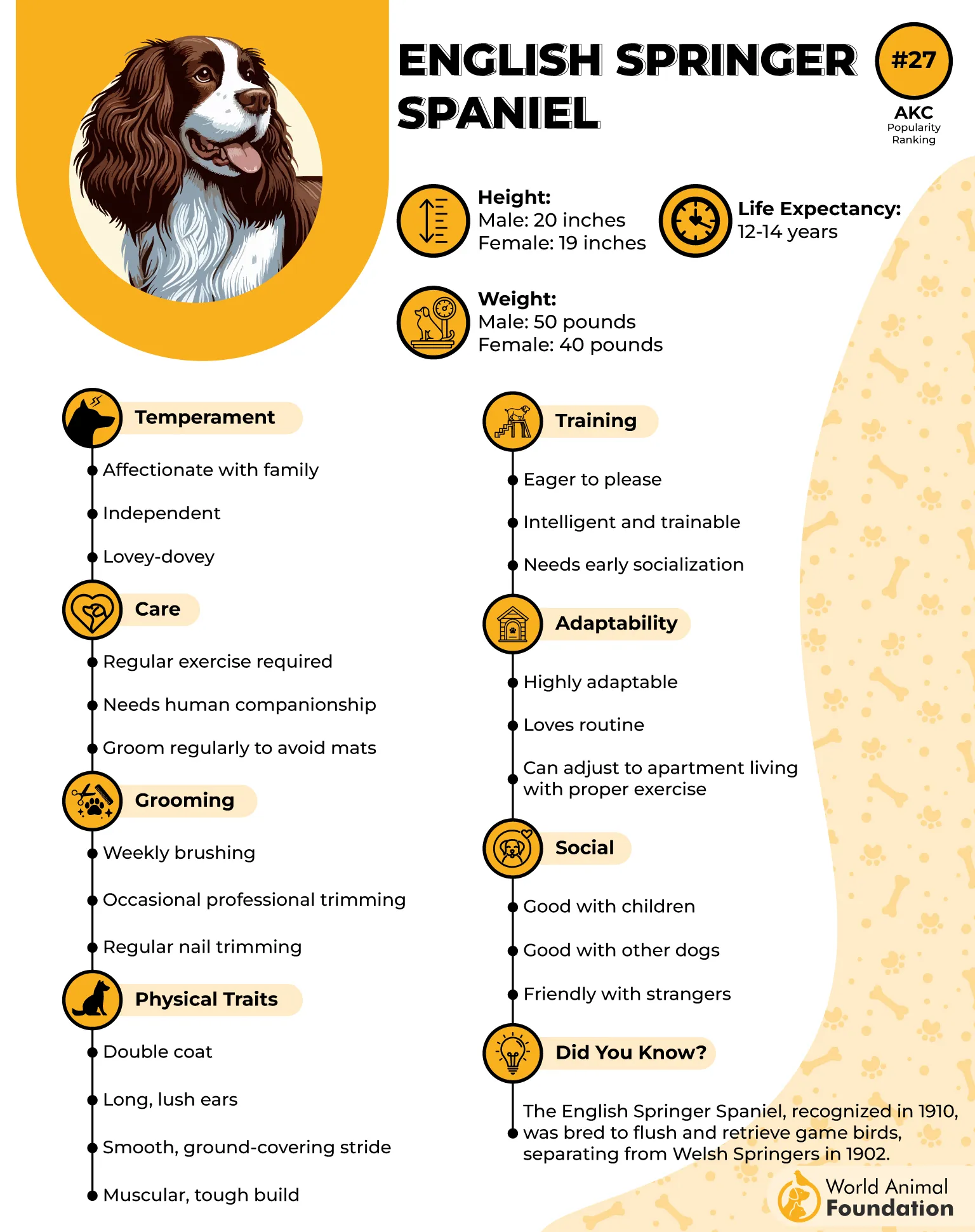
PeMD notes that this breed shines in environments that demand quick direction changes. Fields, hedgerows, woodlands, and marsh edges all fall within its comfort zone. Its adaptability makes it a strong option for hunters working mixed landscapes in a single day.
One Dog, Many Roles: Hunting Styles Explained
Flushing birds from dense cover
Retrieving fallen game efficiently
Working close to the handler
Training Journey: What to Expect from Puppy to Pro
Early socialization strengthens responsiveness
Positive reinforcement accelerates learning
Consistency builds confidence and reliability
Highly intelligent and eager to engage, the English Springer Spaniel reads subtle signals well. It maintains focus under excitement and performs steadily even during fast-paced hunts.
Outside the field, this breed remains active and people-oriented. Ideal for hunters who value cooperation, enthusiasm, and versatility, it fits households prepared to meet their energy and engagement needs year-round.
3. Irish Water Spaniel
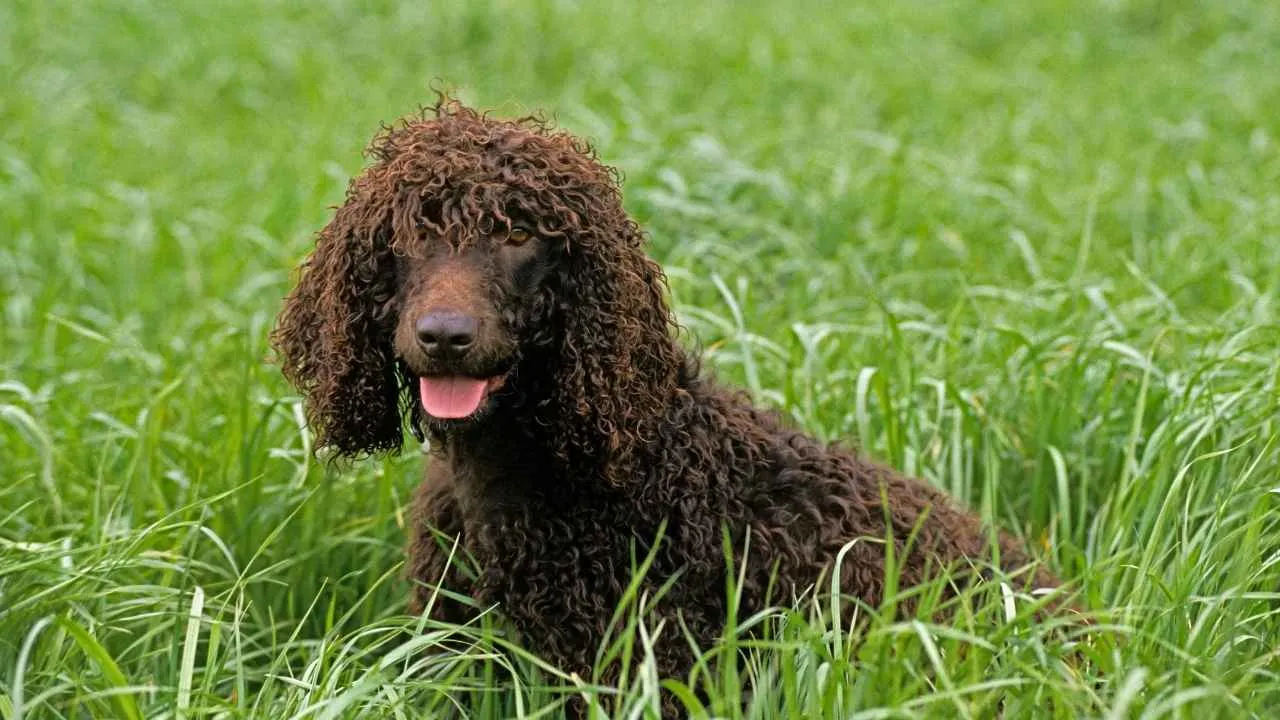
Distinctive in appearance and function, the Irish Water Spaniel features a dense, curly coat engineered for insulation and buoyancy. Its powerful hindquarters and broad chest provide strength for swimming and retrieving. The breed’s structure reflects a long history of demanding water work.
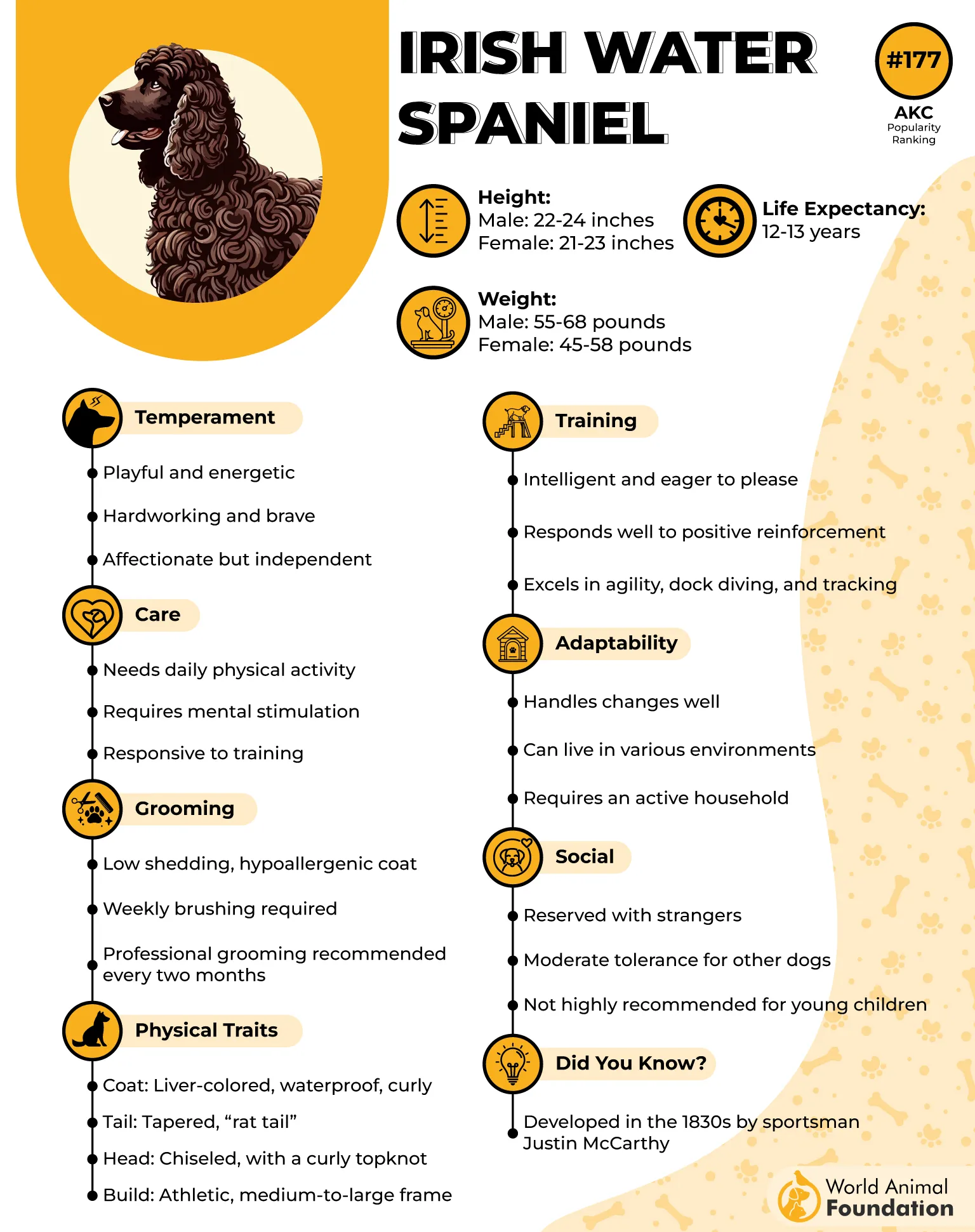
Cold lakes, marshes, and riverbanks are natural territory for this adaptable hunter. It transitions smoothly between water and land tasks, handling shifting conditions with confidence. Few breeds manage wet environments with equal efficiency and endurance.
One Dog, Many Roles: Hunting Styles Explained
Waterfowl retrieval in cold conditions
Upland birds work when needed
Tracking with scent-driven focus
Training Journey: What to Expect from Puppy to Pro
Mental stimulation prevents boredom
Varied drills reinforce adaptability
Advanced training refines control and precision
Britannica explains that clever and slightly unconventional in thinking, the Irish Water Spaniel thrives on problem-solving. Calm under pressure, it evaluates situations carefully rather than reacting impulsively.
At home, this dog needs structured activity and mental outlets. It suits hunters seeking a distinctive, intelligent, multi-purpose hunting dog capable of handling demanding water-based work and thoughtful training routines.
4. Boykin Spaniel
Compact yet sturdy, the Boykin Spaniel carries a solid frame built for efficiency rather than size. Its rich brown coat offers protection in brushy environments while remaining easy to maintain. This breed proves that smaller stature can still deliver impressive capability.
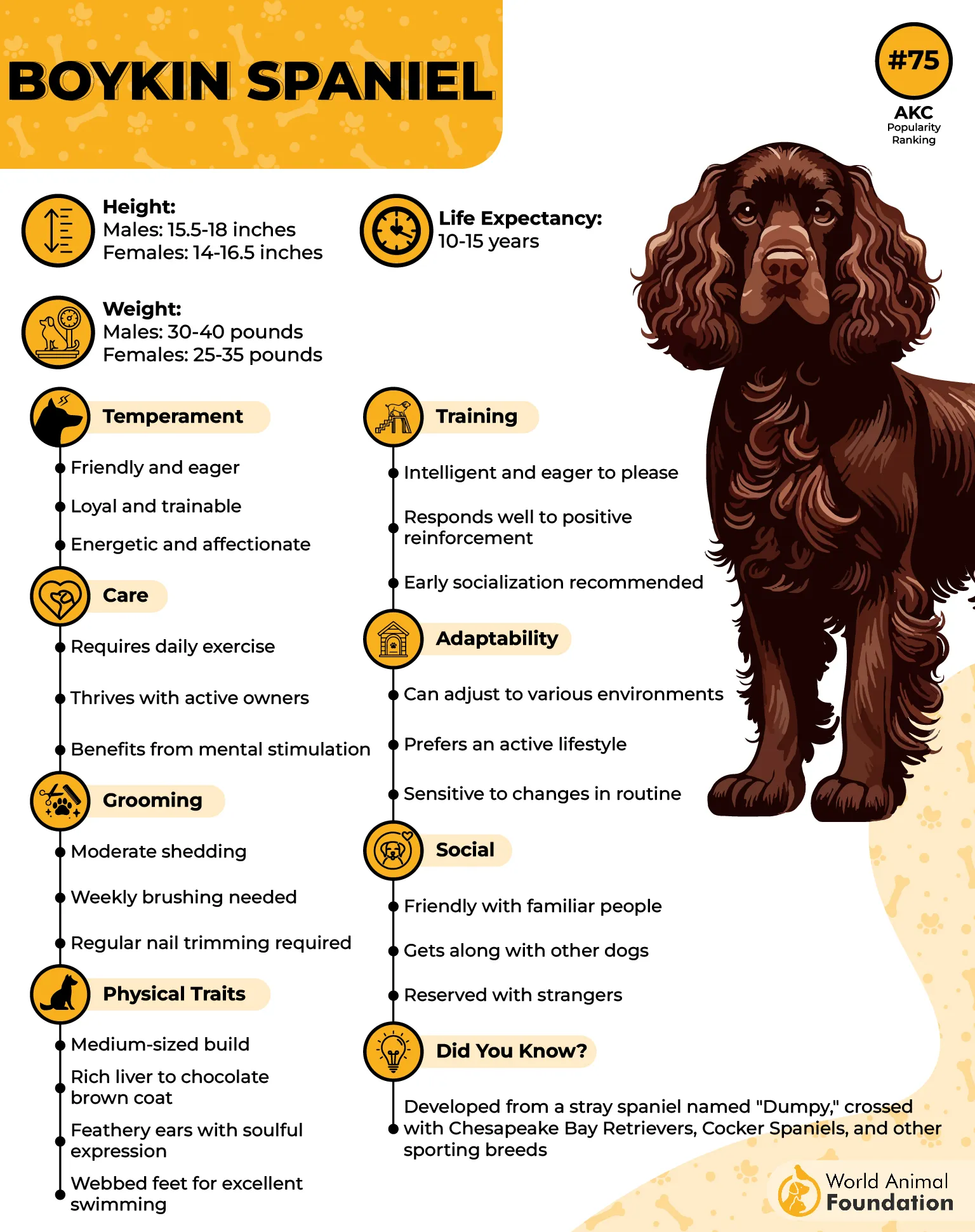
Originally developed for swampy regions, it navigates water, reeds, and wooded cover with ease. Its adaptability allows it to perform effectively in both wet and dry terrain. Hunters appreciate its ability to work comfortably from boats or tight spaces.
One Dog, Many Roles: Hunting Styles Explained
Flushing game birds
Retrieving waterfowl
Working close-range hunts
Training Journey: What to Expect from Puppy to Pro
Early bonding strengthens cooperation
Short, focused sessions boost learning
Experience builds confidence in varied settings
Quick-witted and eager, the Boykin Spaniel responds well to guidance and structure. It handles pressure calmly and stays attentive even in busy hunting scenarios.
Off the hunt, this breed blends well into active households. It suits hunters wanting a versatile, manageable hunting partner that balances enthusiasm, adaptability, and everyday companionship.
5. Labrador Retriever
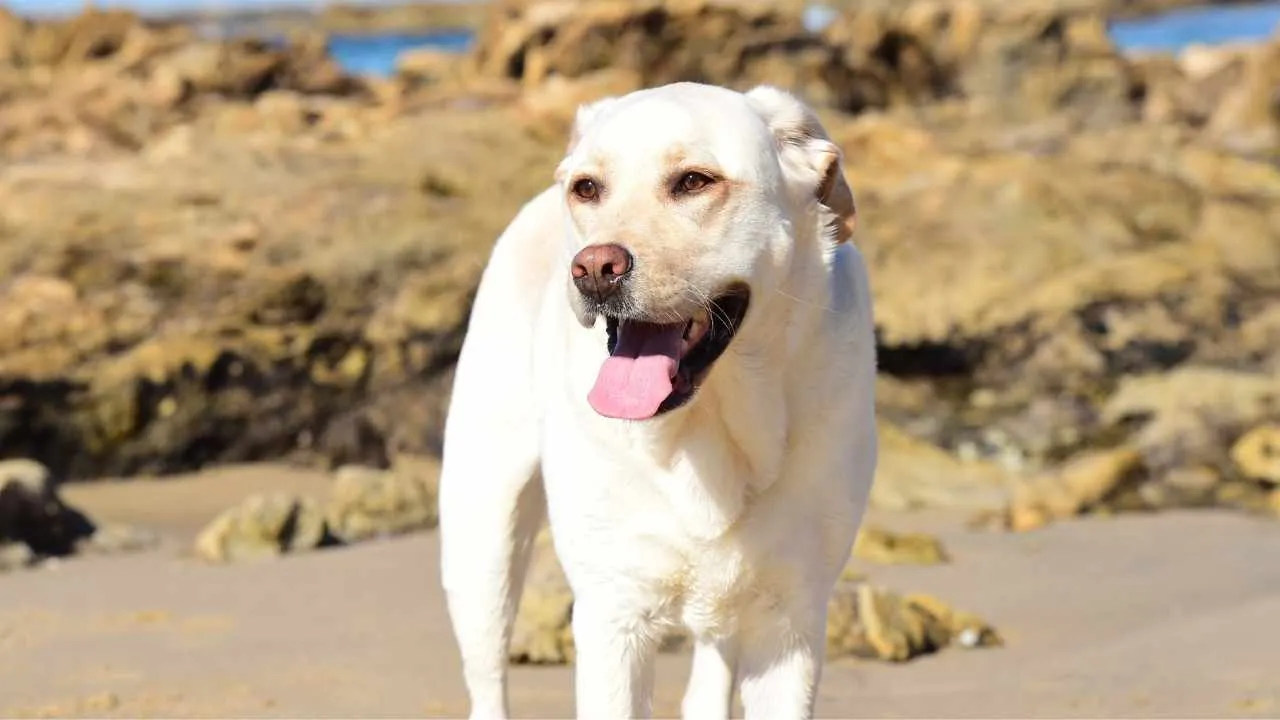
The Labrador Retriever is built for sustained performance, featuring a strong body, dense double coat, and powerful tail used for balance in water. Its physical design supports long hours of retrieving without fatigue. These traits explain its enduring popularity in multi-purpose hunting.
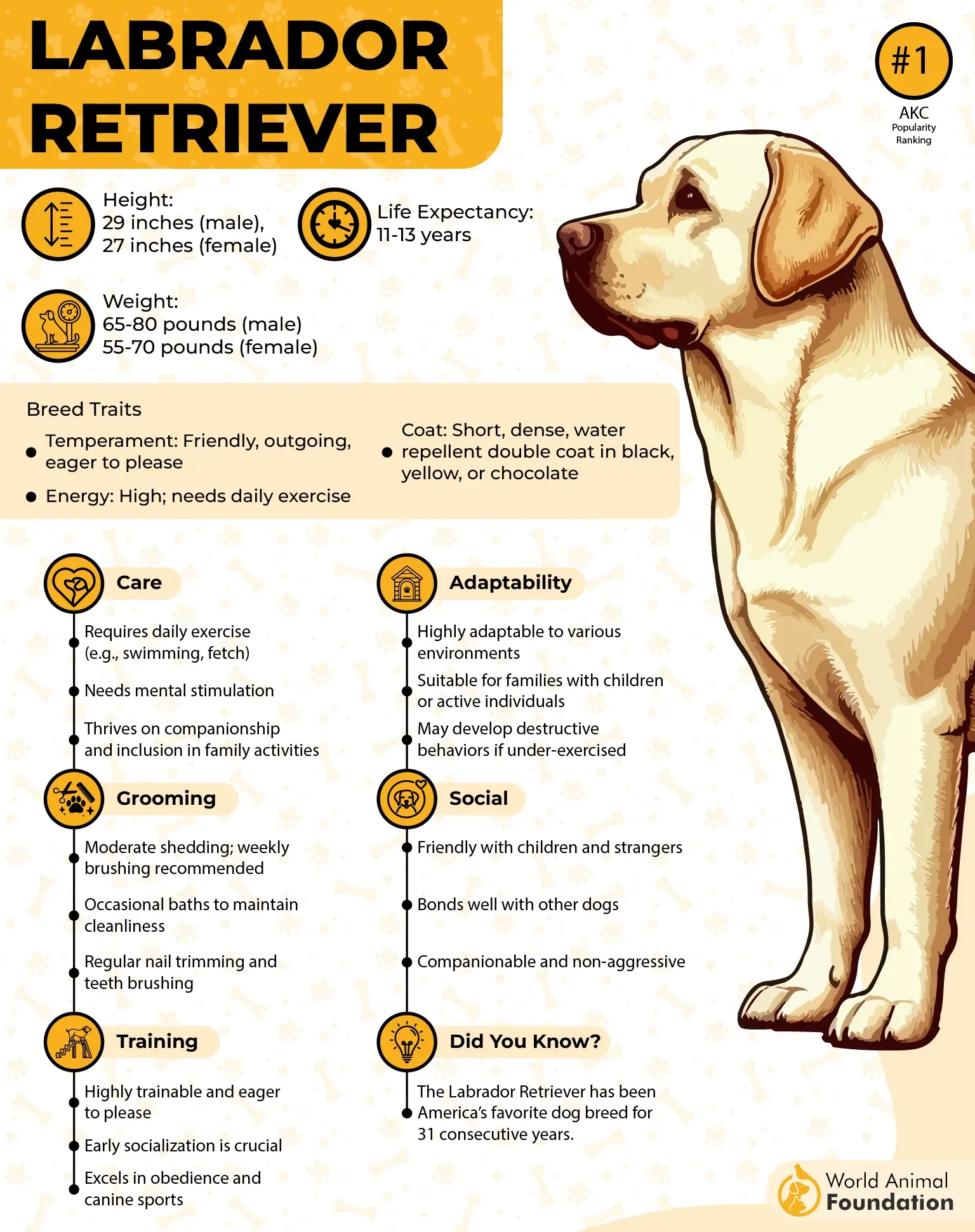
Comfortable across lakes, fields, and open terrain, the Labrador adjusts easily to changing conditions. Water retrieval remains its hallmark, though land-based work is handled with equal confidence. This adaptability supports modern hunting demands.
One Dog, Many Roles: Hunting Styles Explained
Waterfowl retrieval
Upland bird recovery
Tracking fallen game
Training Journey: What to Expect from Puppy to Pro
Early obedience establishes reliability
Repetition strengthens consistency
Advanced drills improve precision
Known for intelligence and steadiness, the Labrador remains focused under pressure. It processes commands quickly and maintains composure during complex hunting situations.
Beyond the field, this breed integrates smoothly into family life. Ideal for hunters seeking a dependable, versatile hunting dog, it offers a rare balance of performance, temperament, and long-term companionship.
6. Treeing Walker Coonhound
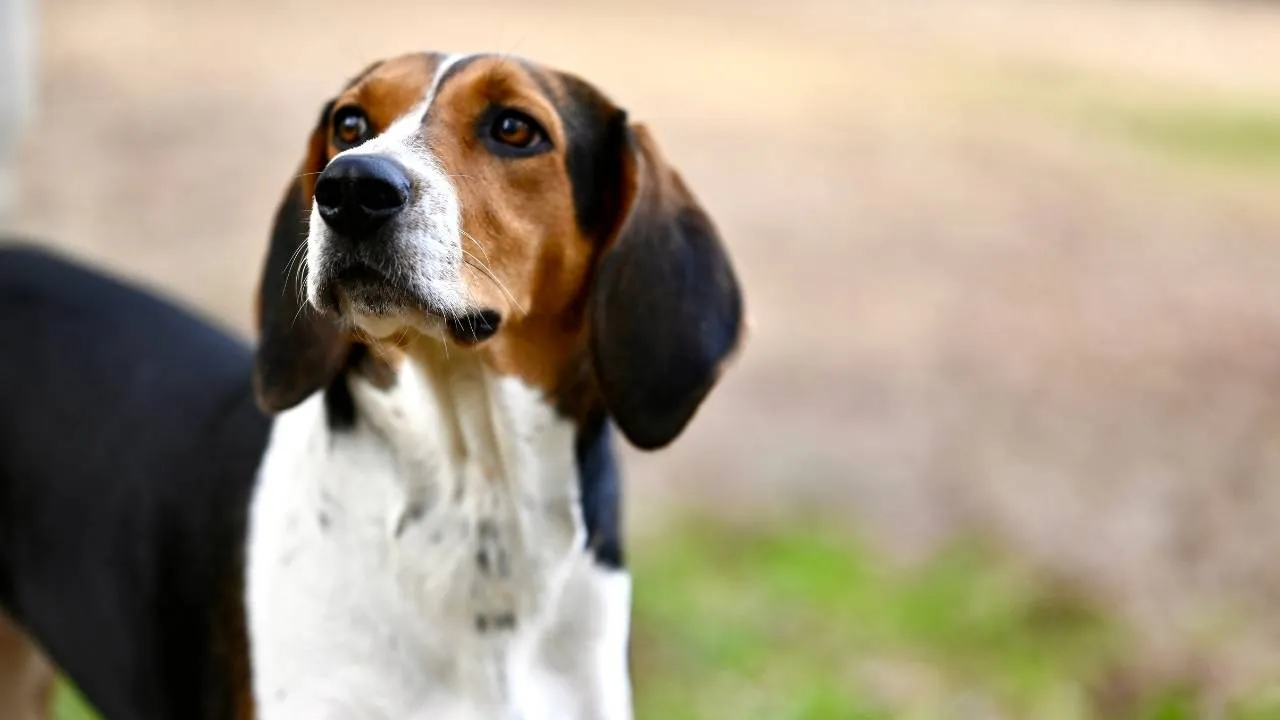
Athletic and streamlined, the Treeing Walker Coonhound is built for speed, scent, and stamina. Its long legs, deep chest, and short coat support endurance over extended distances, while its finely tuned nose reflects generations of selective breeding for tracking work. This is a dog designed to move fast and stay focused.
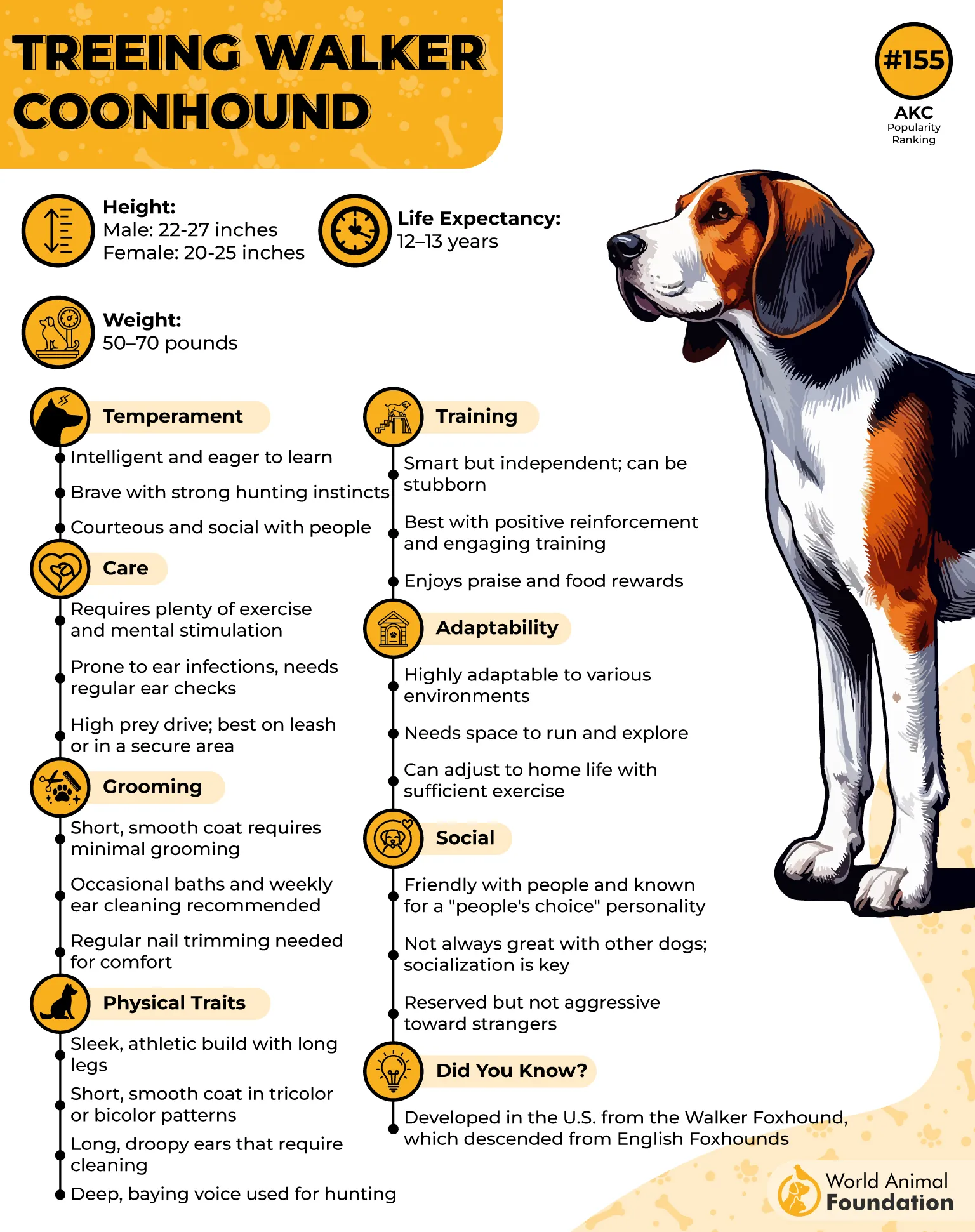
Open woodlands, rolling hills, and mixed terrain suit this breed exceptionally well. It adapts to long pursuits across changing landscapes, maintaining momentum where others may tire. Hunters rely on its ability to navigate terrain efficiently during extended hunts.
One Dog, Many Roles: Hunting Styles Explained
Trailing scent with speed and accuracy
Treeing game and holding position
Working independently over large areas
Training Journey: What to Expect from Puppy to Pro
Early recall training builds control
Scent-based games refine instincts
Advanced work strengthens consistency and endurance
Intelligent and driven, the Treeing Walker Coonhound excels at problem-solving in motion. Under pressure, it remains determined and vocal, using its instincts to communicate progress clearly to handlers.
Off the hunt, this breed requires structured activity and mental outlets. Best suited for experienced hunters, it thrives with purpose, space, and consistent engagement that mirrors its working heritage.
7. Norwegian Elkhound
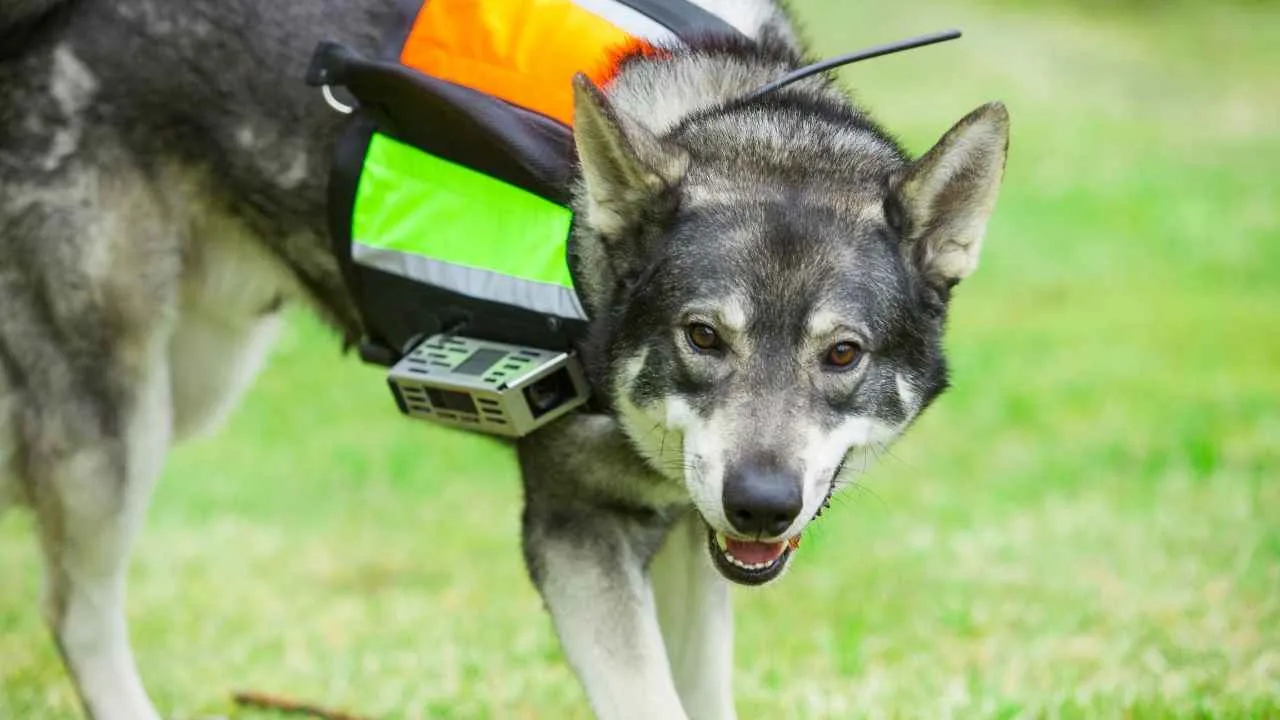
Compact, muscular, and resilient, the Norwegian Elkhound carries a dense coat designed for cold climates and rugged terrain. Its sturdy frame and strong legs support steady movement over uneven ground. Every feature reflects durability and purpose.
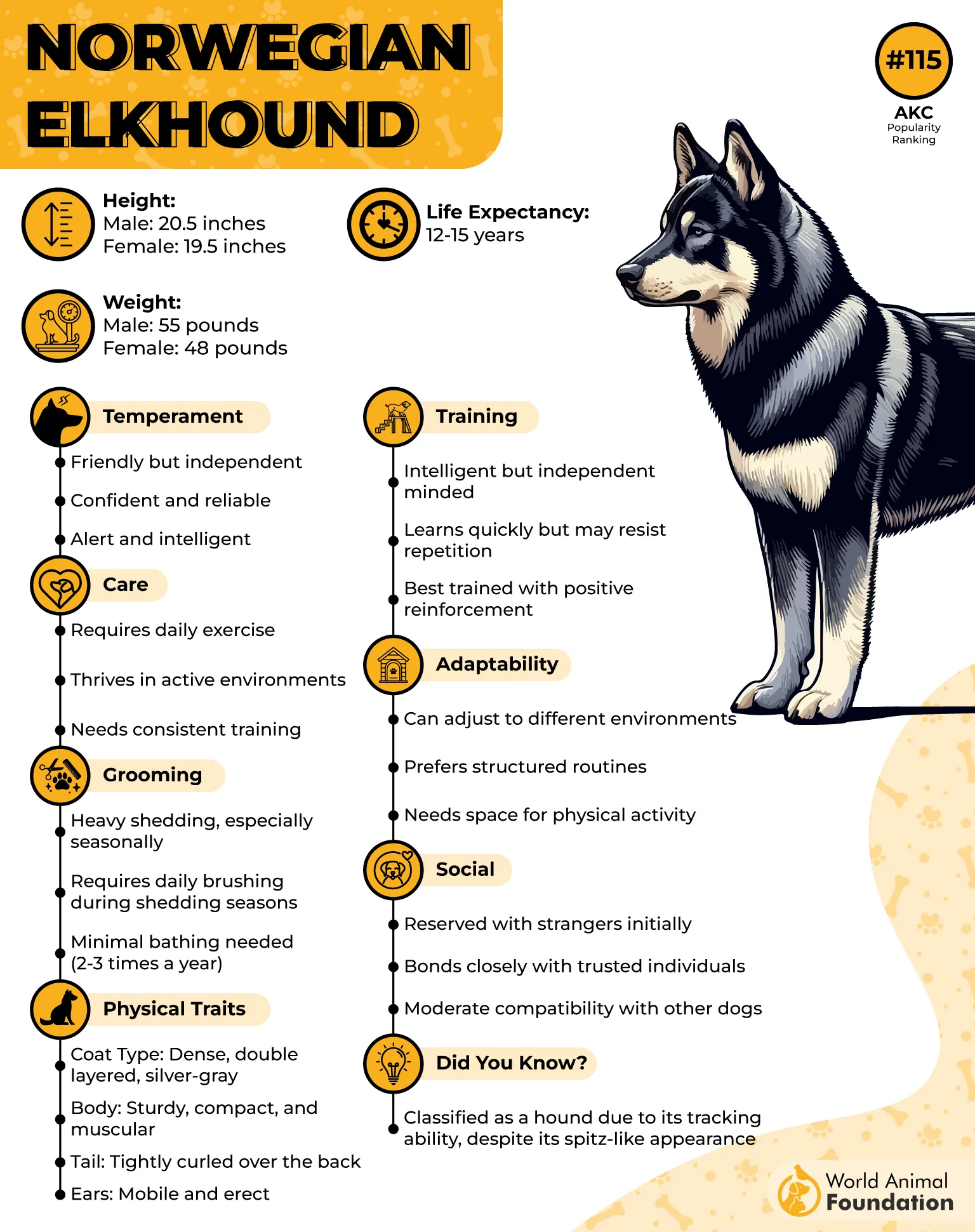
Mountainous regions, forests, and colder environments highlight this breed’s adaptability. It navigates rough terrain confidently, maintaining focus during prolonged pursuits. This versatility makes it reliable in challenging hunting conditions.
One Dog, Many Roles: Hunting Styles Explained
Tracking large game
Holding and alerting through vocal signals
Working independently at a distance
Training Journey: What to Expect from Puppy to Pro
Early structure establishes leadership
Exposure to varied environments builds confidence
Advanced training refines responsiveness
Alert and intelligent, the Norwegian Elkhound assesses situations thoughtfully rather than impulsively. Under pressure, it remains composed and persistent, relying on instinct and experience.
Daily life requires regular exercise and mental stimulation. This breed suits hunters seeking a versatile hunting dog with resilience, independence, and a strong connection to traditional working roles.
8. Karelian Bear Dog
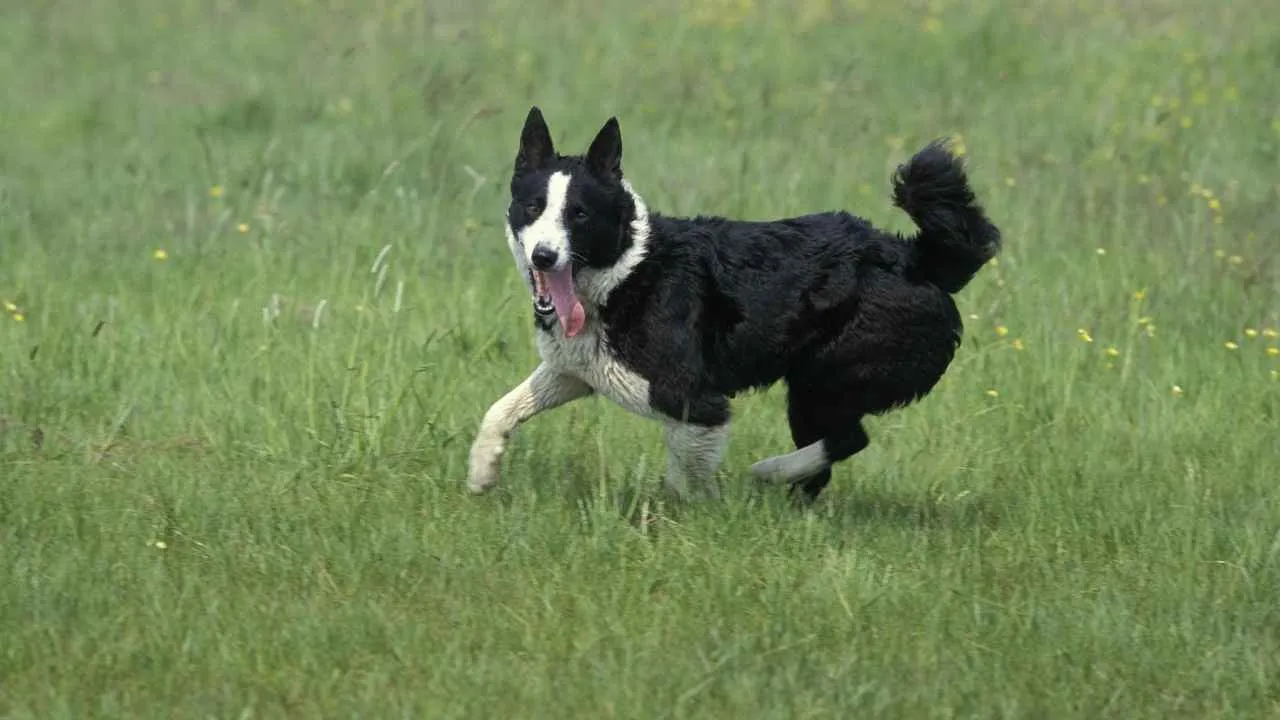
Strongly built with a thick, protective coat, the Karelian Bear Dog reflects power and control rather than speed. Its compact strength supports close-contact hunting tasks, while its physical resilience allows it to withstand demanding conditions. This is a breed shaped by necessity.
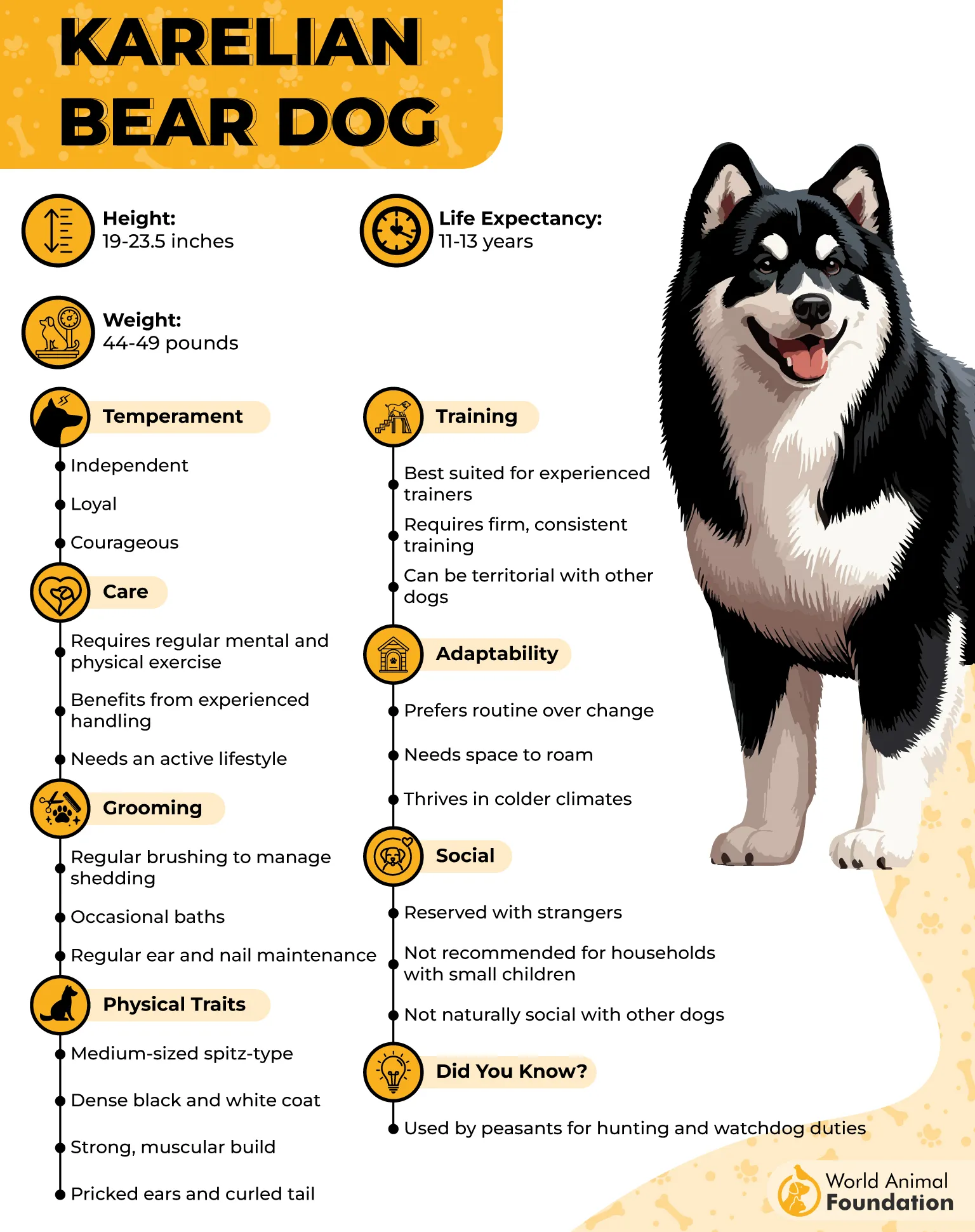
Dense forests and remote terrain define its working environment. It adapts to challenging landscapes, maintaining confidence where visibility and conditions fluctuate. Hunters value its ability to operate effectively in unpredictable settings.
One Dog, Many Roles: Hunting Styles Explained
Tracking large game
Baying to hold attention
Working assertively under pressure
Training Journey: What to Expect from Puppy to Pro
Early socialization supports balance
Clear boundaries reinforce focus
Advanced training strengthens control
Highly intelligent and intensely focused, the Karelian Bear Dog approaches challenges with determination. Pressure does not easily distract it, as confidence and instinct guide decision-making.
At home, structure and consistency are essential. This breed suits experienced handlers seeking a versatile hunting dog with strength, independence, and unwavering commitment to its work.
9. Bluetick Hound

Recognizable by its distinctive coat and powerful build, the Bluetick Hound is engineered for scent-driven endurance. Its long ears and strong nose enhance tracking ability, while its frame supports sustained movement over time. Function defines every physical trait.
Woodlands, open fields, and uneven terrain suit this breed’s working style. It adapts to long pursuits across varied environments, maintaining accuracy even as conditions change. This reliability supports multi-purpose hunting demands.
One Dog, Many Roles: Hunting Styles Explained
Trailing cold and fresh scents
Treeing game
Working extended hunts
Training Journey: What to Expect from Puppy to Pro
Early scent exposure strengthens instinct
Patience builds reliability
Advanced training refines discipline
Thoughtful and determined, the Bluetick Hound approaches tasks methodically. Under pressure, it remains focused and vocal, signaling progress clearly.
Off the hunt, this breed benefits from regular activity and mental engagement. It suits hunters seeking a versatile hunting dog known for scent accuracy, endurance, and a steady temperament.
Conclusion
From waterfowl hunting to upland game, the dog world offers popular dog breeds originally bred to chase animals through thick cover, follow scent trails, and retrieve downed birds with natural hunting instincts.
Beyond this guide, respected names like the Chesapeake Bay Retriever, German Shorthaired Pointer, Golden Retriever, English Setter, Braque Français, Epagneul Breton, and other spaniels—recognized by the American Kennel Club—continue to shape the hunting breed legacy.
With proper training, these loyal hunting companions can be highly effective bird dog and retriever breeds, easily trained, equally effective with ducks or small game, great companions, good house dogs with an off switch, and a good family dog. Choose wisely—and you’ll gain one of the great dogs the field has ever known.
