




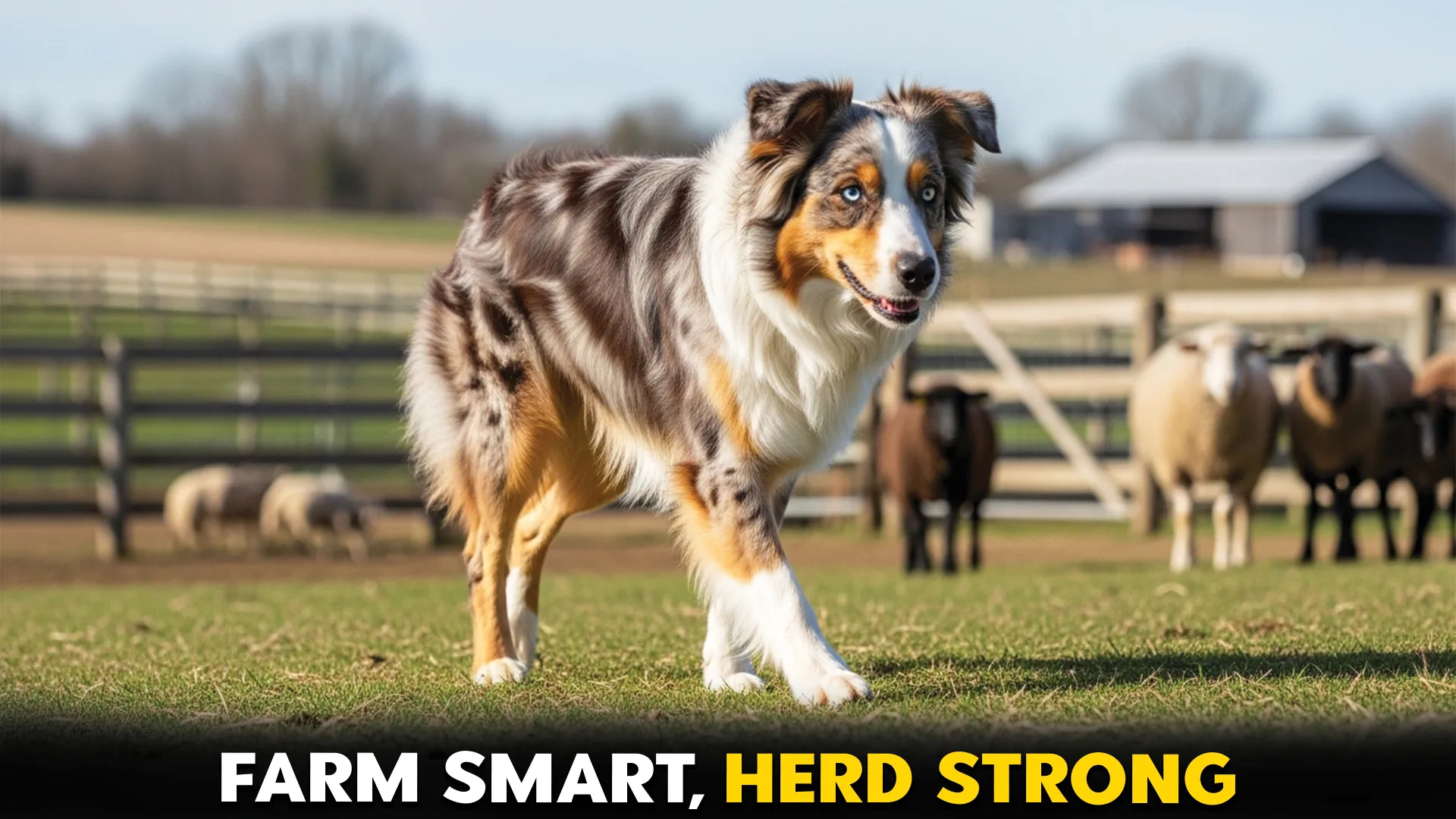
Modern agriculture has embraced technology, automation, and large-scale equipment to increase productivity. Yet on many farms, one of the most effective tools still walks on four legs.
Versatile dog breeds developed for farm and herding tasks provide a level of responsiveness that machines cannot match. They adjust to terrain without programming, respond to livestock behavior without delay, and maintain calm pressure in tight spaces.
A single dog may gather animals in an open pasture, assist with sorting, and patrol boundaries within the same day. This flexibility reduces stress on livestock and improves overall workflow. Strength and speed matter, but so do patience and precision.
This article examines the combination of traits that define truly capable farm dogs, offering insight into how intelligence, endurance, and balanced drive create dependable partners in agricultural work.
Key Takeaways
On farms, machines can help, but some tasks still require four legs and unmatched instincts.
Australian Cattle Dogs and Pembroke Welsh Corgis show relentless drive, making quick turns and managing stock with remarkable precision.
Belgian Sheepdogs and Anatolian Shepherds handle guardianship naturally, balancing independence with loyalty to their humans.
Keep reading, and you’ll discover the seven breeds that make farm work both efficient and fascinating to watch.
Versatile Dog Breeds Perfect for Farm and Herding Tasks
1. Australian Shepherd
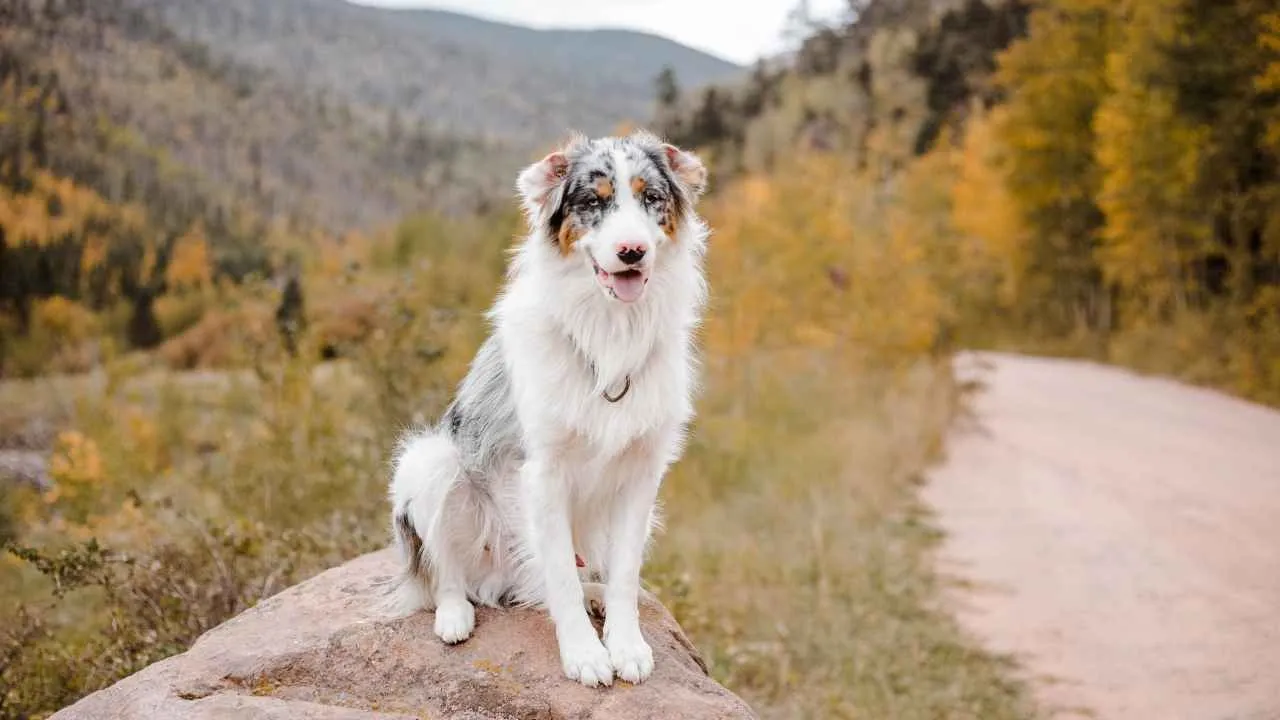
Australian Shepherd is known for its keen, penetrating gaze that helps it control livestock with precision. Developed in California from European stock dogs linked to Australia, this lean and tough ranch dog became a fixture on the rodeo circuit.
Relentless Herding Drive
Australian Shepherd shows an irresistible impulse to herd, whether livestock, birds, or even children in open spaces, as the AKC mentioned. That deep work instinct shapes how it responds to motion and direction on a property.
This drive becomes clearer in practice:
Strong eye contact to move stock
Quick directional shifts
Immediate response to handler cues
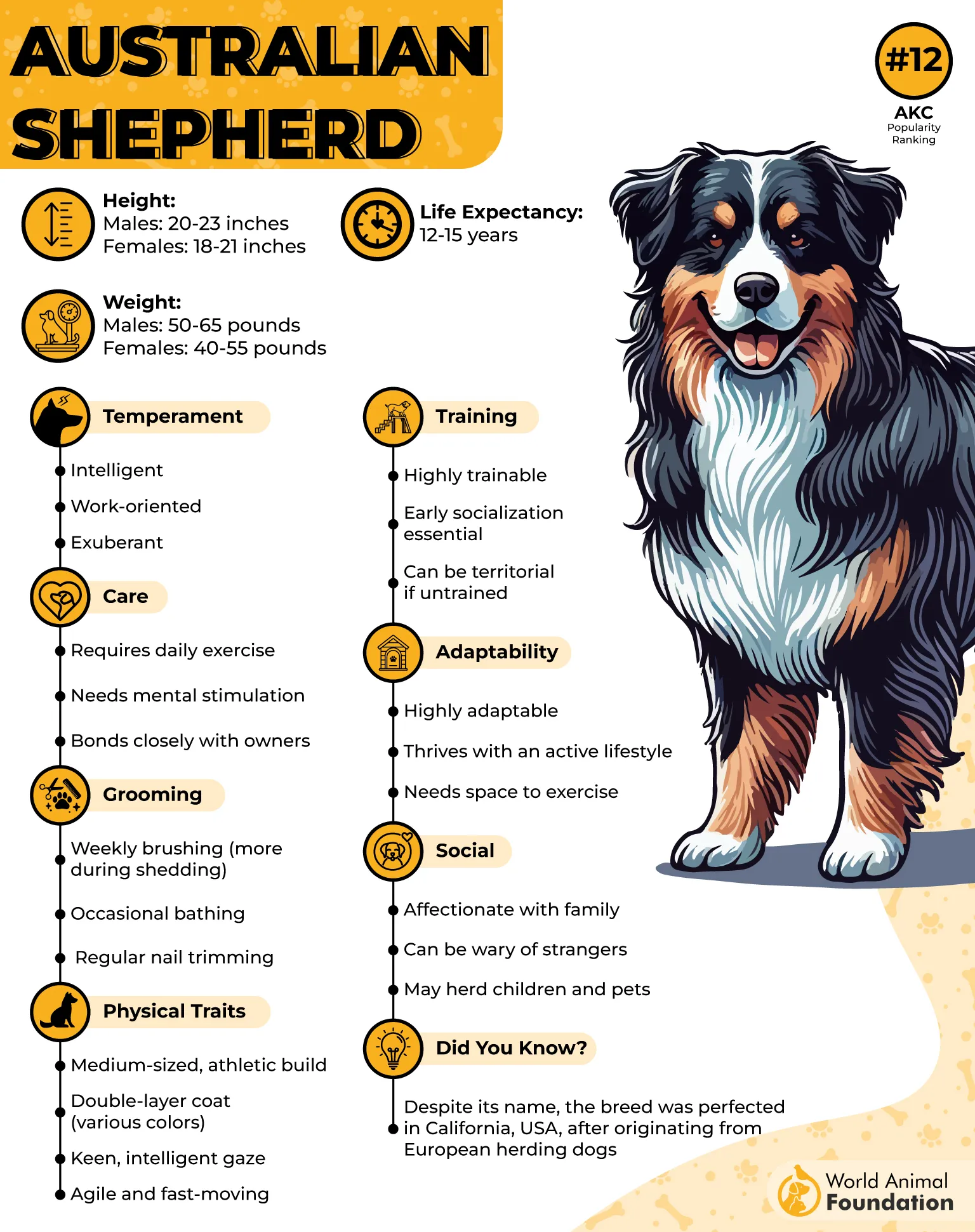
Energy Matched to Open Land
Australian Shepherd is a high-energy, athletic dog that requires significant daily movement to stay balanced. Long hikes, running once fully developed, and large fenced areas suit its physical build and stamina. Given a defined role, it settles into routine with focus and steady engagement.
2. Border Collie
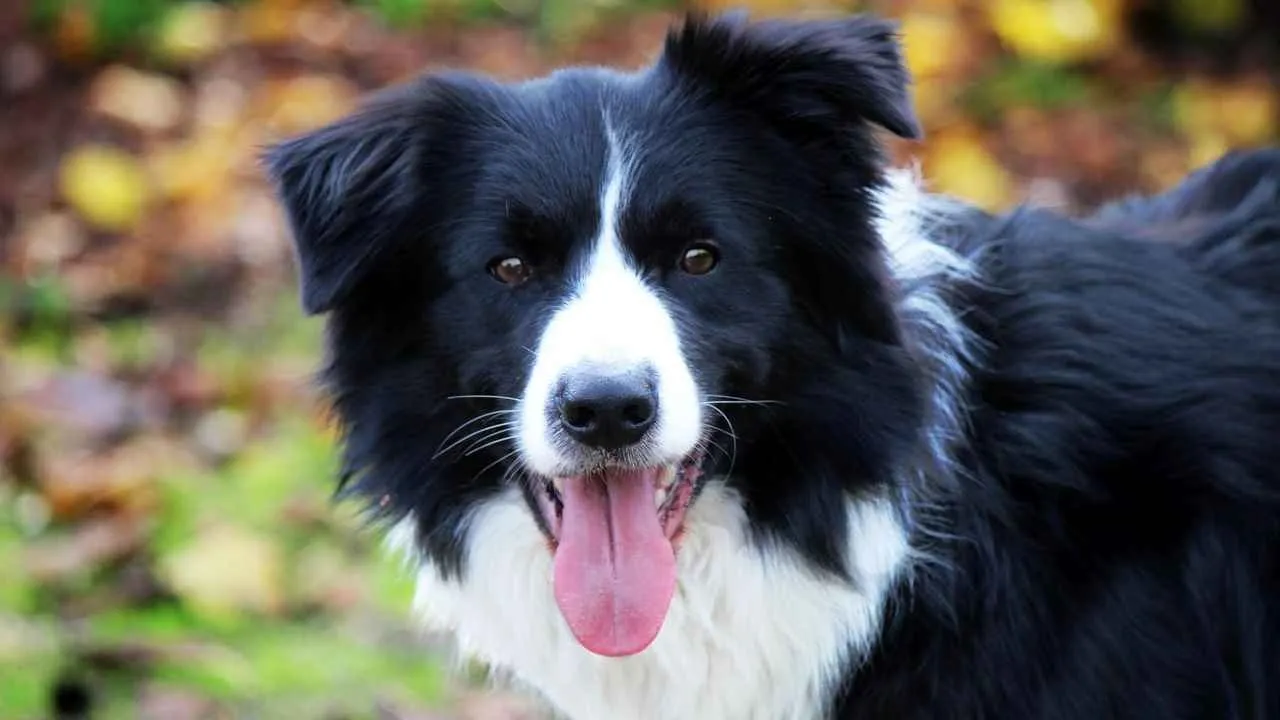
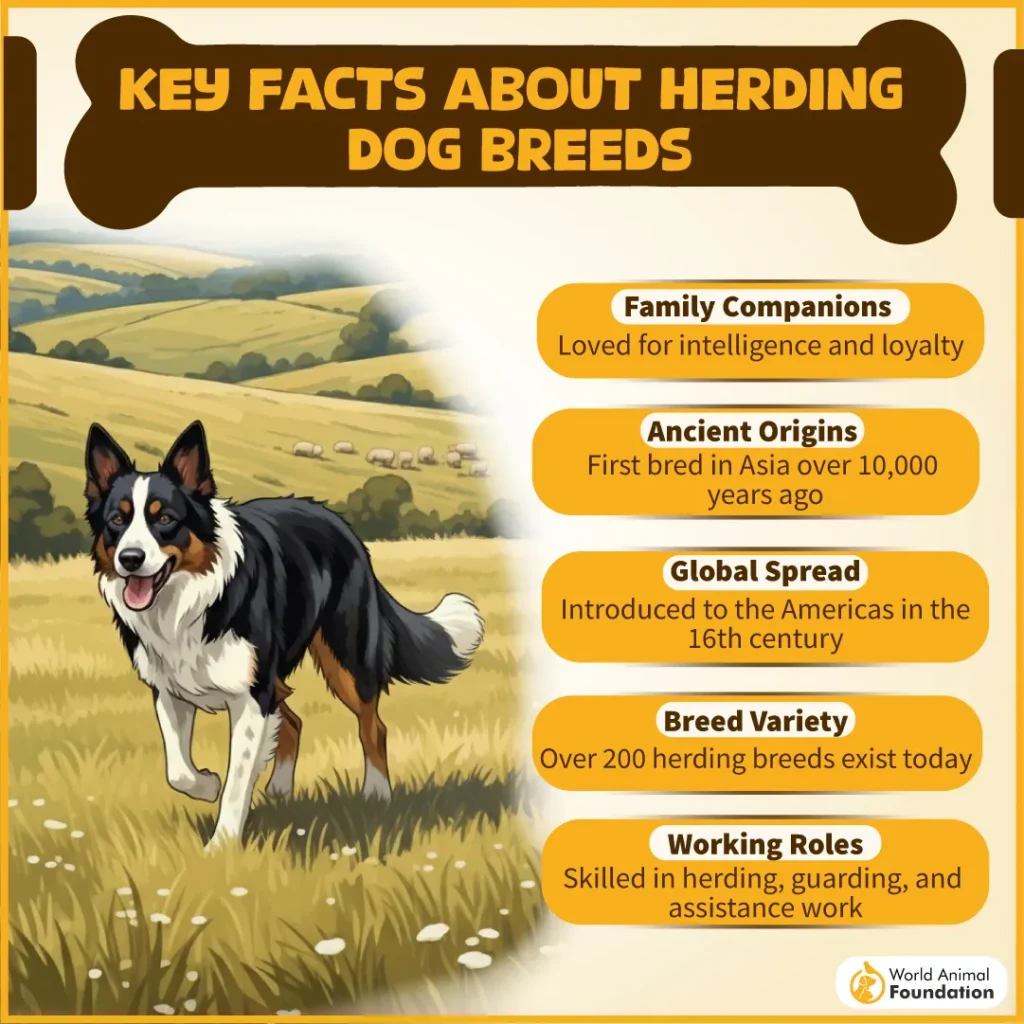
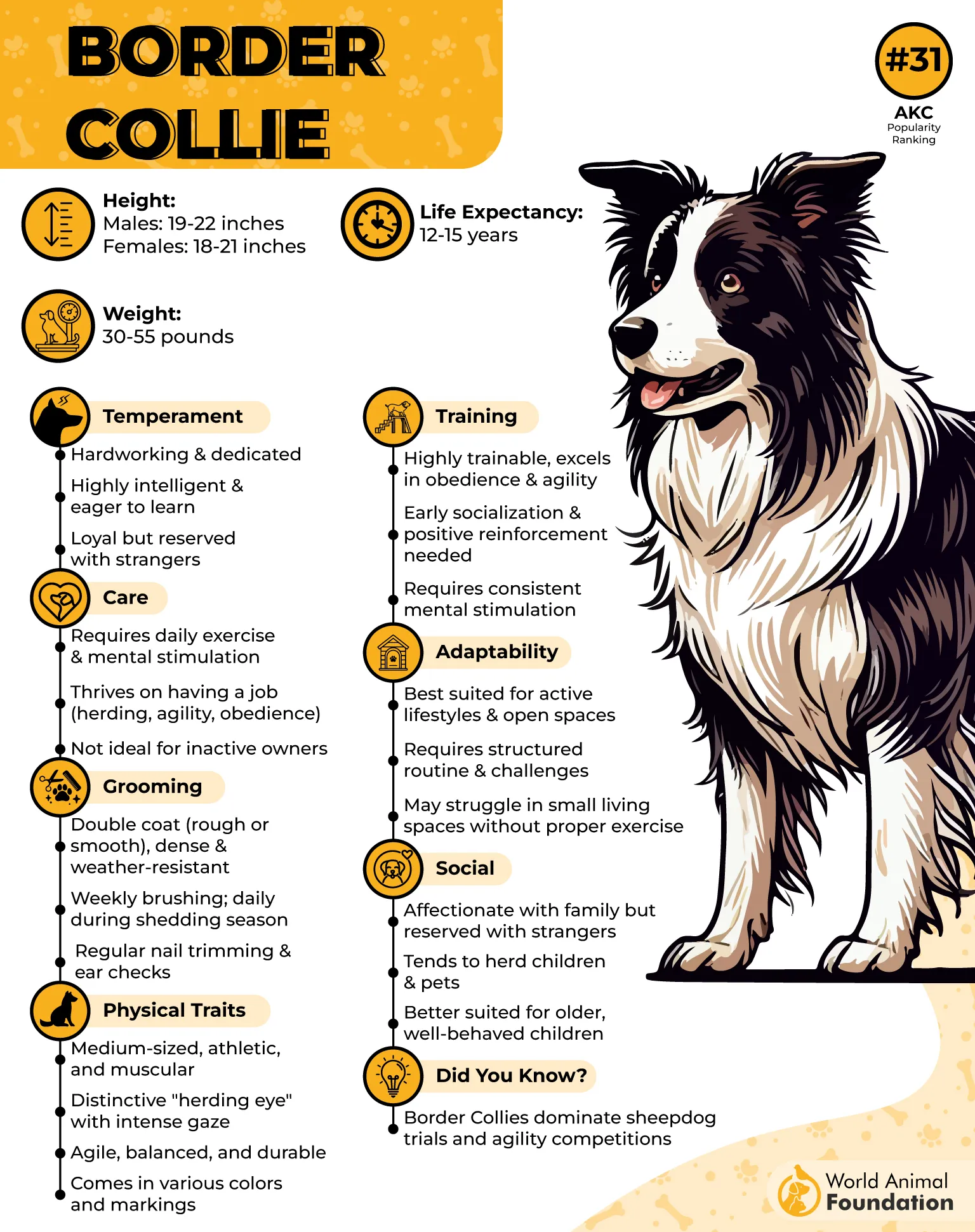
Border Collie is defined by its intense gaze, known as the herding eye, a focused expression that controls livestock through steady visual pressure. This hallmark trait reflects a mind constantly calculating movement and direction in open fields.
Built for Relentless Motion
This herding dog breed ranks among the most agile and balanced dogs in motion, combining athleticism with sharp responsiveness. The breed’s intelligence and trainability find a natural outlet in agility, obedience, and herding work.
The pattern becomes clear in daily performance:
Lightning-fast directional shifts
Immediate response to whistle or hand cues
Sustained stamina across long work sessions
Competitive Edge in the Field
Border Collie consistently excels in herding trials as well as rally, tracking, flying disc, and flyball competitions, as stated in Purina. This range of participation reflects both mental speed and physical durability across demanding environments.
3. Australian Cattle Dog
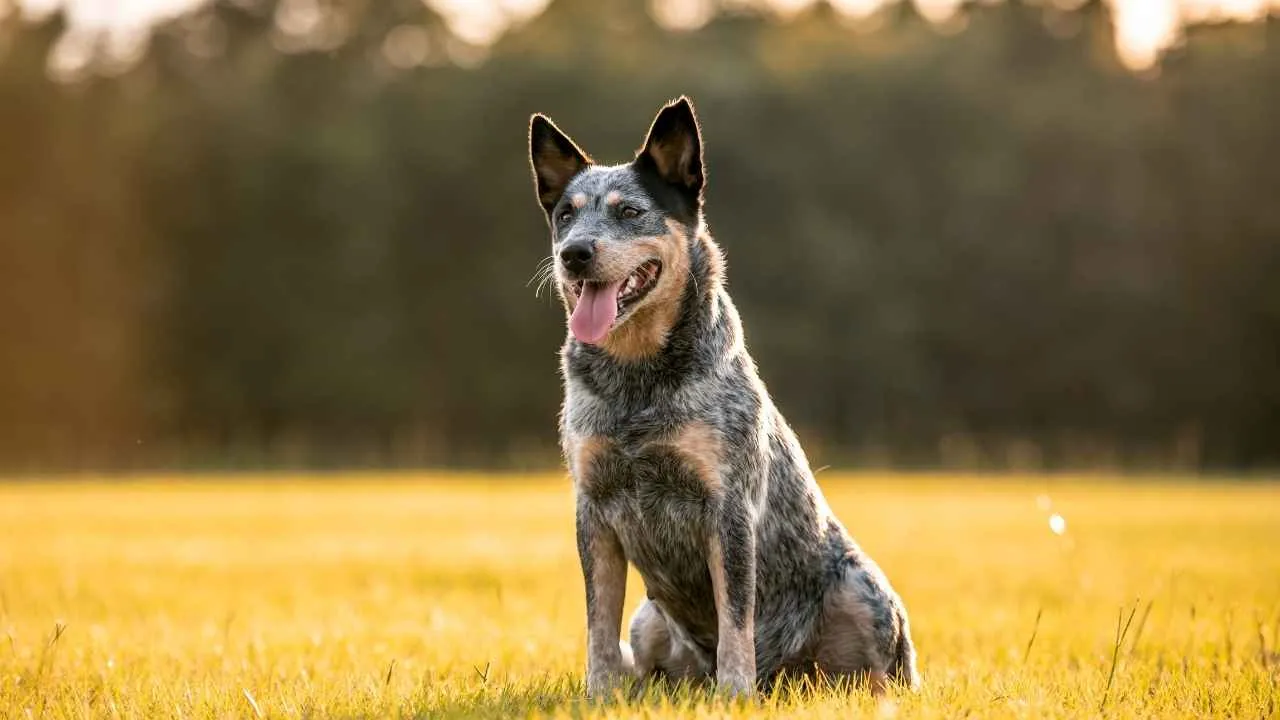
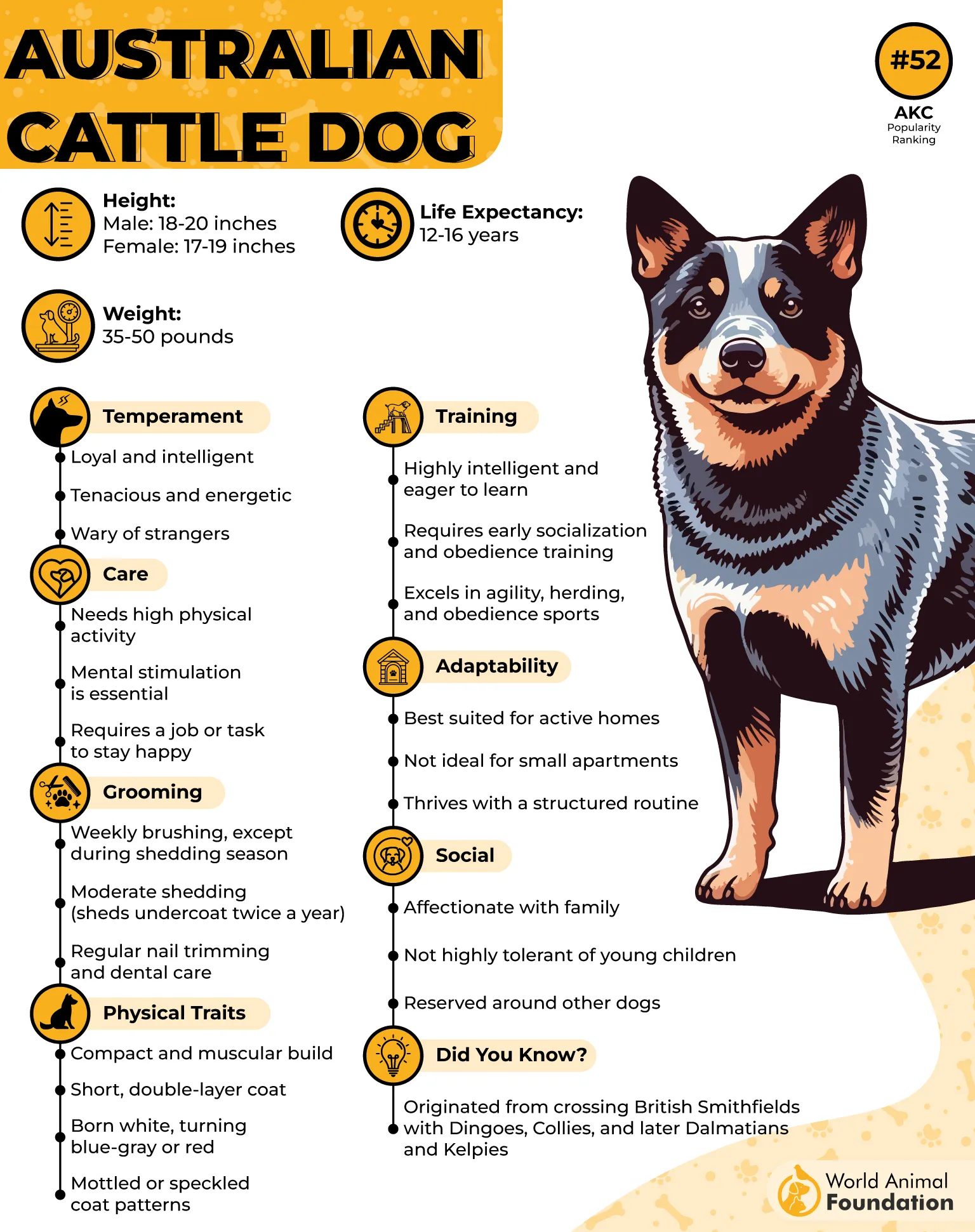
Australian Cattle Dog descends from herding lines developed in Australia and is linked to the country’s wild Dingo, as mentioned by Wikipedia. This compact yet hard-muscled worker was shaped for strength, agility, and long hours around livestock. Its immense drive to control and move cattle defines its role on demanding farms.
Intelligence in Motion
ACD is famously smart and capable of outthinking inexperienced handlers when not given clear direction. The breed’s supple gait and boundless energy support fast turns and tight livestock control in open fields.
That intensity shows up in traits like:
Sharp problem-solving under pressure
Persistent livestock focus
Quick directional response
Structure Built for the Field
Australian Cattle Dog develops from a white puppy coat into blue-gray or red with distinctive speckling patterns. Beneath that coat sits a sturdy frame designed for endurance rather than showy movement. Its agility and strength allow it to hunt, chase, and gather stock across rough terrain.
4. Pembroke Welsh Corgi
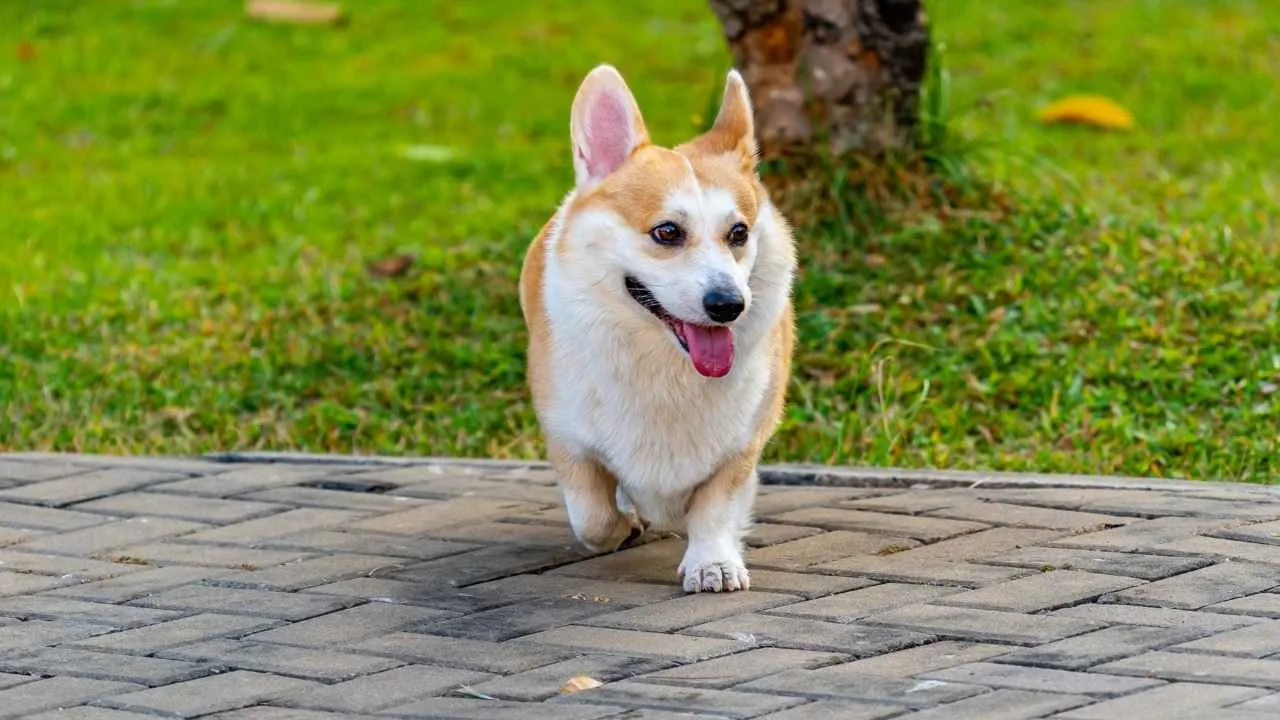
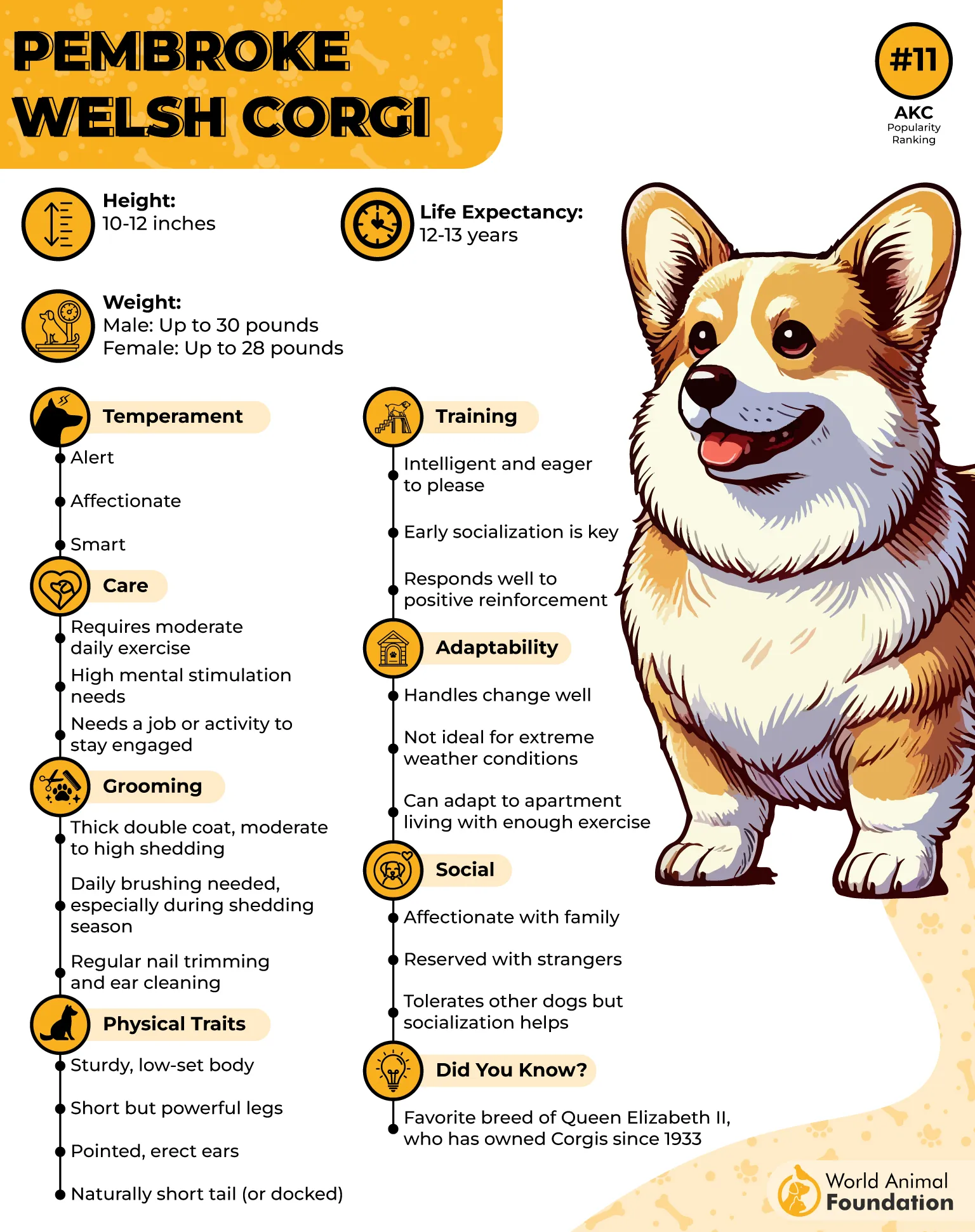
The Pembroke Welsh Corgi is a long, low, strong little herder developed to move cattle with confidence and control. Short but powerful legs, muscular thighs, and a deep chest equip this breed for sustained farm work. That structure allows quick turns and steady pressure on livestock across uneven ground.
Instinct in Motion
This corgi was originally bred to drive cattle, which required fearlessness and independent judgment in close quarters. Their bright and sensitive nature supports a fast response to direction while maintaining alert awareness.
That working design becomes clear in daily performance:
Quick directional shifts
Confident stock movement
Sharp auditory awareness
Energy With Purpose
Pembroke Welsh Corgi loves physical activity and shows its best focus when given a defined task. Long walks and structured movement suit the breed, though the short legs set natural pace limits. Regular activity supports steady behavior in environments where livestock handling demands consistency.
5. Anatolian Shepherd
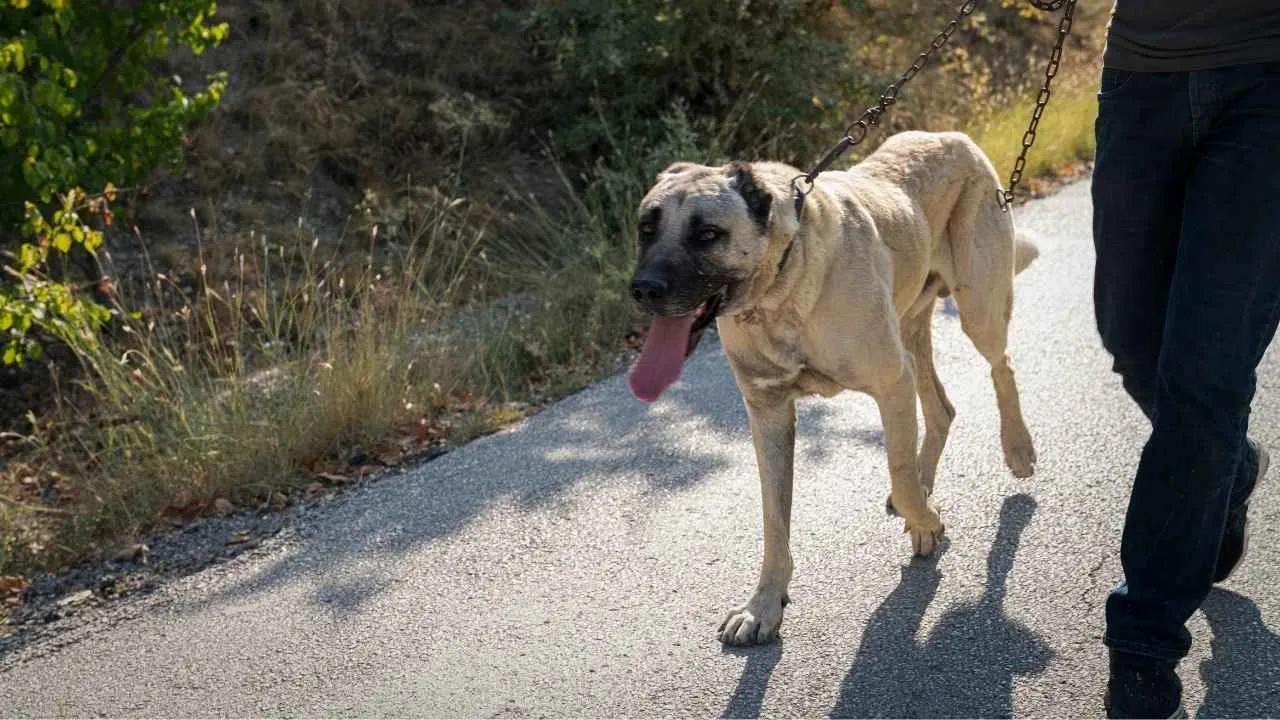
Anatolian Shepherd descends from some of the oldest known domestic canine bloodlines, reaching back to the Bronze Age nearly 6,000 years ago. This ancient lineage shaped a rugged flock guardian built to protect livestock across harsh terrain.
Independent Flock Protector
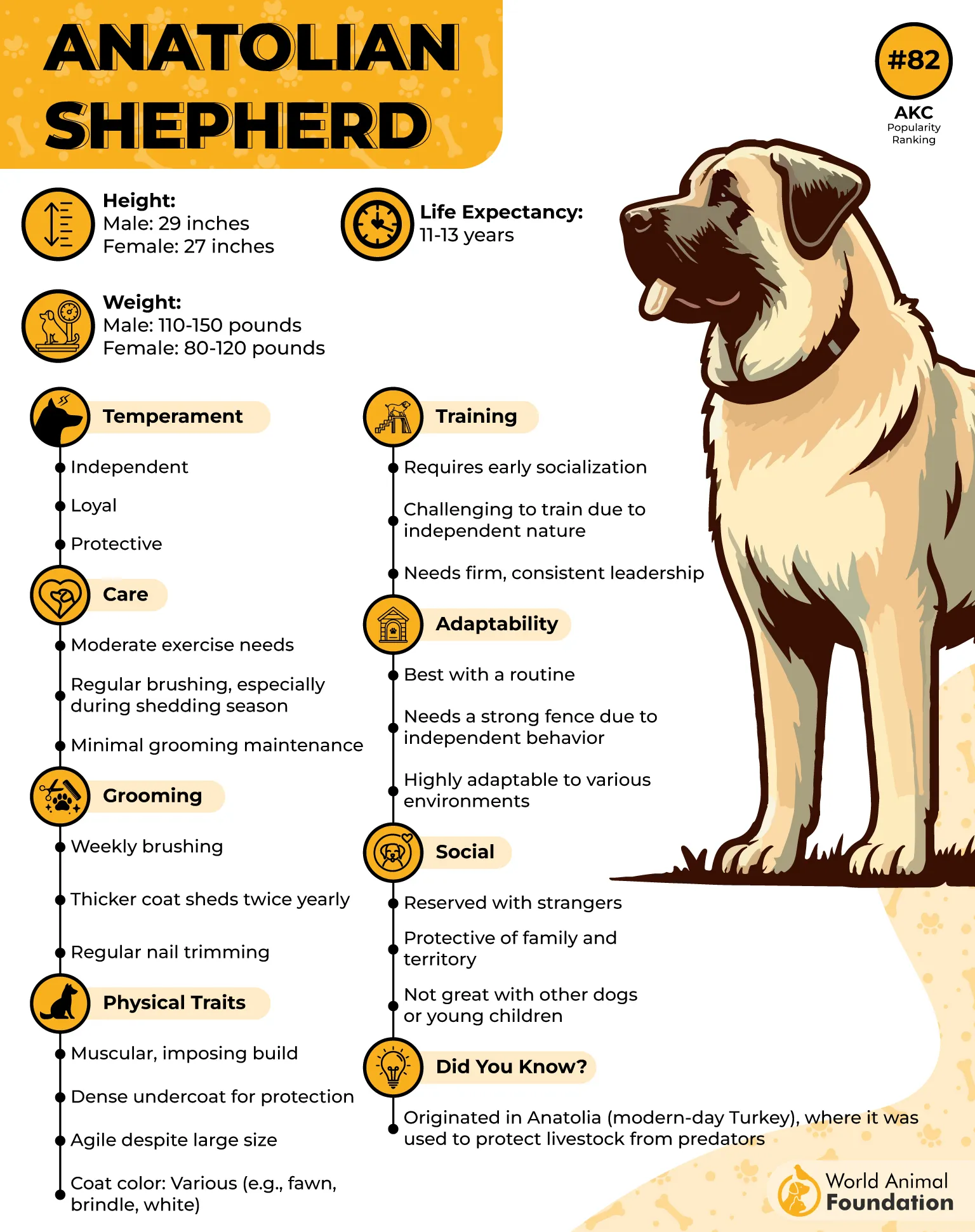
Anatolian Shepherd was bred to work independently, making decisions without waiting for human direction while defending livestock from outsiders. The breed is intelligent, patient, adaptable, and intensely loyal to what it considers its flock.
That working mindset shows through qualities such as:
Confident decision-making in open land
Strong territorial awareness
Steady response to predator pressure
Power With Agility
Anatolian Shepherd combines heavy muscle with nimble movement, allowing it to cover ground efficiently across rocky and uneven landscapes. This physical balance enables the breed to confront threats while still keeping pace with grazing animals.
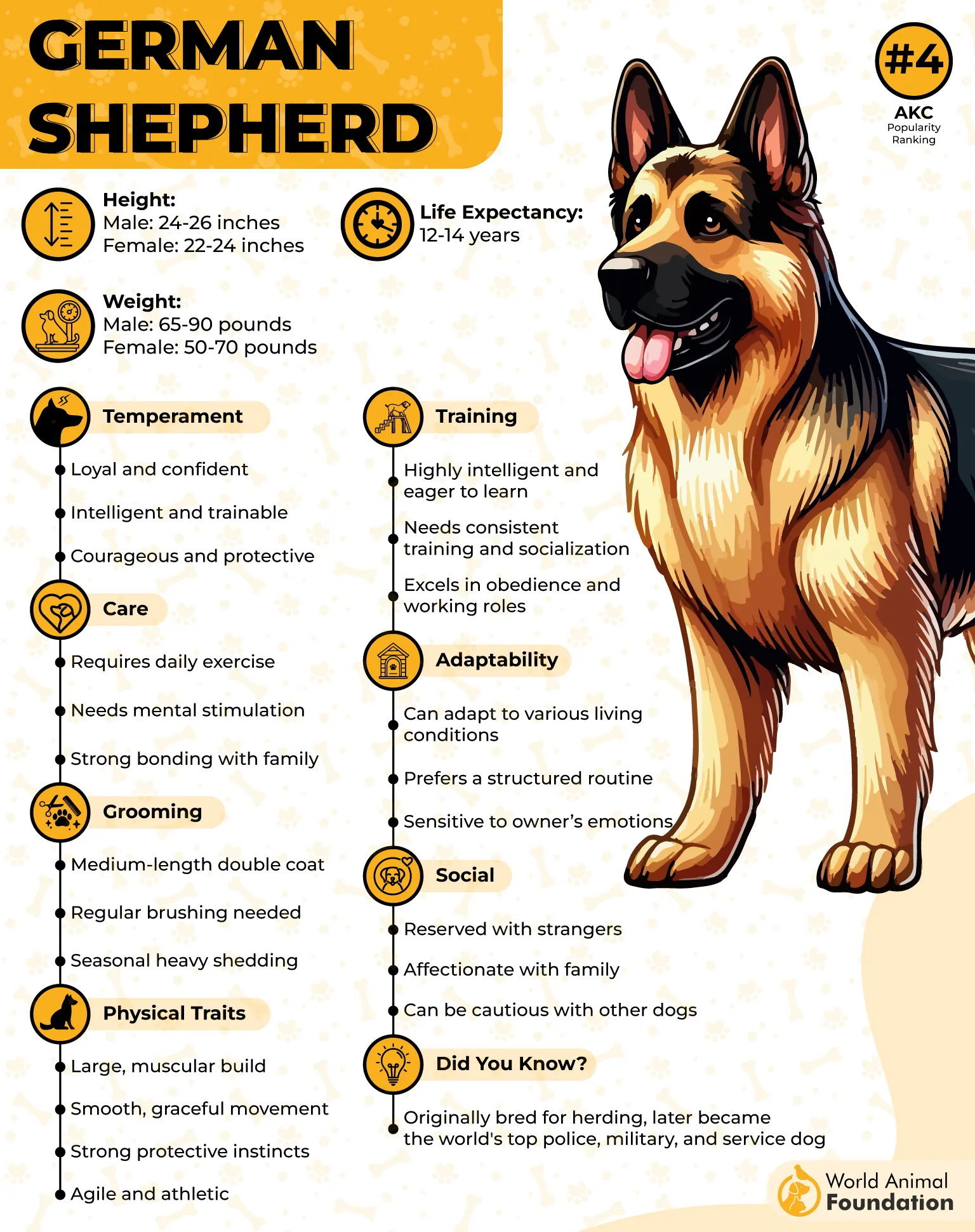
6. German Shepherd
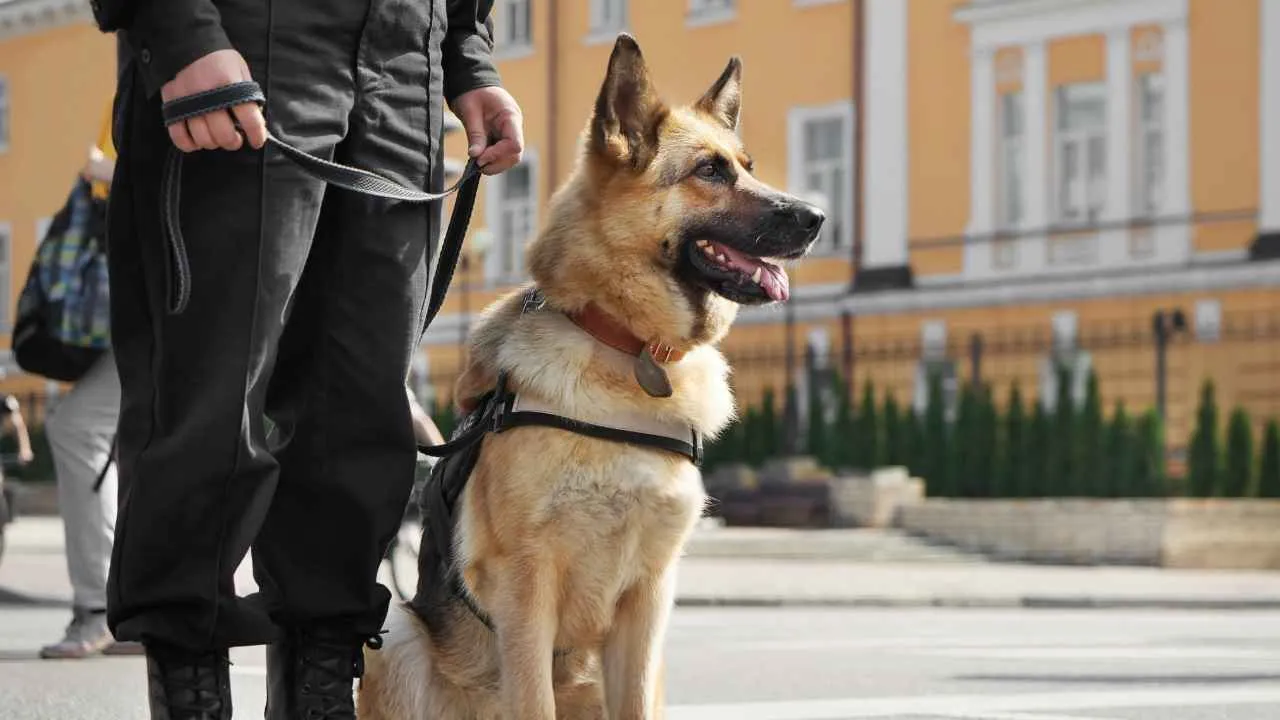
German Shepherd stands in the front rank of working dogs due to a character defined by loyalty, courage, confidence, and sharp intelligence. Pet owners consistently point to this steadiness and willingness to learn as the core of the breed’s reputation.
Athletic Structure in Motion
German Shepherd moves with a free and easy trot that allows long periods of ground coverage without wasted effort. The same gait can shift into impressive speed when urgency demands precision or control.
That physical adaptability shows up clearly in daily work rhythms:
Sustained trotting endurance
Rapid directional shifts
Strong command retention
Versatility Across Demanding Tasks
This intelligent dog is widely recognized as an all-purpose worker capable of learning complex commands for varied responsibilities.
Participation in herding, tracking, agility, and dock diving reflects both mental focus and athletic control. On open land, that range of skills supports livestock management and coordinated movement.
7. Belgian Sheepdog
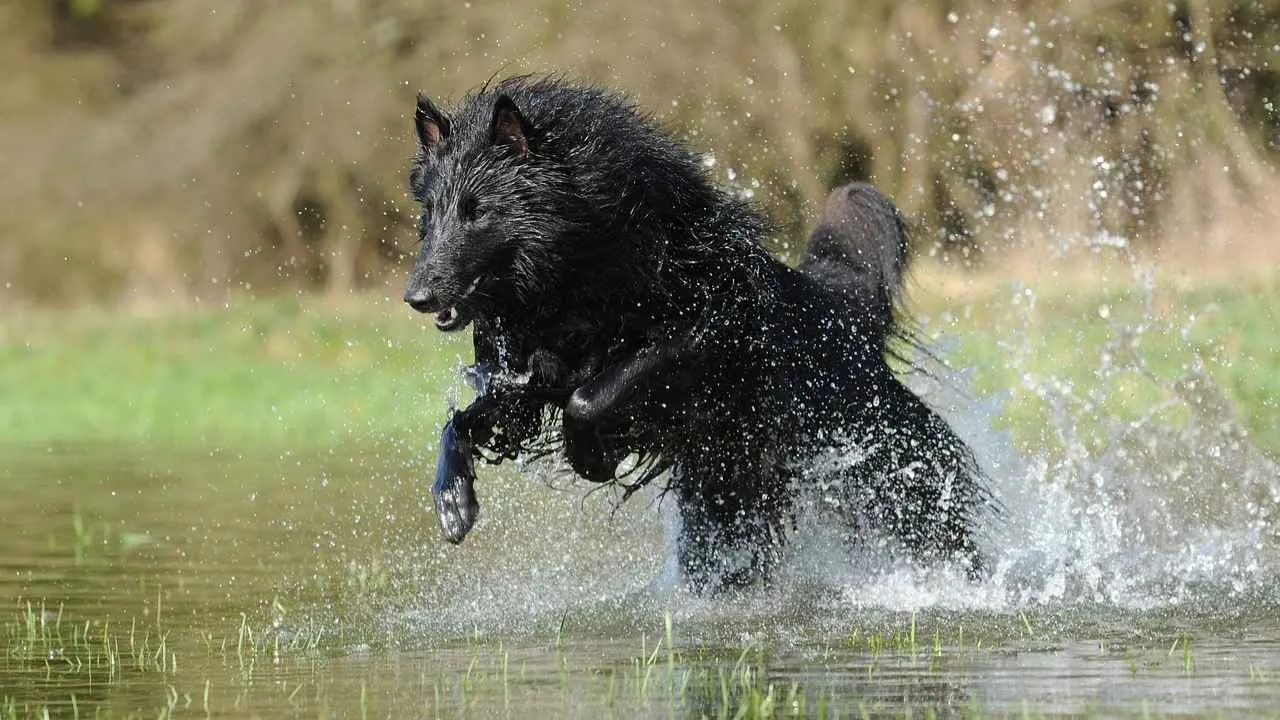
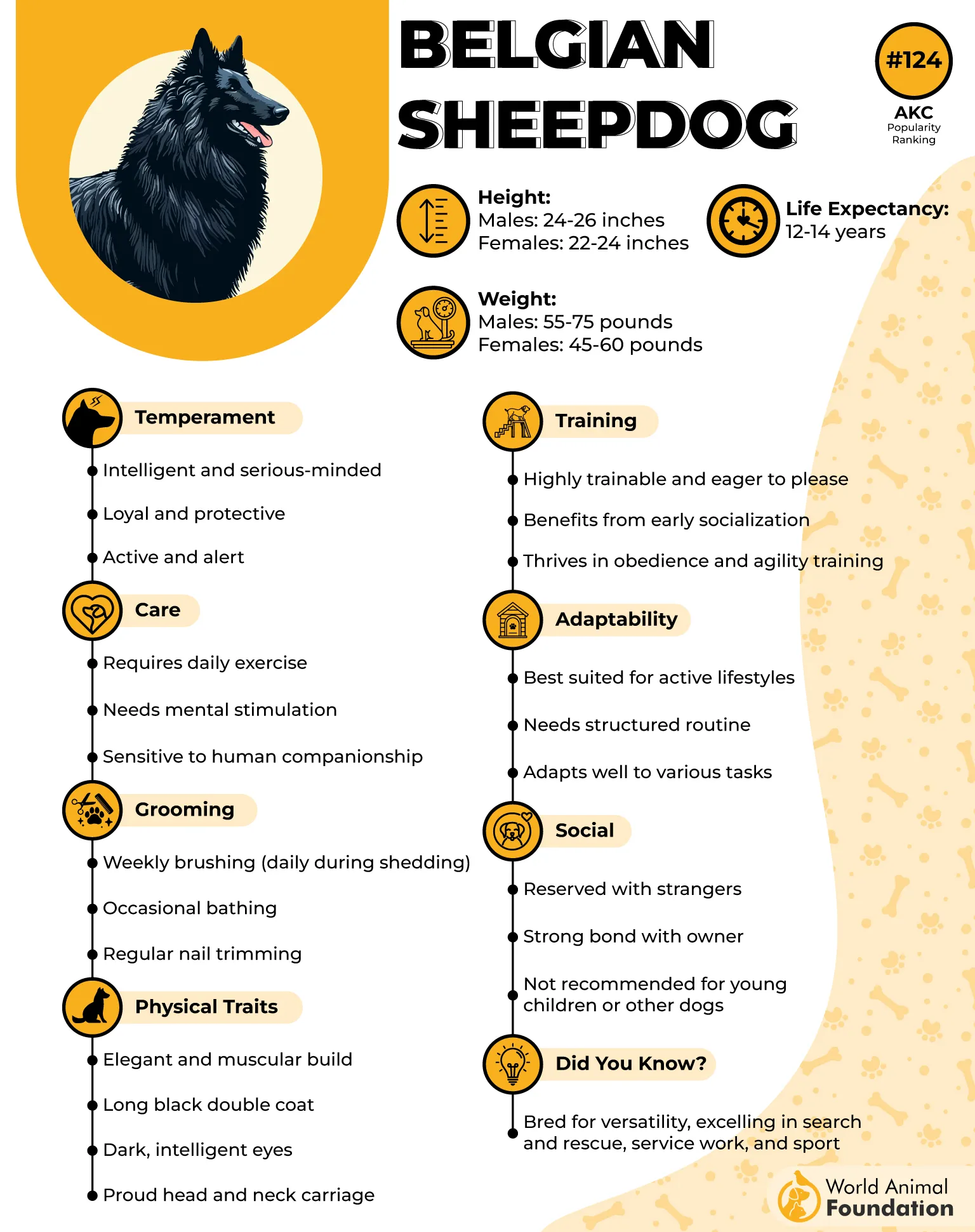
Belgian Sheepdog is an alert, squarely built herder known for intelligence, confidence, and a proud working stance. Strong and well-muscled yet refined rather than bulky, this breed reflects practical farm design rather than ornamentation.
Engagement and Drive
Belgian Sheepdog forms an intense bond with its handler and performs best when actively involved in daily tasks. Underemployment can lead to restlessness, which makes structured farm responsibilities especially important.
That focus shows up clearly in work:
Sharp response to direction
Sustained energy in open terrain
Precision during controlled herding
Purpose Driven Temperament
Belgian Sheepdog requires close partnership and regular activity alongside its person rather than isolation. Exercise done side by side strengthens control, awareness, and reliability in demanding settings. Daily engagement is central to maintaining the steadiness expected from a farm dog breed.
Conclusion
Farm life demands reliability, stamina, and clear purpose, qualities consistently found in strong herding breeds. From the sharp focus of the Border Collie to the independence of livestock guardian dogs like the Anatolian Shepherd, each breed brings distinct strengths to open land.
Their natural herding instincts and steady protective instincts allow them to manage movement while safeguarding animals and property. Whether driving cattle or standing watch at pasture edges, these dogs work with intention.
Choosing the right breed means matching temperament and task, ensuring daily farm routines remain efficient, balanced, and grounded in dependable canine support.
