




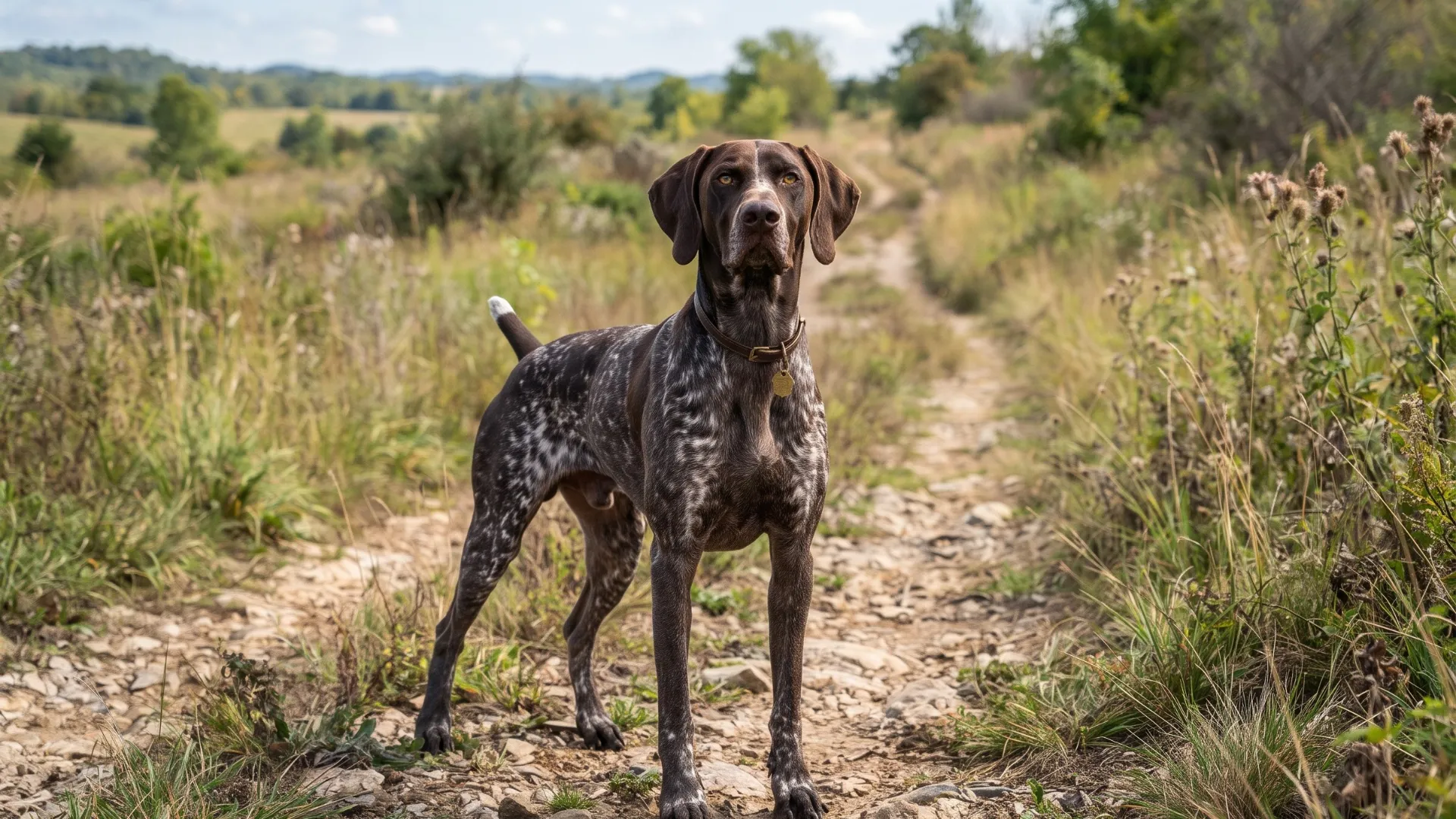
Some hunting dogs specialize in a single task, while others combine several valuable skills. From following faint scent trails to locating hidden prey and bringing back game, versatile breeds offer a remarkable blend of athleticism, intelligence, and adaptability.
Their success depends on more than instinct alone. Endurance, obedience, focus, and teamwork with their handlers help these dogs perform across different terrains and hunting conditions.
Explore ten remarkable breeds that excel at tracking and retrieving, showcasing the diverse abilities that make them valuable field companions.
Top Versatile Dog Breeds for Tracking and Retrieving
1. German Shorthaired Pointer
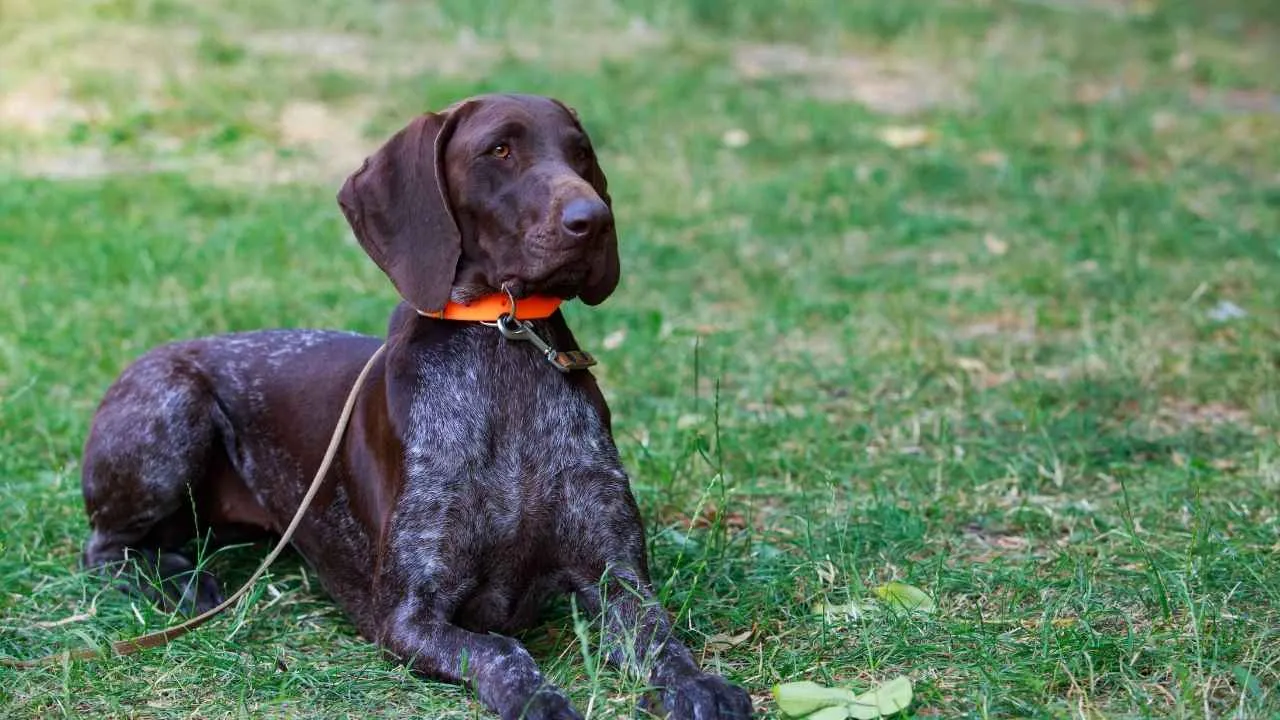
Bred in Germany as an all-purpose hunting companion, the German Shorthaired Pointer combines athleticism, stamina, and impressive versatility.
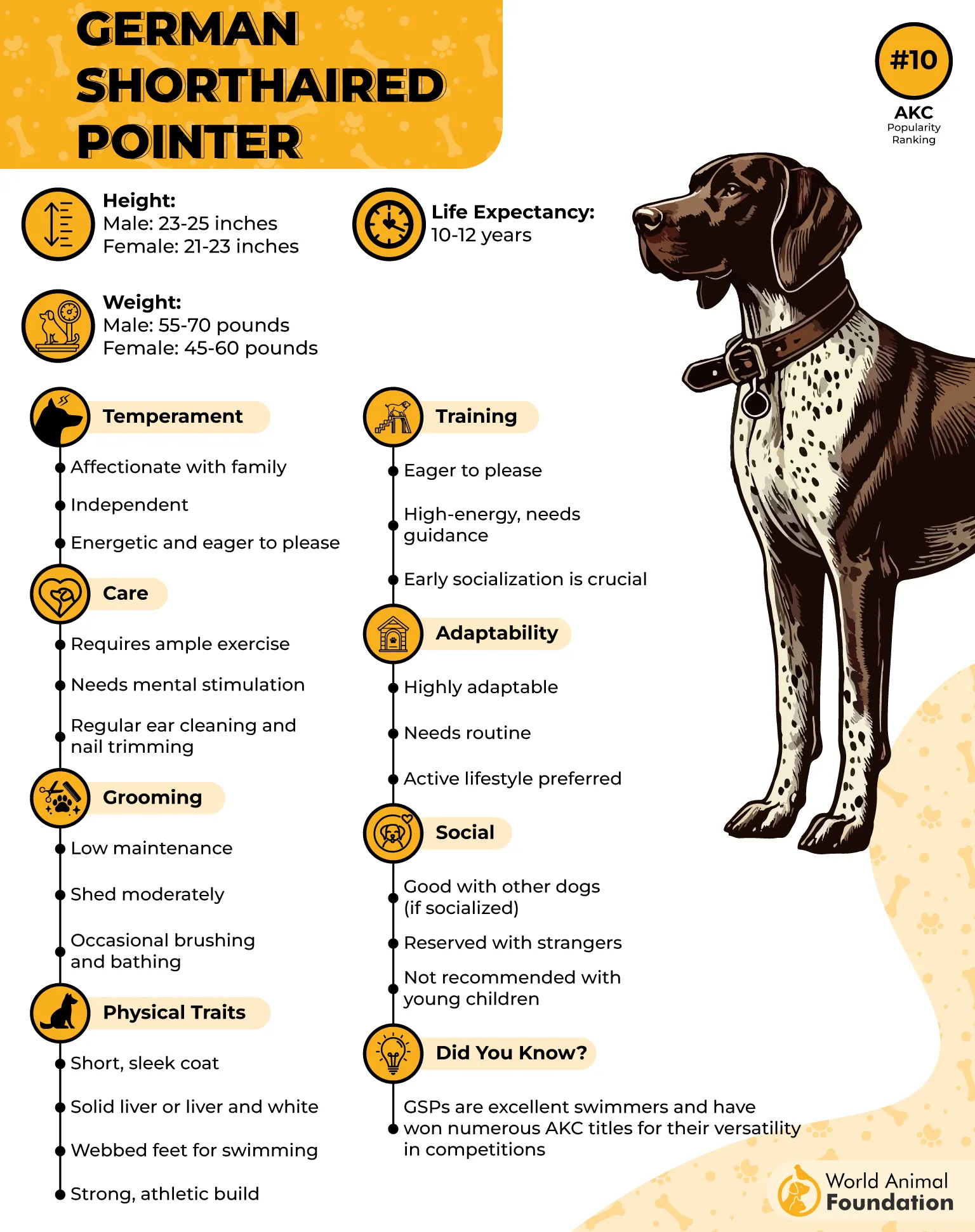
Its keen nose helps it follow ground-level scents to locate birds and small game, while its natural pointing instinct allows it to indicate where quarry is hiding. An eager-to-please temperament also makes this energetic breed responsive to training.
Beyond tracking, this sporting dog excels at retrieving and adapting to varied outdoor conditions. Its physical capabilities allow it to cover extensive ground, while its versatility supports hunting activities across different landscapes.
Whether searching through backcountry terrain or working around water, the German Shorthaired Pointer brings a useful combination of scenting ability, agility, and endurance.
How This Breed Stands Out
- Versatile pointing posture: Its natural instinct to point helps hunters identify the location of game before moving in.
- Excels at land-water transitions: Bred for all-purpose hunting, it can work across varied terrain and adapt to retrieving tasks on land and in water.
2. German Wirehaired Pointer
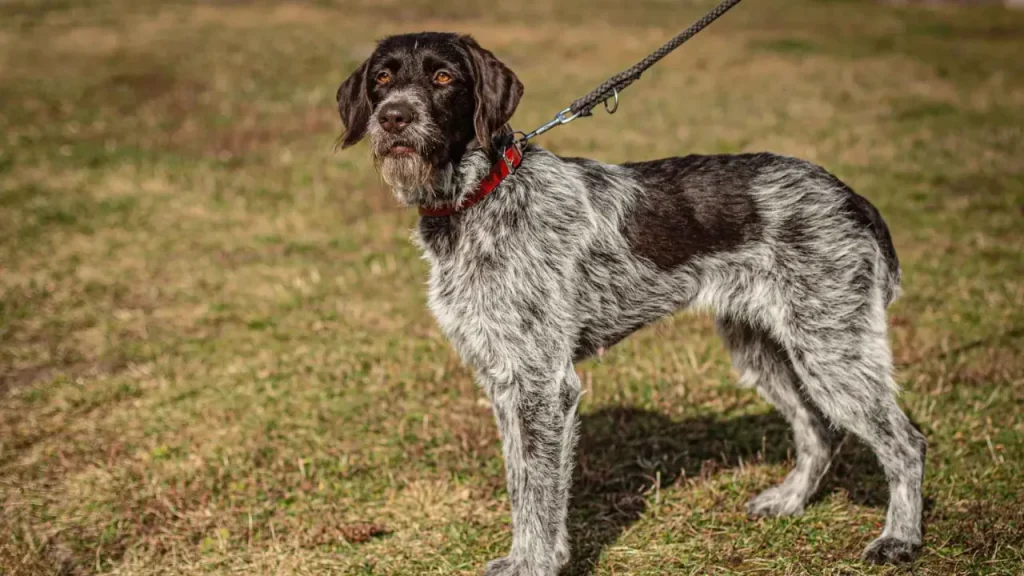
Developed in Germany as a versatile hunting companion, the German Wirehaired Pointer is equipped to point, retrieve, and track game across varied landscapes. Its athletic build, intelligence, and high energy support demanding fieldwork, while its distinctive facial furnishings, including a beard and pronounced eyebrows, give it a recognizable appearance.
A defining feature is its harsh, wiry coat, which helps protect it while working outdoors in changing weather conditions.
This breed’s tracking abilities also make it useful for following wounded game, where persistence and concentration are valuable. Regular exercise, consistent training, and opportunities to use its natural hunting instincts help keep this hardworking dog engaged.
How This Breed Stands Out
- Weather-resistant wiry coat: Its coarse outer coat offers protection during outdoor work in varied weather and terrain.
- Persistent wounded-game tracking: Bred for tracking as well as pointing and retrieving, it can follow game trails during hunting tasks.
3. Labrador Retriever
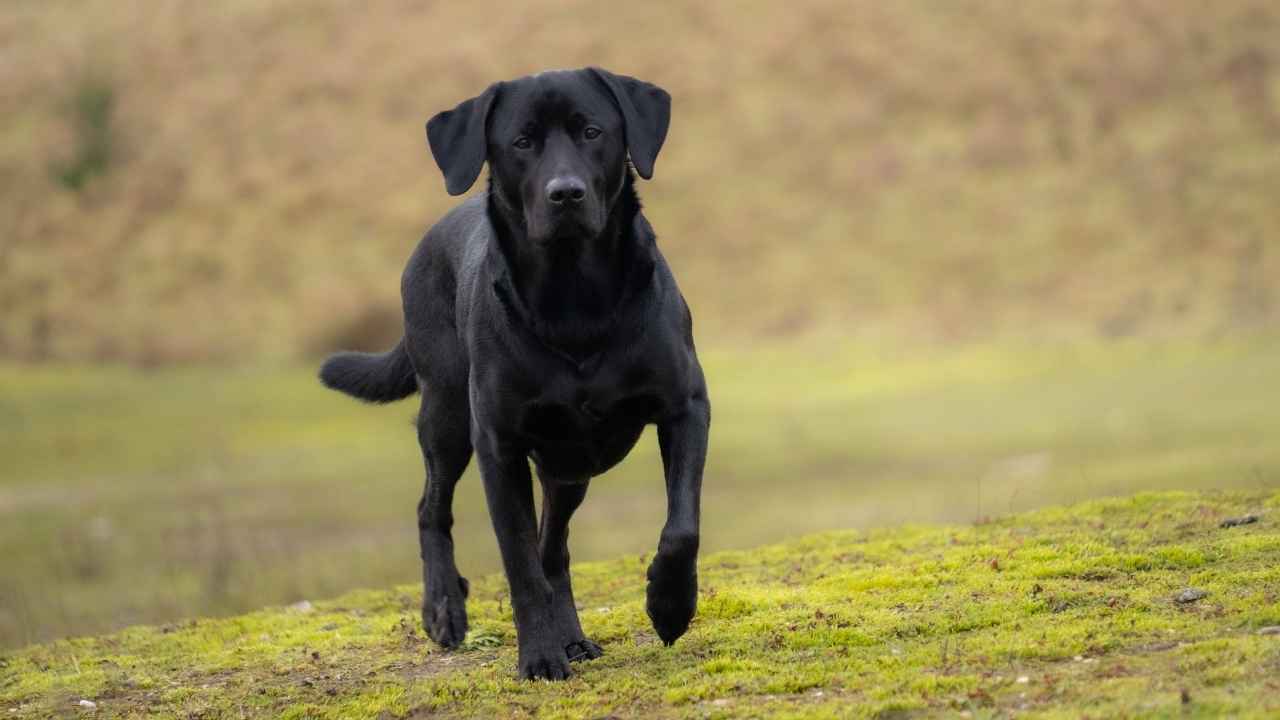
Originating in Newfoundland during the early nineteenth century, the Labrador Retriever was developed to help fishermen retrieve nets and work in cold waters.
According to Purina, Labrador Retrievers embody the qualities of a loyal companion, combining a friendly, outgoing personality and devotion to their families with an eager-to-please attitude and an energetic yet easygoing nature.
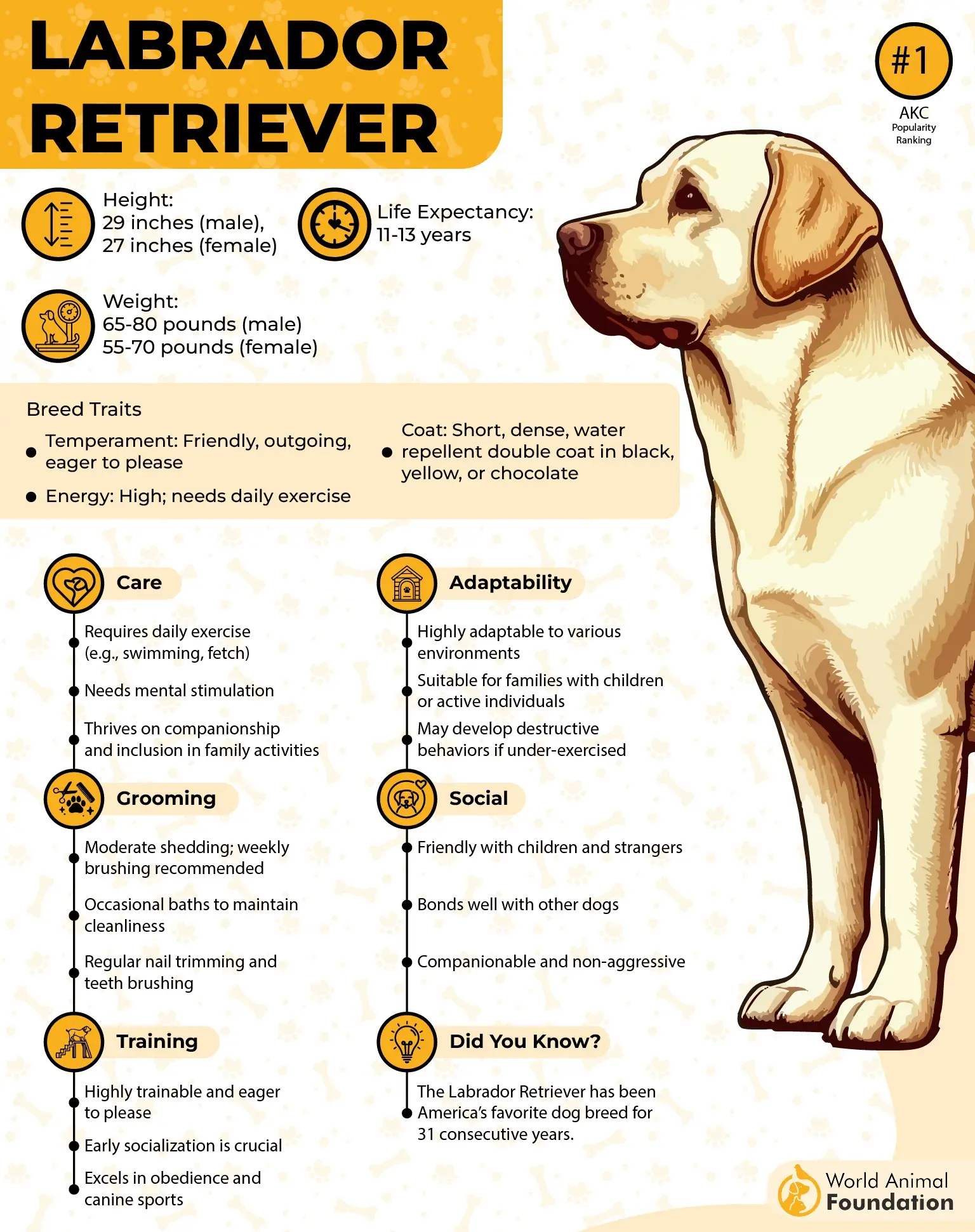
Its dense, water-resistant coat and powerful swimming ability later made it a dependable partner for waterfowl hunters. This breed also performs well in upland bird hunting and can follow blood trails when tracking wounded game.
Beyond its athletic abilities, the Labrador is known for its intelligence, eagerness to please, and excellent sense of smell.
Its natural retrieving drive helps it carry and return game, while its trainable temperament supports scent-based detection work. These qualities make it a versatile choice for hunters seeking a dog capable of handling several tasks in the field.
How This Breed Stands Out
- Reliable soft-mouth carrying: Its retrieving instincts make it well suited to carrying and returning game carefully.
- Strong scent-based detection: Its keen nose and ability to learn make it useful for following scents and tracking wounded animals.
4. Golden Retriever

Developed in Scotland by Lord Tweedmouth, the Golden Retriever was bred to be a capable sporting dog with a natural talent for retrieving game. Its intelligence, obedience, and eagerness to please make it responsive to training, while its sturdy build and athletic movement support demanding fieldwork.
According to PDSA, Golden Retrievers make excellent companions for active families because of their energetic yet gentle nature and intelligence. They are generally easy to train and can suit first-time owners who are prepared to care for a large dog.
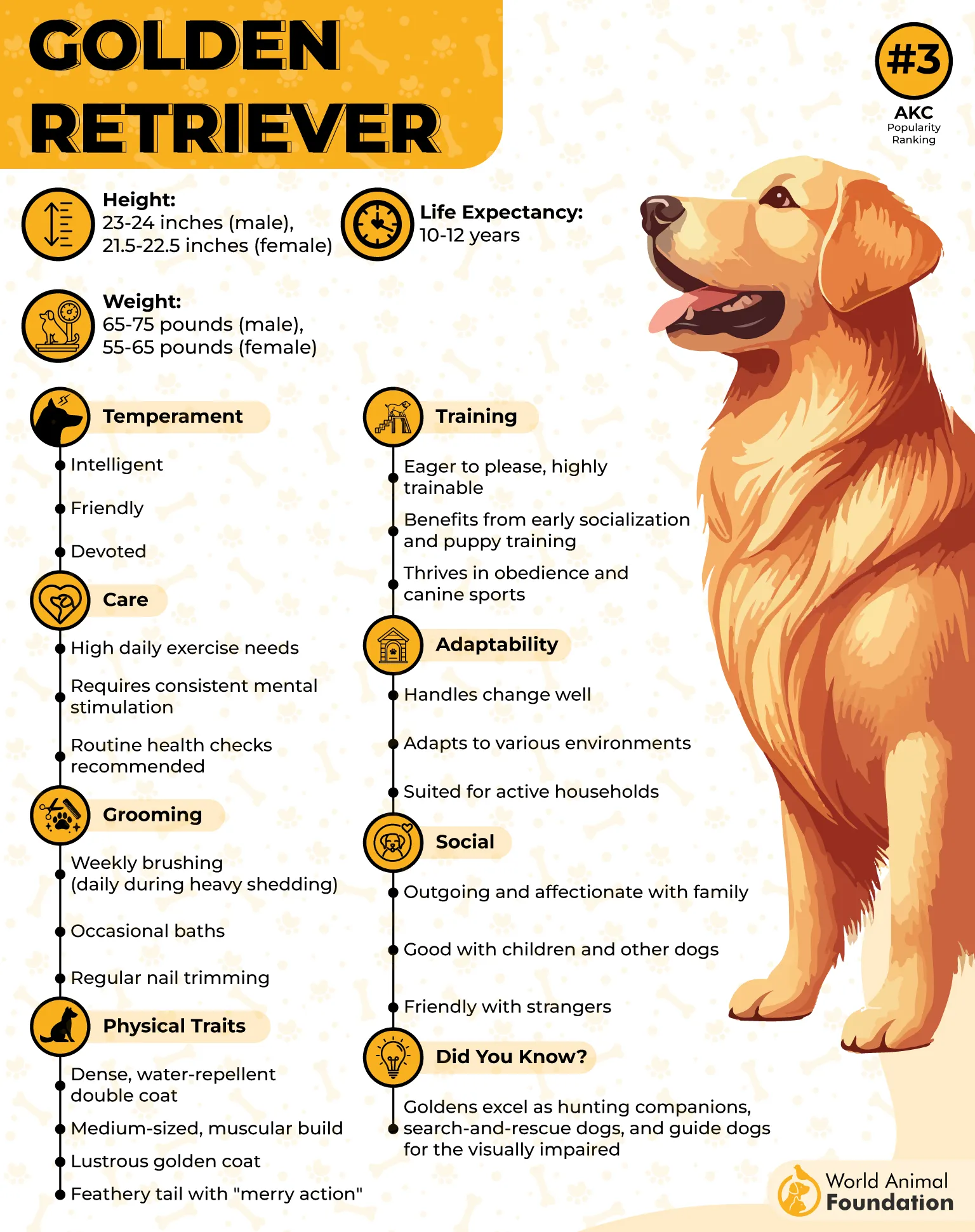
The breed’s water-repellent golden coat and natural enthusiasm for swimming and fetching make it particularly suited to waterfowl retrieval.
Golden Retrievers can also excel in hunting and other working roles, although dogs from dedicated hunting lines are generally the better choice for fieldwork. Their cooperative temperament helps them work closely with handlers during tracking and retrieving tasks.
How This Breed Stands Out
- Gentle delivery of game: Its natural retrieving ability and careful carrying style help it return game without excessive damage.
- Eager cooperation with handlers: Its trainability and desire to please support teamwork during hunting, tracking, and retrieval.
5. Chesapeake Bay Retriever
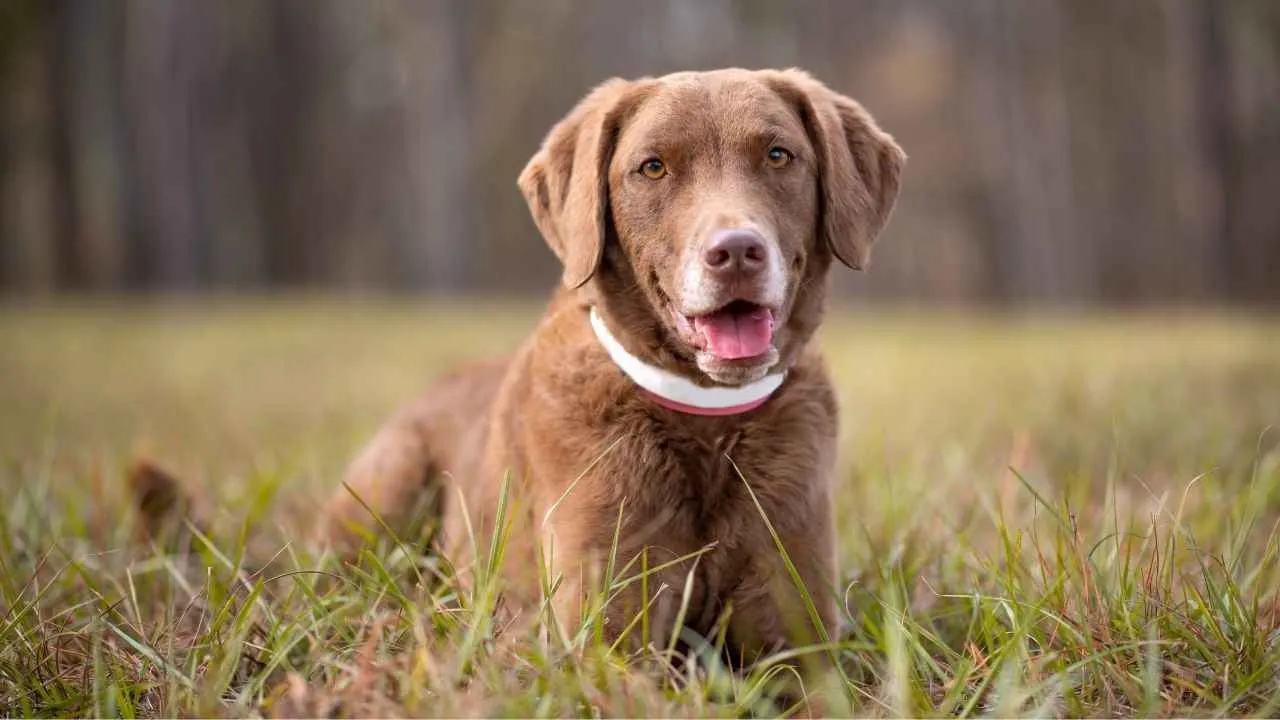
Developed along Maryland’s Chesapeake Bay, the Chesapeake Bay Retriever was bred to recover waterfowl in demanding conditions. Its powerful, muscular build supports strenuous retrieving work, while its endurance makes it well suited to cold, open water. Historically valued by waterfowl hunters, this determined gundog is known for its loyalty and strong working drive.
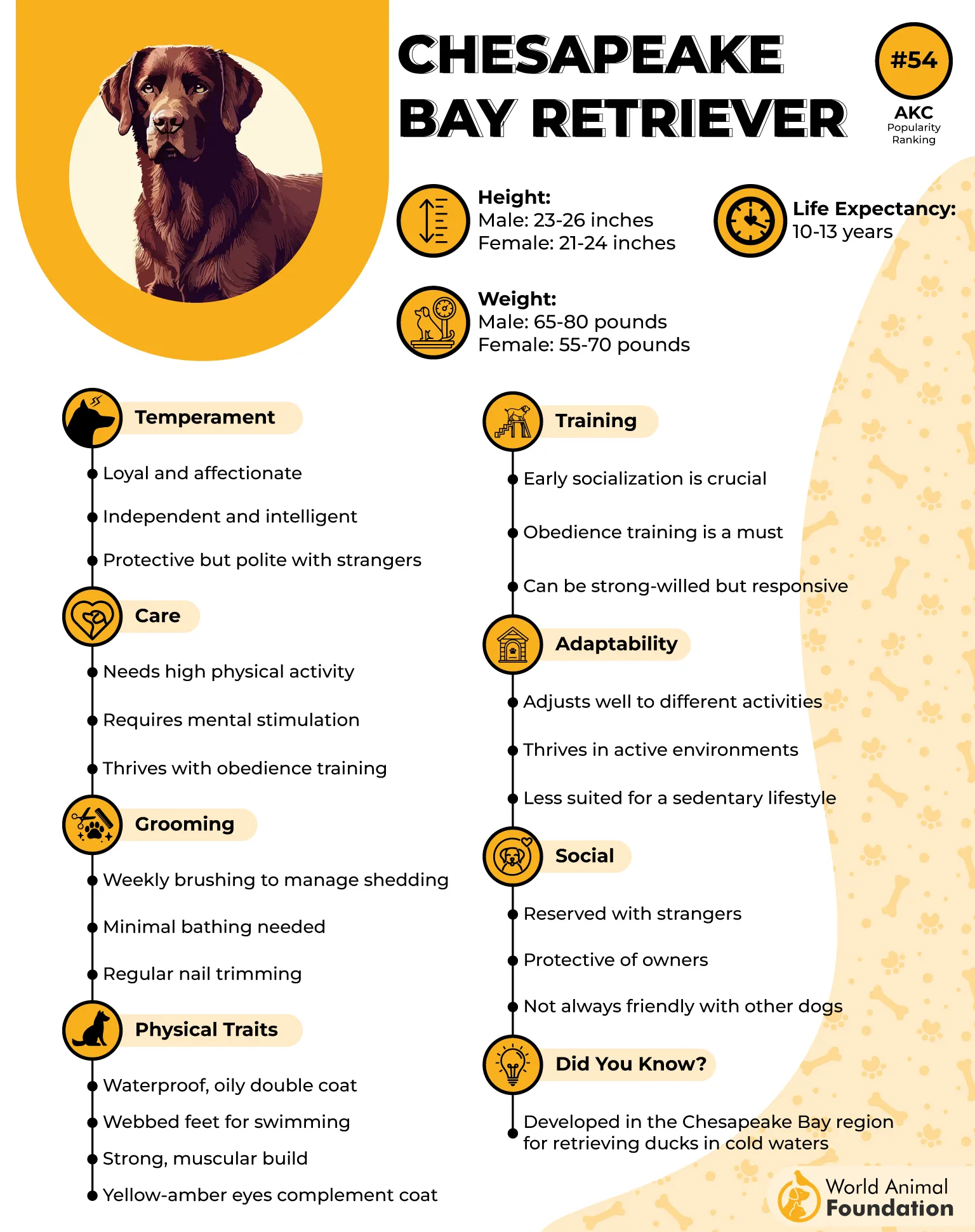
Unlike some retrievers, the Chessie has a distinctive wavy, oily double coat that helps protect it during cold-water hunts.
Intelligent and devoted to its owner, it can also be independent and stubborn, so patient, consistent training works better than harsh handling. Although reserved around strangers, a well-socialized Chesapeake can become a confident hunting companion.
How This Breed Stands Out
- Cold-water retrieving strength: Its powerful build and endurance help it retrieve waterfowl in challenging, chilly conditions.
- Dense, water-resistant coat: Its thick, wavy double coat provides insulation and protection during repeated swims in cold water.
6. Wirehaired Pointing Griffon
Often called a versatile gundog, the Wirehaired Pointing Griffon is valued for its ability to work in the field and its affectionate nature at home. This medium-sized sporting breed is energetic, intelligent, and eager to work, making it a useful partner for hunters who need a dog capable of handling varied outdoor conditions.
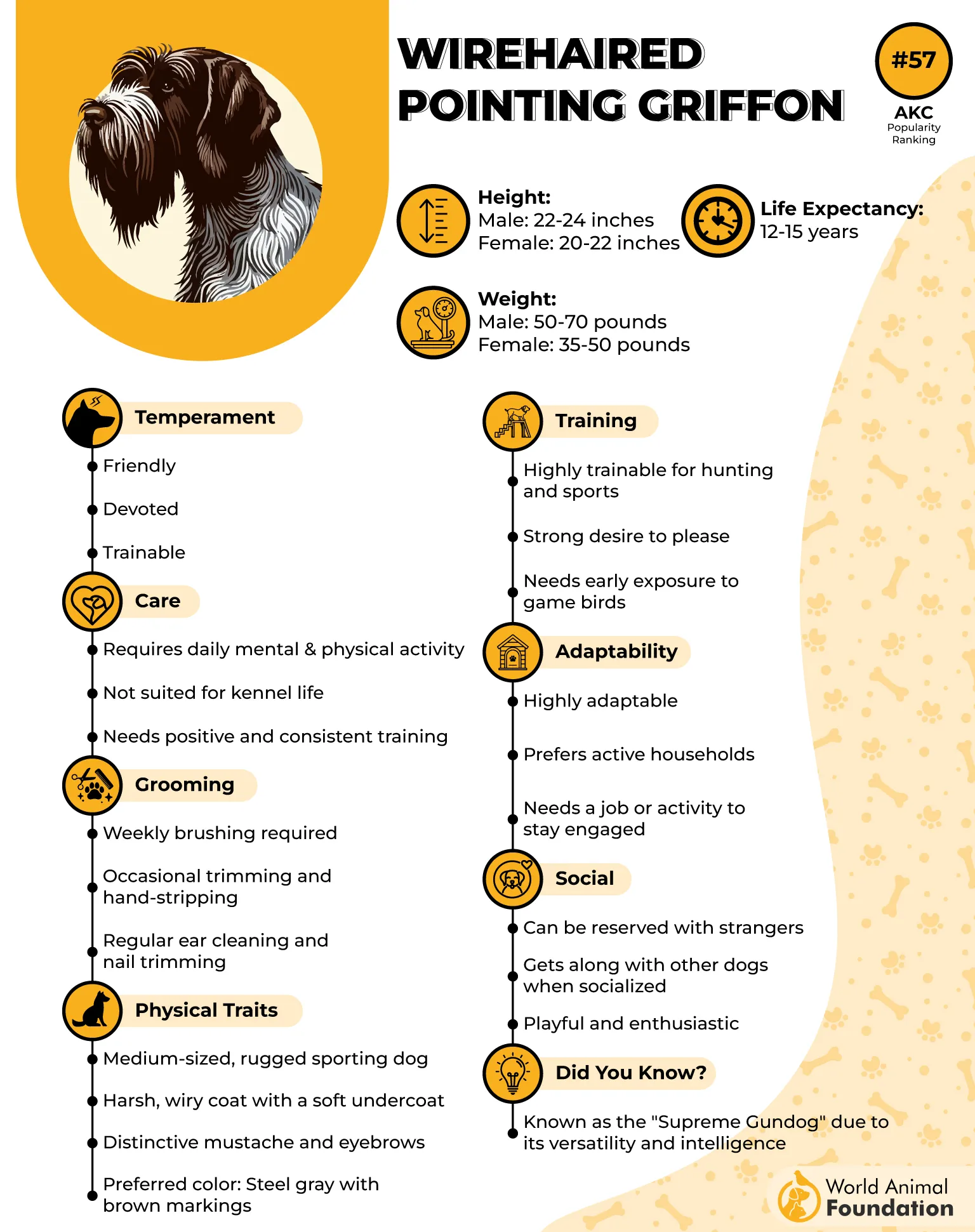
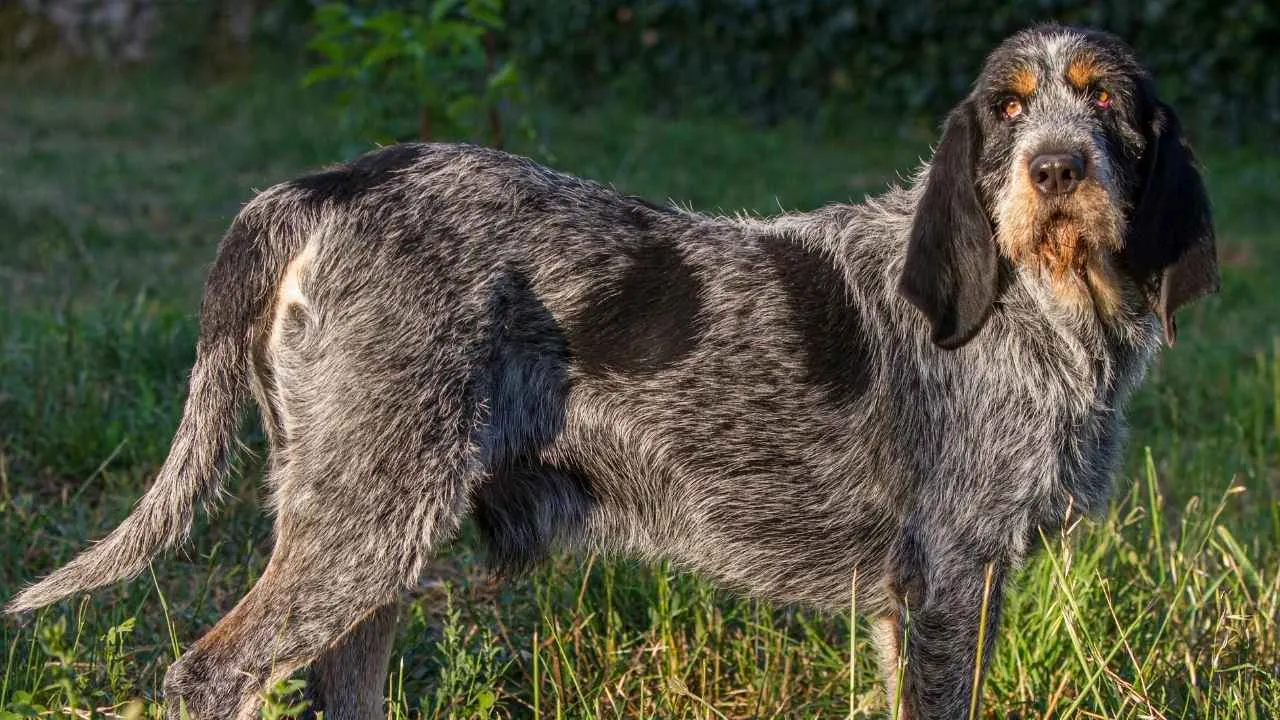
Its harsh, bristly coat gives the Griffon a naturally rugged appearance and distinguishes it from smoother-coated hunting breeds. The most recognizable features are its bushy eyebrows, prominent moustache, and beard, which frame its expressive eyes.
Rather than relying on elaborate grooming, its characteristic look reflects the practical build of a hardworking field dog.
How This Breed Stands Out
- Rugged all-terrain versatility: Its reputation as an all-purpose gundog makes it a strong candidate for varied hunting environments.
- Bushy eyebrows and beard: Its distinctive facial furnishings, including a moustache and prominent eyebrows, give the breed its unmistakably scruffy appearance.
7. Brittany
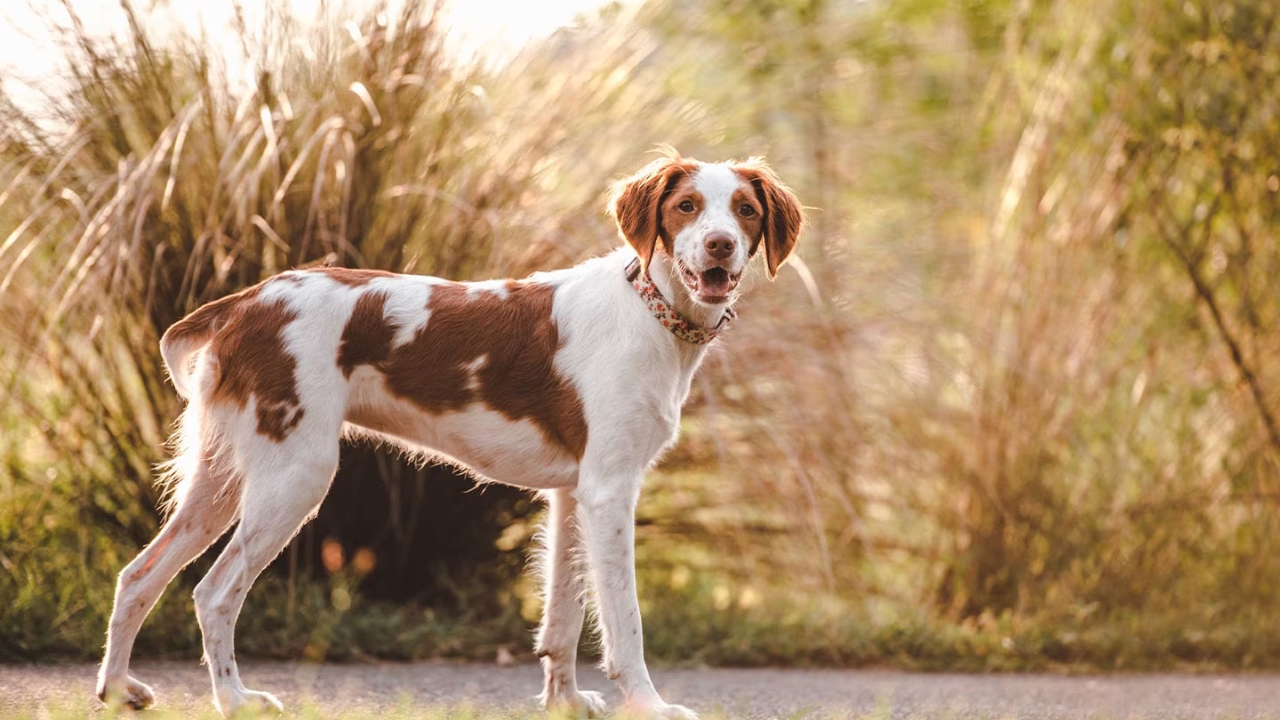
Compact yet remarkably athletic, the Brittany is a dedicated bird dog prized for locating game and indicating its position with impressive precision. Its keen nose, quick movements, and energetic working style make it a valuable partner for hunters searching upland terrain. Although smaller than many setters, this agile breed combines strength with a light, efficient stride.
According to PetMD, Brittanys are naturally affectionate and sociable dogs, and early socialization with unfamiliar people, children, and other animals helps develop their friendly temperament.
Brittanys are tireless outdoors and thrive when given regular exercise and opportunities to work alongside their handlers.
Their intelligence and eagerness to learn also make them suitable for activities such as agility and obedience. A boldly patterned coat, often combining white with orange or liver, adds to their distinctive appearance, while their alert expression reflects their enthusiasm for the field.
How This Breed Stands Out
- Quick upland bird localization: Its keen scenting ability helps it locate birds and signal their position to hunters.
- Agile, close-range quartering: Its light-footed, energetic movement supports efficient searching across hunting ground.
8. Deutscher Wachtelhund
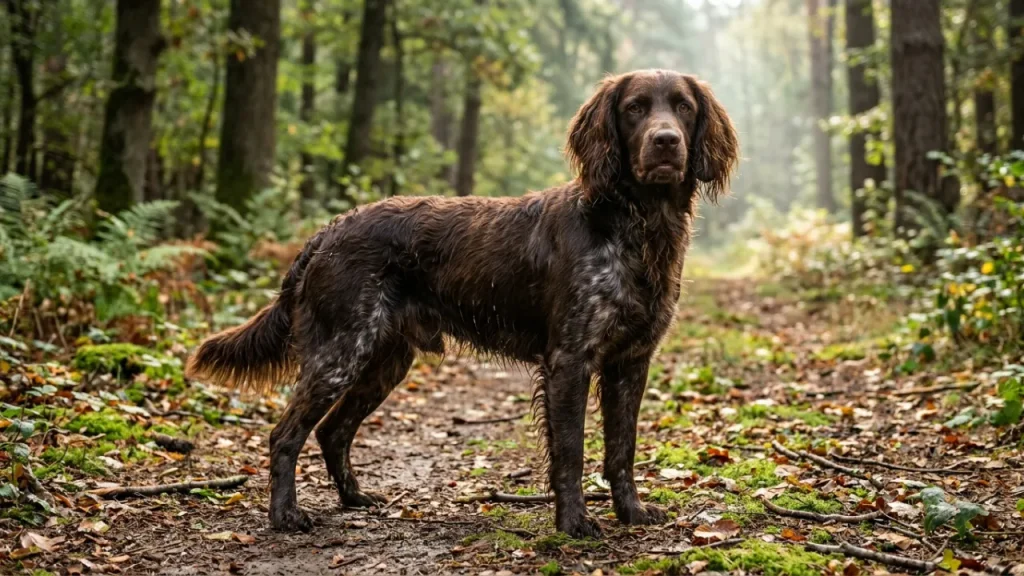
Also known as the German Spaniel, the Deutscher Wachtelhund is a muscular hunting dog developed for versatile fieldwork. Its keen nose and impressive blood-tracking ability allow it to follow wounded game, even when a trail is many hours old.
When pursuing fresh game, it uses its voice to alert hunters to its location, helping them follow the action through challenging terrain.
This breed is equally capable of flushing and retrieving game on land and in water. Its natural affinity for swimming makes it useful for waterfowl hunting, while its flushing instincts help drive birds from dense cover. Historically favored by German hunters and gamekeepers, the Deutscher Wachtelhund remains a specialized working companion for demanding hunting tasks.
How This Breed Stands Out
- Flushing game from thick cover: Its natural flushing instincts help push hidden birds into the open for hunters.
- Skilled work in dense woodland: Its scenting and tracking abilities support hunting and wounded-game recovery through thick forest terrain.
9. Irish Water Spaniel
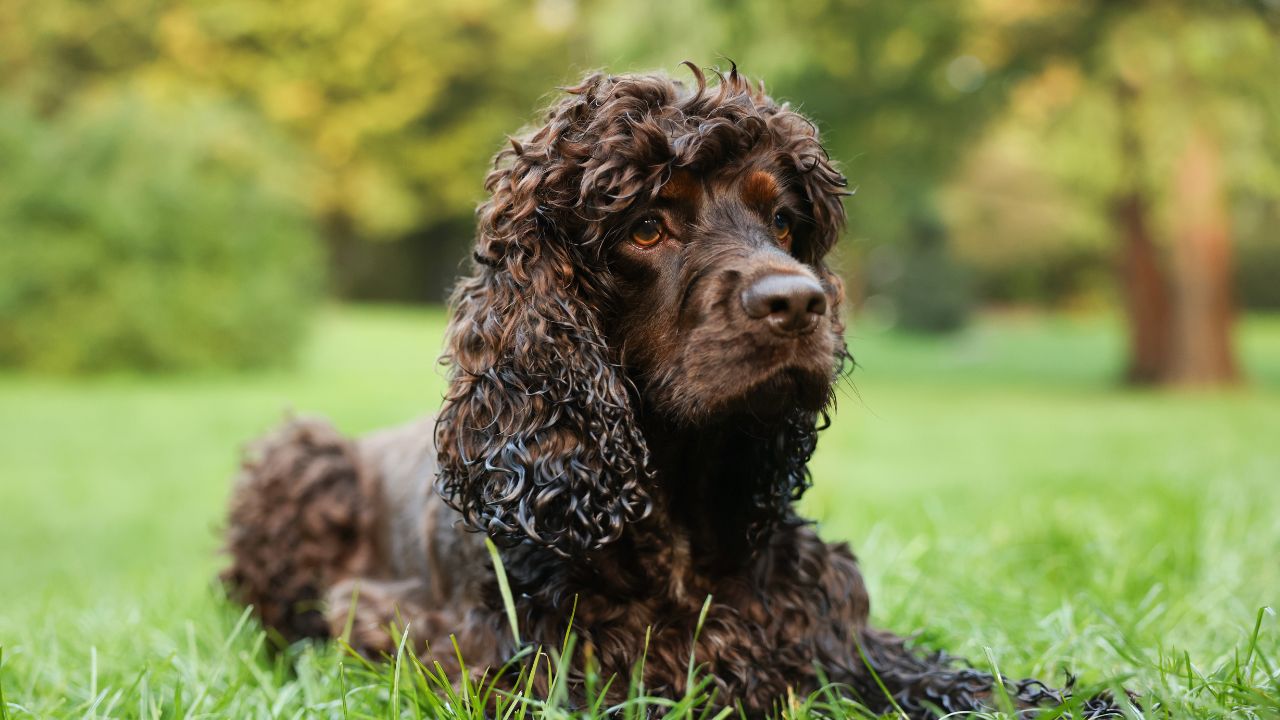
Originating in southern Ireland, the Irish Water Spaniel has a long history as a capable hunting and retrieving dog. Its athletic build and relatively long legs help it navigate inland wetlands, sloughs, and tidal marshes while searching for game. Intelligent and quick to learn, this breed can adapt well to demanding fieldwork and a range of retrieving tasks.
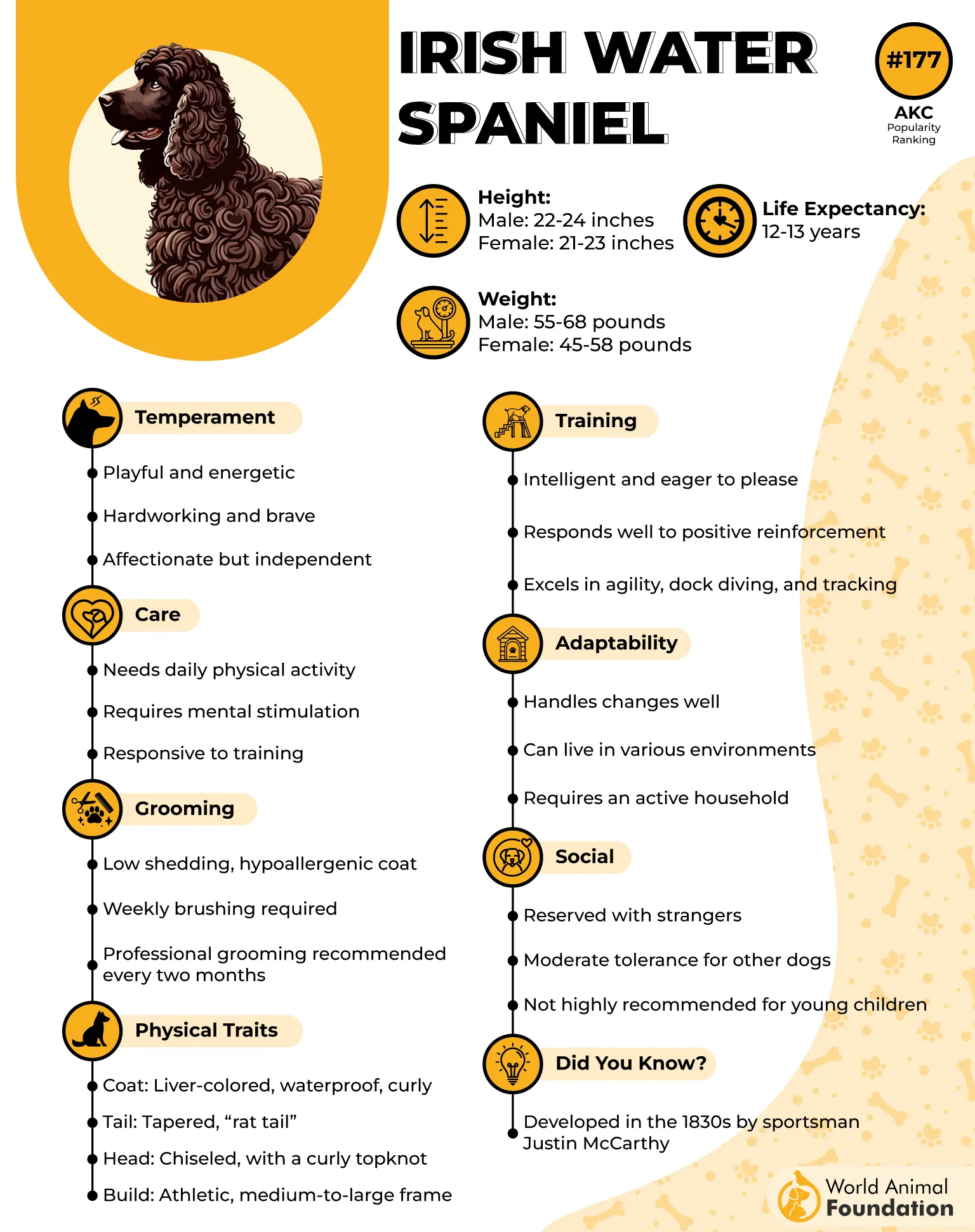
Its most striking feature is a dense, curly coat in a rich, dark liver shade, giving it a distinctive appearance among spaniels. Beneath those curls is a strong, athletic dog with impressive swimming ability, making it particularly useful for waterfowl hunting.
The breed also gained considerable popularity among American hunters after arriving in the United States around the Civil War era.
How This Breed Stands Out
- Distinctive curly waterproof coat: Its luxuriant, tightly curled coat helps protect it while working in wet environments.
- Powerful swimming ability: Its strength and aquatic aptitude make it well suited to retrieving game from marshes and water.
10. Boykin Spaniel
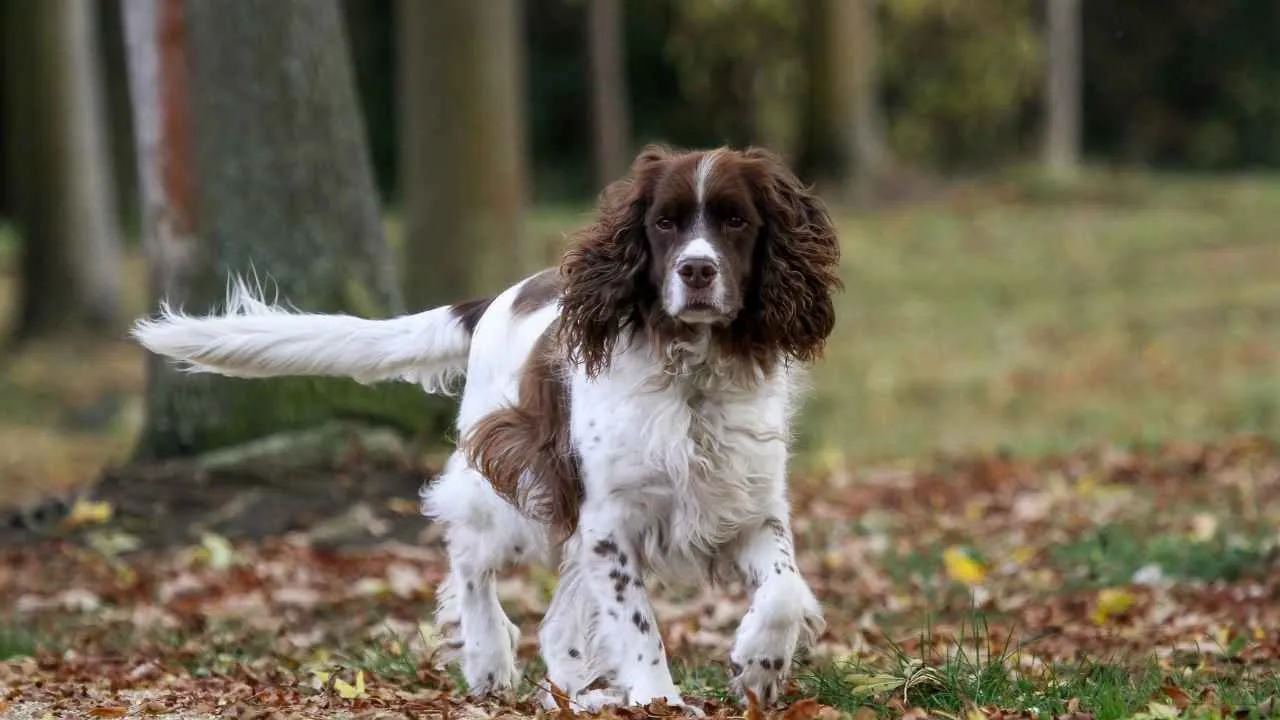
Developed in South Carolina in the early twentieth century, the Boykin Spaniel is a compact, energetic hunting dog bred to flush and retrieve game.
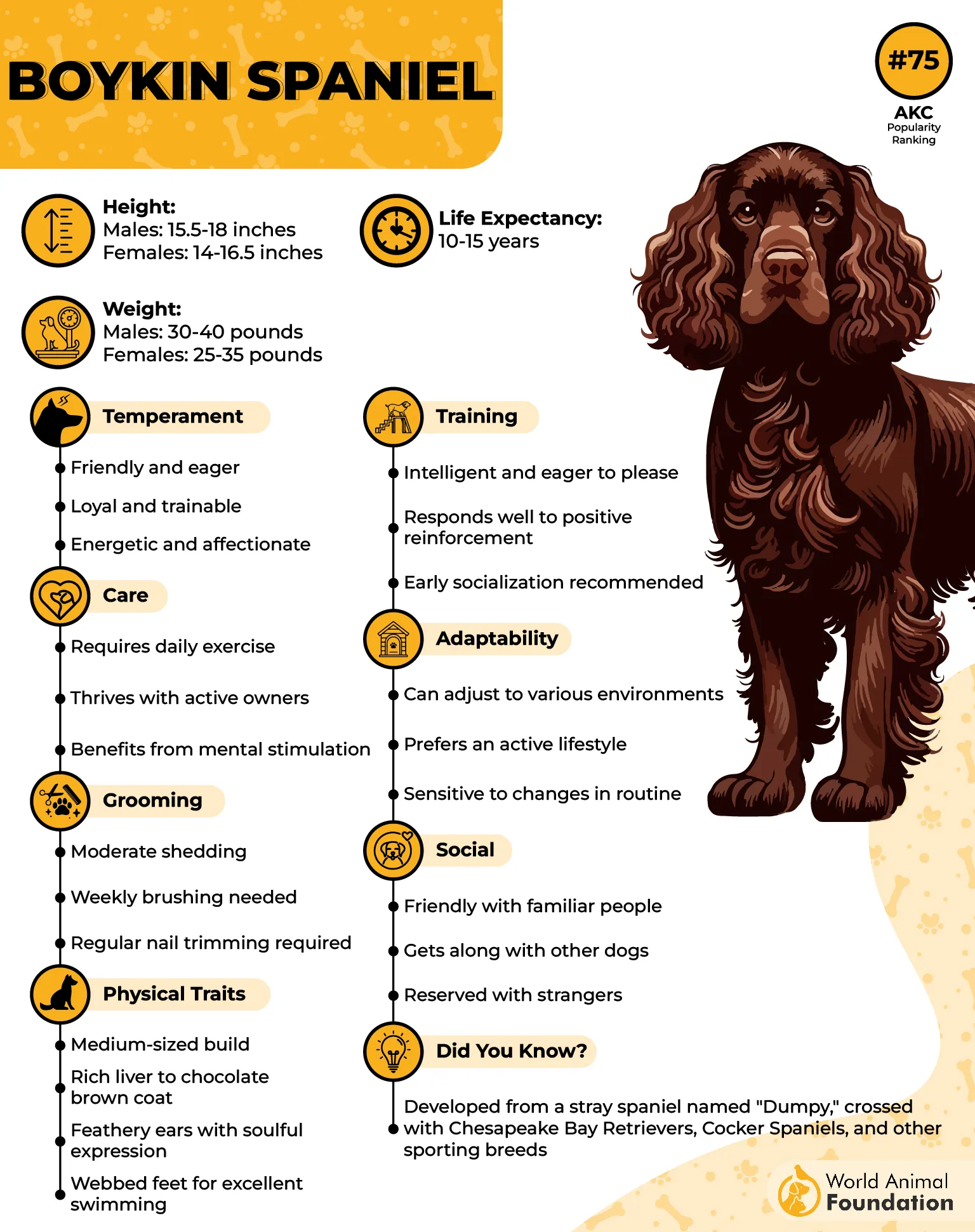
Despite its smaller size, it can work on waterfowl and wild turkeys, while also assisting hunters pursuing quail and doves. Its manageable build makes it particularly practical for hunting from small boats in lakes and swamps.
A rich brown coat, feathery ears, and well-developed chest give this medium-sized spaniel its distinctive appearance. Its webbed feet support strong swimming, helping it retrieve birds from the water.
Eager, trainable, and enthusiastic in the field, the Boykin Spaniel combines determined hunting instincts with a friendly, affectionate temperament at home.
How This Breed Stands Out
- Compact marshland specialist: Its smaller build makes it well suited to working in boats and navigating the wetlands of its native South Carolina.
- Enthusiastic water entry: Its natural swimming ability and retrieving drive help it enter the water confidently to recover waterfowl.
Conclusion
Versatile tracking and retrieving dogs combine keen noses, athletic ability, endurance, and a willingness to work alongside hunters. These qualities help them locate game, follow scent trails, and recover quarry across different landscapes.
Choosing the right companion depends on the hunting environment, type of game, and tasks required. With consistent training, sufficient exercise, and responsible handling, these hardworking breeds can become valuable partners in the field.
