




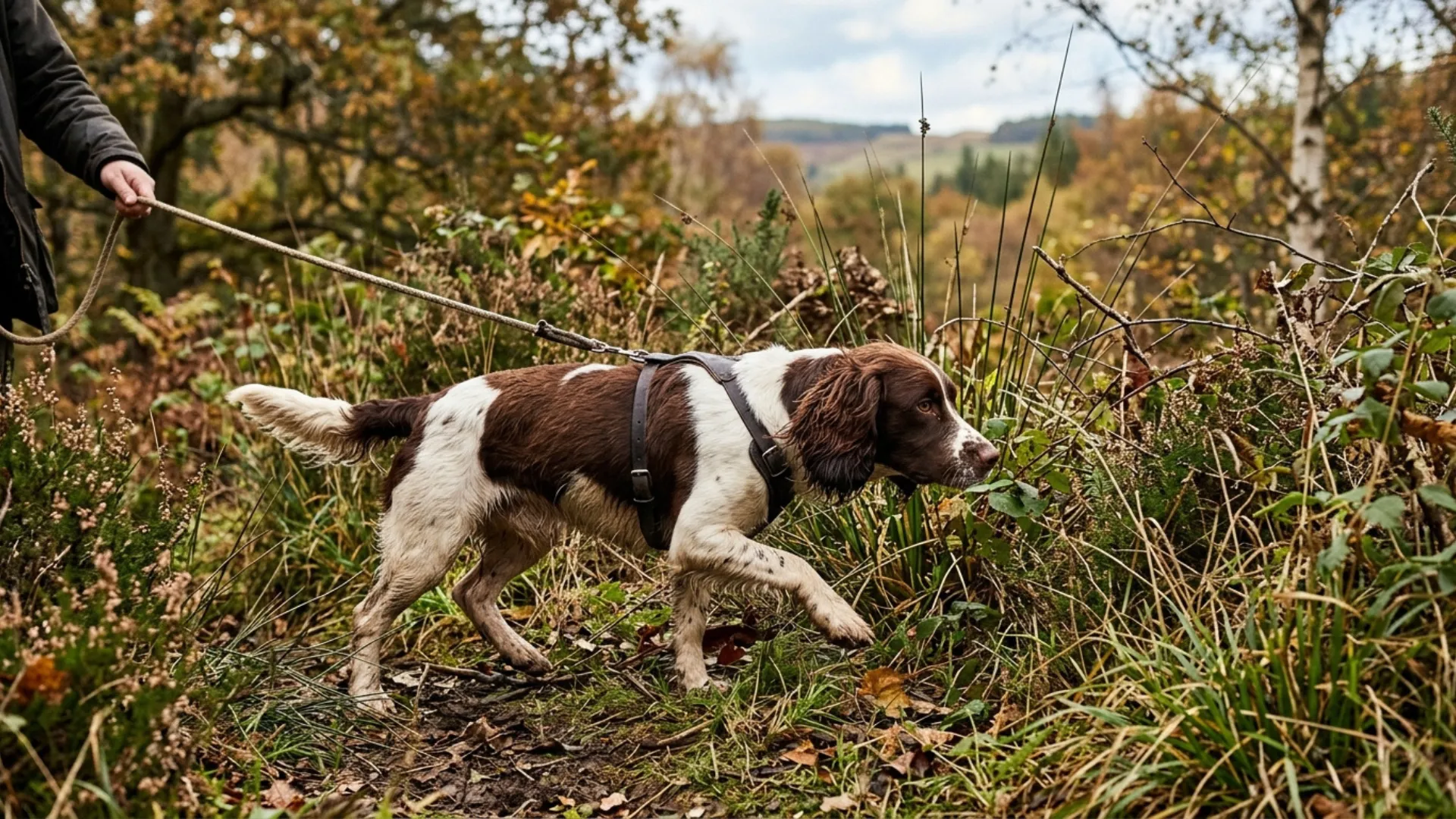
Some hunting dogs perform brilliantly for a short time, then struggle the moment conditions become more difficult. Others look powerful and energetic but fail to stay focused once real tracking work begins.
The surprising part is that the most dependable hunting companions are not always the ones people expect. True versatility comes from a rare combination of traits that cannot be judged by appearance alone. A dog may have speed but lack patience, or possess strength without the instincts needed to follow scent consistently across rough terrain.
The breeds that excel in both hunting and tracking usually share something deeper. They stay composed under pressure, adapt quickly to unfamiliar environments, and maintain steady focus long after other dogs lose momentum. That ability changes everything in the field, especially during long hours outdoors where reliability matters more than bursts of energy.
The dogs ahead have earned their reputation through skill, endurance, and an instinct for difficult work.
Key Takeaways
A dog can have speed, strength, and endless energy, yet still lose focus the moment real tracking begins outdoors.
German Wirehaired Pointers stay locked onto scent trails for hours, while Labrador Retrievers move through water and land with the same steady confidence hunters rely on.
Then comes the Pharaoh Hound with its unusual pink-flushed ears during excitement, alongside the Treeing Walker Coonhound that can follow trails deep into forests without losing focus.
Somewhere between endurance, instinct, and sharp outdoor awareness, these seven breeds earned a reputation that goes far beyond appearance alone.
Top Versatile Dog Breeds for Hunting and Tracking
1. German Wirehaired Pointer
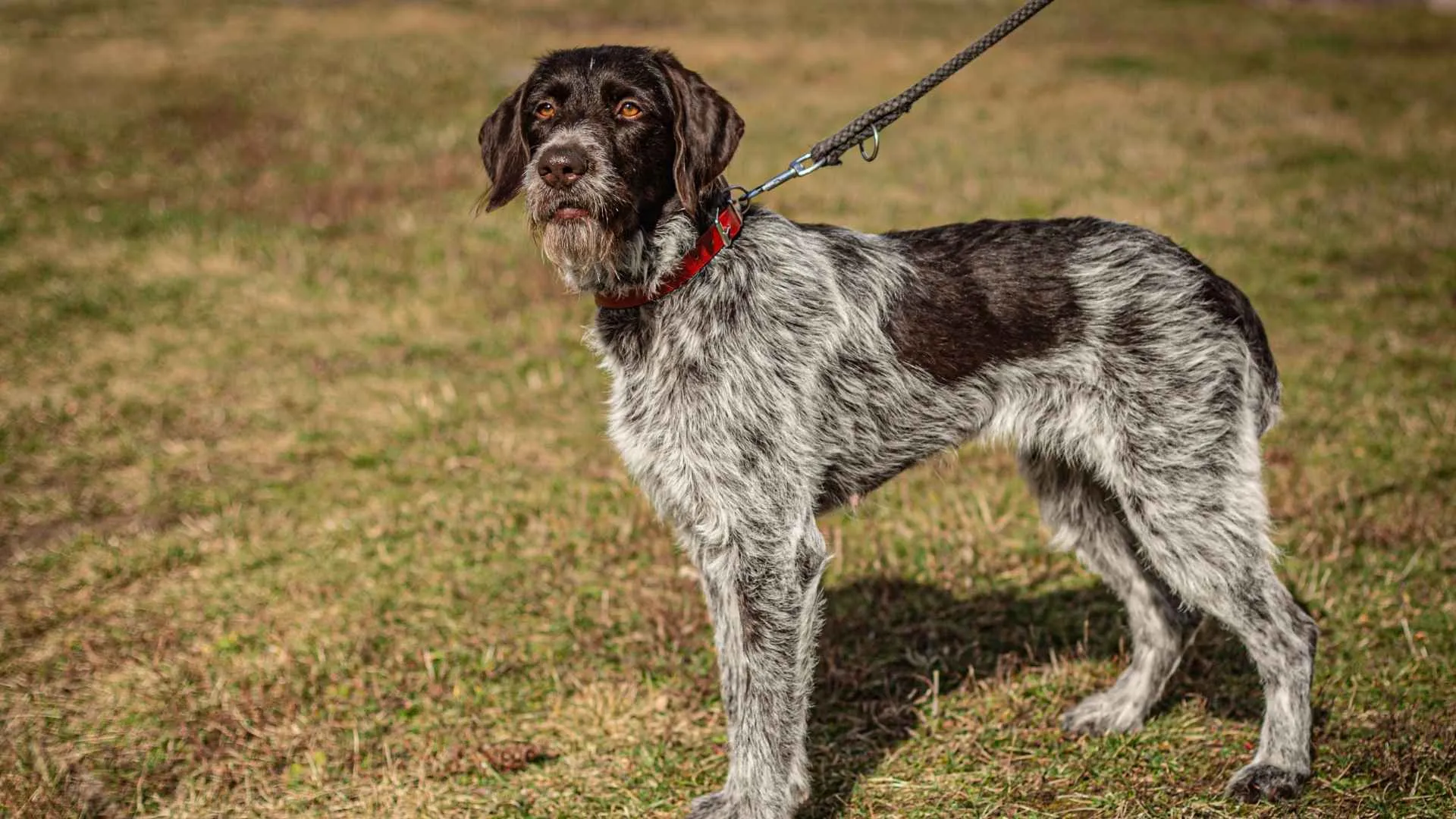
German Wirehaired Pointer emerged from 1800s Germany through efforts to create a hunting dog suited for forests, mountains, and open land.
Its wiry double coat shields the body from cold weather and rough outdoor conditions. The bearded face and rugged structure reflect a function shaped around field endurance.
Purpose-driven field behavior
This hunting dog breed approaches outdoor work with constant engagement, using scent detection and pointing instincts across varied terrain. Birds, foxes, and other game required versatility rather than a single tracking style.
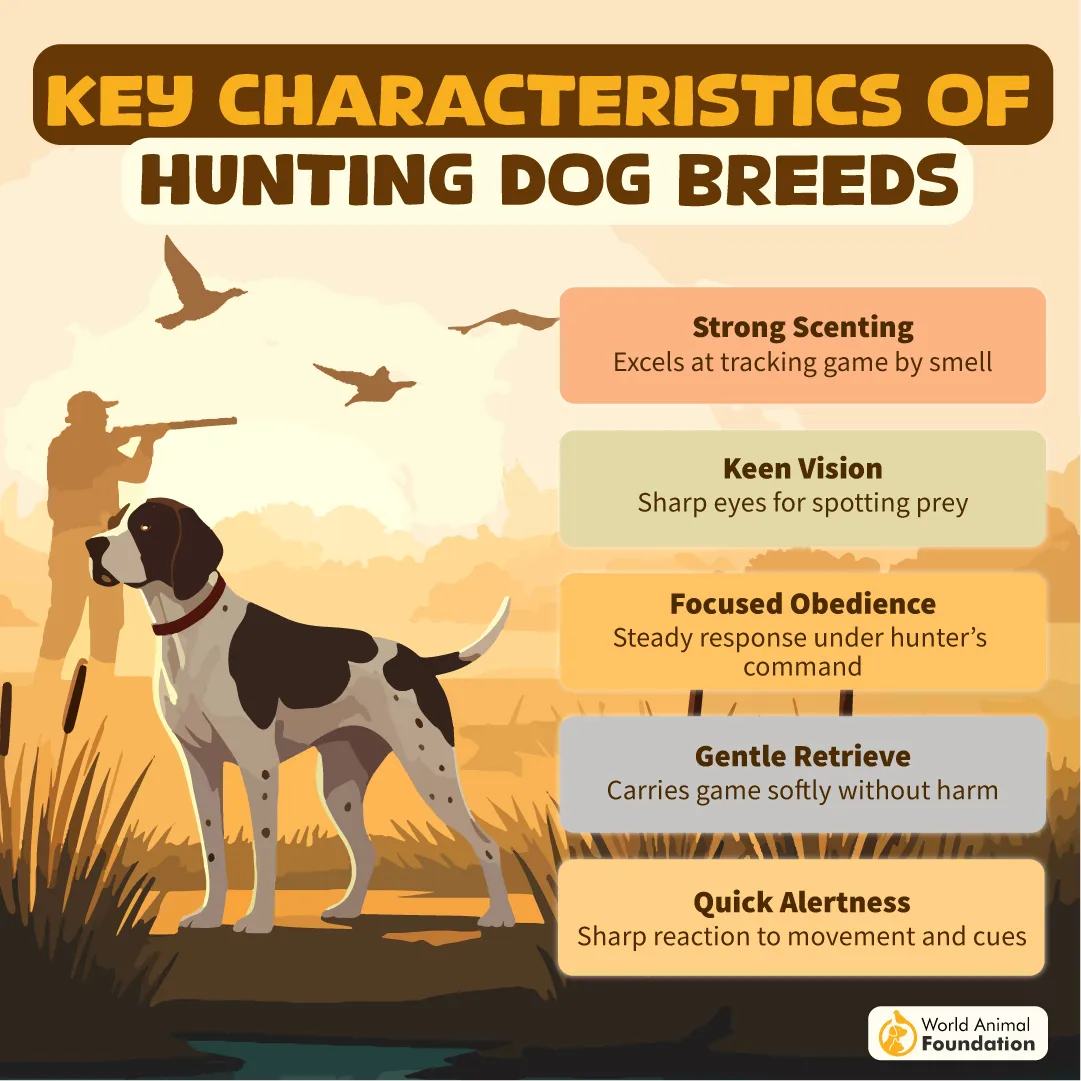
That versatility appears through key working traits:
Handles forests, fields, and uneven ground
Locates and points game through scent work
Performs well in organized hunting trials
Energy is tied closely to outdoor life
These Pointers connect strongly with open spaces, often seeking long walks, hikes, or structured activity beyond short routines, as PetMD noted. Agility and obedience competitions suit its need for directed engagement. Without enough activity, its intensity becomes difficult to channel indoors.
2. English Springer Spaniel
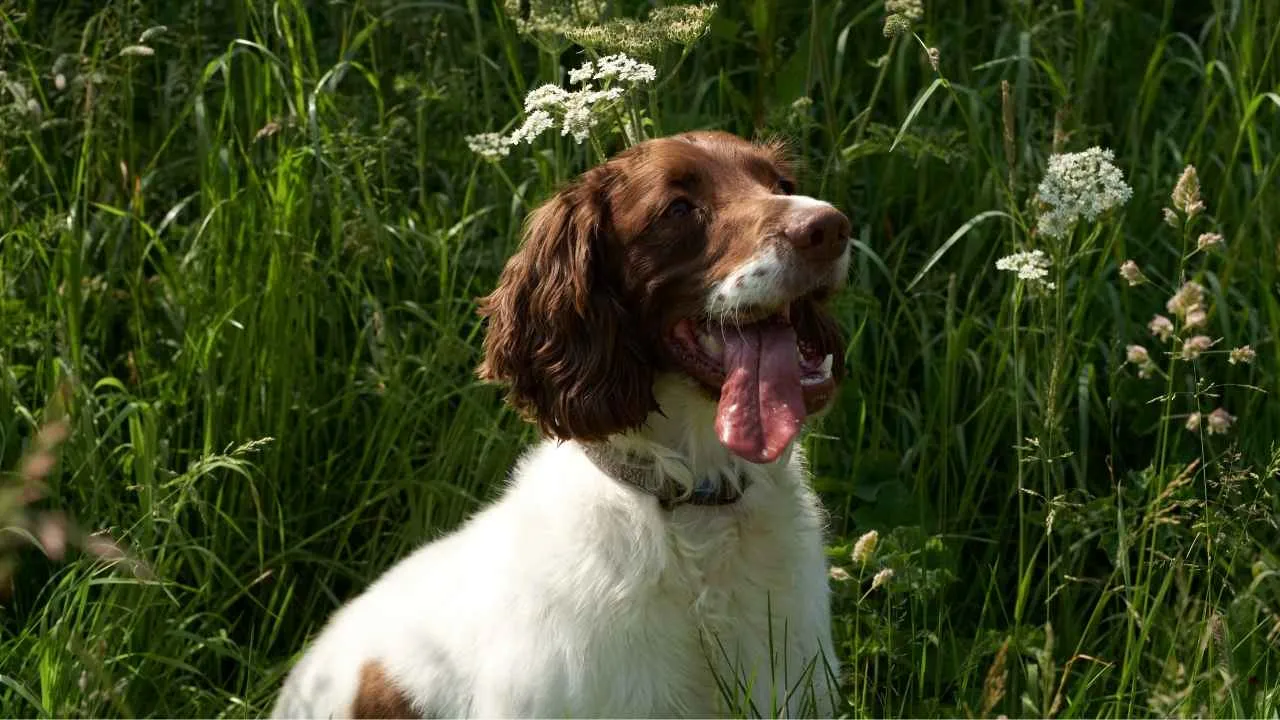
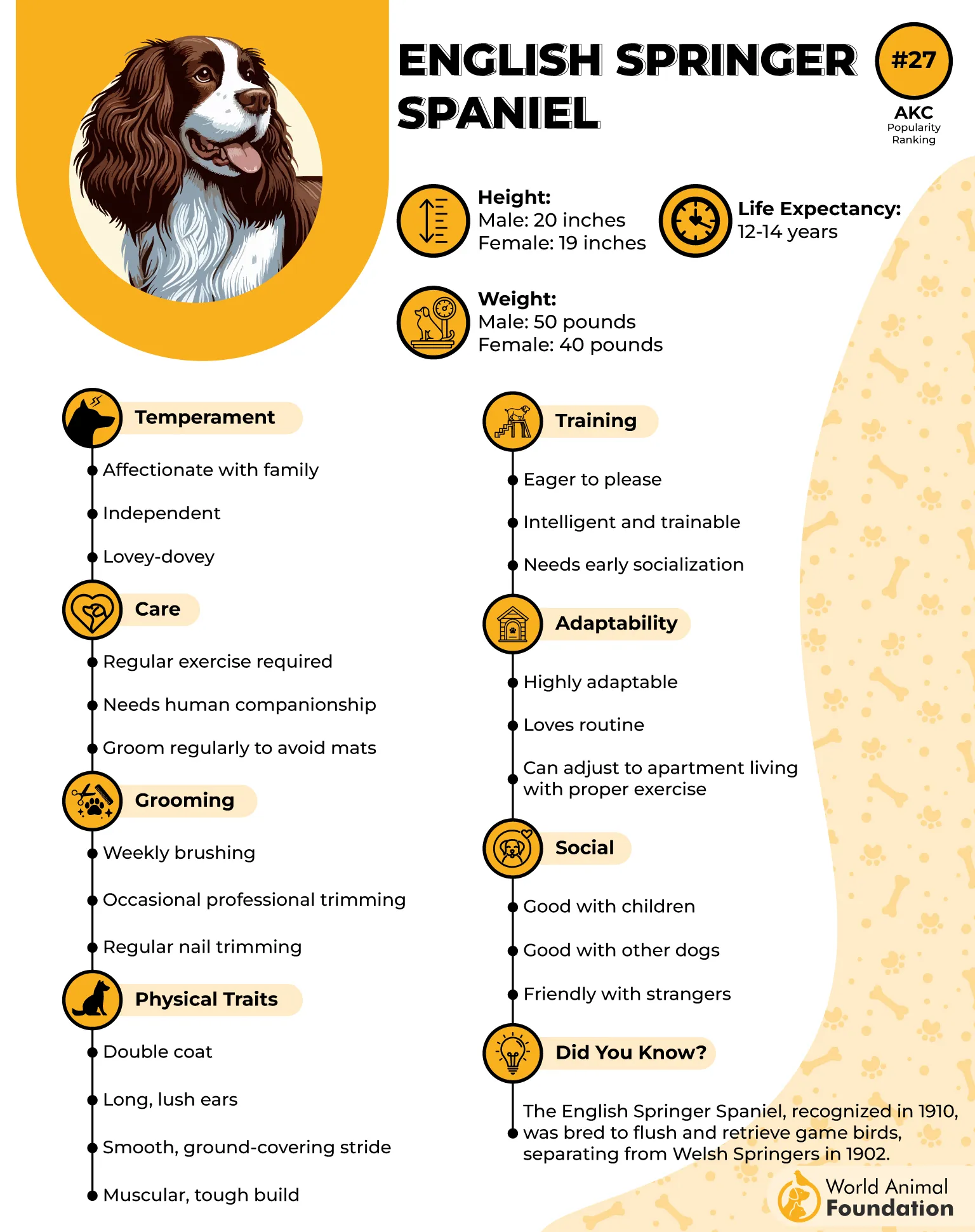
The English Springer Spaniel earned its name through a hunting style built around flushing birds from cover into open flight. That quick burst of action shaped a dog known for speed, responsiveness, and close coordination with hunters. Its energetic working style still influences how it approaches activity today.
Built Around Purpose
This hunting companion combines athletic movement with a people-focused temperament, making it effective in both field work and structured training. The breed responds strongly to routine and task-based interaction.
Several traits support working versatility:
Flushes birds from dense ground cover
Responds eagerly during guided training
Uses speed effectively across open terrain
Activity Shapes Behavior
They benefit from regular outlets that engage both physical energy and mental focus throughout the day. Barking often reflects excitement, readiness to interact, or unmet stimulation needs rather than aggression, as per Petplan. Consistent activity helps preserve the breed’s gentle and cooperative nature.
3. Boykin Spaniel
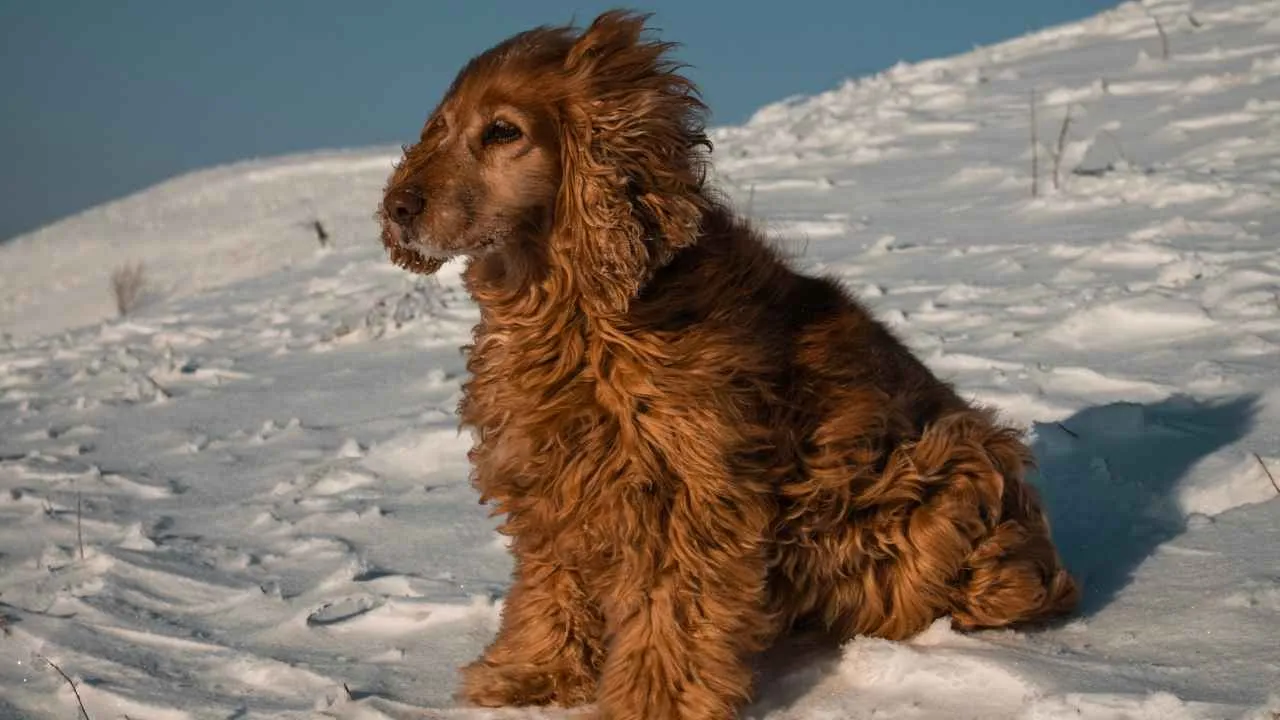
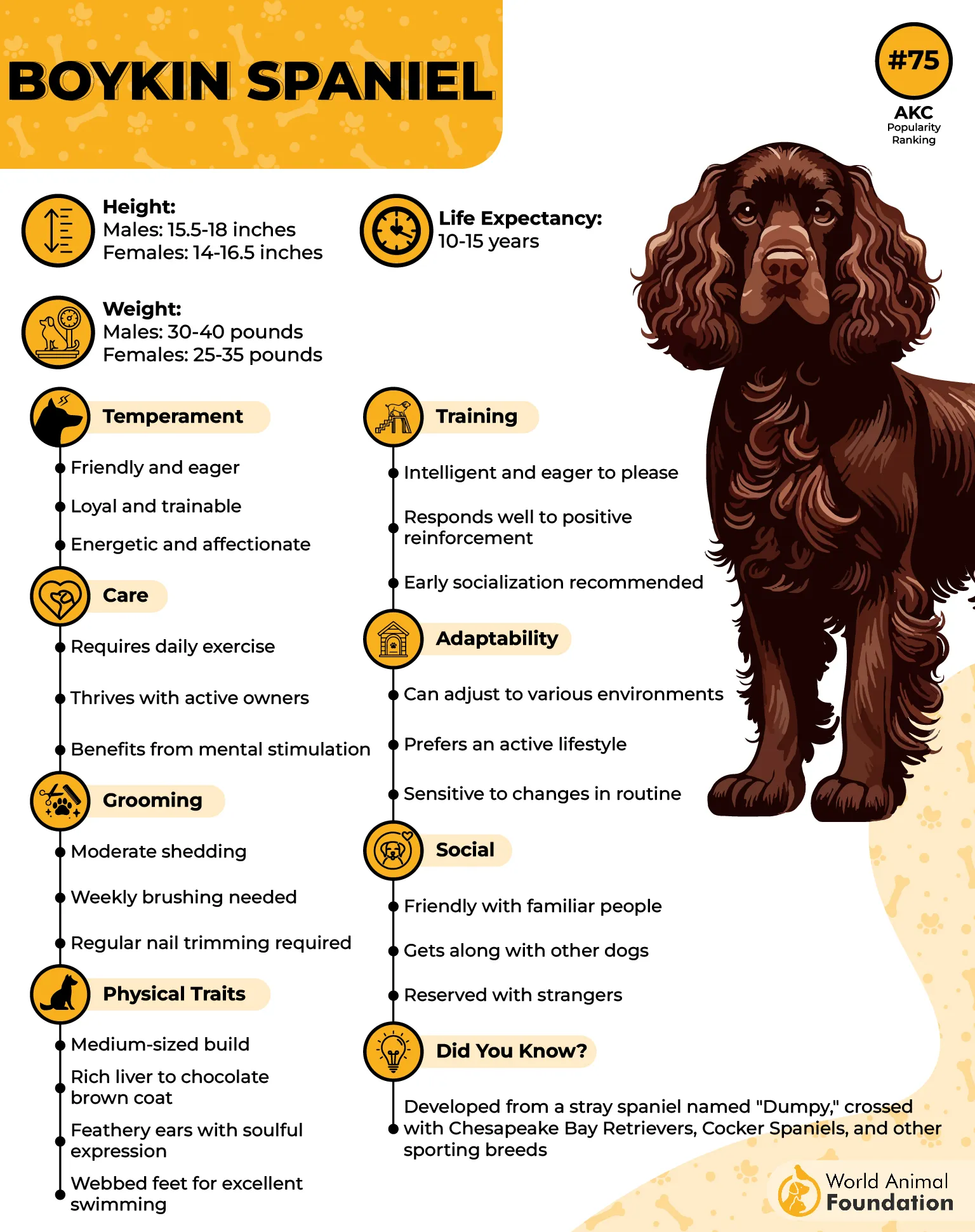
The Boykin Spaniel rose from the swampy hunting grounds of South Carolina, where compact size and water ability mattered in tight boats and marshes.
Its webbed toes and strong swimming instinct suited duck retrieval in difficult wetland conditions. That same versatility later made it a trusted partner for turkey and dove hunting.
Eager in Field Work
These spaniels respond quickly during hunting activity, shifting easily between flushing birds and retrieving game from water, as Orvis mentions. Its willingness to cooperate keeps the work fluid across changing terrain and hunting styles.
That working rhythm appears through practical traits:
Webbed feet suited for water retrieval
Comfortable switching between land and marsh
Quick response during flushing tasks
Athletic but Family-Oriented
They balance hunting drive with an easygoing nature around people, fitting naturally into active households. It interacts well with children and other pets while still craving physically engaging routines. Long walks, hikes, and swimming sessions help direct its athletic energy productively.
4. Irish Water Spaniel
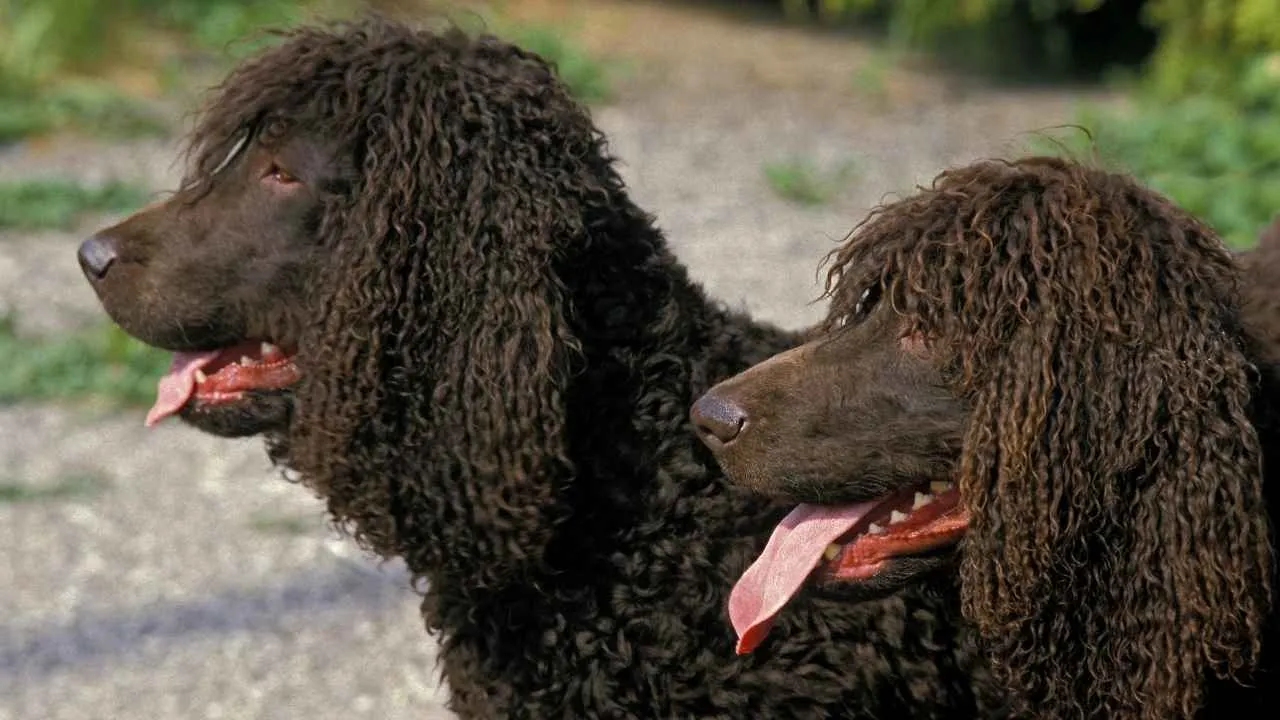
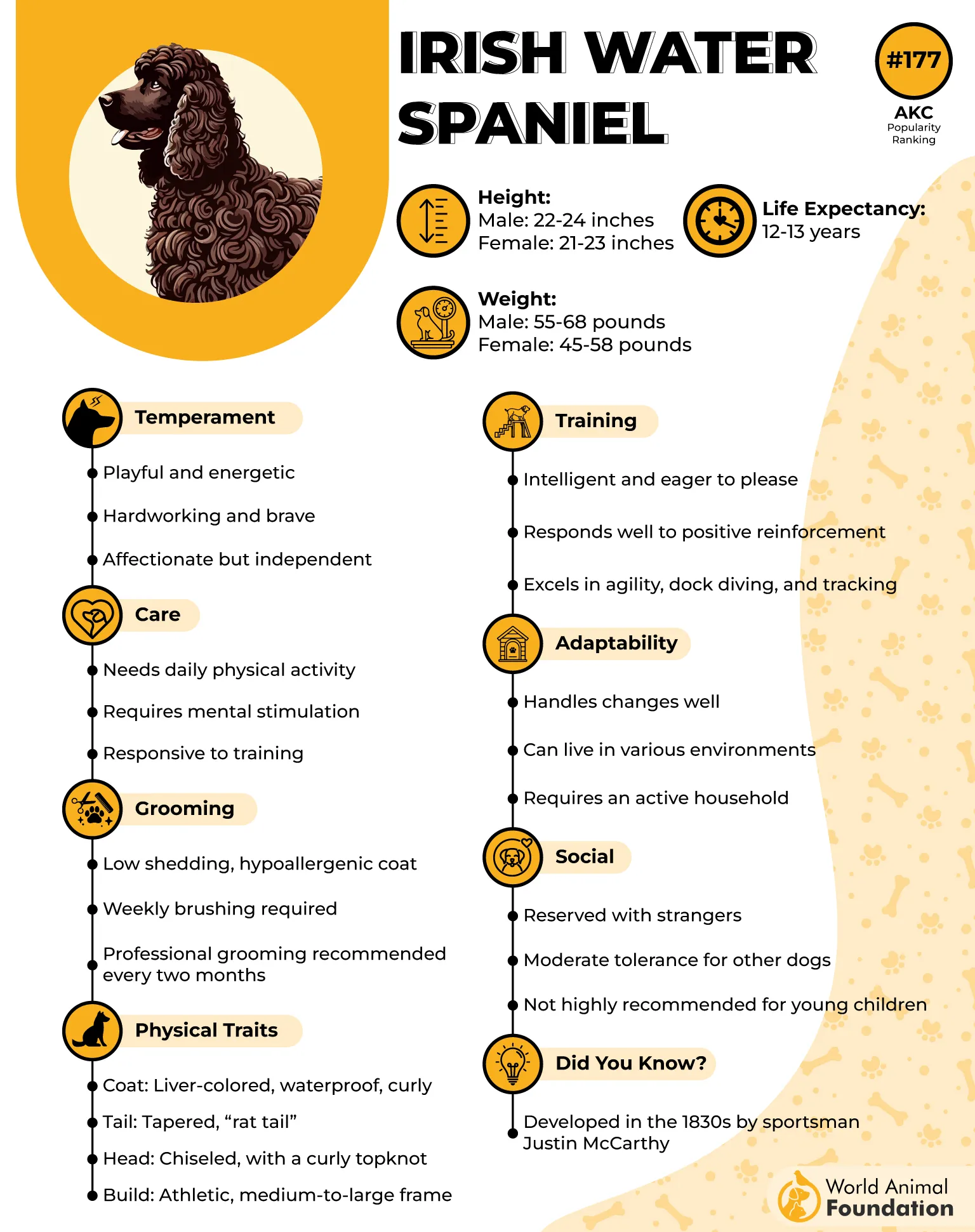
Irish Water Spaniel emerged in Ireland as a water-retrieving gun dog valued for working through lakes, marshes, and wet terrain. Its tightly curled liver-colored coat repels water efficiently, while the narrow “rat tail” gives the breed a silhouette rarely mistaken for another spaniel.
Built Around Water Work
These spaniels approach outdoor activity with enthusiasm, especially when retrieving objects from water or navigating uneven ground. Its athletic build and sharp thinking fit physically demanding field tasks requiring endurance and coordination.
That working style appears through distinct qualities:
Water-resistant curls protect during retrieval
Strong swimming ability in rough conditions
Quick response during fetch and scent games
Energy With Direction
They prefer activity tied to interaction, often responding best when tasks involve movement and problem-solving together.
Hiking routes, dock diving, agility work, and nose-based games match its energetic temperament well. Long inactive periods can turn that enthusiasm into restless indoor behavior.
5. Labrador Retriever
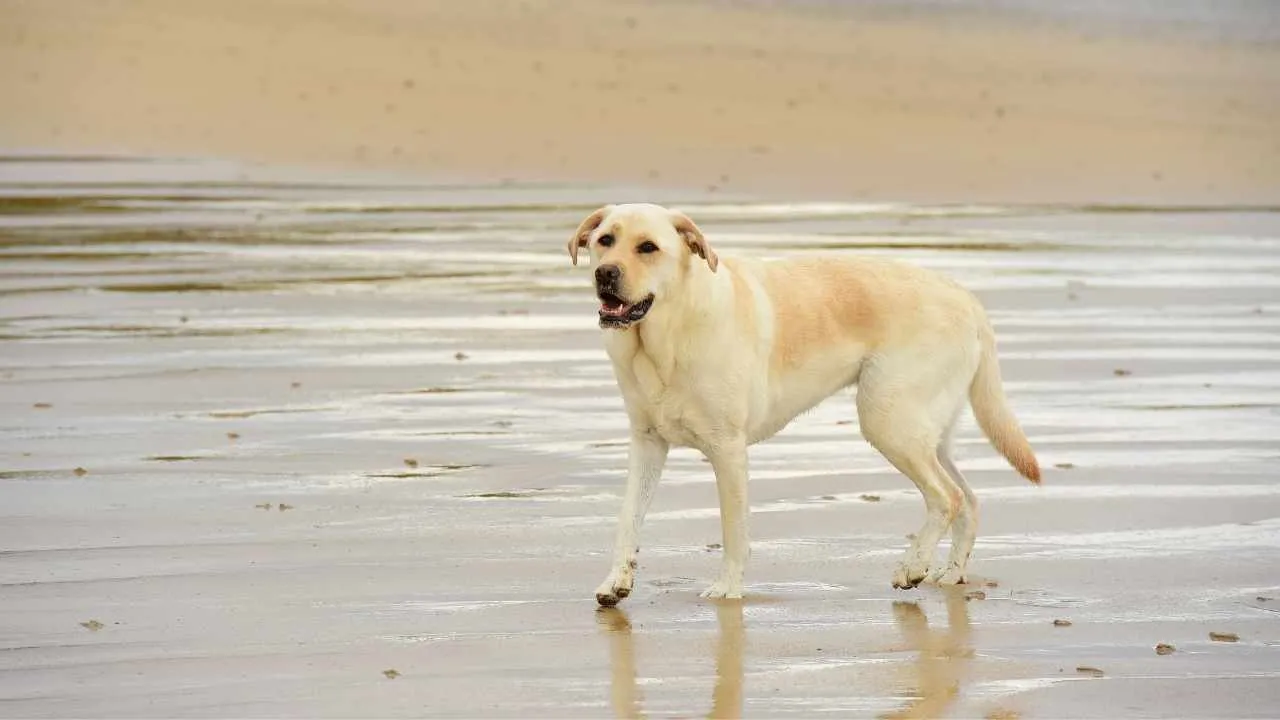
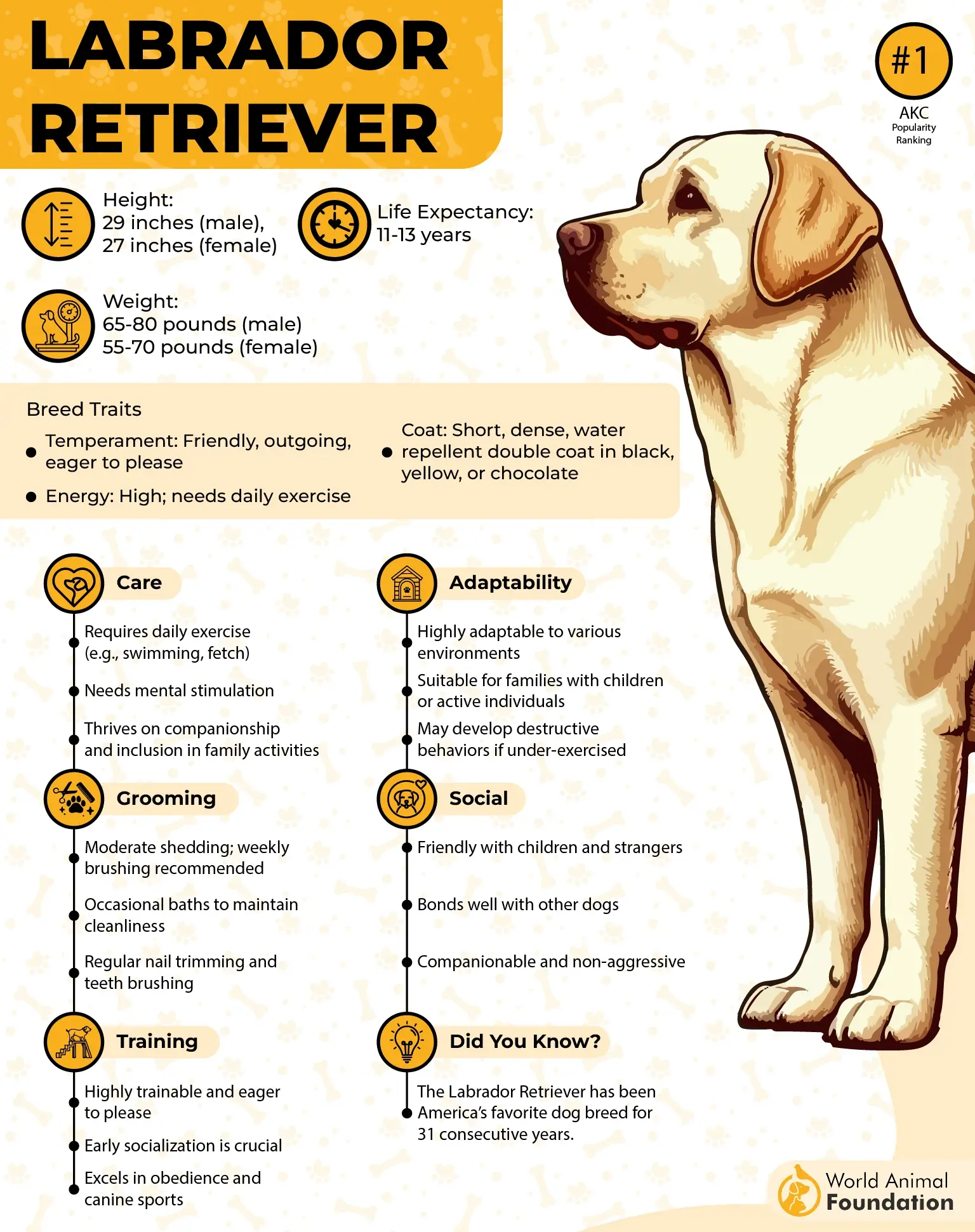
The Labrador Retriever earned its reputation beside hunters and fishermen, retrieving game from rough terrain and water with equal ease.
Its broad head, sturdy frame, and strong tail reflect a dog built for repeated outdoor work. The instinct to fetch and return remains deeply tied to its working identity.
Driven by Task
Labs approach outdoor activity with enthusiasm, often shifting quickly between scent work, swimming, and retrieving exercises. Its sporting nature connects closely with movement, interaction, and purpose-driven play.
That versatility appears through practical behaviors:
Retrieves the game with soft mouth control
Enters water confidently during field work
Responds quickly during outdoor drills
Energy That Needs Direction
Labrador Retriever keeps a youthful level of excitement well into adulthood, often turning household objects into targets for chewing or carrying during puppy stages.
Shoes, socks, and unattended items easily attract attention without early guidance. Structured routines and daily outlets help channel that intensity productively.
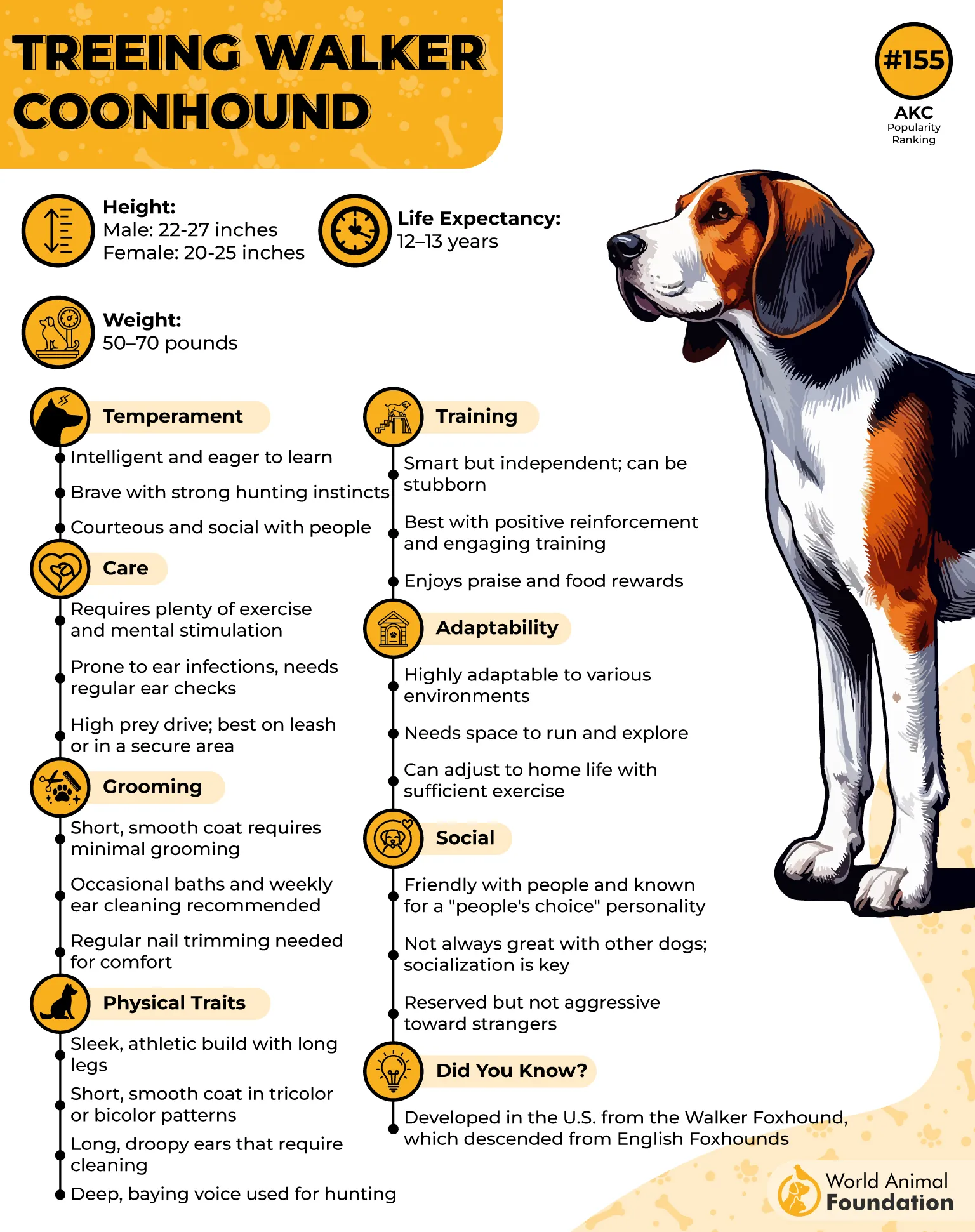
6. Treeing Walker Coonhound
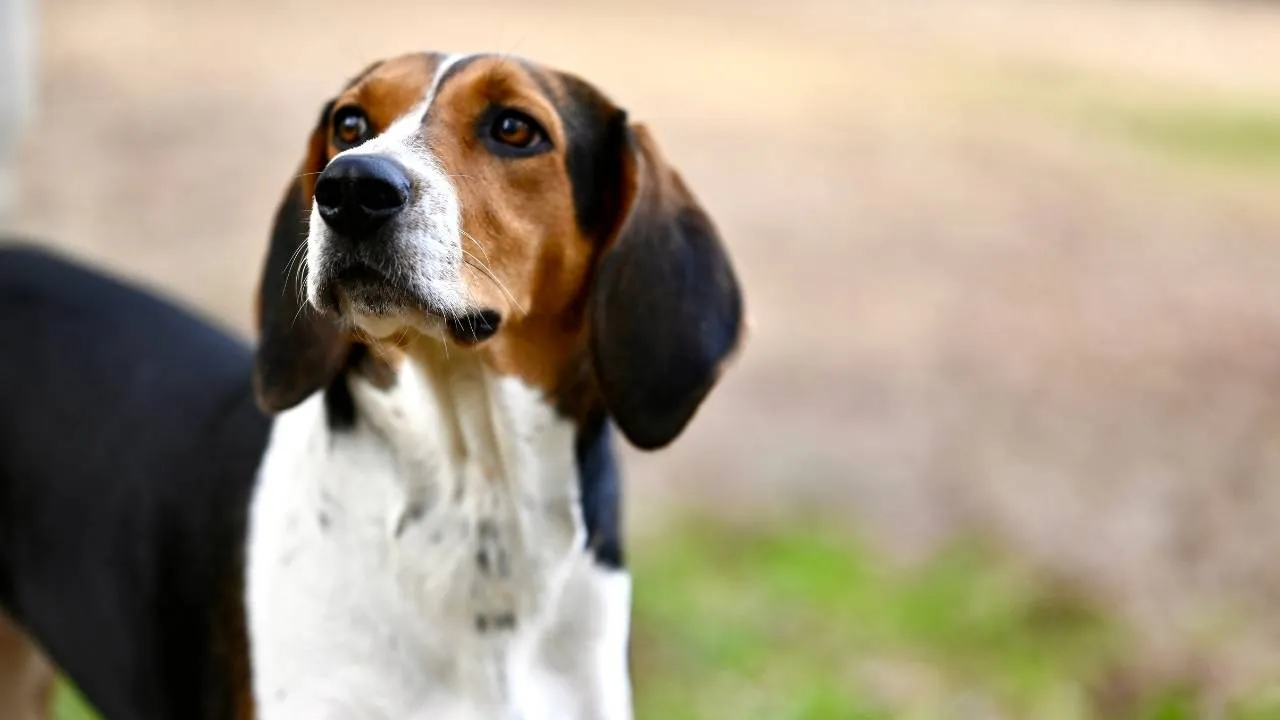
Treeing Walker Coonhound earned its reputation in American forests where hunters relied on its speed, nose, and determination to isolate raccoons over long distances. Descended from the American Foxhound, this athletic hound combines endurance with sharp scenting ability.
Driven by Scent
They approach tracking with intense focus, following trails deep into the woods without losing momentum. Its loud bay helps hunters locate quarry once cornered, a trait deeply tied to the breed’s hunting purpose.
A few traits shape this ability:
Long-distance scent tracking
Loud, recognizable bay
Athletic stamina outdoors
Energy With Independence
This Coonhound responds well to training but still thinks like an independent field worker, which explains its strong-willed streak during outdoor pursuits.
Long hikes, runs, and tracking exercises suit this breed far better than short neighborhood walks. A secure fenced space becomes important once its nose locks onto an interesting trail.
7. Pharaoh Hound
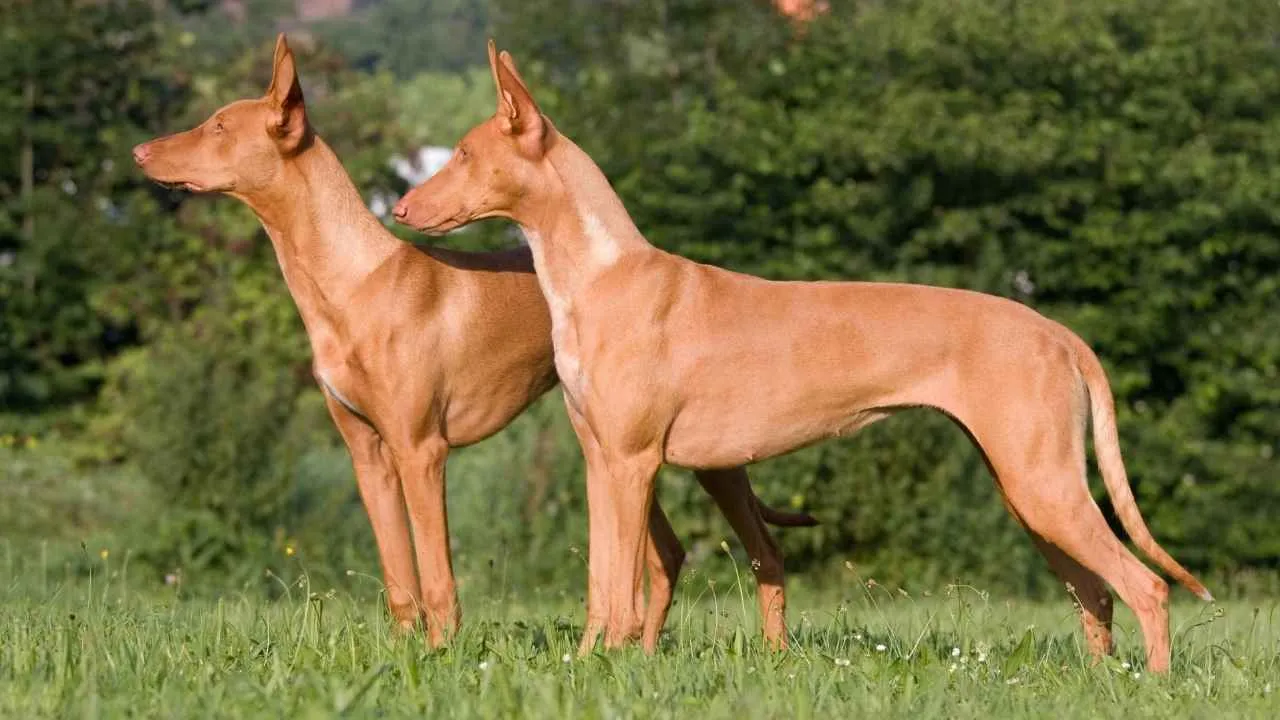
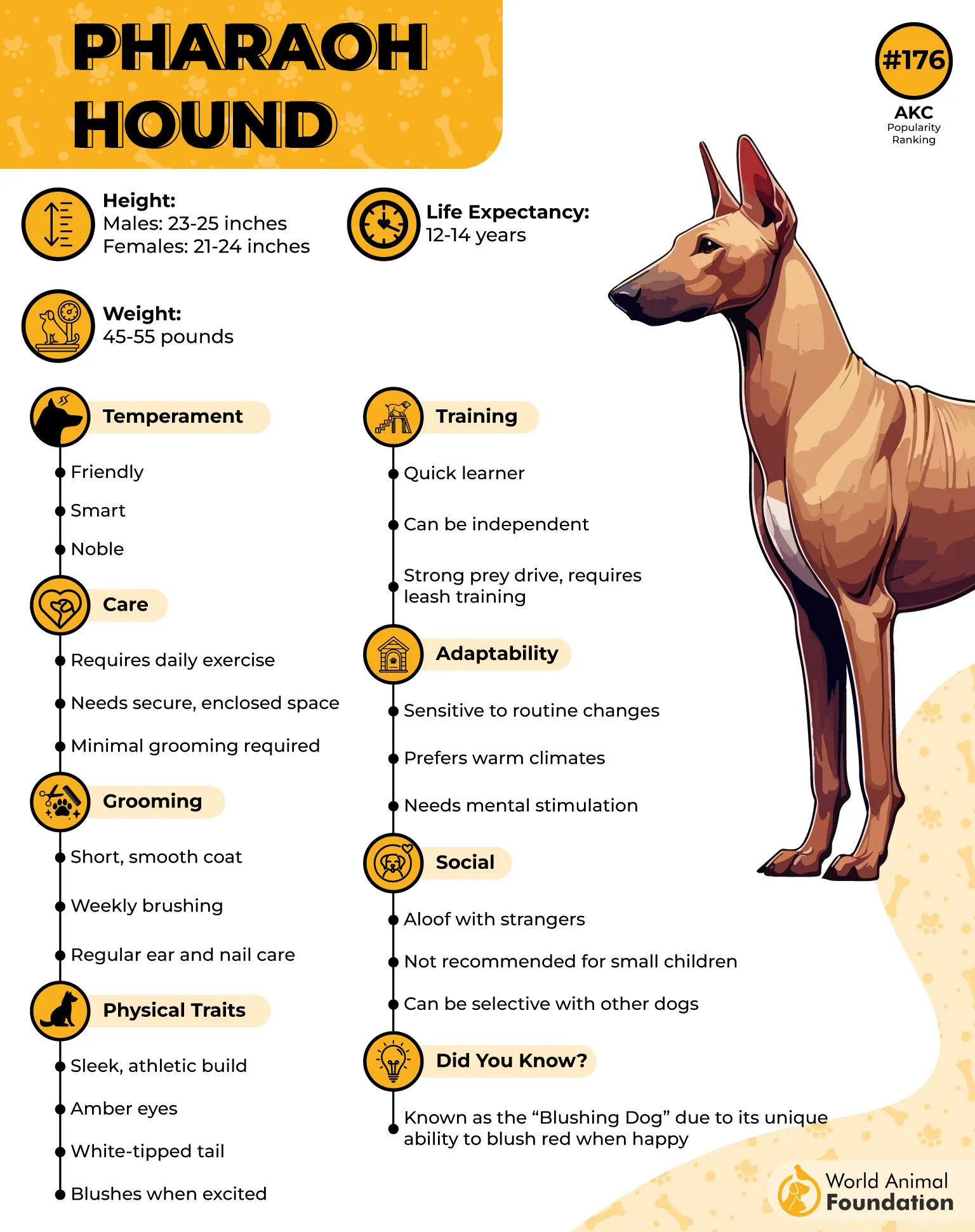
Pharaoh Hound draws attention through its refined outline and striking resemblance to the ancient depictions of Anubis.
One unusual trait sets the breed apart further, as the ears and nose flush pink during excitement. This expressive reaction adds personality to a dog already known for graceful athleticism.
Built Around Fast Engagement
Their active nature shows through quick responses across chasing games, scent challenges, and structured sports. Its playful nature connects closely with interactive tasks that keep both body and attention engaged.
That versatility appears through favored activities such as:
Nose work and scent-based games
Fast-paced frisbee sessions
Hunting and agility exercises
Sociable Inside the Home
They interact warmly with family members and generally fit well with children through their affectionate temperament. After active outings, the breed settles comfortably indoors and prefers remaining near household activity. This balance between energetic play and relaxed downtime shapes daily life with the breed.
Conclusion
Versatile hunting dogs earn trust through consistency rather than appearance alone. The ability to track scent over long distances, recover wounded game, adapt to difficult terrain, and stay mentally engaged for hours separates dependable field dogs from those that lose focus quickly. Endurance, intelligence, and controlled energy often matter more than raw power during hunting tasks outdoors.
The right companion brings balance to every hunting experience. Long tracking sessions feel steadier, rough environments become easier to navigate, and unpredictable situations feel less overwhelming with a focused dog beside you. These breeds continue standing out because they remain well-suited for outdoor work through instinct, resilience, and dependable drive.
