




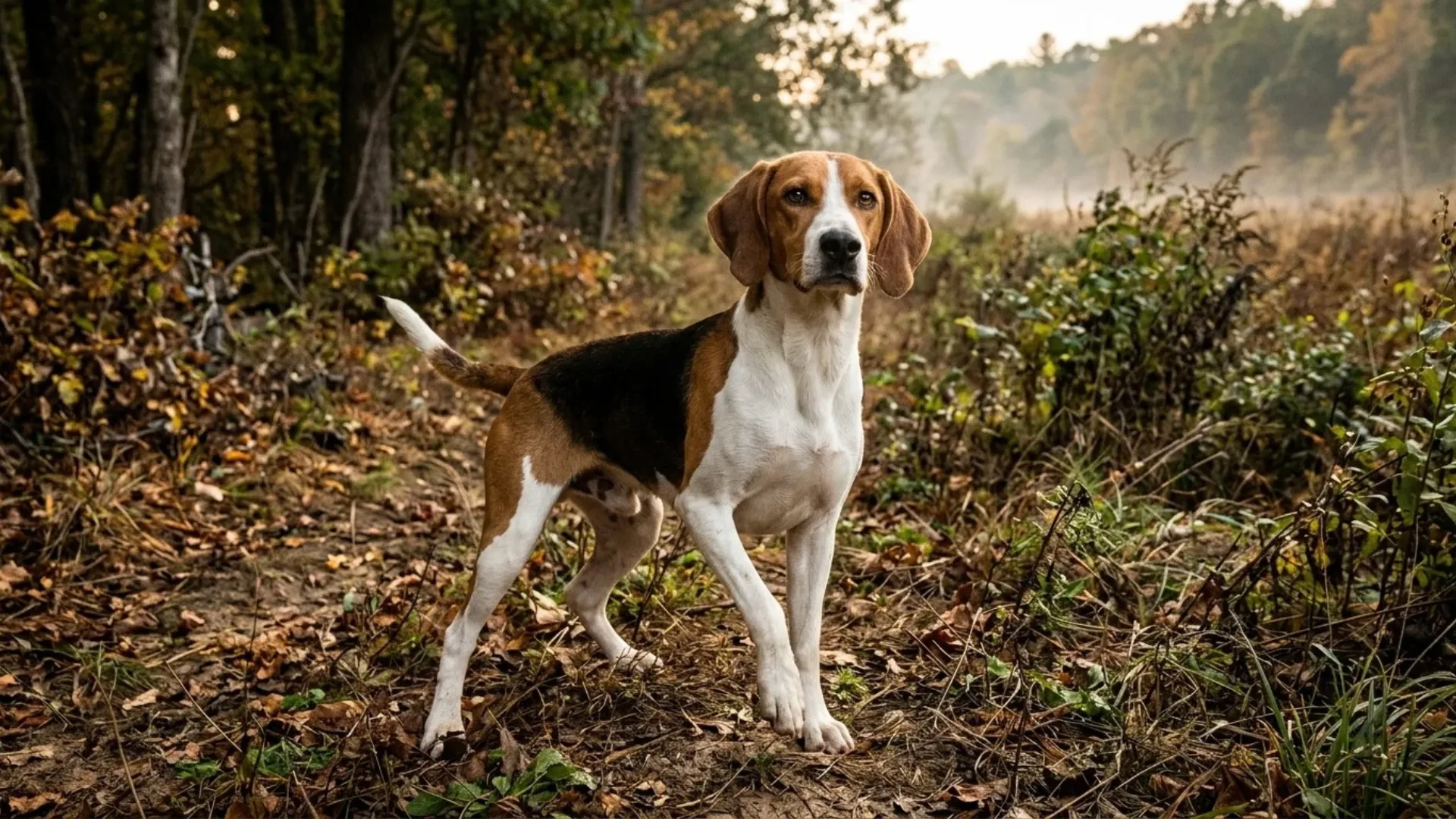
Certain breeds specialize in one hunting style. Versatile breeds take a different approach and are valued for being good at several.
Locate upland birds in tall grass? Done. Track a scent trail to retrieve wounded waterfowl? Easy. Hunt small game across varied terrain? Doable. The most versatile hunting dogs combine keen scenting, agility, drive, and teamwork.
Versatility doesn’t mean these breeds have mastered every method of hunting. A pointer isn’t automatically a specialist in upland game, and a scent hound won’t turn into a waterfowl retriever overnight. Each breed has its own strengths, and that’s what makes them so interesting.
Here are nine of the best hunting dog breeds, each with a fascinating history and a few skills you might not expect.
Versatile Dog Breeds Excelling at Diverse Hunting
1. Irish Water Spaniel
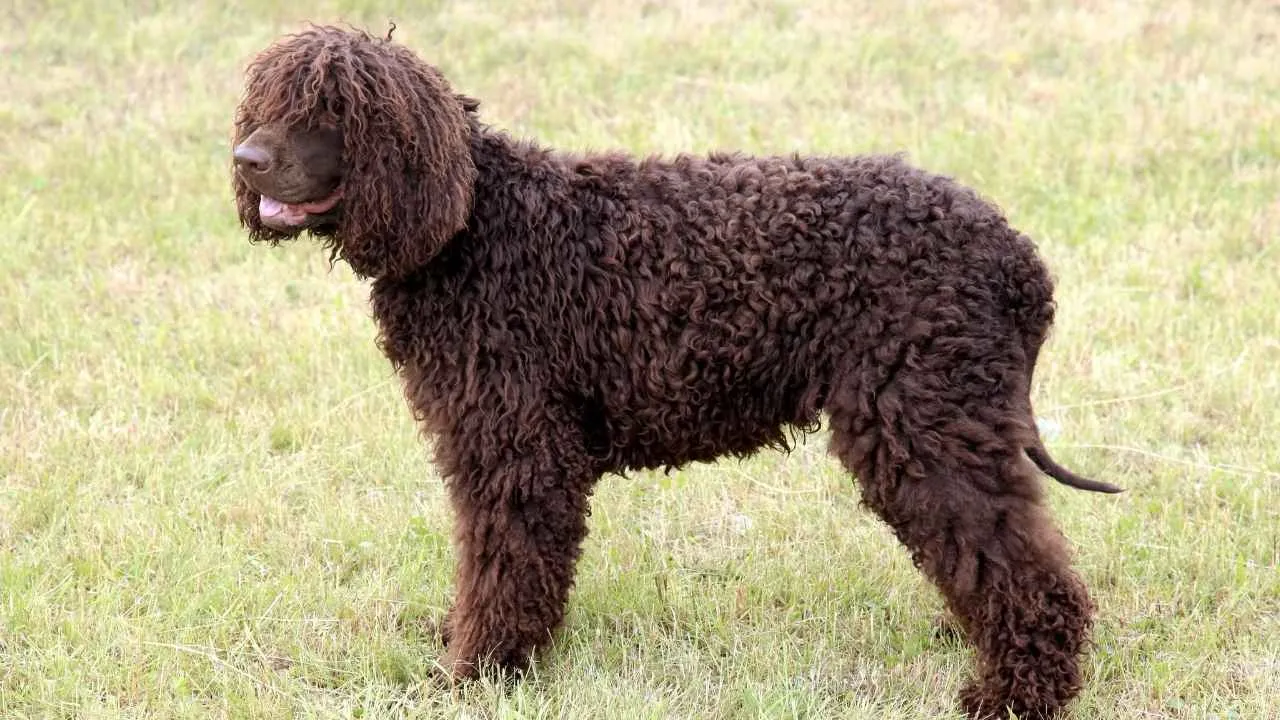
With its water-resistant coat, the Irish Water Spaniel is a valuable asset in waterfowl hunting.
The AKC recognizes it as the tallest of the spaniels. It has webbed feet, strong swimming ability, and a willingness to work in the water. It can also find and retrieve game on land, which makes it a true multi-environment hunting dog.
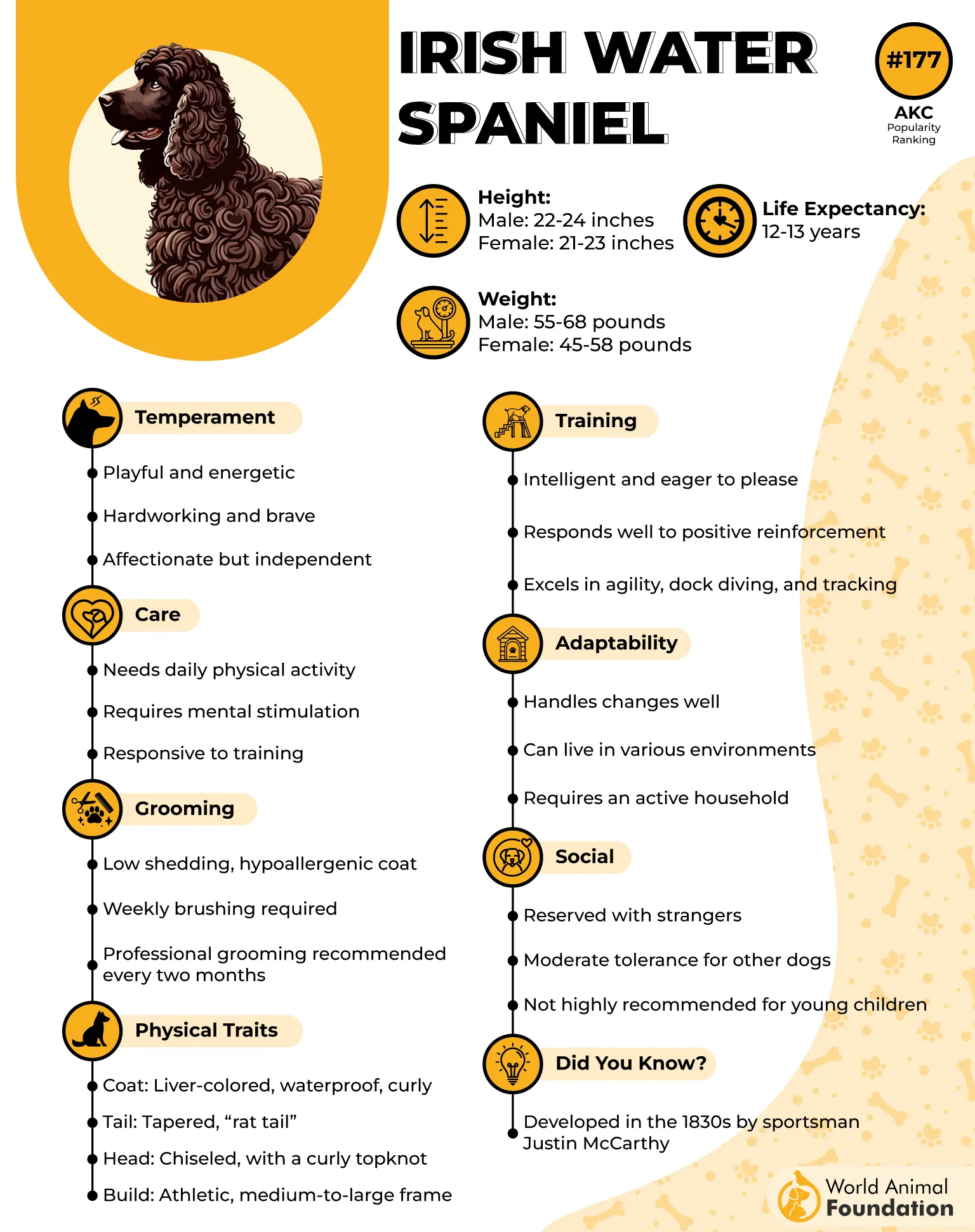
Famous for its topknot and clownish face, this breed is often called the comedian of the spaniel family. Its smooth, tapered tail is another quirk, and it has earned the nicknames “Rat Tail” and “Whip Tail.”
An Irish Water Spaniel can be independent, needs consistent training, and does best with a handler who keeps it active. It also needs regular coat care. Still, for hunters who want a capable, personality-packed water retriever, it is a strong choice.
2. Rhodesian Ridgeback
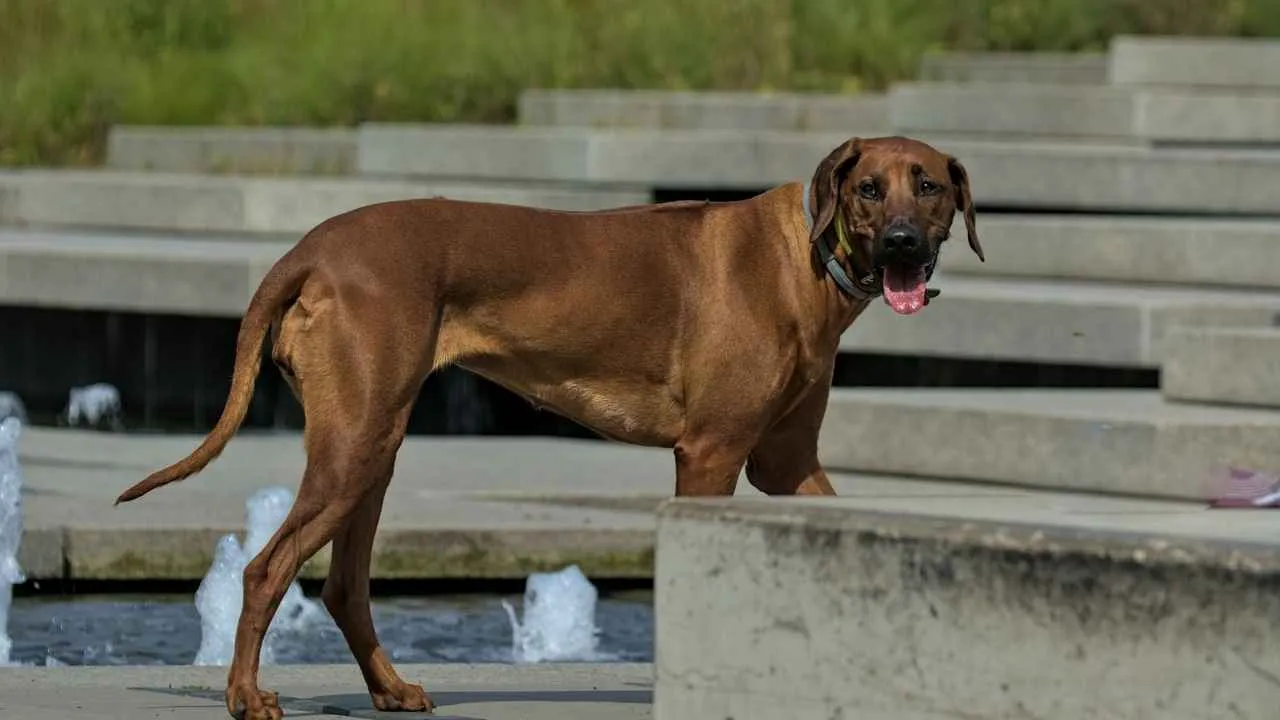
The Rhodesian Ridgeback comes from a different hunting tradition: tracking and baying large game across the rough terrain of southern Africa.
This athletic hound has great endurance and a strong work ethic. Traditionally, it was used to track dangerous game, such as lions, and to hold them at bay until the hunters arrived.
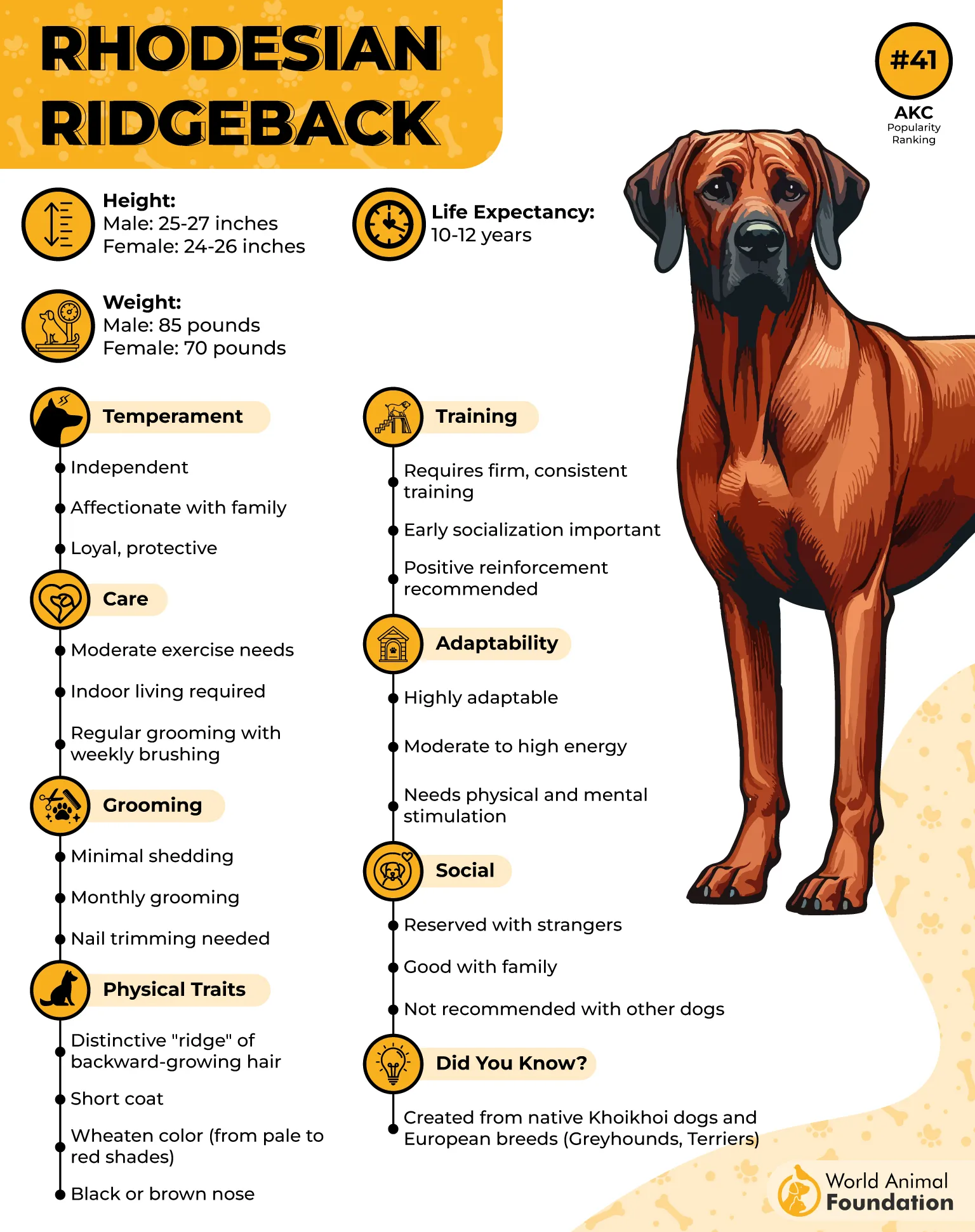
Its most distinctive feature is a ridge of hair running down its back in the opposite direction to the rest of its coat. It isn’t a fashion statement but a genetic trait of the breed.
Ridgebacks are independent and powerful, and their high prey drive makes them naturally drawn to moving animals. They need careful handling, good socialization, and safe, secure spaces to exercise. They are excellent working dogs, but they aren’t the best choice as rambunctious off-leash companions.
3. Irish Setter
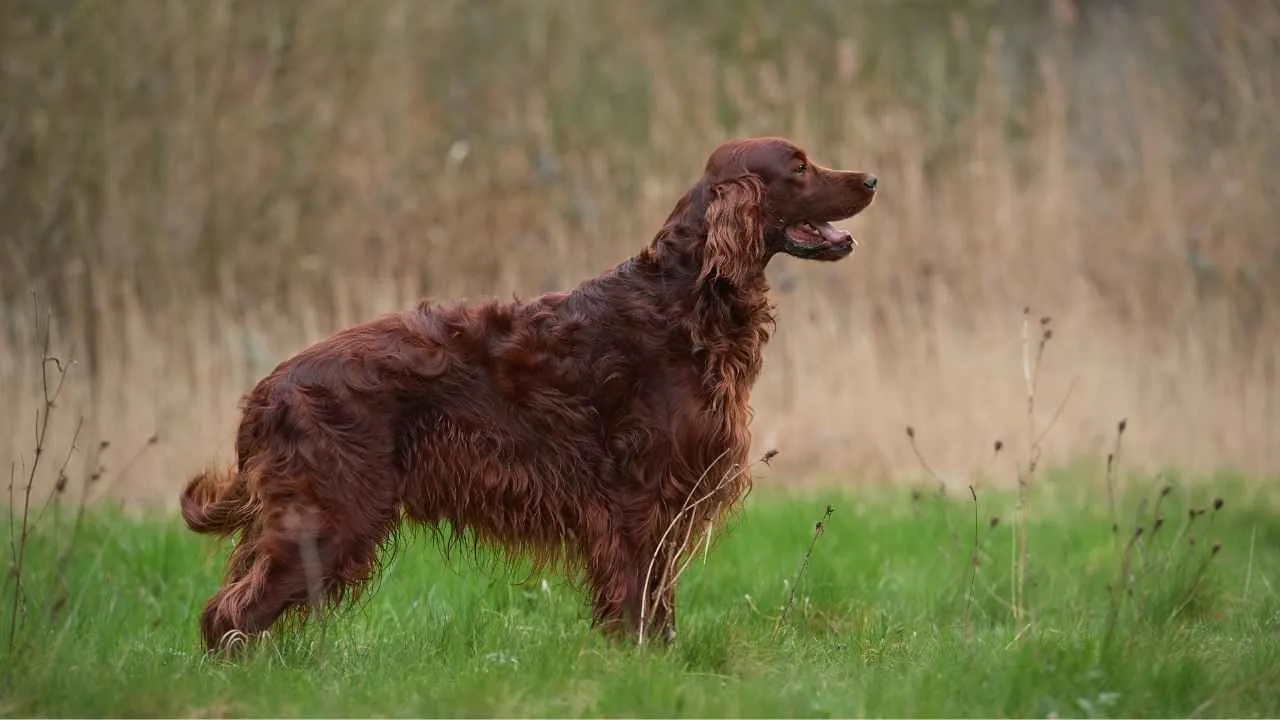
The flowing red coat of this gun dog might look like it belongs in a shampoo commercial, but the breed was developed to run and locate upland game birds. It is quick and active, with a keen nose for upland hunting and the stamina to work across open country and rough terrain.
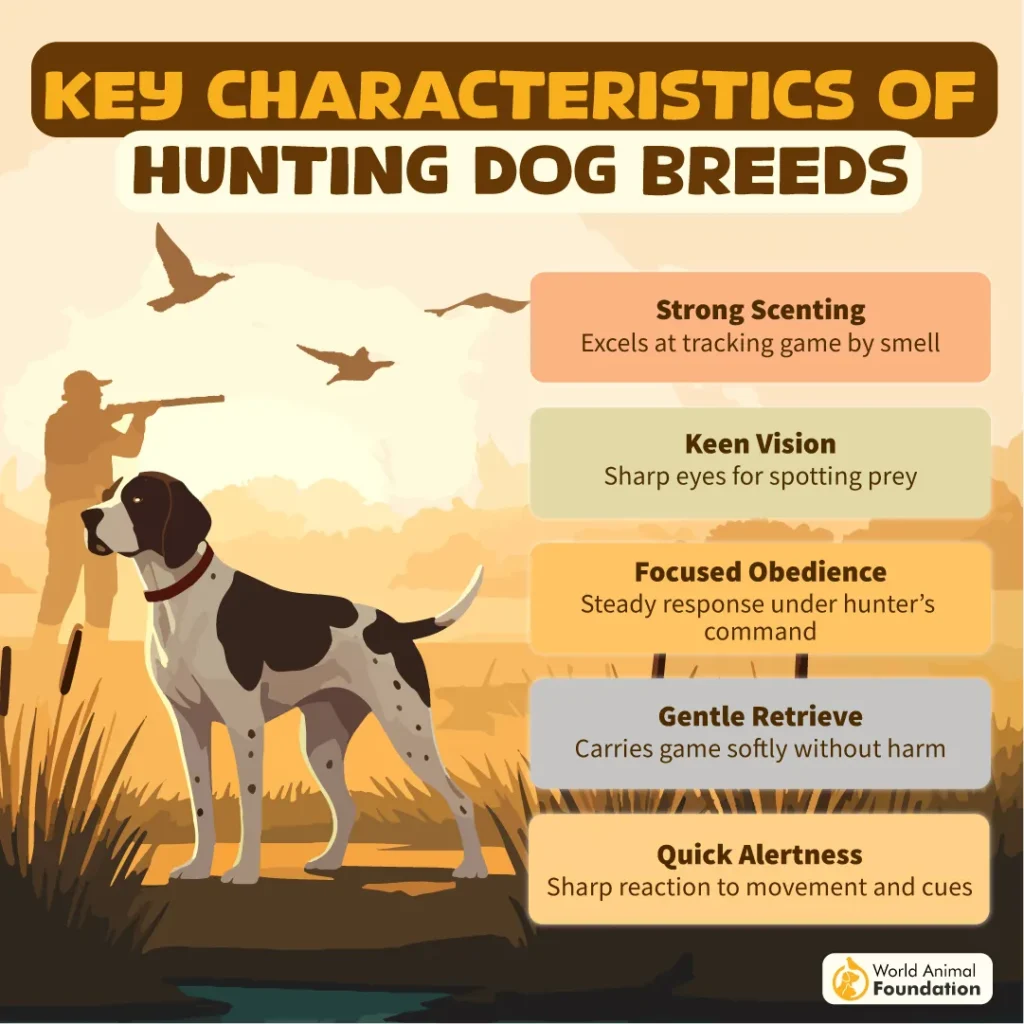
Setters get their name from the way they traditionally signaled birds. Instead of charging at their quarry, they would “set,” or crouch, when they found game. Before firearms became common, this habit helped hunters work with nets.
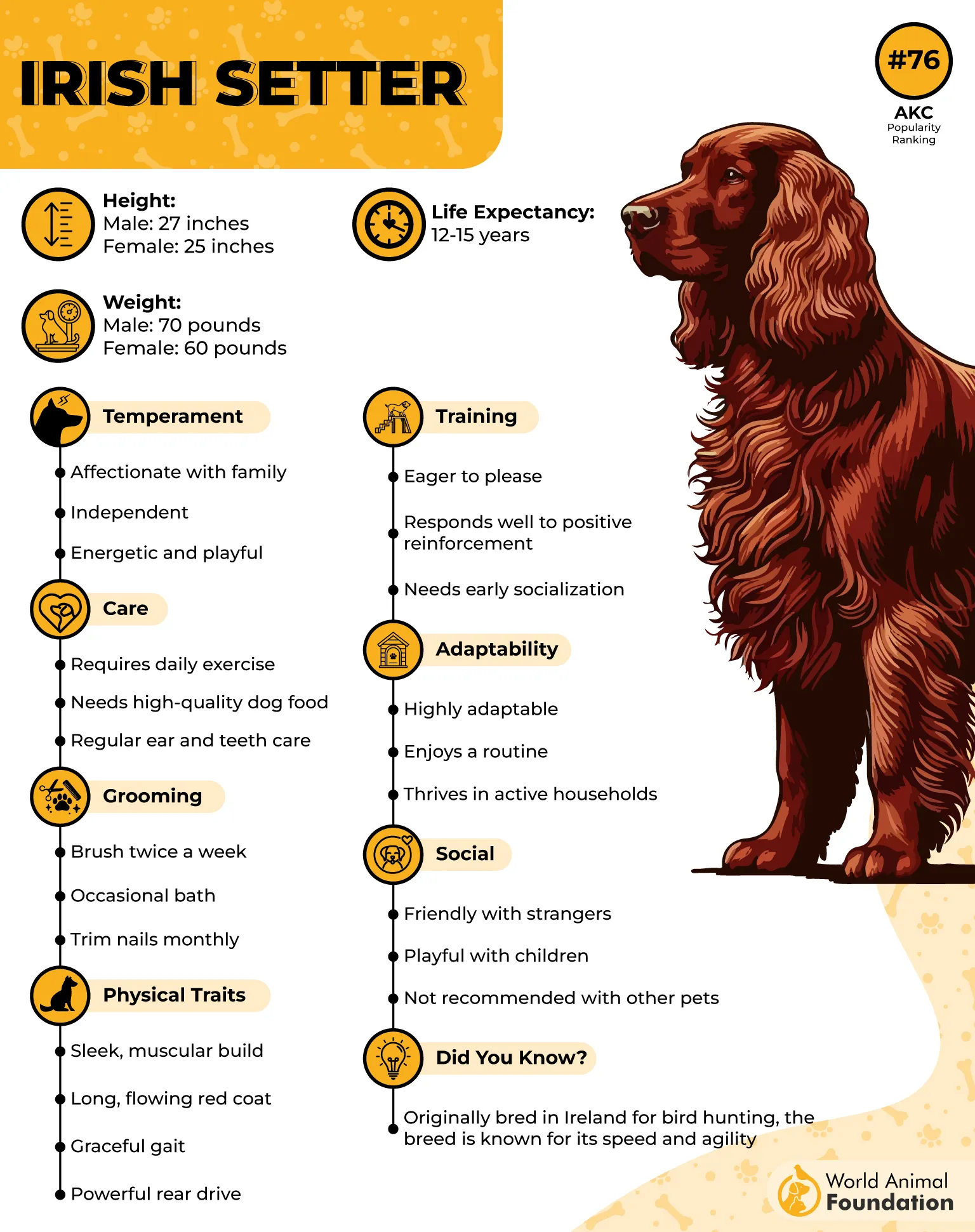
Here’s a lesser-known detail: the early Irish Setters weren’t solid red. They were originally red and white, and the solid red type became popular in Ireland in the 19th century.
Don’t mistake this friendly dog’s cheerful temperament for a lazy one. Irish Setters need plenty of physical exercise and mental stimulation. If they don’t get it, that happy spirit can turn into a real nuisance at home.
4. Treeing Walker Coonhound
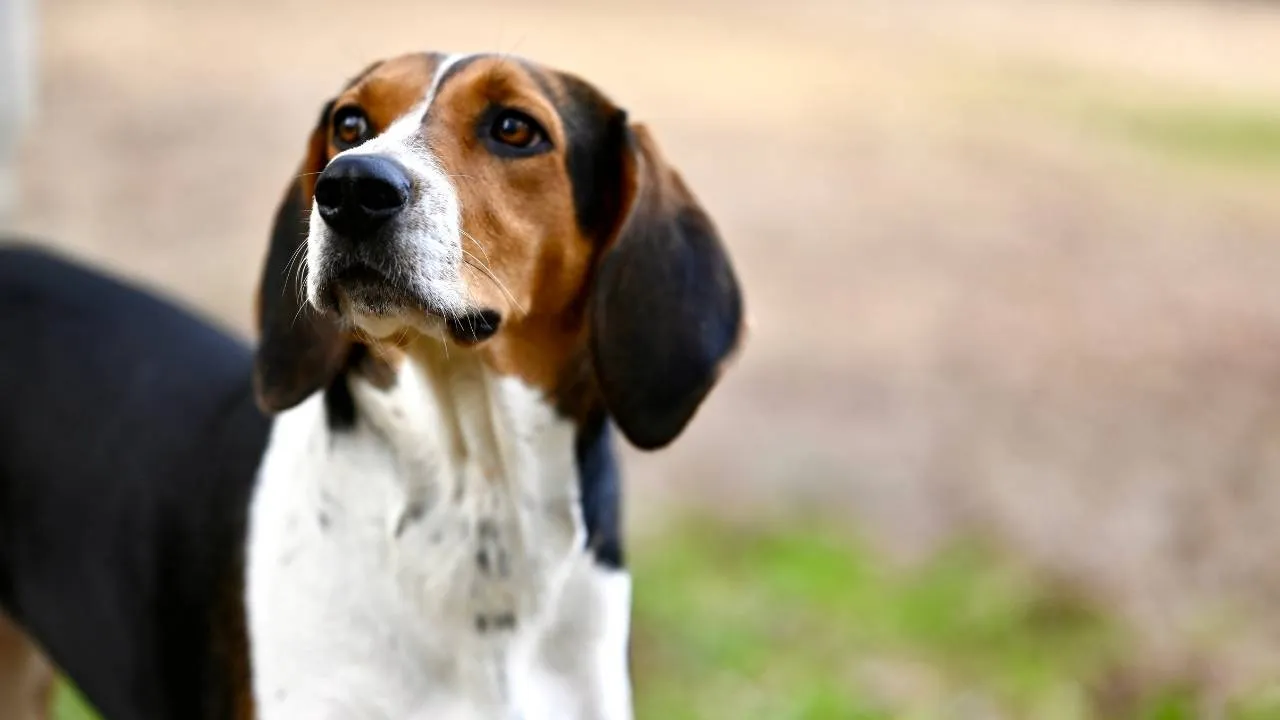
Picture walking through the woods, chasing an animal up a tree, and calling out to people far away to let them know you’ve found it. That is exactly the job of the Treeing Walker Coonhound.
This medium-sized dog was bred from Walker Foxhound lines and was especially prized for treeing raccoons. It followed a trail, chased the animal, and let the hunter know once it had taken refuge in a tree.
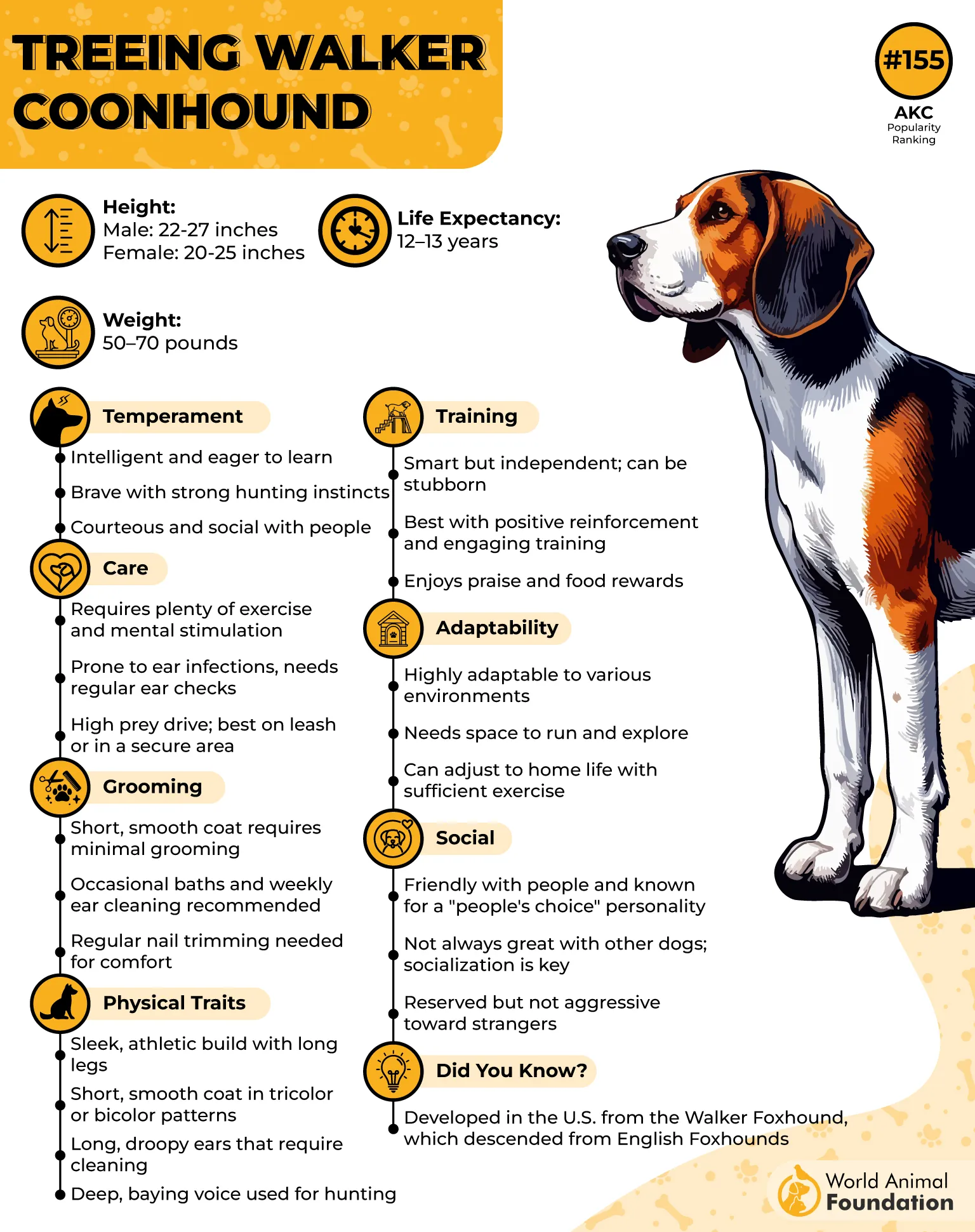
Yes, hounds like this are the reason behind the saying “barking up the wrong tree.” Treeing Walkers hunt alone or in a pack. They are persistent and fast, with a good nose. With the right training, their skills carry over to other quarry that climbs trees to escape.
They are also loving and friendly at home, but their loud baying makes them a poor fit for apartment living. They need plenty of physical and mental stimulation, along with lots of chances to use their noses.
Purina describes this well-mannered companion as an avid and confident hunter, so it could be the right match for your hunting style.
5. Nova Scotia Duck Tolling Retriever
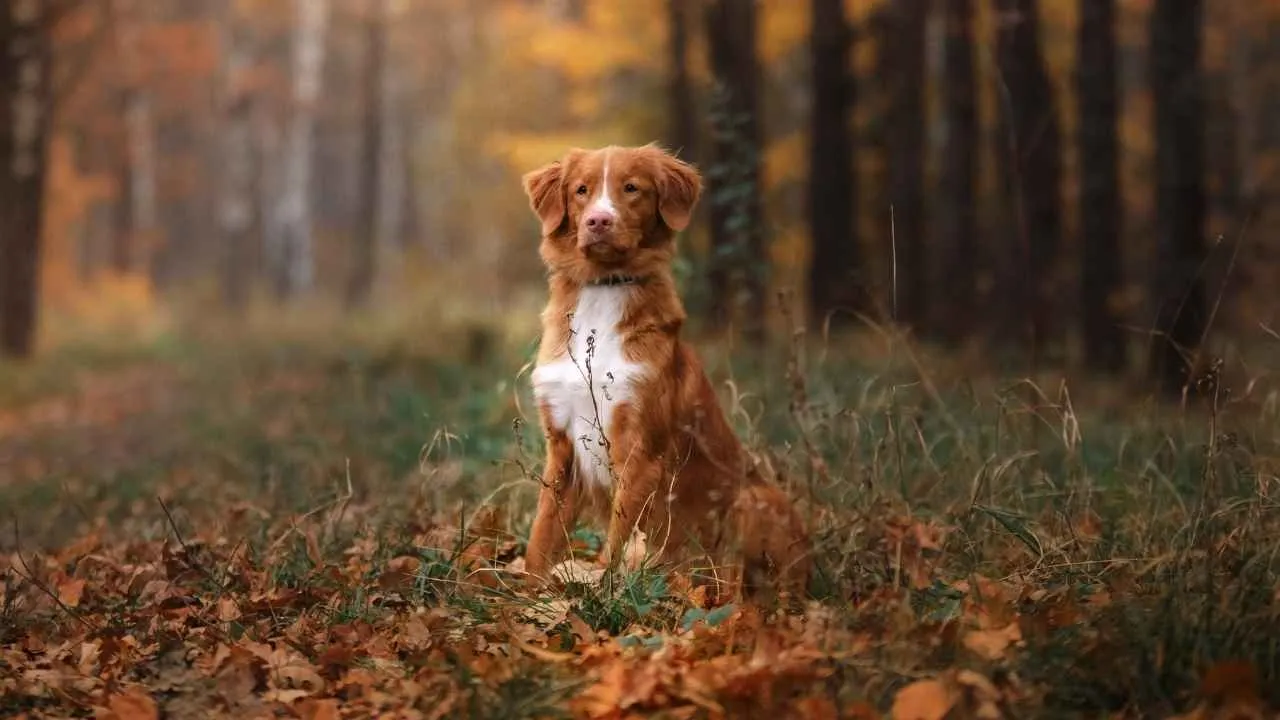
This breed stands apart with a hunting technique that sounds too good to be true: it plays along the shore to lure ducks in closer.
The Nova Scotia Duck Tolling Retriever was developed in the Yarmouth area of Nova Scotia. Its energetic movements and fox-like look pique the curiosity of waterfowl, drawing them toward the shore. The hunter hides while the dog plays, runs, and fetches near the water. When the ducks come within range, the hunter fires, and the Toller retrieves the fallen birds.
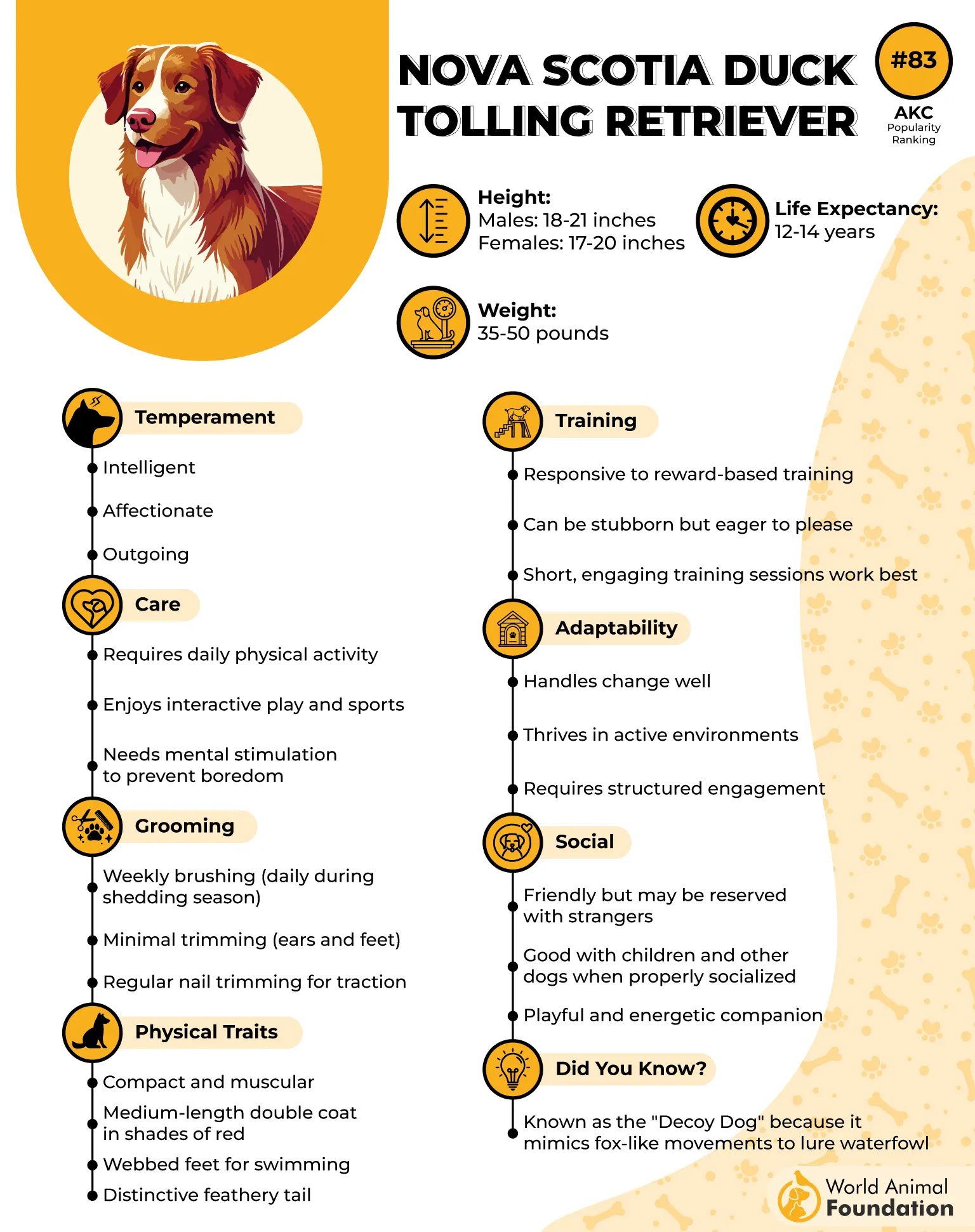
The Toller isn’t a one-trick pony. It also retrieves from water with ease, and its water-resistant double coat and webbed feet help it handle the cold. It is intelligent and athletic too, which makes it a good fit for other challenging work.
Tollers need lots of activity and mental exercise. They are great fun in the field, but a bored Toller will find its own entertainment, usually to its owner’s dismay.
6. German Wirehaired Pointer
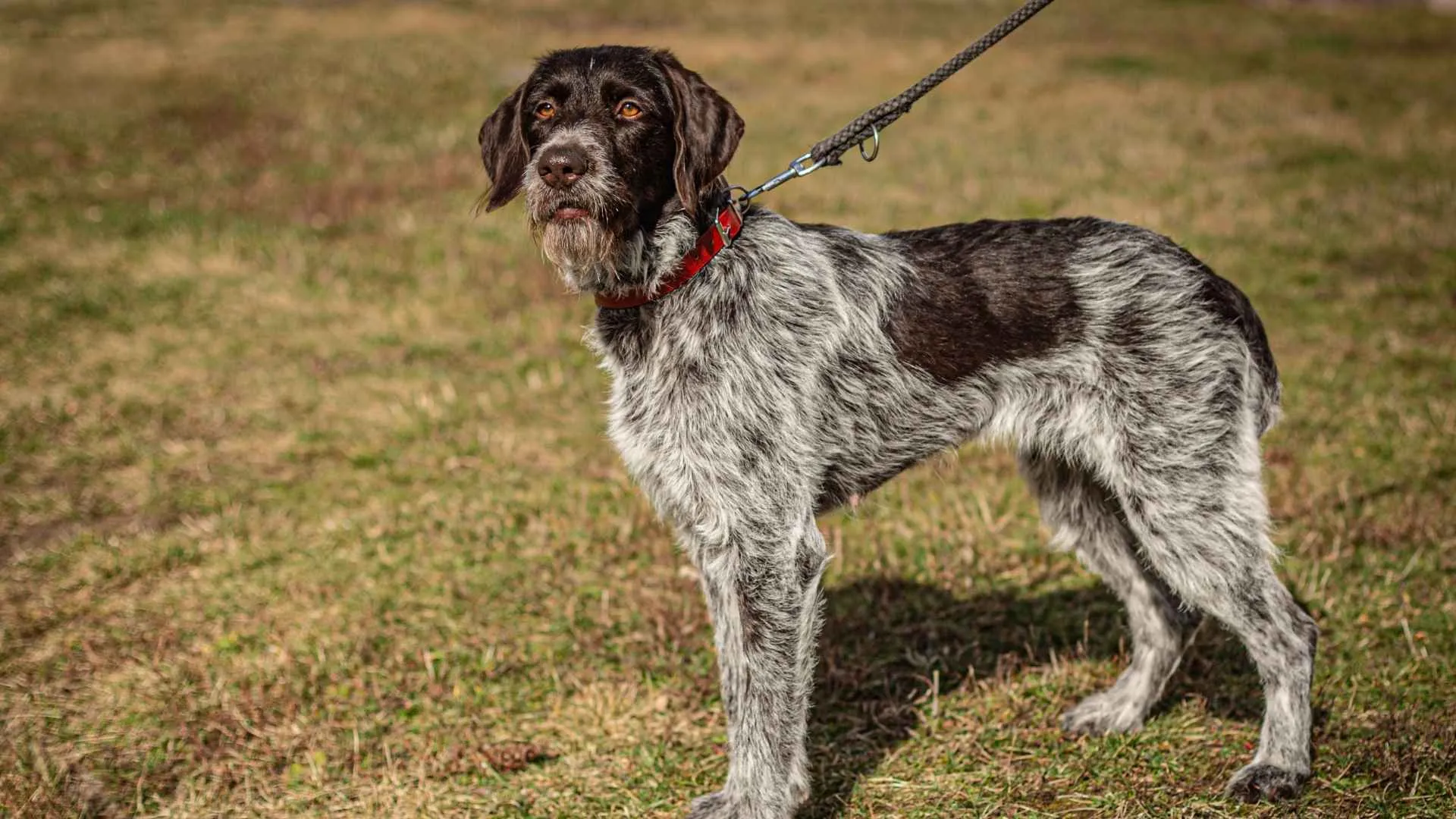
The German Wirehaired Pointer has a rough, dense coat that protects it from cold water, thick vegetation, and rugged cover.
The breed was developed in Germany as an all-around gun dog, expected to work both before and after the shot. That meant searching, tracking, and retrieving in a range of environments, which is why it is so versatile.
The wiry coat is more than a quirky look. It keeps the dog from getting snagged on thorns and stuck in difficult terrain. Its beard and eyebrows add to its distinctive face.
GWPs tend to be motivated, clever, and athletic. They make great partners for active hunters, but they need solid training and plenty of work. A few strolls won’t be enough for a dog bred for long days of searching, tracking, and retrieving.
7. English Springer Spaniel
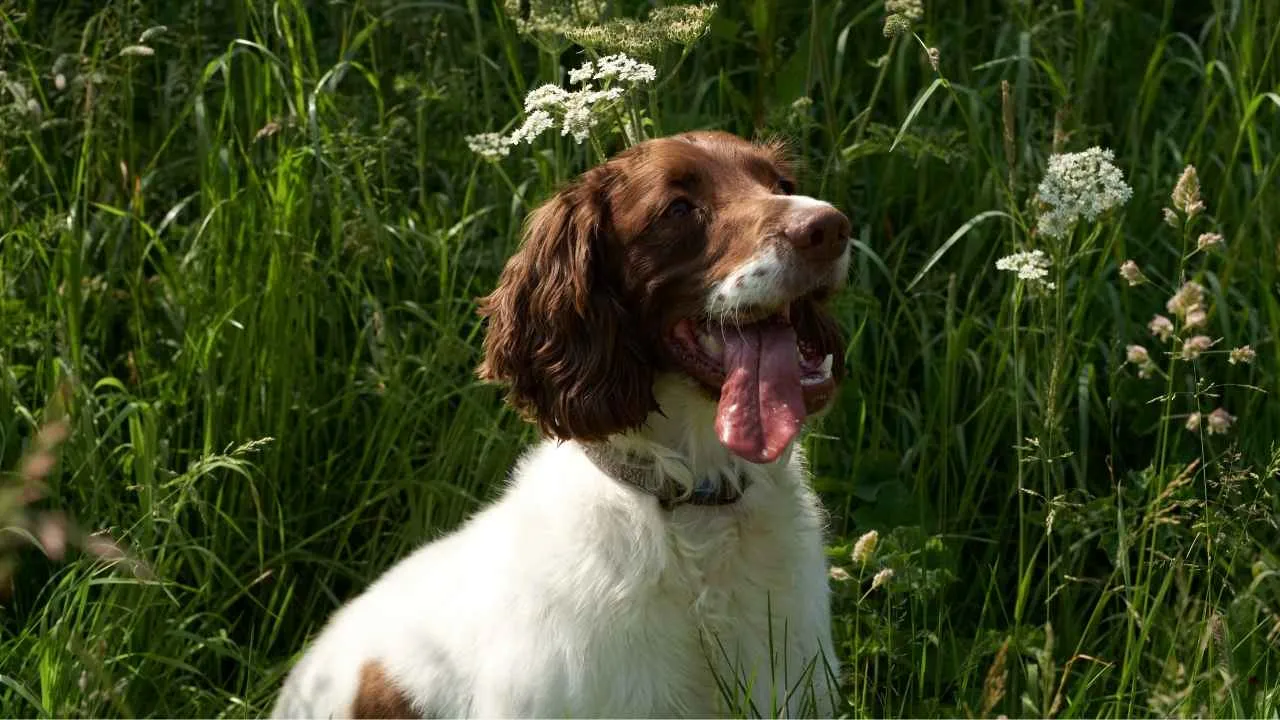
Bred as working dogs, Springers love having a purpose, as PetMD points out.
The Springer was developed to flush birds out of thick brush and cover so the hunter could shoot them. That springing action is how the breed got its name.
Flushing isn’t its only skill, though. English Springers also retrieve upland birds and waterfowl, which makes them valuable teammates for both upland and waterfowl hunters.
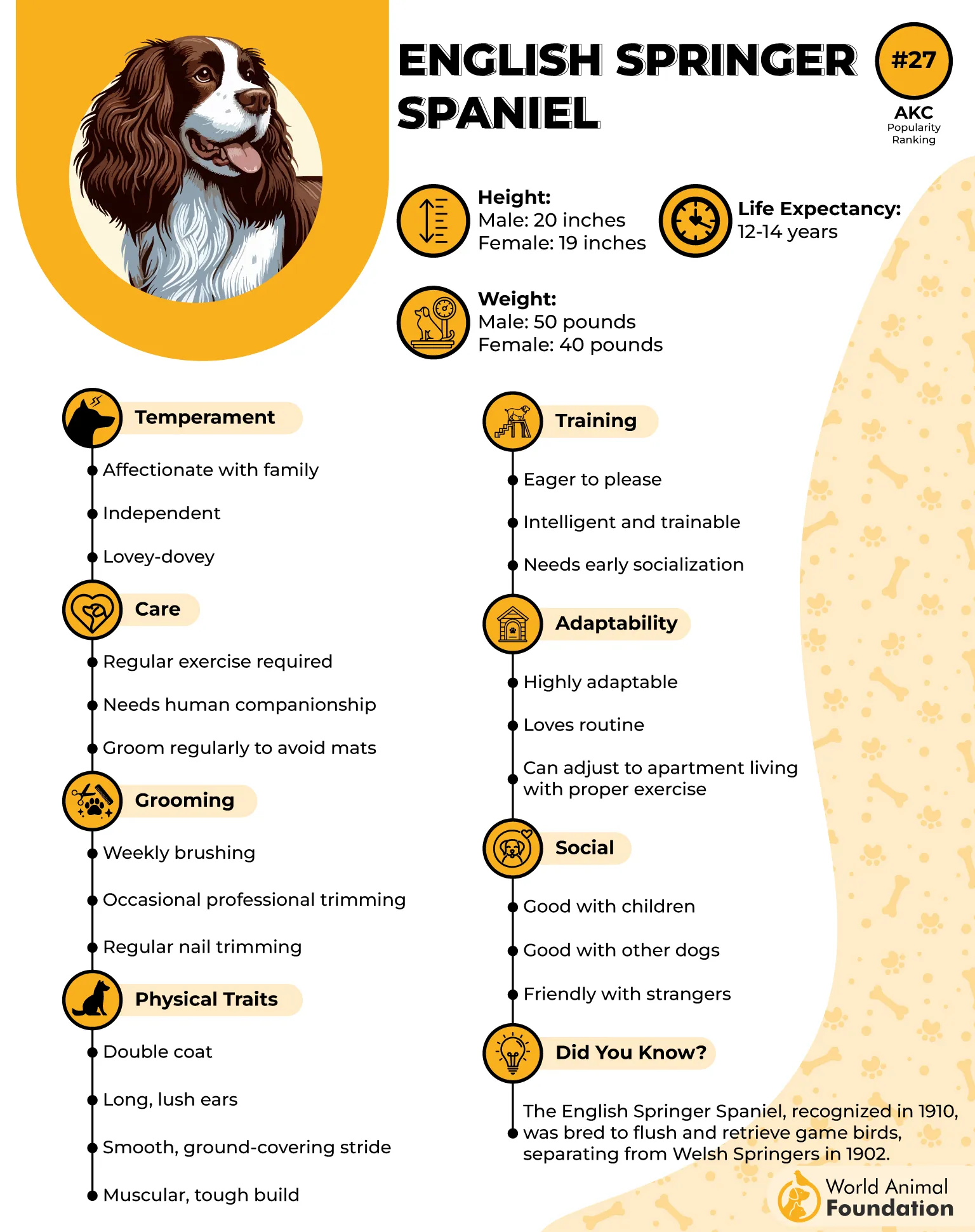
They are also very good at working with others. In the field, they are generally enthusiastic, responsive, and eager. Their long ears and feathery coats are attractive, but those coats can pick up burrs and debris while the dogs work outdoors.
Springers need regular exercise, training, and grooming. They also tend to bond closely with their families and like to be included in everything.
8. Vizsla
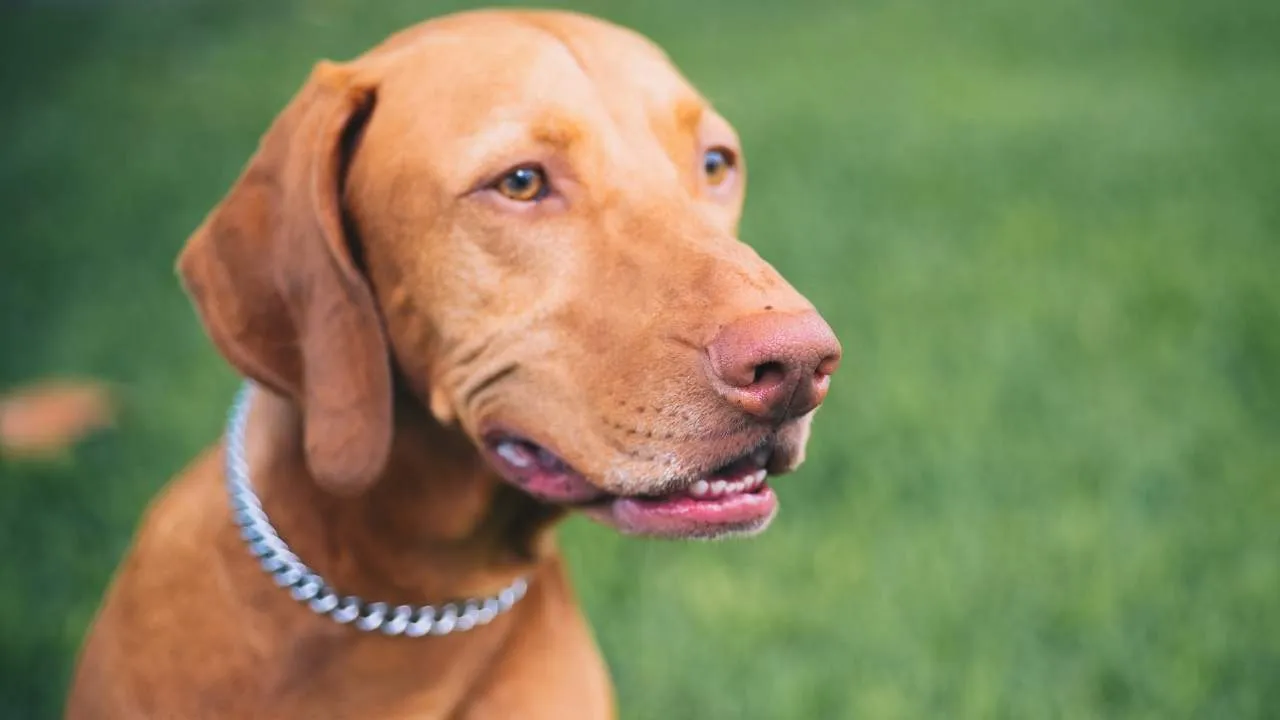
This elegant, sleek dog has a long list of hunting accomplishments to its credit and is known as the Hungarian Pointer.
Hungarian hunters have long held this partner in high regard for its ability to find upland birds, point game, and retrieve. The Vizsla wasn’t bred as a single-purpose gun dog but as a versatile hunter that could handle a variety of jobs.
It is known for its short, golden-rust coat. During World War I, the breed nearly disappeared, but dedicated breeders saved it.
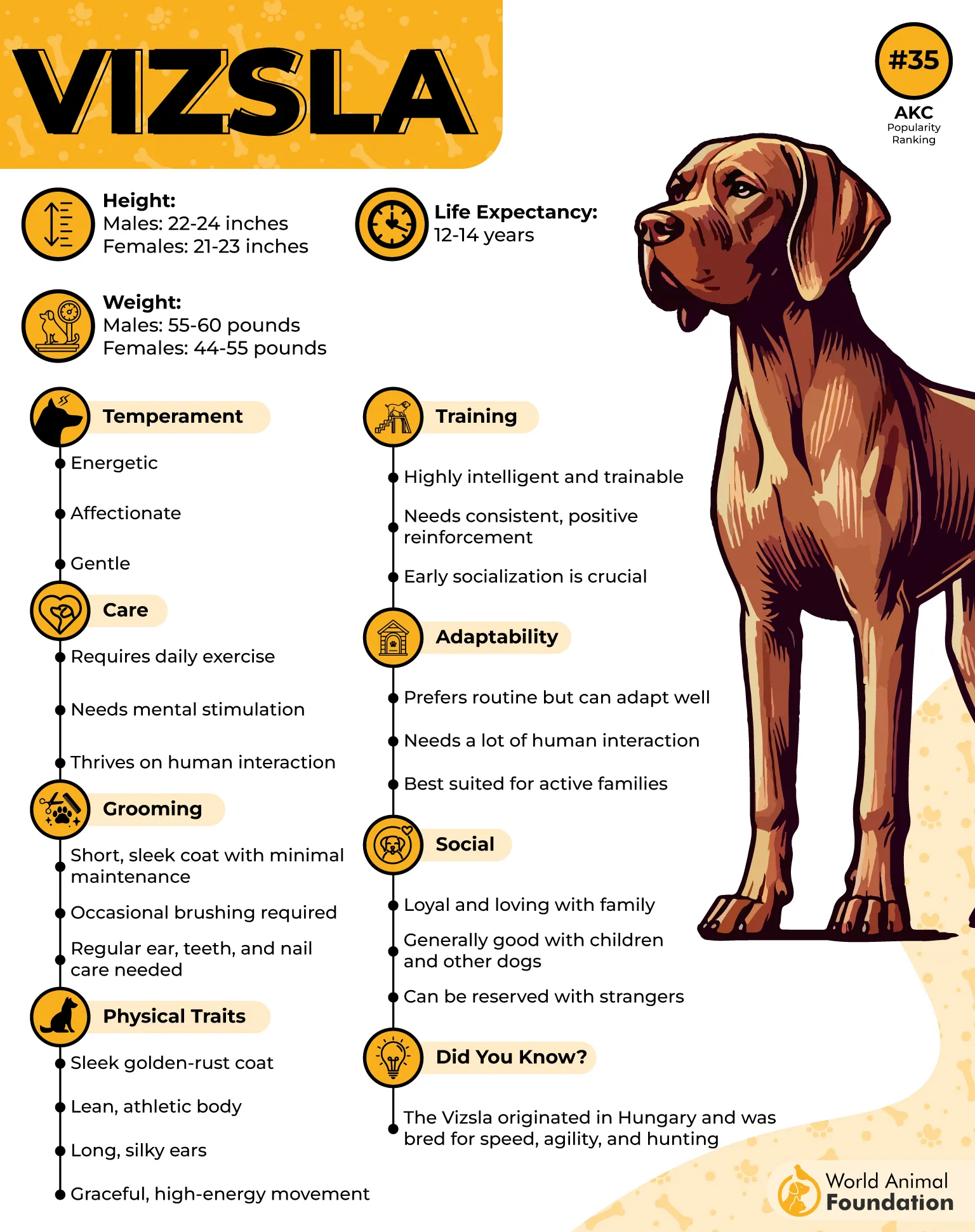
This dog is fast, has a good nose, and is eager to please. Its cuddle-buddy nature also makes it an excellent family companion.
Don’t be fooled by the cuddly side, though. Vizslas need lots of exercise and mental work, and they do best with owners who are far more active than someone whose daily workout is a walk to the fridge.
9. American Foxhound
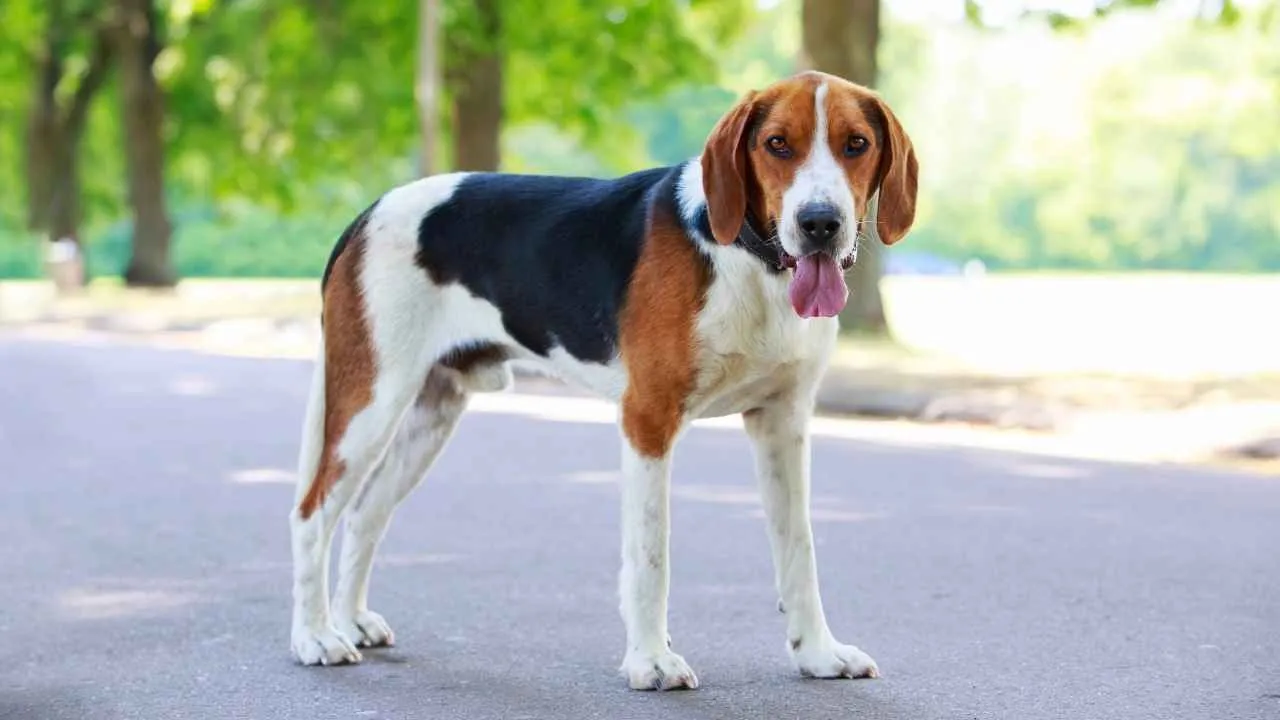
The American Foxhound’s nose can turn a simple stroll into an unexpected adventure. The breed was developed in the U.S. from imported European hounds and evolved to hunt foxes across wide stretches of country.
It is excellent at tracking scents and has impressive endurance. George Washington loved foxhunting and kept a large pack of Foxhounds.
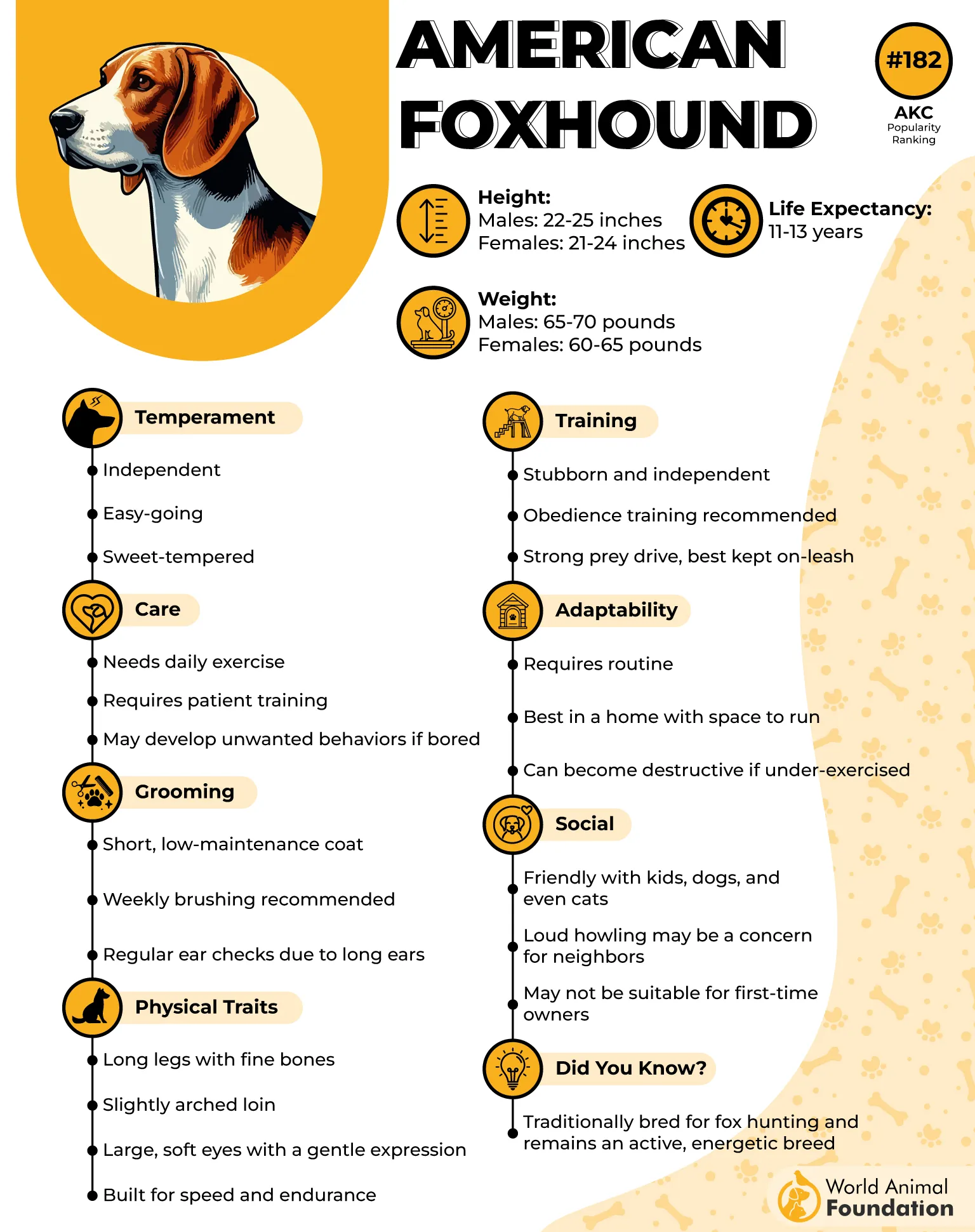
American Foxhounds are taller and lighter than their English counterparts, with long, slender legs that help them cover ground efficiently.
This breed needs a lot of exercise, a fenced yard, and patient training. A recall command can easily get lost in the wind once a Foxhound catches an interesting scent, so be extra careful when it is off-leash.
Conclusion
A versatile hunting dog is more than a dog with lots of energy. It is a dog bred and trained for specific tasks, such as pointing birds, flushing game, hunting waterfowl, or tracking scents and quarry through rough terrain.
Your choice will depend on the type of game you hunt and the land you cover. Most importantly, make sure you can meet the breed’s exercise, training, and welfare needs. A good hunting partner doesn’t appear overnight. It is the result of responsible breeding and positive training.
