




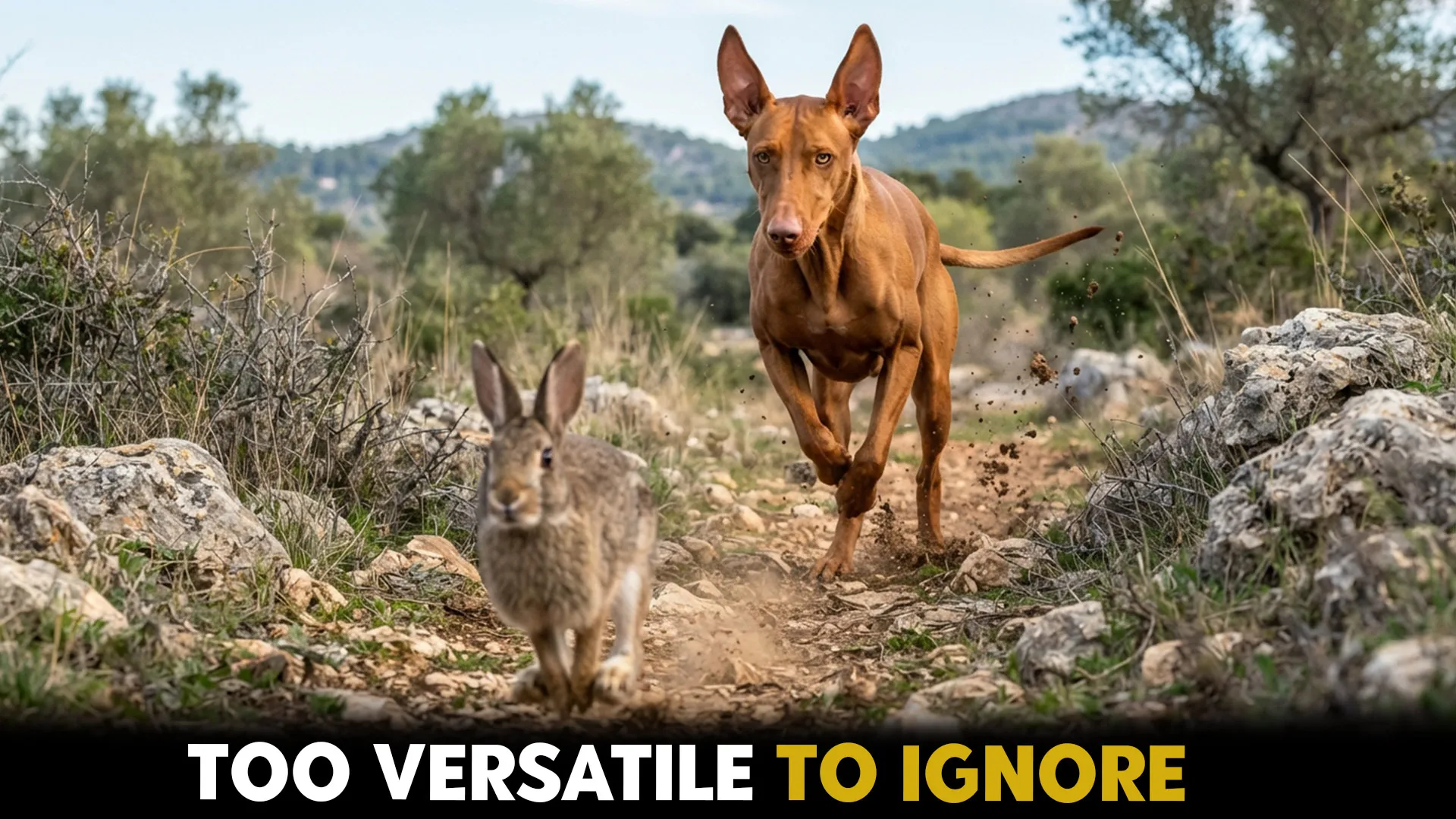
A great hunting dog is rarely defined by a single skill. The most versatile breeds combine instinct, athleticism, intelligence, and a willingness to work, allowing them to adapt to different tasks in the field.
From flushing game and pointing birds to retrieving and tracking, these dogs were developed to work closely with people in a variety of hunting environments.
Yet versatility is not only about what a dog can do, but it is also about temperament, trainability, and the ability to become a reliable companion beyond the hunt. Every dog is an individual, and breed alone cannot predict its exact personality or working ability.
Training, experience, genetics, and environment all play an important role. For hunters seeking a capable partner, understanding a breed’s history, natural strengths, and individual qualities can make all the difference. These versatile dogs bring energy, purpose, and partnership to every adventure.
Key Takeaways
Versatile hunting breeds can perform multiple field tasks, including pointing, flushing, and retrieving game.
German Wirehaired Pointers are rugged, energetic dogs suited to demanding outdoor work across varied terrain and weather.
English Springer Spaniels are energetic gundogs traditionally valued for flushing and retrieving game.
Hungarian Vizslas combine athleticism, intelligence, pointing, and retrieving abilities with a strong bond with their handlers.
Nova Scotia Duck Tolling Retrievers are adaptable working dogs known for their retrieving abilities and enthusiasm for activity.
Versatile Dog Breeds Perfect For Varied Hunting Tasks
1. Irish Water Spaniel
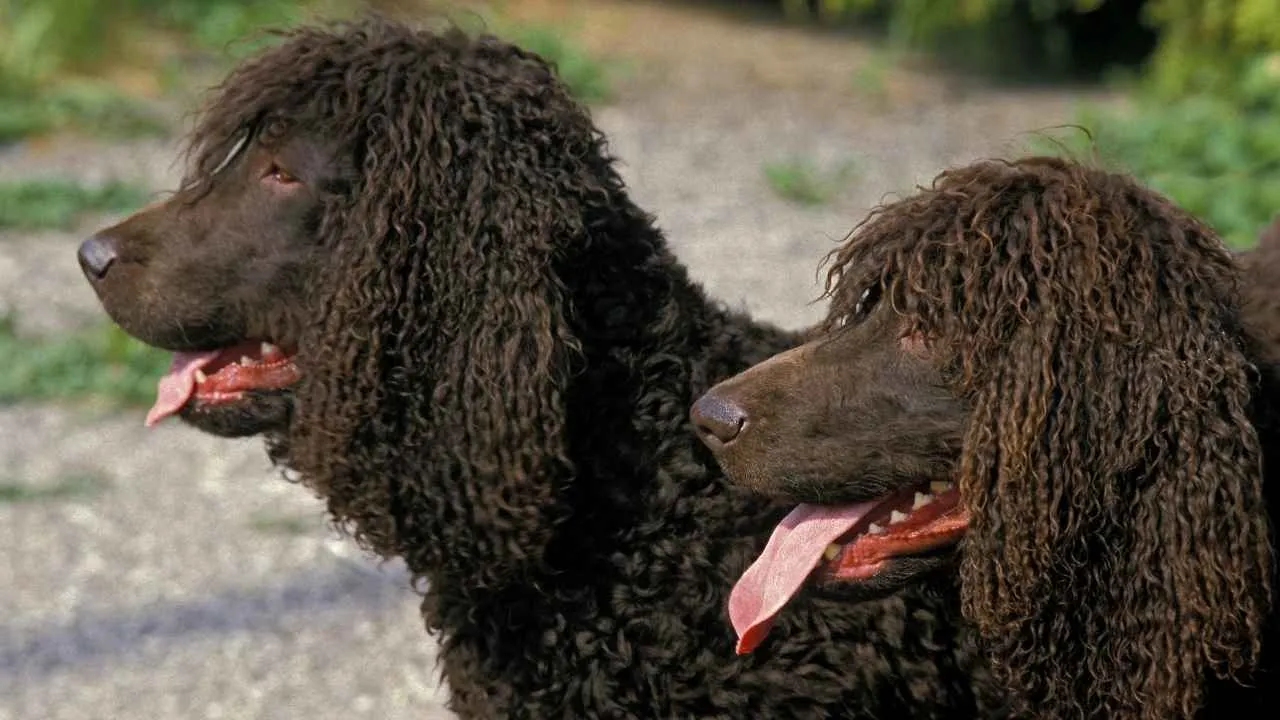
The Irish Water Spaniel stands out with its tightly curled, liver-colored coat, distinctive topknot, and smooth, tapering “rat tail.” As the tallest of the AKC’s spaniels, it combines an eye-catching appearance with the qualities expected of a capable sporting dog.
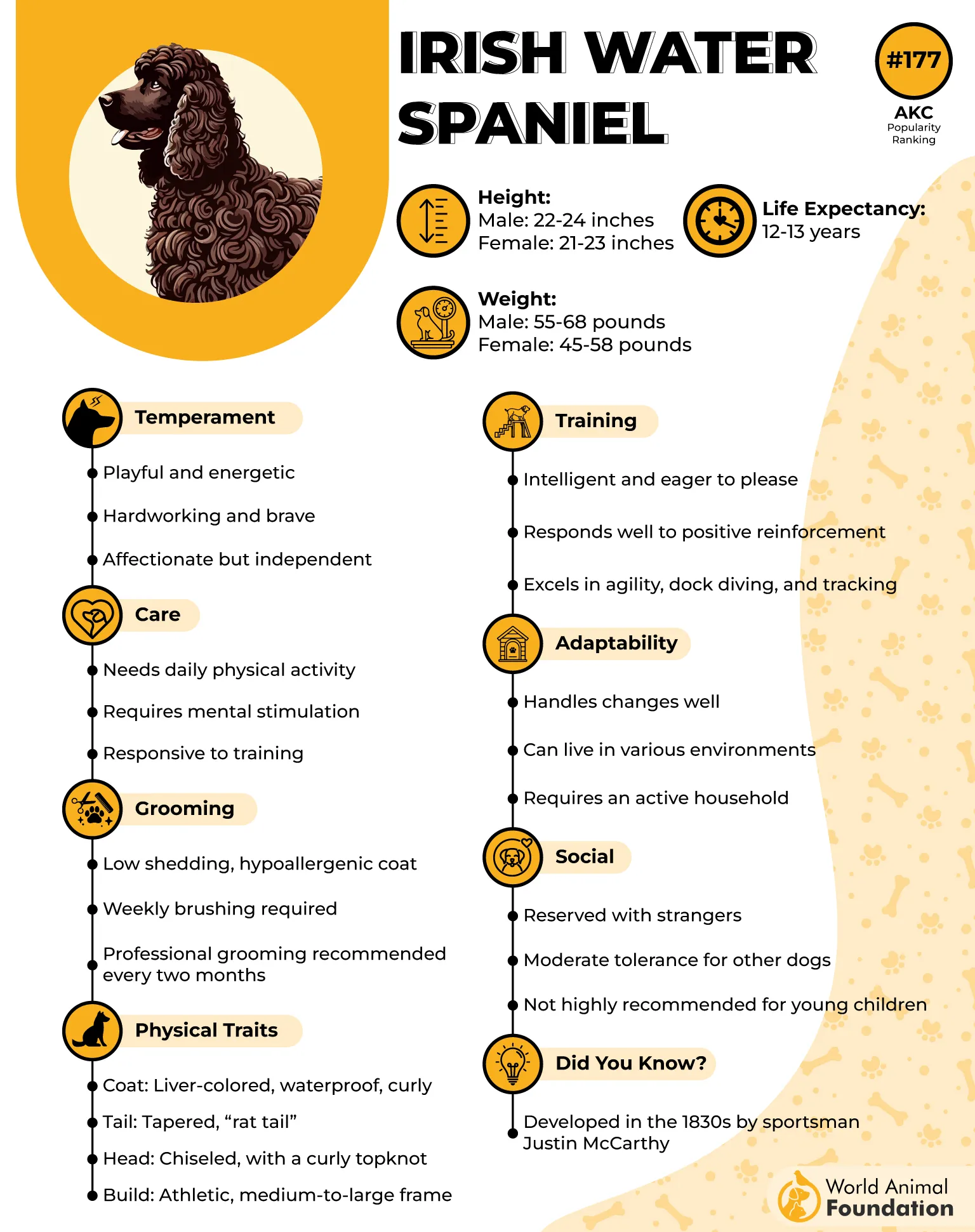
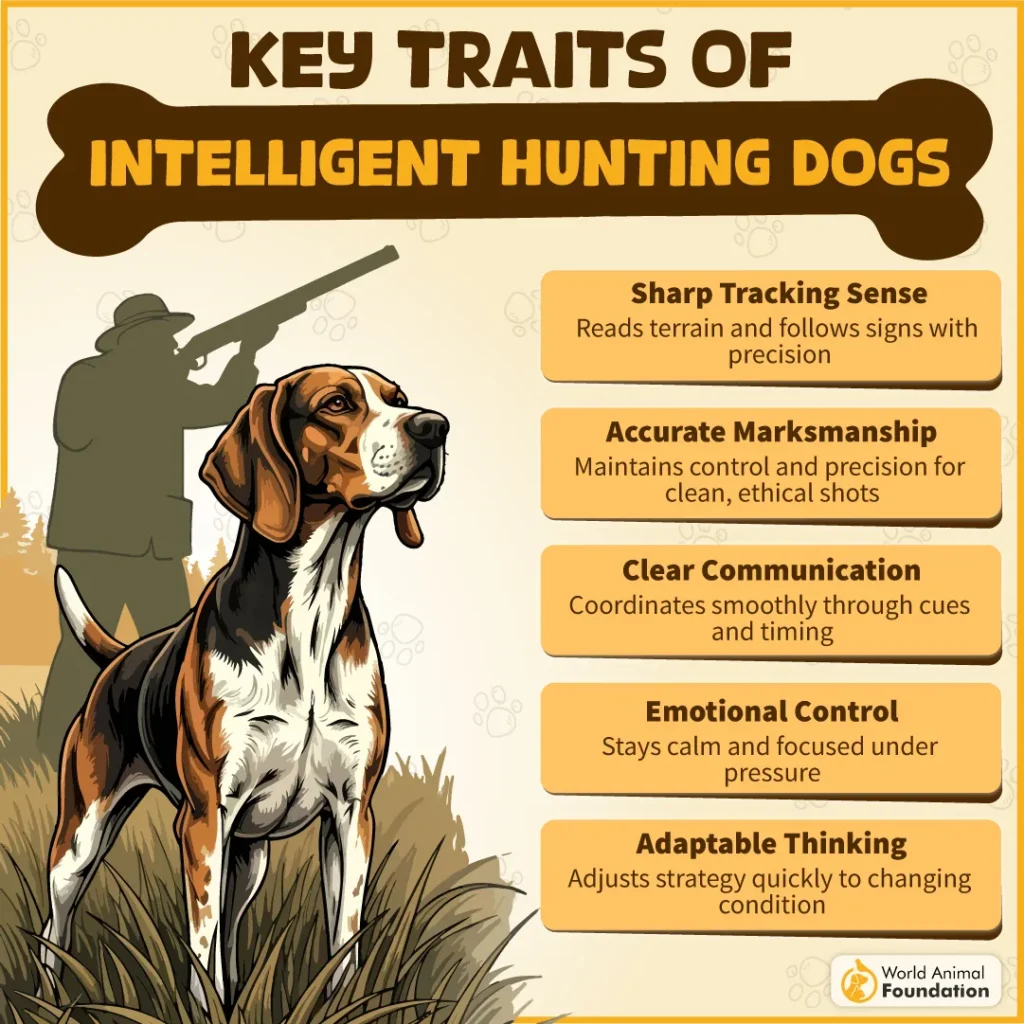
Alert, intelligent, inquisitive, and eager to please, the breed has long been valued as both a hunting and water dog. Its strength and confidence allow it to work across different hunting settings, including upland game and waterfowl, making it a versatile choice for varied hunting tasks.
Its waterproof coat and swimming ability further complement its field role, while its playful and devoted nature makes it an affectionate companion at home, according to the American Kennel Club. The Irish Water Spaniel is energetic and thrives when given regular physical and mental activity.
With positive, engaging training and consistent grooming, this hardworking breed can be both a reliable field partner and a lively family companion.
2. Rhodesian Ridgeback
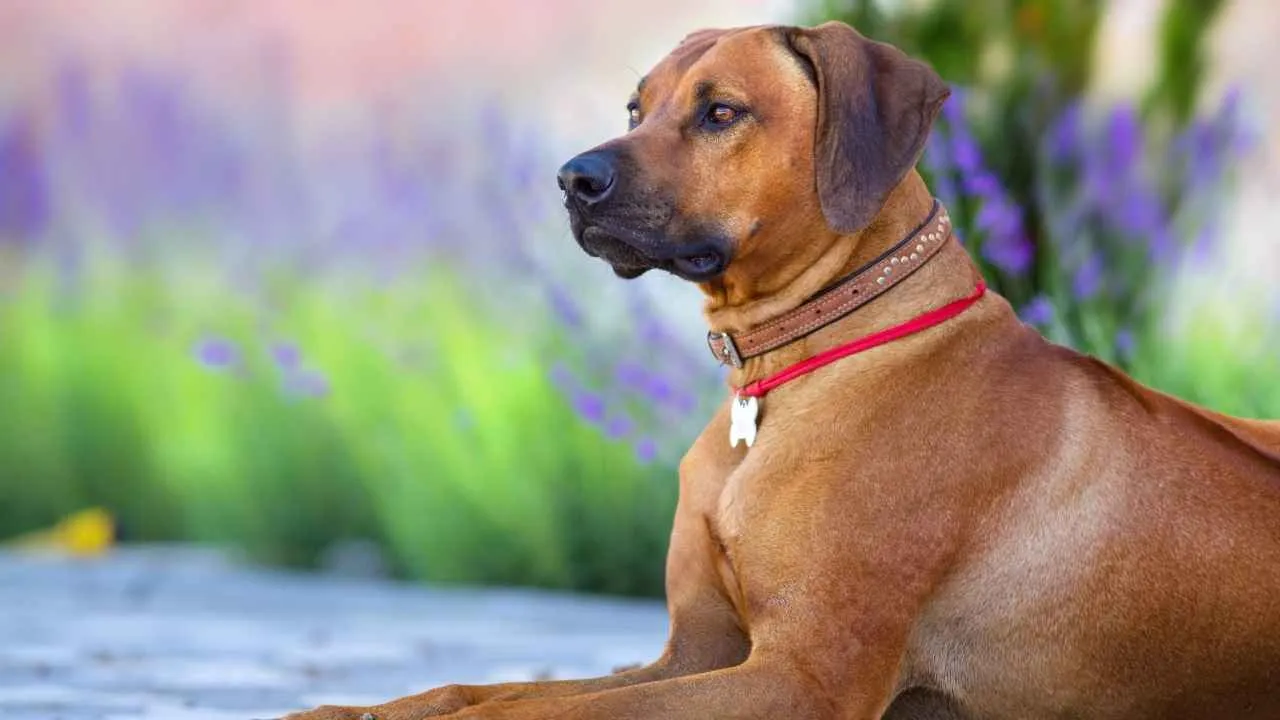
The Rhodesian Ridgeback is a striking South African breed known for its strength, confidence, and distinctive ridge of hair running along its back.
Originally developed as a hunting and tracking dog, it combines athleticism with determination, making it well suited to varied hunting tasks. Its keen eyesight, strong sense of smell, and high prey drive contribute to its abilities in the field, while its protective nature makes it a devoted family companion.
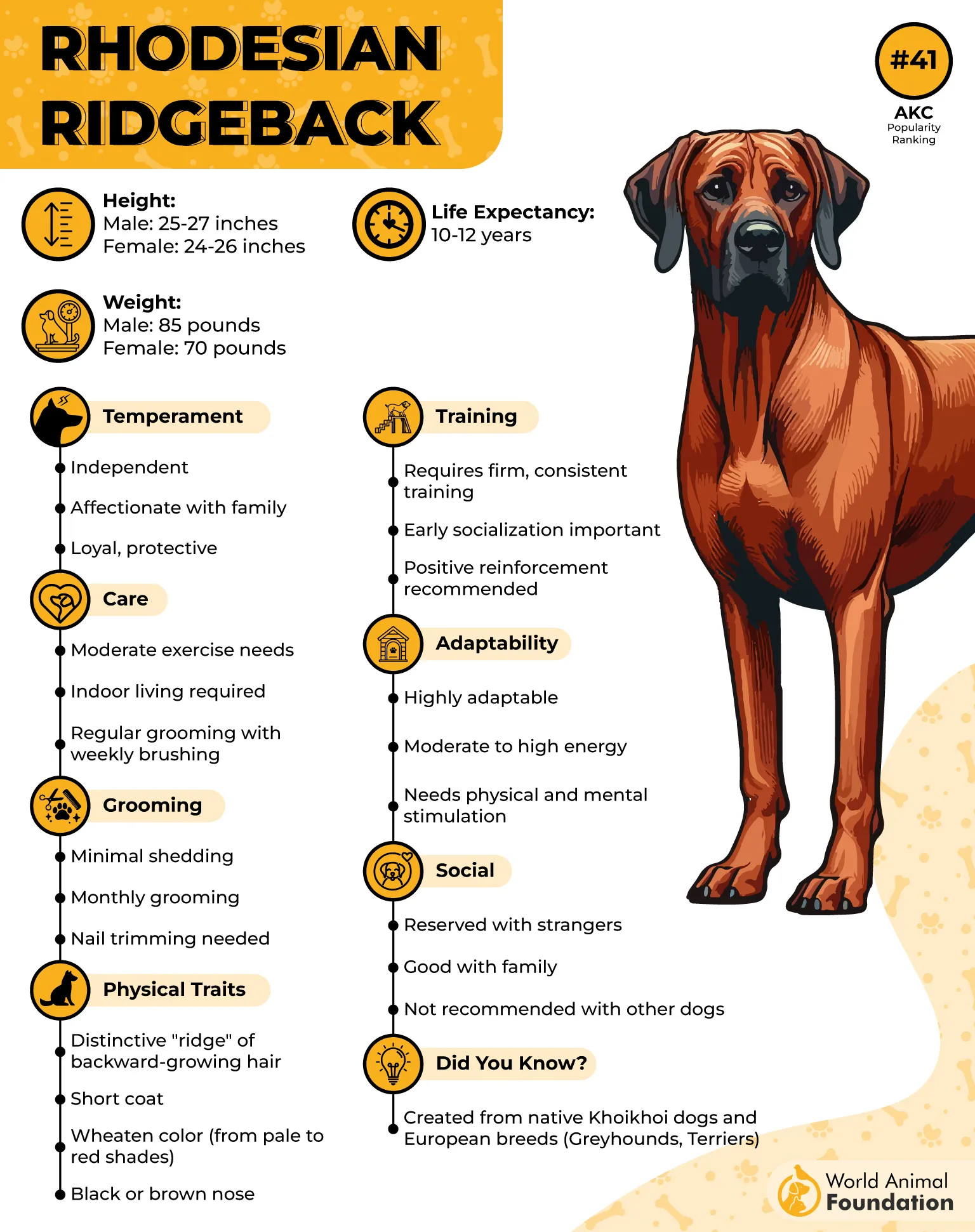
However, the Ridgeback is not a breed that thrives without guidance. Intelligent yet independent, it responds best to patient, consistent training and positive motivation rather than harsh handling. Early socialization is also important, particularly because the breed can be reserved around strangers
and protective of its home. Energetic when young, Ridgebacks need plenty of exercise and mental stimulation, although they often become calmer with age. Their short coat requires relatively little grooming, making everyday care pleasantly simple.
3. Irish Setter
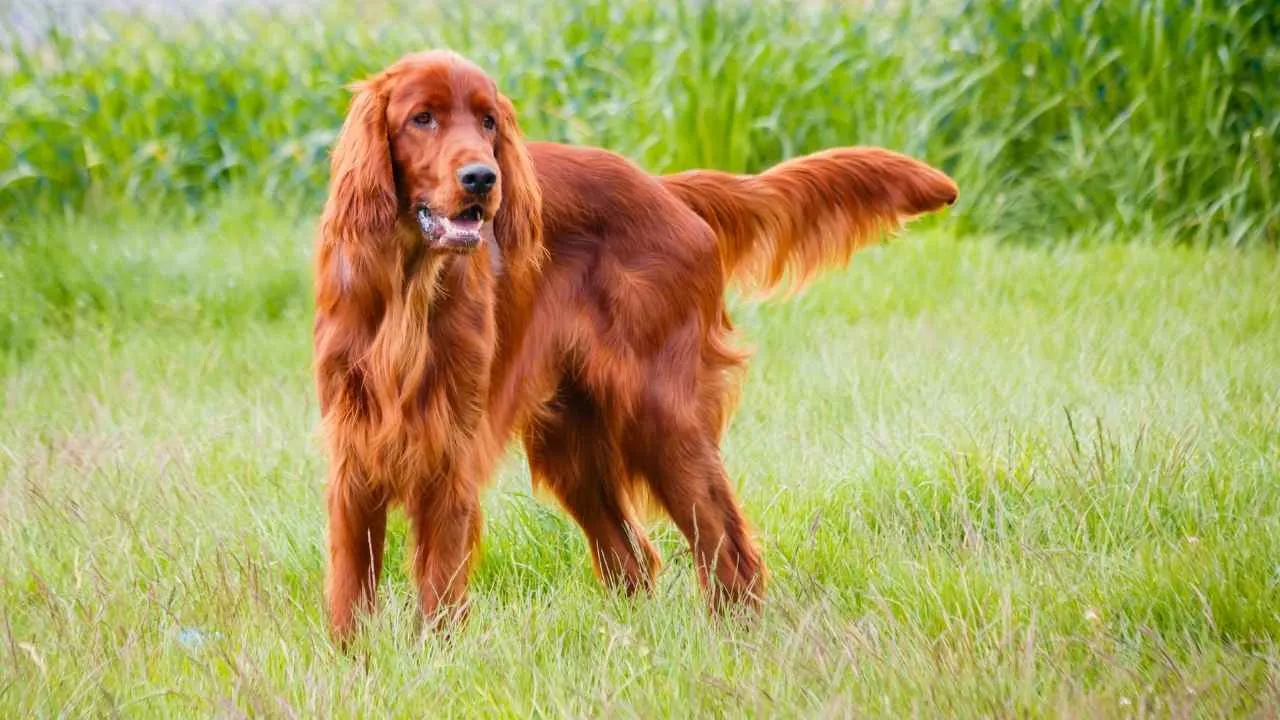
Irish Setters were originally bred as hunting dogs in Ireland, and their sporting instincts remain an important part of the breed today. Fast, focused, intelligent, and athletic, they are well suited to work in the field and have the stamina to stay active for extended periods.
Yet their appeal goes beyond hunting. These striking dogs are known for their joyful, affectionate personalities and love spending time with their families.
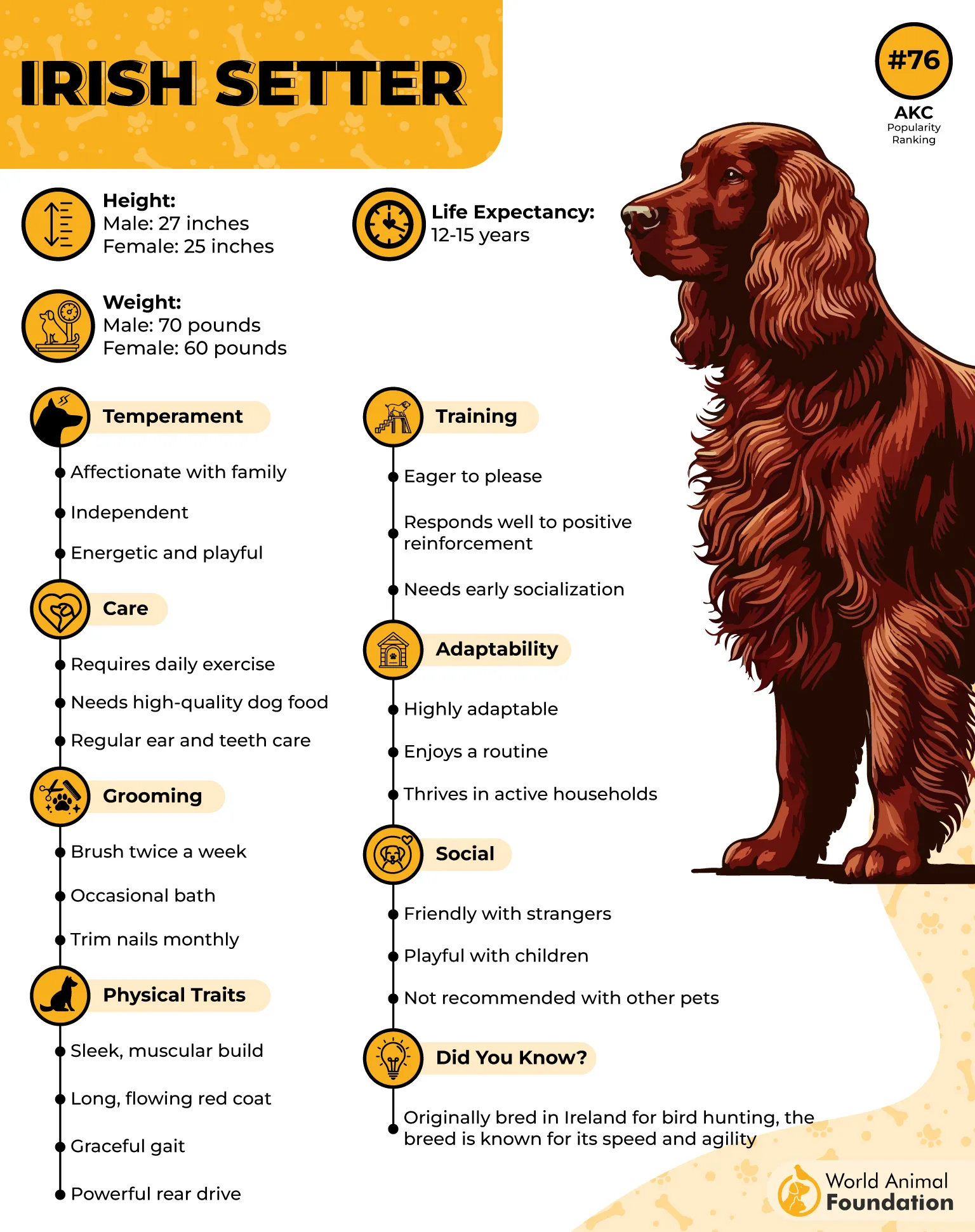
Their energy, however, needs an outlet. Irish Setters require plenty of daily exercise and can become mischievous when bored or left alone for too long, as stated by Orvis.
Their adventurous nature also means they should be kept on a leash outdoors and in a securely fenced yard. Training works best when it is varied, engaging, and positive, as they can lose interest in repetitive lessons.
With the right balance of activity, companionship, and guidance, the Irish Setter can be both an enthusiastic hunting partner and a loving family dog.
4. Pharaoh Hound
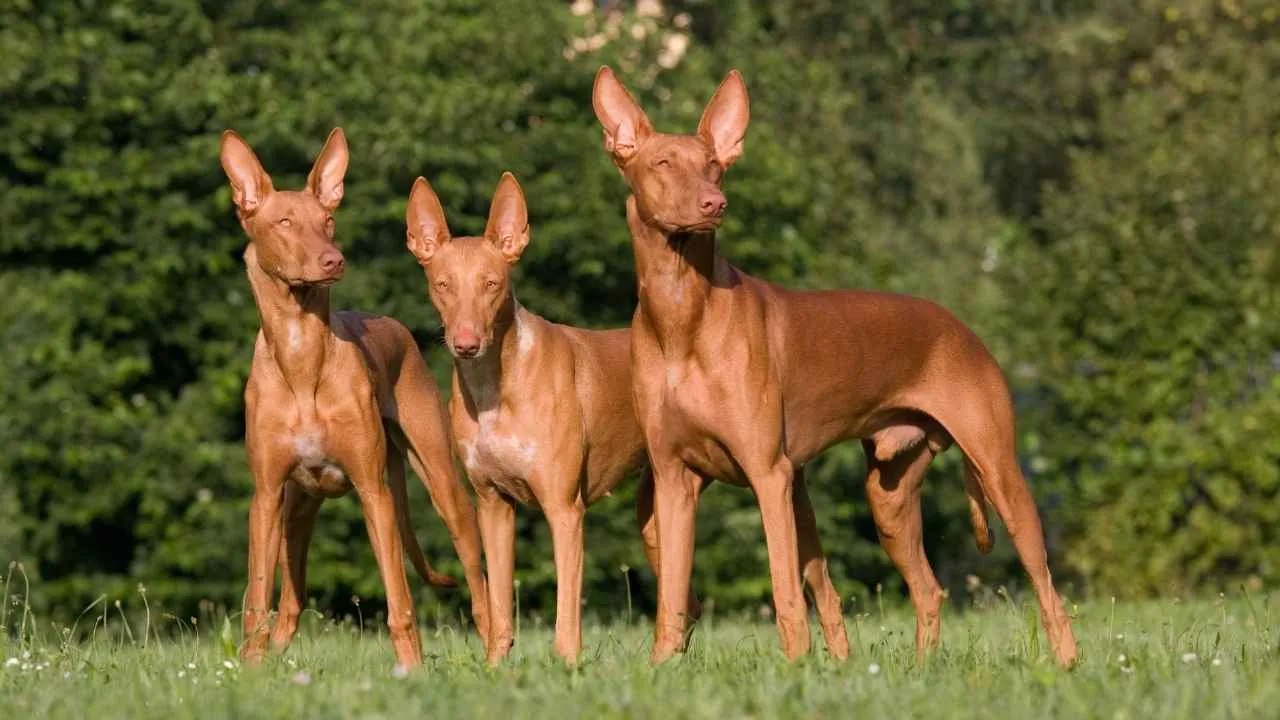
The Pharaoh Hound is a striking, athletic breed traditionally used in Malta for hunting rabbits by both sight and scent.
Quick, alert, and highly energetic, it combines impressive speed with the stamina needed for longer pursuits, making it a capable partner for varied hunting tasks. Its large, highly mobile ears help it remain attentive to sounds while working, adding to its keen hunting abilities.
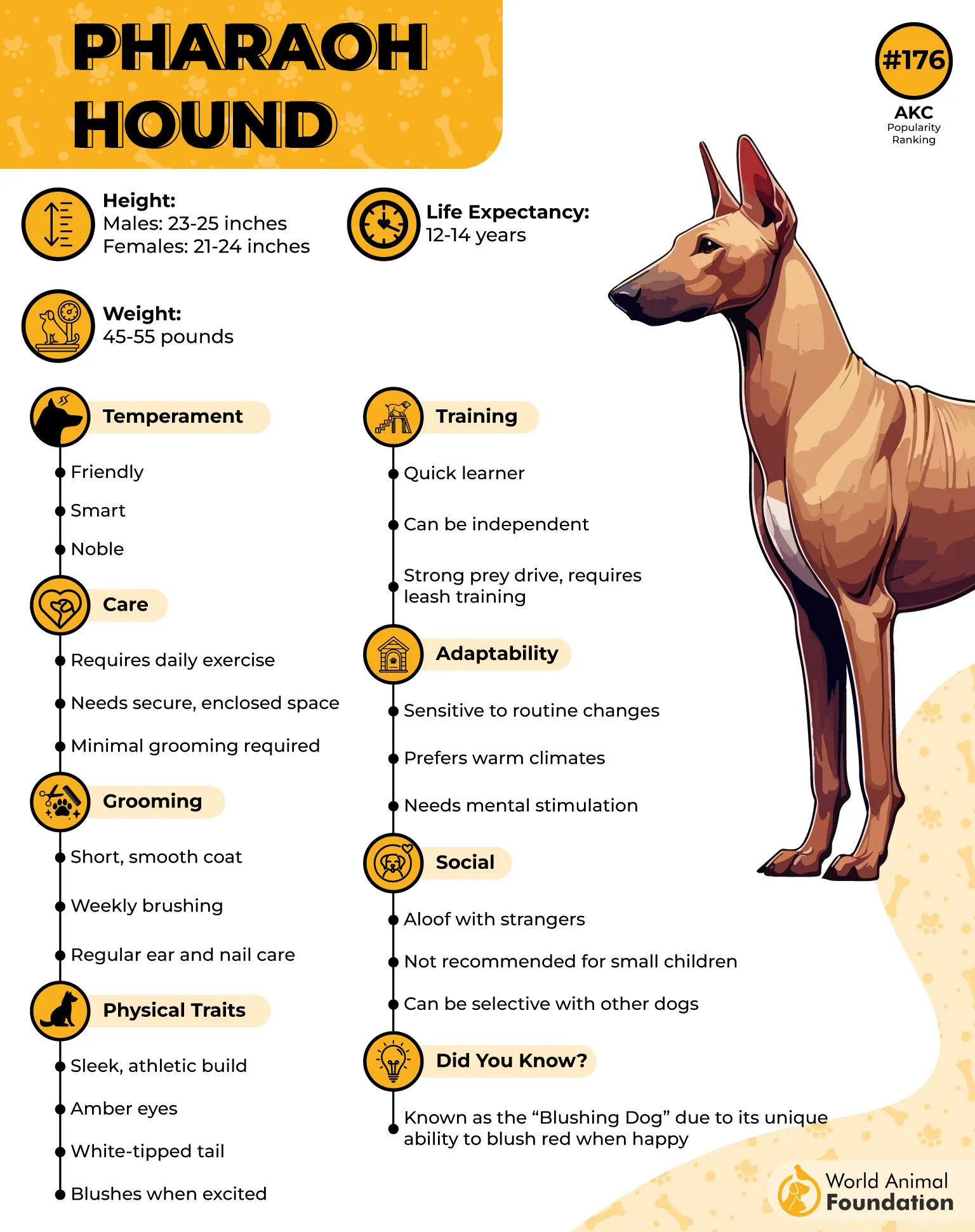
Despite its strong instincts in the field, the Pharaoh Hound is affectionate, playful, intelligent, and deeply connected to its human companions. Training can be rewarding because the breed is quick to learn and eager to please, but its independent nature and powerful hunting instinct require careful management.
Secure, fenced areas are essential, as even a well-trained Pharaoh may chase after interesting sights or scents. The breed also has a distinctive habit of “blushing,” with its nose and ears becoming noticeably redder when excited or happy. Its short coat needs relatively little grooming.
5. Treeing Walker Coonhound
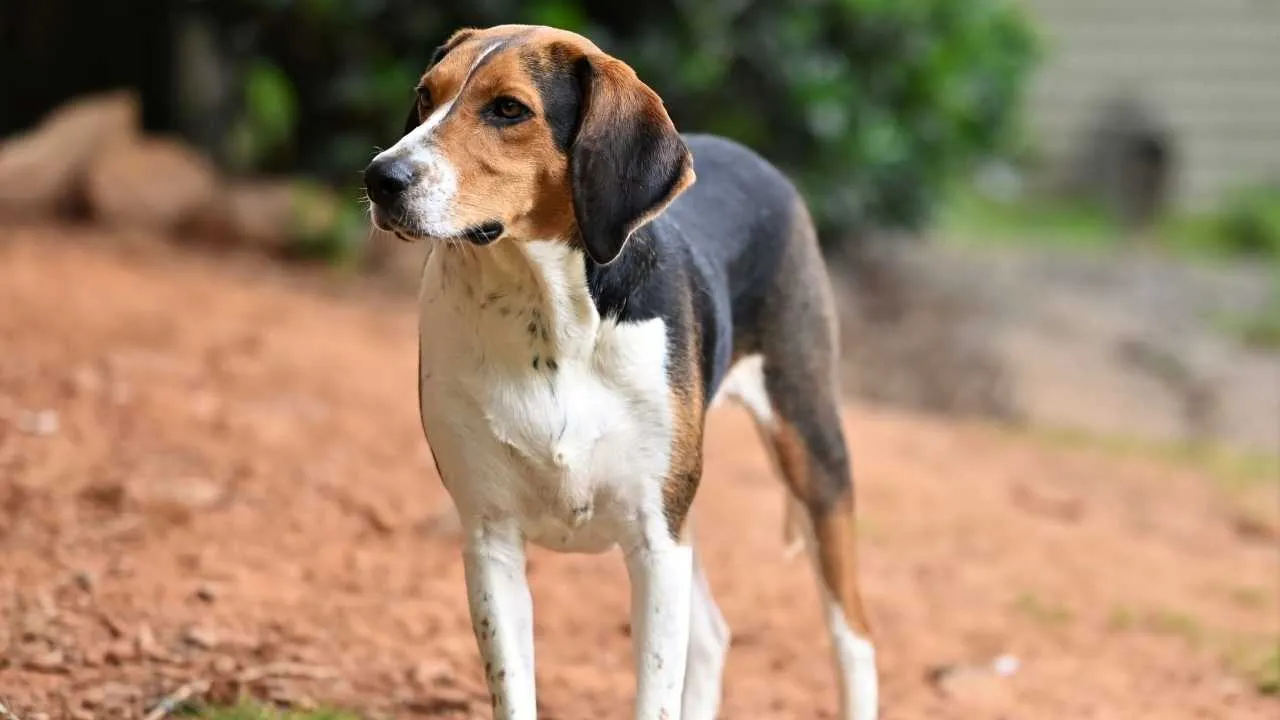
The Treeing Walker Coonhound is a determined, energetic hunting dog best known for its exceptional ability to track and tree raccoons.
Developed for speed, agility, and endurance, this hound can cover ground efficiently and follow a trail with remarkable focus. Its distinctive, ringing bark helps hunters locate it during a pursuit, while its athletic build allows it to work through challenging terrain.
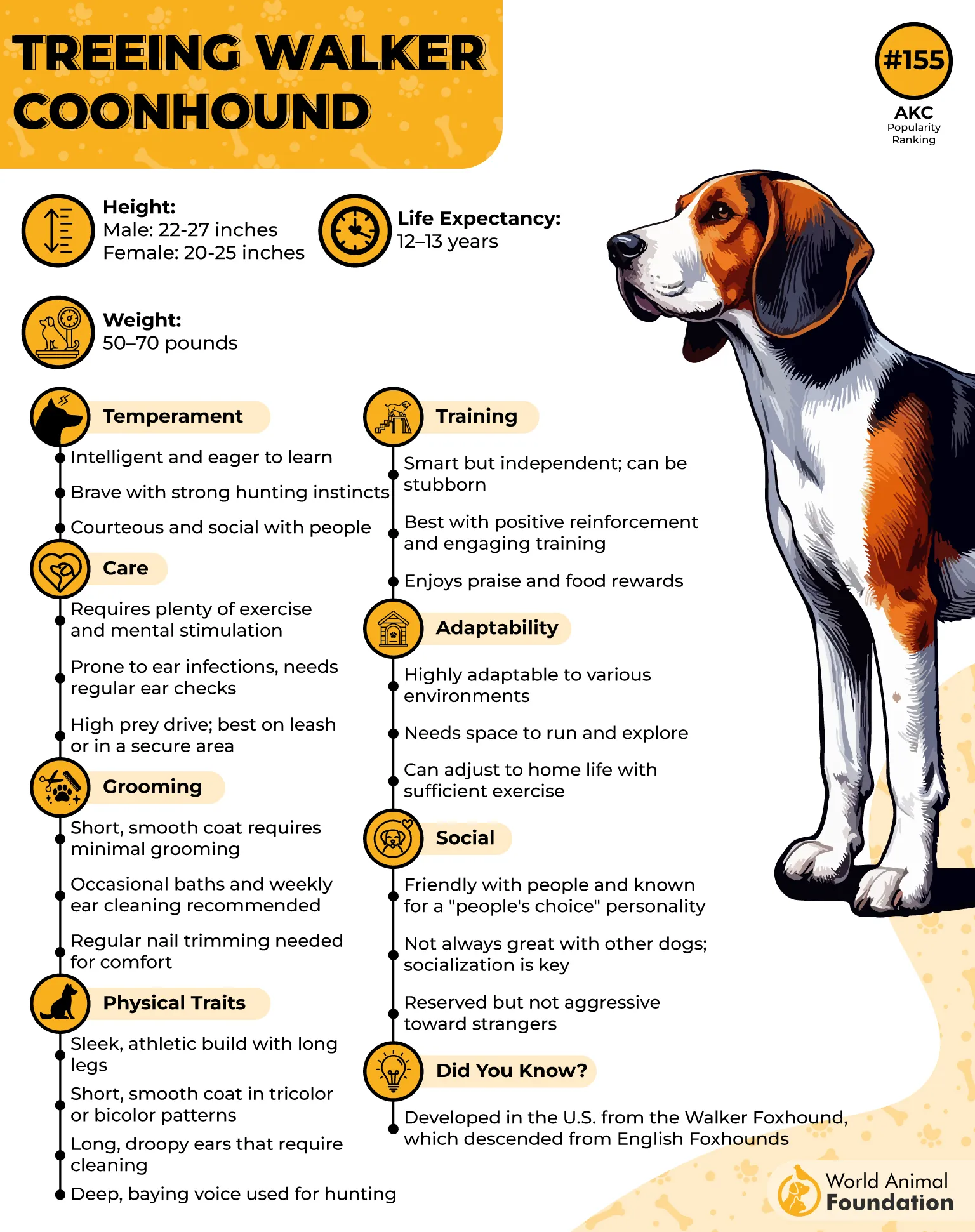
Although serious and intense in the field, the Treeing Walker is affectionate, playful, and devoted at home, often forming strong bonds with its family, as explained by WebMD.
Intelligent and eager to please, it can learn quickly but may also show an independent streak, making consistent, positive training especially important. This high-energy breed needs plenty of daily physical and mental stimulation, including long walks, running, hiking, or play.
Its short, smooth coat is relatively easy to maintain with regular brushing. For active owners, the Treeing Walker offers an appealing combination of hunting ability, endurance, and companionship.
6. Nova Scotia Duck Tolling Retriever
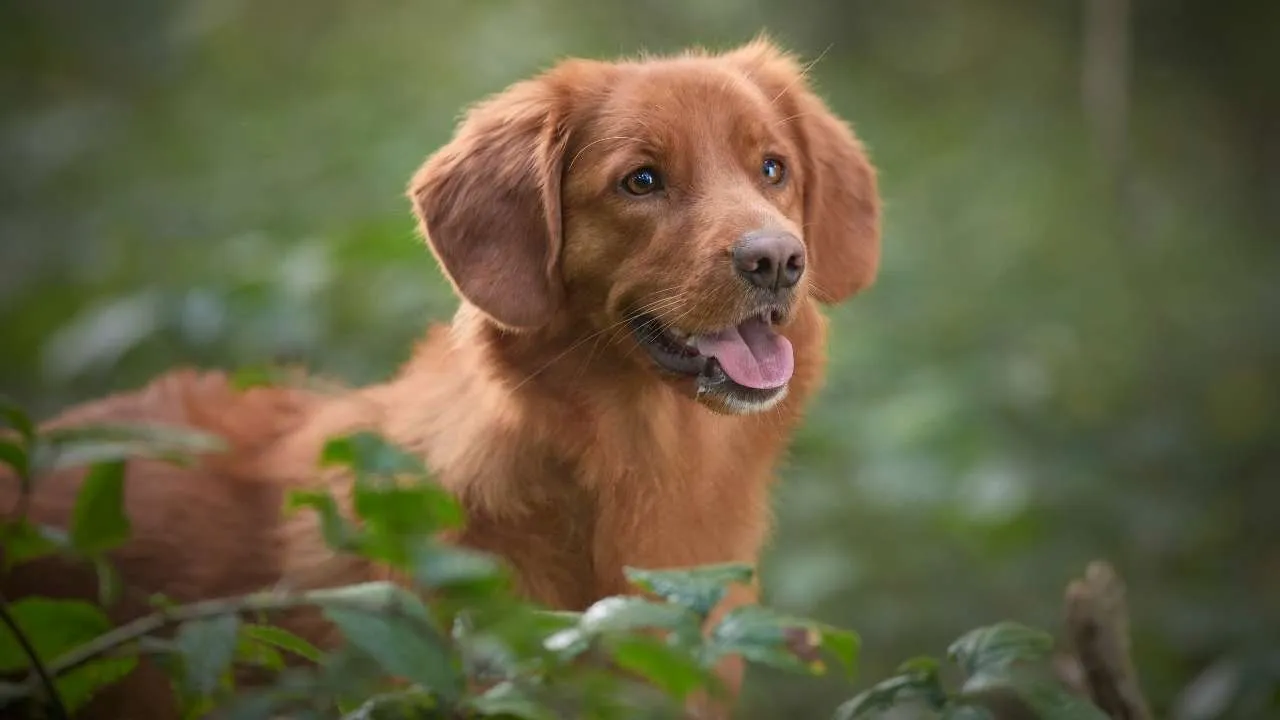
The Nova Scotia Duck Tolling Retriever is a true multitasker, combining the drive of a working dog with the instincts of a skilled hunting companion.
Originally developed in Nova Scotia, it was valued for enticing waterfowl within range of hunters and retrieving game from cold waters. Its medium, muscular build gives it the strength for demanding work, while its agility allows it to move quickly and confidently in the field.
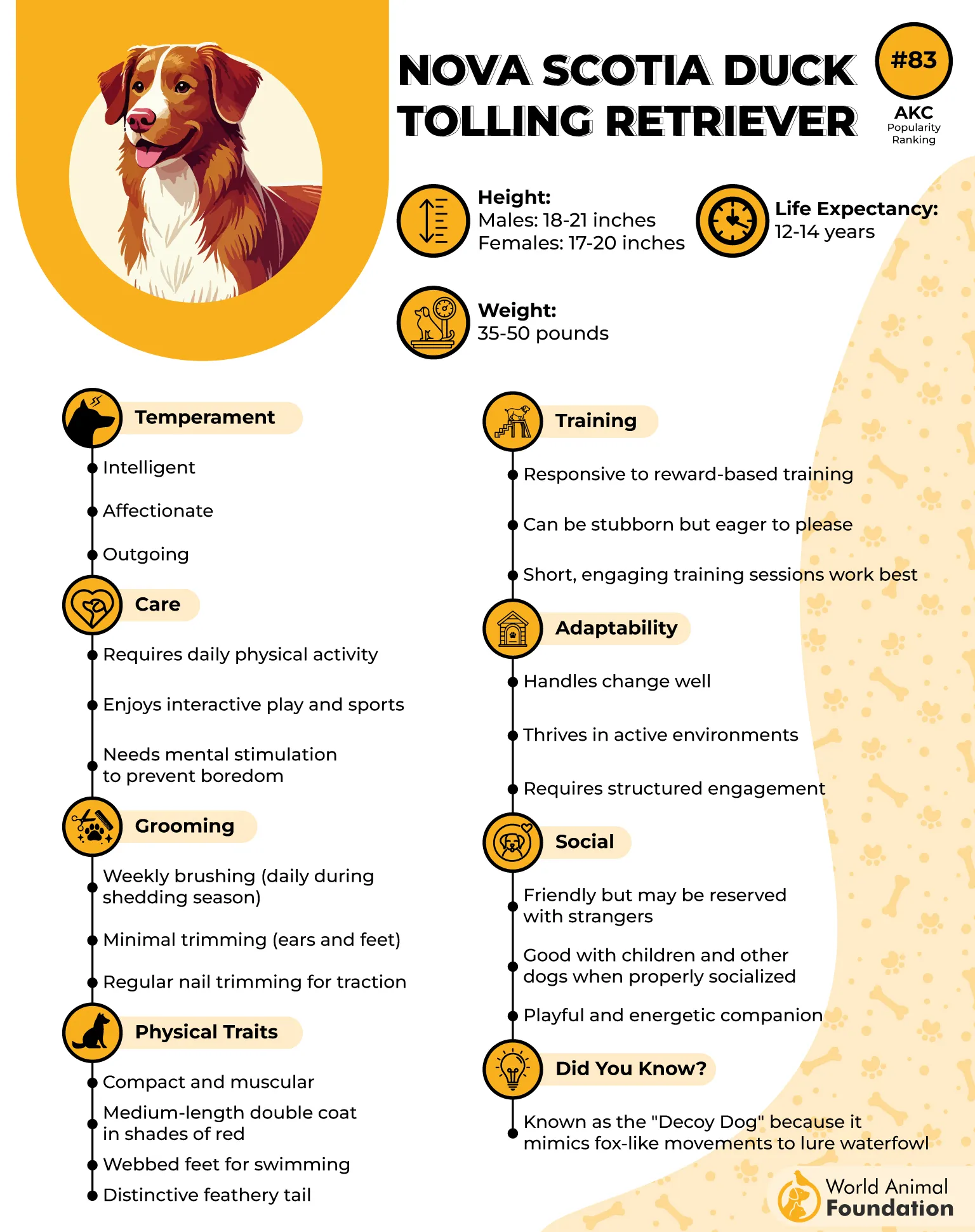
The Toller’s intelligence, focus, and natural love of retrieving make it highly responsive to training and well suited to activities such as agility and flyball.
At home, it is affectionate and devoted to its family, although it may remain reserved around strangers. This energetic breed needs plenty of exercise, and swimming can be an especially enjoyable outlet.
Its water-repellent double coat is relatively manageable with regular brushing. For active families seeking a versatile sporting dog, the Toller brings energy, enthusiasm, and genuine working ability.
7. German Wirehaired Pointer
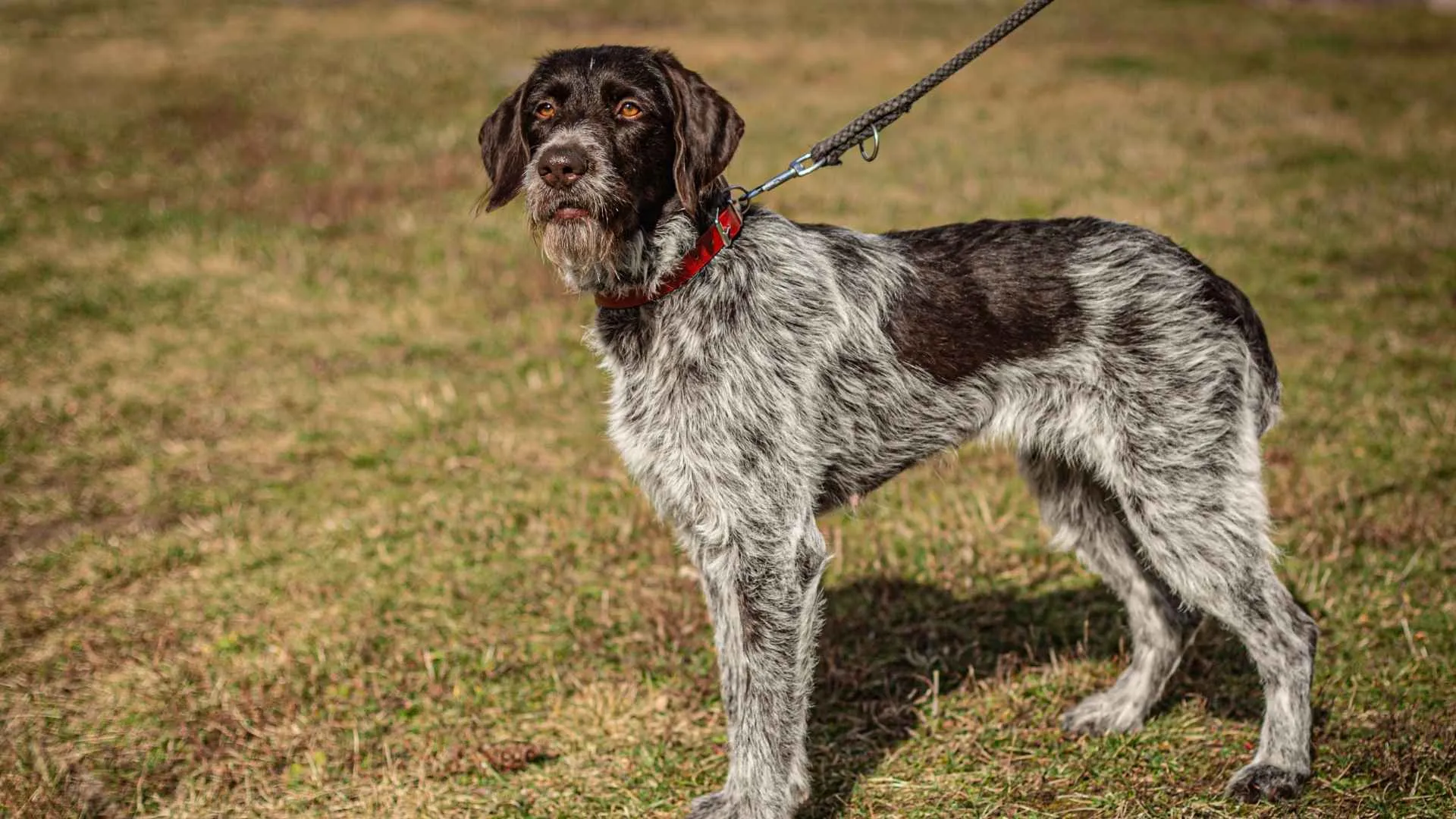
The German Wirehaired Pointer is built for the outdoors, combining toughness, intelligence, and stamina in one versatile hunting companion.
Developed in Germany as an all-purpose hunting dog, it was bred to work across different terrain and weather conditions, with abilities that include hunting, pointing, flushing, and retrieving. Its harsh, wiry coat provides protection from the elements, while its strong, athletic build allows it to stay active for long periods.
Beyond its working instincts, the GWP is affectionate, loyal, and eager to learn, forming close bonds with its family. Training is most successful when it is consistent, positive, and connected to the activities that naturally motivate the breed, according to Purina.
This energetic dog needs substantial daily physical and mental stimulation and is best suited to owners who enjoy an active outdoor lifestyle.
Regular grooming helps maintain its distinctive coat, while plenty of exercise and meaningful work help keep this intelligent, hardworking breed balanced and content.
8. English Springer Spaniel
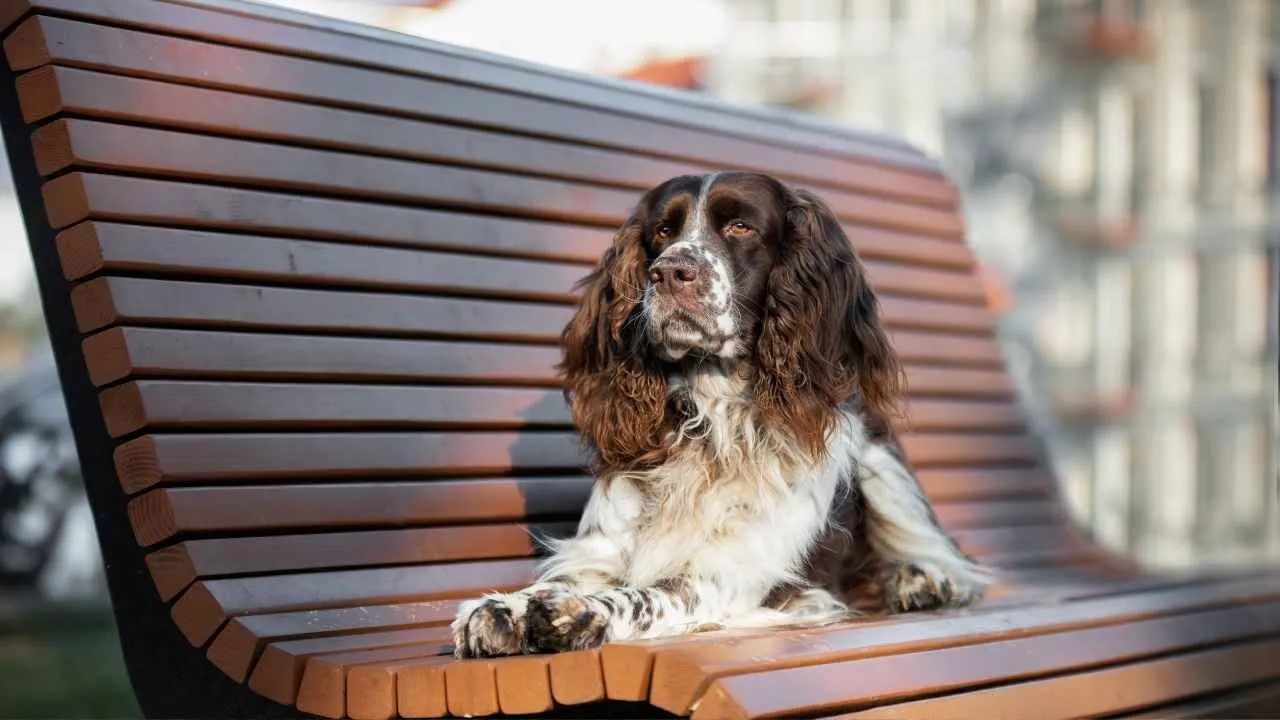
The English Springer Spaniel is a lively, affectionate gundog with a natural talent for finding, flushing, and retrieving game. Bred to range across challenging ground, Springers are energetic workers that can cover considerable distances while staying closely connected to their handlers.
Their eagerness to please and willingness to learn make them responsive to training, while their friendly, playful nature has also made them valued family companions.
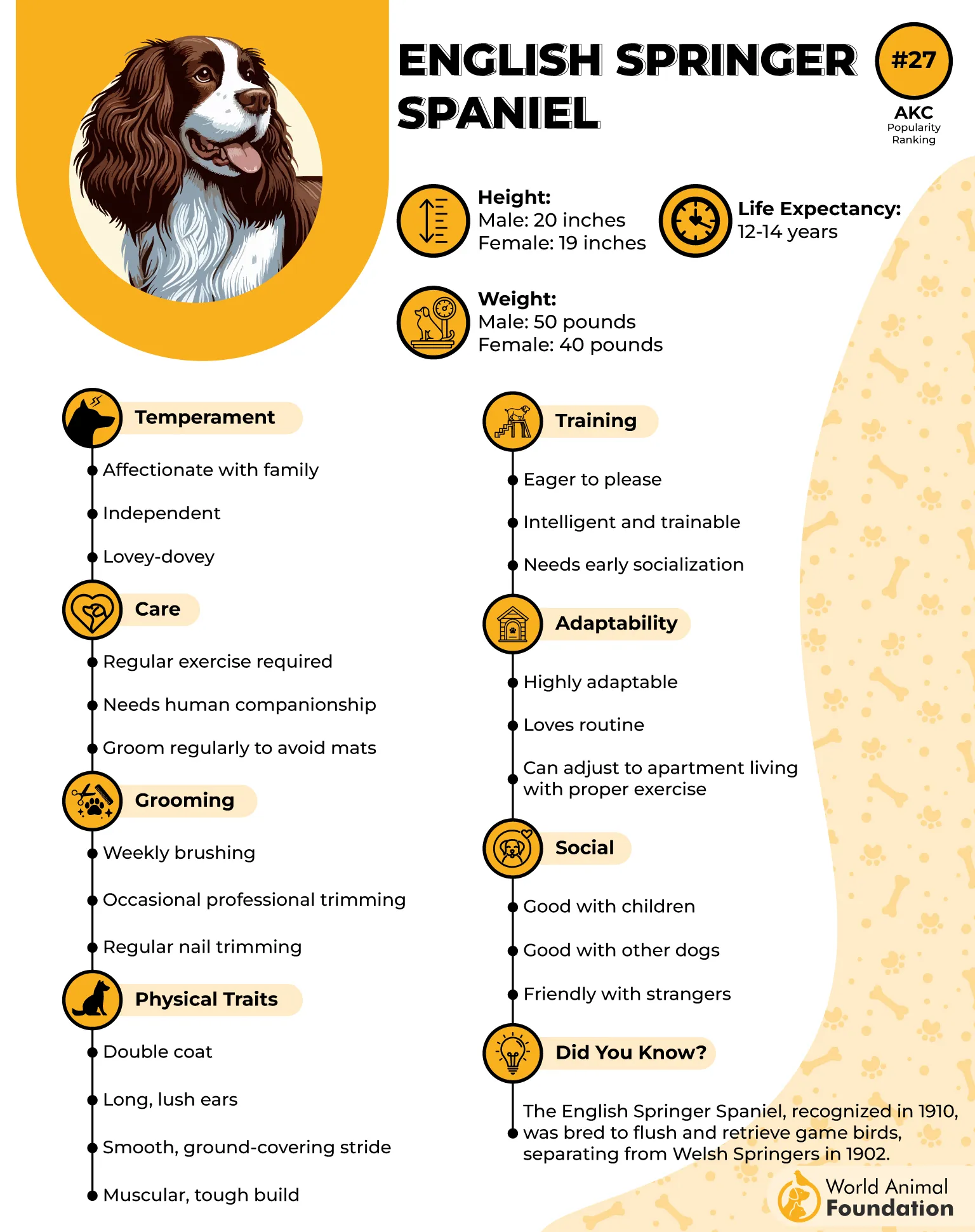
At home, they generally enjoy being involved in everyday family life and can get along well with children and other pets when properly socialised.
However, their high energy means they need plenty of exercise and mental stimulation, with more than two hours of activity recommended each day. Their medium-length coat requires regular brushing and occasional trimming to stay manageable.
Like any breed, they can be prone to certain health concerns, including hip and elbow dysplasia, progressive retinal atrophy, and ear infections. For active households, the Springer offers a rewarding blend of hunting ability and companionship.
9. Vizsla
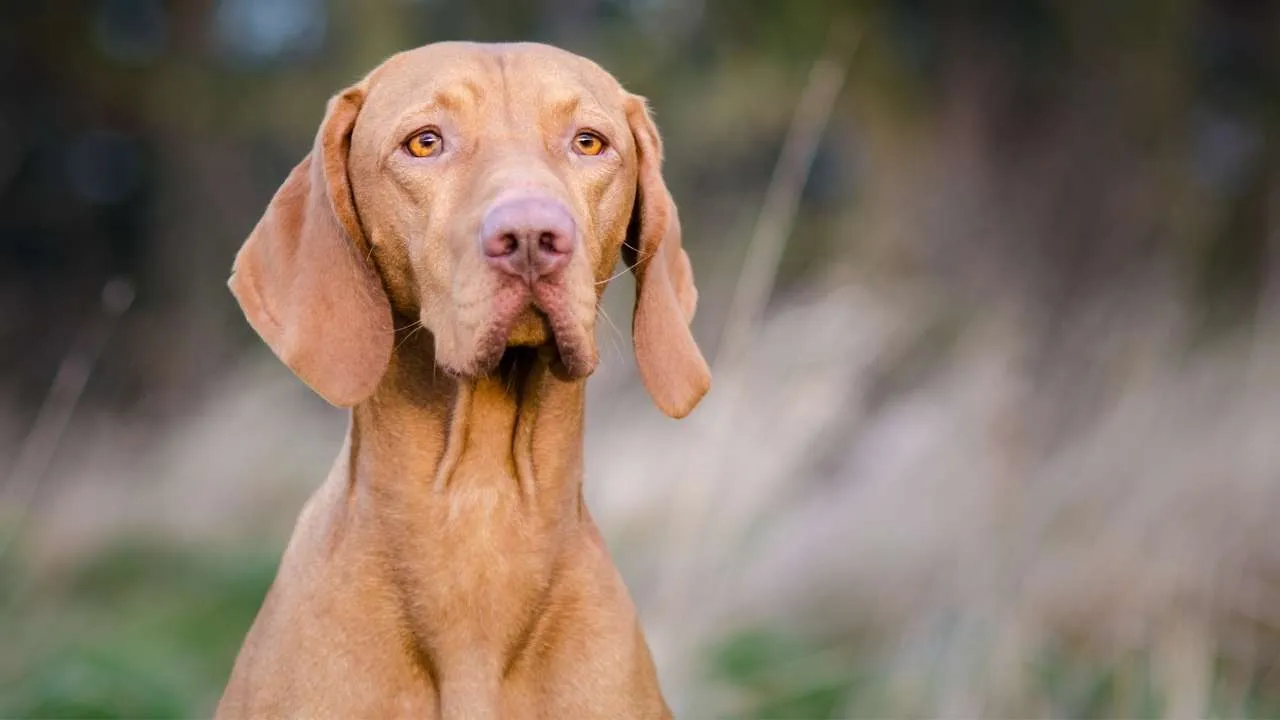
The Hungarian Vizsla is a true all-rounder in the field, combining athleticism, intelligence, and an unmistakably affectionate nature.
Originally bred as a versatile hunting companion, the Vizsla is skilled at pointing and retrieving game while staying closely connected to its handler. That devotion has earned the breed its famous “Velcro dog” reputation; these affectionate dogs often want to be wherever their people are.
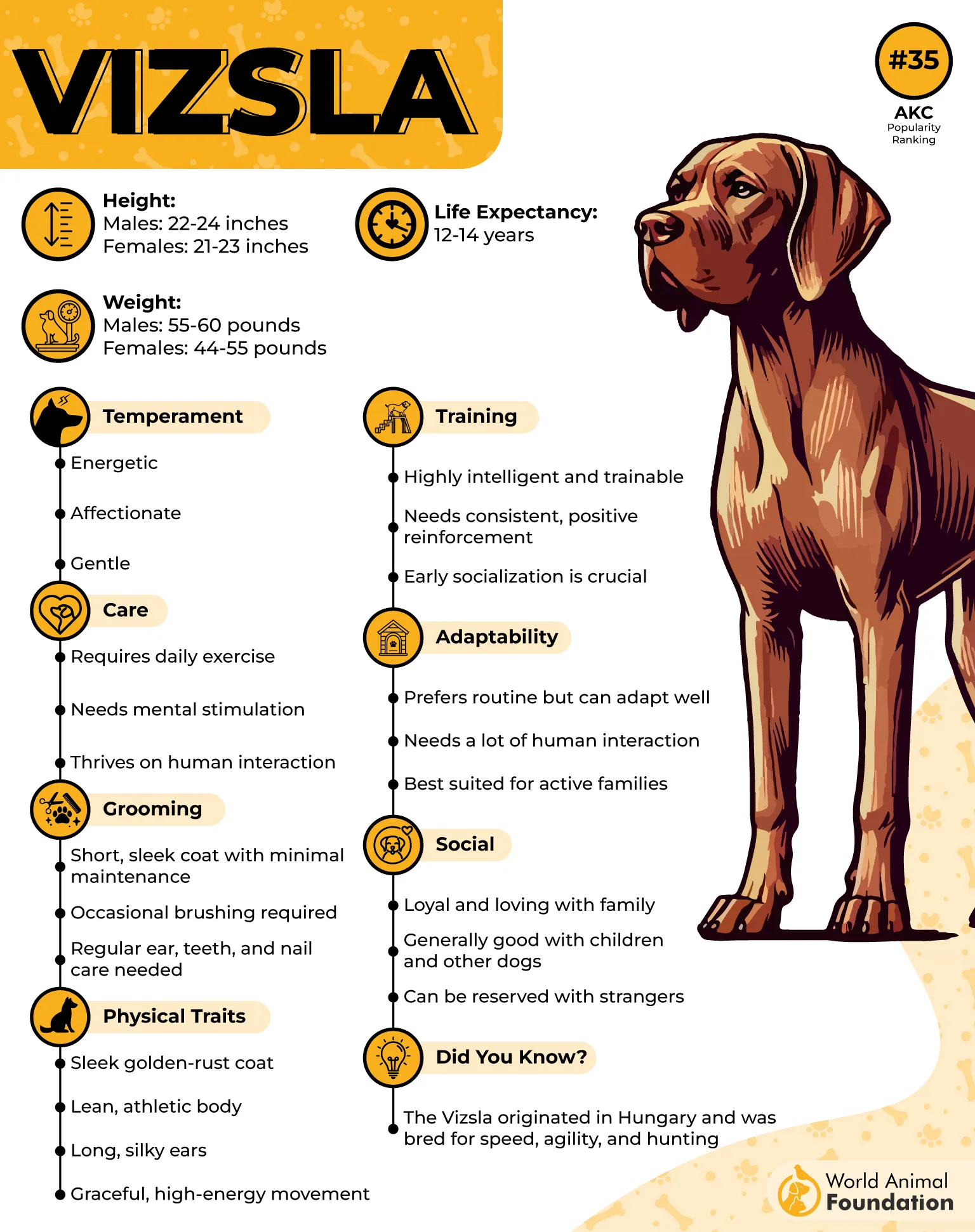
Their energy is just as remarkable. Vizslas thrive on vigorous daily exercise, whether through long walks, hikes, retrieving games, or other activities that challenge both body and mind.
Their intelligence and eagerness to please make them highly trainable, although consistency and a gentle approach are important because they can be sensitive and occasionally distracted.
With strong hunting instincts, excellent stamina, and a desire to work alongside people, the Vizsla can adapt to varied tasks while remaining a loving companion at home.
Conclusion
Versatile hunting dogs bring something special to the field: the ability to take on different tasks while remaining dependable companions.
Whether the job involves pointing, flushing, retrieving, or navigating challenging terrain, these dogs have been shaped to work closely with their handlers and stay engaged in demanding environments. However, their abilities also come with responsibilities.
Many of these breeds need plenty of physical exercise, mental stimulation, consistent training, and meaningful interaction with their families. Choosing the right breed ultimately depends on understanding both its working strengths and everyday needs.
For hunters and active families who can provide the time, guidance, and companionship these dogs require, a versatile breed can become far more than a capable hunting partner—it can be a loyal and treasured part of life.
