




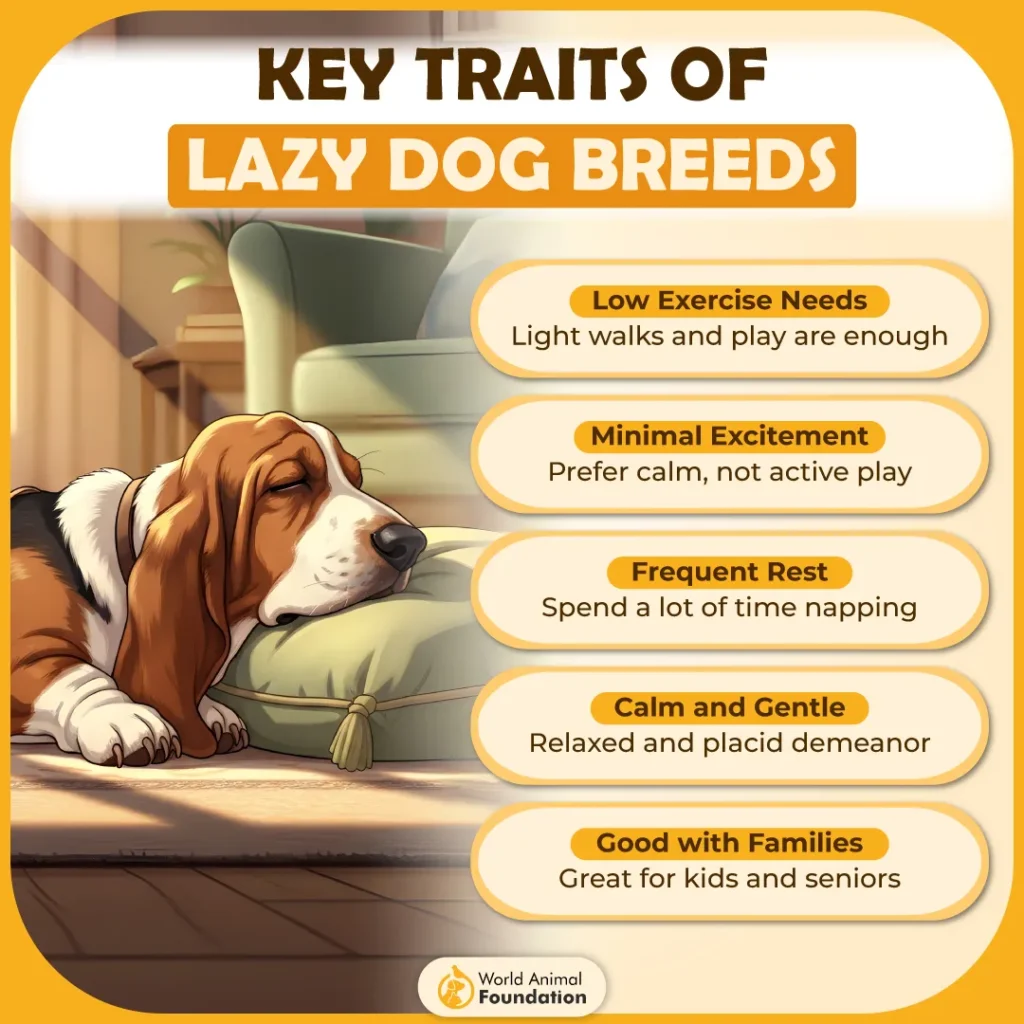
Couch potato owners have a simple wish: a dog that enjoys life at a slower speed. Yet plenty of people assume that every dog needs long walks, constant games, and an action-packed schedule. That can make finding a suitable companion seem harder than it really is.
Dogs differ widely in energy, stamina, playfulness, and ability to settle indoors. Those differences matter when your favorite way to spend a free afternoon is watching a movie rather than heading outside for hours. Still, a relaxed lifestyle does not remove a dog’s basic needs.
Daily exercise, training, social interaction, and mental stimulation remain important for good welfare. Even dogs with lower activity requirements need enough movement to stay healthy and engaged. The goal is to find a companion whose rhythm works with yours.
The breeds ahead are especially worth considering if your ideal routine includes gentle outings, comfortable naps, and plenty of time spent together at home.
Key Takeaways
If your favorite plans involve a soft couch, a good movie, and a short walk, some dogs can happily keep up with that routine.
The Basset Hound brings a calm nature and only needs around 20 to 30 minutes of minimal exercise, leaving plenty of time for lounging.
Pugs take the relaxed lifestyle even further, with their usual speed reaching only about 5 to 10 mph and their snorting often becoming part of the household soundtrack.
From there, the list gets even more interesting with breeds that each have their own way of enjoying slow days.
Unwind‑Friendly Dog Breeds for Couch‑Potato Owners
1. Basset Hound
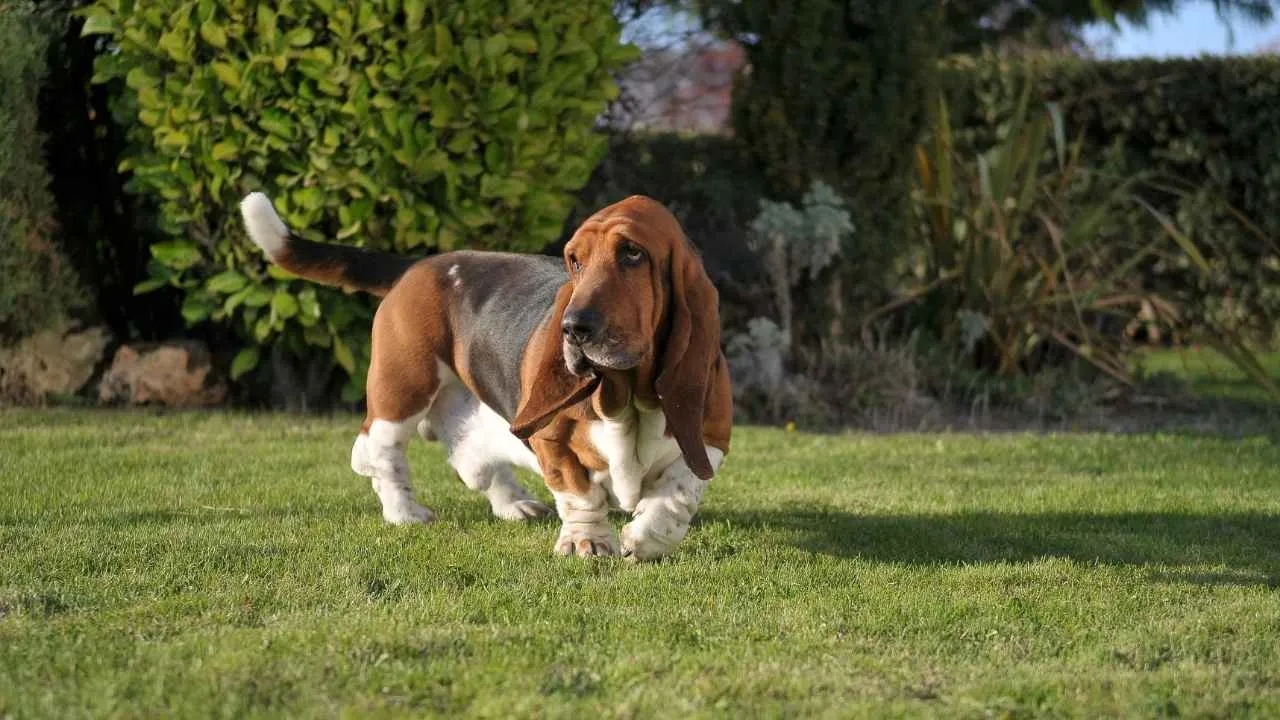
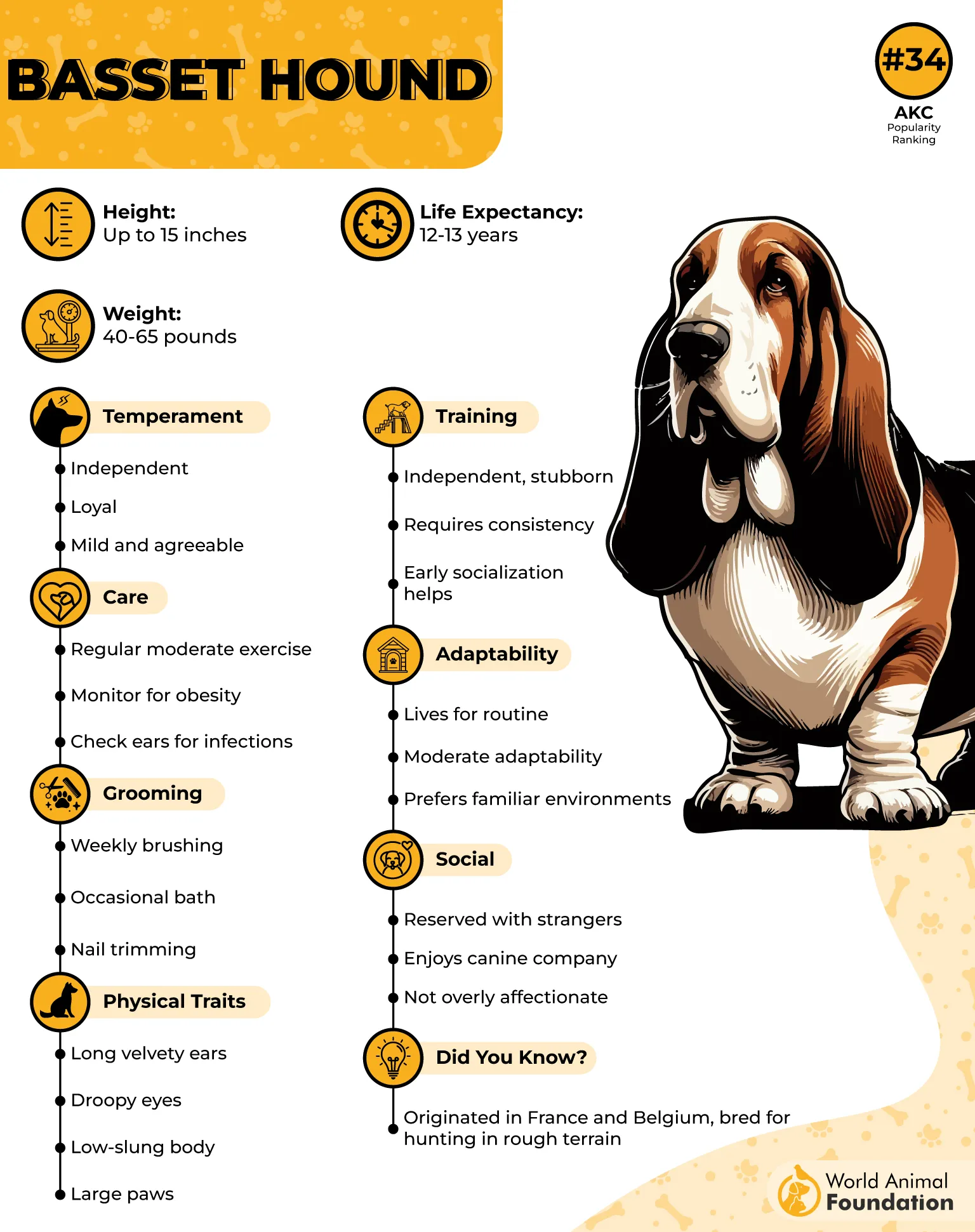
Basset Hound is believed to have originated in France, where hunters used the breed to pursue rabbits and hares through dense cover. Its name comes from the French word bas, meaning low or dwarf, while later crossings with Bloodhounds helped increase its size and strength.
An Easygoing Routine
This low-energy dog is better suited to gentle daily walks than demanding physical outings, with around 20 to 30 minutes of exercise generally enough. Its long back and short legs make running a poor choice, while longer hikes can be uncomfortable.
A few practical details fit their relaxed routine:
Smooth coat repels dirt and water
Weekly brushing helps control shedding
Monthly baths usually suffice
Couchside Character
Basset Hound has a calm, good-natured personality and generally accepts family members and guests without demanding constant excitement, as noted by Omlet. Their affectionate side can also turn a quiet evening into an oversized couch cuddle, even though their frame is far from lap-sized.
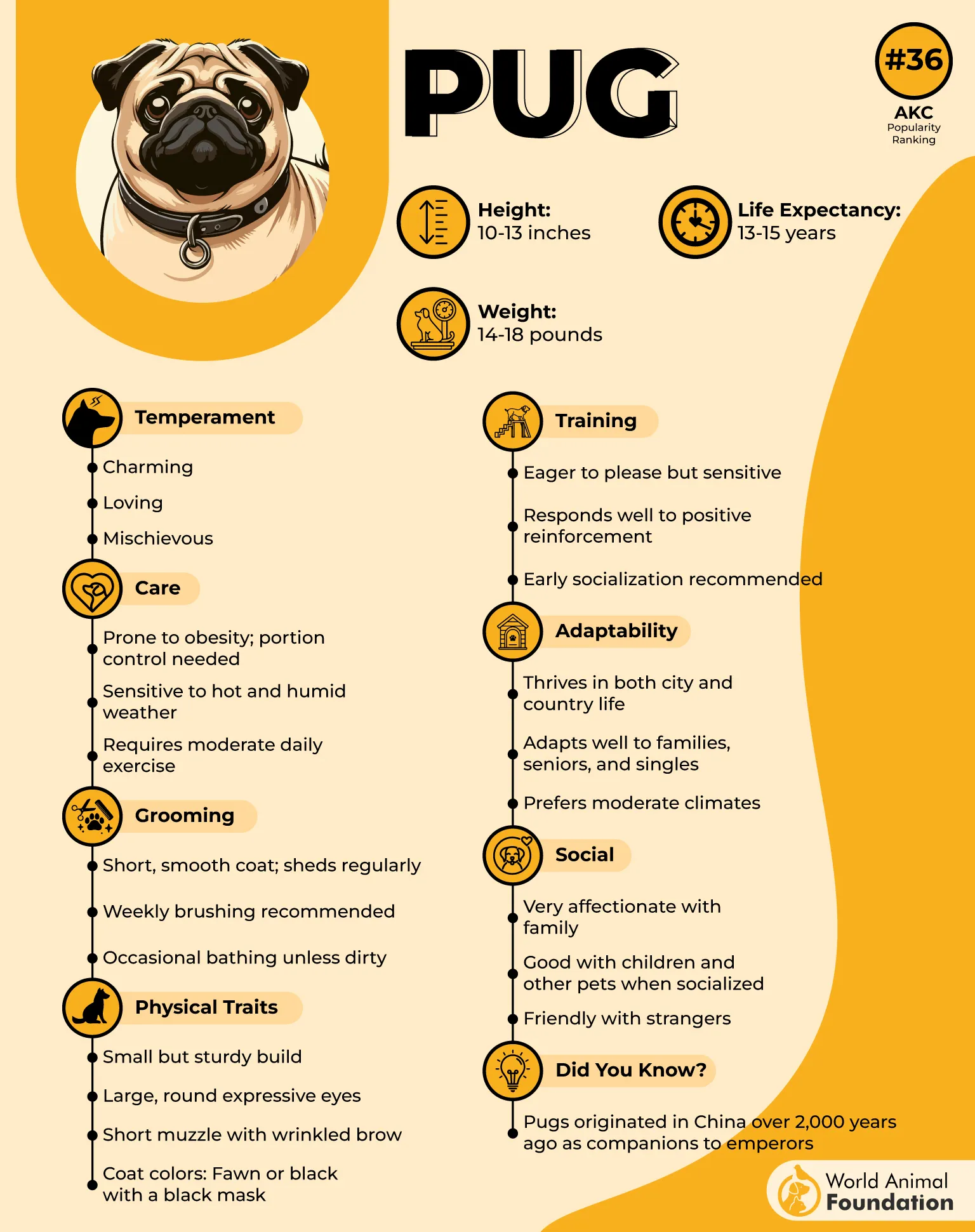
2. Pug
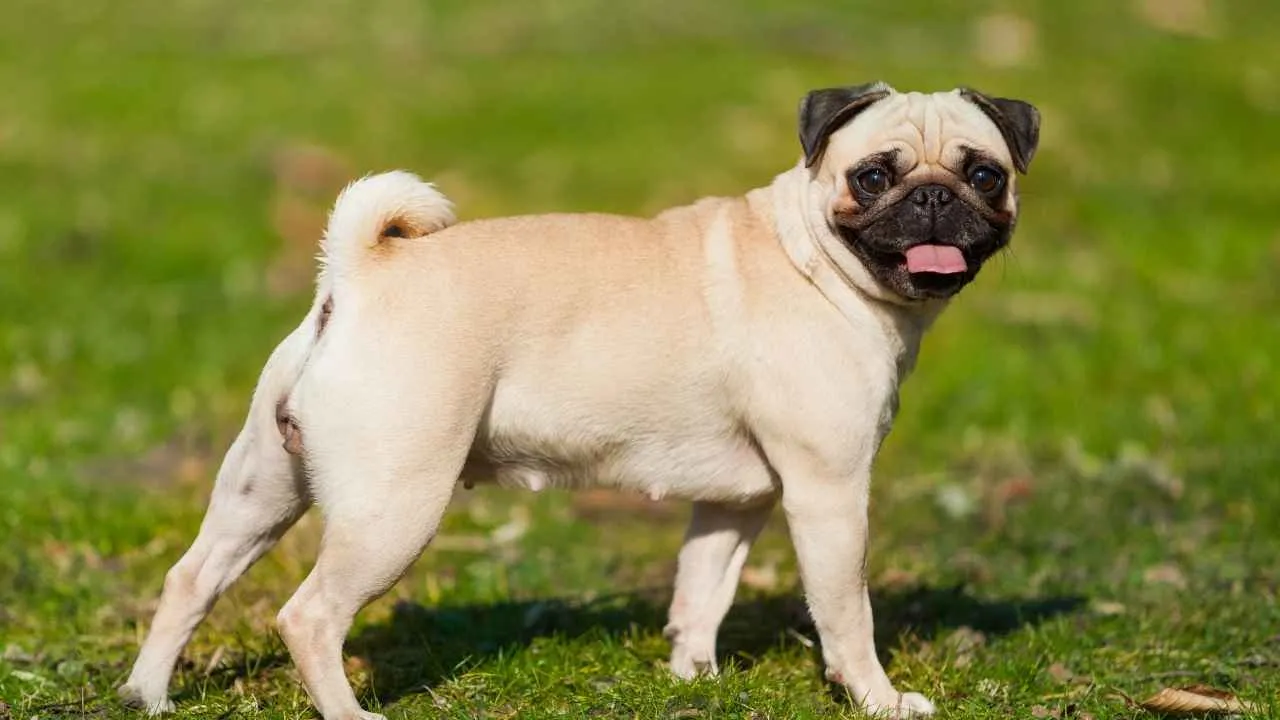
The pug descends from mastiff-type dogs and was associated with Tibetan monasteries centuries ago before reaching Europe through the East India Trading Company in the 1700s.
Its name may come from the Latin Pugnus, referring to its clenched-fist-like head, or the pet marmoset monkeys called pugs in the 18th century.
Easygoing Activity
This low-maintenance dog has relatively low energy needs, making shorter bursts of activity a better fit than demanding workouts. Most need less than an hour of exercise daily, with moderate walks, indoor games, or a relaxed game of fetch fitting easily into a quieter routine.
The following points reflect their daily activities:
Typical speed is only 5 to 10 mph
Agility trials can suit some individuals
Snorting and snoring can be their main household noises
A Social Little Companion
Pugs enjoy being included when people are playing or spending time together, and their friendly nature extends to children, babies, and other pets, as PDSA reported. Its unusually large eyes need extra care around young children, while calmer household animals are less likely to overwhelm this small dog.
3. Bulldog
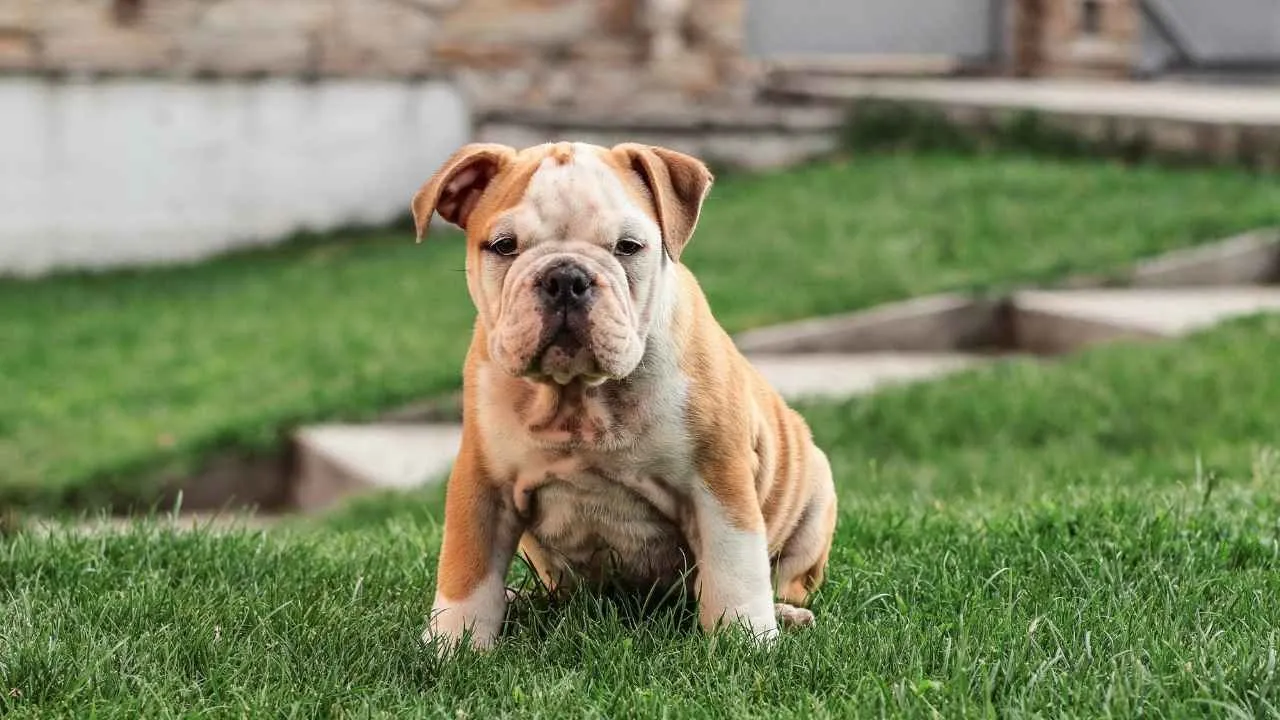
The bulldog began in England as a bull-baiting dog, with its broad, compact face suited to gripping during that brutal sport. The breed later became popular at Oxford and Cambridge, while its stout appearance became closely linked with British imagery and Winston Churchill.
A Natural Lounger
The bulldog is happiest when the day includes plenty of downtime, with a soft bed or couch often proving more appealing than strenuous activity. Its flattened snout also limits vigorous exercise, making slow-paced routines a better fit for this breed, as mentioned in Royal Canin.
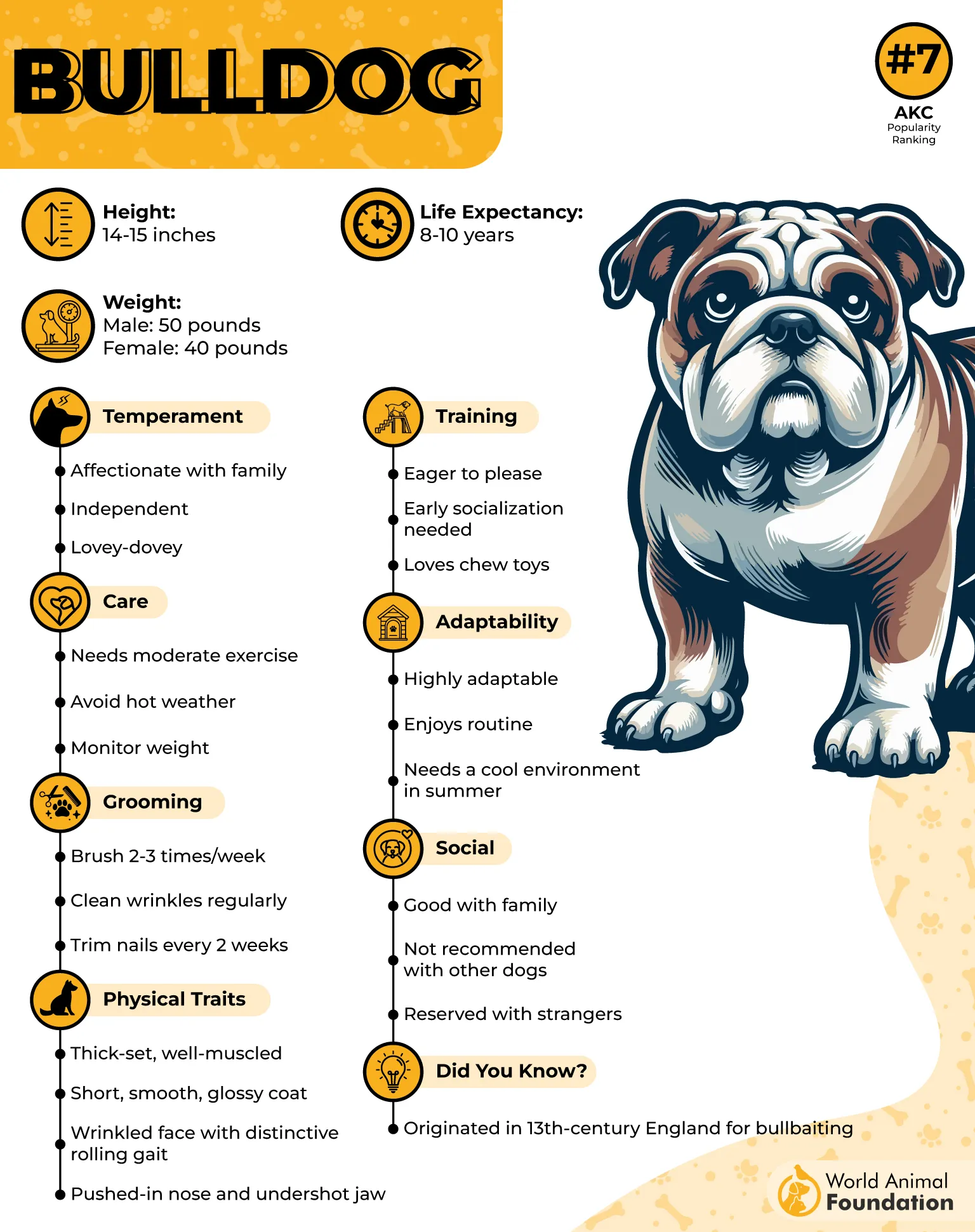
The following traits fit that easygoing routine:
Two or three 15-minute walks daily
Cooler hours are safer outdoors
Puzzle toys provide indoor mental activity
The Comedian
This lazy dog breed has a playful streak that sometimes means quietly relocating slippers, books, or hats around the house. When it is not getting enough attention, the breed’s dramatic pouting and expressive faces can make even an ordinary moment quite amusing.
4. Pekingese
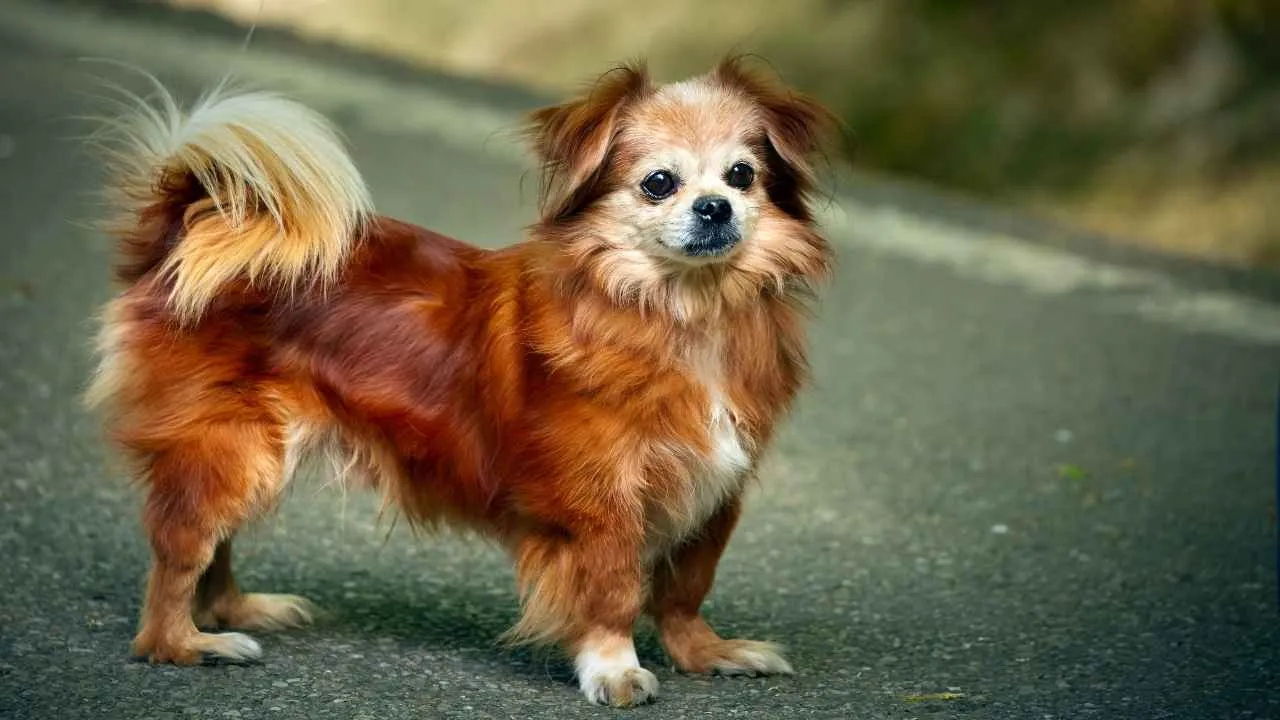
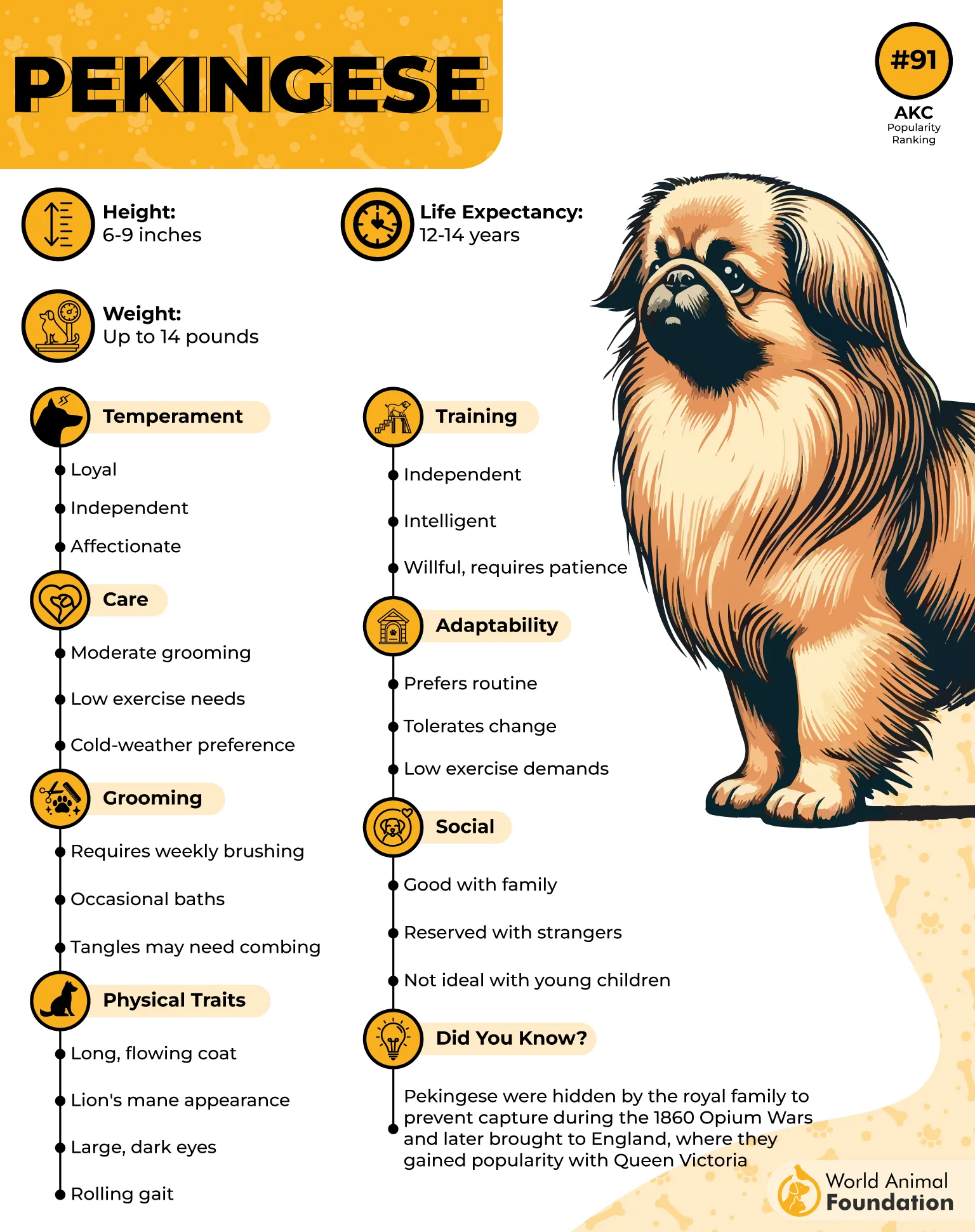
Pekingese dates back around 2,000 years to China, where Buddhist monks bred these small dogs as companions known as Lion Dogs. Their tiny relatives, called “sleeve dogs,” were small enough to fit inside the sleeves of imperial robes worn by members of the imperial court.
Made for the Sofa
Pekingese is particularly suited to apartment living, with moderate energy that can be handled through one or two 20- to 30-minute walks each day. Their short legs make longer outings difficult, while indoor games can add variety without demanding a strenuous routine.
A few practical needs come with its petite build:
Flat-faced structure makes heat risky
Daily brushing helps prevent tangles
Grooming appointments may be needed every six weeks
A Watchful Housemate
Pekingese can be affectionate with family while remaining cautious around unfamiliar people, often barking when someone arrives at the door. The breed may also form a particularly strong attachment to one person, even while enjoying attention from everyone at home.
5. Clumber Spaniel
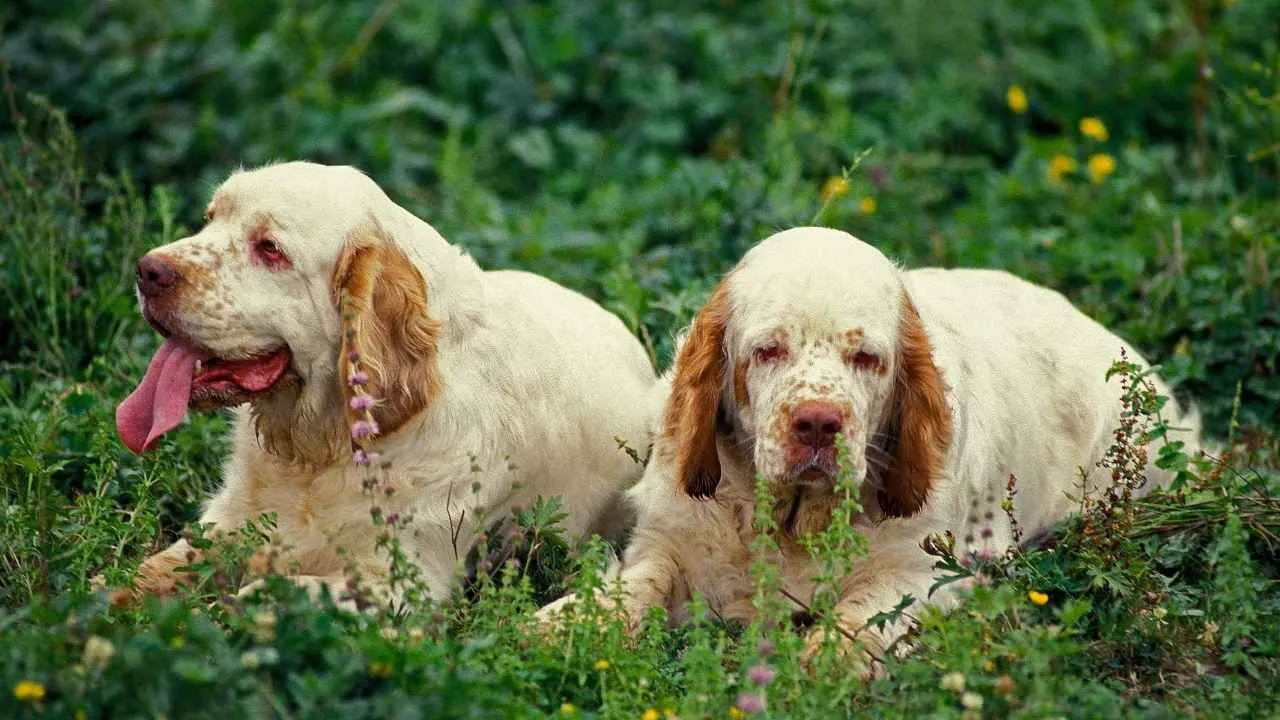
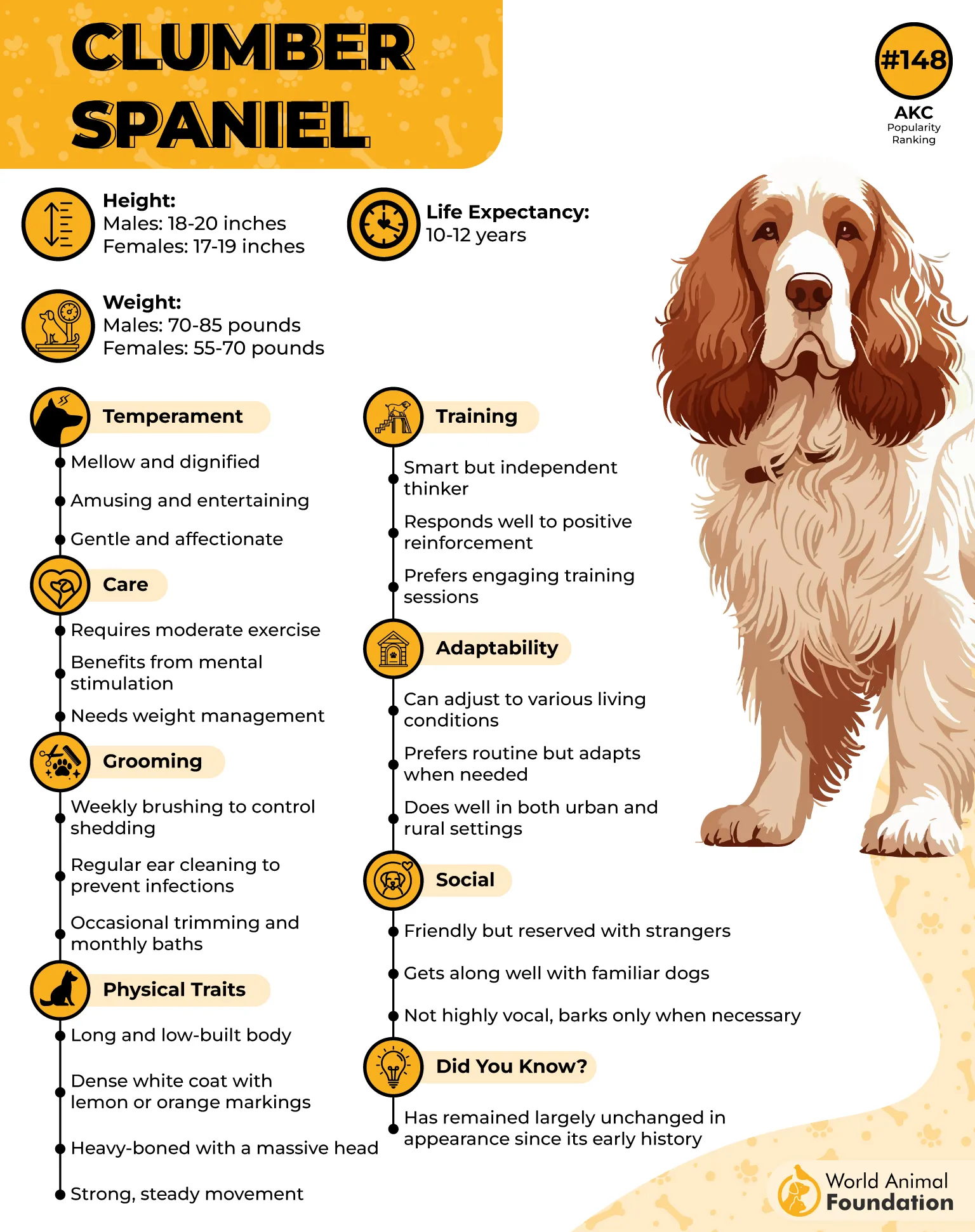
Clumber Spaniel emerged in England during the late 1700s and became one of the oldest Spaniel breeds, with its exact ancestry still uncertain. Possible links to the Alpine Spaniel and Basset Hound add to its story, while concentrated breeding took place at Clumber Park in Nottinghamshire.
A Leisurely Pace
Clumber Spaniel was bred to hunt and retrieve birds through dense undergrowth, yet its daily routine can be surprisingly relaxed. About 30 minutes of activity may be enough, with time for sniffing around the yard, sunshine naps, or a leisurely hike.
That easy rhythm leaves room for a few useful details:
Heaviest of the Spaniel breeds
Keen-nosed bird dog
Skilled game retriever
Train With Variety
They can be agreeable with children, cats, and other dogs when introductions and interactions are handled appropriately. Its calm disposition comes with a smart, sometimes willful streak, so training works best when lessons remain varied and continue beyond puppyhood.
6. Newfoundland
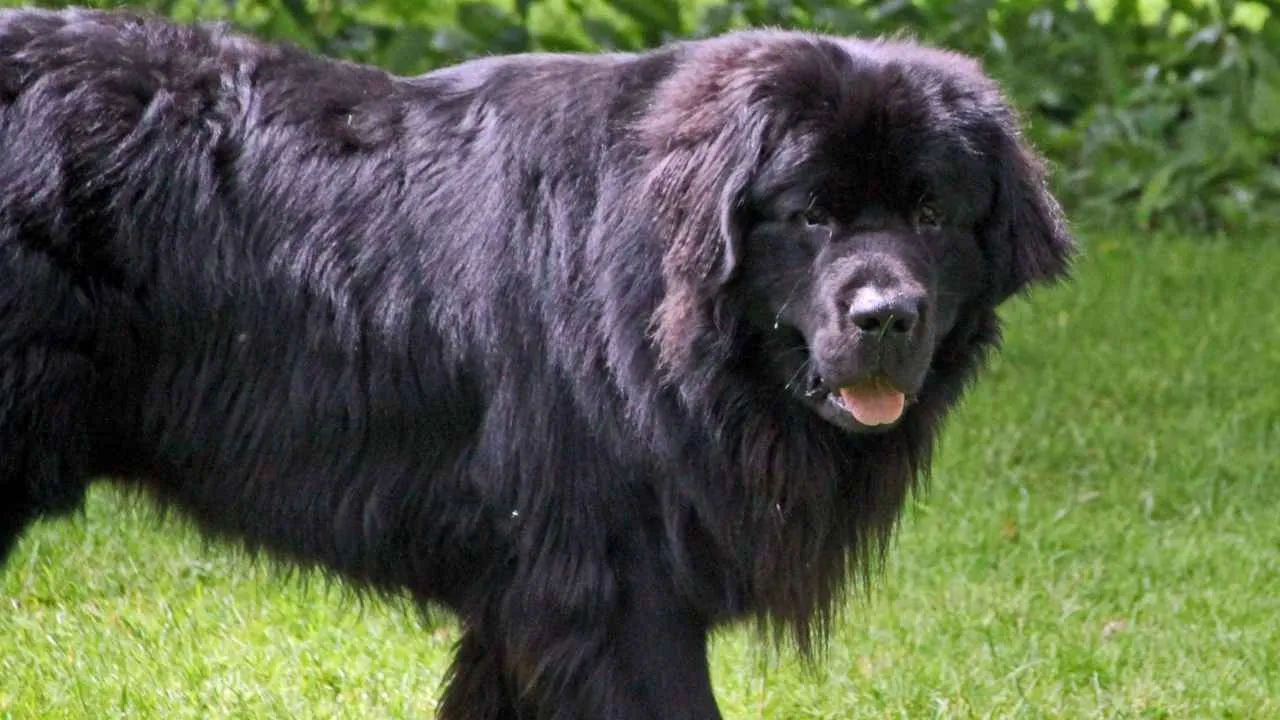
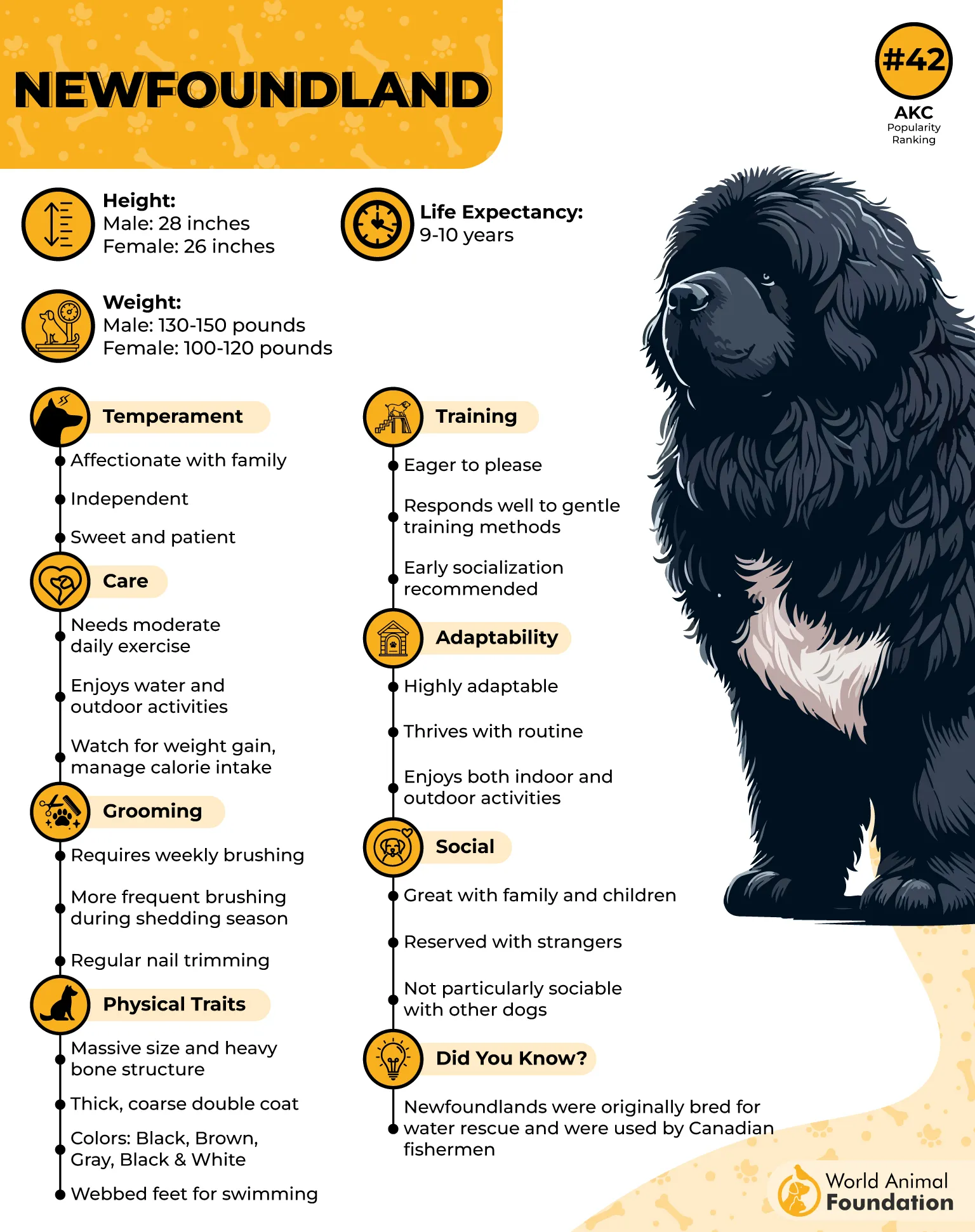
Newfoundland comes from the Canadian island of the same name, where Portuguese fishermen’s Mastiffs are believed to have influenced the breed in the 16th century. Early Newfoundlands helped fishermen haul nets, swim through cold water, and pull carts, making them versatile working dogs.
A Gentle Pace
Newfies only need about 30 minutes of daily activity, such as a leisurely hike, long walk, or relaxed swim. Long-distance running is a poor choice for this heavy breed because excessive impact can place stress on its joints.
These points make daily life with this gentle giant easier:
Cold weather suits them better than heat
Fresh water is important during warm weather
Morning or evening outings are better in summer
Big Dog, Quick Learner
Newfoundland is intelligent enough to pick up training cues quickly, while early socialization helps puppies become comfortable with unfamiliar people, places, and other dogs. Their size can also create awkward play sessions, since young Newfies may not realize how large they are.
7. Shih Tzu
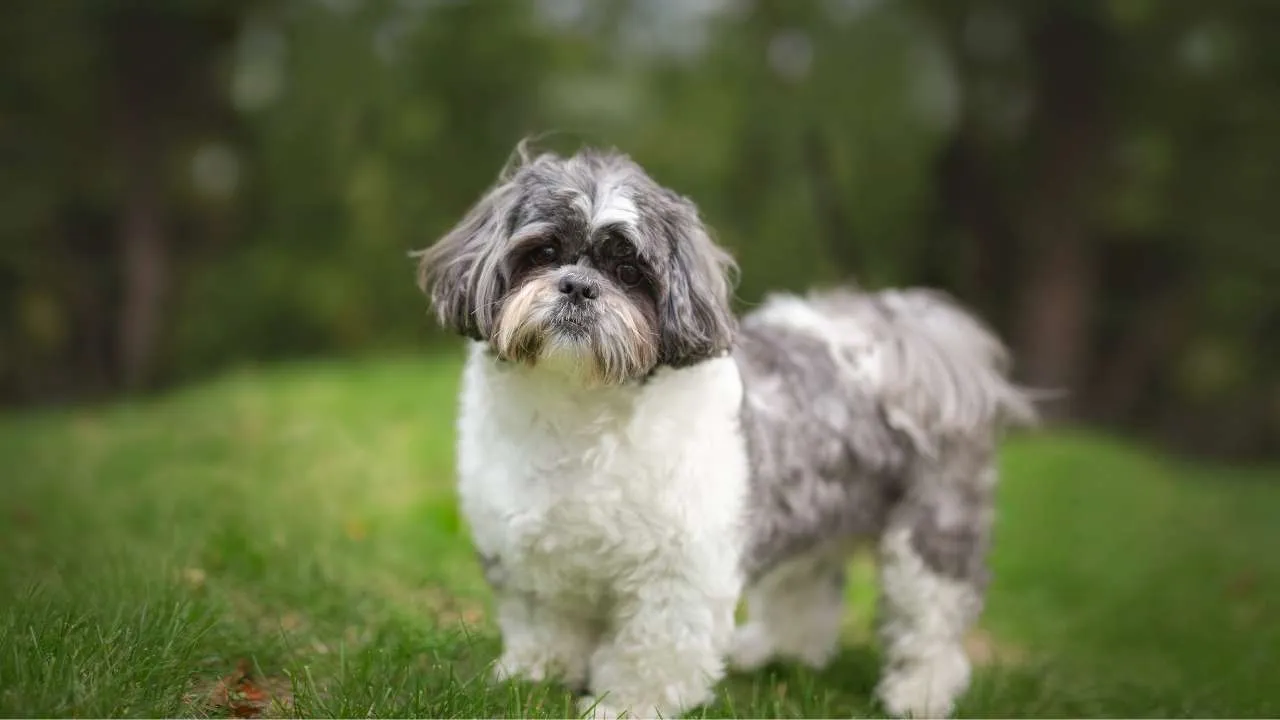
Shih Tzu was developed in the Forbidden City during the 17th century through a cross between the Tibetan Lhasa Apso and an early form of Pekingese.
The resulting Lhasa Lion Dogs remained largely hidden from Western eyes until the 20th century, when they were first exhibited through the Peking Kennel Club.
Made for Slow Days
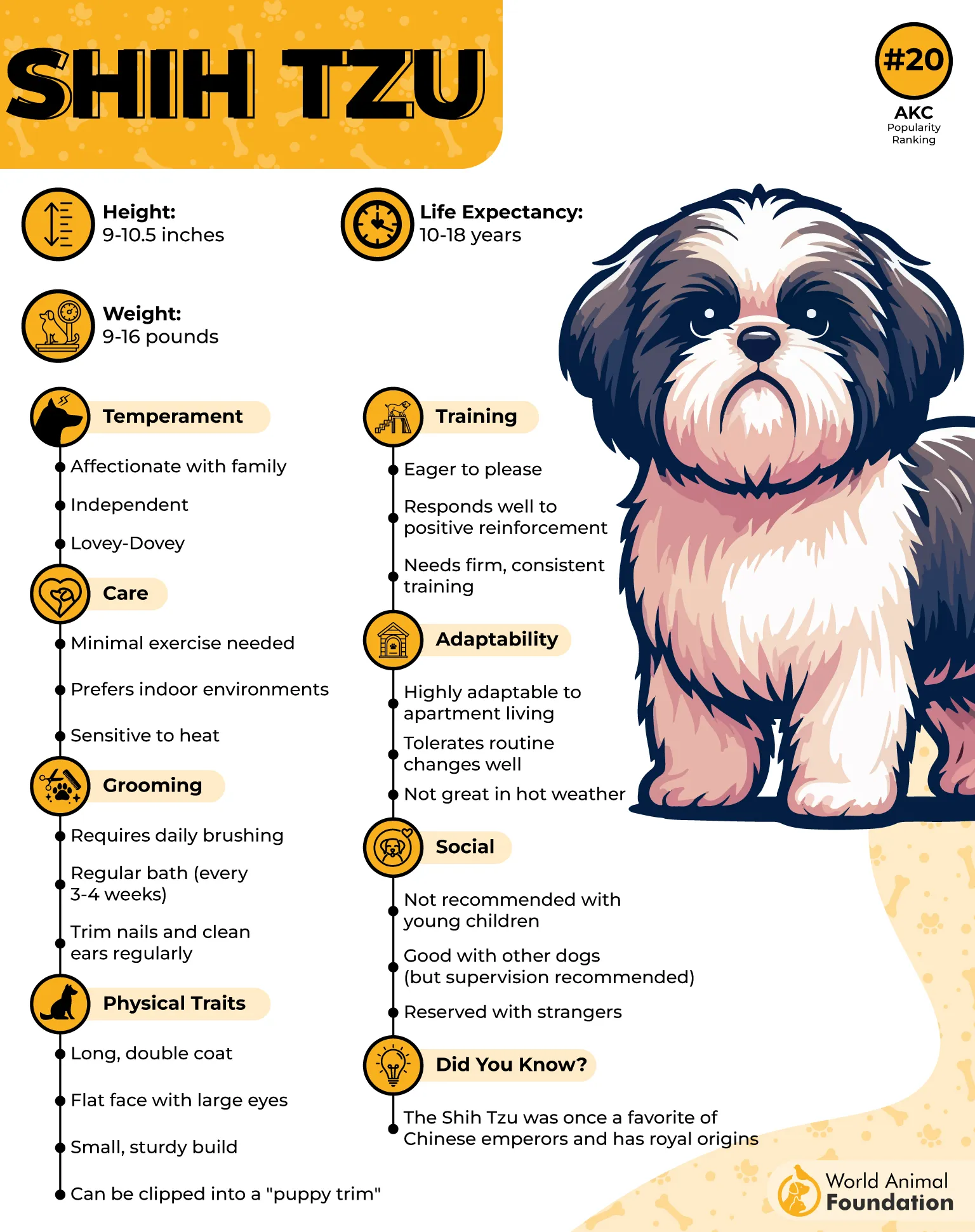
Shih Tzu fits a relaxed routine particularly well, with moderate energy that can be managed through two or three 20-minute walks each day.
Longer outings can become difficult for this short-legged breed, especially when fatigue appears through heavy panting or reluctance to continue.
A few practical details are easy to miss:
Brachycephalic breed sensitive to heat
Fresh water should always be available outdoors
Cold exposure should be limited to about 15 minutes
A Little Personality
Shih Tzu enjoys lounging beside its people and can be affectionate without demanding an action-packed daily schedule. It also tends to be playful with older children who understand gentle handling, while rough or careless play may trigger a mouthy response.
8. Greyhound
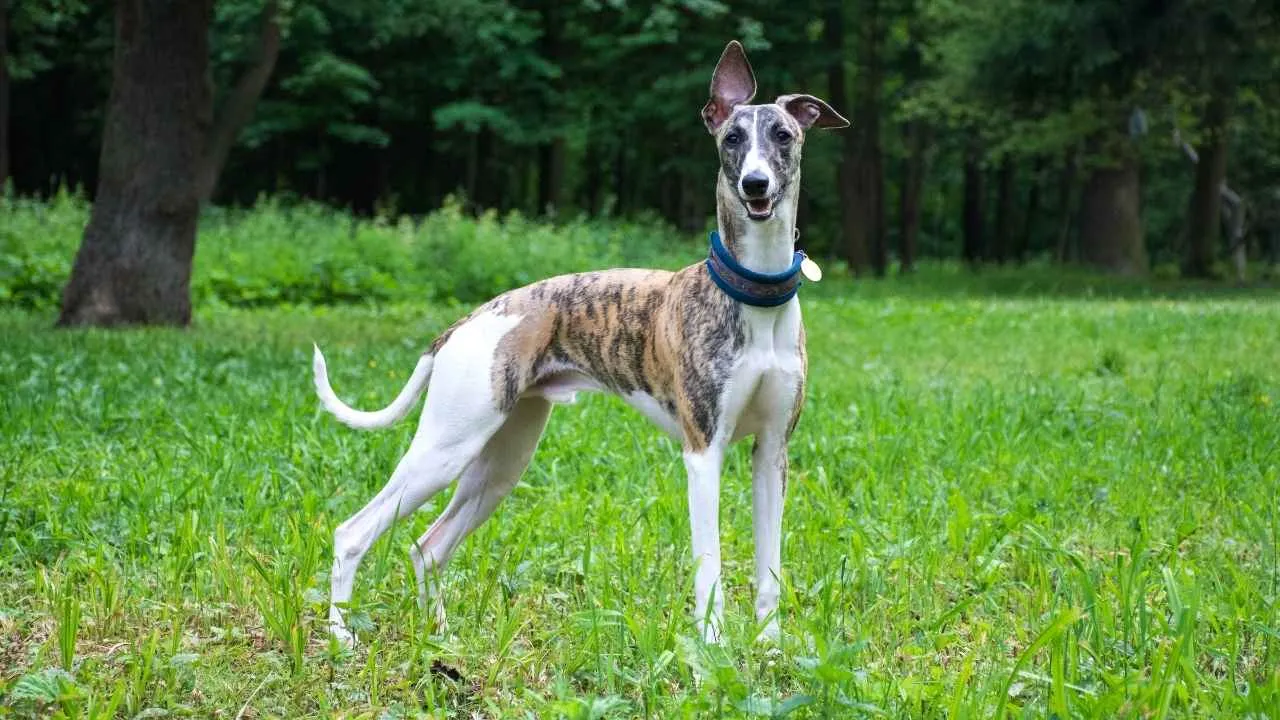
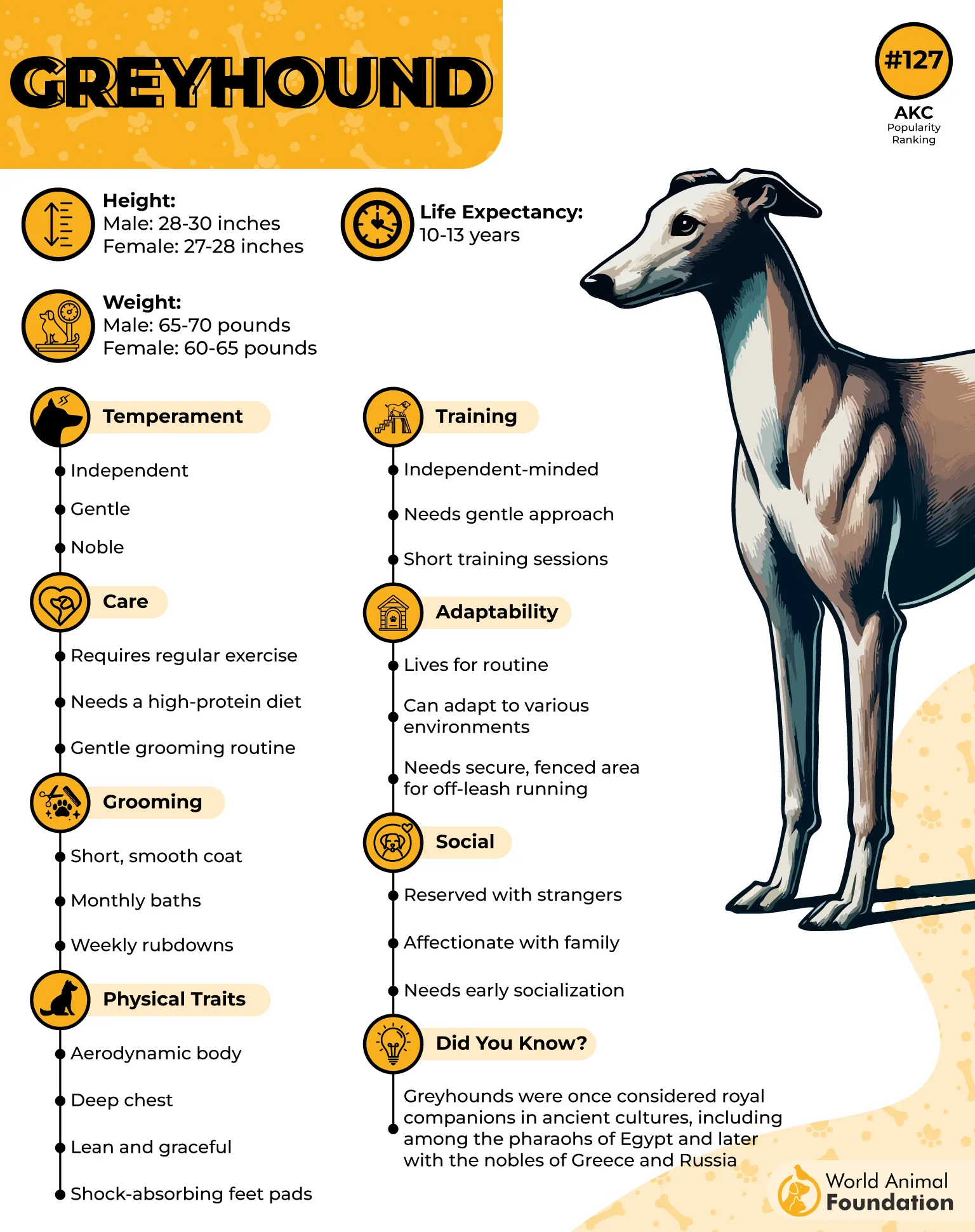
Greyhound is an old European sighthound once used to spot and pursue game by sight rather than scent. Its slim frame, long legs, and flexible spine allow bursts reaching about 43 miles per hour, while its later popularity in Britain and America came through track racing in the early 1920s.
A Quick Burst
For a couch-focused household, the Greyhound’s exercise pattern is more about brief releases of energy than constant activity. Around 30 minutes of activity twice daily can include neighborhood walks or running in a securely fenced area.
That routine can take several forms:
Agility training
Flyball games
Interactive toys
Calm Afterward
Greyhounds can be gentle and friendly with family life, then shift into a surprisingly relaxed mode after getting their needed activity. Its independent sighthound nature also means it may seem somewhat aloof at times, with affection often appearing on its own terms.
9. French Bulldog
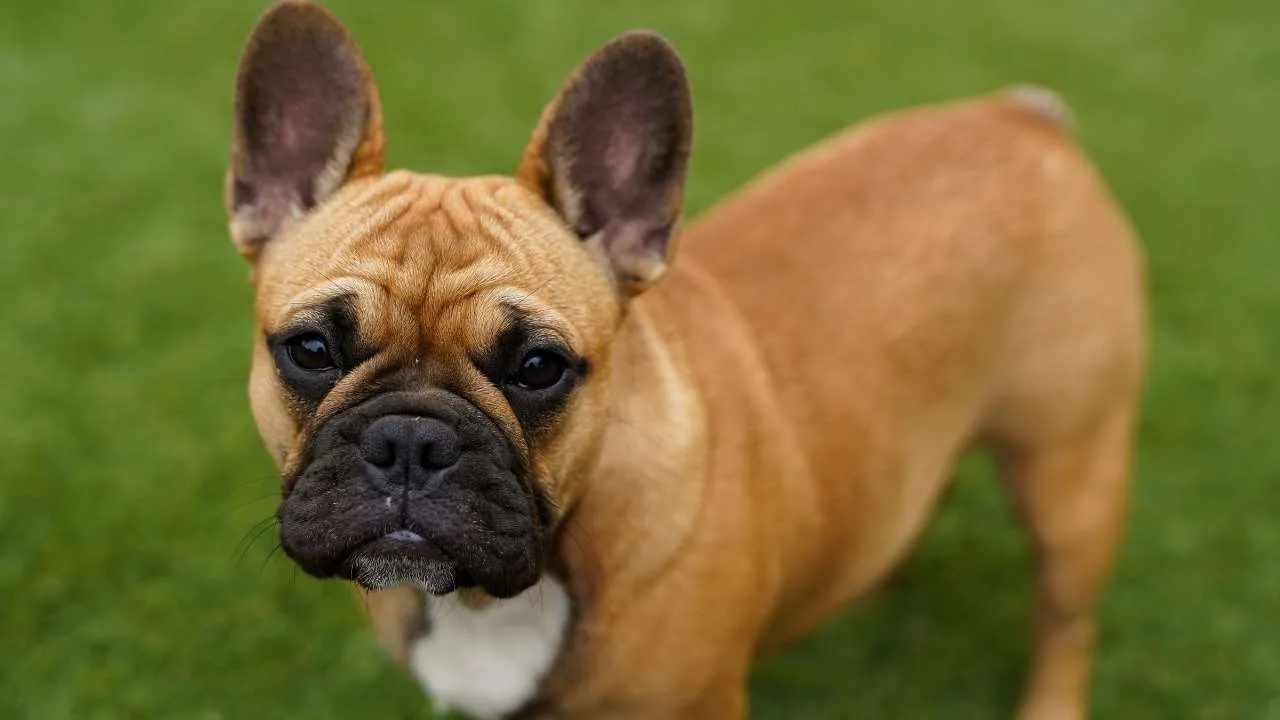
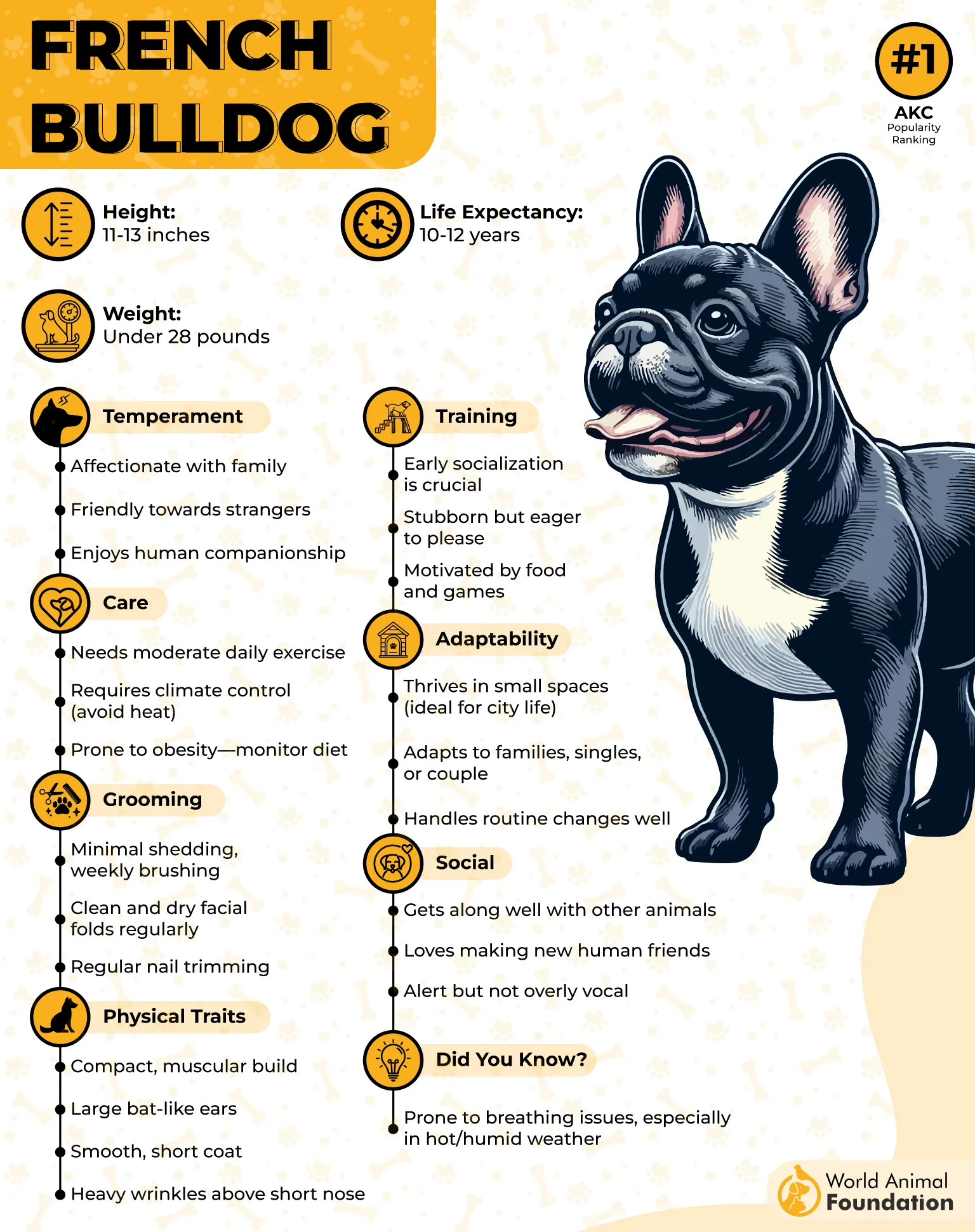
French Bulldog took shape in France during the mid-1800s after English lace workers arrived with their small Bulldogs. French enthusiasts especially favored the dogs with upright, bat-shaped ears, and by the late 1800s, the smaller Bulldog had become a fashionable household companion.
Made for Easy Outings
Frenchies have short legs and a flat face, so gentle walks and brief, brisk outings fit their physical build better than demanding exercise.
Fetch in the yard can also add some fun, while activity should be paced carefully because brachycephalic dogs can experience breathing difficulties.
The following breed characteristics matter when heading outside:
Harnesses can ease pressure during walks
Scent work gives their nose something to investigate
Puzzle toys provide indoor mental challenges
People Matter
French Bulldog forms close attachments to its household and may become anxious when left alone for extended periods. A predictable routine with regular company can help, while children should be supervised during play and taught gentle ways to interact with dogs.
10. Cavalier King Charles Spaniel
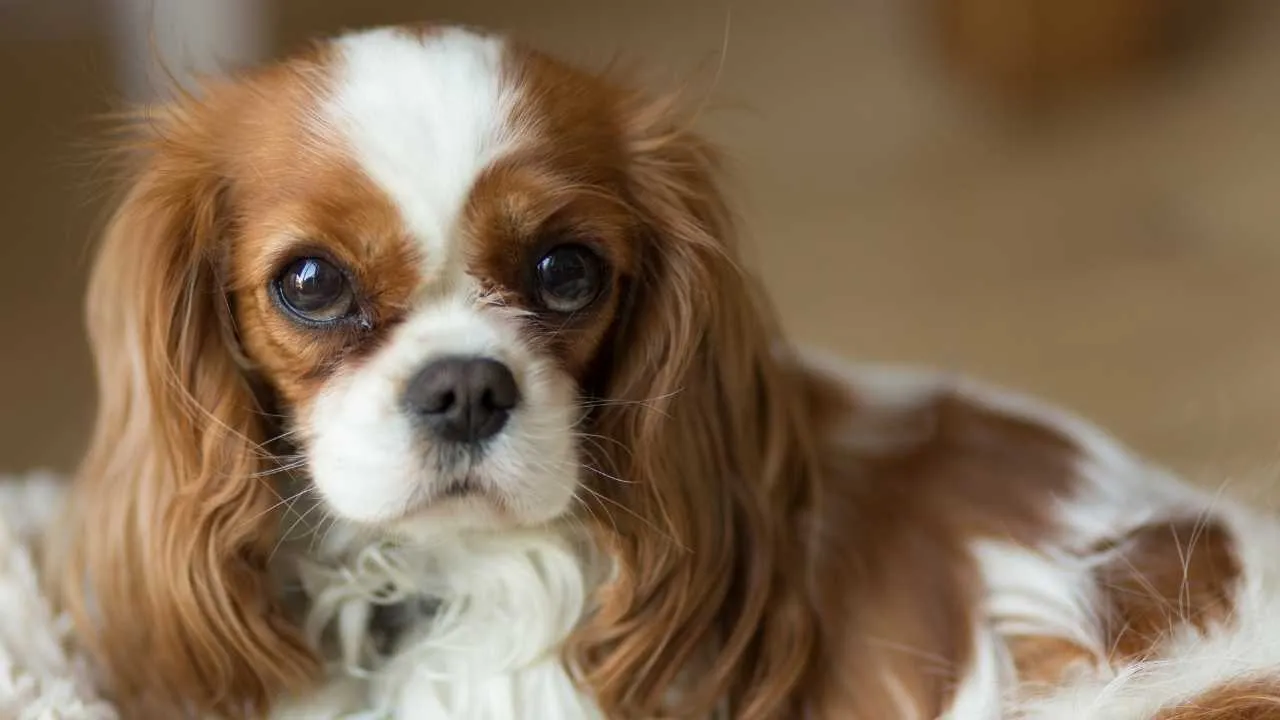
Cavalier King Charles Spaniel traces its roots to Tudor-era lap dogs that also served as foot warmers and living hot water bottles. King Charles II took such an interest in them during the 1700s that the breed became known as the King Charles Spaniel.
Sofa Comes First
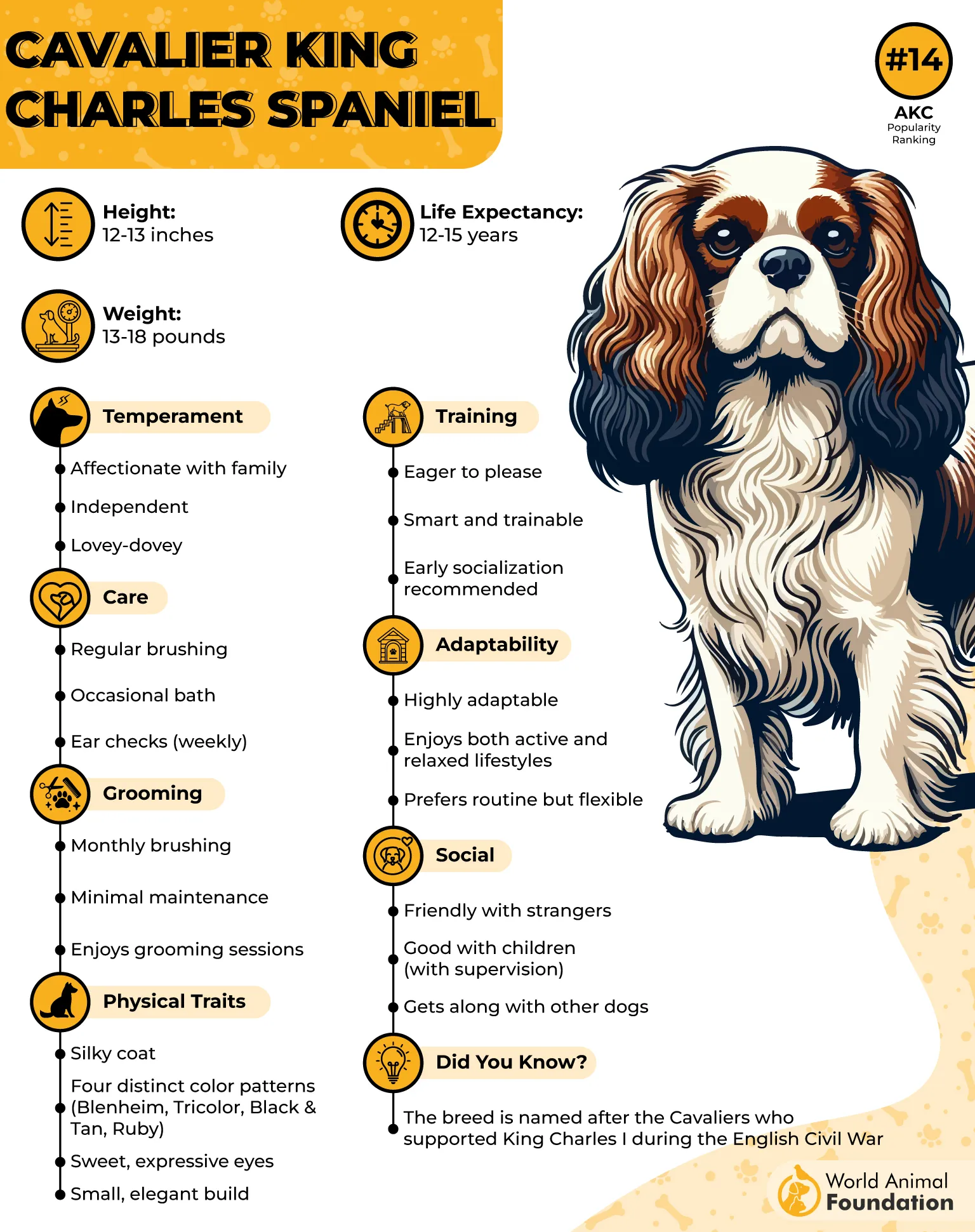
This spaniel suits relaxed households with its moderate energy level and fondness for long stretches on the sofa or bed. Two 20- to 30-minute walks each day, along with play and training, can provide enough daily activity for this companion.
For a slower-paced routine, these details are especially useful:
Enjoys leisurely walks with plenty of sniffing
Prefers activities that do not depend on speed
Enjoys exploring new scents
People Matter
Cavalier King Charles Spaniel is affectionate, gentle, and highly social, with a natural fondness for meeting unfamiliar people. Its calm temperament has also made the breed suitable for therapy work, while its friendly nature helps it interact well with children and other animals.
Conclusion
A slower day can still be a day for a dog, especially when its energy level matches yours. Lower activity needs make gentle walks, indoor play, training, and long naps easier to fit into a relaxed routine. Still, every dog needs enough movement, attention, social interaction, and mental stimulation to stay healthy.
Some may enjoy more play than expected, while others are happiest after a short outing and plenty of couch time. Think about exercise, grooming, size, health, and companionship needs before choosing. Pet parents should also consider proper training to help create a routine that works for both sides without leaving either you or your dog frustrated.
