




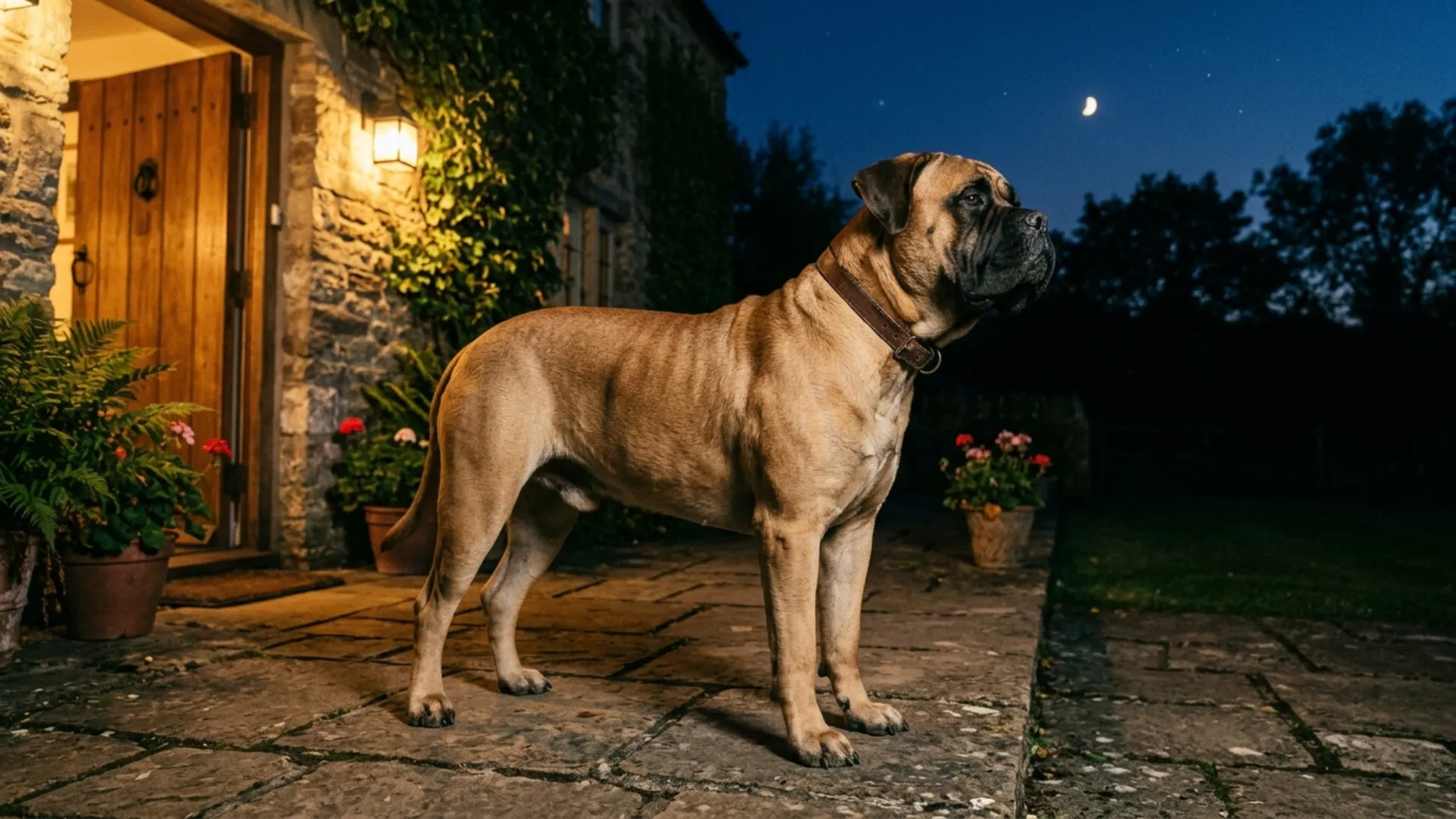
Some dogs are more than just companions—they naturally take on the role of protectors. When the world goes quiet at night, these dogs stay alert, calmly observing every sound and movement around the home.
Their protective behavior isn’t just training—it comes from instincts that have been shaped over thousands of years of living alongside humans, where they were trusted with guarding homes and families.
Even today, that natural guarding ability remains strong. Some breeds are especially known for their steady temperament, awareness, and loyalty, making them reliable nighttime guardians who stay close and responsive when it matters most.
In this article, we explore some of the most protective dog breeds known for their alertness, courage, and devotion. These are dogs that don’t just share your space—they quietly watch over it, giving both safety and peace of mind through the night.
Key Takeaways
Explore great guard dogs that stay alert, calm, and ready to protect your home when everything else is quiet.
See how German Shepherd, Doberman Pinscher, and Akita combine intelligence, loyalty, and sharp instincts for instant protection.
Learn how Bullmastiff, Tibetan Mastiff, and Great Dane balance gentle family nature with strong, natural guarding ability.
Find out what training and daily routine turn these dogs into safe, reliable, and well-behaved protectors.
Unmatched Dog Breeds That Keep You Safe All Night Long
1. Belgian Malinois
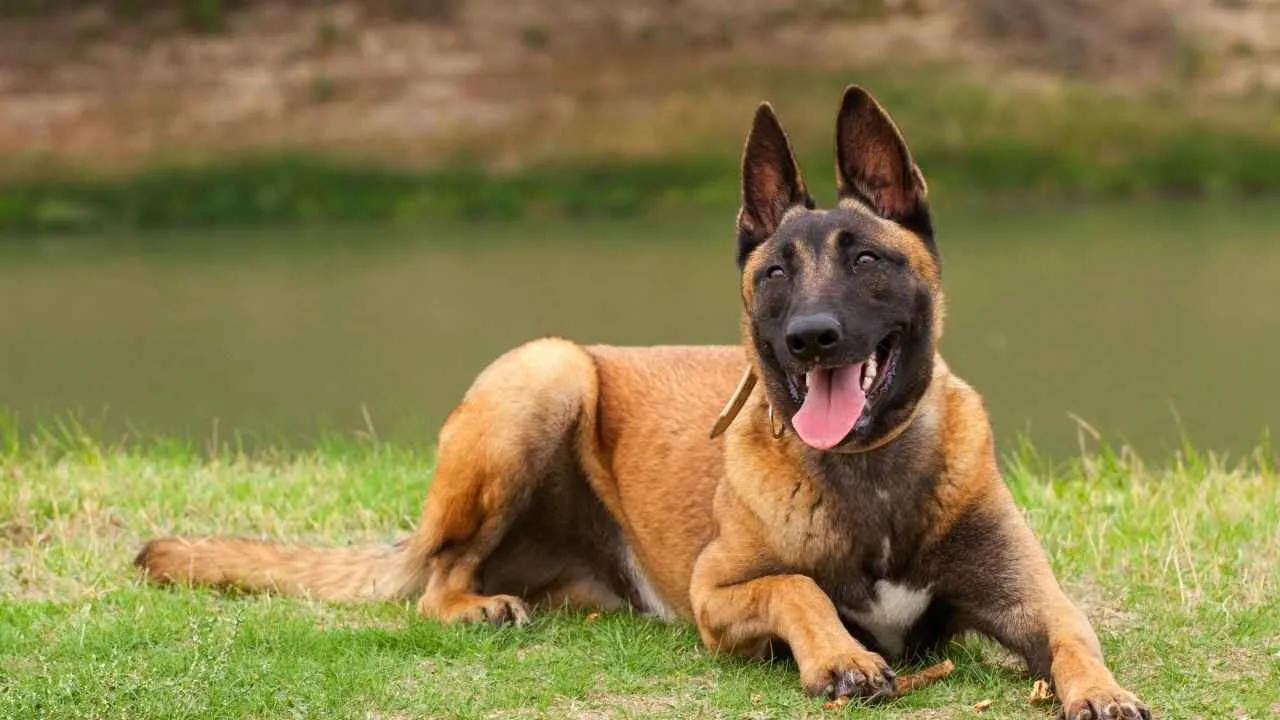
Belgian Malinois are highly intelligent, confident, and intensely driven working dogs known for their strong protective instincts. They are naturally alert and form deep bonds with their owners, making them reliable guardians for home security, especially during the night.
Their sharp awareness and quick response to movement or sound make them stand out as serious protection dogs with a strong sense of duty. These dogs are built for constant activity and purpose. They are not relaxed or idle pets and always prefer being engaged with their owners.
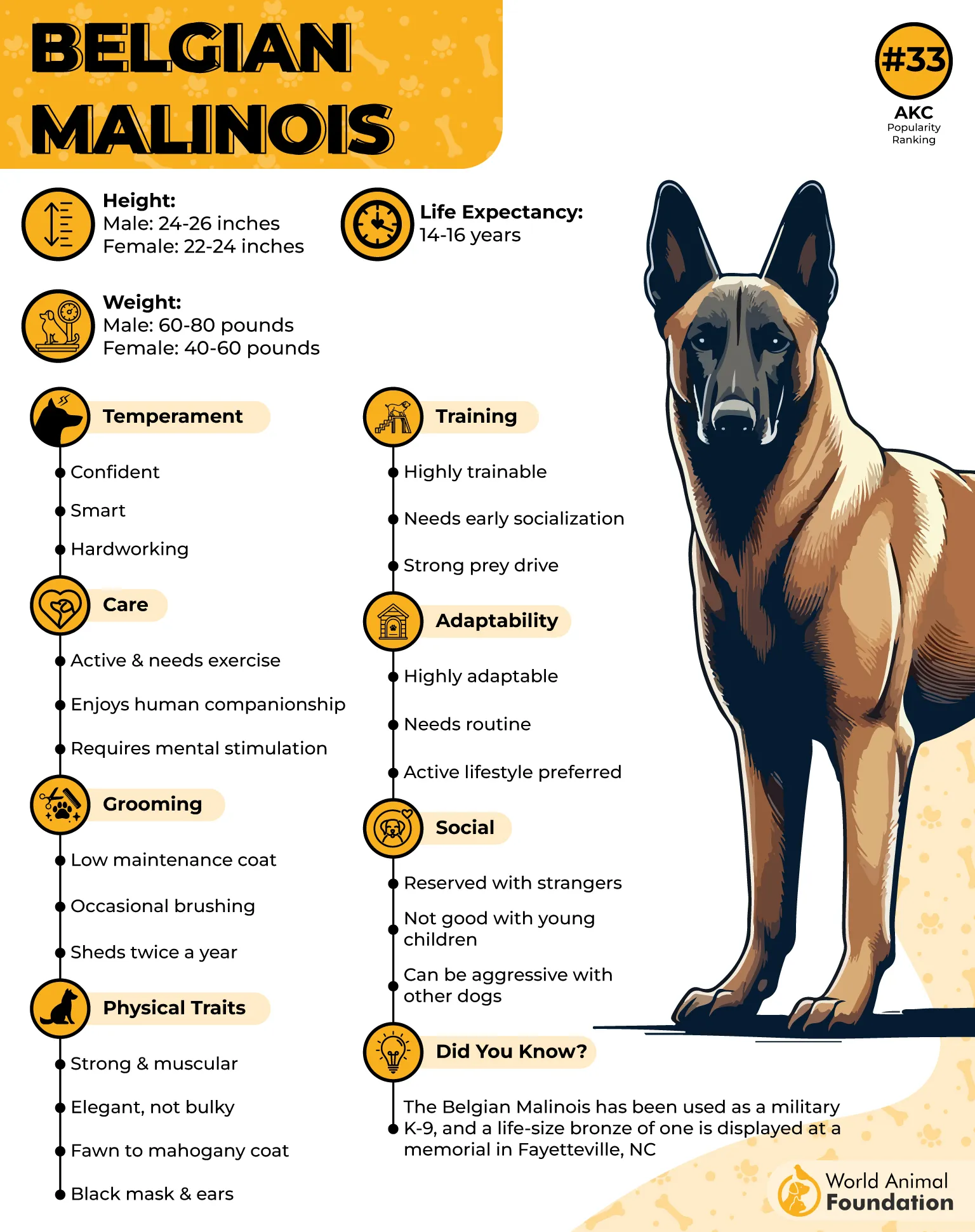
Their natural guarding ability, combined with high intelligence, makes them quick learners in obedience and protection training. However, they also need proper direction from an early age to shape their strong instincts in the right way.
Key traits of Belgian Malinois:
Highly intelligent, loyal, and easy to train
Strong natural guarding and protective instincts
Extremely alert with quick reaction to surroundings
High energy and need for constant mental and physical activity
Strong prey drive that requires early control and training
Deep attachment to their owners and dislike of isolation
Excel in obedience, agility, tracking, and protection work
With proper training, socialization, and daily activity, Belgian Malinois become dependable night-time guardians. They stay close to their families, observe their surroundings carefully, and respond immediately to anything unusual.
2. Bullmastiff
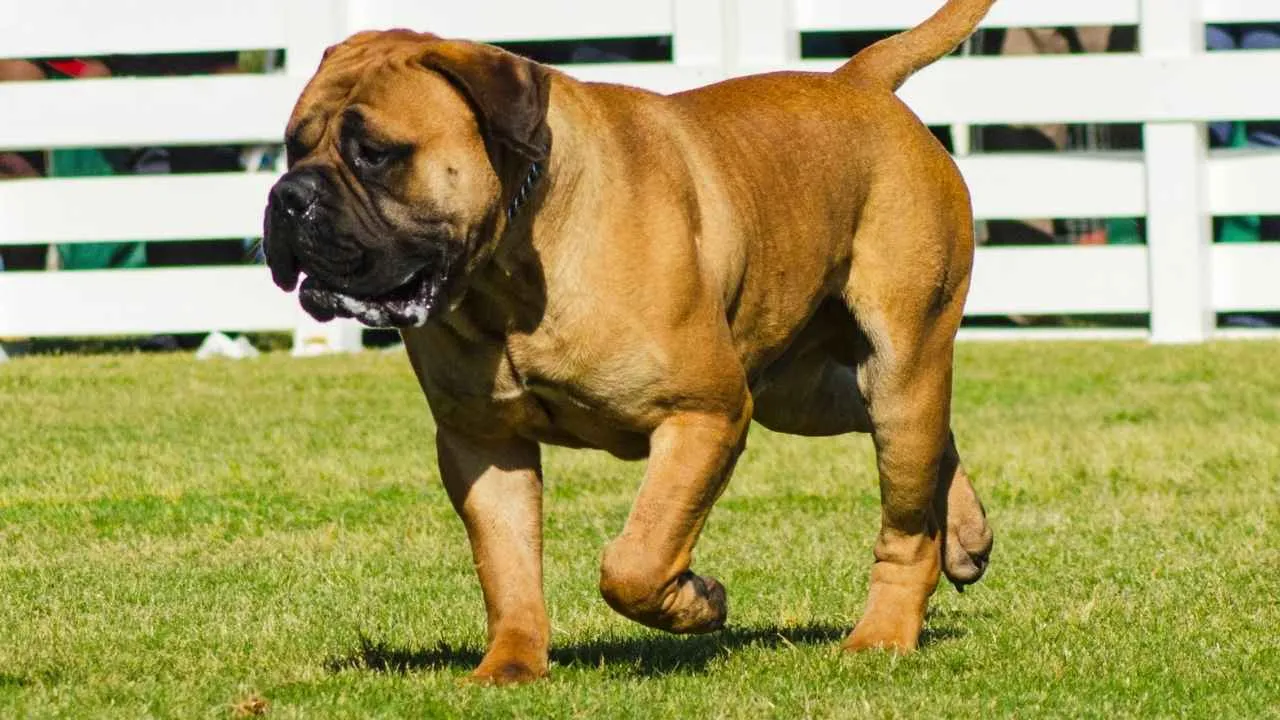
Fearless at work but calm and affectionate at home, the Bullmastiff is a powerful guardian breed originally developed in England to track and hold intruders. PetMD mentions these dogs were created by crossing Bulldogs and Mastiffs, resulting in a large, muscular protector with natural guarding instincts.
Despite their intimidating presence, they are known for being gentle and steady with their families, making them reliable nighttime protectors who stay alert without being unnecessarily aggressive.
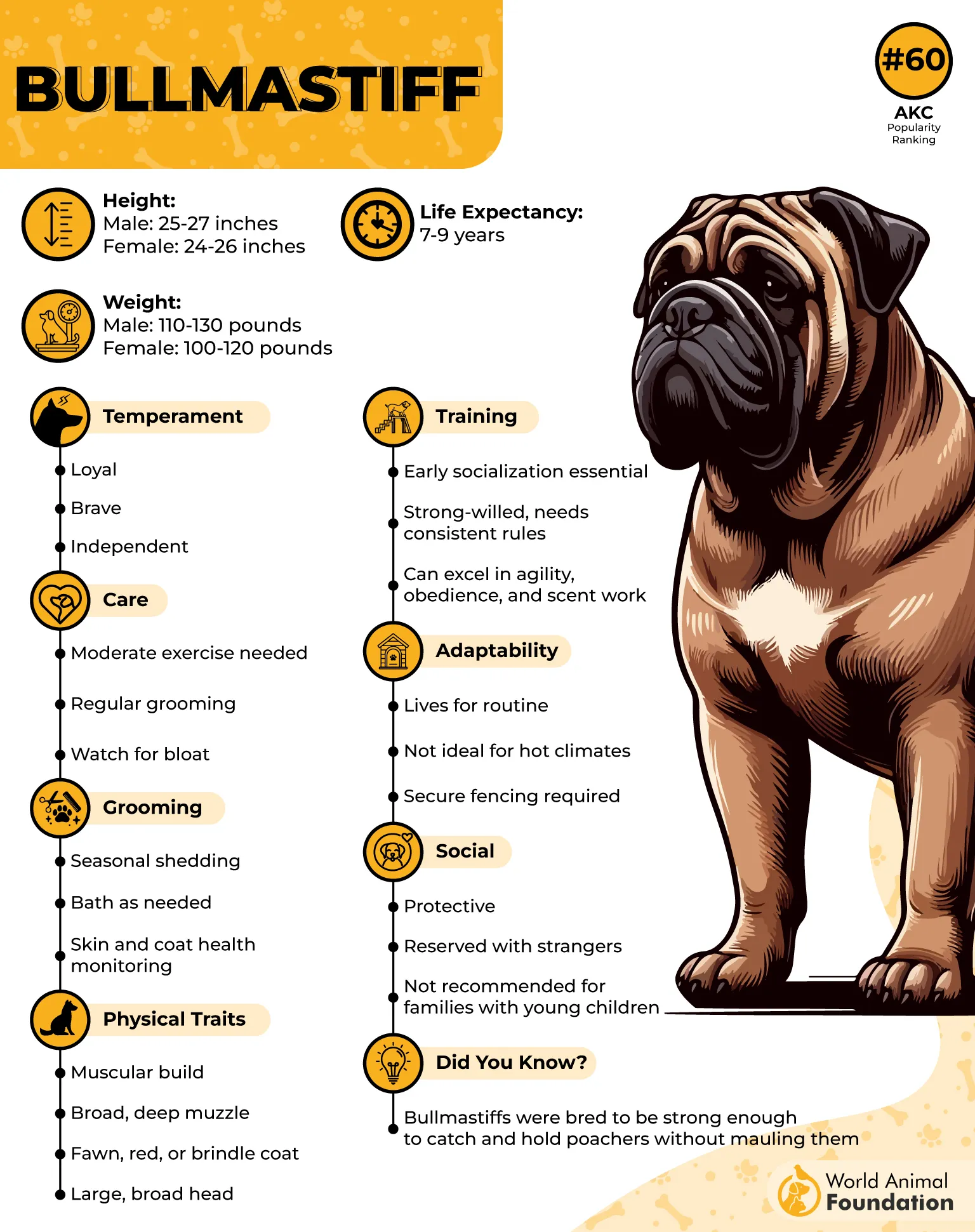
Their appearance reflects strength and confidence. Bullmastiffs have a broad head, dark eyes, and a powerful, square-built body that instantly signals protection. They are intelligent and naturally suspicious of strangers, which makes them excellent watchdogs.
However, their calm nature with family members contrasts with their serious attitude toward unknown people, giving them a balanced temperament that suits home security roles.
Key traits of Bullmastiffs:
Incredibly loyal, calm, and deeply affectionate with family members
Strong protective instincts and natural guard dogs
Intelligent but can be independent-minded
Naturally suspicious of strangers and alert to unusual activity
Moderate energy levels with a preference for steady daily walks
Require early training and consistent socialization
Quiet dogs that bark mainly to alert to danger
Bullmastiffs need early training and clear routines because their strength and size can become challenging without guidance.
They respond well to obedience training and social exposure during puppyhood, which helps them stay calm and controlled around new people and situations. They are best suited for owners who can provide structure and leadership while building trust through consistency.
3. Doberman Pinscher
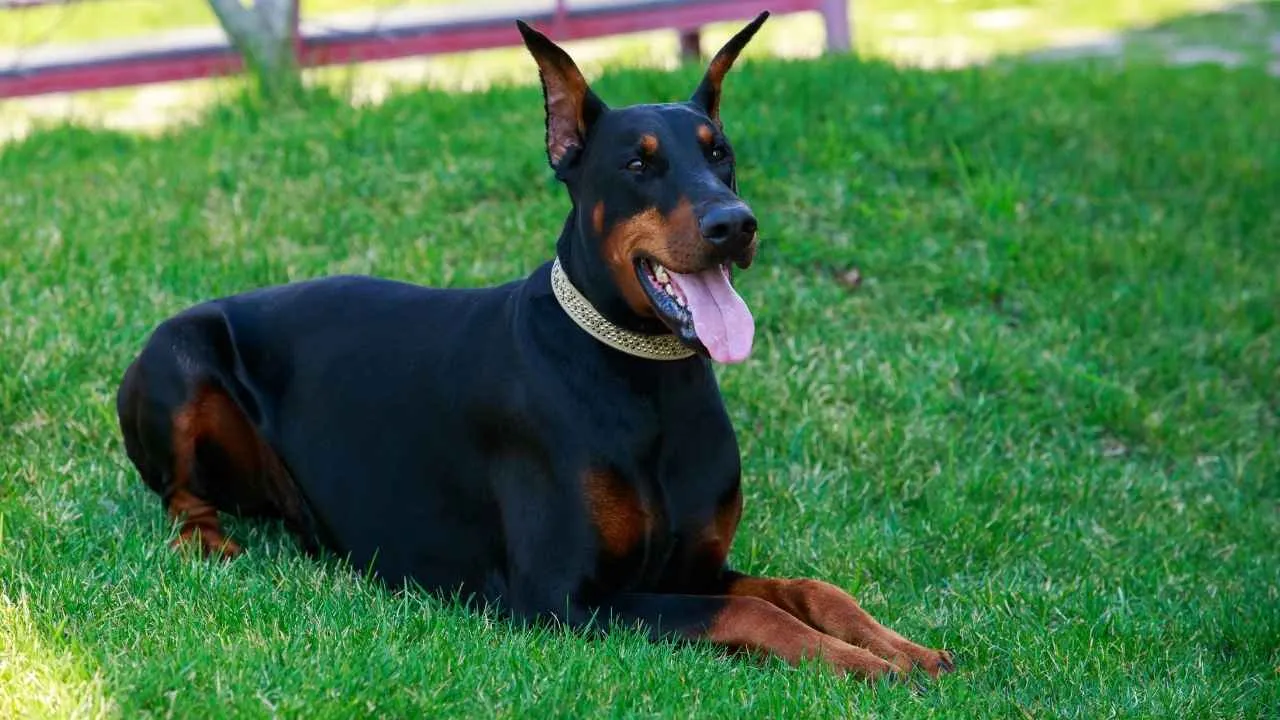
Sleek, powerful, and highly intelligent, the Doberman Pinscher is one of the most respected protection dog breeds in the world. Originally developed in Germany for guarding and security work, this breed is known for its fearlessness, alert nature, and strong loyalty.
Dobermans are naturally vigilant, making them excellent nighttime guardians who stay aware of every sound and movement around their home.
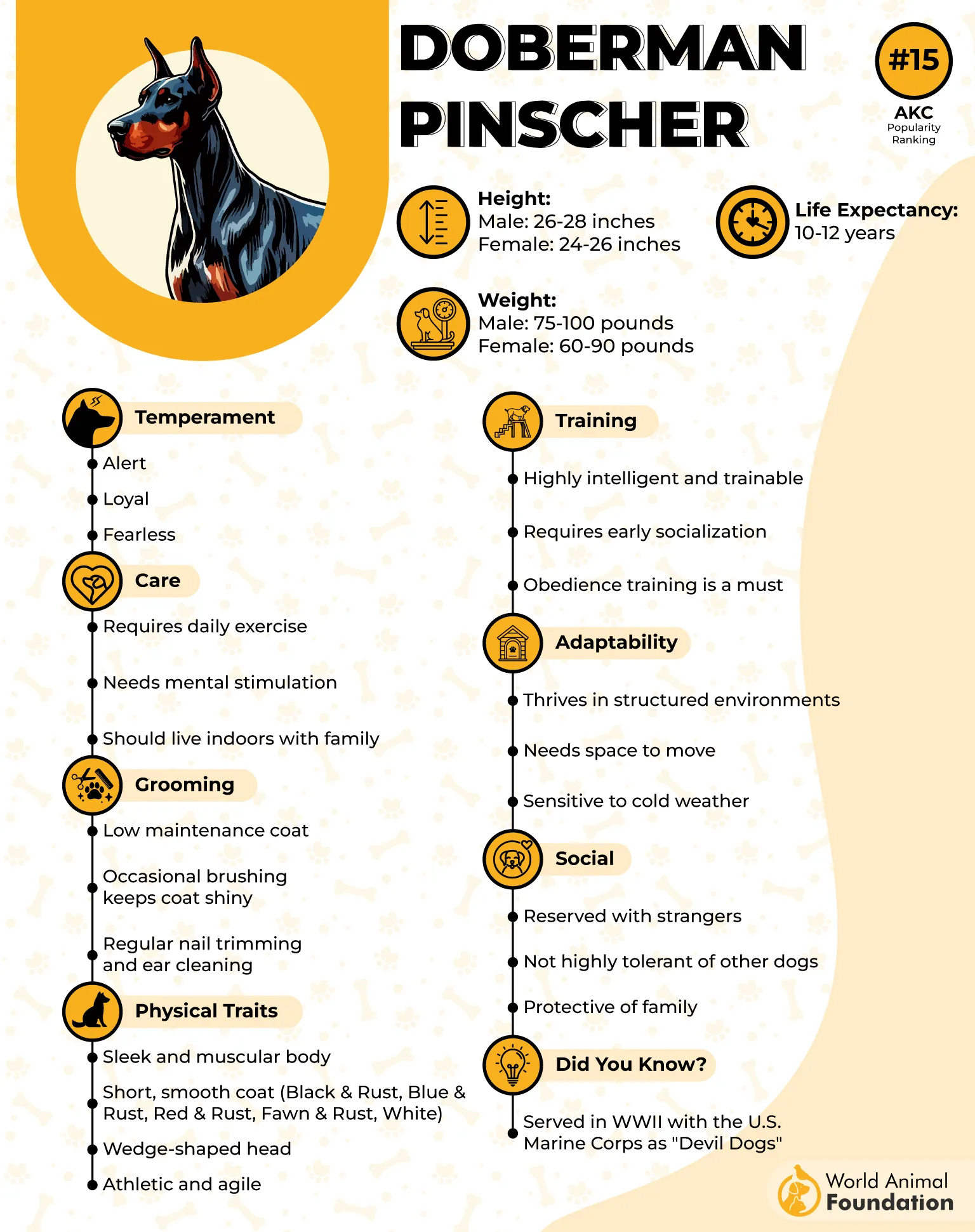
Their appearance reflects speed, strength, and confidence. Dobermans have a muscular, athletic build with a smooth coat that comes in black, blue, red, or fawn with rust markings. Their sharp, wedge-shaped head and intense eyes give them a constant “on alert” expression.
They are highly intelligent dogs that learn quickly, but they also need proper guidance to stay balanced and well-behaved in a home environment.
Key traits of Doberman Pinschers:
Extremely intelligent, alert, and fast learners
Strong loyalty and deep family bonding
Fearless nature with natural guarding instincts
Highly energetic and need daily physical and mental activity
Can become strong-willed without early training and structure
Strong prey drive, may chase moving animals or objects
Excellent at obedience, tracking, agility, and protection work
Dobermans require early socialization and consistent obedience training to bring out their best behavior. They thrive in active homes where they are included in daily routines and given plenty of exercise.
Without enough stimulation, they can become restless or destructive, which is why engagement is essential from a young age.
4. Great Dane
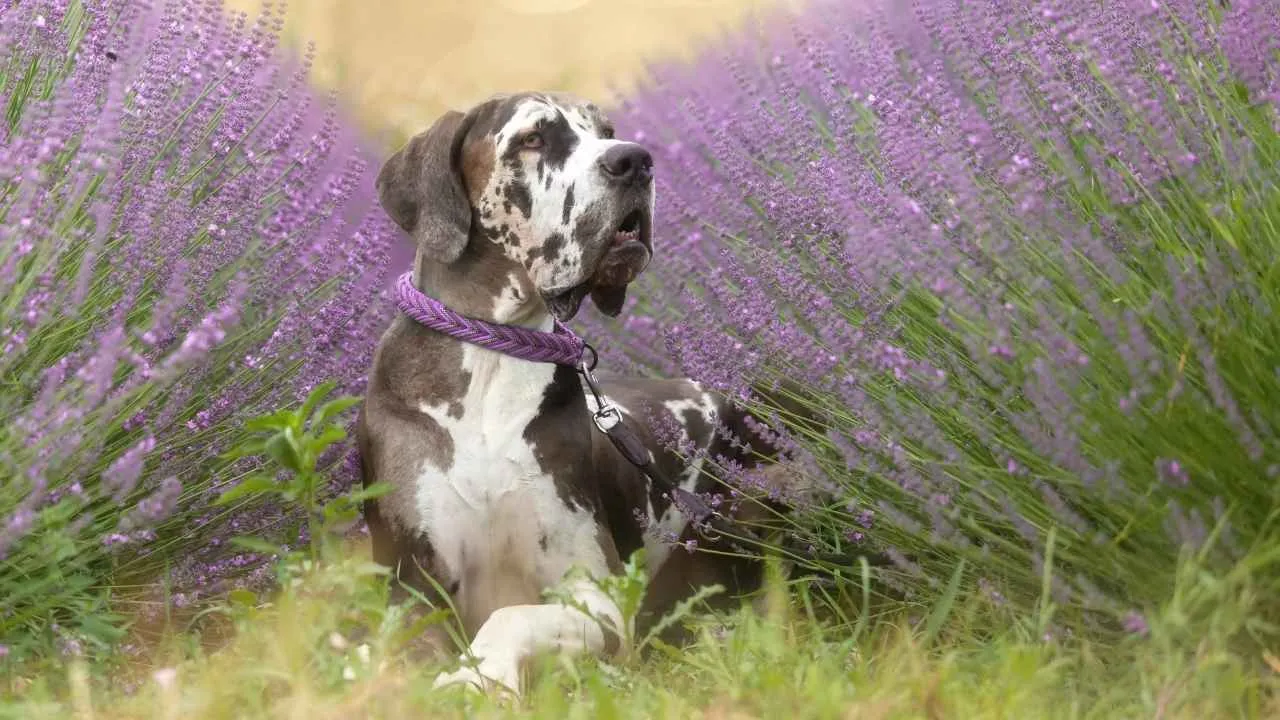
The Great Dane is often called a “gentle giant,” and for good reason. Despite its massive size and powerful build, this breed is calm, friendly, and deeply affectionate with its family. Originally bred as a guardian, it still carries a natural protective instinct, making it a quiet but highly effective home watchdog.
Its presence alone is often enough to deter unwanted visitors, especially during the night when it stays alert and observant.
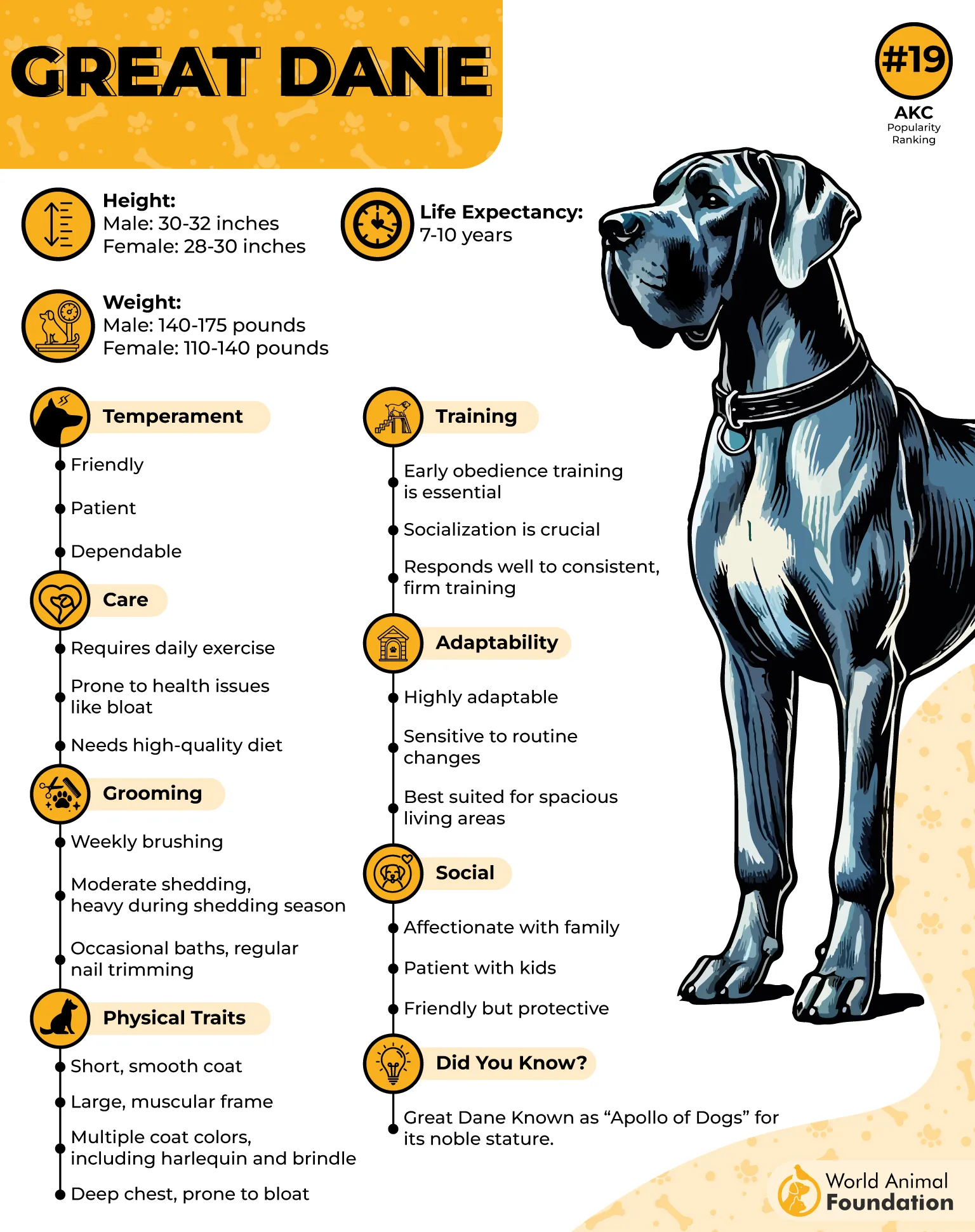
These dogs are elegant, strong, and surprisingly gentle in behavior. They are not aggressive by nature but are naturally watchful and confident. Great Danes bond closely with their families and prefer staying indoors as part of daily life.
While they are friendly and social, they still maintain a protective awareness of their surroundings, which makes them reliable nighttime companions.
Key traits of Great Danes:
Gentle, affectionate, and people-oriented temperament
Natural guarding instincts with calm alertness
Highly loyal and protective of family members
Friendly with small children and usually good with other pets
Require early obedience training due to large size and strength
Moderate energy levels with a need for daily walks and activity
Intelligent but can show occasional stubbornness
Great Danes need consistent training and socialization from a young age to ensure they grow into well-mannered adults. Because of their size, obedience training is essential to keep them manageable.
They respond well to gentle, reward-based methods and thrive when included in family life rather than being left alone for long periods.
5. Rhodesian Ridgeback

The Rhodesian Ridgeback is a strong, intelligent, and independent guardian breed originally developed in Africa for tracking and holding large game. Known for the distinctive ridge of backward-growing hair along its back, this breed combines athletic power with calm confidence.
It is naturally protective, making it a reliable nighttime watchdog that stays alert without being overly aggressive.
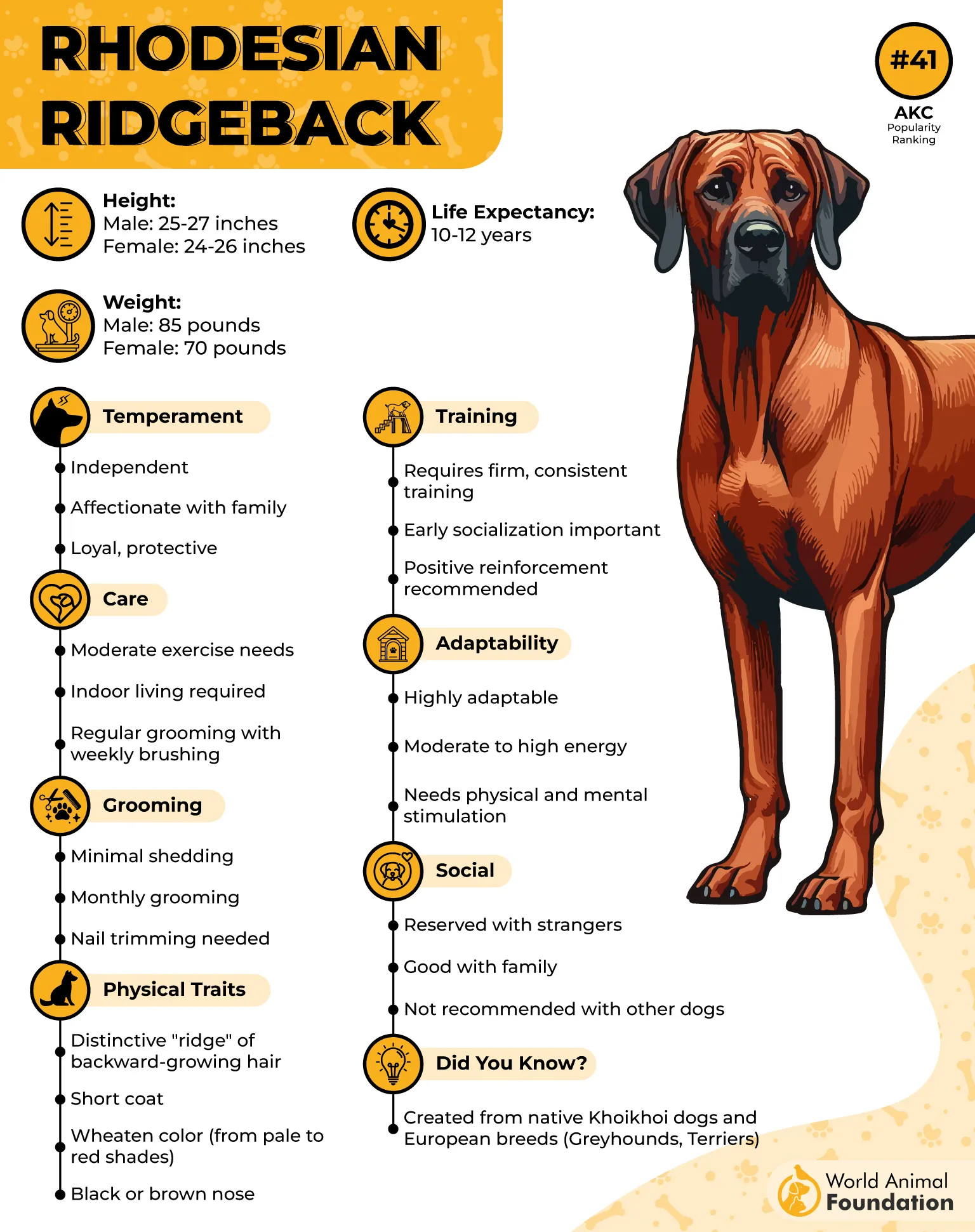
This breed is muscular, fast, and built for endurance. Ridgebacks are loyal to their families but naturally reserved with strangers. They are highly intelligent, but also independent-minded, which means they need calm, consistent guidance from an early age.
Their strong prey drive and guarding instincts make them naturally watchful, especially in unfamiliar situations or at night.
Key traits of Rhodesian Ridgebacks:
Loyal, intelligent, and naturally protective
Strong independent streak with a confident personality
High prey drive due to hunting background
Calm, quiet, and not excessive barkers
Strong and athletic with good endurance
Require early socialization and firm but fair training
Best suited for experienced or consistent dog owners
Ridgebacks need regular exercise and mental stimulation to stay balanced. Daily walks, runs, or structured play help prevent boredom and unwanted behavior. They respond well to positive reinforcement but must be trained early to manage their independence and strong instincts.
6. Giant Schnauzer
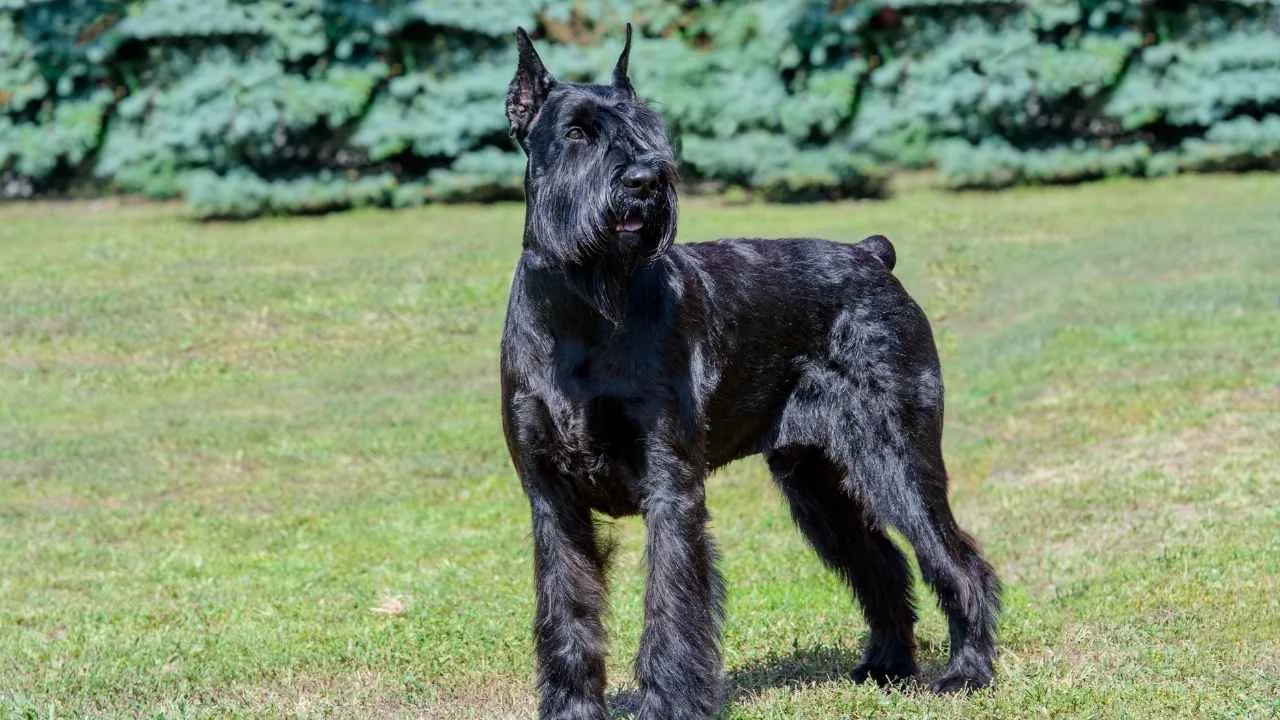
The Giant Schnauzer is a powerful, intelligent, and highly protective working breed known for its bold and commanding presence. Originally developed in Germany as a farm and guardian dog, this breed is naturally alert, territorial, and deeply loyal to its family.
It is confident by nature and makes an excellent night-time watchdog, always aware of its surroundings and quick to react to anything unusual.
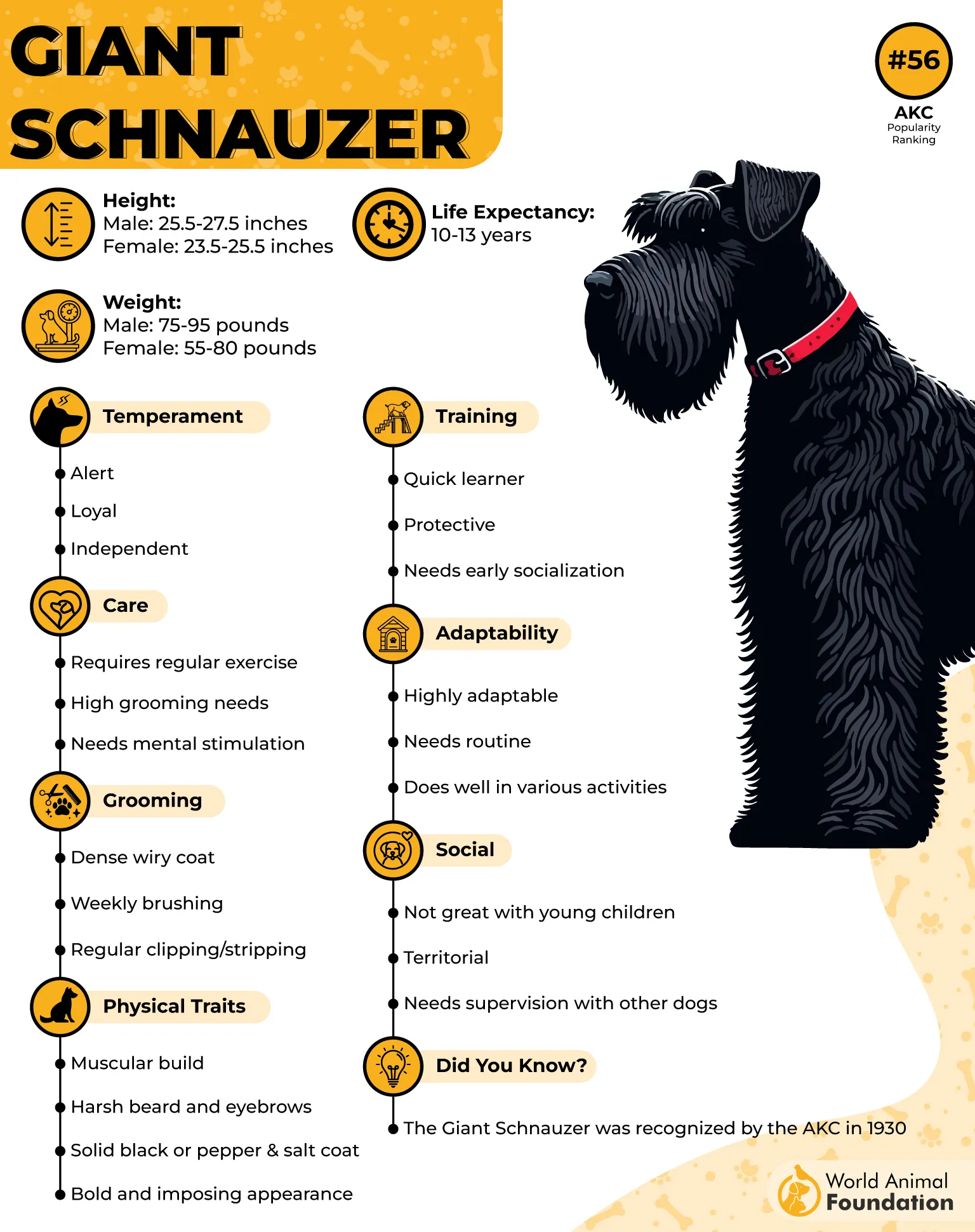
This breed is strong, energetic, and highly trainable, but it is not a casual companion. Giant Schnauzers thrive when given a clear purpose and regular mental and physical stimulation. They bond closely with their owners and prefer being involved in daily family life.
Their natural guarding instinct, combined with intelligence, allows them to quickly distinguish between normal activity and potential threats.
Key traits of Giant Schnauzers:
Highly intelligent, loyal, and quick to learn
Strong protective and territorial instincts
Energetic and requires daily exercise and engagement
Naturally alert and excellent watchdog behavior
Can be wary of strangers without proper socialization
Excel in obedience, agility, tracking, and working tasks
Strong-willed and needs firm, consistent training
Giant Schnauzers need early socialization and structured training to manage their strong personality and guarding drive. They respond best to positive reinforcement and clear leadership.
Without enough activity or attention, they can become bored and may develop unwanted behaviors, so daily exercise and mental challenges are essential.
7. Staffordshire Bull Terrier
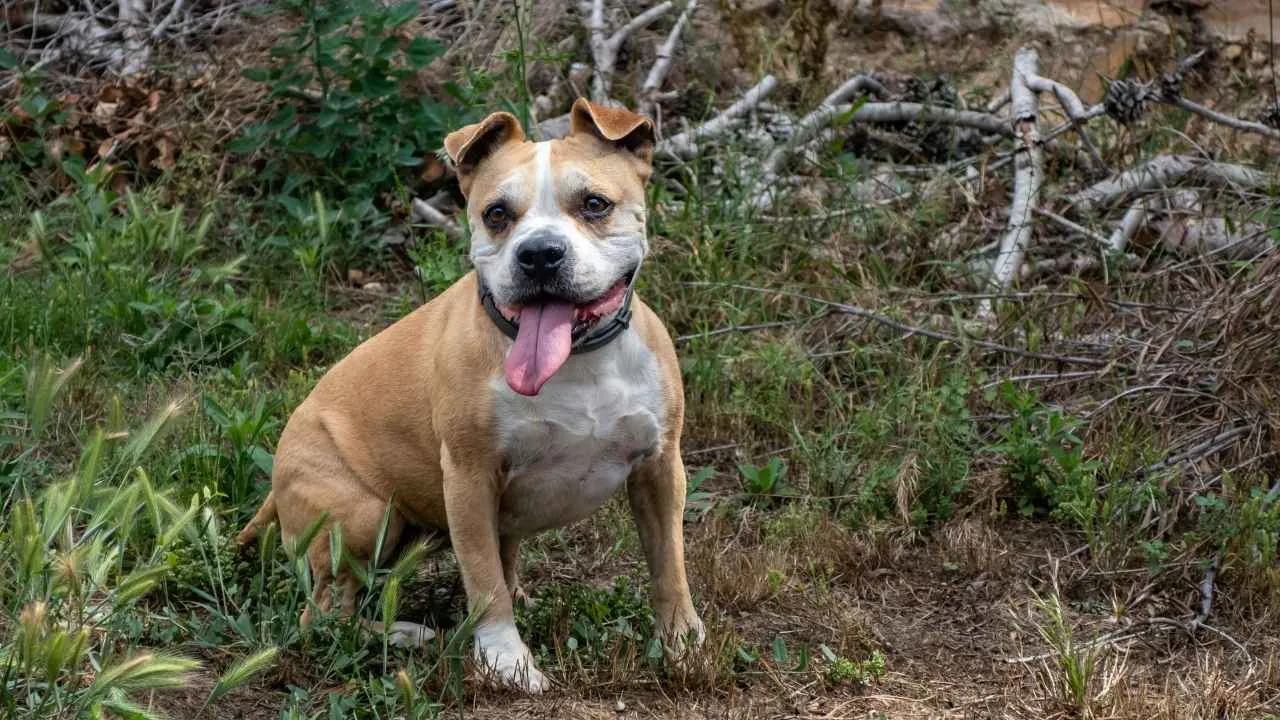
The Staffordshire Bull Terrier is a compact, muscular, and highly courageous breed known for its strength, loyalty, and deep affection for its family. Despite its powerful appearance and history as a former fighting dog, modern Staffordshires are friendly, playful, and especially gentle with children.
They carry a natural alertness, making them dependable little guardians who stay aware of their surroundings, especially during the night.
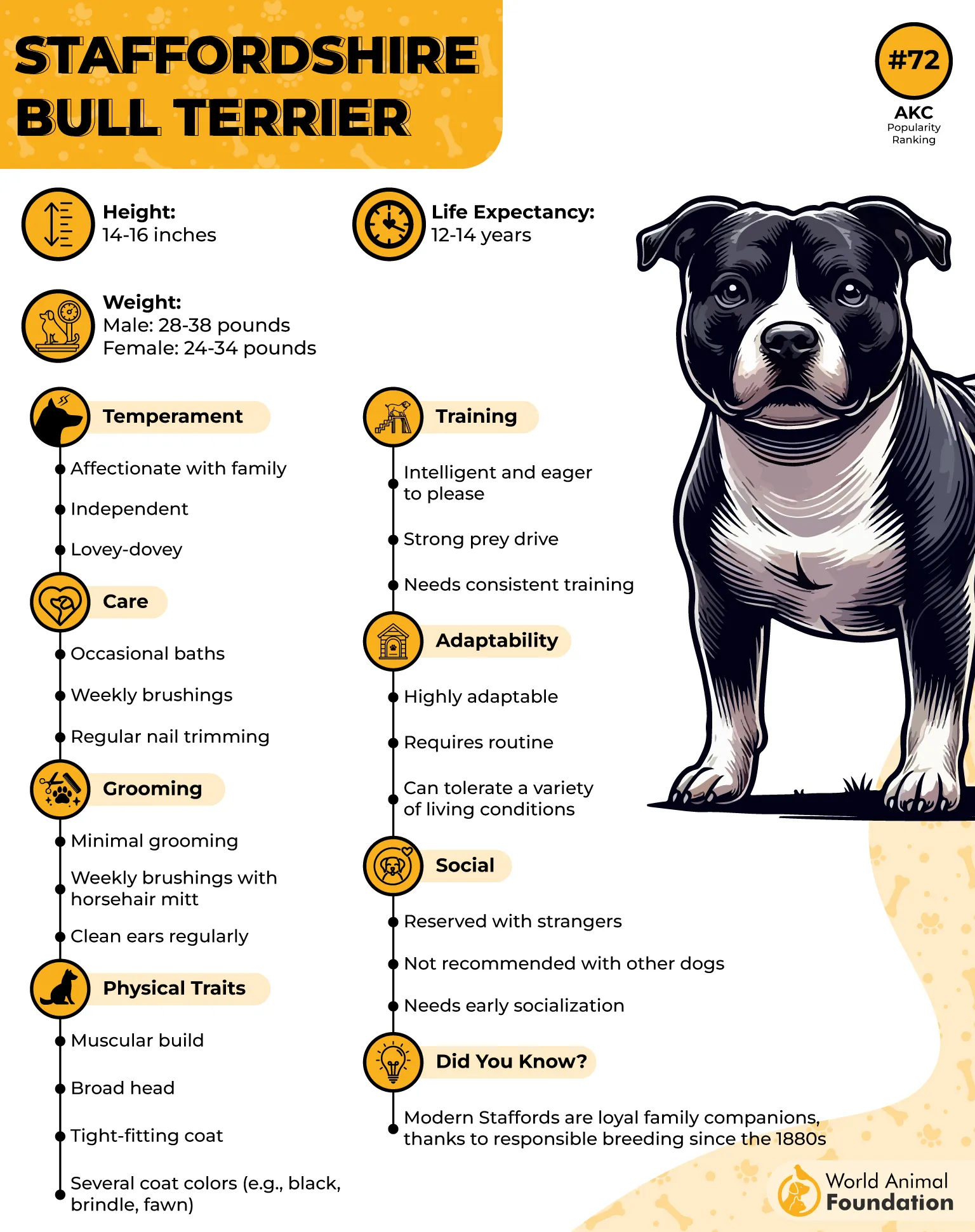
This breed is strong for its size, with a solid, athletic build and a confident, energetic personality. According to Chewy, Staffordshire terriers are intelligent and eager to please, which makes them relatively easy to train with the right approach.
However, they do have a strong prey drive and an instinctive boldness, so early training and socialization are essential to guide their behavior properly and ensure they grow into balanced companions.
Key traits of Staffordshire Bull Terriers:
Courageous, loyal, and highly affectionate with family
Strong, muscular build with high energy levels
Naturally playful and especially good with children
Intelligent and quick to learn with positive training
Strong prey drive requiring early socialization
Sensitive temperament; does not respond well to harsh training
Need regular exercise to stay balanced and happy
Staffordshire Bull Terriers require daily physical activity and mental engagement to stay well-behaved. Activities like walks, play sessions, and interactive games help channel their energy in a positive way.
They thrive on human companionship and prefer being close to their owners rather than being left alone for long periods.
8. Tibetan Mastiff
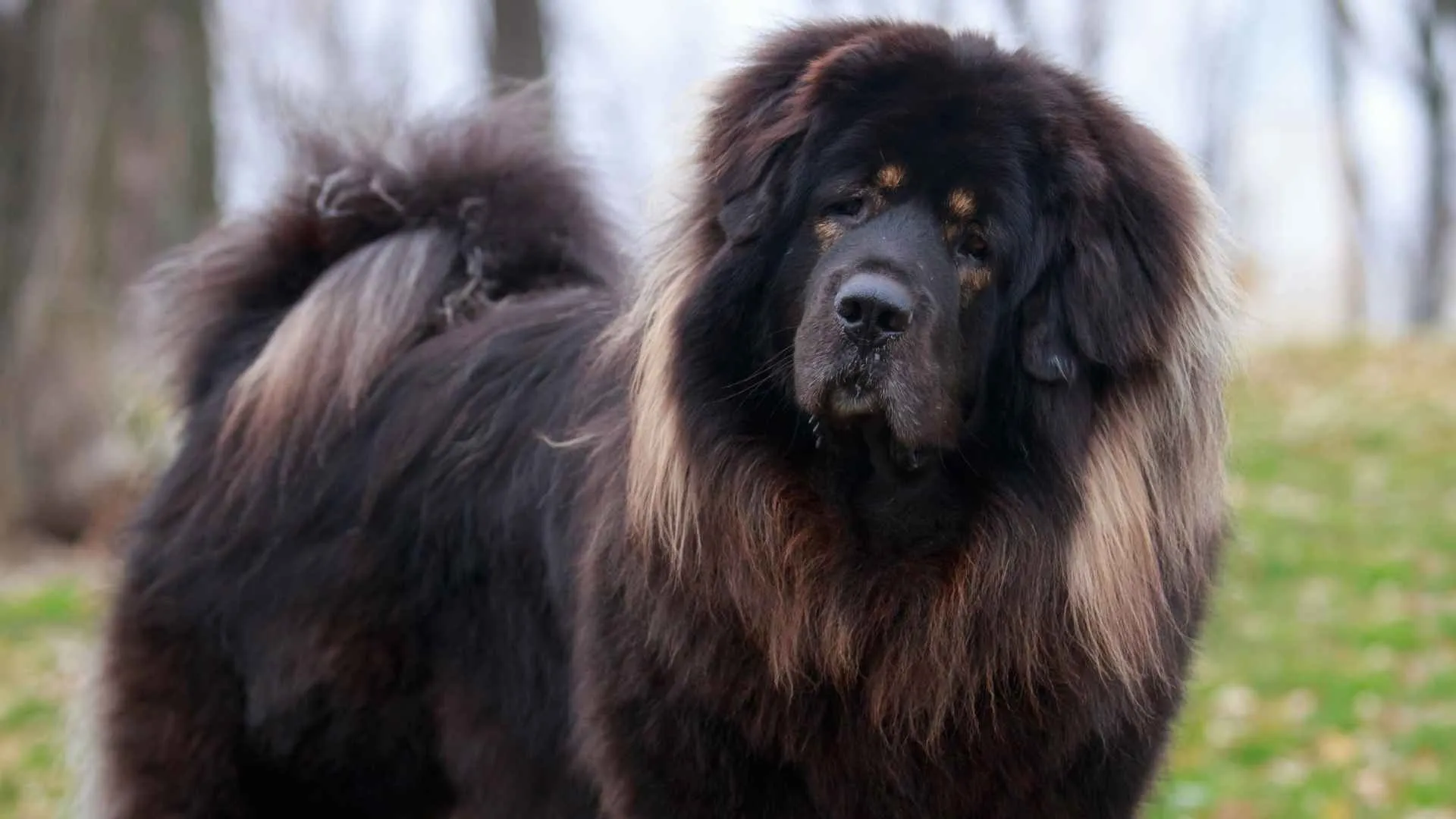
The Tibetan Mastiff is one of the most powerful and naturally protective guardian breeds in the world. Originally bred to guard livestock, homes, and monasteries in the Himalayan region, this ancient breed is known for its watchful nature, deep loyalty, and intimidating presence.
Calm and affectionate with family members, Tibetan Mastiffs become highly alert and territorial around strangers, making them exceptional night-time protectors.
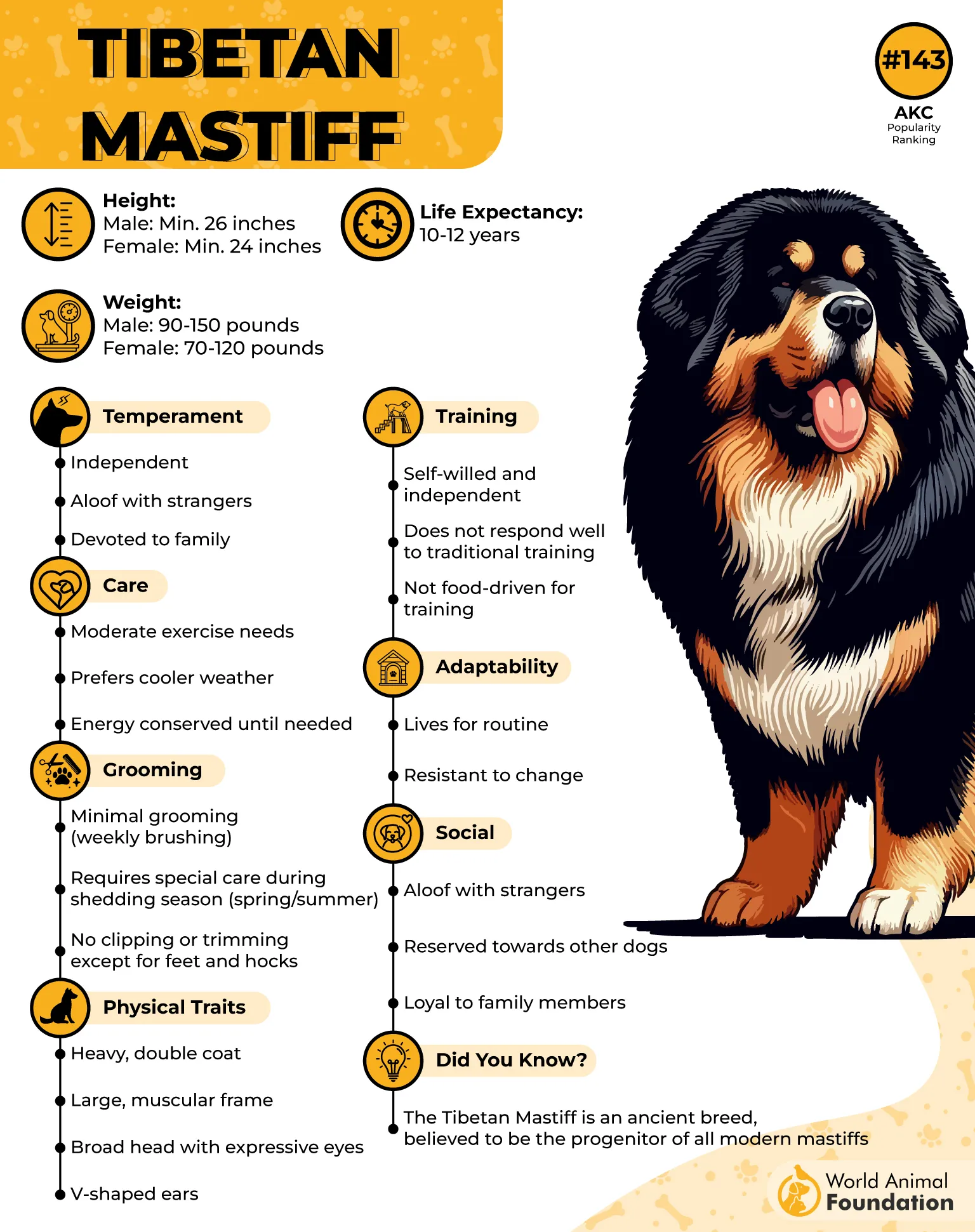
These dogs are massive, muscular, and heavily coated, yet surprisingly agile when they sense danger. Tibetan Mastiffs are intelligent and independent thinkers who prefer trusting their instincts over blindly following commands.
Unlike highly obedient breeds, they are naturally self-reliant and often make decisions on their own. Their strong guarding instinct means they constantly monitor their surroundings, especially during the evening and night hours when they are naturally more active.
Key traits of Tibetan Mastiffs:
Extremely protective and territorial by nature
Calm, loyal, and affectionate with family members
Highly intelligent but very independent-minded
Naturally alert and excellent nighttime watchdogs
Reserved and aloof around strangers
Prefer patrolling and guarding over playful activities
Require early socialization and patient, consistent training
Tibetan Mastiffs need firm guidance, early socialization, and secure spaces due to their strong instincts and independent personality. They are not ideal for first-time dog owners because they can be stubborn and difficult to control without proper training.
Moderate daily exercise and mental stimulation help keep them balanced, though they are generally calm indoors.
9. German Shepherd
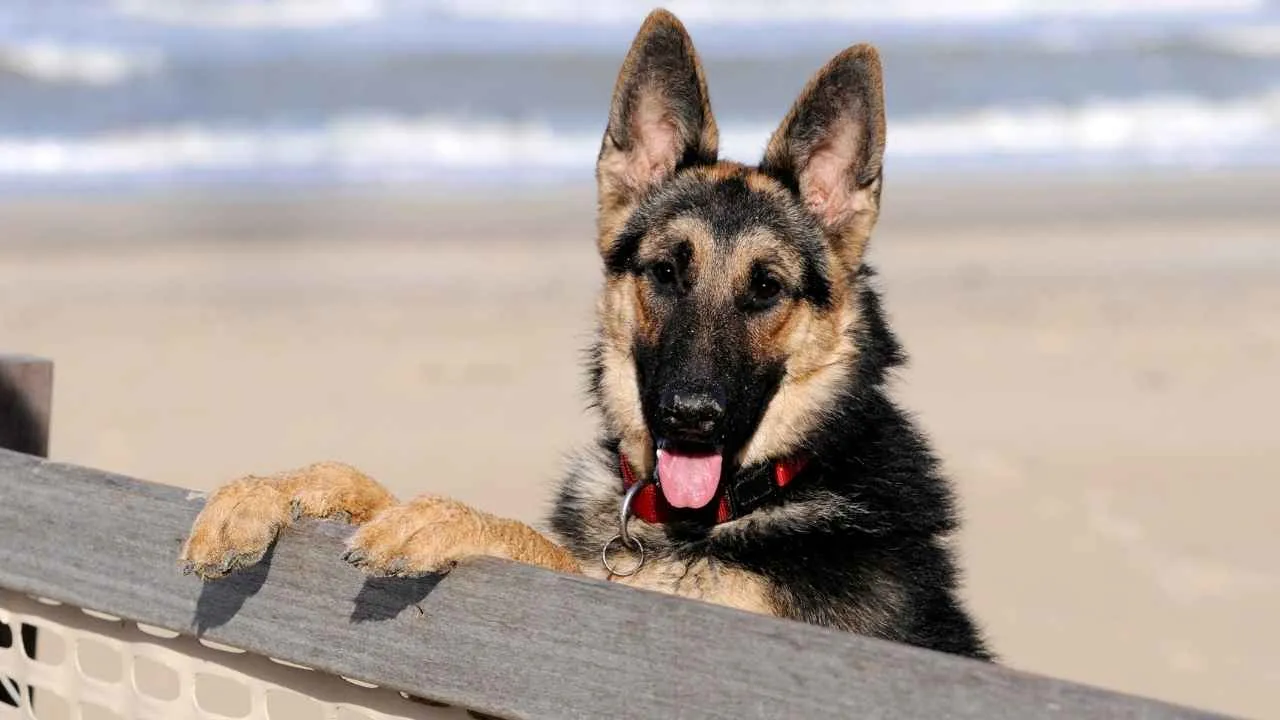
The German Shepherd is one of the world’s most respected working and protection dog breeds. Known for its intelligence, courage, and unwavering loyalty, this breed has earned a reputation as a dependable guardian both at home and in professional roles like police, military, and search-and-rescue work.
Calm yet confident, German Shepherds are naturally protective and remain highly alert at night, making them excellent companions for home security.
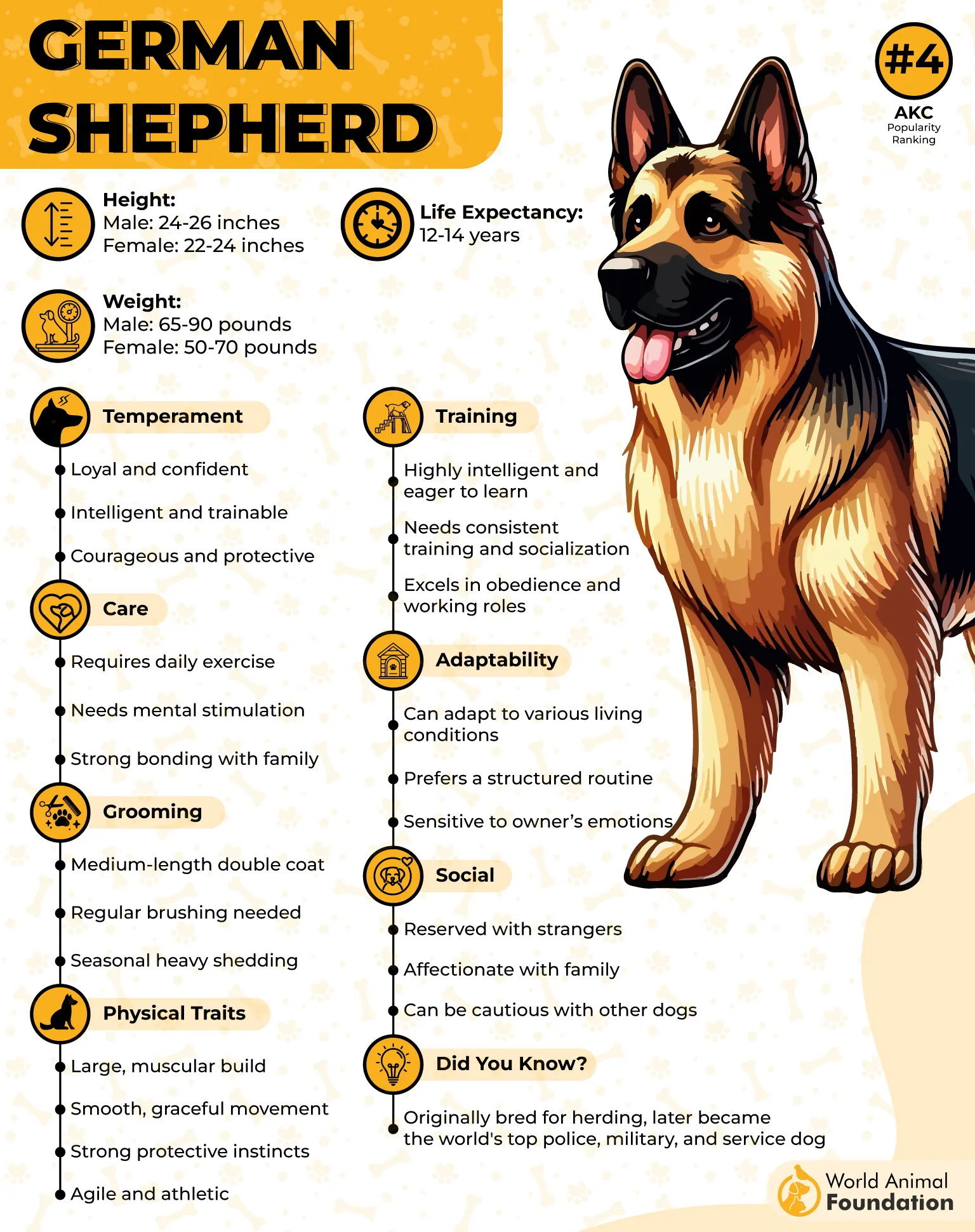
These dogs are strong, athletic, and highly trainable. German Shepherds thrive when they have a purpose and close interaction with their families. They are deeply bonded to their owners and prefer being involved in daily household activities rather than being left alone outdoors.
While affectionate and gentle with loved ones, they can be naturally aloof around strangers due to their strong guarding instincts, as mentioned by Hill’s Pet.
Key traits of German Shepherds:
Extremely intelligent and quick to learn
Loyal, courageous, and naturally protective
Strong work ethic with high trainability
Athletic and energetic with a need for daily exercise
Naturally alert and effective watchdogs
Deeply bonded with family members
Require early socialization and obedience training
German Shepherds need regular physical activity and mental stimulation to stay balanced and well-behaved. Daily walks, training sessions, and activities like agility or tracking help keep them mentally engaged. Without enough exercise or structure, they can become bored, restless, or overly protective.
10. Akita
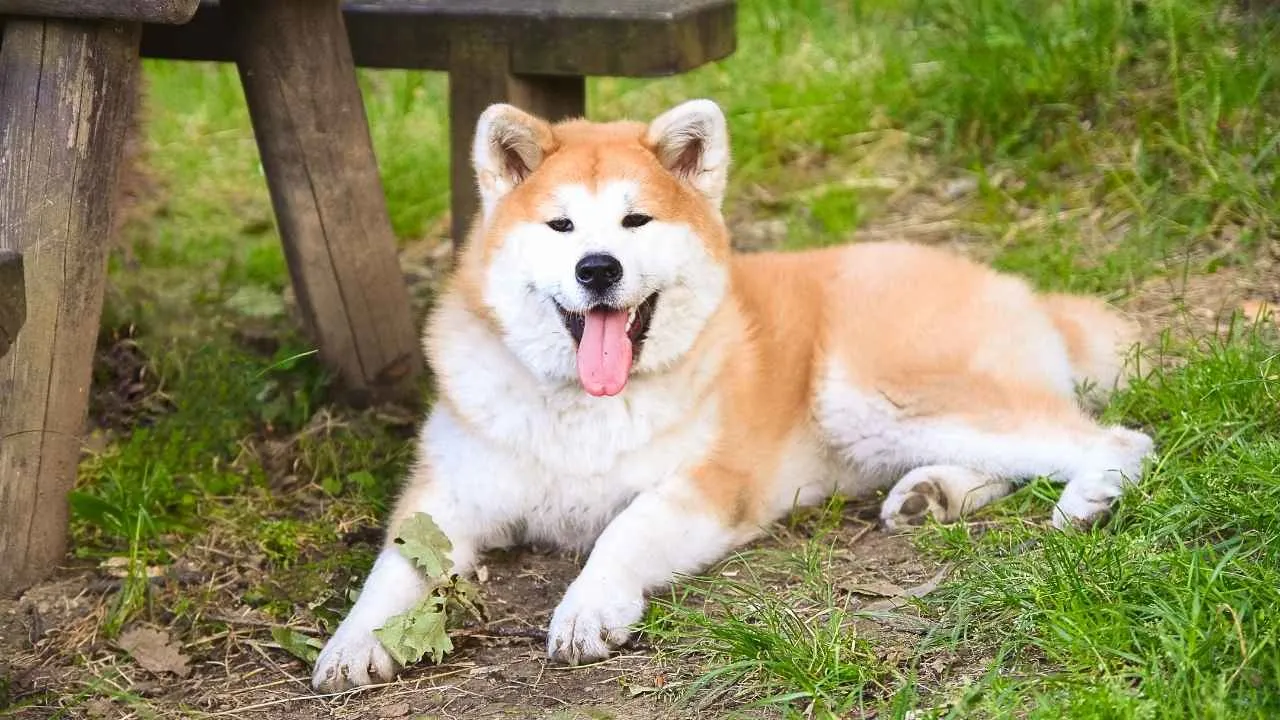
The Akita is a powerful, intelligent, and deeply loyal breed known for its quiet confidence and strong protective instincts. Originally bred in Japan as a guardian and hunting dog, the Akita forms close bonds with family members while remaining naturally reserved around strangers.
Though affectionate with their people, Akitas are independent thinkers who require experienced handling and consistent leadership from an early age.
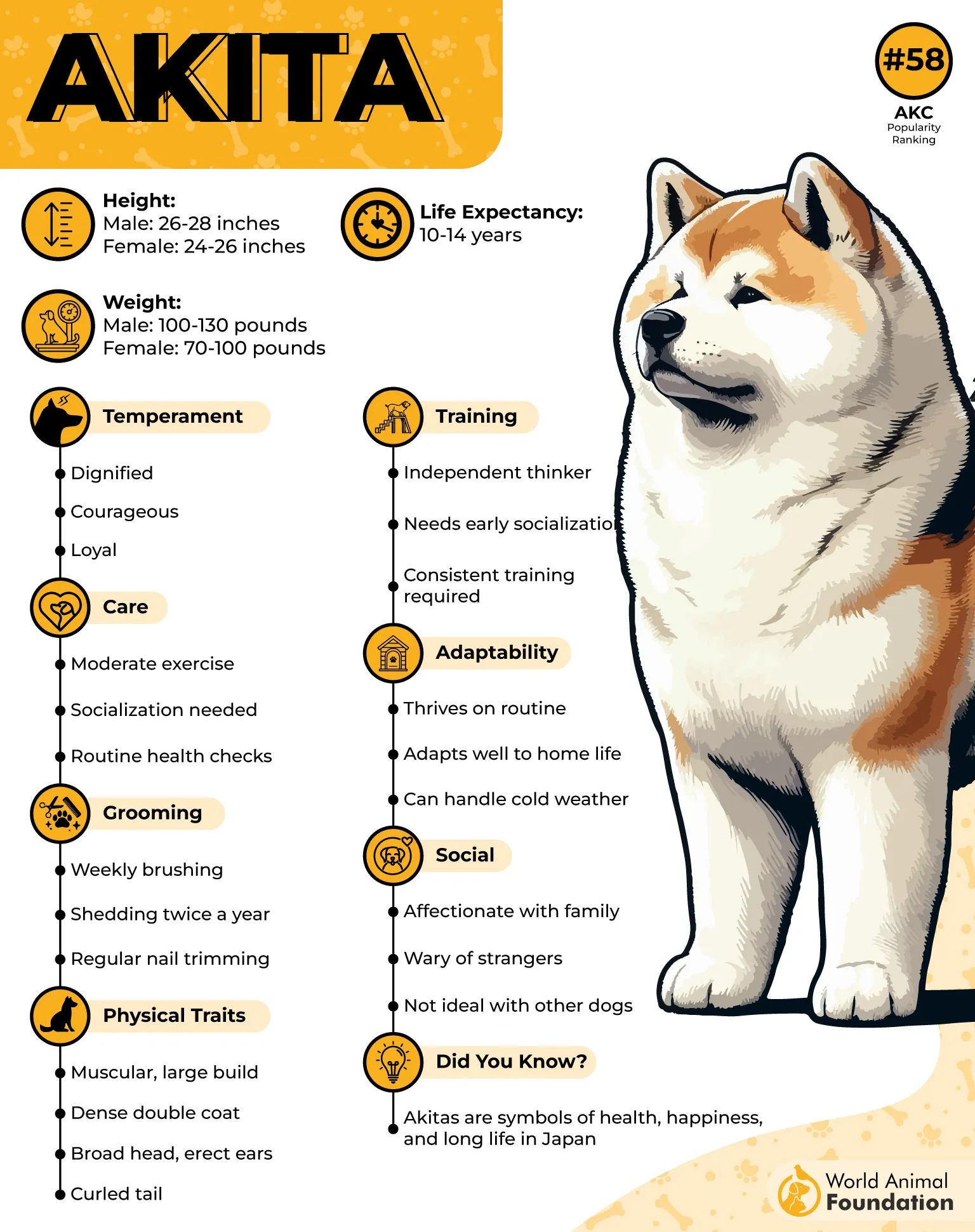
Akitas are highly intelligent dogs, but their strong-willed and dominant nature can make training challenging without early socialization and firm, positive guidance.
While they are not excessively energetic, Akitas enjoy outdoor adventures and mental challenges that keep them engaged. Because of their territorial instincts and prey drive, they should always be supervised around unfamiliar animals and should never be trusted off-leash in unsecured areas.
Key Traits of Akita:
Loyal, protective, and strongly bonded to family
Intelligent but independent and sometimes stubborn
Naturally wary of strangers and territorial by instinct
Requires early socialization and obedience training
Needs moderate daily exercise and mental stimulation
Thick double coat with colors including white, brindle, pinto, and red
Can be aggressive toward other dogs, especially of the same sex
Despite their imposing size and fearless personality, Akitas are calm and affectionate companions who enjoy being close to their owners and often follow them from room to room.
They adapt surprisingly well to home life when properly exercised and trained, but their strength and protective nature mean they are not ideal for inexperienced owners. With the right guidance, the Akita becomes a devoted guardian, dignified family companion, and confident lifelong friend.
Conclusion
Choosing a powerful guard dog breed is about far more than size or appearance. Breeds like the Akita, German Shepherd, Tibetan Mastiff, Doberman, and Bullmastiff each bring their own mix of intelligence, loyalty, protectiveness, and personality.
While these dogs can become incredibly devoted companions, they also require proper training, socialization, exercise, and responsible ownership to truly thrive in a family environment.
Whether you’re looking for a fearless guardian, an energetic working partner, or a calm but protective companion, taking the time to understand each breed’s temperament and needs will help you build a stronger and happier bond for years to come.
