




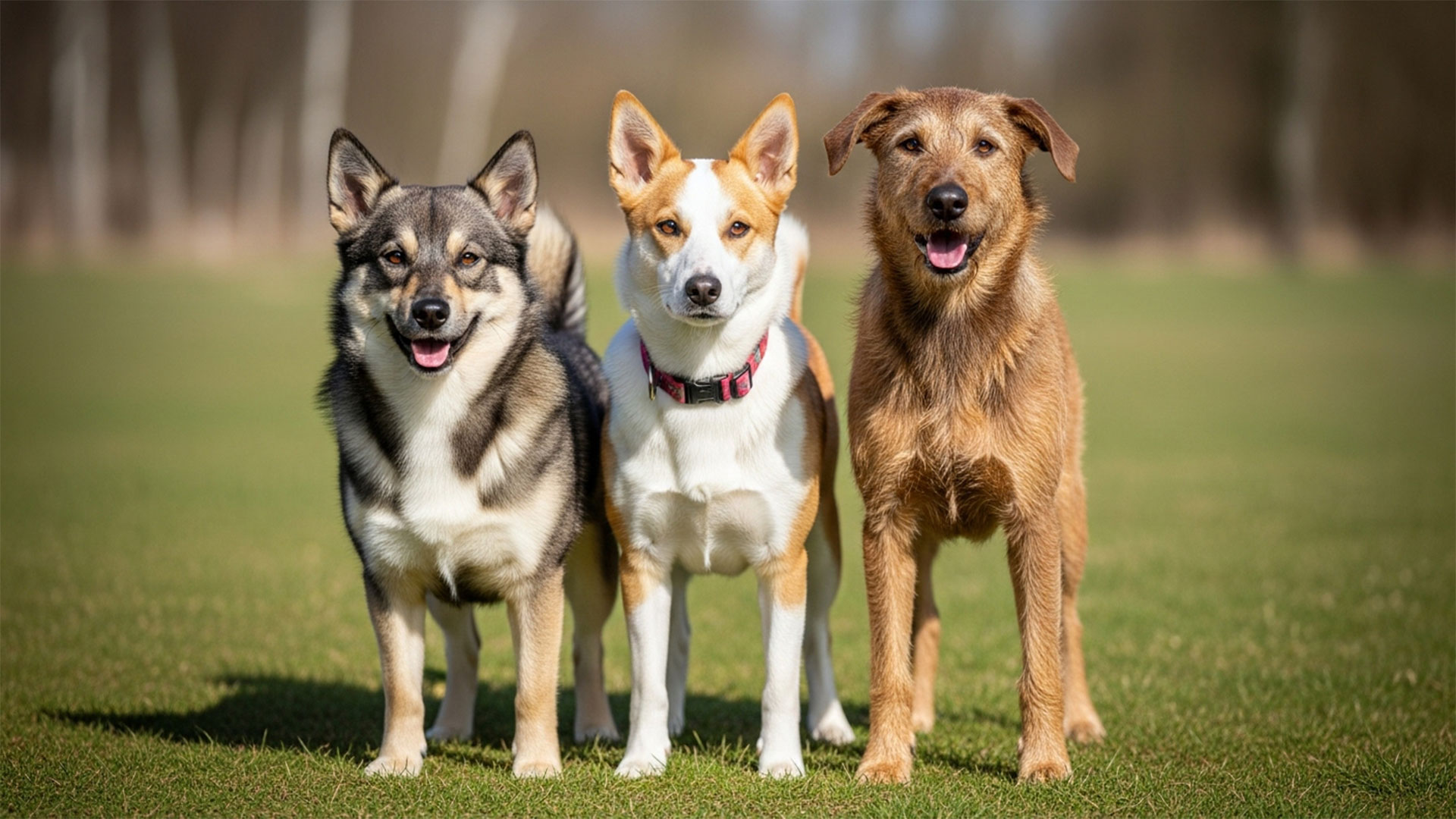
Discover why some rare dogs aren’t ideal pets. Learn about unique breeds that may be challenging to own due to care, health, or temperament.
Rare dog breeds turn heads, and for good reason! These elusive canines often come with fascinating histories — and unique challenges.
While their rarity makes them stand out at the dog park, it doesn’t always make them the easiest pets. Certain breeds have been preserved through very limited bloodlines, leading to special health or behavioral considerations.
Others were bred for specific tasks — like herding or hunting — and can struggle in a modern household setting. Their instincts and energy levels may demand far more than the average owner expects.
It’s tempting to choose a dog that’s “one of a kind,” but it’s important to look beyond appearance. Every breed’s quirks come with responsibility.
Before falling for a rare beauty, learn what makes them special — and why they might not fit every home.
Unique Dog Breeds to Avoid
1. Norwegian Lundehund
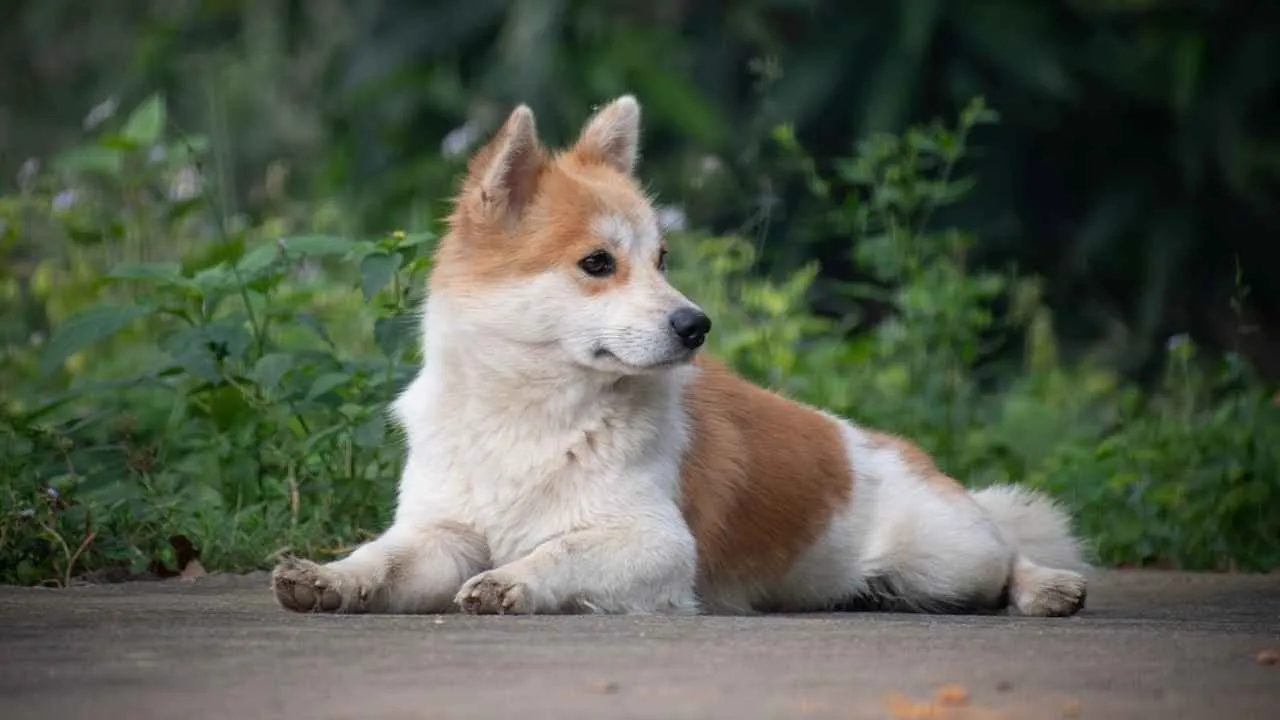
Hailing from Norway’s remote Lofoten Islands, the Norwegian Lundehund was once essential to puffin hunters scaling cliffs for seabirds. Nearly extinct after World War II, this ancient Spitz breed was revived through dedicated breeding efforts and remains one of the world’s rarest dogs.
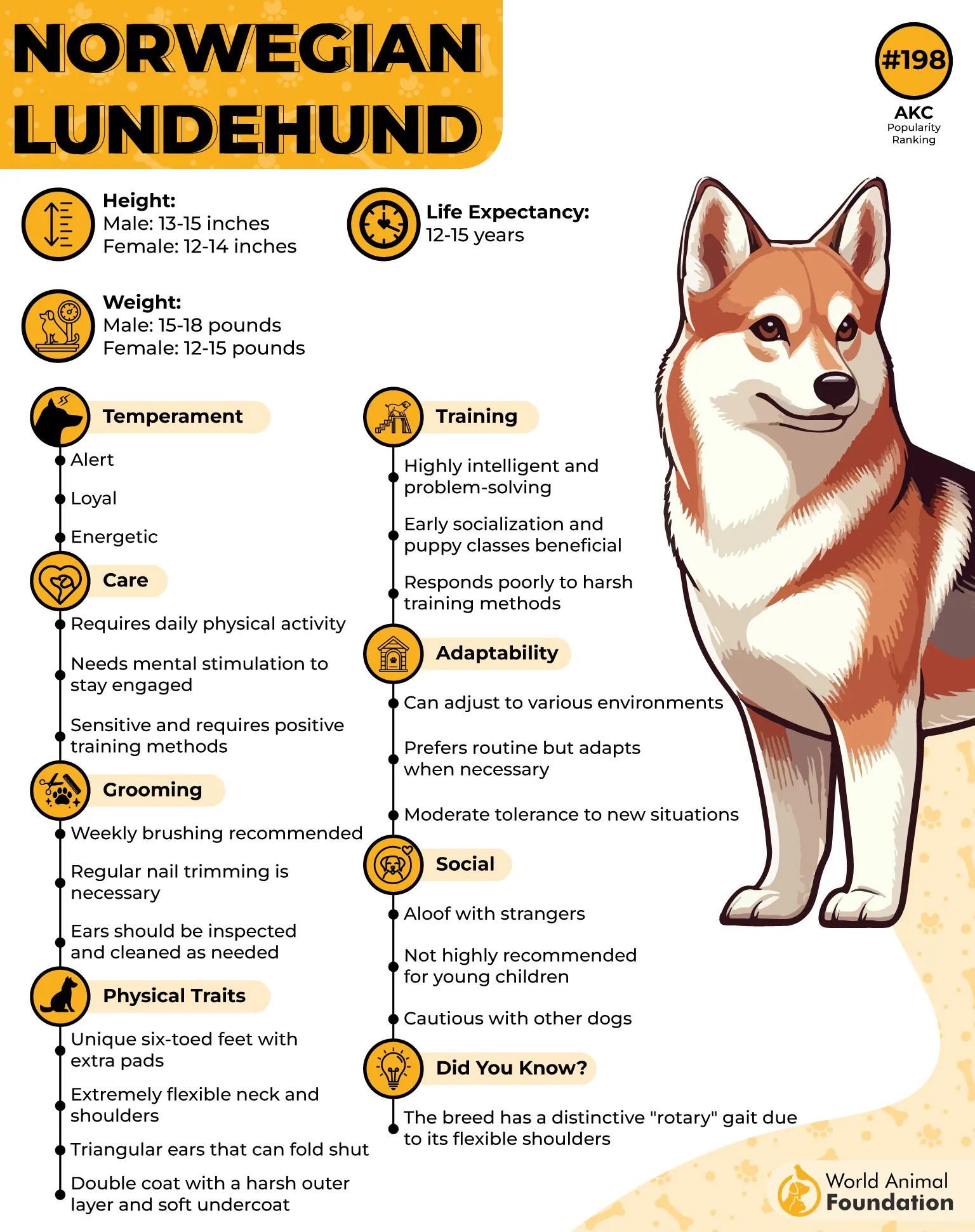
Known for its six toes per paw, ultra-flexible joints, and the ability to tilt its head backward until touching the spine, the Lundehund is built for agility. However, its strong will and suspicion toward strangers make it challenging for novice owners.
Activity Level: High – needs mental and physical stimulation
Special Grooming Needs: Minimal; regular coat and ear checks
Good for Families?: Experienced owners only
Rarity Score: 9.5/10
AKC warns that prone to Lundehund Syndrome, a severe digestive issue, this breed requires a controlled diet and attentive care. A resilient, quirky climber, it suits patient dog enthusiasts who embrace rare canine history.
Norwegian Lundehund – Why to Avoid
The Norwegian Lundehund may be one of the most beautiful dogs, but it’s also among the most difficult to train.
This rare spitz has extreme dietary sensitivities and is prone to severe health issues like Lundehund Syndrome. Its independence and stubborn streak make it unsuitable for first dog owners or those unable to provide constant attention and proper training.
2. Peruvian Inca Orchid
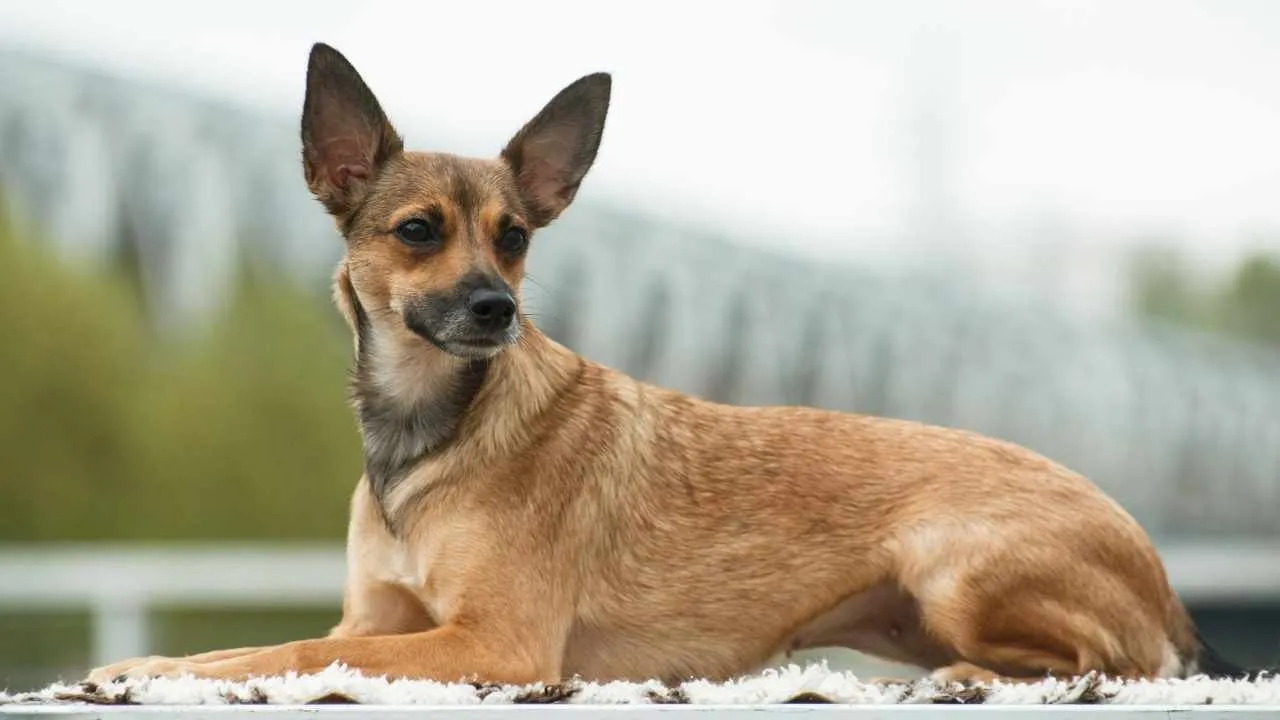
Traced back to pre-Incan civilizations, the Peruvian Inca Orchid (or “Perro sin Pelo del Perú”) symbolizes grace and mystery. Ancient pottery and carvings show this elegant hound as a companion of nobles, often believed to possess healing warmth.
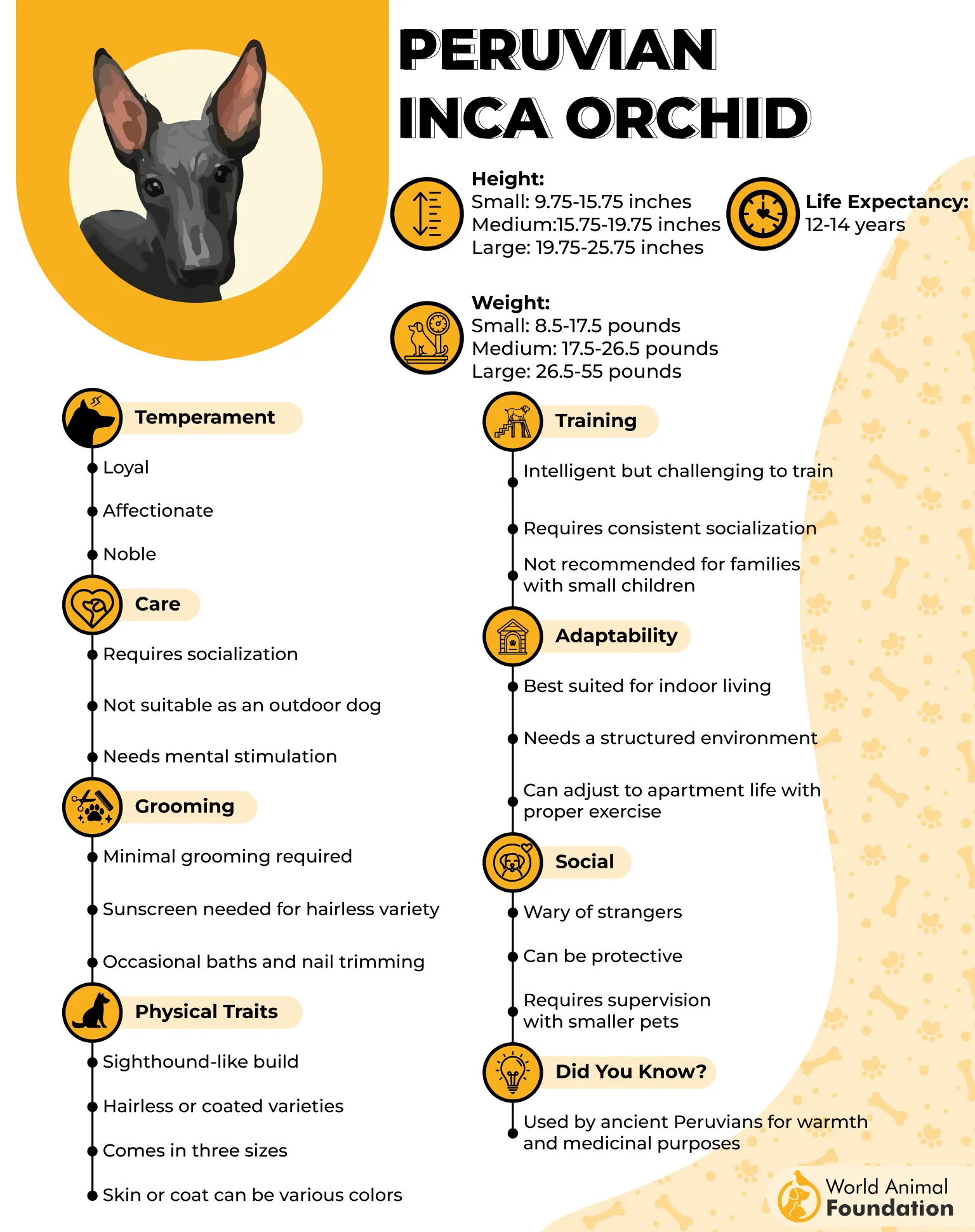
Royal Canin notes that its hairless, silky skin is striking but sensitive, requiring sunscreen, moisturizers, and temperature control. Intelligent yet wary, the Inca Orchid bonds deeply with its owner but remains reserved with strangers.
Activity Level: Moderate – enjoys gentle play
Special Grooming Needs: Skin protection and regular cleansing
Good for Families?: Calm, structured homes only
Rarity Score: 8/10
With thin skin and low body fat, this breed is vulnerable to cold and sunburn. Ideal for dedicated owners who value a quiet, loyal, and highly sensitive companion, the Peruvian Inca Orchid flourishes in steady, affectionate environments.
Peruvian Inca Orchid – Why to Avoid
Although elegant, the Peruvian Inca Orchid is not ideal for many owners. Its hairless skin demands meticulous care and protection from sunburn and cold.
This sensitive breed also struggles with separation anxiety and discomfort around other animals, requiring calm, structured households and responsible handling — not a match for busy families or high-energy dogs.
3. Otterhound
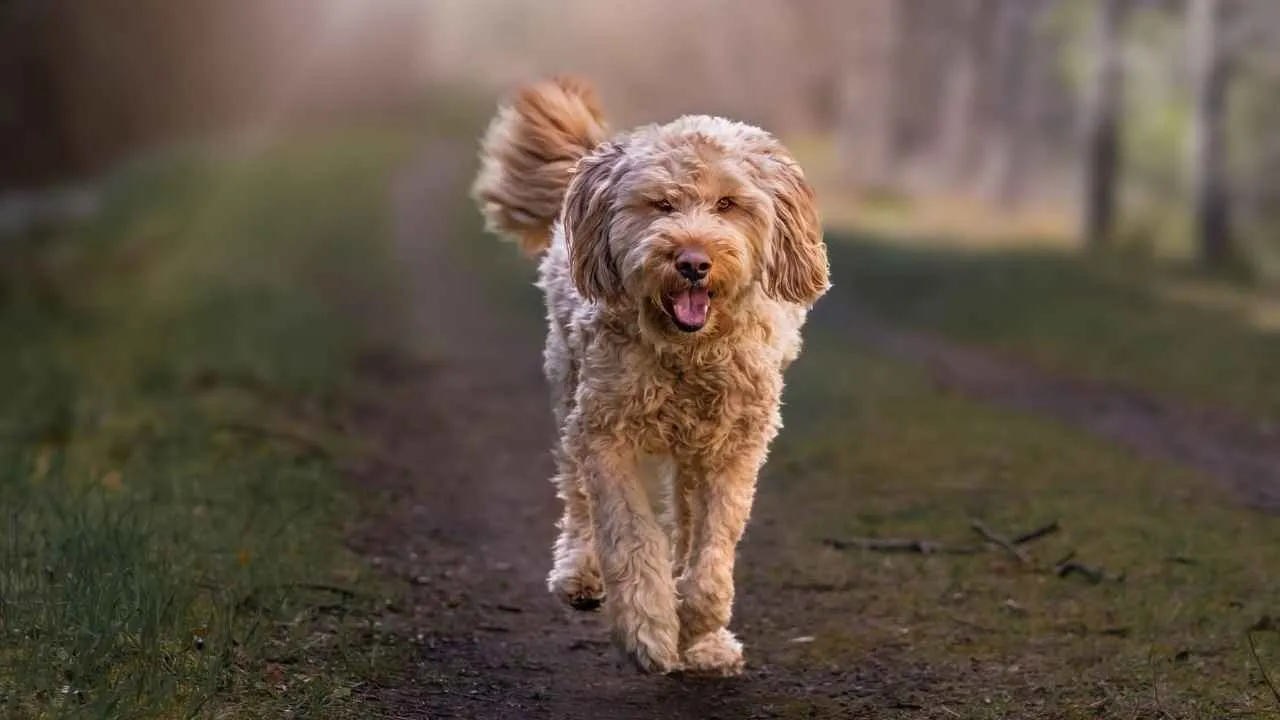
Originating in medieval England, the Otterhound was bred to control river otter populations threatening fish supplies. This massive scent hound, now critically endangered with fewer than 1,000 worldwide, blends water-loving energy with a laid-back heart.
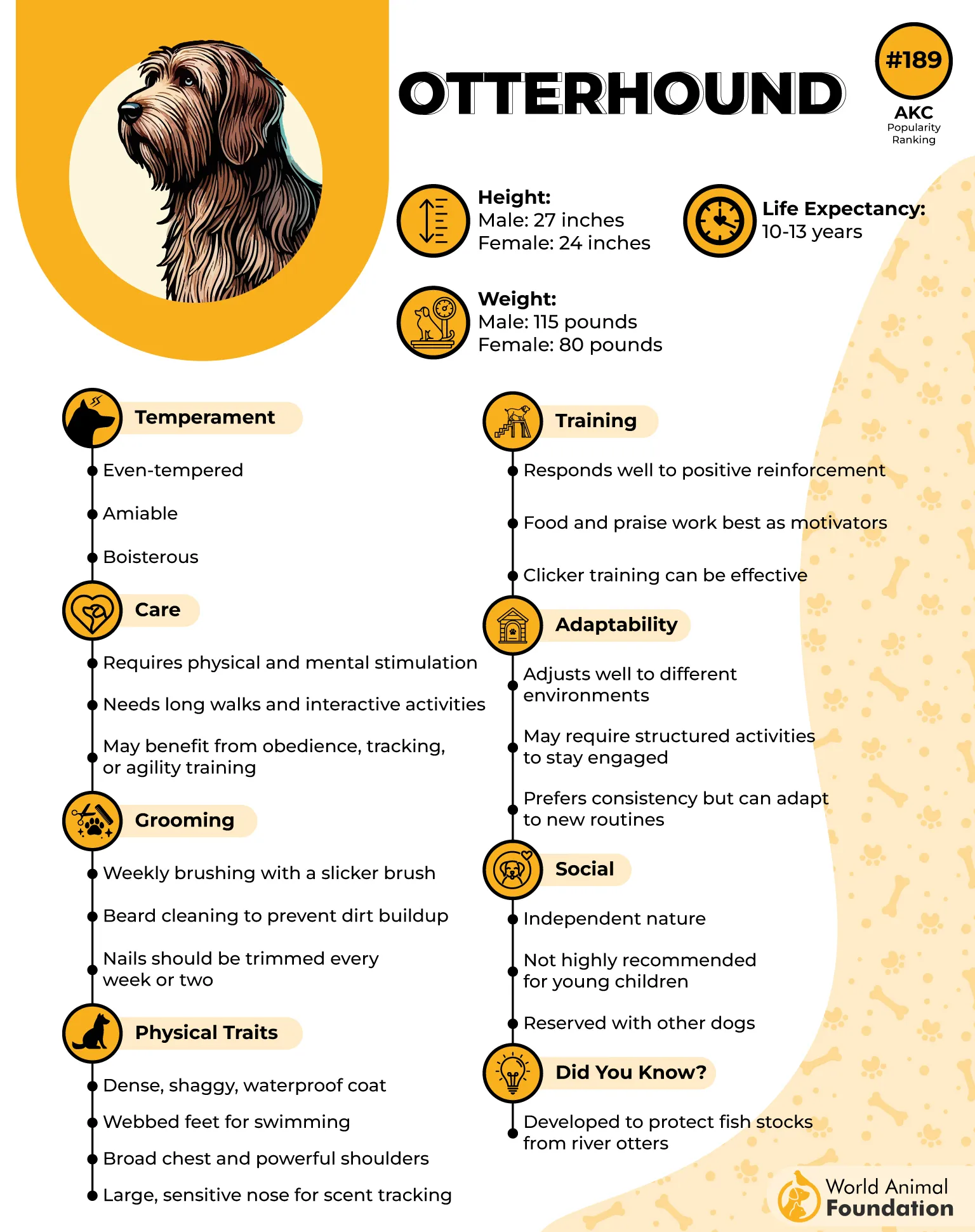
A dense, water-repellent double coat, webbed feet, and powerful lungs make it a natural swimmer. Despite a clownish personality, it’s strong-willed and requires firm yet kind guidance.
Activity Level: Very high – loves swimming and tracking
Special Grooming Needs: Regular brushing; coat can tangle easily
Good for Families?: Active, experienced owners
Rarity Score: 10/10
Otterhounds are prone to ear infections and joint issues. They thrive in spacious homes with outdoor access. This gentle giant with a deep baying voice rewards patient, consistent training with unwavering loyalty and charm.
Otterhound – Why to Avoid
Despite its charm, the Otterhound is a large dog that needs vast outdoor space and adequate exercise daily.
Its thick coat requires frequent grooming, and its booming bark isn’t suited for neighborhood living. Because it’s difficult to train and prone to joint health problems, the Otterhound fits only experienced dog lovers ready for demanding maintenance.
4. Chinook
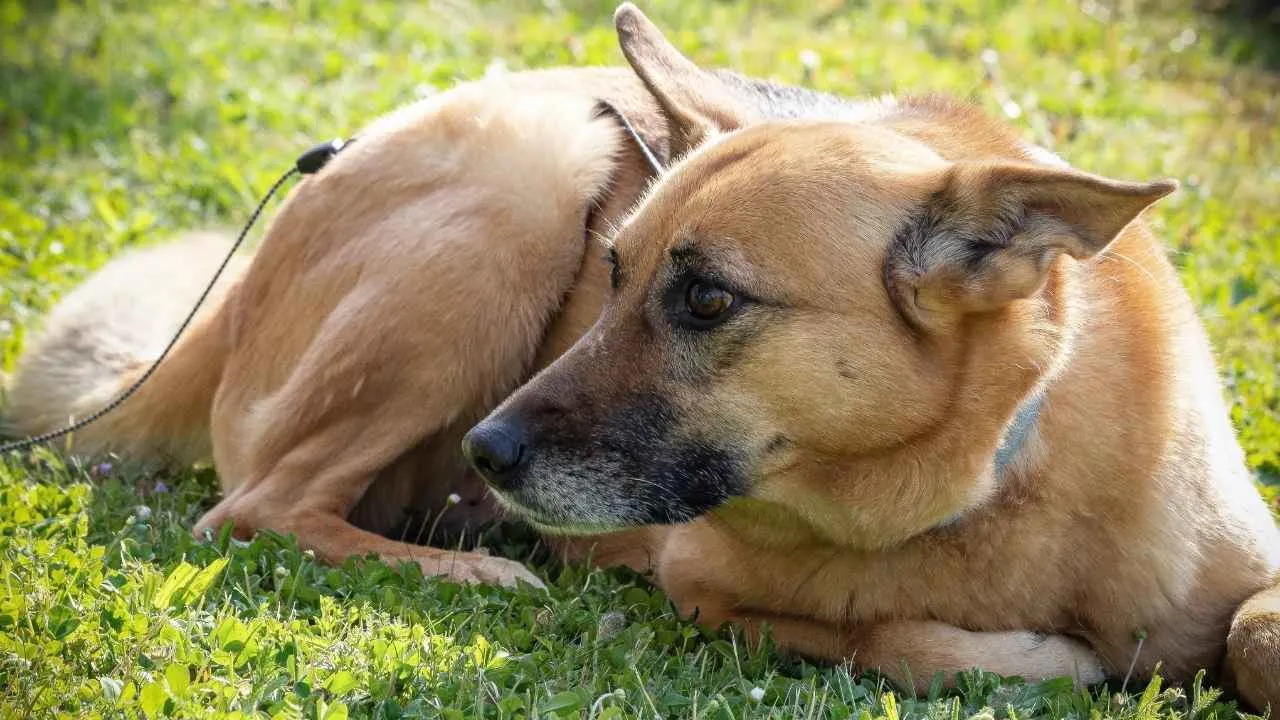
Born in New Hampshire in the early 1900s, the Chinook is America’s rarest sled dog breed, created by explorer Arthur Walden for strength and endurance. Once nearly extinct in the 1980s, it’s now cherished by a small but passionate community of breeders.
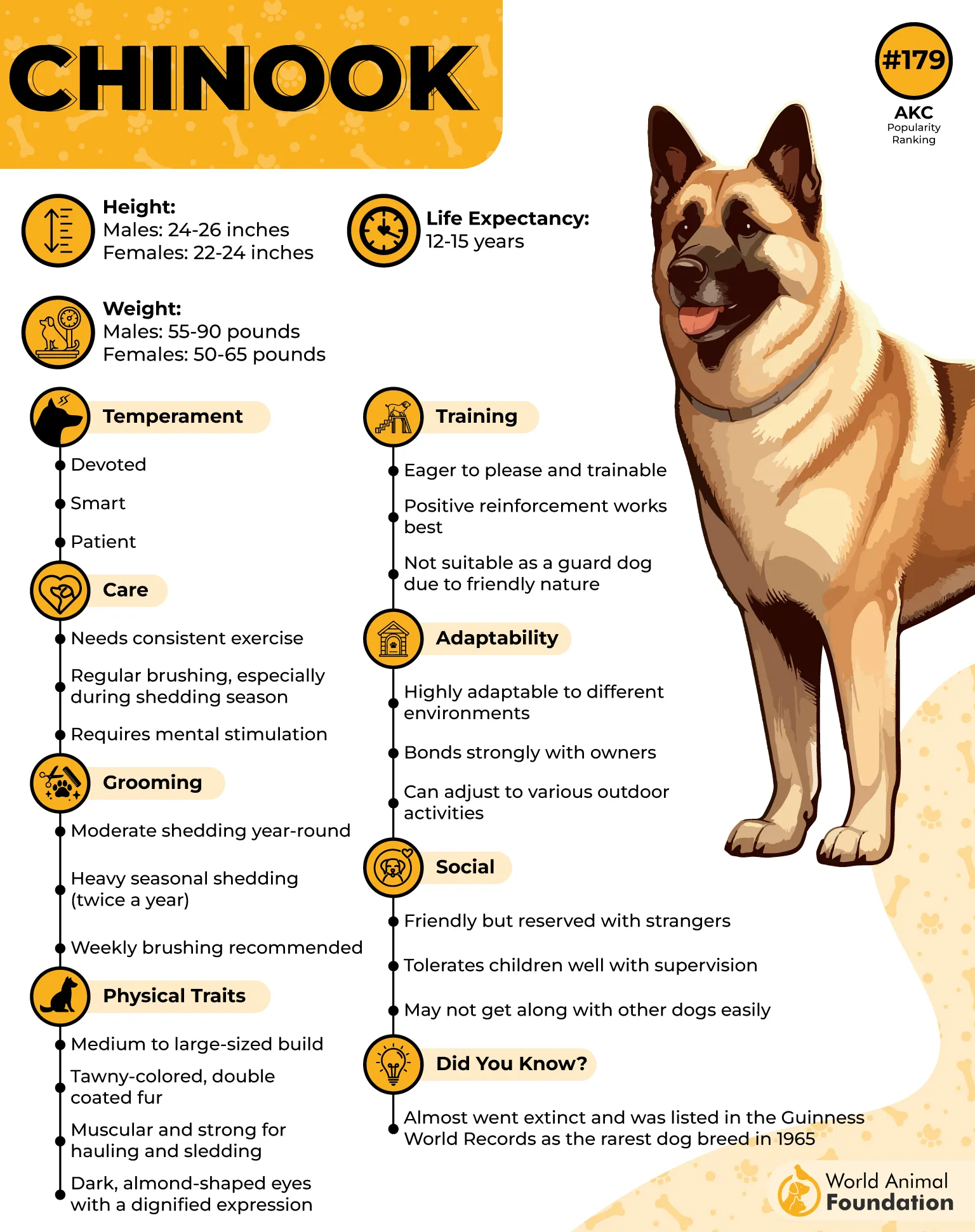
The Chinook combines the stamina of huskies with a calm, gentle temperament. Its amber eyes and tawny coat make it stand out, but its independence can frustrate first-time dog owners.
Activity Level: High – excels in hiking, mushing, and agility
Special Grooming Needs: Weekly brushing; sheds seasonally
Good for Families?: Yes, with space and routine
Rarity Score: 9/10
This rare working dog thrives on purpose and companionship. Without enough activity, it becomes bored and anxious. The ideal Chinook owner is active, consistent, and ready for a dog with both strength and heart.

Chinook – Why to Avoid
The Chinook may look like the best dog for adventurers, but it’s extremely energetic and destructive when bored.
Without firm leadership and constant mental stimulation, this working breed can develop anxiety and stubbornness. It’s not suitable for couch potato owners or small living spaces, as active dogs like Chinooks require structure, space, and daily activity.
5. Cirneco dell’Etna
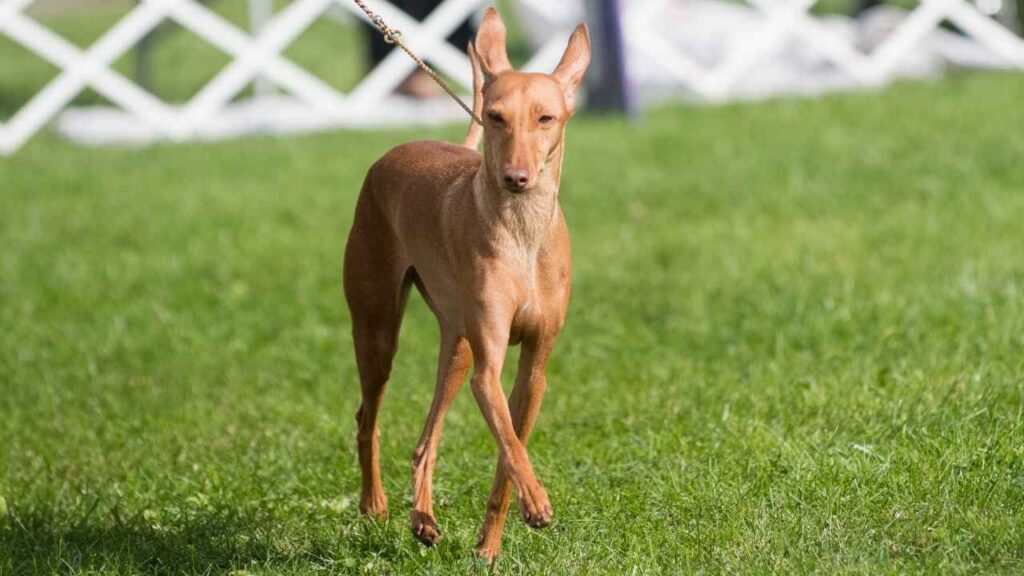
Native to Sicily, the Cirneco dell’Etna descends from ancient Egyptian hounds and once hunted rabbits across volcanic slopes near Mount Etna. Known for its keen sight and speed, this breed embodies thousands of years of Mediterranean heritage.
Purina claims that lean, graceful, and alert, the Cirneco is an athlete wrapped in elegance. Independent yet affectionate, it bonds closely with its family but may chase small pets instinctively.
Activity Level: High – loves running and exploration
Special Grooming Needs: Low; occasional brushing
Good for Families?: Yes, with supervision
Rarity Score: 8.5/10
This hardy Italian hunting breed adapts to warm climates but dislikes the cold. Perfect for energetic, patient owners who appreciate spirited, low-maintenance companions with ancient charm and intelligence.
Cirneco dell’Etna – Why to Avoid
Though sleek and agile, the Cirneco dell’Etna has an intense prey drive and can be aggressive toward small animals. It’s an independent hunter that easily becomes bored without adequate exercise or mental challenges.
This makes it extremely difficult for novice pet owners or anyone unable to commit to a consistent training and enrichment routine.
6. Lagotto Romagnolo
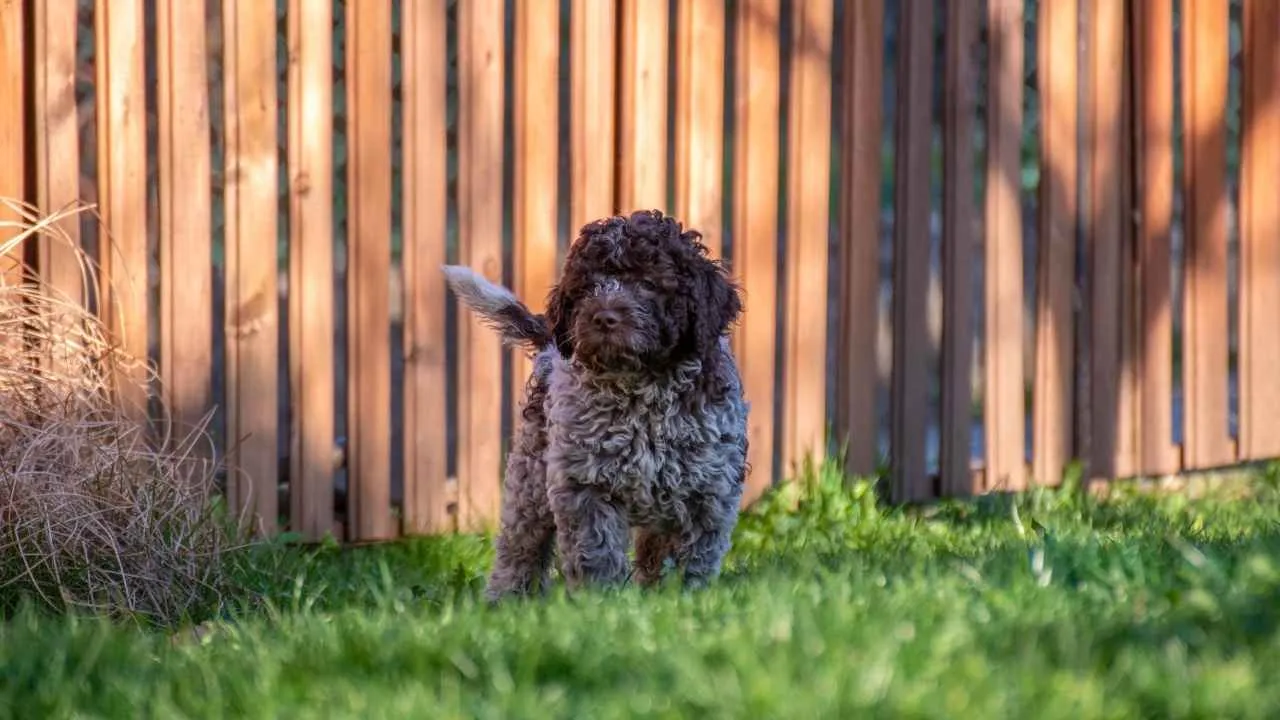
Hailing from Italy’s Romagna region, the Lagotto Romagnolo was bred as a water retriever before becoming the world’s only recognized truffle-hunting dog. Its keen nose and loyal heart make it a farmer’s treasure and a family’s delight — if properly trained.
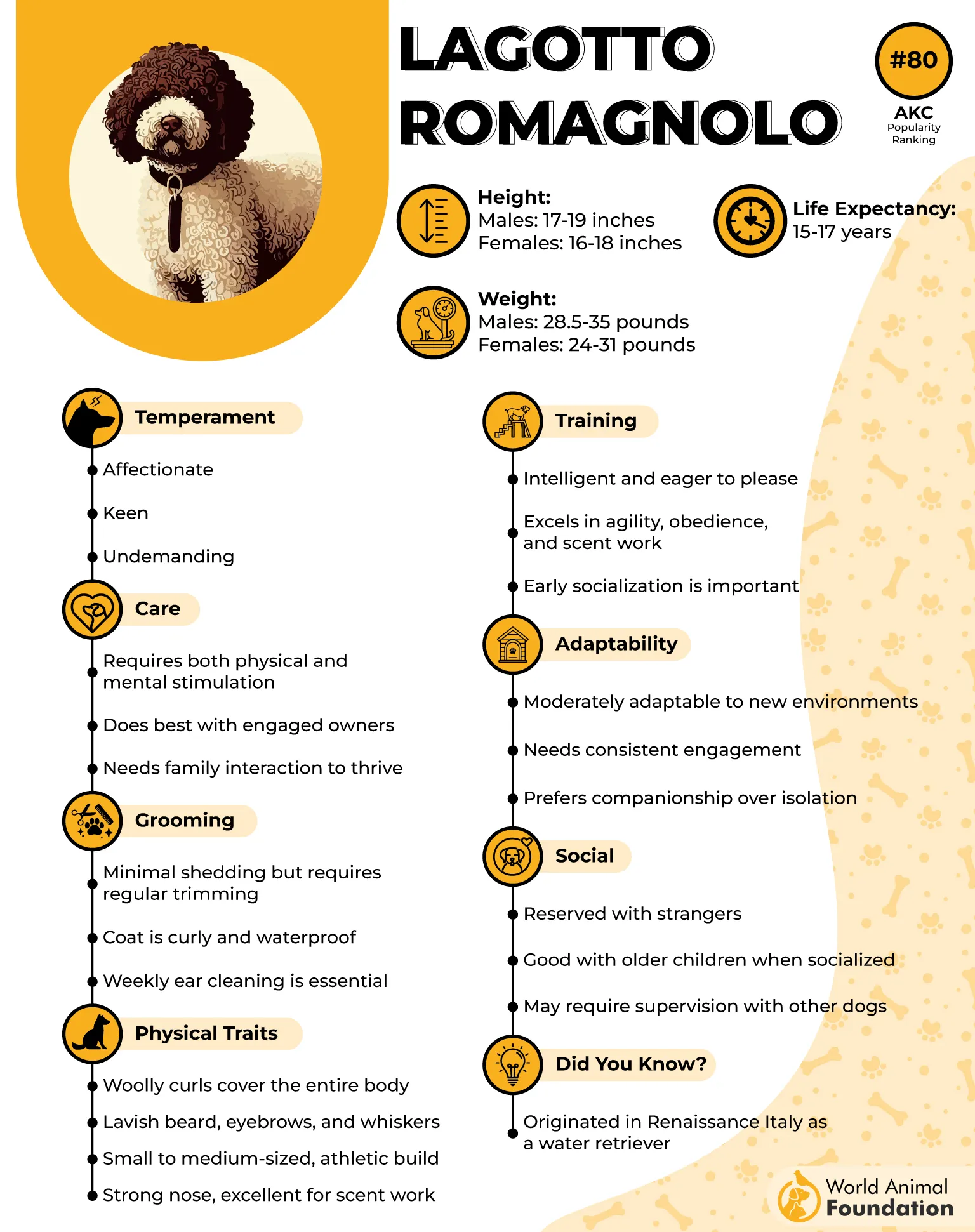
Curly-coated and teddy bear-like, this breed doesn’t shed much but needs regular trimming. Lively and clever, it excels in scent work but can become restless without mental challenges.
Activity Level: Moderate to high – thrives on brain games
Special Grooming Needs: Frequent coat care and trimming
Good for Families?: Yes, active ones
Rarity Score: 7.5/10
Though robust, the Lagotto may inherit hip dysplasia or epilepsy. With the right structure and enrichment, it’s a joyful, intelligent companion — ideal for families who can match its zest and curiosity.
Lagotto Romagnolo – Why to Avoid
The curly-coated Lagotto Romagnolo may appear low-maintenance, but it’s anything but. As a truffle-hunting dog, it craves complex tasks and can become restless without enough mental stimulation.
Its dense coat needs professional grooming, and health problems like hip dysplasia or epilepsy can arise. It’s not the easiest dog for casual owners seeking a simple companion.
7. Pumi

From the pastures of Hungary comes the Pumi, a compact herding dog famed for its corkscrew curls and sharp wit. Originally bred to control livestock, this rare terrier-type herder combines energy, intelligence, and a touch of mischief.
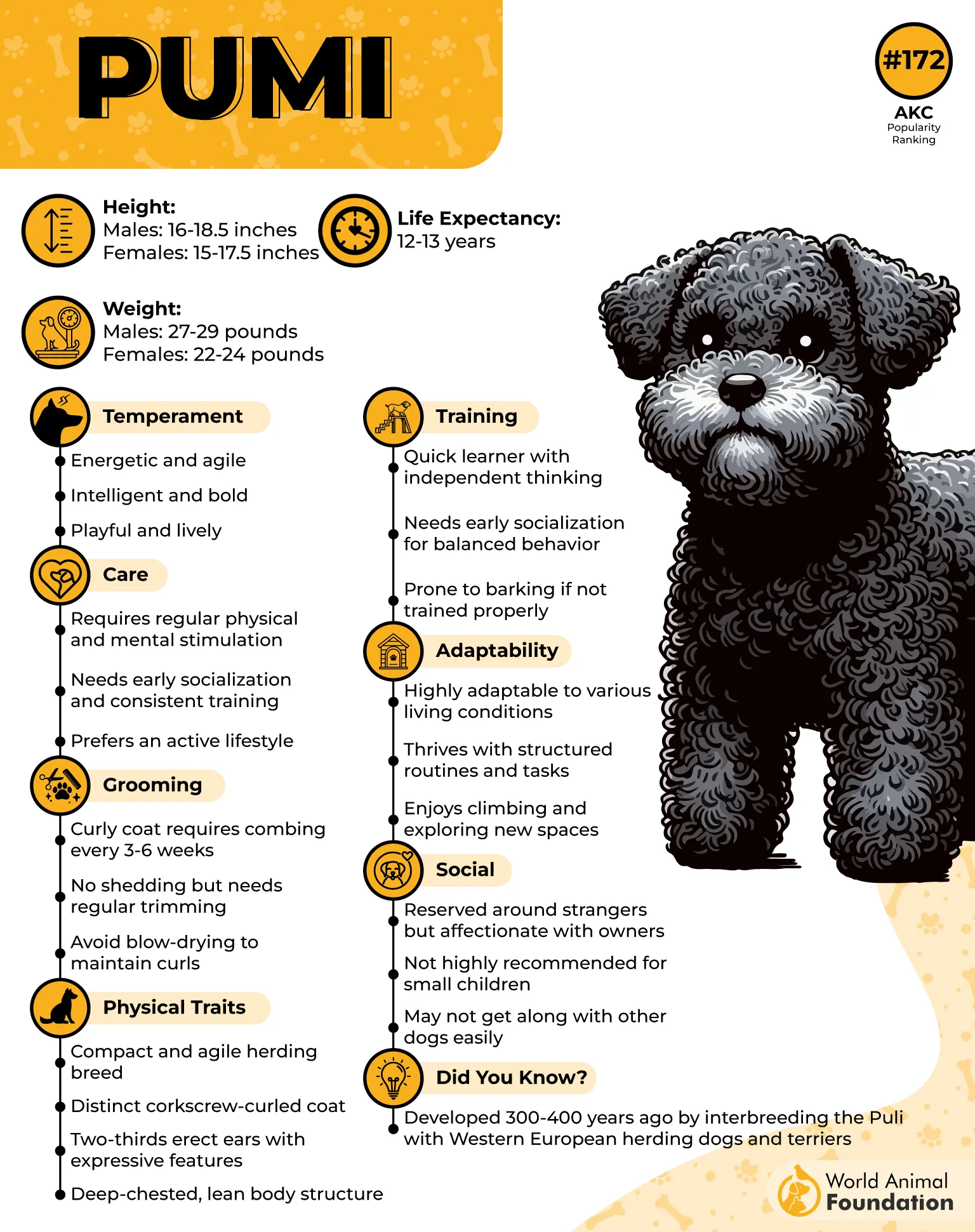
Square-built and expressive, the Pumi’s alert ears and springy movement reflect its readiness for work. Known for its talkative nature, it’s affectionate yet demanding — not a fit for laid-back owners.
Activity Level: Very high – constant motion and stimulation
Special Grooming Needs: Regular coat maintenance to prevent matting
Good for Families?: With time and training
Rarity Score: 8/10
This rare Hungarian breed needs daily physical and mental engagement. Ideal for experienced, active handlers, the Pumi rewards effort with unwavering loyalty and playful intelligence.
Pumi – Why to Avoid
The Pumi is a lively herder that’s extremely energetic and vocal — traits that make it difficult to train for quiet home life. Its demanding grooming schedule and constant need for work can overwhelm inexperienced owners.
Without adequate exercise and guidance, this clever herder can turn destructive, anxious, and aggressive toward other dogs or small pets.
FAQs
1. Can rare dog breeds be harder to train?
Yes, many rare dog breeds can be difficult to train because they often retain strong working instincts or independent temperaments. Breeds developed for hunting or herding — like the Norwegian Lundehund or Pumi — may require more mental stimulation, patience, and proper training than the average dog. However, with consistency and positive reinforcement, even these high-energy dogs can become loyal companions.
2. How can I identify dog breeds that need special care or experience?
Look into the breed characteristics and original purpose of the dog. Breeds created for guarding, herding, or hunting often need experienced owners who can manage their prey drive and exercise demands. Reliable sources such as the American Kennel Club (AKC) or breed clubs outline which other dog breeds require extra attention in grooming, health, or behavior management.
3. How can I avoid getting a breed that’s too high-maintenance?
Before choosing a dog, honestly assess your active lifestyle, space, and time availability. Avoid extremely energetic or working breeds if you prefer a calmer, couch potato companion. Research other breeds with lower activity needs, or talk to breeders and trainers who can match you with the best breed for your personality, family, and routine.
Conclusion
Choosing the right dog goes far beyond appearance or rarity. While the breeds on this list may be fascinating, many pet owners overlook how demanding true dog ownership can be without proper training and understanding of breed characteristics.
Even popular herding breeds like the Border Collie, or athletic dogs such as the Siberian Husky and Australian Cattle Dog, require adequate exercise, mental stimulation, and time to house train. Without structure, even the best dog can become anxious, destructive, or overly aggressive toward other pets or small animals.
For dog lovers considering other breeds — from Pit Bulls and German Shepherds to French Bulldogs or mixed breeds — remember that most dogs simply want guidance, patience, and purpose. Whether you raise a lab puppy or a Belgian Malinois, being a responsible dog person means giving them the best life through consistency, compassion, and care.
