




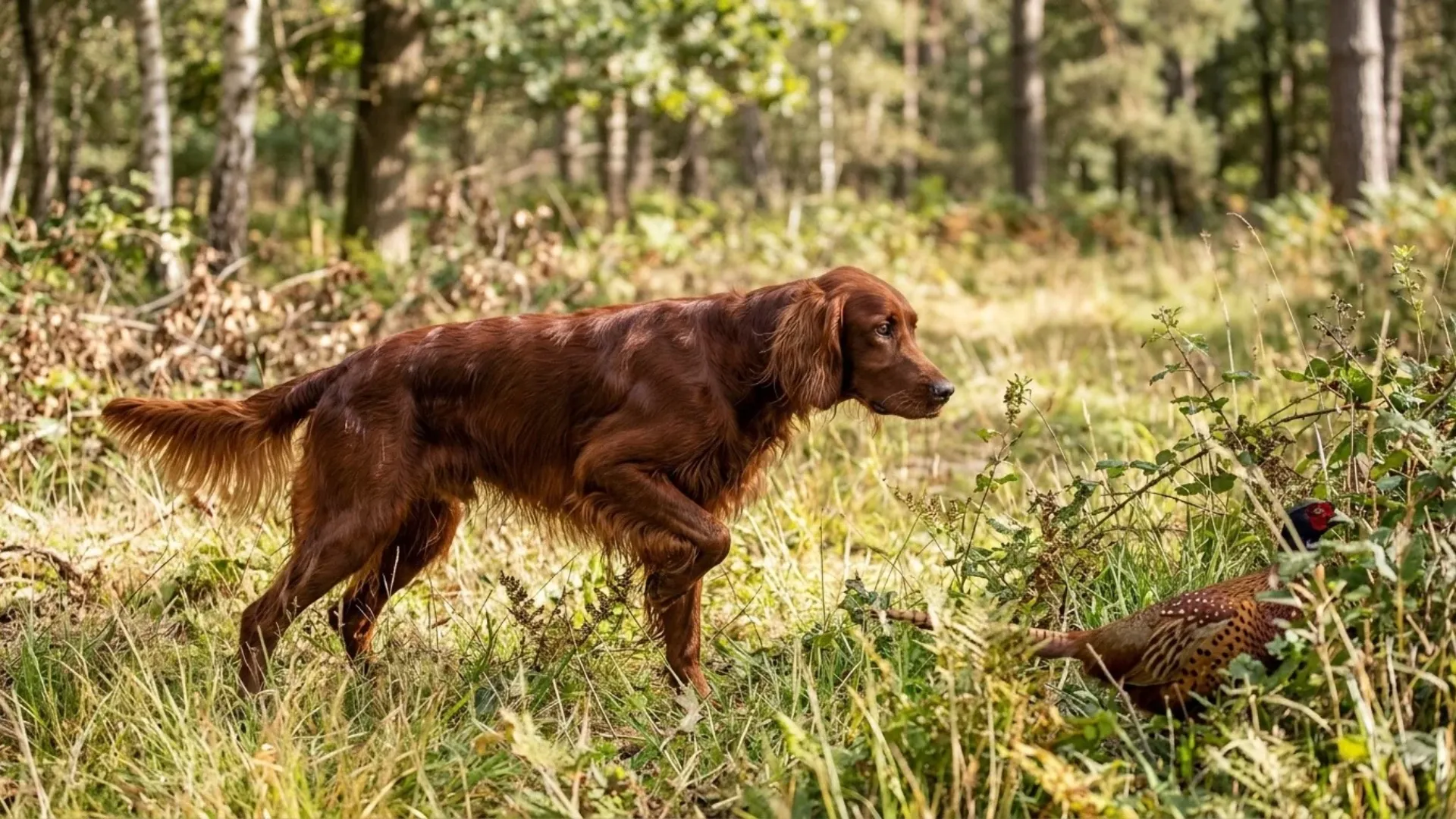
There is an undeniable, ancient magic in watching a dog do what it was born to do. Long before our canine companions became professional couch warmers and family cuddle partners, they were engineered with specialized instincts, laser-sharp focus, and astonishing agility to track, flush, and bolt after quarry.
While most modern dogs get their exercise chasing tennis balls in a fenced backyard, unique small-game hunters retain a specialized working heritage. These are the independent problem-solvers, the lightning-fast bolt-chasers, and the tenacious pursuers bred to manage vermin, flush birds, or dive into burrows.
Whether you are fascinated by their evolutionary design or simply admire dogs with unmatched drive and working intelligence, exploring these specialized hunters offers a glimpse into the raw, instinctive brilliance that makes the canine world so endlessly captivating.
Unique Dog Breeds That Naturally Hunt Small Game
1. Irish Water Spaniel
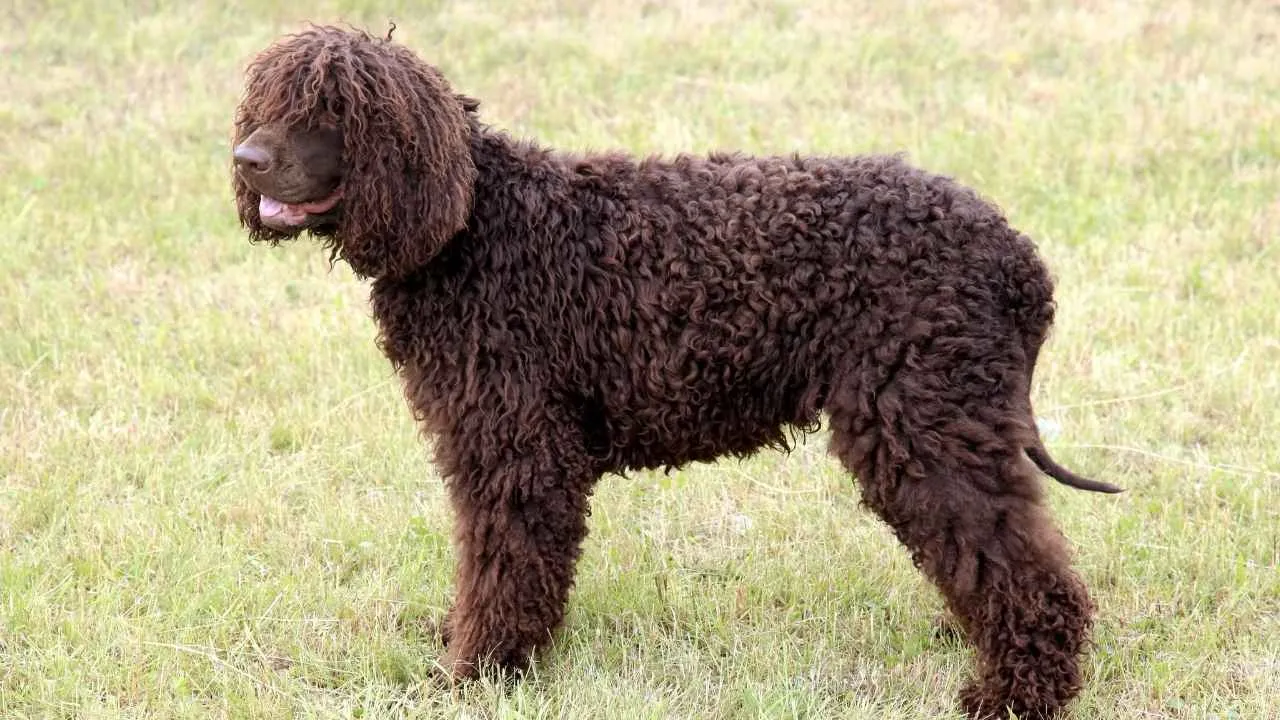
Ireland bred the Irish Water Spaniel as a gun dog for upland birds and waterfowl hunting. Hill’s Pet calls it an excellent hunting and water dog. At home, a puddle with a ball in it won’t be left alone.
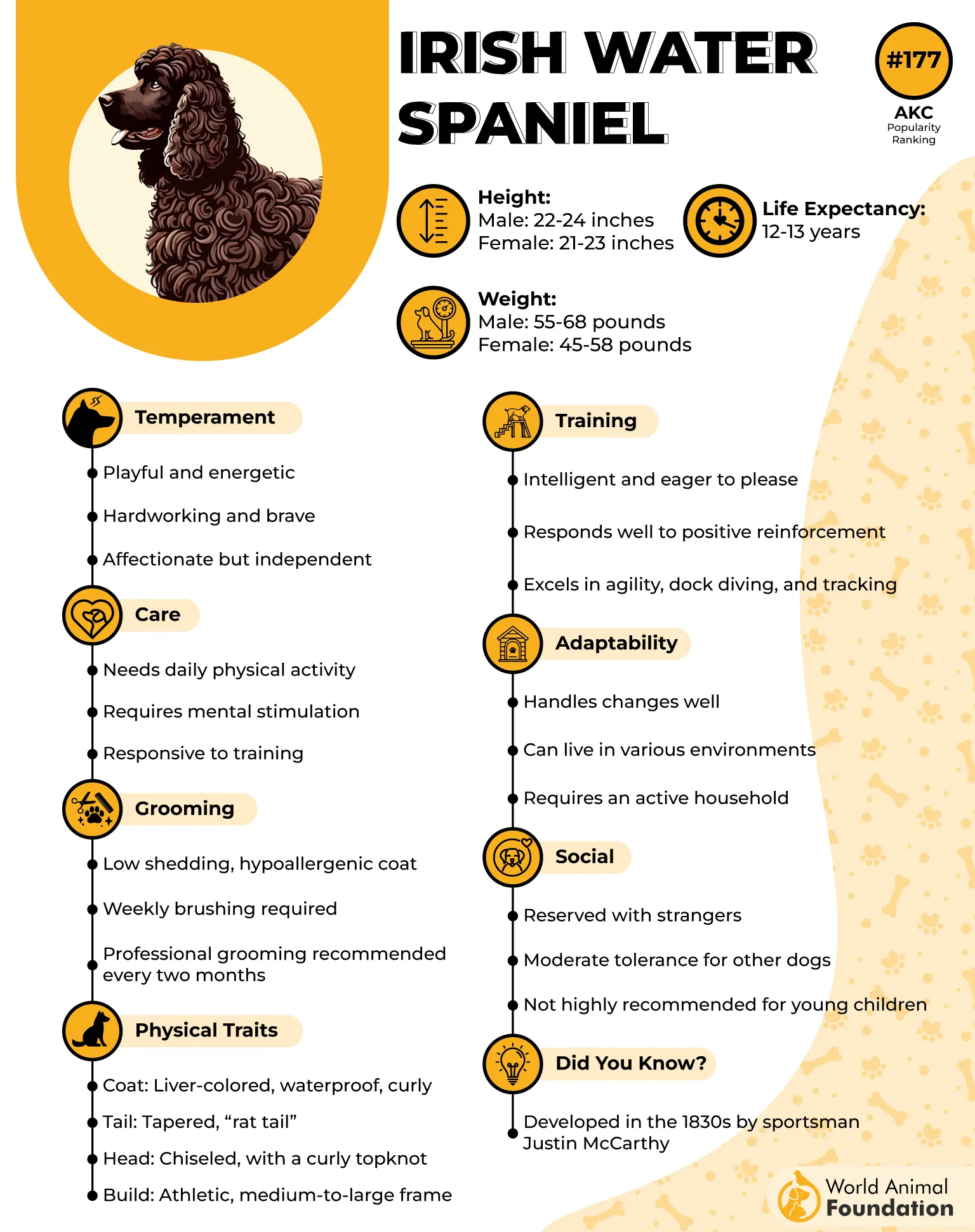
This breed flushes, wading into reeds and open water where other dogs stop, pushing ducks into the air before a shot is fired. Waterfowl are its main target, with upland birds a close second. The style is loud, wet, and relentless.
Physical trait: A dense, curly coat and webbed feet built for icy marsh water.
Without real hunting work, that drive still needs an outlet. Daily swimming, retrieving games, or dock diving keep it satisfied. Skip that, and the same instinct floods the yard and soaks the couch instead.
2. Irish Setter
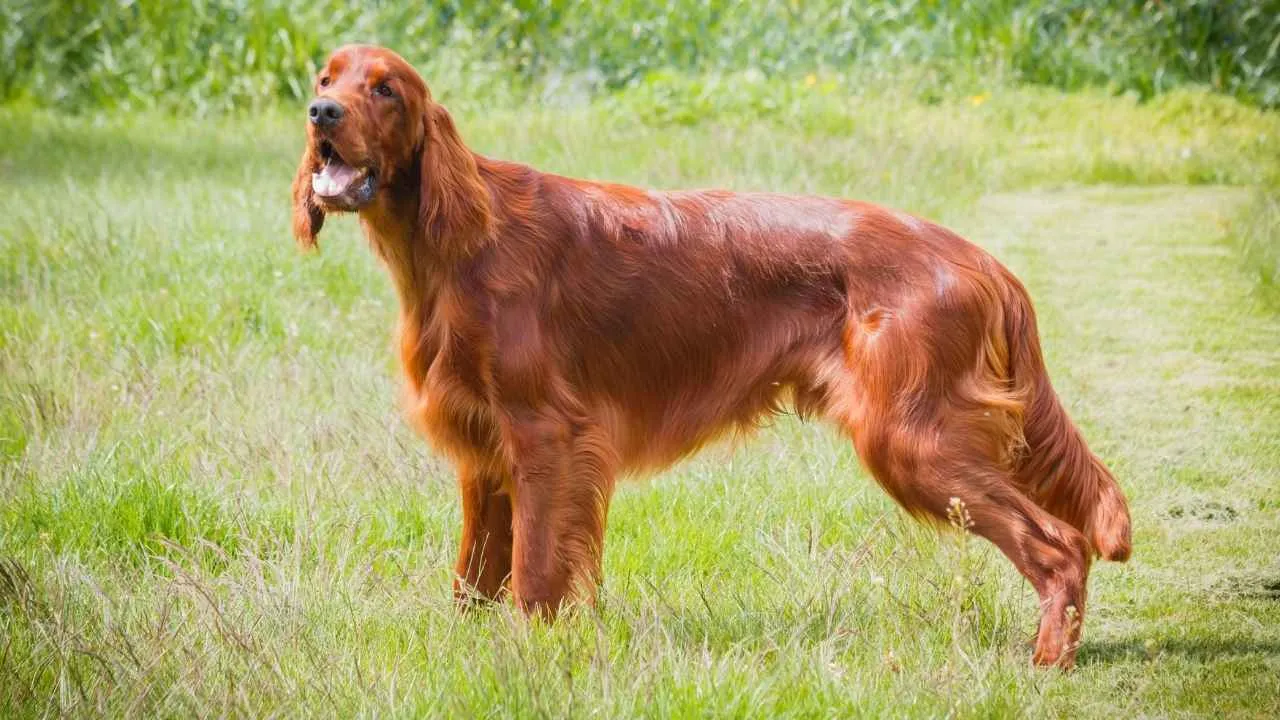
Ireland bred the Irish Setter to find upland game birds, then freeze and mark the spot. It’s remained a classic bird dog ever since. At home, it locks onto a squirrel, one paw raised, waiting for a command that never comes.
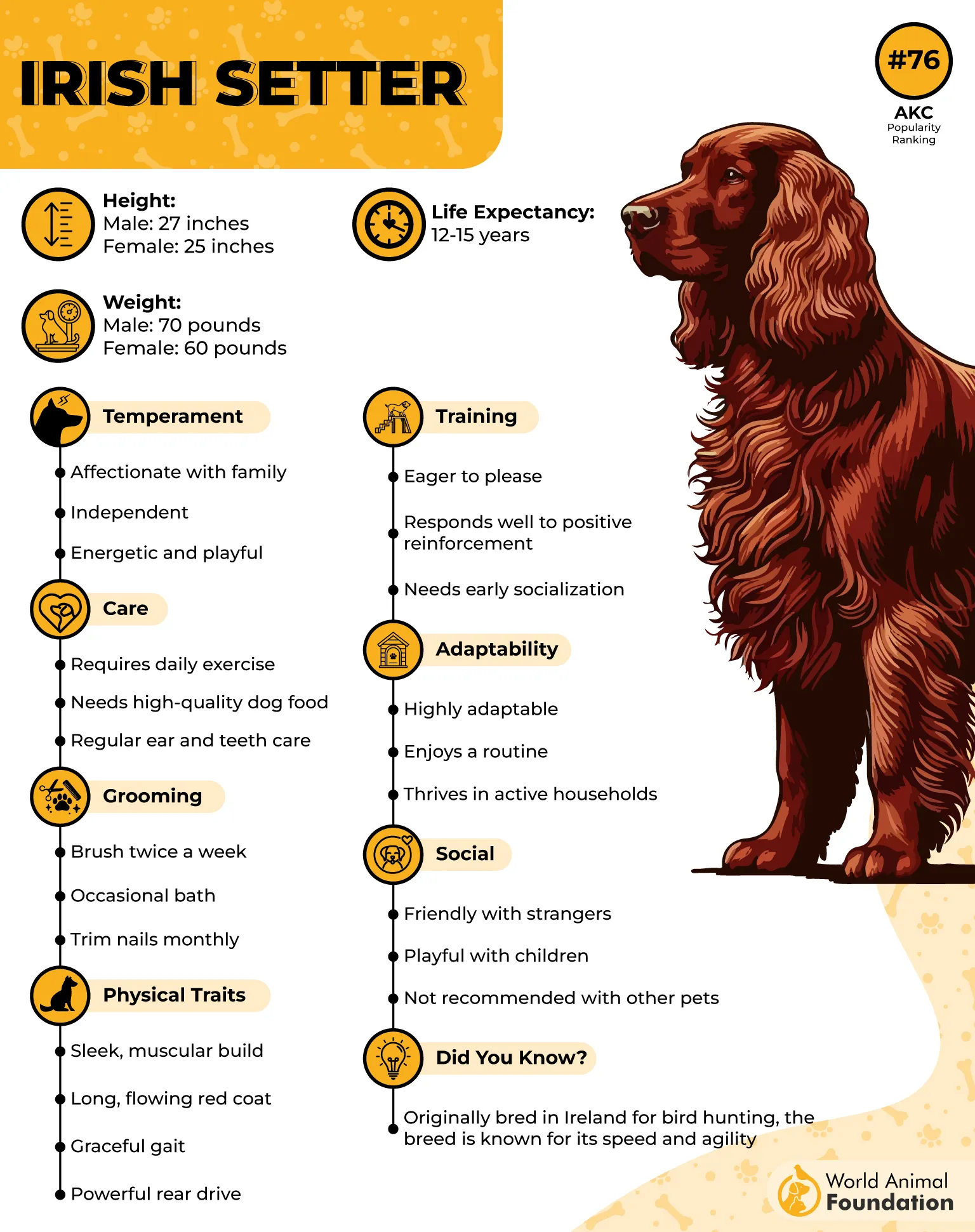
This breed hunts by nose, catching a scent trail and following it until the bird is pinned, then holding still instead of charging in. Grouse and pheasant are its classic small game. The whole act depends on patience, not speed.
Physical trait: A long, sensitive nose built to read faint scent trails at a distance.
A dog bred to stand motionless still needs somewhere to burn that energy first. Long runs, scent games, or field work keep this energetic breed from pacing out of boredom. Without it, that same focus locks onto every passing jogger instead.
3. Pharaoh Hound
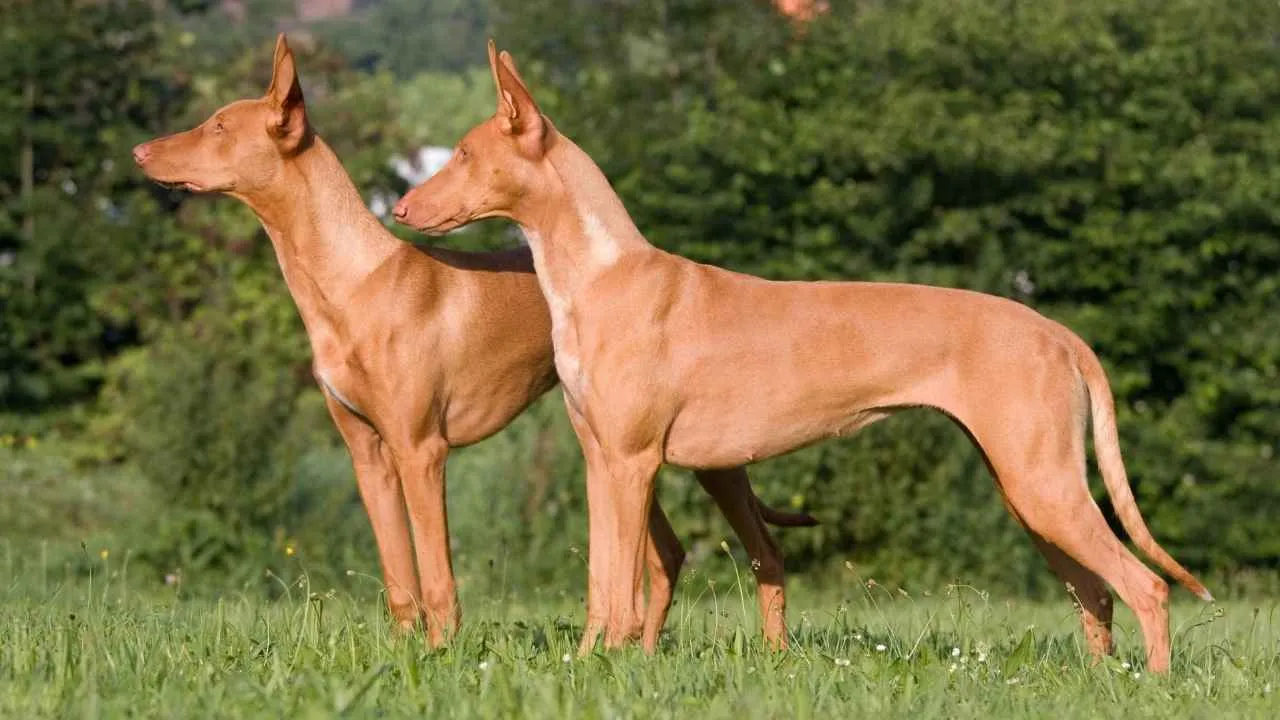
Malta bred the Pharaoh Hound to chase rabbits across rocky terrain. Its native name, Kelb tal-Fenek, means rabbit dog. Purina notes it was originally known as the Maltese Rabbit Dog, and anything small that darts past still gets the same frozen stare.
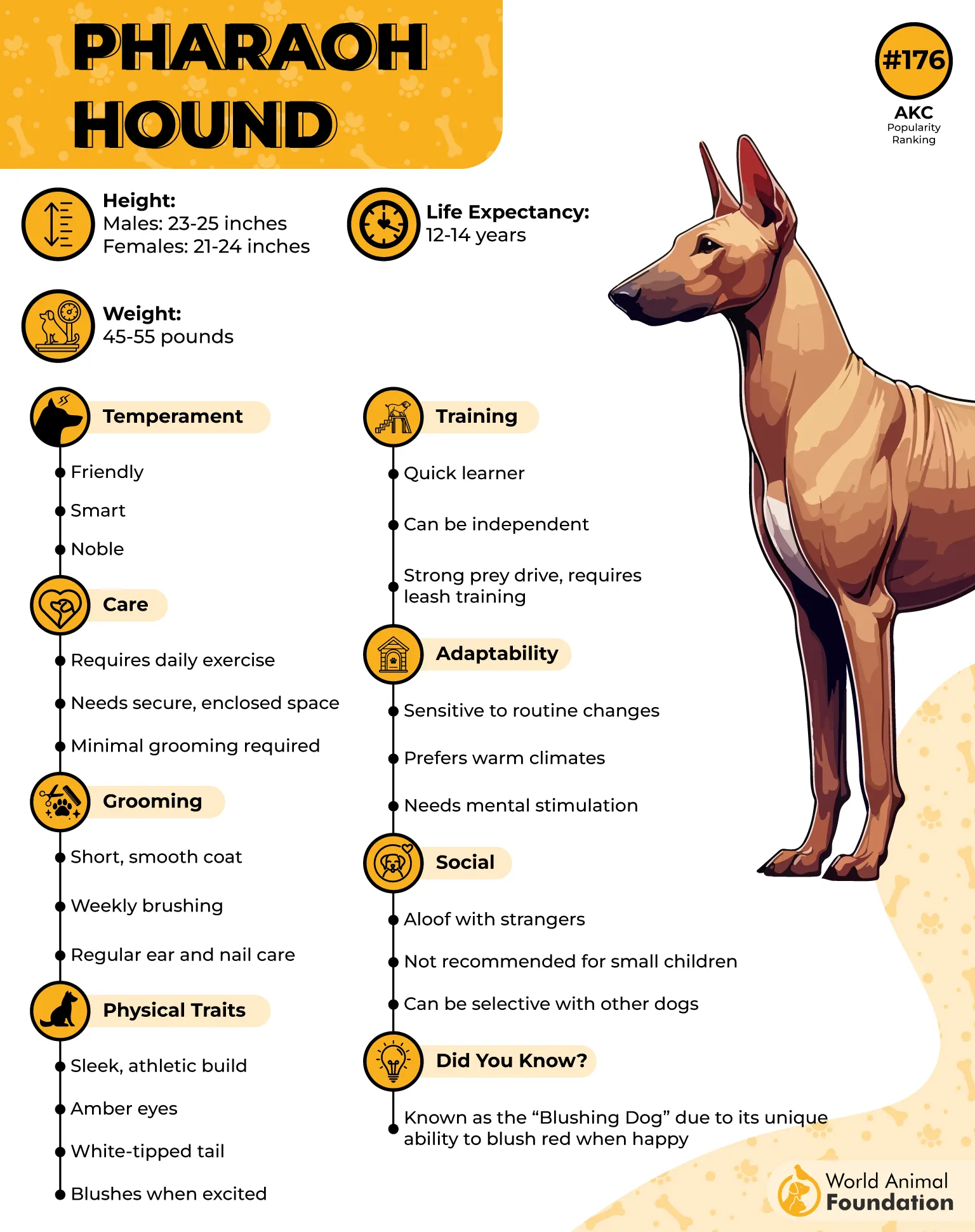
This breed hunts by sight, spotting movement at a distance and running small game down with raw speed instead of tracking scent. Rabbits are its historic target, chased across stony, walled fields. The chase is fast, direct, and over in seconds.
Physical trait: A lean, aerodynamic frame with large eyes built for spotting motion fast.
A sighthound’s drive needs open space and a real reason to run, or it turns into fence-line obsession. Secure runs, lure courses, or long off-leash sessions give this breed its outlet. Without that release, pent-up prey drive becomes the loudest thing in the house.
4. Boykin Spaniel
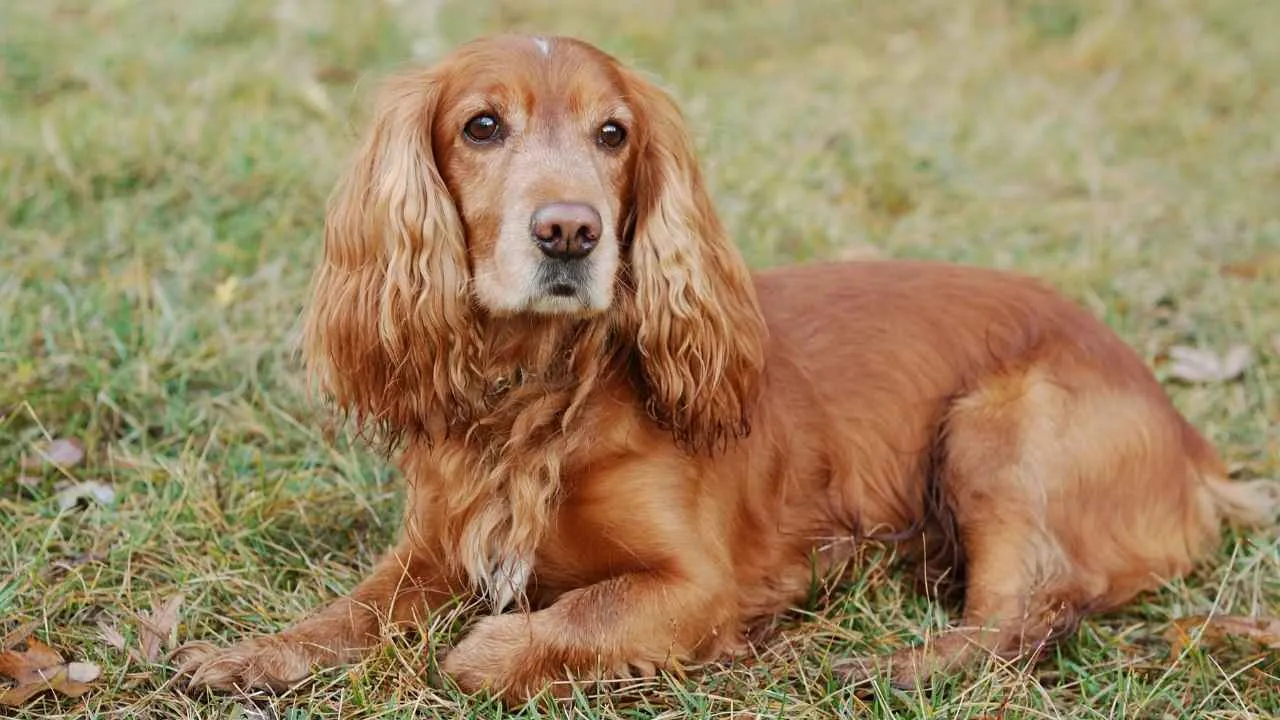
South Carolina hunters bred the Boykin Spaniel in the swamps near Camden to flush and retrieve wild turkeys and ducks. AKC describes it as a hunting breed that excels at both flushing and retrieving. At home, it cannot walk past a thick hedge without diving straight in.
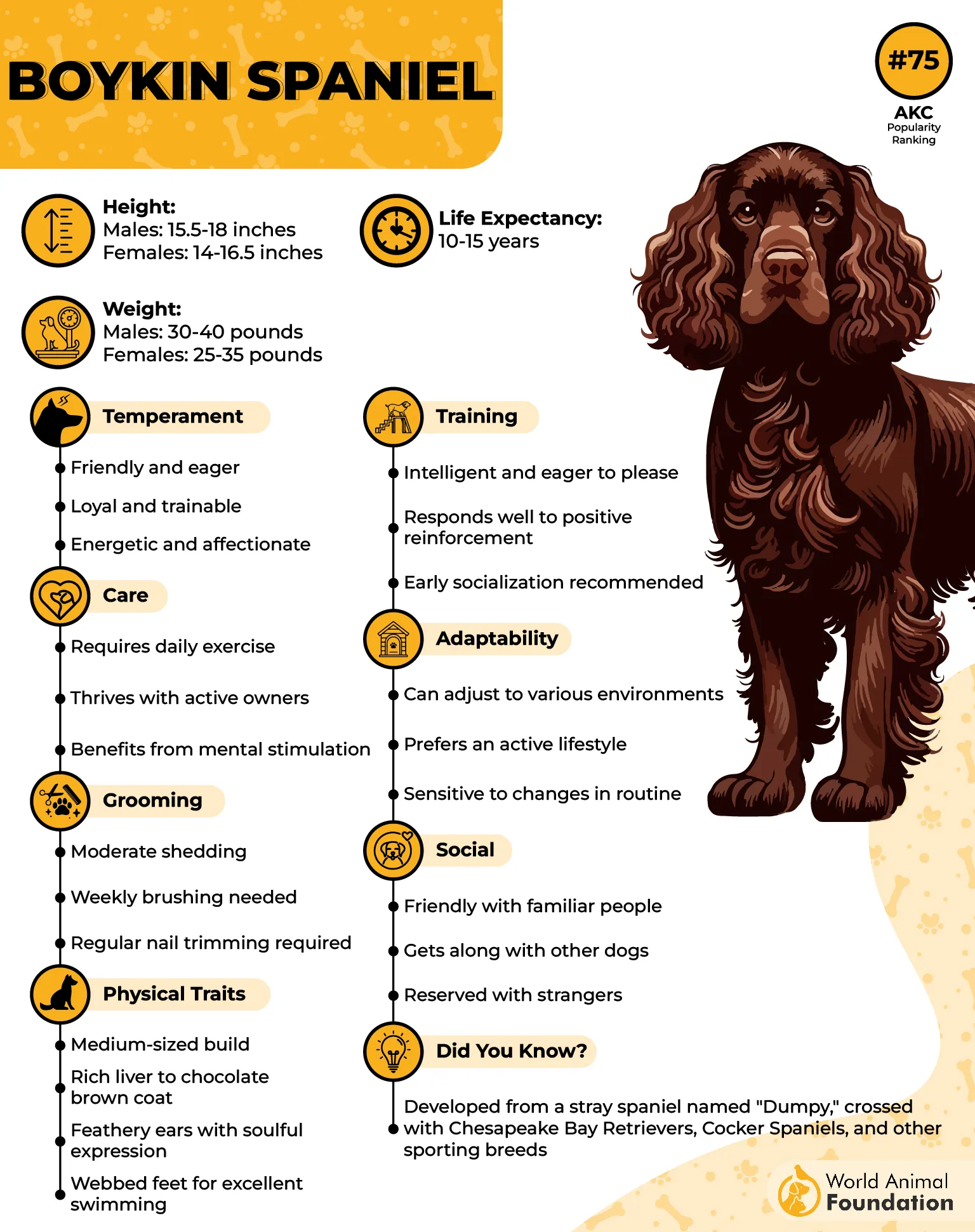
This breed hunts by flushing, pushing through dense brush and swamp cover until a bird breaks into the open, then retrieving it once it’s down. Wild turkey and dove are its traditional small game, hunted in thick, humid terrain. It often barks its way into the field.
Physical trait: A compact, muscular build with a tight, wavy coat suited to canoe travel.
A dog built to crash through brush all day gets restless fast without real work. Long hikes over rough terrain, retrieving drills, or dock diving keep that flushing instinct satisfied. Left idle, the same energy rearranges the garden one bush at a time.
5. Nova Scotia Duck Tolling Retriever
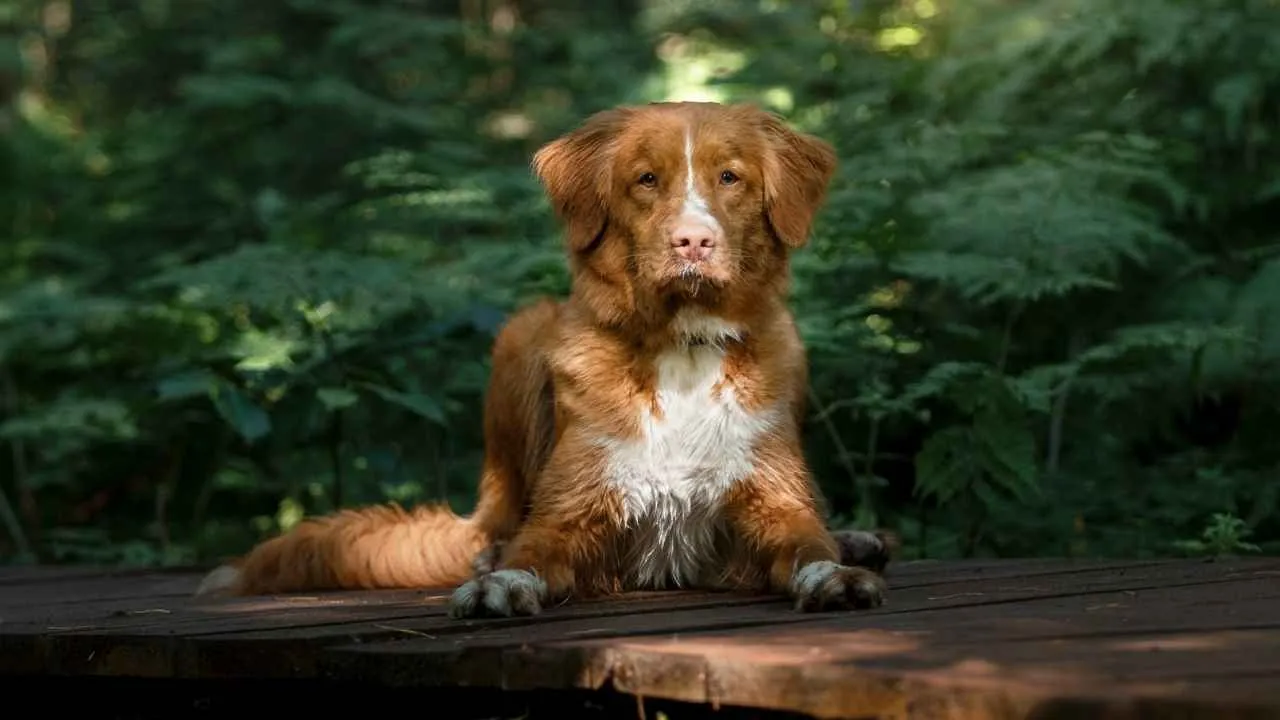
Nova Scotia hunters developed the toller in the Little River area of Yarmouth County, according to Britannica. It was built to do something rare: lure waterfowl into range instead of only retrieving them. At home, that instinct looks like a dog tossing a toy at the water’s edge, just to see who notices.
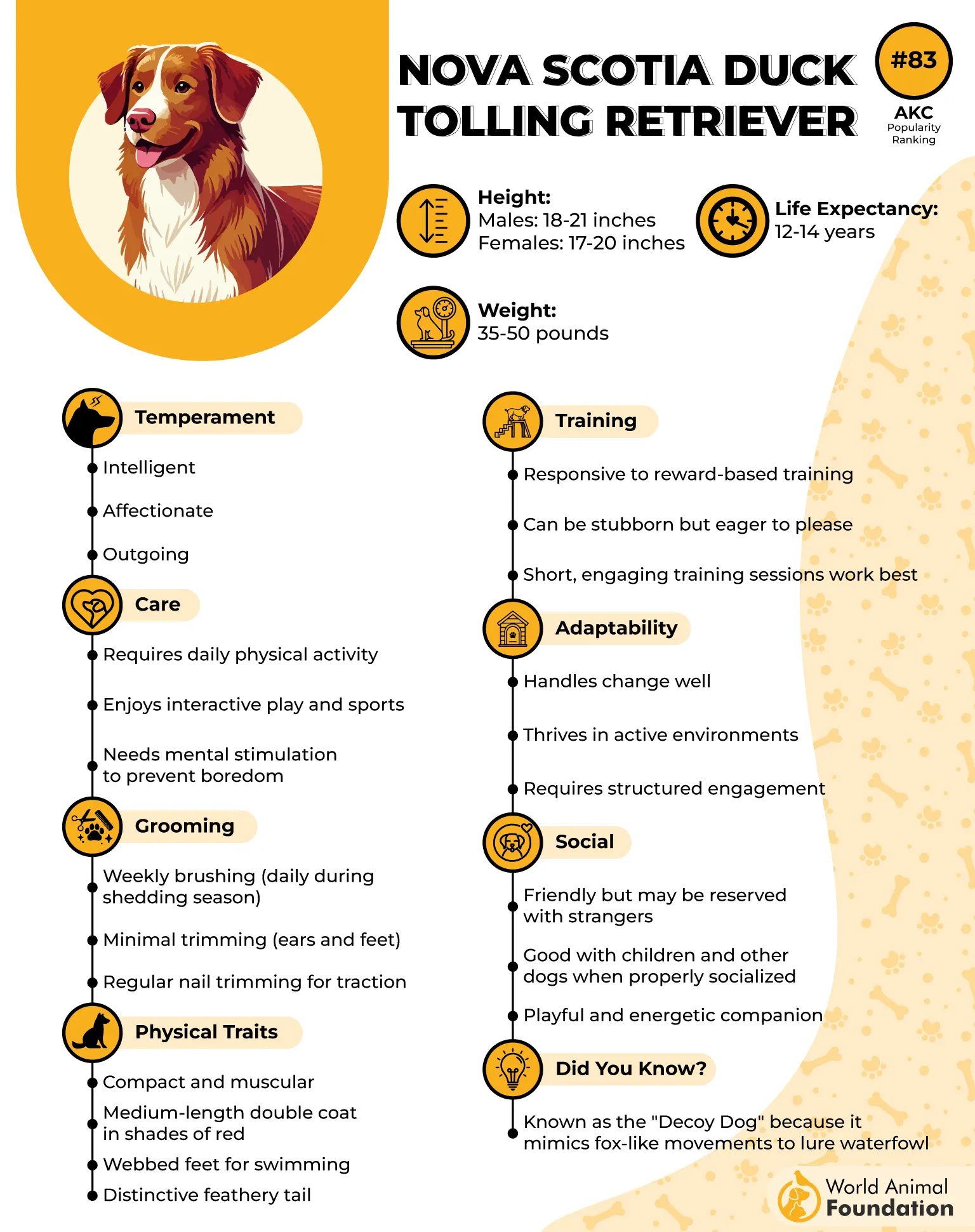
This breed hunts by fooling its target, playing in full view along the shoreline until curious ducks swim in close enough for a shot. The small game here is waterfowl, drawn in by curiosity rather than chased down. Once birds are in range, the dog switches instantly into retriever mode.
Physical trait: A reddish coat with white markings that closely resembles a fox.
A breed built to perform at the water’s edge for hours needs a real job or a convincing substitute. Fetch games near water, agility, or dock diving keep this versatile dog’s cleverness pointed somewhere useful. Without that outlet, the same cunning gets aimed at every closed door in the house.
6. German Shorthaired Pointer
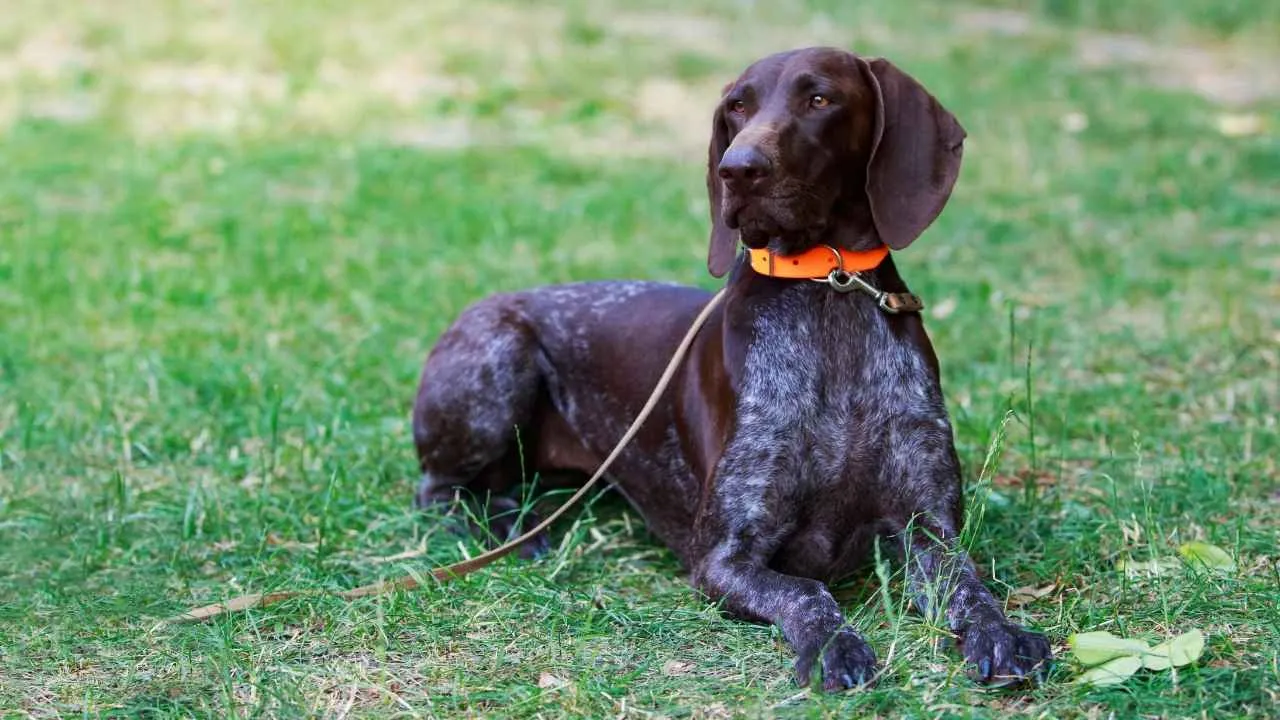
Germany bred the German Shorthaired Pointer as an all-purpose gun dog for pointing, tracking, and retrieving on land and water. Royal Canin calls it a noble-looking dog that exudes strength, endurance, and speed. At home, that same dog freezes mid-stride at a bird in the garden, nose forward and tail level.
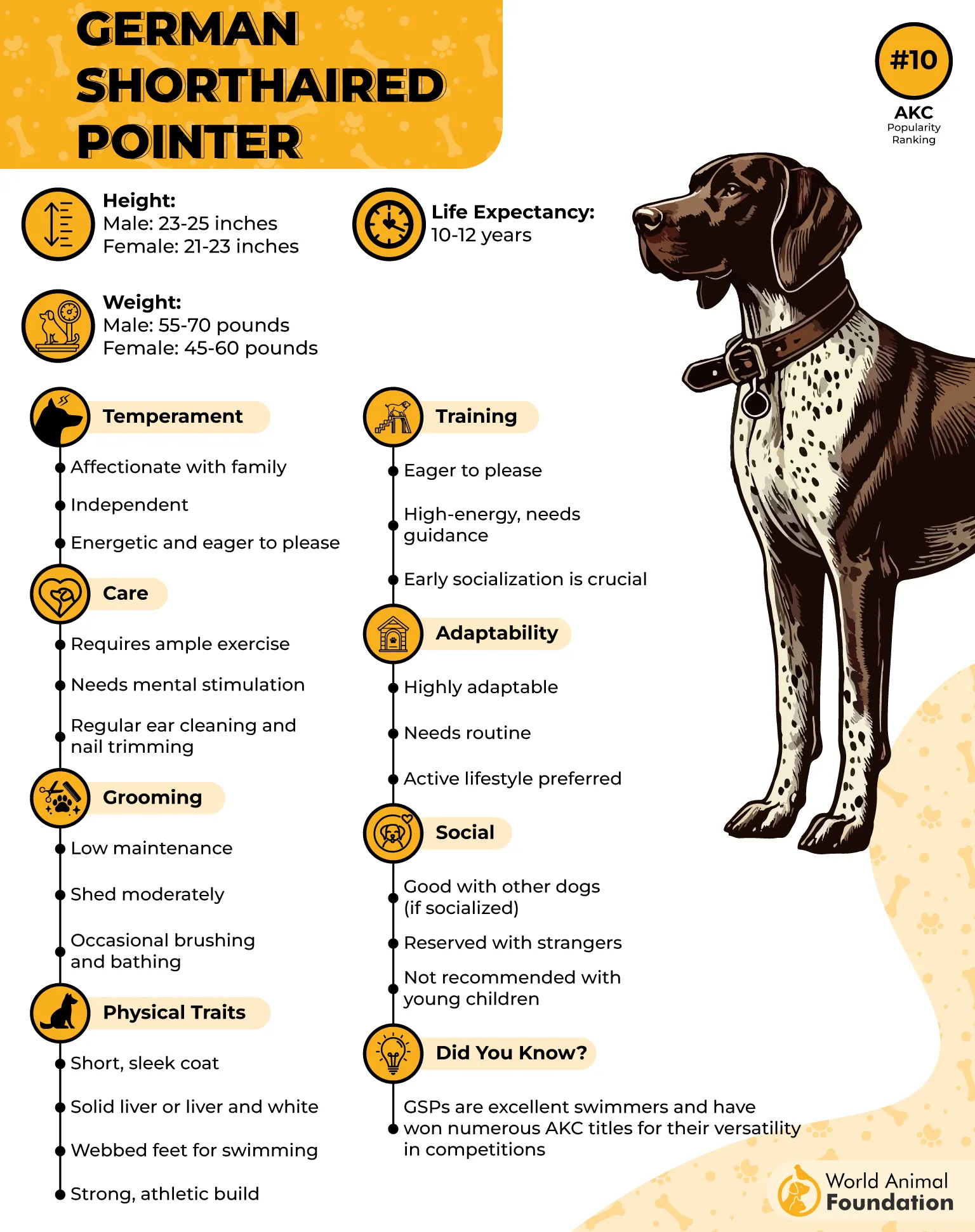
This breed hunts by nose, working a scent trail methodically until it finds the bird, then holding a rigid point rather than closing in alone. Upland birds and small game like rabbits are its usual targets, tracked across open fields and thick cover. It keeps working long after less driven hunting dogs quit.
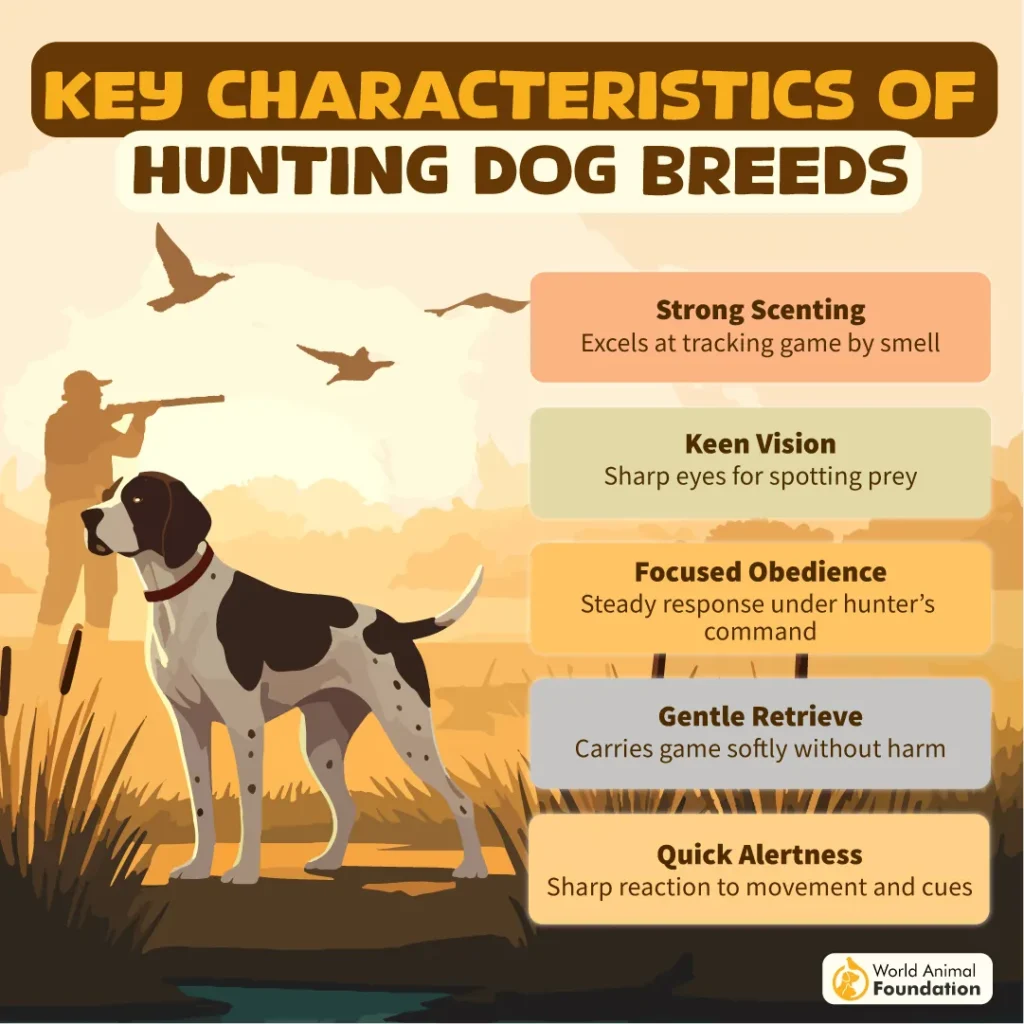
Physical trait: A broad nose and wide nasal passages built to hold a scent over long distances.
This is not a breed built for a short walk and a nap. Long hours of running, swimming, or structured field work are what it actually needs to settle down. Without that outlet, this energetic breed’s hunting instinct turns into counter-surfing and backyard excavation projects.
7. Vizsla
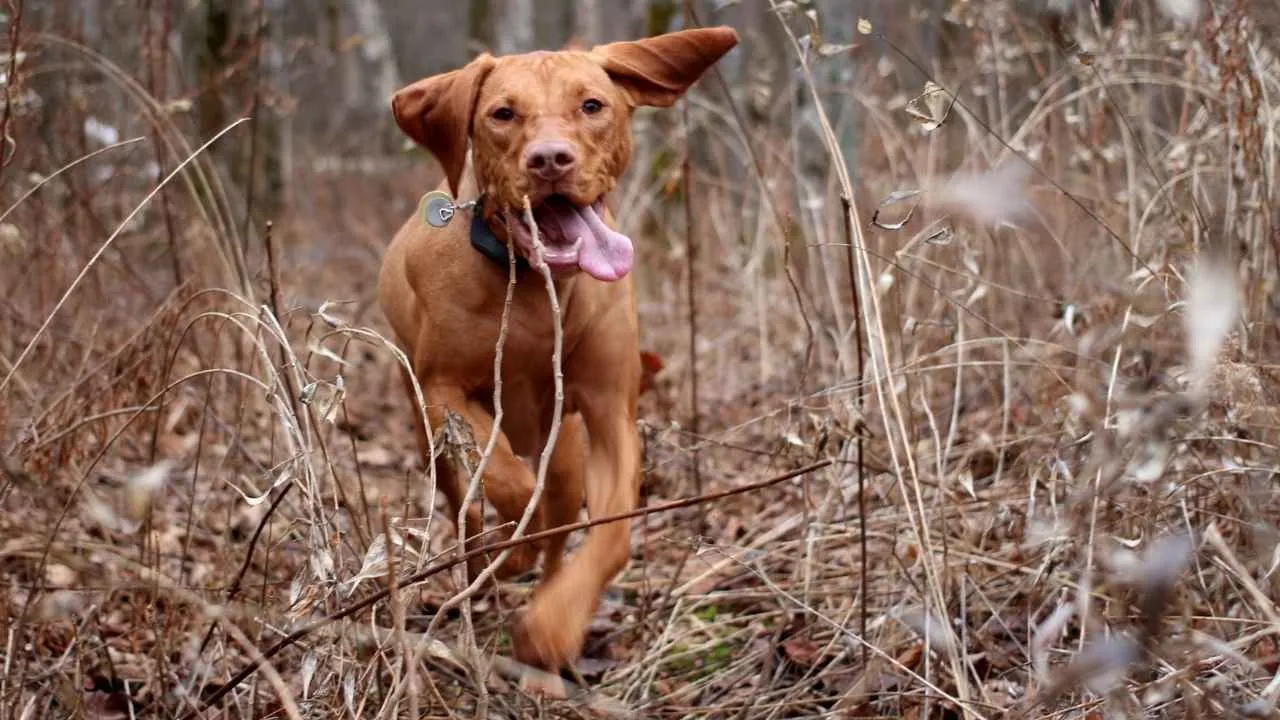
Hungarian hunters bred the Vizsla as a pointer and retriever, prized for centuries by nobility who wanted a loyal hunting companion for the field and the home. It was originally bred to hunt small game and birds across open plains. At home, it will point at a bird through the window glass as seriously as it would in a field.
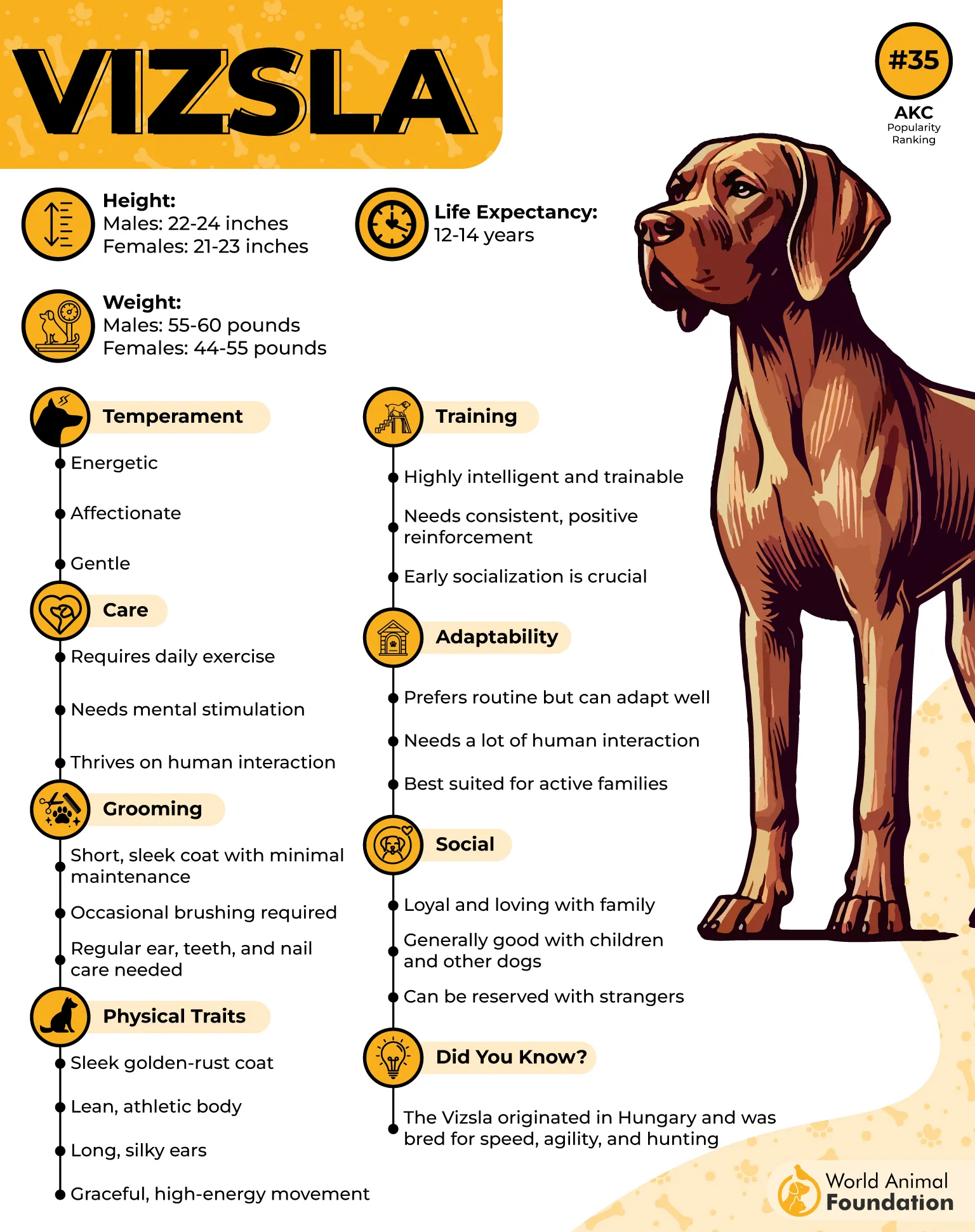
This breed hunts by nose, tracking birds across open ground before dropping into a tight point that holds until the hunter closes in. Small game and upland birds are its natural targets, found through scent rather than sight. Compared to heavier pointing breeds, it works lighter and faster over the same ground.
Physical trait: A lean, close-lying golden coat with little insulation, built for speed over endurance.
A dog this driven does not do well with an empty schedule. Running, swimming, or scent work for long stretches keeps a Vizsla’s hunting instinct from turning into separation anxiety and velcro behavior. This breed was built to work beside its person, not to wait by the door.
Conclusion
Hunting instinct was never just 1 trick stamped onto every breed. It’s nose, eyes, flush, or fool, and every dog on this list is quietly running one of those scripts, chasing a ball with the same wiring it would use on a rabbit.
Picking the right dog means matching that unique skill to your own lifestyle, not just hoping for a loyal family companion with strong natural instincts. Give that instinct real mental stimulation through play, training, or real work, and tell us which hunting style your own dog runs on, down in the comments.
