




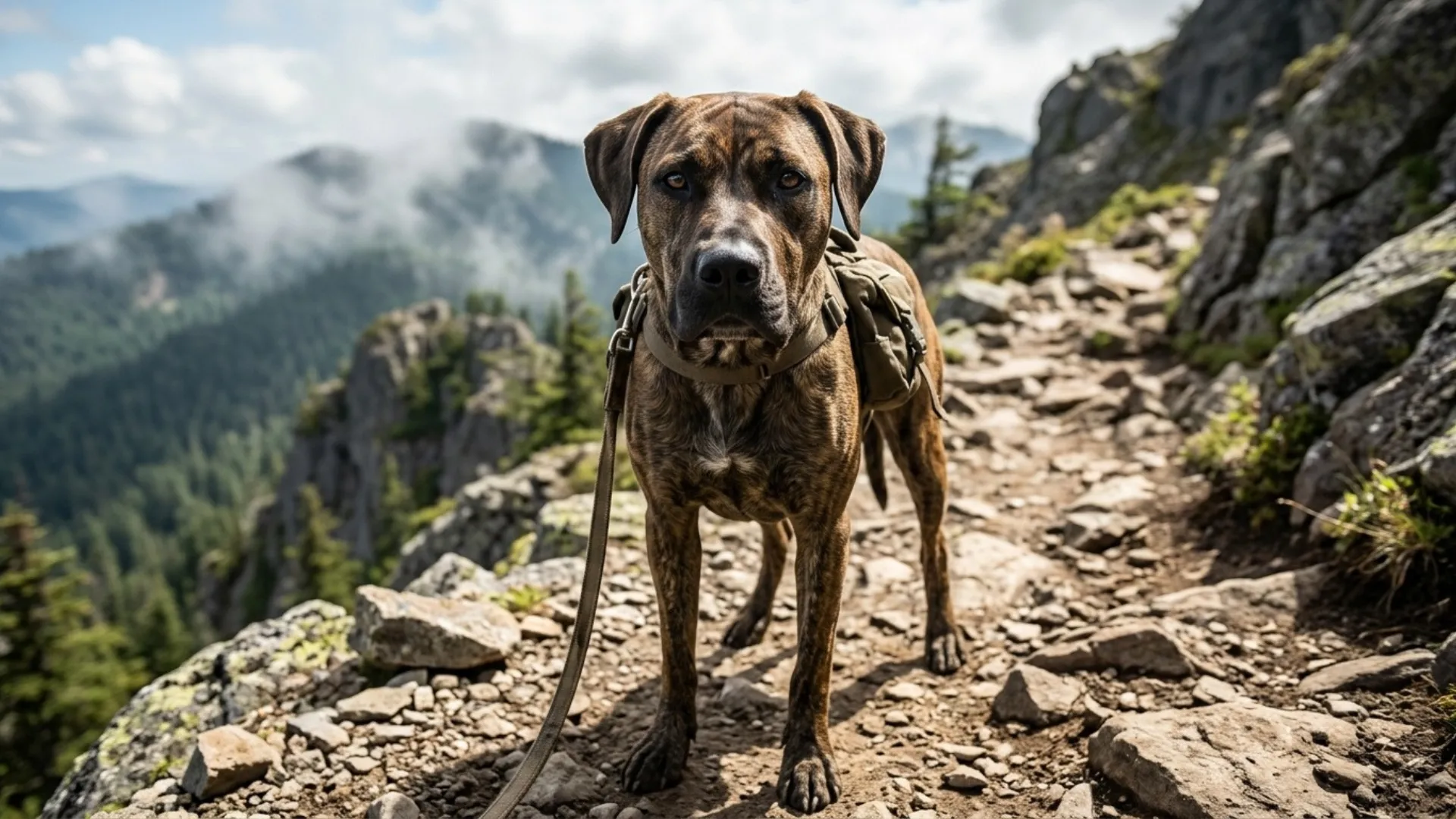
Some dogs are happy with a short neighborhood walk, while others are ready to keep going long after everyone else has called it a day. These canine adventurers are built for endurance, with the stamina and resilience to handle rugged terrain, freezing weather, and demanding conditions.
But survival takes more than endless energy. A dog’s build, coat, instincts, and working background can all help it thrive in challenging environments. From traveling across harsh landscapes to working for hours outdoors, these dogs have developed remarkable abilities that go far beyond speed.
Surprisingly, some of the toughest canine survivors aren’t the breeds that get the most attention. Discover seven underrated dogs known for their endurance and survival skills, and learn what makes these determined companions stand out.
Underrated Dog Breeds That Are Built for Endurance and Survival
1. Catahoula Leopard Dog
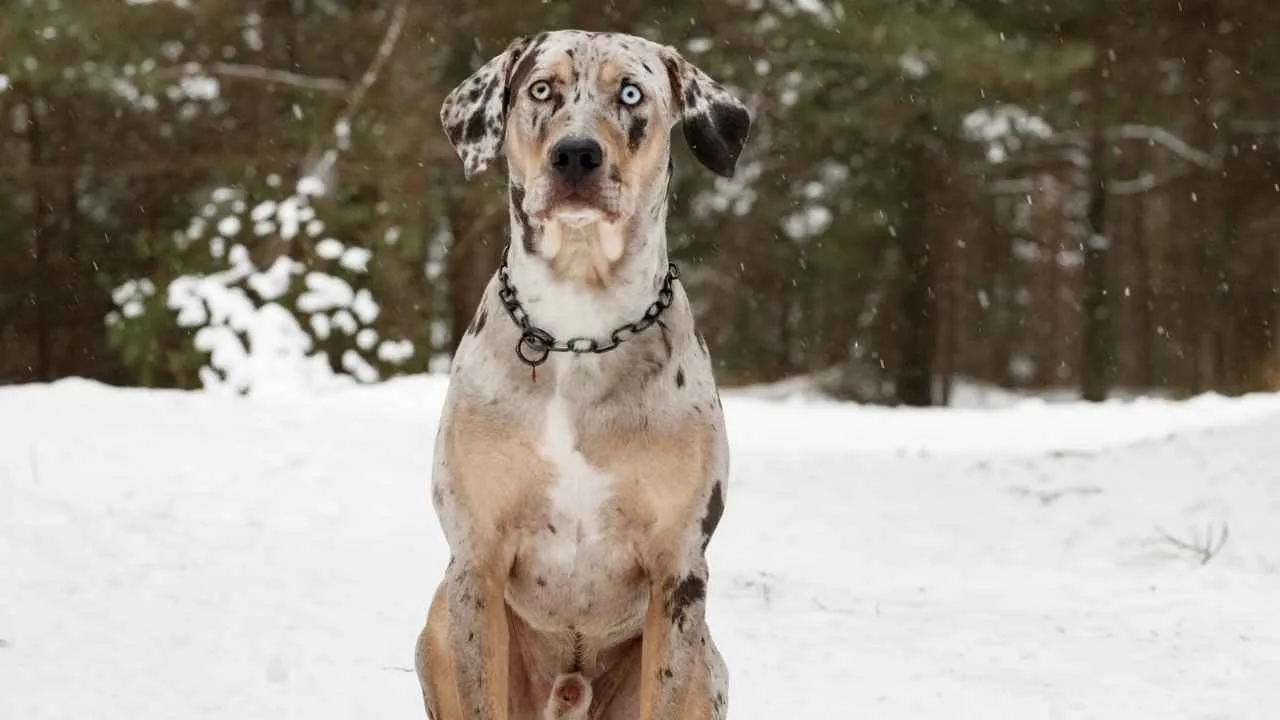
Catahoula Leopard Dogs are muscular, agile, and hardworking dogs with a strong ability to handle demanding tasks. They originated in Louisiana, where they were bred to track and drive hogs and cattle through swamps and forests.
Their working background helped develop their endurance and independent nature. According to PetMD, they are also known as Catahoula Hog Dogs and Catahoula Curs.
Temperament and Working Abilities
These dogs have short coats and striking patterns, often with merle markings and bright blue eyes. They can work seriously outdoors but enjoy playtime and relaxation at home.
Their strong instincts make them useful for herding livestock, tracking game, guarding, and watchdog duties. Despite their independent streak, they form loyal, affectionate bonds with their families.
Care and Training Needs
Catahoulas need plenty of exercise, space, and opportunities to stay active. A fenced yard gives them room to burn off energy. Early socialization and consistent guidance help manage their territorial instincts and independent nature.
Their short coats require little grooming, but regular physical activity and mental stimulation are essential to prevent boredom and destructive behaviors.
2. Karelian Bear Dog
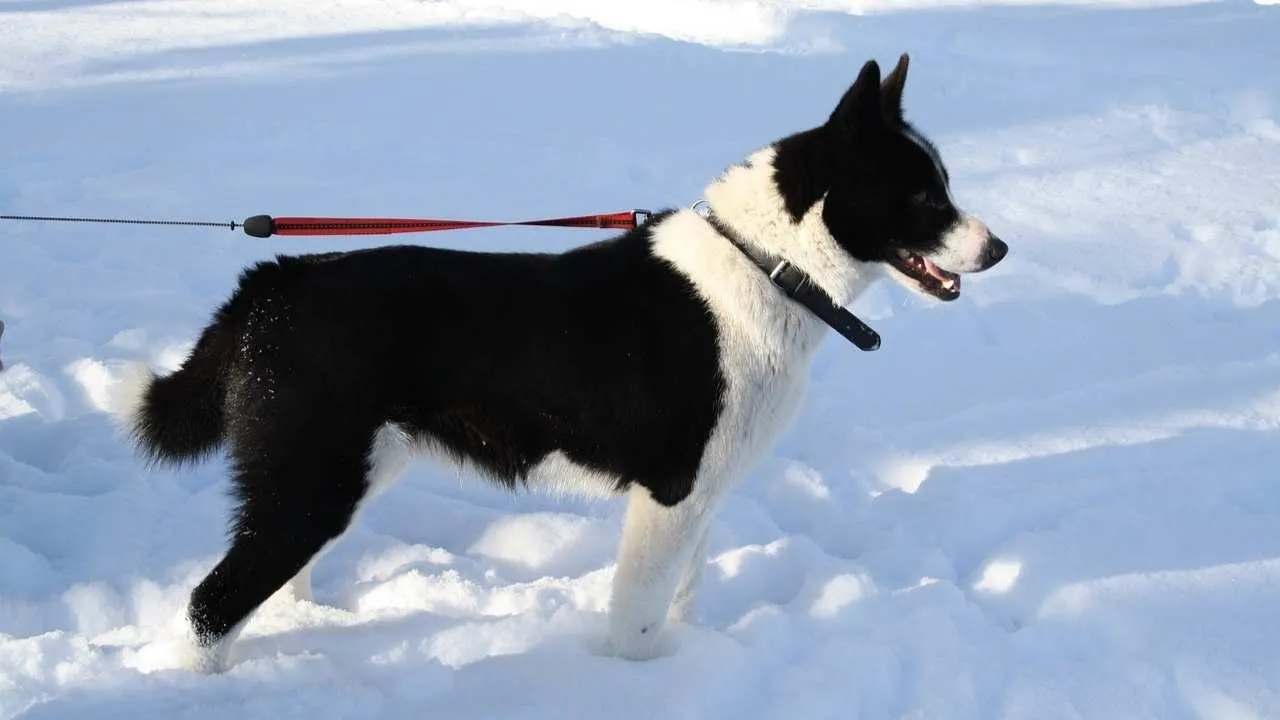
Karelian Bear Dogs are powerful, independent hunters originally from Finland. They were bred to track large game, including bears, moose, and boars.
Their courage, sharp sense of smell, and excellent sense of direction help them handle demanding hunts. These dogs can pursue game over long distances and keep barking to alert hunters when they locate or corner an animal.
Temperament and Working Abilities
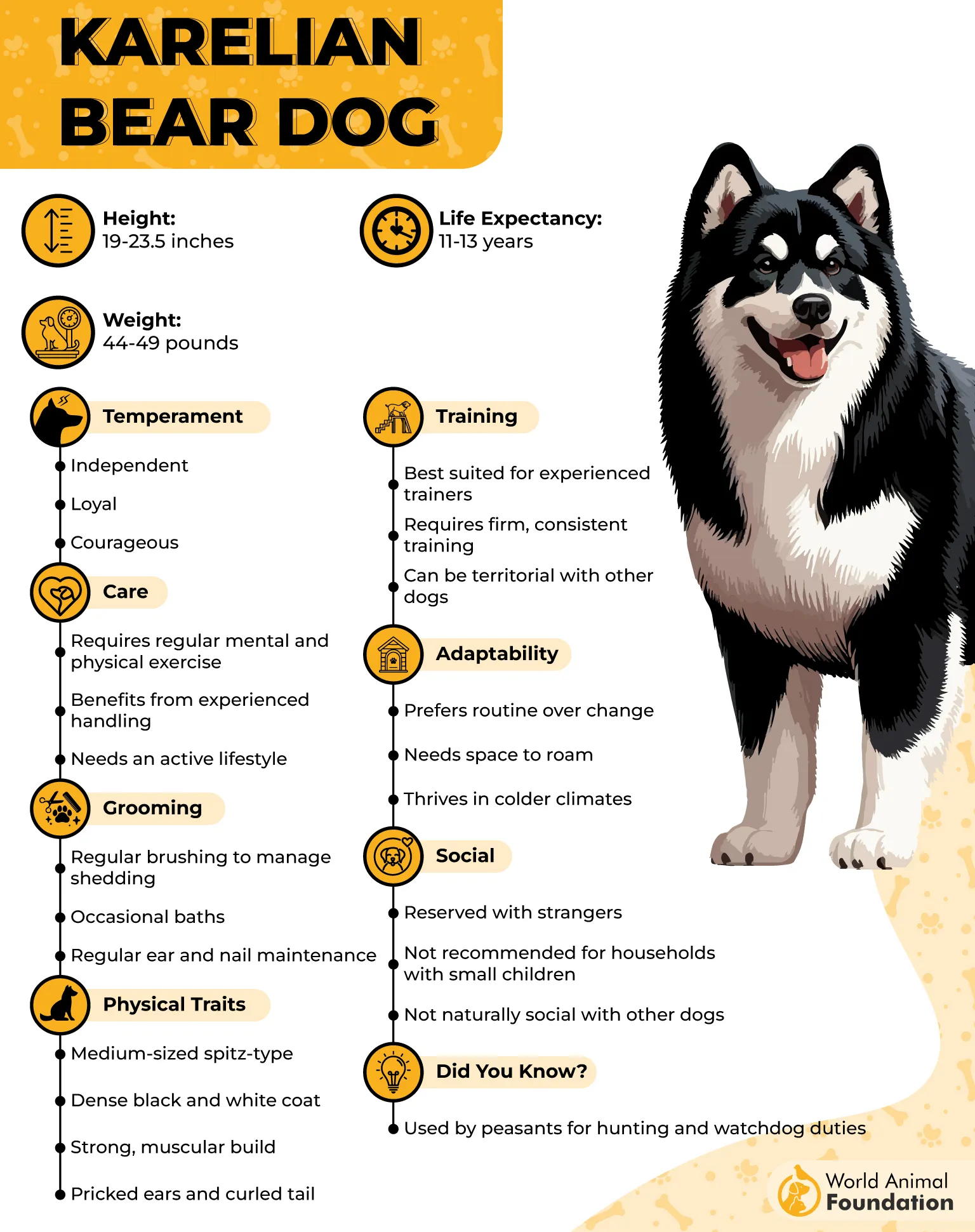
With their dense black-and-white coats and erect ears, Karelian Bear Dogs have a striking appearance. They are persistent, confident, and always ready for a challenge.
Although they can be reserved around strangers, they are loyal and affectionate with people they trust. Their strong hunting instincts can make them territorial around other dogs, especially males, so they need experienced owners who can manage their independent nature.
Exercise and Training Needs
Karelian Bear Dogs thrive when they have meaningful work to do. Hunting, tracking, and other structured activities help keep them engaged. They are intelligent but strong-willed, so consistent training and clear guidance are essential.
These dogs are also used in some wildlife management programs to help address threats from large animals. Their working instincts and demanding nature make them better suited to experienced handlers than first-time dog owners.
3. Norwegian Elkhound
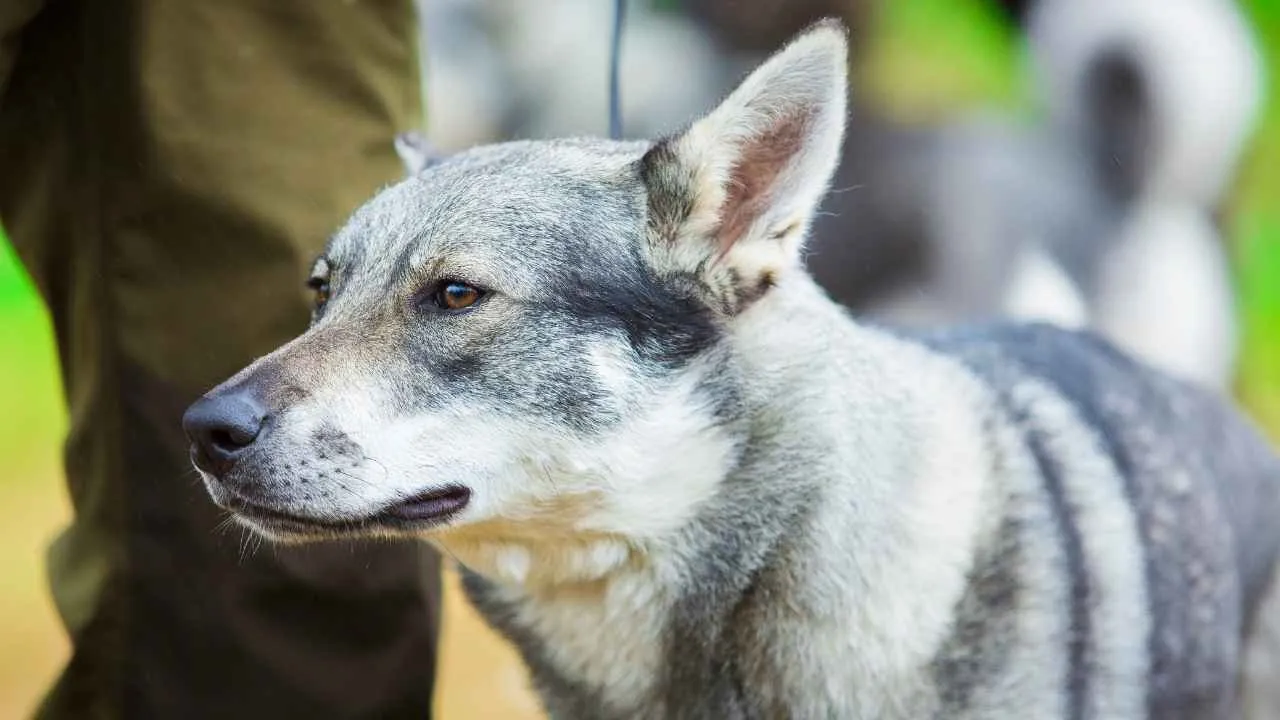
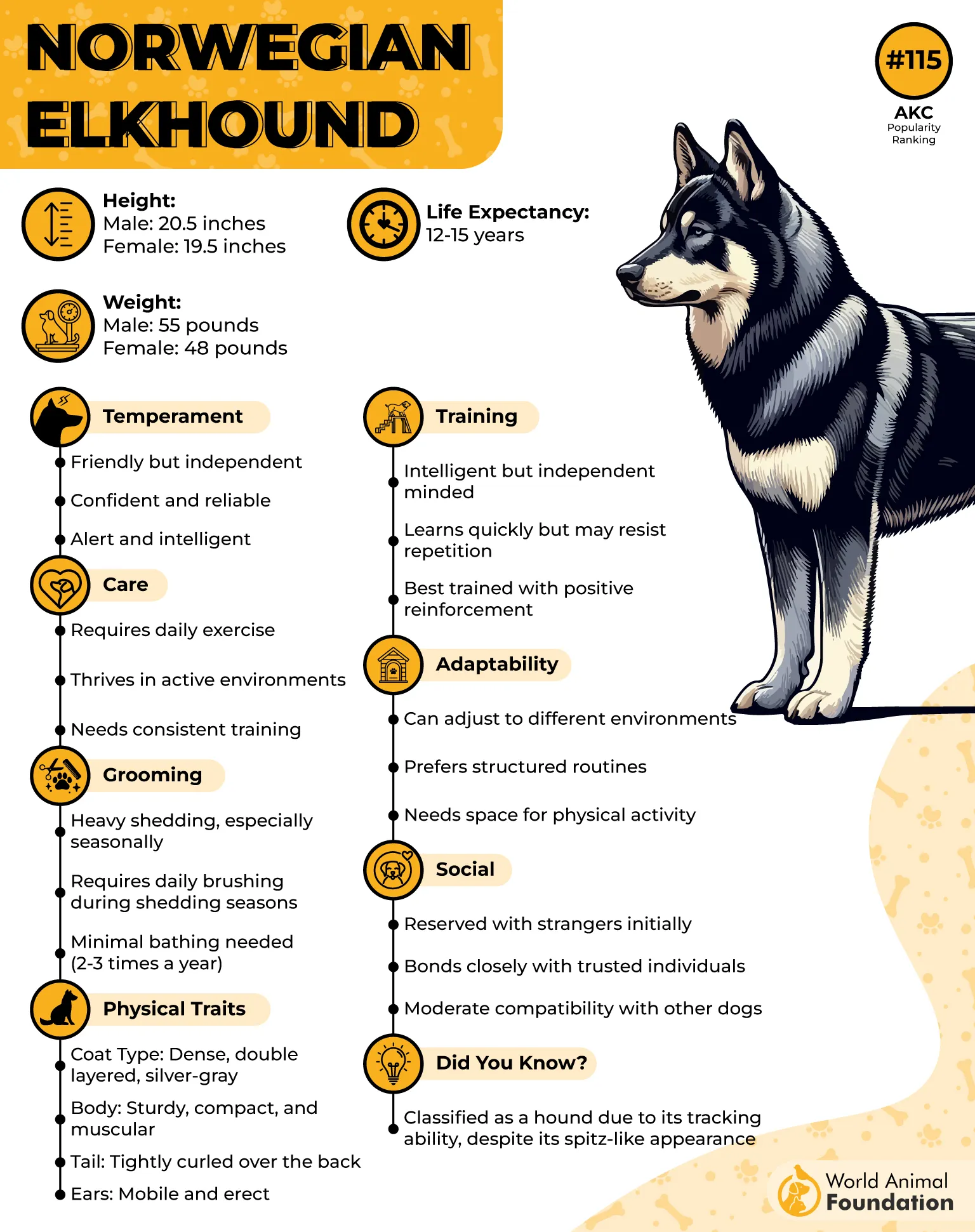
Norwegian Elkhounds are among Europe’s oldest dog breeds, with a history that dates back to the Viking era. These sturdy, silver-gray dogs were bred for hunting and are known for their stamina, strength, and ability to handle demanding outdoor activities.
Their dense coats help them thrive in cold weather, while their muscular build supports an active working lifestyle.
Temperament and Natural Abilities
Norwegian Elkhounds are intelligent, confident, and loyal. They form close bonds with their families and make alert watchdogs. Although they may take time to warm up to strangers, they can become trustworthy companions once familiar with them.
Their hunting instincts may lead them to chase small animals, and their protective nature makes them naturally vocal. They can also be independent and may not always enjoy sharing their people or possessions with other dogs.
Exercise and Training Needs
These energetic dogs need regular activity to stay happy and engaged. Agility and herding trials offer useful outlets for their athleticism, while training can help manage excessive barking.
Norwegian Elkhounds enjoy spending time with their families and are best suited to active homes where they receive plenty of attention and opportunities to explore.
4. Australian Cattle Dog
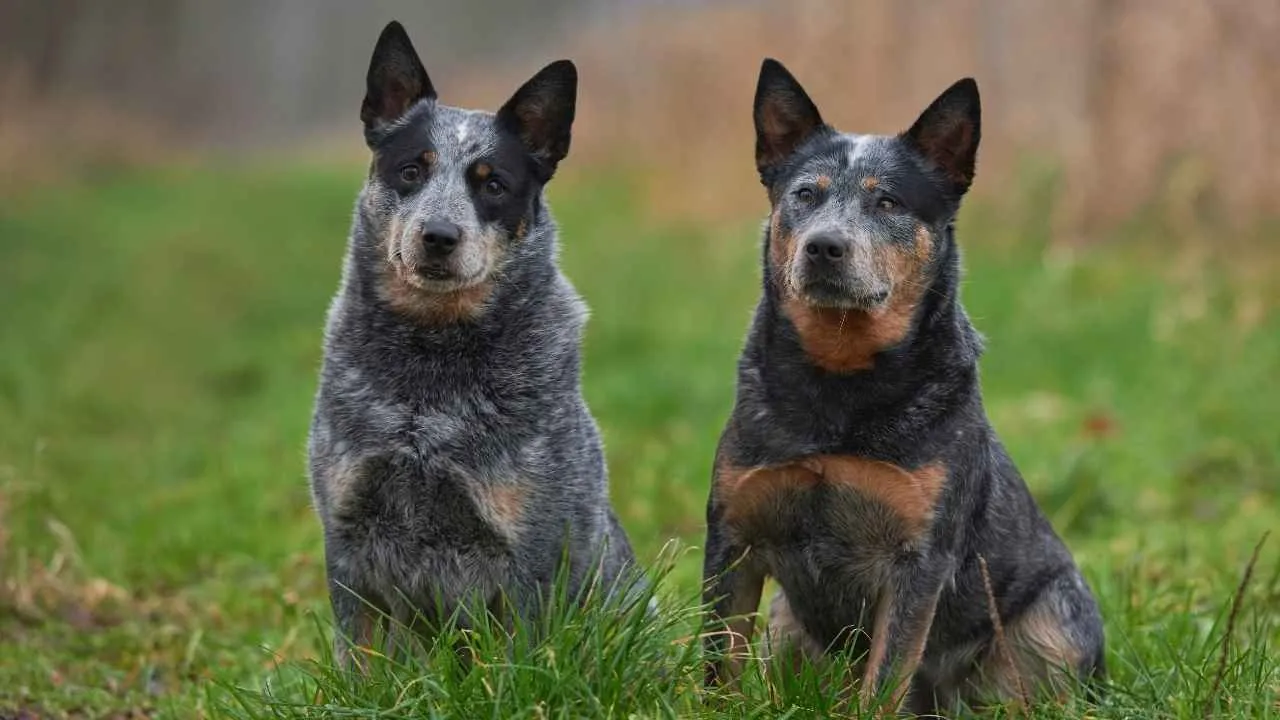
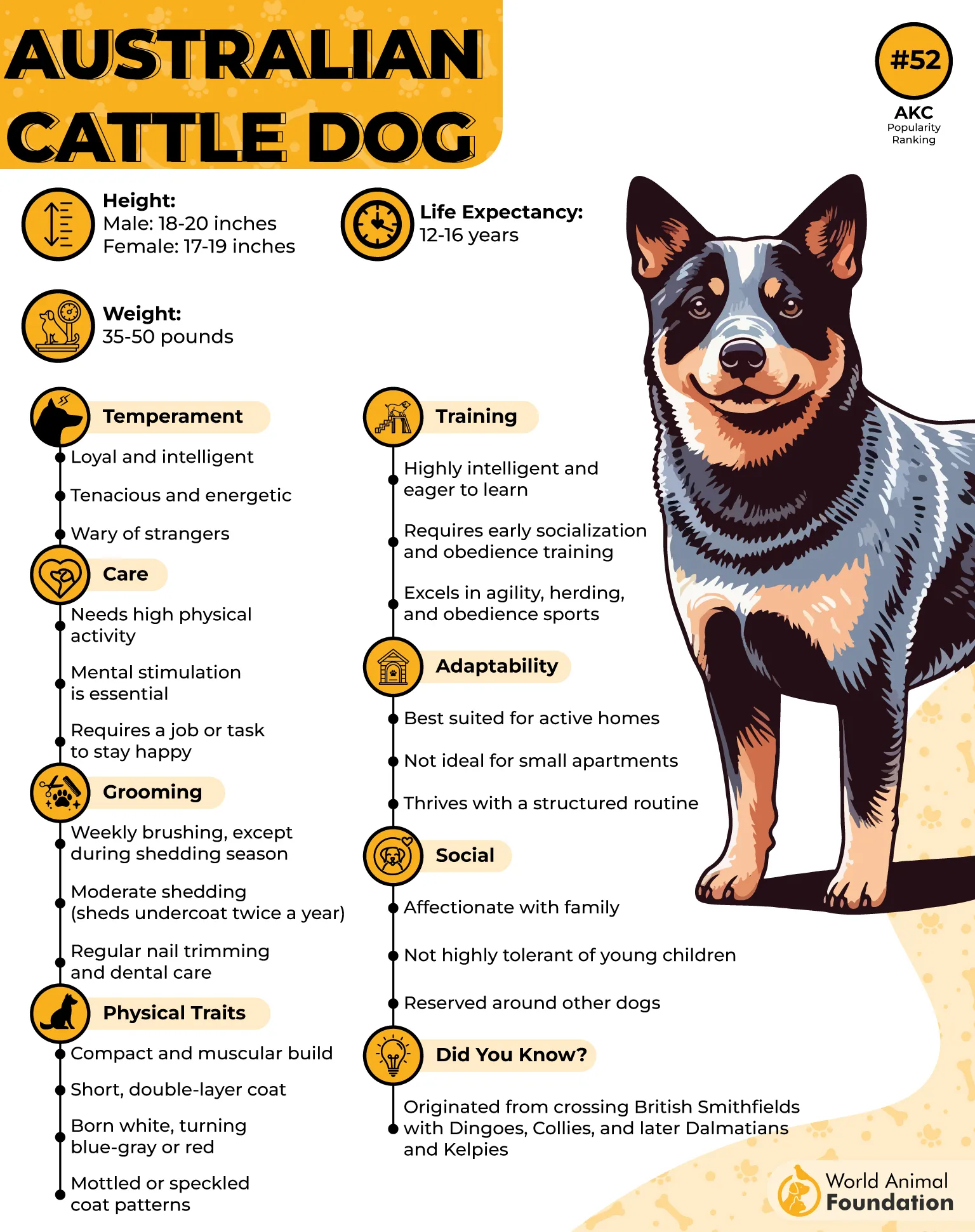
Australian Cattle Dogs are intelligent, muscular herders descended from the dingo. They were bred to move livestock and can stay active for long periods.
Also known as Blue Heelers or Red Heelers, they come in blue or red speckled coats. Their strength, agility, and water-resistant double coats help them handle different weather conditions, making them resilient working dogs.
Temperament and Working Abilities
These dogs are alert, loyal, and highly driven. They often form strong bonds with their owners but may be reserved around strangers, as Purina notes.
Their herding instincts can lead them to nip at heels, especially without proper training. They are quick learners but can become bored and mischievous when they lack a job to do.
Exercise and Training Needs
Australian Cattle Dogs need intense daily exercise and mental stimulation. Running, jogging, fetch, agility training, and problem-solving activities help keep them engaged.
They do best with experienced owners who can provide consistent training and plenty of activity. Small living spaces may not suit their high energy levels, and they need a regular outlet for their working instincts.
5. Black Mouth Cur
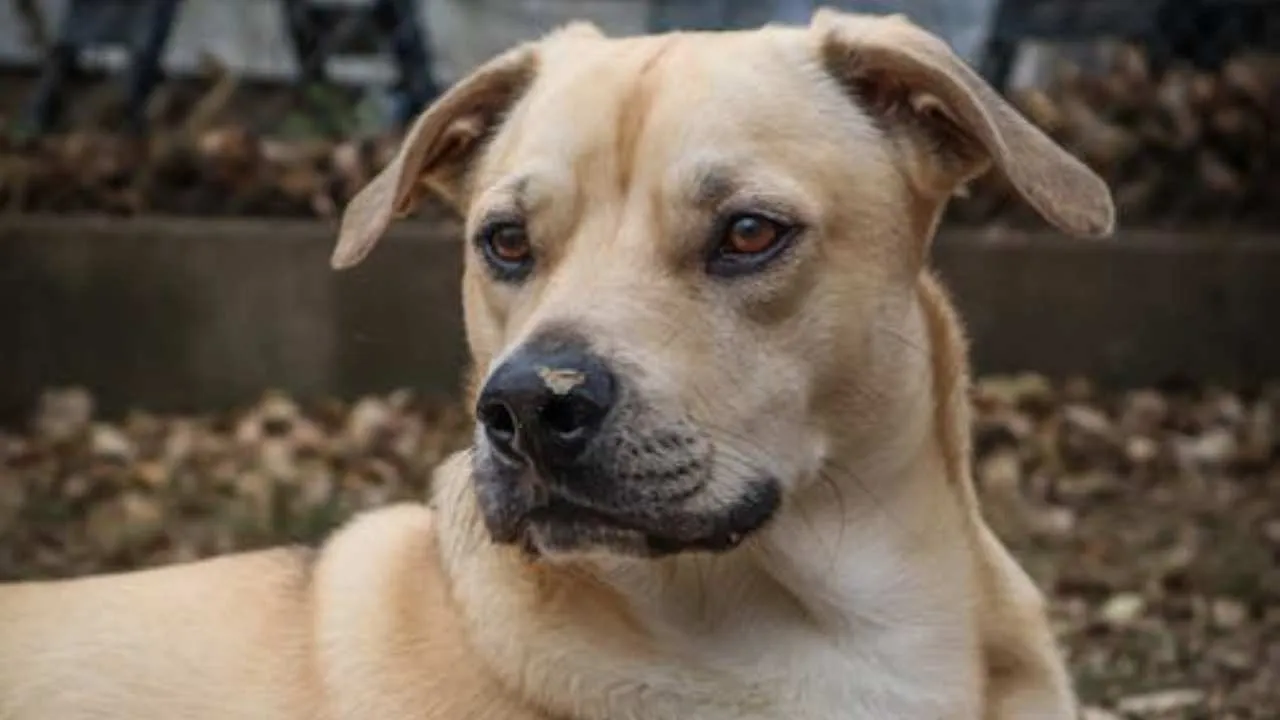
Black Mouth Curs are strong, energetic working dogs known for their loyalty and determination. Named for their often-black muzzles, these short-haired dogs have a history of hunting, herding, and protecting.
Their stamina and versatility help them handle demanding tasks, while their close bonds with their families make them affectionate companions.
Temperament and Working Abilities
Black Mouth Curs are intelligent, playful, and eager to learn. They respond well to rewards such as treats and toys, making training more engaging.
However, they can be territorial around food, toys, and family members. Their strong prey drive may also lead them to chase smaller animals, so early socialization and careful introductions to other pets are important.
Exercise and Training Needs
These active dogs need plenty of daily exercise and mental stimulation. Trail hiking, fetch, scent work, and puzzle toys help keep their bodies and minds busy.
Positive training and consistent guidance are essential, as their intelligence and high energy can make them challenging for inexperienced owners. With enough activity and attention, Black Mouth Curs can thrive as both working dogs and family companions.
6. Mountain Cur
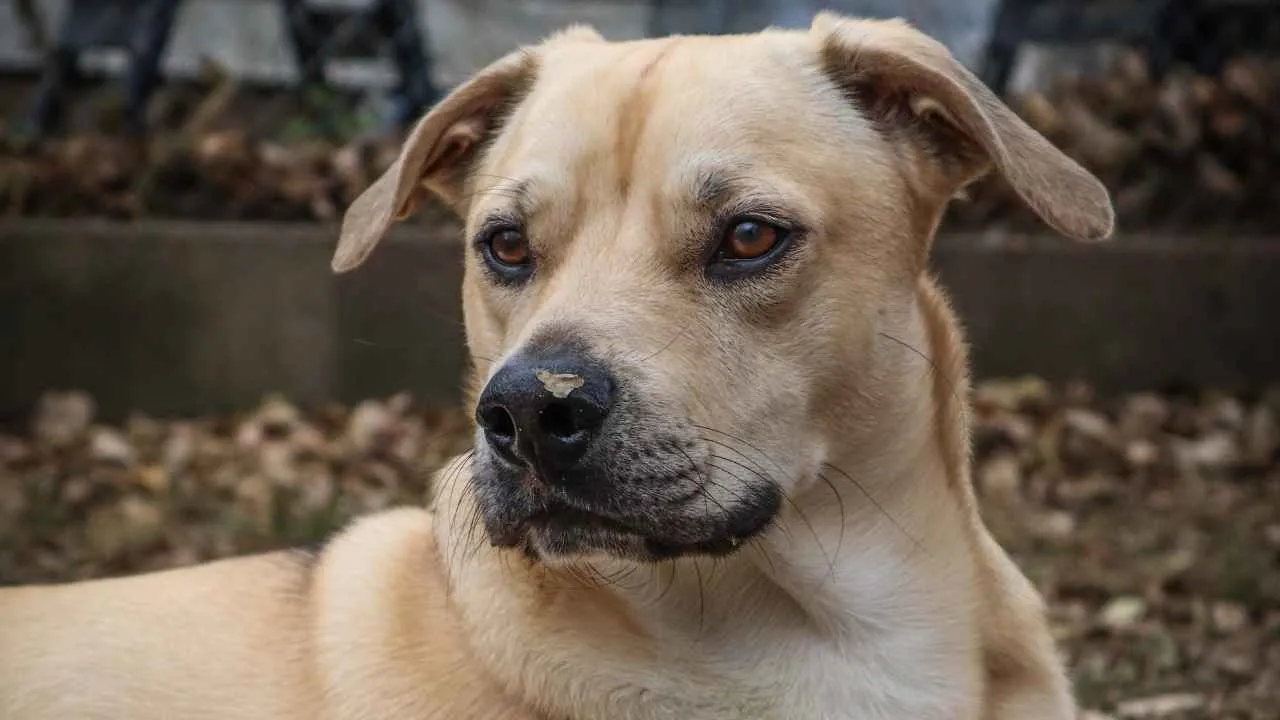
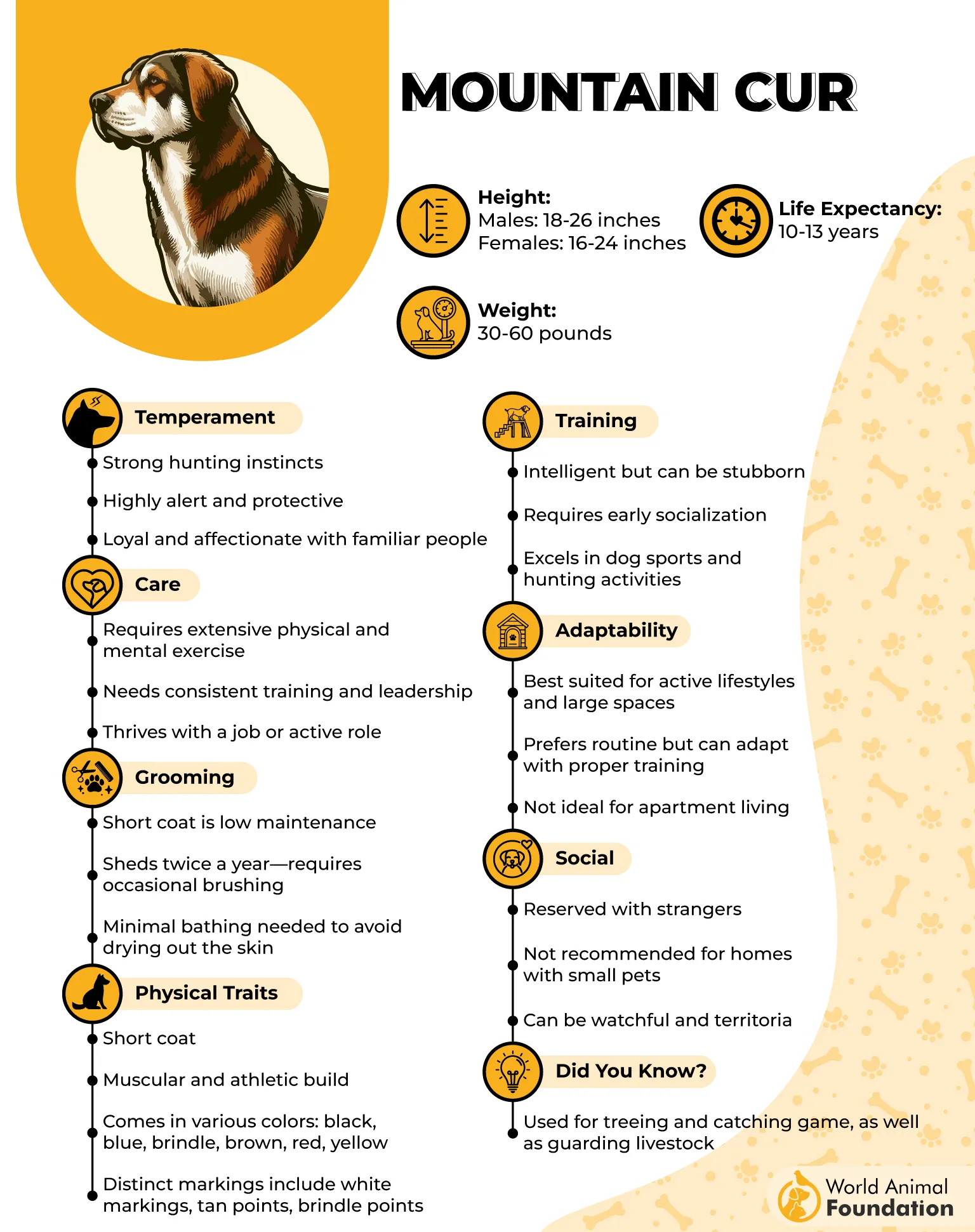
Mountain Curs are intelligent, courageous working dogs that originated in the United States. They played an important role in the lives of early pioneers, helping them hunt game and guard their homes.
Their agility, endurance, and strong hunting instincts make them well-suited to rough terrain and demanding outdoor tasks. These dogs are also skilled at treeing prey, using their sharp tracking abilities to locate animals.
Temperament and Working Abilities
Mountain Curs are loyal, protective, and eager to please. They thrive when given a job and can serve as hunting companions, farm helpers, and watchdogs.
Their clear, loud bark helps alert owners to activity nearby. Although they may be reserved around strangers, they can become friendly once they feel comfortable. Their strong prey drive means they may not be suitable for homes with small pets.
Exercise and Training Needs
These energetic dogs need regular exercise and mental challenges to stay happy. Hiking, hunting, and outdoor activities provide useful outlets for their stamina and instincts.
They respond well to training that includes plenty of human interaction and can learn to leave unwanted game alone. Their short, dense coats require minimal grooming, making their care relatively simple for active owners.
7. Plott Hound
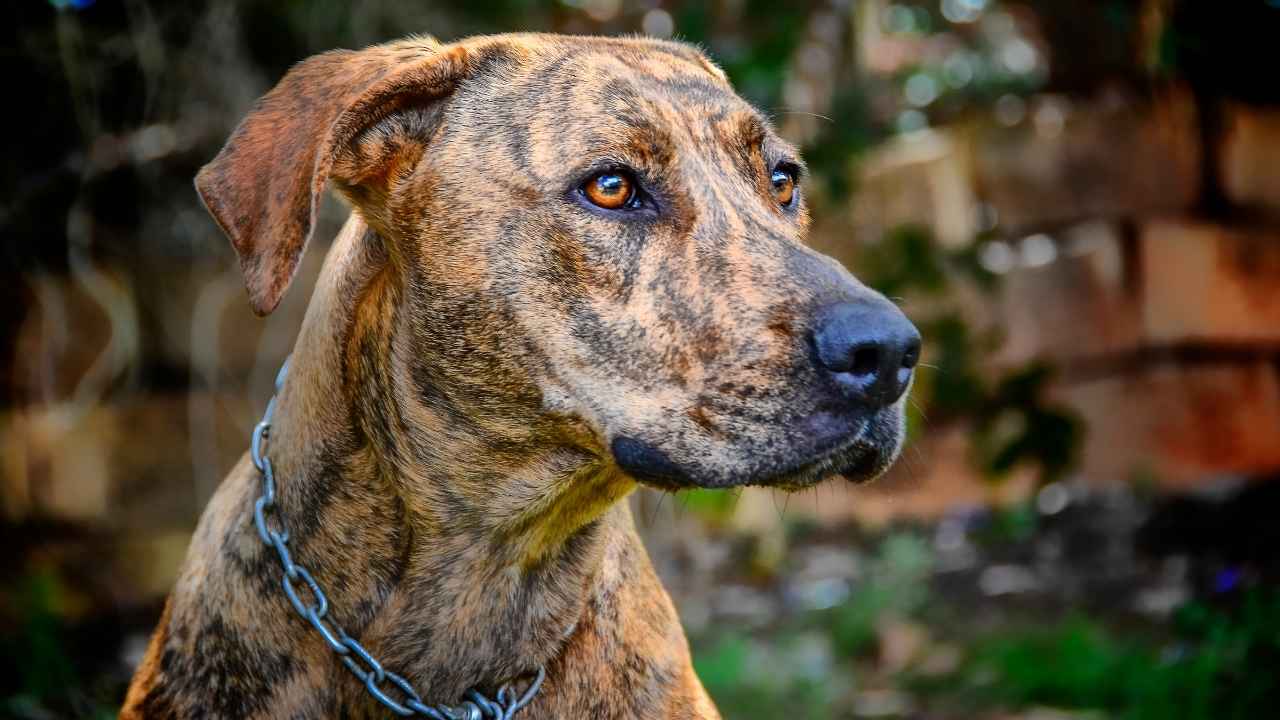
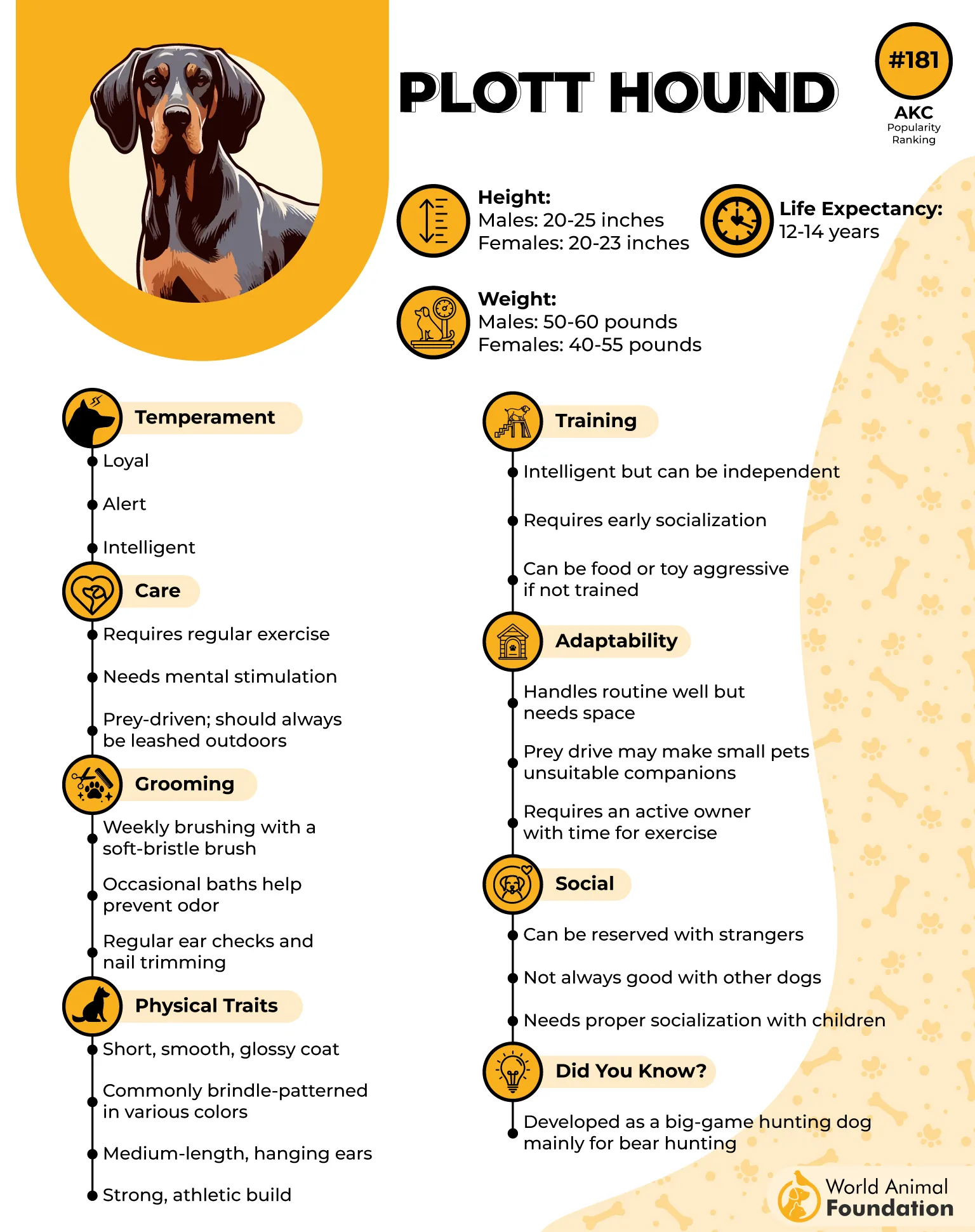
Plott Hounds are rugged hunting dogs from the United States, known for their strength, speed, and endurance. Their history traces back to Johannes Plott, a German gamekeeper who brought his hunting dogs to North Carolina in the 18th century.
Over time, the breed became known for tracking and hunting, and today, the Plott Hound is North Carolina’s state dog. Their short, shiny coats often feature striking brindle patterns.
Temperament and Working Abilities
Plott Hounds are bold, intelligent, and curious. Their strong scenting instincts make them persistent trackers, while their muscular build and long legs support active work, as noted by the AKC.
Despite their fearless nature in the field, they can be calm and affectionate at home. They form close bonds with their families, enjoy human and canine companionship, and are generally described as trustworthy family dogs. Like many hounds, they also have a deep, loud bark.
Exercise and Training Needs
These energetic dogs need regular exercise and mental stimulation to stay content. Long walks, hiking, swimming, and scent-based activities give them opportunities to use their natural abilities.
They enjoy having a job to do but can relax at home after an active day. Their short coats require minimal grooming, making routine coat care relatively simple.
Conclusion
Endurance and survival come naturally to dogs like Catahoula Leopard Dogs, Karelian Bear Dogs, Norwegian Elkhounds, and other hardworking breeds.
Their strength, stamina, instincts, and ability to handle demanding conditions make them stand out, even if they receive less attention than more popular dogs. Each breed has its own skills, temperament, and care needs, so physical toughness is only one part of the picture.
If you’re considering one of these determined dogs, take time to learn about its exercise needs, training requirements, and personality before making a decision.
The right dog is not simply the one that can go the farthest or handle the toughest terrain. It’s the one whose abilities and needs fit your lifestyle, allowing you to build a lasting bond through every adventure.
