




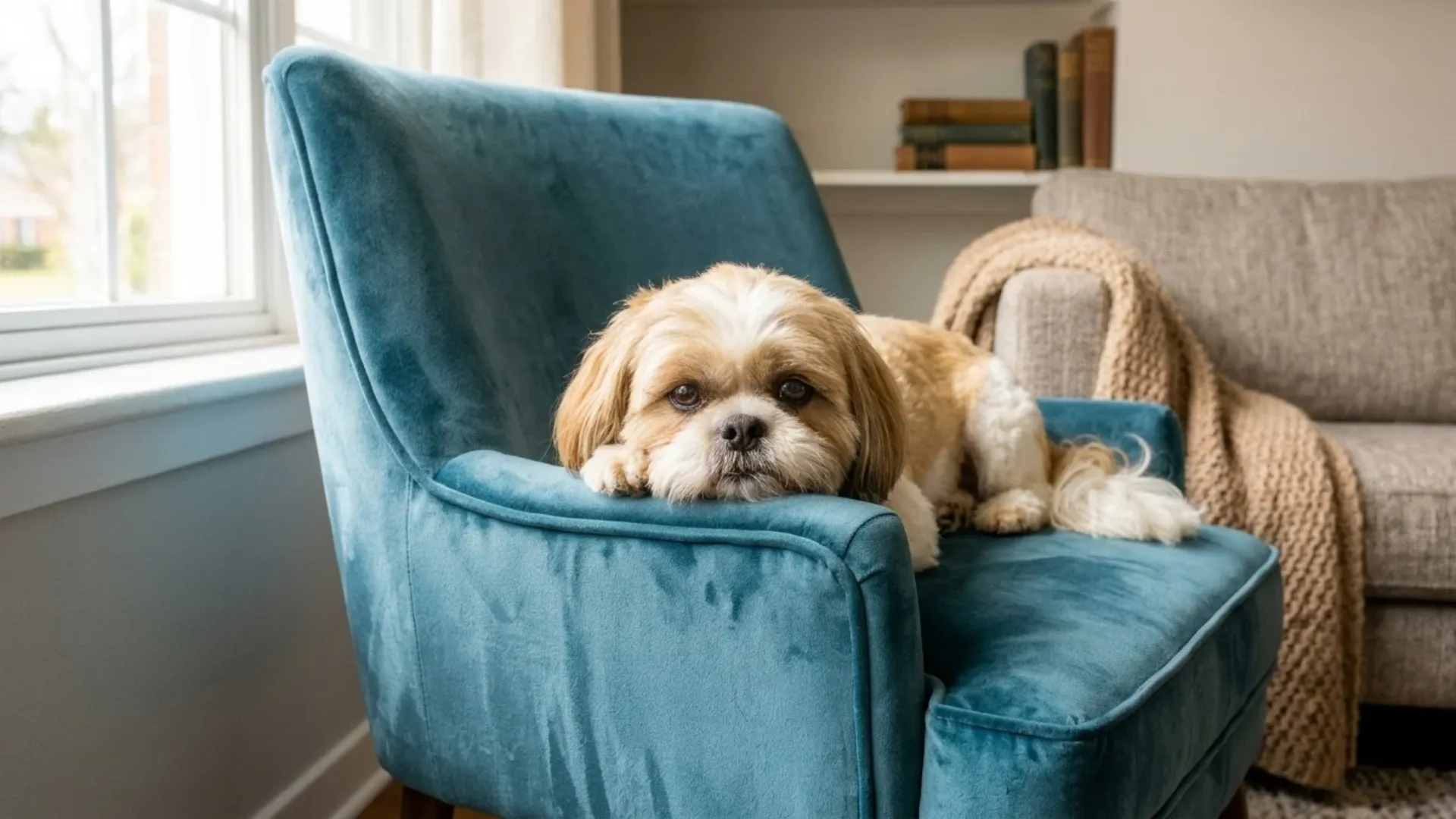
Love your couch more than the gym? Wish your dog felt the same? Some pups are happy with short walks, cozy naps, and movie nights by your side. If your idea of fun means staying in, the right dog can make your lazy days even better!
Some breeds suit a slower pace better than highly active dogs. They enjoy home comforts, gentle play, and time with their favorite people. In this guide, you’ll meet seven dog breeds that may fit your relaxed lifestyle. From small cuddle buddies to gentle giants, each brings its own charm.
Still, even couch-loving dogs need daily care. They need walks, play, training, and lots of love. So, think about your home, family, and daily routine before choosing. The goal is simple: find a laid-back and low-energy companion that loves cozy days as much as you do.
Undemanding Dog Breeds Ideal for the Couch‑Sitting Crowd
1. Basset Hound
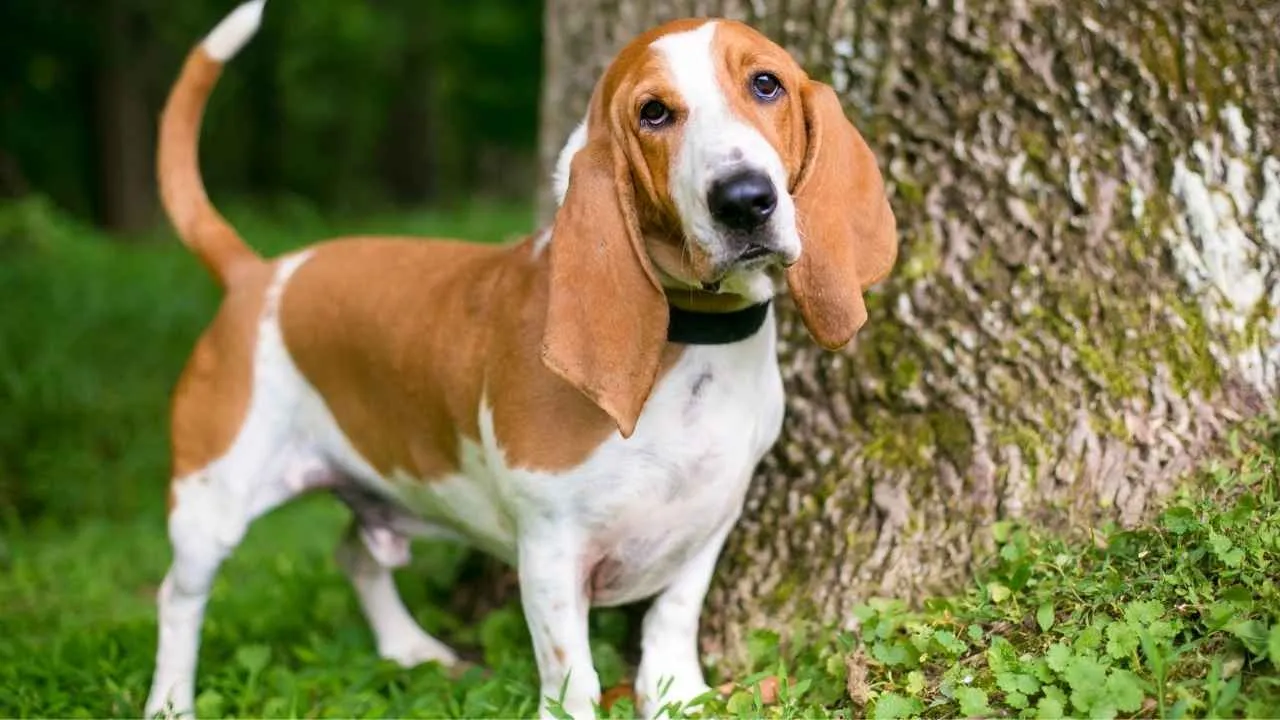
With short legs, long ears, and a droopy face, the Basset Hound has a look all its own. This breed often enjoys peaceful days with its family. According to Wikipedia, Basset Hounds are friendly, outgoing, and playful. They are also tolerant of children and other pets.
Their temperament is typically mild and deeply devoted, though they are not timid. As a low-energy dog, the Basset Hound may suit people who love a relaxed pace.
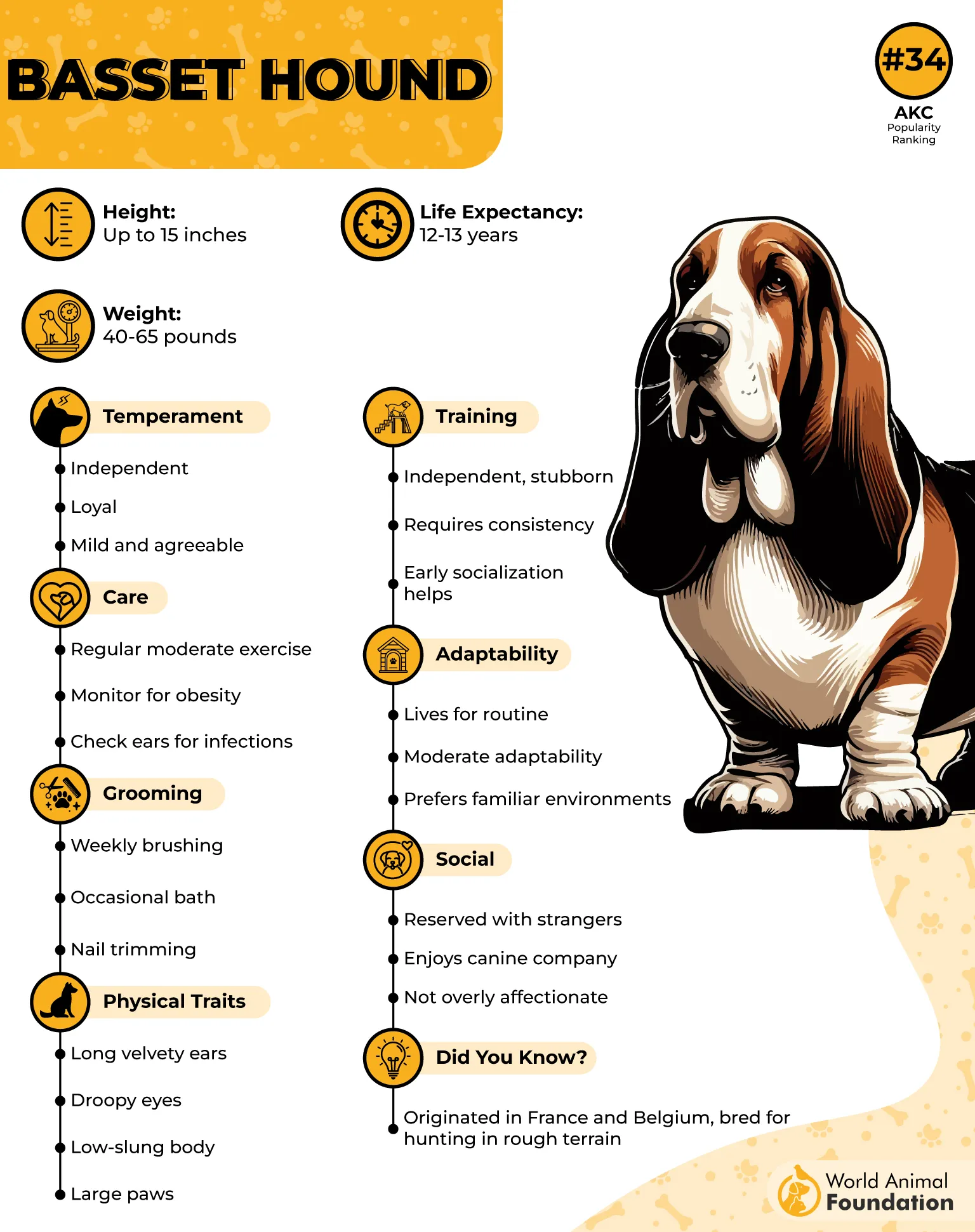
Short daily walks and indoor rest can meet much of its activity needs. However, the Basset Hound’s strong nose may lead it after tempting scents. Keep outdoor areas secure to prevent wandering. This calm companion can enjoy life as a couch potato, but it still needs care and attention.
What Makes This Breed Special
Training: Use treats and patience to hold its interest.
Grooming needs: Clean its long ears and skin folds.
Family life: Give it time with loved ones each day.
Puppies: Start early socialization with people and other pets.
Low maintenance: Keep care simple, but never skip daily needs.
2. Shih Tzu
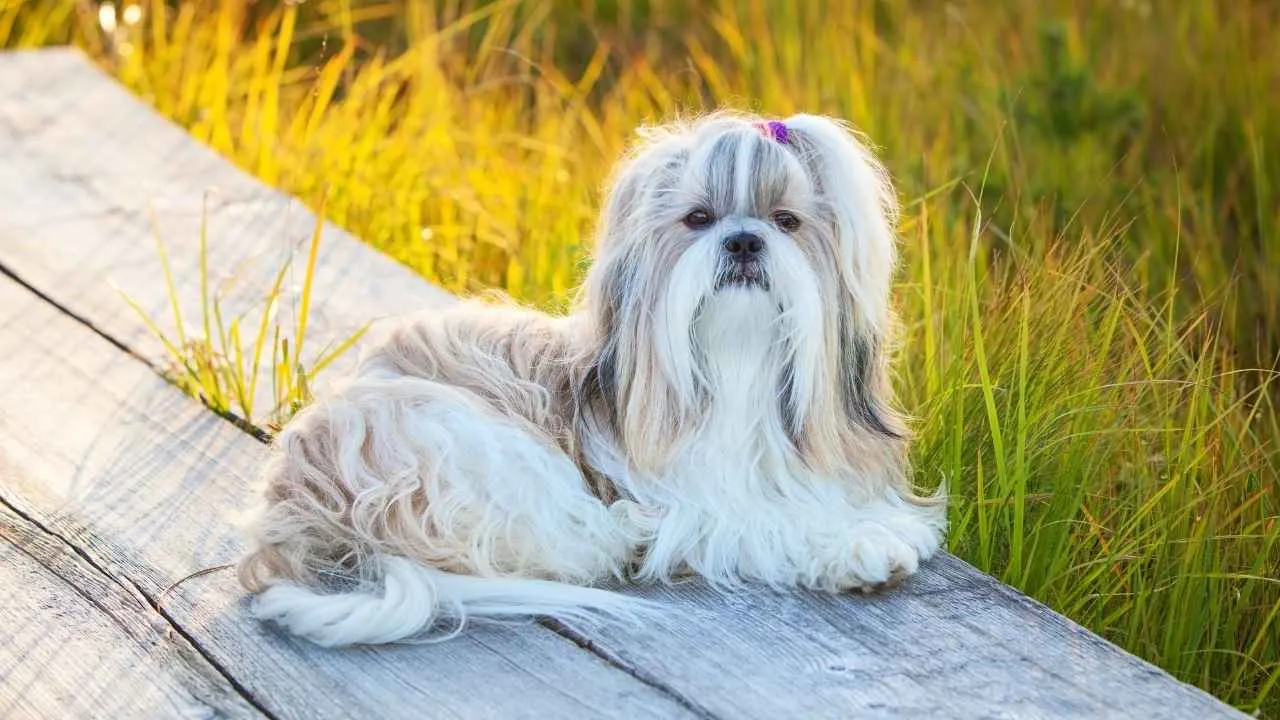
The Shih Tzu has a royal past and a loving heart. According to Britannica, this Tibetan toy dog developed from the Pekingese and Lhasa Apso over 1,000 years ago. Tibetan monks often gave these dogs as gifts to Chinese royalty. Its Chinese name means “lion dog,” inspired by its hairy face and flowing coat.
Today, this small companion loves staying close to its favorite people. It can be perfectly content with indoor games, short outings, and cozy naps. Its gentle temperament suits pet parents who enjoy quiet days at home.
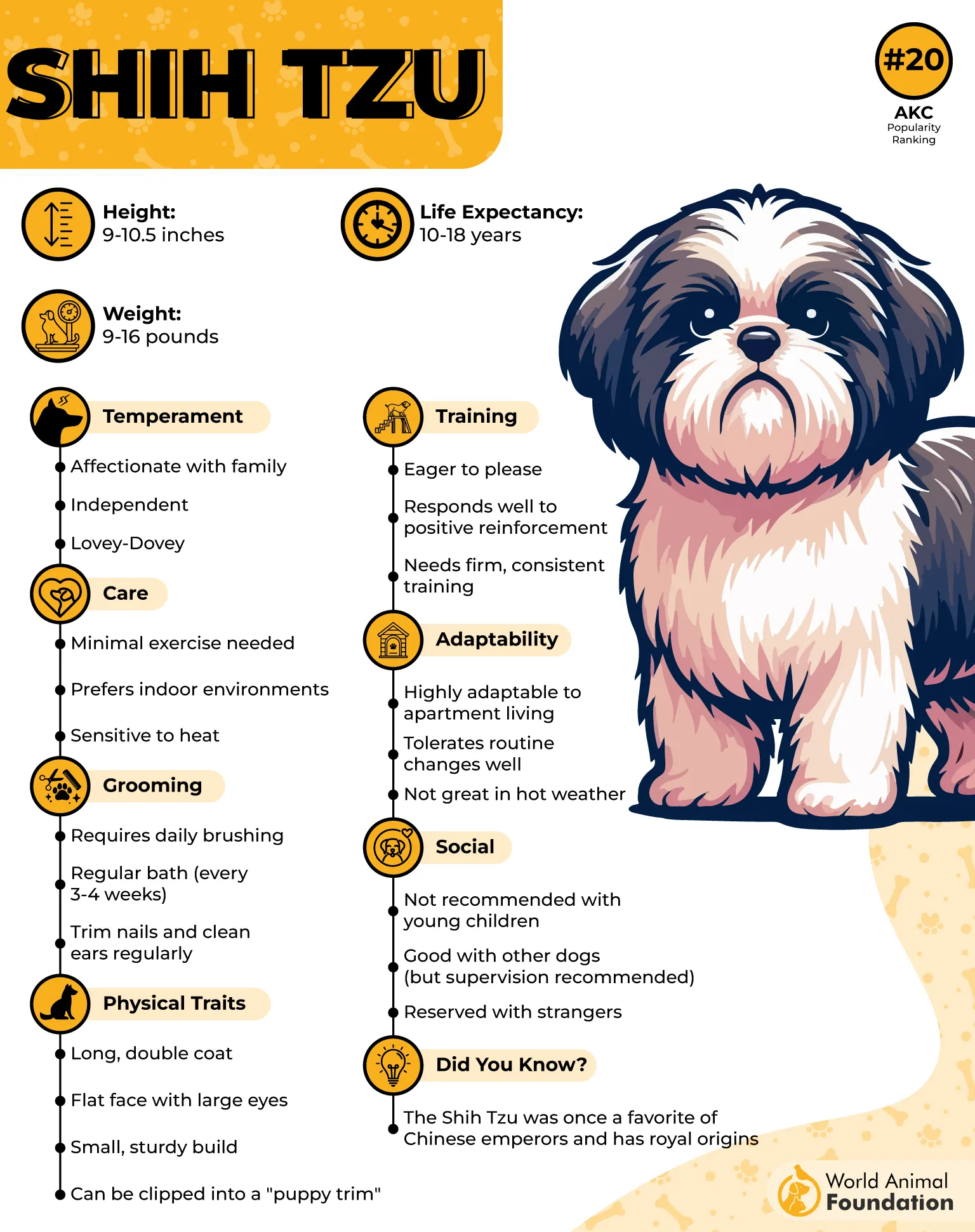
This lazy dog needs minimal exercise but still enjoys daily play and attention. Shih Tzus are often considered a hypoallergenic dog breed because they shed very little. However, no dog is fully allergy-free.
Caring for Your Little Lion Dog
Coat care: Brush its long hair often to prevent painful mats.
Eye health: Keep the area around its eyes clean.
Dental care: Brush its teeth to help reduce plaque.
Training: Use praise and treats to teach simple skills.
Home life: Offer safe toys and company when you are home.
3. Bulldog
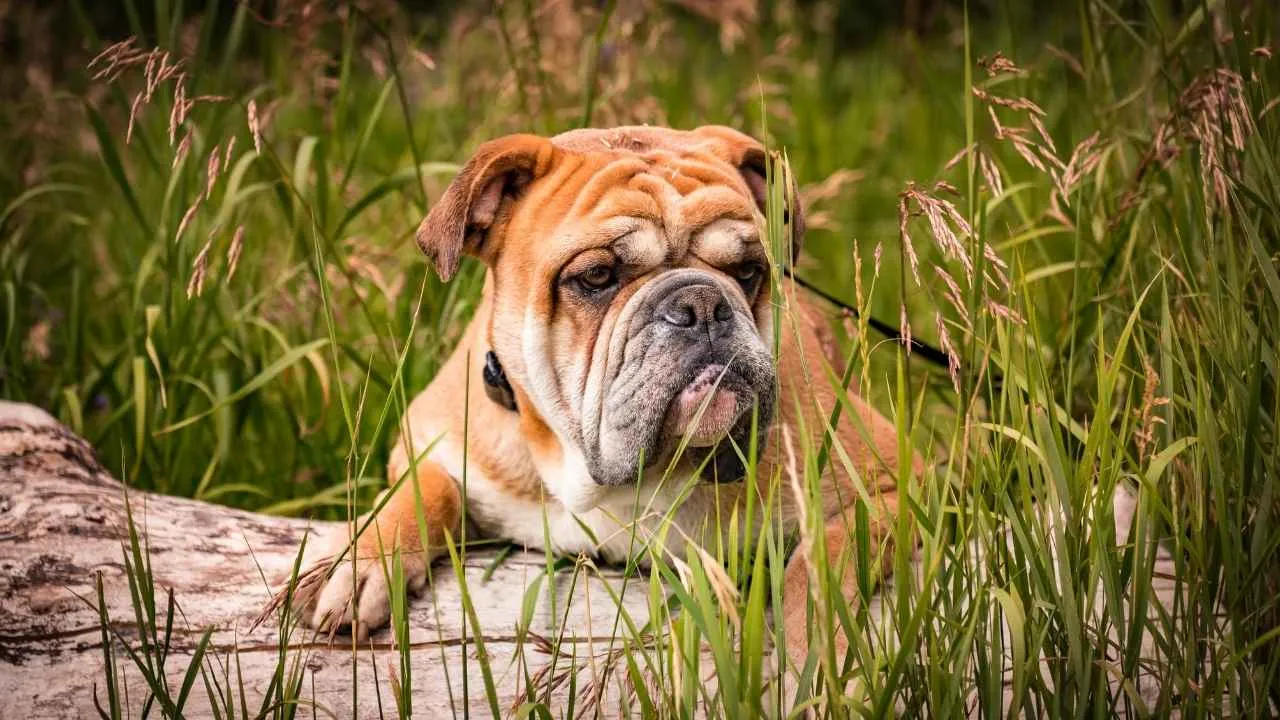
The English Bulldog has a stocky frame, broad head, and wrinkled face. Despite its tough look, this breed often loves close family bonds. According to PetMD, the English Bulldog is a friendly dog that can make a wonderful family pet. However, the right home matters before bringing home a Bulldog puppy.
This brachycephalic dog breed has a short muzzle that can cause breathing problems. Its low energy level may appeal to people who prefer quiet days. As a lazy dog, it often enjoys resting near its loved ones. Still, this calm dog needs enough exercise through gentle walks and safe play.
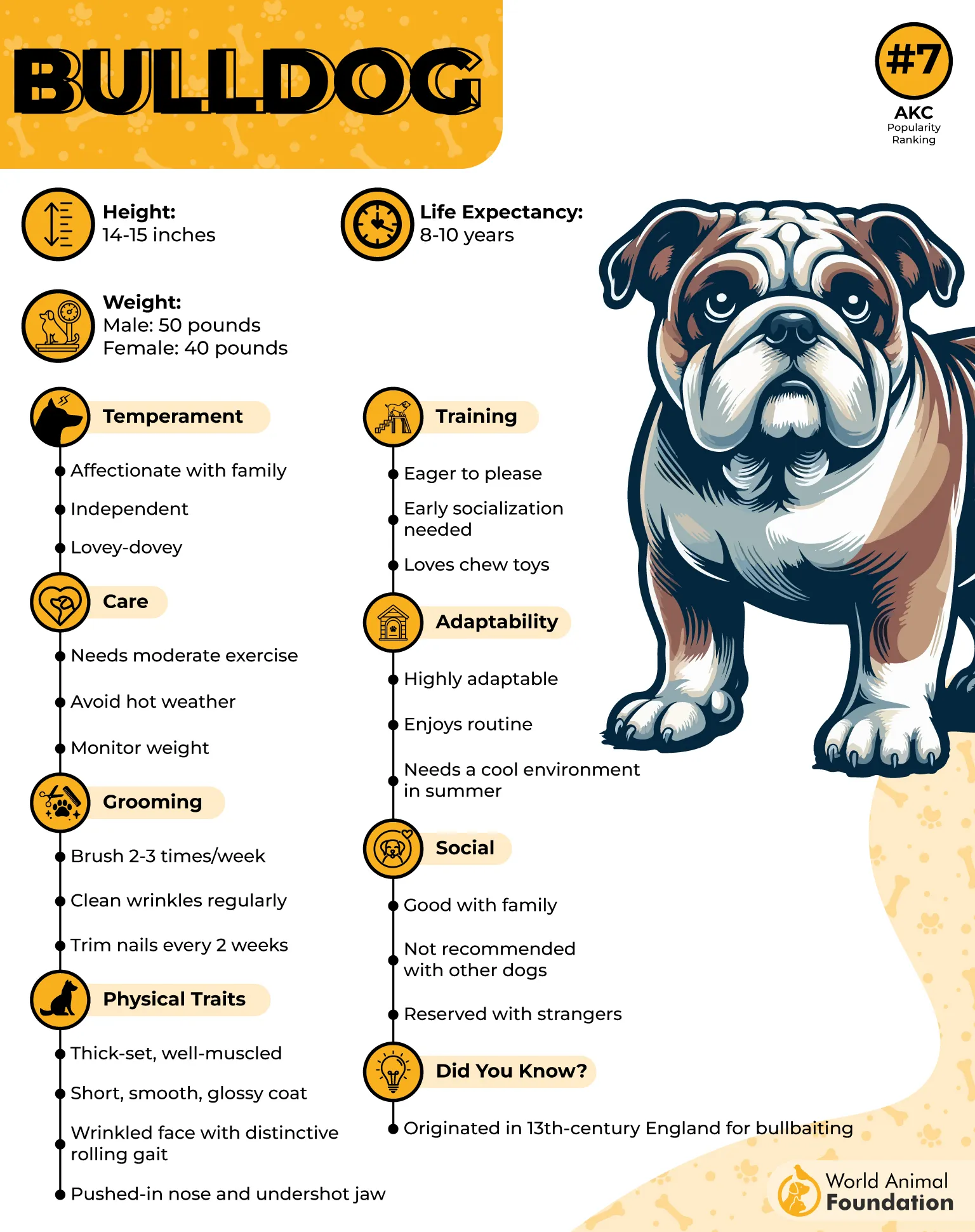
Hot weather can make breathing harder, so keep outings short and offer a cool place to rest. Its adaptable temperament can suit many homes, provided owners put its comfort and health first.
Helping Your Bulldog Stay Comfortable
Skin care: Clean its wrinkles and dry them well to reduce irritation.
Weight control: Measure meals to help prevent extra pounds.
Training: Use rewards and brief sessions to build good habits.
Family fit: Teach children to handle this dog with care.
Size matters: Though not a large breed, its sturdy body needs room to move safely.
4. Cavalier King Charles Spaniel
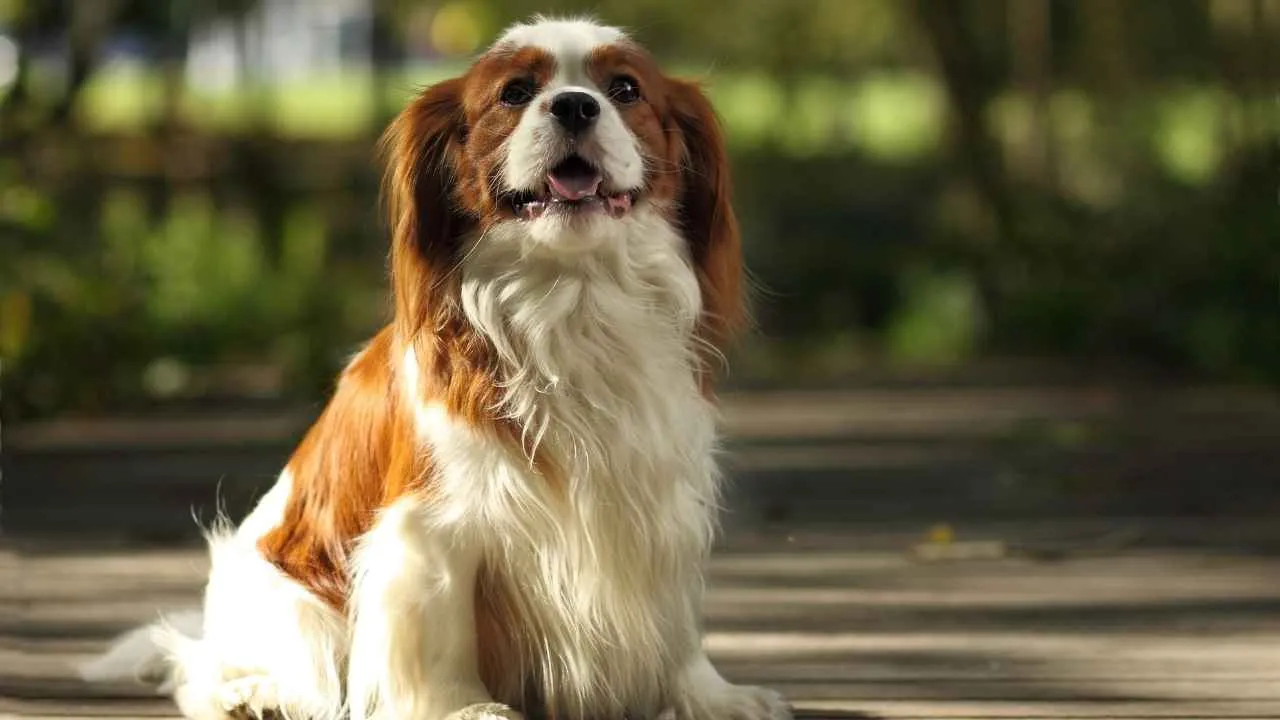
With silky ears and a sweet face, the Cavalier King Charles Spaniel is hard to resist. According to Hill’s Pet, this breed is playful, smart, and deeply devoted to its family. It also tends to be friendly with children. This small dog loves being near its people, earning the nickname “Velcro dog.”
Its laid-back nature makes it a lovely choice for a couch potato who enjoys quiet days. Cavaliers are often seen as a low-maintenance dog breed in terms of exercise. Short walks, indoor play, and time to relax can meet many of their daily needs.
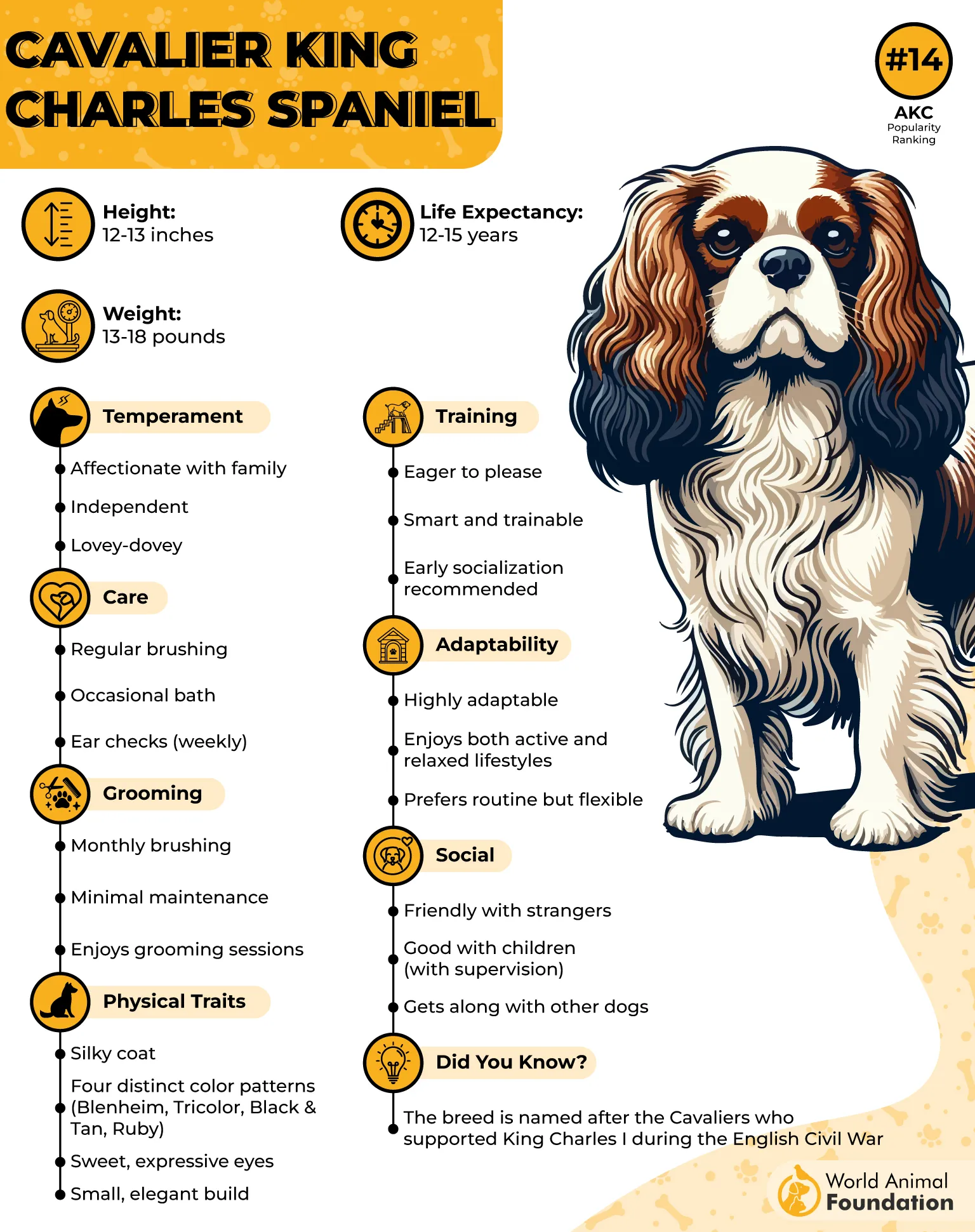
Still, they need company and may develop separation anxiety if left alone too long. Their silky coats also need care, and regular vet visits help monitor heart health. For pet parents who want a loving, gentle friend, this Spaniel can be a perfect match.
What Helps Cavaliers Thrive?
Early learning: Start training puppies with gentle praise and rewards.
Heart health: Schedule vet checks to watch for common heart conditions.
Coat care: Comb the silky fur to prevent tangles
Pet introductions: Introduce cats slowly and supervise early meetings.
Daily bonding: Set aside time for cuddles and shared activities.
5. Pug

With round eyes, a wrinkled face, and a compact body, the Pug has plenty of charm. According to PDSA, Pugs are intelligent, affectionate dogs who love people and company. They can struggle when left alone, so they suit homes where someone spends plenty of time with them.
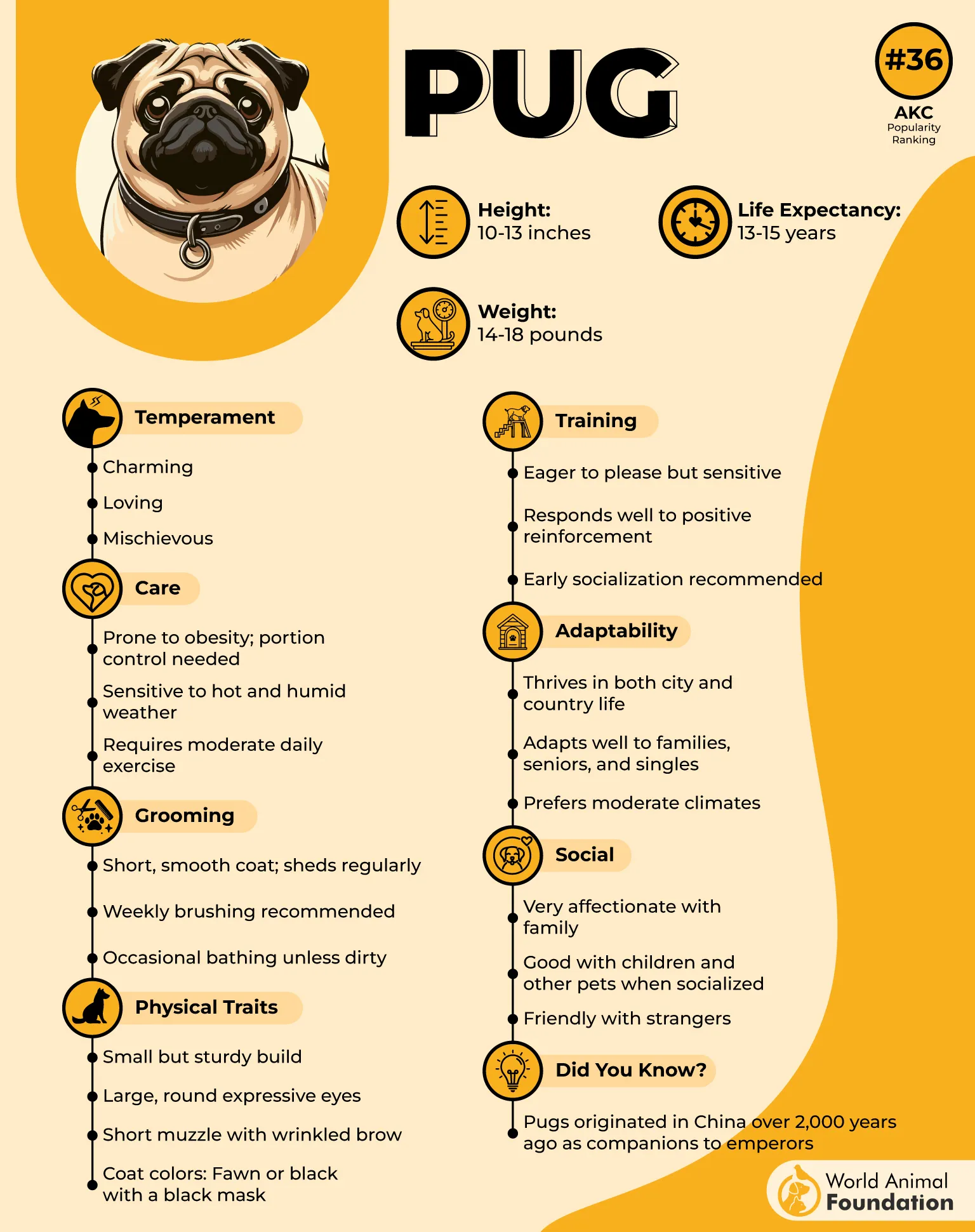
The Pug is also one of the oldest dog breeds, with roots in ancient China. This lazy dog breed often enjoys cuddles, short games, and time sleeping beside its favorite person. Pugs need moderate exercise, but their flat-faced build can make breathing hard.

Keep walks gentle, avoid hot weather, and watch for signs of distress. Although their short coat may seem low maintenance, these dogs need close health care. Their playful nature can bring plenty of joy to a quiet home.
Keeping Your Pug Happy and Healthy
Grooming needs: Clean facial folds gently and keep them dry.
Weight care: Measure meals to help prevent excess weight.
Alone time: Build short periods apart slowly to ease stress.
Safe play: Choose cool indoor games when the weather is hot.
Resting space: Offer a cozy spot away from noise and heat.
6. Saint Bernard
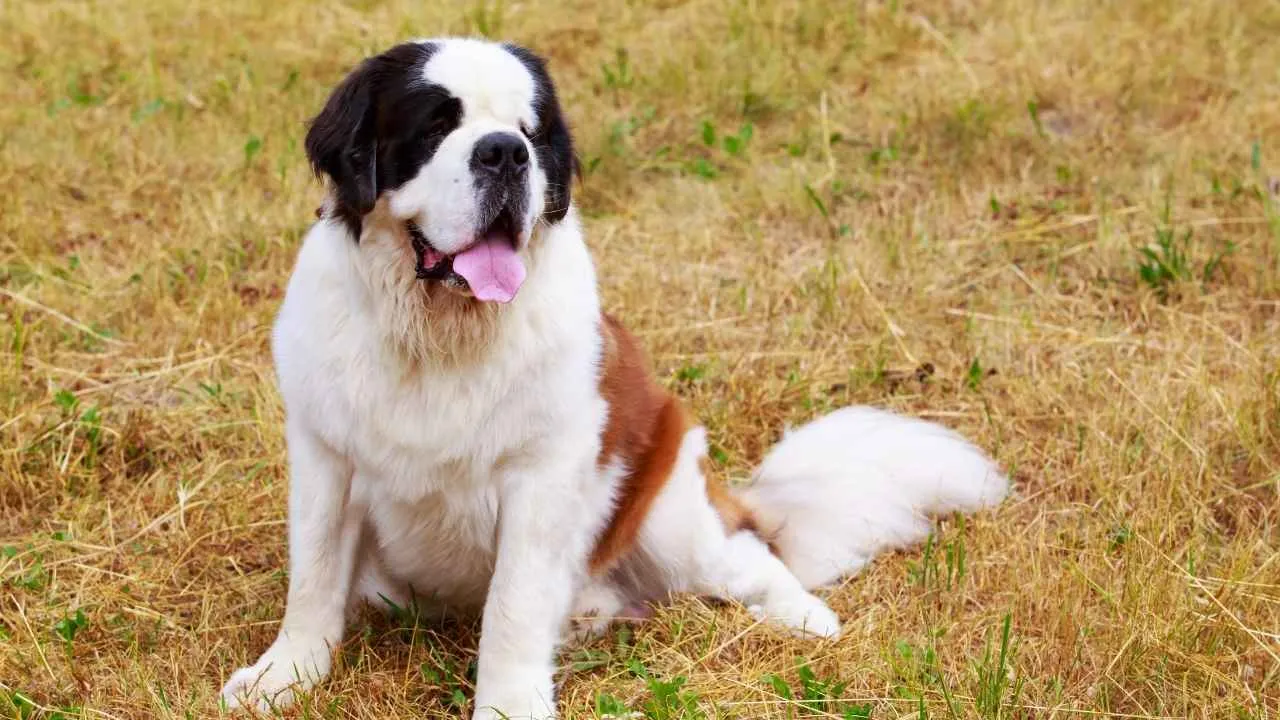
The Saint Bernard is a large dog breed from Switzerland, known for its loving, gentle, and tolerant personality. According to WebMD, these dogs once helped find and save lost or injured travelers in the Swiss Alps. Their brave history makes them well-known rescue dogs in the dog world.
Despite their powerful build, Saint Bernards are often patient with children and form close bonds with family members. Their ability to sense human emotions can make them wonderful family friends.
With low energy levels, they may enjoy a calm home and relaxed time with their favorite people. However, this giant needs enough space to move safely and requires careful handling around small children.
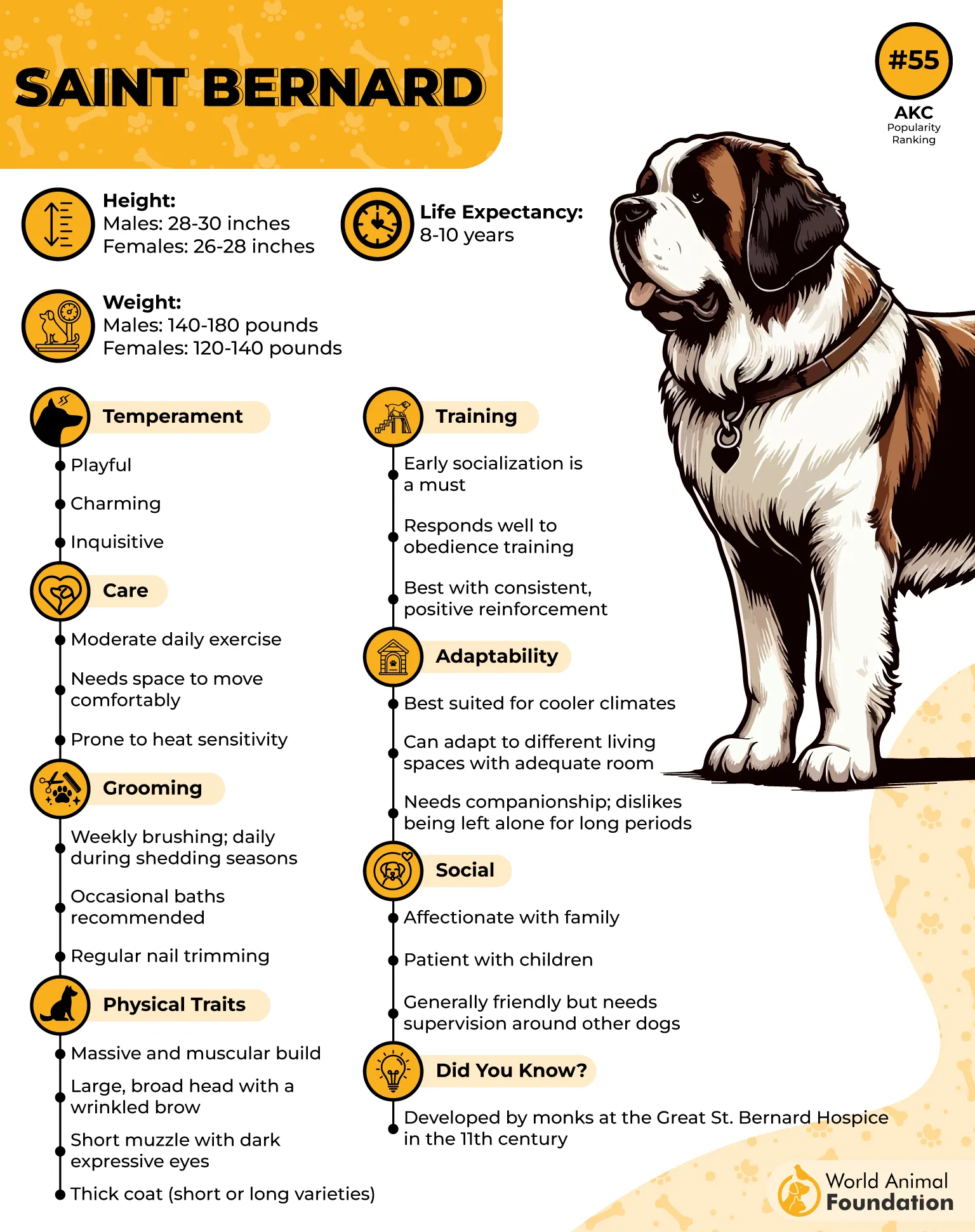
Moderate physical activity and regular walks help keep them healthy without pushing them too hard. Their grooming needs include coat care, while drooling and heat sensitivity require extra attention. Before choosing this calm companion, consider food costs and long-term care.
Caring for Your Gentle Giant
Home space: Make room for their large body and resting area.
Warm weather: Provide shade, fresh water, and a cool place to relax.
Feeding budget: Plan for the cost of feeding a giant breed.
Safe handling: Teach children to interact gently and respectfully.
Long-term planning: Prepare for veterinary bills and other care costs.
7. French Bulldog
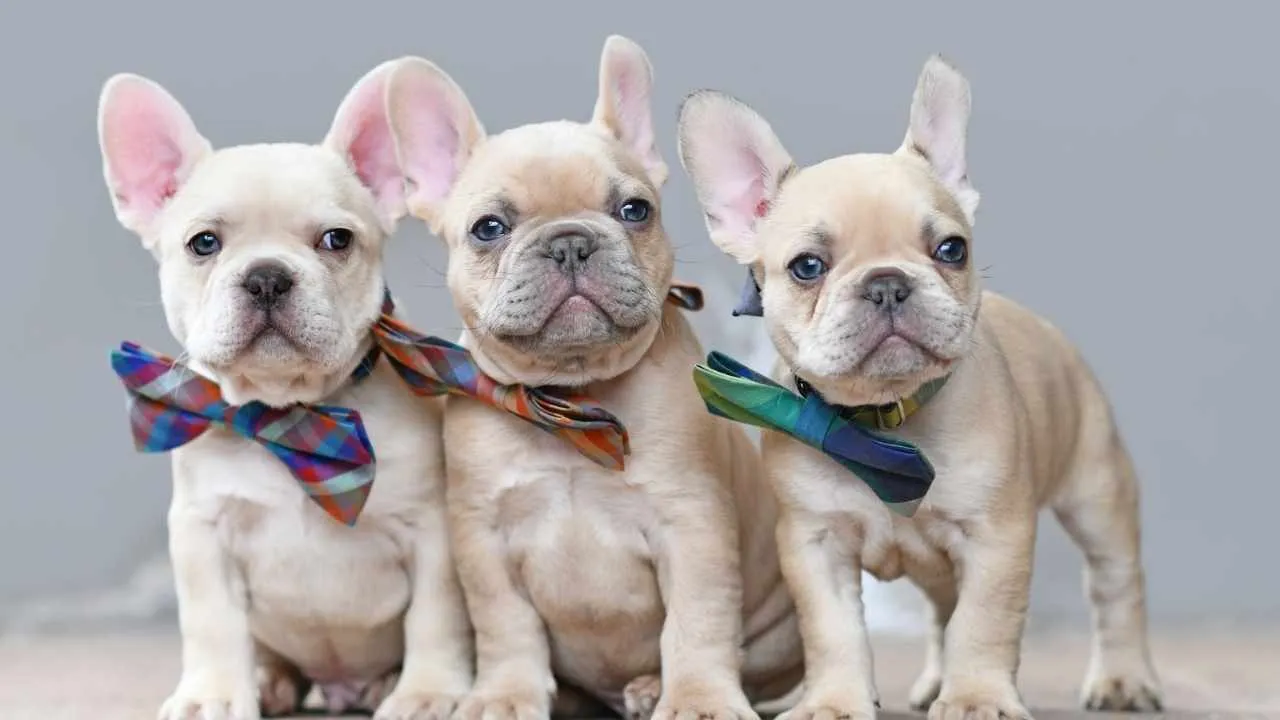
With a compact, muscular body and trademark bat ears, the French Bulldog is a popular small-dog breed, especially among city dwellers. According to the American Kennel Club, Frenchies are playful, alert, adaptable, and affectionate.
Their even-tempered nature helps them fit into many homes, whether they live with singles, couples, or families. This calm dog enjoys indoor company and does not need as much exercise as many active breeds. Short walks and simple games can suit its activity level, but mental stimulation is still important.
Although often seen as a low-maintenance dog breed for exercise, Frenchies need thoughtful health care. Their short muzzles can cause breathing difficulties and make heat dangerous, so avoid strenuous outdoor activities in warm weather.
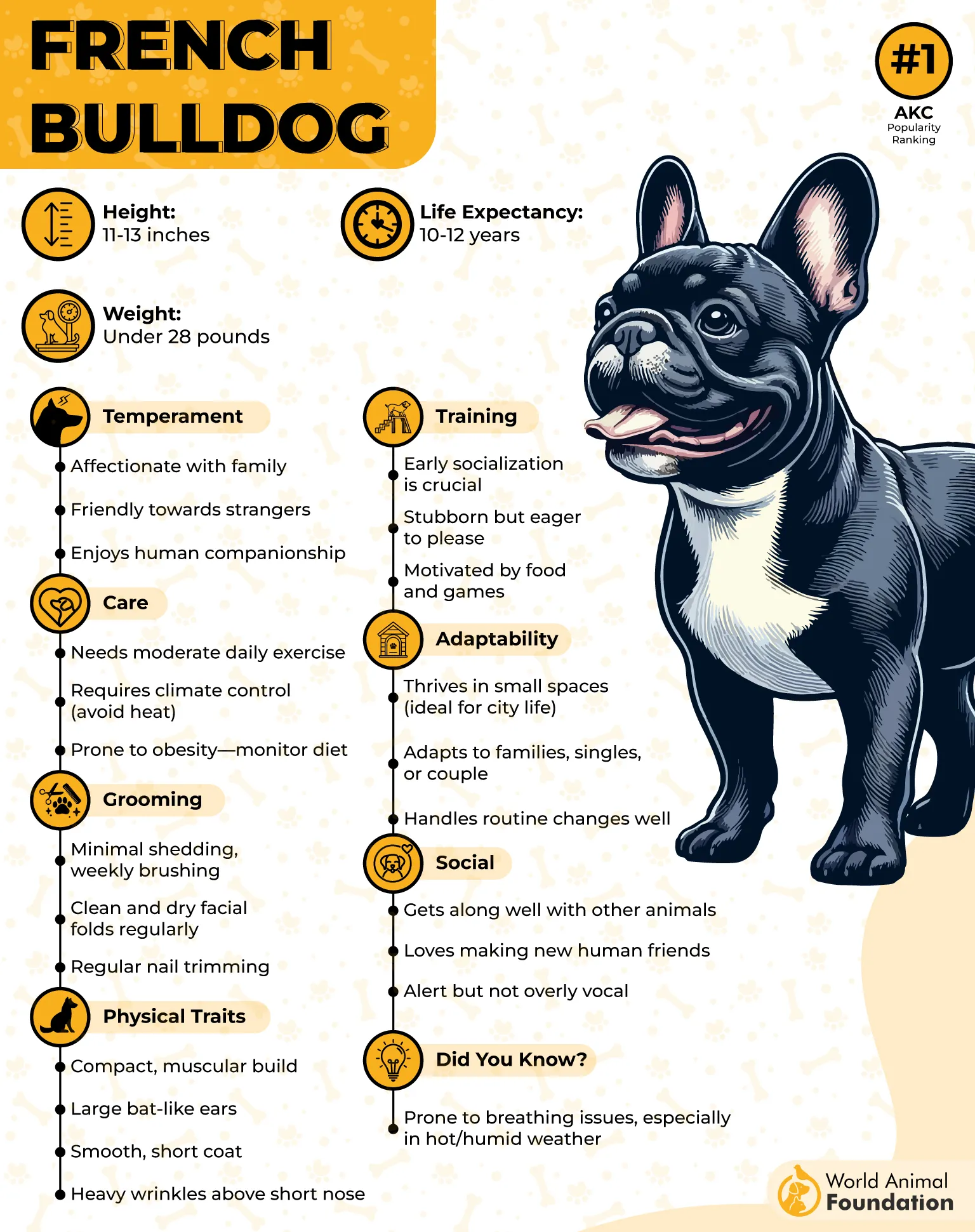
French Bulldogs enjoy being close to people, but constant attention is not a substitute for teaching an adult dog to relax alone for a short period. Their independent nature may vary, and they are not always highly trainable. Choose health over appearance.
Helping Your Frenchie Thrive
Skin-fold care: Gently clean facial wrinkles and keep them dry.
Cool surroundings: Keep your Frenchie in a cool house during hot weather.
Healthy play: Use gentle games that encourage movement without overexertion.
Positive training: Keep lessons short, rewarding, and consistent.
Responsible choice: Ask breeders about health screening and breathing concerns before bringing a puppy home.
Conclusion
Finding the best dog breed for a relaxed home starts with knowing what you can offer. Saint Bernards, French Bulldogs, and other laid-back companions have different personalities, sizes, and care needs. Even a calm dog needs to exercise daily, enjoy indoor play, and receive attention from its family.
Before choosing the right pet, consider grooming, health issues, space, and household routines. Some dogs need more care than others, even if their exercise needs seem simple. Meeting an individual dog can help you understand its temperament and energy level.
Shelter dogs and senior dogs may also make wonderful companions, and an adult dog’s behavior can offer useful clues. A high-energy dog may not suit every quiet home, but no breed guarantees a perfect couch buddy. With thoughtful planning, you can find a friend who loves cozy days by your side.
