





Imagine spending a relaxing evening on the sofa with your dog curled up beside you instead of constantly asking to go outside and play.
Sounds ideal, right? Some dogs naturally have lower energy levels and are happiest enjoying cozy naps, quiet afternoons, and quality time with their favorite people.
Of course, every dog needs daily exercise, mental stimulation, and proper care. However, some are perfectly content with a short walk and a little indoor playtime. This makes them appealing companions for homeowners who enjoy a slower, more relaxed lifestyle.
Keep in mind that less active dogs can be prone to weight gain, so balanced meals and regular activity are still important. If a laid-back furry companion sounds like your kind of pet, these seven couch-potato dog breeds might be just what you’re looking for.
Ultimate Couch‑Potato Dog Breeds for the Lazy Homeowner
1. Bulldog
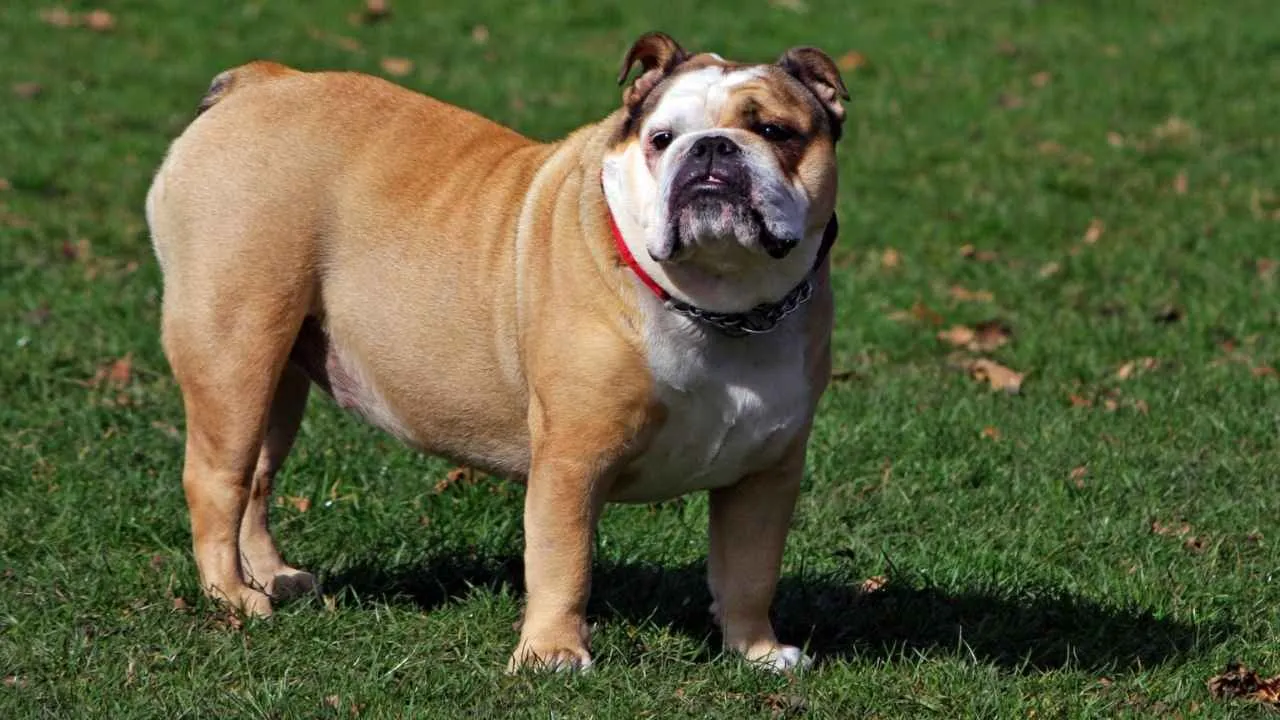
Despite their bull-baiting roots, modern English Bulldogs have become gentle, peace-loving companions. With their wrinkled faces, pushed-in noses, and stocky builds, they may look tough, but they are affectionate and good-natured.
These easygoing dogs love spending time with their families, lounging on the sofa, and getting tummy rubs. They also enjoy entertaining everyone with their funny antics and generally do well with children and seniors.
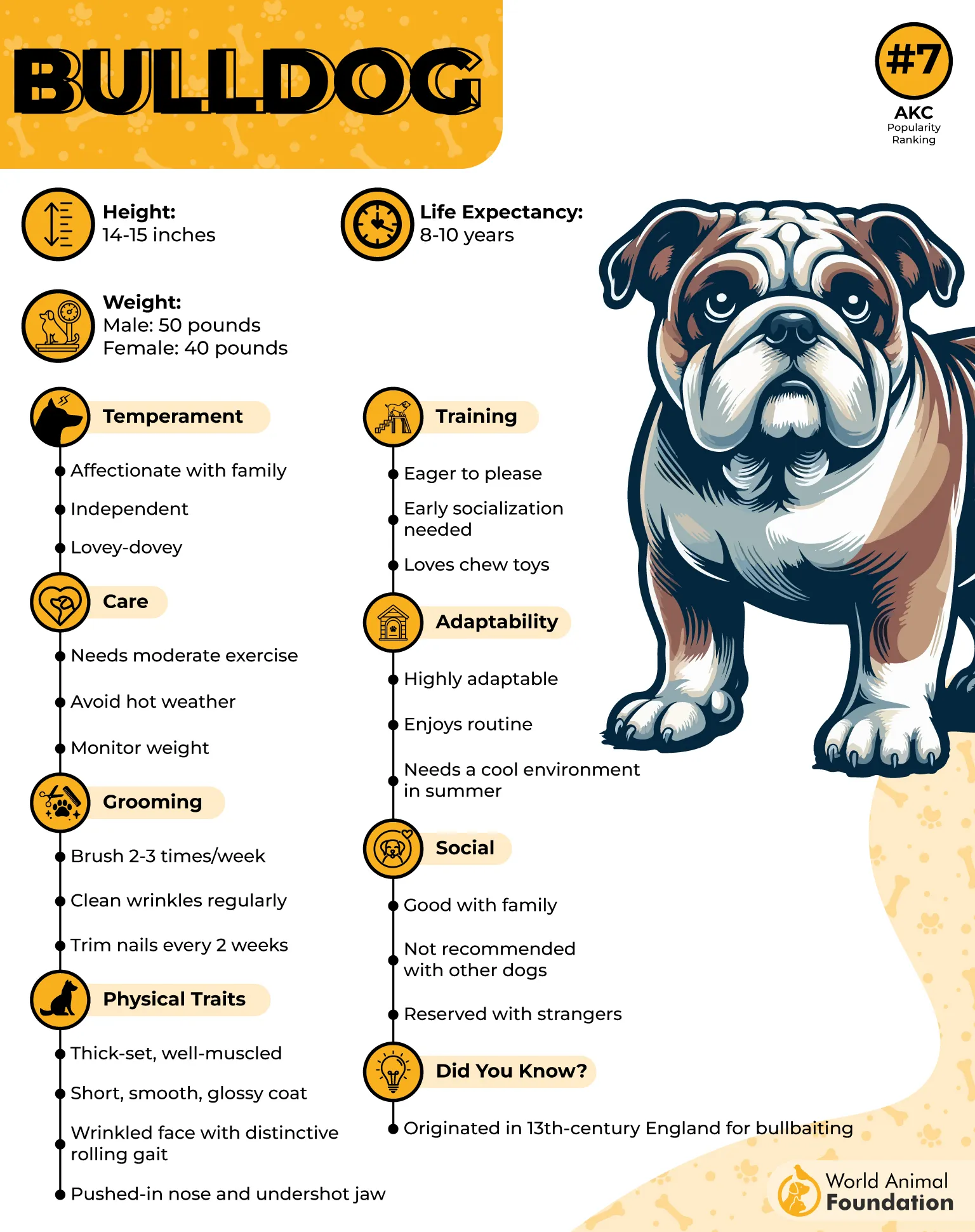
Exercise and Daily Care
English Bulldogs are natural couch potatoes, but they still need short daily walks and gentle indoor playtime to stay healthy. They dislike hot and humid weather, so a cool, air-conditioned room is ideal for afternoon naps.
Omlet says their flat faces can cause breathing difficulties, leading to snoring, wheezing, and snorting. They also tend to drool and need regular cleaning around their facial folds. Keep plenty of chew toys around, as they enjoy chewing.
Training and Socialization
English Bulldogs have a stubborn streak that can make training challenging. They are loyal and courageous, and their intimidating appearance makes them effective watchdogs.
Although they generally get along with other pets, they may not always welcome unfamiliar dogs. Early socialization and consistent training can help them become well-mannered companions.
2. Basset Hound
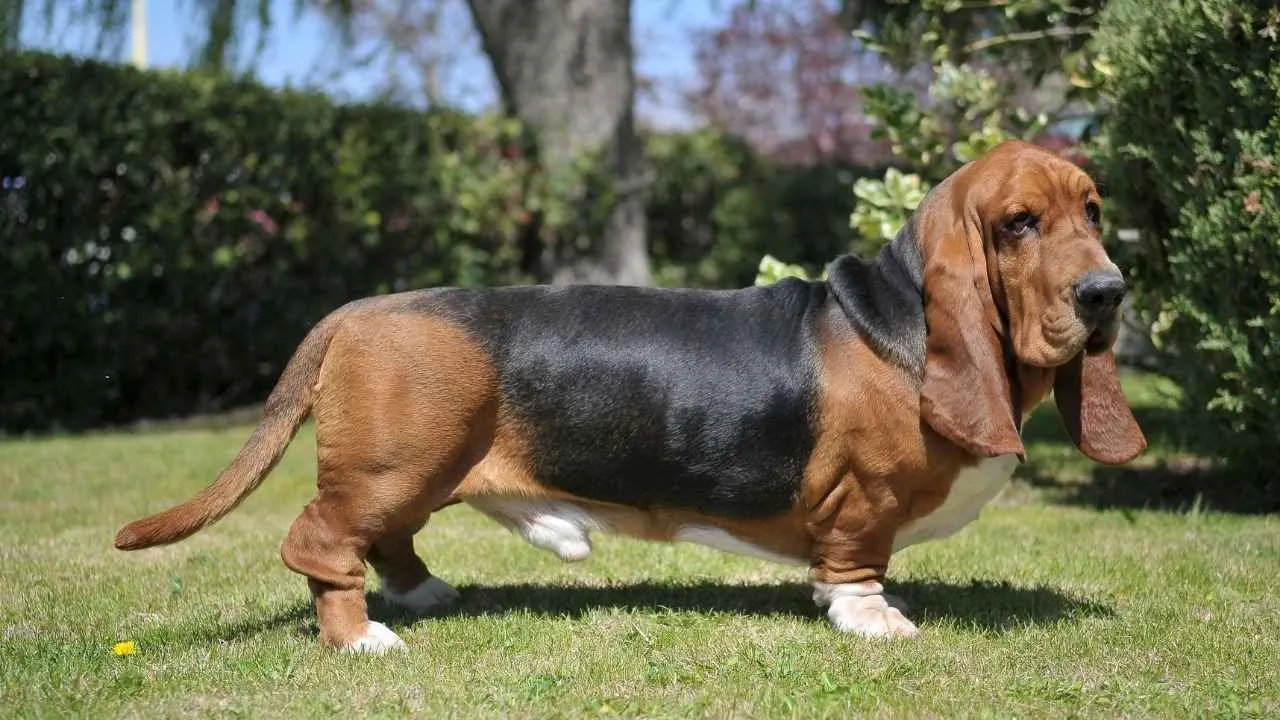
Originally bred as scent hounds, Basset Hounds are known for their excellent noses and determination on the trail. Their long, velvety ears, droopy eyes, and wrinkled brows give them a distinctive, almost sad-looking expression.
Despite their serious appearance, these dogs are gentle, sociable, and calm at home. They are affectionate with familiar people, love children, and generally get along well with other dogs.
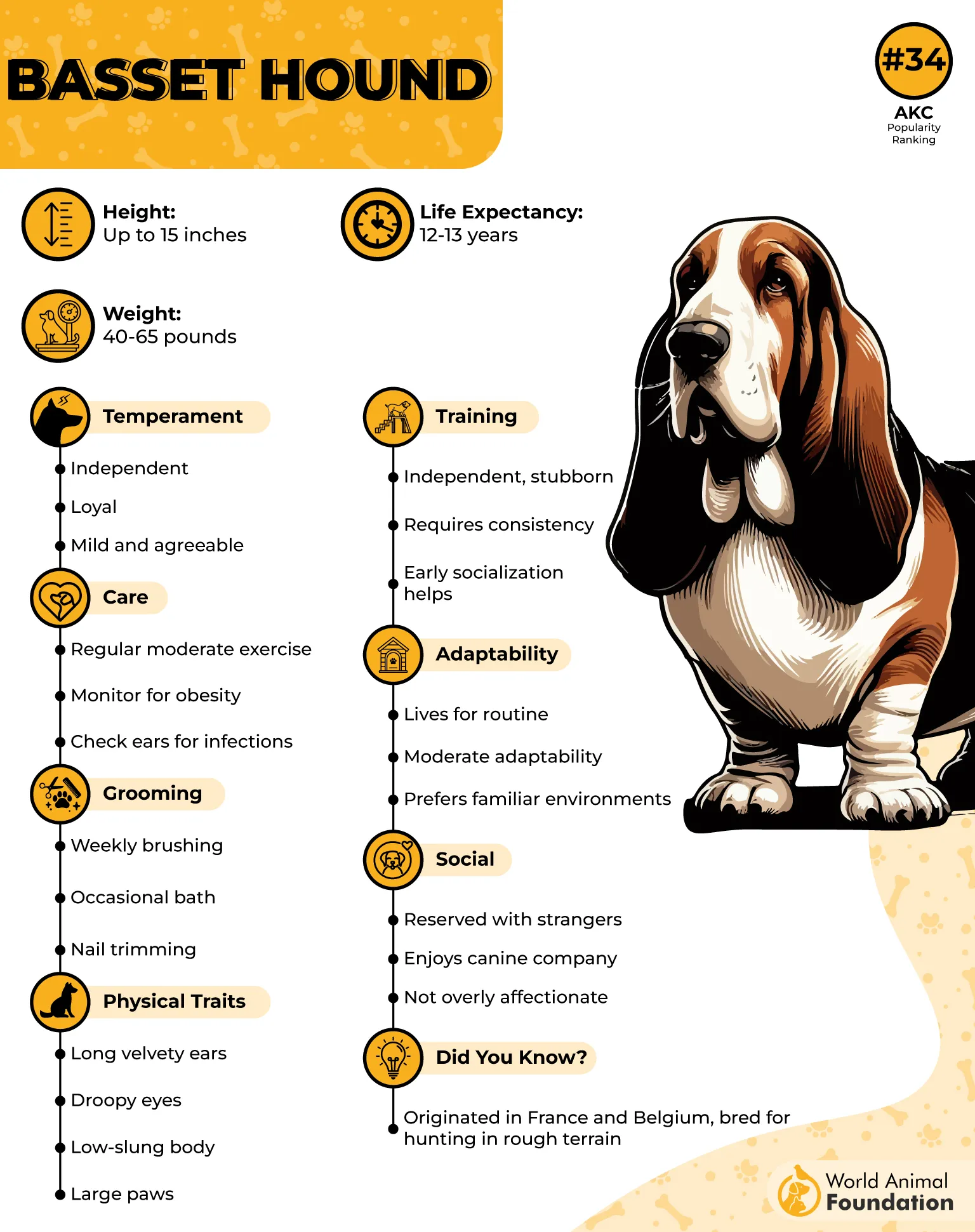
Exercise and Daily Care
Basset Hounds have relatively relaxed personalities but still need moderate daily exercise. Short walks and controlled outdoor activities help keep them healthy. However, their strong scenting instincts can easily distract them, so walks should always be on a leash or in secure areas.
They are also known for their loud, ringing barks, especially when following an interesting scent. Keep an eye on them around mealtimes, too, as their excellent noses and food interest can make unattended meals tempting.
Training and Socialization
Basset Hounds can be stubborn, particularly when their noses pick up an interesting scent. Their strong tracking instincts may sometimes overpower their obedience, especially outdoors.
Early training helps establish good habits, but patience and consistency are essential. Treats can be useful rewards, as these dogs are often more willing to cooperate when food is involved.
3. Pug
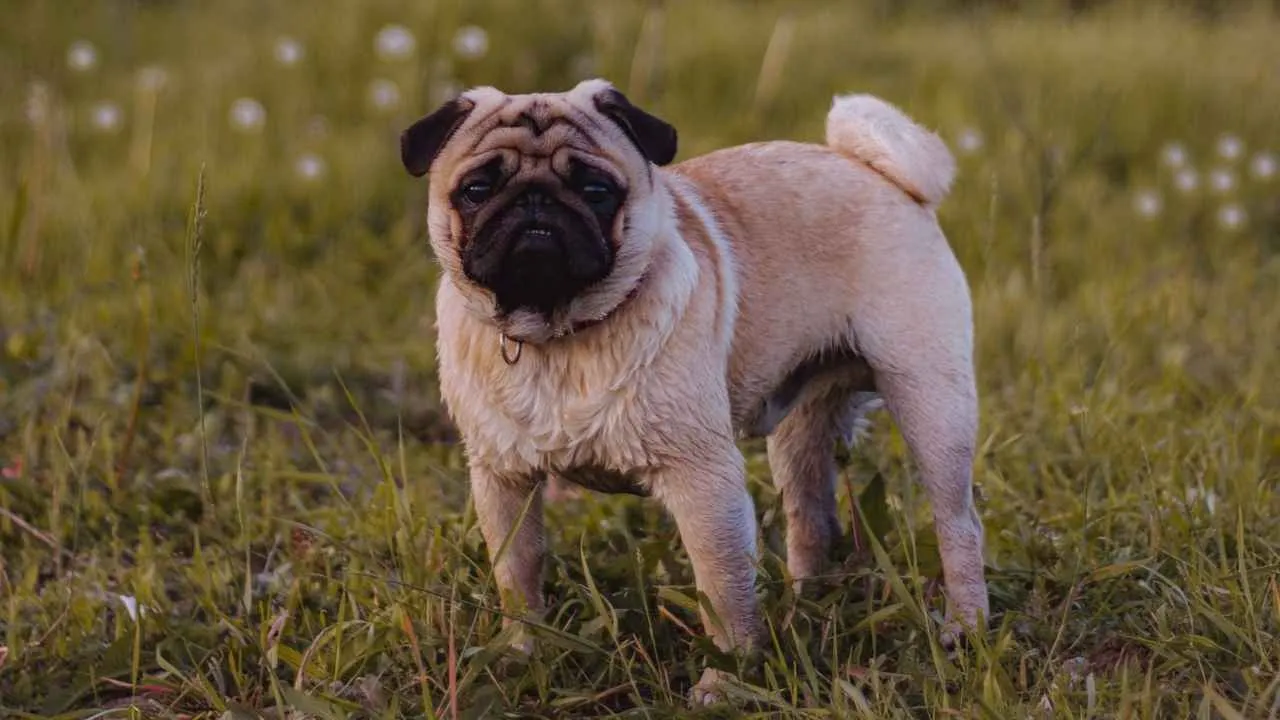
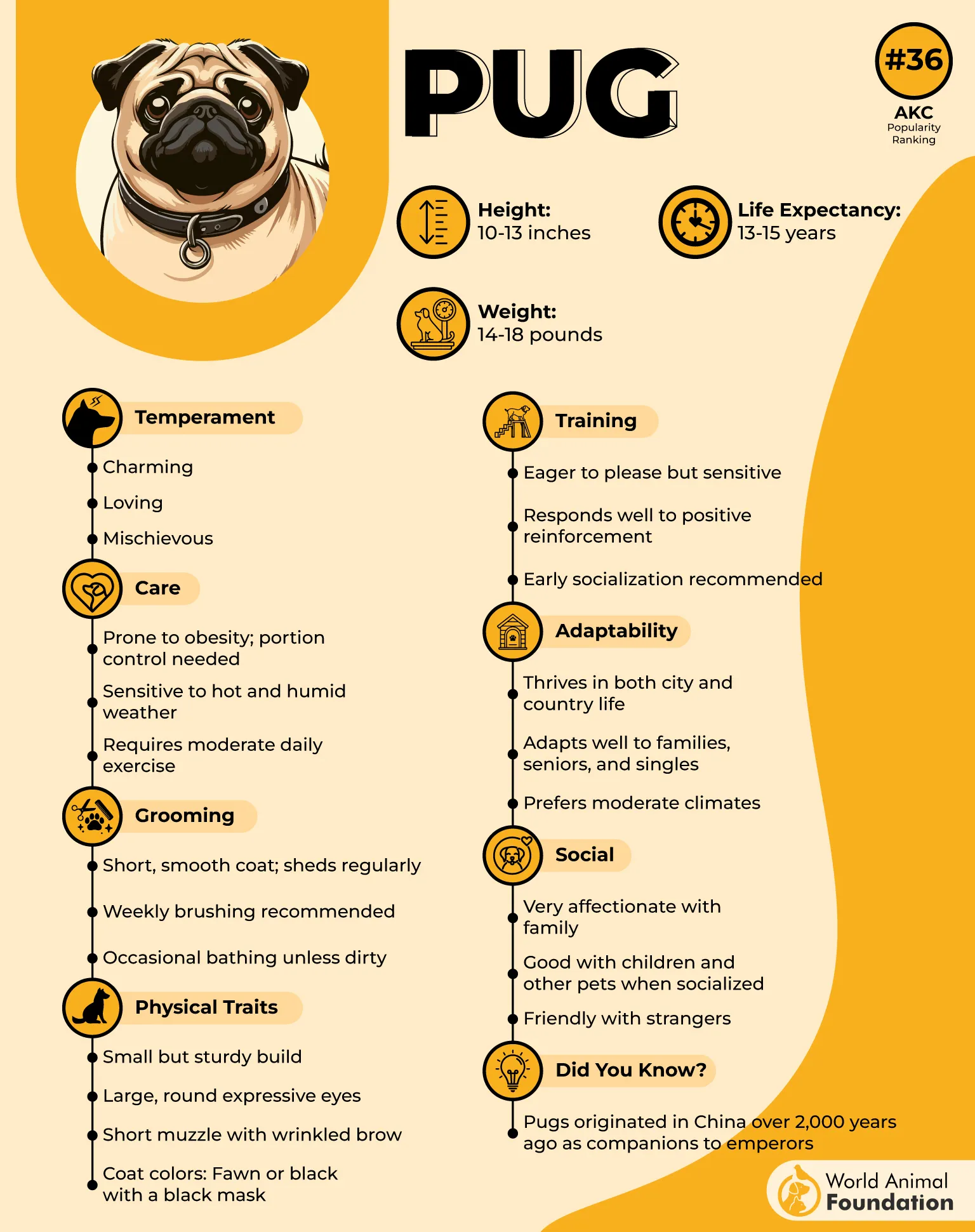
Once treasured by Chinese emperors and later associated with Holland’s royal House of Orange, Pugs have been beloved companion dogs for centuries. Small but sturdy, they are easily recognized by their round heads, large expressive eyes, wrinkled brows, and short, flat faces.
Pugs are affectionate, friendly, and full of personality. They love attention, enjoy making people laugh with their silly antics, and get along well with children, strangers, and other pets. Often called little shadows, they love following their owners around and staying close.
Exercise and Daily Care
Pugs are playful but aren’t built for intense physical activity. They are much happier snoozing on the sofa or curling up in their owner’s lap. Short daily walks and gentle indoor playtime are usually enough to keep them active.
However, their flat faces can cause breathing difficulties, which often result in snoring, snuffling, and grunting. They also struggle in extreme temperatures and do best in moderate climates.
Training and Socialization
Pugs are intelligent and trainable, although they may take time to learn new things. Patience and consistency can make training easier. Their strong attachment to their owners also means they can develop separation anxiety when left alone for too long, as Greencross Vets notes.
This may lead to chewing, whining, or accidents indoors. They thrive on companionship and prefer having their favorite people nearby rather than spending long hours alone.
4. Cavalier King Charles Spaniel
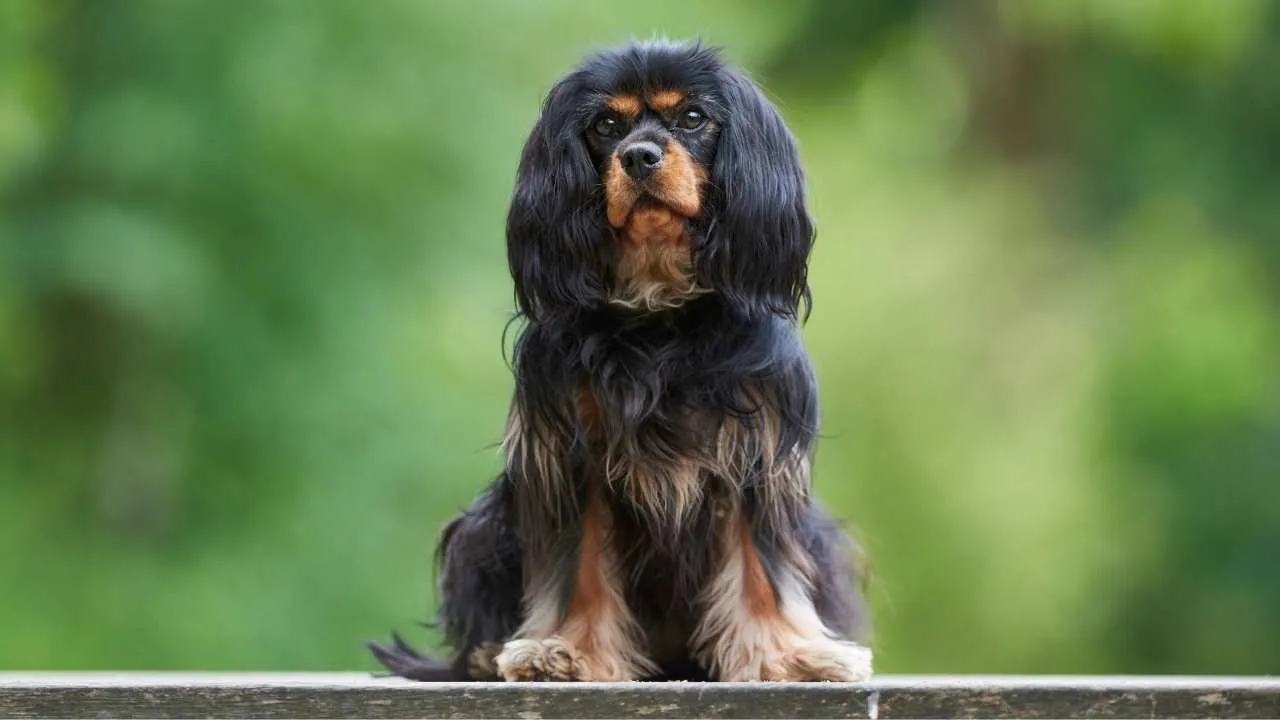
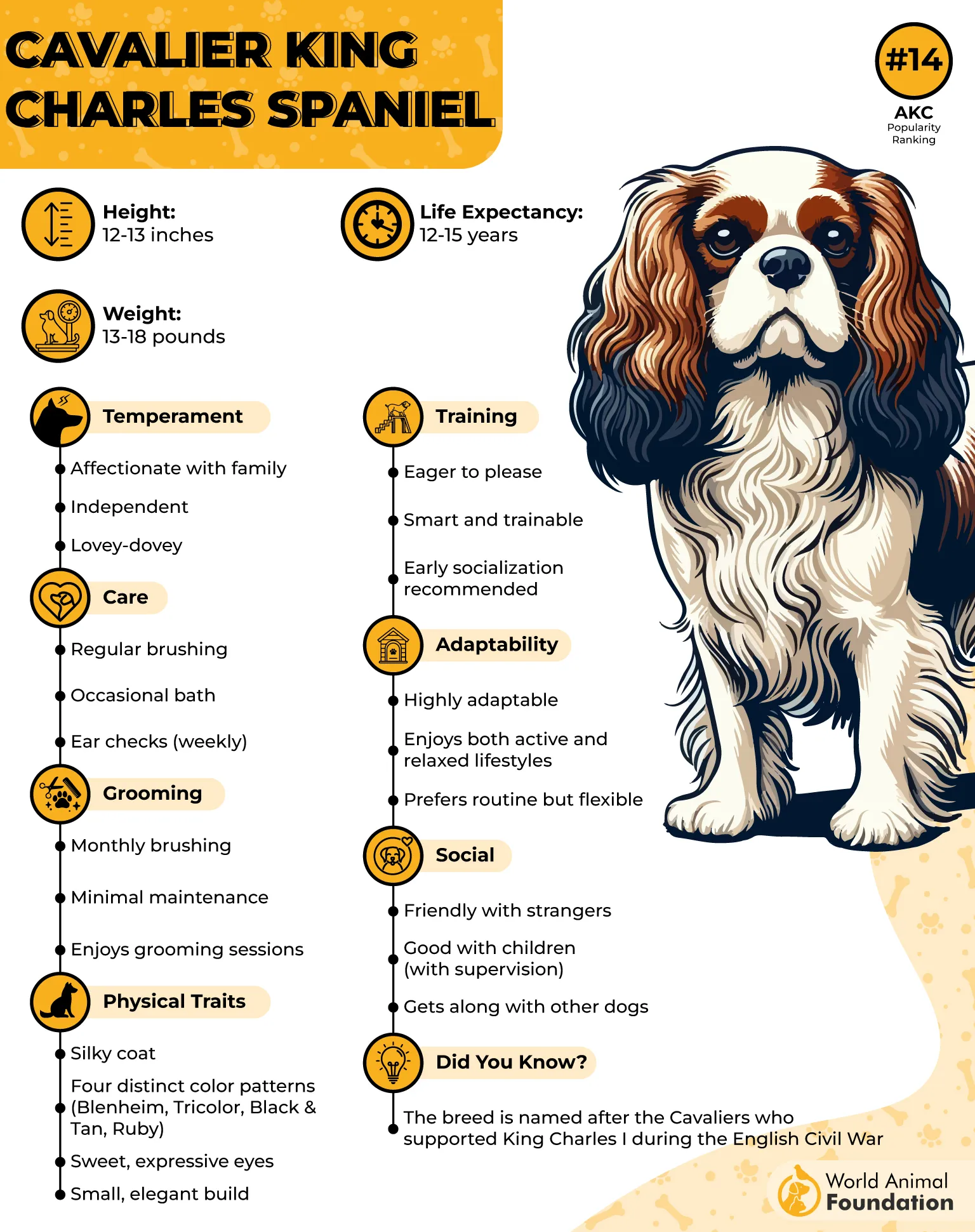
Named after British royalty, Cavalier King Charles Spaniels were treasured by King Charles I and his son, Charles II, who loved taking their dogs everywhere. Originally bred as lap companions, these affectionate dogs are known for their gentle nature and sweet expressions.
They have silky coats, long floppy ears, and large, expressive eyes. They get along well with children, strangers, and other pets, making them wonderful family companions.
Exercise and Daily Care
Although Cavaliers love curling up on the sofa, they also have a playful and athletic side inherited from their sporting spaniel ancestors. They need moderate daily exercise, and two 20- to 30-minute walks, along with some playtime, can keep them happy.
Once their activity needs are met, they are more than happy to relax with their families. Their long, silky coats need regular brushing to manage loose hair, while their ears and eyes also benefit from weekly checks.
Training and Socialization
Cavalier King Charles Spaniels are intelligent, eager to please, and relatively easy to train. They respond well to positive reinforcement and affection. Early socialization helps puppies become confident around people and other animals.
They can also live peacefully with cats and other dogs when introduced properly. However, their curiosity and interest in new scents mean they should be kept on a leash or in a secure outdoor area.
5. Greyhound
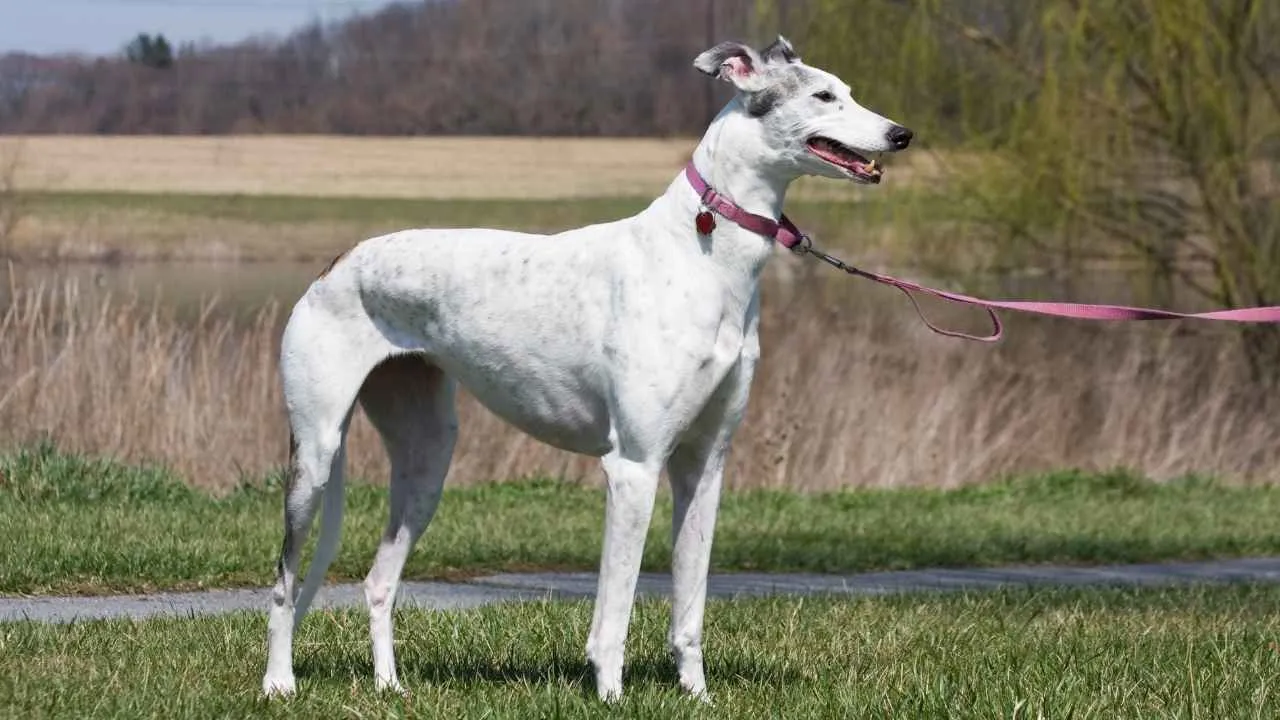
Known as the fastest dogs in the world, Greyhounds have a history that stretches back thousands of years. These graceful, slender hounds have long fascinated artists, poets, and royalty.
They are usually calm around children and other dogs and enjoy being close to their families. Retired racing Greyhounds can also make loving house pets, often following their owners around the home.
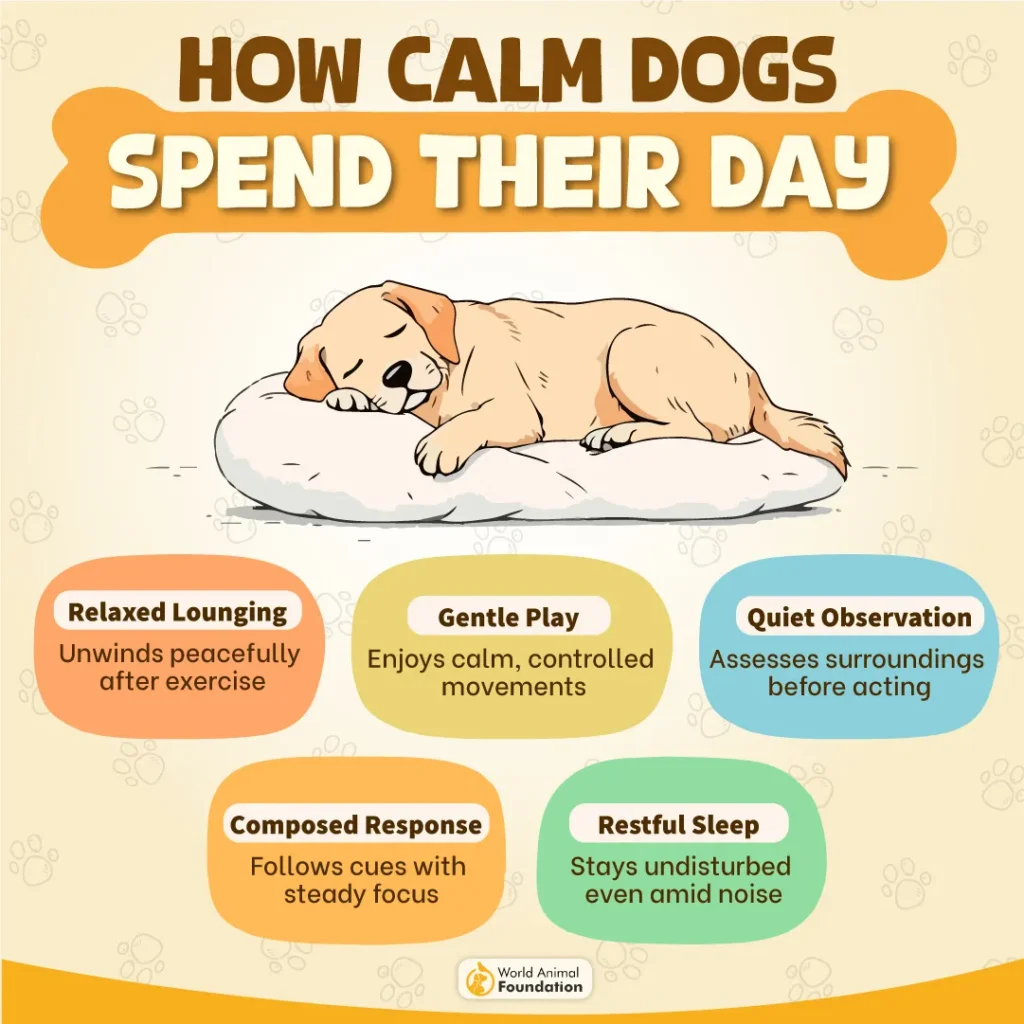
Exercise and Daily Care
Despite their reputation as champion sprinters, Greyhounds are famous for being couch potatoes. They are sprinters rather than marathon runners and spend much of the day sleeping on sofas or beds.
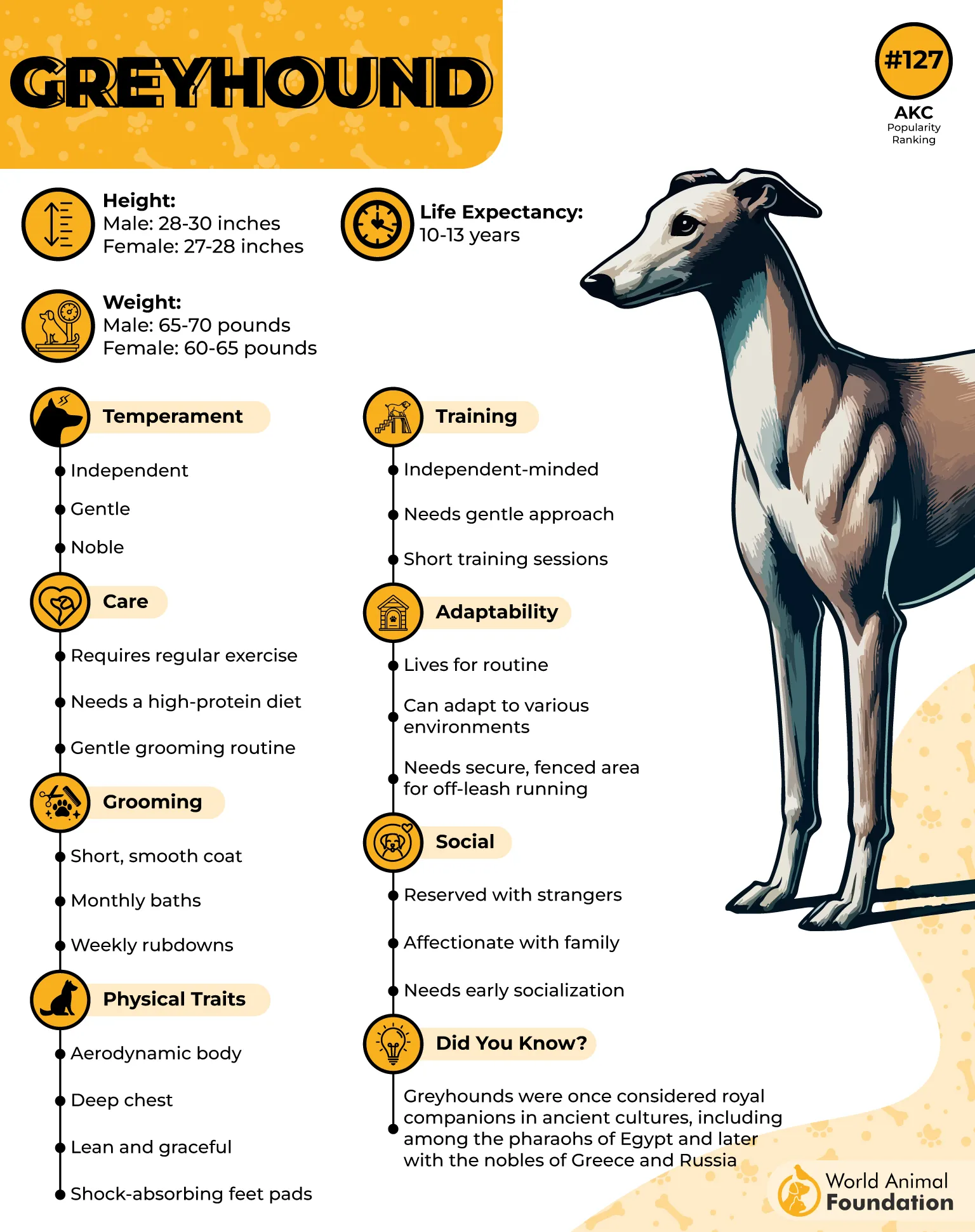
They need less exercise than many people expect, although they still enjoy opportunities to run in a safe, enclosed area. Their strong prey drive means they may chase smaller animals, so walks should be on a leash.
Training and Socialization
Greyhounds are intelligent and sensitive, but they can be independent and stubborn during training. Their recall may be unreliable when they spot something they want to chase.
Early socialization helps them adjust to other pets, although smaller animals may still trigger their prey instincts. They are sociable within the family and dislike being left alone for long periods. Generally quiet dogs, they rarely bark unless playing with other dogs.
6. Clumber Spaniel
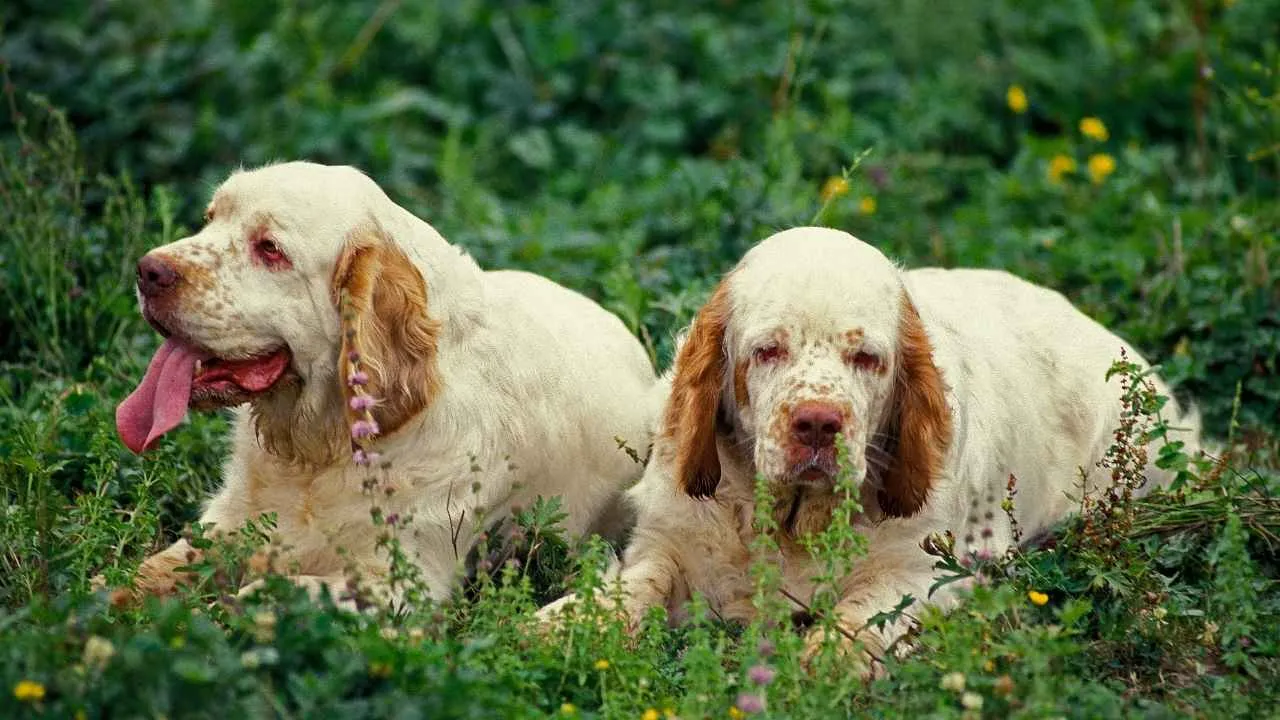
Originating in England, Clumber Spaniels were developed as hunting dogs by the Duke of Newcastle at his Clumber Park estate.
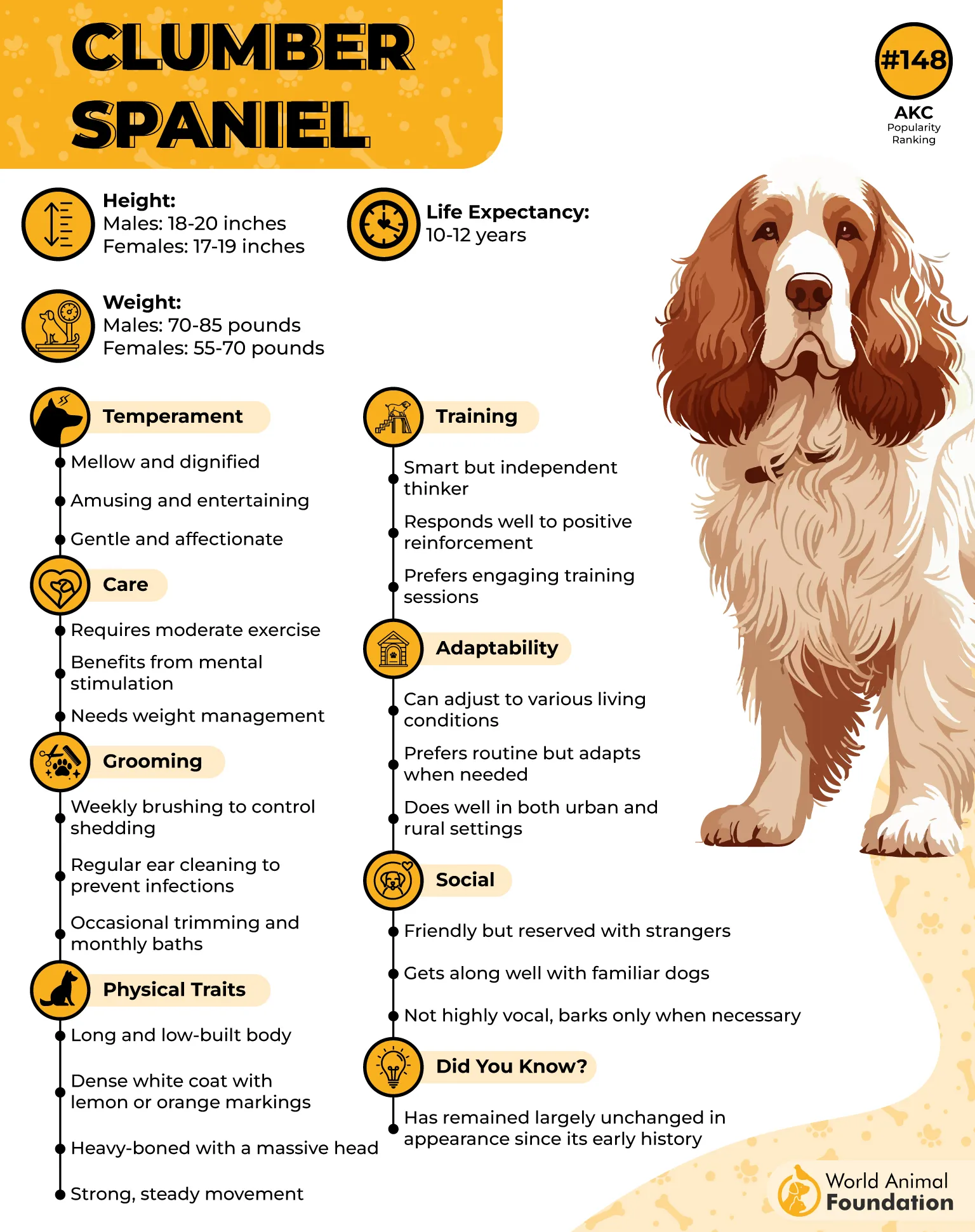
They are the largest of the flushing spaniels and are known for their sturdy builds, dense white coats, and gentle expressions. Despite their hunting background, Clumbers are sweet-natured, dignified, and easygoing at home.
Exercise and Daily Care
Clumber Spaniels are happy lounging on the sofa, but their strong scenting instincts mean they still need regular outdoor activities. Around an hour of daily exercise, including walks and opportunities to explore scents, helps keep them content.
They also enjoy swimming and playing fetch. Their dense coats shed, and they are known for drooling and snoring. Their short legs can collect mud and water during walks, so having space to clean and dry them afterward is helpful.
Training and Socialization
Clumber Spaniels are intelligent, eager to please, and generally respond well to patient training. However, their hunting instincts can make them independent when following a scent, so teaching a reliable recall from an early age is important.
They generally enjoy the company of other dogs but can feel intimidated by more dominant breeds. They are affectionate with familiar children, although their sturdy build means interactions with younger children should always be supervised.
7. Great Dane
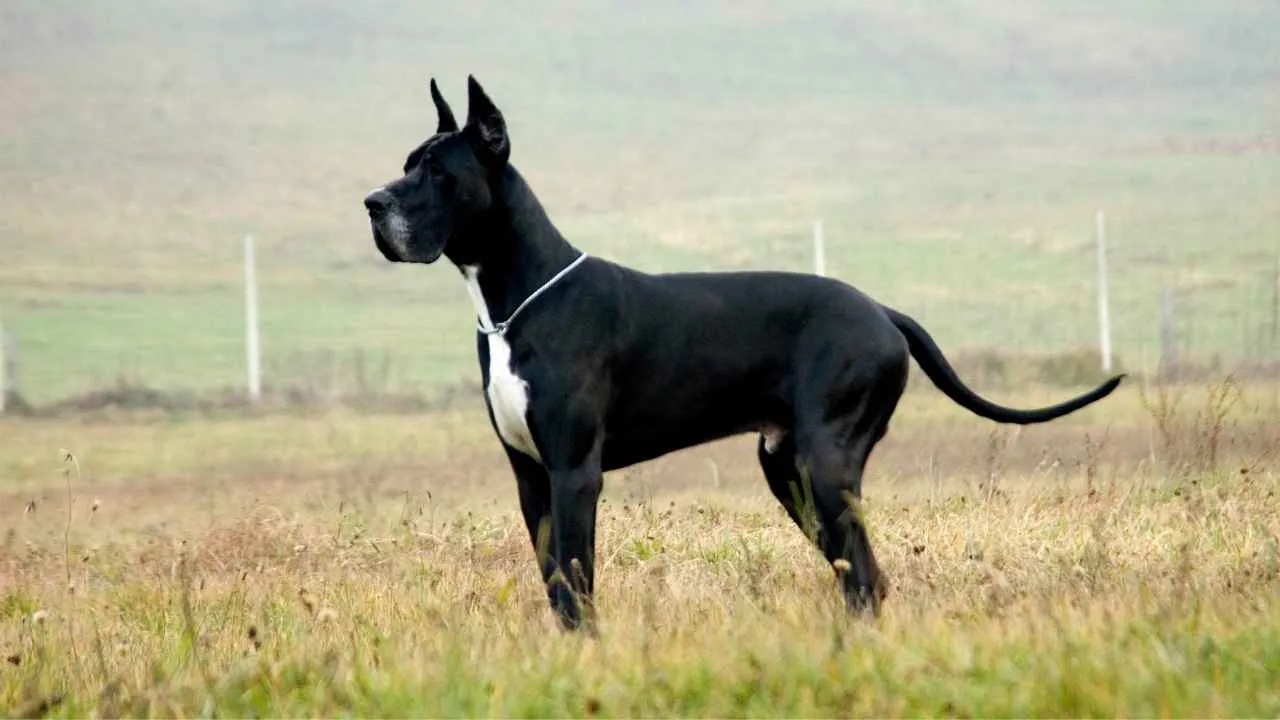
Originally bred in Germany during the 1800s to hunt wild boar and guard estates, Great Danes are now known for their gentle and affectionate nature.
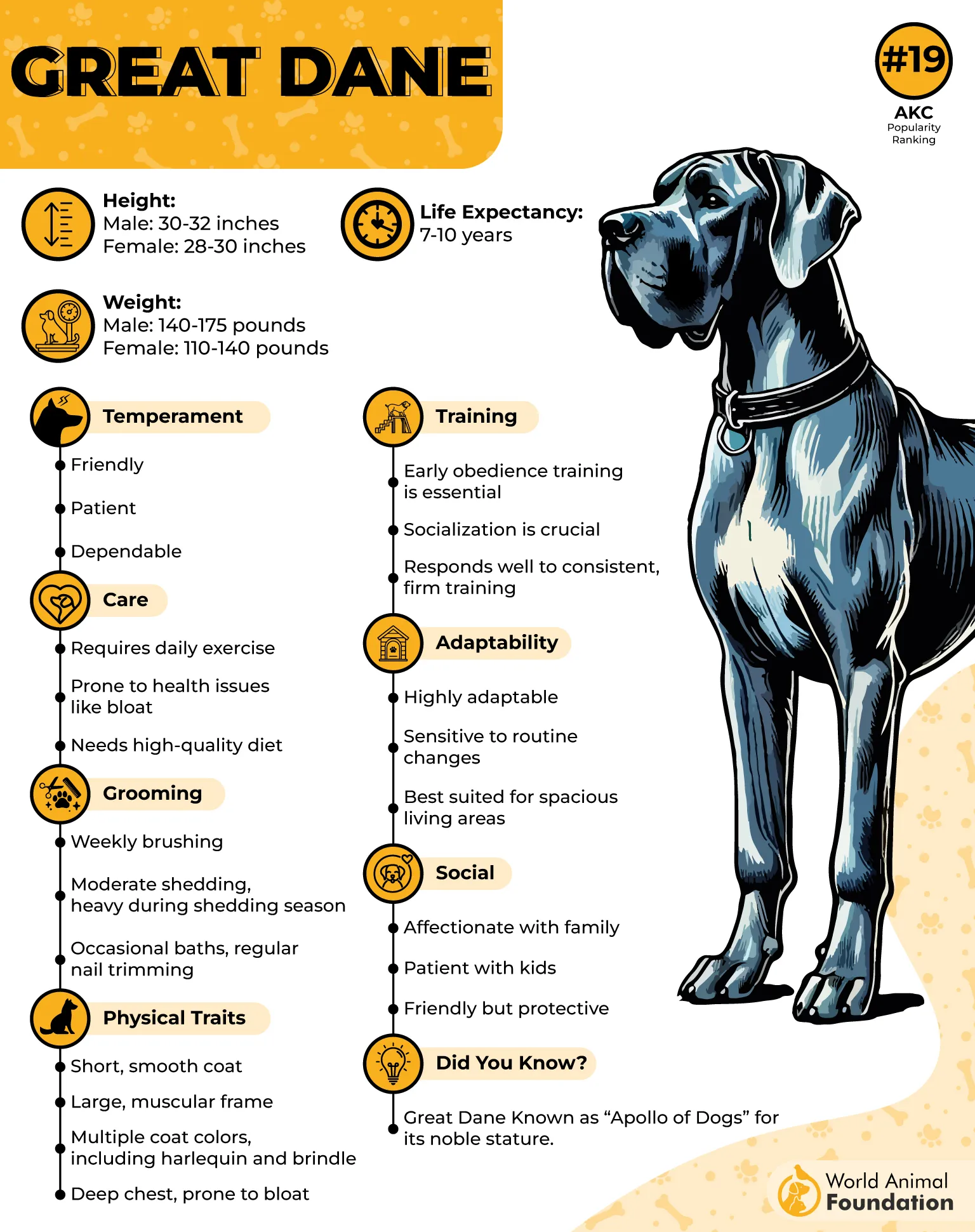
Despite their imposing appearance, these gentle giants are people-oriented, patient with children, and enjoy spending time with their families. They love attention and cuddles, often leaning their large heads against their owners or even climbing onto the sofa for affection.
Exercise and Daily Care
Great Danes enjoy a relaxed home life but still need enough room to move around and exercise. They are moderately playful and require long daily walks, especially when living in the city.
Their short coats need only weekly brushing, but their large size means higher food and supply costs. Owners should also be prepared to provide enough space for them to live comfortably.
Training and Socialization
Great Danes are generally easy to train because they enjoy pleasing their owners, although some can be stubborn learners.
Early obedience training and socialization are important to help them become manageable as adults. Hill’s Pet says they usually get along with other animals, especially when raised together, but some may be aggressive toward unfamiliar dogs.
Conclusion
Couch-potato dogs can make wonderful companions for people who prefer quiet days, relaxed routines, and plenty of time at home.
From affectionate lap dogs to gentle giants, these breeds have different personalities and care needs, but they all offer companionship without always demanding an active lifestyle. However, even laid-back dogs need suitable exercise, attention, and proper care.
Before choosing a breed, consider your living space, daily routine, and the time you can give your new companion. Research each breed carefully and meet dogs whenever possible to understand their personalities.
Sometimes, the best companion for a relaxed home is simply the one who enjoys being by your side, whether you’re taking a short walk or settling in for a lazy afternoon.
