





Some pups are born to catch frisbees, summit the hiking trails, and explore the entirety of the neighbourhood. Ideal companion dogs, however, prefer spending time in the house with their family. Who can fault them for this anyway?
Luxurious blankets, a favorite TV show, and snacks at your fingertips; each of these combinations will completely satisfy the family dog who prefers to be indoors.
Many of these different breeds are happy to stroll around, play, and enjoy your company, but they are not necessarily sleepy all day long. Each large and small breed has its own charming personality in a more subdued household.
So, let’s give those cushions a workout and get acquainted with the seven different breeds that will know there’s nothing better than doing nothing together.
Ultimate Chill-Dog Breeds for the Couch Potato Home
1. Basset Hound

These drowsy eyes conceal a nose that never sleeps.
Bassets were bred in France and Belgium to be able to follow scent trails as hunters walked. Their short legs kept them to the ground, and long ears and loose skin on their face aided the transmission of the scent to their noses. They’re not just any dog.
The Basset has droopy eyes, huge ears, a wrinkly forehead, and a low-hanging body, making it an expression of constant, adorable tiredness. Don’t be misled by that drowsy face, though. The small breed’s nose is quite serious.
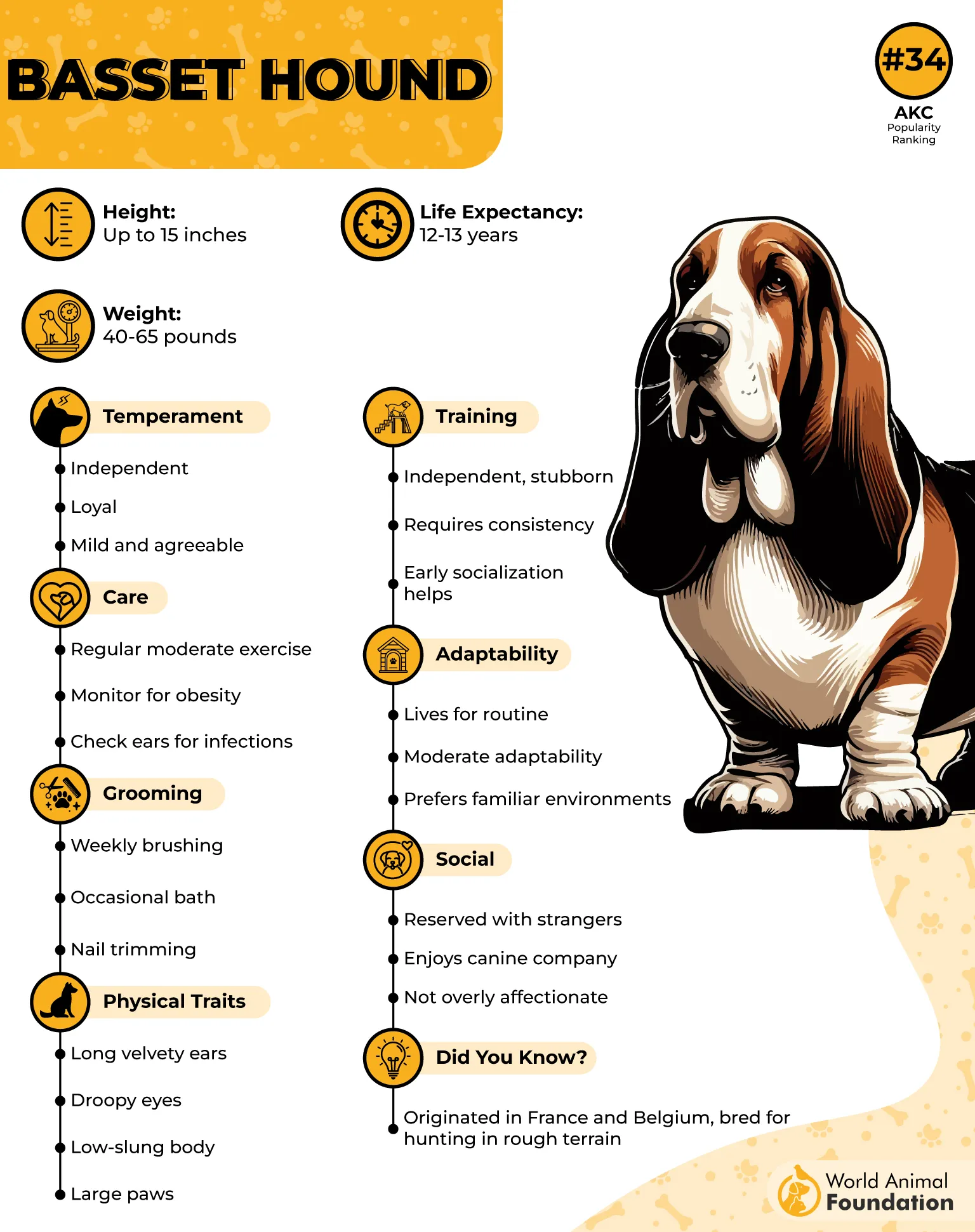
These notoriously low-energy dogs serve as companion dogs today, as stated by PetMD. Easy-going and affectionate at home, they prefer rest but still require daily walks to keep healthy.
Their long ears require daily cleaning, and they tend to gain weight, so it is important to keep portion sizes under control. Their cute, short legs and long backs require good exercise. Accustom yourself to loud howls from this breed.
2. Cavalier King Charles Spaniel
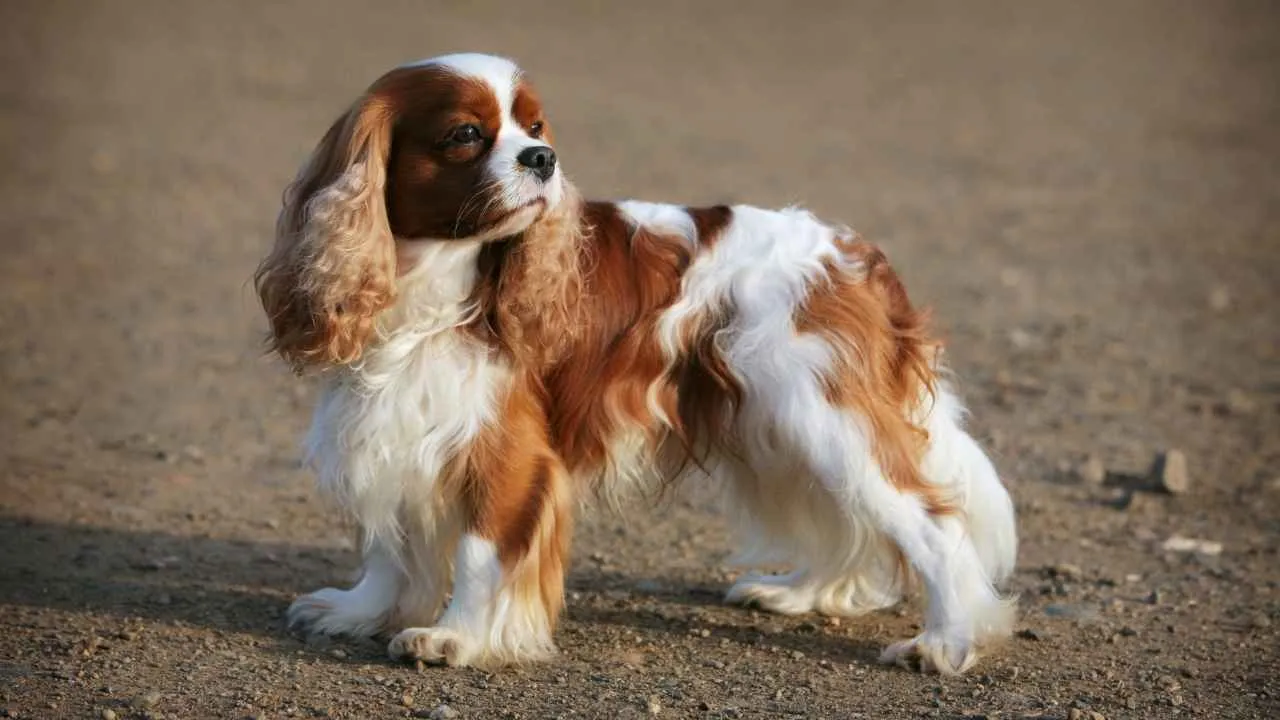
The sweet and gentle nature of this dog is unrivalled, as stated by Britannica. Whether you live in a small or larger home, this willing couch companion will easily adjust to any environment.
Even though they are considered lap dogs, this breed has sporting blood in their veins. They’re descended from Spaniels, so when it comes to exploring, playing, or pecking at a fluttering bird, Cavaliers might be thinking the same thing.
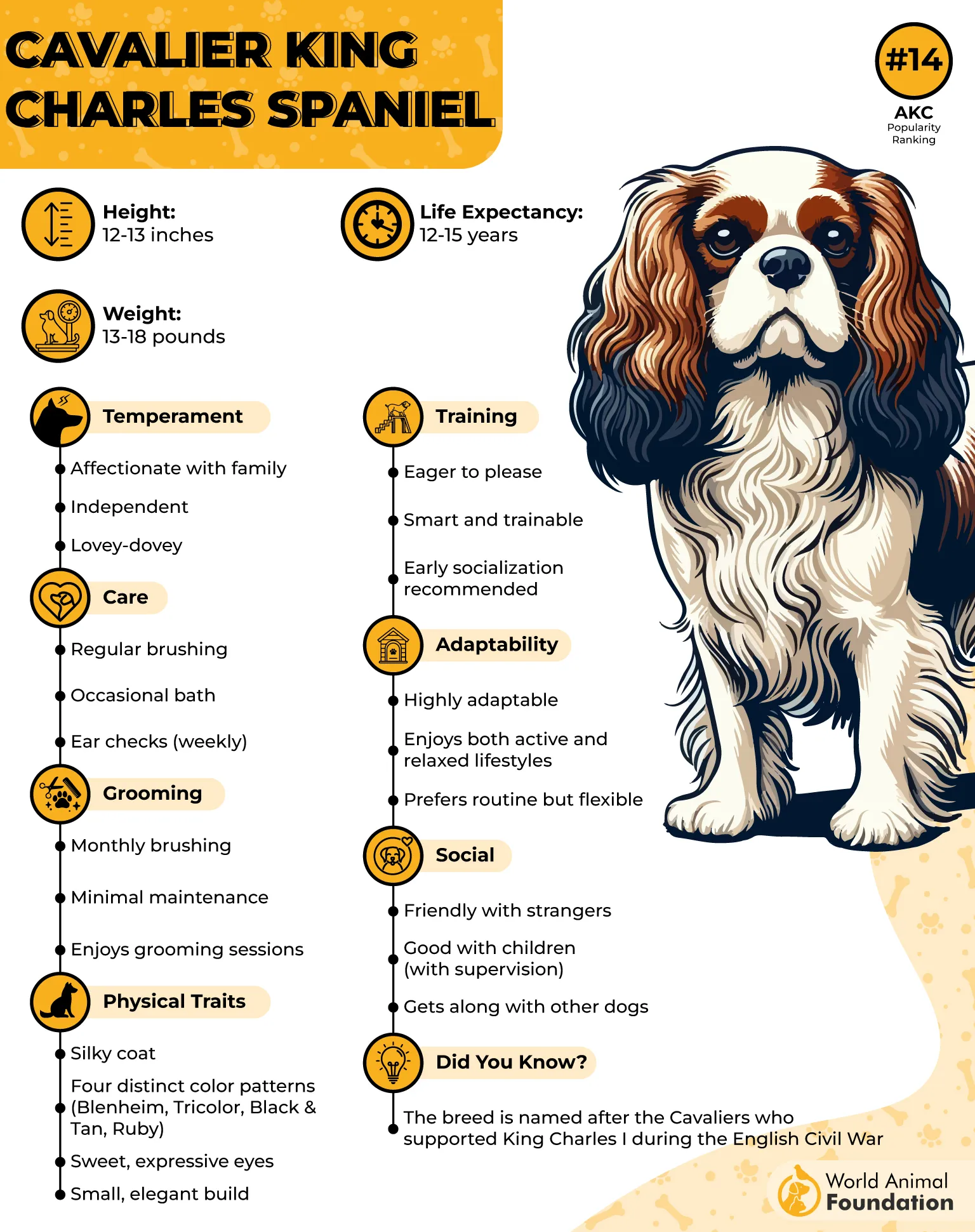
They are social and are great low-activity dogs for those who prefer a constant canine companion. They will sit by you while you work, watch TV, or read. However, they can develop bonding issues and may have difficulty with extended solitary periods.

The Cavalier has a royal history spanning many, many centuries. Known as one of the best breeds in the canine world, this dog type will actively adapt to your living situation and strive to be your best friend.
3. Greyhound
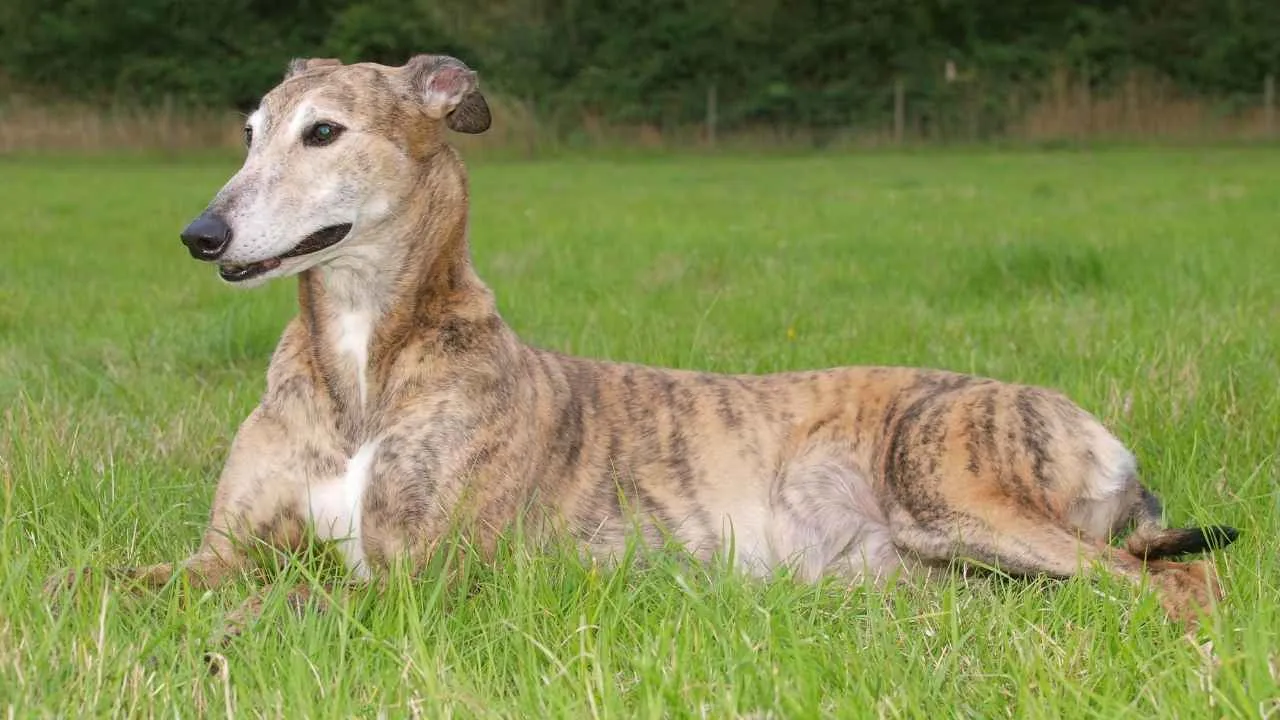
One of the oldest dog breeds, as stated by Purina, at first glance, this active breed might not be made for the couch lifestyle.
However, it is quite content to spend most of the afternoon on your sofa. It is designed for speed, long legs, a deep chest, a flexible spine, and a streamlined body that enables this dog to get off the ground remarkably.
However, Greyhounds are sprinters. They like short bursts of exercise in a safe setting and lots of rest. They are amazingly serene as house pets when their exercise needs are satisfied. Some owners lovingly refer to them as 40-mile-an-hour couch potatoes.
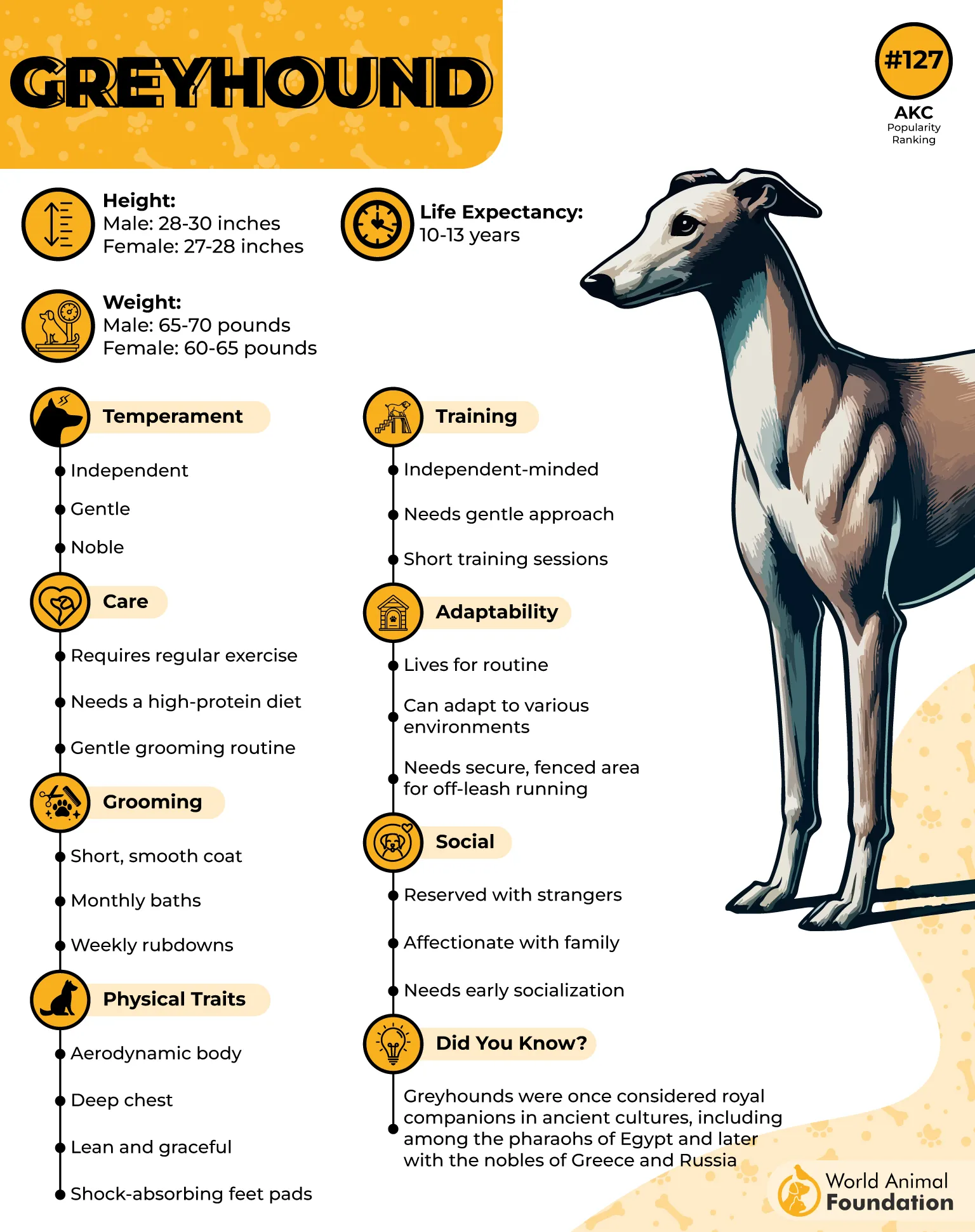
Their incredible vision and drive to pursue movement make them interesting sportsmen, but these instincts need to be met with sensible precautions. Don’t keep Greyhounds off a leash unless you are in an enclosed area, as their prey drive might spike if they spot a moving, small animal.
They don’t shed much either, so it’s another advantage to a person who detests extensive grooming.
Retired Greyhounds can make excellent pets, just like any other dog, and while this may be an uncommon breed for the couch lifestyle, its personality traits make it just as desirable as the other breeds on this list.
4. Pekingese
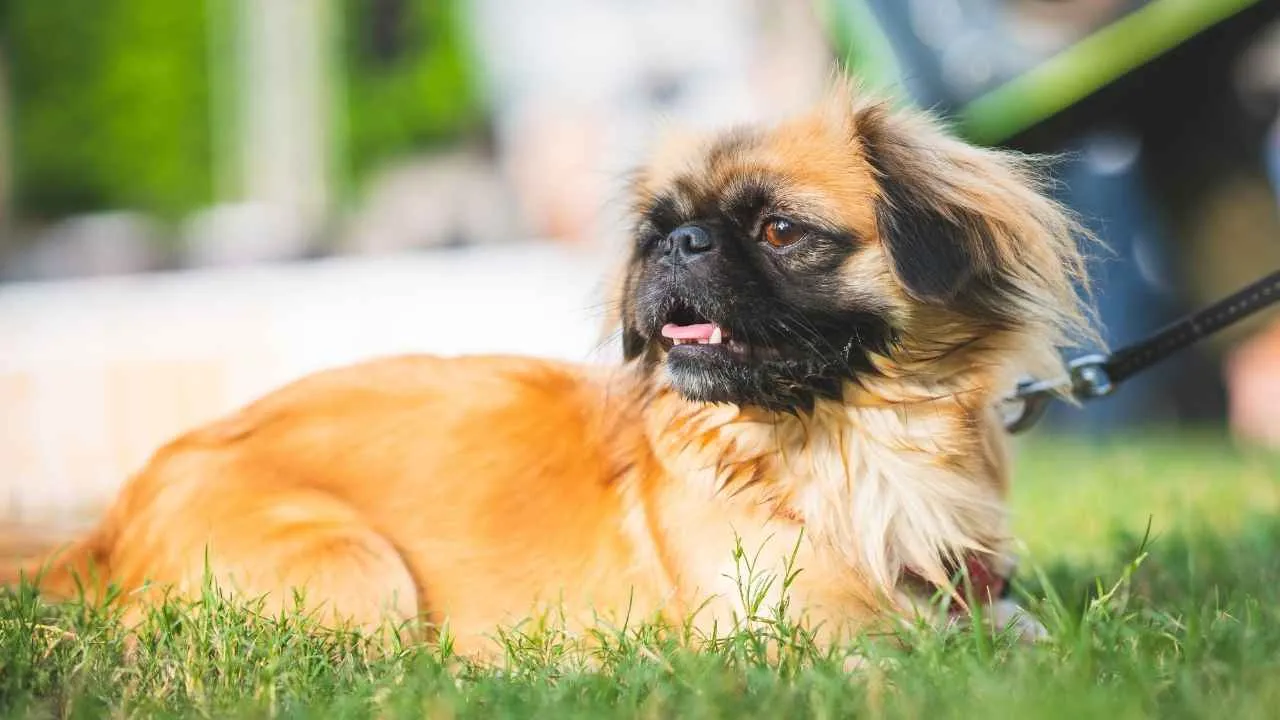
This little dog exudes royal confidence.
The Pekingese is a tiny emperor with a personality like one. It originated in China, where it was greatly favored among the imperial family. It was small and therefore easily displayed in the palace, and its lion-like appearance made it a popular choice.
For pet owners, this breed is unique. The gait is more similar to that of other small breeds – light and springy, but with a broad front and the substantialness of its body. It is very furry, with especially thick fur around its neck, and resembles a small lion with a fancy cape.
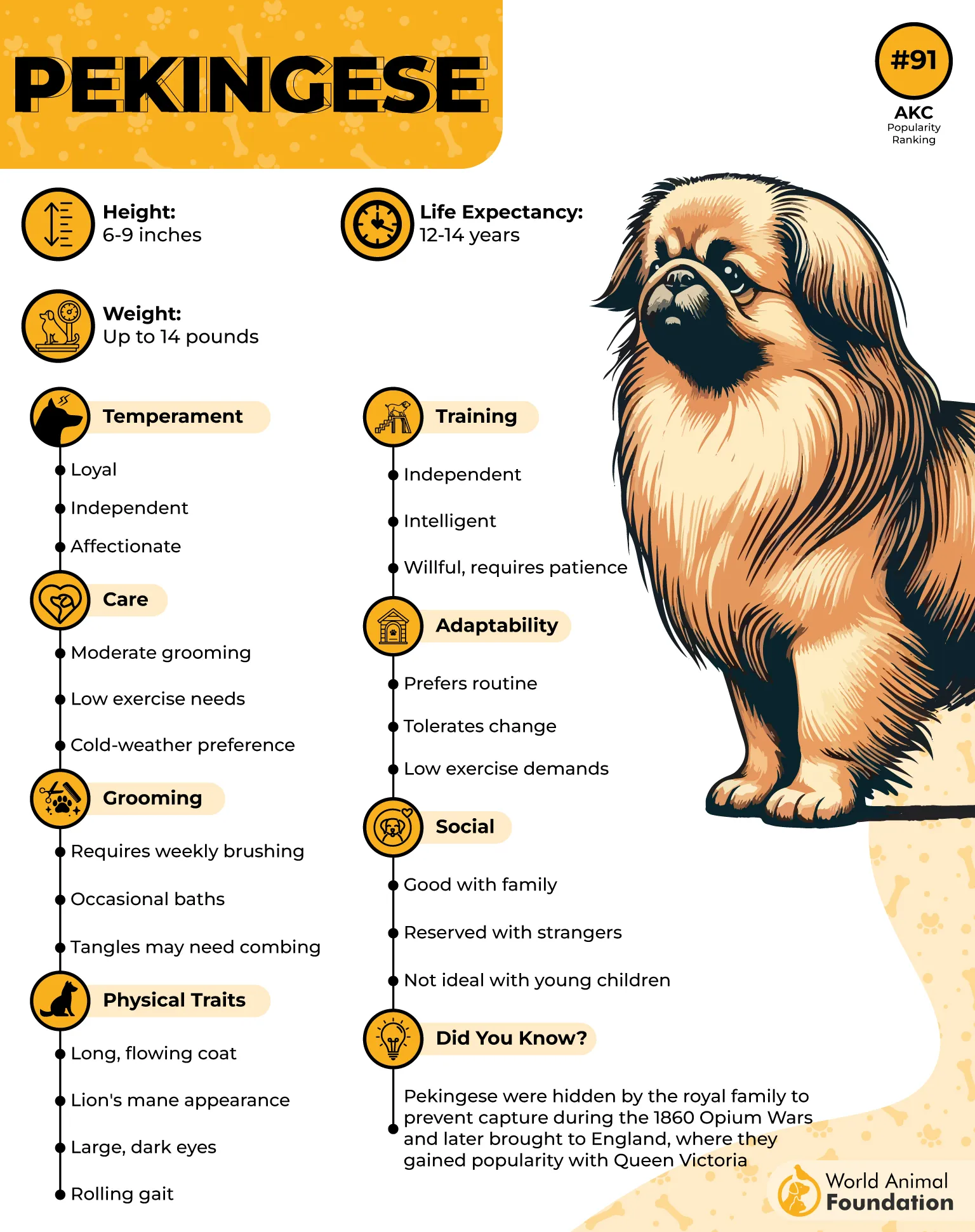
This toy breed prefers a peaceful existence. As a companion pet, it tolerates being indoors and isn’t a demanding walking partner, as some big dogs and medium-sized dogs usually turn out to be.
They must be cared for due to their flat faces. Owners should be vigilant for any difficulty in breathing and not overexert the small pet. They also have thick fur, which requires regular brushing to avoid it becoming tangled or matted.
5. Saint Bernard
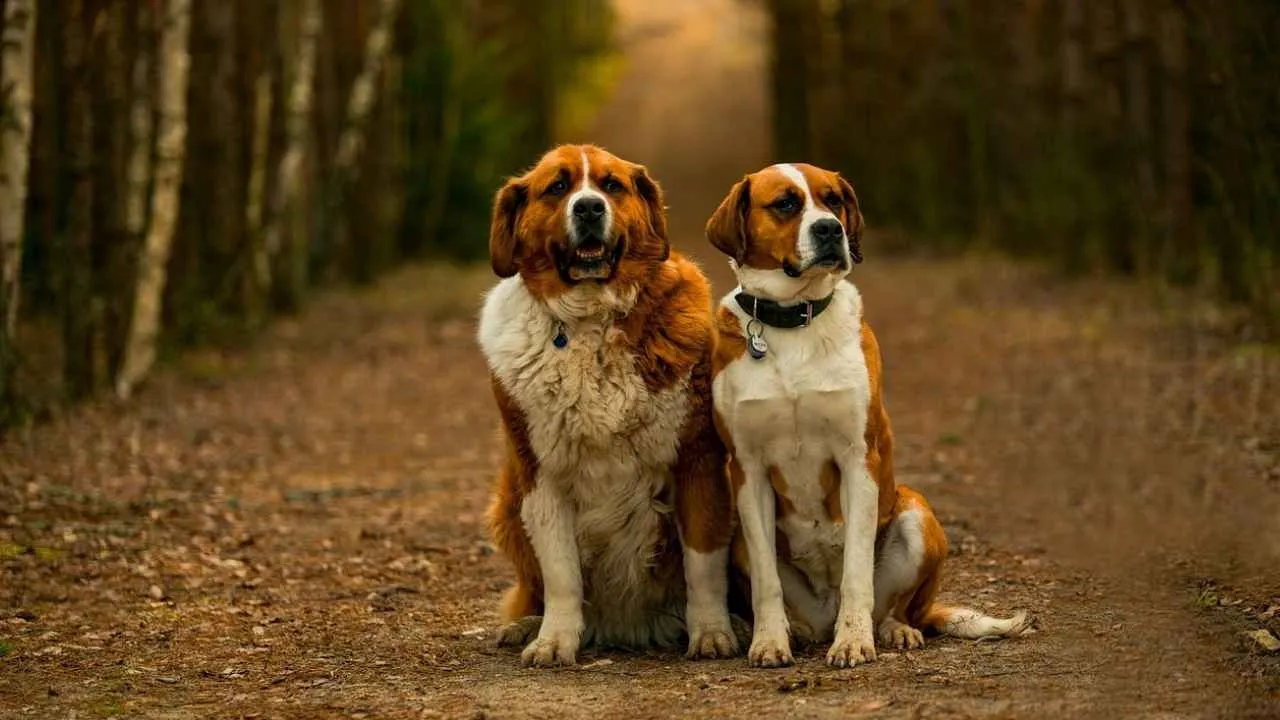
This snoozing companion might take up the entirety of the sofa as it rests. The sofa might become the Saint Bernard’s own kingdom, from where this gentle family friend would rule peacefully.
It began in the Swiss Alps, where monks developed and employed these dogs to help travellers in potentially dangerous situations. Their skill for locating people gained them fame, and they became heroes of bravery and loyalty.
They are extremely large puppies and very easygoing when at home. They are patient, affectionate, and active for a good amount of the day, but with their size, the wagging of the tail can lift any coffee table.
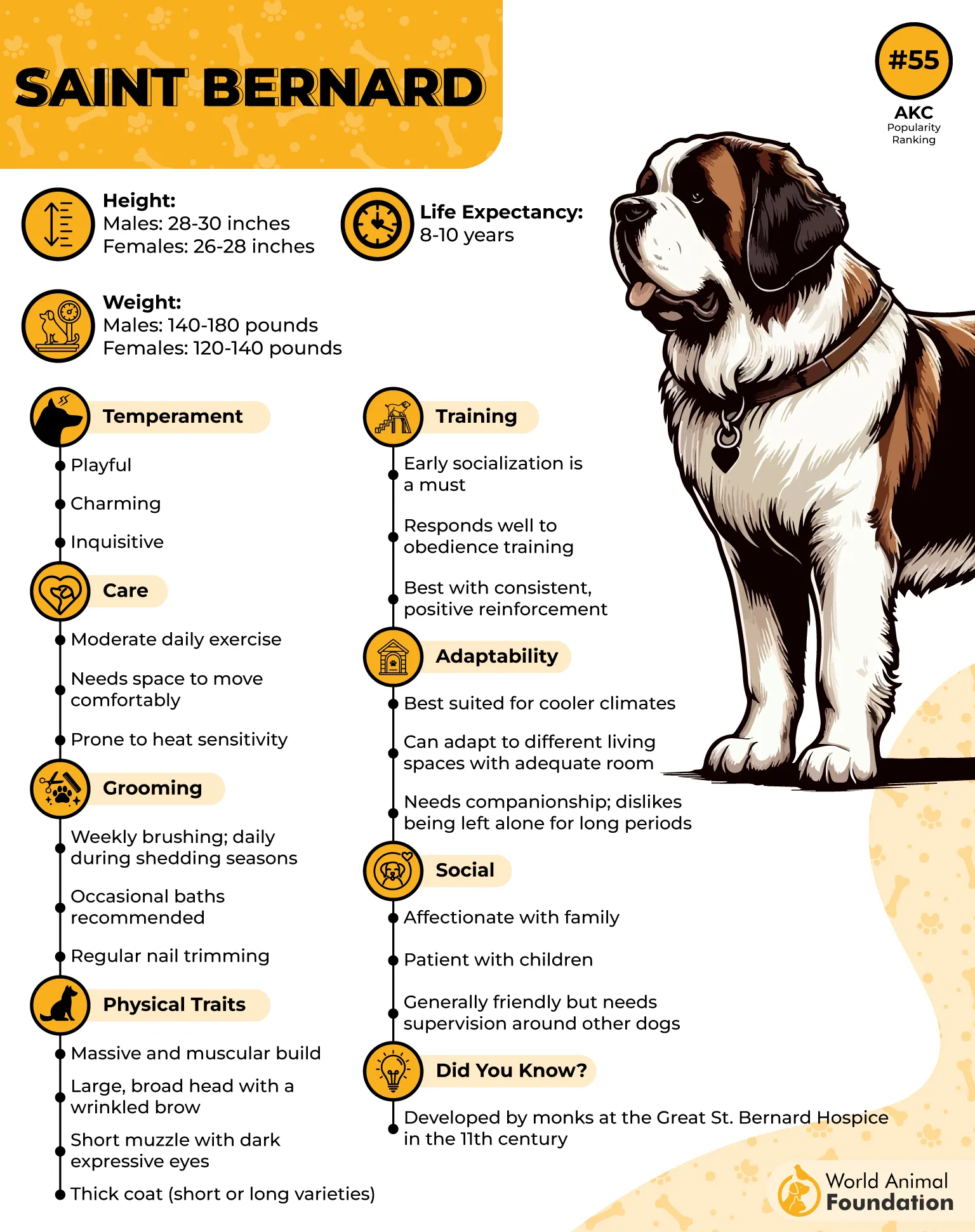
Of course, big responsibilities often arrive with quiet and giant breeds. The cost of food, vet care, transport, and sleeping facilities can be high. Shedding and drooling can also be prevalent in the breed.
The thick coat in hot climates is particularly difficult. Cool the indoor environment, ensure availability of fresh water, and provide shade, as well as minimizing exercise during hot weather.
6. Shih Tzu
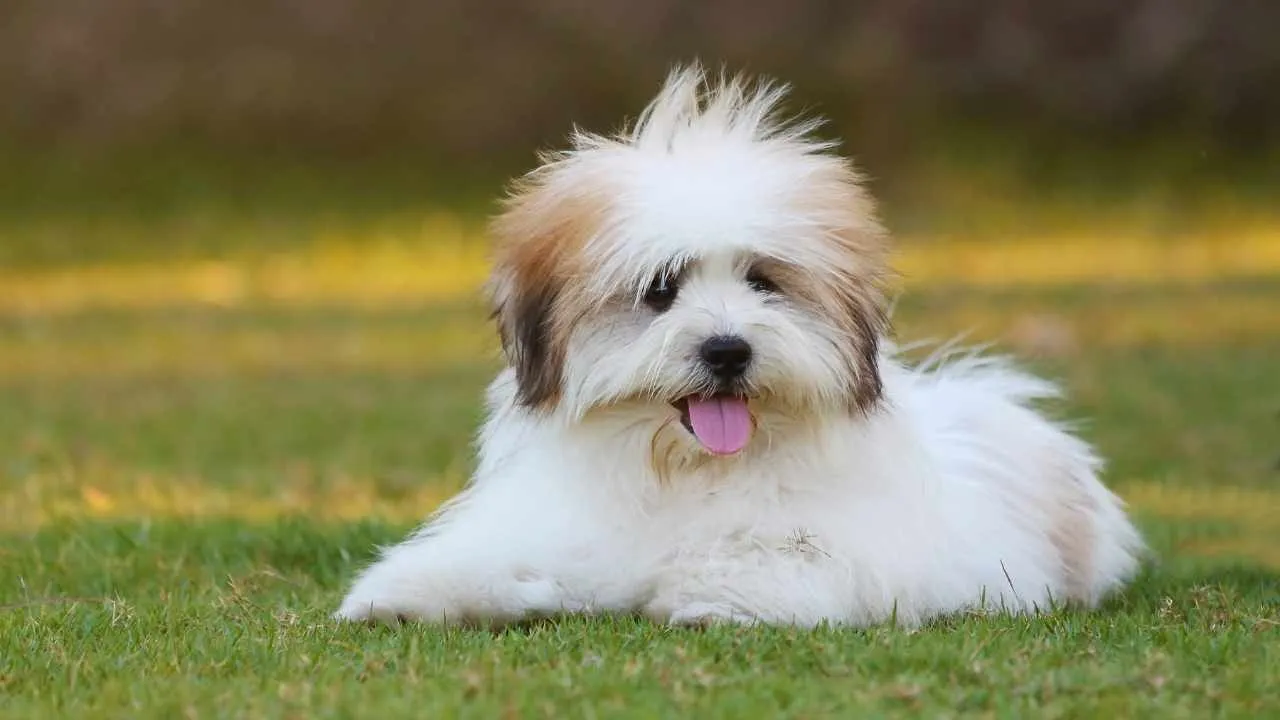
This adaptable companion treats your lap as its own home. It was developed to be a companion animal. The name “lion dog” implies it is a hunter, but that is deceiving. It closely resembles a cuddle bug instead of a fierce tracker.
It has a short muzzle, expressive eyes, and a very long, flowing coat that will make it look like a small walking cloud. Some types might even have a slight underbite that makes their appearance unique.
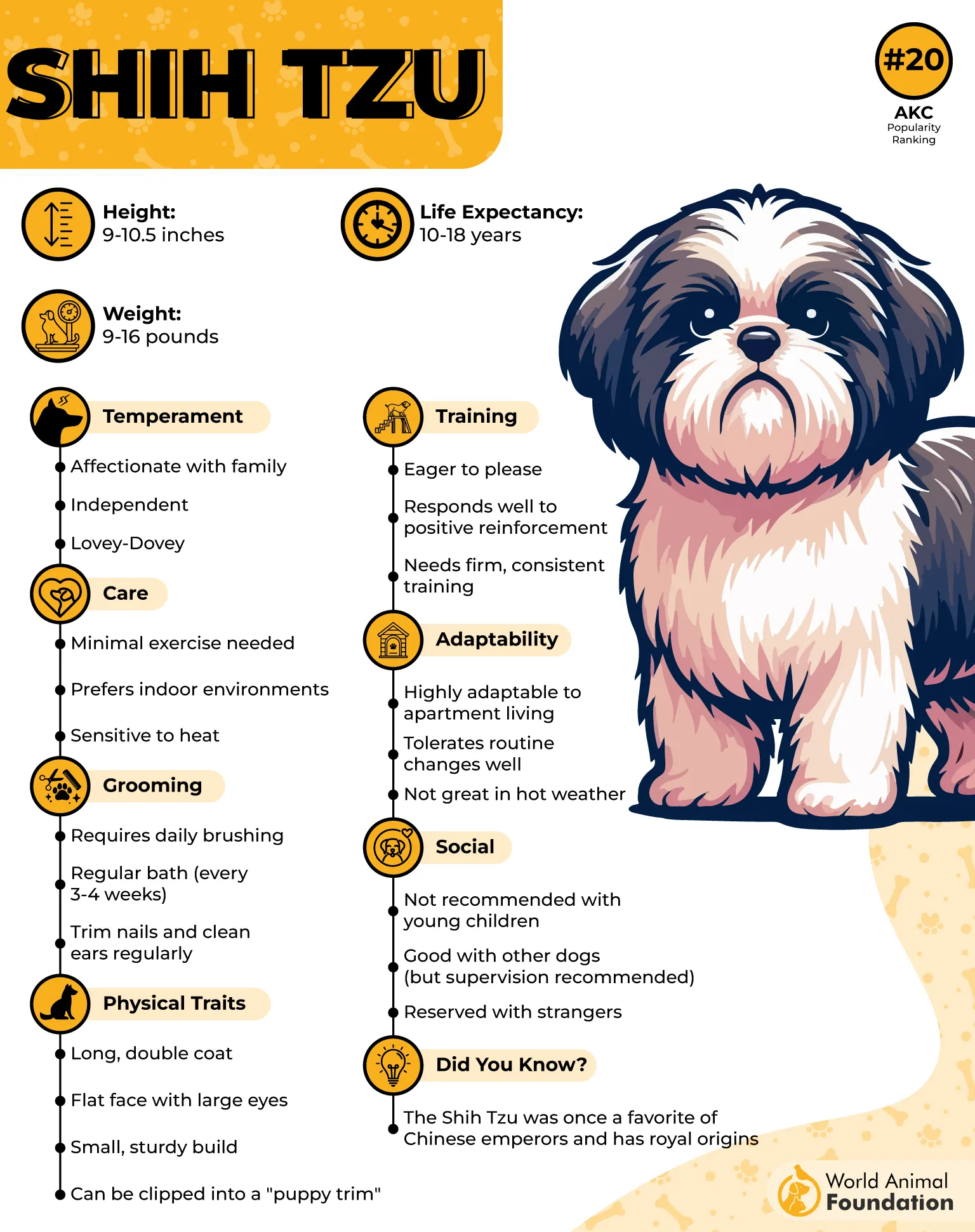
They enjoy short walks, indoor play, and being a part of family activities. They may be playful at times, but aren’t working breeds and can’t be heavily exercised.
Long-haired Shih Tzus require a lot of brushing, and a puppy cut might be easier when it comes to grooming. They also tend to be breathless and overheat as a result of their short faces, and the owner should be aware of this and treat them with proper care.
7. Mastiff
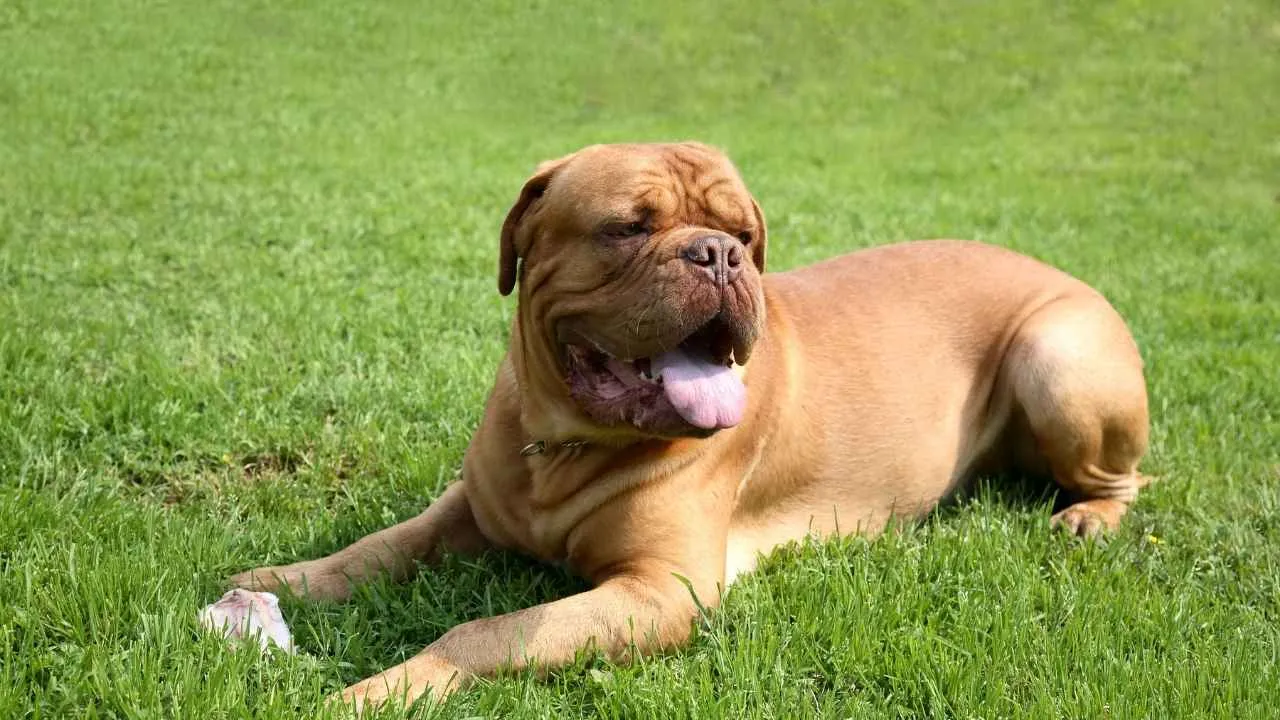
Mastiffs were used for centuries to guard property, home, and estate. They were dangerous defenders because of their size and strength; their traditional work involved confidence and an even temperament.
Despite their strength, these dogs don’t require vigorous exercise. Walking and playing are essential, but they’re especially sensitive due to their developing bodies.
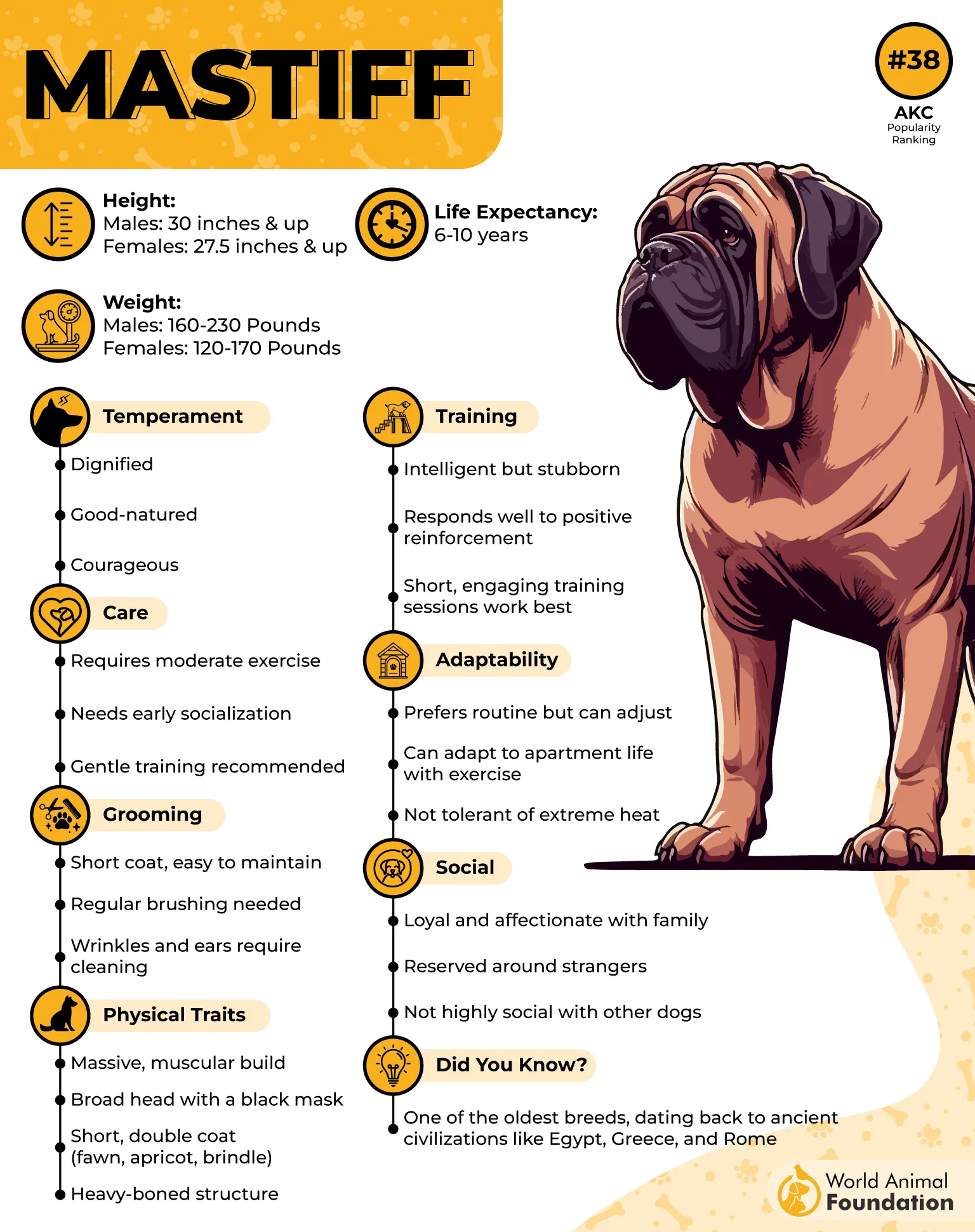
They are relatively easy to care for, with their short coat, but facial folds require regular check-ups and cleaning. Then of course, there’s the drool. Keep a collection of towel stacks when welcoming this breed into your home.
If there’s sufficient time, space, and resources, the Mastiff is a fascinatingly stable dog. It might not fit in your lap, but it will fit in your heart.
Conclusion
Even the most drowsy puppy needs walks, play, a healthy weight, and good care. Adopting a “lazy” breed doesn’t mean you can also be lazy in ensuring its upkeep.
These canine companions embrace the slower side of life, but to truly take their place in your household, their exercise needs, grooming needs, and mental stimulation requirements need to be met and satisfied.
Select the dog best suited to your home, and you may discover the greatest joy of the day is to share the couch with your new best friend.
