




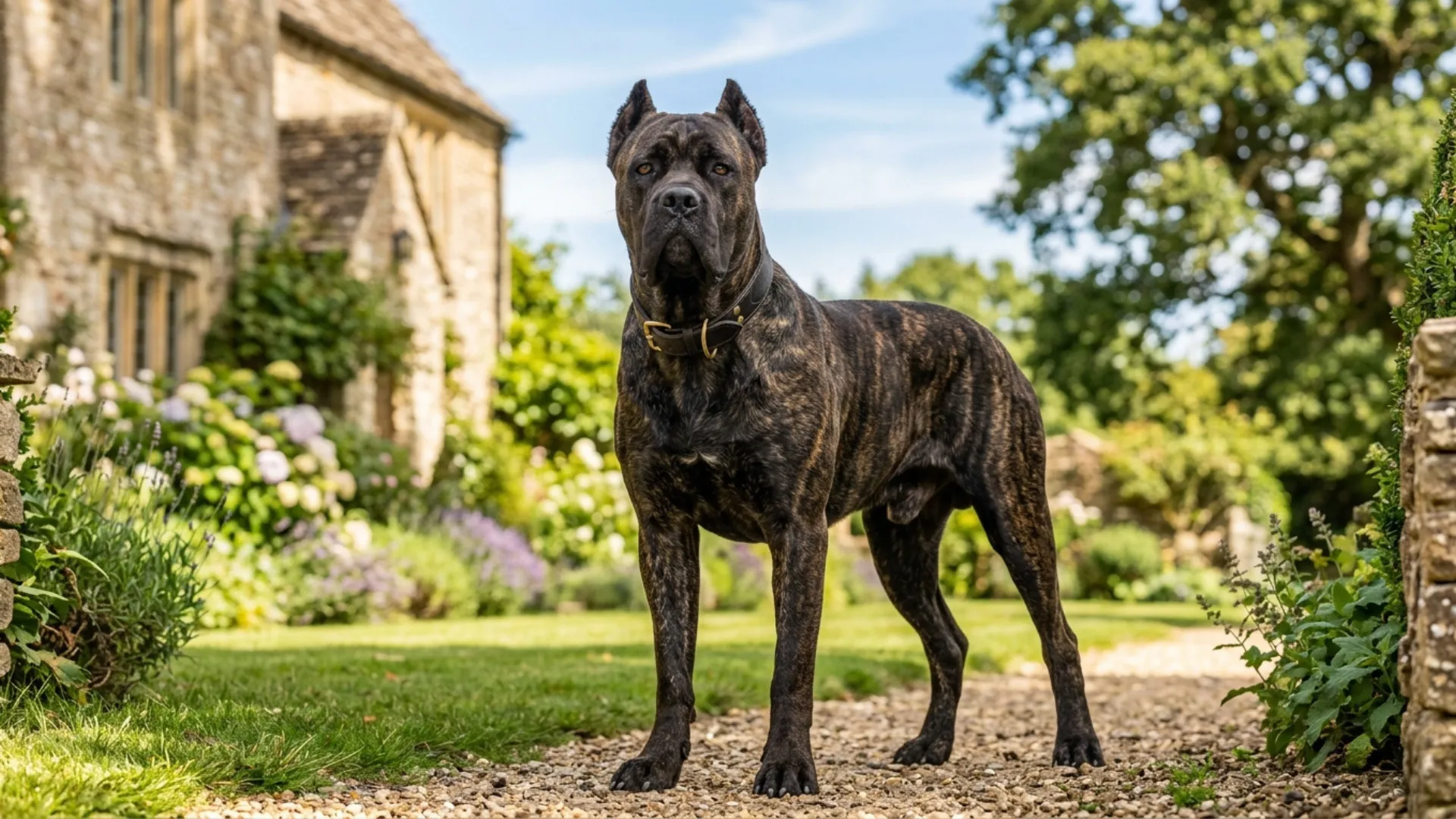
“Dogs do speak, but only to those who know how to listen.”That quote by author Orhan Pamuk rings true for anyone who has shared life with a loyal dog.
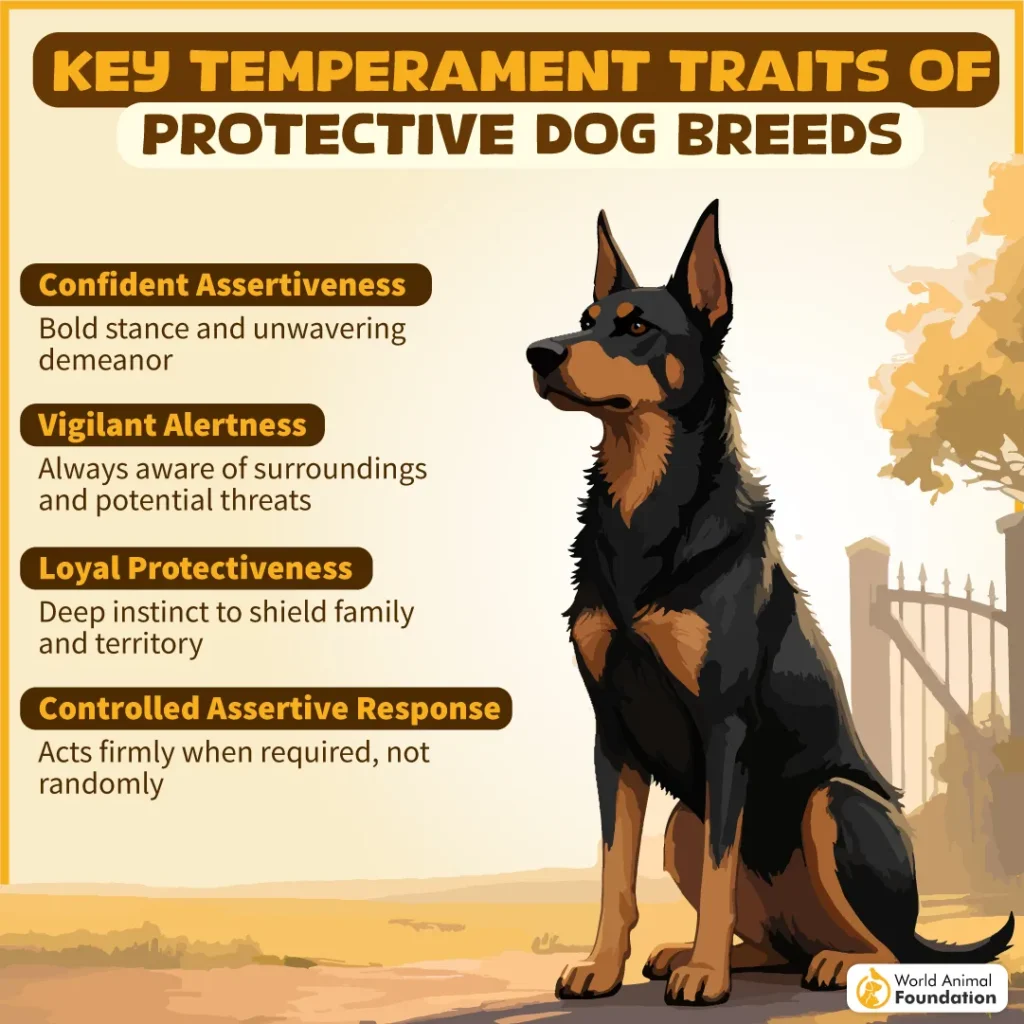
Some dog breeds go beyond companionship. They naturally watch over the people they love. A protective dog is not simply brave. It is calm, confident, and smart enough to tell the difference between a real threat and an everyday visitor.
That balance makes all the difference. Whether you want a dependable family guardian or simply enjoy learning about remarkable dogs, these trusted dog breeds have earned their reputation through generations of responsible work.
Let us meet nine dogs that protect with courage, loyalty, and a heart that never quits.
Trusted Dog Breeds Known for Their Protective Instincts
1. German Shepherd
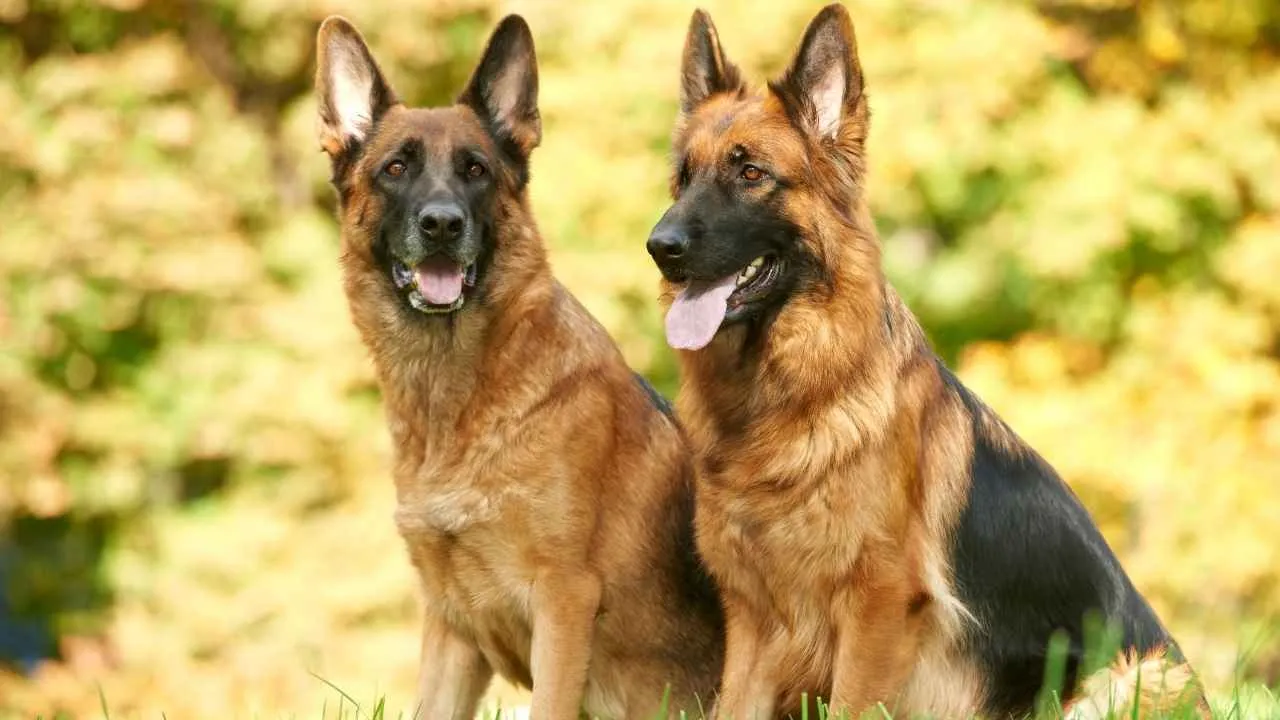
Also known as Alsatian in Britain, the German Shepherd is a medium-to-large dog breed that was originally bred in Germany in 1899 as a herding dog by Max von Stephanitz. He crossed various German herding dogs. The breed gained recognition after World War II, according to Wikipedia.
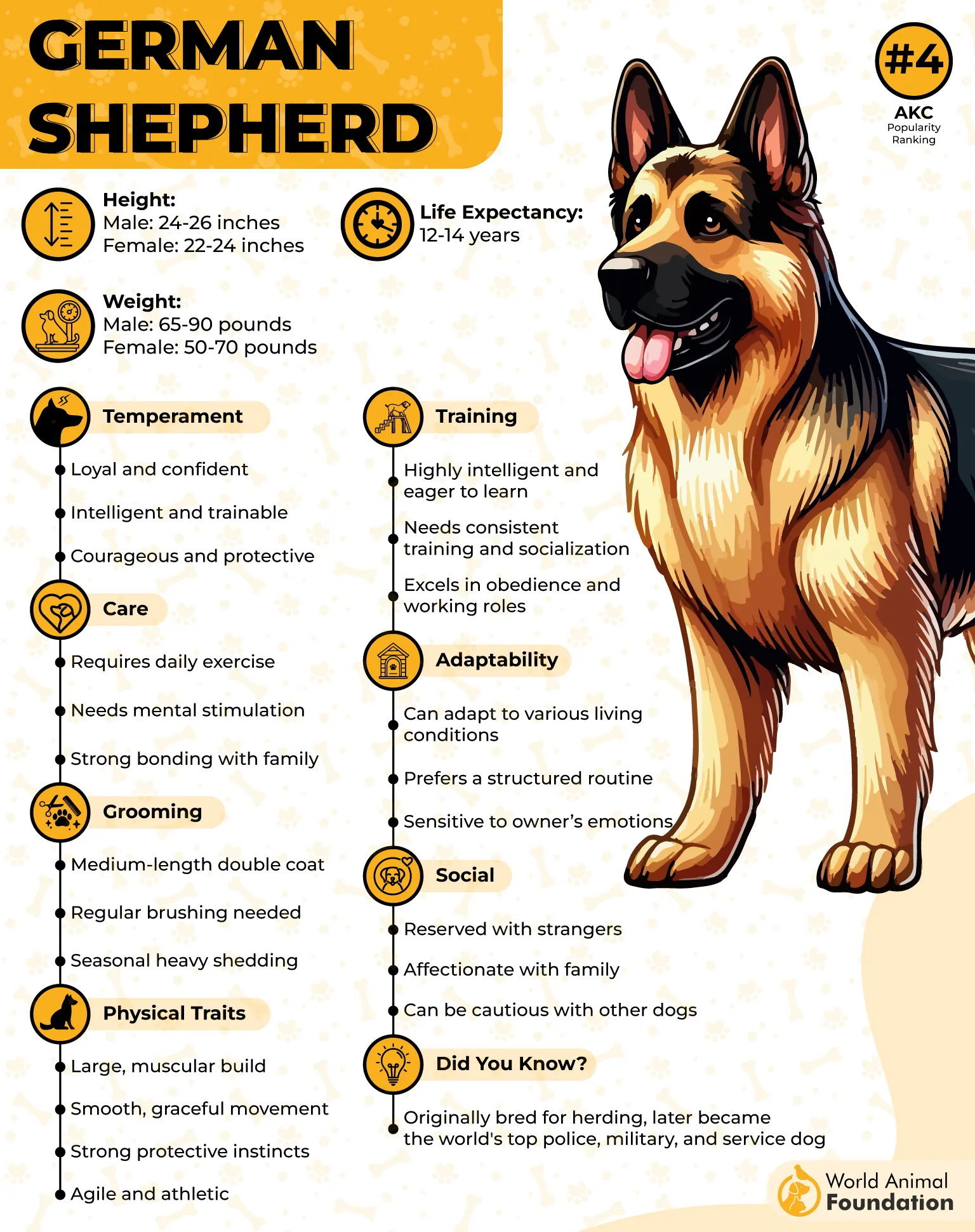
The primary goal was to create a breed that would herd sheep and protect the flock from predators. This protection dog can sprint and run at a speed of 30 mph. The long neck is raised when excited or tracking prey and lowered when moving at a fast pace.
It is a moderately active breed and can become overly protective of its people and territory. Being naturally wary of strangers, it needs proper obedience training.
2. Cane Corso
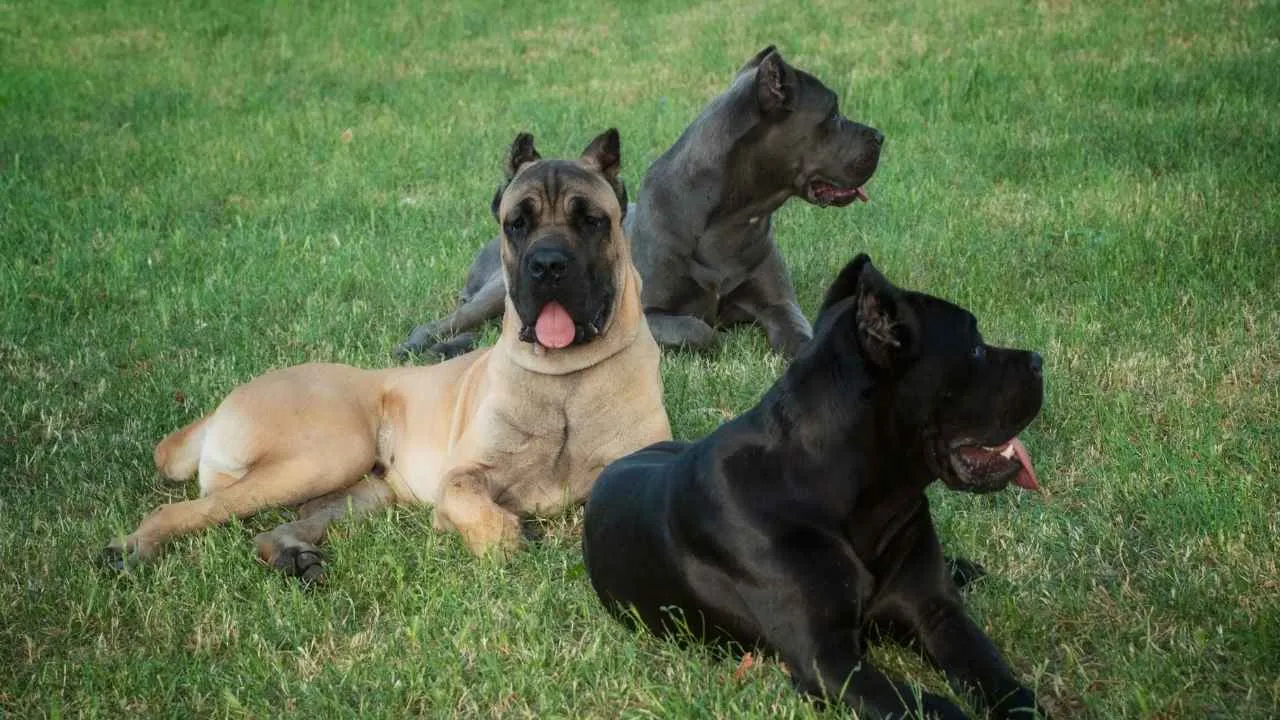
Also known as the Italian Mastiff, the breed was originally developed in Italy and is widely kept as a companion dog, a guard dog, and a livestock guardian. Its primary purpose was to serve as a hunting dog for large game and a herding cattle breed.
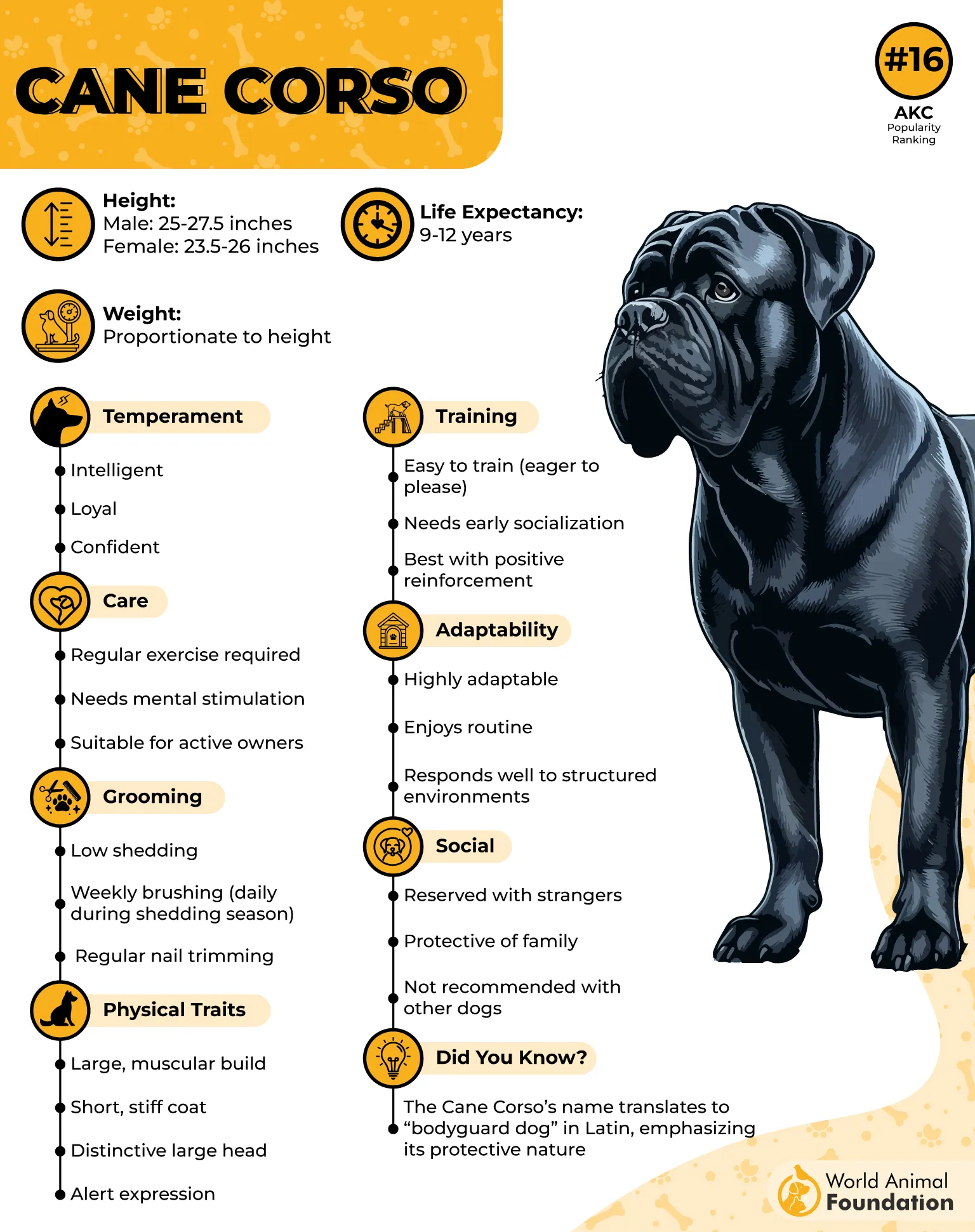
Since it is descended from a now-extinct molosser breed, it is massive and muscular. The guard dog breed has a large head, a slightly convergent muzzle, oval eyes, and a strong jaw structure that exhibits a bite force of 700 PSI. It makes strong bonds with family members and does not shy away from putting itself between the owner and danger.
It is a high-energy breed and needs 1-2 hours of daily exercise and mental stimulation: long walks, hiking, biking, fetching, dock diving, agility, obedience training, tracking events, and protection sports.
3. Doberman Pinscher
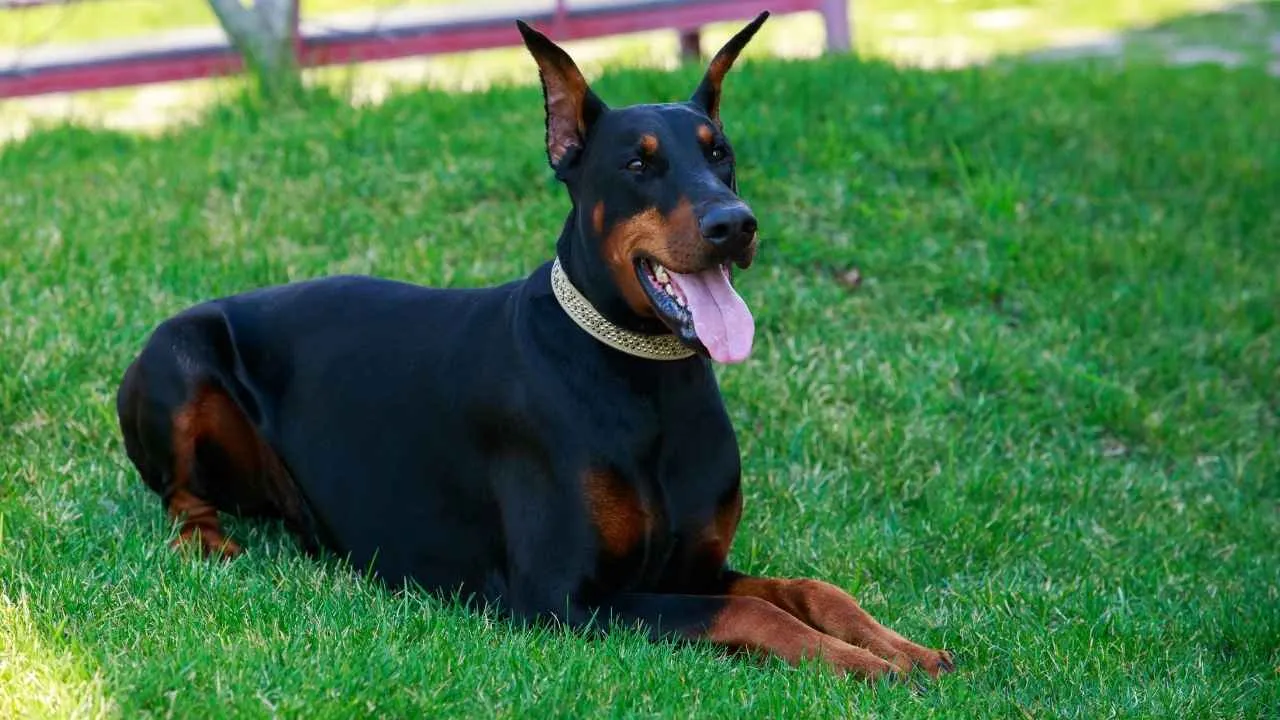
This medium-to-large working dog was developed from a Pinscher-type breed. The excellent guard dog was developed in Thuringia in 1980 by a German tax collector, Louis Dobermann. Today, it is widely kept as a companion dog and a guard dog. It is also ranked as the 5th most intelligent dog breed.
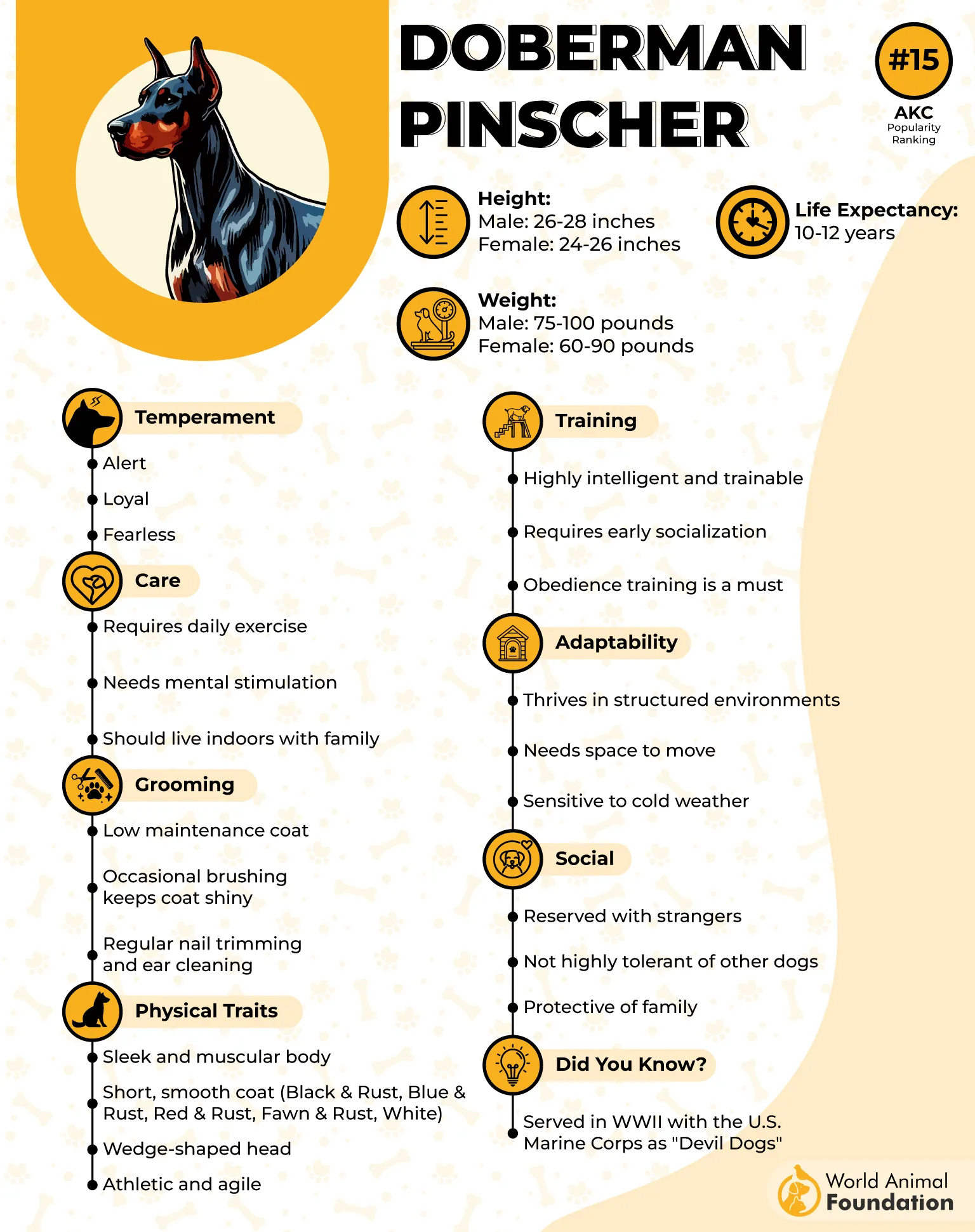
Its primary mode of protection is its intimidating appearance and a muscular build. It is often stereotyped for aggression and low reactivity. It is usually patient with small children. However, the breed has a strong prey drive and tends to chase small moving objects.
The breed has an independent streak and needs positive reinforcement for early training and proper socialization. The breed excels in activities such as nose work, obedience training, tracking, and agility.
4. Rottweiler
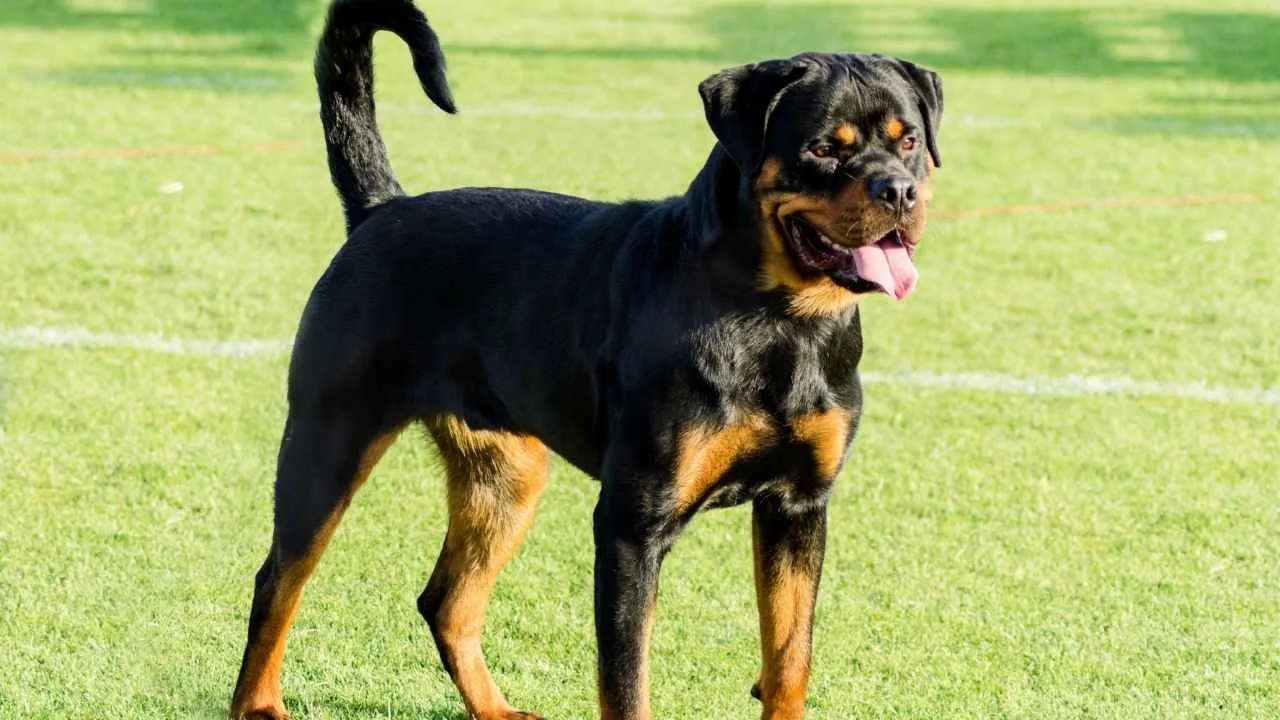
The history of this dog dates back to ancient Rome, where its Mastiff-like ancestors called Molossers were used as war dogs, livestock herding dogs, and a protective dog breed. The breed then ended up in southern Germany, where it was interbred with local dogs and produced the modern-day Rottweiler, as per Pooch & Mutt.
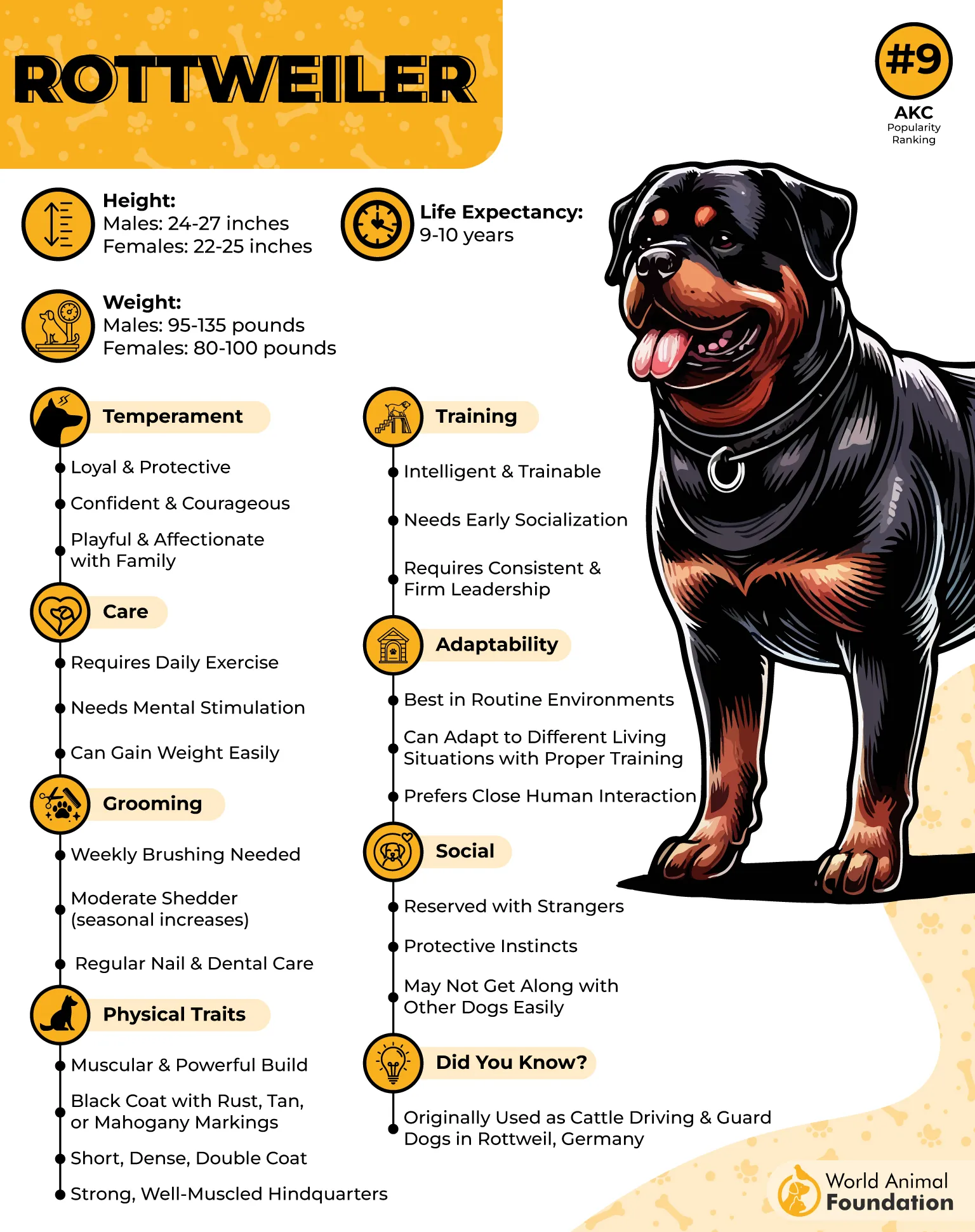
The breed has a calm demeanor and is widely kept for personal protection. This loyal dog has a pack mentality and produces a loud bark as soon as it notices unusual activity. It literally gives you slobbery kisses and presses its heavy body against yours to demand attention.
The breed has a natural protective instinct and alerts when it sees a stranger approaching its property. It takes its time to assess the situation before reacting.
5. Boxer
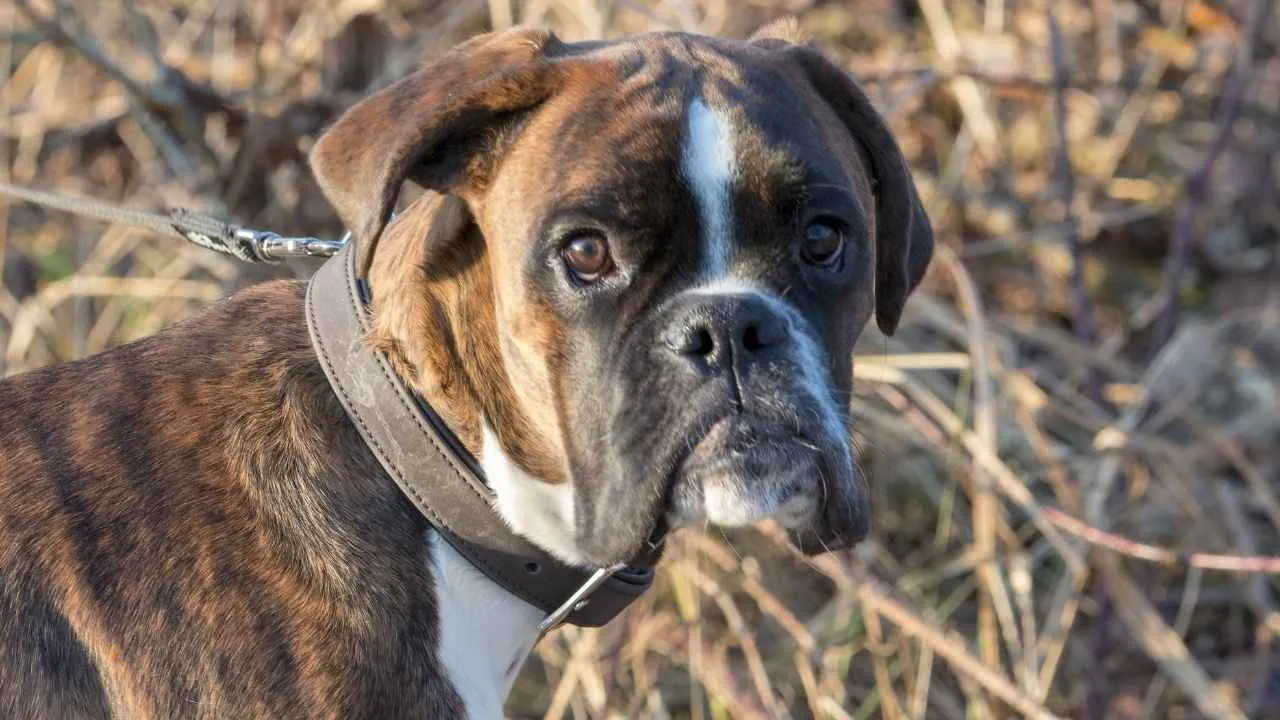
The history of the ancient dog breed dates back to medieval Germany, where this popular guard dog breed was developed from the Bullenbeisser. The large dog is widely used as a police dog, guardian dog, guide dog, and as an assistive dog for impaired people.
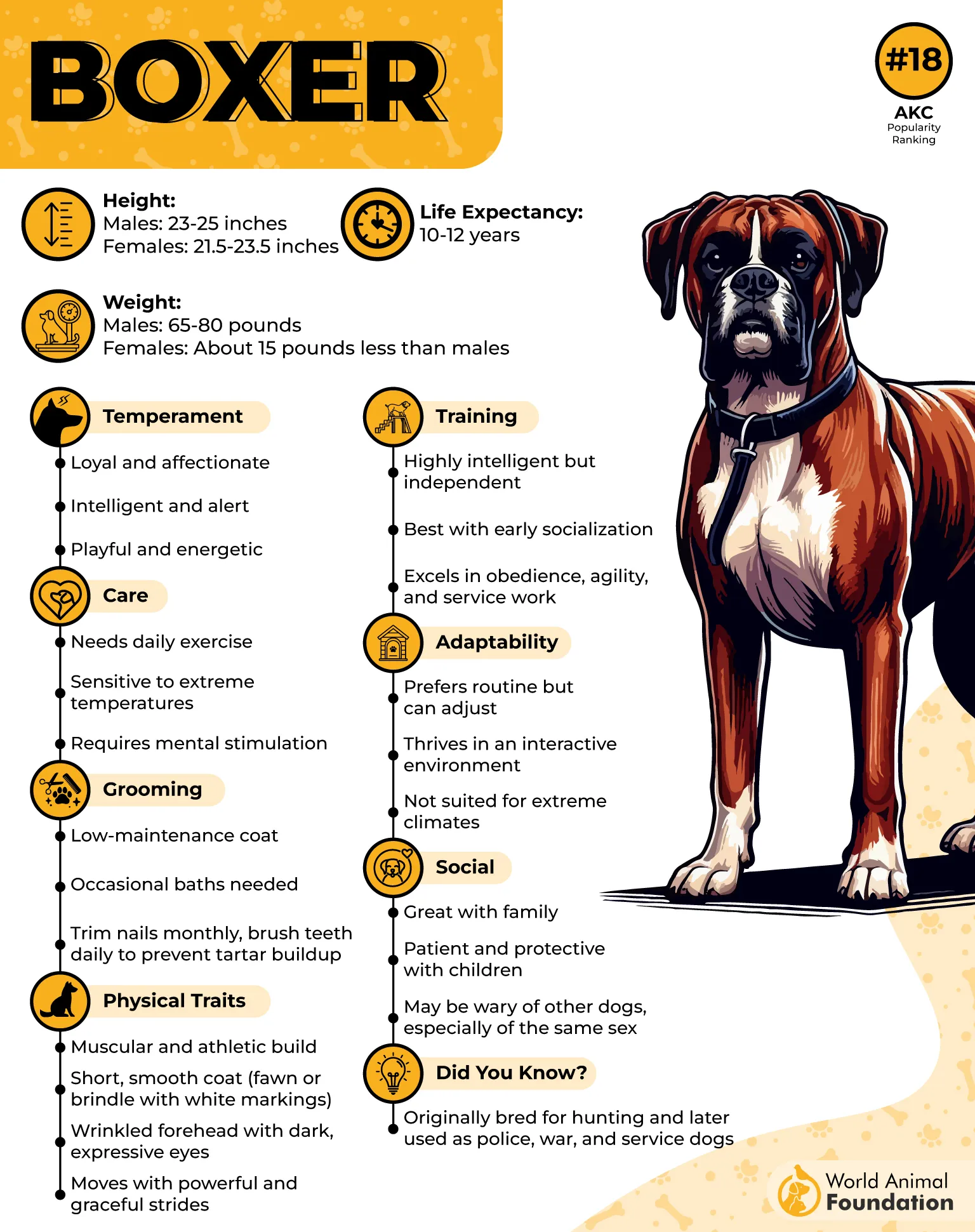
Its unique features include a chiseled head with a distinctive underbite, athletic build, short muzzle, and wrinkly skin. This loose skin protects the breed from predators’ bites. It barks only to alert the owner. It literally uses its front paws to fight its opponent.
It is a highly energetic breed and needs 1-2 hours of daily exercise: long walks, dog sports, running, fetching, and hiking (3 miles). It is a low-maintenance breed and needs 2-3 times brushing a week.
6. Belgian Malinois
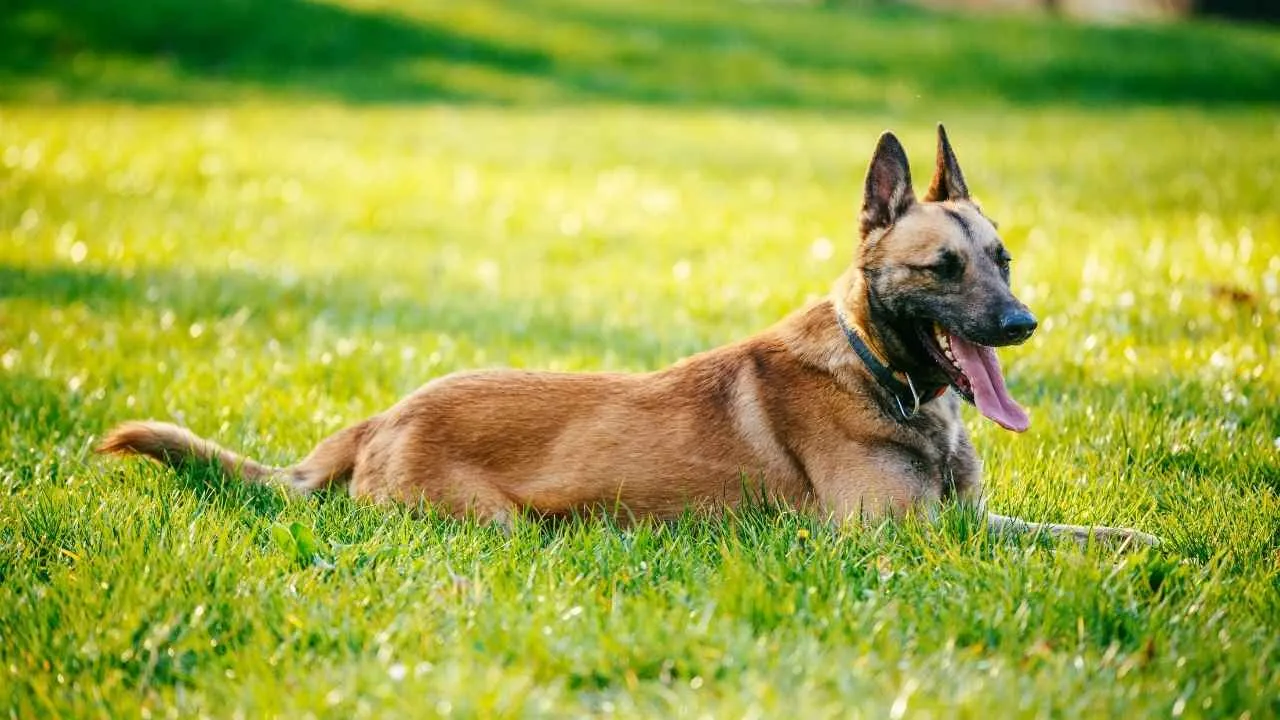
Belgian Malinois was originally developed in Malines, Belgium, and was favored by local ranchers as they used the breed to keep track of sheep and cattle herds. Today, the natural guard dog is widely used as a service dog in police forces and military departments.
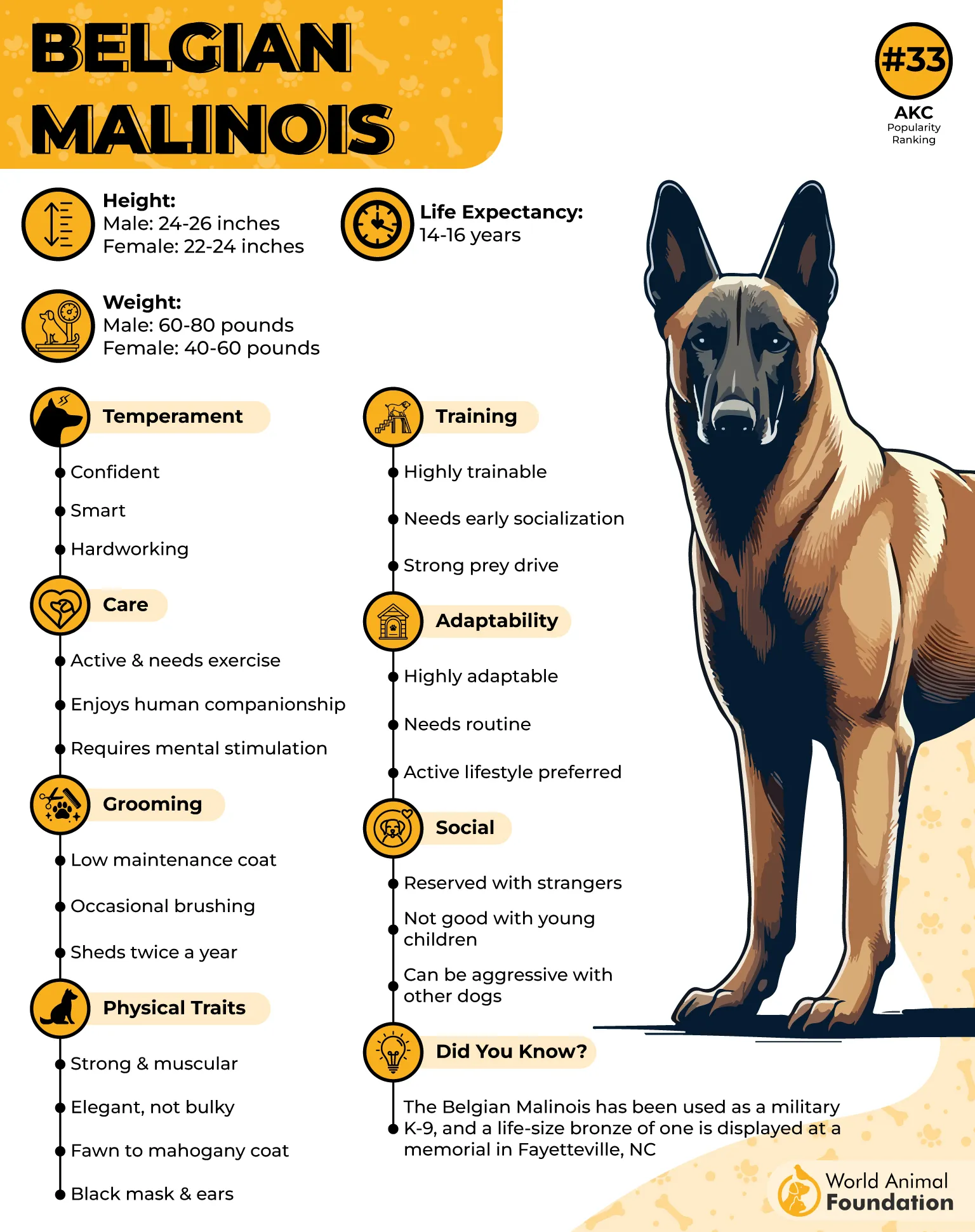
Though reserved around strangers, the breed is neither shy nor aggressive. Without proper socialization, the breed may be aggressive towards other dogs. It has a strong prey drive and tends to chase small animals.
It is a highly energetic breed and requires plenty of daily exercise: daily walks, running (5 miles), hiking, fetching, biking, agility, tracking, herding, and obedience competitions. If its daily physical and mental needs are not met, it may develop destructive behavior.
7. Giant Schnauzer
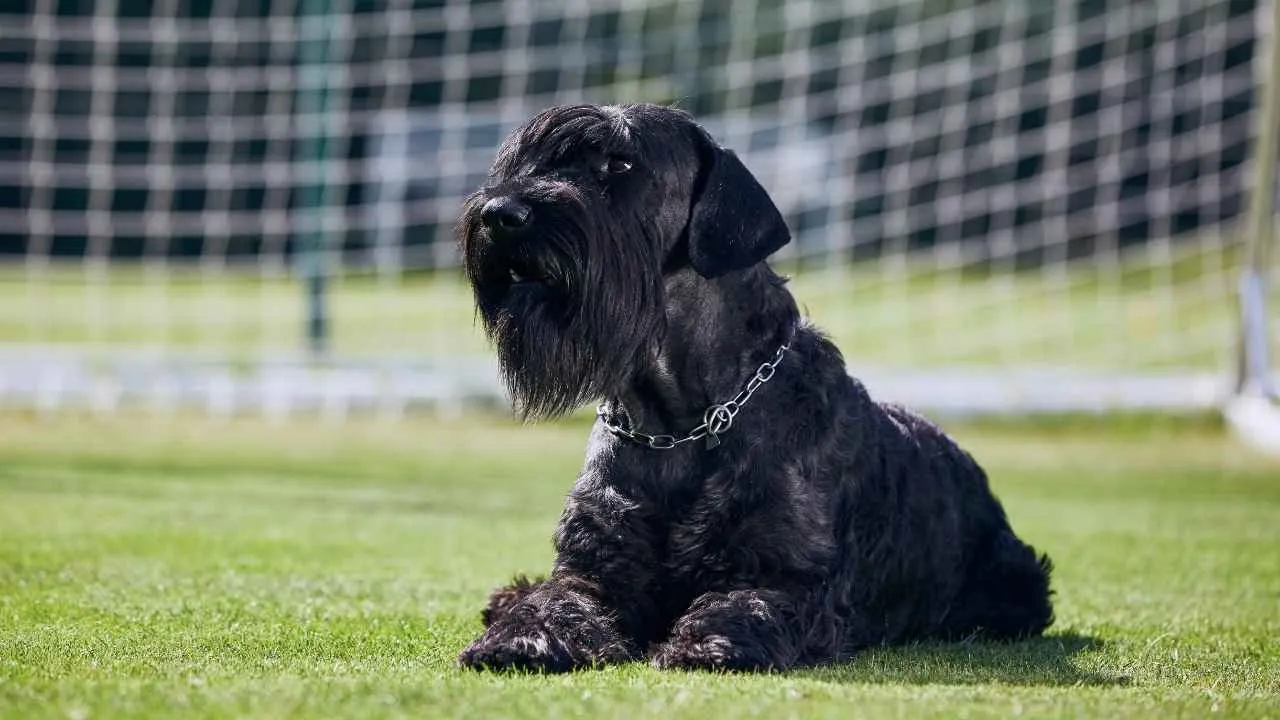
The history of this ancient breed dates back to Bavaria, Germany, where it was developed in the 18th century by crossing the Standard Schnauzer, Black Great Dane, and Bouvoir des Flandres. The primary purpose was to shepherd cattle and guard farms, as reported by Omlet.
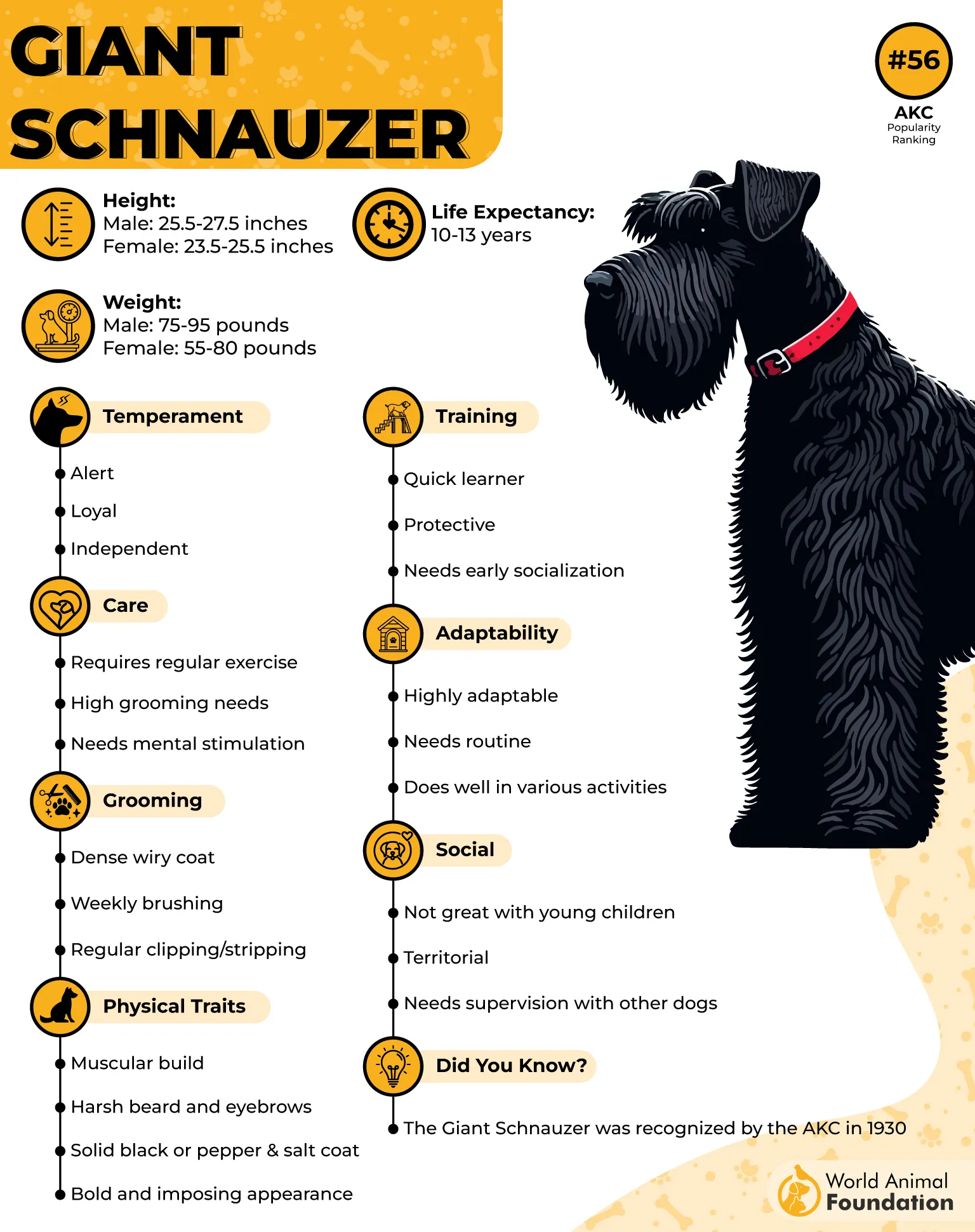
It tries to achieve pack leader status when given a chance. The breed remains extra cautious with strangers and can live with other pets when socialized early. However, it tends to hunt vermin. The dog has thick whiskers, a moustache, and a beard that give it an intimidating presence to scare away strangers.
Since the breed loves to roam and hunt small objects, it needs a secure area. The breed excels in running, jogging, playing frisbee, agility, and obedience training.
8. Bullmastiff
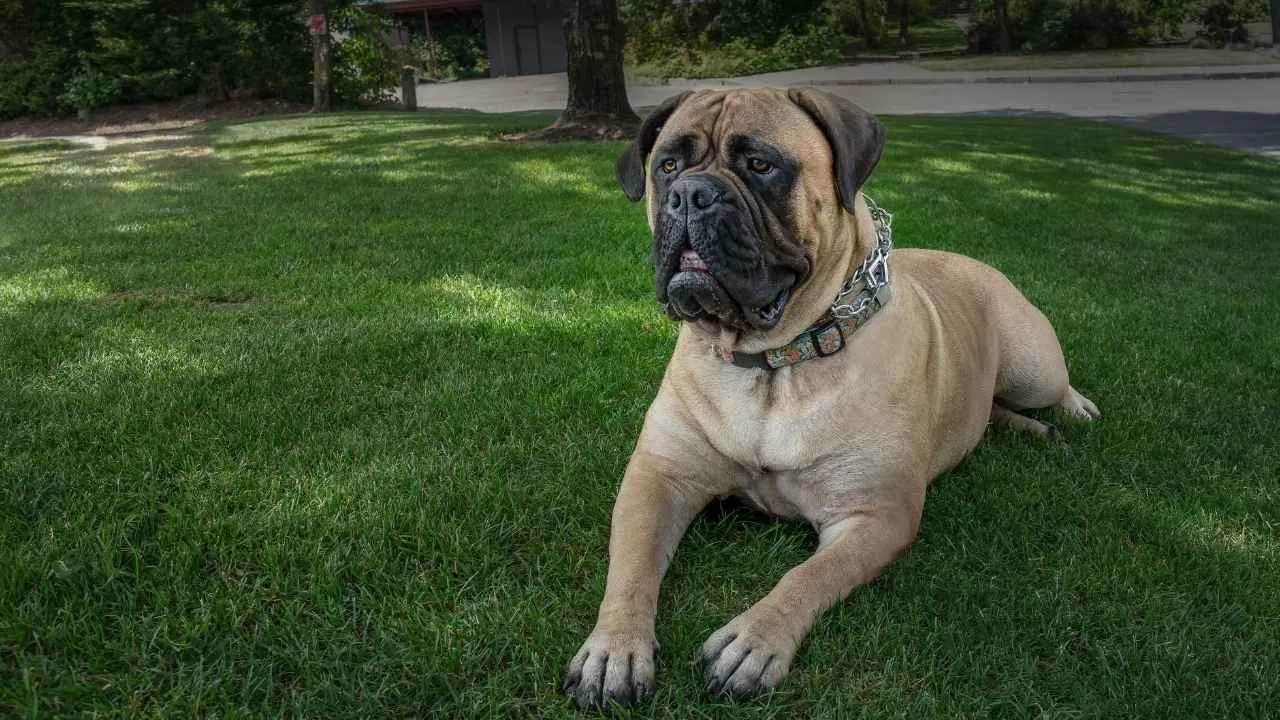
This large-sized dog breed was developed in England in the 19th century by crossing the Mastiff and the Bulldog. It was developed primarily as a guard dog. The most protective dog breed is also known as the ‘Gamekeeper’s Night Dog,’ since it was used to catch poachers at night.
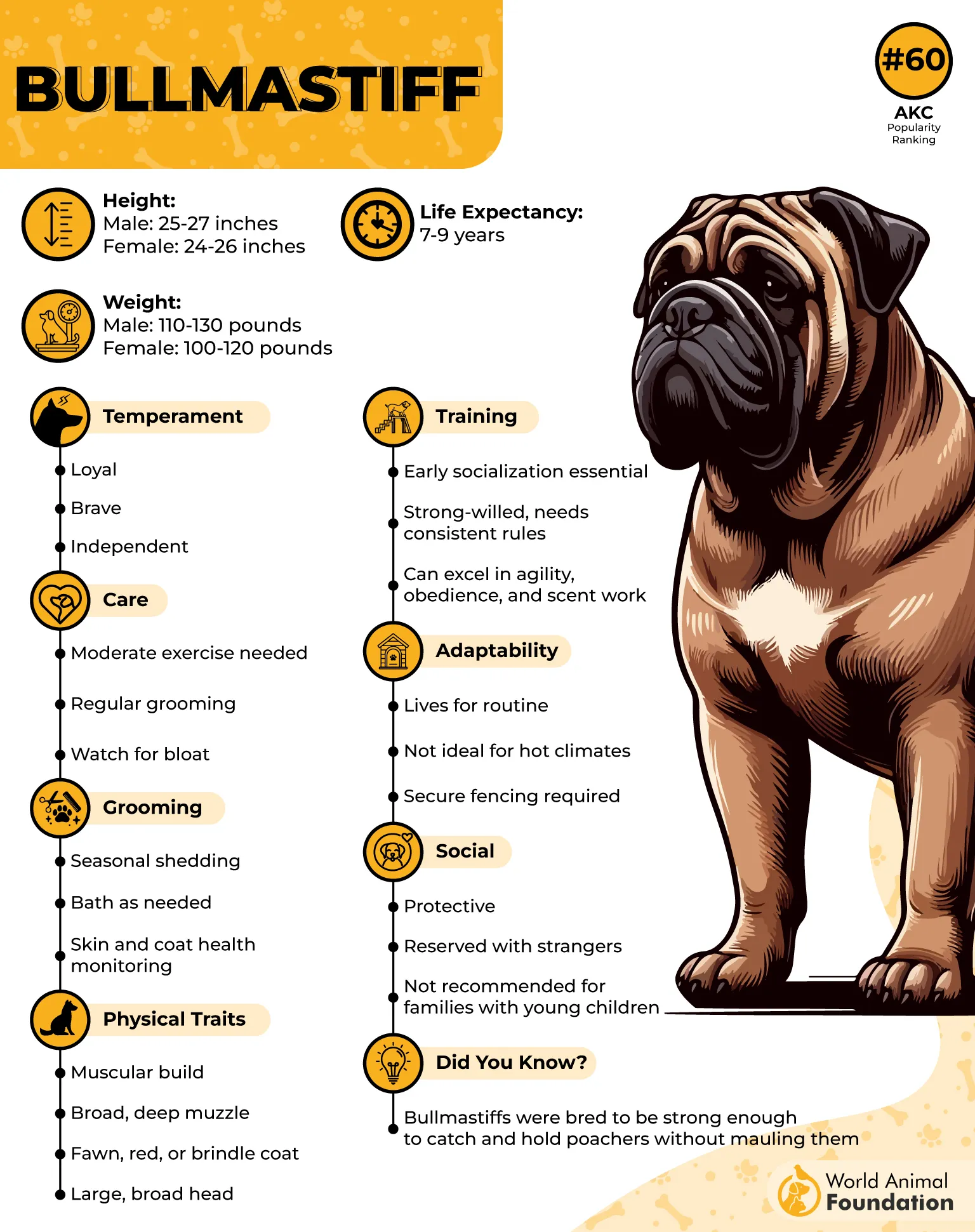
Being a nocturnal breed, the breed has high speed and a strong sense of sight, making it an excellent protection dog. Known for its calm temperament, the breed feels uncomfortable around strangers. Its powerful jaws provide intense biting and holding power.
It has high intelligence and learns complex tricks and commands within a few repetitions. It excels in nose work, agility, obedience, rally, tracking, hiking, and walking.
9. Akita
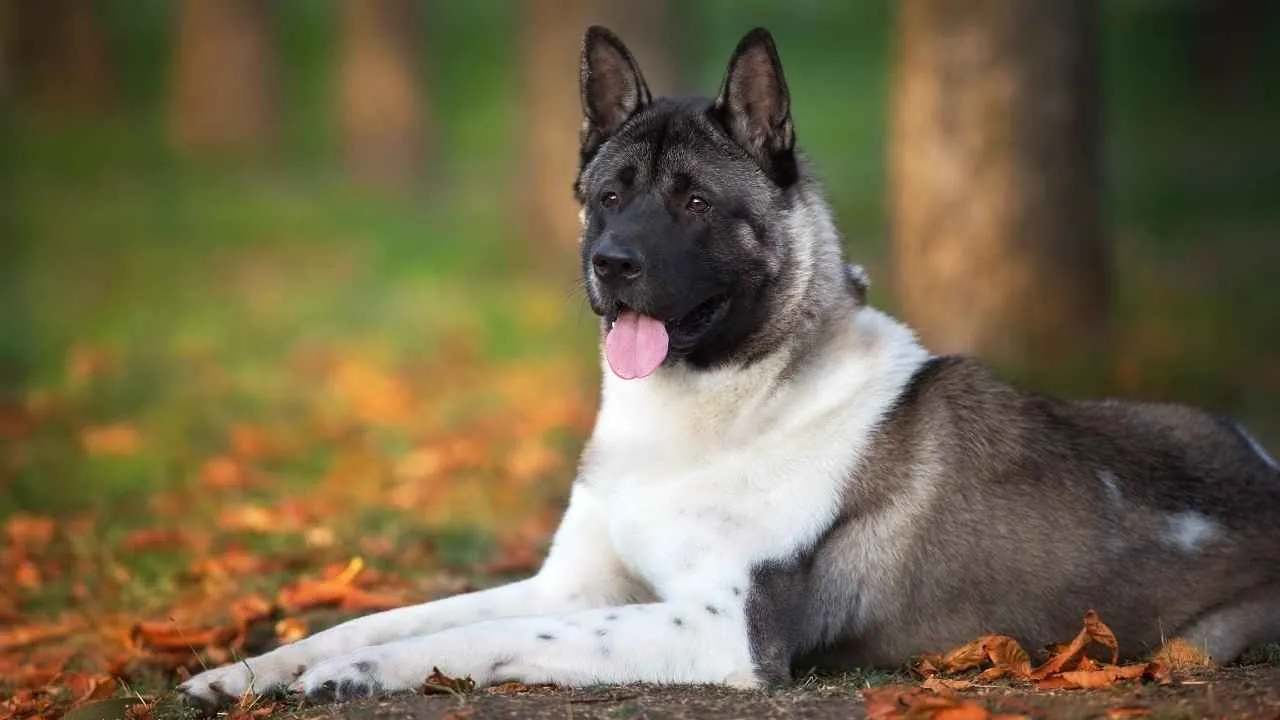
The Akita is widely respected for its unwavering loyalty and strong protective instincts, making it one of the most trusted guard dog breeds.
Originally developed in Japan to hunt large game and protect homes, the Akita is naturally alert, courageous, and devoted to its family. While they are typically calm and reserved, they are quick to recognize potential threats and will confidently step in to protect their loved ones when necessary.
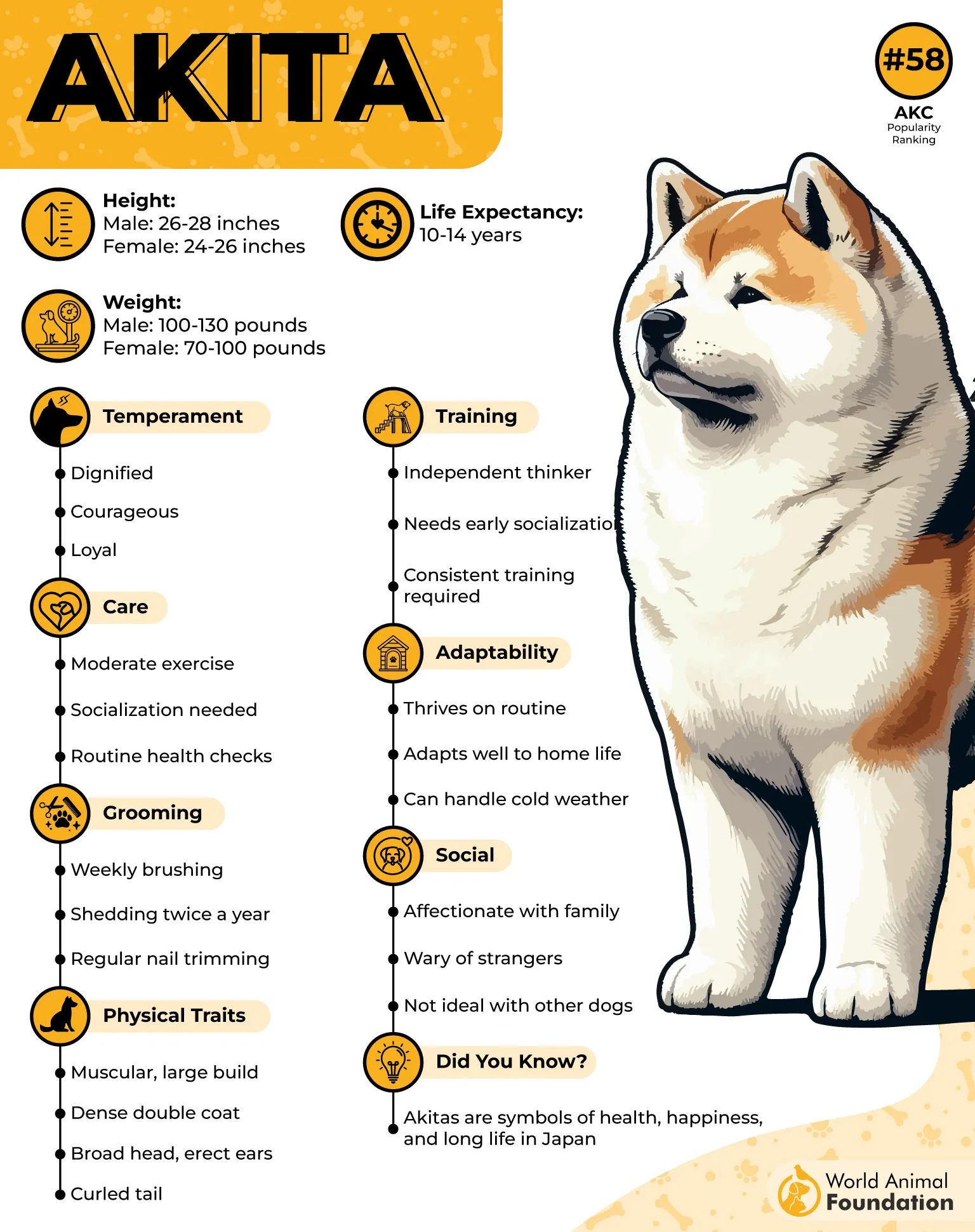
The breed loves spending time with its favorite people. Despite being a social butterfly, it remains cautious around unknown people. The breed has a thick coat that protects against harsh weather and other external stimuli.
Heavy musculature around the neck protects the breed from damaging vital blood vessels during physical confrontation. The breed needs 1-2 hours of daily vigorous exercise.
Conclusion
A protective dog is not measured by its size or bark alone. What truly matters is loyalty, good judgment, and a strong bond with its family.
Every breed on this list has its own way of keeping loved ones safe, whether through quiet confidence, sharp awareness, or fearless courage. Still, even the best guardian dogs need proper training, early socialization, regular exercise, and a caring home to become balanced companions.
Think of these dogs as trusted teammates rather than security systems. When treated with respect and kindness, they repay that love with lifelong devotion. In the end, the strongest protection often comes from a dog that knows exactly when to stand beside you and when to stand in front of you.
