




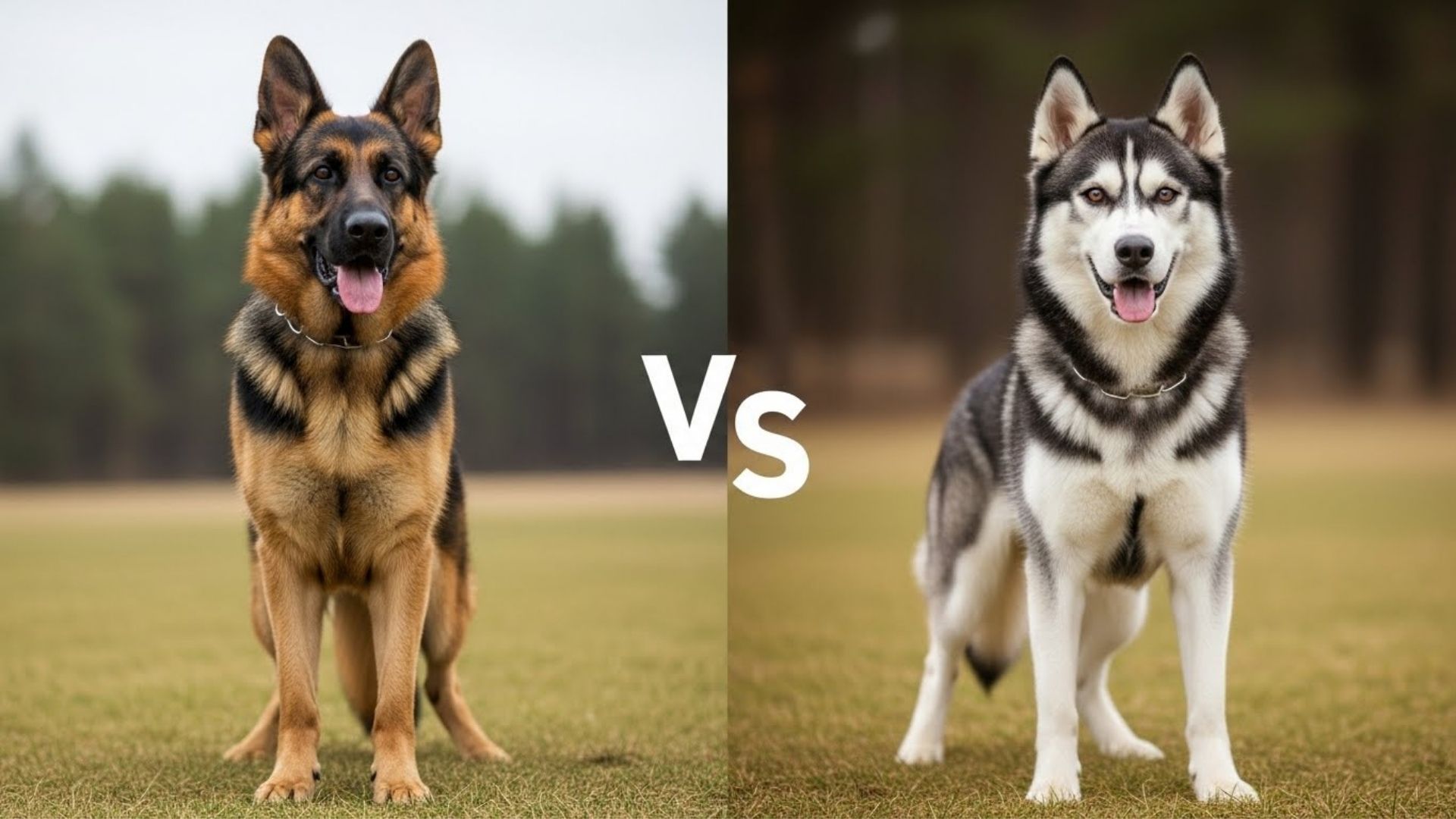
At first glance, it’s easy to assume the German Shepherd and the Husky come from the same lineage—especially when their wolf-like looks and similar color patterns catch your eye. But spend a little time with each, and their differences quickly shine through.
While both are powerful, athletic dogs built for cold climates, they were bred for very different purposes, which shapes everything from their behavior to how they fit into family life.
Both the German Shepherd and the Husky are intelligent, energetic, and highly capable working dogs, yet they express these traits in completely different ways.
One is famous for loyalty and focus, consistently ranking among the top five most popular dog breeds worldwide, while the other is known for endurance, expressive eyes, and a fun-loving, independent streak. It’s no wonder so many dog lovers find themselves torn between the two.
So, which breed matches your lifestyle—a devoted protector eager to please, or a spirited adventurer with a mind of its own? Let’s compare the defining traits of the German Shepherd and the Husky to help you discover which one truly belongs in your home.
Key Takeaways
Discover the surprising differences between the similar looks of German Shepherds and Huskies, from their origins to their unique personalities.
Learn which breed matches your lifestyle—whether you want a loyal protector or an energetic, playful companion.
Get the inside scoop on their training challenges, exercise needs, and what makes each breed shine.
Find out how their health, grooming, and family compatibility could impact your choice of the perfect dog.
Traits Compared: German Shepherd Dogs vs Huskies
Origins & Purpose
Where these breeds come from plays a major role in how they behave today. Although both were developed as working dogs, their histories and original purposes are very different.
German Shepherd: From Herding to Service Work
Origin: Germany
Developed: 1899
Original role: Herding and guarding livestock
The German Shepherd is a relatively modern breed, developed in 1899 by Captain Max von Stephanitz, as mentioned by Britannica. His goal was to create the ideal working dog, focusing on intelligence, strength, loyalty, and trainability.
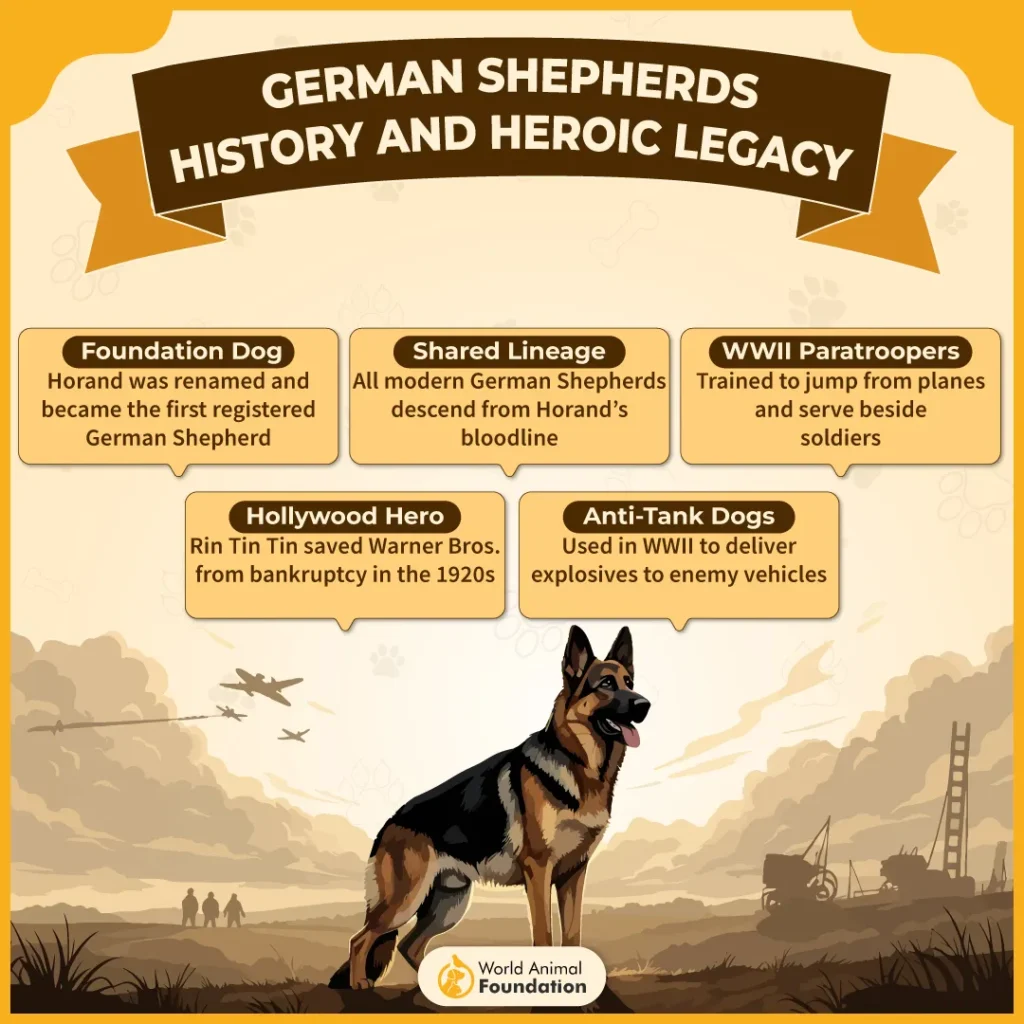
The first officially registered German Shepherd, Horand von Grafrath, became the foundation of the breed. As industrialization reduced the need for herding dogs, German Shepherds were repurposed for police, military, and service work.
They served in World War I as Red Cross and messenger dogs and later gained worldwide fame through Rin Tin Tin, a Hollywood star. Today, they are widely used in law enforcement, military roles, and personal protection.
Siberian Husky: An Ancient Arctic Worker
Origin: Siberia
Breed age: Over 4,000 years
Original role: Sled pulling and transportation
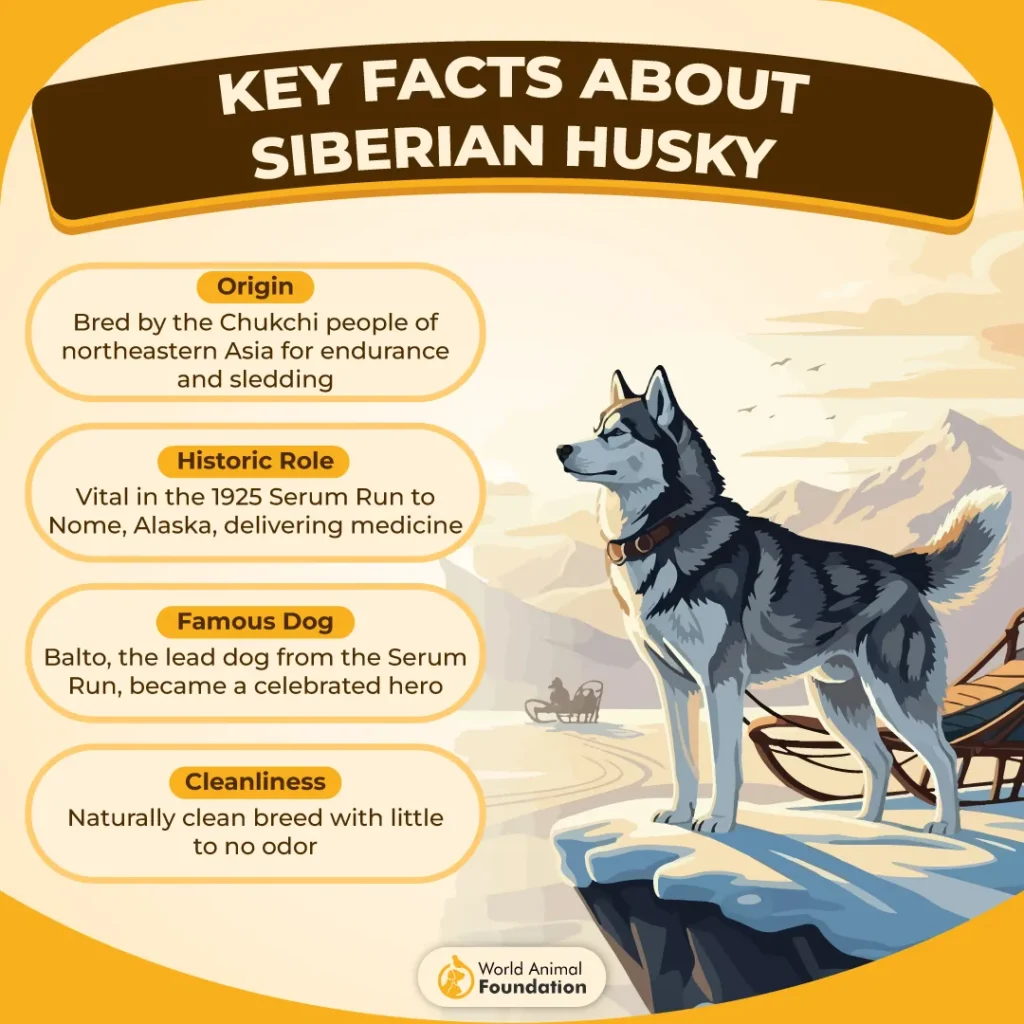
The Siberian Husky is one of the oldest dog breeds, developed by the Chukchi people of northeastern Siberia. These dogs were bred for endurance, able to pull sleds across long distances in extreme cold. They were closely integrated into family life and often slept indoors with children for warmth.
Huskies were brought to Alaska in the early 1900s for sled racing and gained international recognition after the 1925 serum run to Nome, as noted by the American Kennel Club. Despite their wolf-like appearance, Siberian Huskies are not wolf hybrids. The breed was officially recognized by the American Kennel Club in 1930.
Size & Physical Build
While German Shepherds and Huskies may look similar at a glance, their size and physical build set them apart quite clearly.
Overall Size
German Shepherds are generally larger and heavier than Huskies. Huskies are classified as medium-sized working dogs, whereas German Shepherds fall into the large herding (pastoral) group.
Husky height:
Males: 53–60 cm
Females: 50–56 cm
German Shepherd height:
Males: 61–67 cm
Females: 55–61 cm
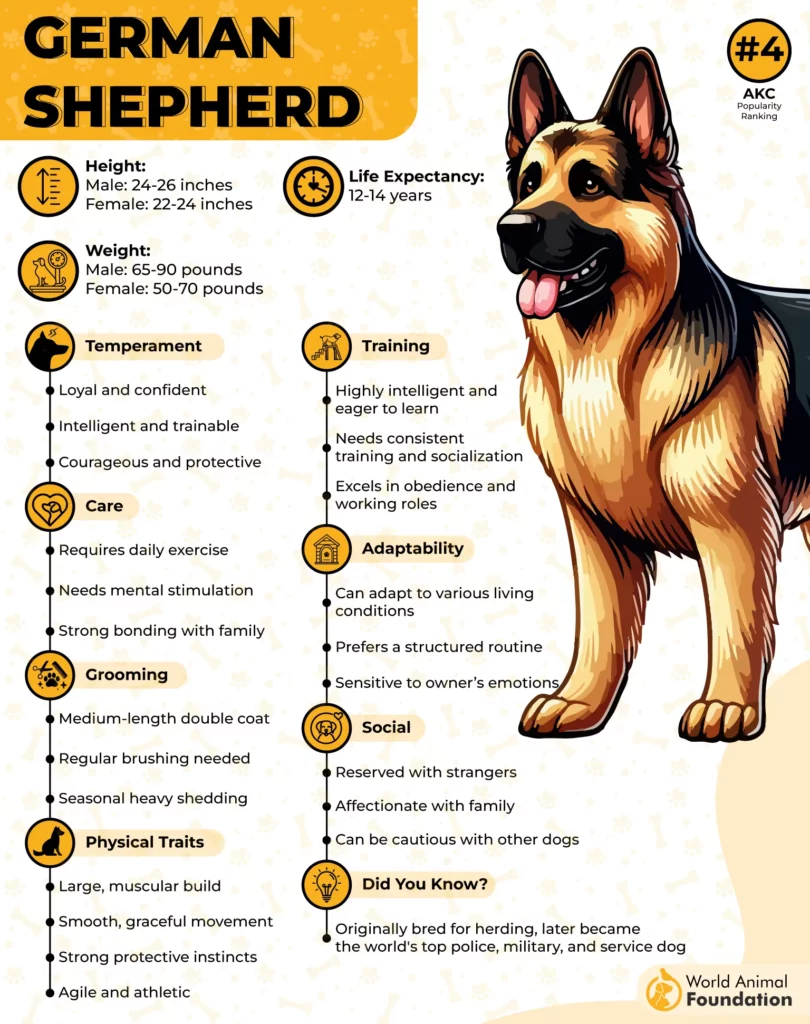
On average, German Shepherds stand about two inches taller than Huskies.
Weight & Build
The difference becomes more noticeable when comparing weight and muscle mass.
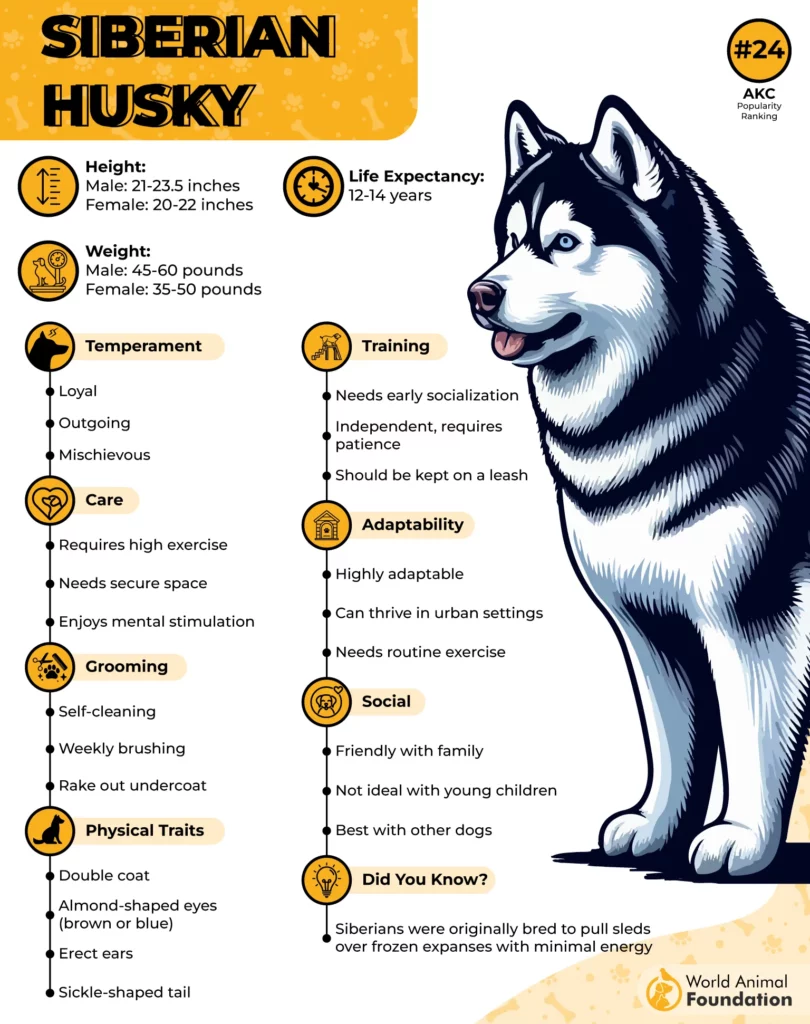
Husky weight:
Males: 20–27 kg
Females: 16–22 kg
German Shepherd weight:
Males & females: 34–44 kg
German Shepherds have a strong, muscular build, designed for power, control, and sustained work. Their bodies appear smooth and athletic, especially when moving at their signature easy trot.
Huskies, by comparison, are lighter and leaner. Rather than raw strength, they are built for endurance and efficiency, allowing them to travel long distances while pulling light loads in freezing conditions. Their movement is graceful and dignified, reflecting their role as sled dogs.
Temperament & Personality
Although both breeds are intelligent and energetic, their personalities are quite different, which greatly affects the type of owner they suit.
German Shepherd Personality
German Shepherds are known for their confidence, courage, and strong work ethic. They are highly intelligent and thrive when given tasks to complete, which is why they excel in roles such as police work, service assistance, and search and rescue.
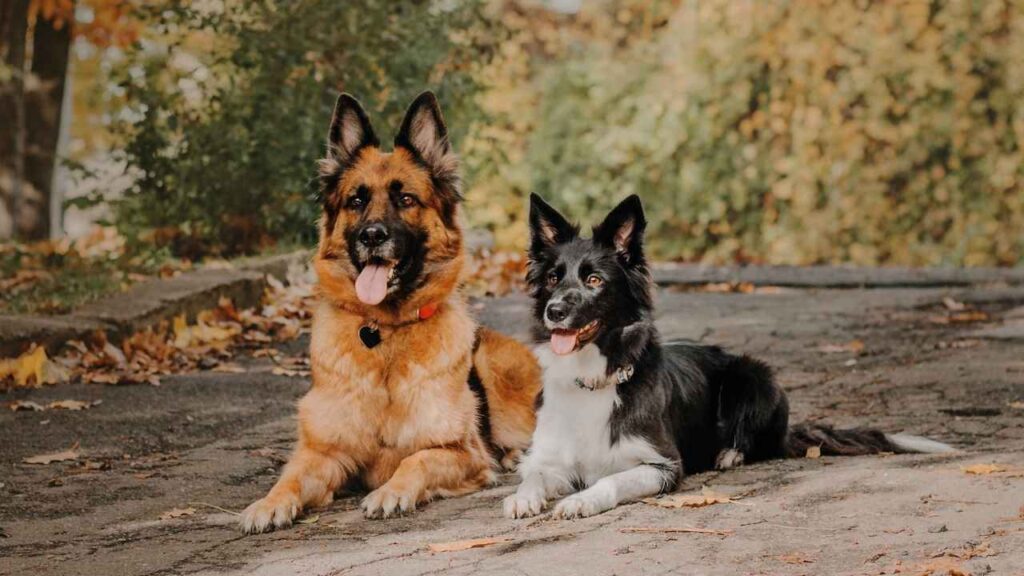
With family members, German Shepherds are deeply loyal and affectionate, forming strong bonds. However, they tend to be more reserved around strangers and do not warm up immediately.
This natural aloofness, combined with their protective instincts, makes them excellent watchdogs. Without enough exercise or mental stimulation, they may become bored and destructive, often chewing or barking excessively.
Husky Personality
Huskies are friendly, energetic, and full of character. They are affectionate family dogs but are also independent and not overly needy.
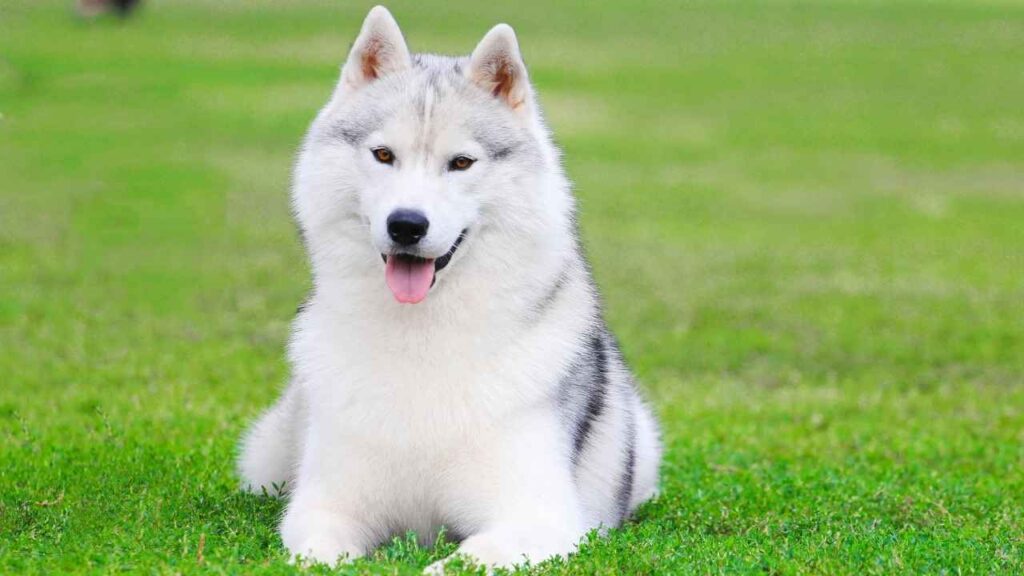
Their intelligence is undeniable, yet they are famously stubborn, which can make training challenging. For this reason, Huskies are best suited to confident, experienced owners who can establish clear leadership.
Unlike German Shepherds, Huskies are poor watchdogs. They are generally welcoming toward strangers and are more likely to howl than bark. Their playful and mischievous nature means they require plenty of exercise and supervision.
If bored, Huskies may dig, escape, or create chaos around the home, earning them a reputation as skilled escape artists.
Exercise & Energy Levels
Dogs aren’t couch ornaments—they need regular exercise to stay healthy, balanced, and happy. Both German Shepherds and Huskies are high-energy breeds, but how they use that energy is quite different.
German Shepherd Exercise Needs
German Shepherds require a balanced mix of physical activity and mental stimulation. Long daily walks, obedience training, puzzle toys, and interactive games work best for them.
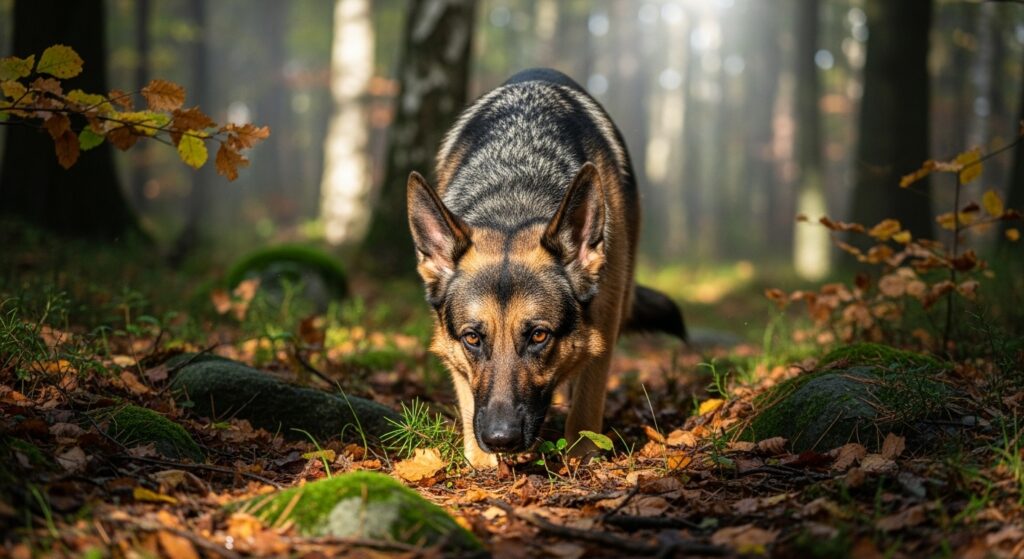
Because they are eager to please and highly trainable, structured exercise and training sessions feel rewarding rather than tiring.
If a German Shepherd doesn’t get enough stimulation, boredom can quickly set in. This often leads to restlessness, excessive barking, or destructive chewing. They do best with owners who can consistently engage both their body and mind.
Husky Exercise Needs
Huskies are the endurance athletes of the dog world. They thrive on intense physical activity and need plenty of space to run, explore, and burn off energy. Long runs, hiking, and extended outdoor play are ideal for this breed.
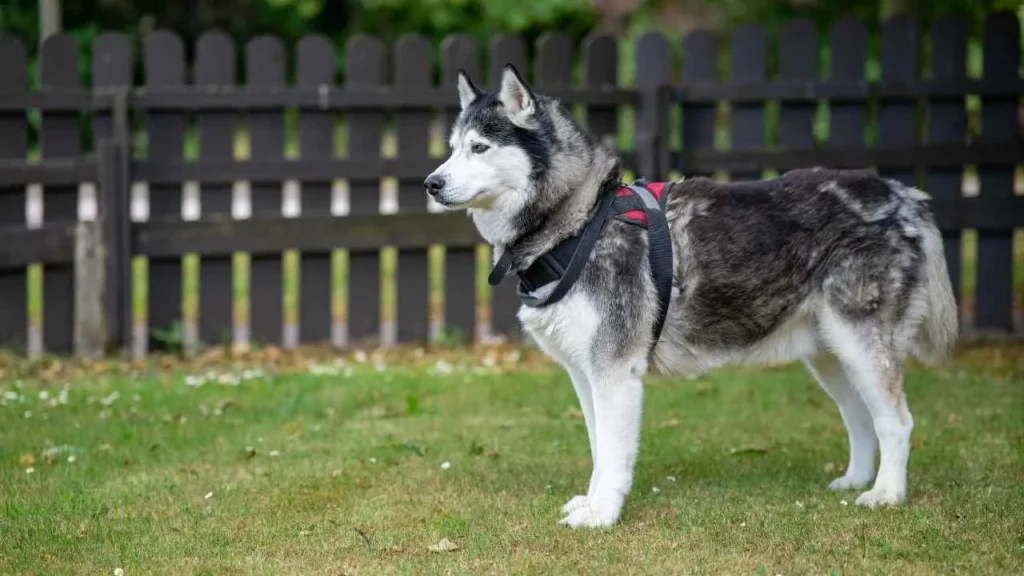
Without sufficient exercise, Huskies can become destructive and difficult to manage. Their unused energy often shows up as digging, howling, or attempts to escape. Known escape artists, Huskies require secure spaces and constant activity to stay content.
Which Fits Your Lifestyle?
German Shepherd: Ideal for active owners who enjoy structured exercise, training, and mental challenges
Husky: Best suited for very active households with ample space and time for long, physical workouts
Choosing between the two ultimately depends on your activity level, available space, and willingness to commit to their exercise needs.
Training & Intelligence
Both German Shepherds and Huskies are highly intelligent dogs, but they learn—and respond to training—in very different ways. Understanding these differences is key to successful training and long-term harmony.
German Shepherd Training Style
German Shepherds are considered one of the smartest dog breeds. Their intelligence, focus, and strong desire to please make them a dream to train. They bond closely with their owner or handler and respond exceptionally well to repetition, structure, and clear boundaries.
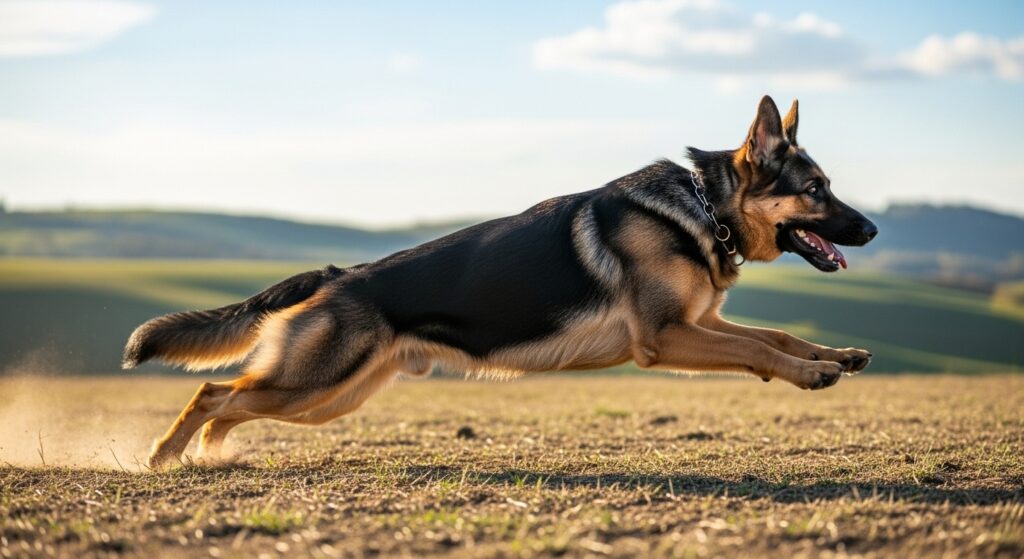
Because of their sharp minds, German Shepherds quickly master everything from basic obedience to complex tasks. This is why they are widely used in police work, assistance roles, search and rescue, and even medical detection.
However, their intelligence also means they can become bored with repetitive commands, so varied and challenging training keeps them engaged and motivated.
Husky Training Style
Huskies are equally intelligent but far more independent and selective. They understand commands quickly but may choose when—and if—to respond. This trait often makes them seem difficult to train, especially for first-time dog owners.
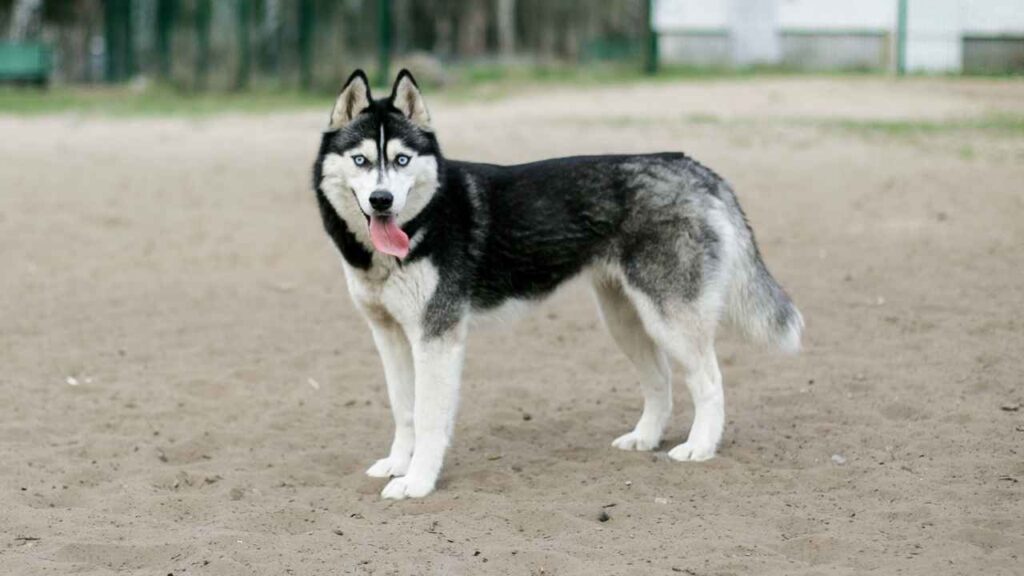
Unlike German Shepherds, Huskies are not natural guard dogs. They rarely bark, preferring to howl, and are generally friendly toward everyone.
Training a Husky requires patience, consistency, and a sense of humor. Positive reinforcement and active, engaging sessions work best, as harsh or repetitive training methods tend to backfire.
Coat Maintenance
Both German Shepherds and Huskies are heavy shedders, and their grooming needs should not be underestimated. Bred to work outdoors in cold climates, both breeds have thick double coats designed for insulation, which naturally leads to a lot of fur around the home.
German Shepherd Coat Care
German Shepherds have a medium-length double coat, which can be short or long, and they shed year-round. ASPCA says that this constant shedding has earned them the nickname “German Shedder.” Twice a year, during seasonal changes, they shed even more heavily as they “blow” their coat.
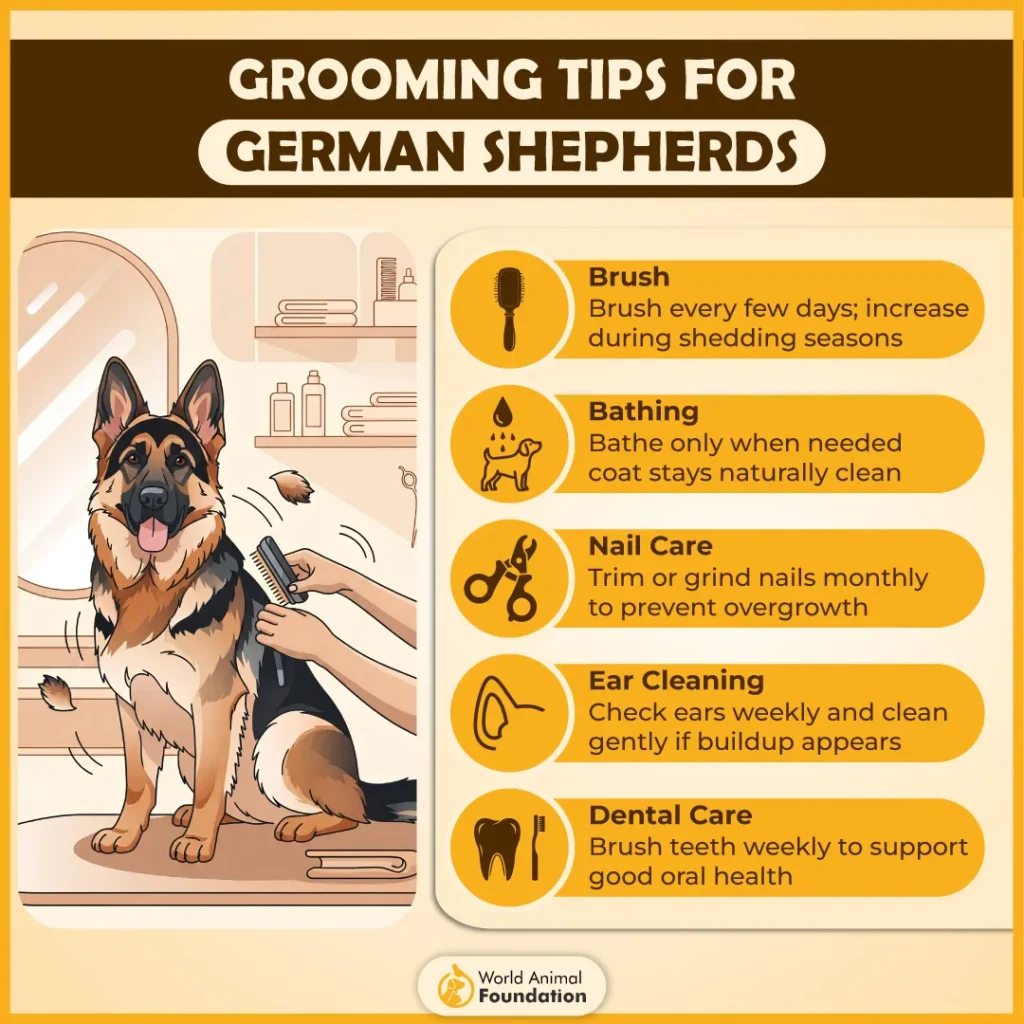
Regular brushing is essential—at least three times a week, and daily during heavy shedding periods. If kept indoors or in warmer climates, shedding may remain consistent throughout the year. While they are relatively clean dogs with little odor, expect frequent vacuuming and fur on clothing.
Husky Coat Care
Huskies also have a dense double coat, but their shedding follows a more seasonal pattern. They typically shed heavily in spring and autumn, requiring daily or twice-daily brushing during these periods. Outside of shedding seasons, weekly brushing is usually sufficient.
Huskies are naturally clean and tend to groom themselves, producing very little dog odor. Bathing is only occasionally needed, mainly to remove excess dirt and loose hair. They generally shed less in cooler climates but still require regular grooming.
Health & Lifespan
Both German Shepherds and Huskies are generally strong dogs, but each breed has its own health concerns and differences in life expectancy that potential owners should be aware of.
German Shepherd Health
German Shepherds are more prone to inherited health problems, especially when breeding practices are poor. Common issues include:
Hip dysplasia
Elbow dysplasia
Arthritis
Degenerative myelopathy
Cauda equina syndrome
Gastric dilation–volvulus (bloat)
Immune-mediated skin disease
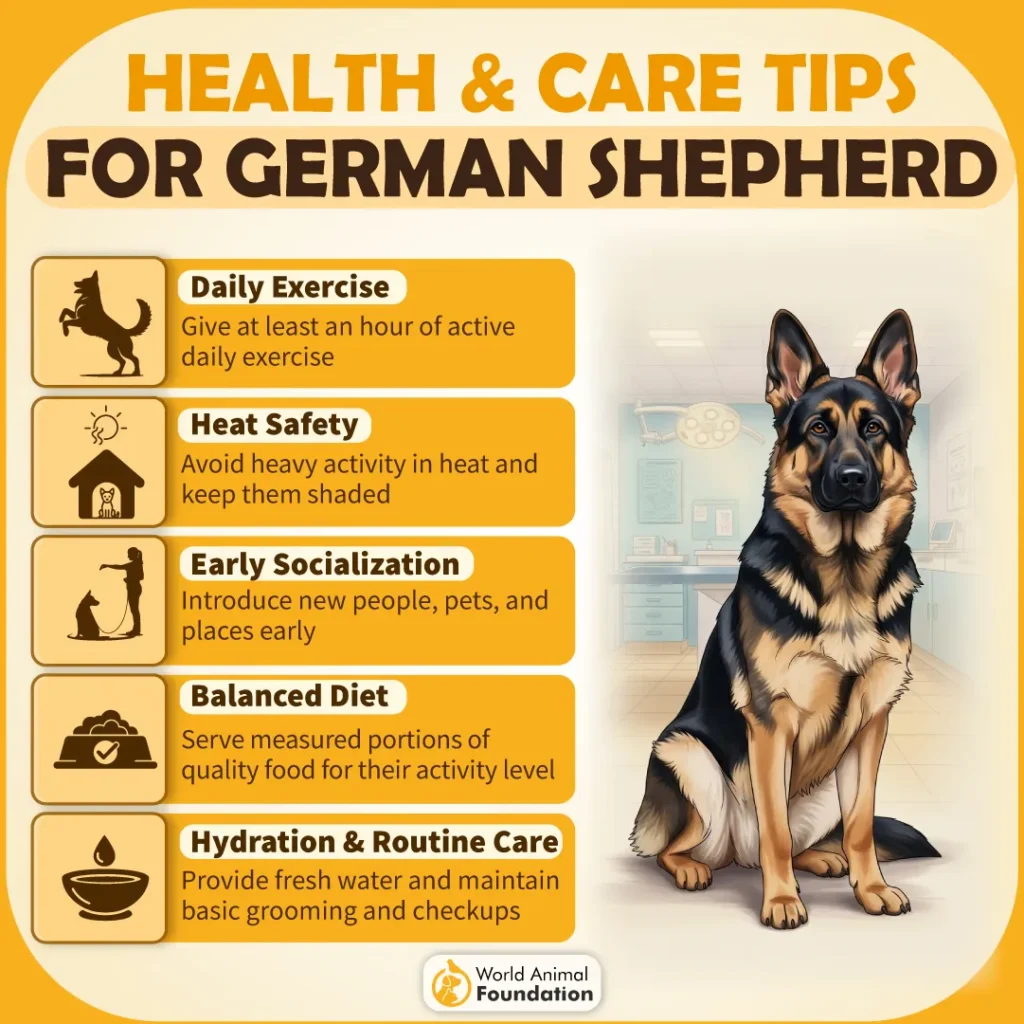
These conditions, along with their larger size, mean German Shepherds often require increased veterinary care as they age. A German Shepherd’s life expectancy ranges from 7 to 10 years, though some may live longer with excellent care.
Husky Health
Huskies are generally considered the healthier breed and tend to live longer. Their most common health issues are mainly eye-related, such as:
Cataracts
Corneal dystrophy
Progressive retinal atrophy
Huskies can also be prone to obesity if under-exercised and may experience separation anxiety when left alone too long. Their typical lifespan is 12 to 15 years.
Suitability as Family Pets vs Guard Dogs
When choosing between a German Shepherd and a Husky, understanding their roles as family pets and guard dogs can help you decide which breed fits best with your household dynamics.
German Shepherd: The Protector and Companion
German Shepherds are renowned as some of the best guard dogs in the world. Their instinct to protect makes them vigilant and dependable family guardians. They are patient and gentle with children in their family, often described as a blend between a babysitter and a police officer.
However, because of their strong guarding nature, consistent training and socialization are essential to ensure they remain friendly and well-adjusted around guests and other animals.
While they are protective, German Shepherds also form deep bonds with their owners and make loyal companions. Their size and strength mean they can accidentally knock over small children, so supervision is important, especially around younger kids.
Husky: The Playful Family Member
Huskies are known for their friendly, social, and energetic nature. They make good family dogs and are generally good with children, particularly in active households. Their playful and spirited personality means they are wonderful companions for kids who can keep up with their energy.
Huskies do well in multi-dog homes and, if raised with other animals from puppyhood, can live peacefully with pets of all sizes. However, their strong prey drive means caution is needed if small animals like cats or rabbits are introduced later.
Unlike German Shepherds, Huskies are not natural guard dogs—they are welcoming to strangers and more likely to howl than bark, making them poor watchdogs.
Choosing the Right Fit
German Shepherd: Ideal if you want a protective, loyal family guardian who is also gentle with children. Requires training and socialization to balance their guarding instincts.
Husky: Best suited for families seeking a playful, affectionate companion with a lively personality. Not suited for guard duties but thrives as a loving family member.
Conclusion
Choosing between a Husky or German Shepherd comes down to understanding their unique personality traits and exercise needs. Both are high-energy dogs and amazing working dogs that require plenty of physical and mental stimulation to stay happy and healthy.
While German Shepherds thrive in structured environments and respond well to training, Huskies can be notoriously difficult for first-time owners due to their independent nature and tendency to do things their own way.
If you lead an active lifestyle with time for long walks and consistent engagement, either of these two breeds can be a perfect match. Keep in mind that both are large dogs that need regular physical exercise and socialization with other dogs to prevent boredom during long periods alone.
Understanding these differences will help you choose the right breed for your home and family, ensuring you enjoy the company of one of these beautiful, loyal companions.
