




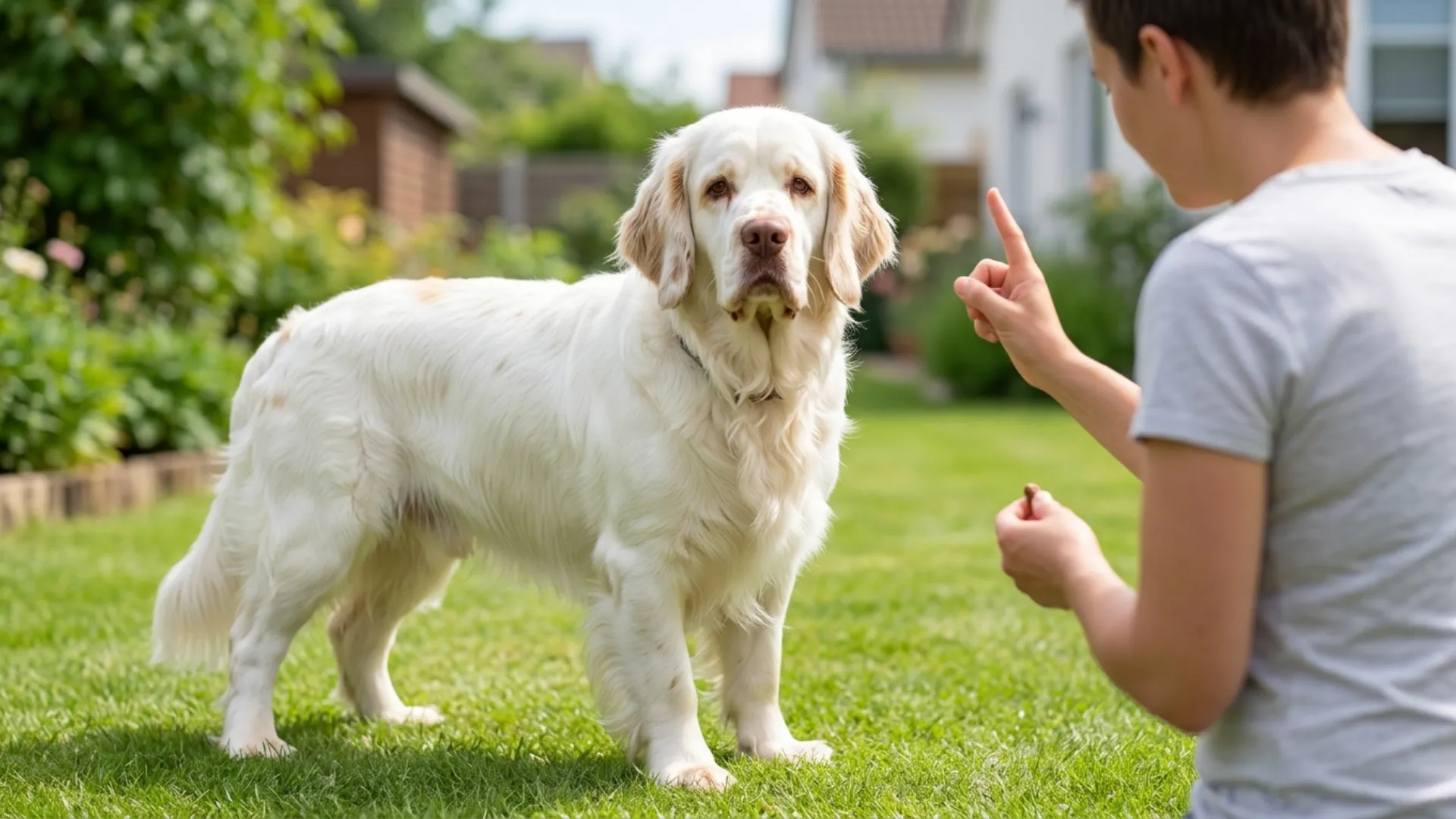
Choosing your first dog is exciting, but let’s be honest: it can also feel a little overwhelming. Beyond looks and size, you’ll want a dog that can learn household rules, respond to basic commands, and adjust to your routine without turning every training session into a struggle.
For first-time owners, having a naturally responsive and cooperative companion can make those early days much easier.
Trainability is about more than being “smart.” A dog that is willing to listen, focused on its owner, and motivated to learn can often pick up good habits faster. Consistent training, positive reinforcement, early socialization, and plenty of patience still matter, but choosing a breed with a cooperative nature can give you a helpful head start.
In this article, we’ll explore some of the best dog breeds for first-time owners, along with the personality traits, exercise needs, and care considerations that can help you find the right match.
Trainable Dog Breeds: Perfect for First-Time Owners
1. Lowchen
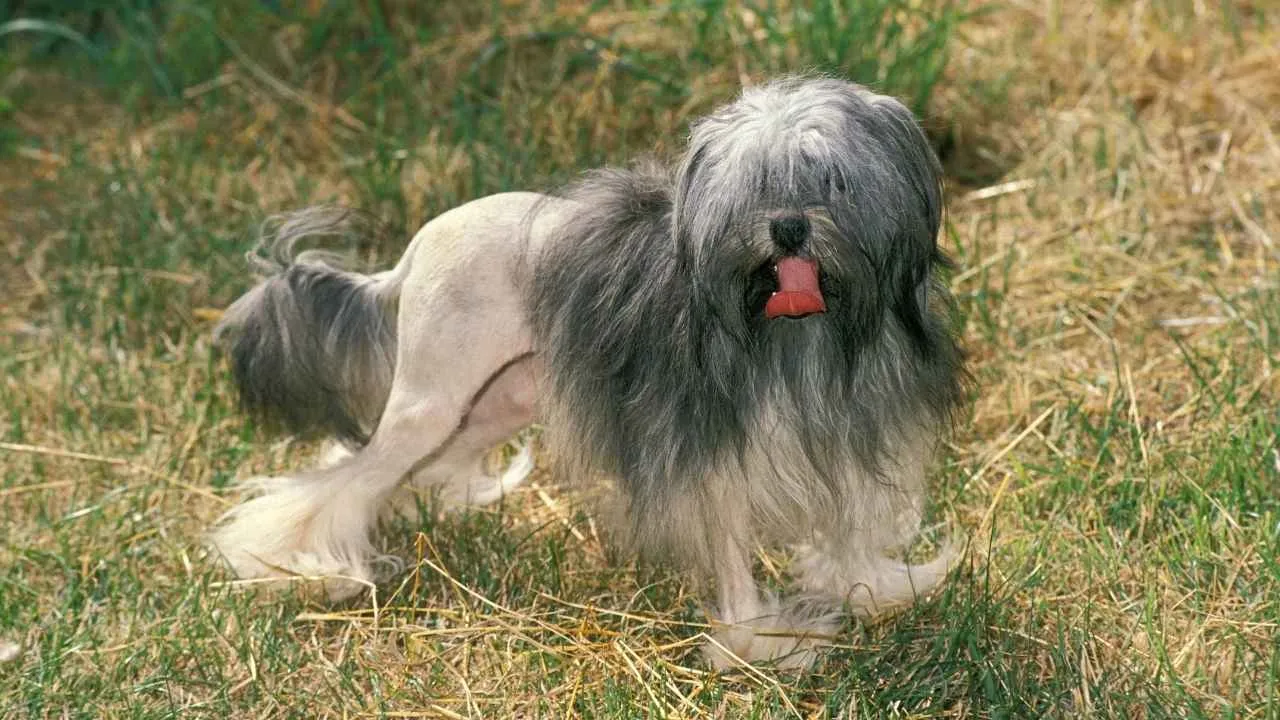
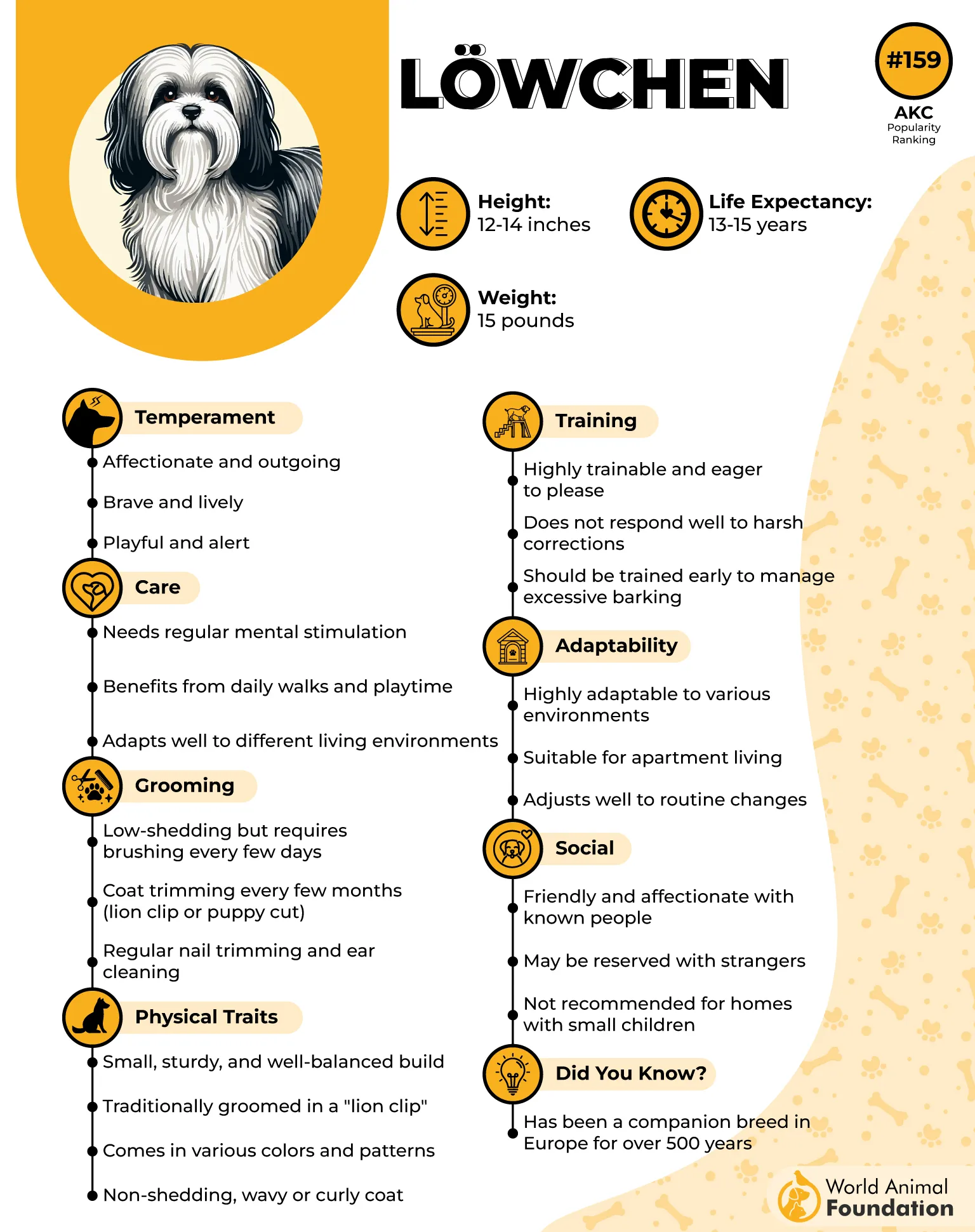
Known as the “little lion,” Löwchens are clever, playful, and affectionate companion dogs. They were bred to stay close to people and are naturally eager to please.
Their history as alert companions also explains why they can be vocal when they notice something unusual. They are quick learners and can pick up obedience, tricks, agility, and fun problem-solving games with the right approach.
Positive Training Works Best
Löwchens respond best to gentle, positive training with treats, games, and praise. They are sensitive to harsh words, but they usually learn quickly and rarely need much correction. Early obedience training can also help manage alert barking.
They enjoy walks and active games but can settle down when asked, making them adaptable for different routines. Their playful yet cooperative nature can be a great advantage for first-time owners.
Affectionate and Adaptable Companions
Löwchens form strong bonds with their families and prefer having people around. They can become bored, destructive, or noisy if left alone for too long, as mentioned by Omlet.
Early socialization helps them get along well with strangers, pets, and other dogs. Their coat needs brushing every other day and regular clipping, although a puppy cut can make grooming easier.
2. Toy Poodle
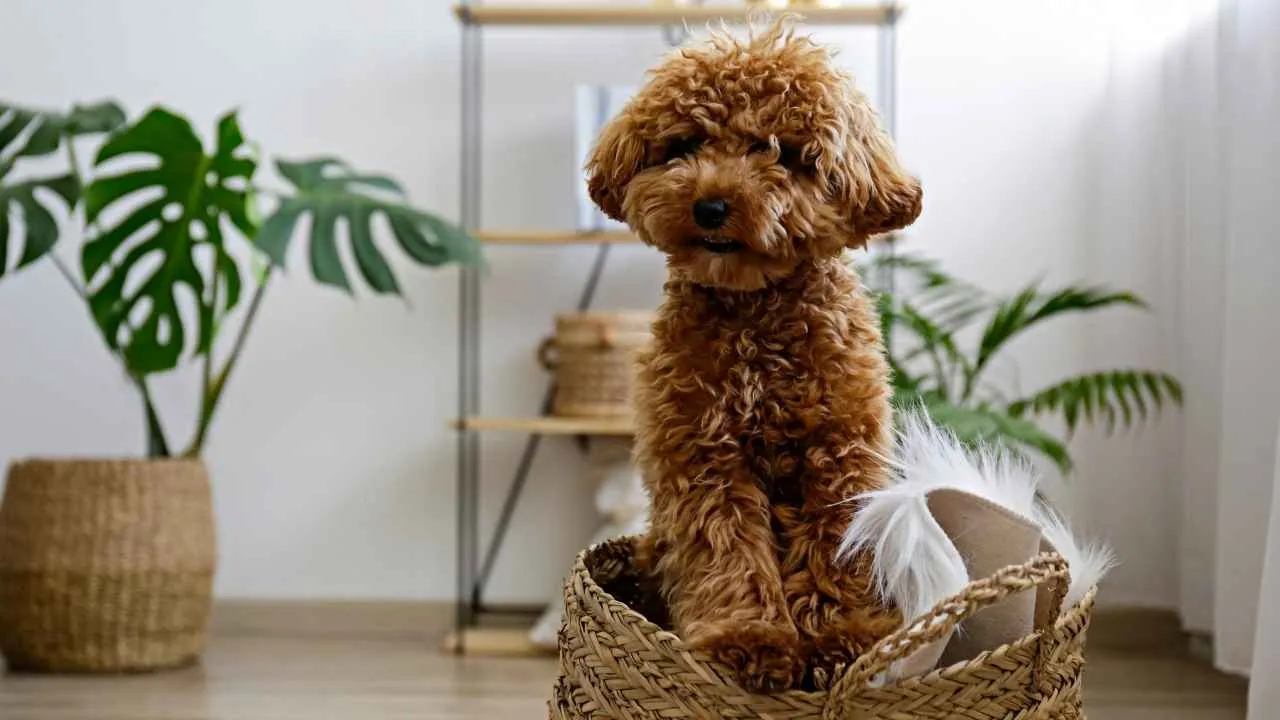
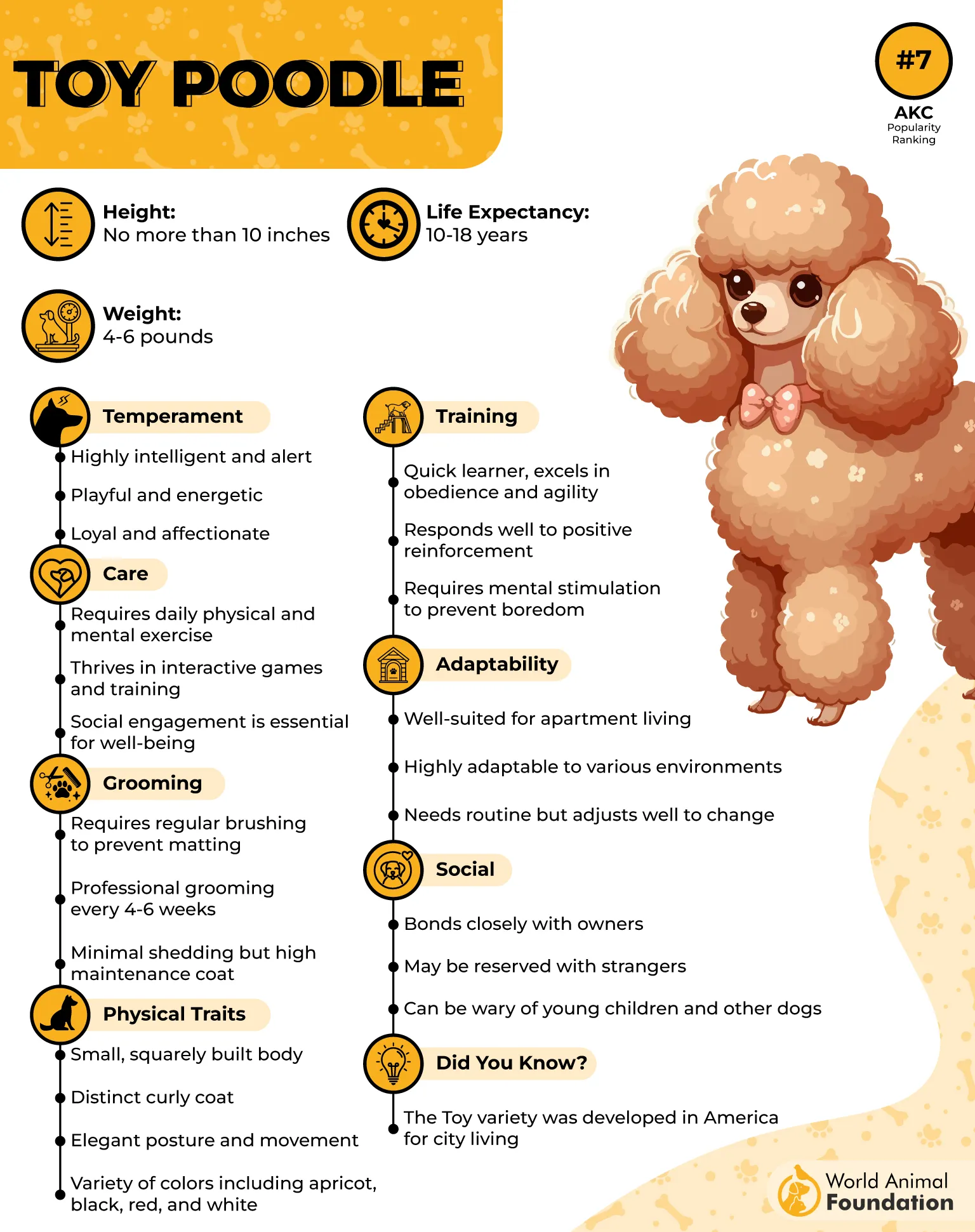
Toy Poodles are known for their intelligence, playful nature, and strong desire to please. They learn quickly and enjoy being involved in family activities. Their history is linked to the larger Poodle, which was originally developed in Germany for duck hunting.
Toy Poodles later became popular as companion dogs and performers. Their quick learning and love of attention can make training especially rewarding for first-time pet owners.
Fun and Consistent Training
Toy Poodles respond best to fun, reward-based, and consistent training. They can quickly learn obedience, tricks, agility, and other activities. They need mental stimulation as well as physical activity, including daily walks and play sessions.
If they are bored or receive little interaction, they may become mischievous or destructive. Without clear training, they can also become demanding and try to take charge of the household.
Social and Loving Companions
Toy Poodles are affectionate, sociable, and loyal dogs that enjoy being around their people. They can do well with children, other pets, and dogs when properly socialized.
They prefer plenty of companionship and may struggle when left alone for long periods. Their curly coat needs regular grooming and trimming every four to six weeks, although they shed very little.
3. Clumber Spaniel
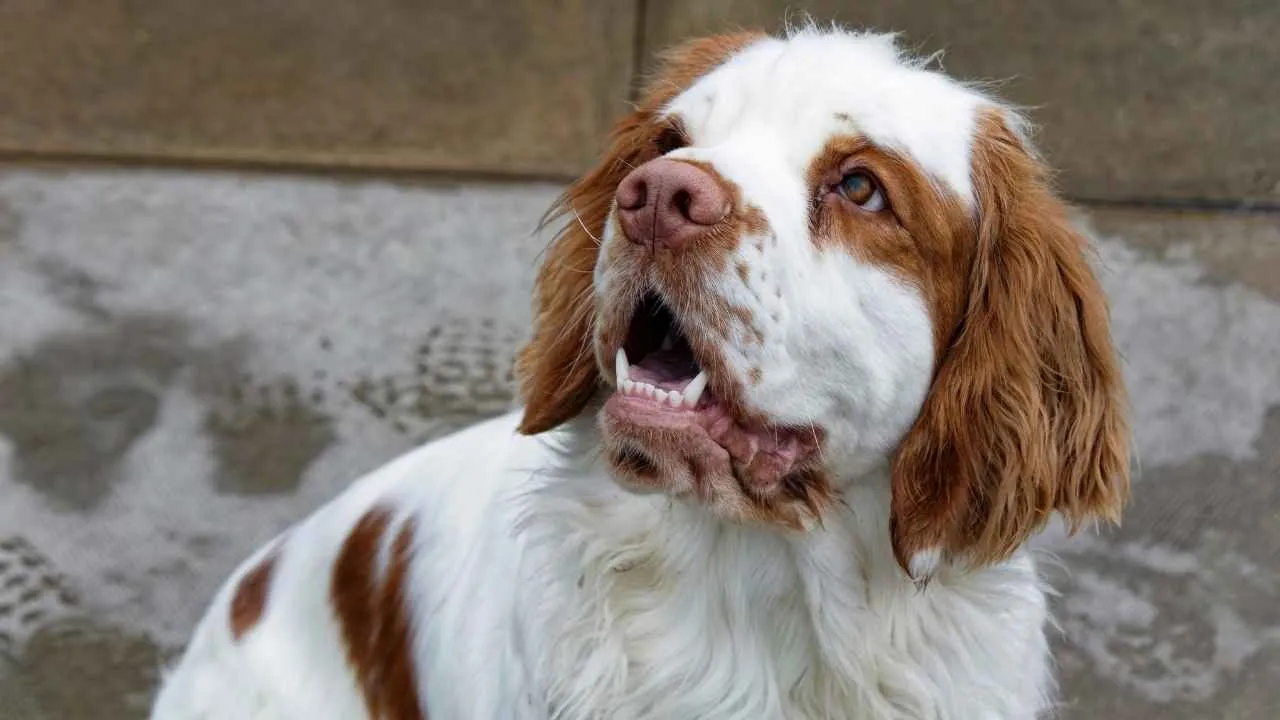
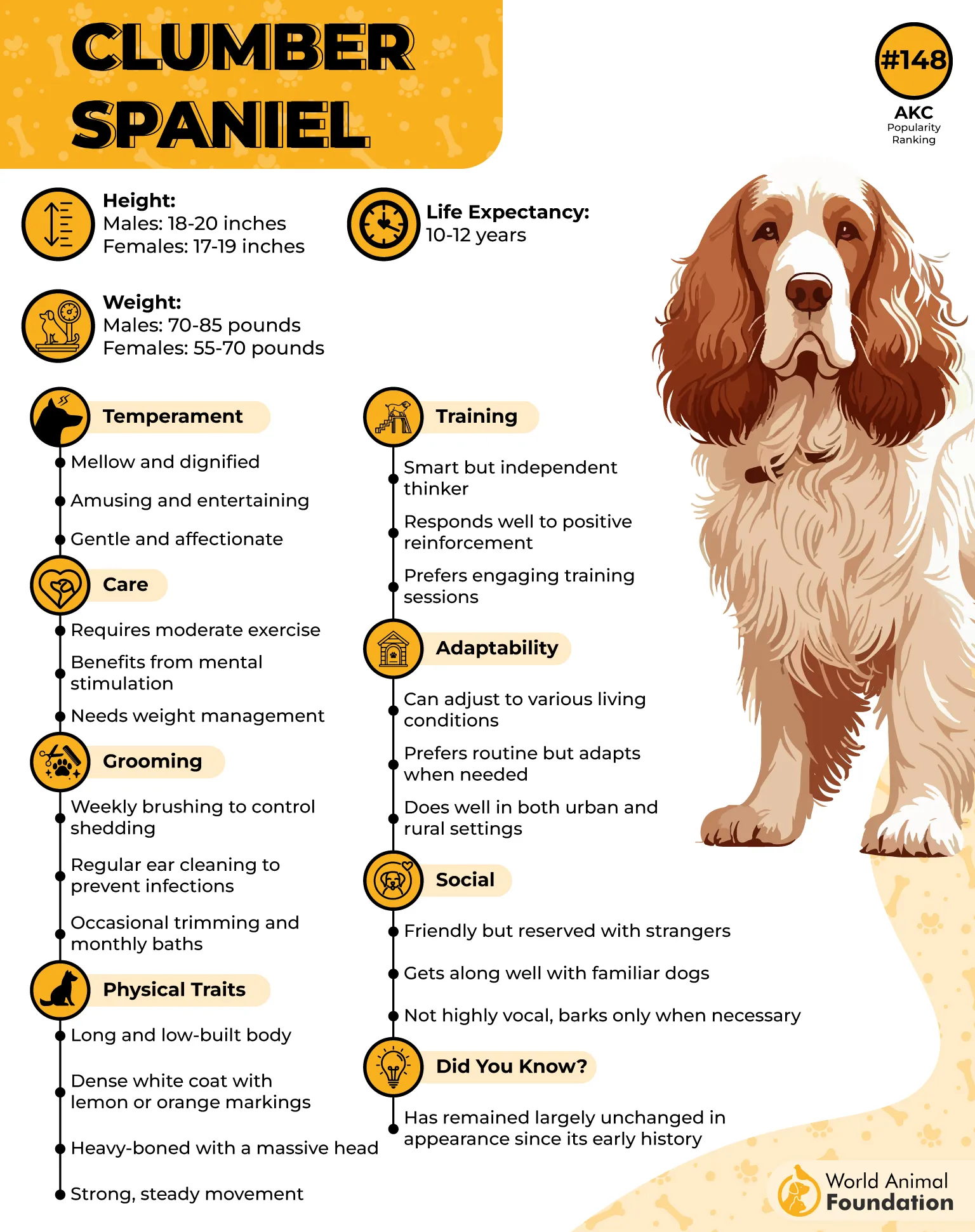
Originally developed in England as upland hunting and retrieving dogs, Clumber Spaniels are known for their stamina, strong sense of smell, and willingness to work.
Despite their sturdy build, they are usually slow and steady rather than highly intense. Their laid-back attitude and eagerness to please can make them a good choice for first-time pet parents.
Positive Training Works Best
Clumbers are intelligent but can have an independent streak, so consistent and positive training is important. They respond poorly to harsh methods and may become anxious or fearful. Short, varied sessions work better than long, repetitive ones.
Puzzle toys, interactive games, and obedience exercises can keep their minds engaged. Early socialization also helps them become confident around people and other pets.
Affectionate Family Companions
Clumber Spaniels are loyal and loving and usually prefer staying close to their families. Hill’s Pet mentions they can be reserved with strangers but are not generally aggressive.
They enjoy outdoor activities and need regular exercise and mental stimulation, although they are also content relaxing at home. Their dense coat needs brushing several times a week and regular bathing. They can also be prone to snoring and drooling.
4. Chinese Crested
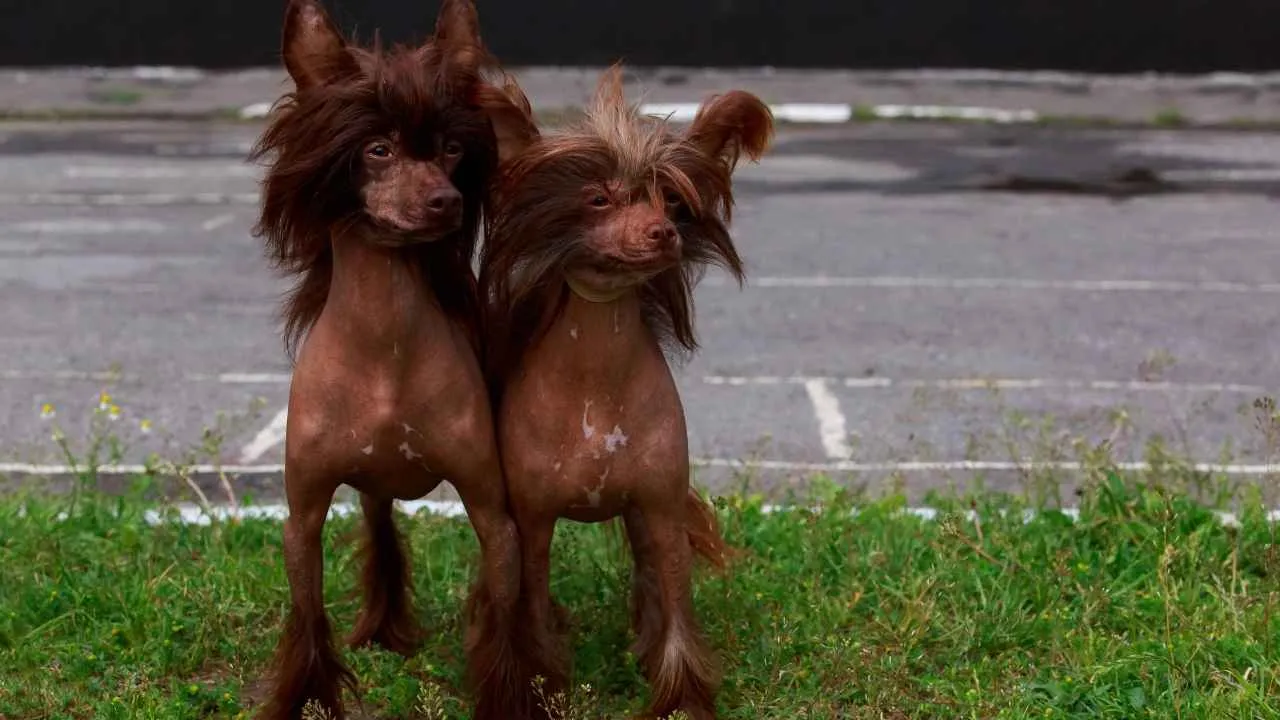
Chinese Cresteds are small, elegant dogs known for their distinctive looks and affectionate personalities. They come in two varieties: Hairless and Powderpuff. Hairless dogs have soft hair on the head, feet, and tail, while Powderpuffs have a full coat. Both are playful, devoted, and highly people-oriented.
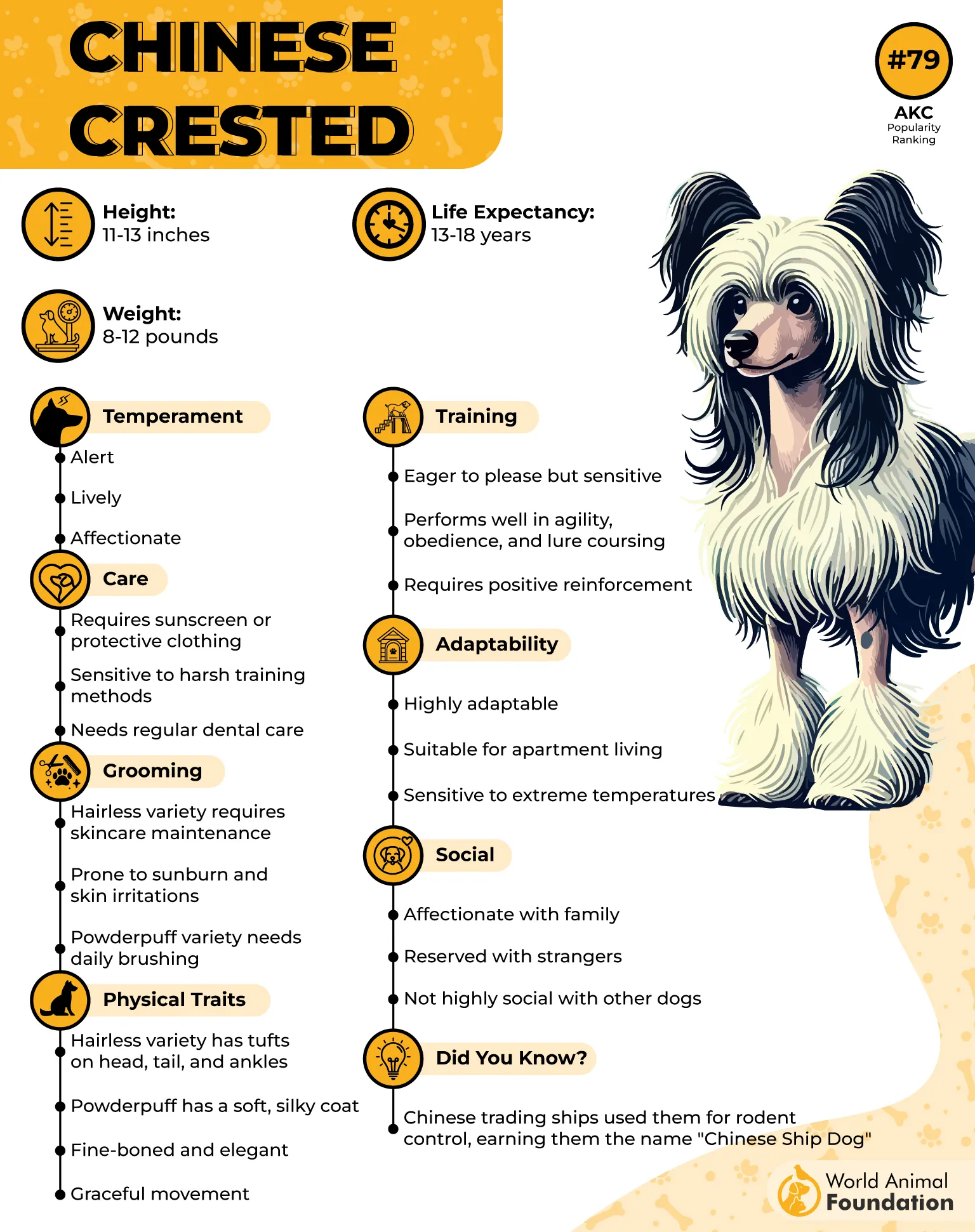
Positive Training Builds Confidence
Chinese Cresteds are intelligent and can learn basic obedience, tricks, and household rules quickly. Start with simple cues such as sit, stay, and come, along with early socialization. They are sensitive dogs, so harsh criticism can affect their confidence.
Positive reinforcement with praise, treats, and toys works best. Potty training may take extra patience because of their small bladders, while crate training can help with potty routines and alone time.
Affectionate Dogs That Need Company
Chinese Cresteds form strong bonds with their families and love spending time with their people. They can struggle when left alone for long periods, so they suit owners who are home often or can bring their dogs along.
Dog walkers or daycare can help when needed. The Hairless variety is sensitive to cold and bright sunshine, while both varieties are delicate and need gentle care.
5. Pug
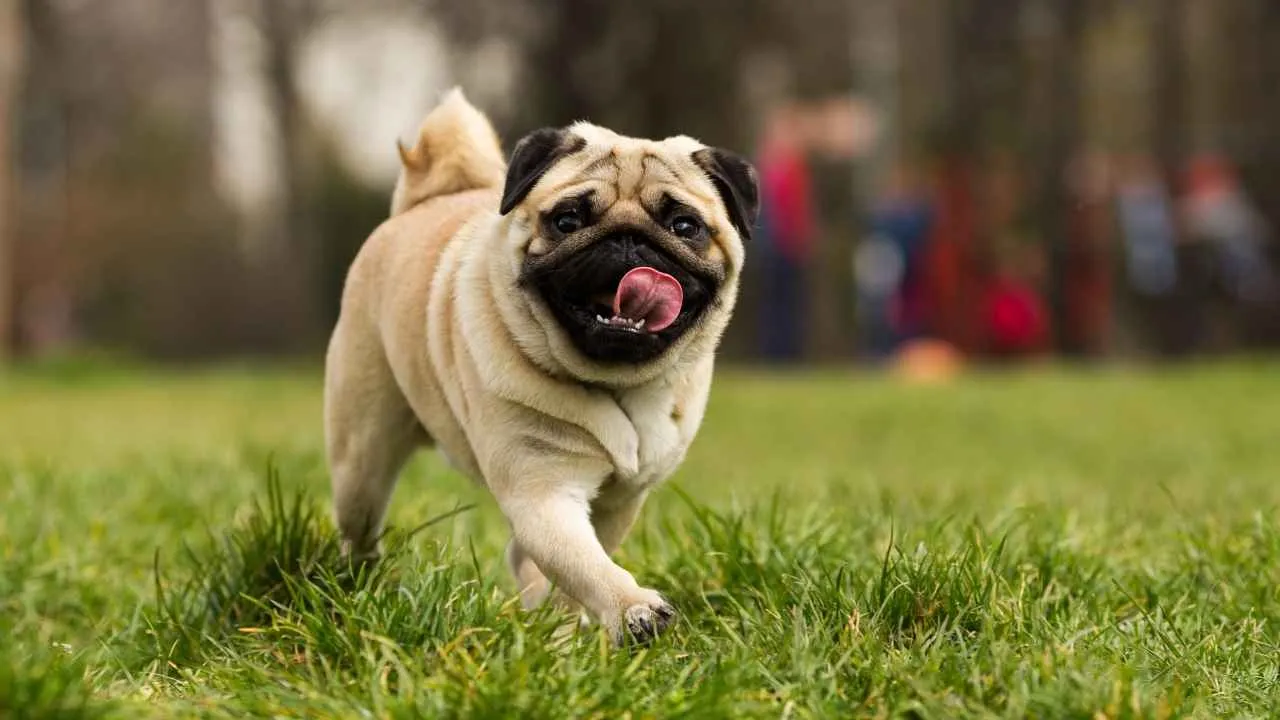
Pugs are ancient companion dogs that originated in China and were once favored by royalty. Today, they are loved for their friendly, playful, and funny personalities. They enjoy being close to their families and are often happiest when included in everyday activities.
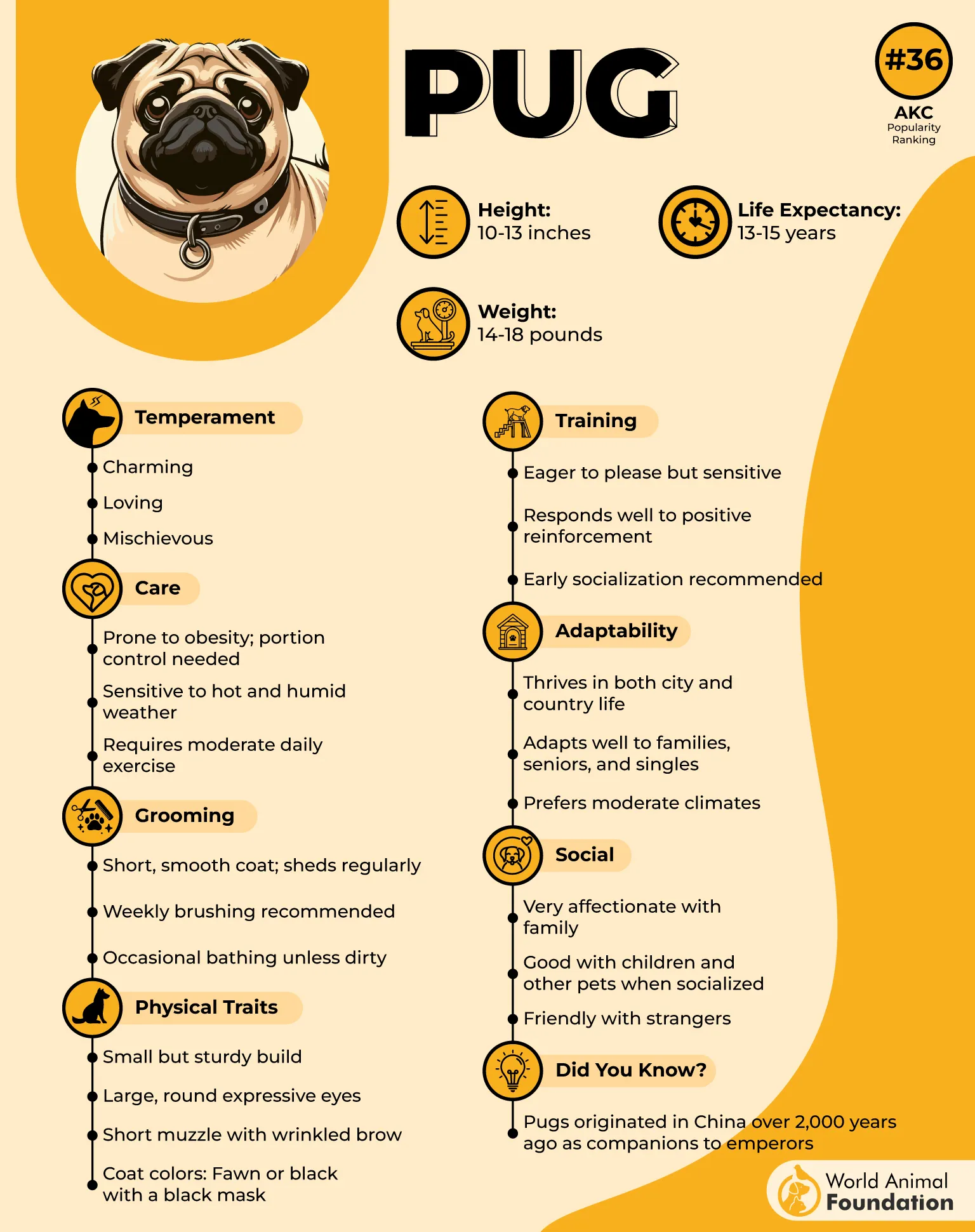
Patient Training Goes a Long Way
Pugs are often food-motivated, which can make training easier, although they may learn more slowly than some other breeds. Keep sessions short, patient, and positive, using praise and small treats. Early socialization helps them become confident around new people, pets, and situations.
They also need mental stimulation to prevent boredom and mischievous behavior. Just remember to account for treats in their daily food intake.
Easygoing Companions With Special Needs
Pugs generally get along well with children, pets, and strangers when properly socialized. They need daily walks and gentle play but are not suited to intense exercise because of their flat faces and breathing difficulties.
They can also overheat easily, so outdoor activity should be carefully managed. Regular brushing is needed because they shed year-round.
6. Cavalier King Charles Spaniel
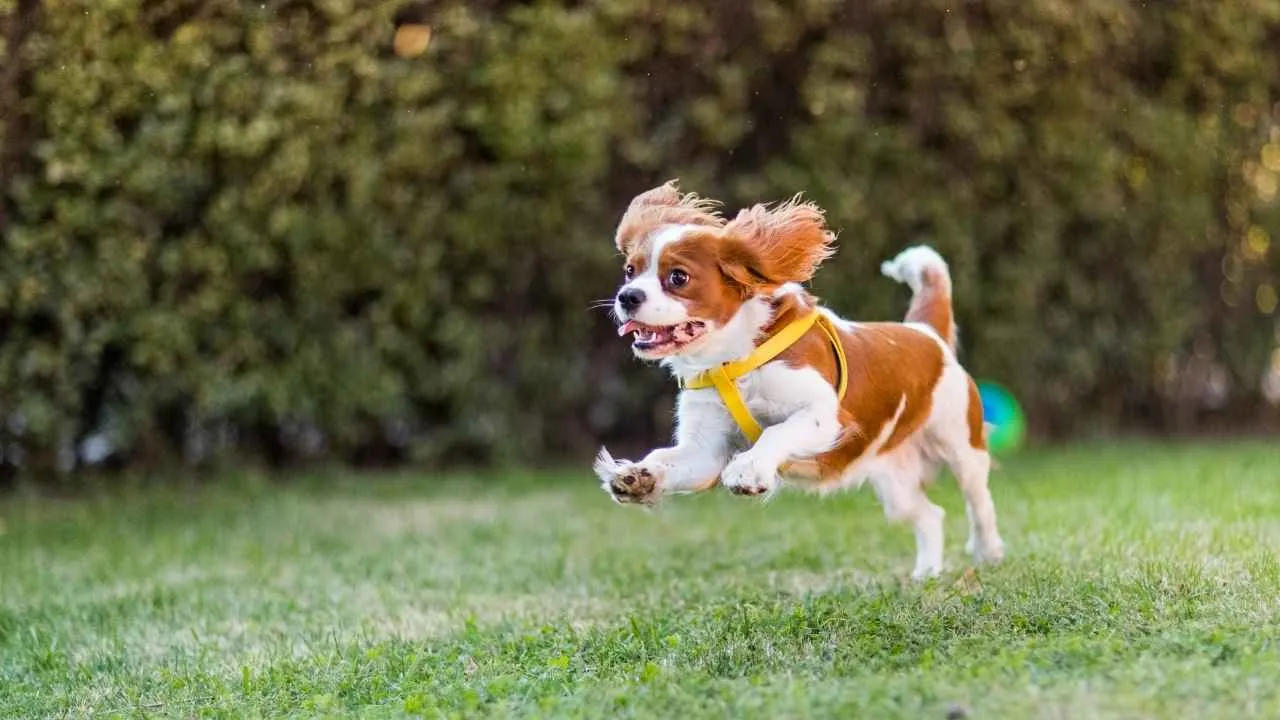
Cavalier King Charles Spaniels are gentle, cheerful, and affectionate companion dogs with a long connection to British royalty. They were originally bred to warm laps in castles and on carriage rides.
Today, their friendly and adaptable nature makes them excellent family pets and a strong choice for first-time dog owners. They enjoy people, children, other dogs, and even cats, and are usually welcoming toward strangers.
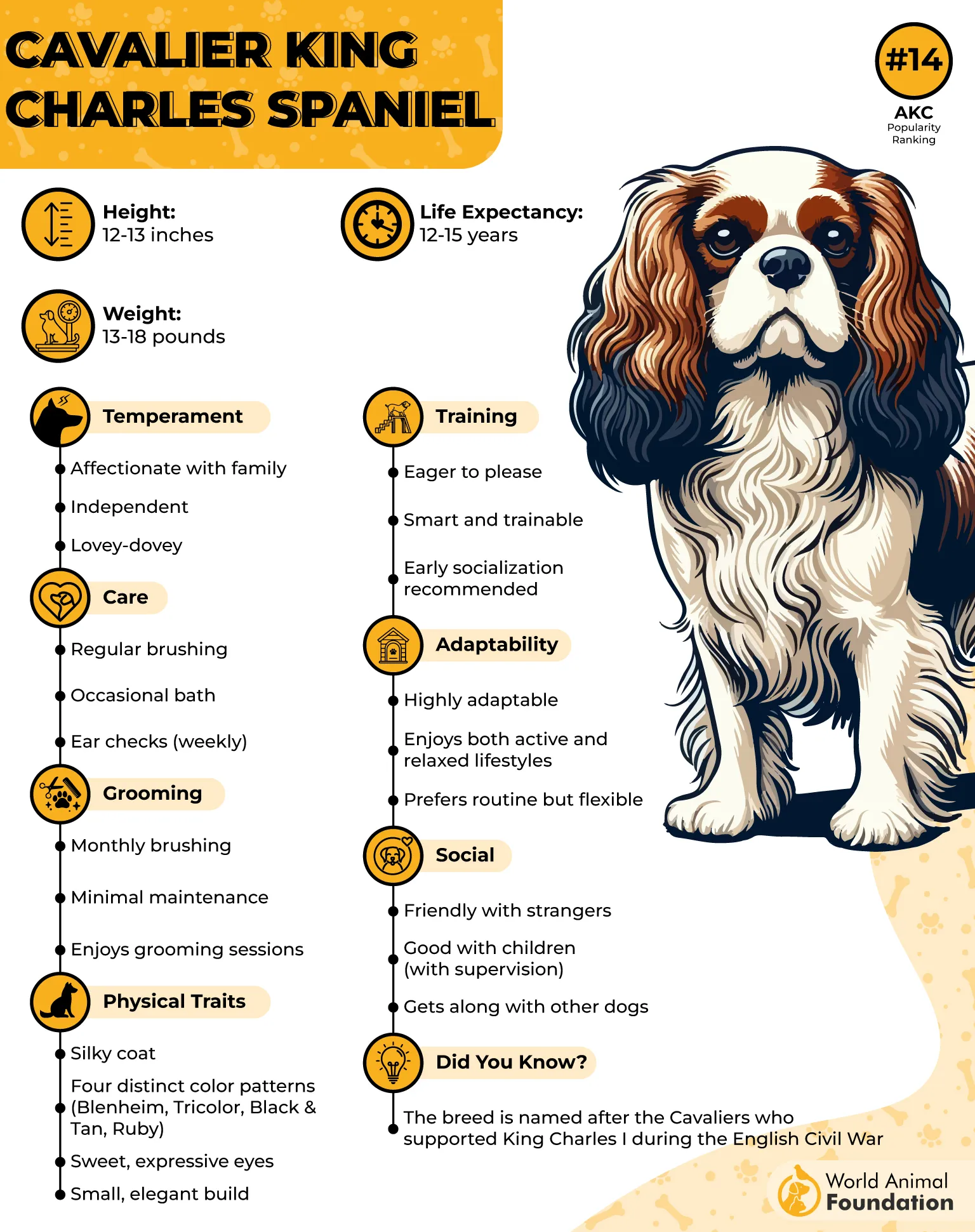
Eager to Please and Easy to Train
Cavaliers are intelligent, playful, and eager to please, which makes training relatively easy. Start training and socialization early, using positive reinforcement, treats, and toys.
Keep sessions short and fun to hold their attention. They can do well in obedience, rally, and agility. Their sporting background also gives them a love for outdoor activities, although their exercise needs remain moderate.
Loving Companions With Moderate Needs
According to PetMD, Cavaliers thrive on human companionship and do not do well when left alone for long periods. Two daily walks along with playtime can usually meet their exercise needs, after which they are happy to relax with their family.
Their long, silky coat needs regular brushing, while their ears and eyes also need routine checks. They can have a strong chasing instinct, so a fenced area and leash are important outdoors. Their gentle temperament and willingness to learn make them rewarding first dogs.
7. Havanese
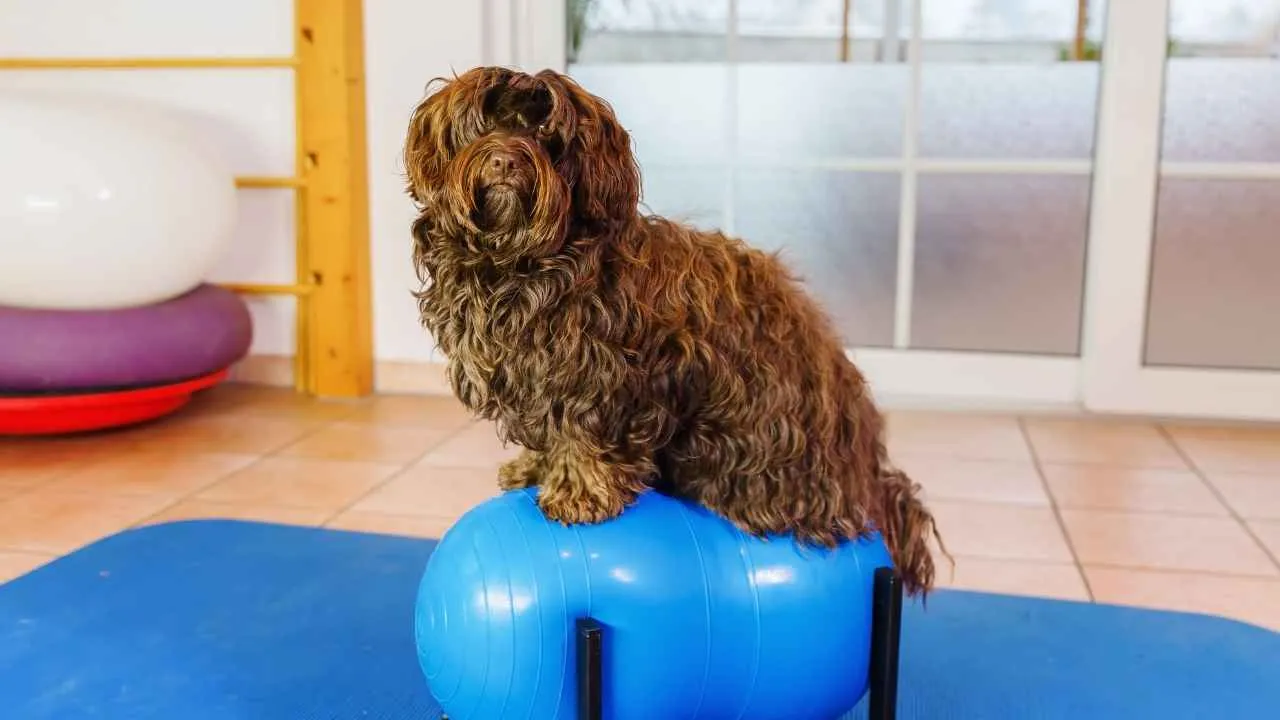
Havanese are lively, curious companion dogs that originated in Cuba. Once known as the Havana Silk Dog, they were brought to Cuba from Spain in the 1600s.
They nearly disappeared during the Cuban Revolution, but later made a strong comeback. Today, they are known for their cheerful nature, love of people, and entertaining personalities.
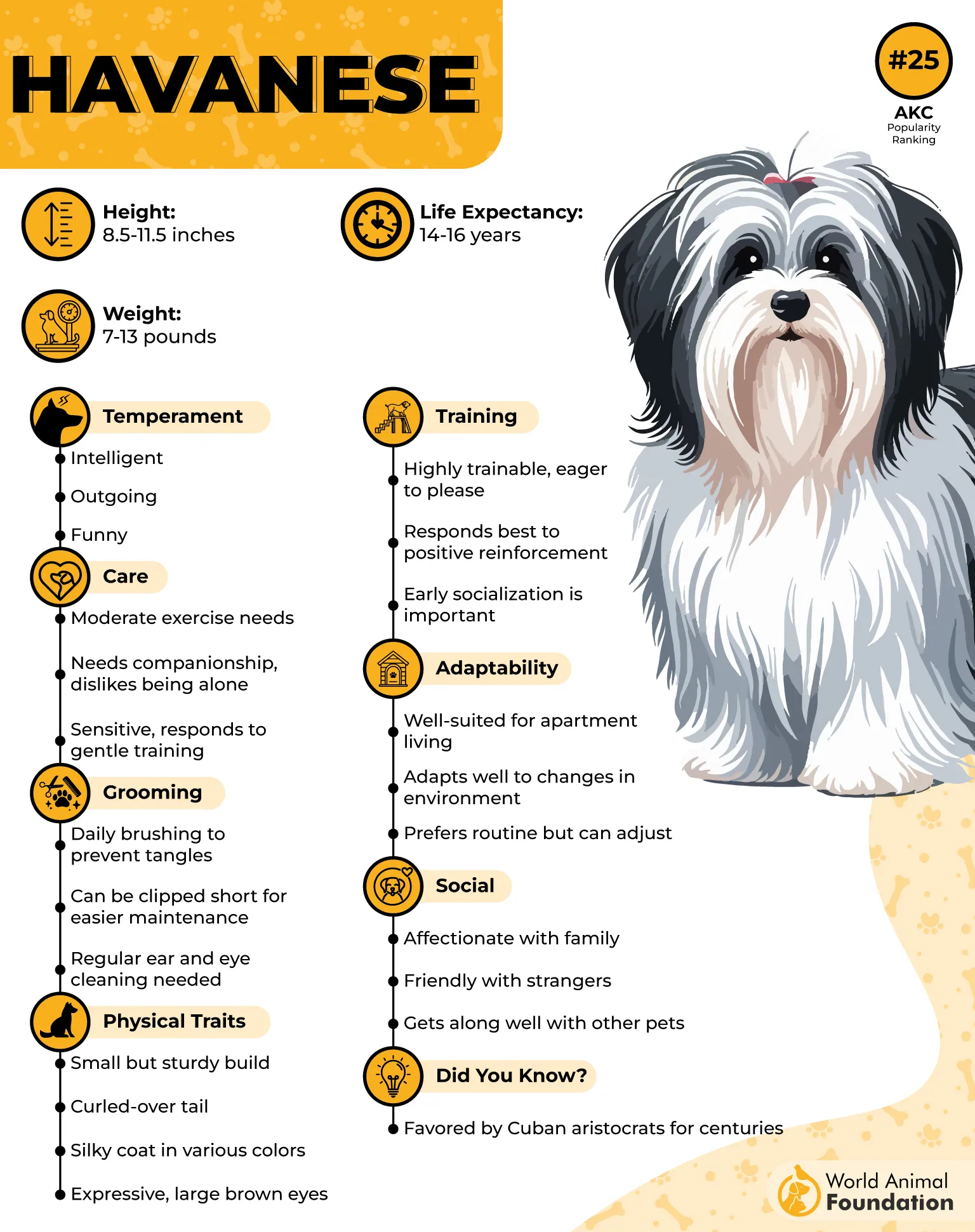
Quick Learners Who Love to Perform
Havanese are highly trainable and enjoy learning tricks, obedience, recall, and even agility. They respond best to firm, consistent, and positive training. Their clever and playful nature can sometimes lead them to get their way, so owners should avoid overindulging them.
They may also bark for attention, but early training can teach them when it is time to be quiet. Mental stimulation is important to keep their busy minds engaged.
Social Dogs That Need Plenty of Attention
Havanese are affectionate “velcro dogs” that love staying close to their families. They generally get along well with children, other dogs, cats, and strangers.
They can be left alone for short periods if trained early, but they need plenty of human interaction. Daily walks and playtime help meet their active nature. Their long coat needs frequent brushing, while shorter haircuts can make grooming easier.
Conclusion
Choosing a trainable dog can make first-time pet parenthood much smoother. Remember, trainability is only one part of finding the right match.
Your lifestyle, time, living space, and willingness to stay consistent with training matter just as much. Before bringing a dog home, take time to look beyond appearance and consider what everyday life with that breed will really be like.
Start training early, use positive reinforcement, and give your new companion plenty of patience and guidance. The right dog is not simply the one that learns fastest. It’s the one whose needs and personality fit naturally into your life.
Looking for more easy dog breeds that make dog ownership more rewarding? You can also check out the Labrador Retriever, Shih Tzu, Miniature Schnauzer, Golden Retriever, Bernese Mountain Dog, Bichon Frise, German Shepherd, Border Collie, and Standard Poodle.
