




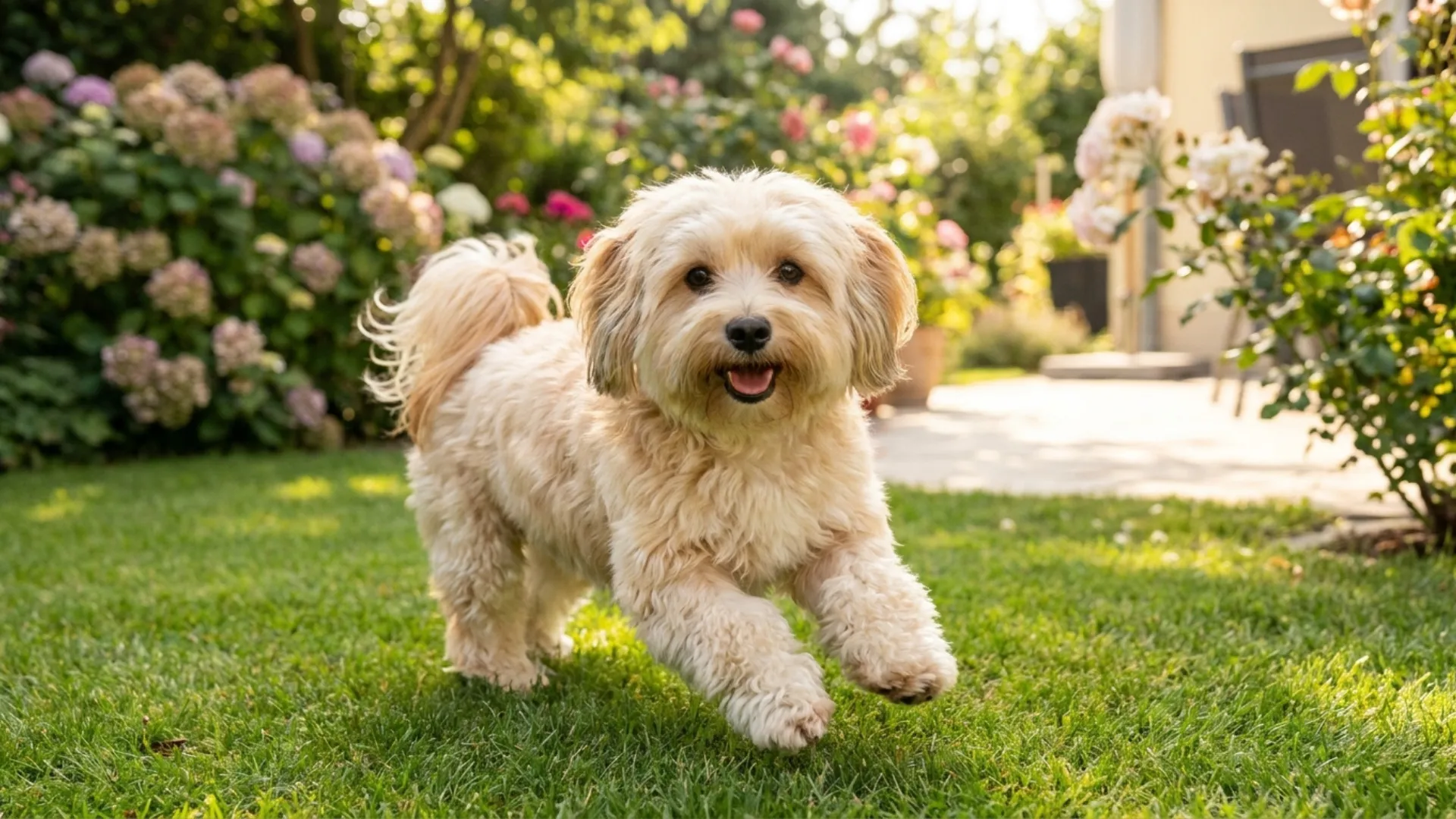
Some dogs seem to wake up every morning with one simple mission: make their humans smile. Toy dog breeds may be small enough to fit comfortably beside you on the couch, but their personalities can fill an entire room. From the cheerful Havanese to the bold Chihuahua, these little companions bring very different kinds of fun into daily life.
The toy breeds are generally adaptable and affectionate, making many of them well suited to a range of homes and lifestyles. Still, “small” does not mean effortless; grooming, exercise, training, and personality vary widely. So, which tiny companion might actually brighten your particular day?
Let us meet 10 worth knowing.
Top Toy Dog Breeds to Brighten Your Day
1. Havanese
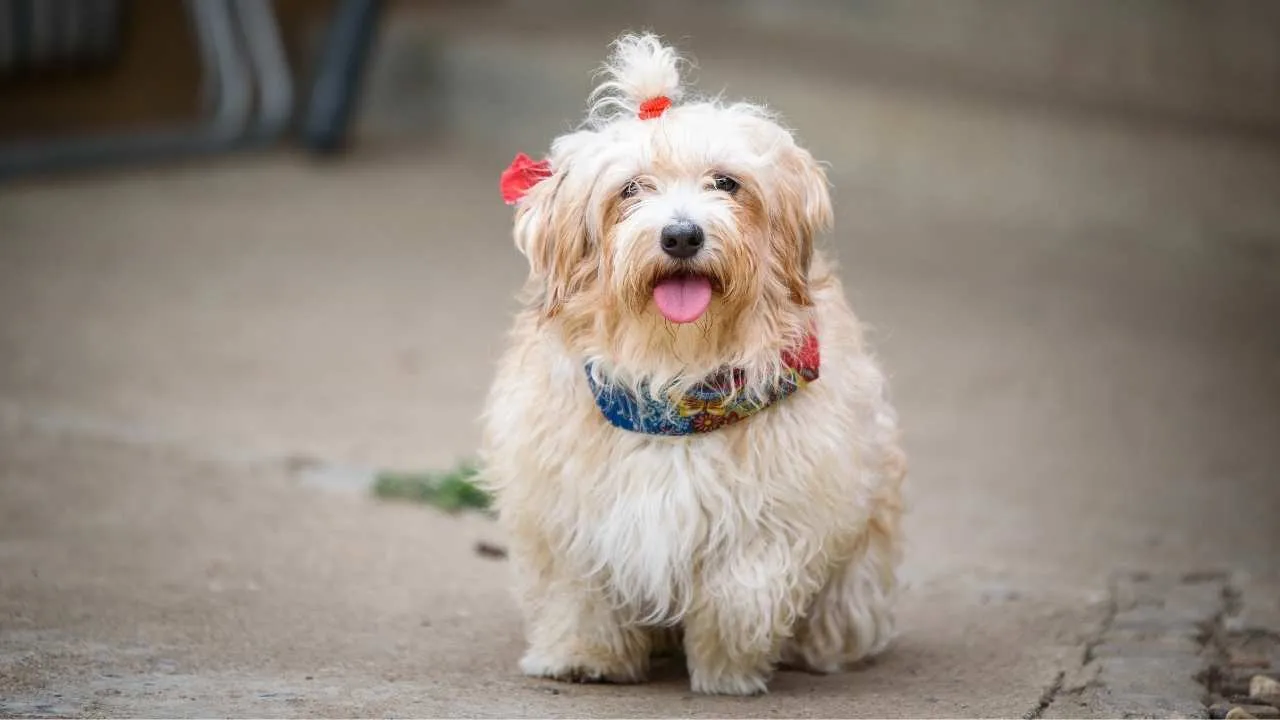
This breed first gained popularity in Cuba in the 16th century. It is believed that the Maltese and the Bichon Frise contributed to the development of this breed. The breed was recognized by the AKC in 1996, says Chewy.
Despite being an active breed, the Havanese loves to curl up in your lap for hours and thrives on human interaction. The breed has high intelligence and excels in obedience training, interactive puzzles, tracking, and agility. It may bark at strangers, but once approved by the owner, it shows its friendly side to them.
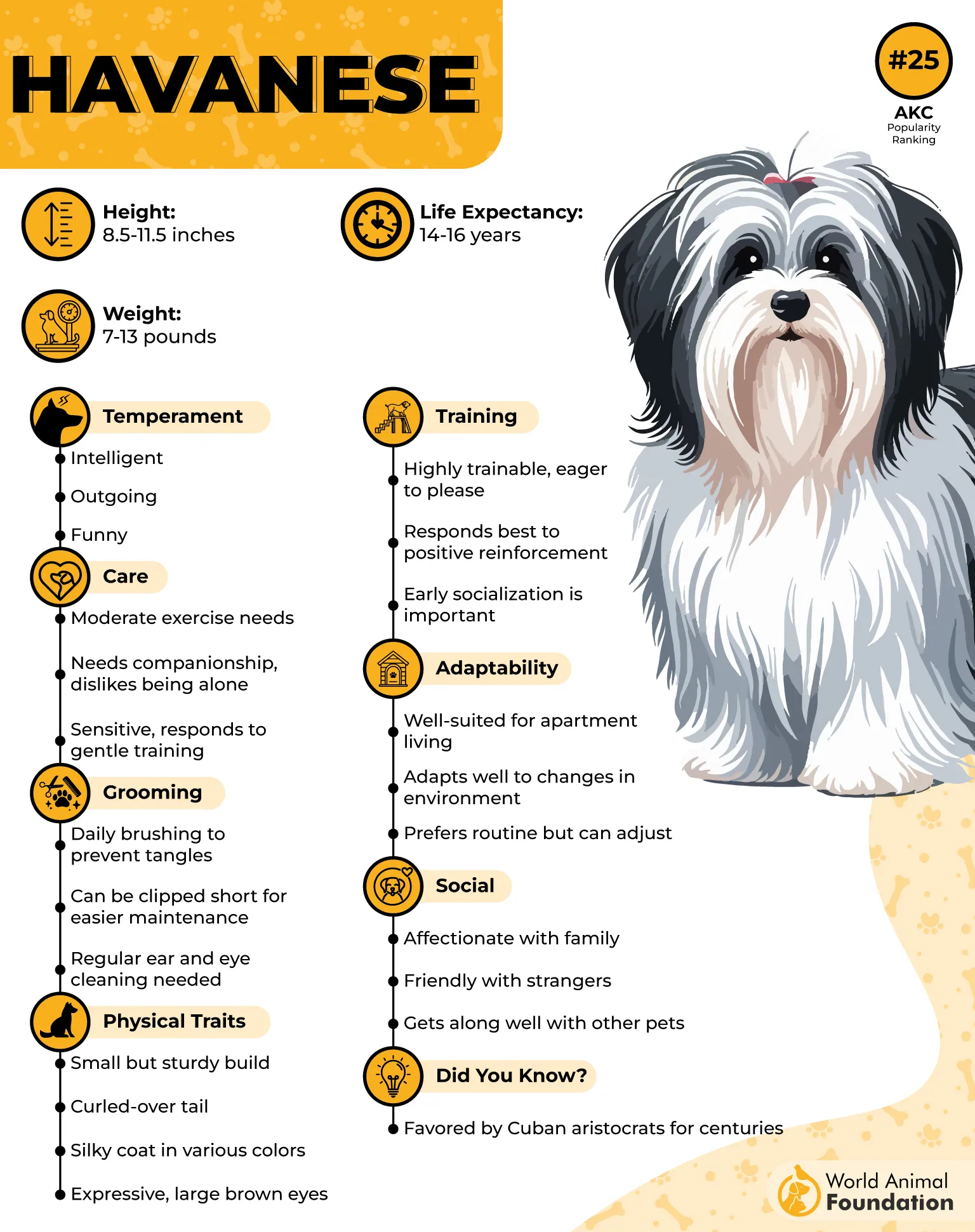
With its extroverted nature, it tilts its head at funny faces and invents games to amuse the owner. It is a highly trainable dog and can learn basic house commands easily.
2. Cavalier King Charles Spaniel
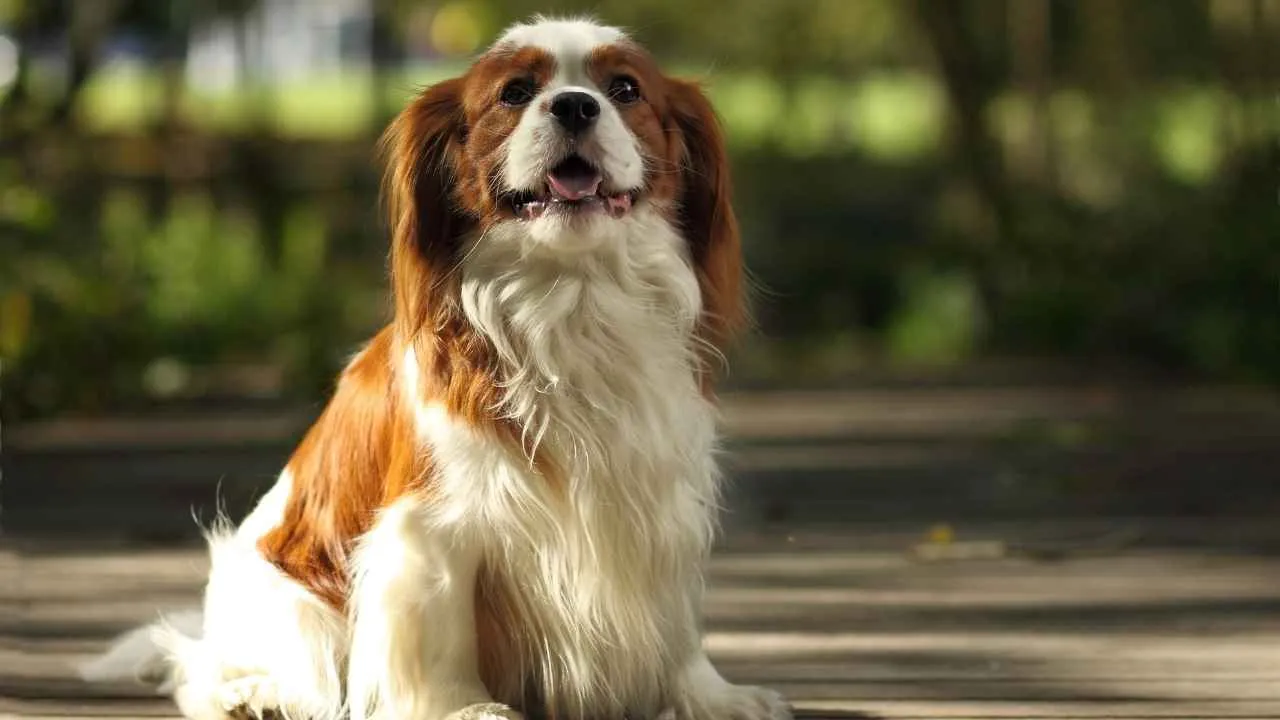
Descended from the Toy Spaniels, the Cavalier got the name in the 17th century. The initial breed began to change during the Victorian era. King Charles II and his father were fond of the breed and used to carry it to Parliament.
The tiny dog has large, round, dark, and expressive eyes that demand attention from the owner. It lacks aggression and has generally a friendly disposition. It tends to wag its tail in excitement and loves to play fetch, hide-and-seek, and other indoor games with the family.
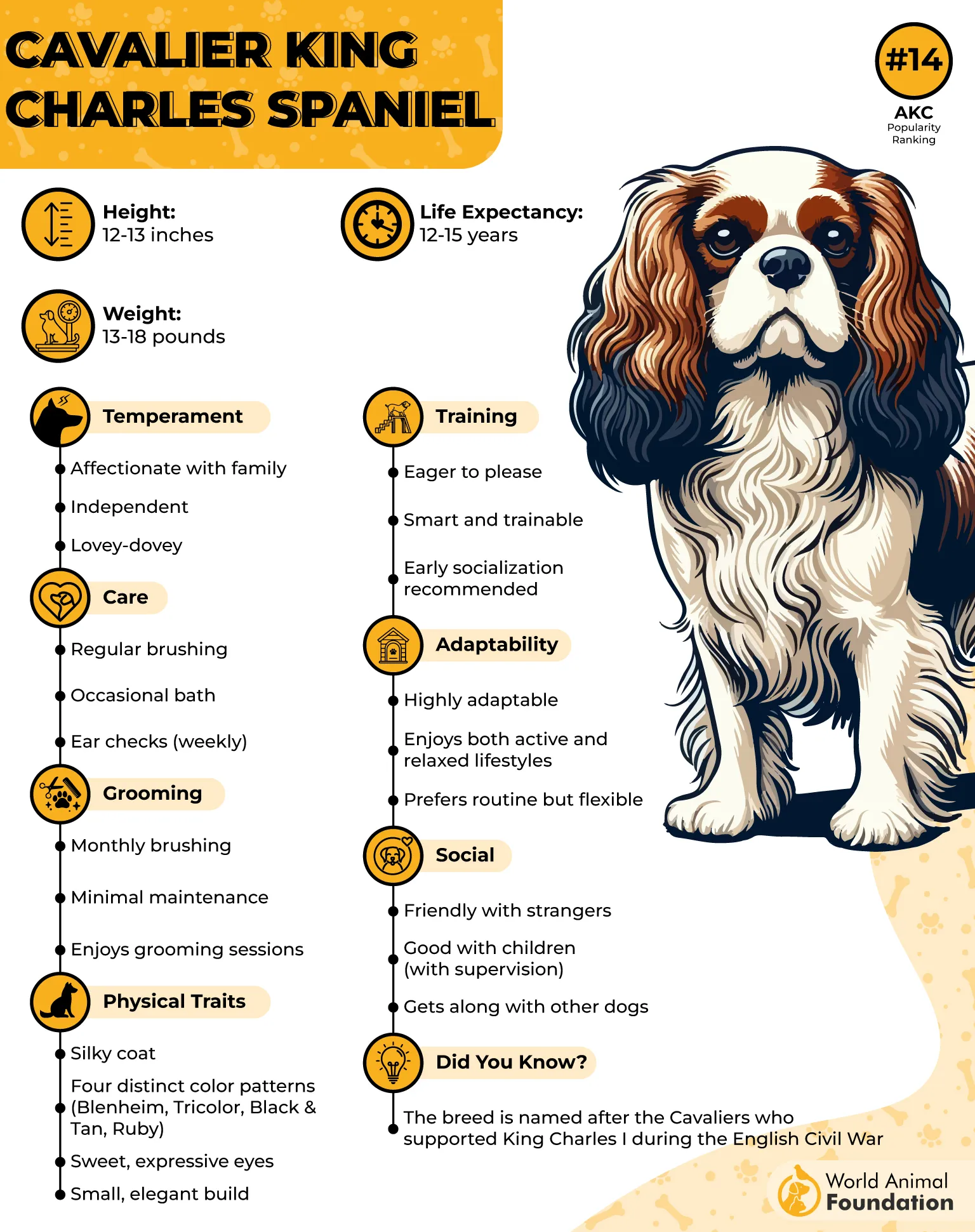
The small dog loves to chase small moving objects (mostly during the day) and can also transform into a lazy couch potato (mostly at night) when needed. It easily makes friends with strangers, children, and other pets.
3. Chihuahua
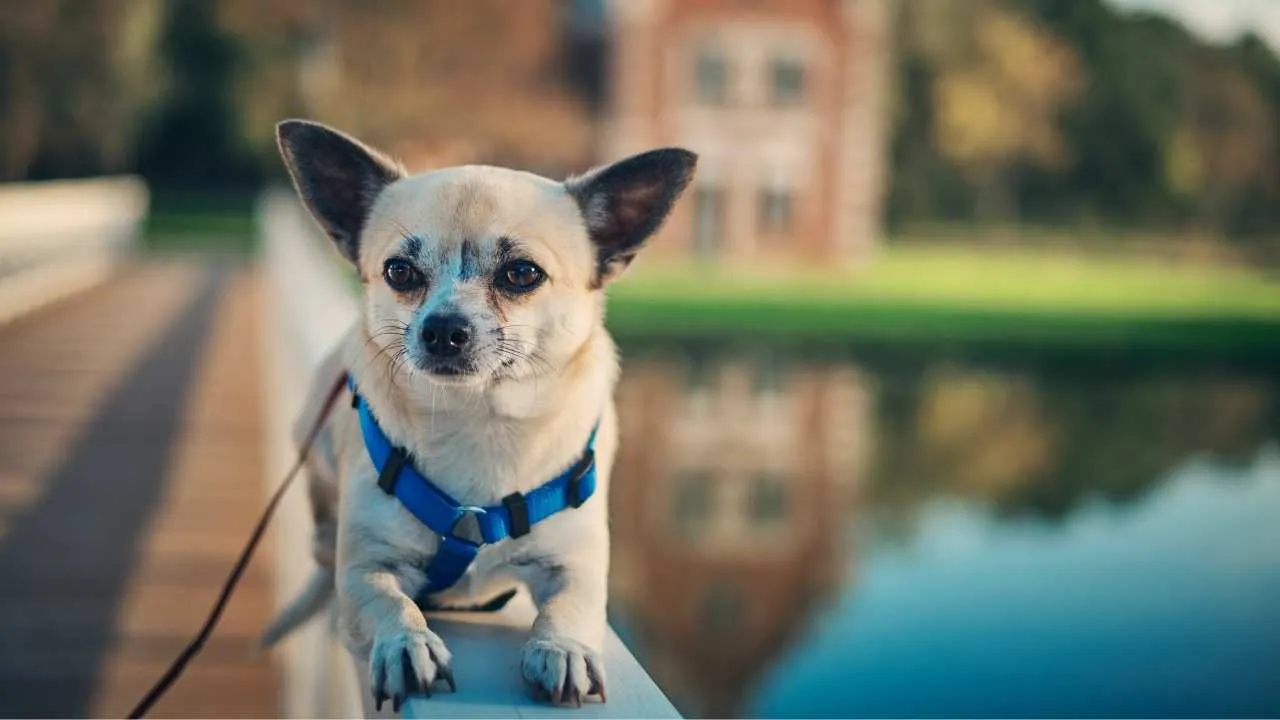
Developed in Mexico, the history of this ancient breed dates back to 300 B.C. It was descended from a tiny dog, ‘Techichi,’ that was sacred to the Aztec people and was believed to have special powers. It was offiially discovered in the 1850s.
Even though it is classified as a toy breed, the Chihuahua has a terrier-like demeanor. It has a big-dog attitude and loves to entertain its favorite human. It runs indoors like a zoomie and buries itself in pillows or piles of clothes. It communicates with different frequencies of vocalizations: alert barks and tiny grunts.
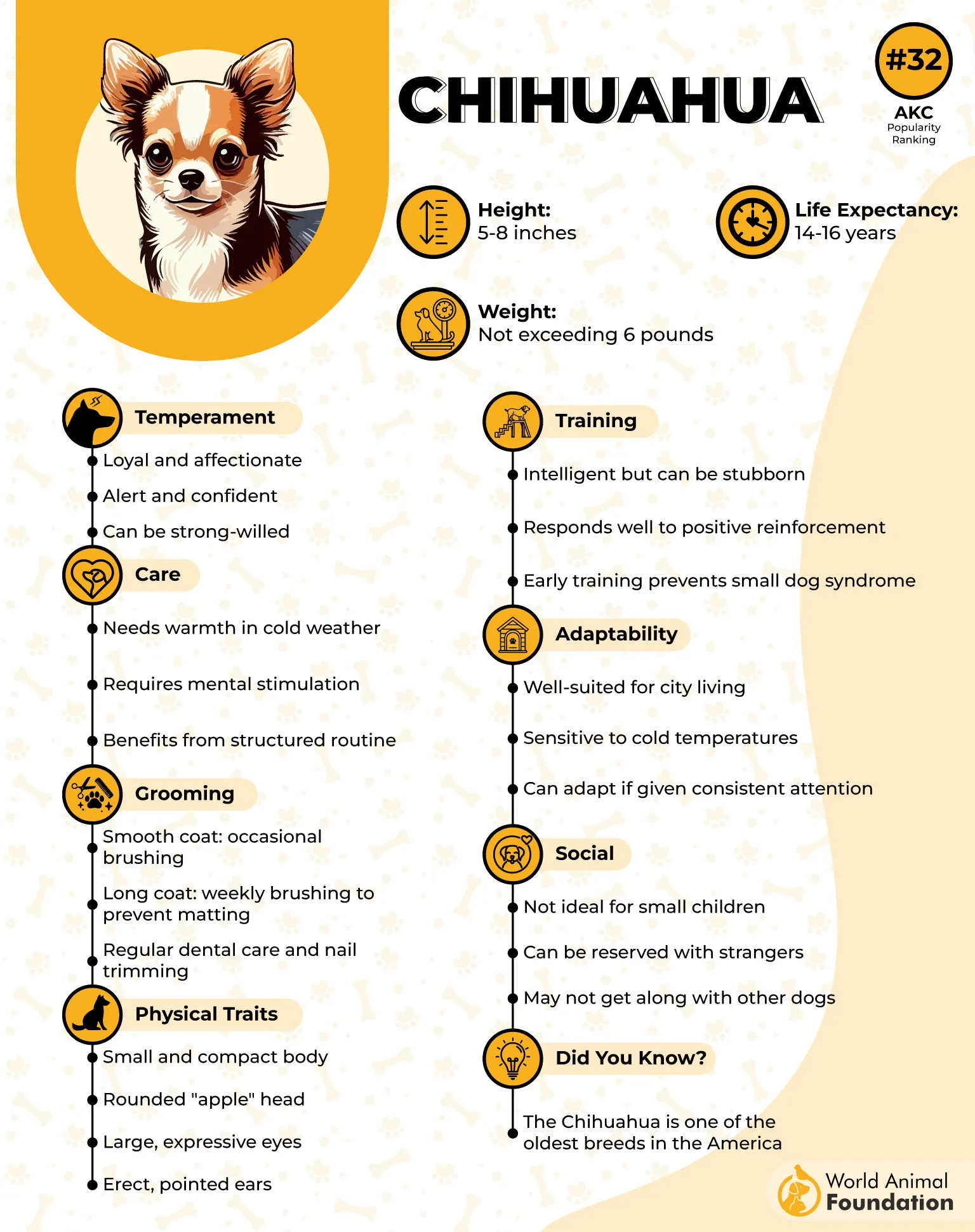
The small breed has a ‘saucy expression’ of alertness and comic. It fulfils most of its exercise needs indoors (20-30 minutes). It excels in reward training and positive reinforcement.
4. Yorkshire Terrier
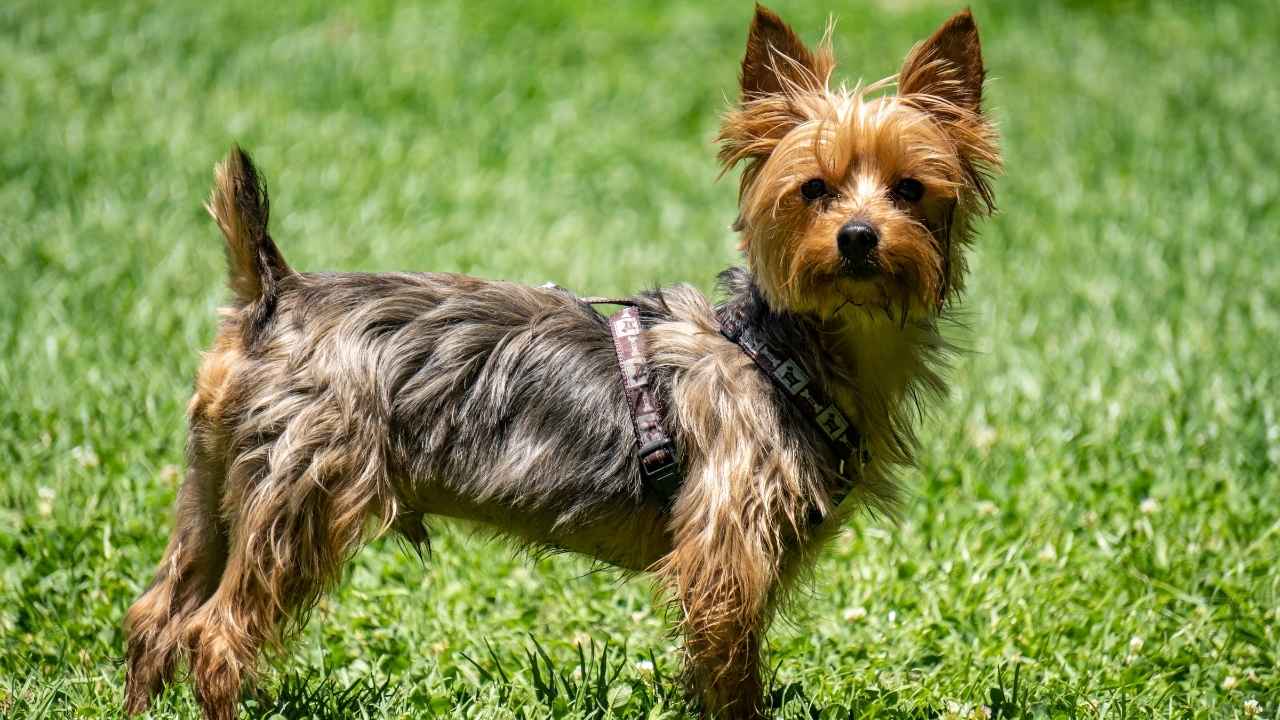
This breed was developed in the city of Yorkshire in the 19th century. Weavers from Scotland brought their small terriers to England during the Industrial Revolution. They interbred these dogs with local terriers, resulting in the Yorkshire Terrier, says Omlet.
Since the breed has a natural instinct for navigating through tight spaces, it tends to adjust itself in your lap or slide into your blanket and pillows. There is a permanent spring in its gait. The breed loves to actively participate in canine sports, such as agility, rally, and obedience trials.
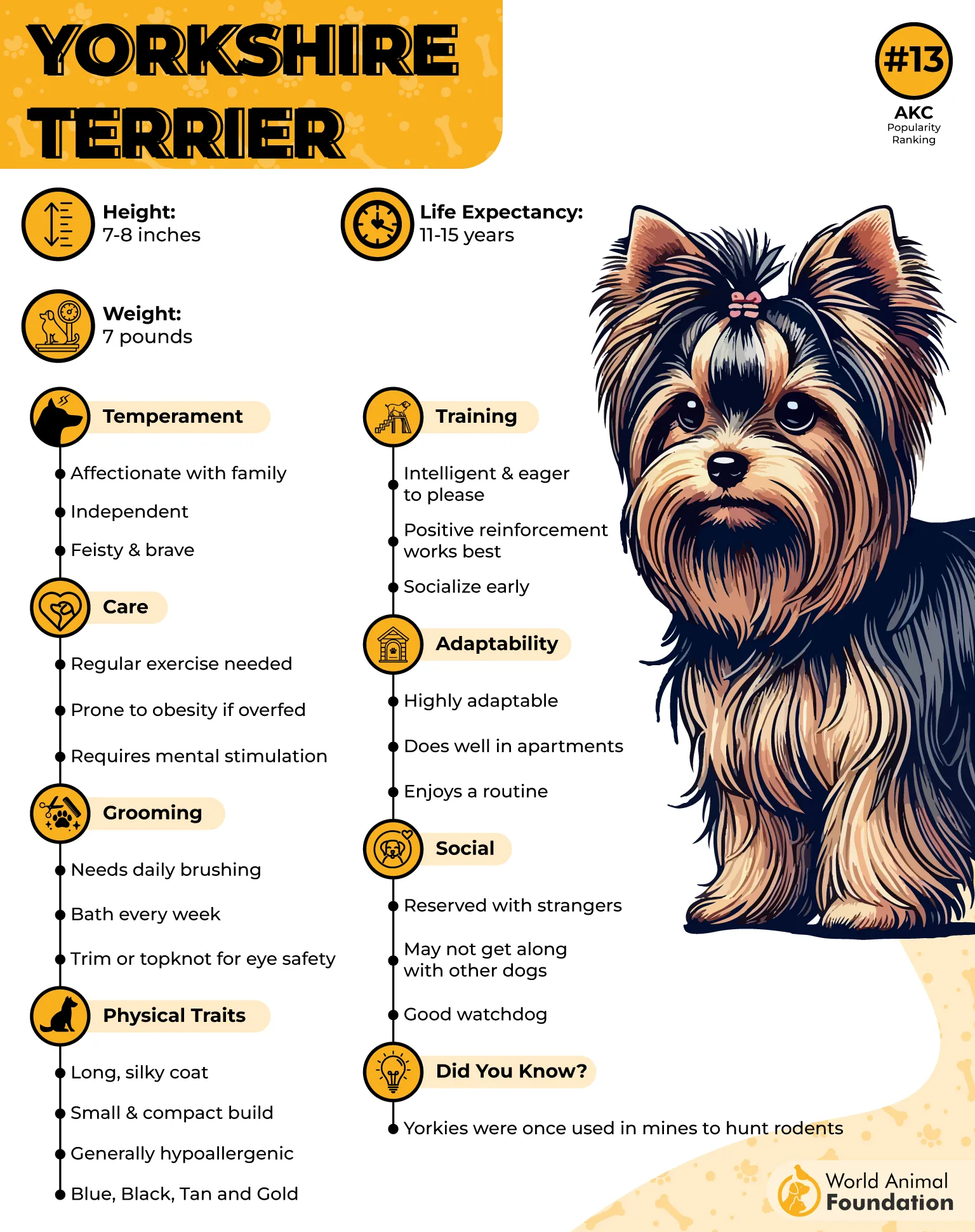
The Yorkie loves to chase small moving objects because of its rat-hunting history. It has strong territorial instincts, making it a great watchdog. It has an independent streak and may become stubborn sometimes.
5. Pekingese
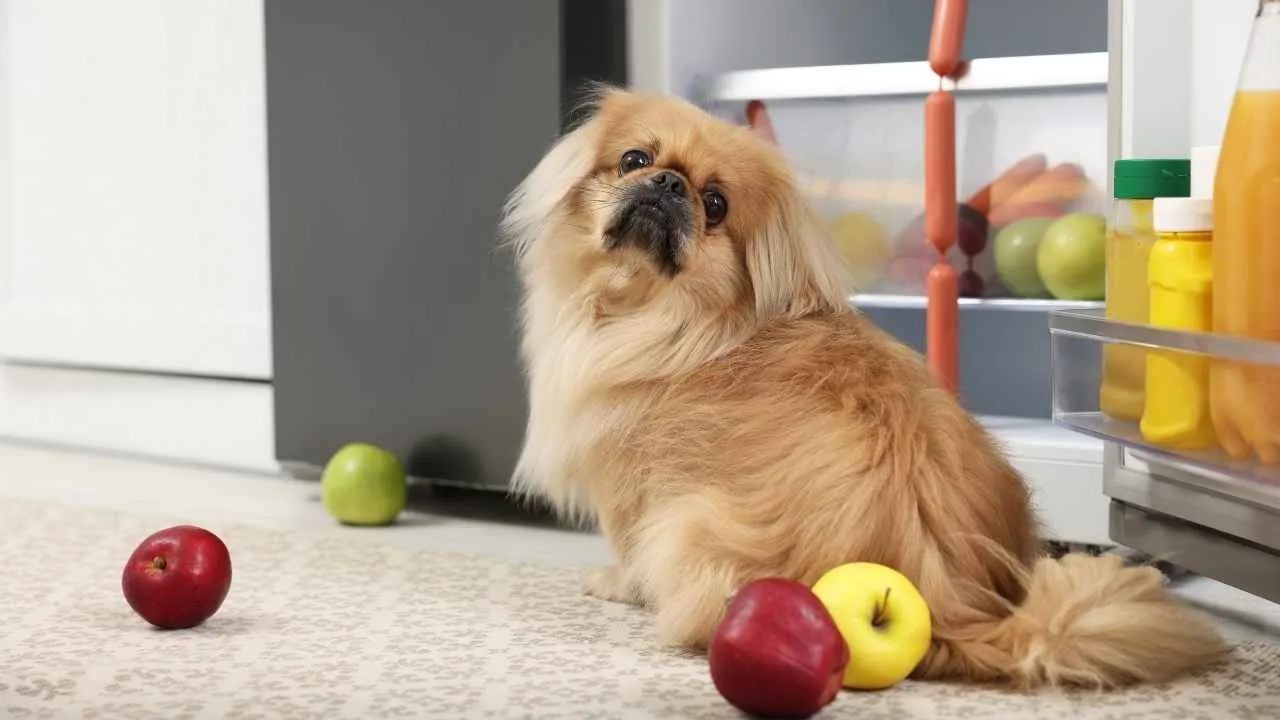
This is one of the oldest breeds in the canine kingdom. The history begins some 2,000 years ago in an old Chinese capital city, Peking. The primary purpose of this breed was to be a loyal companion to the nobility and common people were not allowed to have this dog.
The breed stays reserved around strangers and shows its comical side only to the owners. Also known as the ‘sleeve dog,’ the Pekingese was carried inside the garment sleeves of the royal members because of its watchfulness. The breed has a unique rolling gait, and it sways side-to-side in a rhythmic motion.
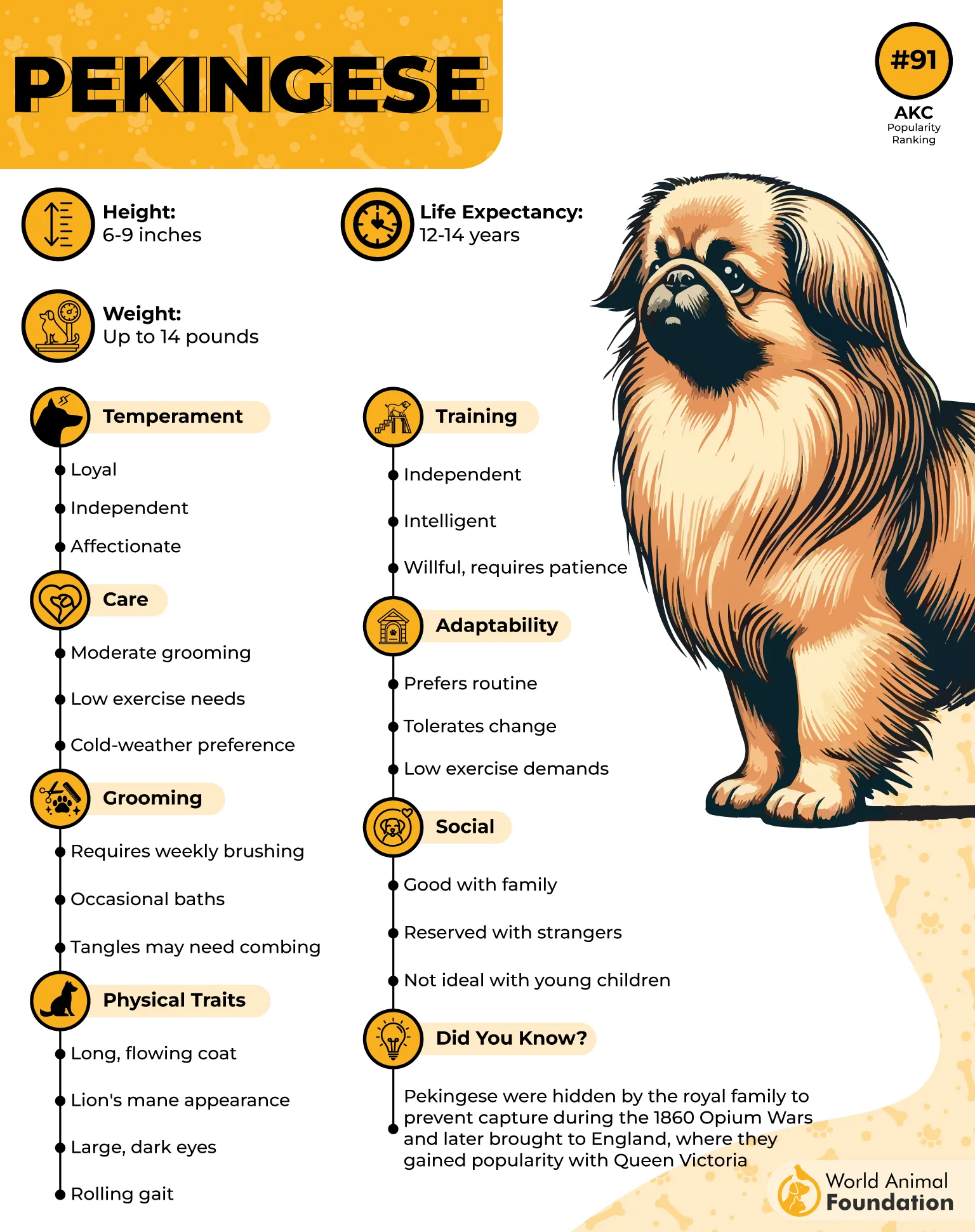
Pekingese is generally a low-energy dog and loves to spend most of its day on the couch and has minimal exercise needs. The long coat with two layers requires daily brushing and monthly baths.
6. Maltese
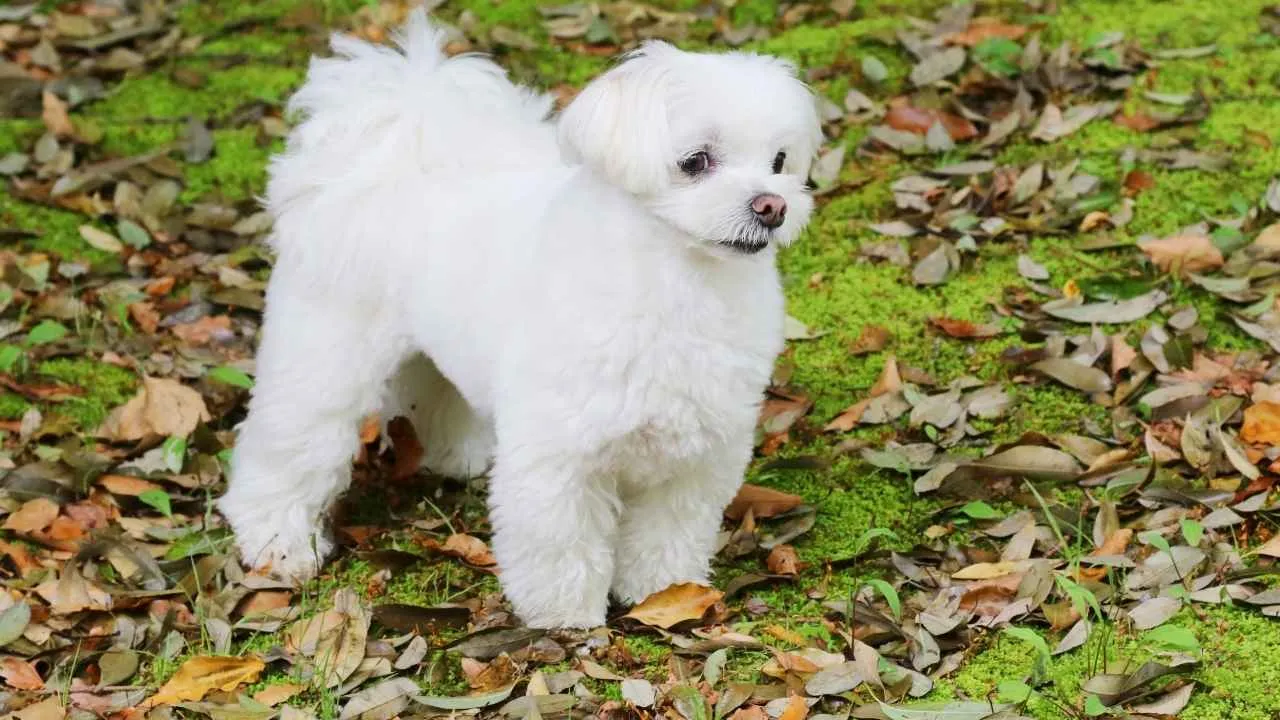
The roots of this small dog are found in the Ancient Greek and Roman literature. However, the breed was originally developed in the Malta region on the Mediterranean island. It is a velcro dog and tends to follow the owner from room to room.
The breed is often used as a therapy dog because of its gentle disposition and ability to console patients by reading their facial expressions and body language. It uses wide-eyed stares, head tilts, and perfect paw placement to grab human attention. The loyal breed tends to bark when it notices anything unusual and alerts the owner.
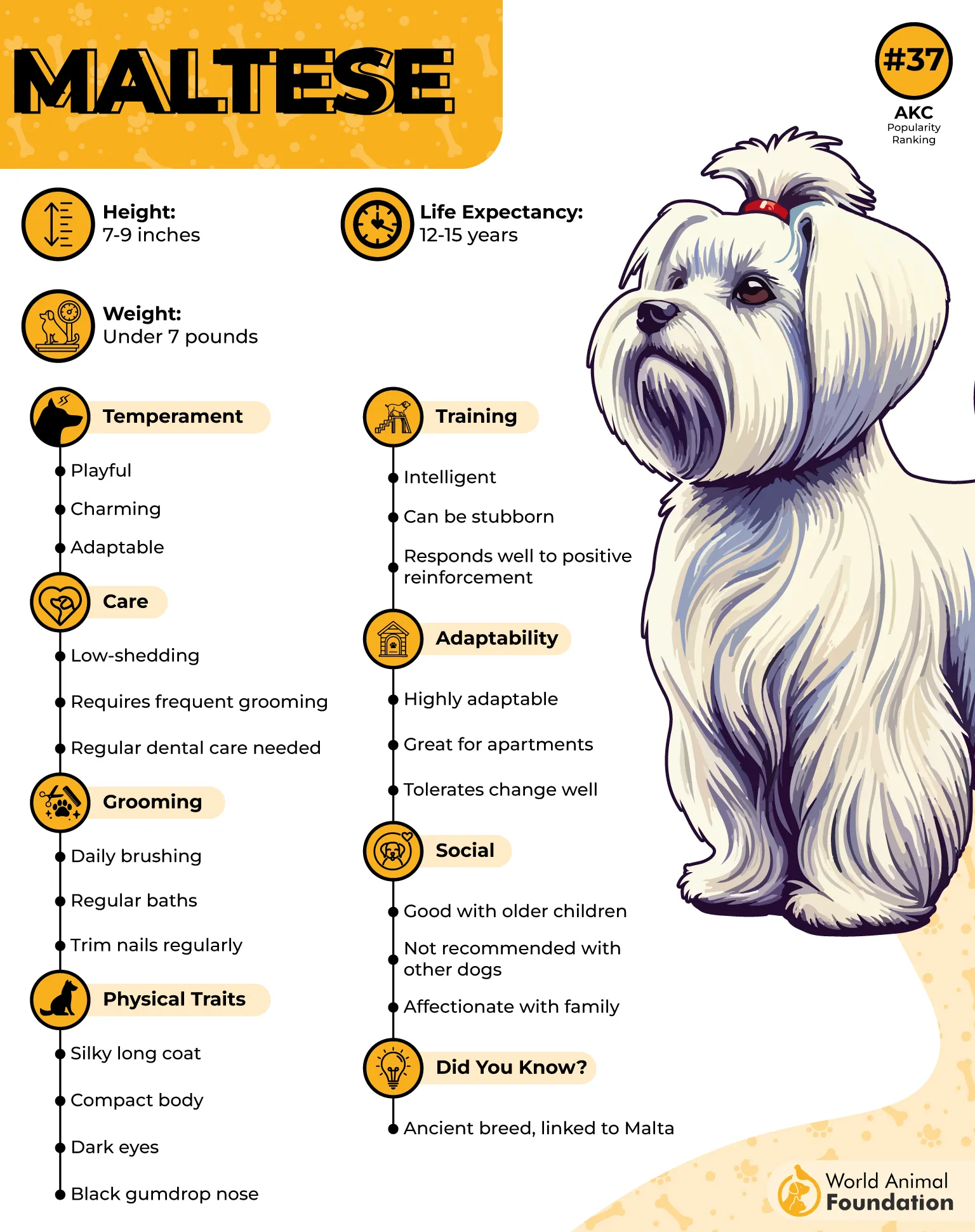
Despite its small stature, the Maltese is a high-energy dog and loves to perform lighthearted antics and jumps around in the house. The breed needs at least 30 minutes of daily exercise to avoid boredom.
7. Pug
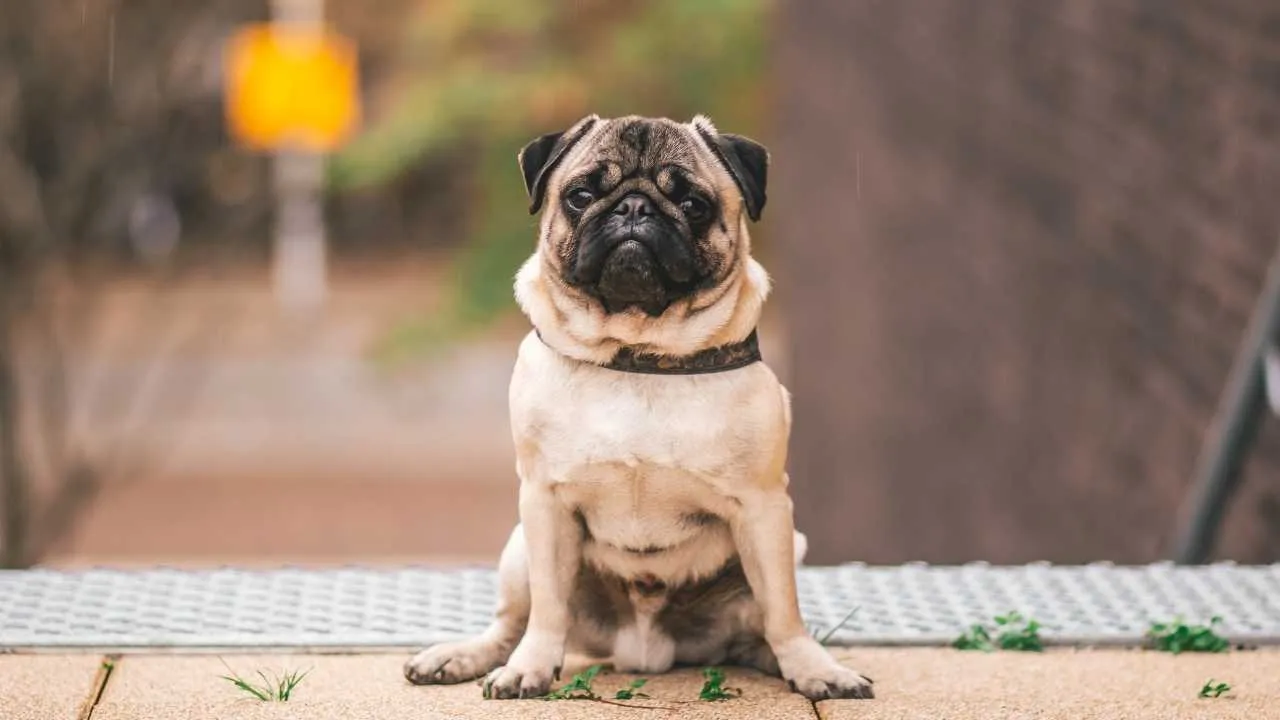
Originating in 400 B.C, the Pug is believed to have its roots in China. The breed is descended from either the Bulldog or the Mastiff and has closely resemblance to the Pekingese. It gained fame in Europe after the 16th century, according to Orvis.
With its sparkly eyes and wrinkled eye brows, the Pug exhibits human-like facial expressions, such as happiness, curiosity, and surprise. Known for its dry sense of humor, it loves to show off new tricks it learns. The breed is highly sensitive to the owner’s emotions and adjusts its moods accordingly.
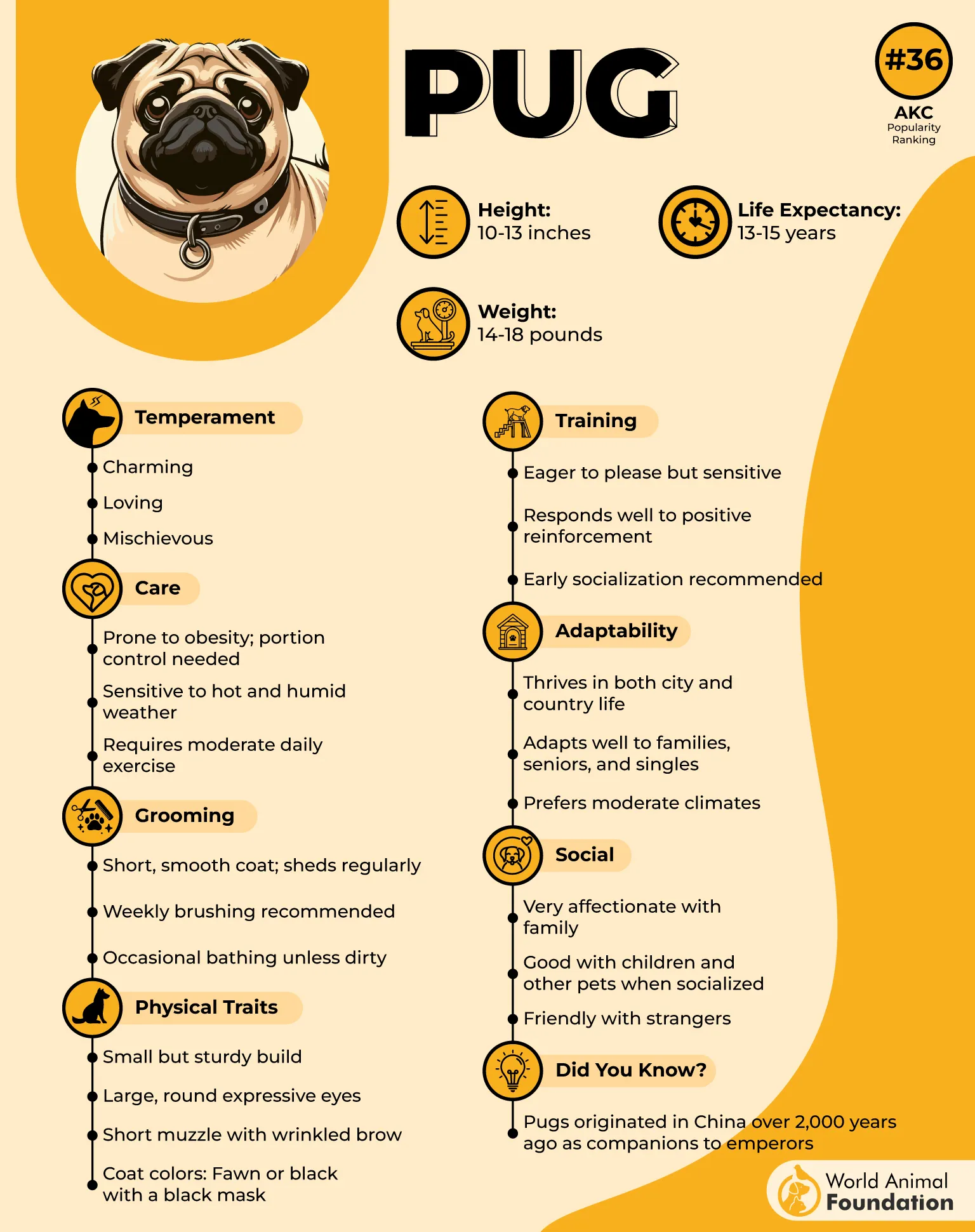
Since the breed rarely shows any aggression and is friendly with everyone, it is a perfect match for families with kids and other pets. It might show a bossy attitude, which can be dealt with through proper training.
8. Toy Poodle
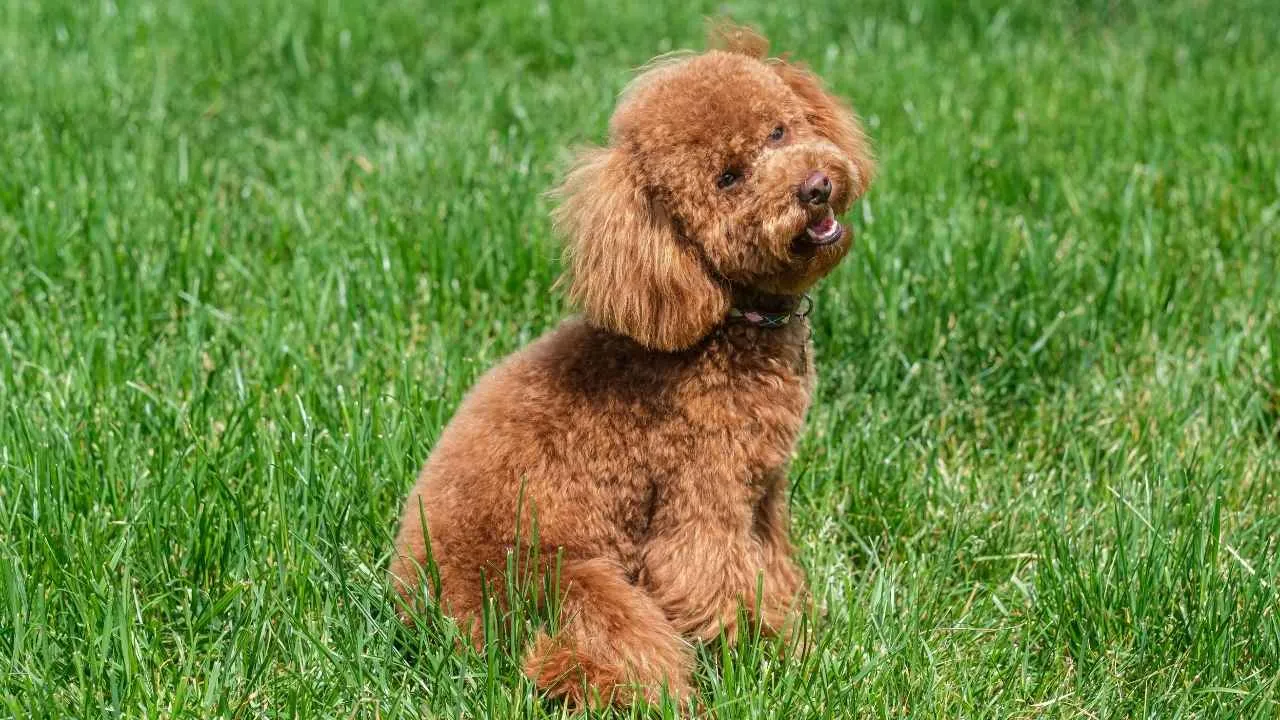
Developed as a water retriever for duck hunting, the Poodle went through size reduction to be a companion dog. The resultant breed was named ‘Toy Poodle.’
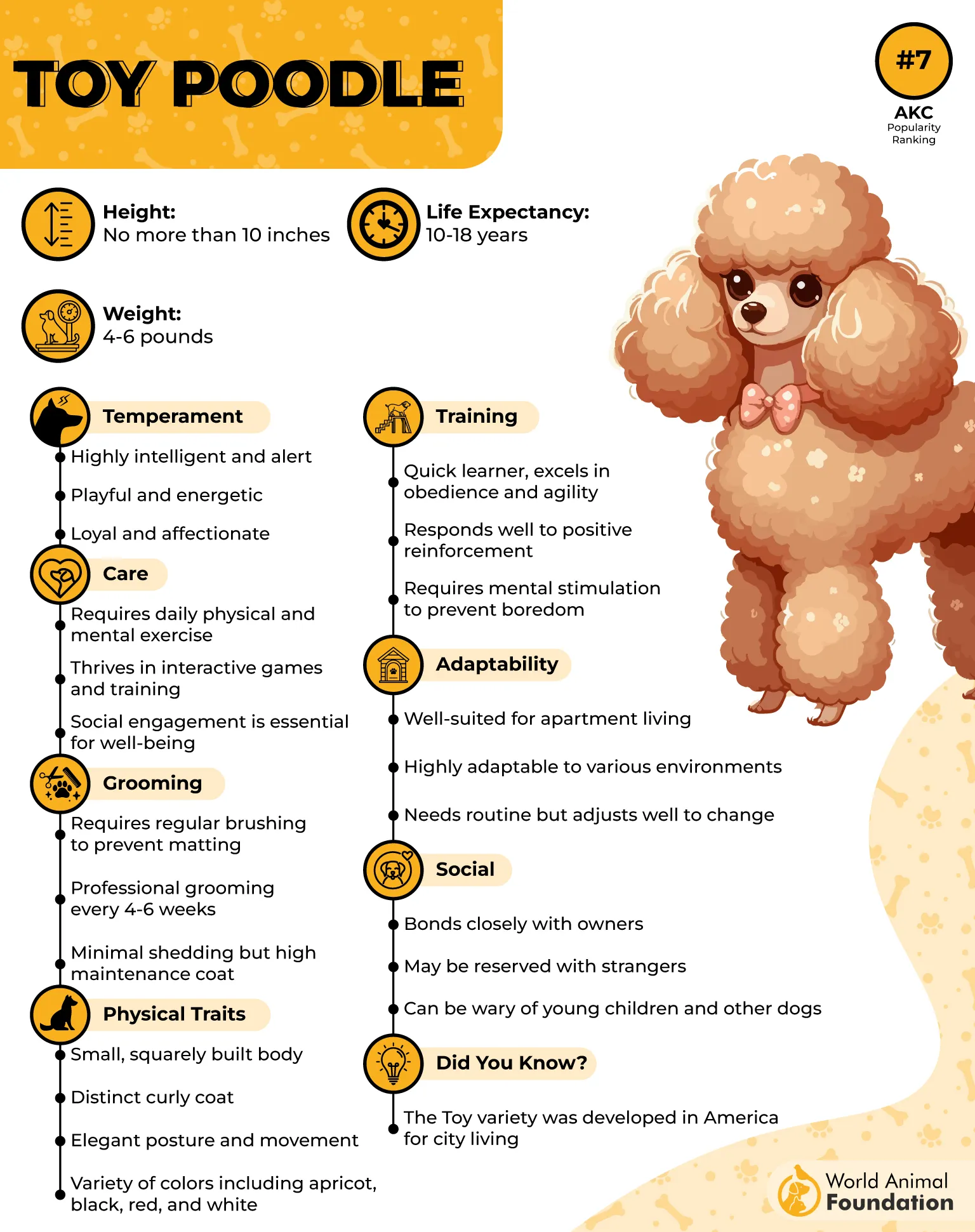
Because of its circus history, the breed loves to perform dance moves using its hind legs or roll over to get applause and attention from the owner. Since it is the most intelligent dog bred among all toy breeds, the Toy Poodle learns complex tricks and games, such as hide-and-seek easily.

Ideal for active owners, the breed excels in water retrieving games, dog sports, agility competitions, and tracking. The breed mirrors the owner’s emotions and adjusts its mood accordingly. The small size makes it highly adaptable to compact spaces.
9. Shih Tzu

Although the history dates back to 1,000 B.C, the small dog we know today was developed in Tibet as a watchdog. However, it was adopted as a lap dog by Chinese royalty after interbreeding with other breeds, such as the Pug and the Pekingese.
It was ranked 5/5 for affection by the AKC. Despite having a watchdog history, the breed is mostly friendly and is patient with children. It loves being the centre of attention with its goofy behavior. It carries a plumed tail over its back, giving an alert expression.
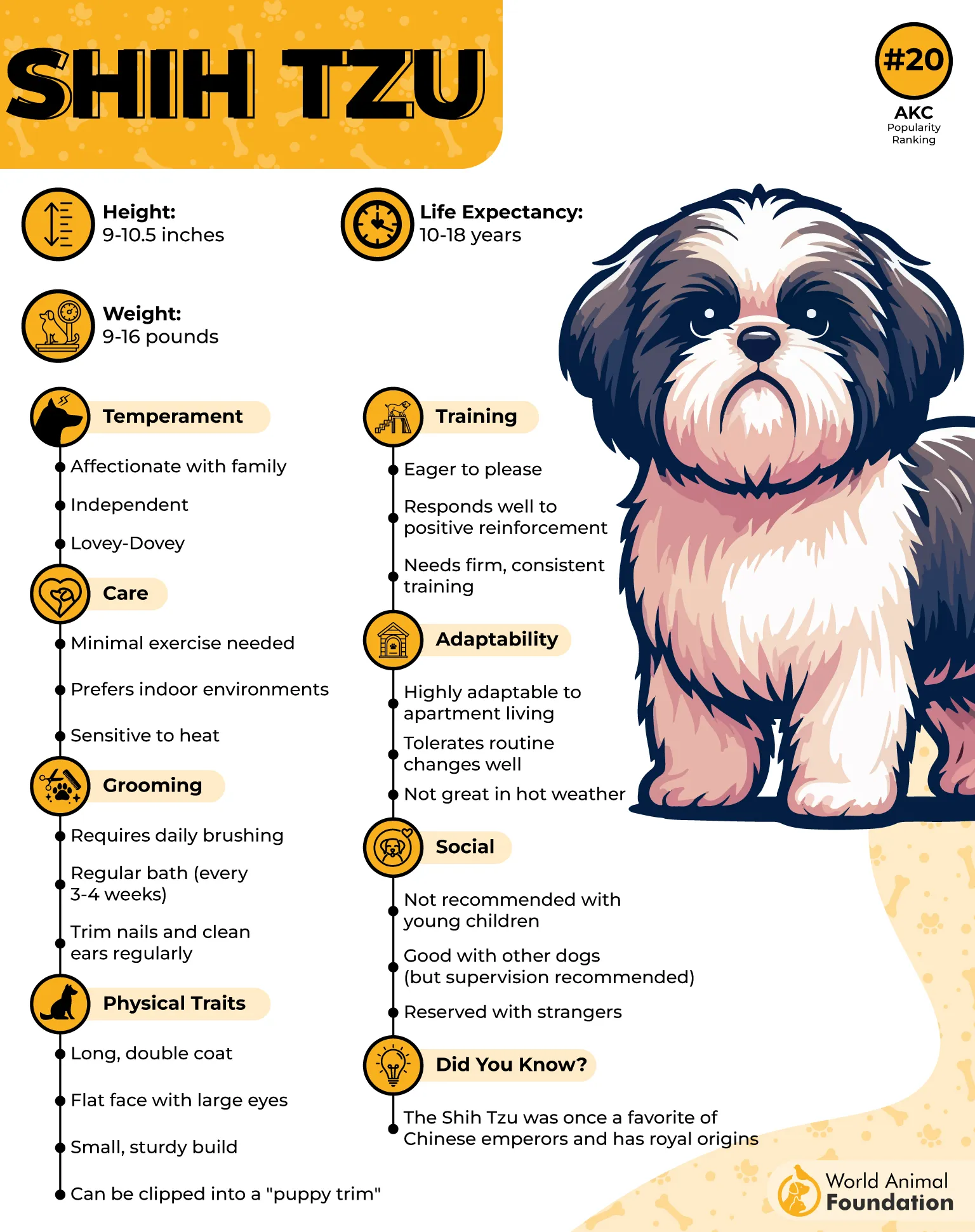
Despite being aloof with strangers, the breed welcomes guests with a wagging tail once properly introduced. Since it is a brachycephalic breed, it produces loud and funny snores while sleeping.
10. Pomeranian
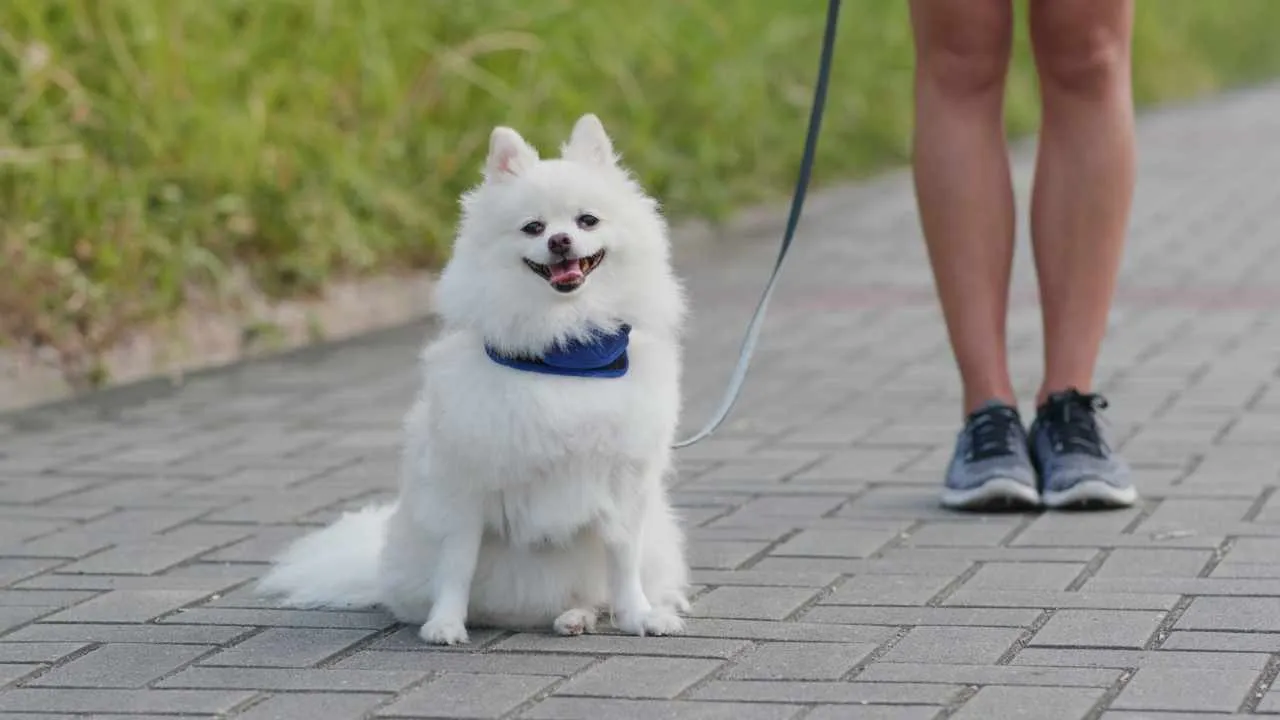
Originally bred in the Pomerania region of Germany, the Pomeranian is a small-sized toy breed descended from the German Spitz. Initially bigger in size, the small dog breed went through size reduction during the reign of Queen Victoria.
It has a buoyant gait and walks around as if it owns the place. It forms special bonds with one person in the family. It literally gives you kisses and snuggles close to stay warm. Being naturally curious about new sounds and views, it makes a great watchdog.
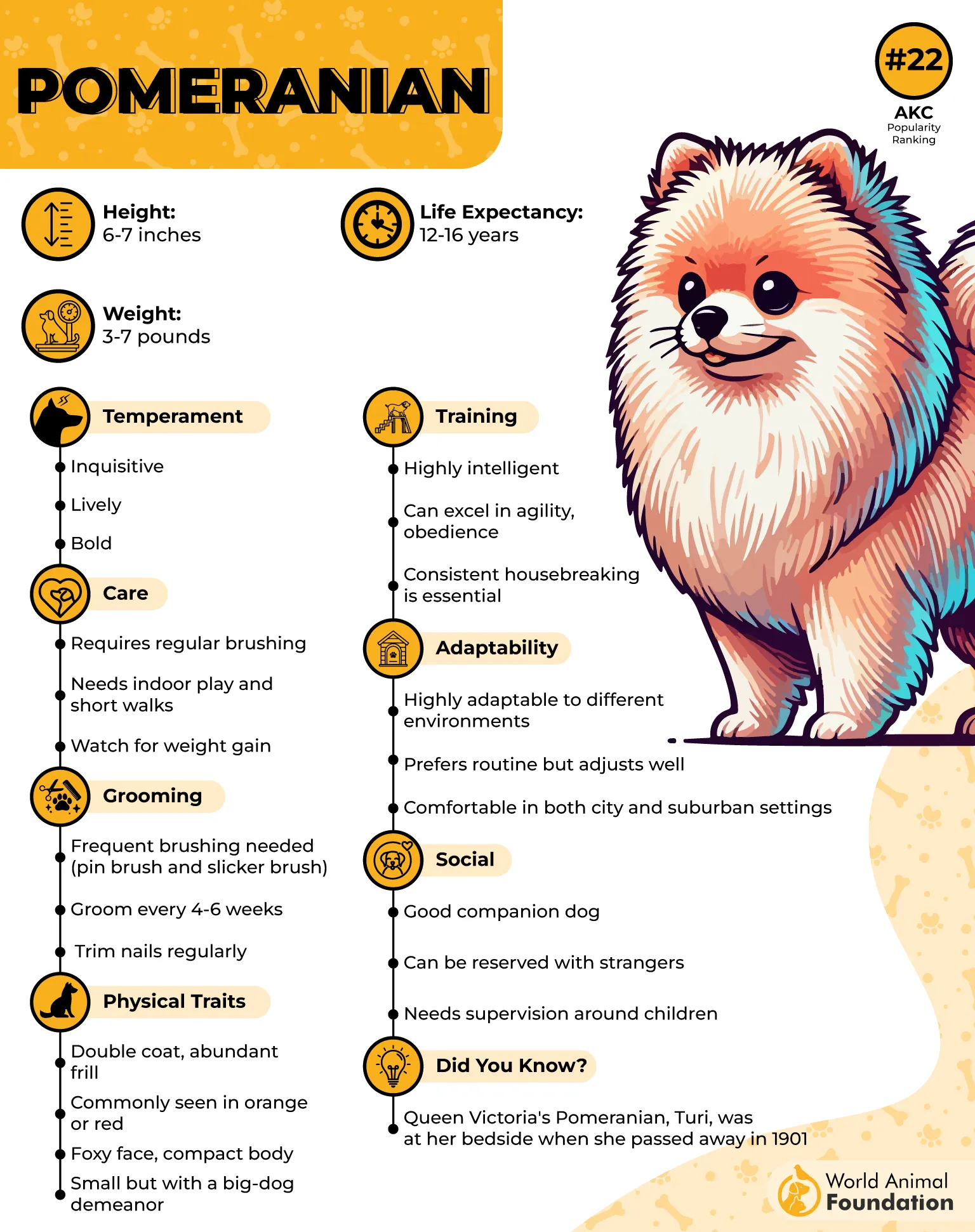
The upturned lips fully show off its lips. This smiley expression is often termed the ‘Spitz Smile.’ The breed requires regular physical and mental stimulation to avoid boredom.
Conclusion
Toy dogs have a funny way of proving that good things really can come in small packages. One may greet you like a long-lost friend, another may patrol the living room as if it owns the place, while another is perfectly happy curling up beside you after a busy day. The key is looking beyond appearance and choosing a breed whose energy, grooming needs, temperament, and training demands fit your lifestyle.
These dogs may have little bodies, but they still need proper care, patience, exercise, and plenty of companionship. Whether you prefer a playful Pomeranian, an affectionate Shih Tzu, or a clever Toy Poodle, the right little dog can become far more than a pet. It can become part of your everyday rhythm, your home, and your happiest moments.
