




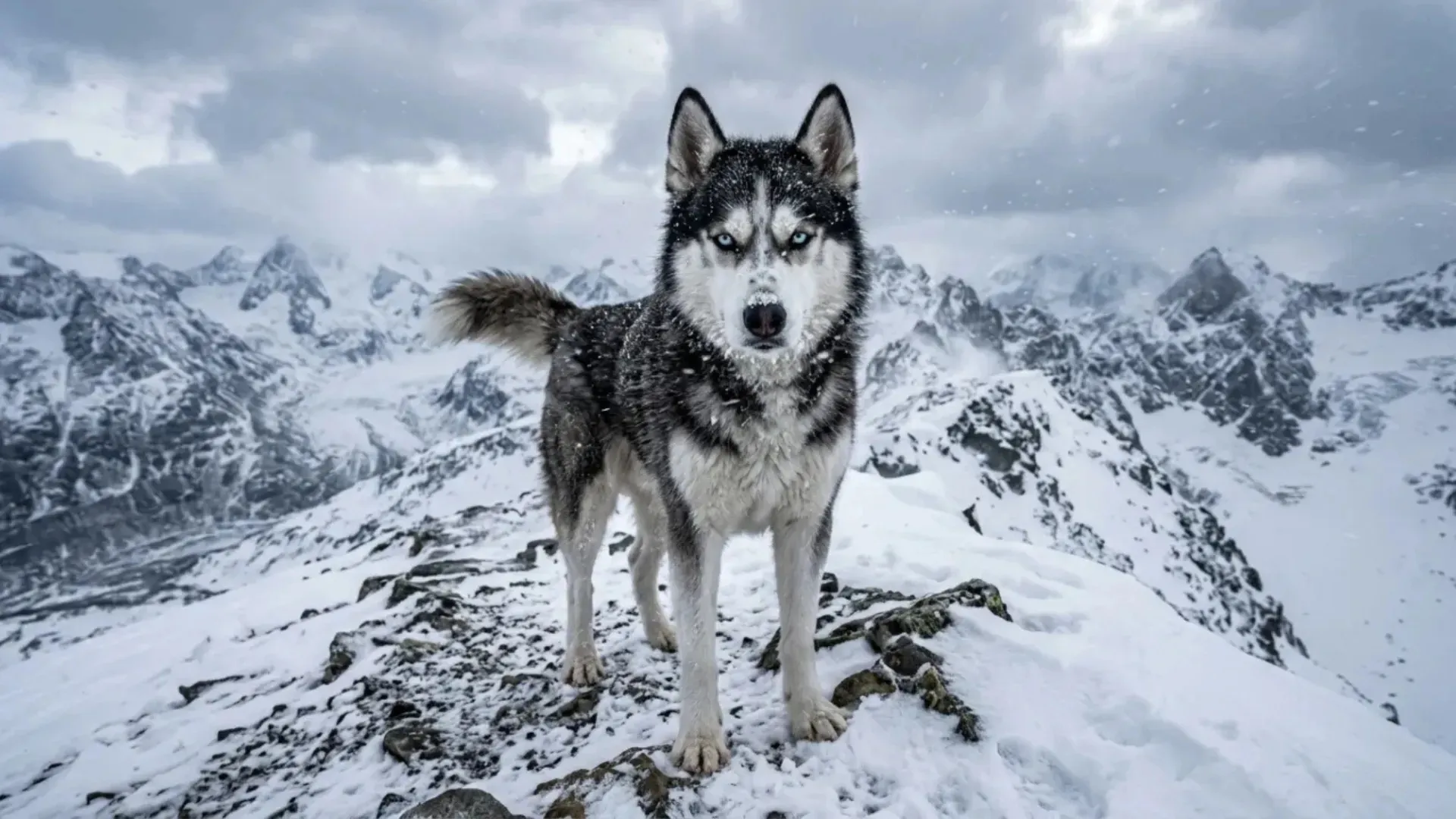
Ever looked at a dog and thought, “How is this animal casually surviving snowstorms, desert heat, and still ready for a game of fetch?” It almost feels like some dogs were built with a different rulebook.
Across the world, certain dogs aren’t just pets—they’re true survivors. They handle extreme conditions like scorching extreme heat or sub-zero temperatures without missing a beat, all while staying focused, loyal, and ready for action.
These strongest dog breeds are often working dogs or natural guard dogs, originally bred for demanding jobs like protecting livestock, covering long distances, or pulling heavy loads.
But here’s the twist—tough doesn’t mean careless. These powerful dogs still need proper training, early socialization, and consistent mental and physical stimulation to stay balanced companions. Whether you’re an experienced pet parent or just curious about challenging dog breeds, their mix of resilience, instinct, and loyalty is hard to ignore.
Tough Dog Breeds That Thrive in Extreme Conditions
1. Alaskan Malamute
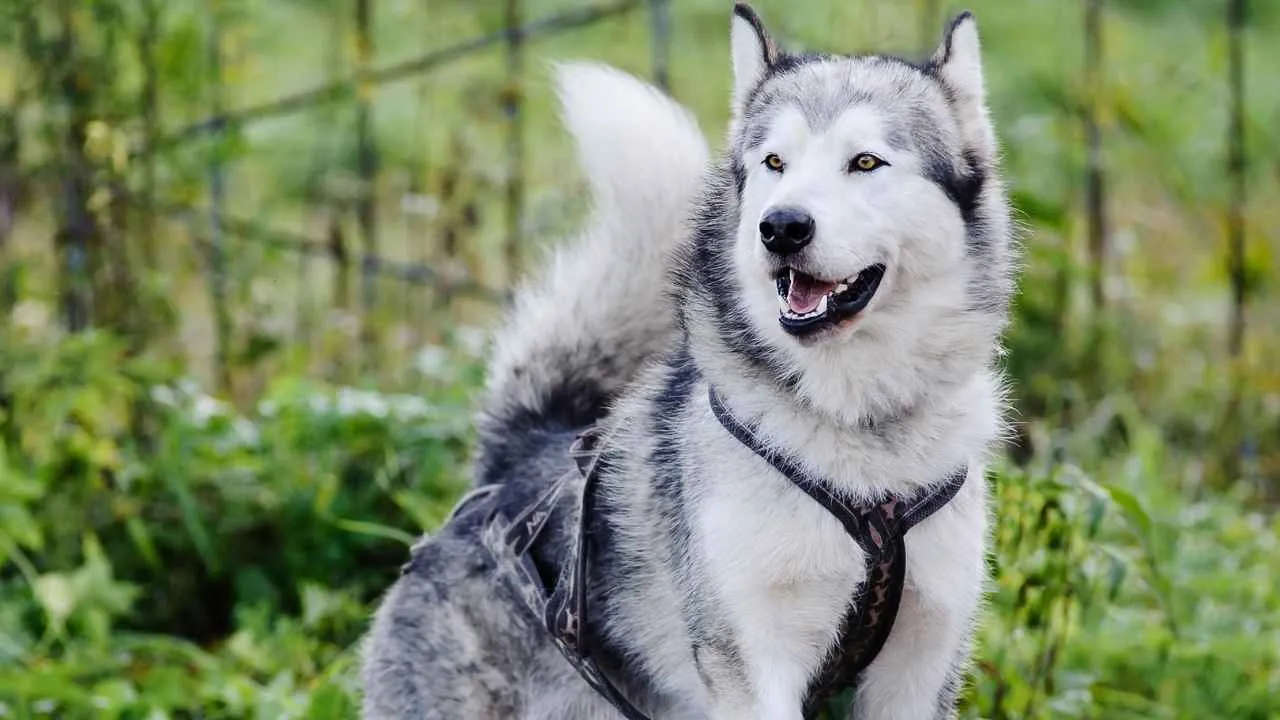
If a snowstorm had a “built-in survival mode,” it would probably look like this dog breed. The Alaskan Malamute is a powerful Arctic working dog originally developed to haul heavy loads across ice and deep snow, where endurance and strength mattered more than speed. Bred by Indigenous Arctic communities, it became a vital partner for survival in extreme environments.
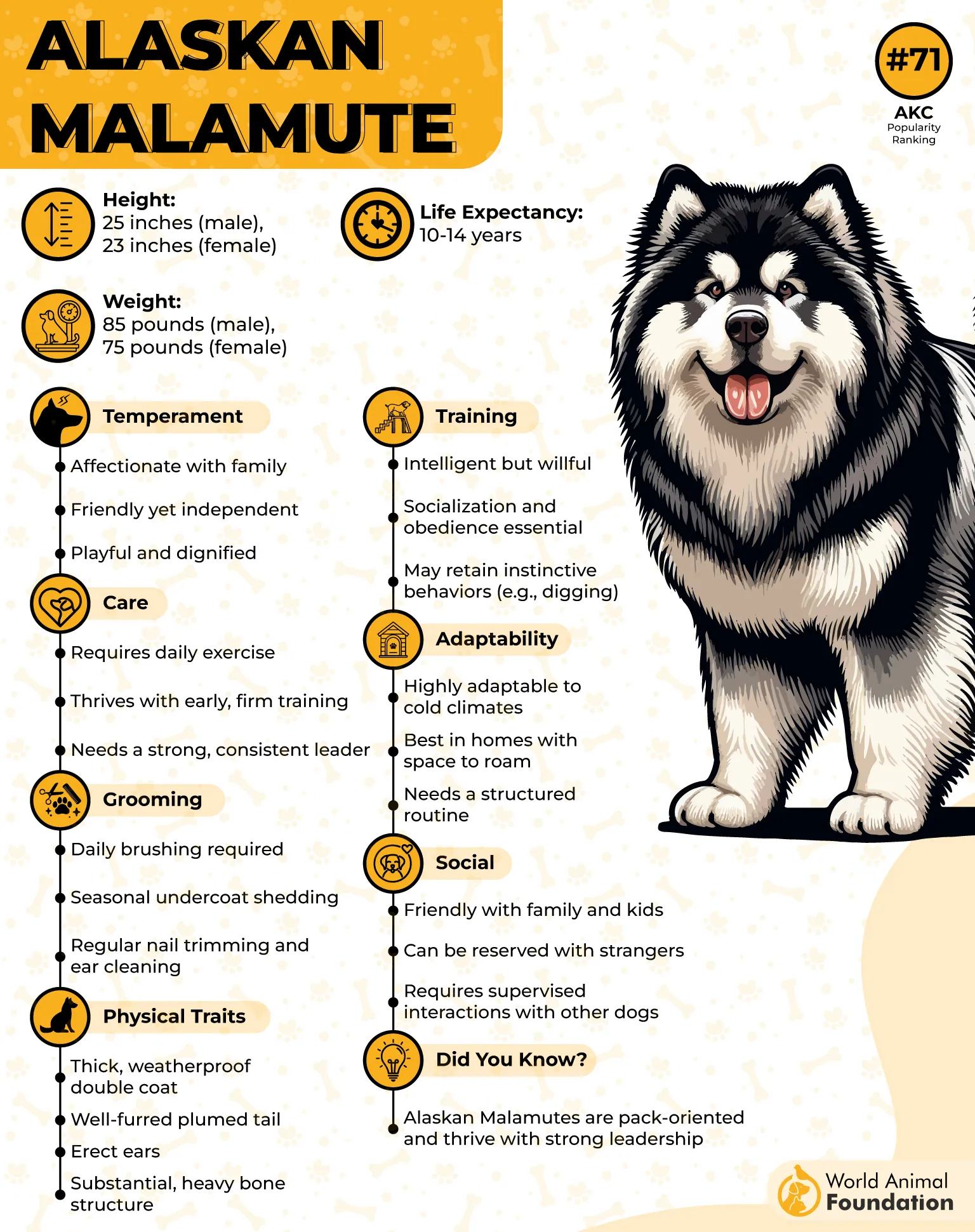
As per Wikipedia, this dog breed stands out for its muscular build, dense double coat, and natural ability to function in sub-zero temperatures. Unlike fast sled runners, it relies on steady power and long-duration stamina, making it highly effective for hauling and survival work in harsh frozen terrain. Its calm and cooperative nature also made it reliable for coordinated tasks with humans in hunting and transport.
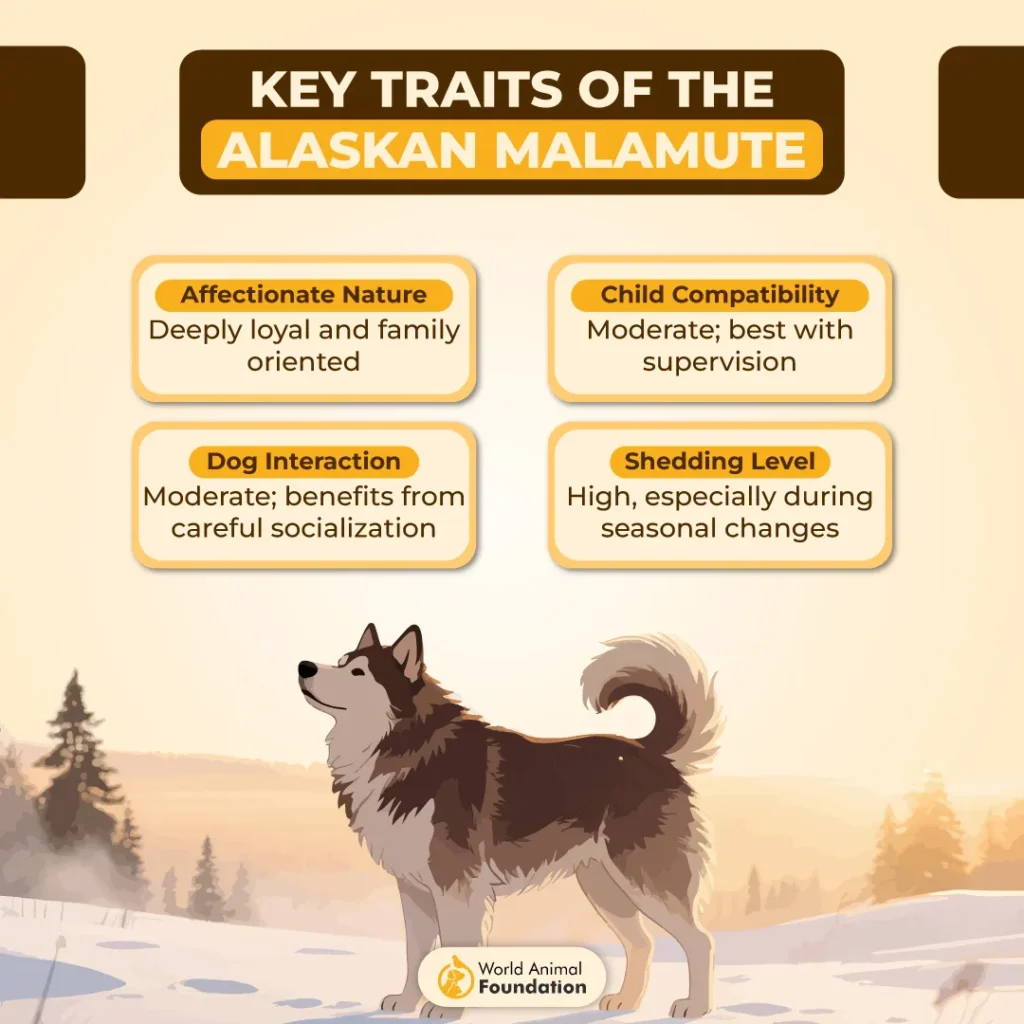
Uses a controlled, rhythmic pulling technique that reduces energy waste during long-distance freight hauling
Can maintain stable performance in deep snow terrain where movement resistance is significantly higher than flat ice routes
2. Siberian Husky
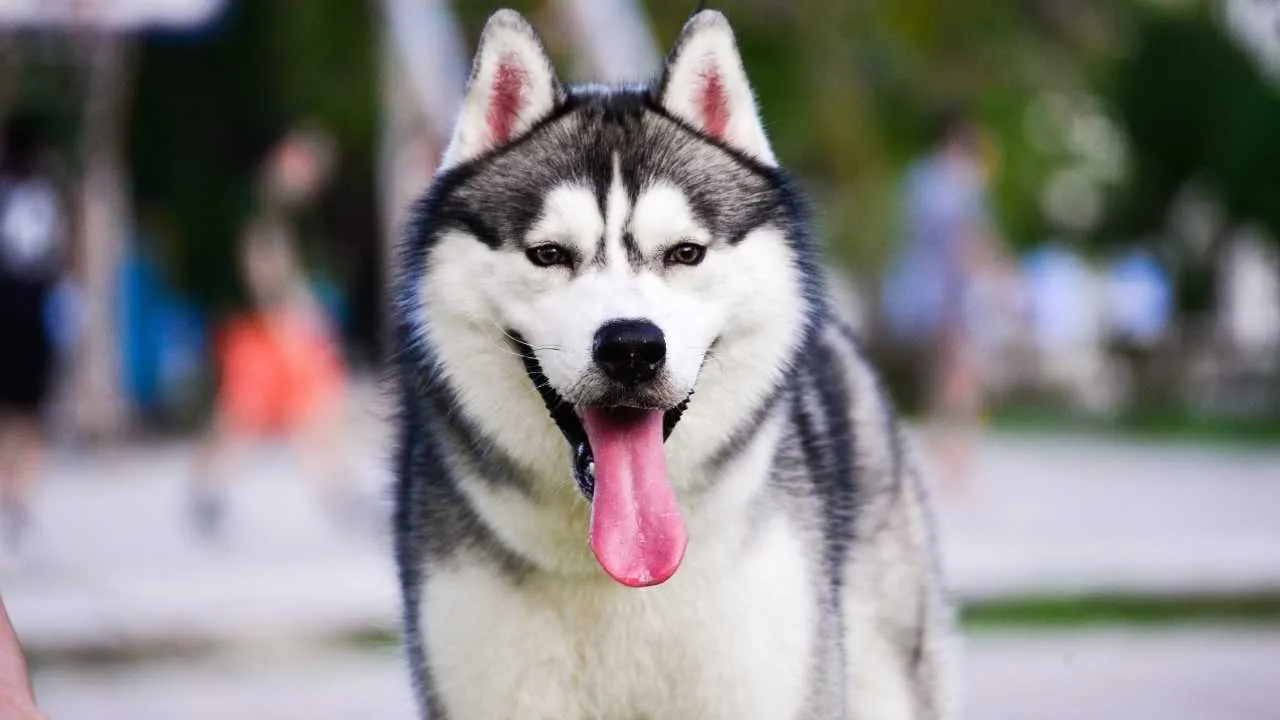
If winter had a long-distance athlete, it would look a lot like this dog breed. The Siberian Husky was originally developed by the Chukchi people of Siberia for sled pulling across endless frozen landscapes where speed, stamina, and teamwork mattered more than brute strength.
Over time, Huskies became famous for surviving—and even excelling—in extreme Arctic travel conditions, including life-saving historic journeys through blizzards.
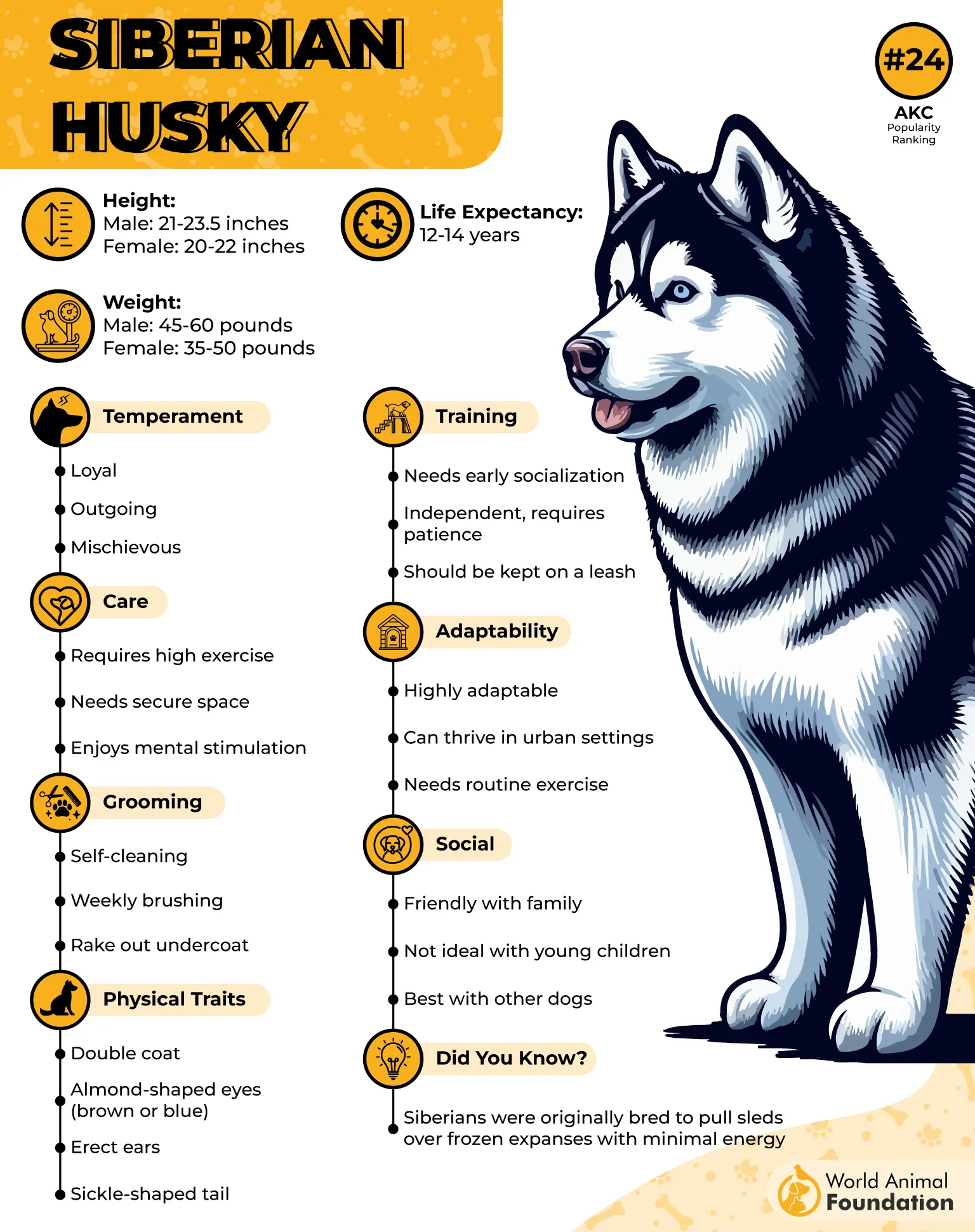
Unlike heavy hauling dogs, this breed was shaped for efficient movement across snow, using light, energy-saving strides that allow it to cover long distances without tiring quickly. It is highly social, thrives in pack environments, and relies on cooperation rather than dominance, making it stand out among endurance-focused working dogs.
Highly efficient energy-saving gait that allows long-distance travel across snow with minimal fatigue
Strong group coordination instinct that improves performance during pack-based sled movement in extreme winter routes
3. Great Pyrenees
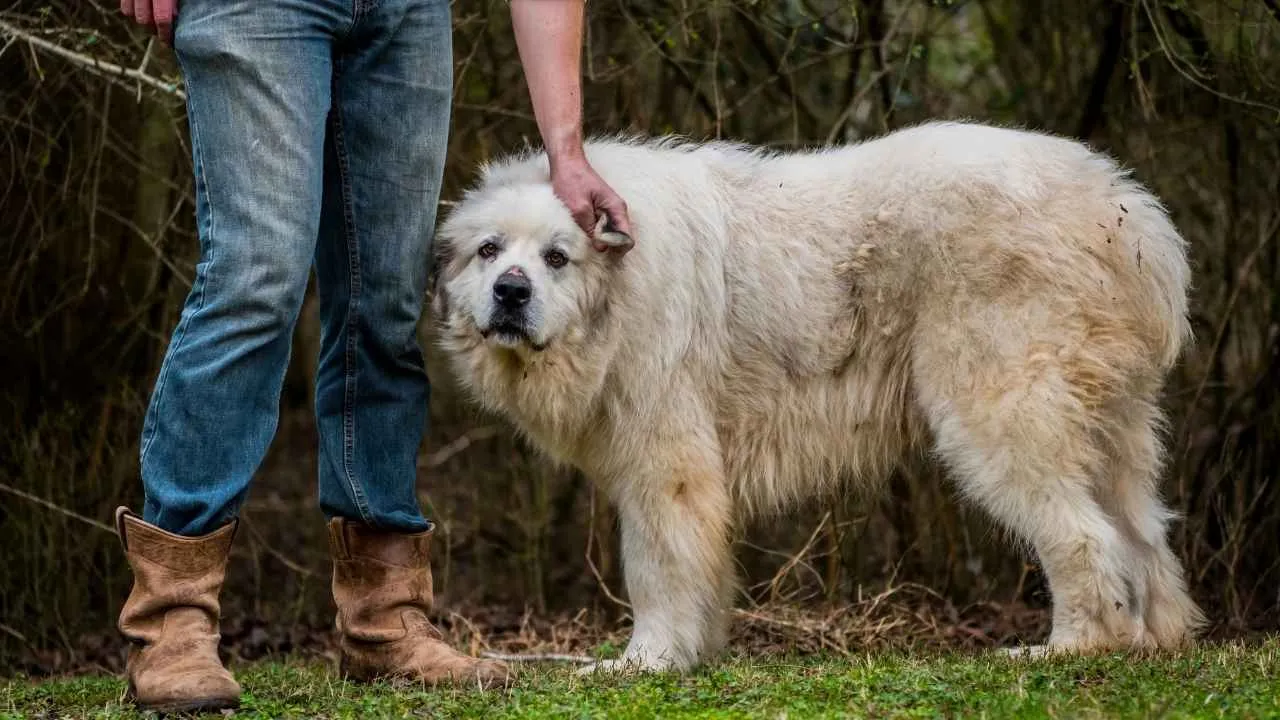
If a mountain had a quiet guardian that never really “switches off,” it would look like this dog breed. The Great Pyrenees is a large livestock guardian dog originally developed in the cold, rugged Pyrenees Mountains, where it was trusted to protect sheep from predators across wide, isolated terrain.
Calm, steady, and watchful, it became known for guarding in extreme outdoor conditions without constant human direction.
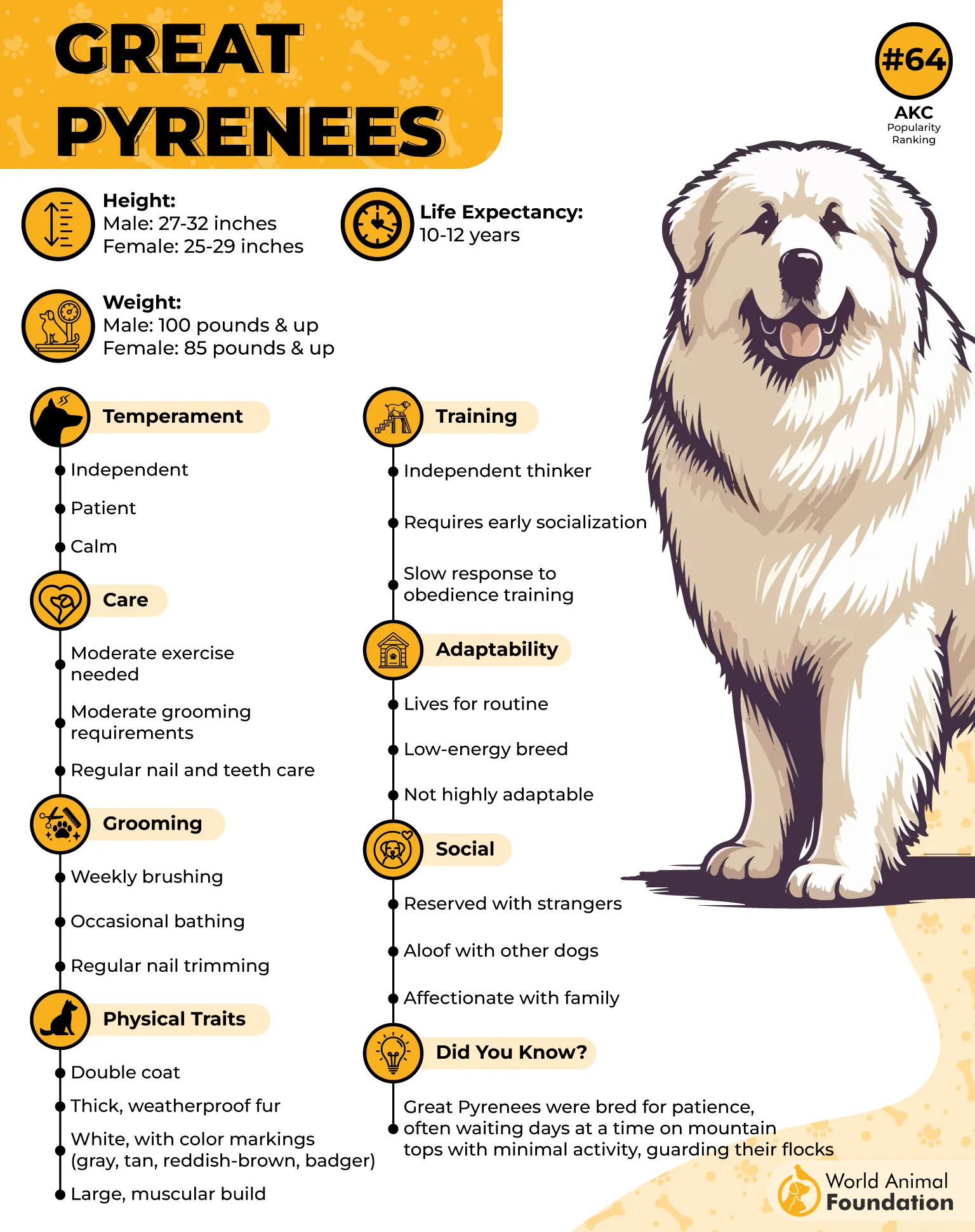
Unlike high-energy working dogs, this dog breed relies on patience, awareness, and independent judgment. It stays alert for long hours in freezing environments, making it especially effective in remote mountain landscapes where help is not always nearby.
Strong independent guarding instinct that allows it to protect livestock without direct human supervision in remote terrain
Exceptional cold-weather endurance that supports long, stationary watch periods in freezing mountain climates
4. Rhodesian Ridgeback
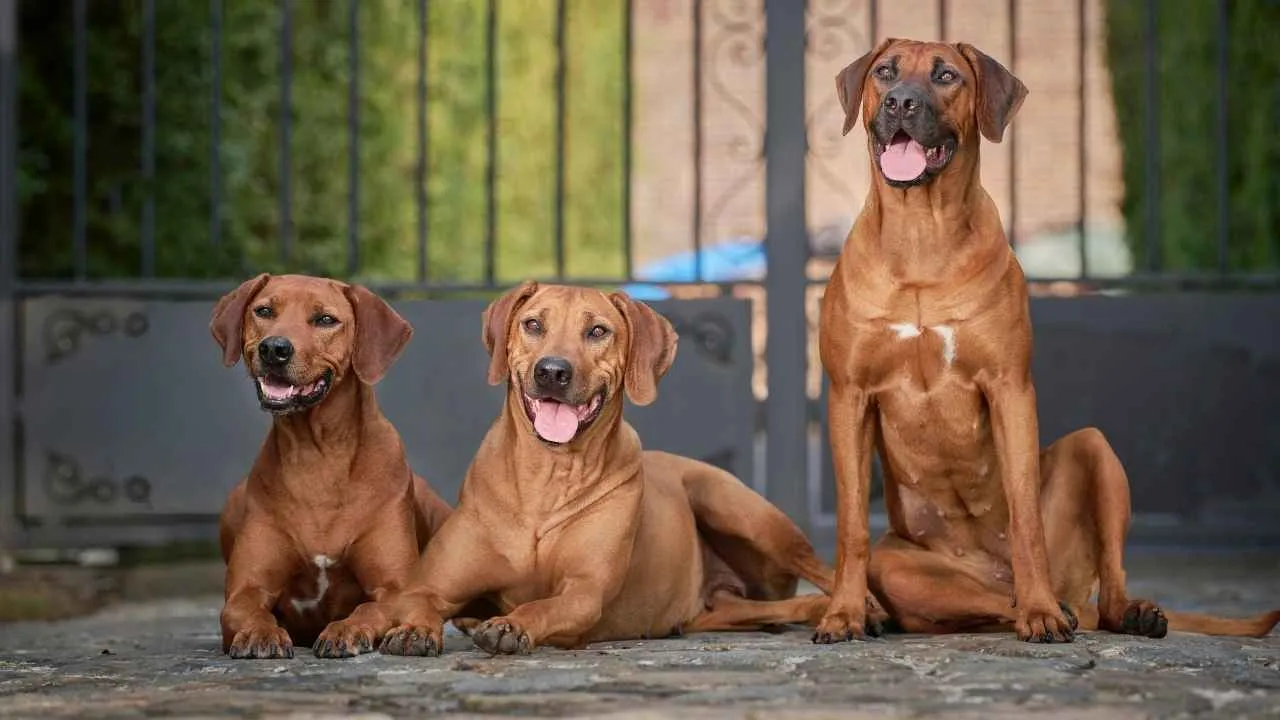
If there’s a dog breed that feels built for both survival and adventure, it’s this one.
The Rhodesian Ridgeback is a strong, athletic hunting dog originally developed in Southern Africa, where it was used for tracking and holding large game in harsh, open landscapes. Known for its endurance and fearless nature, it earned the nickname “African lion hound” for its role in confronting dangerous wildlife, as per Britannica.
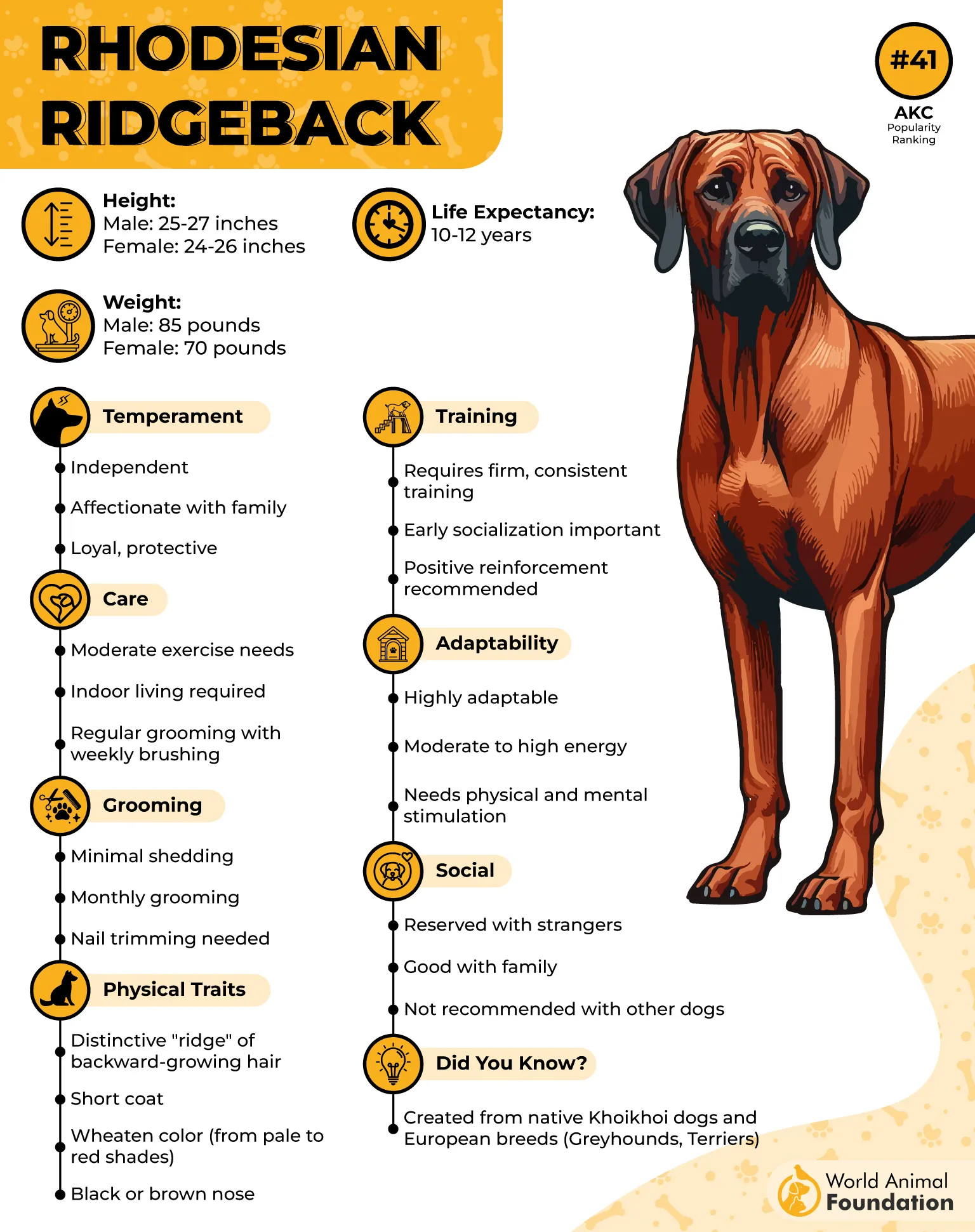
This dog breed stands out with its lean, muscular build, short glossy coat, and unique ridge of hair along its back. Unlike cold-climate guardians, it thrives in warm, open terrain where speed, stamina, and agility matter more than insulation. It is also highly active and requires daily physical challenge to stay balanced and focused.
Exceptional prey-tracking focus that allows sustained pursuit over long distances in open terrain
High heat tolerance with an efficient short coat designed for endurance in hot, dry climates
5. Weimaraner
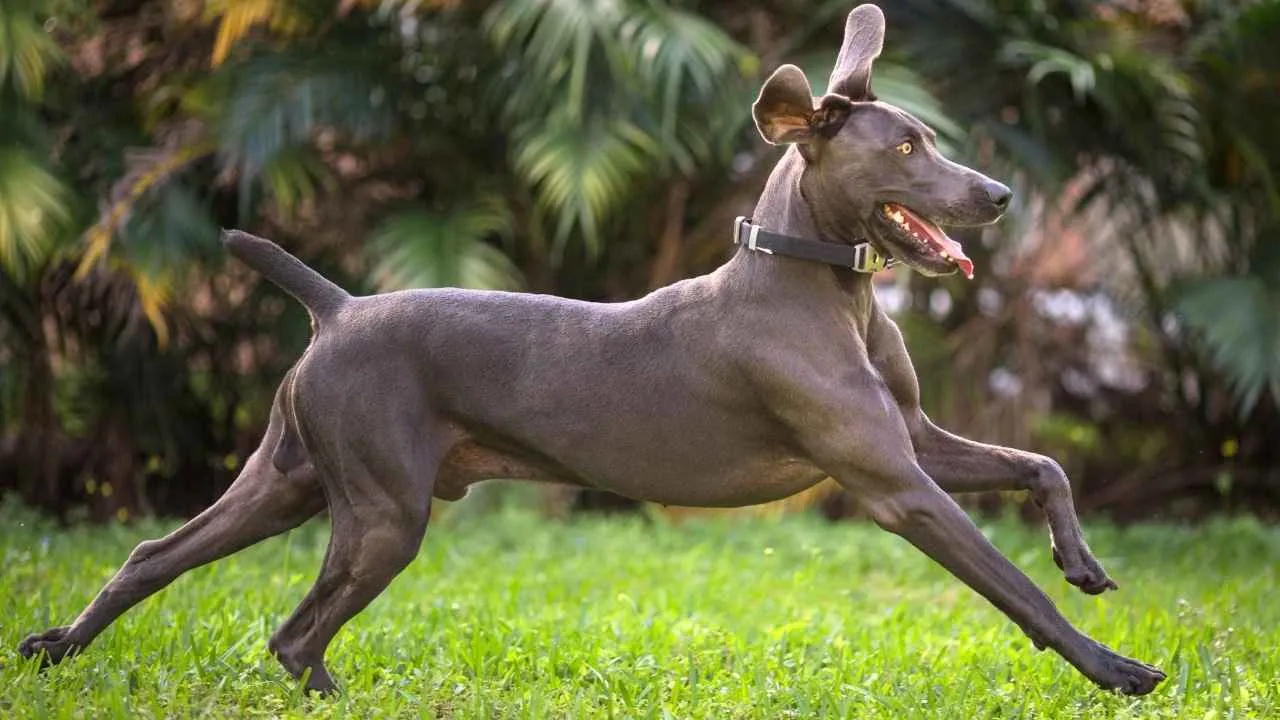
If a dog breed were designed for nonstop motion in wide-open terrain, this would be it. The Weimaraner is a sleek, athletic hunting dog originally developed in 19th-century Germany to track and pursue large game over long distances. Built for speed, endurance, and sharp focus, it was used by hunters who needed a reliable partner capable of performing in demanding outdoor environments, as per PetMD.
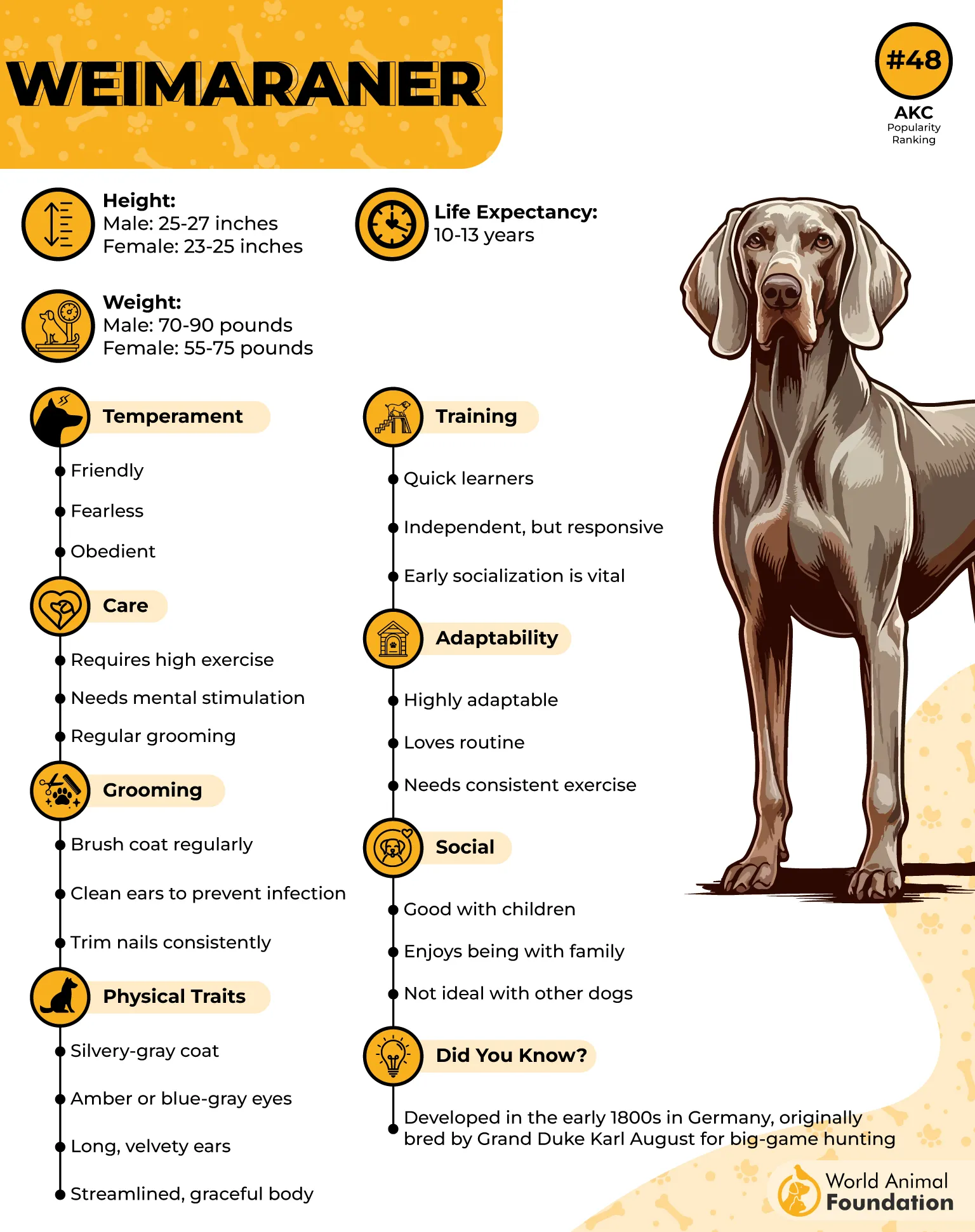
This dog breed is known for its lean silver-gray body, long legs, and highly alert nature. Unlike heavy working or cold-climate breeds, it thrives in fast-paced, high-movement settings where quick decision-making and constant activity are essential. It performs best when given structured tasks that challenge both body and mind.
Exceptional “follow-through” hunting drive that allows it to maintain pursuit even after long gaps in scent contact
Highly responsive movement intelligence that helps it instantly adjust direction and speed during fast-changing outdoor chases
6. Australian Cattle Dog
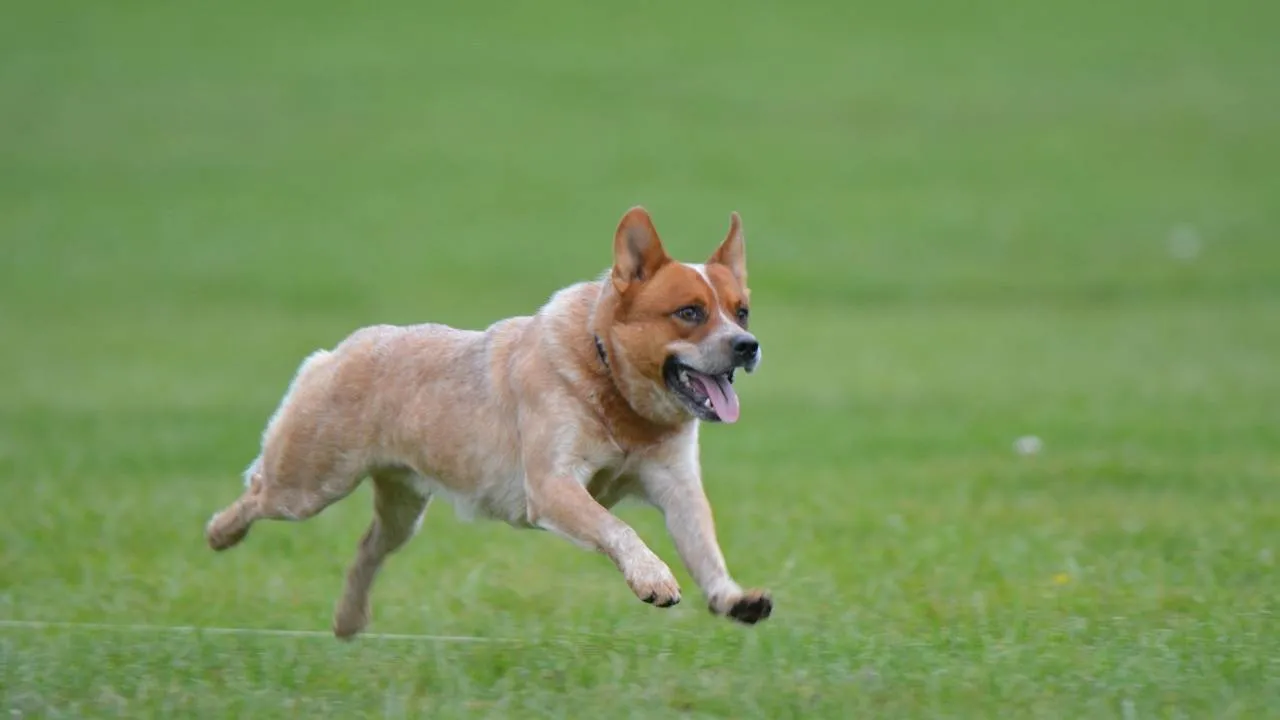
If there’s a dog breed that looks like it never learned the meaning of “tired,” it’s this one. The Australian Cattle Dog was developed in Australia for one demanding purpose—driving cattle across vast, rough terrain under extreme conditions. Built for nonstop work, it became a symbol of endurance, intelligence, and toughness in real-world working environments.
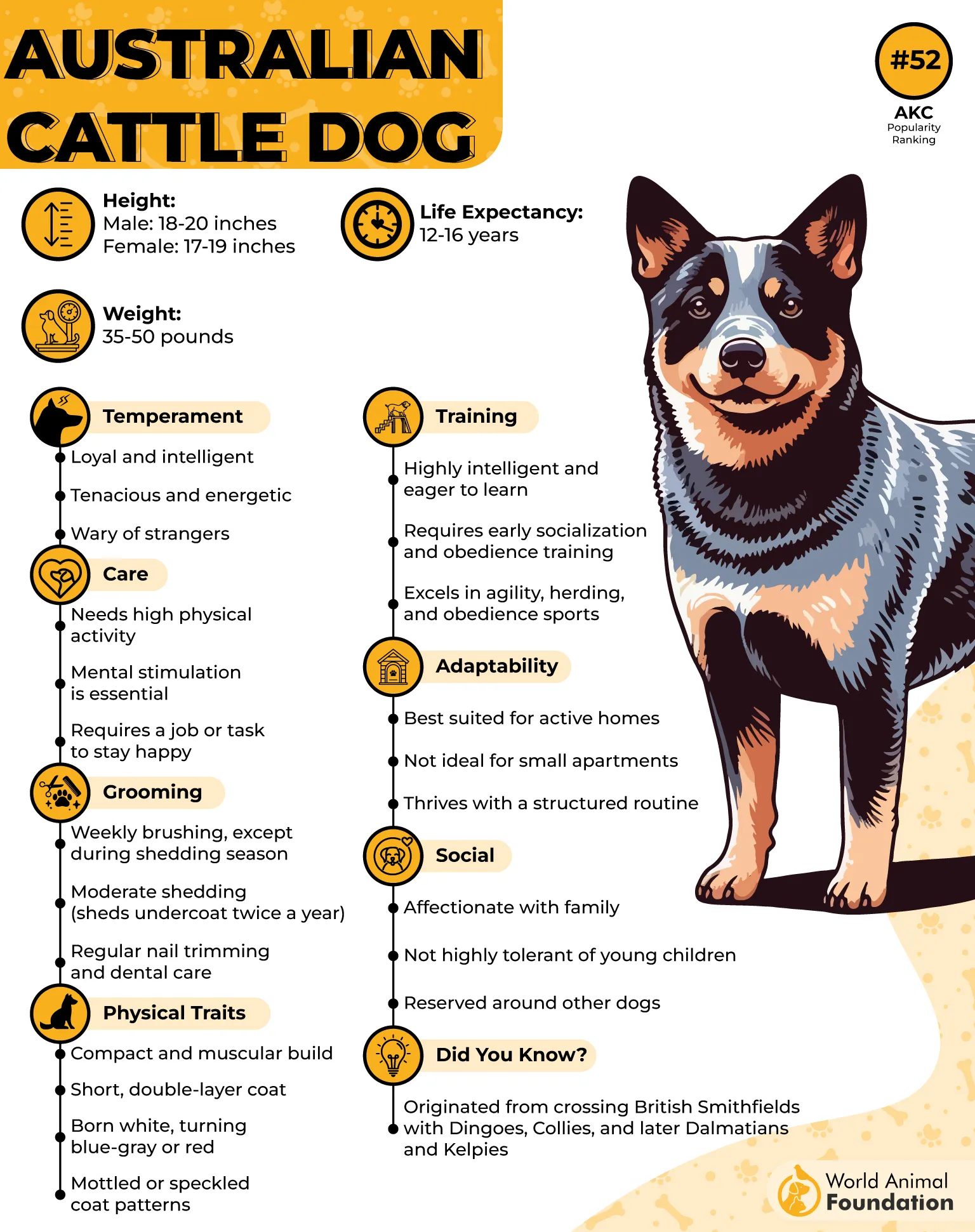
This dog breed is compact yet extremely powerful, with a muscular frame designed for agility, speed bursts, and long hours of physical labor. Unlike purely companion breeds, it thrives on responsibility, structure, and constant engagement. Its sharp awareness and strong protective instincts make it highly reliable but also cautious with strangers, especially without early training.
Exceptional problem-solving ability that allows it to independently manage livestock movement across unpredictable terrain
High-efficiency energy control that supports sustained work output over extremely long periods without performance drop
7. Bloodhound
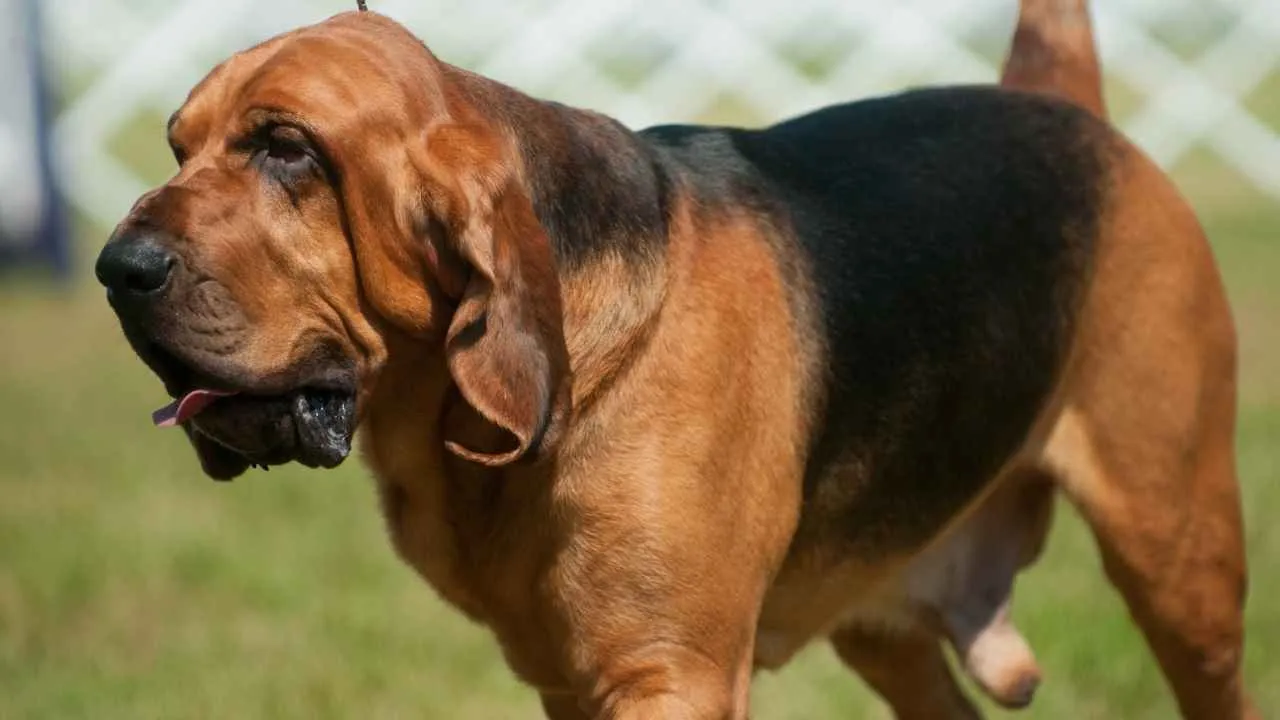
If there’s a dog breed that treats the world like one giant mystery to solve, it’s this one. The Bloodhound is a scent-tracking specialist originally developed in medieval Western Europe for following trails over extremely long distances and time gaps. Famous for its unmatched nose, it has been used for hunting, and later for search-and-rescue and police tracking, where accuracy matters more than speed.
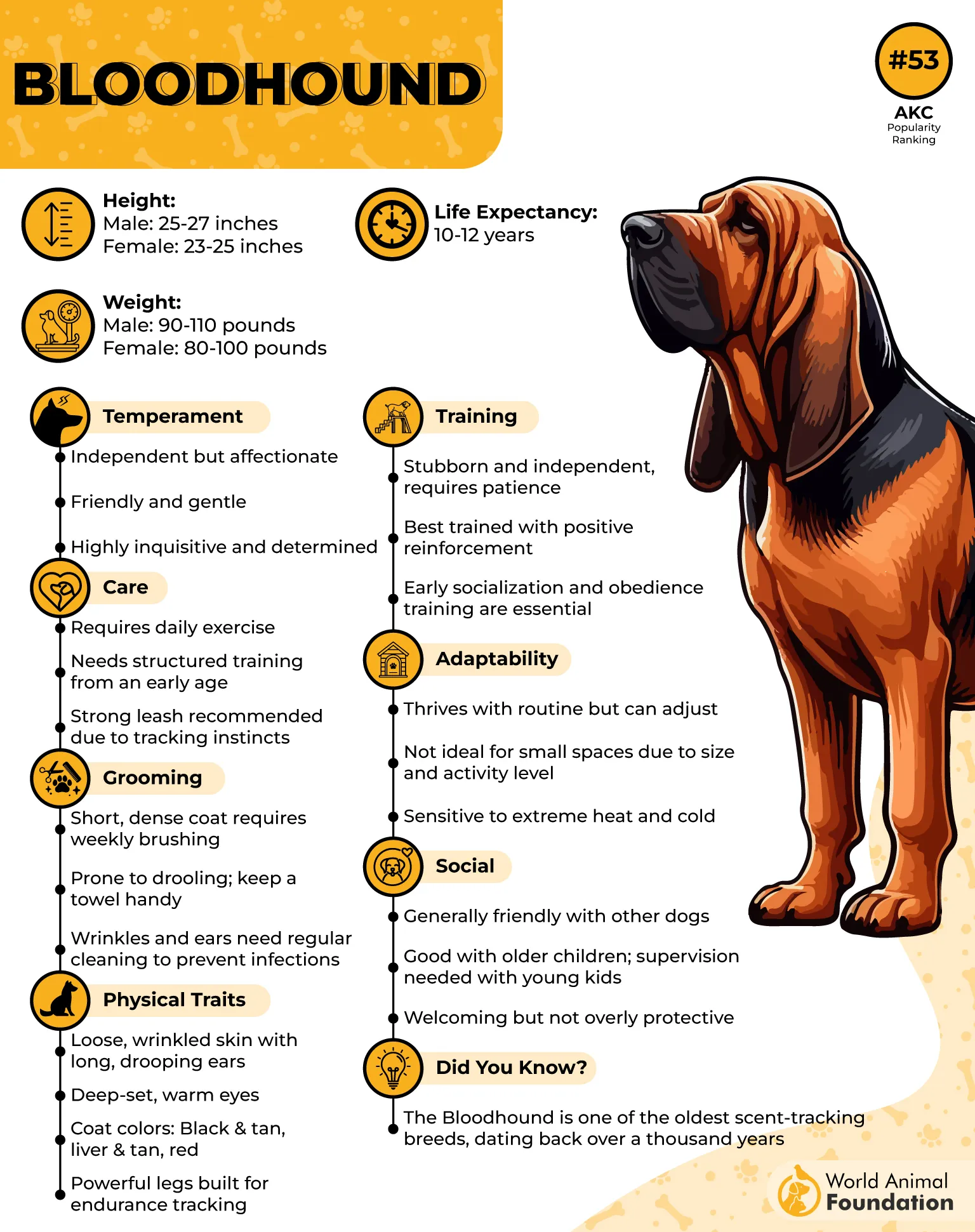
This dog breed is gentle in temperament but extremely driven by scent, often becoming completely focused once a trail is detected. Unlike fast or muscular working breeds, its strength lies in persistence and concentration, making it highly effective in real-world tracking situations across varied terrain.
Exceptional scent memory that allows it to continue tracking a trail even after long interruptions or environmental changes
High persistence drive that enables sustained tracking over extremely long distances without losing focus
8. Redbone Coonhound
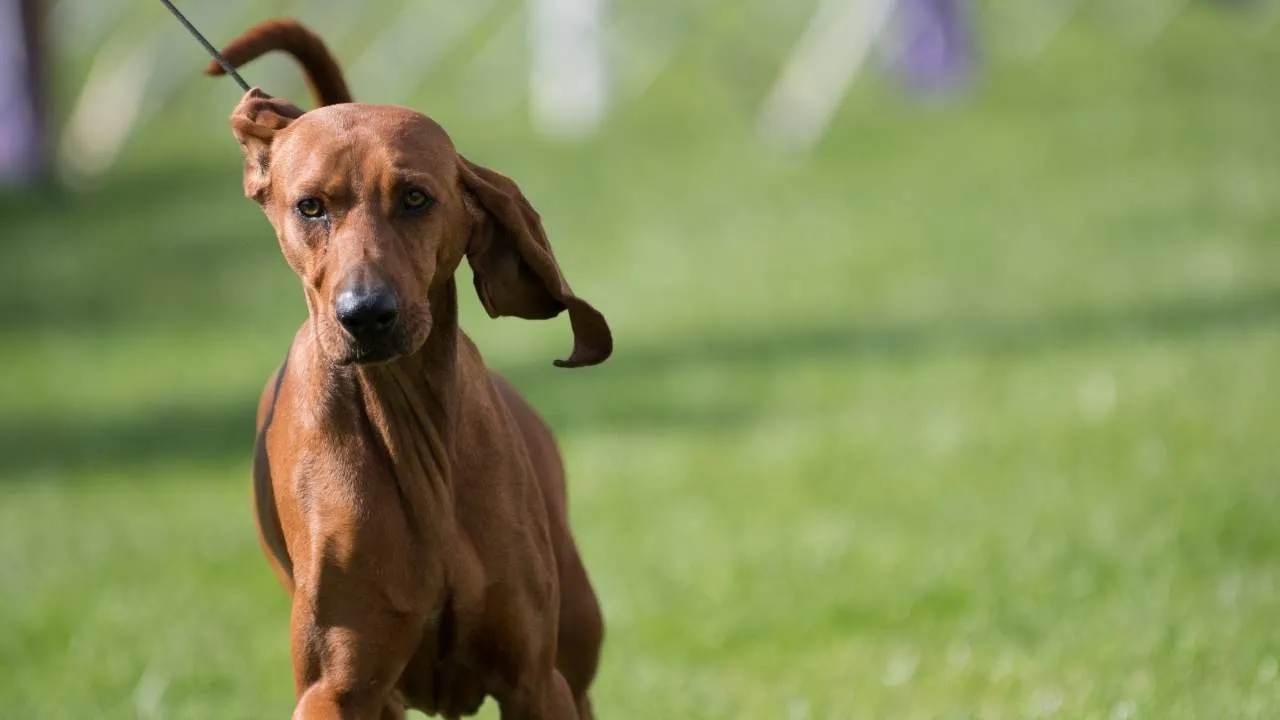
If there’s a dog breed that turns forests into a full-time investigation zone, it’s this one. The Redbone Coonhound is an American hunting dog developed in the Southern United States for tracking and treeing game across dense terrain. Built from early bloodhound and foxhound lines, it became known for its steady tracking ability and its skill in pushing prey into trees, where hunters could easily locate it.
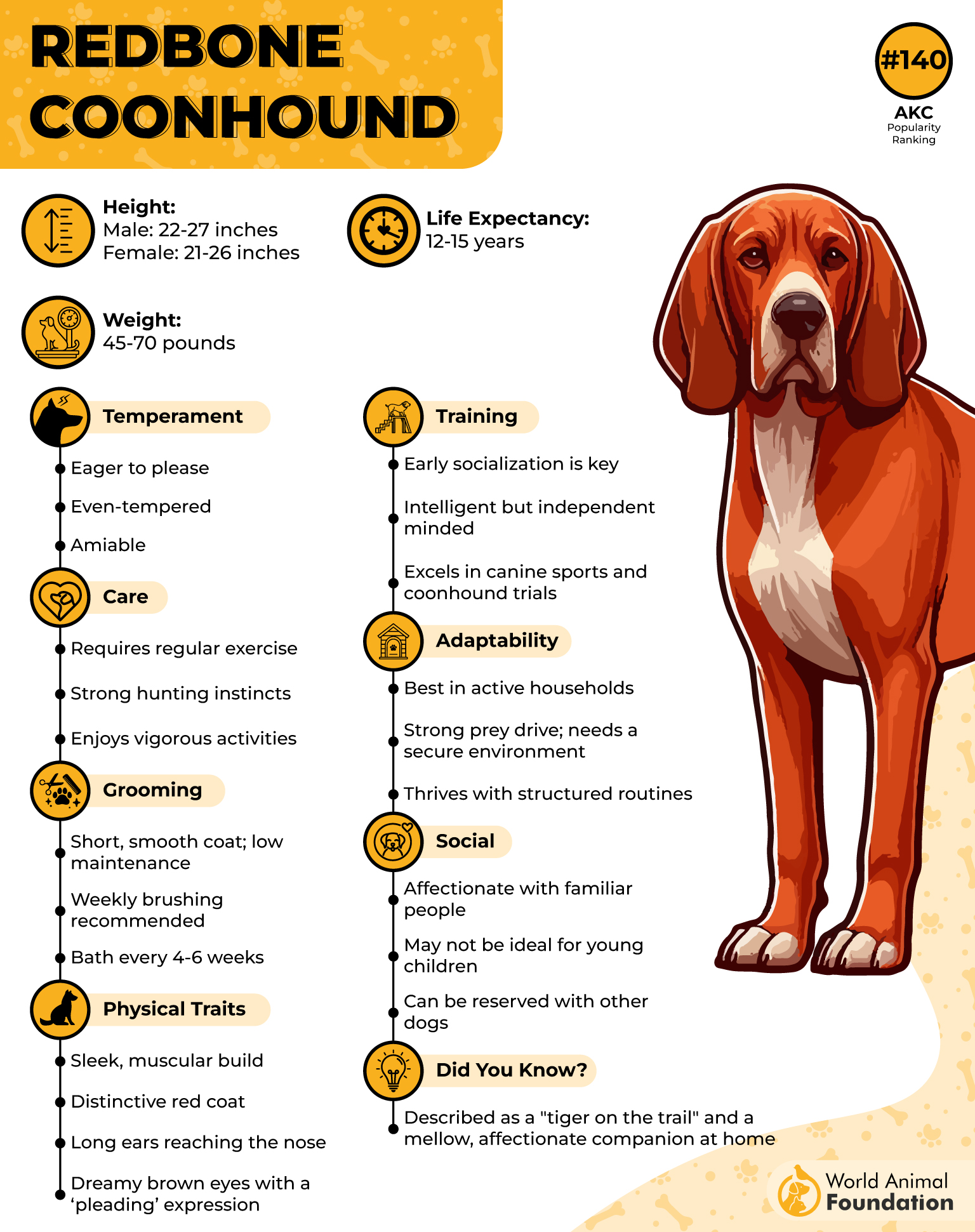
This dog breed stands out for its smooth, deep-red coat, strong scenting ability, and remarkable persistence on long trails. Unlike speed-focused hunters, it relies on endurance, patience, and a “cold nose” that can follow older scent trails over challenging landscapes. Its voice is loud and distinctive, making it highly effective in field communication during hunts.
Exceptional cold-trail scenting ability that allows it to track older game trails across difficult terrain
Strong treeing instinct that enables it to locate and hold game in place until hunters arrive
9. American Foxhound
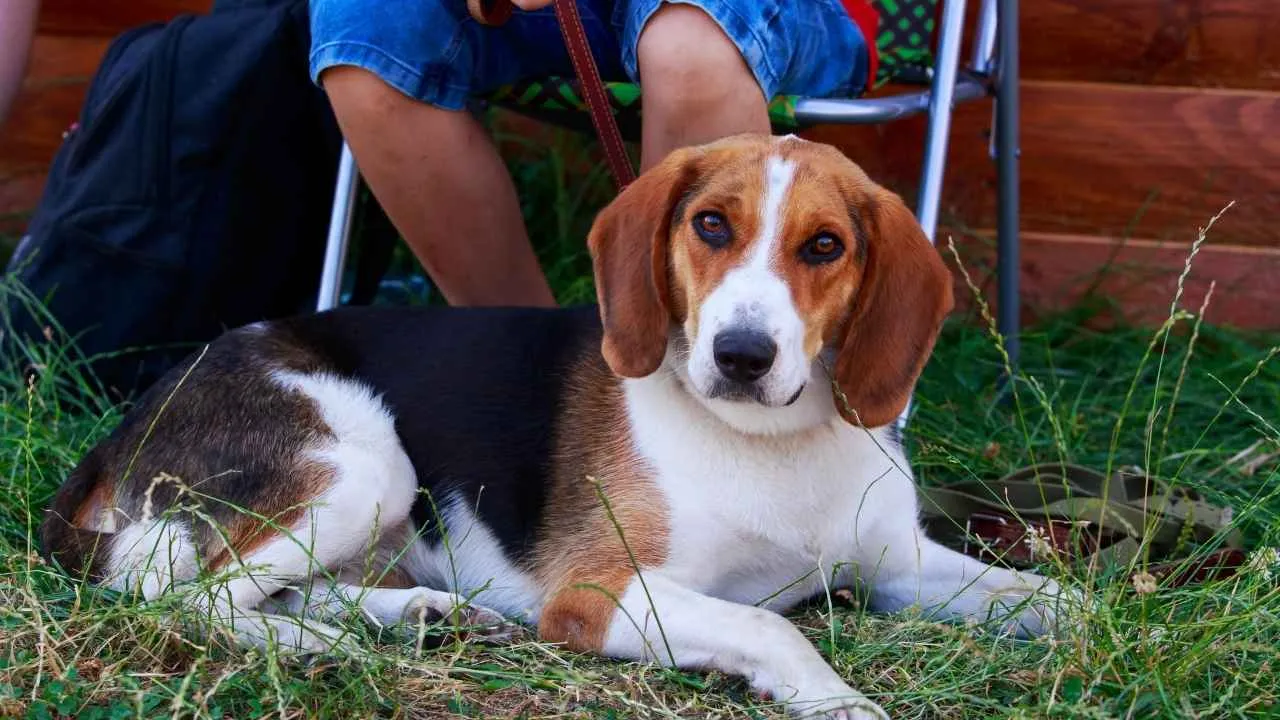
If there’s a dog breed that treats every open field like a never-ending adventure trail, it’s this one. The American Foxhound is a classic scent-hunting breed developed in the United States, with early influence from English and French hounds, including breeding programs linked to George Washington.
Built for pack hunting, it became known for tracking game across vast distances with relentless energy and enthusiasm.
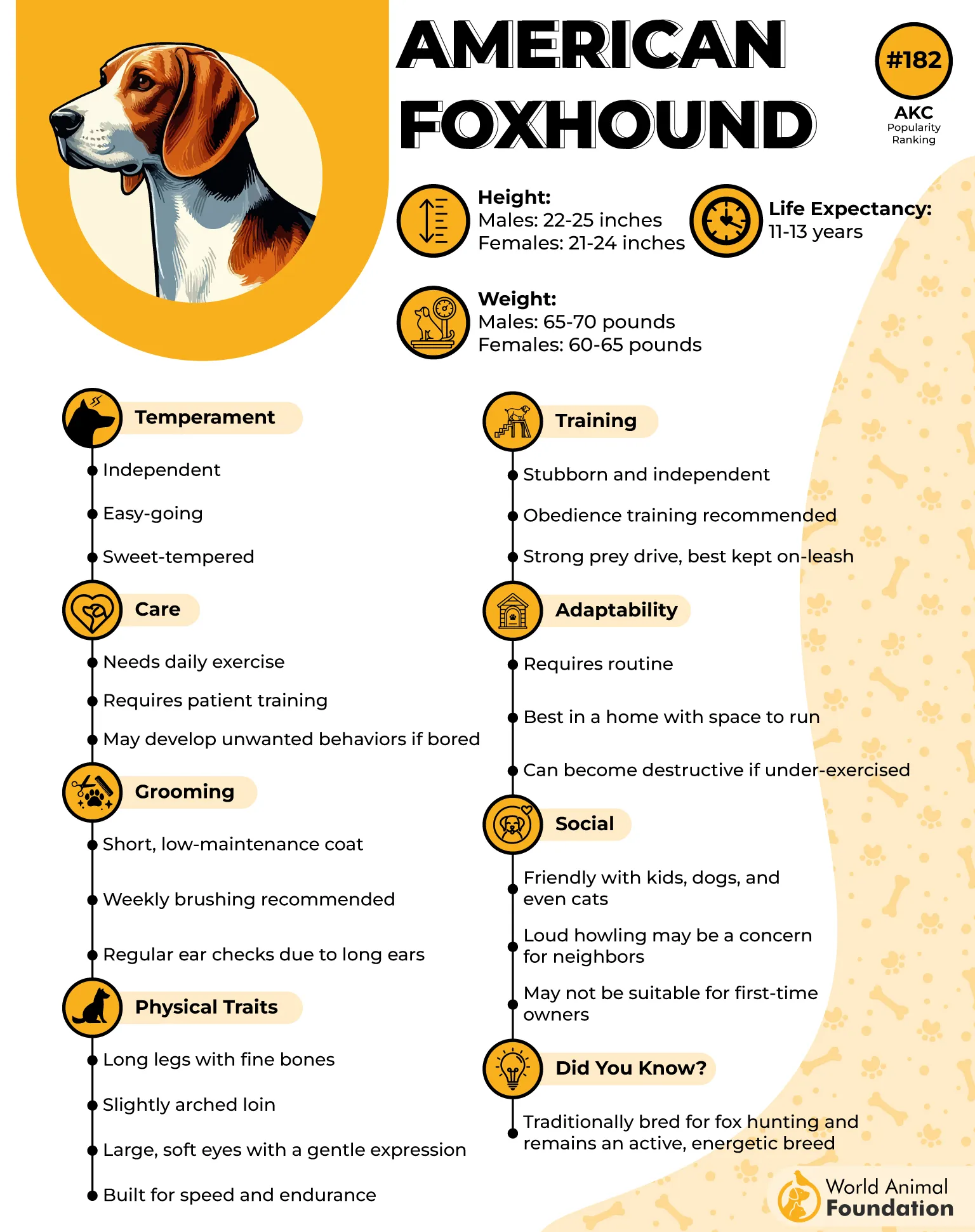
This dog breed stands out for its lightweight, athletic build and powerful nose that keeps it locked onto scent trails for hours. Unlike solitary hunters, it is highly pack-oriented and performs best when working alongside other dogs in open terrain. Its natural drive makes it happiest when given freedom, movement, and purpose.
Strong pack-driven hunting instinct that enhances coordination and endurance during long group tracking sessions
Exceptional scent-following ability that allows continuous pursuit across wide, open landscapes without losing direction
Conclusion
From frozen Arctic pullers to silent mountain guardians and relentless trackers across open fields, each of these tough dog breeds shows that strength isn’t just about size—it’s about purpose, adaptability, and heart.
Some thrive in sub-zero temperatures, others in scorching heat or endless terrain, but all share one thing: they were shaped by demanding environments where only the most capable could survive and work alongside humans.
What really stands out is how different their strengths are—some rely on raw power, others on speed, scent, or patience—but each one is built for a job that pushes limits.
If you’re considering one of these dogs, don’t just admire their toughness—respect it. These aren’t casual pets; they’re working partners at heart. With the right training, structure, and commitment, they don’t just adapt to extreme conditions—they excel in them, forming bonds that feel as strong as the environments they were born to conquer.
