




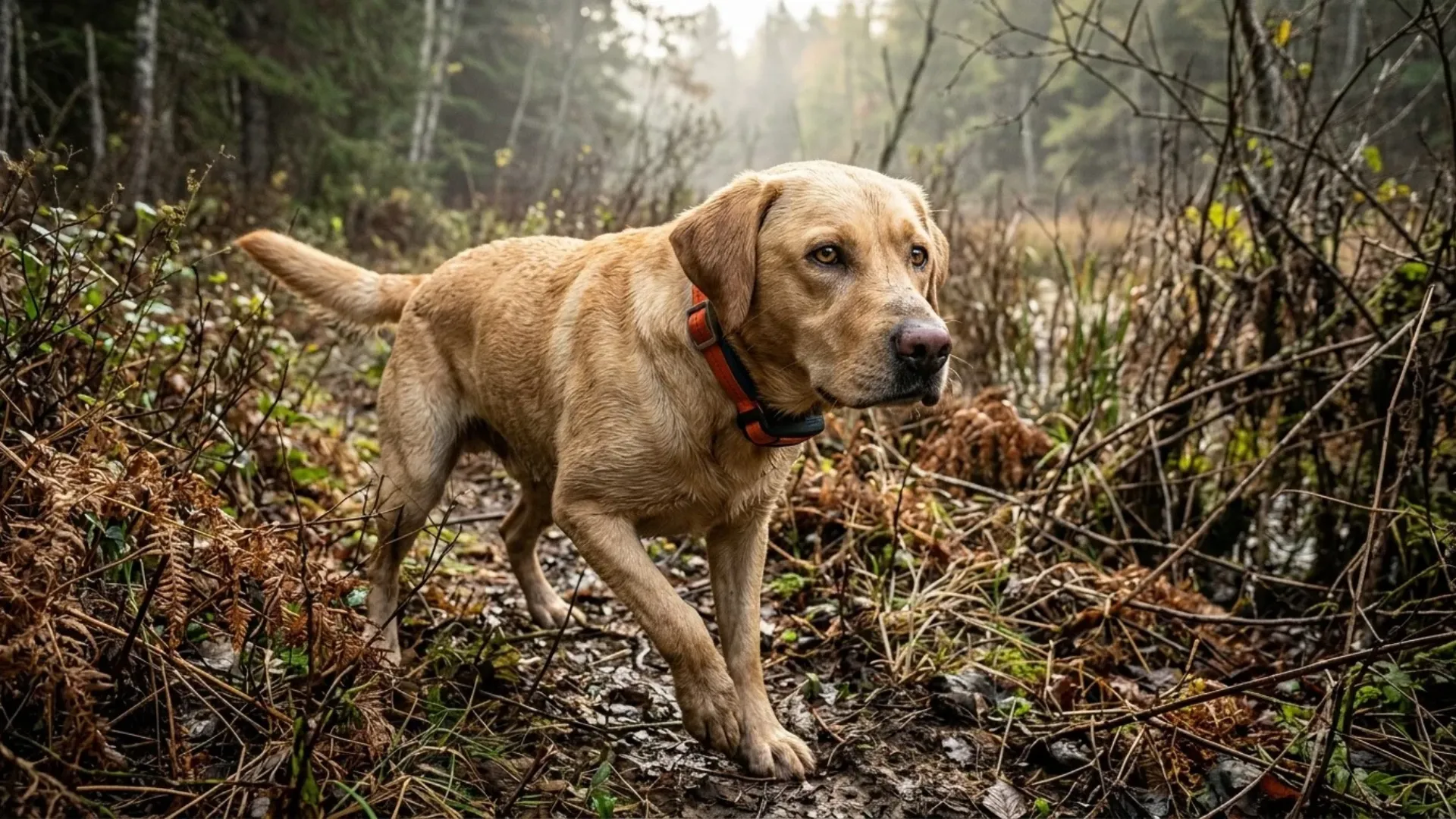
A hunter’s success in a hunt starts long before their quarry is actually spotted. A subtle fragrance passes over the grass up ahead, or slips through the dense forest, floating over a seemingly mundane path to the human nose.
A particularly well-suited hunting dog will see what the hunter will overlook.
Not all hunting breeds hunt in the same manner. Some hounds will track an animal’s scent for long distances; other dogs prefer chasing game birds and pointing to their hiding places, or retrieving them after the hunt is complete.
These are 10 hunting dog breeds with outstanding tracking and game-finding ability, each with a unique set of talents in the field. Learn about the latest temperaments in each breed and choose your dog wisely.
Top Hunting Dog Breeds With Exceptional Tracking Skills
1. Labrador Retriever
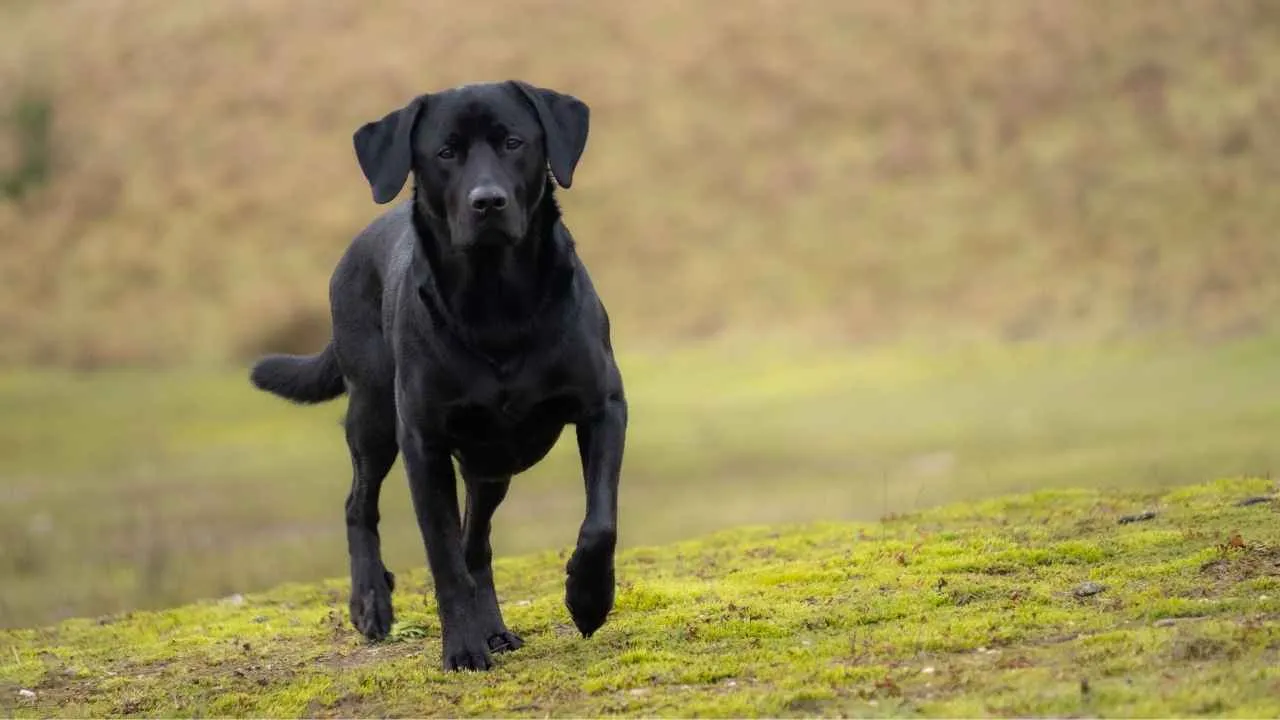
Described as having a strong work ethic by Britannica, the Labrador Retriever is one of the leading breeds in the field of waterfowl hunting.
The Lab was bred in Newfoundland, but improved in Britain, and was a very desirable gundog. Its willingness to work, excellent retrieving instinct, and its ability to search for downed birds on land and water made it a great companion.
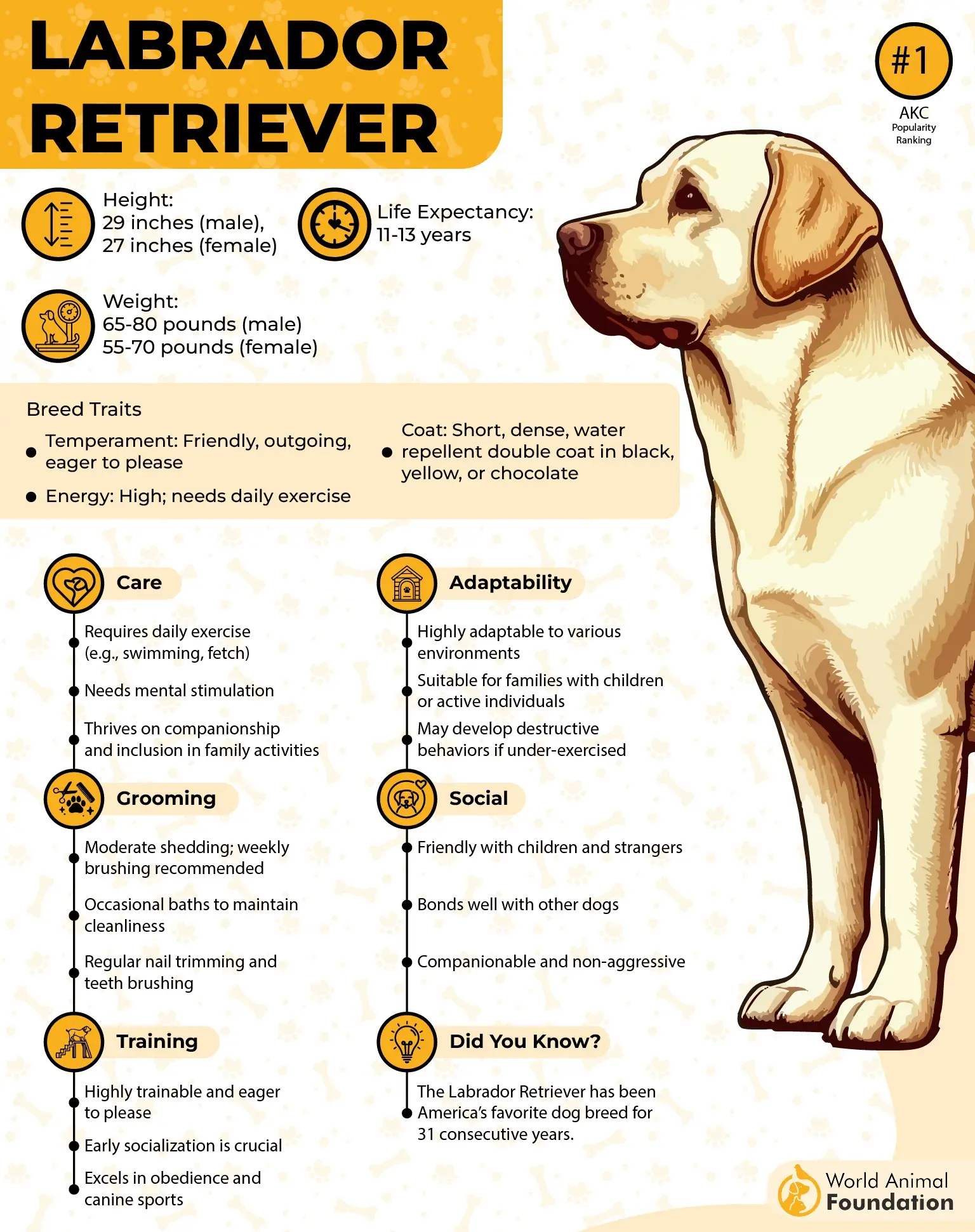
It has good field abilities, coupled with a cooperative temperament, which makes it a highly social dog. A Lab uses scents to find downed birds in dense vegetation and carries the bird back without needlessly injuring it.
These attributes also make the Lab valuable in other types of scent work, such as detection work.
The Labrador is not a specialist trailing hound, and should not be called one. It is the ability to locate the scent of the game and the ability to retrieve it that sets this canine apart from the rest.
2. American Foxhound
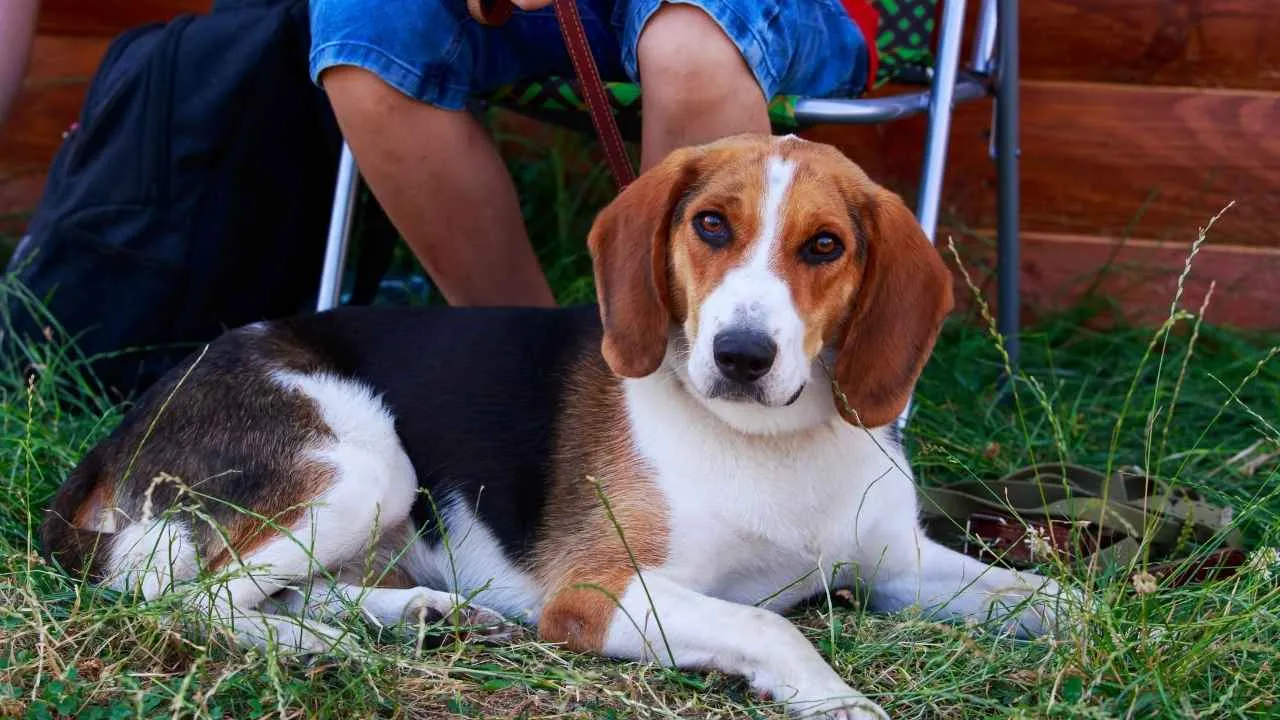
Long distances? Difficult Terrain? A path that appears to be endless? This seems like a nightmare for any other breed, but the perfect outdoor adventure for the American Foxhound.
The development of this American hunting breed can be traced back to the Foxhounds introduced to North America and bred to the local hunting conditions. This is a top-winning breed that can hold its own, work over varied terrain, and follow a fox’s trail over long distances.
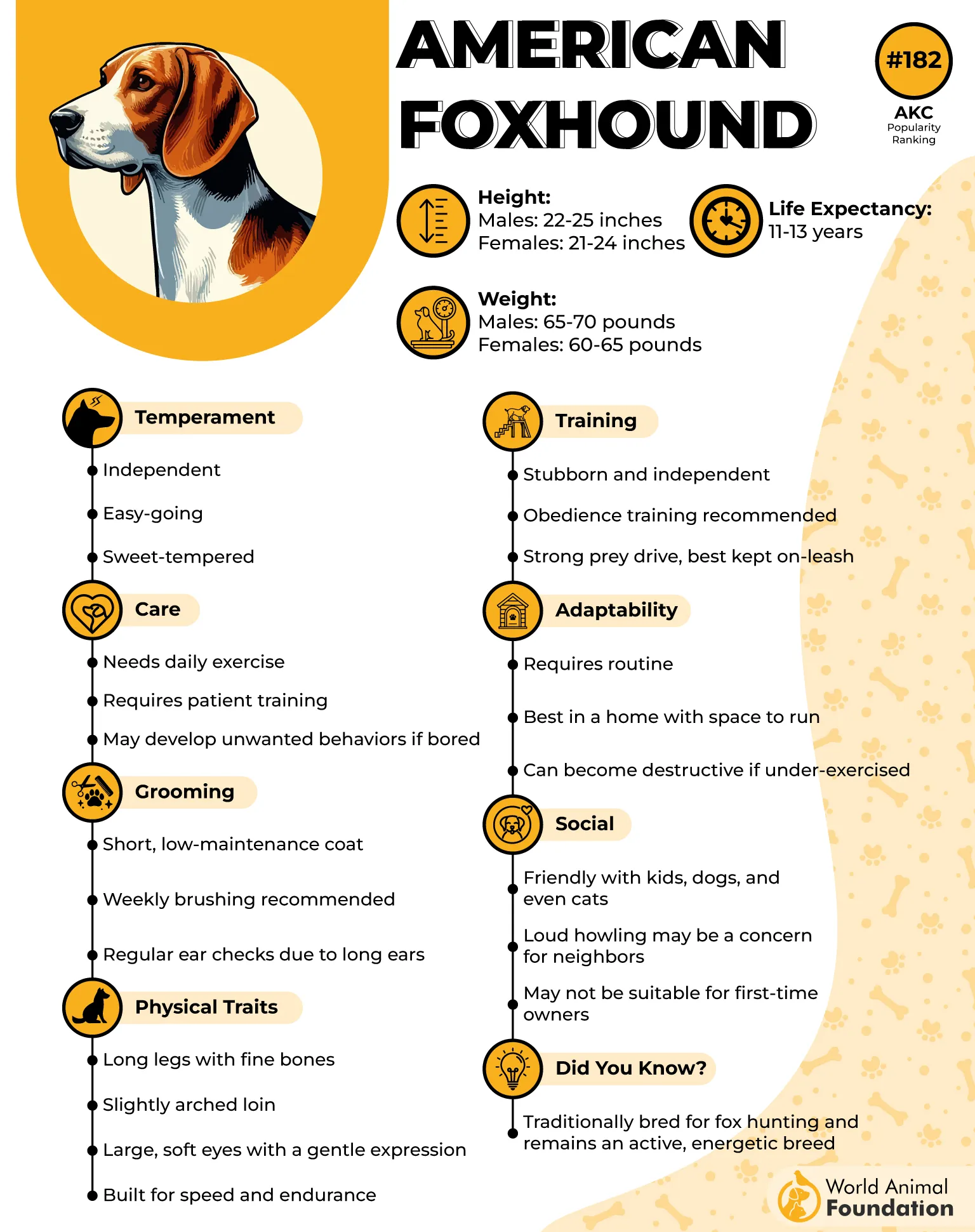
An American Foxhound can cover a great distance, as opposed to a dog working near its handler. This is an athletic breed that is able to endure long hours of hunting; it’s also loud and will make a distinct sound when making its calls, which is useful for hunters following behind.
A useful tip: This dog must have an active life. It requires moderate to high exercise and won’t be easily satisfied by a short walk around the block.
3. Beagle
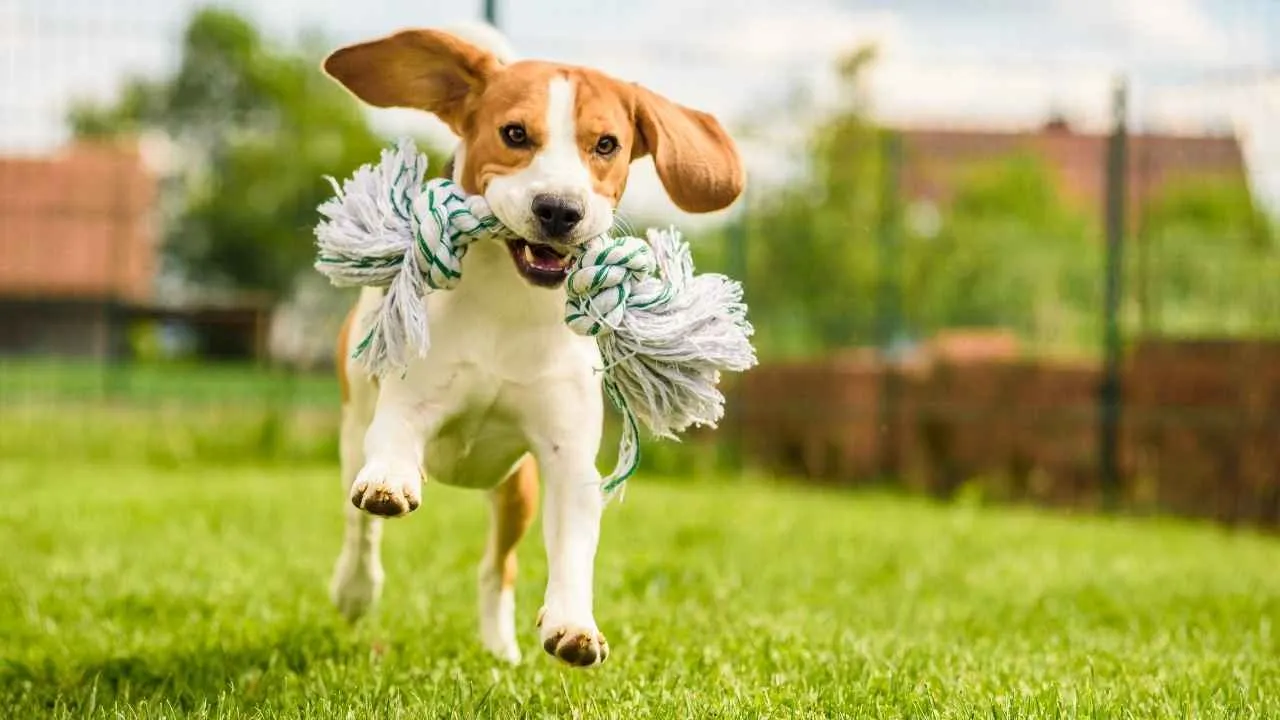
The Beagle is described in the best ways by the American Kennel Club as an excellent dog and a loyal hunting companion.
Beagles were bred to hunt particular species like rabbits and hares, and follow the ground scent in fields, hedgerows, and woods. This breed is small, which is advantageous in areas with heavy brush.
Another useful quality is their unique “baying”. A Beagle tends to make its own noises when following a trail.
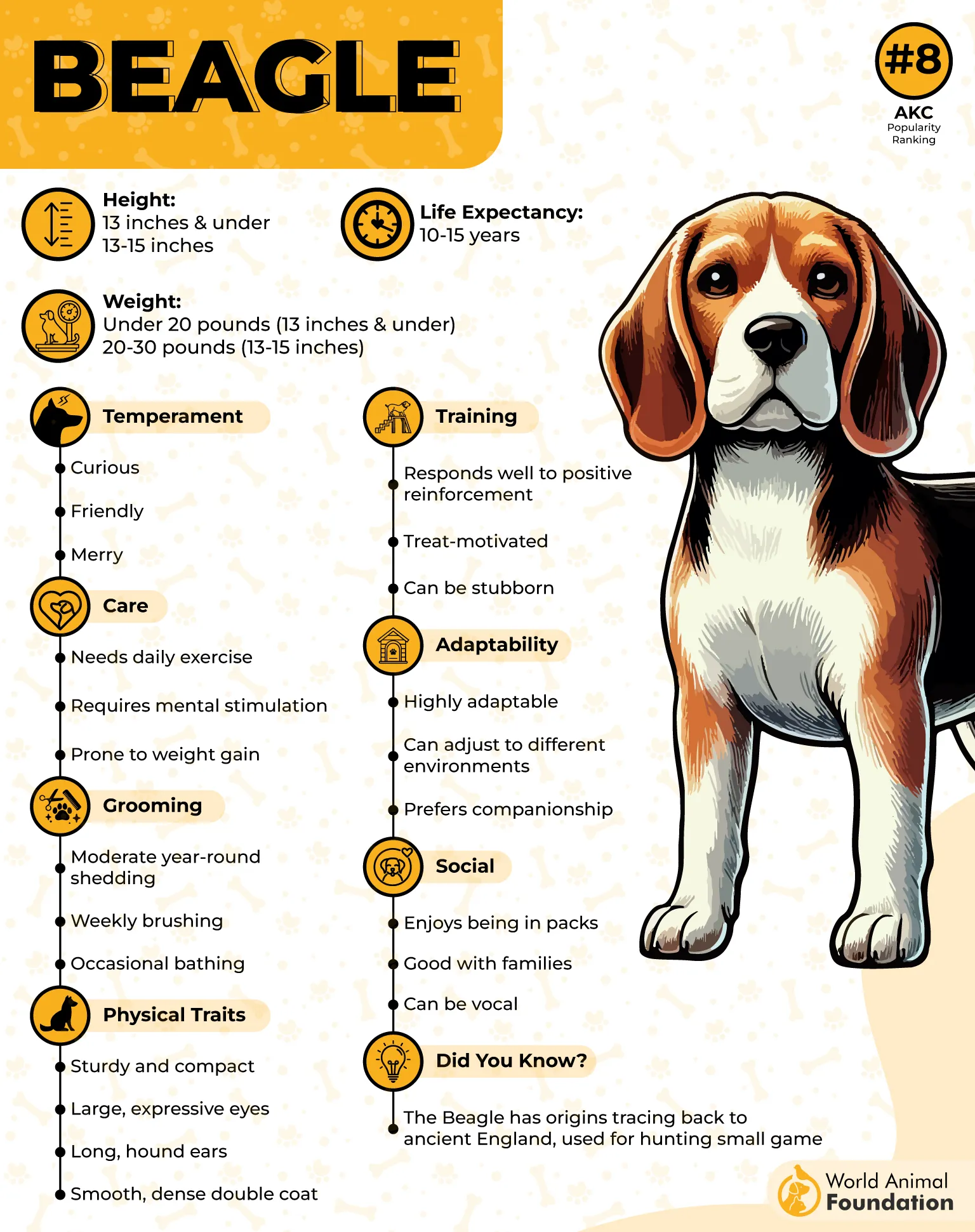
The Beagle is a pack dog as well. It has traditionally been used with other hounds in their natural habitat, and it is known to be a good cooperator and persistent friend.
Don’t underestimate this dog because of its small size. Beagles are active working dogs who have excellent noses that will surely aid your hunt.
4. German Shorthaired Pointer
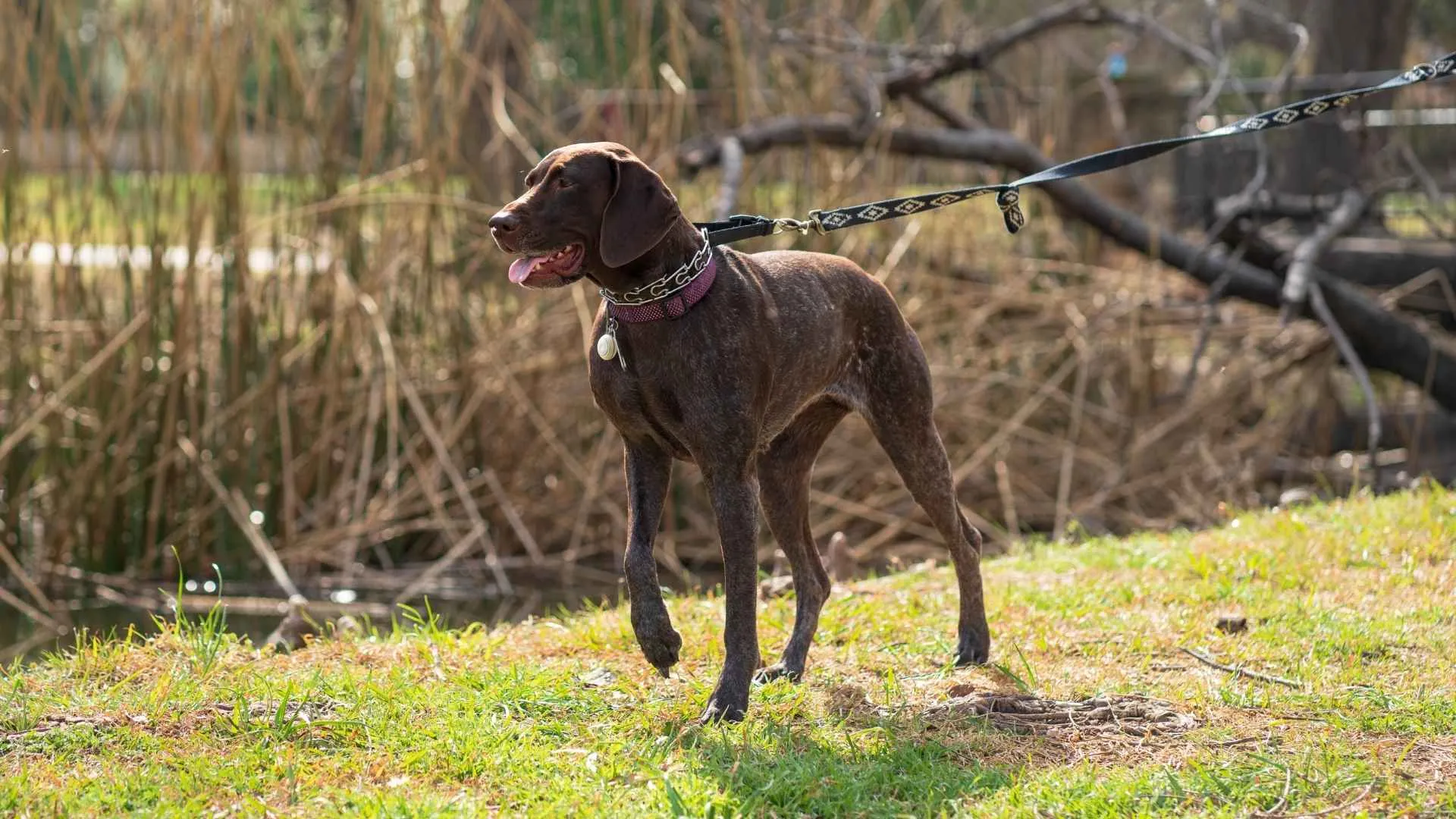
Interested in a hunting companion that’s used to chasing downed birds? Meet the German Shorthaired Pointer.
This breed was created in Germany as a multi-purpose hunting companion, not for any one specific purpose. Unlike other pets, it is versatile and can hunt on land and water.
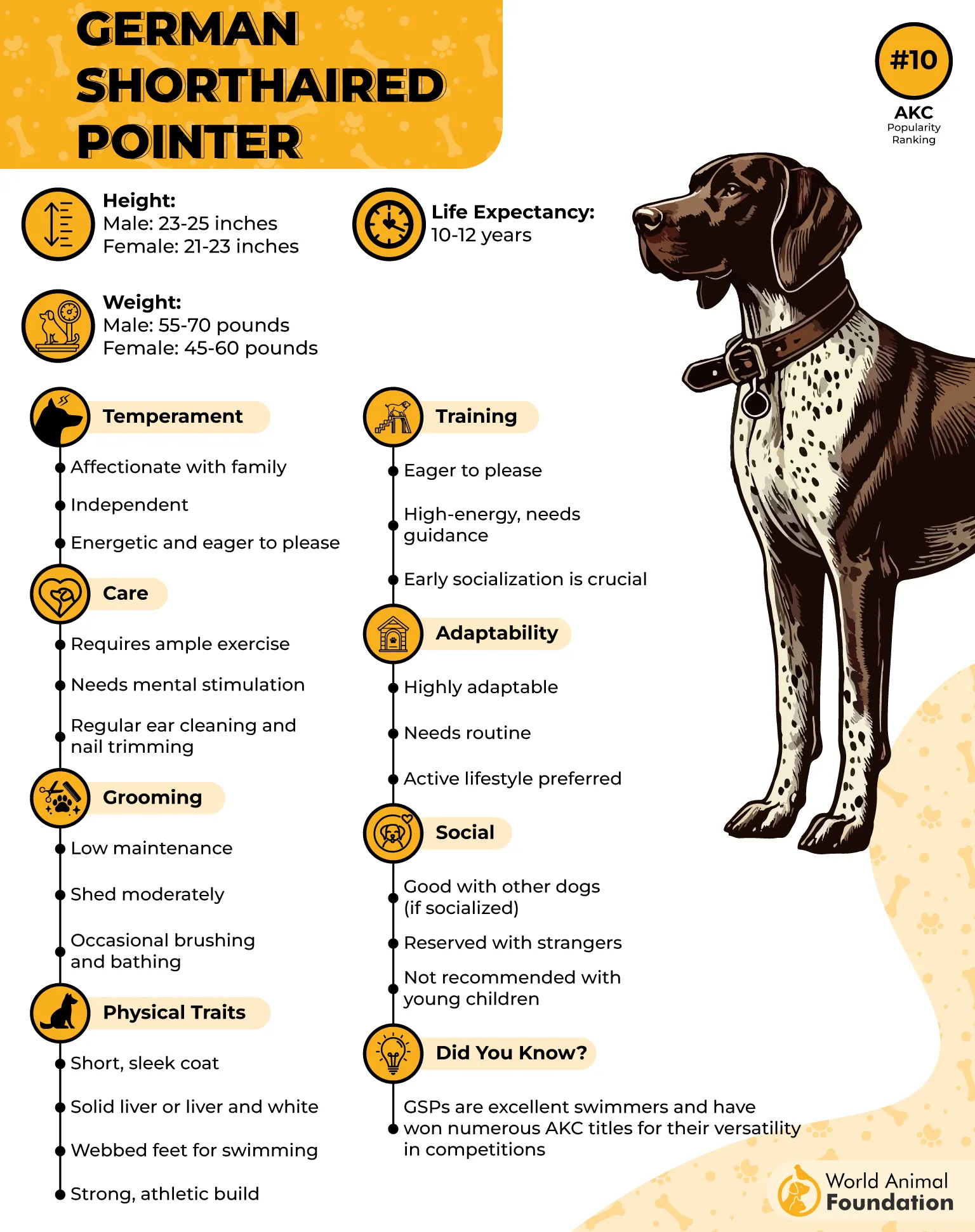
A GSP is trained to “point” at a bird and will typically stand still and freeze into a pointing position as the hunter lines up their shot. This breed is athletic and has a waterproof coat for working in fields, marshes, and other difficult environments.
It is highly intelligent and willing to please, as stated by Purina. This high-energy pup also requires a great deal of exercise and stimulation. Only when this breed is satisfied will you see its tracking and retrieval ability shine when goose hunting.
5. Weimaraner
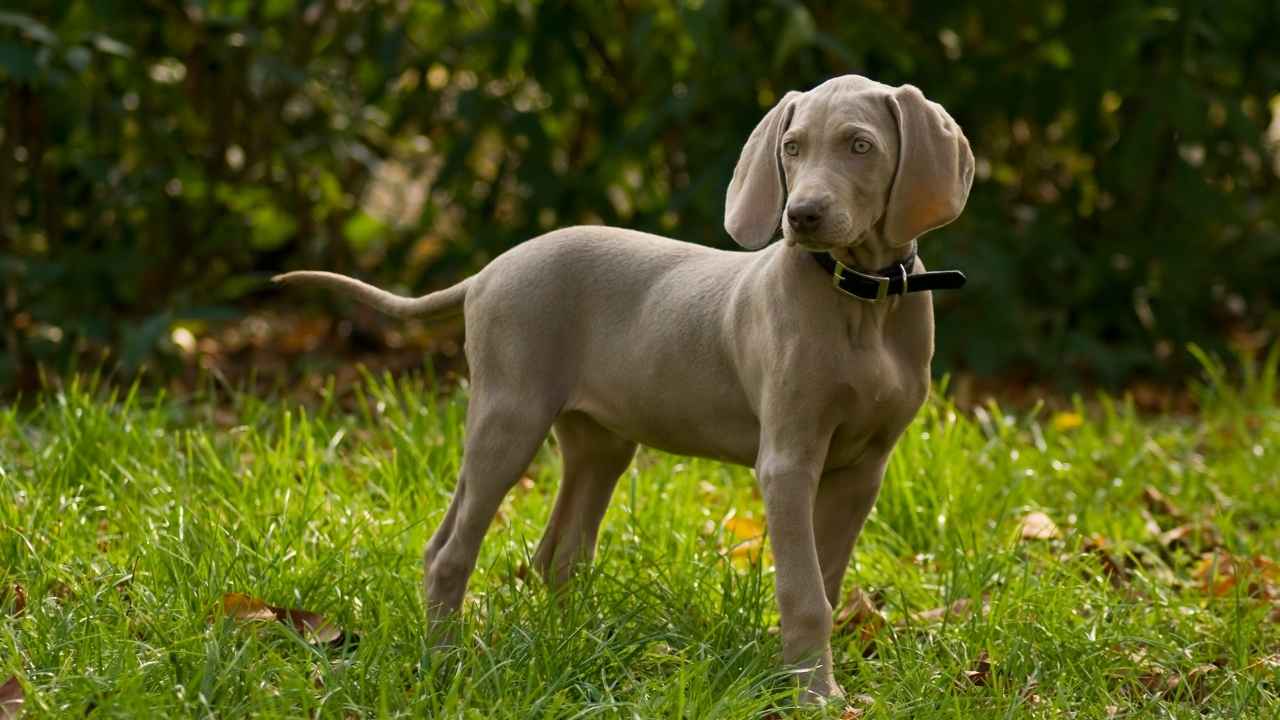
The Weimaraner is a sleek, silver-gray dog known for its short coat and its long history as a hunting breed.
The breed was originally bred in Germany as an all-purpose hunting dog, used to hunt for large game. Later on, it was used for finding, pointing, and retrieving game birds. This history has helped to produce a versatile dog keen to work with its handler.
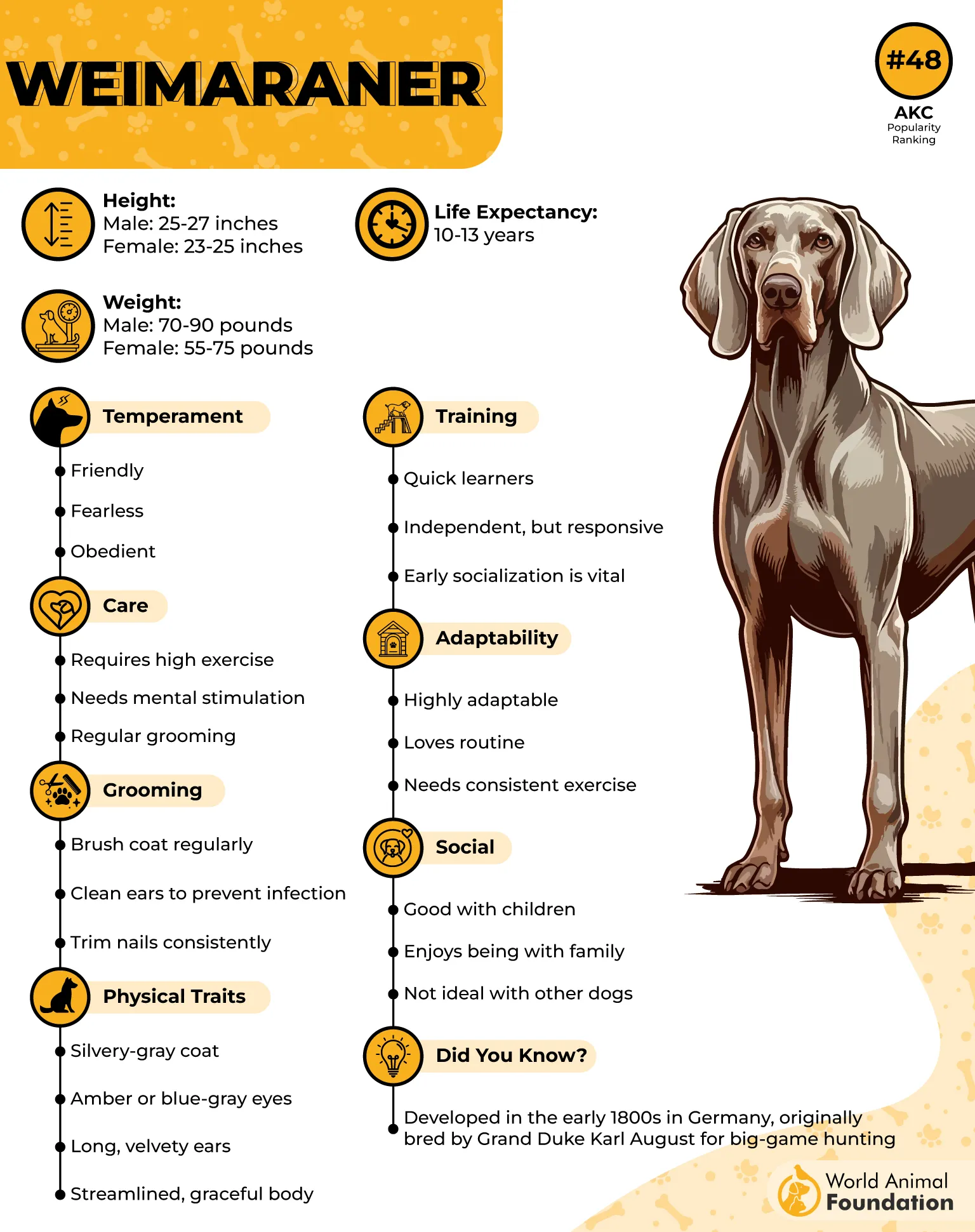
They search over open fields and difficult terrain with their noses to find quarry. Another benefit is their athleticism. Weimaraners are fast and agile dogs capable of fulfilling all your needs as a hunter.
This breed is very companionable and active, so it’s essential that potential owners are aware of this. It is a good breed for hunters looking for a versatile hunting dog, not a breed with a singular tracking function.
6. Bloodhound
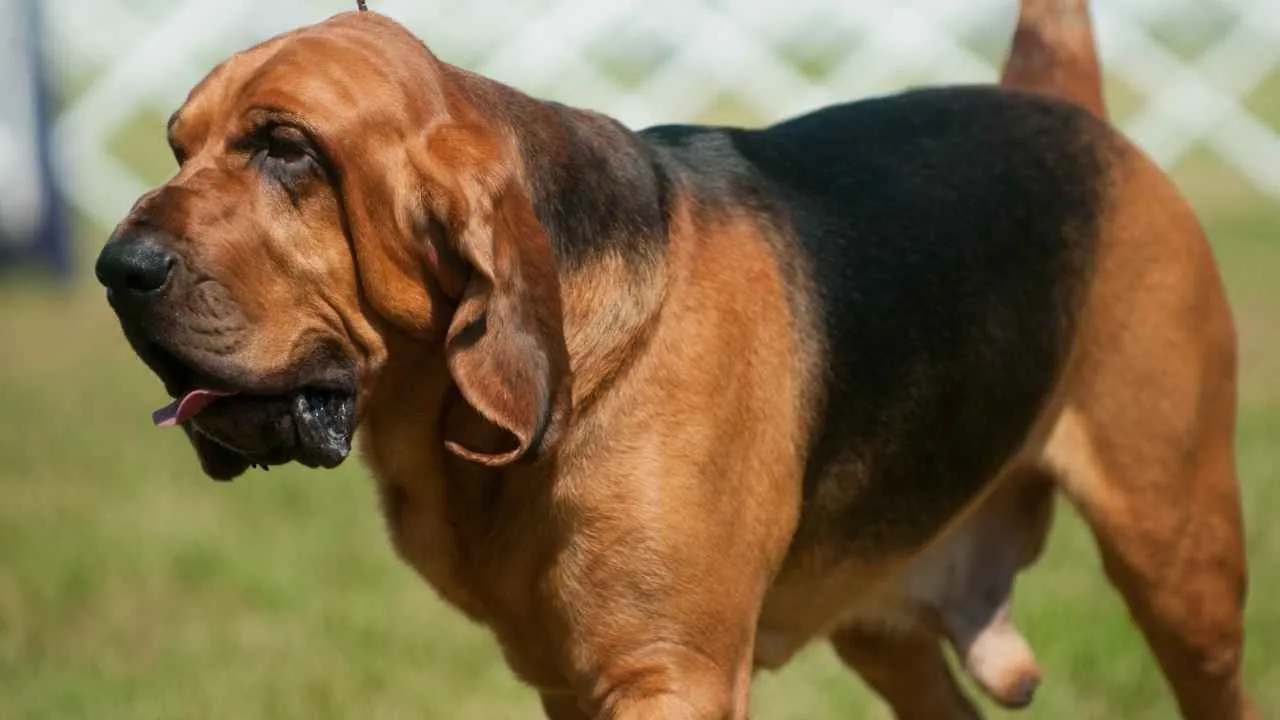
If hunting were an endurance sport, the Bloodhound would be a contender.
There is no other dog breed more well-known in the dog world for its tracking ability than the Bloodhound itself. This breed was bred as a dedicated scent hound and will follow an animal’s trail for a long time, even after the scent has faded.
Those long, loose ears and wrinkled facial skin help the breed develop its characteristic scent-gathering look, and the breed’s substantial build aids in its ability to maintain movement through extended tracking sessions.
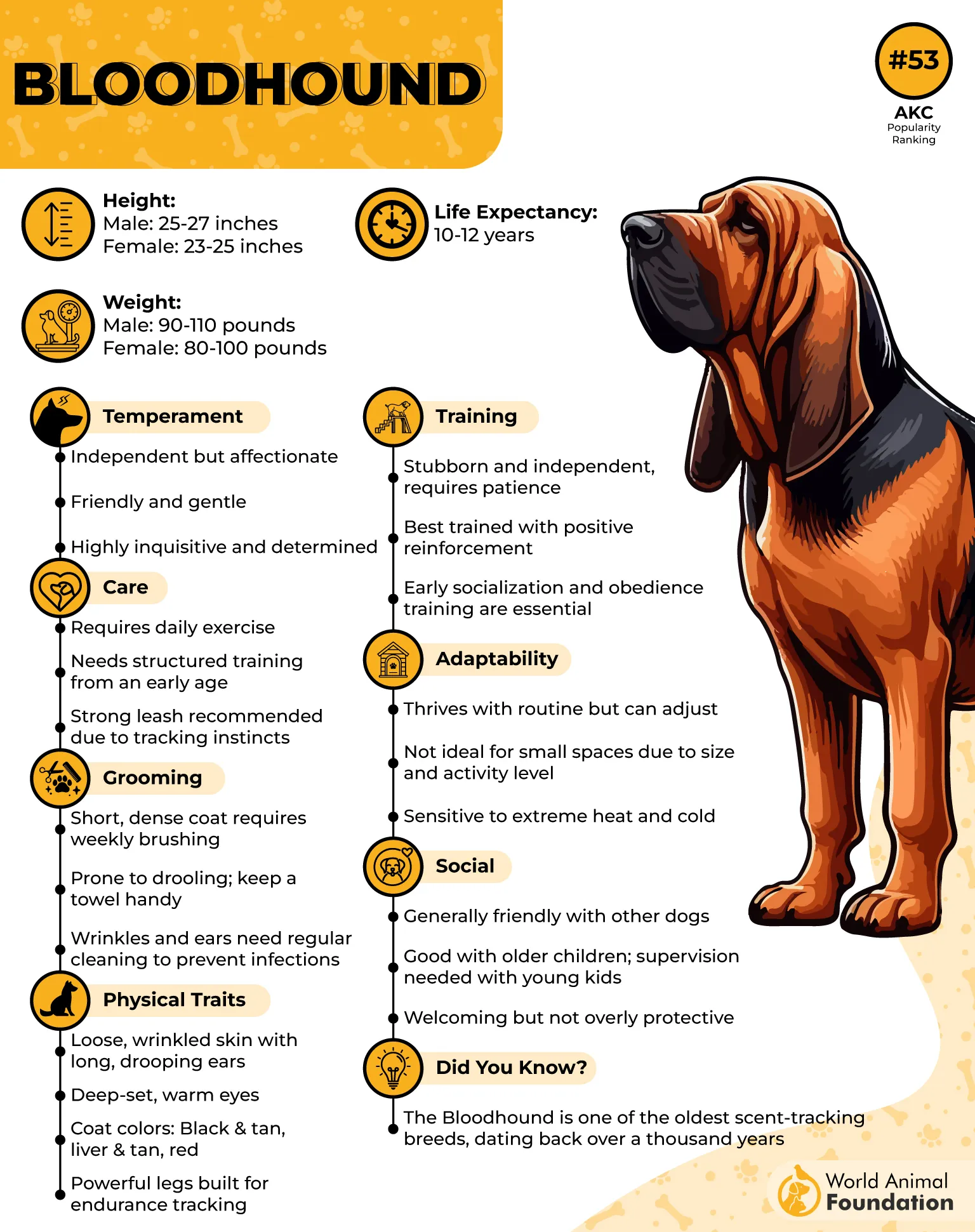
Traditionally, Bloodhounds were used to track down deer or large game. Their sense of smell is also widely used for search and rescue and mantrailing.
A Bloodhound isn’t suited for speedy work. This stubborn mutt can be quite persistent in its hunt and requires a handler that knows what to expect from it.
7. Bluetick Coonhound
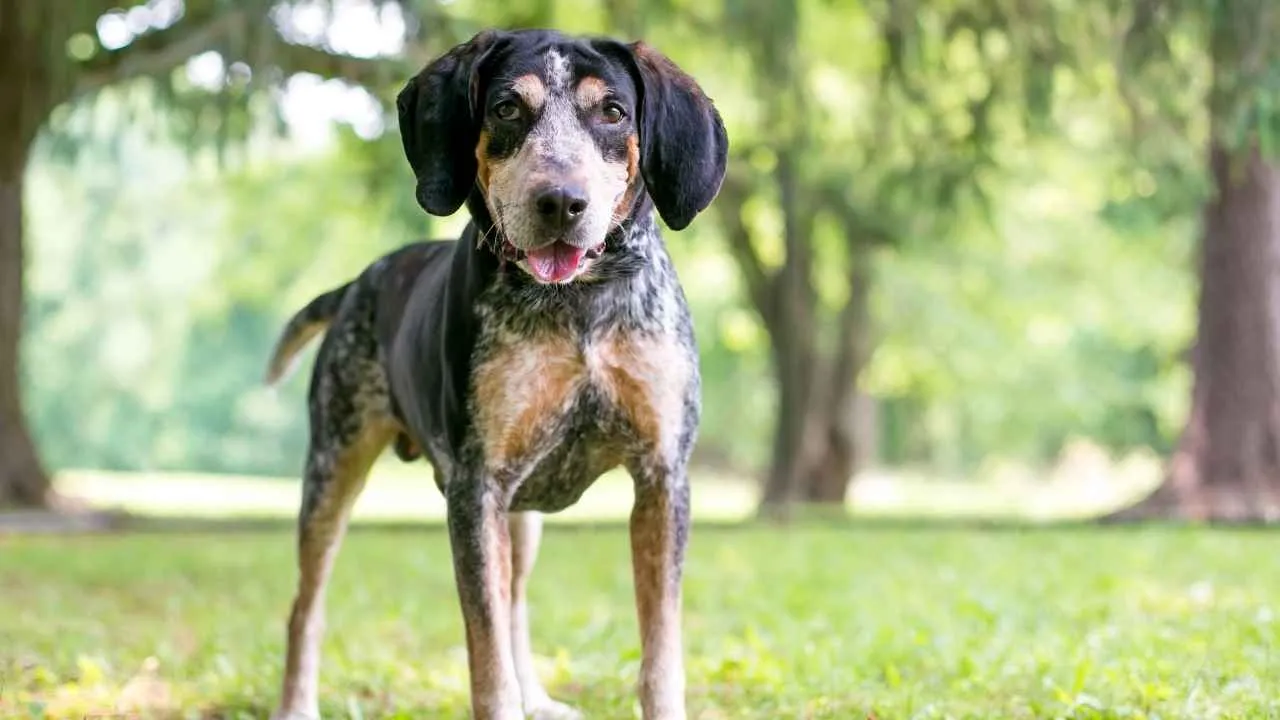
The coat of this recognizable breed is easy to spot. It was developed in the U.S. and was noted for hunting quarry on difficult terrain. It hunts in a scent-work manner and will persist, following a scent over distance.
Blueticks are especially associated with cold trailing, which is the ability to work an older scent effectively. This can be helpful if the quarry being tracked has passed through multiple areas.
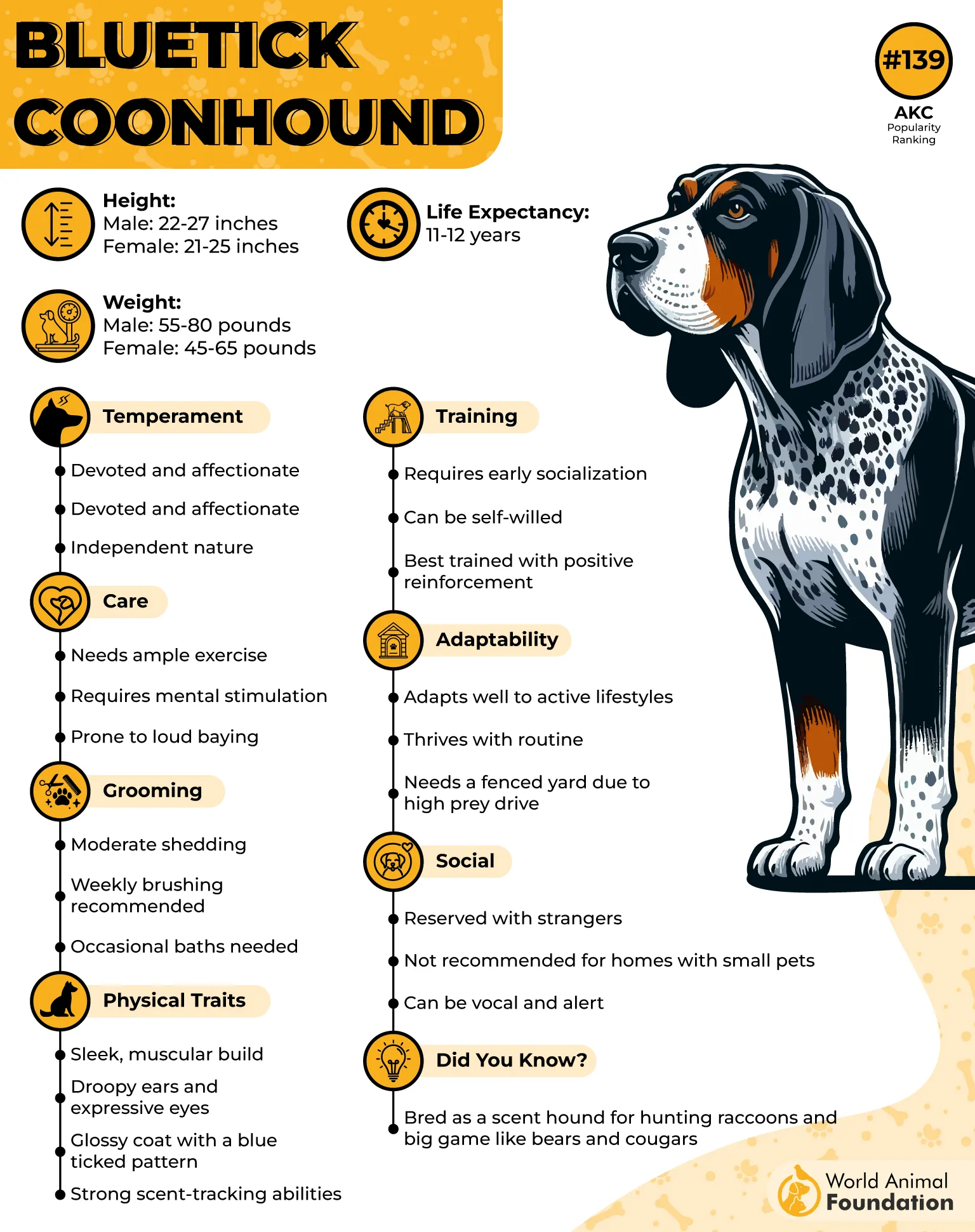
If small game like a raccoon gets to a tree, the dog’s responsibilities shift. It remains close to the tree and bays, rather than continuing to chase the animal on the ground, and raises the hunter’s awareness of the animal.
Blueticks can be noisy, independent, and attracted to intriguing smells. It is important that puppies are trained early and provided with safe outdoor areas, particularly if the owner is not a hunter.
8. Plott Hound
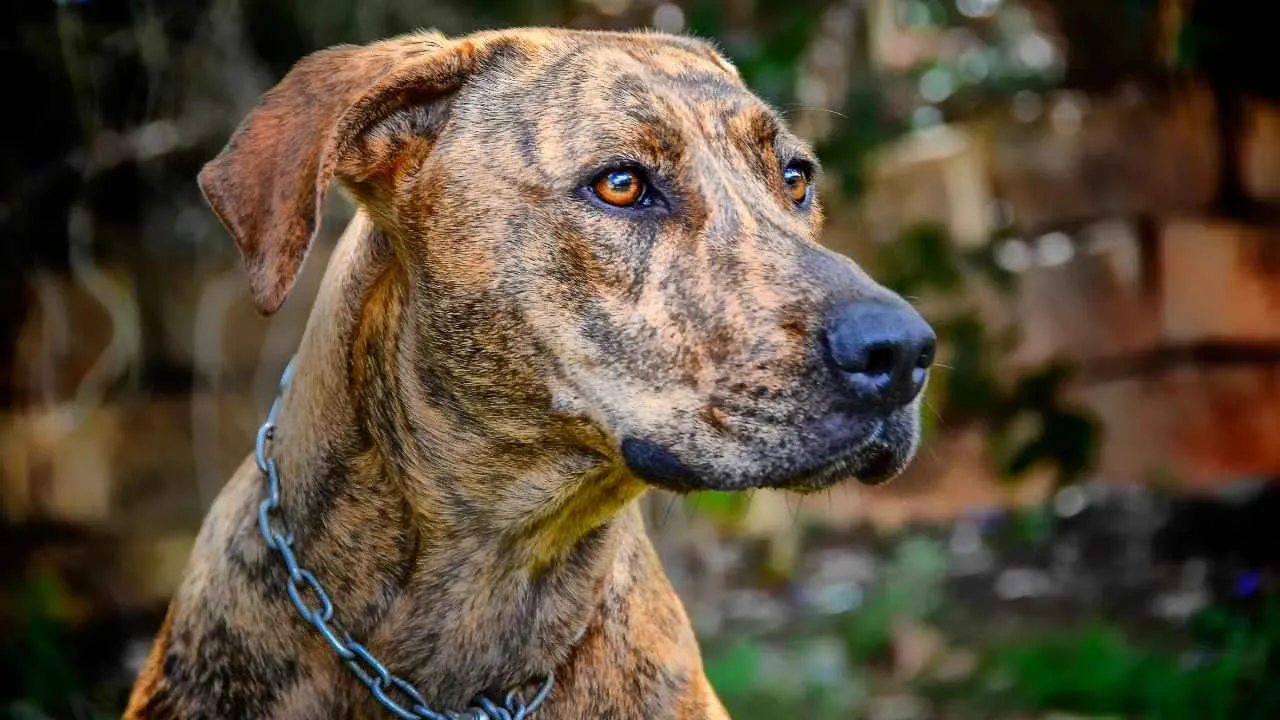
Meet the Plott Hound. It has a reputation for performing under difficult conditions.
These dogs were introduced to North Carolina in the 18th century and were especially noted for their effectiveness in big game hunting.
Their ability to track is attributed to their scenting, determination, and physical endurance. They can navigate a course through uneven forest and stay focused on the chase despite all odds.
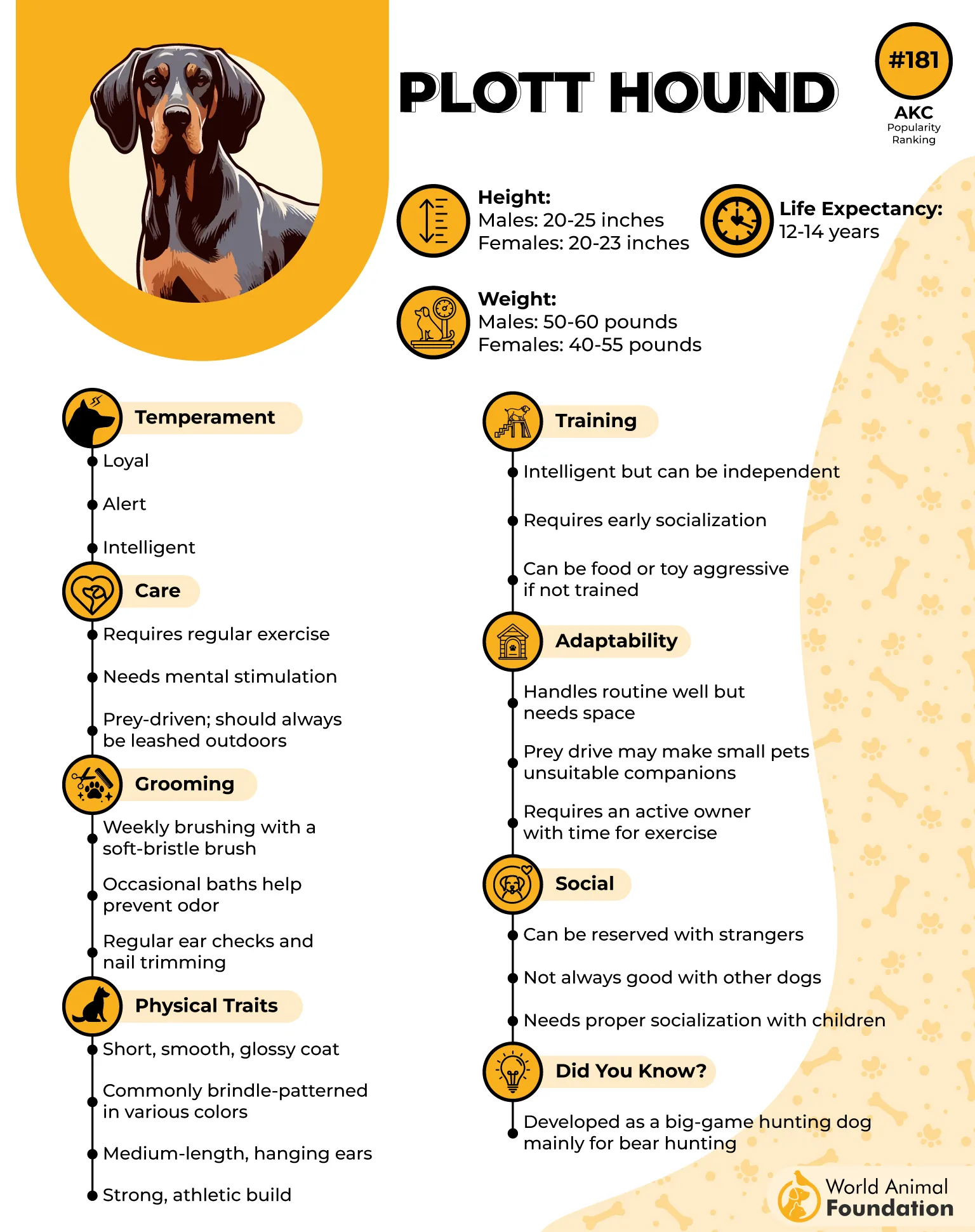
The breed is North Carolina’s official state dog, and its traditional work is not restricted to small game. It is unique among American scent hounds for being mentioned in the annals of hunting larger, more difficult game.
Plotts will not be satisfied by a lazy walk in the dog park. They require purposeful activity, routine handling, and proper outlets for their instincts.
9. Treeing Walker Coonhound
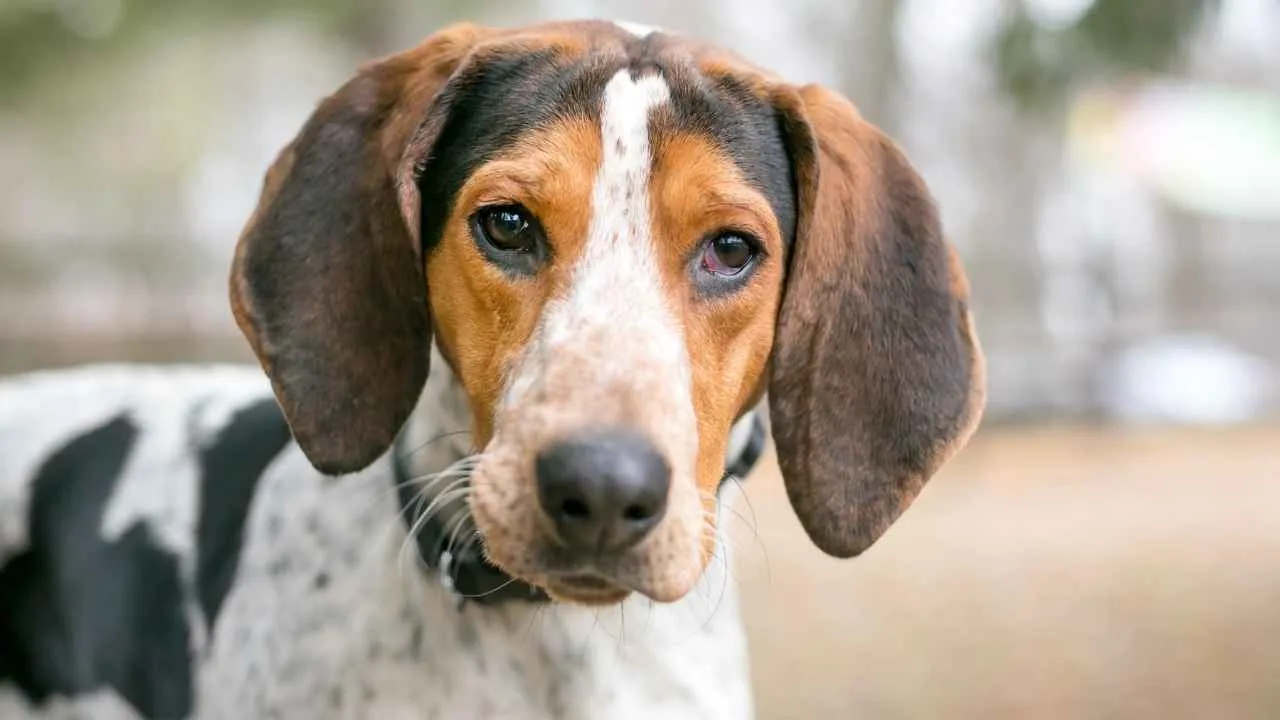
The Treeing Walker Coonhound’s hunting method is quite simple: find a trail and follow it rapidly, then alert the hunter when the quarry is in a tree. Problem solved.
This breed was developed in the USA and was particularly sought after for raccoon hunting. It has an athletic build which allows it to move efficiently; paired with its nose, it tracks the animal’s scent rapidly.
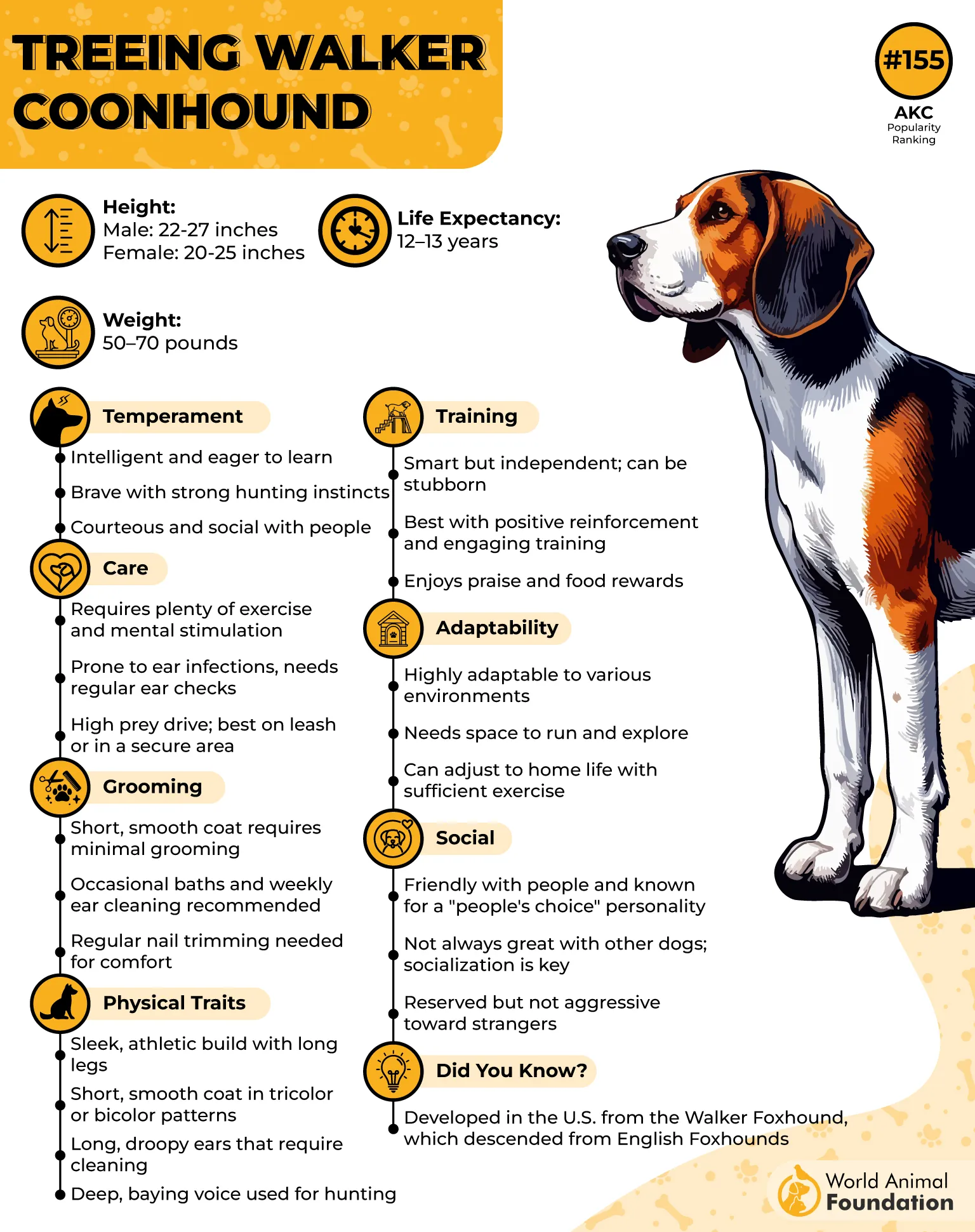
This is part of the hunting method known as “treeing”. If the pursued animal hides in a tree, the dog remains at the base and barks/bays to alert others about the animal’s location.
Treeing Walkers are quite fast; they use their speed to remain on the trail of their targets. Due to their high prey drive, a leash might be required when walking in unsecured areas.
10. Basset Hound
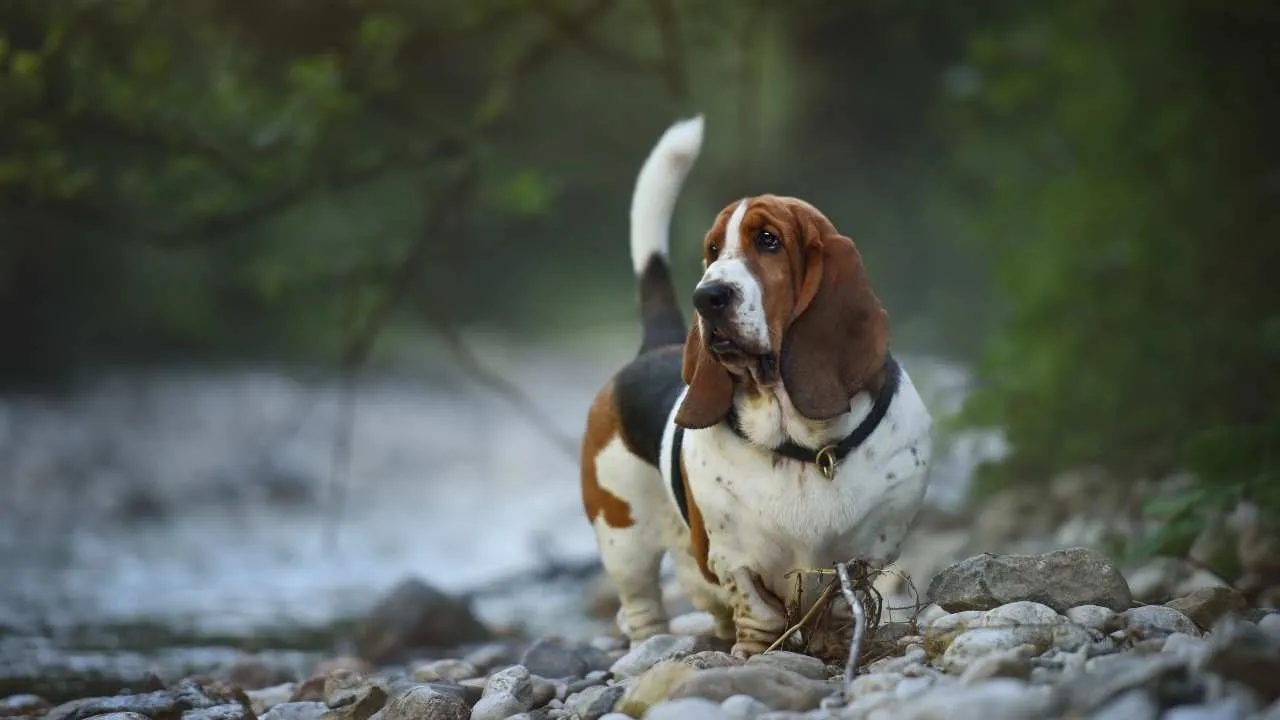
The Basset Hound was bred to trail rabbits and other small game in thick cover. It was of low stature, allowing it to operate close to the ground, and its strong scenting powers allowed it to follow trails efficiently.
The long ears and loose facial skin is not merely cosmetic; it is linked to the Basset Hound’s scenting abilities.
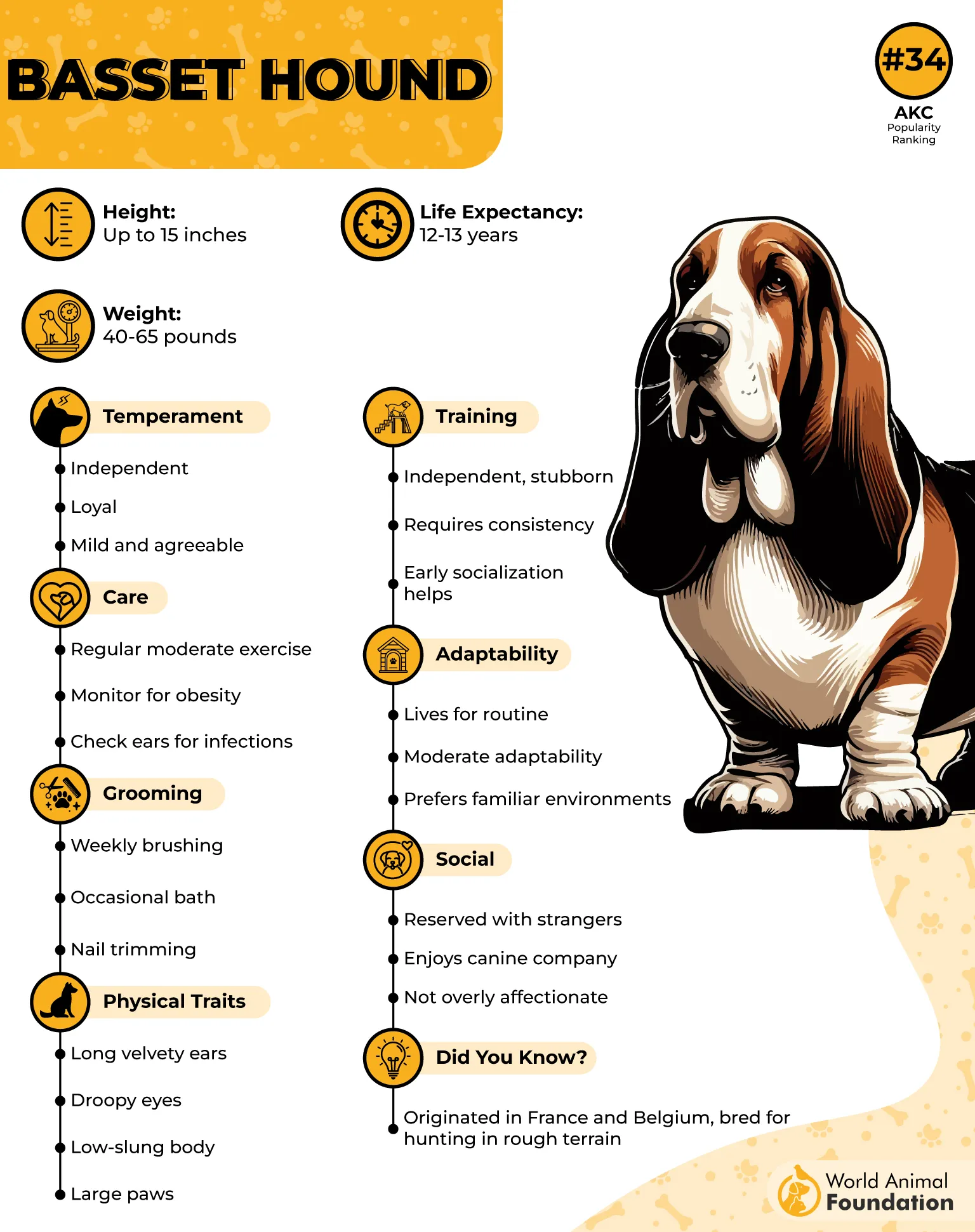
The Basset is not a fast hound, but rather a breed that prefers to hunt by scent slowly and methodically. If you are going to adopt one, you need to know what its priorities are.
An interesting odor will be more interesting than anything you might be teaching it. This scent-driven dog needs secure walks, patient training, and regular exercise to keep it happy.
Conclusion
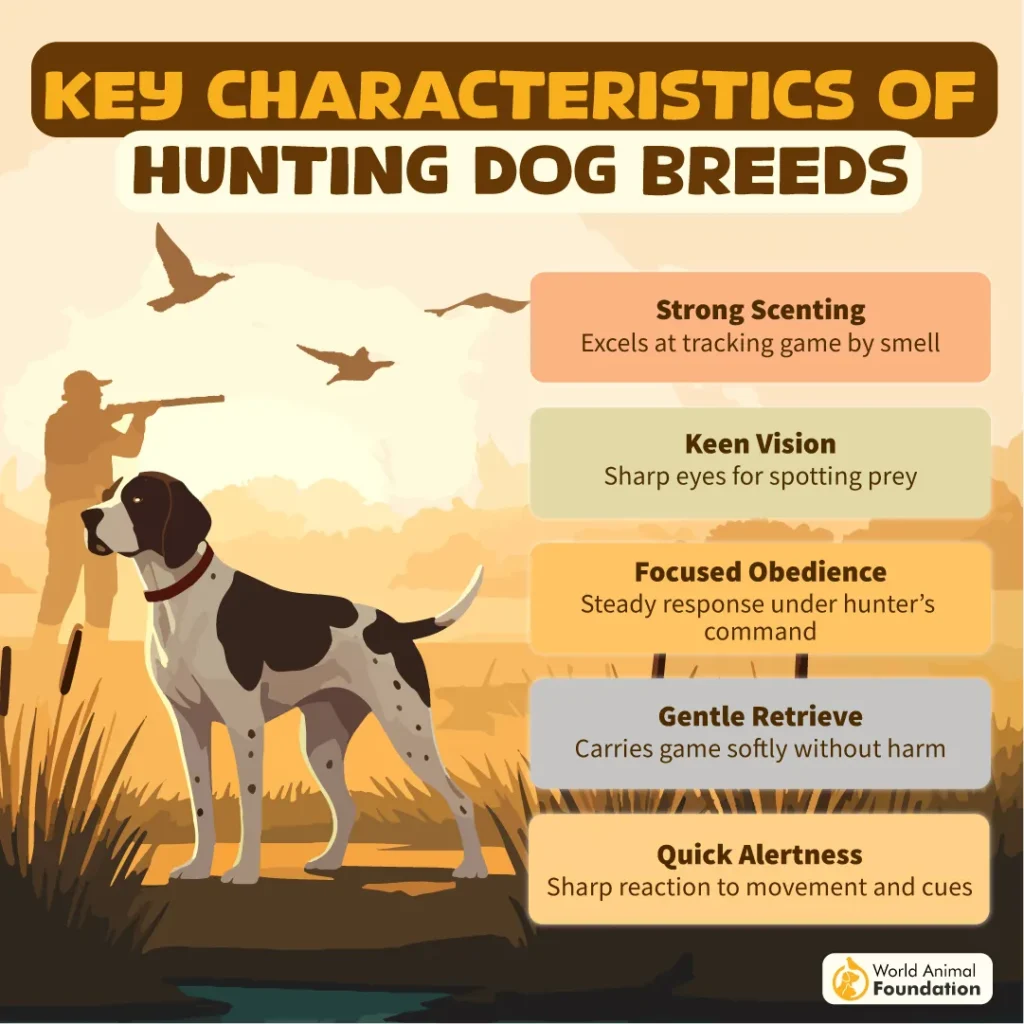
In every hunting dog, exceptional tracking ability doesn’t look the same. The selection of the breed will depend on the type of hunting, terrain, and the purpose of the breed.
There are different qualities to flushing/retrieving dogs, scent hounds, and small/large game hunters. What do they have in common? A natural talent for picking up a scent and using it to find a trail to follow.
