




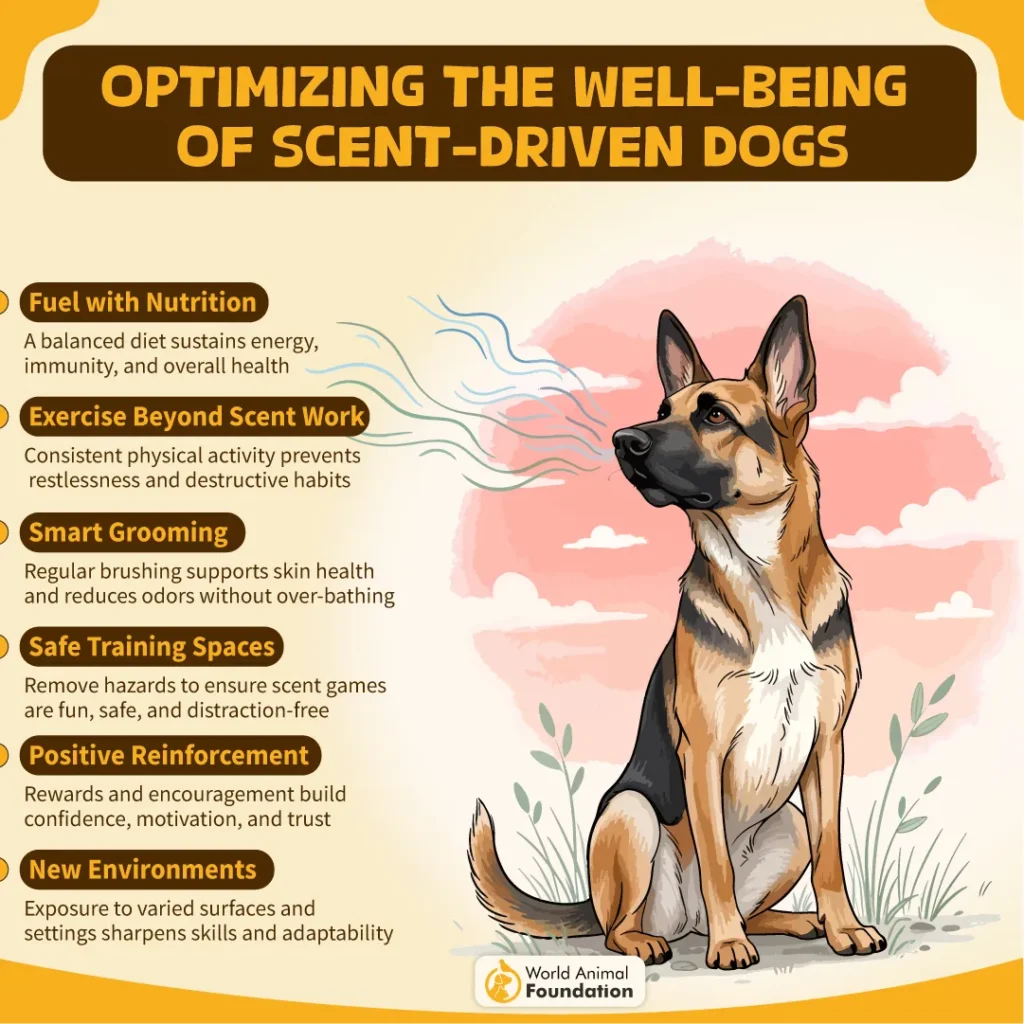
Dogs experience the world mainly through their sense of smell, while humans have a much weaker sense of smell.
The American Kennel Club notes that dogs such as German Shepherds may have around 225 million scent receptors compared with roughly 5 million in humans, helping explain why trained dogs can track people, identify contraband, locate wildlife, and detect incredibly specific target odors.
Hunting hounds may specialize in maintaining trails over distance. At the same time, detection dogs succeed because extraordinary olfaction is combined with search motivation, independence, trainability, environmental confidence, and a handler who can correctly interpret what the dog is communicating.
Let’s talk about the ten dogs blessed with the most powerful sense of smell.
Dog Breeds with the Most Powerful Sniffing Abilities
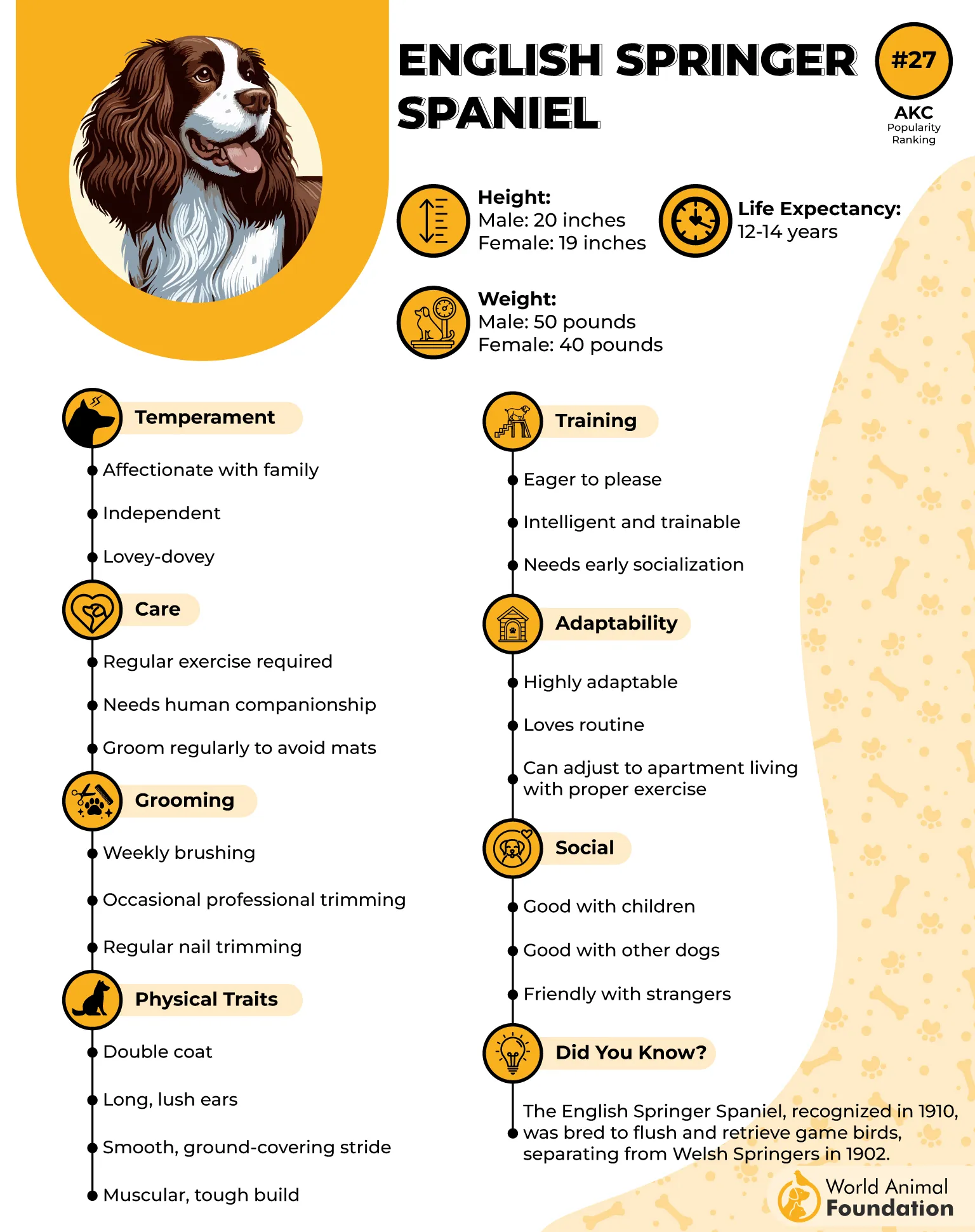
1. English Springer Spaniel
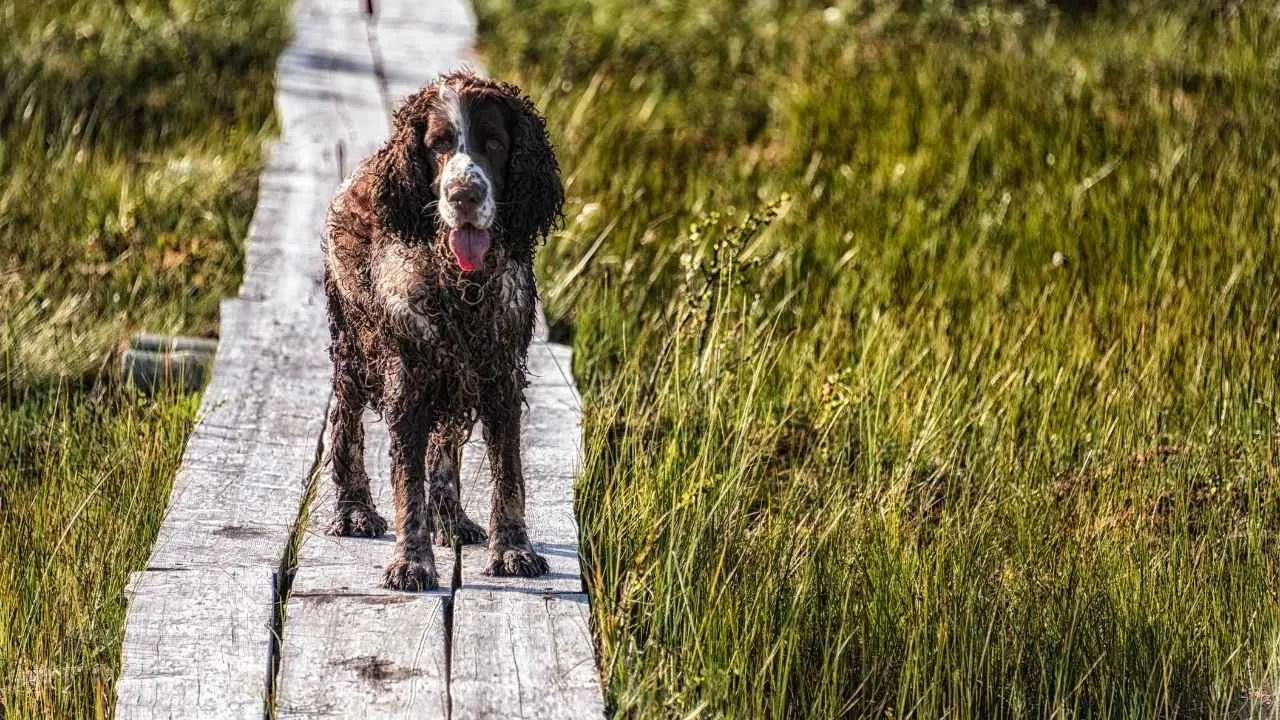
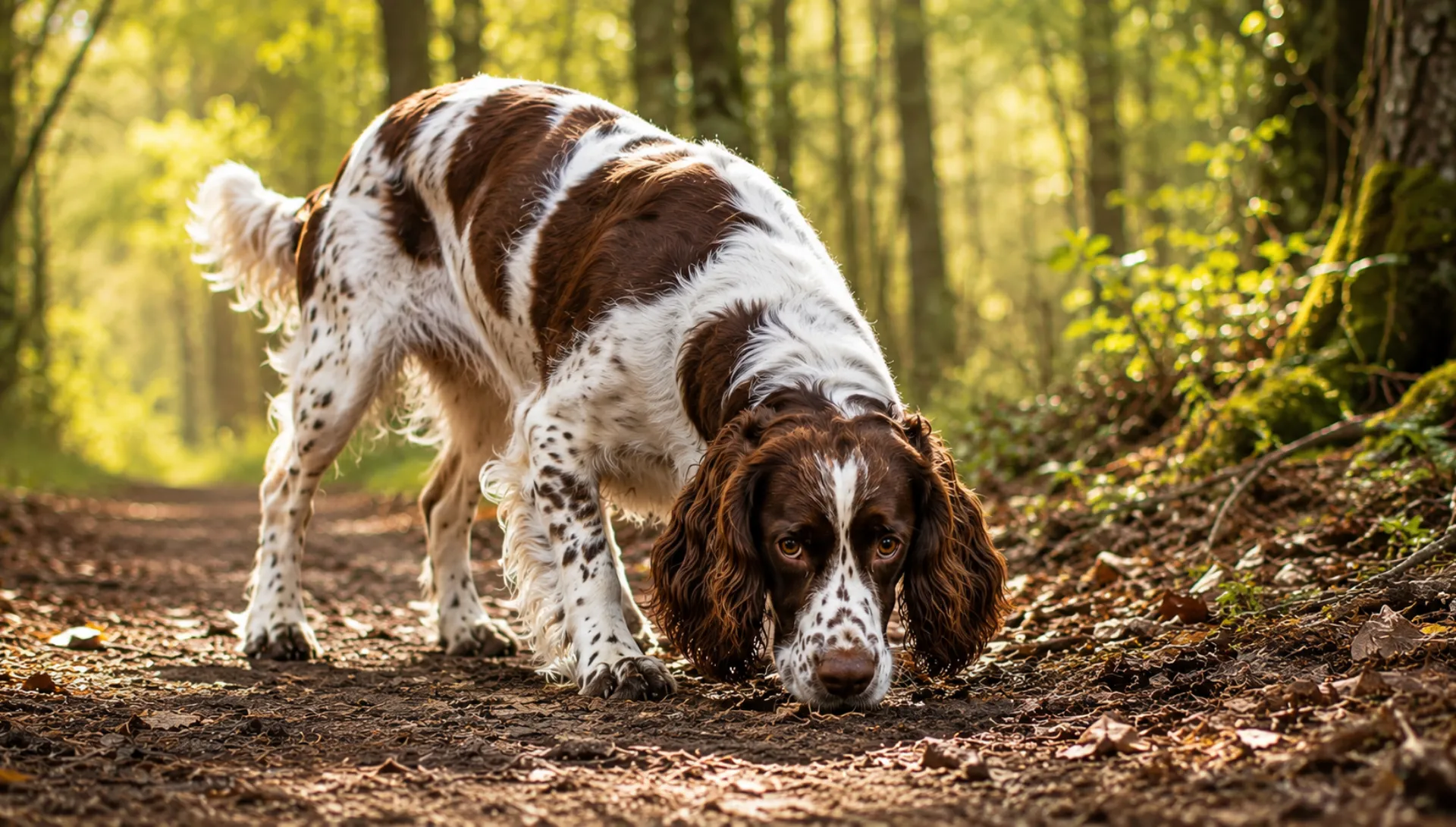
English Springer Spaniels were developed as energetic gundogs whose noses help them search cover, locate birds, and flush game for hunters. They have exceptional scenting ability, use of wind, ground coverage, perseverance, and control. So, using the nose intelligently is baked into how working Springers are assessed.
Unlike a tracking hound that may follow a single scent trail for miles, these Spaniel dogs often work an area while analyzing airborne odors and shifting wind direction.
That combination of scent sensitivity, movement, and eagerness to search helps explain why the breed has successfully transitioned from hunting to professional detection. Instead of being locked into one odor category, a capable detection Springer can learn to search methodically for whichever specific scent it has been trained and rewarded for.
That versatility comes from more than just scent sensitivity, as English Springer Spaniels also bring stamina, intelligence, hunting drive, and a strong willingness to engage with their handlers.
Their Unique Usage of Sniffing Ability
Bird-finding specialist: Springers use both ground and airborne scent while quartering through vegetation to locate and flush game.
Medical detection potential: Individual dogs, such as Angus, have been trained to recognize odors associated with C. difficile.
2. Bloodhound
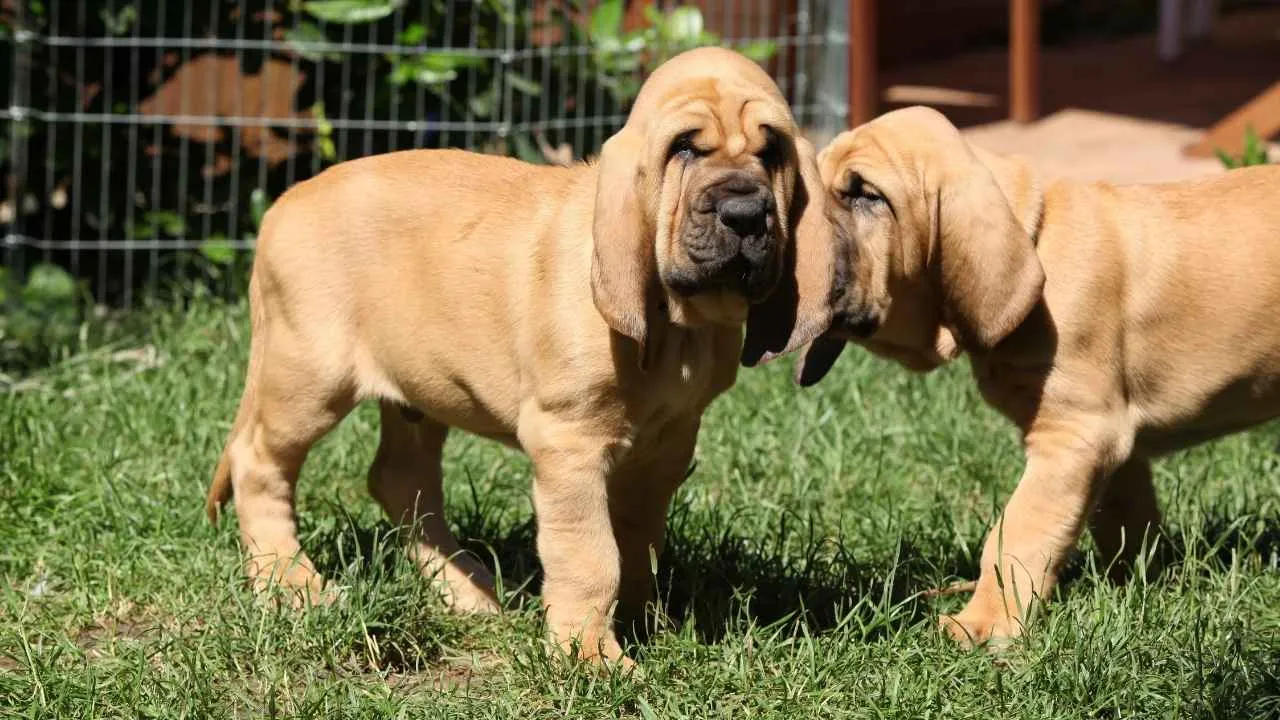
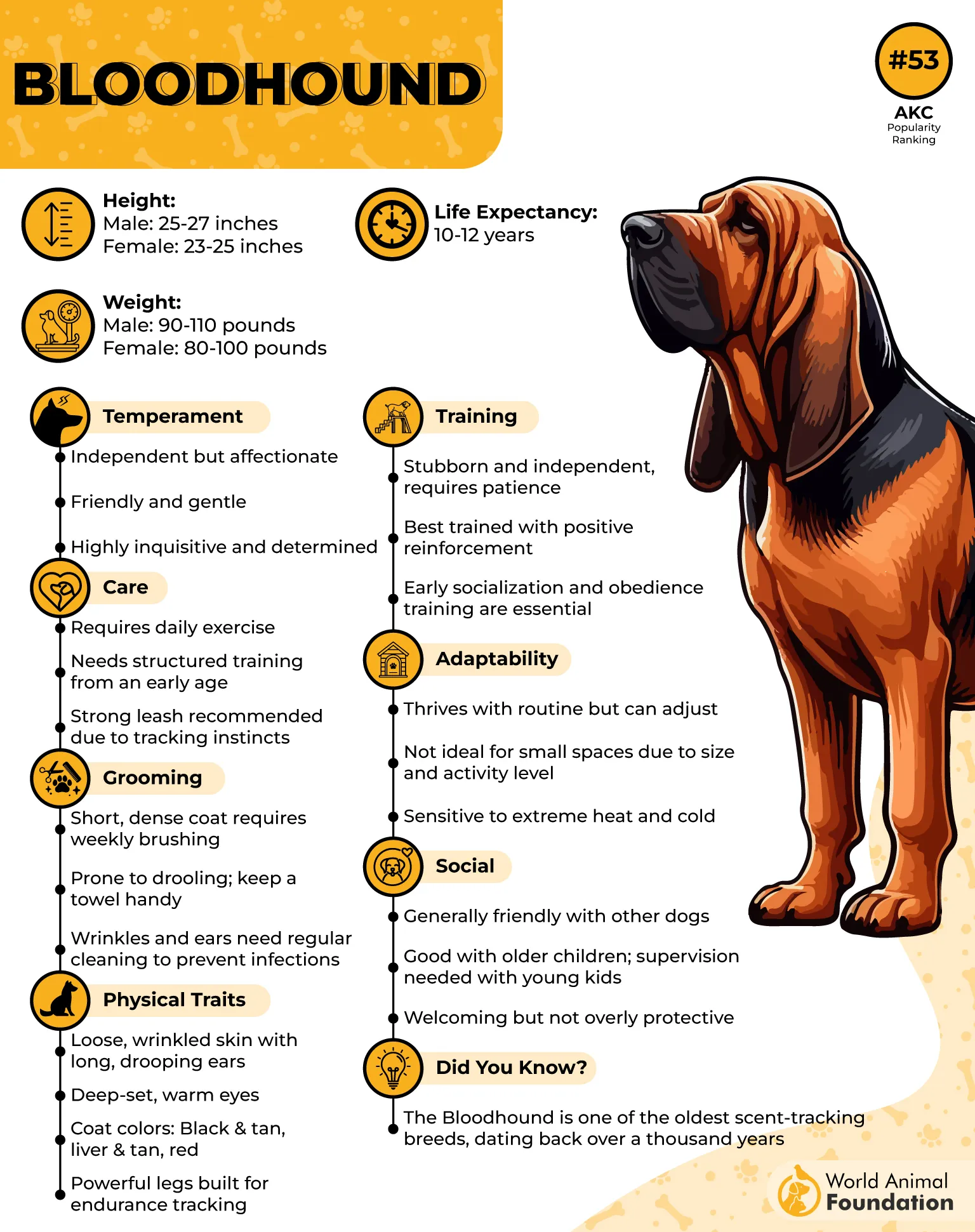
If canine sniffing had a final boss, the Bloodhound would walk into the arena dragging six feet of ears and looking completely unbothered. It is “the King of all tracking hounds” and has been used for centuries to pursue human scent as well as game.
A Bloodhound’s tracking style is especially associated with following an individual’s scent over considerable distances and for extended periods.
Real law-enforcement Bloodhounds provide some wild examples of what this looks like outside breed descriptions. Keva, nicknamed “The Fastest Nose in the West,” reportedly located one stolen-vehicle suspect in about one minute and worked trails involving escaped inmates and other police searches with its handler, according to Police K9 Magazine.
Modern handlers continue to use Bloodhounds in trailing because the work fits the breed’s original instincts particularly well. It is essentially a “nose with a dog attached,” and trailing is something it was bred to do and genuinely enjoy.
Their Unique Usage of Sniffing Ability
Human-trail royalty: Bloodhounds are especially famous for mantrailing and missing-person searches rather than simply locating nearby odor.
Old-scent persistence: Their reputation centers on staying committed even when trails have aged and weakened.
3. Beagle
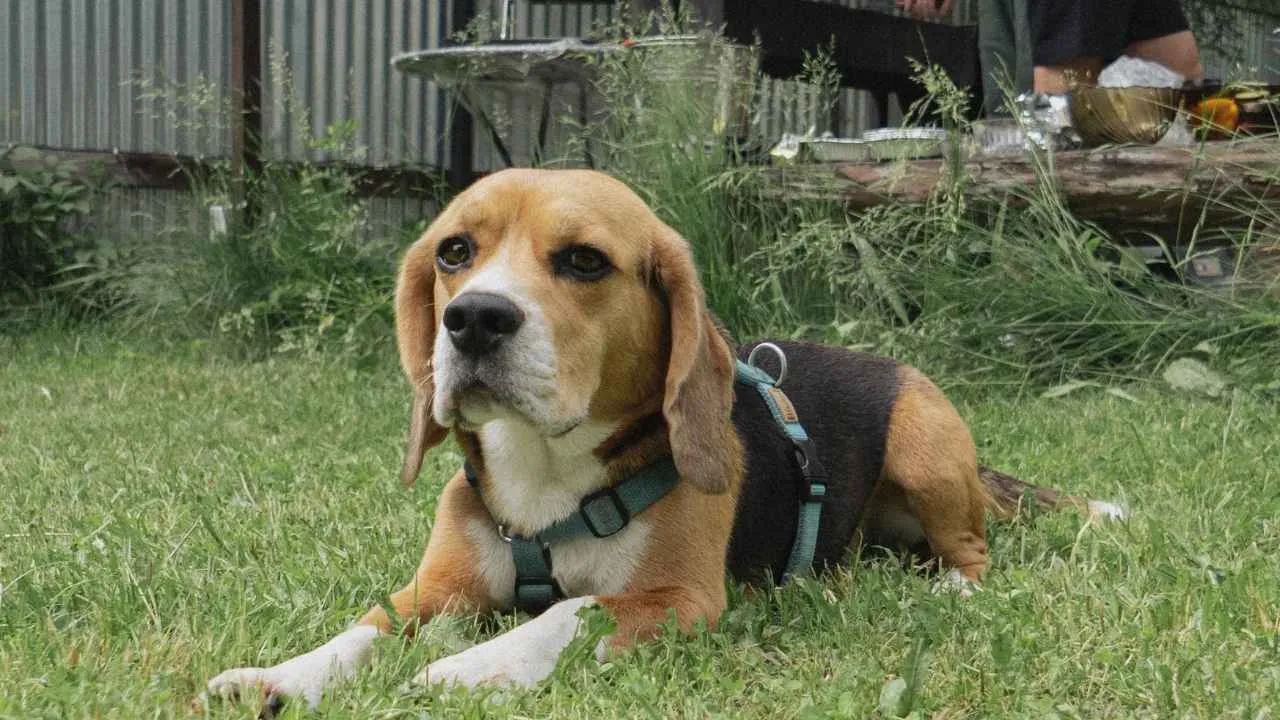
The Beagle packages serious scent-hound hardware inside a cheerful, compact dog that can look suspiciously innocent while mentally investigating every sandwich within range. It has an exceptional ability in hunting and tracking.
Those famous long ears are more than adorable accessories flapping in slow motion. Their ears can help catch scent particles and keep them near the dog’s nose while it follows a trail. Basically, even the ears are apparently assisting the investigation while the rest of us are just trying to keep up.
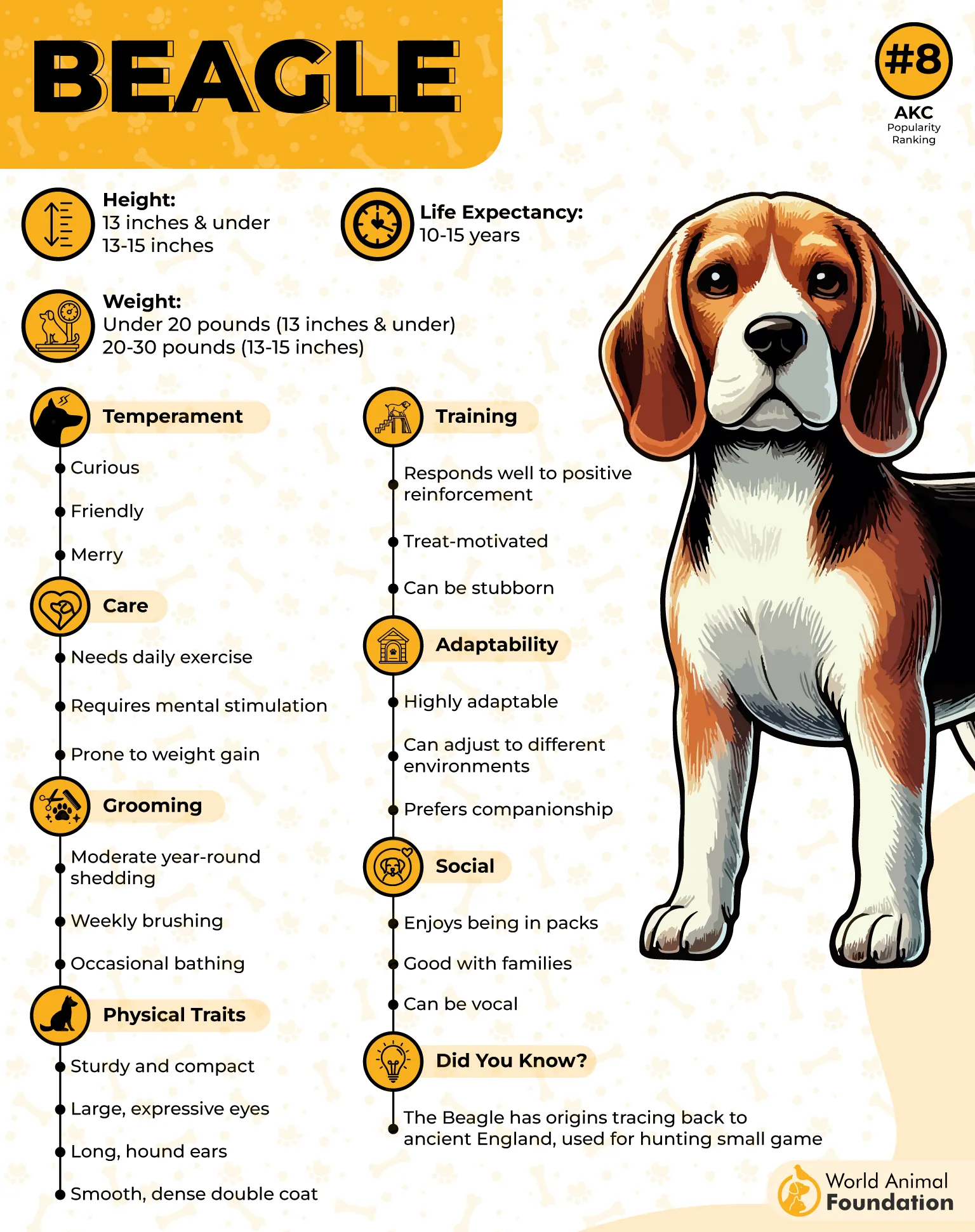
Traditional Beagle work focuses heavily on trailing rabbits and hares, often alongside other Beagles. Its field trials assess dogs for searching, maintaining trail control, accuracy, endurance, adaptability to changing scent conditions, patience, and determination.
Trainers warn that these hunting dogs can become intensely distracted by smells, which is why secure leashes, recall work, enrichment, and opportunities to sniff appropriately are so important.
Their Unique Usage of Sniffing Ability
Rabbit-trail precision: Beagles were built to pursue hare and rabbit scent while staying accurate through changing field conditions.
Airport and luggage detection: Their noses can be trained to locate agricultural products that may carry pests or disease.
4. Bluetick Coonhound
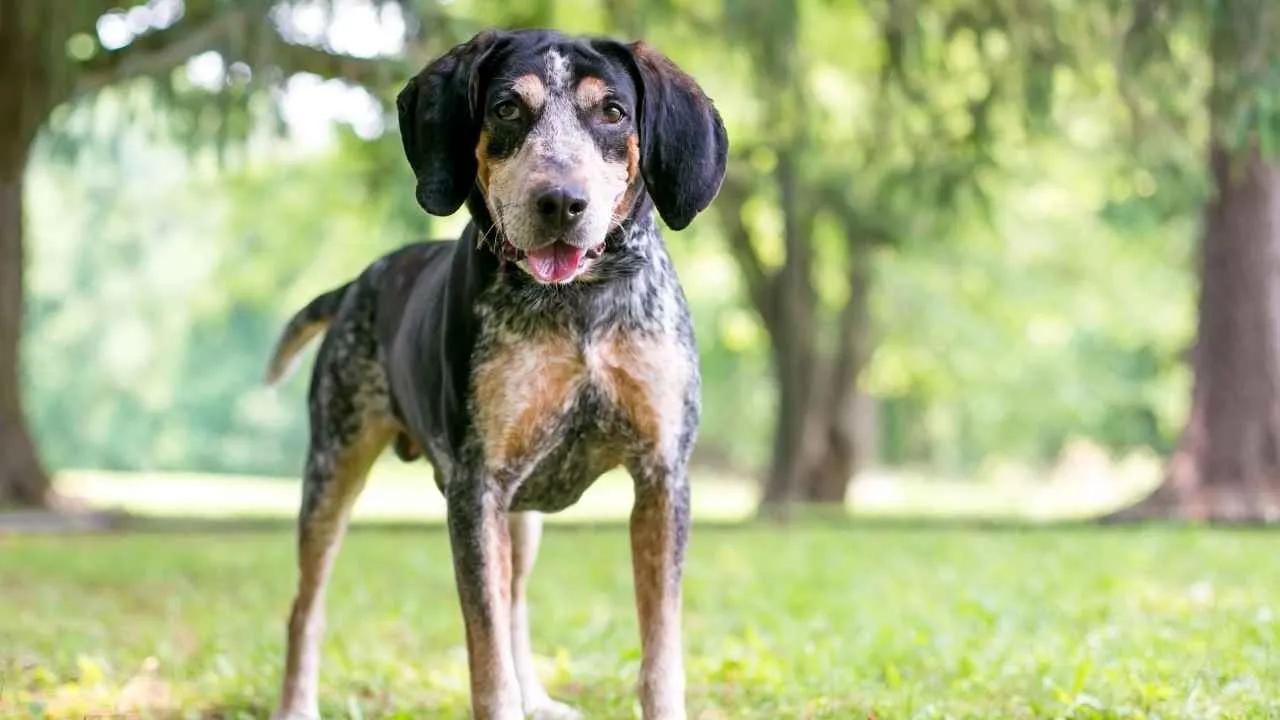
Bluetick Coonhounds are relentless, bold, and single-minded once they are pursuing quarry. At home, they may be charming loungers, but one interesting trail can instantly activate full detective mode.
Blueticks were developed around nocturnal scent hunting, especially tracking raccoons through woodland. Coonhound work asks a dog to locate the animal’s trail, follow it across difficult terrain, and communicate progress through distinctive vocalization before the quarry is eventually treed.
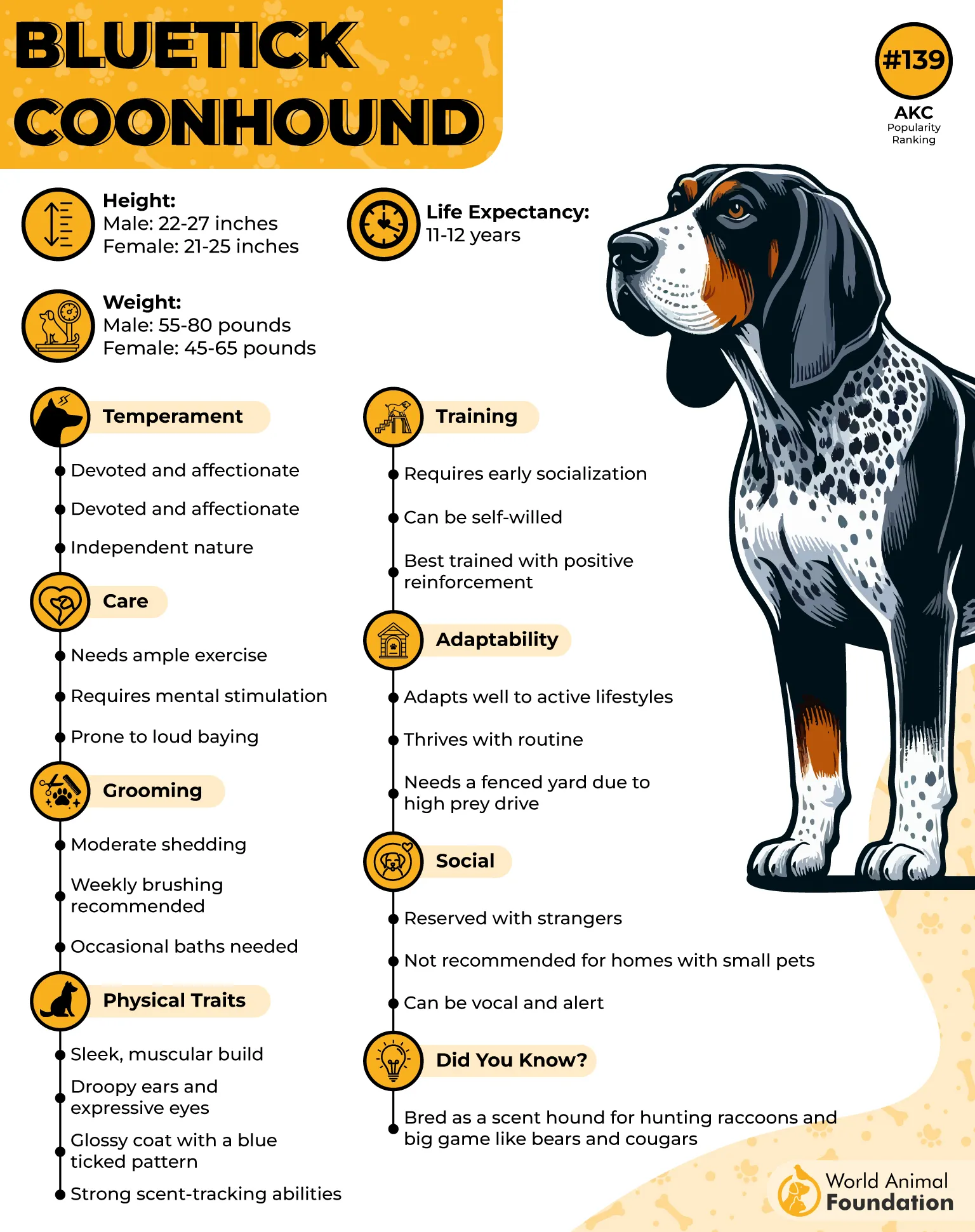
Hunters often describe individual Blueticks as cold-nosed, meaning they can work older, weaker scent rather than requiring only a fresh trail.
Another cool part is that Blueticks do not all solve the raccoon problem in the same way. Some individuals may concentrate heavily on tracking while others move more decisively toward pushing quarry up a tree.
Their Unique Usage of Sniffing Ability
After-dark tracking: Blueticks can pursue raccoon scent through forests when vision offers humans very little help.
Cold-trail capability: Many are valued for working older scent that has become dispersed and difficult to follow.
5. Black And Tan Coonhound
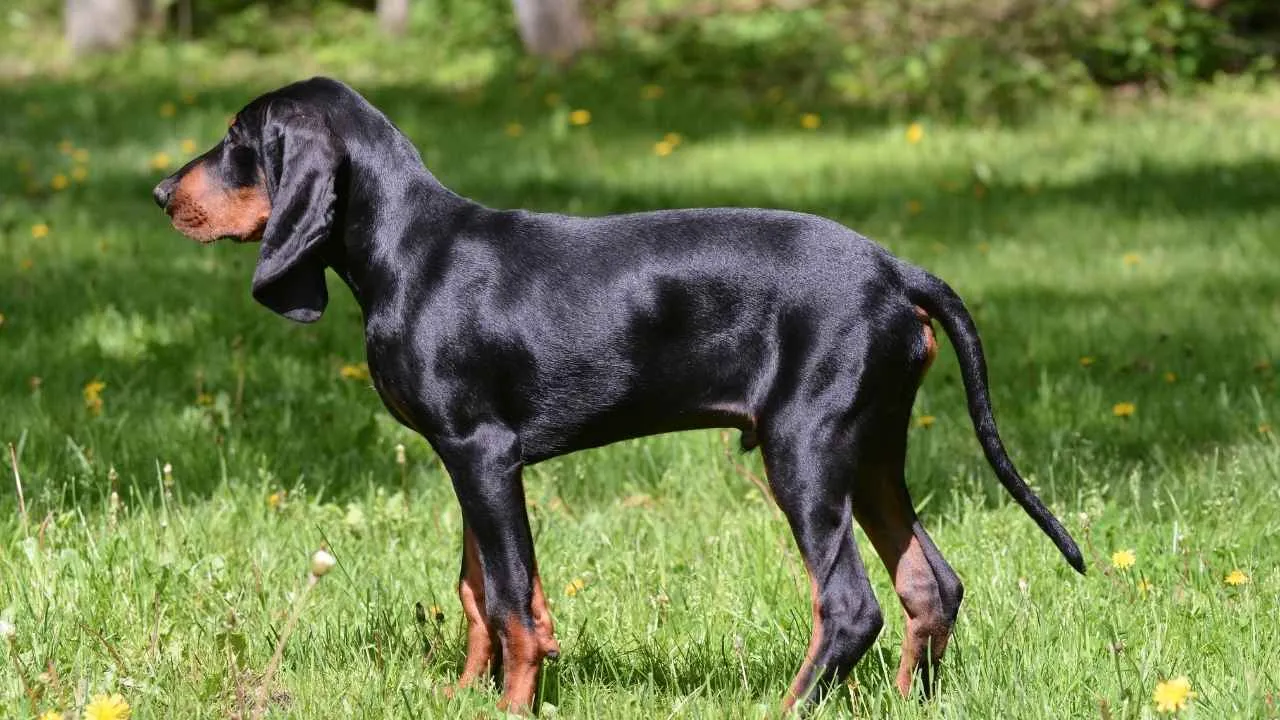
The Black and Tan Coonhound takes the traditional scent-hound concept and turns every setting into “deep woods.” It possesses an exceptionally sensitive nose and can follow a scent until it reaches game. These dogs were not developed to notice smells casually; they were built to commit to them.
The breed commonly works with its nose low to the ground and can stay on trails for long hours, over rough terrain, and in changing weather. When a dog’s professional heritage tells it to trust its nose for hours, you may require some serious training backup.
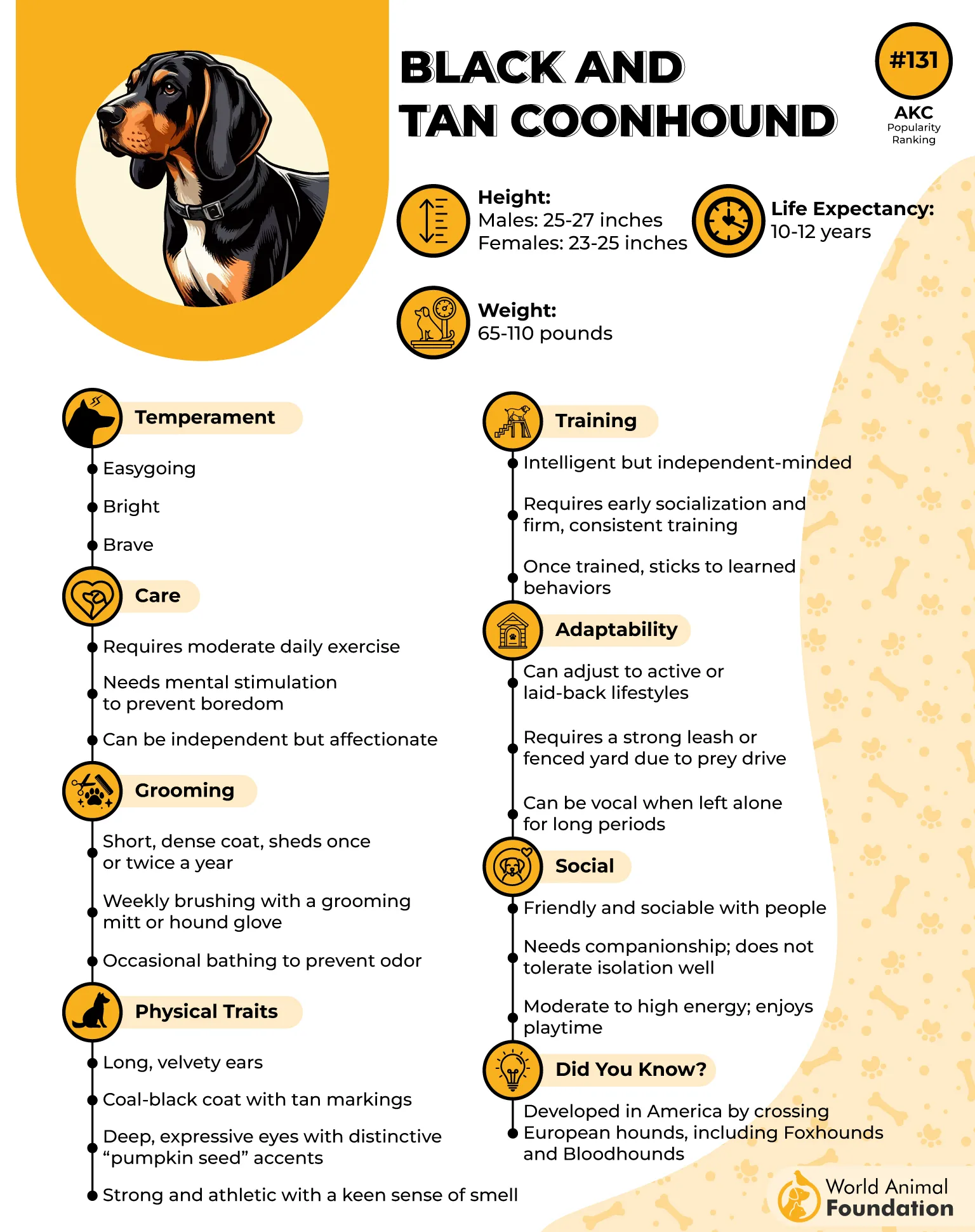
Black and Tans are frequently described as cold-nosed hounds, meaning hunters value them for detecting and working older scent trails. Training can be challenging precisely because she is working with a cold-nosed scent hound that notices old odors other dogs might move past.
Anatomy also contributes to the classic scent-hound package, with the Black and Tan’s long ears hanging well beyond the nose when pulled forward, as specified in its breed standard. The dog combines those physical features with persistence and a historical job performed entirely through scent while pursuing raccoons.
Their Unique Usage of Sniffing Ability
Older-trail specialist: The breed’s cold-nose reputation makes it valuable when scent is no longer fresh.
Terrain-proof pursuit: Black and Tans were expected to keep working through woodland and weather, and endure long searches instead of giving up early.
6. English Foxhound
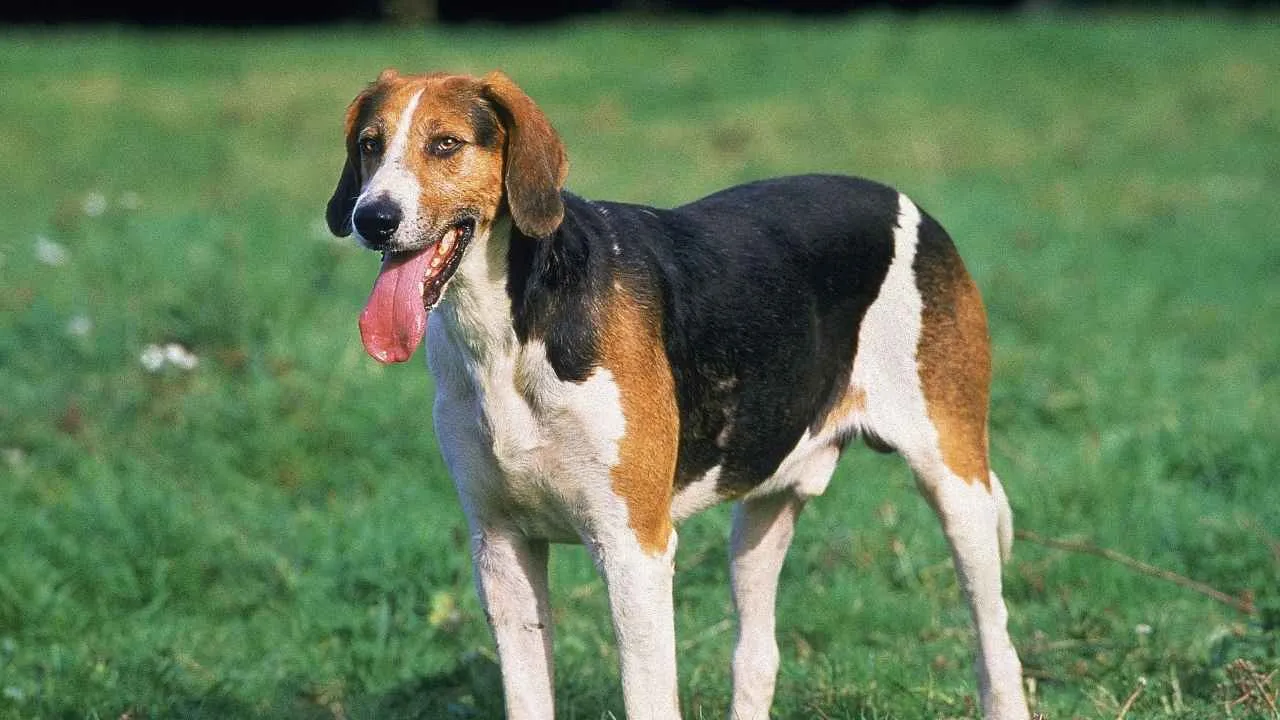
English Foxhounds were developed for one extremely scent-focused assignment: find the fox trail, stay with the pack, and keep moving. They are athletic scent hounds whose combination of nose, legs, and stamina suited them to traditional fox hunting over substantial distances.
PetMD says their scent style differs from slower hounds because speed has always mattered heavily in the English Foxhound’s work. It is a harder-running dog that could occasionally move so fast it effectively outran the precise scent line.
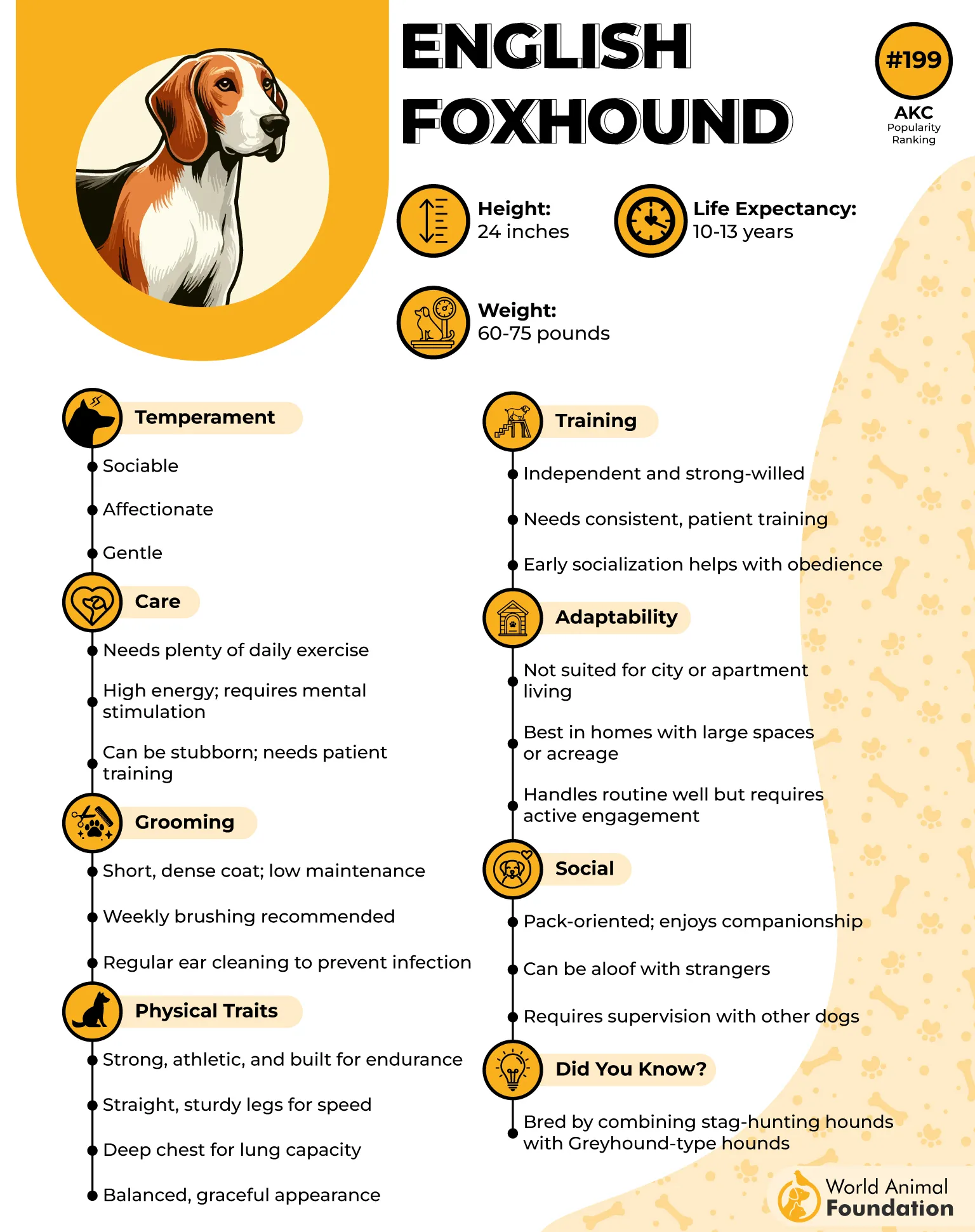
Pack work creates another unique challenge because the individual dog must operate amid many other hounds while remaining engaged with the trail. Rather than functioning as a solo detective, the traditional Foxhound becomes part of a moving scent team whose voices and behavior help communicate how the hunt is developing.
The breed’s development also influenced later American scent hounds, giving Foxhound genetics a major place in the family tree of coonhound hunting.
Their Unique Usage of Sniffing Ability
Fast-moving scent pursuit: English Foxhounds combine trail work with serious galloping endurance rather than slowly dissecting every footprint.
Pack-based investigation: Their historical scent work was coordinated with many other hounds across substantial countryside.
7. Treeing Walker Coonhound
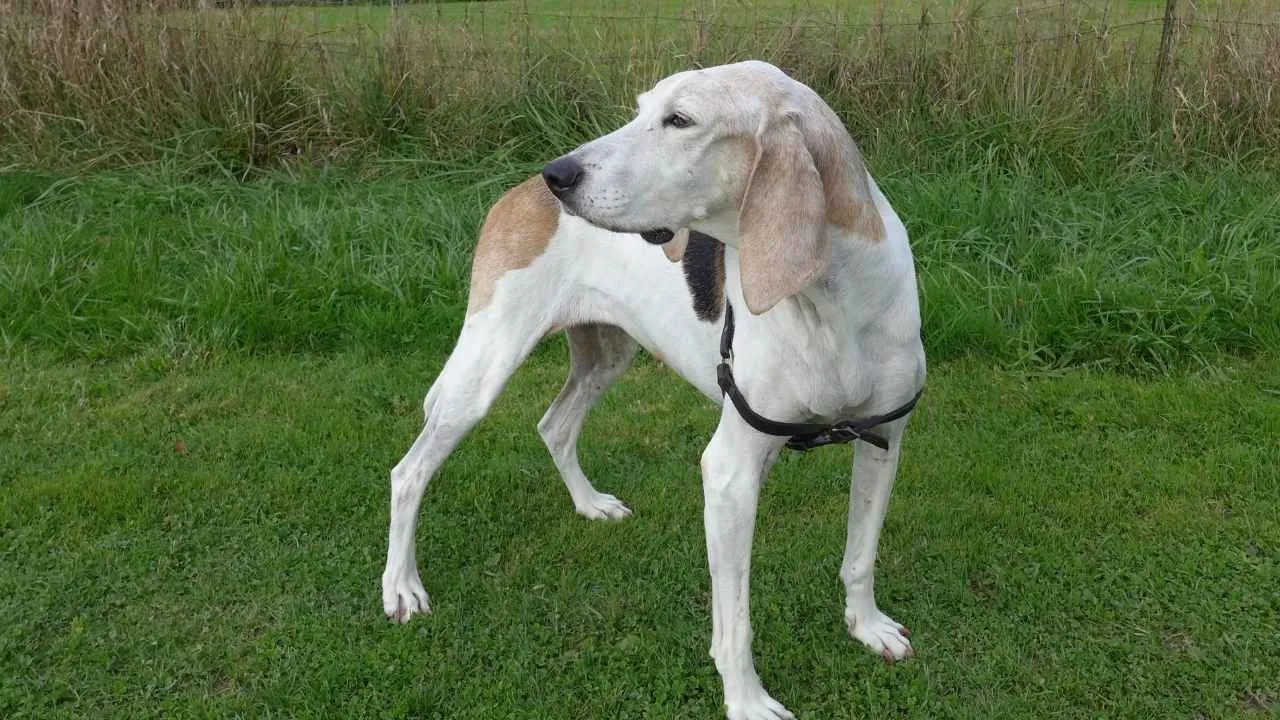
The Treeing Walker Coonhound has a reputation for combining a keen nose with high speed, which makes its search style noticeably different from slower cold-trailing specialists.
Hunters commonly describe Treeing Walkers as comparatively hot-nosed, meaning many individuals prefer a stronger, fresher scent to spending a great deal of time untangling very old trails. This tendency can make them fast competitors, as a dog may abandon stale information in favor of a newer scent track.
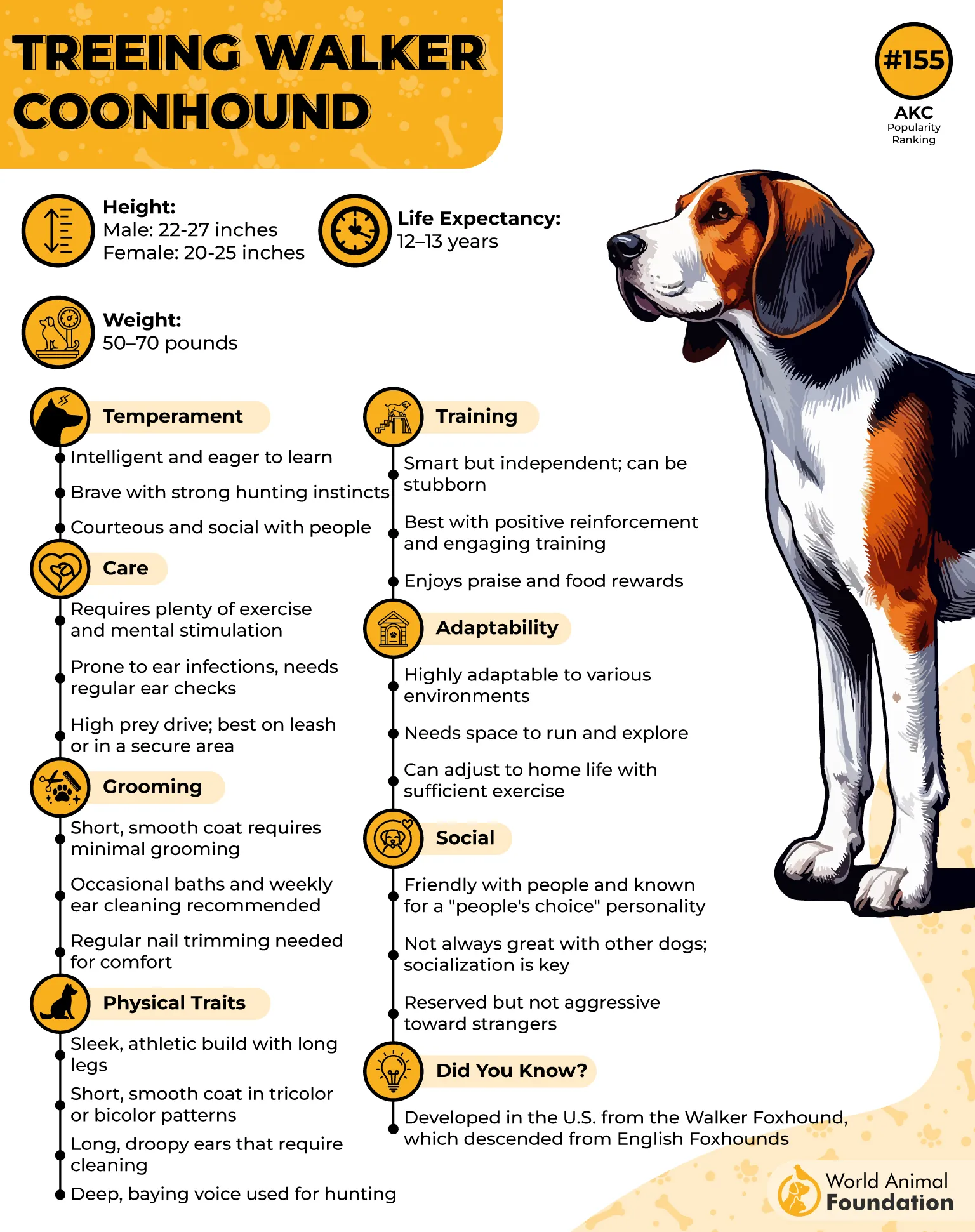
Historically, Treeing Walkers emerged from American hound lines closely related to the American English Coonhound and influenced by Foxhound ancestry. The result is basically a scent athlete rather than simply a scent collector.
VCA Animal Hospitals says the nose is only half the working sequence because “treeing” requires the dog to complete the pursuit and communicate where the animal has gone. Once a raccoon climbs, the hound typically remains at the tree and uses its distinctive voice to tell the hunter exactly where the chase has ended.
Their Unique Usage of Sniffing Ability
Fresh-trail speed: Many Treeing Walkers are valued for taking stronger recent scent and turning it into a rapid pursuit.
Nose-to-tree completion: Success means not only detecting quarry but following its route until the animal climbs and is located.
8. German Shepherd Dog
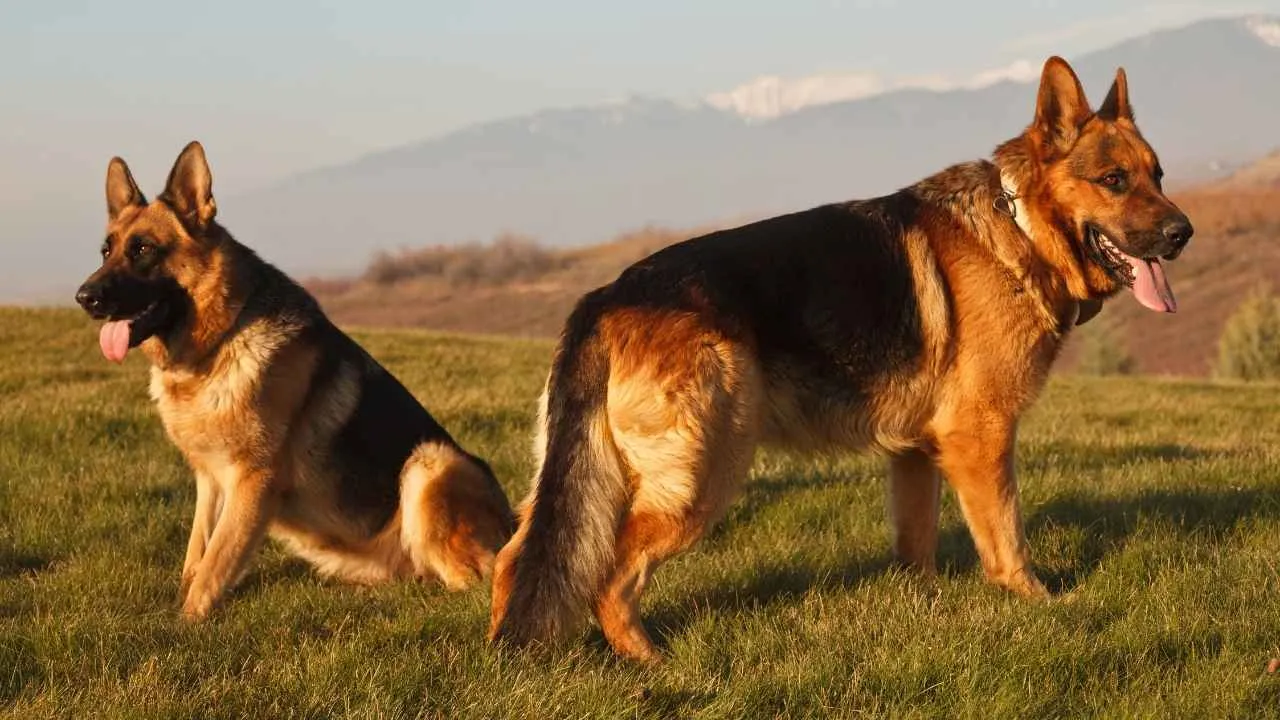
German Shepherd Dogs bring a distinct flavor of sniffing power, combining their noses with extraordinary trainability and versatility. A great Shepherd does not merely locate odor—it can perform that search as one part of a much larger operational job.
Law-enforcement teams commonly train German Shepherds to locate narcotics, explosives, evidence, and human scent, as well as to perform patrol duties. They remain among the preferred breeds for dual-purpose patrol and detection work.
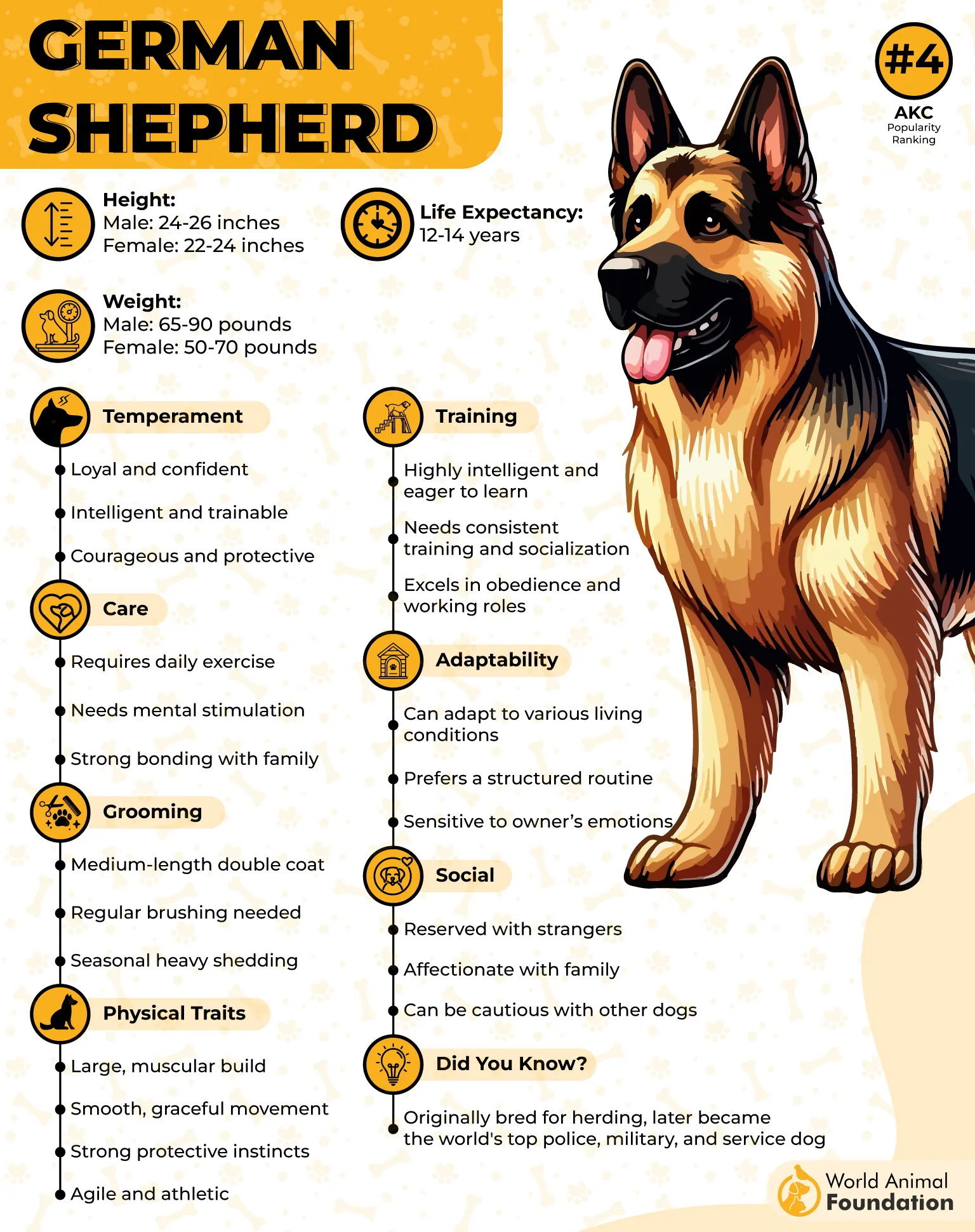
Their olfactory hardware is impressive, with 225 million scent receptors in dogs such as German Shepherds, compared with about 5 million in humans. Yet successful detection work also depends on behavior, hunt drive, confidence, physical soundness, and the willingness to search for extended periods.
Search-and-rescue handlers repeatedly emphasize partnership because they need to recognize subtle behavioral changes when a Shepherd enters, loses, or reacquires odor. Working-line German Shepherds are highly motivated and have strong noses for locating missing people and human remains.
Their Unique Usage of Sniffing Ability
Dual-purpose policing: Shepherds can switch between patrol responsibilities and searches for explosives, drugs, evidence, or people.
Disaster recovery: Specialized GSD teams can work human-remains odor in enormously complex environments, including water searches.
9. Belgian Malinois
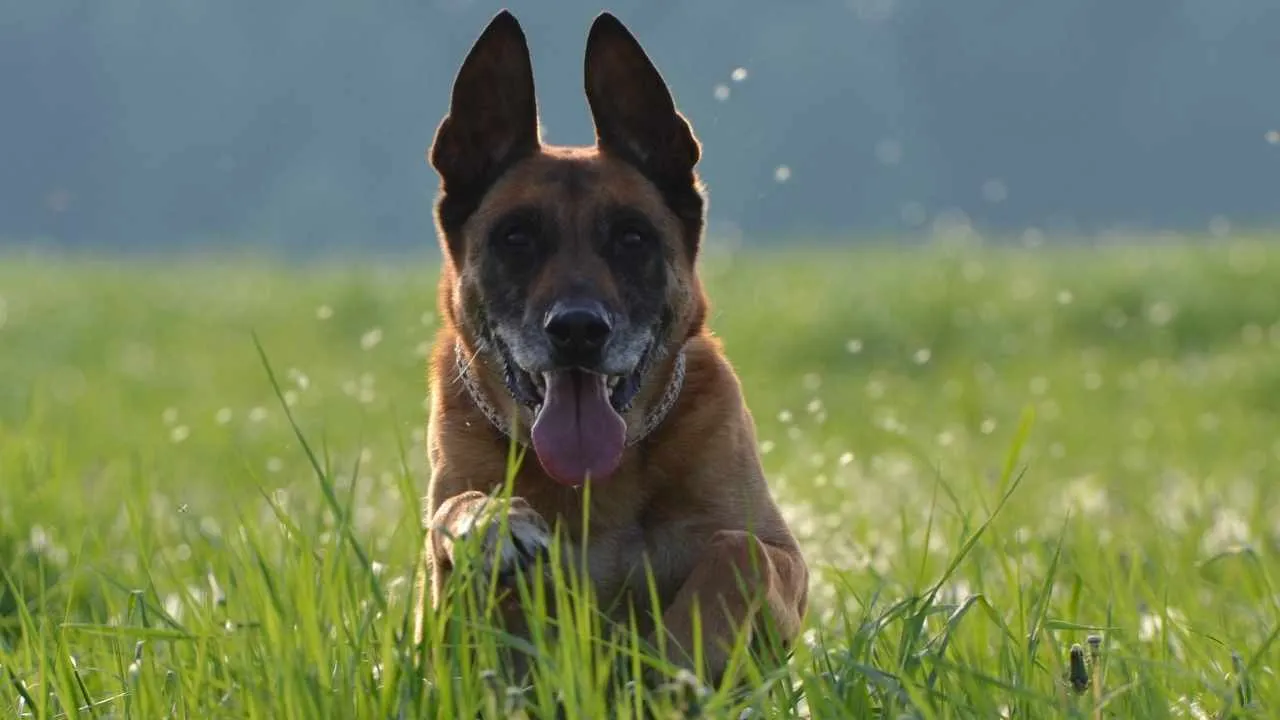
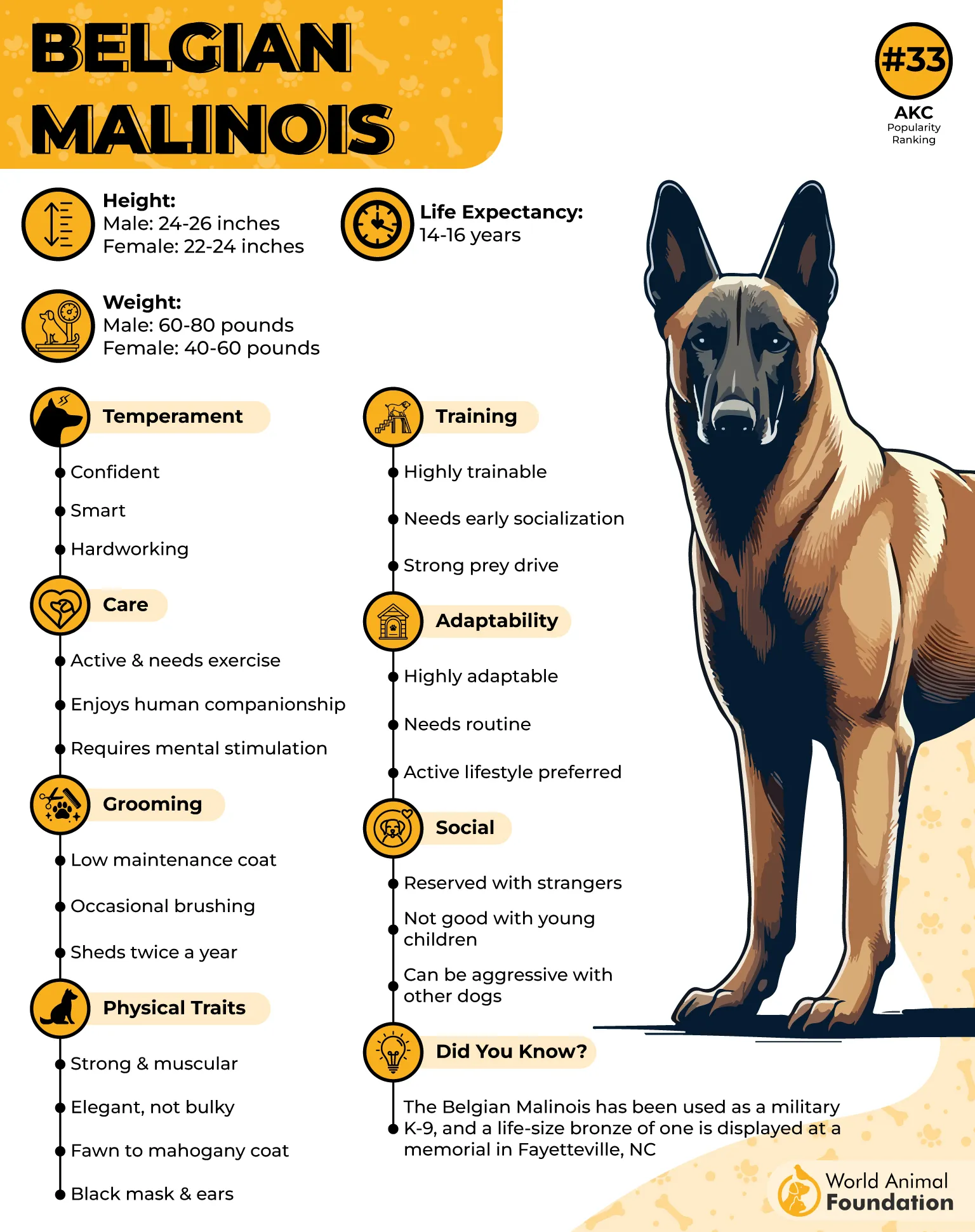
Originally developed as a Belgian herding dog, the Belgian Malinois breed has become associated with modern police, military, security, and detection work.
What makes a Malinois valuable is not simply the ability to smell an odor but the intensity with which the dog is prepared to search for it. Detection organizations favor qualities such as drive, environmental confidence, physical athleticism, concentration, and willingness to work for a reward, and research on detection-dog behavior includes Malinois among the major breeds used in specialized roles.
The breed also performs human-remains searches in devastating disaster environments. KTLA 5 News mentions that Riley, a Belgian Malinois, worked after the Los Angeles fires detecting human remains and even cremated remains among heavily burned structures where smoke, ash, building material, soil, and countless other odors created an incredibly messy scent picture.
Malinois are also frequently trained as dual-purpose police dogs, combining odor searches with criminal apprehension, building searches, evidence detection, or tactical assignments.
Their Unique Usage of Sniffing Ability
Explosives and narcotics detection: Malinois routinely search transportation hubs, buildings, vehicles, and other operational environments for trained odors.
Disaster-scene discrimination: Specialized dogs can distinguish human-remains scent among fire debris, ash, smoke residue, and structural destruction.
10. German Shorthaired Pointer
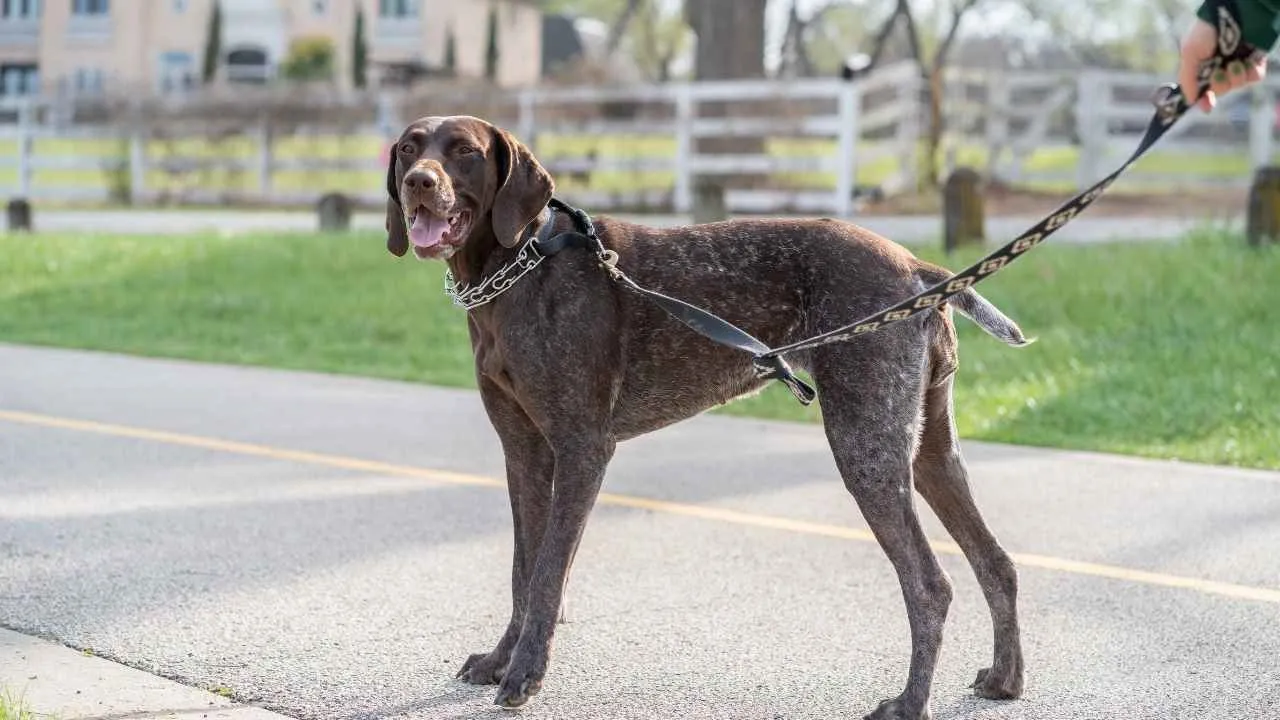
The German Shorthaired Pointer was developed as an all-purpose hunting dog, so its nose needed to do much more than follow one simple ground trail. A pointing dog searches broad terrain, uses moving air to locate bird scent, then freezes into the iconic pointing posture that tells the hunter where game is hiding.
That hunting style creates a gorgeous piece of natural canine communication. When scent reaches the dog, the body can suddenly become rigid, the head and nose orient toward the odor, the tail may extend, and one front foot can lift as the dog pinpoints the direction of the hidden quarry.
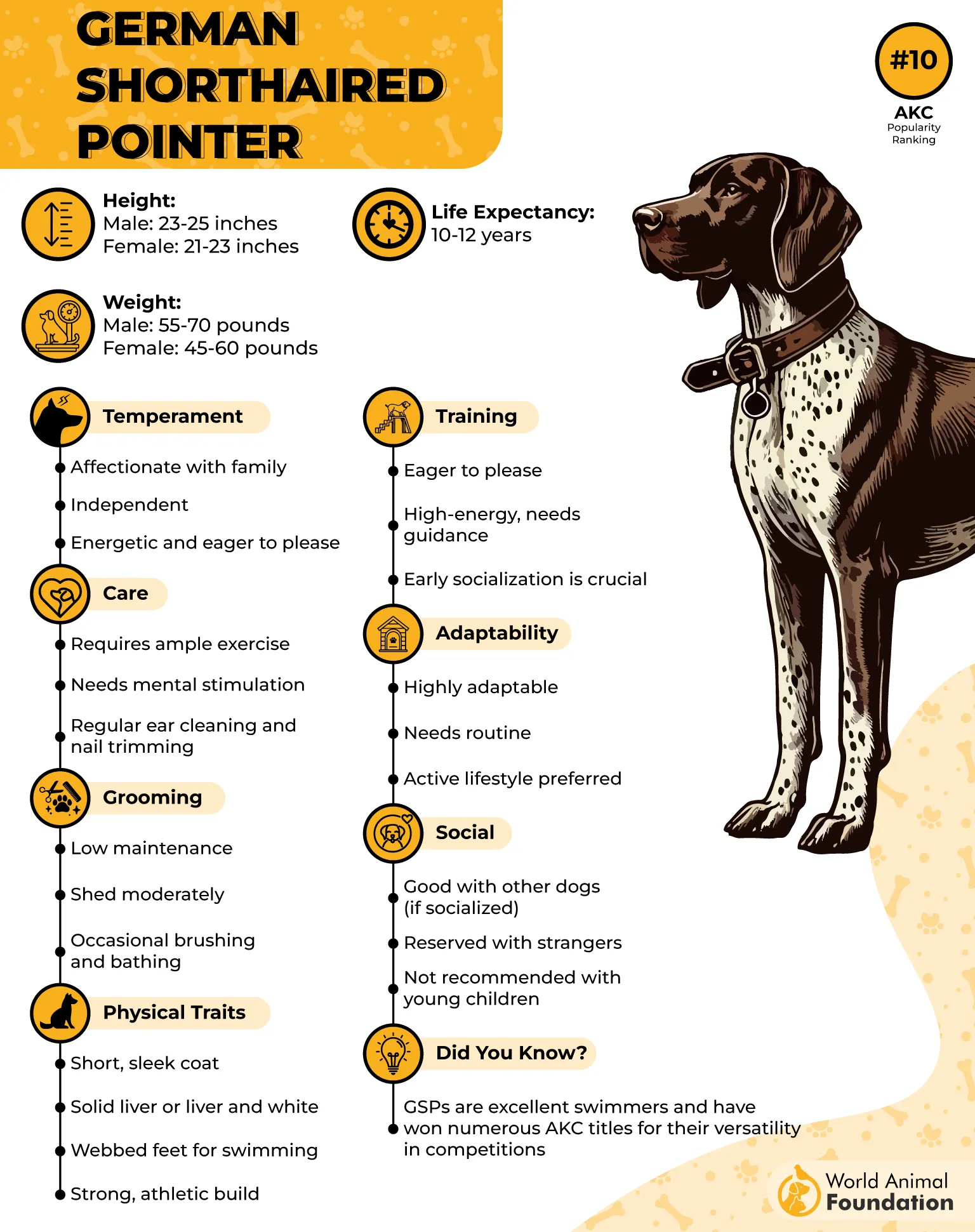
German hunters intentionally developed these Pointer dogs to handle varied quarry and terrain rather than specialize in a single narrow hunting task.
GSPs also appear in modern explosives and narcotics programs, including police detection competitions and working-dog development initiatives. The breed represents one of the coolest examples of an old hunting nose being successfully repurposed for twenty-first-century security work.
Their Unique Usage of Sniffing Ability
Air-scent bird location: GSPs search wind and terrain until odor leads them toward hidden game, then communicate the find by pointing.
Currency detection: Working dogs such as Bia have been trained to find concealed U.S. money for law-enforcement investigations.
Conclusion
The coolest thing about powerful dog noses is that “best sniffer” can mean completely different things depending on the assignment. Treating every nose as though it performs the same task overlooks how incredibly specialized canine scent work has become.
Professional detection also proves that raw smell sensitivity is only part of the story.
Basset Hounds, Golden Retrievers, and Labrador Retrievers are other dogs with a sharp sense of smell.
Humans have cameras, GPS, laboratories, scanners, and entire forensic departments, yet there are still jobs where sending in a highly trained dog remains remarkably effective.
