




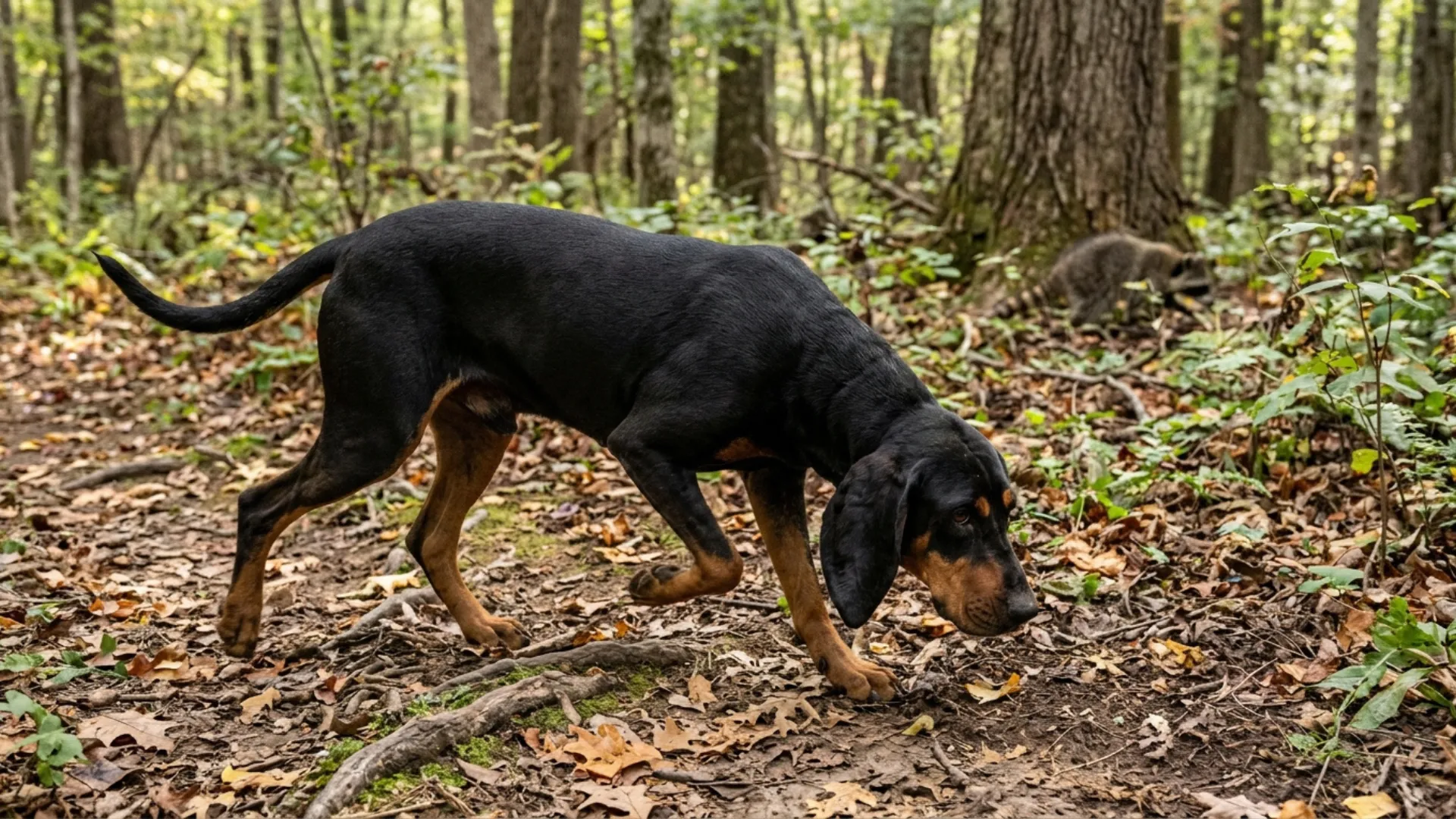
Picture a dog breaking off a hunt in deep woods with no scent trail left to follow, and still walking a dead straight line back to find you. That is not a lucky guess.
GPS-tracked research found these dogs use Earth’s magnetic field like a built-in compass, and the behavior is far stranger than most owners realize. Raw hunting instinct runs on wiring most of us never think to question.
That kind of specific characteristic is exactly why choosing a serious hunting dog breed takes more than admiring a strong nose. Each breed carries its own wiring, and that wiring decides everything from exercise needs to fencing.
Some of these working dogs range for miles on their own, while others stay locked to a handler’s side the whole time. Knowing which type is coming home with you changes everything, and the breakdown starts right below.
Top Dog Breeds with Intense Hunting Drive
1. Treeing Walker Coonhound
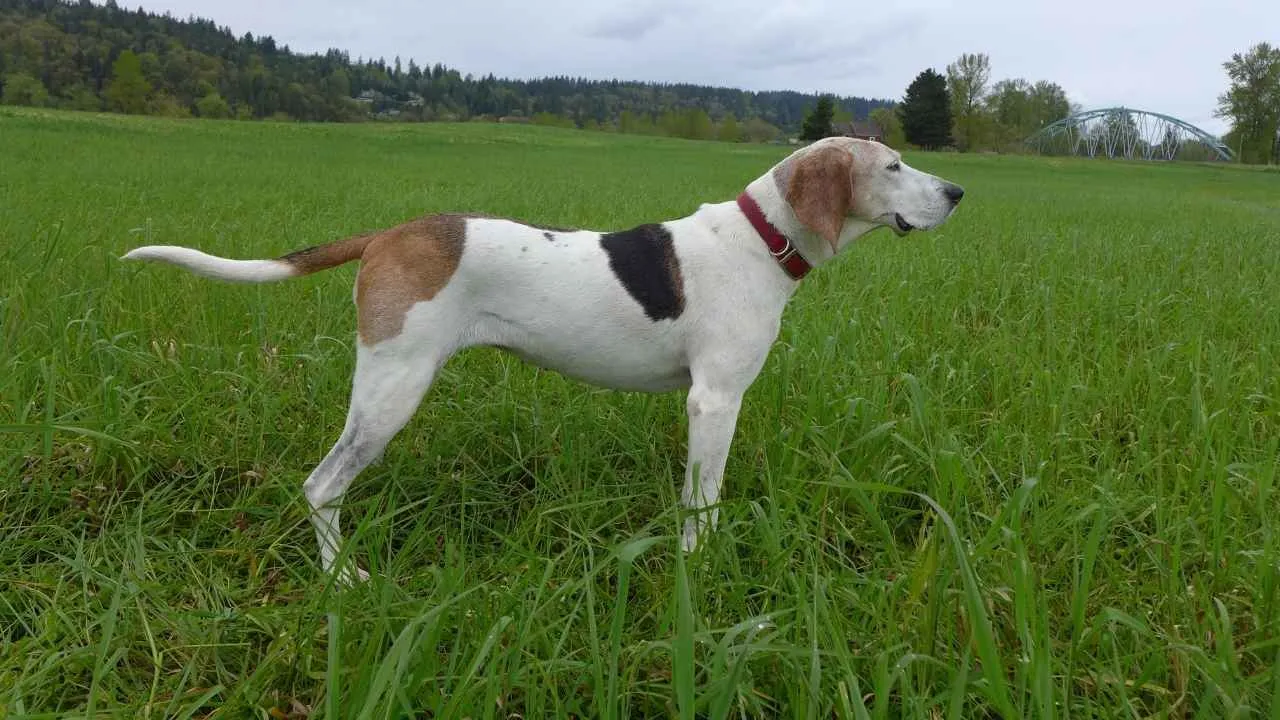
The Treeing Walker Coonhound hunts by scent, then trees its quarry and holds its ground until the hunter arrives. Southern breeders built it from Foxhound lines to chase raccoons through dark woods, and the AKC still calls it a fast, sensible hunter. That old job still flips the switch today.
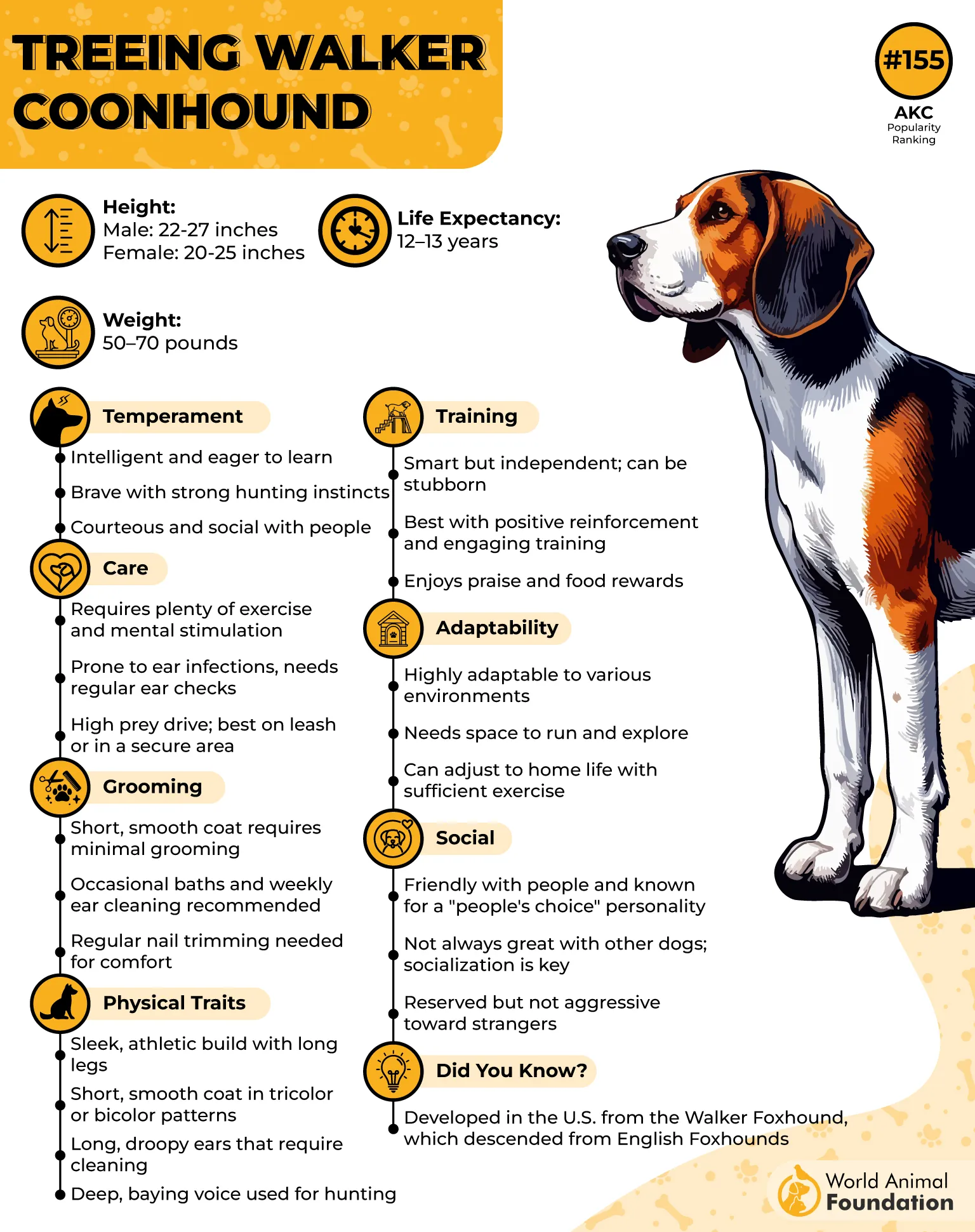
Once the nose locks on, this hound can run for miles, a great choice for long hunts, before it trees anything. A block walk will not cut it. Long trail hikes or nose-work games keep that drive satisfied.
Vocal signature: A ringing bugle bay carries for miles, so every neighbor hears the find.
Off-leash recall risk: High, since a hot trail beats any whistle or command.
Scent games redirect this instinct better than standard obedience ever will. A tall, secure fence matters more here than with most breeds. Acreage and an active household fit this hound far better than apartment life.
2. Bluetick Coonhound
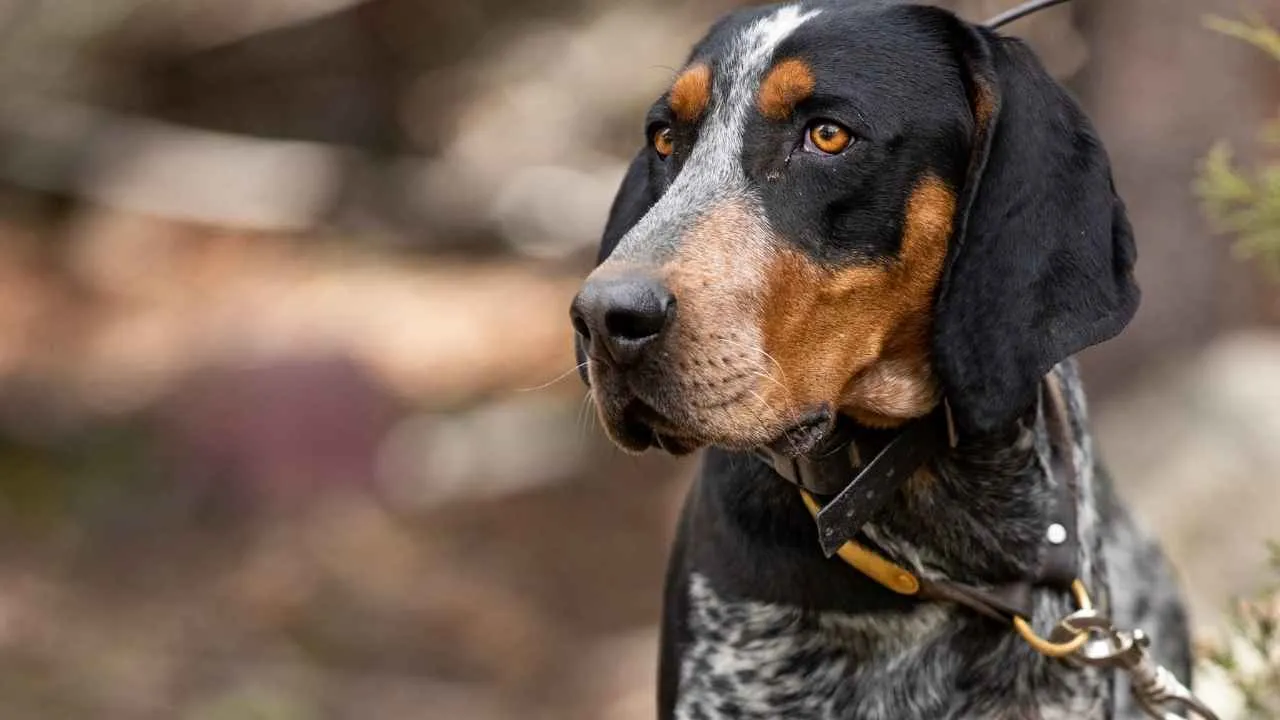
The Bluetick Coonhound trails by scent and holds treed game until the hunter catches up. Hunters in the South bred it to work raccoon at night, reading cold scent other hounds miss. That nose-first job still runs the show on every walk.
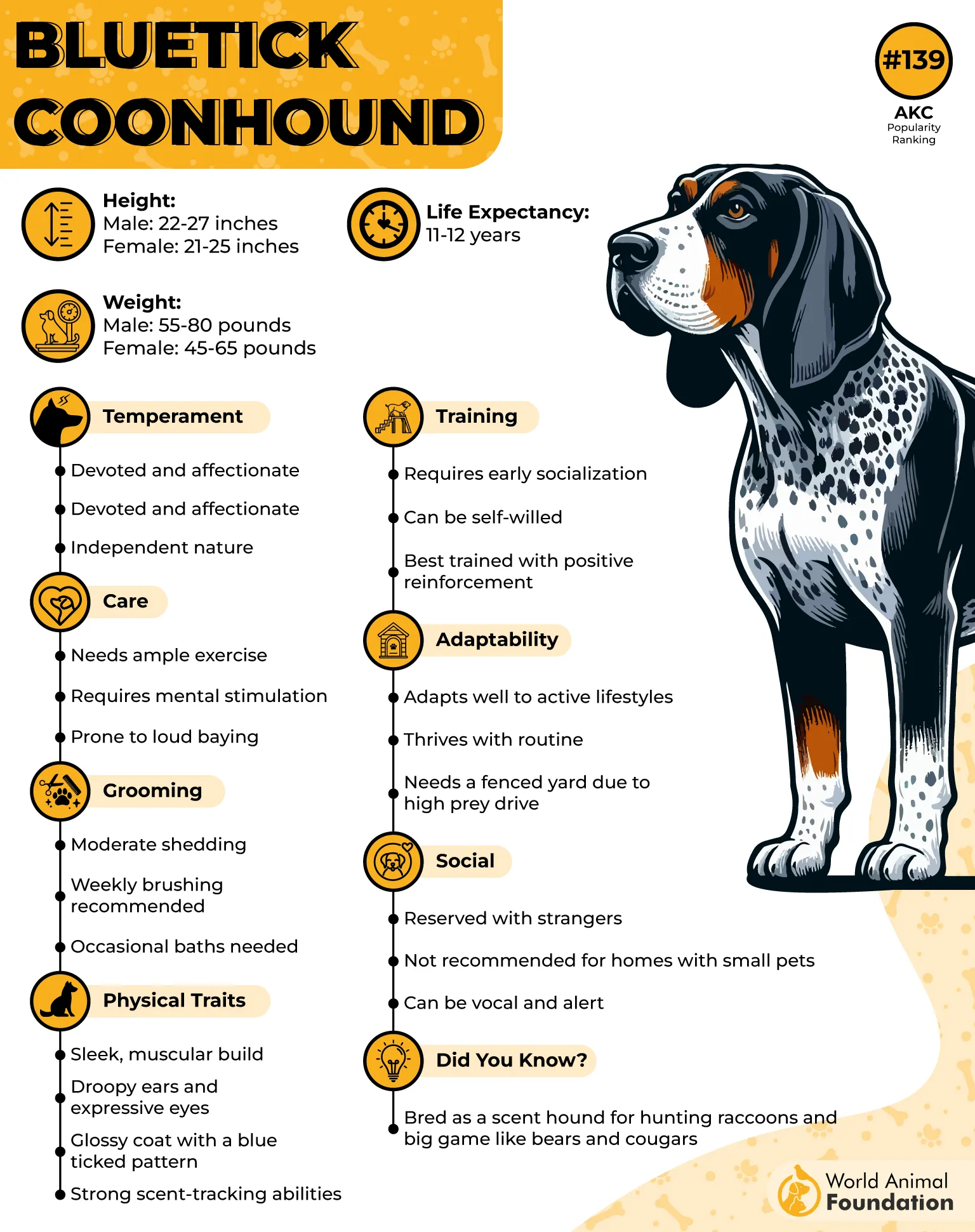
A Bluetick can follow a faint trail for a long stretch of woods before it settles. A quick yard visit will not satisfy that drive. Night walks, scent trails, or tracking games give this hound real work to do.
Vocal signature: A deep, musical bawl echoes through timber, which neighbors in close quarters will notice fast.
Off-leash recall risk: High, since cold scent pulls harder than most training cues can compete with.
Nose games teach this breed to check back in, which plain obedience rarely achieves alone. A solid fence and some land beat a tight suburban lot for this one. Families who enjoy evening walks and tracking sports make this hound a good fit.
3. Black and Tan Coonhound
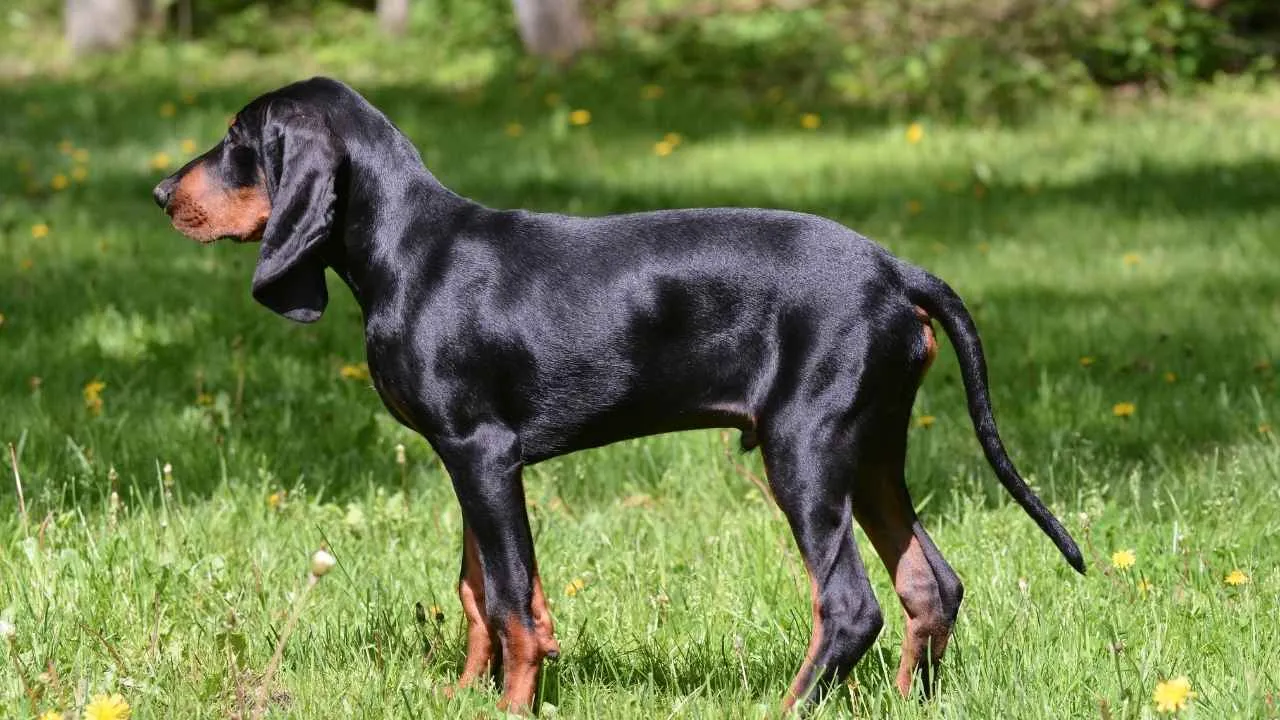
The Black and Tan Coonhound trails raccoon and other small game purely by nose, working a trail at a steady, determined pace. Early American hunters built this breed for long, cold-scent chases through swamp and timber. That same drive still takes over the instant a scent crosses its path.
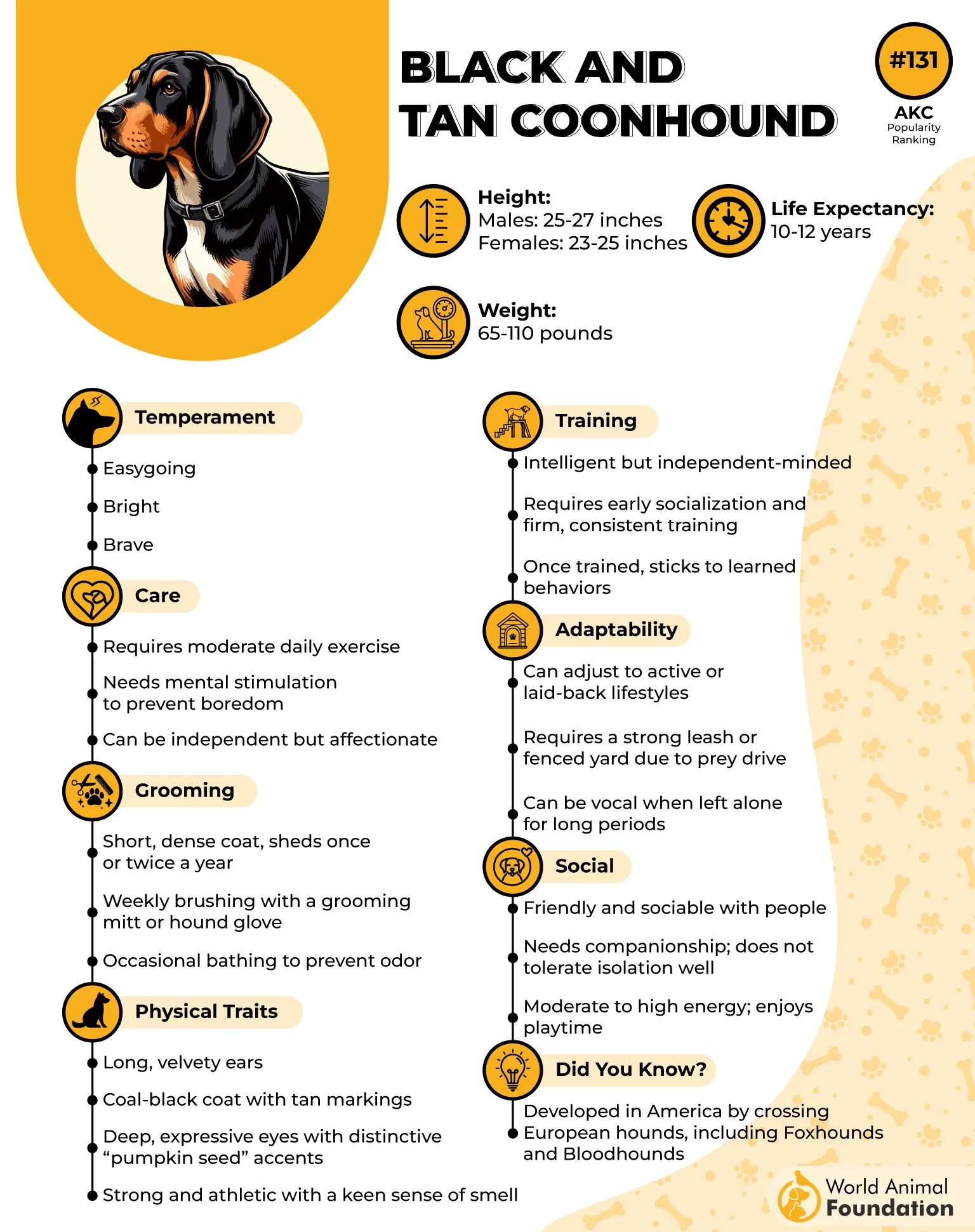
This hound will stay on a trail for hours once it catches a scent. A short stroll around the yard will not touch that need. Long tracking walks or structured scent work keep that engine busy.
Vocal signature: Its deep bay rolls across open land, so close neighbors will always know when the hunt is on.
Off-leash recall risk: High, since a locked-in scent drowns out most calls and whistles.
Scent-based training works with this breed instead of against its instincts. A secure, tall fence is worth the extra effort here. Rural or suburban homes with room to roam suit this gentle giant far better than a small apartment.
4. Redbone Coonhound
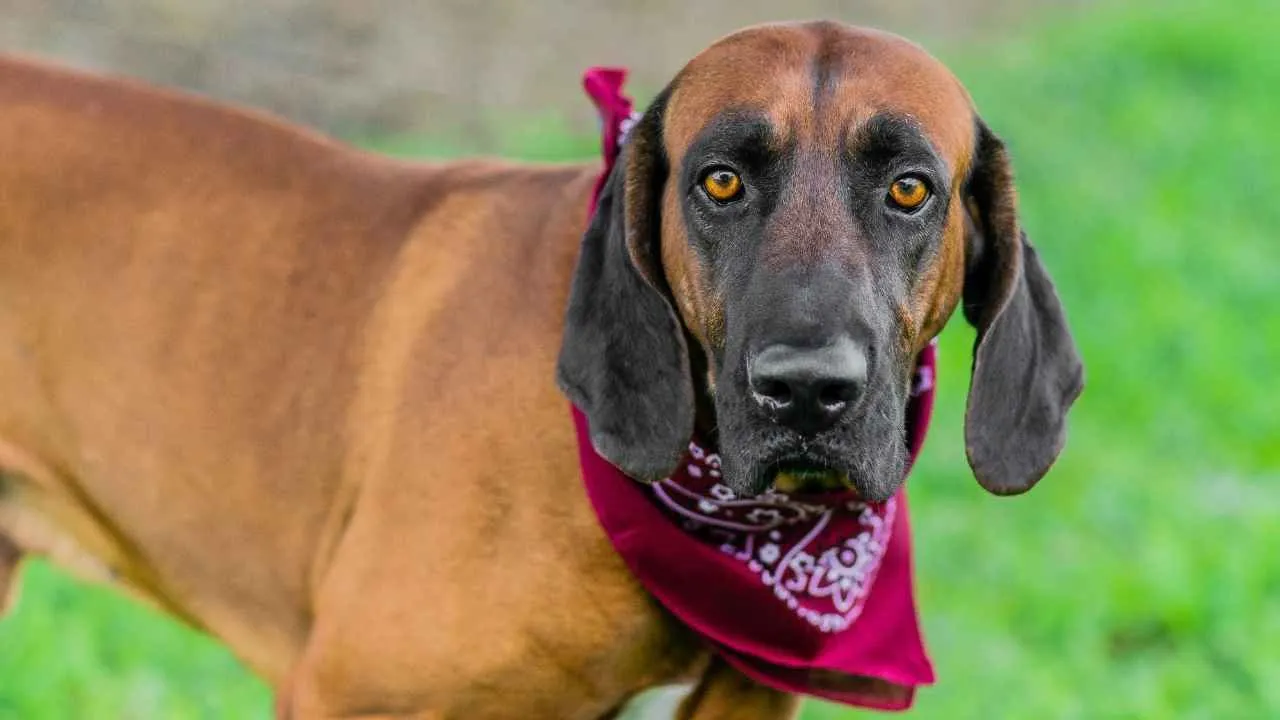
The Redbone Coonhound hunts by scent and sight, trailing raccoon and other small game through swamp and hill country. Hunters in Georgia and Tennessee bred this dog for stamina and grit over rough terrain. That tough, driven streak still shows up on every outing.
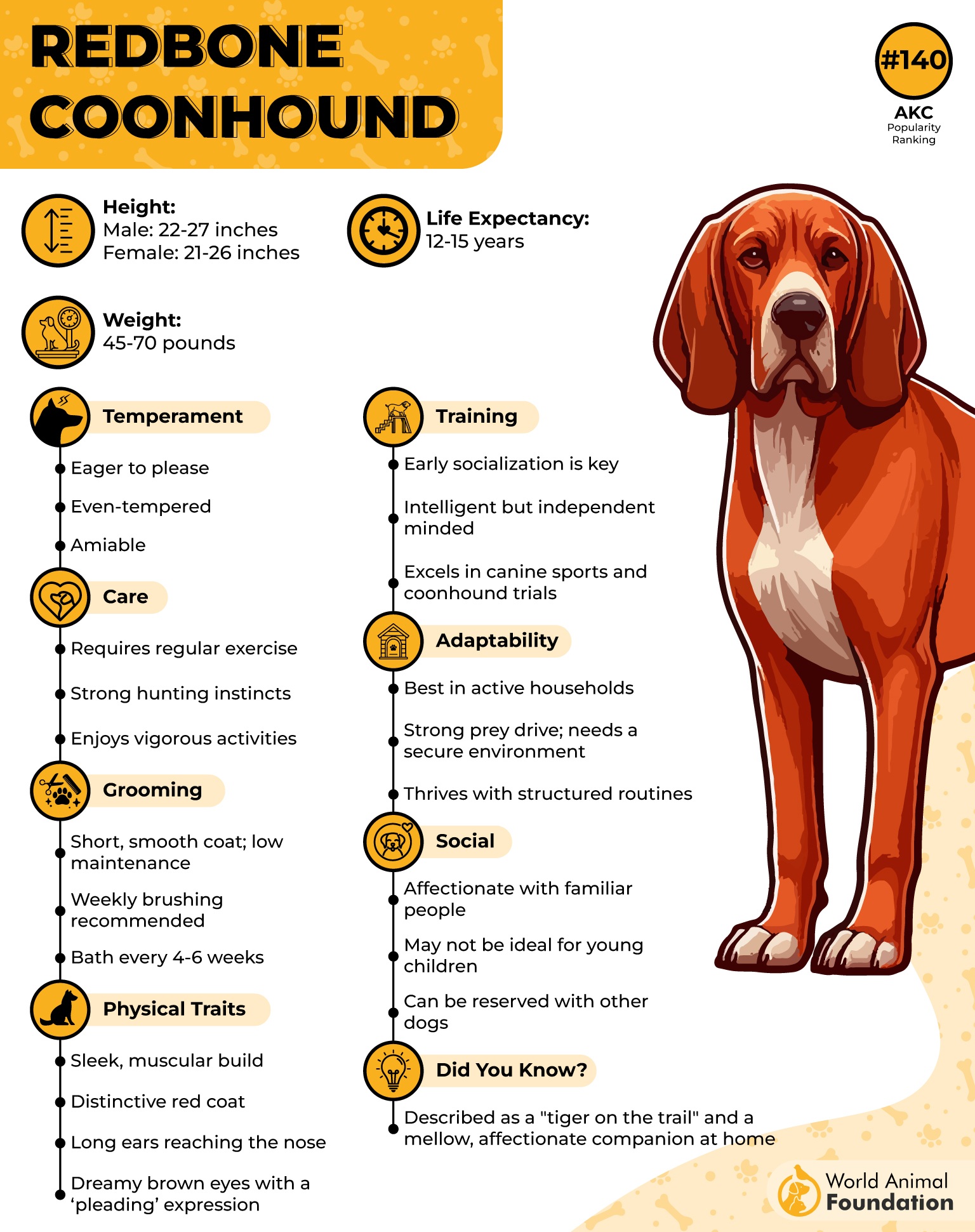
Once it picks up a trail, a Redbone can cover rugged ground for a long stretch before giving up. A fenced backyard alone will not wear this dog out. Trail runs, swimming, or supervised hunts match this hound’s actual energy level.
Vocal signature: A clear, ringing bay travels far across hills, so rural neighbors will hear it loud and clear.
Off-leash recall risk: Moderate to high, since a strong scent can override recall training fast.
This breed responds well to reward-based training that treats the hunt like a game. Sturdy fencing matters more than height alone, since this dog can also climb and dig. Active families on acreage make a better match than city dwellers.
5. American Foxhound
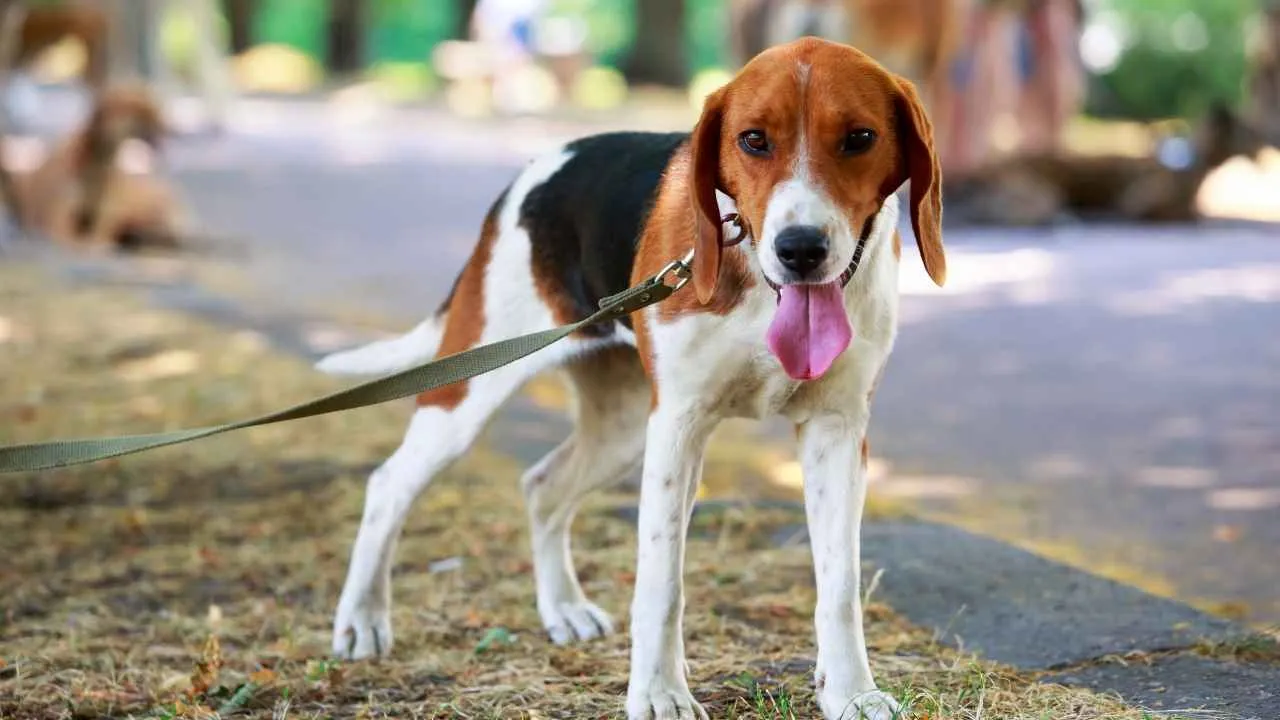
The American Foxhound trails fox and other game by scent, running in packs for hours at a stretch. Colonial hunters, including George Washington, bred this dog to chase fox across open country on horseback hunts. Purina notes the breed still carries that same drive for distance and scent work today.
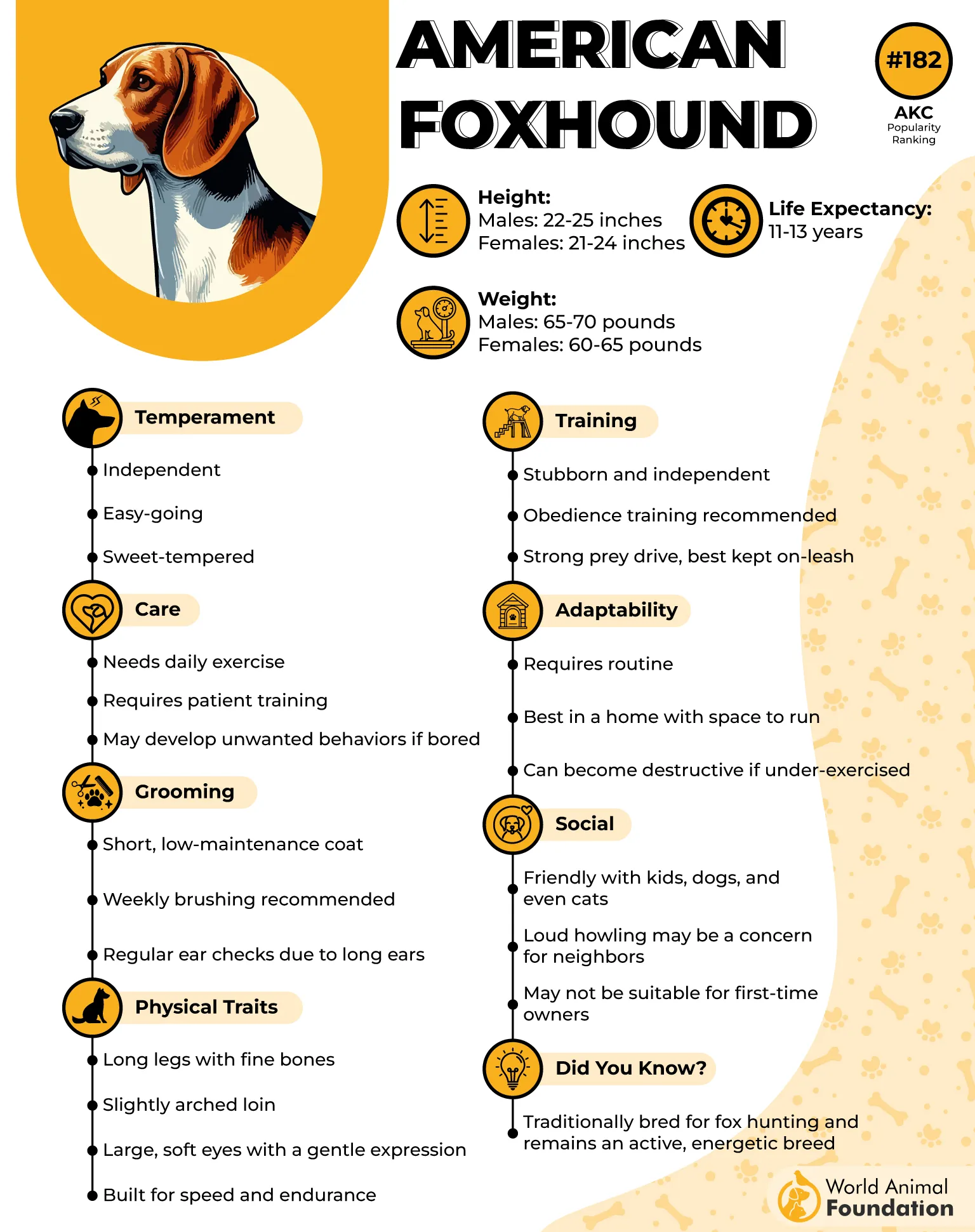
A Foxhound can run for a long stretch of open ground before it tires out. A quick lap around the garden barely registers. Long runs, hikes, or lure courses match the stamina this breed was built around.
Vocal signature: A clear, musical bay rings out during a chase, though this breed rarely barks as a general watchdog.
Off-leash recall risk: High, since pack instinct and scent both pull harder than any single command.
Group activities and scent games train this breed better than solo obedience drills ever could. Open space matters more than square footage here, so acreage beats a small yard. Active, outdoor-loving families fit this hunting companion far better than sedentary households.
6. Plott Hound
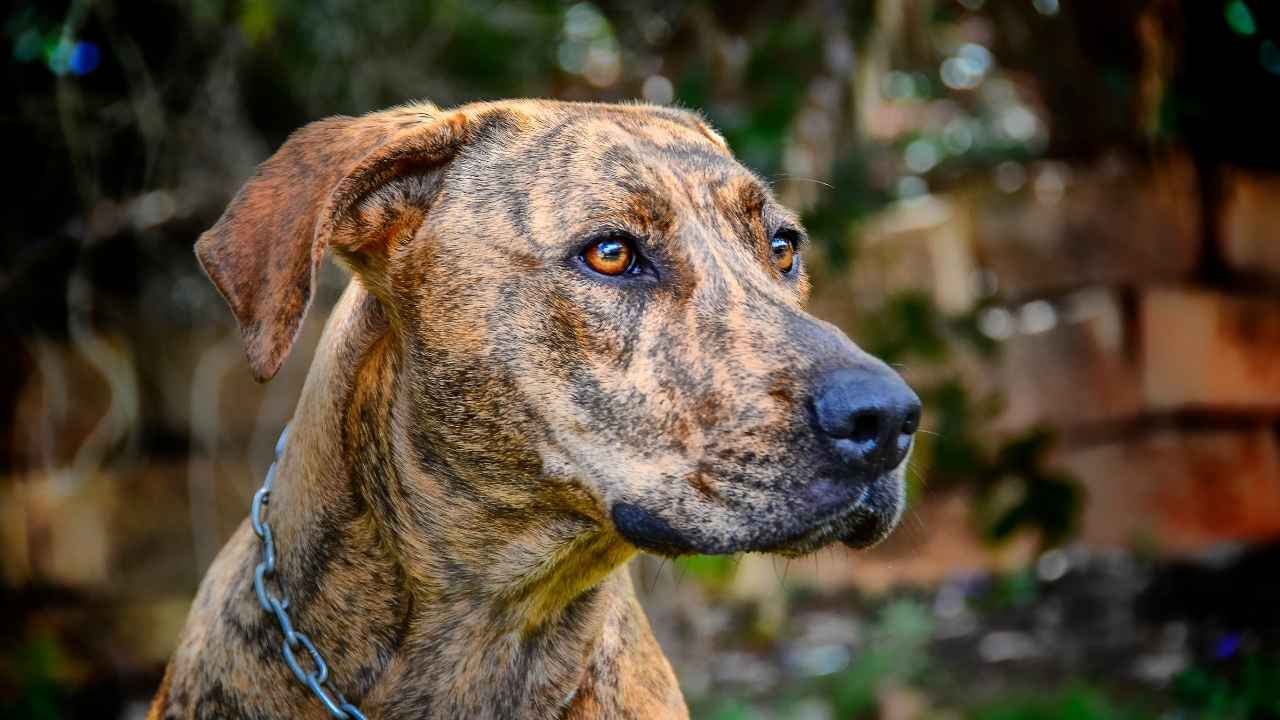
The Plott Hound trails big game by scent and holds its ground fearlessly, historically working bear and wild boar. German settlers in North Carolina bred this hound for raw grit in mountain terrain, a history PetMD still credits for its inherited hunting instincts. That same bold streak shows up the moment this dog catches a scent.
A Plott Hound can work from sunup to sundown once a trail heats up. A single yard session will not touch that stamina. Mountain hikes, pack hunts, or serious trail runs match what this breed was actually built for.
Vocal signature: A sharp, chopping bark carries through dense timber, which rural neighbors will notice quickly.
Off-leash recall risk: High, since this breed was bred to finish a hunt, not stop halfway through.
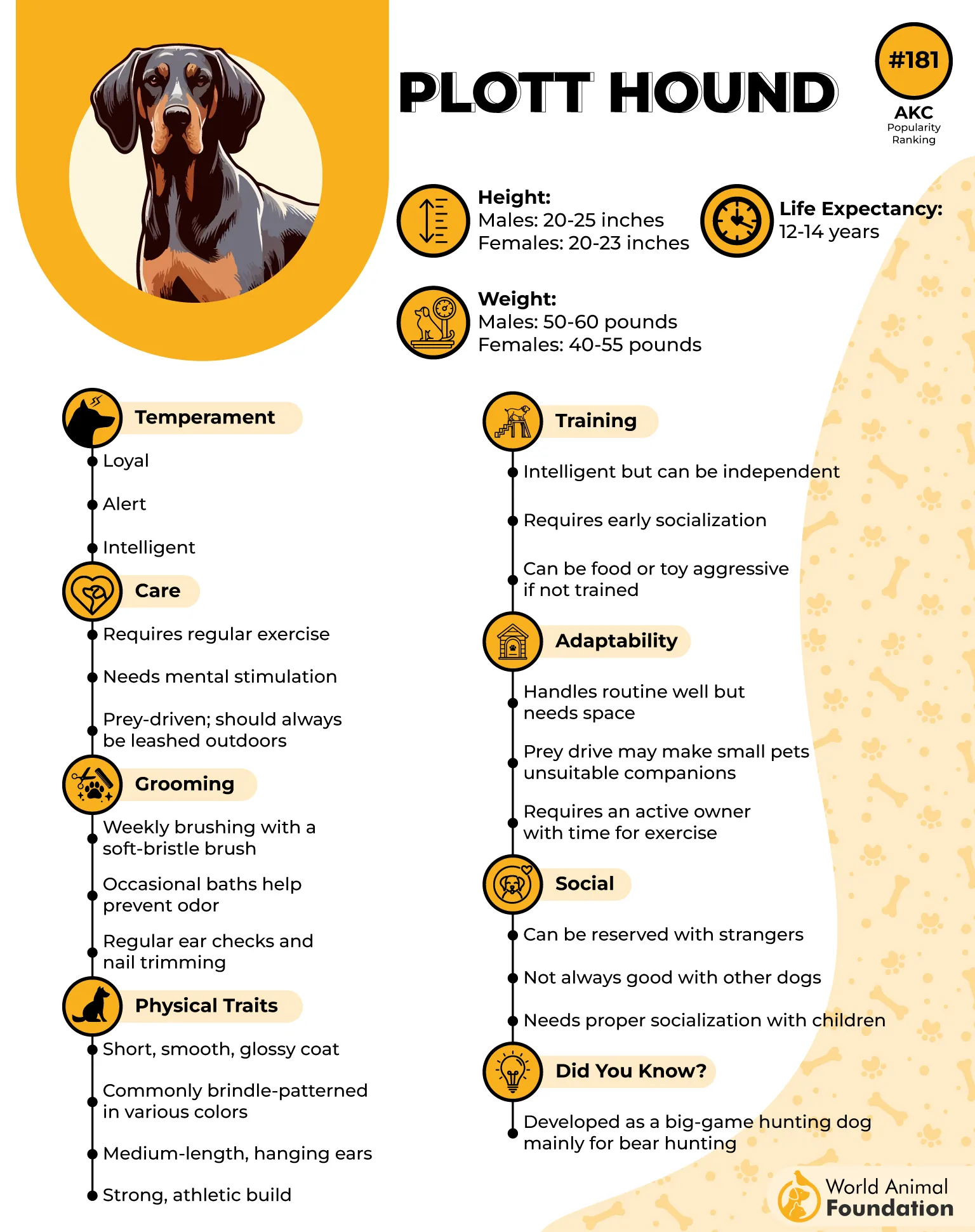
Firm, consistent training suits this breed better than a soft approach, since it was built to hold ground against a hog twice its size. A strong, tall fence is non-negotiable with this one. Rural or mountain properties fit this truly tough dog better than a city lot.
7. German Shorthaired Pointer
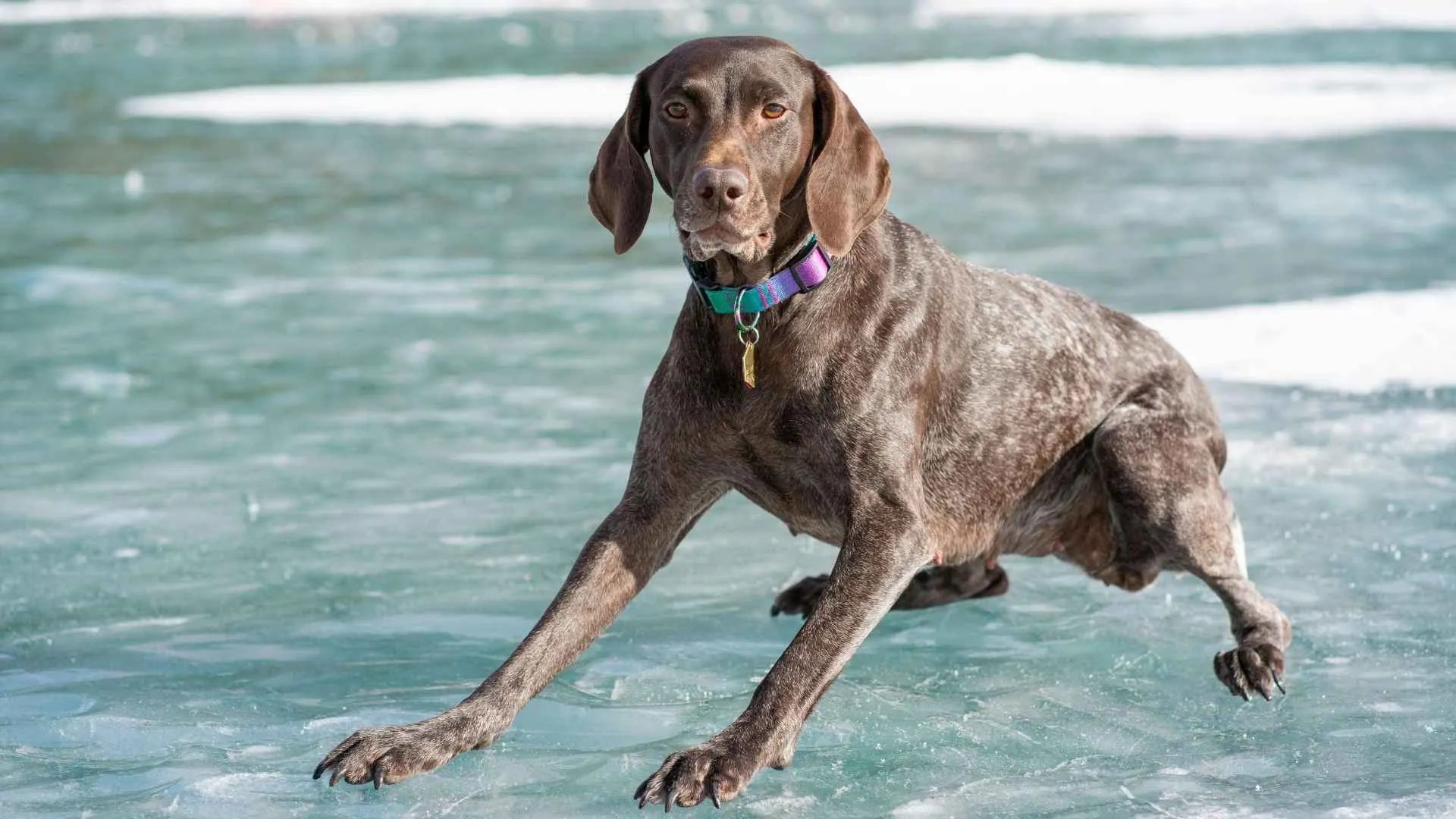
The German Shorthaired Pointer points and holds, freezing on game birds until a hunter flushes them, then retrieves on command. German breeders built this gun dog in the 1800s as an all-purpose partner for upland birds, waterfowl, and small game, and VCA notes that drive is still fully intact today. That versatile streak makes this breed one of the most capable hunters around.
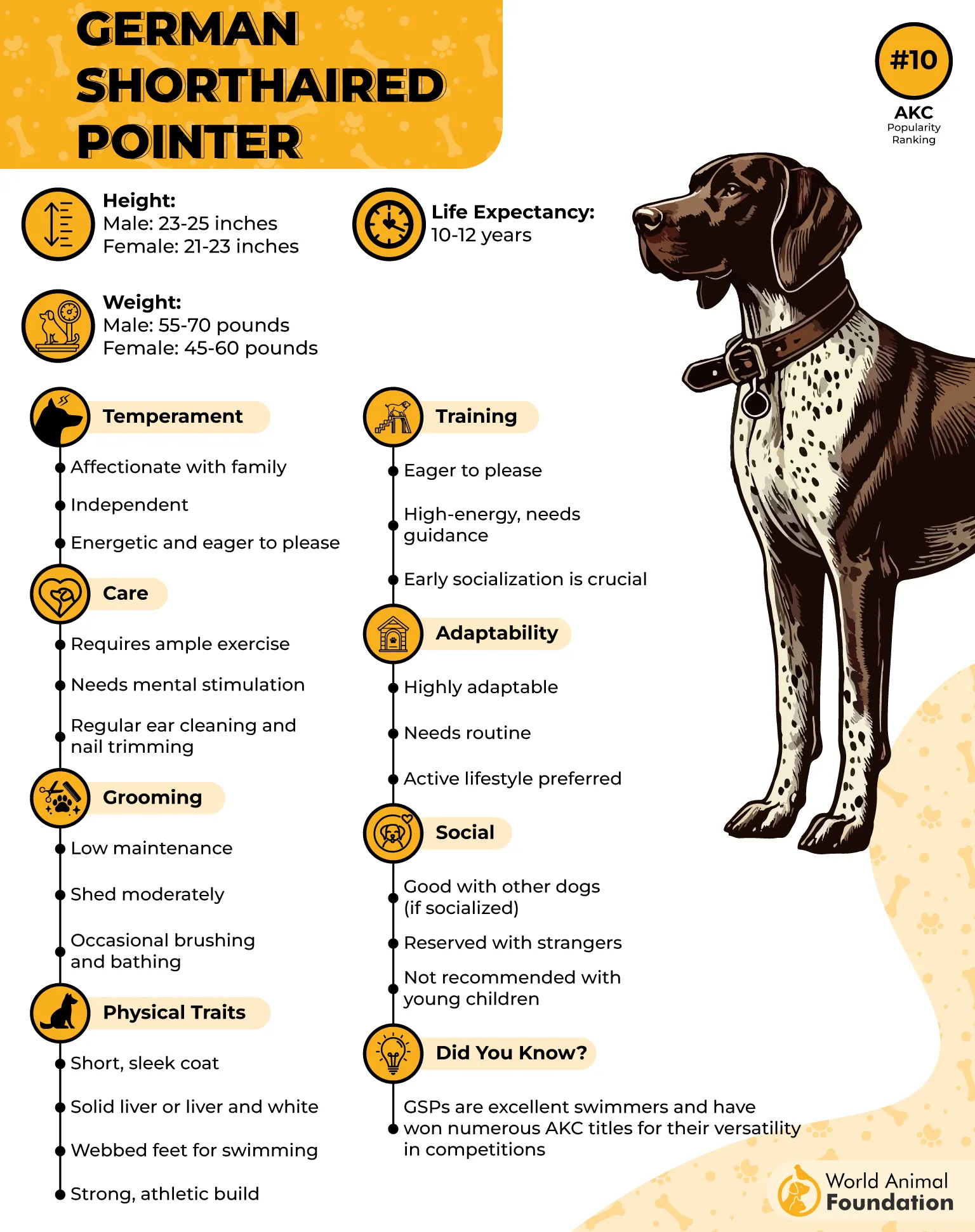
A GSP will work a field in wide, steady patterns for hours without slowing down. A short leash walk barely dents that energy. Bird-dog training, retrieving drills, or long runs keep this skilled gundog properly worked.
Vocal signature: Mostly silent on point, this breed saves its voice for excitement at home rather than in the field.
Off-leash recall risk: Moderate, since solid training usually holds up better here than with pure scent hounds.
This breed thrives on structured fieldwork and responds well to consistent, reward-based training. A secure yard helps, but daily exercise matters even more than fencing here. Active families who hunt, run, or compete in dog sports make the best fit for this versatile hunter.
8. Weimaraner
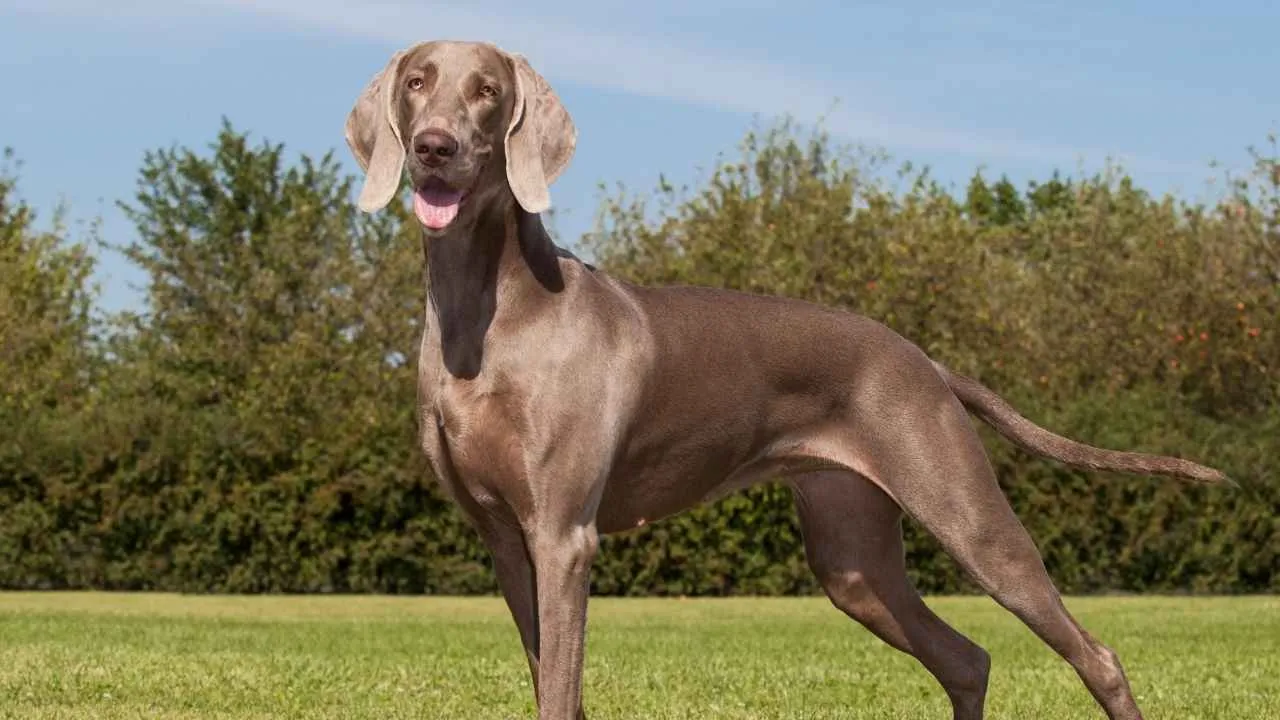
The Weimaraner points, flushes, and retrieves across land and water, built as an all-purpose gun dog. German nobility first bred this dog for serious big-game hunts before its focus shifted toward birds and small game. That old versatility still drives its restless energy today.
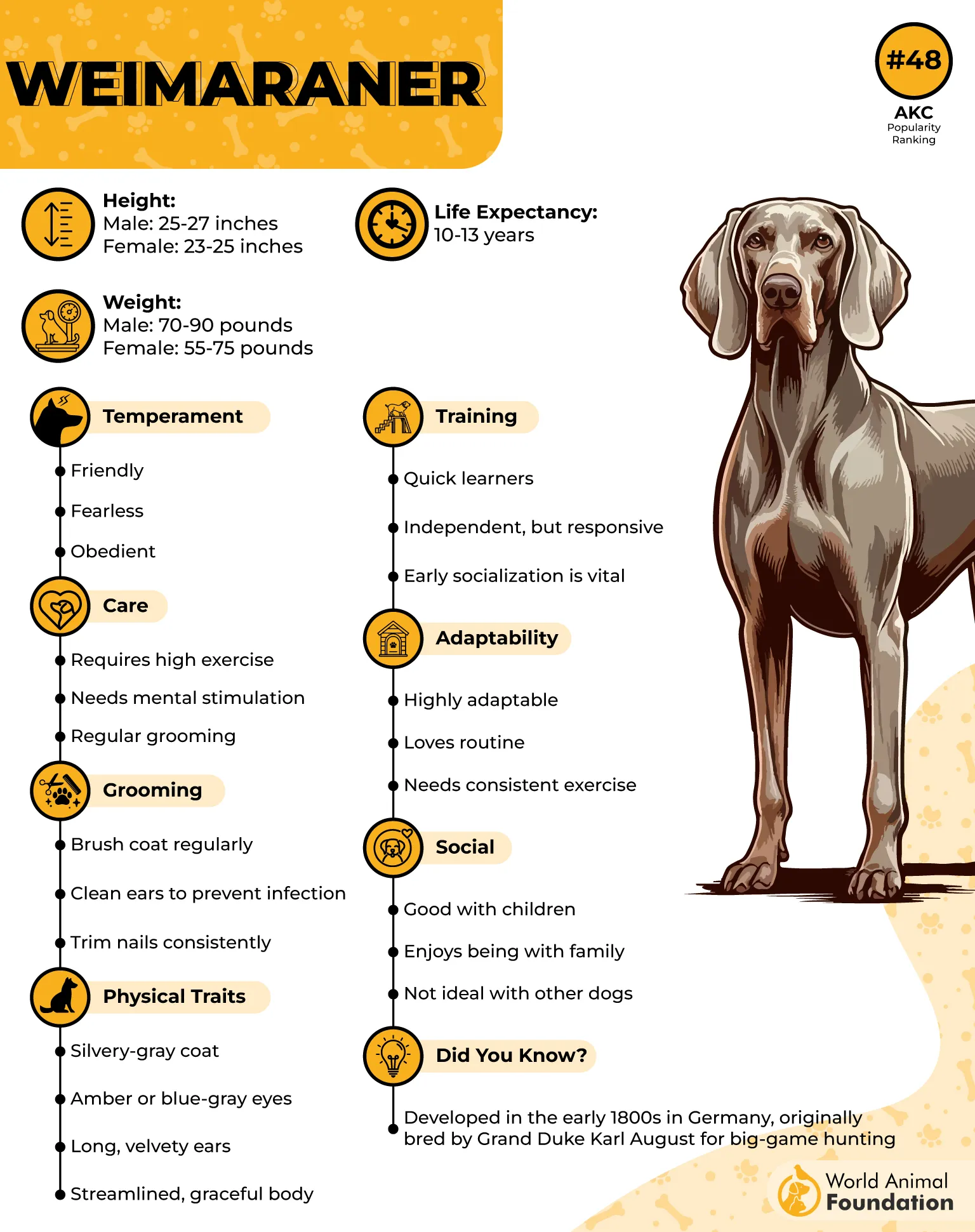
A Weimaraner needs a serious outlet, not a short stroll, to settle down. Field work, long runs, or retrieving games match its real drive. Without that outlet, this dog tends to invent its own project around the house.
Vocal signature: Generally quiet in the field, though this breed will bark at home when bored or left alone too long.
Off-leash recall risk: Moderate to high, since strong prey drive can override training around small, fast-moving animals.
Consistent, engaging training works far better than repetition alone with this smart, sensitive breed. Fencing should be tall and secure, since a bored Weimaraner tends to look for an exit. Active households with time for daily fieldwork suit this dog far better than small apartments do.
9. Vizsla
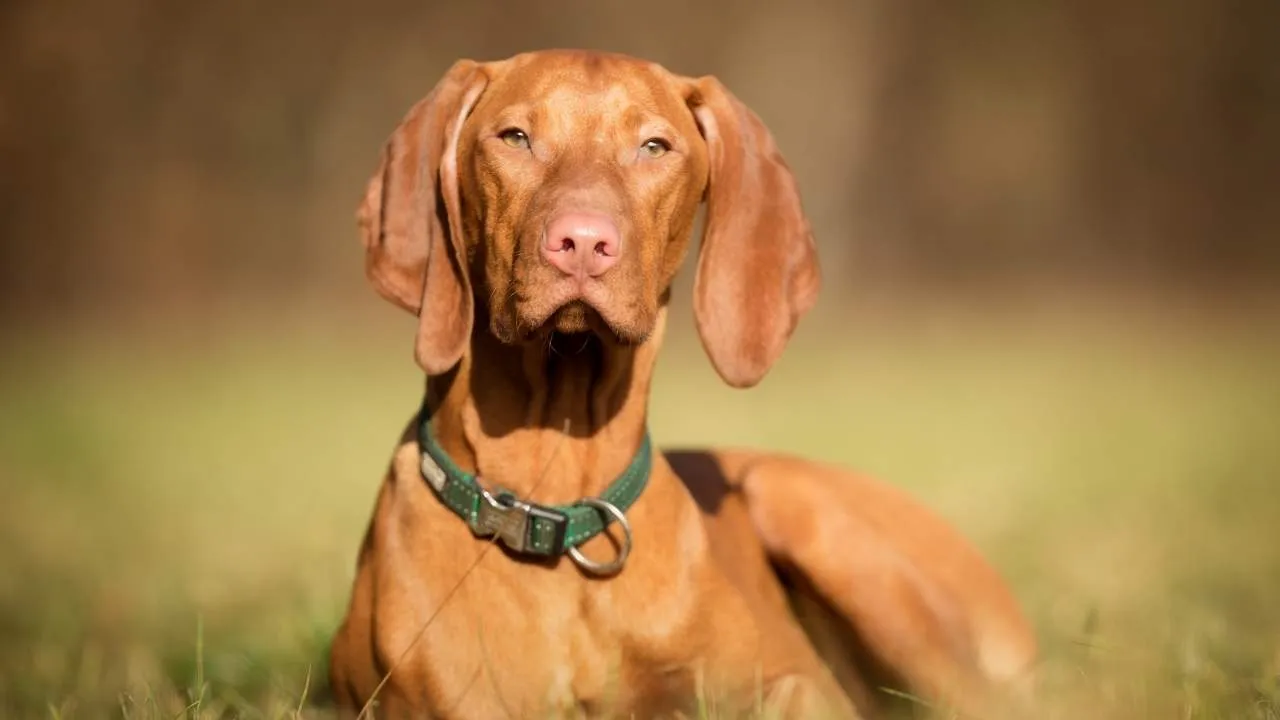
The Vizsla points and retrieves with speed, built in Hungary to hunt birds and small game across open plains. Hungarian nobility bred this dog for a close partnership with the hunter, not solo work far afield. Britannica notes that close-working style still defines the breed today.
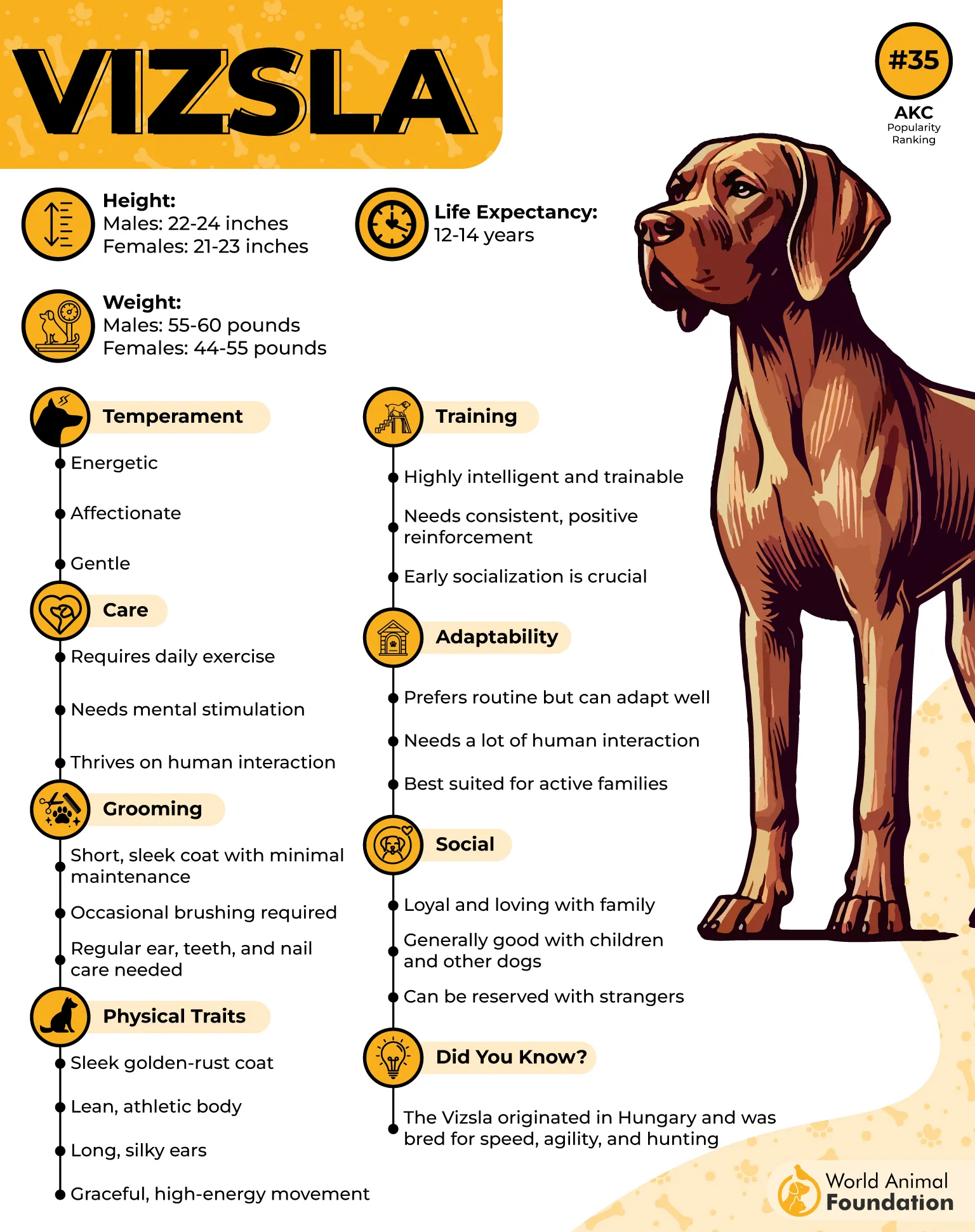
A Vizsla needs real daily exercise, closer to an hour than a quick walk, to settle at home. Running, swimming, or structured fieldwork suits this dog far better than a lazy lap around the block. Without that outlet, restless energy tends to show up indoors instead.
Vocal signature: Fairly quiet by hound standards, though separation can bring on loud vocal complaints.
Off-leash recall risk: Lower than most on this list, thanks to its strong bond with one handler.
This breed trains well through positive, relationship-based methods rather than harsh correction. Fencing still matters, but this dog’s attachment to its people helps more than fencing alone. Active families who want a dog nearby at all times make the best fit, more than a hands-off household would.
Conclusion
The real question was never how much energy you can handle. It was always how far that hunting drive will carry your dog, and if your home, yard, and routine can actually contain it, since each breed carries its own specific characteristics.
Match the right breed profile to your actual lifestyle, not the other way around, and a serious hunting dog becomes an excellent choice instead of a daily struggle.
Talk to reputable breeders, ask hard questions about trainability and outlet needs, and go find the furry hunting companion built for how you actually live.
