





When you’re looking for the perfect family dog, it’s easy to focus on size, appearance, or energy level. But there’s another trait that’s just as important, especially if you already have cats, rabbits, or other small pets at home: prey drive.
This natural instinct influences how strongly a dog wants to chase moving animals, and it can make a big difference in how peacefully your pets live together.
Prey drive is a hardwired canine instinct that comes from dogs’ wild ancestors, who relied on chasing prey to survive. While most modern dogs no longer hunt for food, many high-prey drive dogs still enjoy chasing squirrels, birds, or anything that darts across their path.
The good news is that not every dog has this instinct to the same degree. Some are naturally more relaxed, easier to redirect, and much more likely to ignore small animals instead of treating them like something to chase.
In this article, we’ll introduce dog breeds with a low prey drive that can make wonderful companions for families, first-time owners, and homes with other furry friends.
Key Takeaways
Meet low prey dogs that fit beautifully into multi-pet homes.
Discover why Shih Tzus, Pugs, and Maltese make such easygoing companions.
Explore friendly favorites like the Bichon Frise, Havanese, and Cavalier King Charles Spaniel.
Find the perfect calm, cuddly companion for your lifestyle.
Dog Breeds With a Low Prey Drive – Perfect Pets
1. Shih Tzu

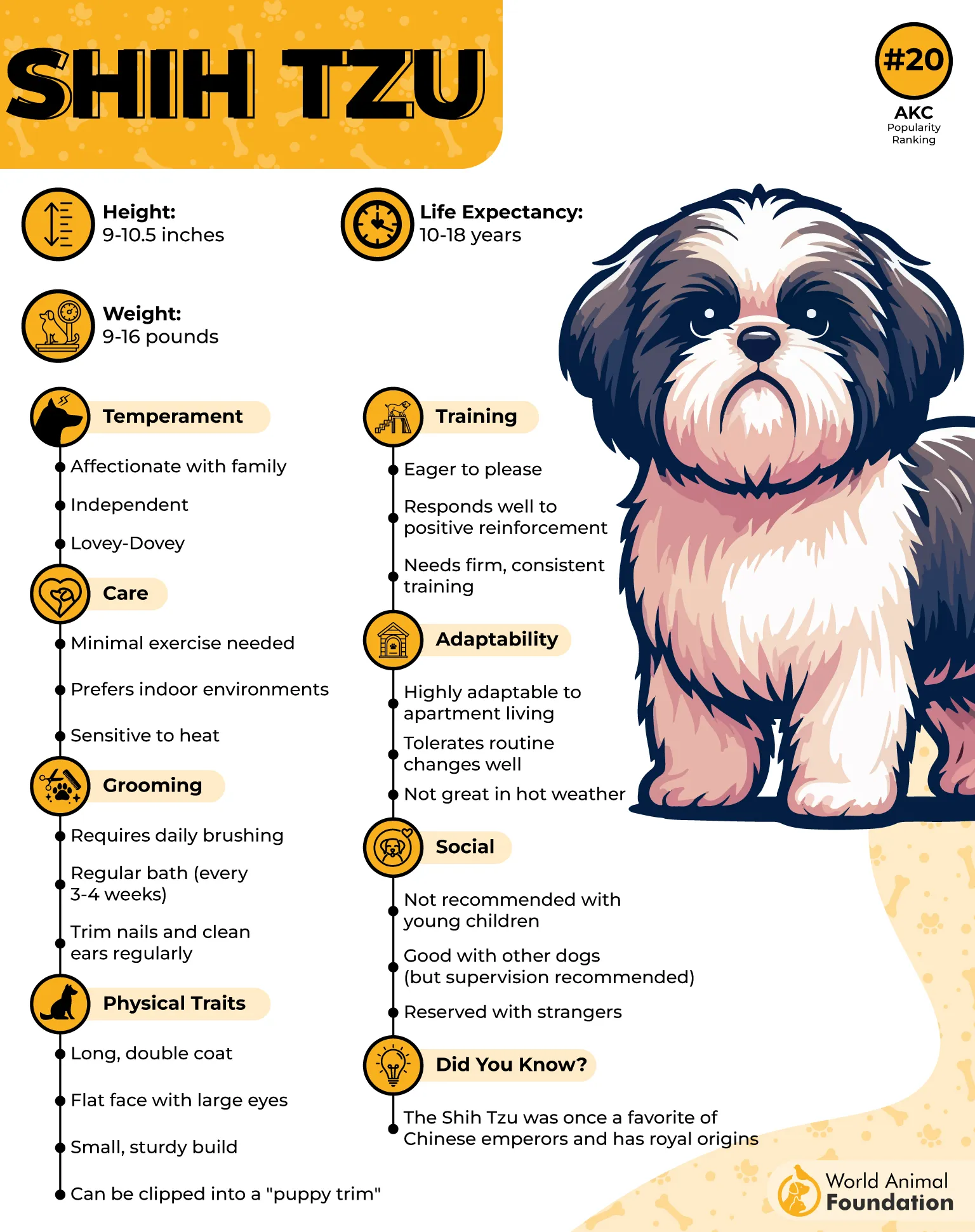
Originally bred as companion dogs, Shih Tzus have spent centuries doing what they do best—staying close to their people. Their low prey drive, friendly personality, and easygoing nature make them a great choice for homes with other pets.
While every dog is different, Shih Tzus are generally more interested in cuddles and attention than chasing small animals.
Why They Stand Out
Friendly and affectionate with people of all ages
Usually get along well with other dogs and many other household pets
Naturally companion-focused rather than chase-driven
Playful and lively but also happy to relax with their families
Alert enough to bark at visitors but not suited for guarding
Shih Tzus enjoy short daily walks and indoor play, making them a good fit for many lifestyles. They can gain weight if overfed, so regular exercise and portion control are important. Their long coat needs daily brushing and regular baths, although many owners prefer a shorter trim for easier grooming.
They love being around people, learn tricks with positive training, and should be socialized early to help prevent excessive barking or digging. Because of their short muzzle, they should not be exercised in hot or humid weather, as they are more prone to heat stroke, as mentioned by Hill’s Pet.
2. Pug

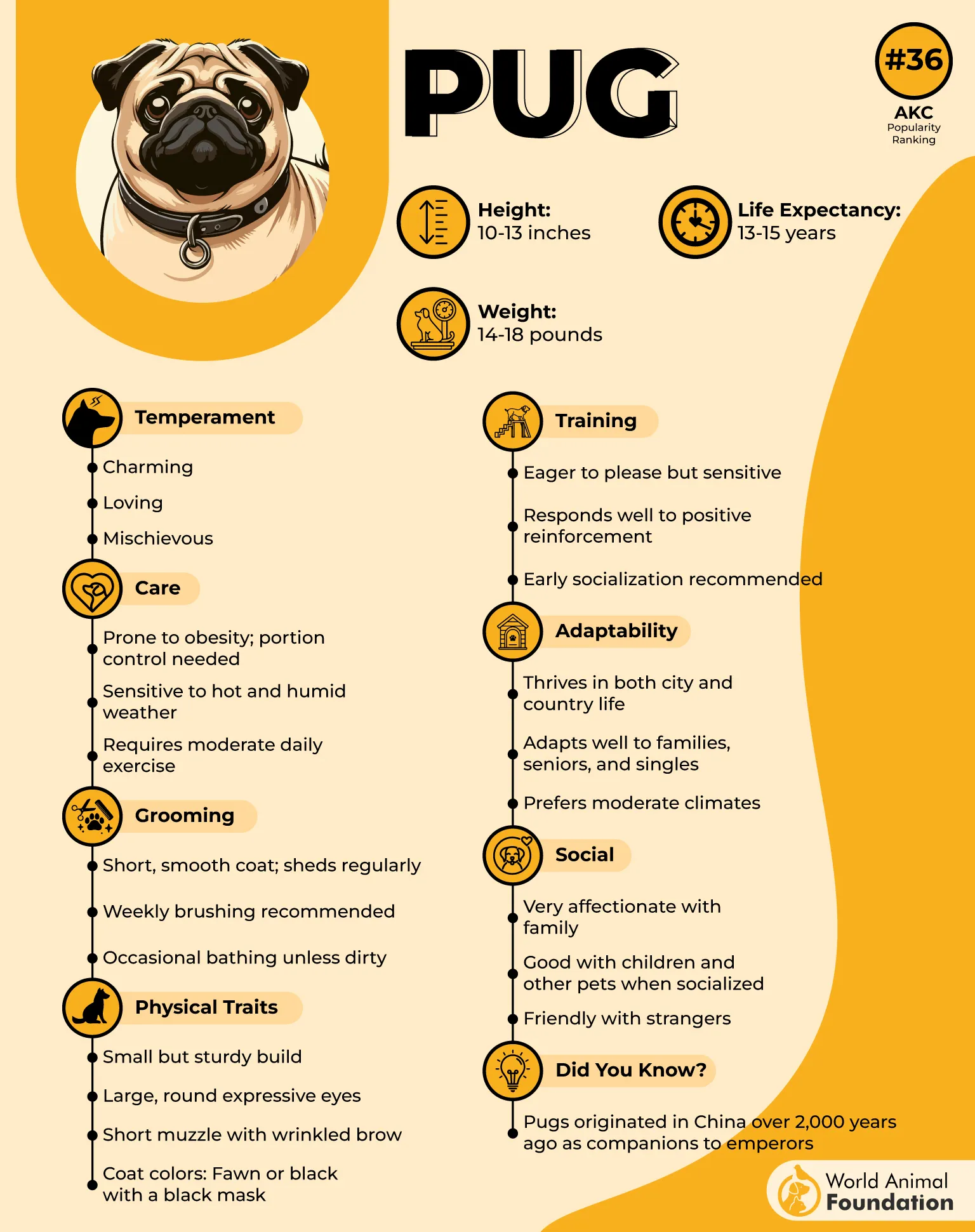
Bred as companion dogs for Chinese royalty, Pugs have been devoted people-lovers for centuries. Their calm temperament and low prey drive make them a great fit for homes with other pets.
Rather than chasing small animals, most Pugs would rather stay close to their favorite people or curl up on the couch for a nap.
Why They Stand Out
Friendly and affectionate with people of all ages
Usually get along well with children, other dogs, and other household pets
Low prey drive and generally not interested in chasing small animals
Playful and cheerful without being overly energetic
Adapt well to apartments, family homes, and homes with seniors
Pugs enjoy a few short walks each day along with indoor playtime, but they are not built for intense exercise. They can become overweight if overfed, so regular activity and portion control are important. Their short coat sheds throughout the year and benefits from regular brushing.
Because of their flat face, they can snore, overheat easily, and struggle with strenuous exercise, especially in hot weather. They are eager to please, although sometimes stubborn, and respond well to patient, positive training.
3. Cavalier King Charles Spaniel

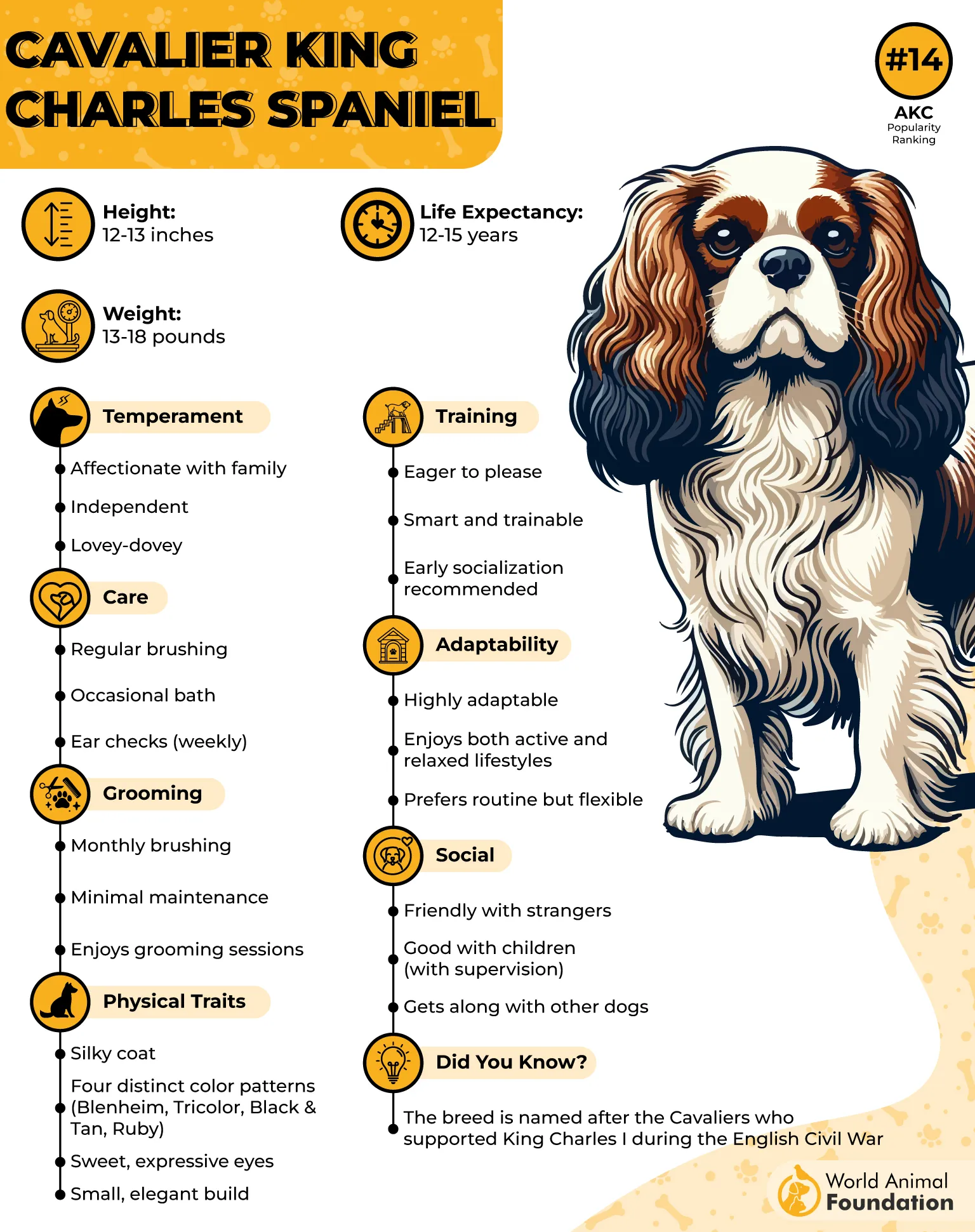
Originally bred to be companion dogs for British royalty, Cavalier King Charles Spaniels are happiest when they’re close to their people.
Their gentle temperament and relatively low prey drive make them a wonderful choice for homes with children, cats, and other pets. They enjoy outdoor walks and playtime but are just as content curling up beside their families.
Why They Stand Out
Gentle, affectionate, and loyal companions
Usually get along well with children, cats, other dogs, and strangers
Calm and patient, making them great for first-time owners
Moderate energy level with a good balance of play and relaxation
Easy to train and not known for excessive barking
Cavalier King Charles Spaniels need two daily walks along with regular play and mental stimulation. Their silky coat benefits from weekly brushing, occasional baths, and professional grooming if desired. They shed lightly throughout the year.
Although they are companion dogs, they still have some sporting instincts and may chase birds or interesting scents, so they should be kept on a leash or in a securely fenced area. PetMD says they thrive on human companionship and should not be left alone for long periods.
4. Maltese
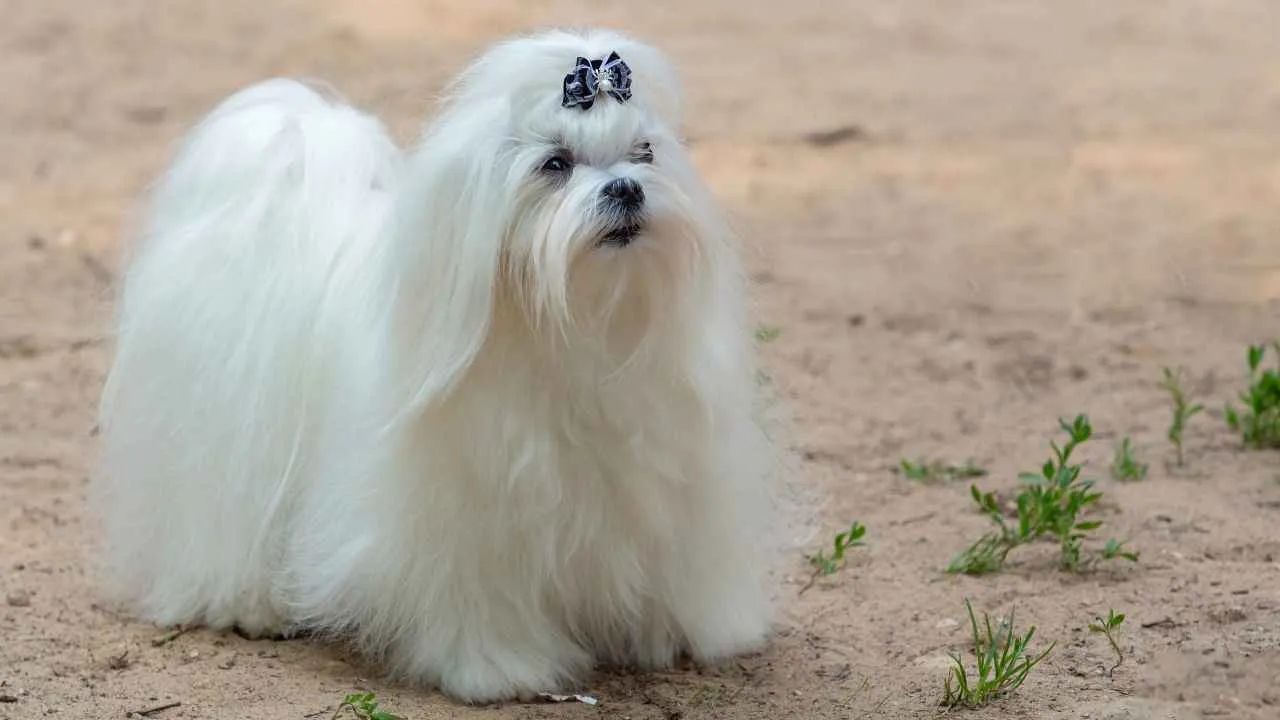
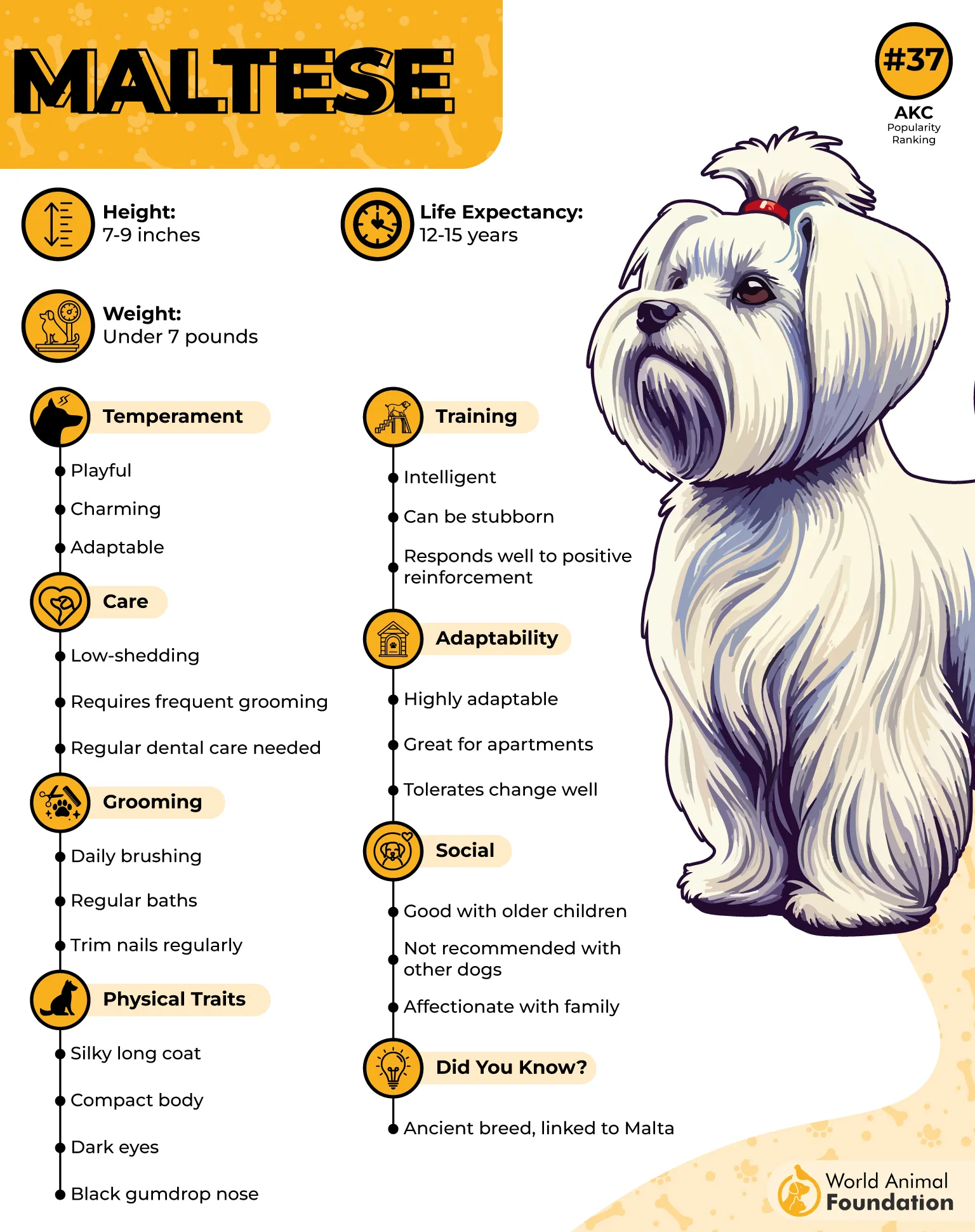
The Maltese has been a cherished companion for centuries, winning hearts with its affectionate personality and gentle nature. Thanks to its low prey drive and adaptable temperament, this breed usually lives peacefully with other pets.
Maltese dogs prefer spending time with their families over chasing anything that moves, making them excellent companions for calm households.
Why They Stand Out
Affectionate and devoted to their families
Usually get along well with other pets and older children
Low prey drive and better suited for indoor living
Intelligent, playful, and eager to learn tricks
Adapt well to apartments and smaller homes
Maltese dogs enjoy daily walks, indoor play, and short, positive training sessions. They do not need intense exercise but benefit from regular mental stimulation to prevent boredom and excessive barking.
Their long white coat requires daily brushing and regular baths to prevent tangles, along with routine cleaning around the eyes. They shed very little but can be difficult to house-train and may develop separation anxiety if left alone for long periods.
5. Bichon Frise
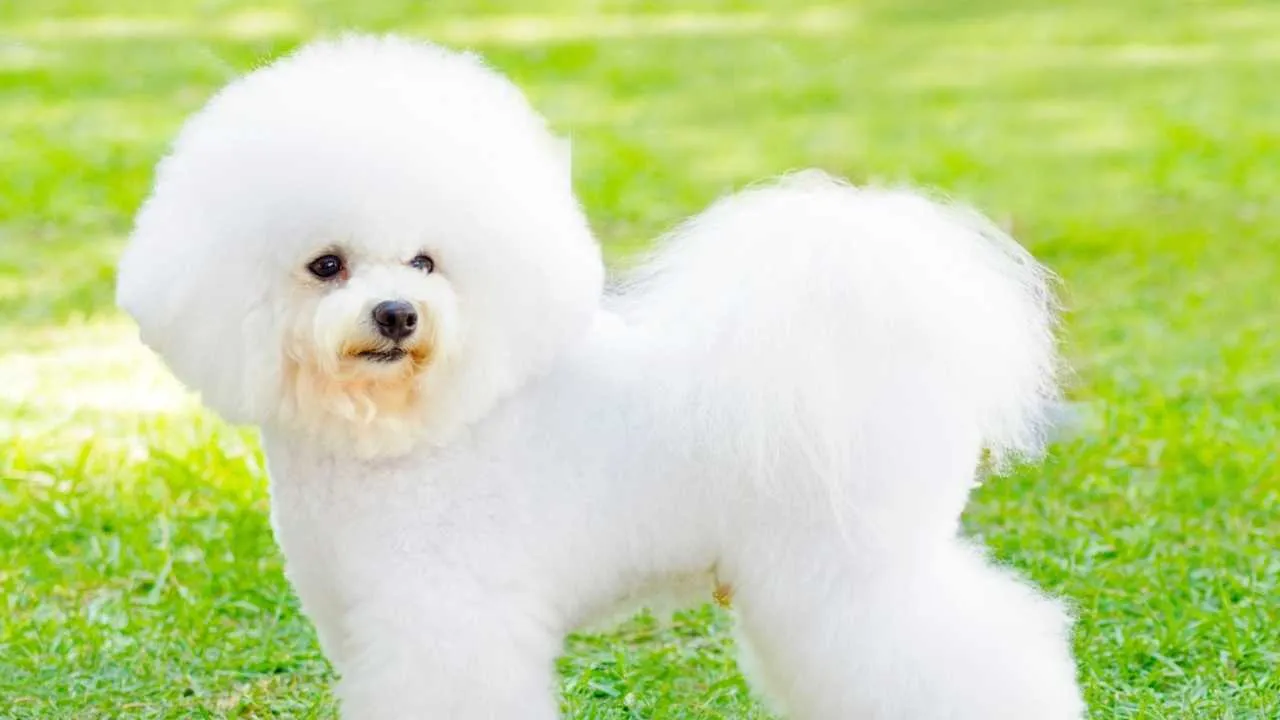
Bichon Frises have been beloved companion dogs for centuries, thanks to their cheerful personality and affectionate nature. Their low prey drive and friendly temperament make them a great choice for homes with other pets.
These lively little dogs love people, enjoy making new friends, and are happiest when they can be part of the family’s daily activities.
Why They Stand Out
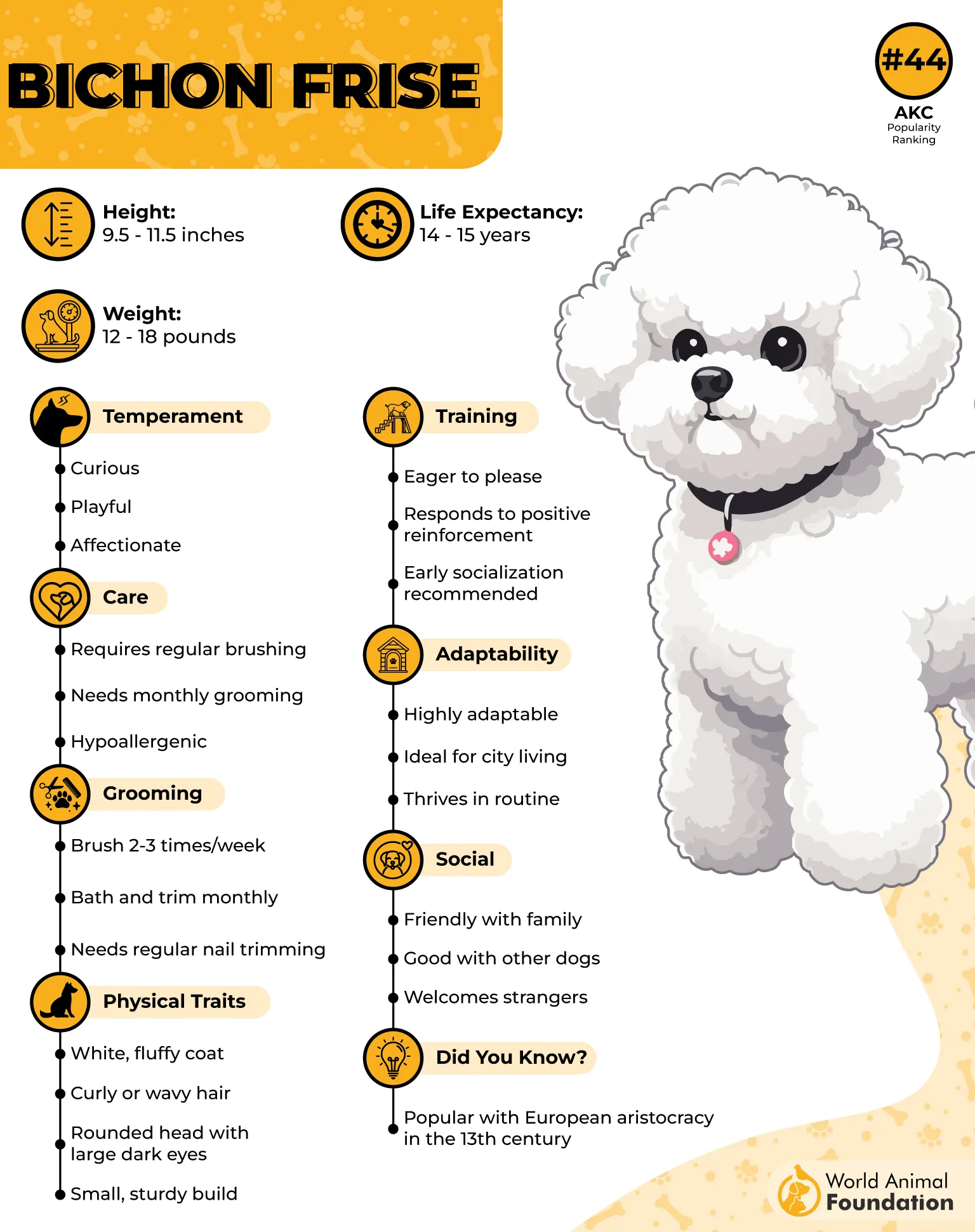
Usually get along well with children, strangers, other dogs, and household pets
Low prey drive and naturally more interested in people than chasing animals
Intelligent, eager to please, and easy to train
Great choice for apartments and first-time dog owners
Alert watchdogs that may bark at unfamiliar sounds
Bichon Frises enjoy short daily walks, playtime, and learning new tricks. They have moderate exercise needs and are just as happy joining you on errands or relaxing on the couch once they’ve burned off some energy.
They thrive on human companionship and do not like being left alone for long periods, as boredom can lead to destructive behavior or excessive barking. Early training and socialization help them become well-mannered, confident companions.
6. Havanese

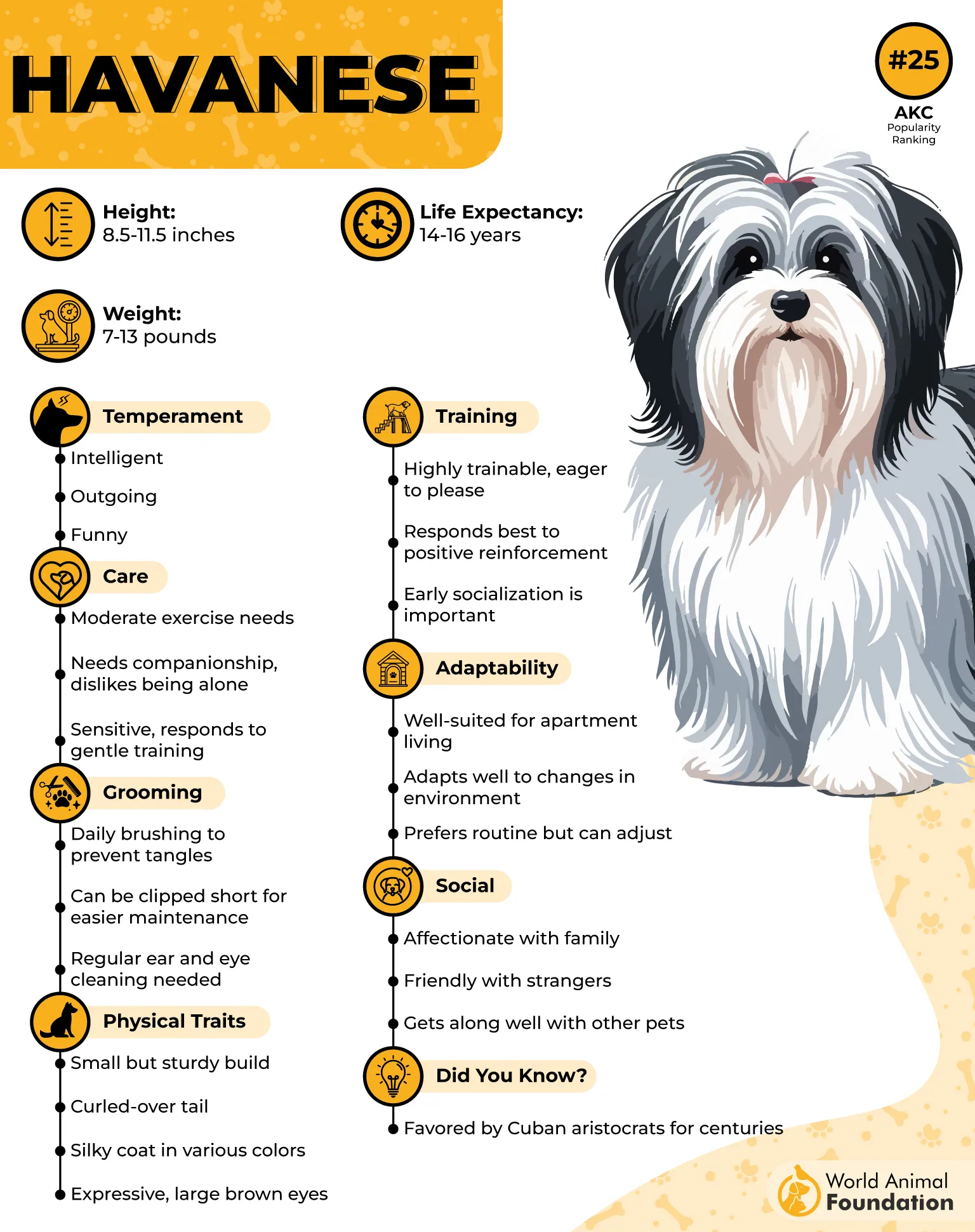
The Havanese was bred to be a devoted companion, and it still loves being close to its family today. With a friendly personality and low prey drive, this breed usually lives peacefully with other pets instead of chasing them.
Havanese are playful, affectionate, and happiest when they’re included in everyday family life.
Why They Stand Out
Friendly and affectionate with people of all ages
Usually get along well with children, cats, other dogs, and household pets
Intelligent, eager to please, and easy to train
Playful, lively, and loves learning tricks
Alert enough to make a good watchdog without being aggressive
Havanese need moderate daily exercise, including short walks and family playtime. They thrive on human companionship and dislike being left alone, earning the nickname “Velcro dog” because they love staying close to their owners, according to Orvis.
Early socialization helps prevent shyness around strangers, while positive training keeps them confident and well-mannered. Their long, silky coat needs frequent brushing to prevent tangles, although a shorter trim can make grooming easier.
7. Pekingese
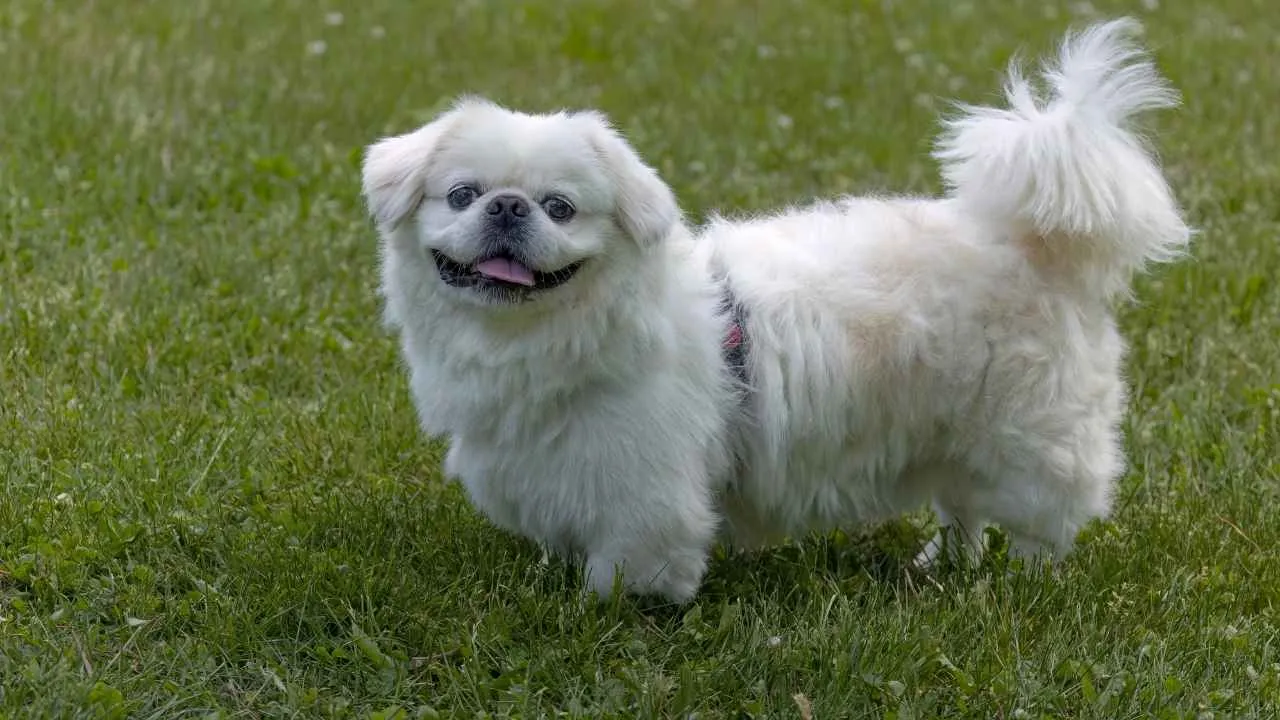
Originally bred to live in the palaces of ancient Chinese royalty, Pekingese have always been companion dogs. They are deeply loyal to their families and enjoy being involved in everyday life, even if they prefer affection on their own terms.
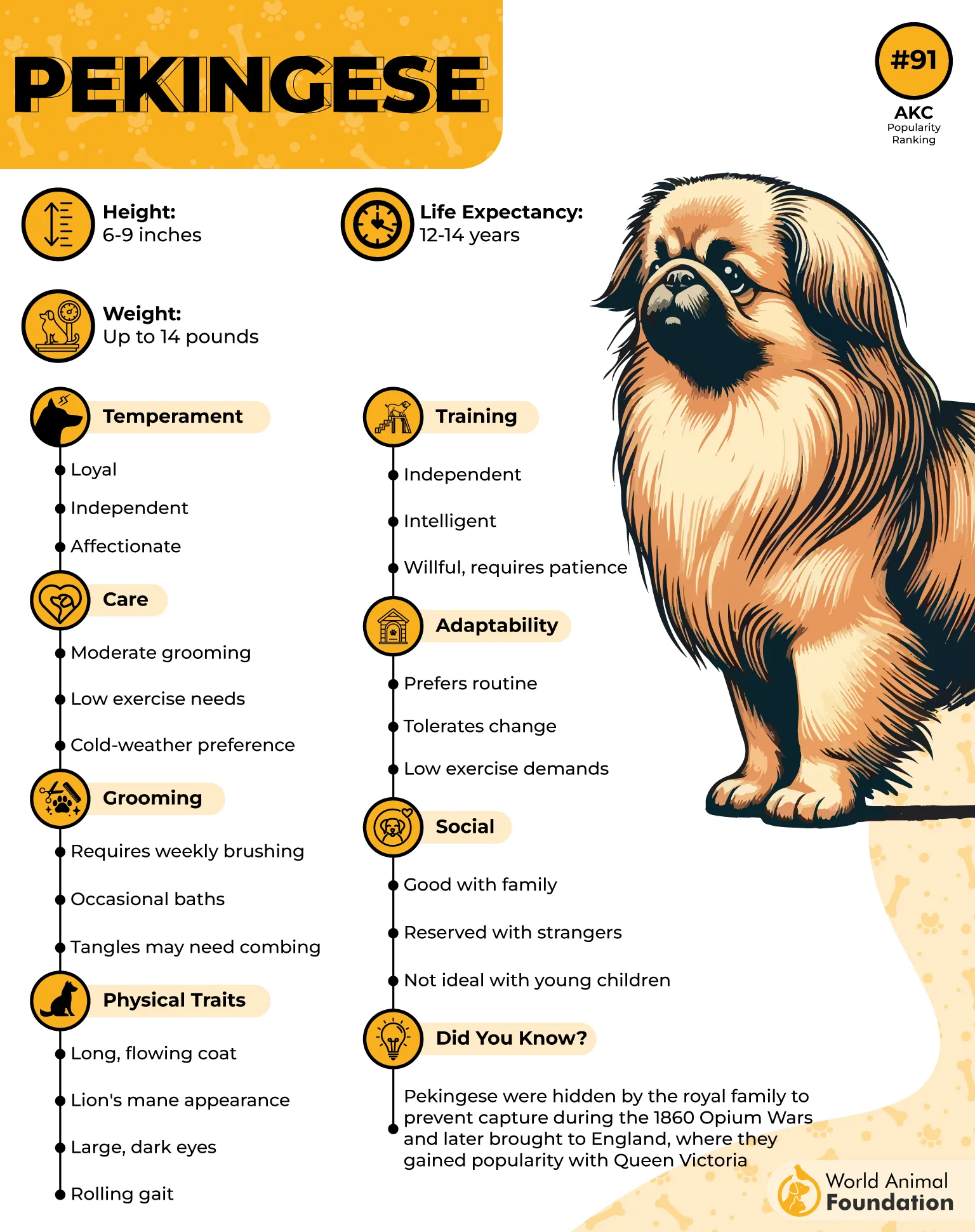
Why They Stand Out
Exceptionally lovable dogs that are devoted to their families
Usually get along well with other dogs and household pets
Low prey drive and not known for chasing small animals
Alert and courageous, making excellent watchdogs
Well suited to apartments and less active households
Pekingese need only moderate exercise, with short walks and indoor or garden play usually being enough. Their flat face makes them prone to overheating and snoring, so hot and humid weather should be avoided.
They are intelligent but independent and stubborn, so training requires patience, creativity, and early socialization. Their thick double coat needs daily brushing, and their facial wrinkles and long hair should be kept clean.
They thrive on human companionship, can become possessive without early training, and generally do well with respectful older children and other pets when properly socialized.
Conclusion
Choosing a low-prey drive dog can make life much easier if you already have other pets or simply want a calmer, more easygoing companion.
While every dog has its own personality and instincts, the breeds on this list are generally known for being more focused on people than chasing small animals. With proper training, early socialization, and plenty of love, they can become wonderful additions to a wide range of households.
Before bringing any dog home, take time to consider its exercise needs, grooming requirements, and overall temperament to make sure it’s a good fit for your lifestyle.
The right match isn’t just about finding a low-prey-drive breed; it’s about welcoming a lifelong companion who will bring joy, loyalty, and countless happy moments to your home.
