




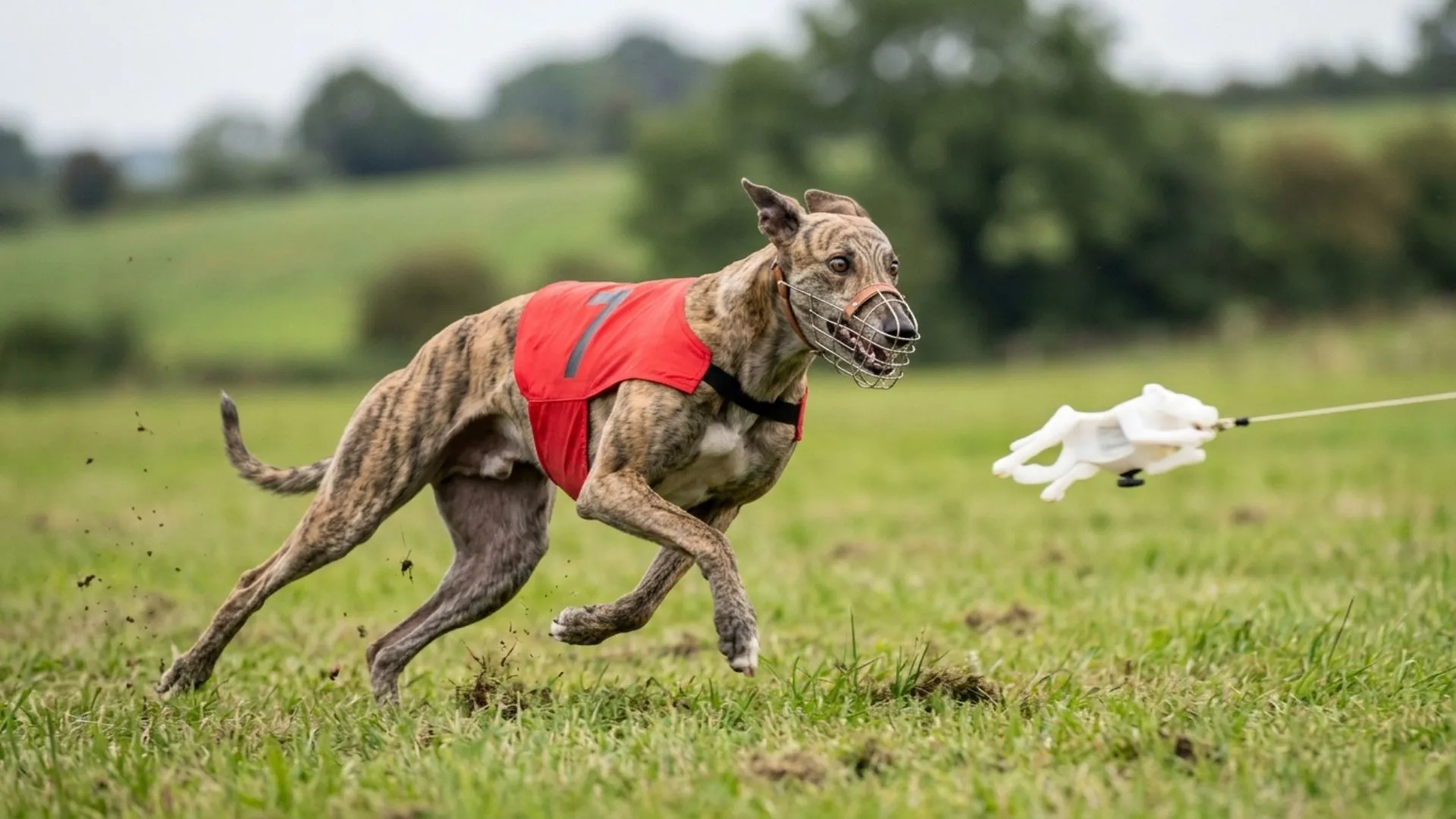
Have you ever seen a dog spot a squirrel and suddenly take off?
Some dogs notice movement almost instantly. Their eyes lock on, their bodies tense, and the chase begins. This reaction comes from a natural urge to find, chase, and capture moving things.
Many dog breeds with a high prey drive have roots in hunting, herding, or vermin control. Terriers, Hounds, Herding breeds, and Sporting breeds can all show this instinct.
You may notice it when a dog chases squirrels, rabbits, birds, cats, or even moving toys. However, a strong prey drive does not always mean aggression. It simply means owners need to understand and manage this instinct.
Secure fencing, daily exercise, supervision, and early guidance can help. Controlled games can also give dogs a safe outlet for their natural urges. But which breeds tend to show this drive most clearly?
Let’s explore seven breeds and what owners should know about each one.
Dog Breeds With a High Prey Drive – What to Know
1. Greyhound
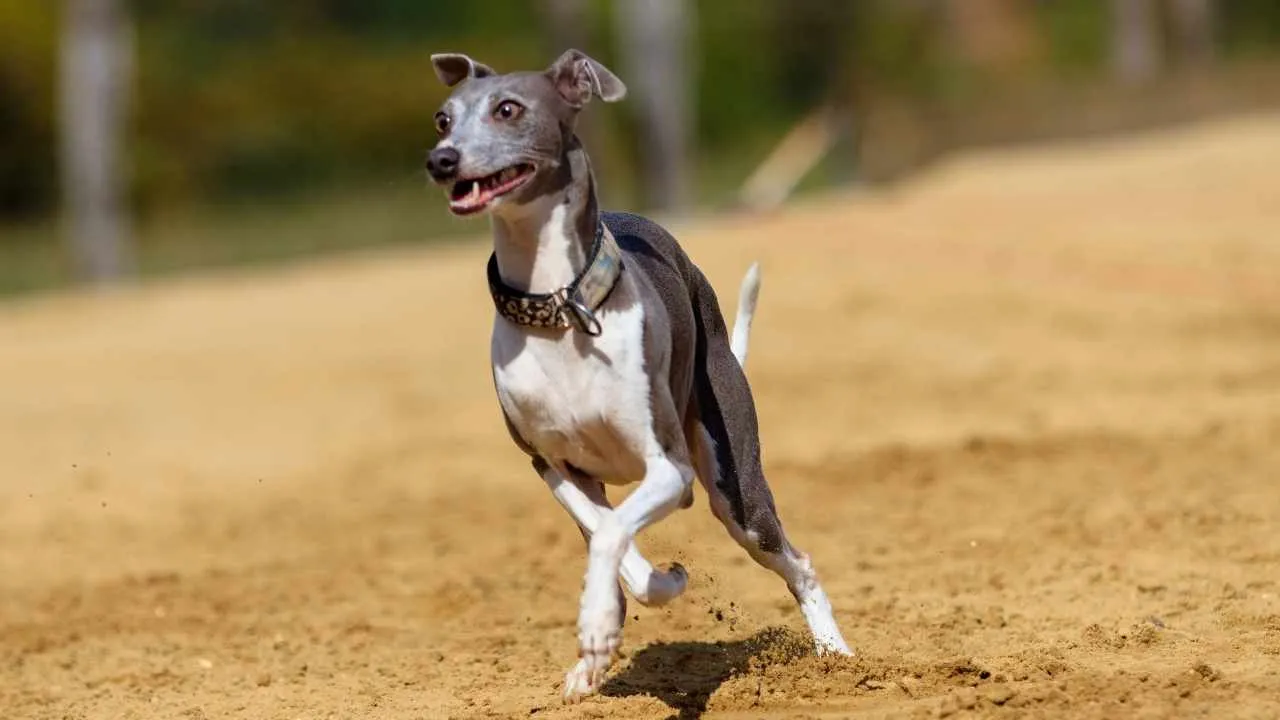
The Greyhound is a graceful sprinter built for fast pursuit. Often called the fastest dog breed, it can reach remarkable speeds over short distances. For centuries, people valued these hounds for coursing and hunting.
Greyhound racing later became another well-known part of the breed’s history. Yet life at home can look quite different. According to PDSA, Greyhounds are gentle, sensitive, and affectionate dogs.
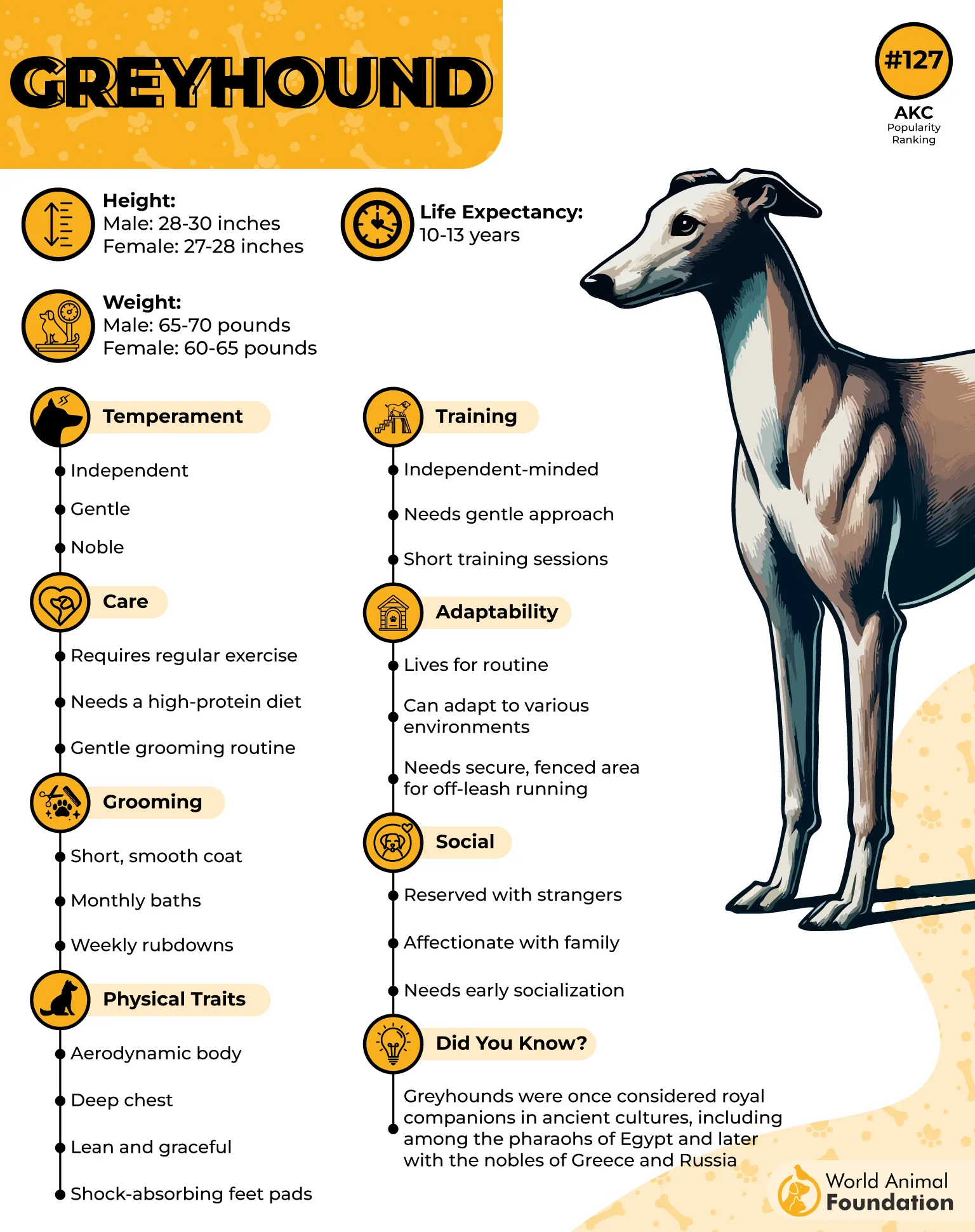
They often form strong bonds with their owners and enjoy calm home life. Their dog’s prey drive can still switch on when something moves nearby.
This is why early socialization matters from a young age. Positive experiences can help them stay calmer around other animals. Families should take extra care with small pets, since their chase instinct can be strong.
Helping a Greyhound Manage Its Chase Instinct
Use a sturdy leash whenever you walk near busy areas.
Choose fully enclosed spaces for safe off-leash running.
Reward calm behavior with positive reinforcement during distractions.
Try lure-based games that provide controlled chasing opportunities.
Add scent searches and fetch to daily activities for mental enrichment.
Introduce new animals slowly and keep early meetings supervised.
Keep gates and doors secure to prevent sudden escapes.
2. Afghan Hound
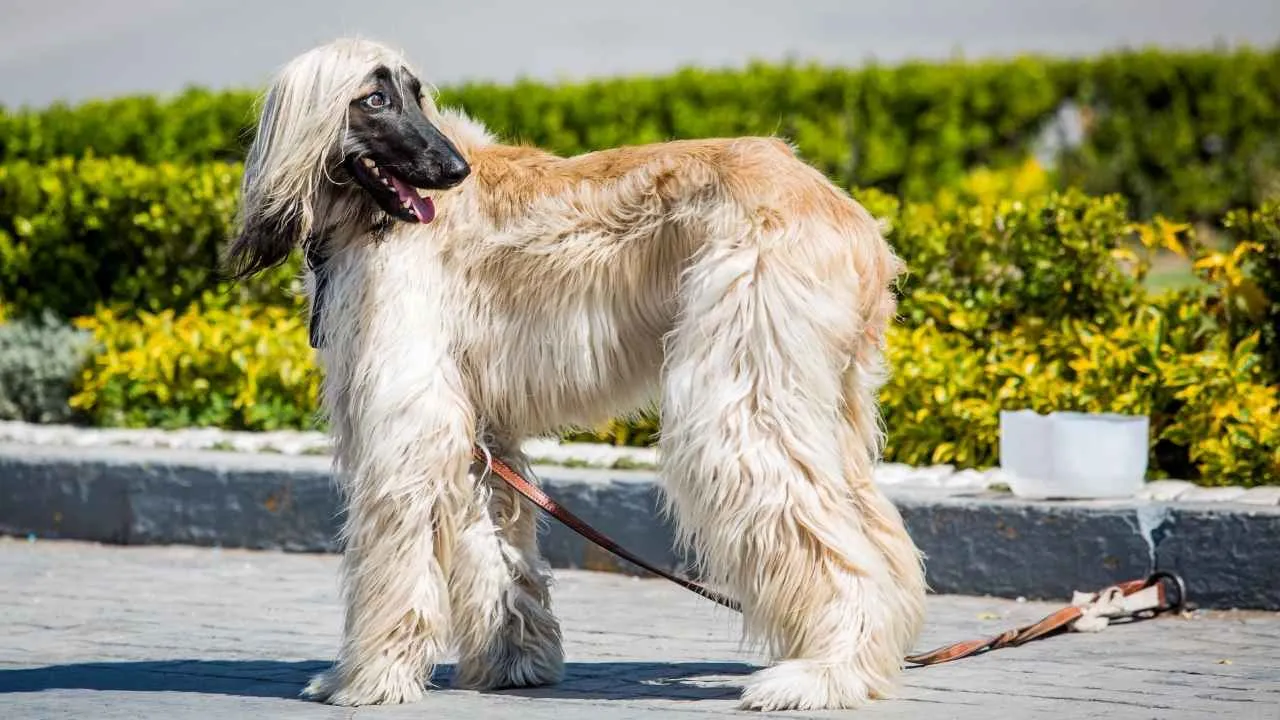
The Afghan Hound is a striking sighthound with a proud history. It developed in the mountains of Afghanistan, where hunters valued its speed and sharp instincts. Its flowing coat helped protect it from the harsh mountain climate.
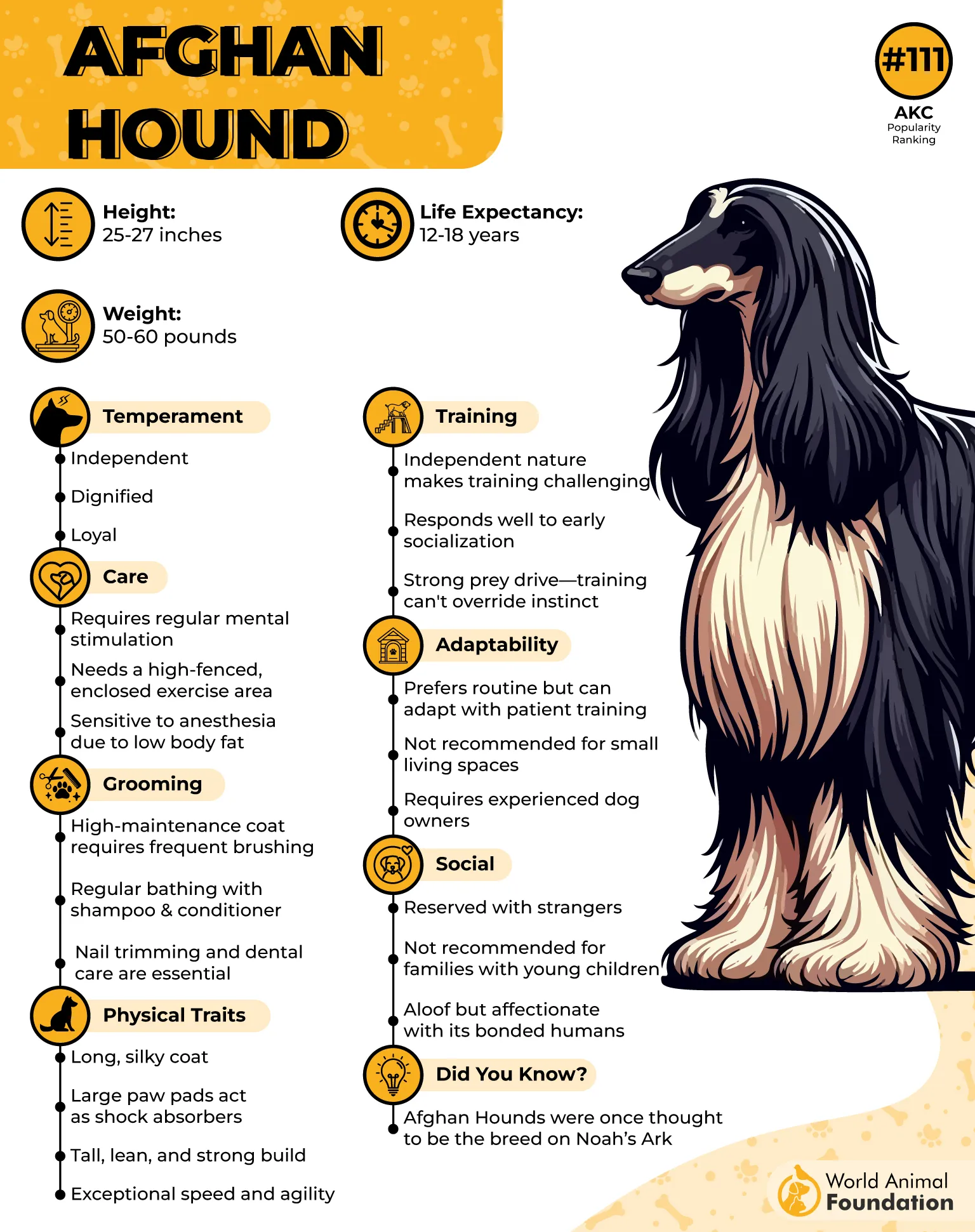
Beneath that elegant coat sits a strong, agile hunter built for long pursuits. Unlike some other dogs, this breed can make its own choices while chasing a target. That independent nature can make its prey drive harder to predict.
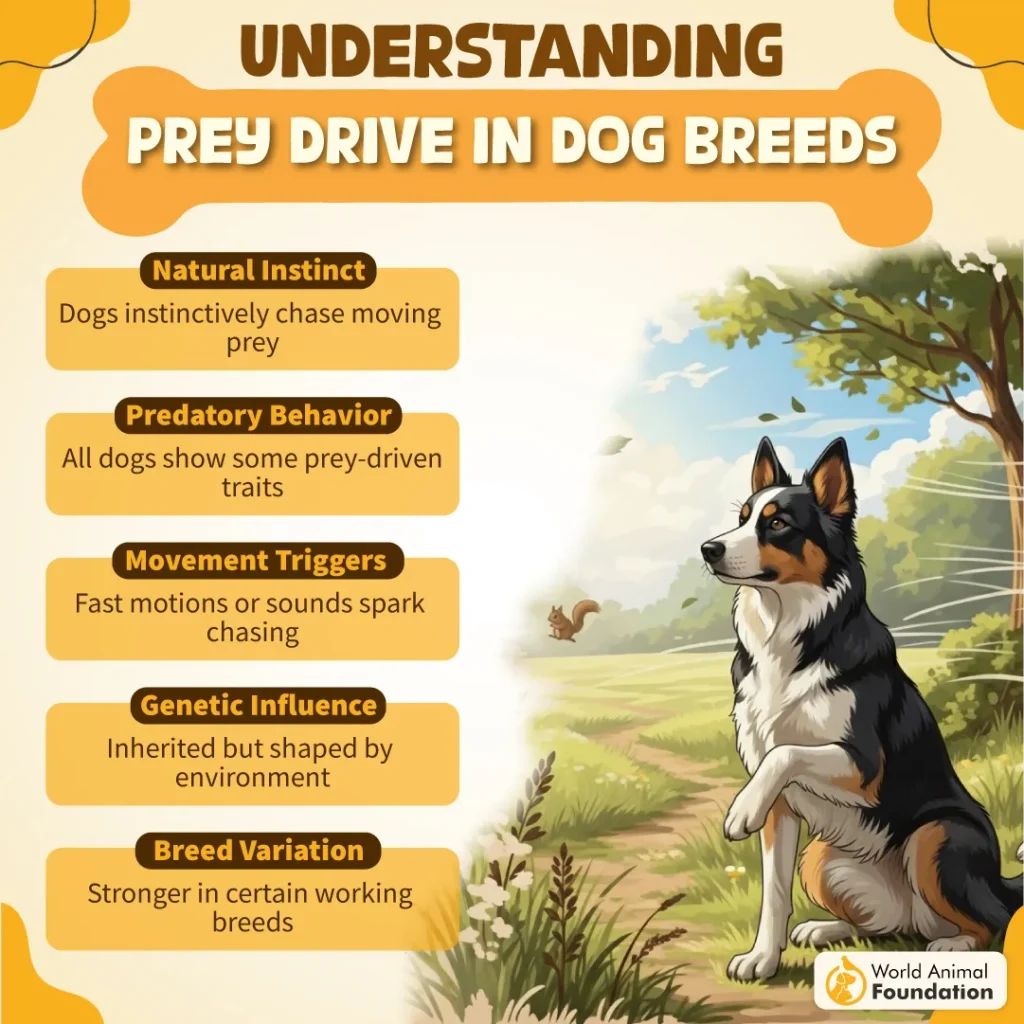
As one of the dogs with high prey drive, it may quickly focus on moving animals in the distance. Its attention can shift fast once the chase begins. Owners should understand this natural behavior rather than expect it to disappear.
The American Kennel Club describes the breed as dignified, loyal, and sometimes wonderfully silly. However, its hunting instincts still need careful guidance around cats and small animals.
Managing the Afghan Hound’s Hunting Instinct
Start early training to build reliable response skills.
Practice attention exercises before adding major distractions.
Use secure outdoor areas instead of trusting open spaces.
Offer scent trails that encourage safe searching.
Add puzzle games to keep its independent mind busy.
Supervise introductions with unfamiliar animals closely.
Use controlled chase games as a healthy outlet.
3. Saluki
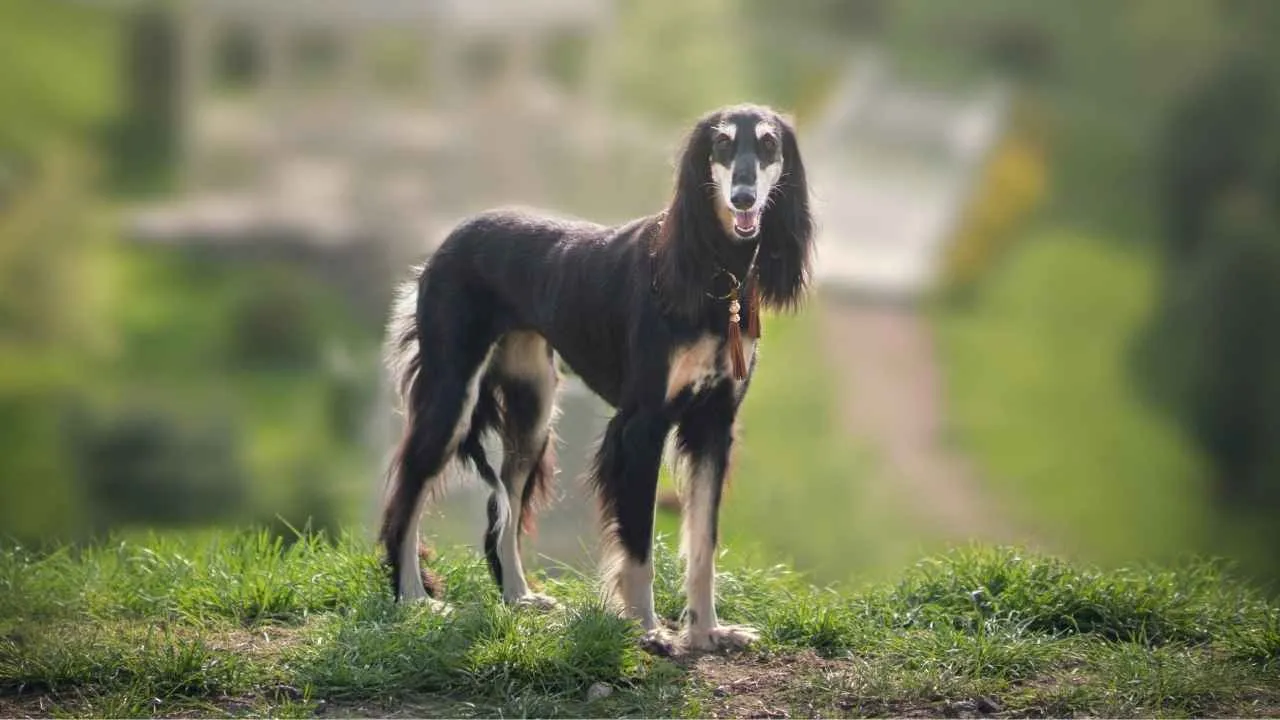
Dating back thousands of years, the Saluki is among the oldest hunting breeds. Egyptian royalty prized these swift hounds for their skill in open terrain. Their history helps explain the breed’s strong prey drive today. A Saluki can spot movement from far away and react with remarkable intensity.
Its natural tendency to pursue reflects the predatory sequence found in many hunting dogs: searching, stalking, chasing, and catching. However, each different breed may express this pattern in its own way.
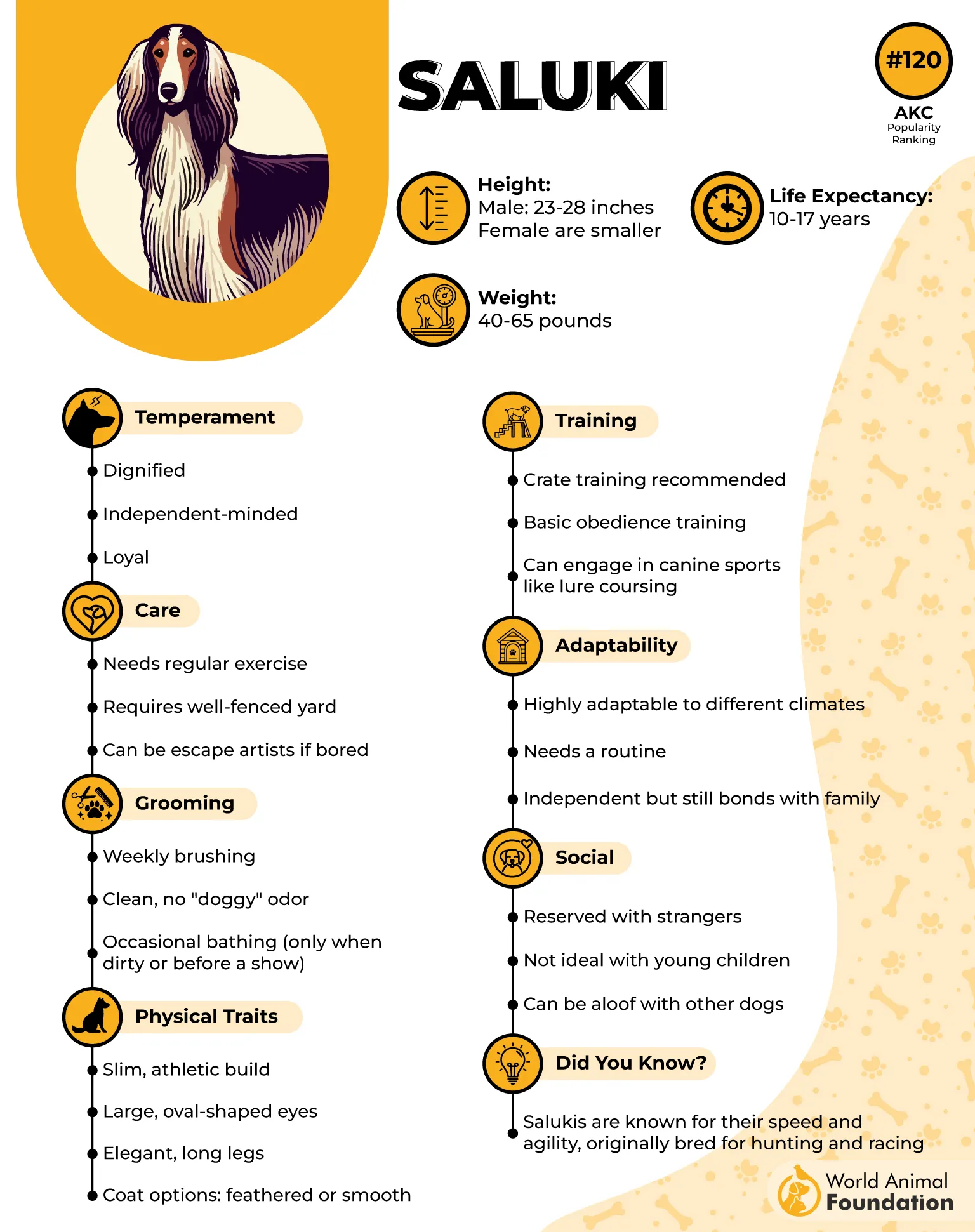
Salukis are also affectionate with their families, while often remaining reserved around strangers. Their athletic build gives them impressive endurance, making a sudden chase difficult to stop once it starts.
This can affect homes with small pets or other pets. PetMD notes that Salukis often do best with older children or no children. Understanding this dog behavior helps owners plan safer daily routines.
Meeting the Saluki’s Natural Needs
Provide daily mental stimulation through scent games and puzzles.
Keep outdoor areas securely enclosed for safe running.
Use consistent training to build reliable response skills.
Never assume a Saluki has low prey drive around unfamiliar animals.
Use a secure cage or carrier when appropriate during travel.
Choose controlled chase activities that channel its hunting instincts safely.
4. Border Collie
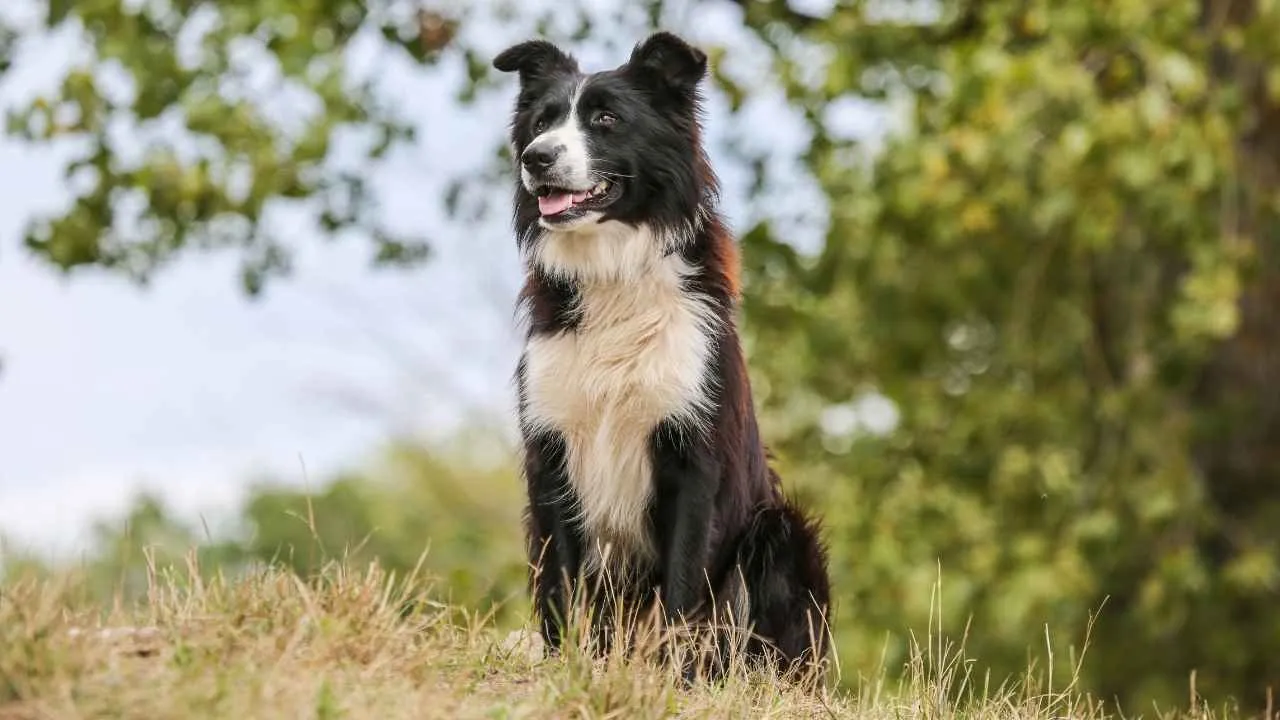
The Border Collie is a brilliant herding dog breed with an intense work ethic. Originally developed to herd sheep, it excels at controlling movement rather than simply pursuing a target. That difference matters when discussing dogs’ prey drive.
A Border Collie may stare at a moving object, follow it closely, or try to control where it goes. Running children, bicycles, cats, and even other dogs can sometimes trigger this response. Its instinct to chase does not always mean it wants to catch or hurt anything.
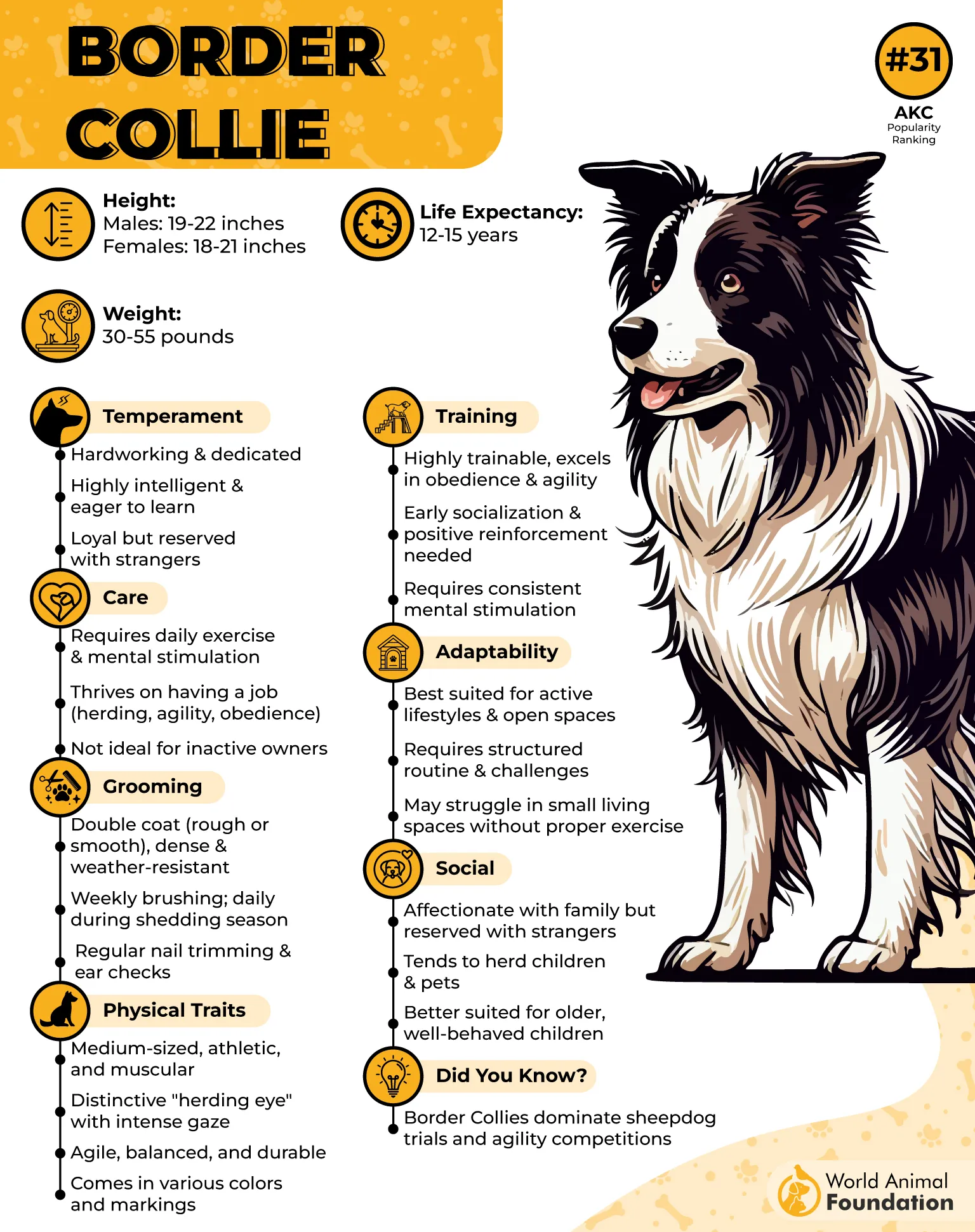
Instead, the breed often tries to direct movement. Purina describes the Border Collie as a highly intelligent, hardworking dog that can also make an affectionate companion. However, its high energy means it needs a real purpose.
This working dog can quickly become bored without enough activity. For active pet owners, that intelligence can be a huge advantage. The right outlet helps this highly intelligent breed thrive.
Channelling the Border Collie’s Herding Drive
Use dog training to teach reliable stopping and focus cues.
Practice impulse control around gradually increasing distractions.
Try games where your dog must retrieve an object and wait.
Give your dog structured jobs that involve problem-solving.
Reward calm behavior when noticing small prey or fast movement.
Use agility, obedience, or herding activities to satisfy its working mind.
Provide daily challenges that make the dog think before acting.
5. Beagle
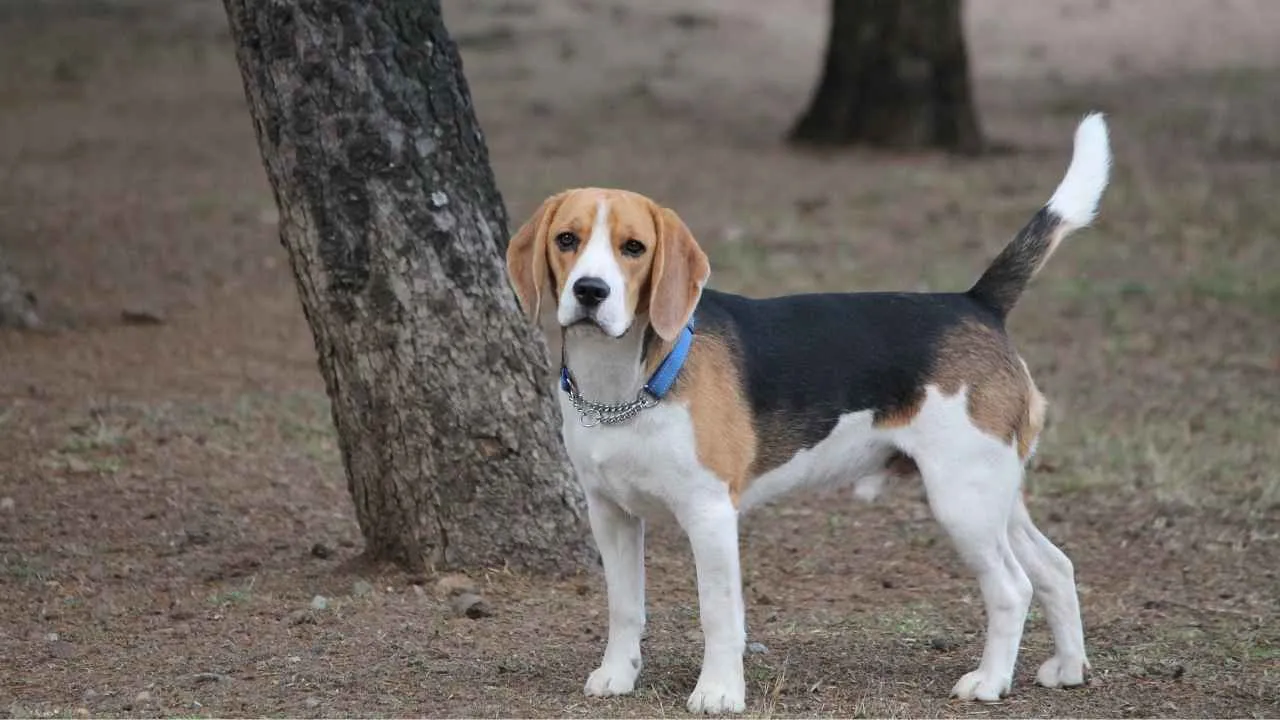
The Beagle is a cheerful scent hound with an impressive nose. Originally bred to follow rabbits and hares, it can stay focused on an interesting trail for a long time. This makes the Beagle different from many dogs with high prey drive.
Scent can guide its choices even when the target stays out of sight. A Beagle may follow the trail of a squirrel or notice signs left by rabbits. This instinctual behavior can create problems when curiosity takes over. A loose Beagle may search for an escape route instead of returning home.
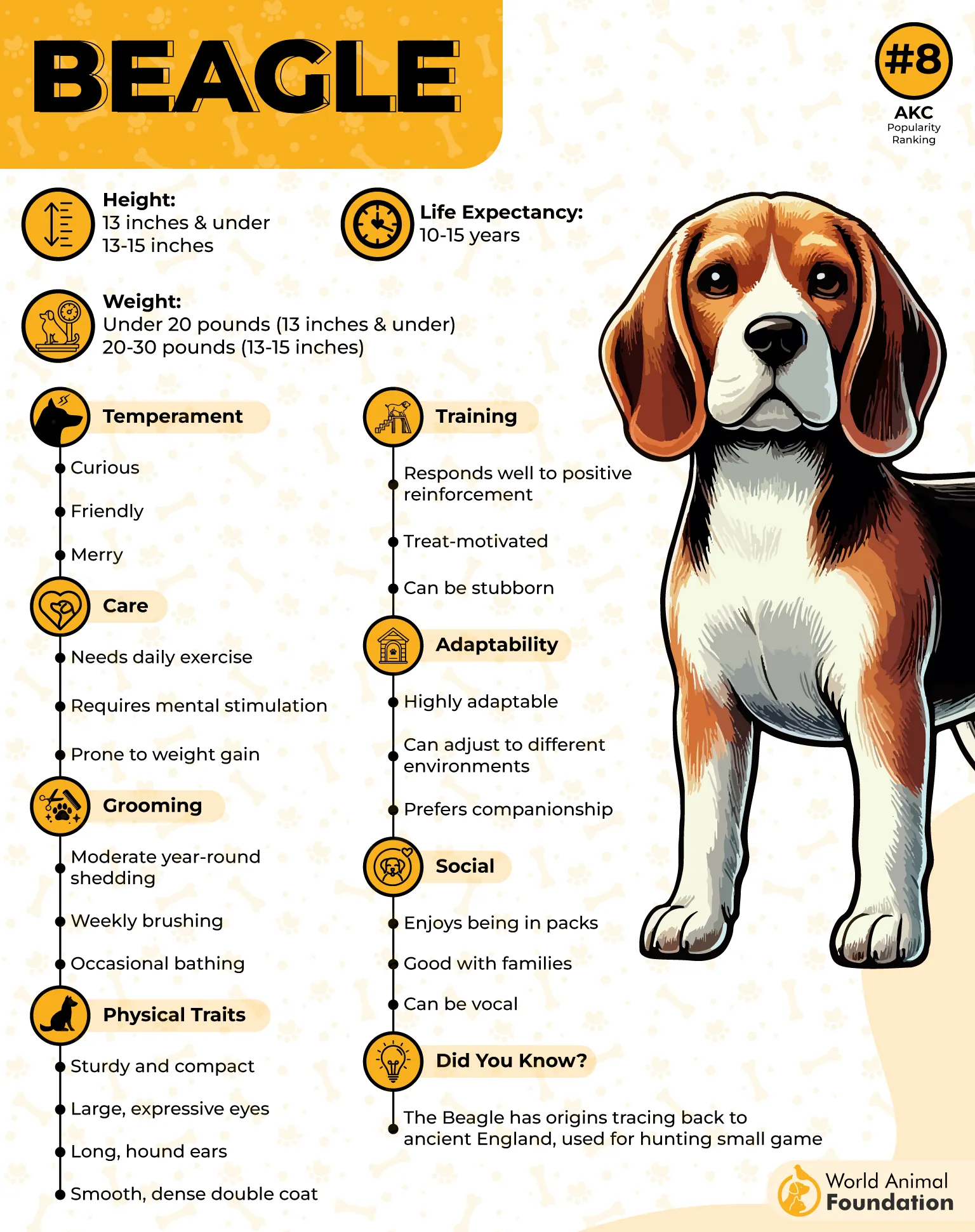
According to Wikipedia, the breed also works as a detection dog for quarantine and police work. Its nose clearly has useful talents beyond hunting.
Still, families should supervise Beagles around other animals, especially small animals. These domestic dogs can make loving companions, but their strong prey drive deserves respect.
Keeping a Beagle Safe Outdoors
Use a secure leash during walks near roads or open areas.
Check fences regularly for gaps or weak spots.
Practice recall in enclosed spaces before adding distractions.
Offer scent puzzles that encourage safe searching indoors.
Hide treats around the home for supervised nose-work games.
Keep small pets separated when direct supervision is not possible.
Act quickly if the dog enters a dangerous situation rather than chasing it.
6. Jack Russell Terrier
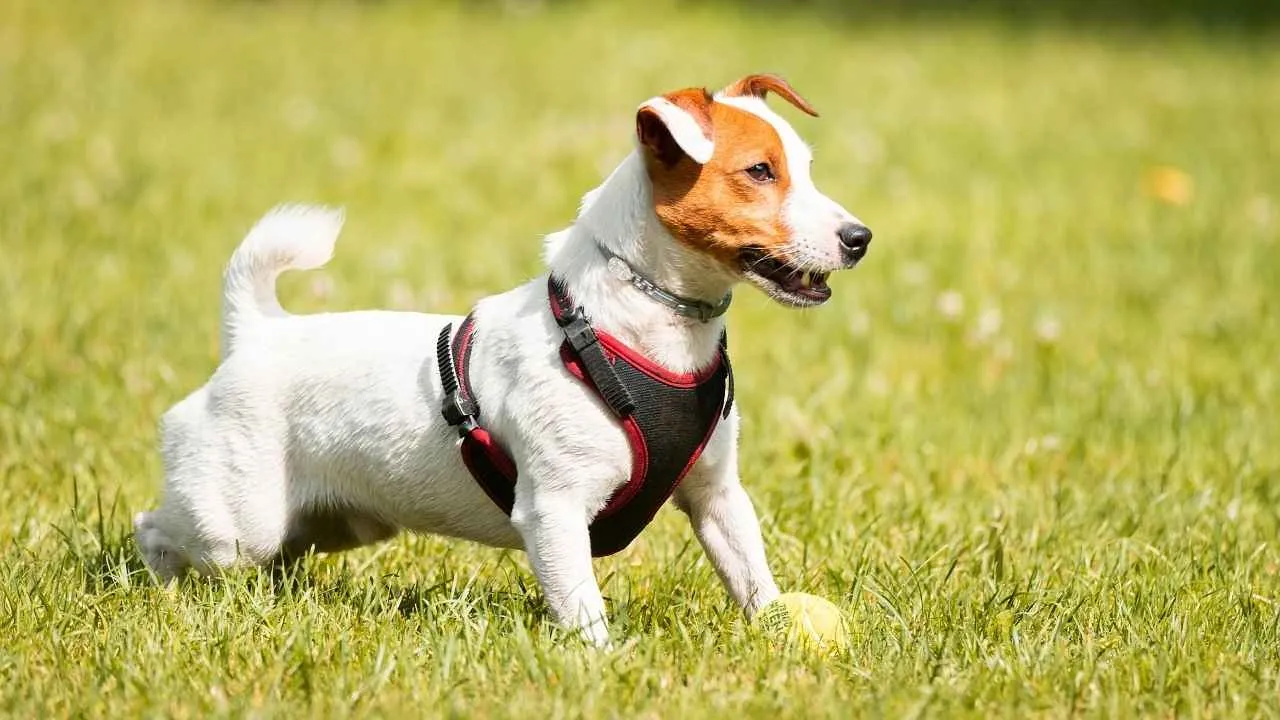
The Jack Russell Terrier may be a small dog breed, but its working spirit is huge. The breed traces back to fox hunting in North Devon during the nineteenth century.
Reverend Jack Russell developed dogs that could follow foxes and keep pace with a hunt. That history explains why this hunting dog breed still loves to dig, search, and pursue. Hill’s Pet notes that hunting ability is part of its nature.
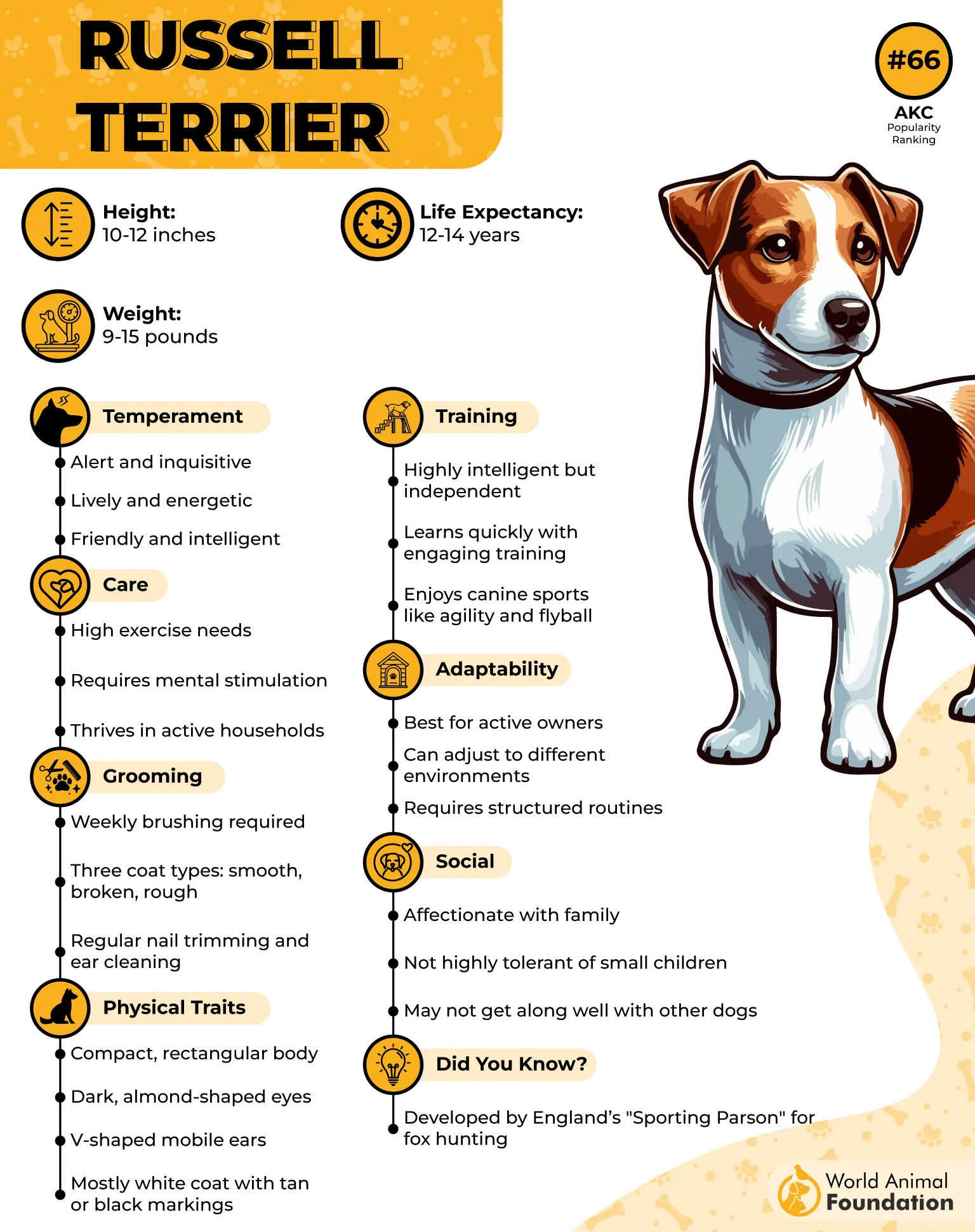
A Jack Russell has a strong prey drive, so a small creature can quickly become a target. Rodents, birds, and other animals may trigger its strong instinct to chase. Despite its size, expecting a low prey drive would be unrealistic. Its lively behavior also means it needs plenty of physical activity.
Active games can help satisfy its natural working needs. Owners should watch carefully around young family members and smaller pets, especially during exciting situations.
Giving This Terrier a Safe Outlet
Use a long line during controlled outdoor exercises.
Offer different jobs that involve searching, carrying, or problem-solving.
Make training sessions short, clear, and engaging.
Play fetch to channel its urge to pursue and retrieve.
Practice calm responses around distractions every day.
Keep household rules clear, as consistency is essential.
Never encourage uncontrolled chasing, even during playful activities.
7. Australian Cattle Dog
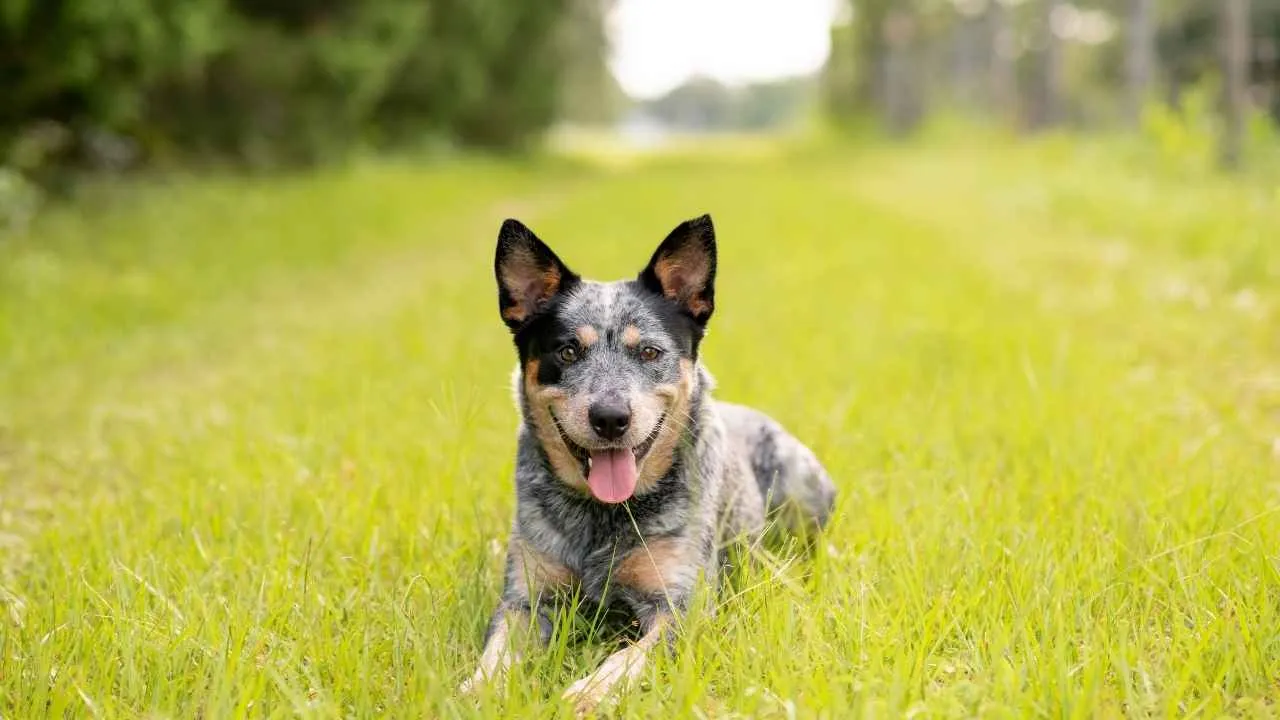
The Australian Cattle Dog is a powerful worker built for demanding jobs. Also called the Blue Heeler or Queensland Heeler, it helped move cattle across Australia’s harsh Outback.
According to Britannica, the breed uses heel-nipping to control livestock. This working style can shape its dog’s prey drive in everyday life. Fast movement may catch its attention and spark a chase. Its strong prey drive often works alongside its herding purpose.
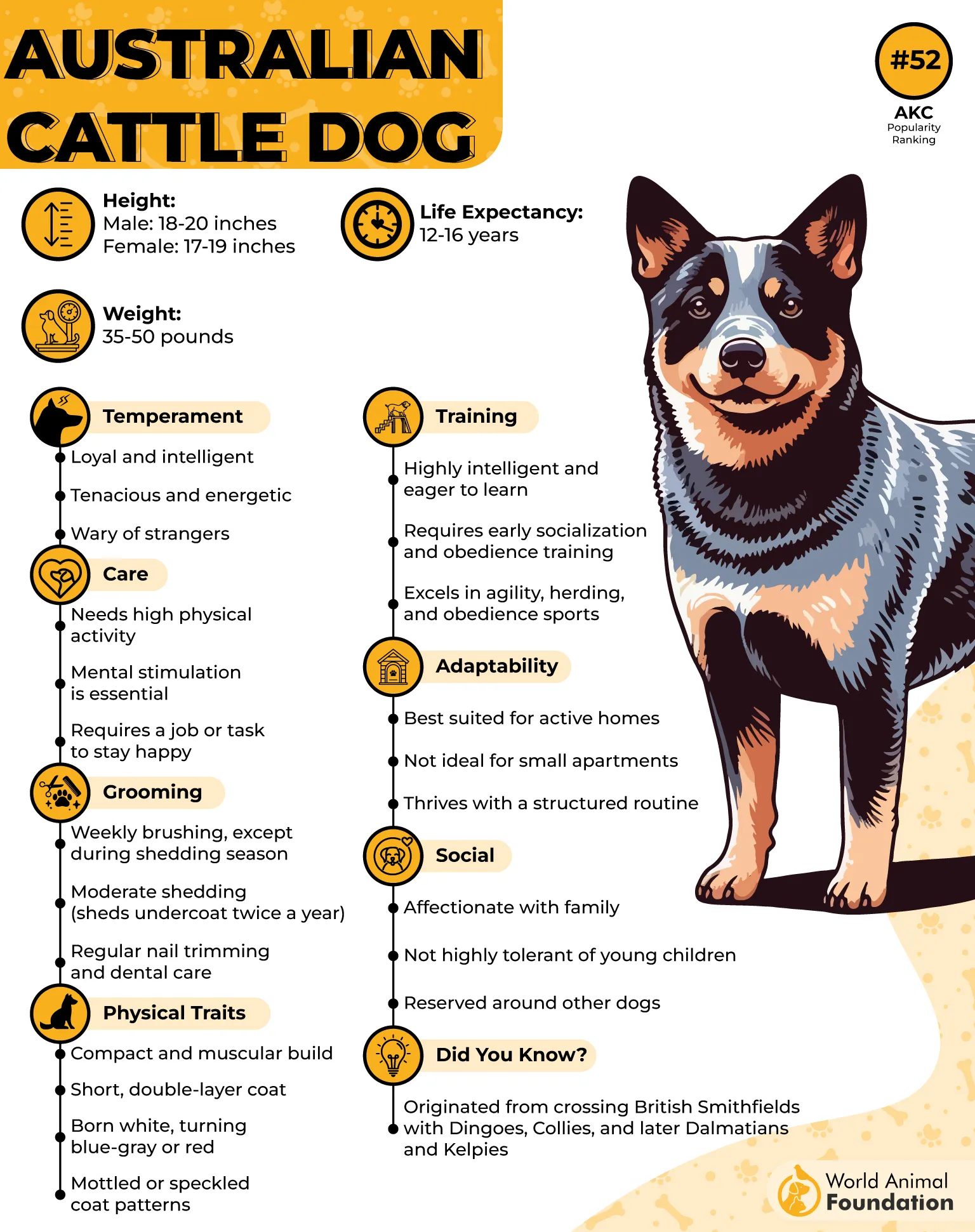
The breed has a strong-willed personality and thrives when given clear direction. Without enough purpose, its high energy can turn into unwanted behavior. This is important when adopting an Australian Cattle Dog for a family home.
Its alert, loyal personality can be highly rewarding for active owners. However, the breed is most suitable for people who enjoy regular exercise and structured activities. A busy lifestyle can be desirable for this intelligent worker, especially when it has useful tasks.
Putting Its Working Drive to Good Use
Give the dog a clear job instead of leaving it idle.
Try herding sports or organized working activities.
Use running and hiking to burn excess energy safely.
Practice calm responses when people or pets move quickly.
Provide puzzle toys that require problem-solving.
Avoid games that encourage uncontrolled chasing.
Remember that this breed was bred to chase and control movement.
Conclusion
A high prey drive is a natural part of a dog’s instinct, especially in certain breeds bred for hunting, herding, or chasing. However, certain dogs may show this trait more strongly than most dogs. If you welcome a new dog into your home, learn its individual degree of prey drive first.
In the same way, a strong recall can help, but it may not prevent every chase. Some owners face difficulty when a dog tries to pounce on a squirrel or chase a hamster. That can feel tough, but good management can enhance safety.
We suggest secure fencing, supervision, and controlled activities that help dogs locate and perform useful tasks. By recognizing triggers and responding successfully, owners can guide natural behavior.
As mentioned, understanding prey drive makes it easier to choose suitable activities and manage each dog’s instincts with confidence.
