




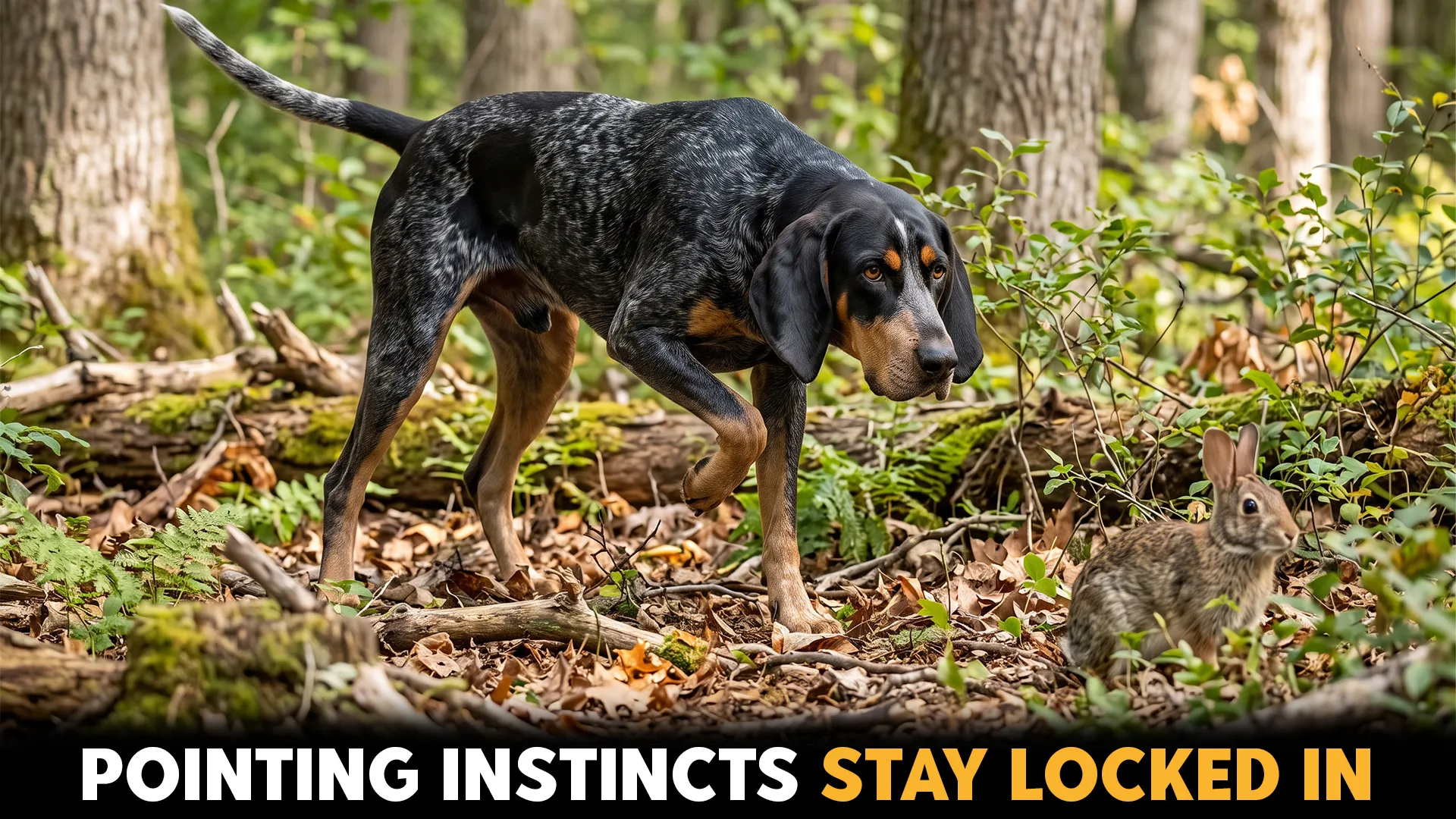
Did you know a dog’s nose is packed with more than 200 million scent receptors, while we humans get by with a measly 5 million? That kind of nose isn’t just for sniffing out treats; it’s exactly why certain breeds truly became legendary at tracking down prey in the wild.
But not every great hunter works the same way. Some dogs are built for following fresh trails across miles of rough ground, while others freeze mid-step the second they spot small prey hiding nearby, and knowing that difference matters more than you’d think.
From seasoned hunters chasing upland game to curious dog lovers wanting the canine ancestors’ backstory, this list breaks down seven breeds worth knowing. Keep reading to find your ideal choice for the field.
Key Takeaways
Nose type matters most: hot-nosed hounds chase fresh trails fast; cold-nosed hounds trail days-old scent.
Plan for real exercise: most of these hunting dogs need over an hour of running daily.
Pointing and tracking differ: pointer dogs freeze on scent, hounds bay loudly instead.
Retrieving skills aren’t universal: several breeds here track or tree game instead of fetching birds.
Match drive to terrain: strong retrieving drive suits open fields; cold noses suit mountain trails.
Best Dog Breeds for Tracking and Pointing Prey
1. Vizsla
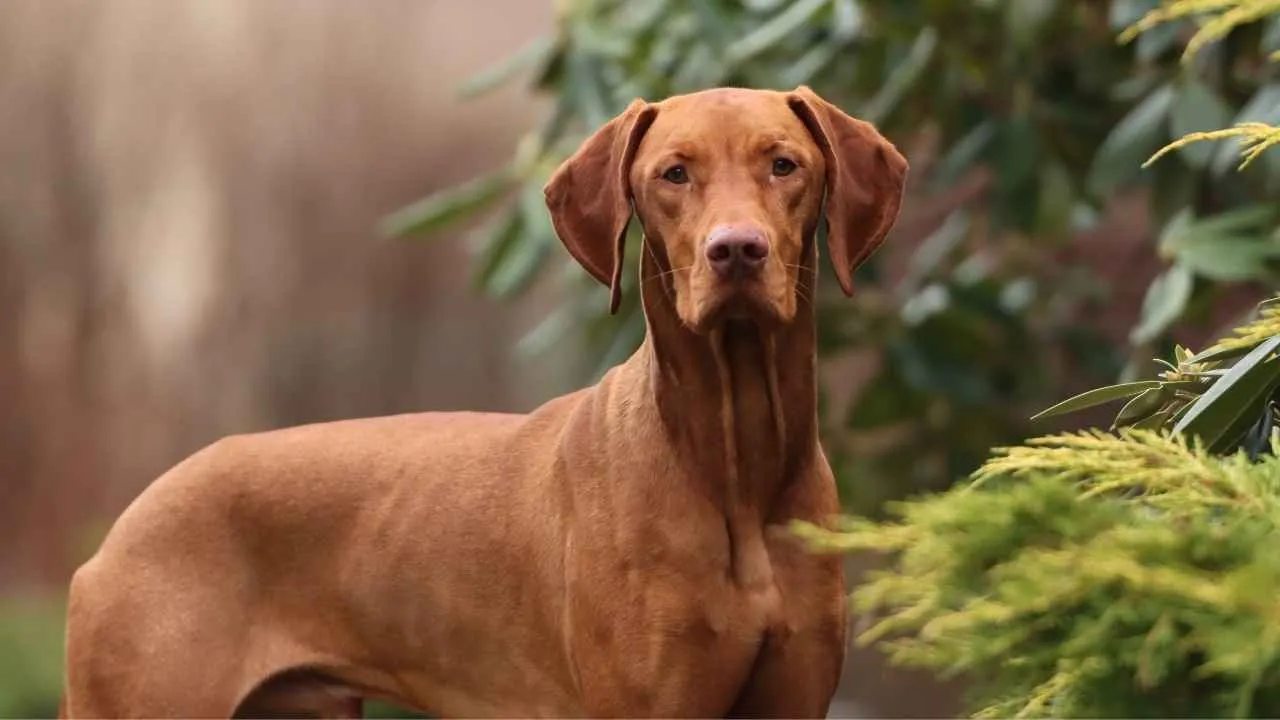
Meet the Vizsla, a golden pointer that freezes mid-step the second it catches a bird’s scent. This Hungarian gundog points first and retrieves second, working upland birds and rabbits with equal enthusiasm. Its nose does the scouting, and its stillness does the talking.
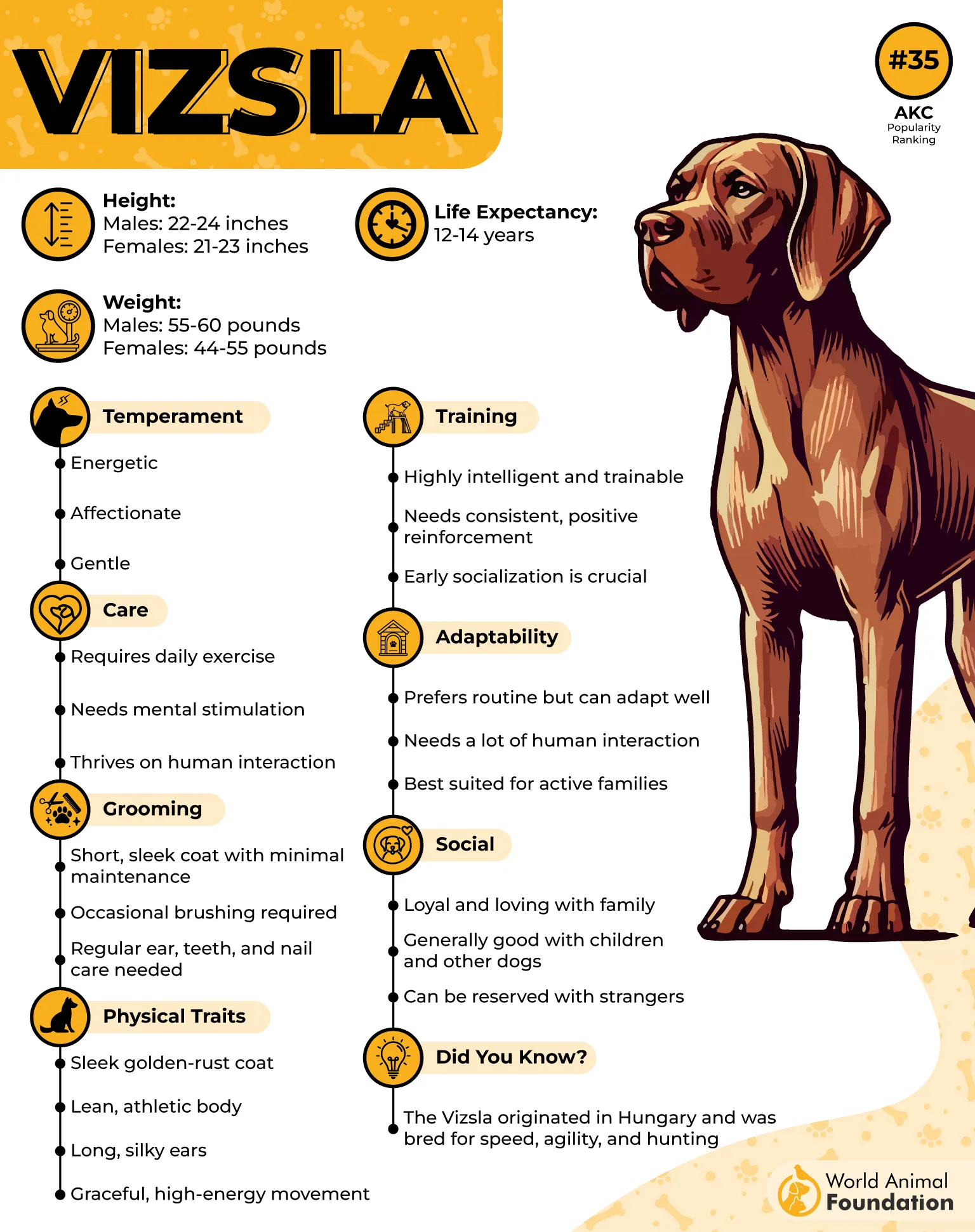
Bred by Hungarian nobility, the Vizsla was built to hunt across fields, forests, and water. It handles rough ground and cold water without a fuss, making it one of the more adaptable hunters on this list.
Behavior note: Freezes on point instead of charging in, giving hunters time to close the gap quietly.
Temperament: Affectionate and sensitive, but it needs a daily job, or it gets restless fast.
Fun fact: Vizslas once teamed up with falcons on hunts. The dog pointed and flushed the bird, and the falcon swooped in for the catch. Now that’s teamwork.
2. German Shorthaired Pointer
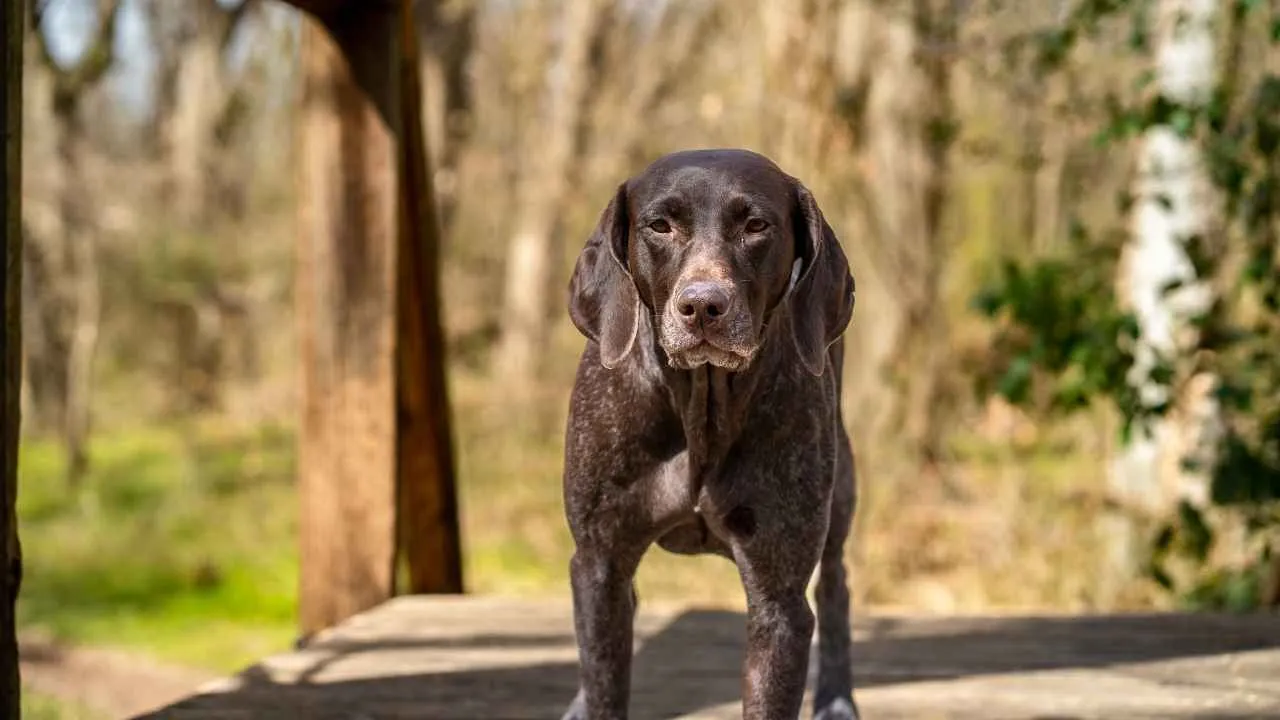
The German Shorthaired Pointer is the multi-functional hunter every field guide brags about. It points, tracks, and retrieves, all in one dog, chasing everything from game birds to rabbits and even deer. Ask any hunter, and they’ll call it the ultimate field dog.
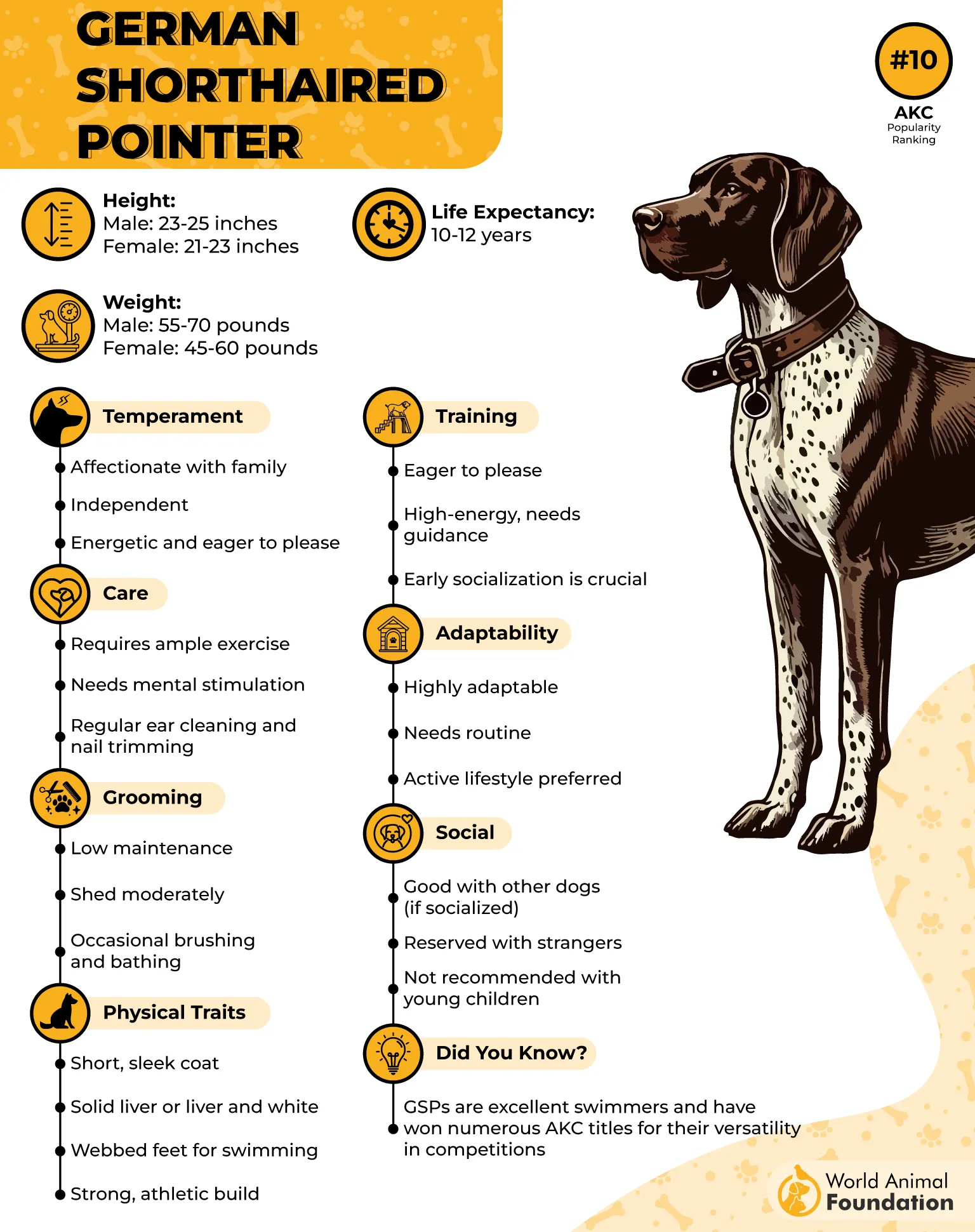
Its roots trace back to Hanover Hounds crossed with early pointing breeds, a mix that gave the GSP both nose and speed, according to Hill’s Pet. That blend still shows in how easily it switches between land and water work today.
Behavior note: Hunts with a nose-up style, scanning wide open ground for fresh scent.
Temperament: Loyal, energetic, and eager to please, but it needs daily exercise to stay settled.
Fun fact: Two dogs named Nero and Treff are considered the breed’s founding fathers.
3. Treeing Walker Coonhound
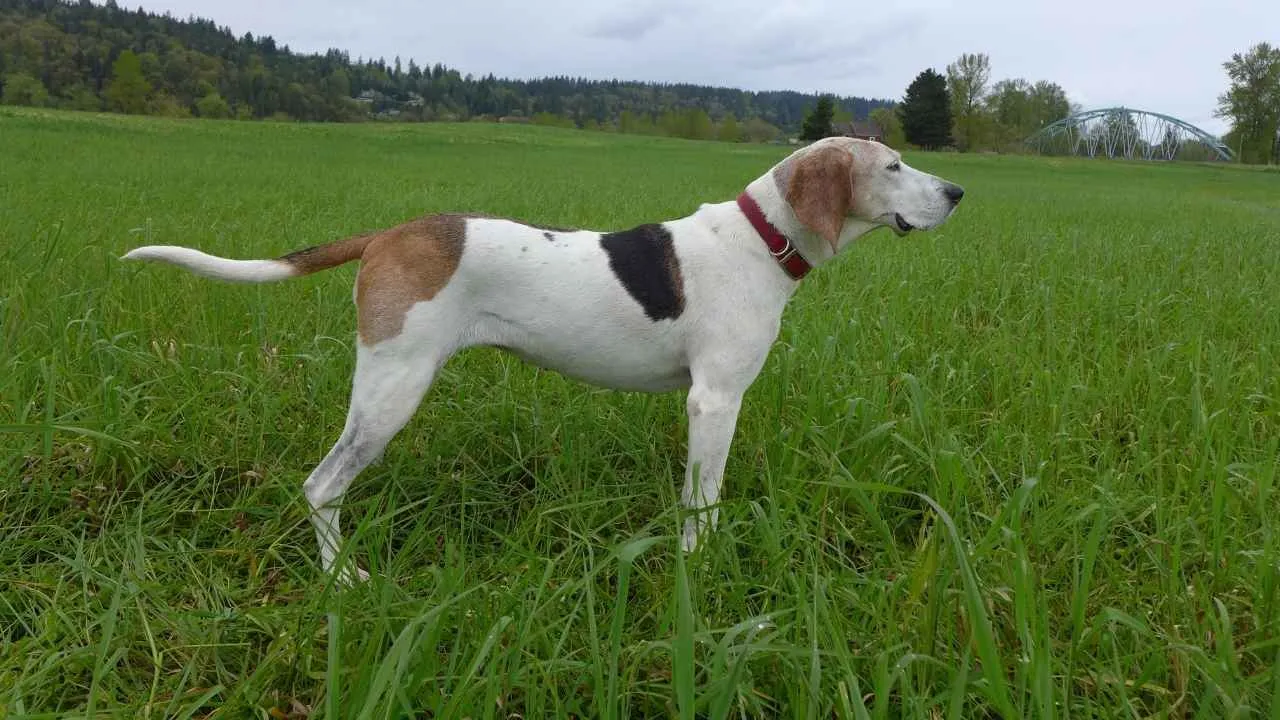
If you need a dog that chases prey up a tree and announces it loudly, meet the Treeing Walker Coonhound. This scent hound tracks raccoons across long distances before cornering them, making it a true treeing dog through and through. Its bark alone tells hunters exactly where to look.
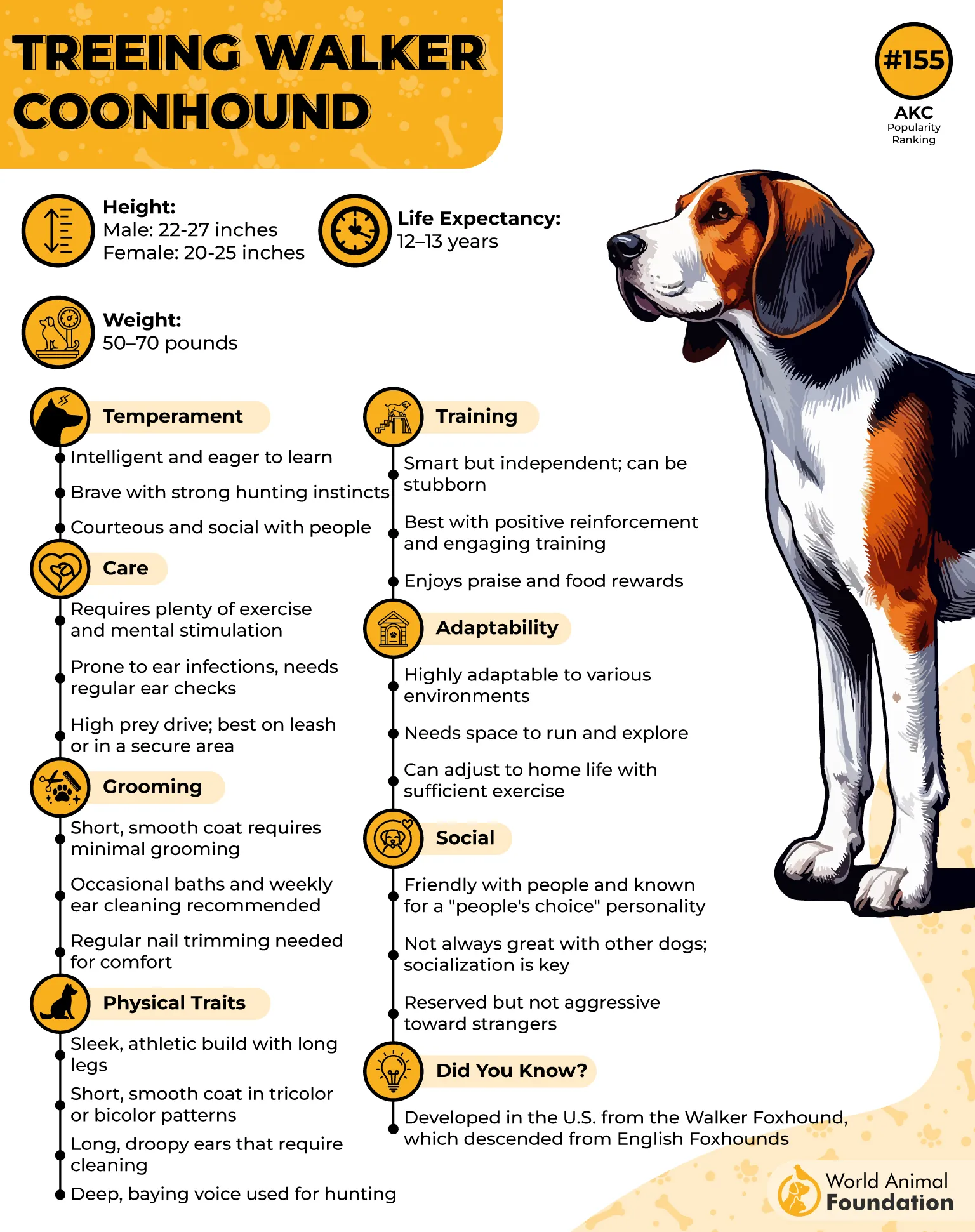
This Southern-born breed grew up hunting at night, when raccoons are most active, so it learned to work in the dark by nose alone.
Behavior note: Known as hot-nosed, meaning it drops an old trail fast if a fresher one crosses its path.
Temperament: Loud and intense while hunting, yet calm and affectionate once it’s home.
Fun fact: The breed descends from a mystery dog named Tennessee Lead, crossed with the Walker Foxhound line.
4. Bluetick Coonhound
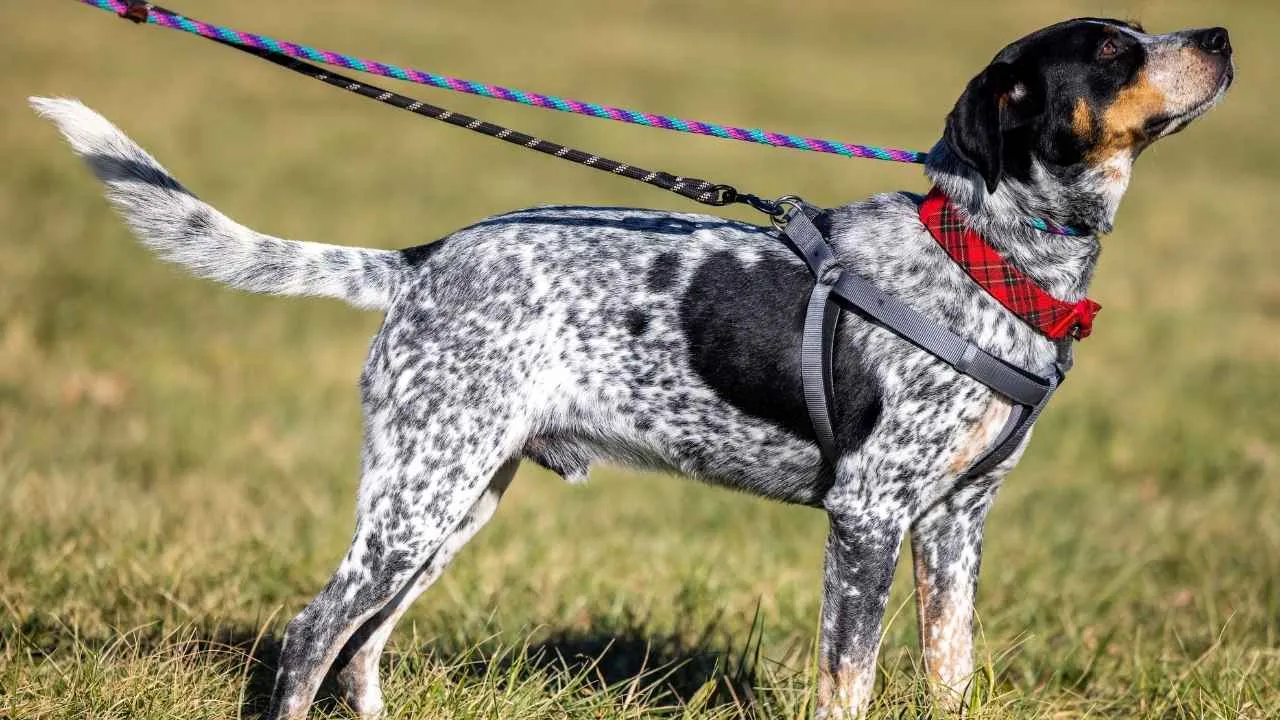
The Bluetick Coonhound is built for patience, the kind of blood-tracking dog that never rushes a trail. It pursues raccoons and even larger game with steady, methodical focus. Speed isn’t the point here; accuracy is.
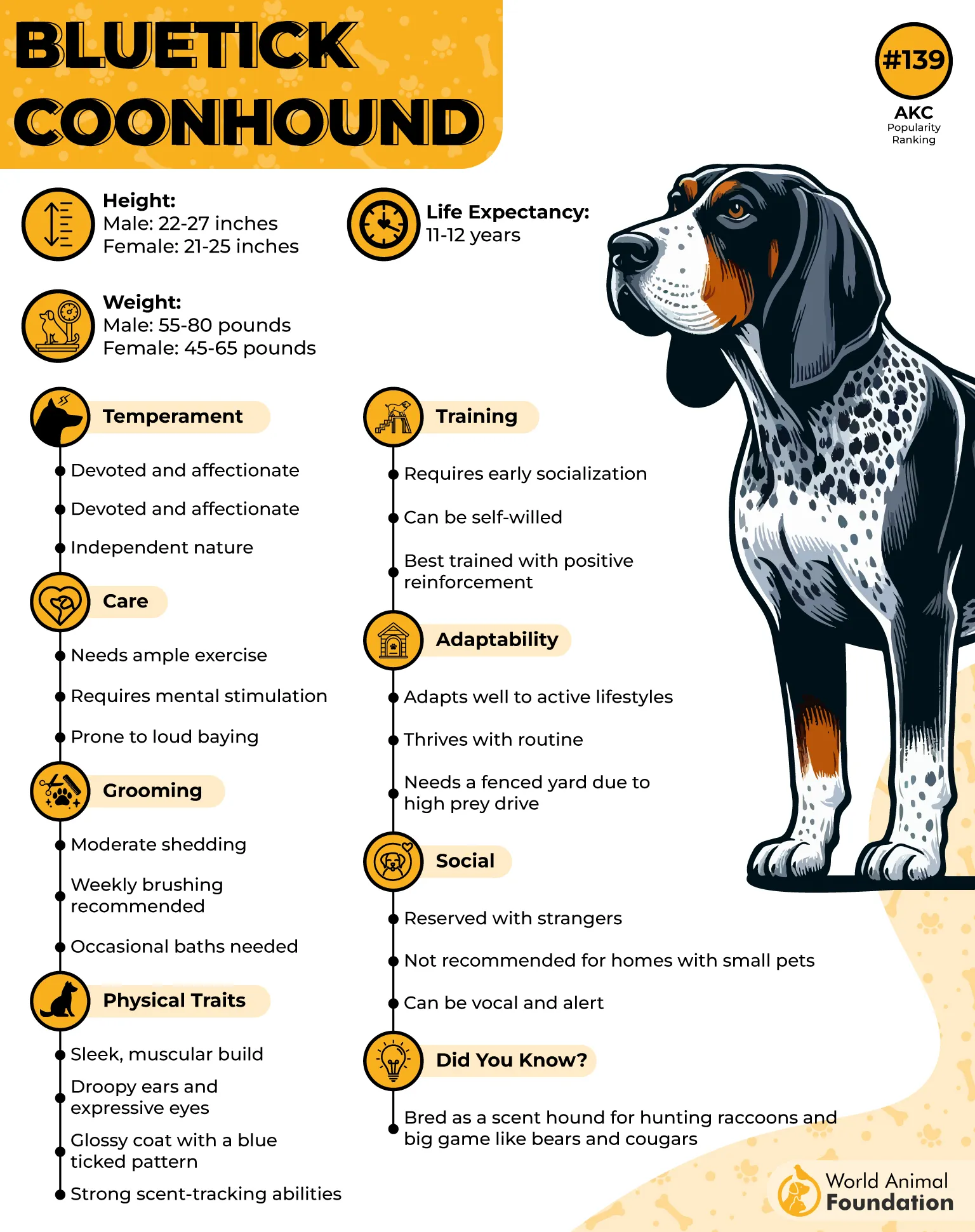
Bluetick bleeders split from other coonhound lines back in the 1940s because they wanted a slower, more resolute cold-nosed hunter, one that could still follow a scent left days earlier.
Behavior note: Locates old, faint trails that faster hot-nosed hounds might miss entirely.
Temperament: Goofy and devoted at home, notes VCA Animal Hospitals, though it can be stubborn once its nose takes over.
Fun fact: Legend says the breed traces back to French staghounds gifted to George Washington himself.
5. Plott Hound
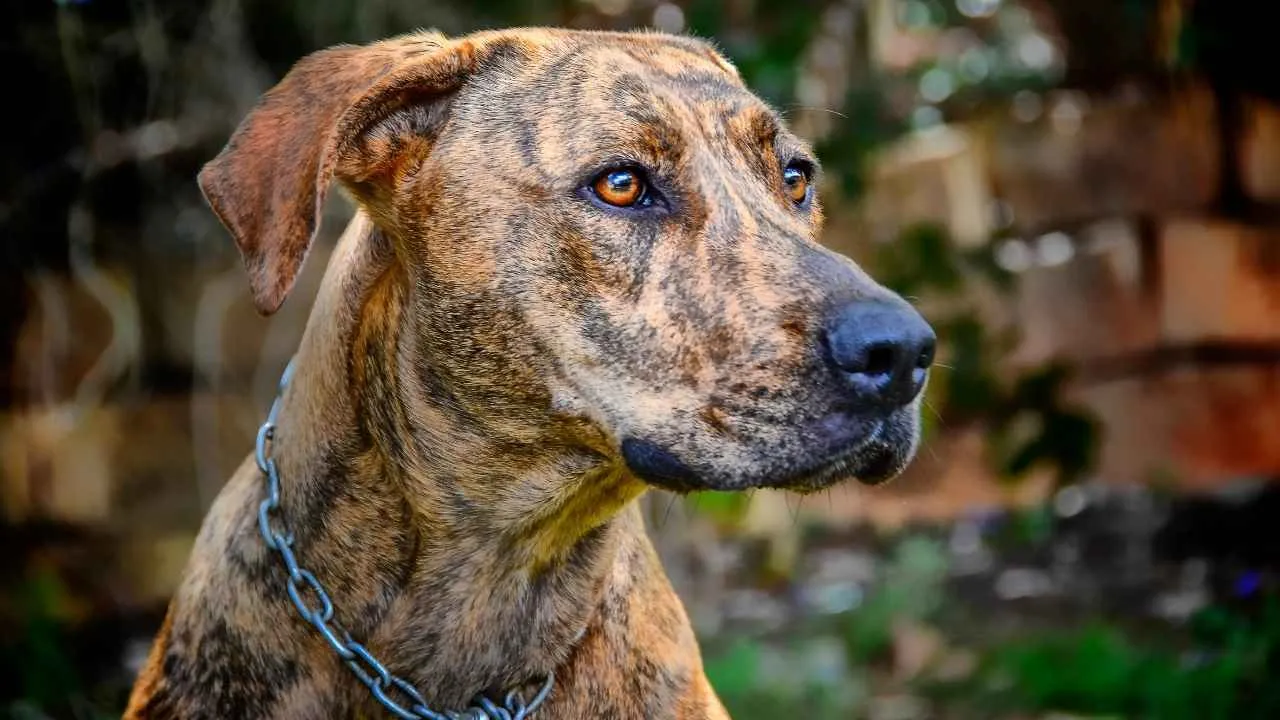
The Plott Hound doesn’t just chase furred predators; it goes after the big ones. Bears, wild boar, and mountain lions are all fair game for this fearless tracker. Deer hunting duty suits it just as well when the terrain gets rough.
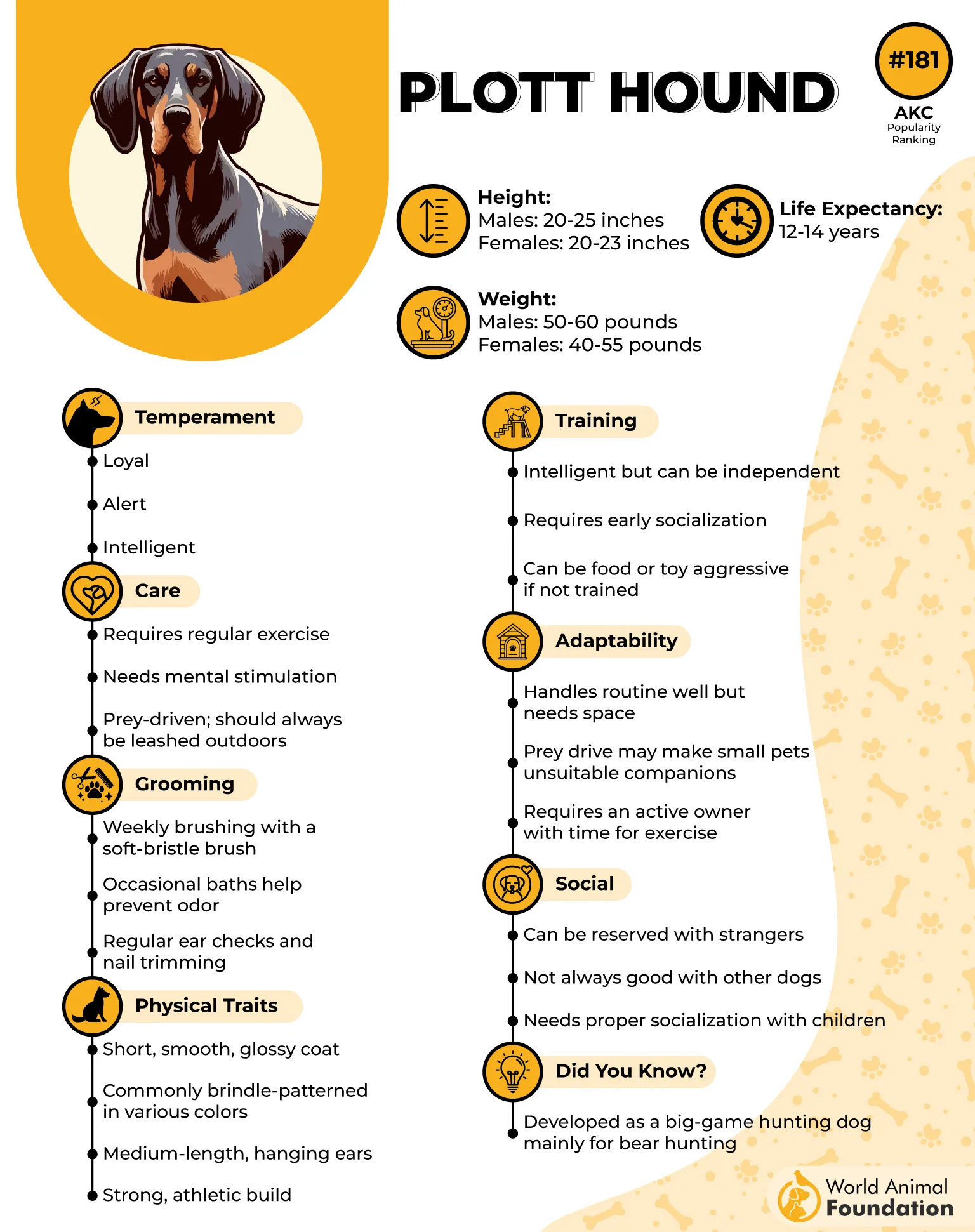
Unlike most American hounds, the Plott descends from German boarhounds rather than English stock, according to the AKC. That German grit still shows in how confidently it takes on dangerous game today.
Behavior note: Stays locked onto a scent trail for miles, even across steep mountain terrain.
Temperament: Bold and independent on the hunt, but gentle and loyal back at home.
Fun fact: It’s the official state dog of North Carolina, and the only major hound of German origin.
6. Black and Tan Coonhound
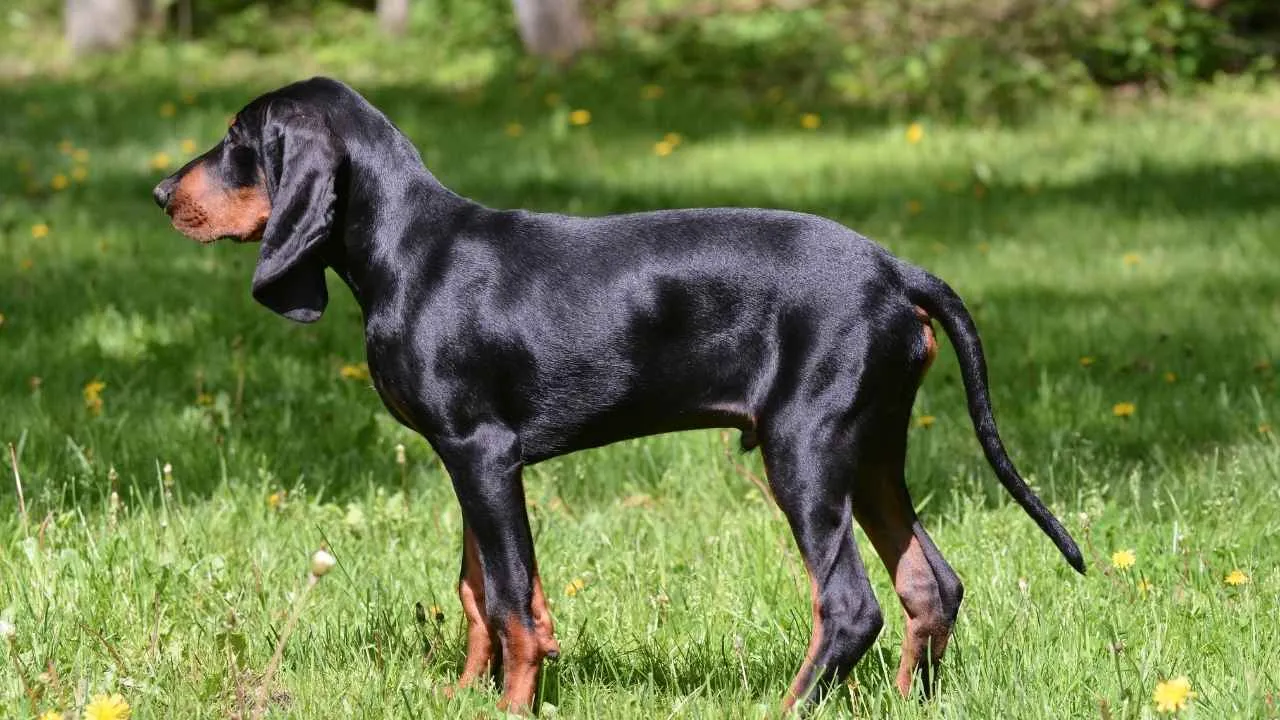
This Black and Tan Coonhound looks like a Bloodhound and tracks like one too. It follows raccoon, deer, and bear scent with the same slow, unshakable focus its ancestors were known for. Once it locks onto a trail, good luck calling it off.
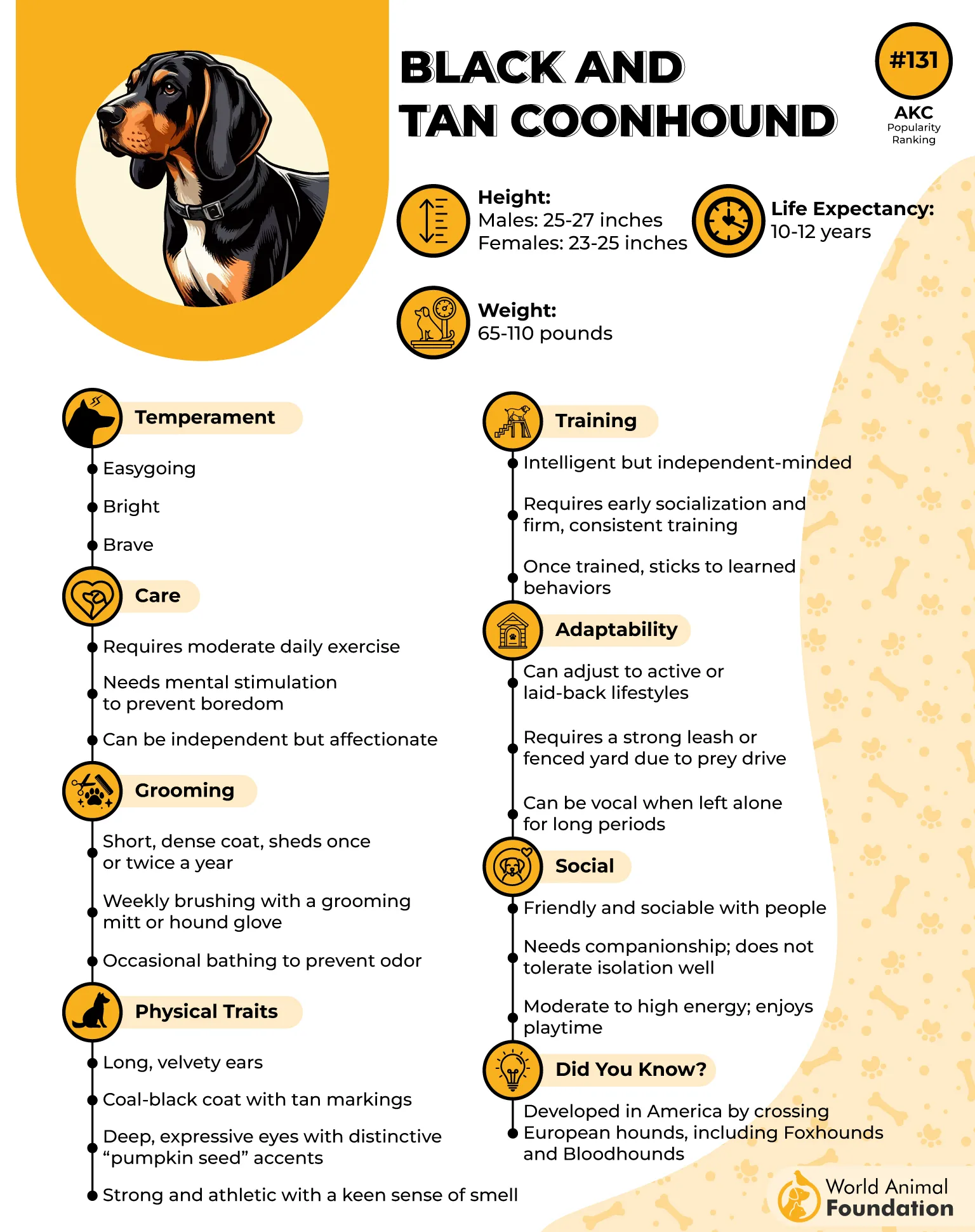
Bred from Bloodhound and Foxhound lines, this hound inherited long, low ears that drag along the ground while trailing, funneling scent straight to its nose, explains Orvis.
Behavior note: Switches its bark when prey is treed, alerting hunters from a distance.
Temperament: Playful and easygoing at home, all business the moment it’s on scent.
Fun fact: George Washington reportedly owned four of these hounds, named Drunkard, Taster, Tippler, and Tipsy.
7. Mountain Cur
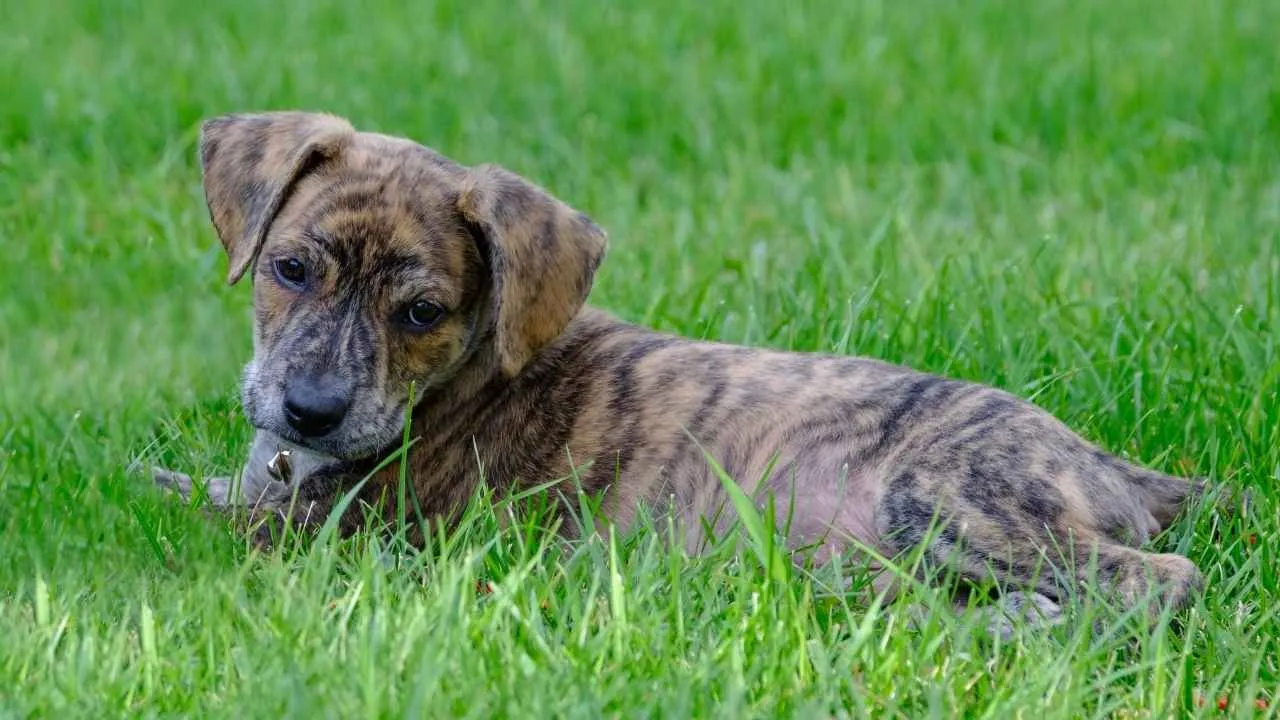
Looking for a good hunting dog that also guards the barn? The Mountain Cur trees squirrels and raccoons, bays bigger game, and still finds time to herd livestock. Few dogs pull off that much versatility.
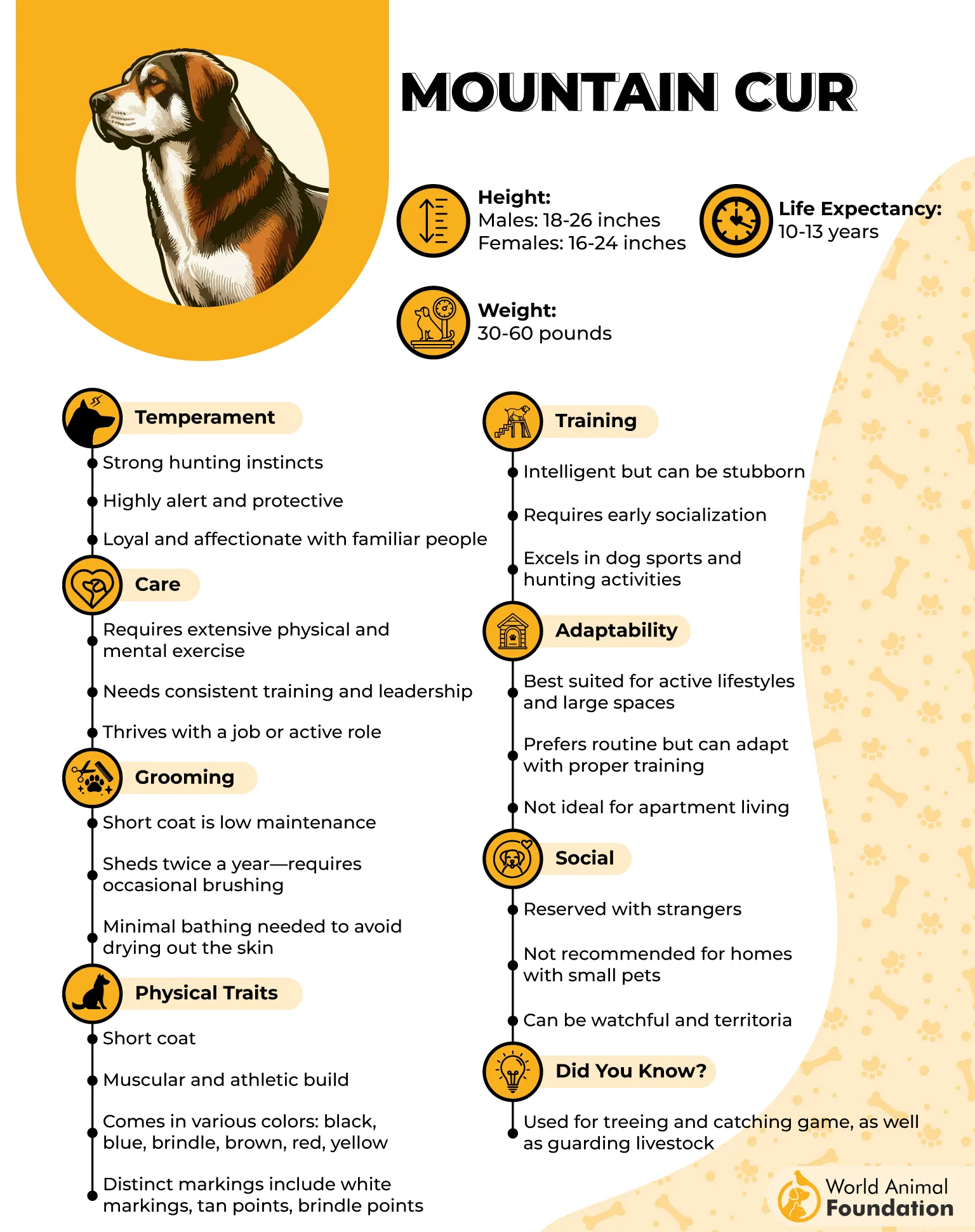
Appalachian and Ozark settlers needed one all-purpose family dog for frontier life, and the Mountain Cur delivered on every front, from hunting to running the property line.
Behavior note: Works small and large game alike, switching tasks without missing a beat.
Temperament: Loyal and sharp, though it needs a firm, consistent handler to stay on track.
Fun fact: The breed nearly vanished by the mid-1900s until dedicated breeders stepped in to save it.
Conclusion
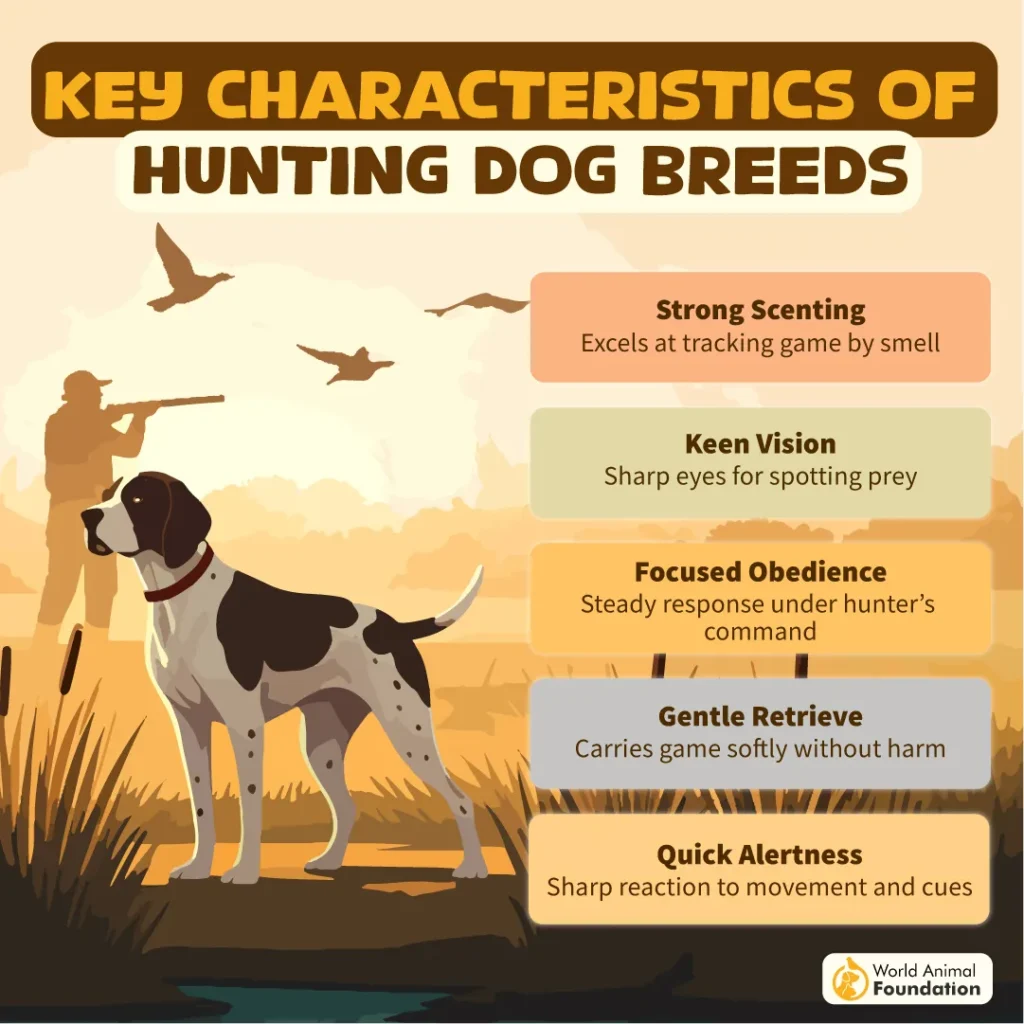
From pointers that freeze mid-air to hounds that never quit a trail, these dog breeds prove there’s no single mold for a good hunting dog. Some thrive as bird dogs in open fields, others tree-furred predators across diverse terrains, and a few double as loyal family dogs when the hunt ends.
Pick based on your terrain, your game, and how much energy you’re ready to match. Got a favorite hunting companion in mind, or a breed we should cover next? Drop it in the comments and let’s keep the conversation going.
