




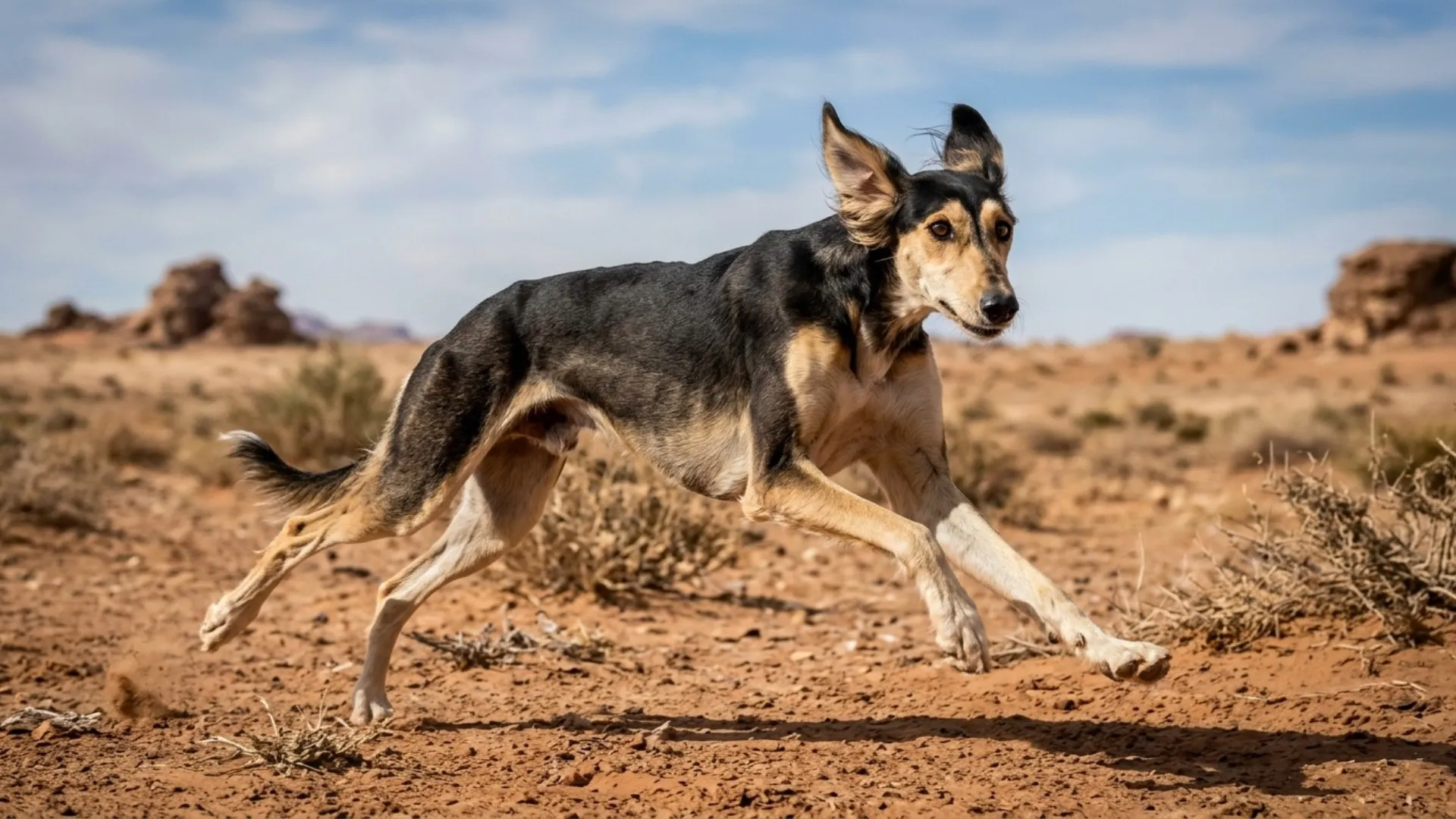
Ever watched your dog spot a squirrel and go from couch potato to rocket in half a second?
Yeah. That’s prey drive.
Prey drive is a dog’s desire to chase, catch, and sometimes grab smaller prey. It’s innate. Nobody teaches it, and all canines have it to some degree.
Chasing a ball, a bike, or a jogger is the same drive. (It gets problematic when it’s a car.) It’s normal dog behavior, not aggression or fear aggression, so please don’t call your pup aggressive just because he goes after a rabbit.
Not all dogs have it to the same degree. Some dog breeds have a high prey drive. Others, like Bulldogs, have a low prey drive and would rather nap. Many dogs were originally bred to hunt, so the drive developed further with each generation. Even a fluffy Poodle will give a squirrel a look.
Some people confuse it with dominance, but the distinction is simple. Prey drive is about movement, not being the boss. Police dogs like German Shepherds and Belgian Malinois also use it. In police work and protection, handlers channel that drive on purpose.
But the best thing is you can live with a chaser. You just need solid dog training, a good fence, and a little patience.
So let’s talk about the top dog breeds driven by prey.
Did You Know?
Researchers who study canine behavior say prey drive works like a chain: look, stalk, chase, grab, bite. Different breeds keep different links. Border Collies keep the stalk and chase but skip the bite. Pointers freeze and point. Terriers love the grab.
So when your dog stares at a squirrel as if it owes him money, that’s an old program running in the background.
Top Dog Breeds Driven by Prey Explained
1. Greyhound
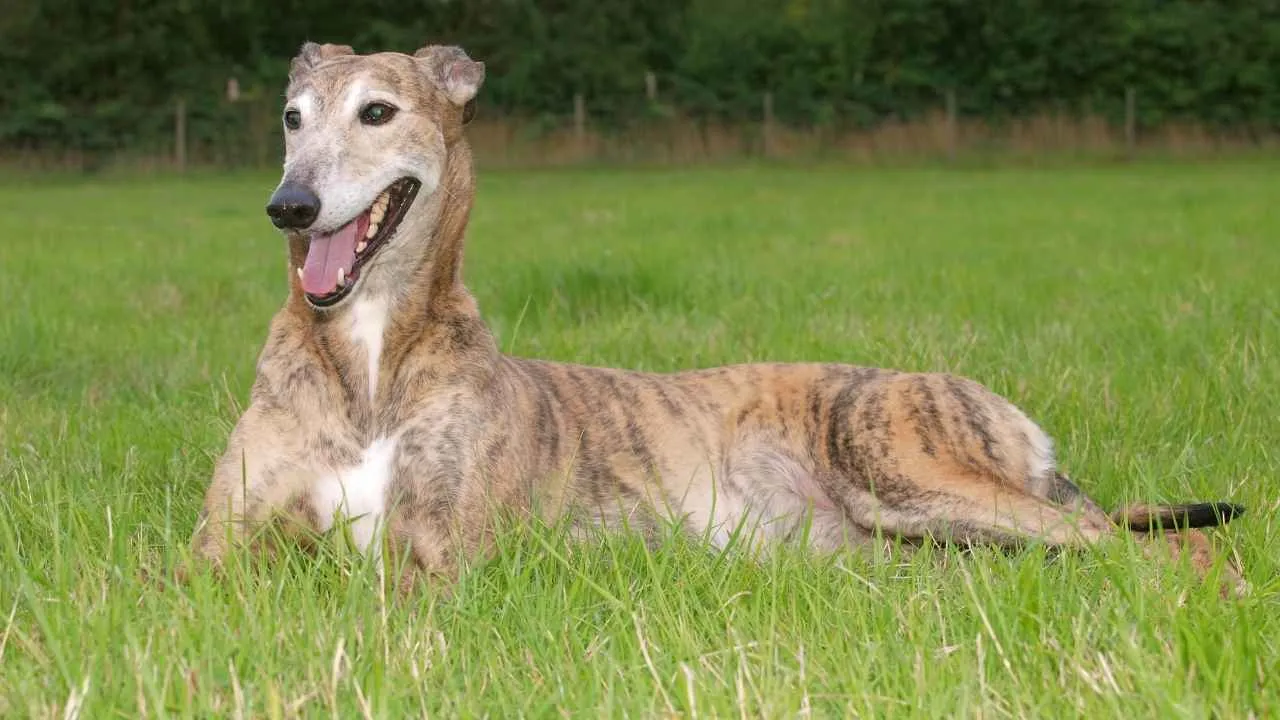
Greyhounds are the speed kings. They are among the fastest dog breeds on the planet and can hit 45 miles per hour.
Greyhounds were bred to chase hares by sight. Anything moving fast gets their attention, like a rabbit, a cat, or a plastic bag in the wind. Honestly, they don’t think about it. They just go.
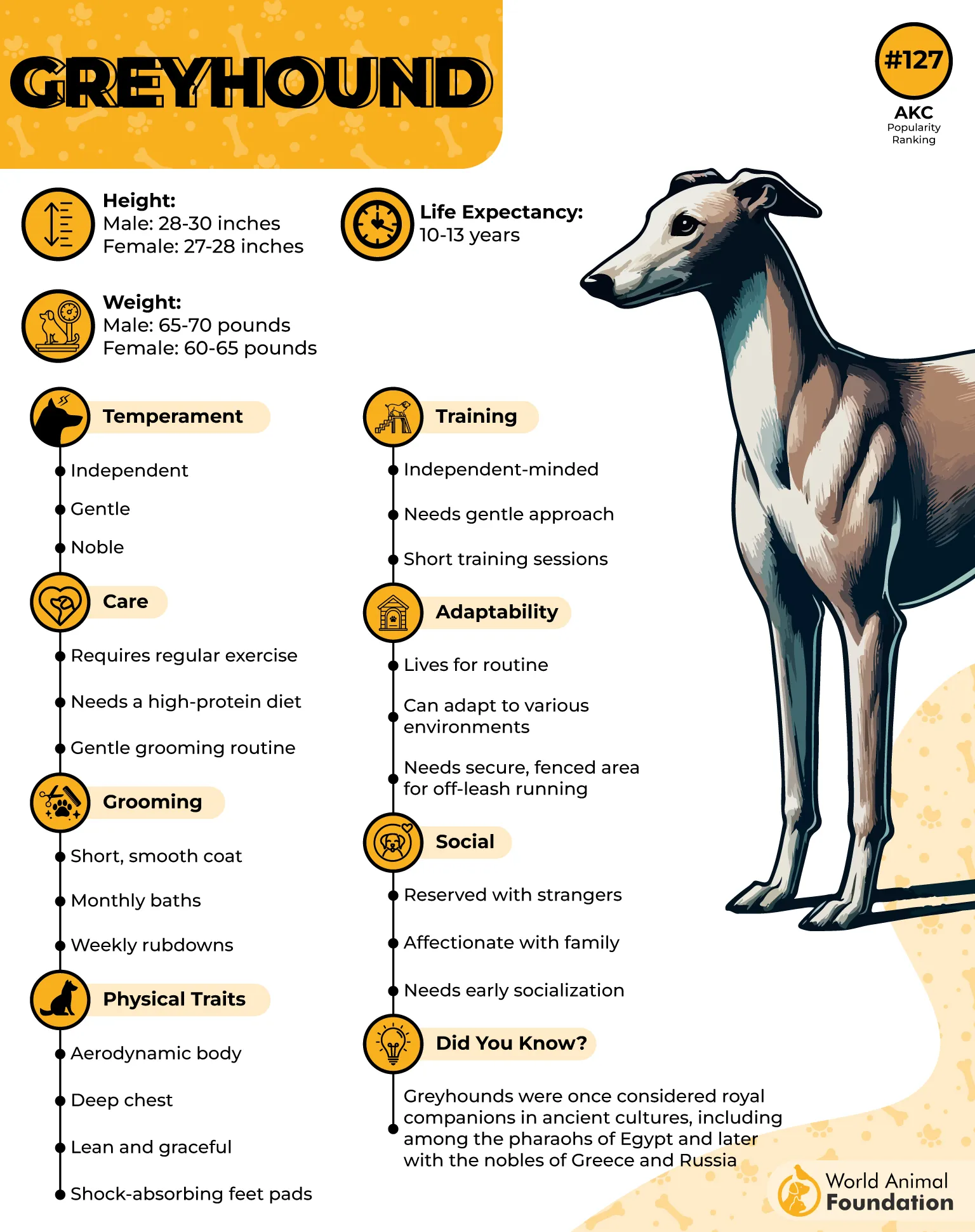
Funny thing is, inside the house they are certified couch potatoes. But keep them on a leash or in a fenced yard. Once a Greyhound decides to go (run or sprint, actually), it won’t come back until the pursuit is over. According to Britannica, Greyhounds enjoy running, swimming, and dog sports like agility, obedience, and scent work.
Many live peacefully with cats, though, so ask the rescue for a cat-tested dog.
2. Saluki
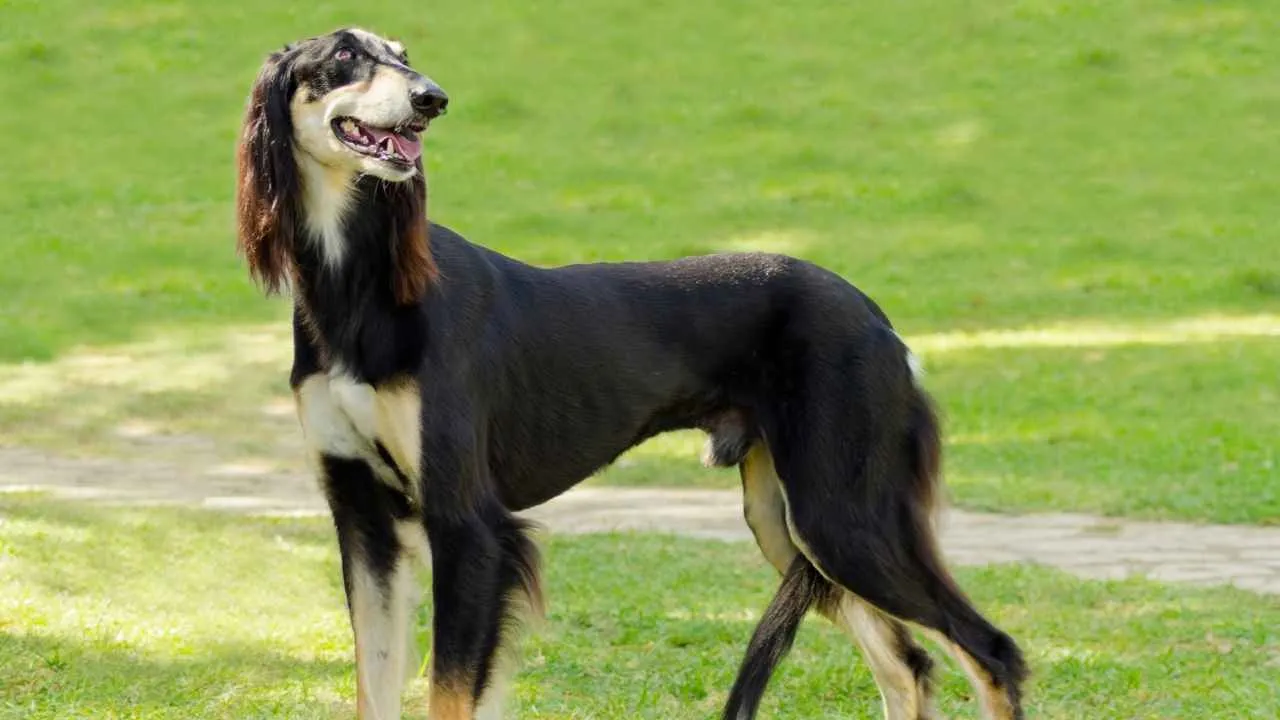
The Saluki is one of the oldest dog breeds in the world. Folks in the Middle East used them to run down gazelles in the open desert.
Salukis are elegant, quiet, and fast. These sighthounds chase by sight, and their desire to run is VERY strong. If a rabbit bolts, that dog is gone.
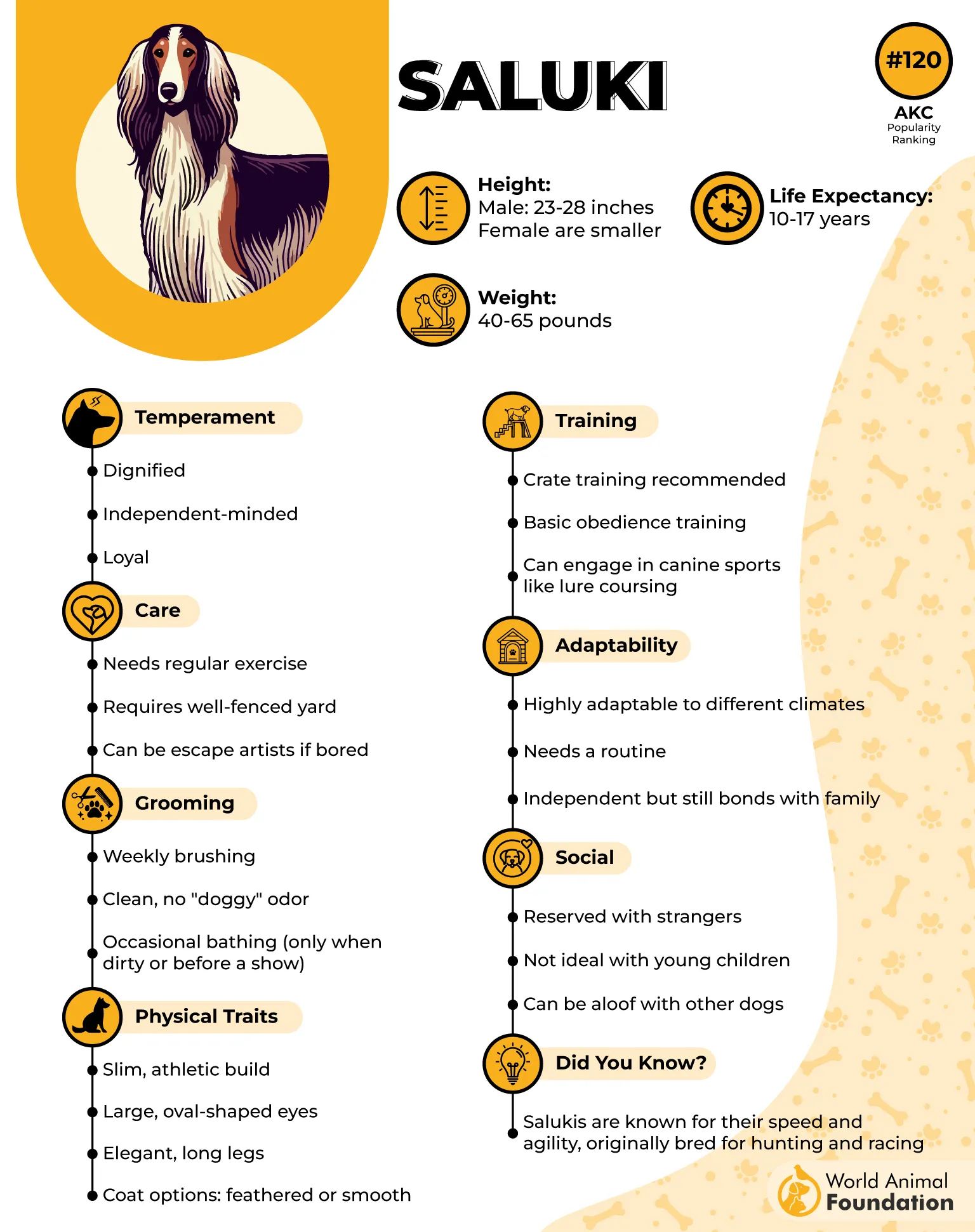
They are gentle with their families but reserved with any new person. They like to think for themselves, too. Obedience training takes patience, but this is very important. Use a long line to recall patience, and NEVER trust them off leash in an open area. A tall fence at your home is also important.
Okay, okay, we know that’s a lot, but you get an affectionate dog that attaches to “one” favorite human.
3. Afghan Hound
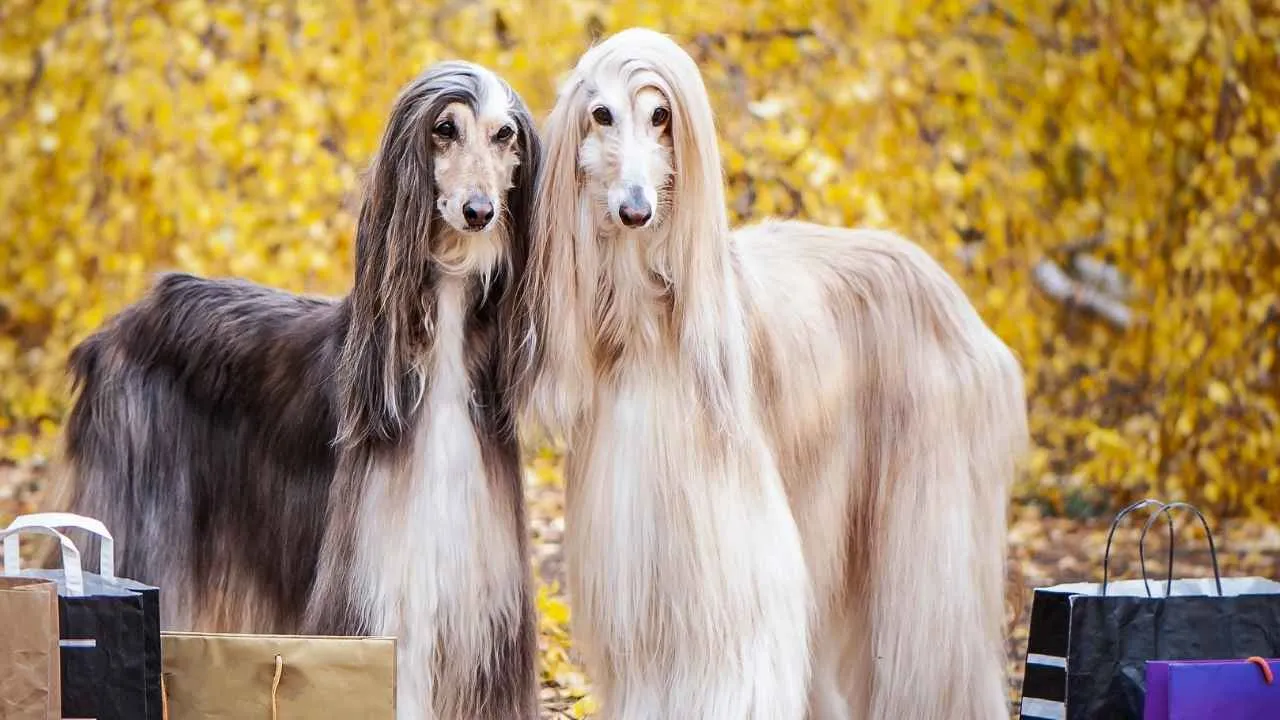
Afghan Hounds look like they just walked out of a salon.
But that long, silky coat hides a real hunter.
These hound dogs were bred in the rugged mountains of Afghanistan to chase game over rough ground. So these dogs have speed, endurance, and big feet made for climbing. They will chase small animals if they get the chance.
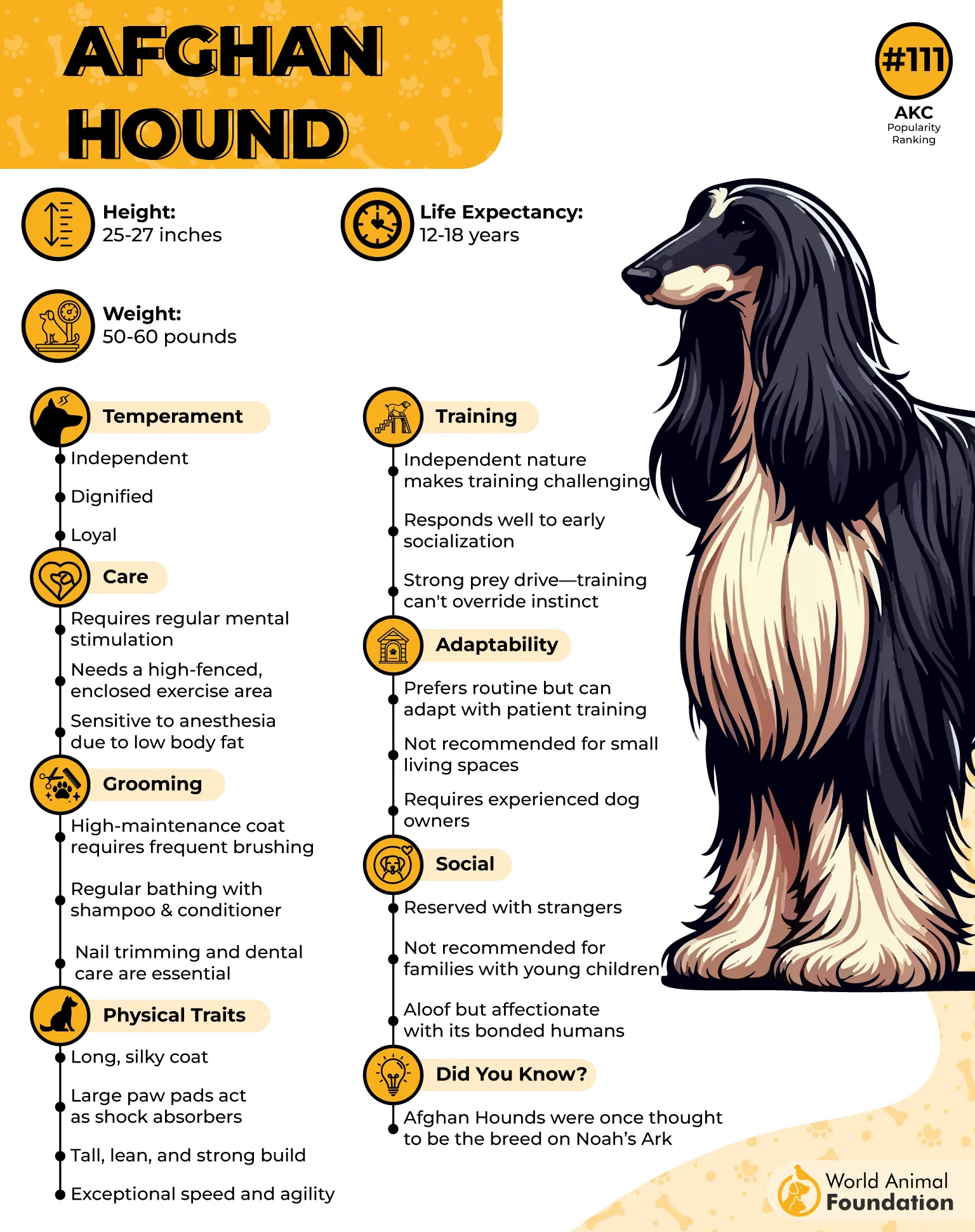
According to Purina, Afghan Hounds have a strong prey drive for prey of all sizes, such as hares, wolves, gazelles, and even snow leopards.
Afghans are proud and a little aloof. They can be difficult to train, so don’t expect them to hang on your every word. Bring a good sense of humor. They are quite humorous around humans; they will be themselves.
4. Whippet
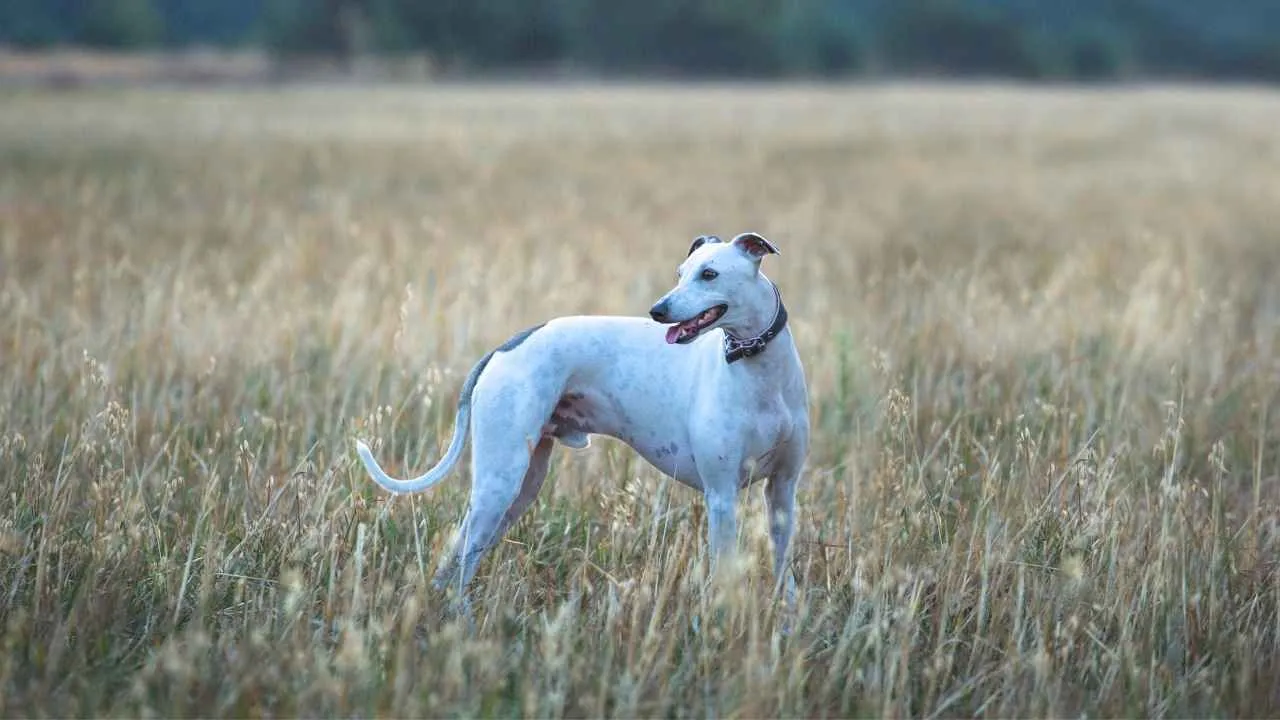
Look at a Whippet.
Isn’t that a Greyhound in a smaller package?
Yes, we thought so. Folks used to call them “poor man’s racehorse.” Ouch.
Whippets can hit about 35 mph. Yes, this dog runs fast. They were bred for chasing prey like rabbits, and this dog loves to run flat out. A tennis ball or a game of fetch is a great outlet.
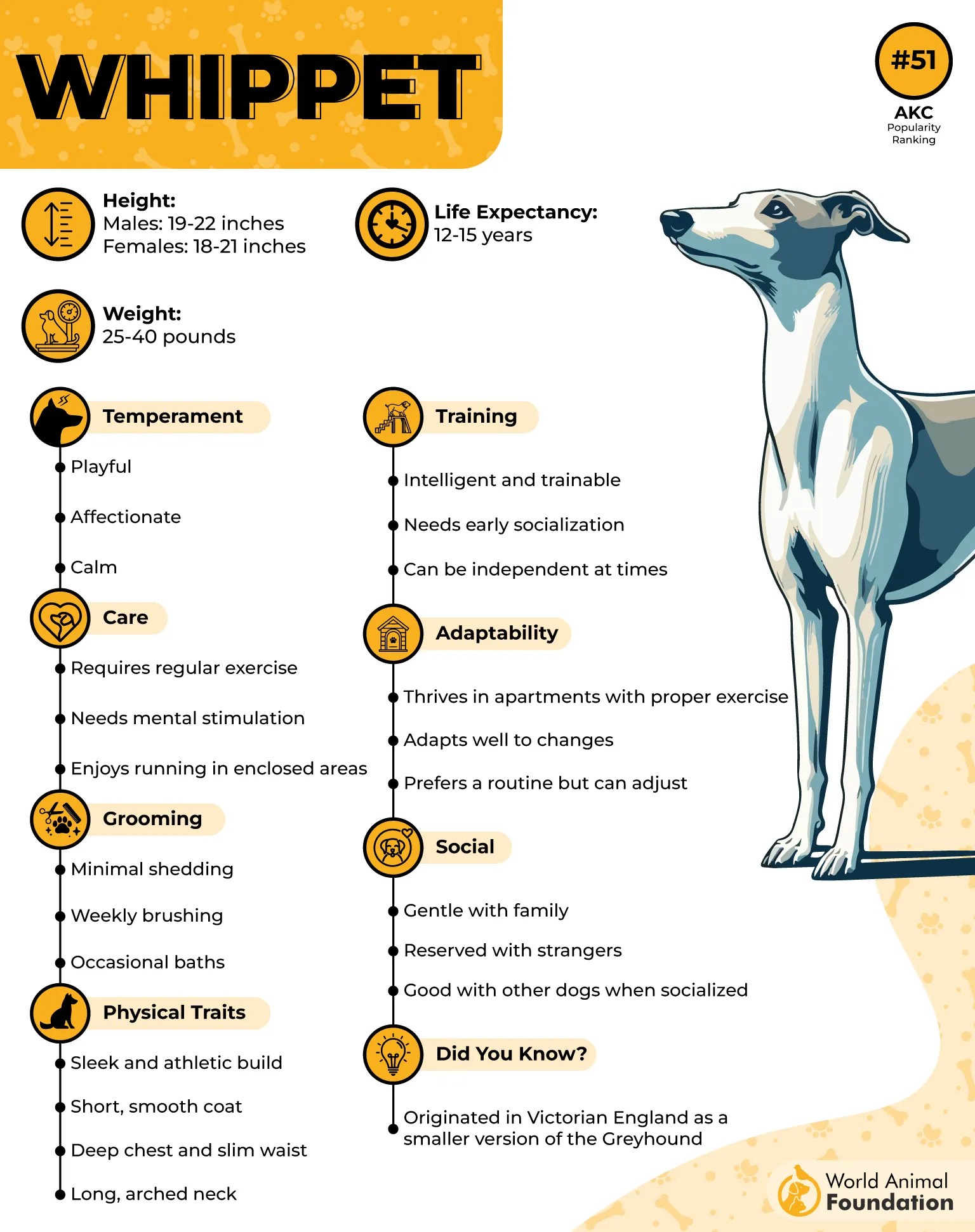
Indoors, these tall, skinny dogs are quiet, sweet, and super cuddly. Outdoors, though, squirrels are a serious problem for them. Keep them fenced in and leashed on walks. Smaller prey, like pet hamsters, can potentially become their victims. Not a good mix. According to Orvis, they are intelligent and learn commands quickly, but they can also turn to their stubborn, independent streak.
5. Rhodesian Ridgeback
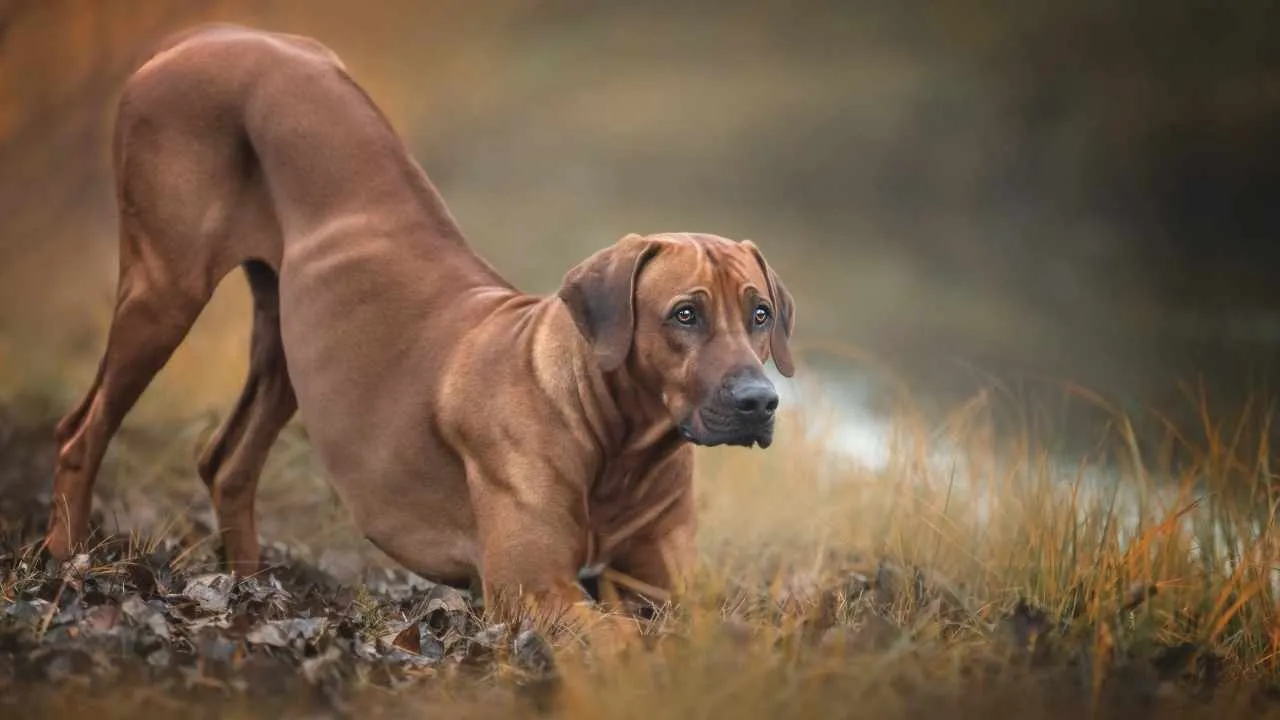
The Rhodesian Ridgeback is a unique breed.
It has a ridge of hair on its back that grows in the opposite direction. It also has a wild past in Africa, where it was bred as a hunting dog and helped track large game like lions and hold them at bay.
LIONS!!
Yes, that’s right.
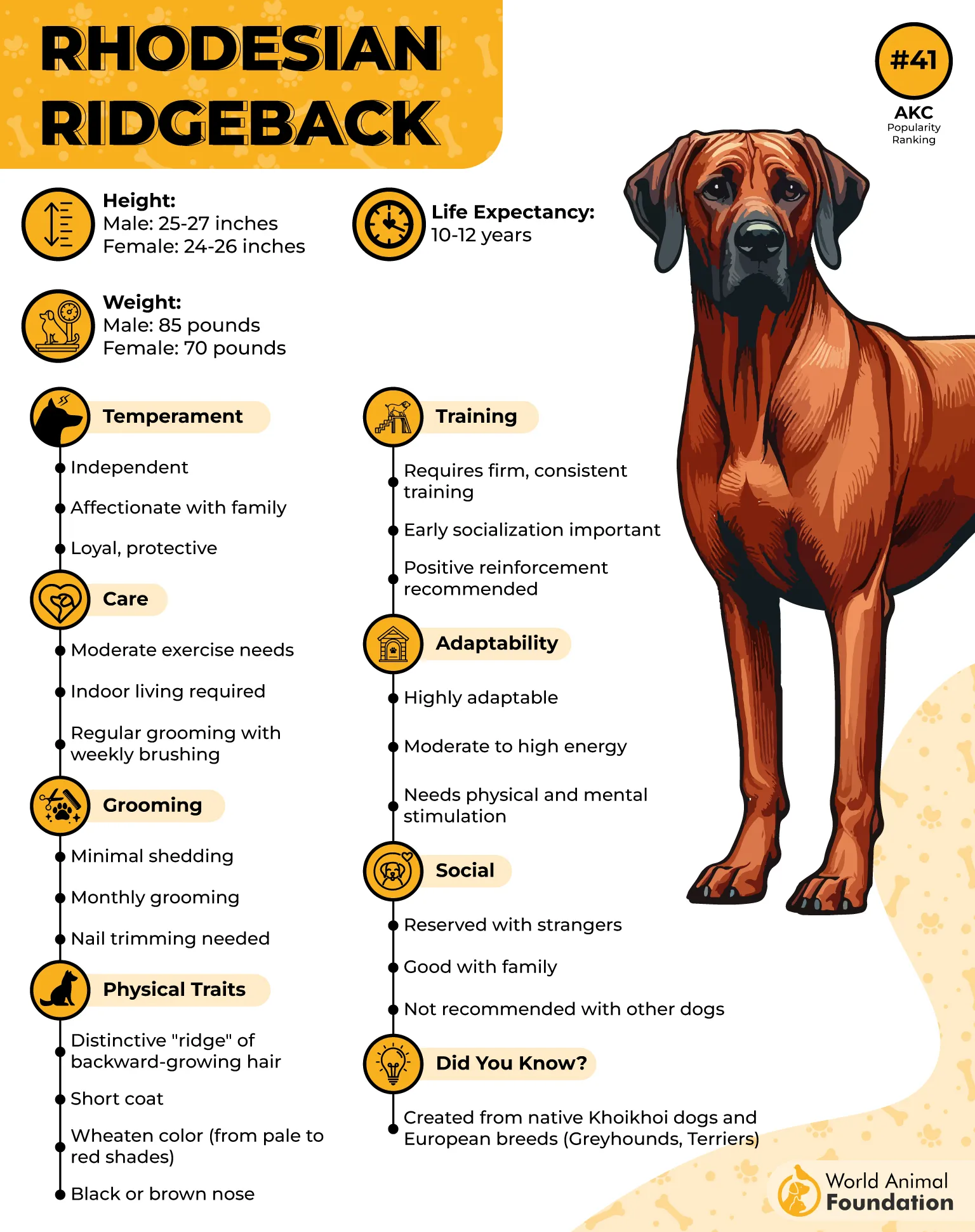
Rhodesian Ridgebacks are big, strong, and confident. They have a high prey drive for a large dog, and they love to chase. They are loyal, protect their family well, and make great guard dogs.
But they are never pushovers. Some can be wary of strangers they find threatening. Their temperament is strong, so early training and proper socialization matter. They also need long runs or hikes. A bored or insecure Rhodesian Ridgeback gets destructive fast.
So, meet their exercise needs.
6. English Foxhound
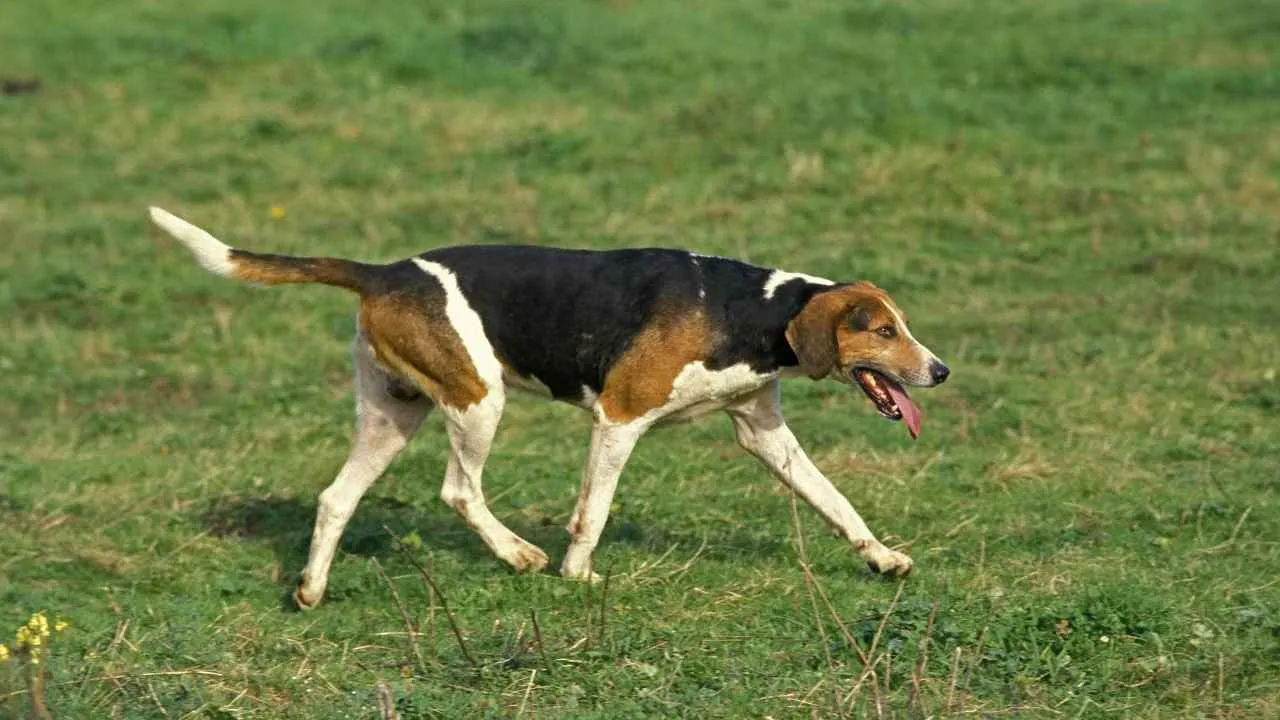
We have a pack dog here.
English Foxhounds were bred to hunt in packs. They follow a scent for miles and miles, all day long.
These dogs have extreme endurance you’d hardly see in any other dog. They were bred in England to chase foxes with other hounds, and they are friendly with other dogs and strongly prefer company.
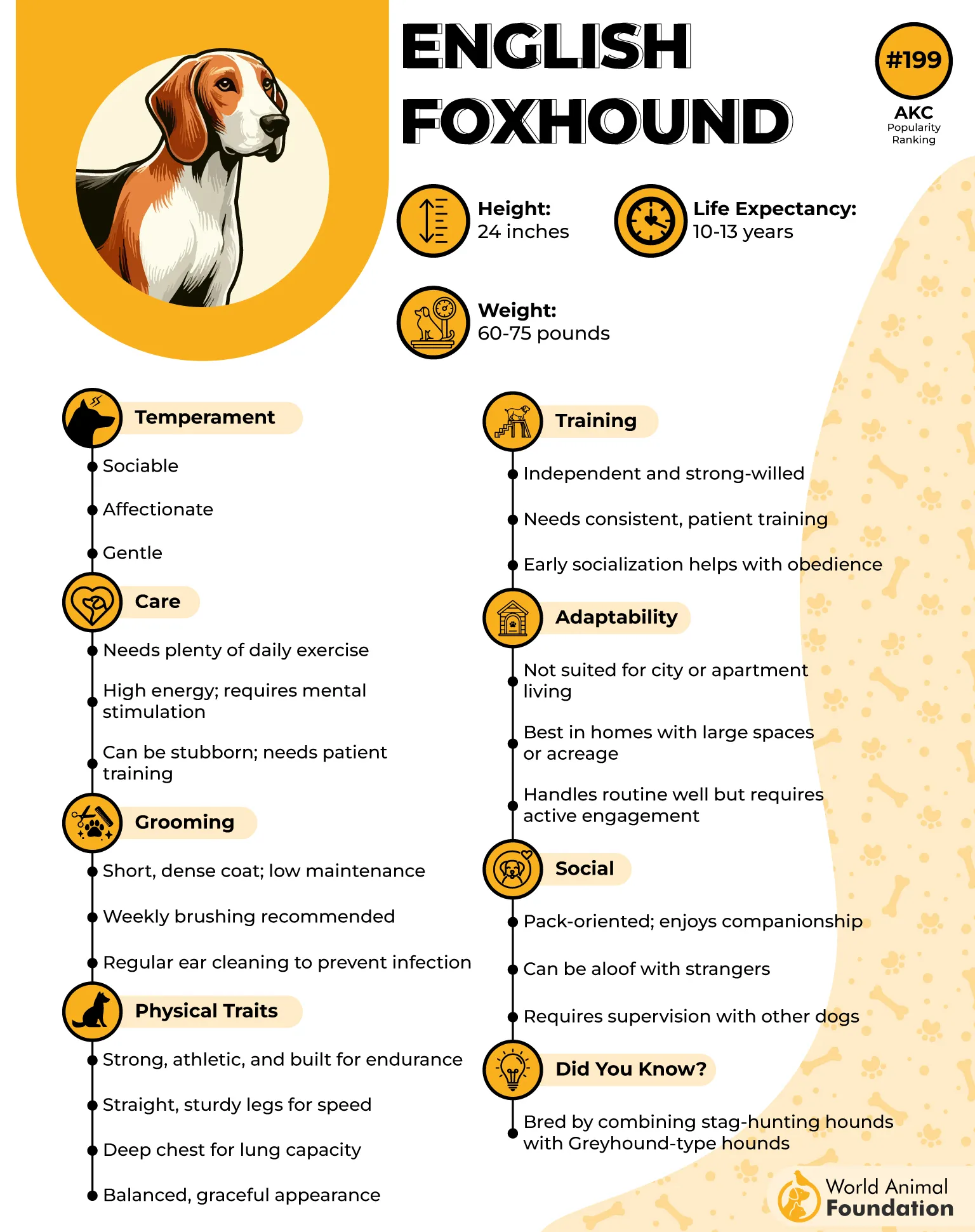
They are loud, too. Barking and baying are part of their job. They need lots of space, so apartment life is a BIG NO. And once those noses pick up a scent, they forget everything else, including you. The hounds with a strong hunting drive may even chase deer. Use a long line and keep that fence high.
7. Beagle
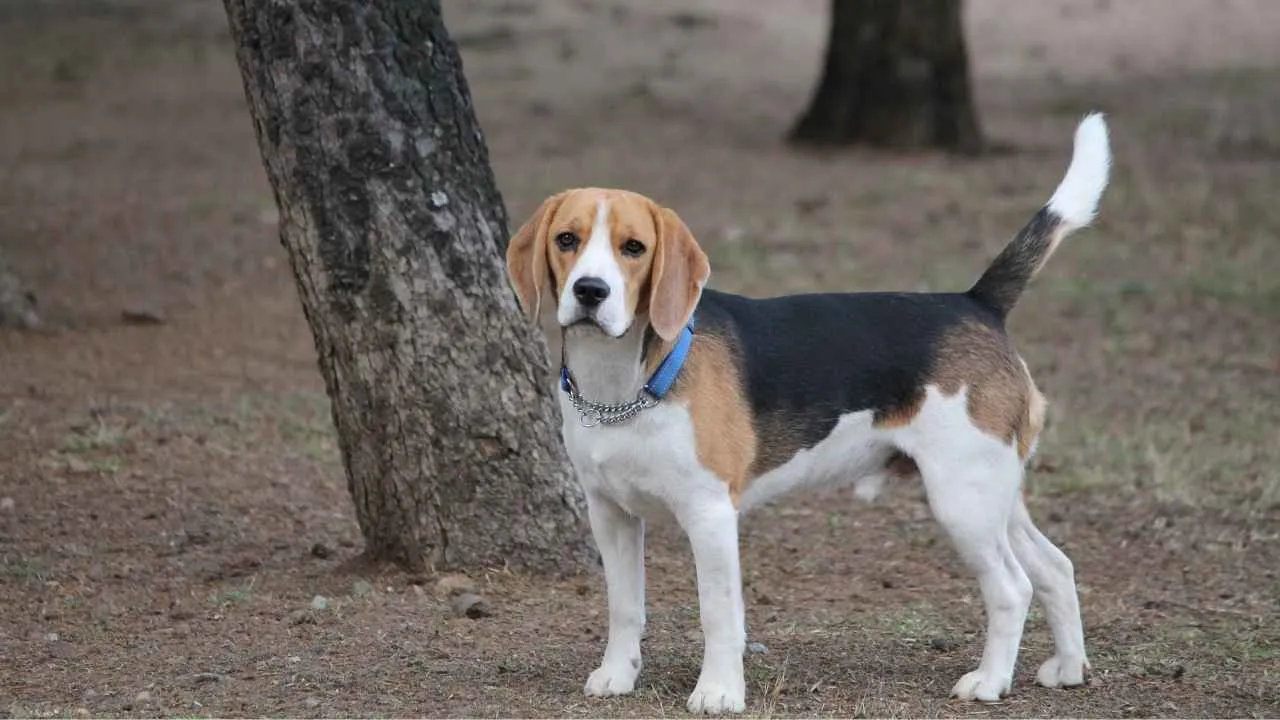
Everyone knows Beagles, these goofy dogs. Snoopy made sure of that.
Beagles were bred to hunt rabbits by scent. Their nose runs the show. A Beagle on a scent trail doesn’t hear you calling. Not even a little bit. They are busy chasing. All thanks to that strong drive to chase and run after prey.
They are truly some of the strongest tracking dogs in existence.
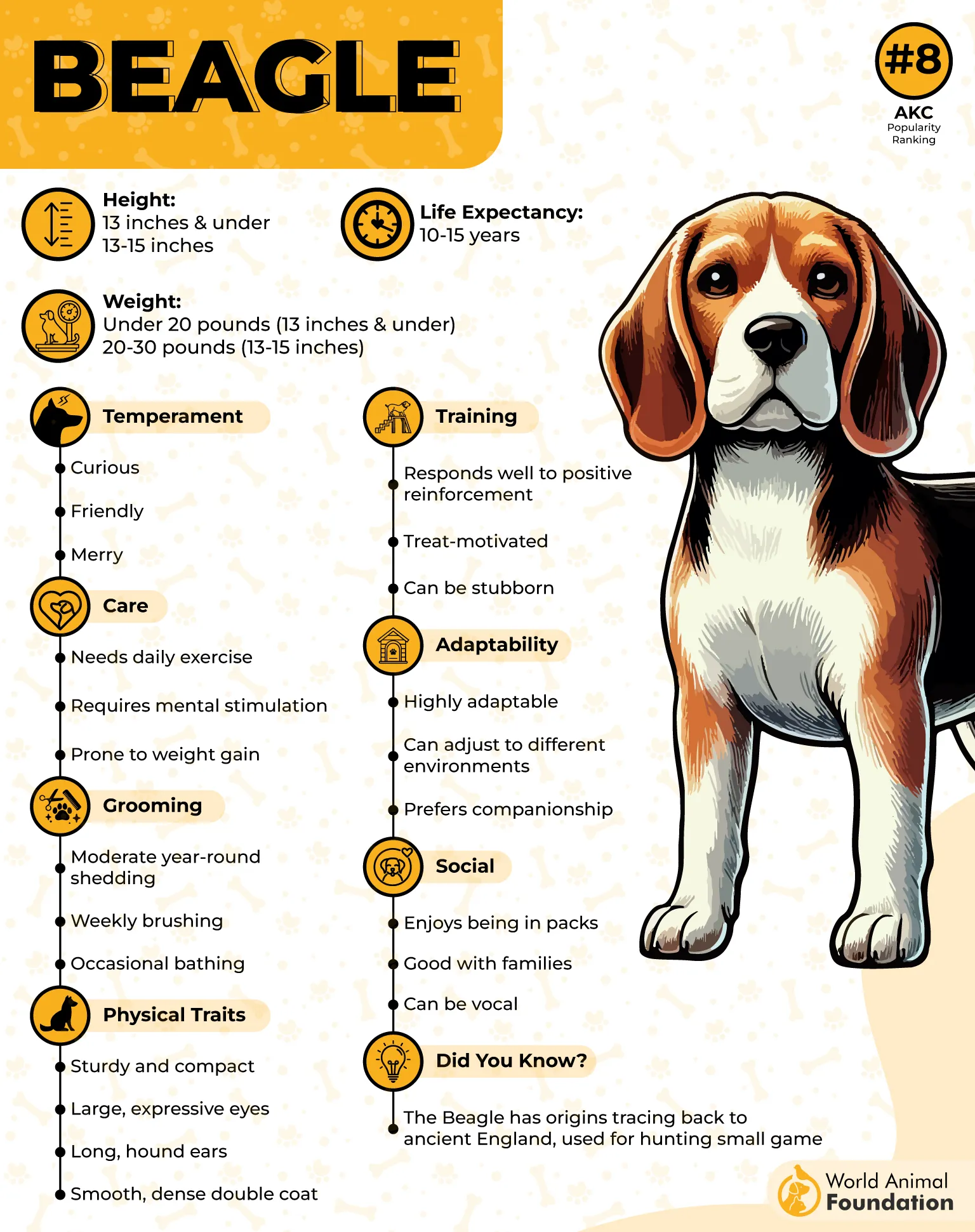
They are generally merry, friendly, and great with kids. But of course, they love food, so keep an eye on your kitchen counters. They also howl when bored, and the sounds carry. Your neighbors will notice. Plus, we recommend you never leave the gate open and unattended. They might sprint away.
8. Jack Russell Terrier
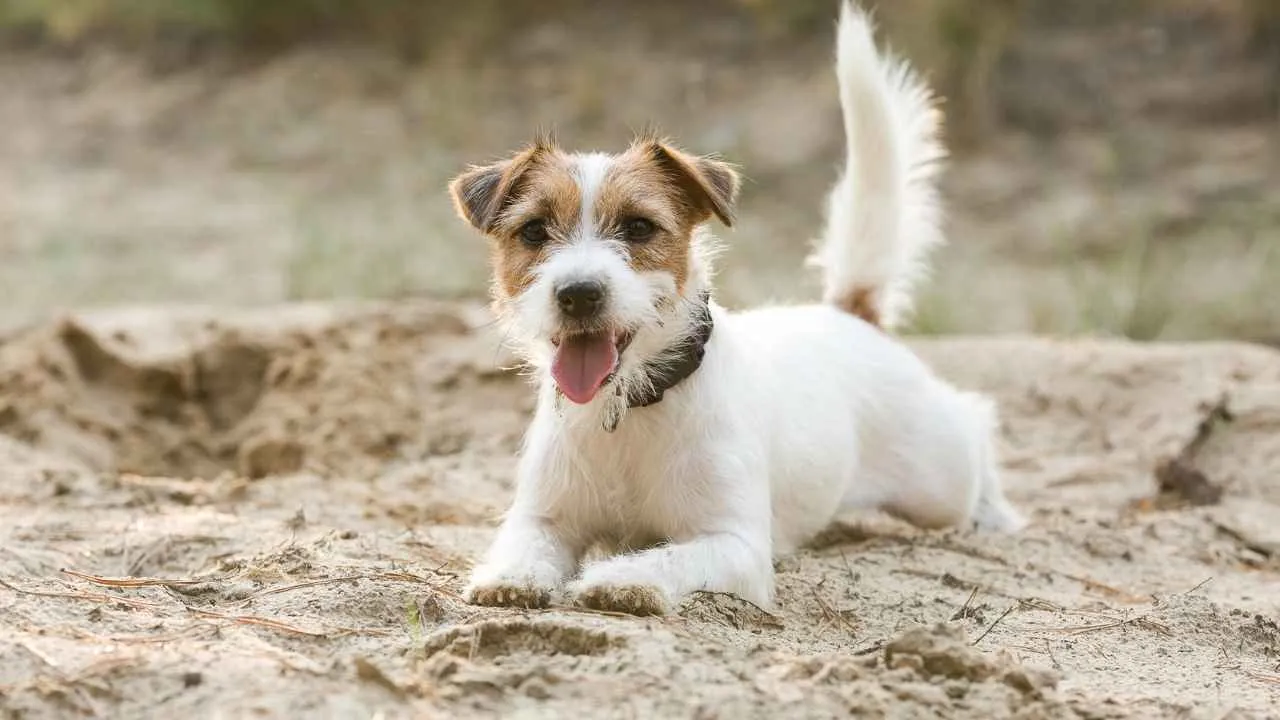
Jack Russelss Terriers are small dogs and a household item. But their drive is huge. They were bred in England to chase foxes out of their dens.
These little dogs will chase things like squirrels, birds, lizards, and even a leaf in the wind. It is instinctive. They dig, too, and honestly, a Jack Russell Terrier can outsmart many fences. You will see that in their body language.
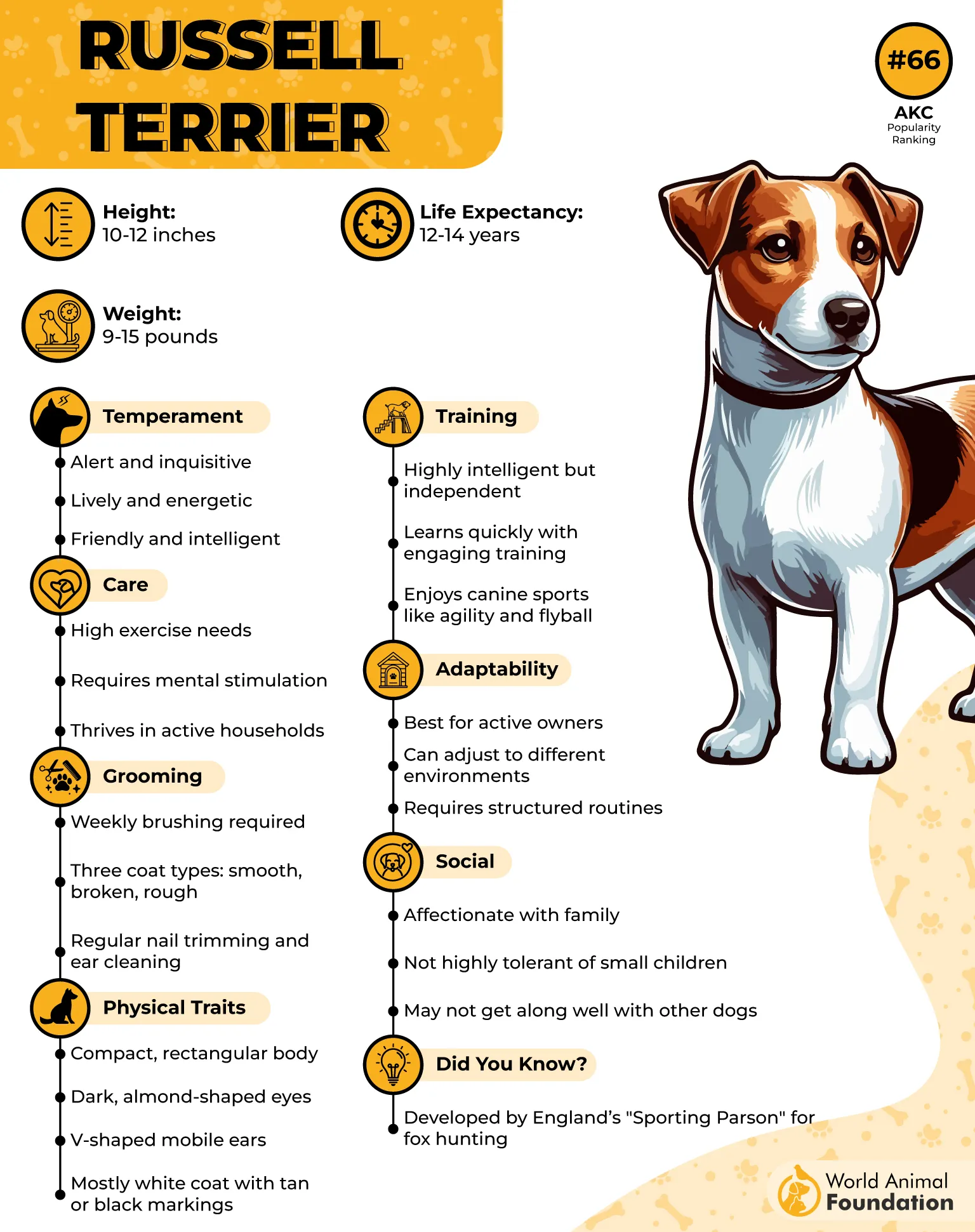
They are intelligent, bold, and full of energy. They love to play tug, which turns prey drive into a safe outlet. Plus, these dogs need plenty of exercise to show their best behavior. Give them firm, steady training.
They are not a great match for homes with pet rabbits. Nope. Other than that, these adorable dogs are sweet and full of mischief.
9. German Shorthaired Pointer
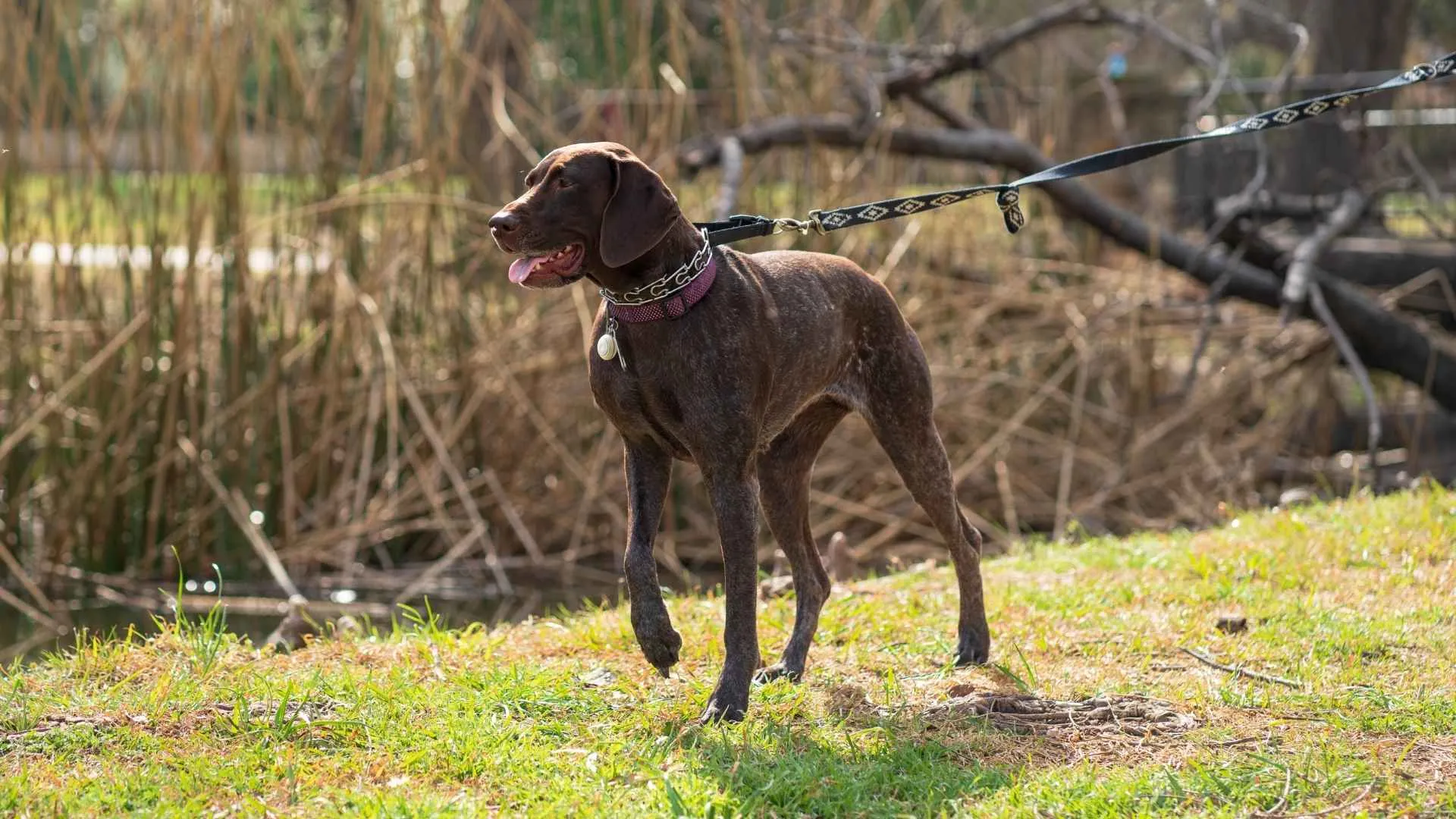
The German Shorthaired Pointer is a classic bird dog.
A favorite of hunters for hunting birds.
GSPs were bred to locate game, point, and retrieve game. That makes them one of the best gun dogs around. They are bird dogs with a strong prey drive and tons of energy.
They are also smart and eager to please, so training is a bit easier.
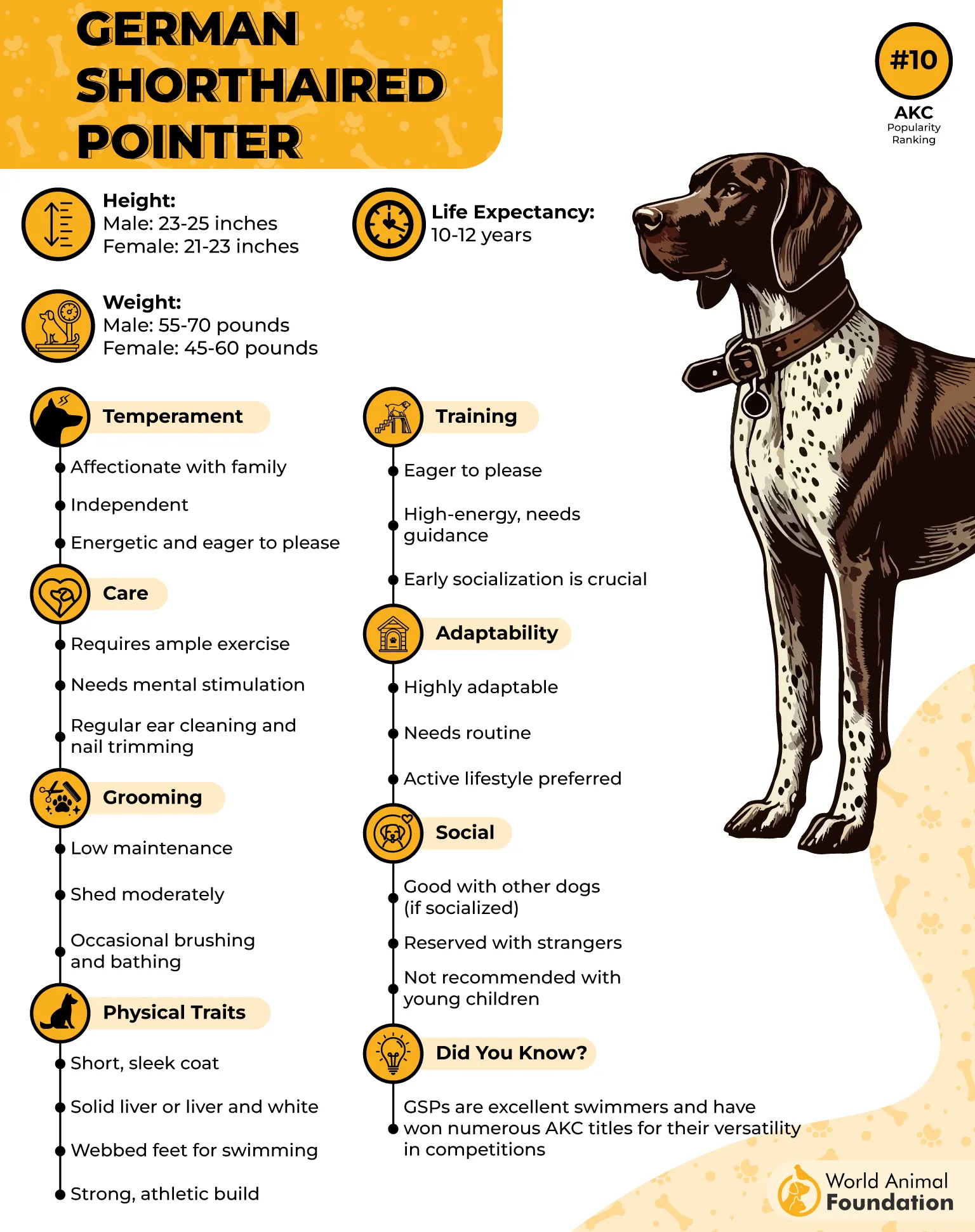
These Pointer dogs need a job. Long runs, swimming, and agility are great. Versatility is their thing. A GSP with nothing to do will find something, and you won’t love it. Start recall training as a puppy because they can chase birds all day.
A successful protector of your hunt.
Conclusion
Prey drive isn’t bad, but natural. These top dog breeds are driven by prey, and that’s what makes them so impressive.
So know your dog. Learn how they communicate through body language. A stiff stance and a hard stare mean the chase is coming. When your dog runs, talking won’t help in that moment.
As mentioned, a reliable recall should come first. Once you realize your dog is triggered, respond appropriately.
Reward the desired behavior, use a long line for support, and give play behavior a safe outlet.
Throw a ball or try a flirt pole. Never force the issue, and skip punishment. It doesn’t work. Triggered dogs need control, not yelling.
Love the drive, manage it, and you will be good.
