




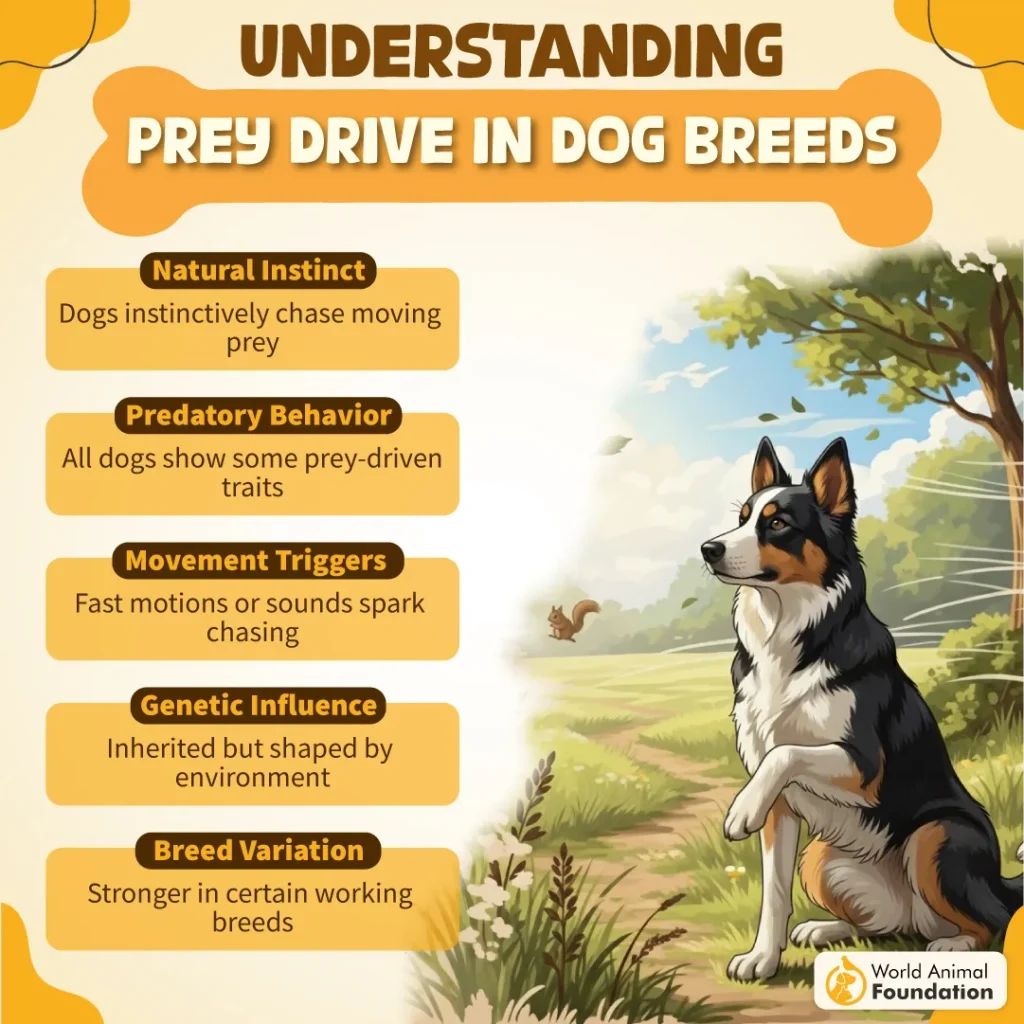
Picture a quiet walk through a park. Your dog is sniffing along, everything seems ordinary, and then a rabbit bolts from the grass. The change can be immediate.
A dog with strong prey drive may lock onto the movement, lower its body, accelerate, and try to chase before you have time to react. That sequence comes from an instinct that has helped dogs pursue and capture prey for generations. Prey drive can also appear through stalking, searching, intense focus, and excitement around fast-moving objects.
For owners, the important part is knowing how strongly that instinct may shape everyday behavior. Leash control, secure outdoor areas, training, and sensible separation from small pets all deserve attention. Some dogs channel this drive beautifully into hunting, scent games, lure activities, or other structured work. Others need more careful management.
The following breeds give that instinct a closer look, from powerful chasers to determined hunters.
Key Takeaways
A rabbit running across the path can turn an ordinary walk into a very different situation for a dog with strong prey drive.
Greyhounds are built for that moment, with sharp eyesight and speeds of up to 43 mph, while Afghan Hounds can launch into pursuit over the smallest movement.
Jack Russell Terriers bring a more restless side to the instinct, chasing fast-moving targets while also digging and testing whatever stands in their way.
From lion hunting in the Rhodesian Ridgeback to the lightning-fast reactions of the Saluki and Whippet, the rest of the list shows just how varied prey drive can be.
Top Dog Breeds Driven by Intense Prey Drive
1. Greyhound
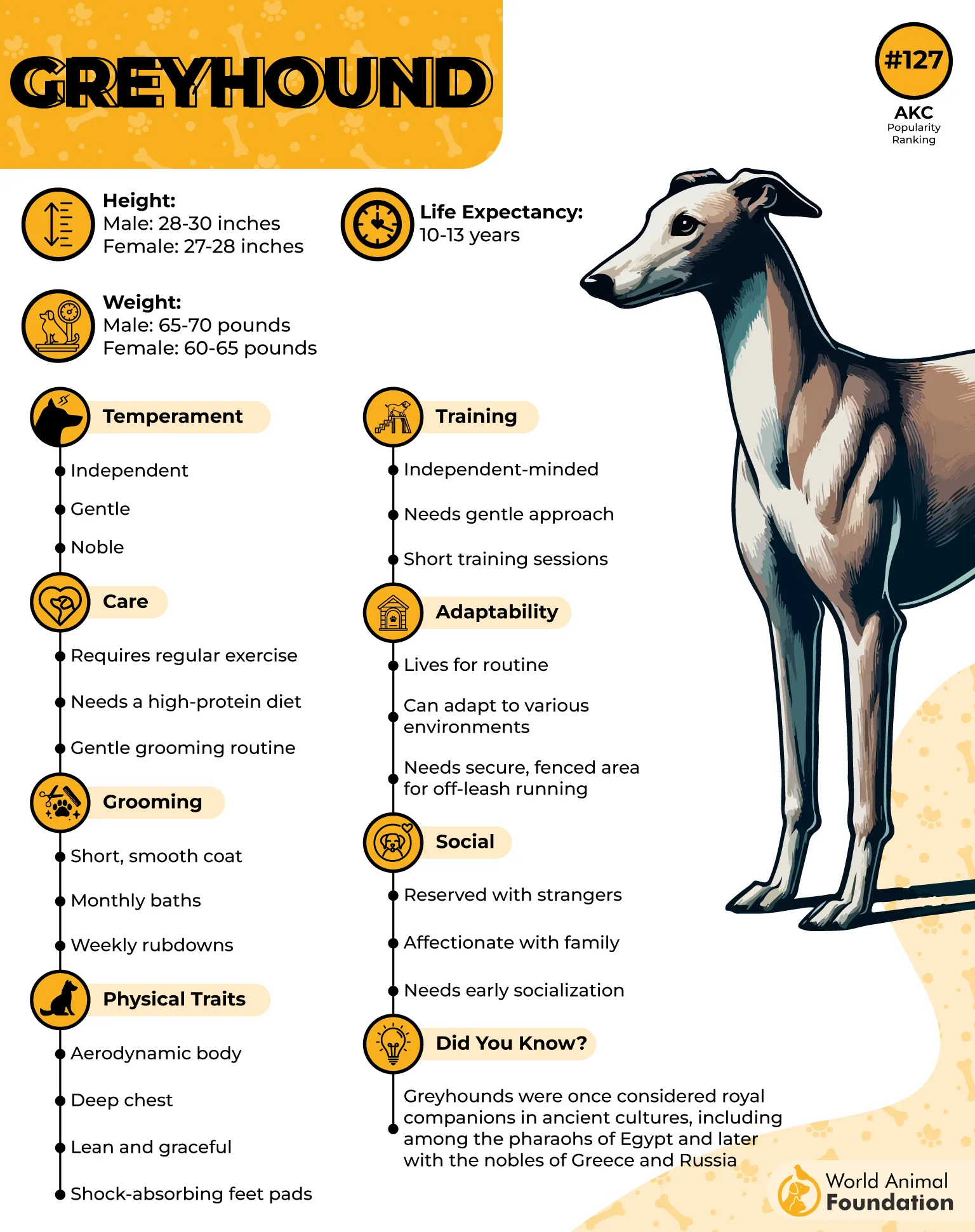
Greyhound is an old European sighthound bred to spot game from a distance and pursue it at remarkable speed. Its slim frame, long legs, and flexible spine allow bursts of up to 43 mph, while racing gained popularity in America and Britain during the early 1920s.
Eyes on the Chase
They can notice movement far ahead, and that visual advantage can trigger an immediate pursuit of smaller animals. A distant creature may lead to fixation, stalking, or a sudden sprint, making controlled freedom especially important outdoors.
These signs reveal when that instinct has kicked in:
Intense staring at distant movement
Low, crouched stalking posture
Sudden sprinting after fast objects
Training Gets Easier
Greyhounds can be sensitive and occasionally stubborn, yet adult dogs often respond well to training once familiar with the routine, as mentioned by PetMD.
Puppies can struggle with recall, while secure fenced areas and leash walks provide safer opportunities to practice freedom around tempting distractions.
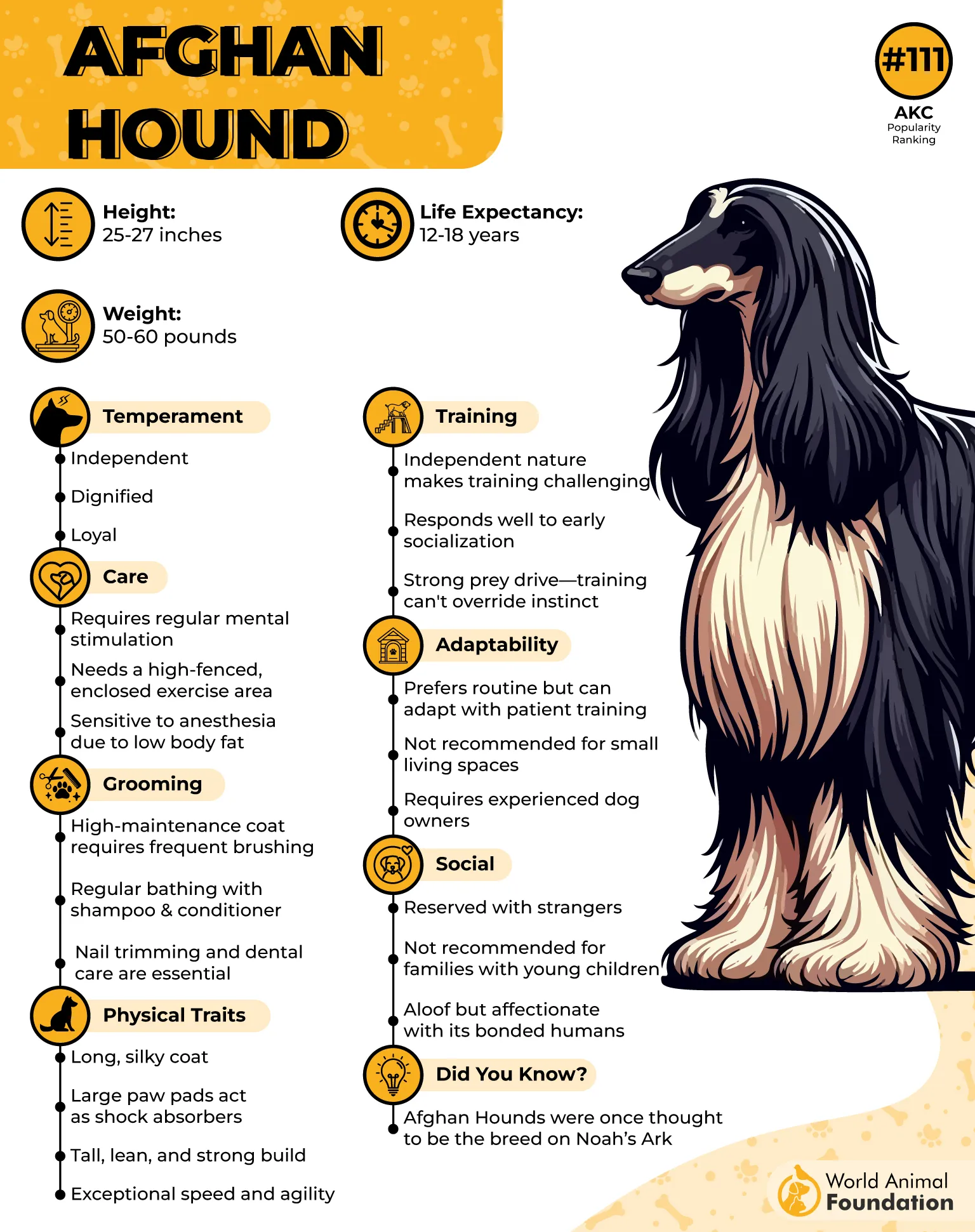
2. Afghan Hound
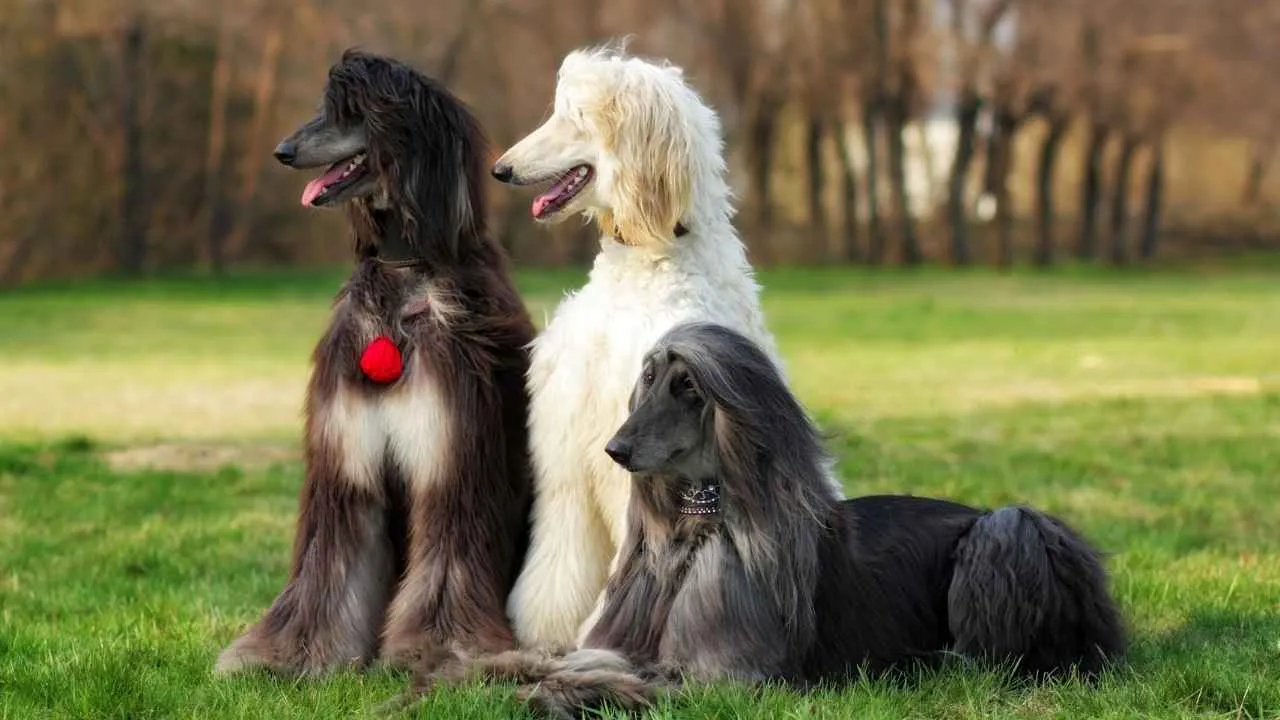
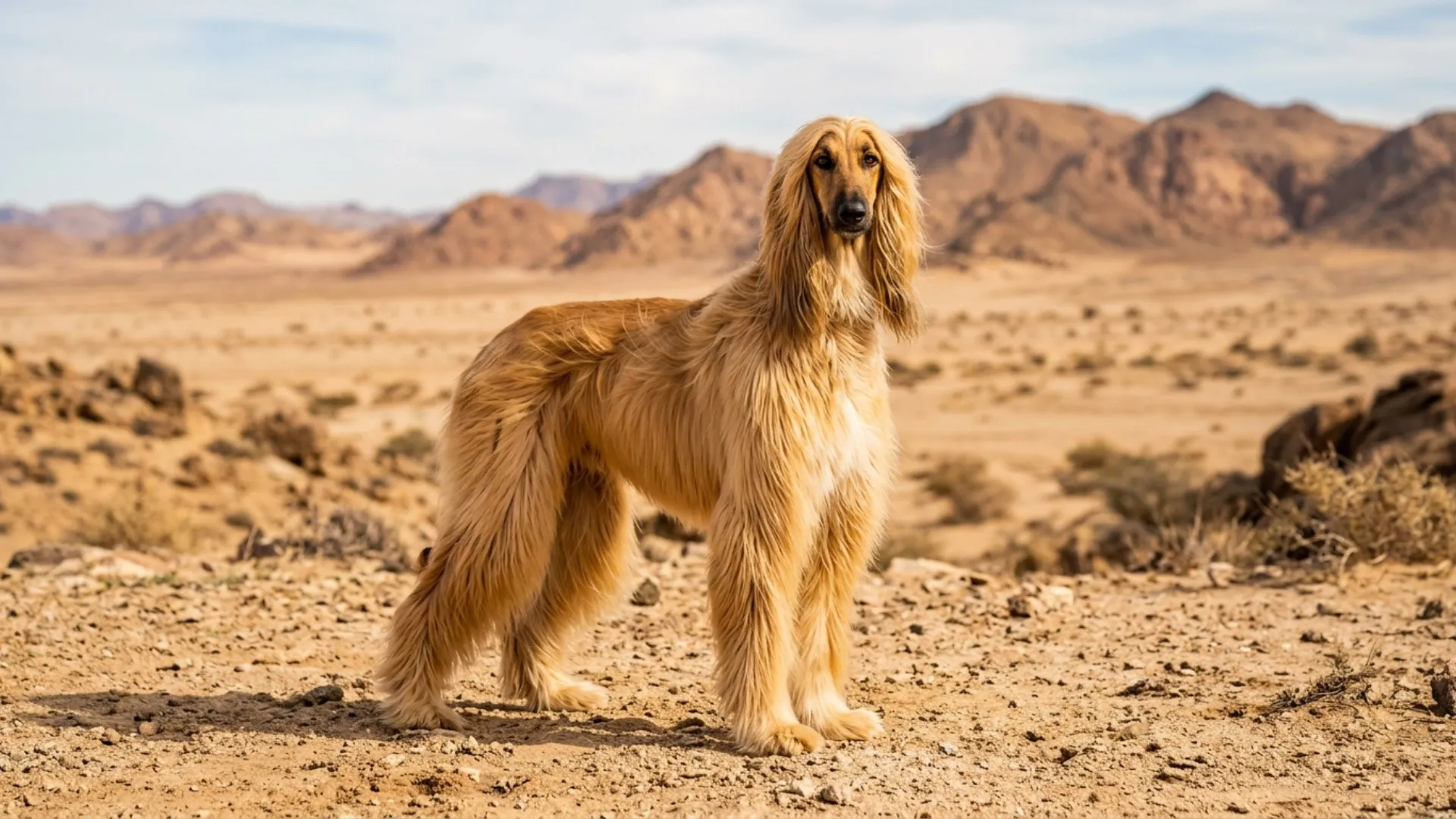
Afghan Hound descends from Middle Eastern sight hounds and is linked with dogs dating to the era of the Egyptian Pharaohs. Also called the Tazi and Barluchi Hound, it reached Britain during the 1920s after nomadic tribes had used it for coursing hare, deer, and mountain leopard.
A Powerful Chase Instinct
This hound switches from calm to a full-speed pursuit when something catches its eye, especially a rabbit, hare, squirrel, or even a blowing leaf.
Its speed makes secure spaces essential, while a strong leash or martingale lead helps prevent an unexpected dash after distant movement.
The chase becomes easier to manage with suitable outlets:
Flirt-pole games
Structured lure coursing
Secure fenced fields
Space to Run
Afghan Hound has a relatively low energy level for its athletic build, though daily walks and safe opportunities to run are important, as noted by Omlet.
At home, it can live peacefully with other pets, interact gently with children, and remain friendly toward dogs while taking some time to warm to unfamiliar people.
3. Jack Russell Terrier
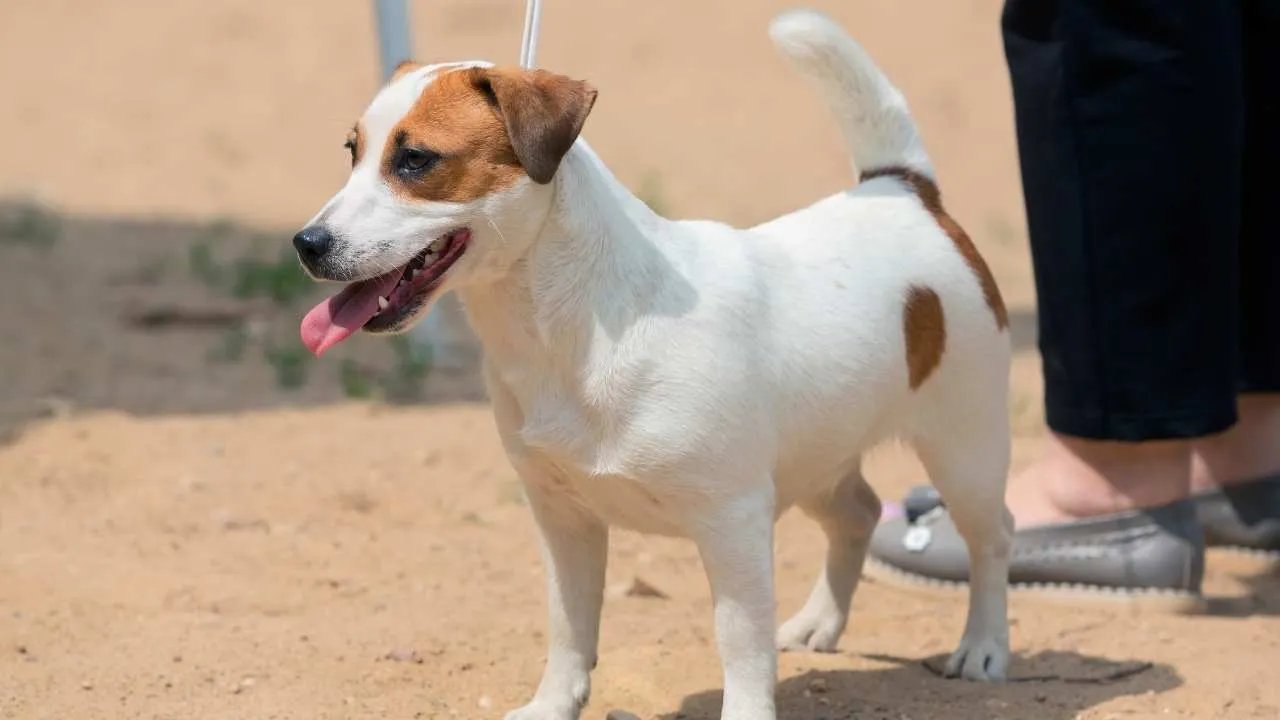
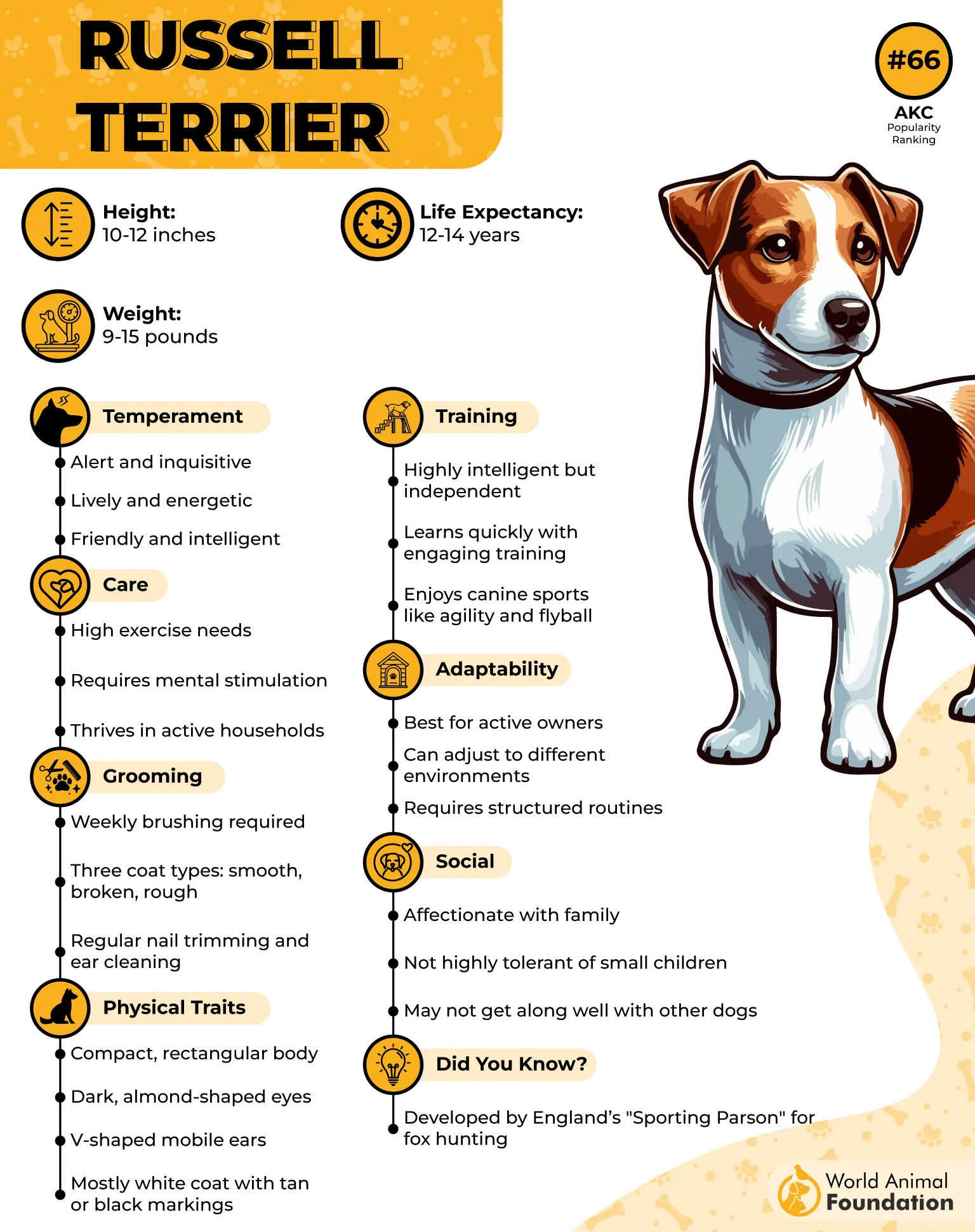
Jack Russell Terrier originated in 1800s England as a cross involving the now-extinct White Terrier, with fox hunting at the heart of its early work. Its job was demanding: locate a fox, dig it from cover, and hold it until the hunter arrived, before becoming a useful rat catcher too.
Motion Sets It Off
This terrier breed has a chase instinct that can switch on through movement, sound, or scent, sending its attention toward whatever catches its notice. Cats, birds, bicycles, and even running toys can become targets once that focus takes hold.
That intensity comes with some practical considerations:
Low fences can be cleared
Open spaces require leash control
Digging can defeat weak barriers
Full of Mischief
Jack Russell Terrier can spend two hours walking, take a nap, then appear ready for another round of activity, with plenty of curiosity left over.
Its intelligence also makes firm, consistent training important because an underoccupied dog may investigate holes, test fences, or find its own entertainment.
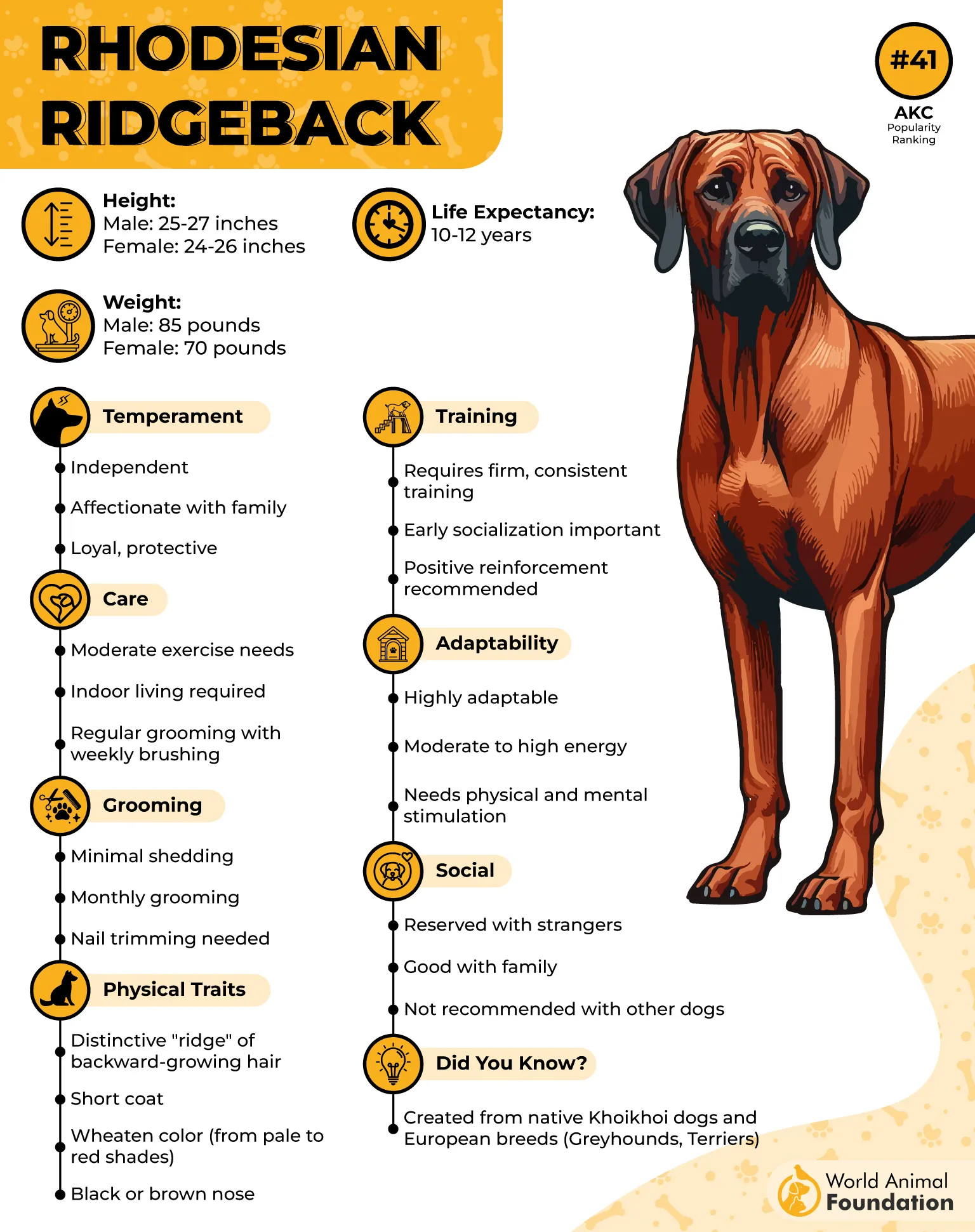
4. Rhodesian Ridgeback
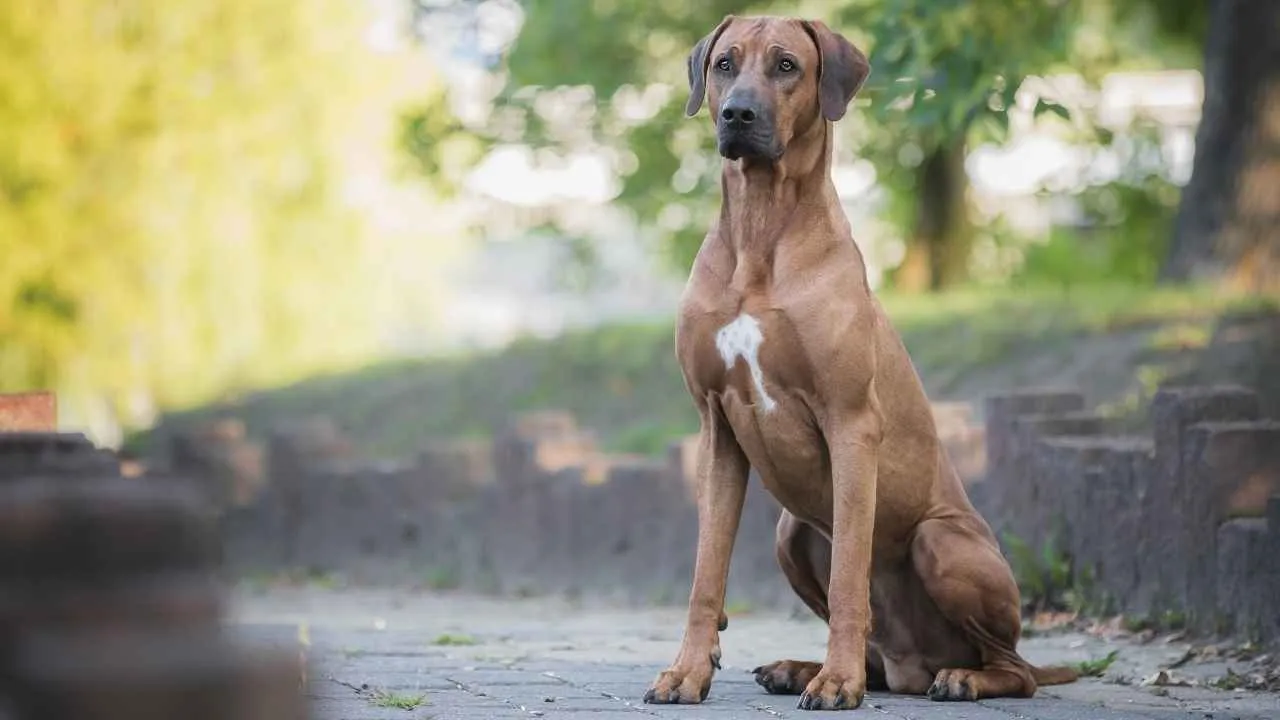
Rhodesian Ridgeback was developed from European dogs brought to southern Africa by settlers, including Bloodhounds, Mastiffs, Great Danes, Pointers, and Greyhounds.
By the late 1800s, these dogs were used in Rhodesia for tracking lions and keeping them at bay while hunters approached.
Nose and Eyes
This breed has keen eyesight and a strong sense of smell, allowing it to notice movement or scent well before a person might. Its high prey drive can also send it after something as ordinary as a plastic bag blowing across an open area.
That instinct calls for careful handling:
High, solid fencing
Secure harness or head halter
Reliable recall training
A Serious Prey Drive
Rhodesian Ridgebacks can live with cats when introduced from a young age, while their strong hunting instinct still requires caution around smaller animals, as Hill’s Pet claims.
Focus exercises and recall practice using high-value rewards can help teach the dog to pause when wildlife catches its attention.
5. Weimaraner
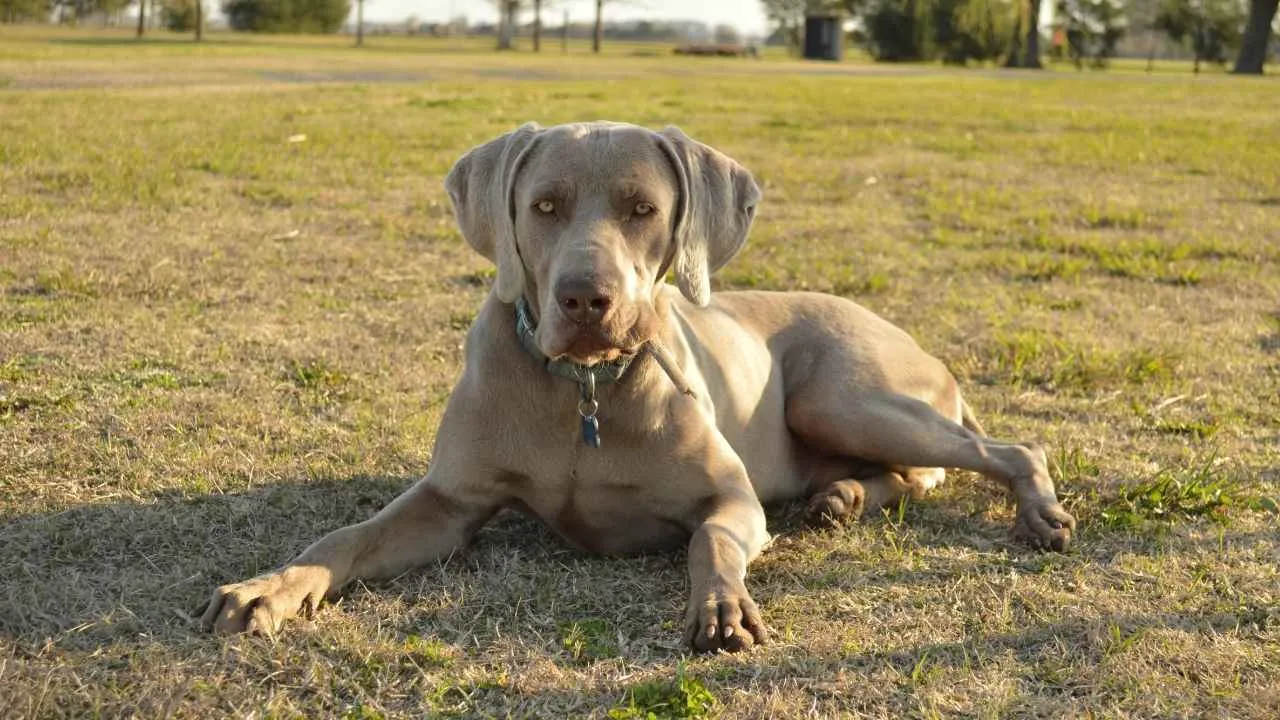
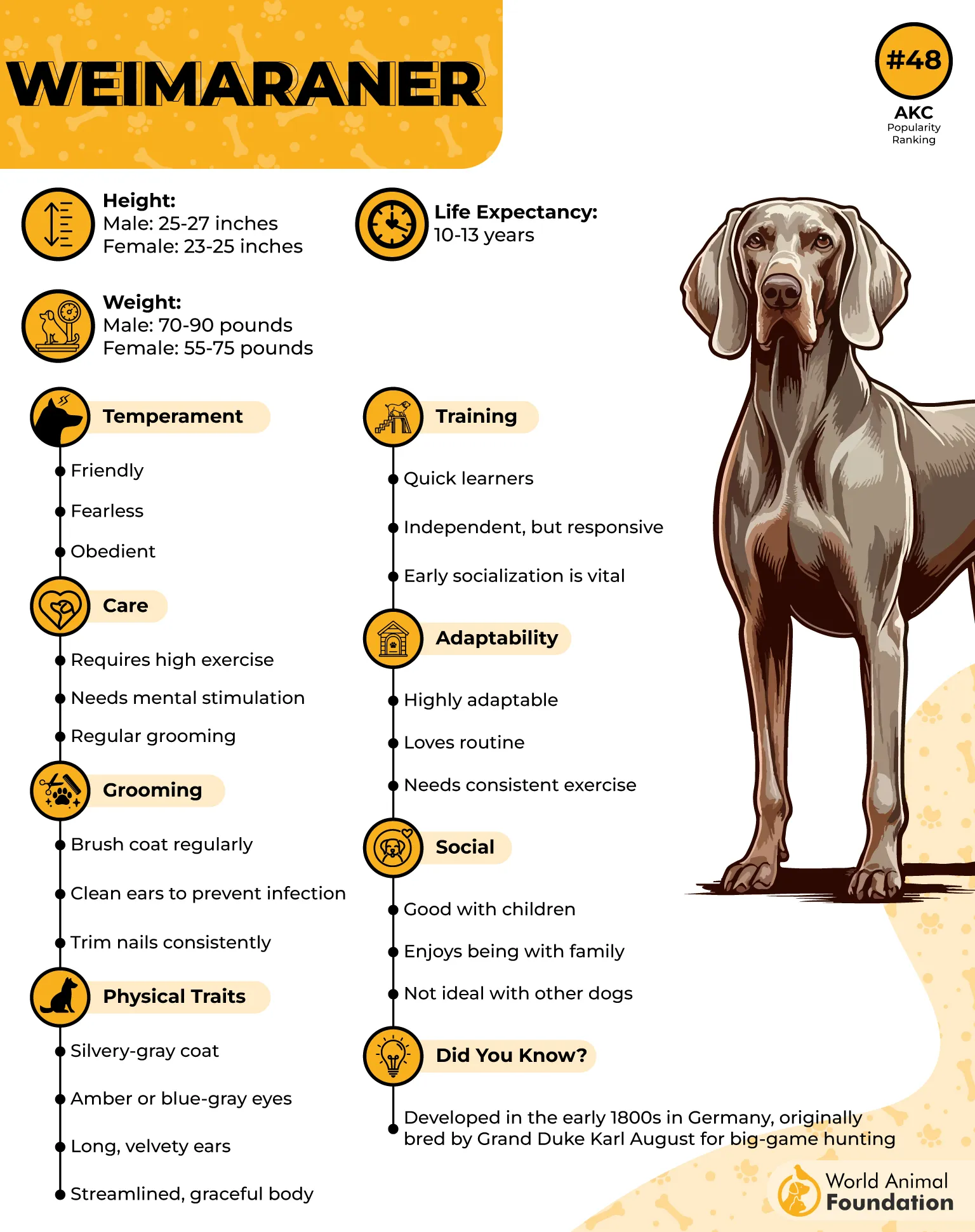
The Weimaraner was bred in 19th-century Germany as a versatile hunting dog, bred to handle challenging game such as deer and bear.
Its development drew from Bloodhounds, Schweisshunds, and various pointer breeds, all of which helped shape the distinctive modern Weimaraner known today.
Hunt on Autopilot
They can lock onto scent, notice movement quickly, and pursue small animals, birds, or even passing vehicles. That instinct can surface during ordinary walks, making a reliable leash setup especially important in unsecured outdoor areas.
The hunting sequence can also be directed into useful activities:
Treat searches around the house
Snuffle mats for meals
Structured fetch sessions
Training Takes Work
Weimaraners learn quickly and respond well to patient, kind training, while their stubborn side can test consistency during the early stages.
A positive-reinforcement trainer can also help build a dependable emergency recall for situations where the breed’s pursuit instinct suddenly takes over.
6. Saluki
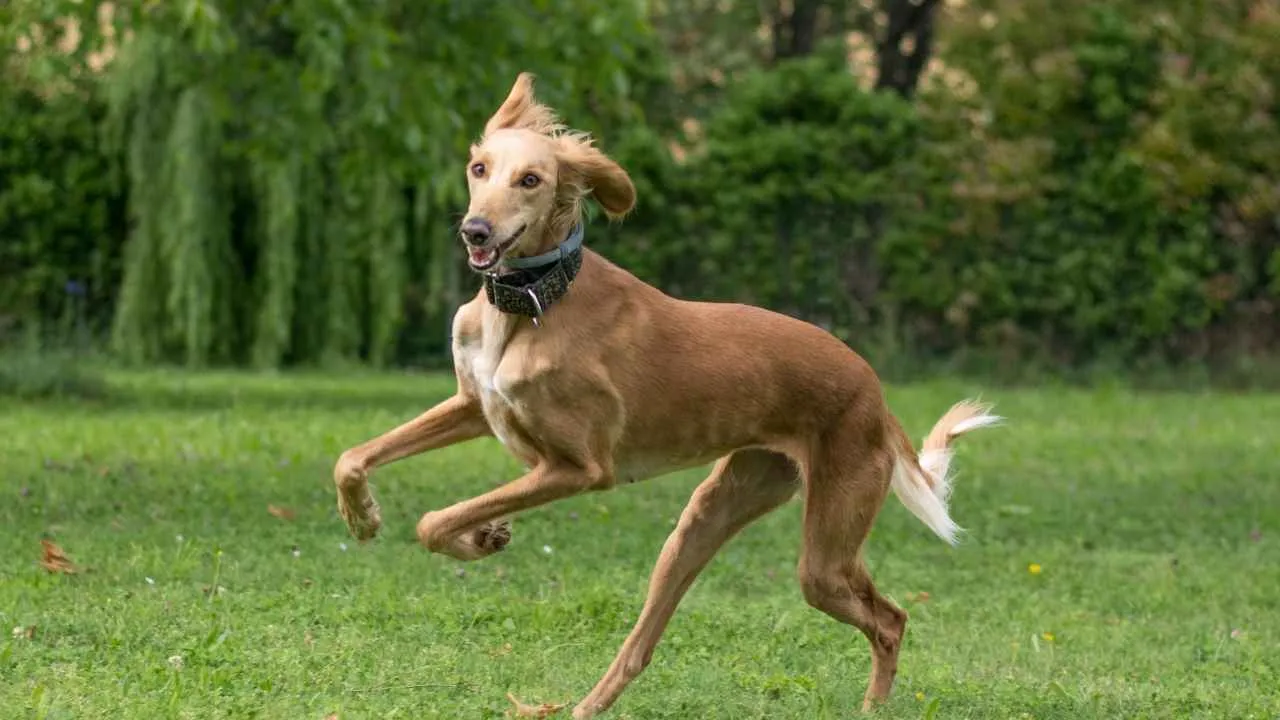
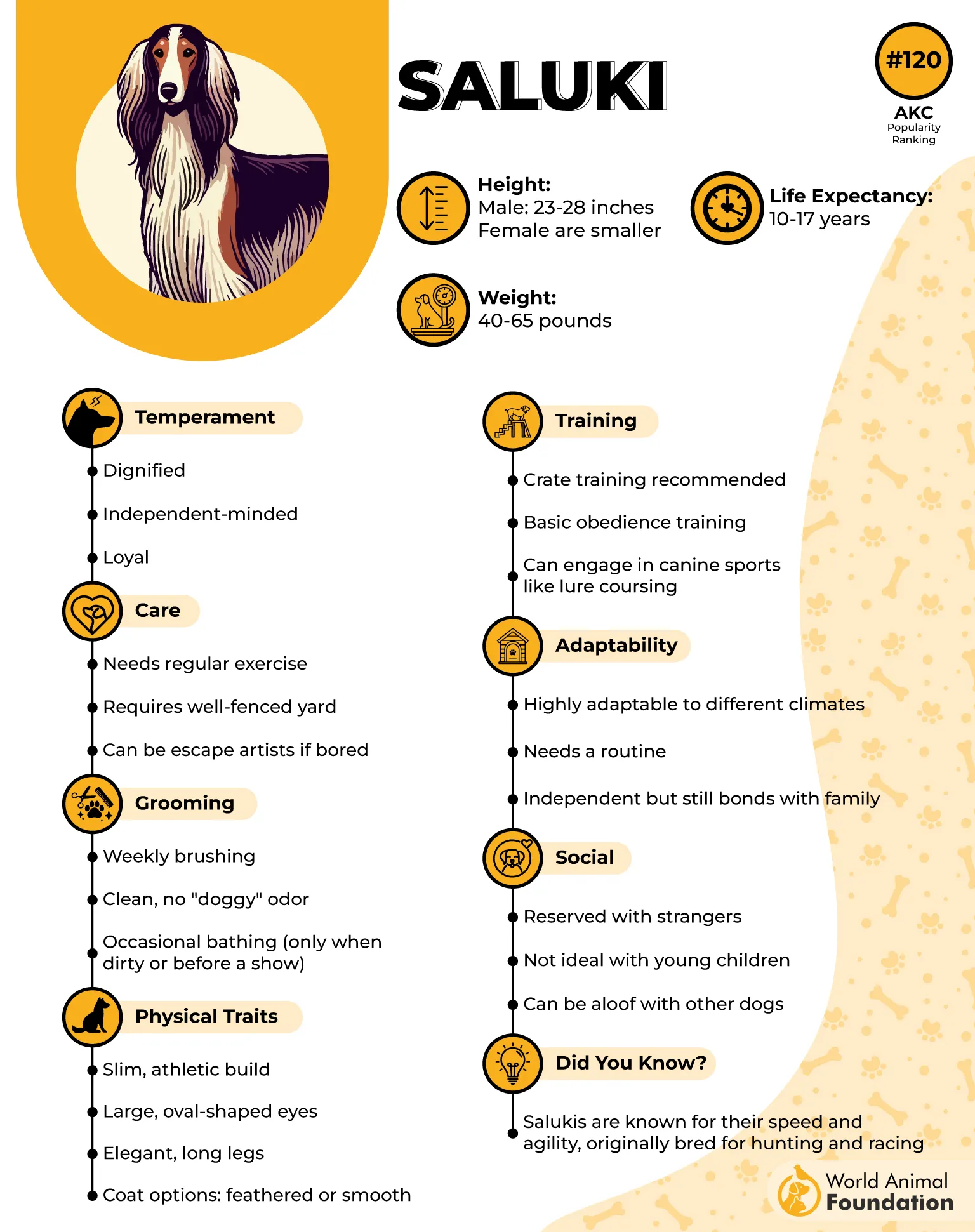
Saluki is often called the Persian Greyhound or Gazelle Hound and is regarded as one of the world’s oldest dog breeds. In ancient Egypt, it was known as the Royal Dog and was used to hunt hare, foxes, and gazelles alongside small packs and trained birds of prey.
Instant Chase
Saluki can react in a split second when something fast crosses its path, from squirrels and cats to bikes or passing cars. Once a target catches its attention, the urge to pursue can become stronger than an owner’s recall command or ordinary obedience.
That instinct calls for careful control outdoors:
Secure fencing with enough height to prevent escapes
Leash use in open areas
Enclosed lure coursing for safe chasing
Selective Affection
Saluki has an independent personality and may seem aloof around unfamiliar people, while forming close attachments to its family. Affection is often quiet rather than highly demonstrative, and prolonged isolation can be difficult for this people-oriented sighthound.
7. Whippet
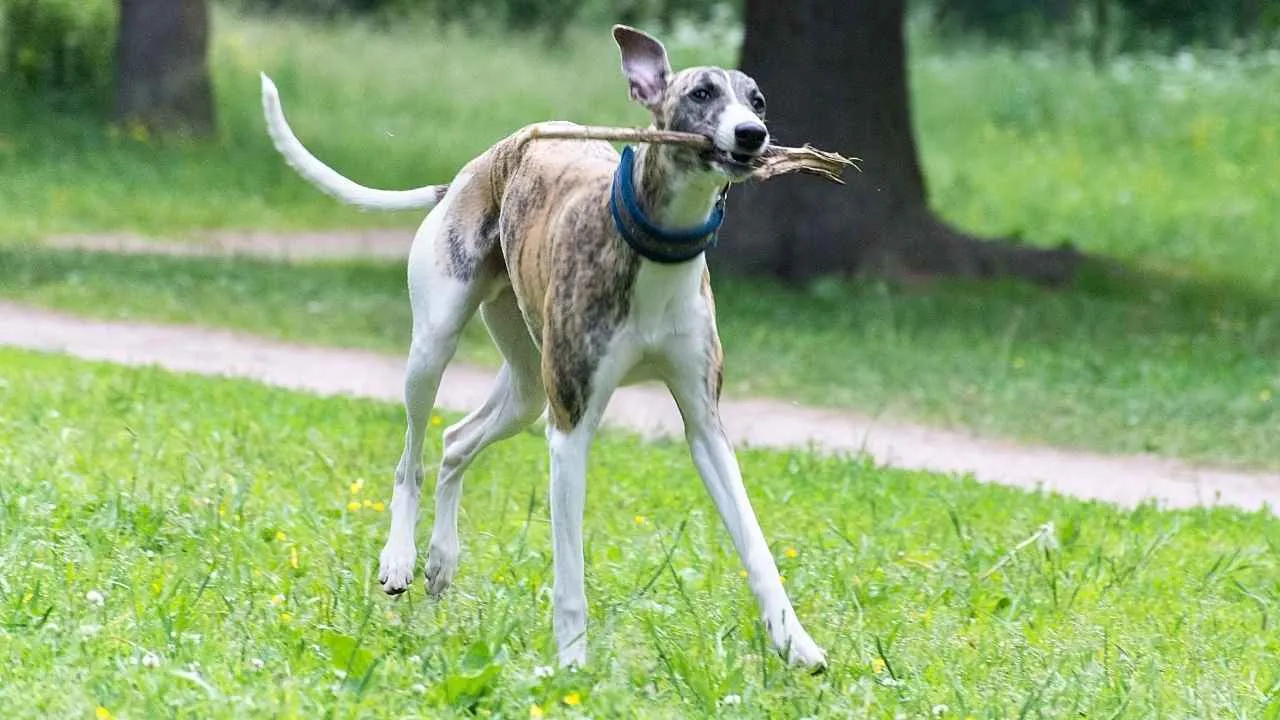
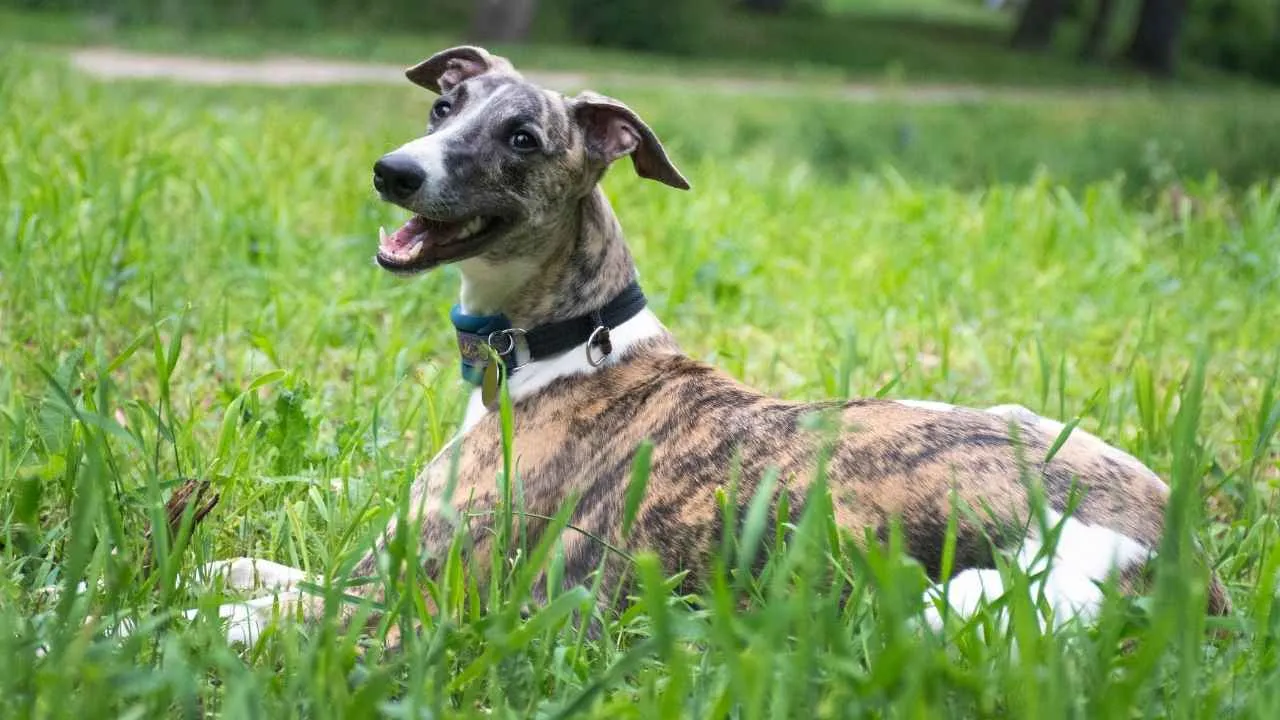
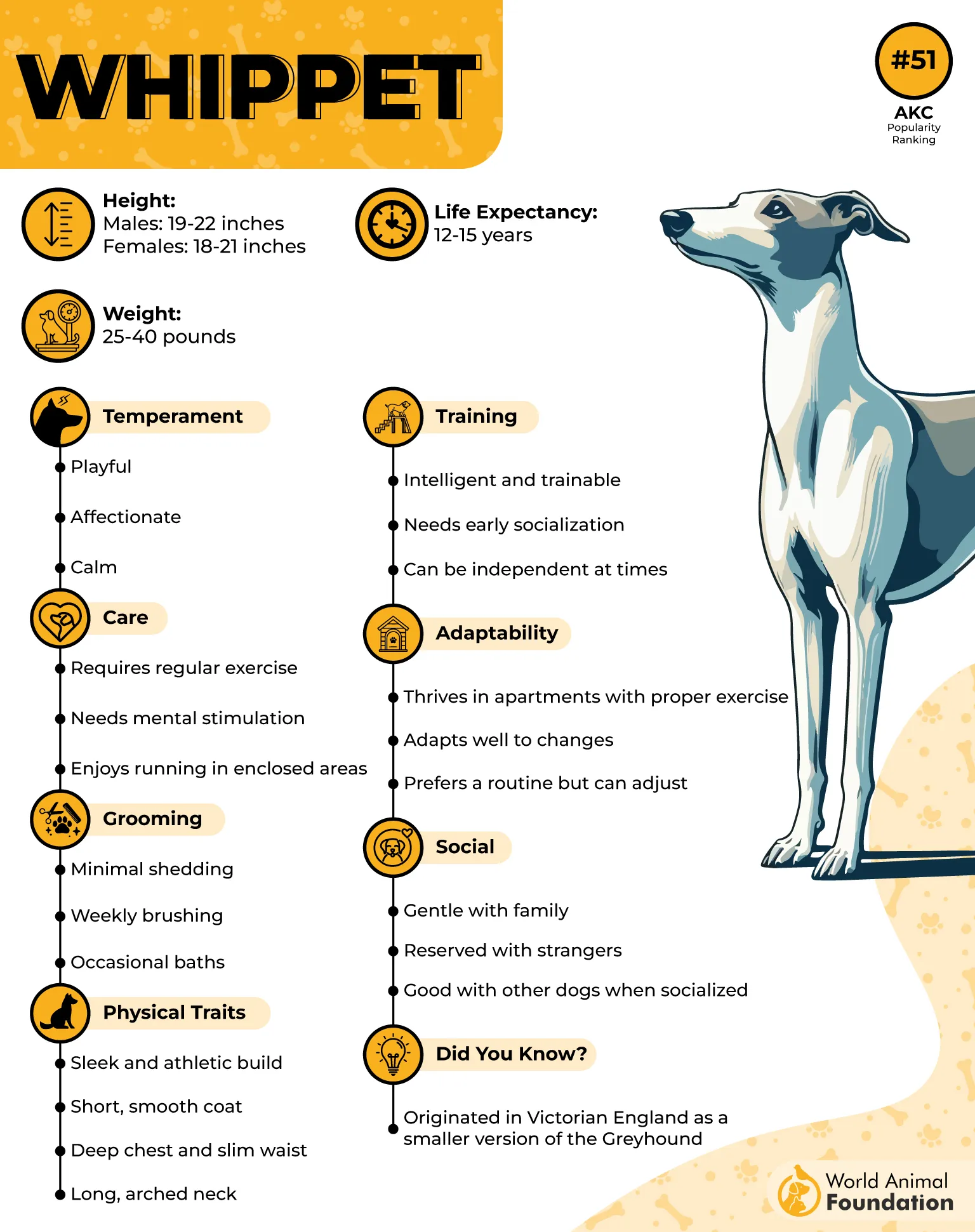
Whippet grew from Greyhound stock, with smaller greyhounds possibly crossed with other dogs to produce a more compact hunter for rabbit chasing.
By 1888, the breed had official recognition, while working-class communities later turned its flag-chasing instinct into the popular sport of Whippet Racing.
Eyes on the Chase
Whippet is a sight hound that can detect movement from a remarkable distance and launch into pursuit almost instantly. Its speed can reach 35 mph within seconds, so a running cat, squirrel, or even a windblown leaf can trigger an immediate chase.
That instinct comes with a few practical considerations:
Recall training is essential
Running objects can trigger pursuit
Target fixation can override calls
A Softer Side
Whippet has a calm, gentle nature and generally interacts beautifully with children and close family members. It can also be timid, especially when touched without warning, so gentle handling and patient interaction suit this sensitive breed much better than harsh treatment.
Conclusion
Strong prey drive can turn an ordinary walk into a sudden chase when a rabbit, squirrel, bird, or other animal appears. Dogs with a high hunting drive may react before an owner has time to give a command, so management matters. Their instinctive predatory behavior can make secure fencing, recall practice, and careful separation from smaller pets especially important.
Exercise also needs to match the dog’s abilities, while scent games, lure activities, and structured training can provide safer outlets for chasing down prey. Before bringing one home, consider your surroundings, schedule, experience, and ability to manage quick reactions. Realistic expectations make this instinct easier to handle safely every day.
